Unlock your full potential by mastering the most common Gizzard and Liver Removal interview questions. This blog offers a deep dive into the critical topics, ensuring you’re not only prepared to answer but to excel. With these insights, you’ll approach your interview with clarity and confidence.
Questions Asked in Gizzard and Liver Removal Interview
Q 1. Describe the proper procedure for removing a gizzard from a chicken.
Removing a chicken gizzard involves a straightforward yet precise process. Think of it like carefully peeling an orange – you want to get the whole thing out cleanly without damaging the inside.
- Locate the Gizzard: After eviscerating the chicken (removing the internal organs), the gizzard is easily identifiable as a muscular, thick-walled pouch typically located near the liver and intestines. It’s often darker in color.
- Separate from surrounding tissues: Gently loosen the gizzard from the surrounding connective tissues using a sharp knife or poultry shears. Avoid tearing the gizzard.
- Remove the Gizzard: Carefully cut the membrane holding the gizzard in place, making sure not to puncture or cut into the gizzard itself. Once free, lift the gizzard out.
- Clean the Gizzard: Remove any remaining membrane or adhering material, and rinse thoroughly with cold, clean water.
Remember to always use sharp, clean tools to ensure a neat and efficient removal process. A dull knife can lead to tearing and damage, reducing the quality of the product.
Q 2. What are the key quality control checkpoints during gizzard and liver removal?
Quality control during gizzard and liver removal is crucial for food safety and product quality. Think of it as a series of checkpoints, like a quality assurance process in a manufacturing plant. We carefully look at the following at each stage:
- Visual Inspection: Check for any damage, discoloration, or foreign materials. Livers should be a rich reddish-brown, while gizzards should be firm and have a consistent texture. Any bruising, discoloration (other than natural variations), or foul odor is a red flag.
- Size and Weight: Gizzards and livers should fall within a specific size and weight range, ensuring consistency and maturity of the bird. Deviations may indicate health issues.
- Contamination Check: Inspect for any fecal contamination or other foreign matter. This requires meticulous cleaning procedures throughout the process.
- Organ Integrity: Ensure there are no tears or punctures in the organs during handling and removal. Any damage can lead to spoilage.
These checkpoints help guarantee that only high-quality, safe products reach the consumer.
Q 3. Explain the difference between a gizzard and a ventriculus.
The terms ‘gizzard’ and ‘ventriculus’ are actually synonymous. They both refer to the same organ: the muscular pouch in the digestive tract of birds that grinds food. It’s like calling a soda a ‘coke’ – they both refer to the same thing, though one is a brand name (gizzard, more common in the industry) and the other is a scientific term.
The ventriculus, or gizzard, plays a vital role in mechanically breaking down food using grit and muscle contractions, prior to chemical digestion in the intestines. It’s analogous to our teeth and stomach working together.
Q 4. How do you identify and handle damaged or contaminated gizzards and livers?
Identifying and handling damaged or contaminated gizzards and livers is critical for preventing foodborne illnesses. It’s like triage in a hospital – we need to assess and quickly deal with the problem.
- Identification: Look for signs of discoloration, bruising, tears, punctures, or any unusual odors. The presence of fecal matter or any other foreign object warrants immediate rejection.
- Segregation: Immediately separate any damaged or contaminated organs from the acceptable ones. This prevents cross-contamination and maintains high quality standards.
- Disposal: Discard damaged or contaminated gizzards and livers according to the company’s waste management procedures. Usually, this involves rendering or safe disposal in designated areas to avoid health hazards.
Strict adherence to these steps ensures the safety and integrity of the overall product.
Q 5. What sanitation protocols are essential during gizzard and liver removal?
Sanitation during gizzard and liver removal is paramount. Think of it as maintaining a sterile operating room environment to prevent contamination. It involves:
- Hand Hygiene: Workers must maintain strict hand hygiene throughout the process using approved sanitizers.
- Equipment Sanitation: All tools and equipment (knives, shears, containers) must be thoroughly cleaned and sanitized between each bird or batch to eliminate cross-contamination.
- Work Surface Hygiene: Work surfaces should be regularly sanitized and cleaned, and any spills should be addressed immediately.
- Protective Clothing: Employees should wear appropriate protective gear, including gloves, aprons, and hairnets, to minimize the risk of contamination.
- Temperature Control: Maintaining appropriate temperatures is essential to prevent bacterial growth.
Following these protocols ensures the highest level of food safety.
Q 6. What are the common safety hazards associated with gizzard and liver removal, and how do you mitigate them?
Safety is paramount during gizzard and liver removal. We must be aware of the following:
- Sharp Objects: Knives and poultry shears pose a risk of cuts and injuries. Proper training on safe knife handling and use of cut-resistant gloves are essential.
- Slips and Falls: Wet or slippery floors increase the risk of slips and falls. Keeping work areas clean and dry is critical.
- Musculoskeletal Injuries: Repetitive motions can lead to strain and injury. Proper ergonomics and taking breaks can help prevent such injuries.
- Biological Hazards: Exposure to blood and bodily fluids carries the risk of infection. Proper protective gear and safe disposal practices are mandatory.
Mitigation strategies include comprehensive safety training, provision of personal protective equipment (PPE), proper facility design, and the establishment of clear safety procedures. Regular safety audits ensure ongoing compliance.
Q 7. Describe your experience with different types of poultry and the variations in gizzard and liver removal techniques.
My experience spans various poultry types, including chickens, turkeys, and ducks. While the basic principles of gizzard and liver removal remain consistent, there are subtle variations:
- Size and Weight: Turkeys have significantly larger gizzards and livers compared to chickens, requiring adjustments in handling techniques.
- Tissue Density: The connective tissue surrounding the organs can vary among species, influencing the difficulty of removal. Ducks, for example, often have more difficult-to-separate tissue.
- Organ Shape and Structure: There may be slight differences in the shape and structure of gizzards and livers across different bird types.
In each case, the approach involves careful handling to avoid organ damage while ensuring complete removal and maintaining high quality standards. Adaptability and precision are key.
Q 8. How do you ensure the efficiency and speed of gizzard and liver removal while maintaining quality?
Efficient and speedy gizzard and liver removal hinges on a well-organized process and the right tools. Think of it like an assembly line, each step optimized for speed without sacrificing quality.
- Pre-processing: A sharp, efficient knife or automated cutting system is crucial for quick and clean separation. We also prioritize proper bird chilling to firm the organs, making separation easier and cleaner.
- Optimized Techniques: Skilled workers understand the anatomy, enabling rapid and precise removal. This comes with experience and training, including techniques like proper gripping and cutting angles to minimize waste and damage.
- Quality Control Checks: Throughout the process, visual inspections ensure only undamaged organs are processed. This prevents contamination and maintains consistent product quality.
- Equipment Maintenance: Regular maintenance of tools – sharpening knives, calibrating automated systems – prevents downtime and ensures consistent performance. A dull knife, for example, slows down the entire process and increases the chance of damage.
For example, in a high-volume processing plant, we might employ automated systems for initial separation, significantly increasing throughput. But even with automation, human oversight and quality checks remain vital.
Q 9. What are the common spoilage indicators of gizzards and livers?
Spoilage in gizzards and livers is primarily indicated by changes in color, texture, and odor. Think of it like observing how your own food spoils – the changes are pretty obvious.
- Discoloration: Normally, gizzards are a muted brownish-gray, while livers are a reddish-brown. Greenish or grayish-blue discoloration points to bacterial growth and spoilage.
- Changes in Texture: Fresh gizzards and livers are firm and elastic. Slimy, sticky, or excessively soft textures signal spoilage.
- Off-Odor: A sour, putrid, or ammonia-like odor is a clear indication that the organ has gone bad. This is often the most noticeable warning sign.
- Viscous or Sticky Surfaces: The surfaces should be smooth and relatively dry. A wet, sticky, or slimy surface indicates spoilage or potential contamination.
For example, a liver that is noticeably slimy and dark green should be immediately rejected. We follow strict visual and olfactory checks to prevent spoiled organs from entering the supply chain.
Q 10. How do you handle gizzard and liver byproducts?
Gizzard and liver byproducts, such as trim and unusable portions, are handled responsibly and often recycled. We aim for minimal waste, aligning with sustainable practices.
- Rendering: Many byproducts are processed through rendering, a process that converts them into valuable animal feed ingredients.
- Composting: Suitable materials may be composted, returning organic matter to the soil.
- Waste Management: Strict adherence to local regulations ensures proper disposal of any remaining materials to prevent environmental contamination.
For instance, trim from gizzards might be rendered to create animal feed supplements, reducing overall waste and maximizing resource utilization. Responsible byproduct management is both environmentally sound and cost-effective.
Q 11. Describe your experience using various tools and equipment related to gizzard and liver removal.
My experience spans a range of tools and equipment, from basic hand tools to sophisticated automated systems. The choice depends on the scale of operation and the desired level of automation.
- Hand Tools: Sharp knives, cleavers, and specialized poultry processing tools are essential for smaller-scale operations or specialized tasks. Proper knife handling and hygiene are paramount.
- Automated Systems: Larger processing plants often utilize automated cutting and separation systems. These systems increase efficiency, but require skilled operators and regular maintenance. We also use automated weighing systems to ensure accuracy.
- Conveyors and Transport Systems: Moving gizzards and livers through the processing line efficiently requires conveyors and transport systems, minimizing manual handling and potential damage.
For example, I’ve extensively used both manual knives for delicate trimming and automated deboning systems for high-throughput processing. Each tool has its place, and understanding their strengths and weaknesses is crucial for efficient operation.
Q 12. What are the regulations and guidelines concerning the handling and processing of gizzards and livers?
Regulations and guidelines concerning gizzard and liver handling are stringent, primarily focusing on food safety and hygiene. Compliance is critical to maintaining a safe and legal operation.
- HACCP (Hazard Analysis and Critical Control Points): Implementing HACCP principles ensures all critical control points in the process are identified and monitored for food safety hazards. This system minimizes contamination risk.
- Temperature Control: Strict adherence to temperature regulations is crucial to prevent bacterial growth. Maintaining the cold chain is a critical element in preventing spoilage.
- Hygiene and Sanitation: Regular sanitation of equipment and workspaces is mandatory to prevent cross-contamination. Strict hygiene protocols for personnel are also key.
- Traceability: Maintaining accurate records of the origin, processing, and distribution of gizzards and livers is essential for traceability and quick response in case of any problems.
Non-compliance can lead to significant penalties and damage to reputation. Understanding and following these regulations is non-negotiable.
Q 13. How do you ensure the correct weight and yield of gizzards and livers?
Accurate weight and yield are crucial for pricing, inventory management, and meeting customer specifications. We use a combination of strategies to ensure accuracy.
- Calibration and Maintenance: Regular calibration of weighing equipment is essential for maintaining accuracy. This ensures that the scales are precise and consistent.
- Weighing Procedures: Standardized weighing procedures are followed, including proper tare weight adjustments and multiple weighings to ensure accuracy.
- Quality Control Checks: Throughout the process, sample weighings are performed to identify and correct any variations in yield. This provides a check on the weighing process.
- Data Tracking: Weight data is meticulously recorded and analyzed to identify trends and correct any discrepancies. This enables better process control.
For instance, we might conduct random spot checks to verify the accuracy of automated weighing systems. Consistent monitoring and analysis of weight data ensure high accuracy and minimize waste.
Q 14. Explain the importance of proper temperature control during gizzard and liver processing.
Proper temperature control is crucial throughout the entire gizzard and liver processing chain to prevent spoilage and ensure food safety. This involves maintaining the cold chain from harvest to final processing.
- Chilling: Immediate chilling of the organs after removal is vital to slow down bacterial growth. This often involves immersion in chilled water or rapid chilling using specialized equipment.
- Refrigeration: Maintaining consistently low temperatures (typically below 4°C or 39°F) during storage and processing is essential to prevent spoilage and maintain organ quality.
- Freezing: For long-term storage, freezing is commonly employed to maintain the quality of the organs for extended periods. Proper freezing and thawing procedures must be followed to avoid damaging the product.
- Monitoring: Regular temperature monitoring throughout the entire process is necessary to ensure consistent cold chain maintenance. This is essential for traceability and to identify and fix any potential temperature breaches.
Temperature deviations can lead to rapid spoilage and significant product loss. Consistent monitoring and adherence to established temperature protocols are paramount in this area.
Q 15. How do you troubleshoot common problems encountered during gizzard and liver removal?
Troubleshooting gizzard and liver removal often involves identifying the source of the problem quickly. Common issues include difficulties separating the gizzard from surrounding tissues, damage to the liver during removal, or inconsistencies in yield. My approach is systematic. First, I visually inspect the carcass for any unusual characteristics that might hinder the process, such as adhesions or abnormal organ size. Second, I evaluate the sharpness and condition of my tools; a dull knife can lead to tearing and increased processing time. Third, I review the pre-processing steps. For example, improper chilling can make tissues more fragile, leading to tearing. Lastly, if the problem persists, I refer to established standard operating procedures (SOPs) and consult with a supervisor. A specific example is when we encountered unusually tough gizzards in a particular batch of poultry. After checking our tools and procedures, we discovered a slight variation in the birds’ age, requiring a minor adjustment to our processing technique.
- Problem: Gizzard difficult to separate.
- Solution: Sharper knife, careful dissection near connective tissues.
- Problem: Liver tearing.
- Solution: Use gentler techniques, consider pre-chilling temperature adjustment.
Career Expert Tips:
- Ace those interviews! Prepare effectively by reviewing the Top 50 Most Common Interview Questions on ResumeGemini.
- Navigate your job search with confidence! Explore a wide range of Career Tips on ResumeGemini. Learn about common challenges and recommendations to overcome them.
- Craft the perfect resume! Master the Art of Resume Writing with ResumeGemini’s guide. Showcase your unique qualifications and achievements effectively.
- Don’t miss out on holiday savings! Build your dream resume with ResumeGemini’s ATS optimized templates.
Q 16. What is your understanding of HACCP principles as they relate to gizzard and liver processing?
HACCP (Hazard Analysis and Critical Control Points) is central to safe gizzard and liver processing. My understanding encompasses identifying potential hazards at each stage, establishing critical control points (CCPs), and implementing monitoring procedures to ensure safety. In gizzard and liver processing, key hazards include microbial contamination (Salmonella, Campylobacter), chemical contamination (residues from cleaning agents), and physical contamination (bone fragments). CCPs include pre-processing sanitation, temperature control during processing and storage, and thorough inspection for foreign objects. We use documented procedures for cleaning and sanitizing equipment to eliminate cross-contamination. Regular temperature monitoring ensures that the product remains within safe limits, preventing microbial growth. For example, we maintain a strict temperature log throughout the process, ensuring it’s consistently below 4°C (39°F). We also conduct regular metal detection checks to identify and remove any potential metal contaminants before the product reaches packaging.
Q 17. Describe your experience working under pressure and meeting production targets.
I thrive under pressure and am adept at meeting production targets. In my previous role, we experienced a sudden surge in demand due to a major order. To meet the deadline, we implemented a modified workflow optimizing team assignments and tool placement. We streamlined our processes by assigning team members to specific tasks based on their skills, reducing bottlenecks. Open communication was crucial; we constantly updated each other on progress and identified any potential roadblocks proactively. This collaborative approach ensured not only meeting the deadline but also maintaining the highest standards of quality and safety. We exceeded our production targets that week by 15%, proving that even under pressure, a well-organized and communicative team can perform exceptionally well.
Q 18. How do you maintain a clean and organized workspace during gizzard and liver processing?
Maintaining a clean and organized workspace is paramount in food processing. It’s not just about hygiene; it contributes to efficiency and safety. We use a color-coded system for cleaning supplies to avoid cross-contamination. All surfaces are cleaned and sanitized regularly using approved cleaning agents. Tools are immediately cleaned and stored in designated areas after use. We have designated areas for waste disposal—different bins for organic and non-organic waste—to prevent clutter and maintain a safe environment. Regular scheduled deep cleaning of the entire processing area is mandatory. Furthermore, we adhere to a strict 5S methodology: Seiri (sorting), Seiton (setting in order), Seisō (shining), Seiketsu (standardization), and Shitsuke (sustaining). This helps maintain a consistently clean and organized workspace throughout the day.
Q 19. How would you handle a situation where a piece of equipment malfunctions during processing?
Equipment malfunctions are inevitable, but having a plan minimizes downtime. My first action would be to immediately shut down the affected equipment to prevent further damage or injury. Then, I’d assess the situation to determine the nature of the malfunction. If it’s a minor issue I can resolve myself—like a jammed blade—I’ll follow the appropriate troubleshooting steps outlined in the equipment’s manual. For more serious problems, I’d immediately contact the maintenance team and follow our established reporting protocols. Meanwhile, I’d implement a temporary solution, such as re-routing the process to a backup system or manually processing a small portion, to avoid significant production delays. Record-keeping is crucial; I’d document the malfunction, the troubleshooting steps, and the resolution, to help prevent similar incidents in the future.
Q 20. Explain your experience with different types of knives and cutting tools.
My experience includes working with various knives and cutting tools, each suited for specific tasks in gizzard and liver processing. I am proficient with both standard butcher knives (different sizes and shapes for precise cutting and trimming) and specialized tools like debarking knives for removing tough outer membranes from the gizzard. I’m also familiar with the use of automated cutting equipment, such as slicers and dicers, used in further processing of the liver and gizzard. Safety is paramount. I am trained in the safe handling and maintenance of all cutting tools, always ensuring proper use to prevent accidents. I understand the importance of using the correct tool for each task to ensure optimal efficiency and a clean cut.
Q 21. How do you maintain knife sharpness for optimal performance?
Maintaining knife sharpness is crucial for efficiency and safety. Dull knives require more force, increasing the risk of injury and producing uneven cuts, affecting quality. Our routine includes regular sharpening using honing steel after each use to maintain the edge. For more extensive sharpening, we use electric sharpeners, following the manufacturer’s instructions, ensuring proper angle for the specific type of blade. We also regularly inspect knives for damage and replace them if necessary. A well-maintained knife is an investment in both safety and productivity. A sharp knife makes clean, precise cuts, reducing waste and improving overall processing speed.
Q 22. How do you identify and prevent cross-contamination during gizzard and liver removal?
Cross-contamination during gizzard and liver removal is a serious concern, potentially leading to foodborne illnesses. Preventing it requires a multi-pronged approach focusing on sanitation, equipment, and personnel practices.
- Sanitation: Thorough cleaning and sanitization of all equipment, including knives, cutting boards, and containers, between each bird or batch is paramount. We use approved sanitizers and follow strict contact times to ensure effectiveness. Any spills are immediately cleaned and sanitized.
- Equipment: Dedicated equipment for gizzard and liver removal minimizes the risk of contamination from other processing stages. For example, we have separate cutting boards and knives for this process, clearly labeled and stored separately.
- Personnel: Employees are trained in proper hygiene practices, including handwashing before and after each task, using appropriate protective gear like gloves and aprons, and avoiding cross-contact between raw and processed products. Regular monitoring ensures compliance.
- Visual Inspection: We conduct thorough visual inspections of gizzards and livers for any signs of contamination before further processing. If any contamination is detected, the product is immediately rejected and disposed of according to company protocols.
Think of it like painting a house: You wouldn’t paint the walls with the same brush you used for the trim. Similarly, using dedicated tools and surfaces prevents the transfer of contaminants.
Q 23. What are the different methods for storing gizzards and livers after removal?
Proper storage of gizzards and livers after removal is crucial for maintaining quality and safety. Methods vary depending on the intended use and timeframe.
- Chilled Storage: This is the most common method, involving storage in refrigerated containers at temperatures between 0°C and 4°C (32°F and 39°F). This is suitable for short-term storage, typically a few days, depending on the specific guidelines. We carefully monitor temperatures using calibrated thermometers and data loggers to ensure consistency.
- Frozen Storage: For longer storage periods, gizzards and livers are typically frozen at temperatures below -18°C (0°F). Rapid freezing techniques, like blast freezing, are often employed to maintain quality. Proper packaging is essential to prevent freezer burn.
- Modified Atmosphere Packaging (MAP): MAP involves packaging the gizzards and livers in an atmosphere with reduced oxygen levels and increased carbon dioxide or nitrogen. This extends shelf life by slowing down microbial growth and oxidation.
Choosing the appropriate storage method depends on factors like the time until further processing, transportation distance and the intended shelf life of the final product. We always follow strict temperature guidelines and maintain meticulous records of storage conditions.
Q 24. How do you handle non-conforming products or issues during the process?
Handling non-conforming products and issues is a critical aspect of our process. Our strategy focuses on prompt identification, containment, and corrective action.
- Identification: Non-conforming products are identified through visual inspections, weight checks, and microbiological testing, as needed. Any abnormalities in size, color, or texture are flagged immediately.
- Containment: Once identified, the non-conforming products are immediately segregated from the acceptable products to prevent further contamination or mixing. Detailed records are kept, including the time, date, quantity, and nature of the non-conformity.
- Corrective Action: We conduct a thorough root cause analysis to determine why the non-conformity occurred. This might involve reviewing processing parameters, equipment performance, or employee practices. Corrective actions are implemented to prevent recurrence. For example, if a machine malfunction caused damage to a batch, we would repair the machine before resuming production.
- Disposal: Non-conforming products are disposed of according to established company protocols, usually through rendering or other safe disposal methods.
Our process mirrors a quality control system: identifying the problem, isolating it, finding the cause, and implementing a solution to prevent future issues. We prioritize transparency and thorough documentation throughout the process.
Q 25. Describe your experience with different poultry sizes and how that affects the process.
Poultry size significantly influences the gizzard and liver removal process. Larger birds require more force and precision, while smaller birds necessitate a more delicate touch to avoid damage.
We utilize different techniques and sometimes different tools based on the size of the bird. For example, larger birds may benefit from using larger knives, while smaller birds might require more hand-maneuvering. We also adjust the speed of the process based on the bird’s size to maintain efficiency and quality. Our team is trained to handle various sizes effectively. Regularly calibrating equipment ensures consistency in product handling, regardless of poultry size.
Think of it like tailoring a suit: You need different techniques for a small or large frame. Similarly, we adapt our techniques to optimize the process for every size of poultry.
Q 26. What are the key performance indicators (KPIs) used to measure the success of gizzard and liver removal?
Key performance indicators (KPIs) are essential for monitoring the efficiency and effectiveness of gizzard and liver removal. These KPIs provide valuable data to identify areas for improvement and maintain high standards.
- Yield: This measures the percentage of gizzards and livers successfully extracted compared to the total number of birds processed. A high yield indicates efficiency and minimizes waste.
- Throughput: This measures the number of birds processed per hour or per unit of time, reflecting the speed and productivity of the process.
- Quality: This assesses the condition of the extracted gizzards and livers, including factors such as cleanliness, damage, and compliance with quality standards. This might involve visual inspections, weight checks, and microbiological testing.
- Waste: This measures the amount of waste generated during the process, such as unusable gizzards or livers. Reducing waste improves efficiency and profitability.
- Employee Safety: This involves tracking safety incidents and near misses to ensure a safe working environment.
By regularly tracking these KPIs, we can identify trends, optimize processes, and ensure we consistently meet our quality and efficiency targets. Regular review and analysis of these metrics allows for continuous improvement.
Q 27. Describe your experience working within a team environment in a fast-paced processing environment.
Working within a team in a fast-paced processing environment requires strong collaboration, communication, and adaptability. In my experience, effective teamwork is critical to ensuring smooth and efficient operations.
- Communication: Clear and timely communication is crucial. We use a combination of verbal communication, visual cues, and standardized procedures to ensure everyone understands their roles and responsibilities.
- Collaboration: Every team member plays a vital role. We rely on each other to maintain a consistent workflow. Troubleshooting and problem-solving often involve the collective expertise of the team.
- Adaptability: Unexpected situations are common in a fast-paced environment. Our team is trained to adapt to changing demands, such as fluctuating production volumes or equipment malfunctions. This includes prioritizing tasks, re-assigning roles and working together to resolve any issues quickly.
- Training: Continuous training and cross-training are important to ensure everyone is competent in multiple aspects of the process. This provides flexibility and resilience to unforeseen circumstances.
Working in a team is similar to a well-oiled machine. Each part plays a vital role, and smooth operation relies on every part functioning correctly and working together efficiently.
Key Topics to Learn for Gizzard and Liver Removal Interview
- Aseptic Techniques and Sanitation: Mastering sterile procedures to minimize contamination during the process.
- Organ Anatomy and Physiology: Deep understanding of the gizzard and liver’s structure, function, and interconnectedness within the organism.
- Surgical Instrumentation and Techniques: Proficiency in using specialized tools and executing precise surgical maneuvers.
- Post-operative Care and Wound Management: Knowledge of best practices for healing and preventing complications.
- Quality Control and Compliance: Adherence to industry regulations and maintaining high standards of quality throughout the procedure.
- Troubleshooting and Problem-Solving: Ability to identify and address unexpected issues during the removal process.
- Safety Protocols and Risk Management: Prioritizing safety for both the operator and the organism undergoing the procedure.
- Ethical Considerations: Understanding the ethical implications of the procedure and adhering to responsible practices.
Next Steps
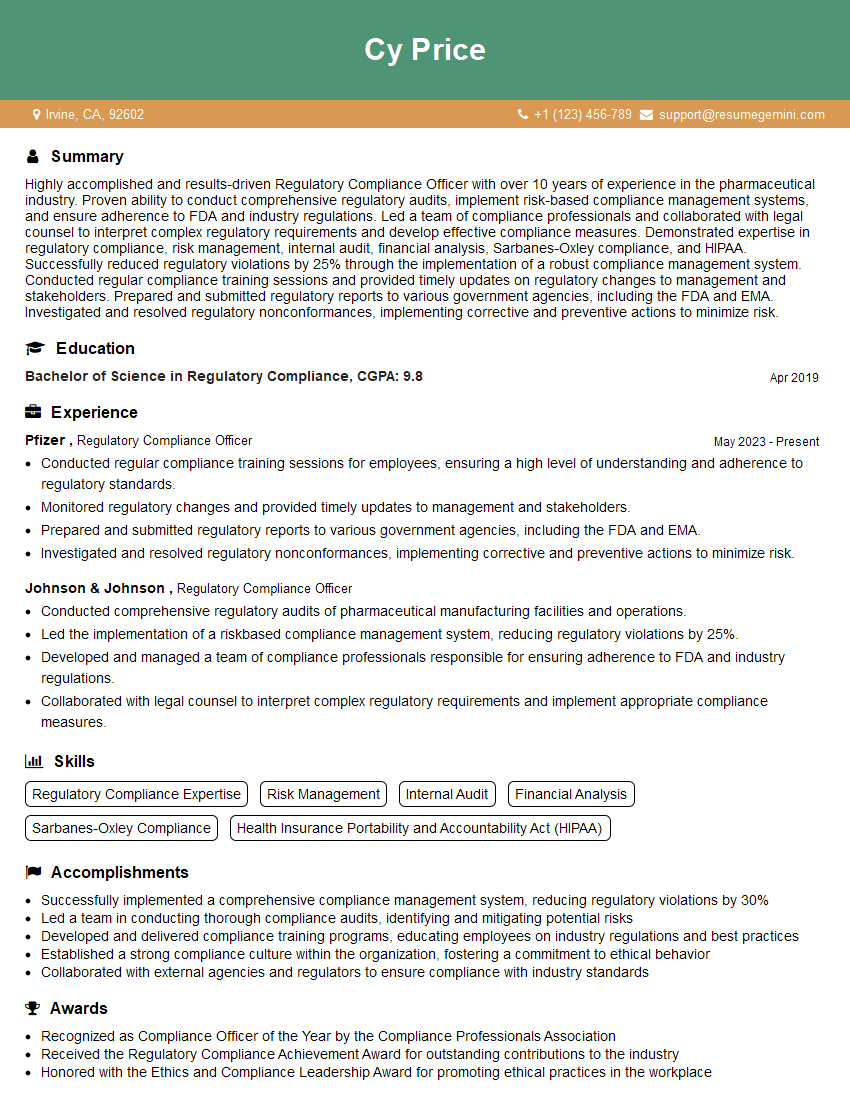
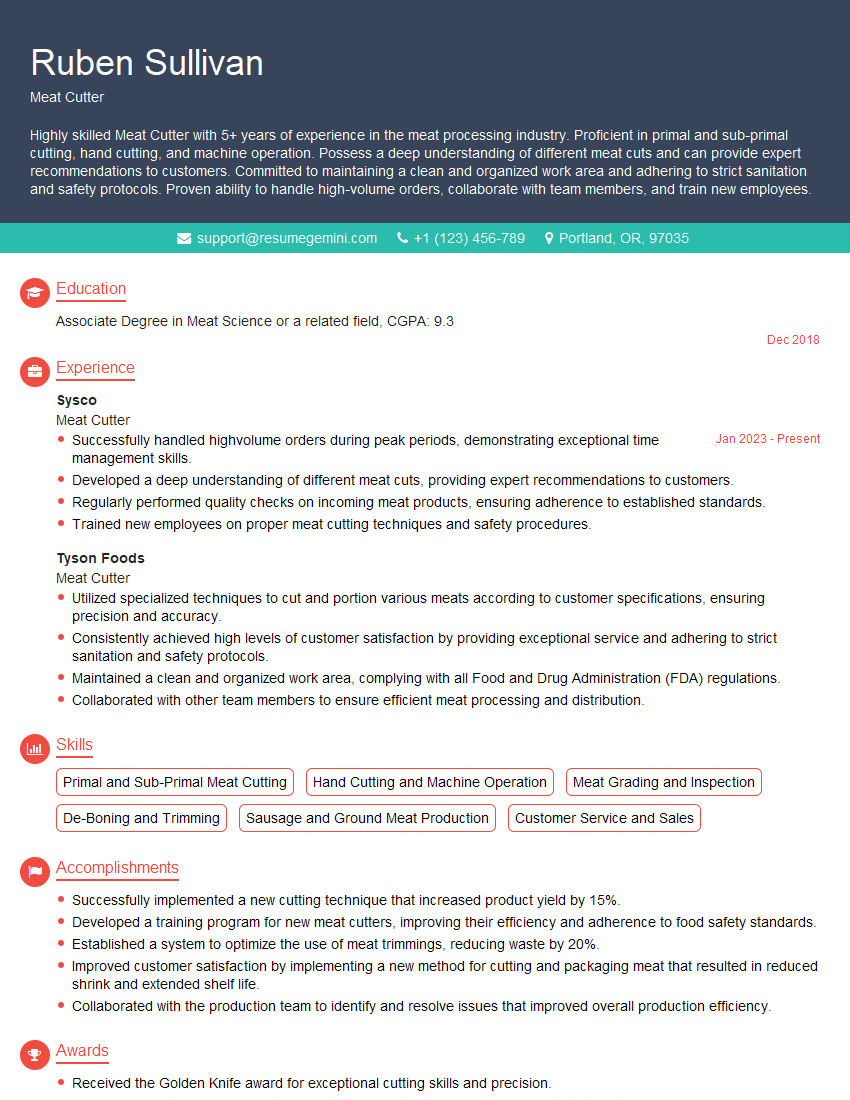
Mastering Gizzard and Liver Removal opens doors to exciting opportunities in specialized fields, offering significant career advancement and competitive salaries. To maximize your job prospects, it’s crucial to create a resume that effectively communicates your skills and experience to Applicant Tracking Systems (ATS). ResumeGemini is a trusted resource that can help you build a professional, ATS-friendly resume tailored to highlight your expertise in this area. We provide examples of resumes specifically designed for Gizzard and Liver Removal professionals to guide you in crafting a compelling application. Invest time in building a strong resume – it’s your first impression with potential employers.

Explore more articles
Users Rating of Our Blogs
Share Your Experience
We value your feedback! Please rate our content and share your thoughts (optional).
What Readers Say About Our Blog
Very informative content, great job.
good