Interviews are opportunities to demonstrate your expertise, and this guide is here to help you shine. Explore the essential Mechanical Maintenance and Repair interview questions that employers frequently ask, paired with strategies for crafting responses that set you apart from the competition.
Questions Asked in Mechanical Maintenance and Repair Interview
Q 1. Describe your experience with preventative maintenance procedures.
Preventative maintenance (PM) is the cornerstone of reliable equipment operation. It involves regularly scheduled inspections, lubrication, and minor repairs to prevent major breakdowns and extend the lifespan of machinery. My experience encompasses developing and implementing PM schedules for diverse equipment, from conveyor systems to CNC machines. I’ve utilized both manufacturer-recommended procedures and developed customized schedules based on usage patterns and risk assessments.
- Example 1: In a previous role, I implemented a weekly lubrication schedule for a high-speed packaging line, reducing downtime by 15% within the first quarter. This involved detailed documentation of lubrication points, specifying the correct grease type and quantity, and training operators on proper procedures.
- Example 2: For a complex robotic arm, I developed a monthly PM program including visual inspections for wear and tear, electrical checks, and functional tests. This proactive approach minimized unscheduled repairs and ensured consistent operational accuracy.
Q 2. Explain your troubleshooting methodology for malfunctioning equipment.
My troubleshooting methodology follows a structured approach, prioritizing safety and efficiency. It’s akin to a detective investigating a crime scene – systematically eliminating possibilities until the root cause is identified. I begin with a thorough visual inspection, followed by checking safety interlocks and basic power supplies. Then, I utilize diagnostic tools and consult maintenance logs, schematics, and manufacturer manuals.
- Gather Information: Observe the malfunction, gather data (error codes, unusual sounds, etc.).
- Hypothesis Formulation: Based on the gathered information, formulate potential causes.
- Testing and Verification: Systematically test each hypothesis using appropriate tools and techniques.
- Root Cause Identification: Once the root cause is identified, document it clearly and comprehensively.
- Repair and Verification: Implement the necessary repair and verify that the equipment functions correctly.
- Preventative Measures: Identify preventative measures to avoid future occurrences of the same problem.
For example, if a conveyor belt stops unexpectedly, I would first check the power supply, then the motor, the belt tension, and finally the control system, systematically eliminating potential causes.
Q 3. What are your skills in using diagnostic tools and equipment?
I’m proficient in using a wide range of diagnostic tools and equipment, including multimeters, oscilloscopes, infrared thermometers, vibration analyzers, and pressure gauges. My experience also extends to using specialized software for PLC programming and data analysis. Understanding the limitations and capabilities of each tool is crucial for accurate diagnosis. For example, an infrared thermometer helps quickly identify overheating components, while a vibration analyzer can pinpoint bearing wear before it causes a catastrophic failure.
- Multimeter: Used for checking voltage, current, and resistance in electrical circuits.
- Oscilloscope: Used for analyzing signal waveforms to identify electrical faults.
- Vibration Analyzer: Used to detect imbalances and bearing problems in rotating machinery.
- PLC Programming Software: Used to diagnose and repair programmable logic controllers.
Q 4. How do you prioritize maintenance tasks in a high-pressure environment?
Prioritizing maintenance tasks in a high-pressure environment requires a structured approach. I use a combination of techniques, including a Criticality-Urgency Matrix and a risk assessment, to determine the order of tasks. This matrix considers the criticality of the equipment (impact on production if it fails) and the urgency of the maintenance (immediate need vs. scheduled maintenance). Tasks are then prioritized based on the highest risk and urgency.
Example: A critical piece of equipment with an imminent failure risk would take priority over a less critical machine needing scheduled maintenance, even if the latter is overdue. Communication and collaboration with the production team are crucial to ensuring maintenance tasks align with overall operational needs.
Q 5. Describe your experience with hydraulic and pneumatic systems.
I have extensive experience working with both hydraulic and pneumatic systems. I understand the principles of fluid power, including pressure, flow, and power transmission. I can troubleshoot leaks, diagnose faulty components (pumps, valves, actuators), and perform repairs and preventative maintenance on these systems. This includes understanding safety precautions related to high-pressure systems, such as proper pressure relief procedures.
- Hydraulic Systems: Experience in diagnosing and repairing hydraulic pumps, valves, cylinders, and accumulators. Familiar with hydraulic fluids and their properties.
- Pneumatic Systems: Proficient in troubleshooting air leaks, replacing pneumatic cylinders and valves, and maintaining air compressors. Understanding the use of air filters, regulators, and lubricators.
For example, I’ve successfully repaired a hydraulic press that malfunctioned due to a leaking seal, resulting in significantly reduced downtime.
Q 6. Explain your understanding of lubrication techniques and their importance.
Lubrication is vital for reducing friction, wear, and tear in machinery. Proper lubrication techniques extend equipment lifespan, increase efficiency, and reduce maintenance costs. It involves selecting the correct lubricant (grease or oil) based on the application and manufacturer’s recommendations and applying it correctly using appropriate methods, such as grease guns, oil cans, or centralized lubrication systems. Over-lubrication can be just as damaging as under-lubrication, leading to contamination and premature bearing failure.
Understanding the different types of lubricants, their properties, and their applications is crucial. Regular monitoring of lubricant levels and condition is also important, using techniques such as oil analysis to detect potential problems early on. Regular, scheduled lubrication drastically minimizes friction and heat build-up, preserving moving parts and preventing premature wear.
Q 7. How do you handle emergency repairs and breakdowns?
Emergency repairs require a rapid and decisive response. My approach involves immediate assessment of the situation, prioritizing safety above all else. I begin by isolating the affected equipment to prevent further damage or injury. Then, I quickly diagnose the problem using available diagnostic tools and implement a temporary fix to restore partial or full functionality. This might involve replacing a critical component or implementing a workaround. Thorough documentation of the emergency repair is crucial for later analysis and preventative actions.
After the emergency is resolved, a complete repair and investigation into the root cause are necessary to prevent future recurrences. This often involves more in-depth analysis and potentially the replacement of multiple components to ensure lasting reliability.
Q 8. Describe your experience with different types of bearings and their applications.
My experience encompasses a wide range of bearings, from simple ball bearings to complex tapered roller bearings and specialized types like hydrostatic bearings. Understanding the nuances of each type is crucial for effective maintenance and repair.
Ball Bearings: These are ubiquitous, simple, and relatively inexpensive. I’ve worked extensively with them in applications ranging from conveyor systems to small motors. Their maintenance typically involves lubrication checks and replacements when wear is detected.
Roller Bearings: These handle heavier loads and higher speeds than ball bearings. I’ve used them in industrial machinery like gearboxes and large pumps. Maintenance includes regular lubrication, alignment checks, and potential cage replacement due to fatigue.
Tapered Roller Bearings: These are designed to handle both radial and axial loads, making them ideal for applications like wheel hubs in heavy vehicles. Accurate axial pre-load is critical for their proper function, and I’ve experience with adjusting these settings for optimal performance.
Hydrostatic Bearings: These use pressurized fluid film to separate moving parts, allowing for extremely high load capacities and precision movements. I’ve been involved in the maintenance of these specialized bearings in machine tools, focusing on the pressure control and fluid cleanliness.
Choosing the right bearing for an application depends on factors such as load, speed, operating environment, and cost. A mismatched bearing can lead to premature failure and costly downtime.
Q 9. What is your experience with welding and fabrication techniques?
My welding and fabrication skills are a significant part of my mechanical maintenance experience. I’m proficient in various welding processes including:
Shielded Metal Arc Welding (SMAW): Ideal for various materials and readily accessible in most settings.
Gas Metal Arc Welding (GMAW): Efficient for high-volume production and larger-scale repairs.
Gas Tungsten Arc Welding (GTAW): Provides high-quality, precise welds crucial for delicate repairs and specialized applications.
Beyond welding, my fabrication skills include cutting, shaping, and assembling metal components. I’m adept at working with blueprints and designing simple fixtures to aid in repair tasks. For instance, I once fabricated a custom bracket to secure a misaligned component in a conveyor system, preventing further damage and costly downtime. This involved carefully measuring the existing parts, creating a design that maintained the integrity of the system, and welding the bracket to specification.
Q 10. Explain your understanding of safety regulations in mechanical maintenance.
Safety is paramount in mechanical maintenance. My understanding of safety regulations is comprehensive, encompassing:
Lockout/Tagout (LOTO) Procedures: Ensuring equipment is safely isolated before maintenance is critical; I’m fully versed in these procedures.
Personal Protective Equipment (PPE): Appropriate PPE, including safety glasses, gloves, hearing protection, and steel-toed boots, is essential for every task.
Hazard Communication: Understanding and working safely with hazardous materials (e.g., chemicals, lubricants) is vital; I follow all relevant safety data sheets (SDS).
Confined Space Entry Procedures: I’m trained in safe entry and exit procedures for confined spaces.
Ergonomics: I understand the importance of proper lifting techniques and workstation setup to prevent injuries.
I always prioritize safety and conduct thorough risk assessments before starting any maintenance task. My experience shows that a safe work environment is not just a regulatory requirement, but crucial for efficient and error-free maintenance.
Q 11. How do you document maintenance activities and repairs?
Detailed documentation is essential for traceability and future maintenance. My documentation process includes:
Work Orders: Clear work orders are initiated for all maintenance activities, outlining the problem, the work performed, and parts used.
Inspection Reports: Thorough reports detail equipment inspections, highlighting potential problems and scheduled maintenance.
Repair Logs: Every repair is logged, including date, time, technicians involved, parts replaced, and a description of the repair process.
Digital Photography/Video: I often utilize images and videos to visually document the before-and-after states of repairs or maintenance procedures.
This ensures a comprehensive record, which is valuable for tracking equipment history, identifying recurring issues, and improving maintenance strategies. Accurate documentation is also critical for warranty claims and regulatory compliance.
Q 12. What software or systems are you familiar with for managing maintenance tasks?
I’m familiar with several software and systems for managing maintenance tasks, including:
Computerized Maintenance Management Systems (CMMS): Such as [mention specific CMMS software you’re familiar with, e.g., IBM Maximo, SAP PM]. These systems allow for scheduling, tracking work orders, managing inventory, and generating reports.
Enterprise Resource Planning (ERP) Systems: Many ERP systems include modules for managing maintenance. [mention specific ERP software you’re familiar with, e.g., SAP, Oracle].
Spreadsheet Software (Excel): For simpler tasks and smaller organizations, spreadsheets can be used to track maintenance activities.
My experience with these systems allows me to efficiently manage maintenance schedules, track costs, and generate reports to optimize maintenance strategies.
Q 13. Describe your experience with reading and interpreting technical drawings and schematics.
Reading and interpreting technical drawings and schematics is a fundamental skill. I’m proficient in understanding various types of drawings, including:
Isometric Drawings: 3D representations used for visualizing equipment.
Orthographic Drawings: Showing multiple views of an object.
Schematic Diagrams: Illustrating the system’s flow and components.
Piping and Instrumentation Diagrams (P&IDs): Essential for understanding complex systems.
I’m adept at extracting relevant information from drawings, identifying component locations, and understanding assembly procedures. This ability is critical for effective troubleshooting and repairs. For example, using P&IDs, I can trace a malfunctioning valve to its source quickly, minimizing system downtime.
Q 14. Explain your experience with various types of pumps and their maintenance.
My experience with pumps covers a variety of types, including centrifugal, positive displacement (reciprocating and rotary), and submersible pumps.
Centrifugal Pumps: These are widely used and relatively simple to maintain. Regular checks include lubrication, seal inspections, and vibration monitoring. I’ve experience troubleshooting issues like cavitation and impeller wear.
Positive Displacement Pumps (Reciprocating): These pumps provide higher pressure than centrifugal pumps, but require more frequent maintenance. I’m experienced with checking packing seals, valves, and piston condition.
Positive Displacement Pumps (Rotary): These pumps are used in applications where precise fluid delivery is required. Maintenance involves gear alignment, seal checks, and lubrication.
Submersible Pumps: These pumps operate underwater and require specialized handling and maintenance to account for moisture and corrosion. I’m familiar with the safety precautions related to electrical work in damp conditions.
The maintenance approach differs depending on the pump type. Regular inspections, lubrication, and component replacement are common, but understanding the specific design and operating principles of each type is key to effective maintenance. A worn seal in a centrifugal pump can lead to leakage, while a faulty valve in a reciprocating pump could cause system failure. My experience helps me quickly diagnose these issues and perform the appropriate repair.
Q 15. How do you identify and address root causes of recurring equipment failures?
Identifying the root cause of recurring equipment failures is crucial for effective preventative maintenance. It’s not enough to simply fix the immediate problem; we need to understand why it happened in the first place. My approach involves a systematic investigation using a structured methodology like the 5 Whys or a fault tree analysis.
The 5 Whys: This simple yet powerful technique involves repeatedly asking “why” until the root cause is uncovered. For example, if a pump keeps failing, we might ask:
- Why did the pump fail? – Bearing failure.
- Why did the bearing fail? – Insufficient lubrication.
- Why was there insufficient lubrication? – Lubrication system malfunction.
- Why did the lubrication system malfunction? – Sensor failure leading to incorrect oil delivery.
- Why did the sensor fail? – Lack of preventative maintenance and calibration.
This reveals the root cause: inadequate preventative maintenance. Addressing this – through scheduled sensor checks and lubrication system maintenance – prevents future failures.
Fault Tree Analysis: For more complex issues, a fault tree analysis graphically maps out potential causes and their relationships, leading to a clearer understanding of the root cause. This is particularly useful in safety-critical systems.
Ultimately, successful root cause analysis relies on careful data collection (maintenance logs, sensor data, operator feedback), thorough investigation, and a commitment to implementing corrective actions to prevent recurrence.
Career Expert Tips:
- Ace those interviews! Prepare effectively by reviewing the Top 50 Most Common Interview Questions on ResumeGemini.
- Navigate your job search with confidence! Explore a wide range of Career Tips on ResumeGemini. Learn about common challenges and recommendations to overcome them.
- Craft the perfect resume! Master the Art of Resume Writing with ResumeGemini’s guide. Showcase your unique qualifications and achievements effectively.
- Don’t miss out on holiday savings! Build your dream resume with ResumeGemini’s ATS optimized templates.
Q 16. Describe your experience with rotating equipment maintenance (motors, pumps, etc.)
My experience with rotating equipment maintenance encompasses a wide range of tasks, from routine inspections and lubrication to complex repairs and overhauls. I’ve worked extensively with various types of motors (AC, DC, servo), pumps (centrifugal, positive displacement), and other rotating machinery.
Routine Maintenance: This includes tasks such as checking motor windings for insulation resistance, verifying proper lubrication levels and greasing points on bearings and gears, inspecting seals for leaks, and verifying vibration levels. I’m proficient in performing vibration analysis (discussed further in the next question), which helps detect developing problems before they lead to major failures.
Overhauls and Repairs: I’ve been involved in complete overhauls of pumps and motors, including bearing replacements, seal replacements, impeller repairs, and rotor balancing. I’m comfortable working with various types of couplings (rigid, flexible), and understand the importance of proper alignment to avoid premature wear. One particularly challenging project involved diagnosing and repairing a faulty centrifugal pump in a high-pressure water system, requiring careful analysis and precision during the repair to ensure safe operation. I successfully identified a worn impeller and a misaligned shaft coupling as the root cause, leading to a complete overhaul and return to full system functionality.
Q 17. What is your experience with vibration analysis and its application to predictive maintenance?
Vibration analysis is a cornerstone of predictive maintenance, allowing us to identify potential problems in rotating equipment before they cause catastrophic failures. I’m experienced in using both handheld vibration analyzers and sophisticated data acquisition systems.
Data Acquisition and Analysis: I know how to measure vibration levels (displacement, velocity, acceleration) at key points on the equipment, often using specific ISO standards for accurate measurements. The collected data is then analyzed to identify characteristic vibration signatures that point to specific problems. For example, high frequency vibrations might indicate bearing wear, while low-frequency vibrations could indicate unbalance or misalignment.
Software and Interpretation: I’m proficient in using various vibration analysis software packages, which help in interpreting the data and generating reports. These reports are crucial for making informed decisions regarding maintenance schedules and preventing unexpected breakdowns.
Real-World Example: I once used vibration analysis to identify an impending bearing failure in a large industrial fan. The analysis revealed an increase in vibration amplitude and a change in the frequency spectrum indicative of bearing damage. This allowed us to schedule a bearing replacement proactively, preventing a costly shutdown and potential damage to other components.
Q 18. How familiar are you with different types of seals and gaskets?
Seals and gaskets are critical components preventing leaks in many mechanical systems. I’m familiar with a wide variety of seals and gaskets, including their materials, applications, and limitations.
Types of Seals: I’ve worked with various types of seals, including:
- Mechanical Seals: Used in pumps and other rotating equipment to prevent leakage between shafts and housings. I understand the importance of proper installation and the selection of the appropriate seal based on the operating conditions (pressure, temperature, fluid compatibility).
- O-rings: Widely used for static seals in various applications. I understand the different materials (e.g., Viton, Buna-N) and their suitability for different fluids and temperatures.
- Lip Seals: Used in dynamic applications, such as piston seals in hydraulic cylinders.
- Face Seals: Used in high-pressure applications, often featuring intricate design elements to ensure proper sealing.
Types of Gaskets: I have experience with various gasket materials like rubber, cork, asbestos (where appropriate and compliant with regulations), and various types of composite materials. The choice of gasket material depends on the operating conditions and the fluid being sealed. I know the importance of proper gasket selection, including surface preparation and proper torque application during installation to ensure an effective seal.
Troubleshooting: I have effectively used my knowledge of various seal types to troubleshoot leaks and other sealing-related problems. This often involves determining the root cause of the leak (e.g., damaged seal, improper installation, worn shaft) and selecting the appropriate replacement seal or gasket.
Q 19. Describe your experience with electrical troubleshooting in mechanical systems.
While my primary expertise lies in mechanical systems, I possess a strong understanding of the electrical aspects that often integrate with mechanical components. This includes basic electrical troubleshooting skills to identify and resolve issues in motor control circuits, sensor wiring, and other electrical systems related to mechanical equipment.
Troubleshooting Techniques: My approach to electrical troubleshooting involves a systematic process, beginning with visual inspections, checking for loose connections, and using multimeters to check voltages, currents, and resistances. I also understand the use of safety lockout/tagout procedures to ensure safe electrical work practices.
Practical Experience: For example, I once resolved a problem where a conveyor belt motor was intermittently failing. Through careful testing and electrical diagnostics, I identified a faulty motor starter contactor that was causing the intermittent power interruptions. Replacing this simple component solved the issue. I also have experience working with programmable logic controllers (PLCs) to the extent necessary to understand the electrical control systems of the equipment.
Safety First: I always prioritize safety during electrical troubleshooting. I never work on energized equipment without proper lockout/tagout procedures and use appropriate personal protective equipment.
Q 20. How do you ensure compliance with environmental regulations during maintenance?
Ensuring compliance with environmental regulations is a paramount concern in maintenance and repair. My experience includes adhering to regulations concerning the handling, storage, and disposal of hazardous materials (oils, solvents, refrigerants) used in various systems.
Waste Management: I’m familiar with proper procedures for collecting, storing, and disposing of used oils, lubricants, and other hazardous waste in accordance with local, state, and federal regulations. This involves using appropriate containers, labeling procedures, and coordinating with licensed waste disposal companies.
Spill Response: I’m trained in spill response procedures, including the use of absorbent materials and the proper cleanup techniques to minimize environmental impact. I understand the importance of reporting spills and adhering to any regulatory reporting requirements.
Air Emissions: I’m aware of regulations concerning air emissions during maintenance activities, such as those relating to welding and painting, ensuring proper ventilation and the use of respiratory protection equipment. I’m familiar with procedures for managing equipment leaks to prevent release of harmful substances.
Regulatory Knowledge: I stay updated on changes in environmental regulations to ensure continued compliance. This involves regularly reviewing relevant regulations and attending training sessions to refresh my knowledge.
Q 21. Explain your understanding of different types of machine guarding and safety devices.
Machine guarding and safety devices are critical for protecting workers from hazards associated with machinery. My understanding encompasses various types of guards, interlocks, and safety systems.
Types of Guards: I’m familiar with different types of machine guards, including fixed guards, adjustable guards, interlocked guards, and light curtains. I understand the principles of guarding, including the need for guards to be properly designed, constructed, and maintained to effectively prevent access to hazardous areas.
Safety Interlocks: I’m experienced with various safety interlocks, which prevent machinery from operating unless safety conditions are met. Examples include interlocks that prevent operation when access doors are open or that stop the machine if a person enters a hazardous area.
Emergency Stops: I understand the importance of emergency stop systems and their role in quickly shutting down machinery in emergency situations. I’m familiar with various types of emergency stops, including push buttons, pull cords, and foot switches.
Other Safety Devices: I have experience with other safety devices, such as two-hand controls, safety relays, and light curtains. These devices are essential components of a comprehensive safety system that helps to minimize the risk of injury.
Inspections and Maintenance: Regular inspections and maintenance of machine guards and safety devices are crucial for ensuring continued effectiveness and worker safety. I ensure that all guards and safety devices are regularly inspected and maintained according to a scheduled maintenance plan. Any defects or malfunctions are reported and addressed promptly.
Q 22. Describe your experience with maintaining conveyor systems.
My experience with conveyor systems spans over eight years, encompassing preventative maintenance, troubleshooting, and repair across various types – from belt conveyors to roller and chain conveyors. I’m proficient in identifying and resolving issues such as belt tracking problems, roller misalignment, component wear (e.g., bearings, sprockets, chains), and drive system malfunctions.
For instance, at my previous role, we had a significant throughput bottleneck due to a persistent belt slippage on a high-capacity package conveyor. Through a systematic approach involving visual inspection, tension measurement, and belt alignment adjustments, I pinpointed the root cause – a worn drive pulley. Replacing the pulley and making minor tension adjustments restored optimal performance, minimizing production downtime and maximizing efficiency.
My expertise also extends to PLC-controlled conveyors, where I can diagnose electrical issues and program adjustments as needed. I’m well-versed in safety protocols related to lockout/tagout procedures, ensuring a safe working environment during maintenance operations.
Q 23. How do you manage and prioritize multiple maintenance requests simultaneously?
Managing multiple maintenance requests effectively requires a structured approach. I utilize a prioritization matrix that considers factors like urgency (criticality of failure), impact (production downtime, safety hazards), and the required resources.
Typically, I employ a system where requests are categorized into emergency (immediate attention), high priority (significant impact, scheduled downtime), medium priority (moderate impact, can be scheduled), and low priority (minimal impact, routine maintenance). This system, combined with CMMS software (discussed later), helps me effectively schedule and allocate resources (time, personnel, parts) efficiently. I often communicate directly with production teams to understand the impact of each request and adjust priorities based on real-time needs. This ensures that critical equipment is serviced promptly, minimizing disruption.
Q 24. What is your experience with using Computerized Maintenance Management Systems (CMMS)?
I have extensive experience using Computerized Maintenance Management Systems (CMMS), specifically with [Mention specific CMMS software e.g., UpKeep, Fiix, or SAP PM]. My proficiency extends beyond simple data entry to leveraging the system’s analytical capabilities for preventative maintenance scheduling, inventory management, and generating reports for performance analysis.
For example, I’ve used CMMS to track the performance history of specific equipment, identifying patterns and predictive indicators of potential failures. This allows for proactive scheduling of maintenance tasks, thereby reducing costly unplanned downtime. CMMS also facilitates the efficient management of spare parts inventory, ensuring the right components are available when needed, minimizing delays during repairs.
Q 25. Describe your experience with the use of precision measuring instruments.
My experience with precision measuring instruments is crucial for ensuring accurate repairs and preventative maintenance. I’m proficient in using various tools such as dial indicators, micrometers, calipers, and laser alignment tools. These instruments are vital for tasks ranging from verifying shaft alignment and bearing clearances to measuring the precise dimensions of components for replacement.
For instance, in diagnosing a misalignment issue on a pump, I used a laser alignment tool to determine the precise degree of misalignment between the coupling and the motor shaft. This ensured accurate adjustment and minimized potential damage to the equipment. Similarly, I use micrometers to precisely measure the wear of critical components, enabling preventative replacement before a failure occurs.
Q 26. How do you stay up-to-date with the latest advancements in mechanical maintenance techniques?
Staying current in the rapidly evolving field of mechanical maintenance requires a multifaceted approach. I actively participate in industry conferences and workshops to learn about new technologies and best practices. I also subscribe to several professional journals and online resources, keeping me informed on advancements in maintenance techniques, materials, and equipment.
Furthermore, I’m a strong advocate for continuous learning and often pursue online courses and certifications relevant to my field. I also actively participate in peer networks and online forums, engaging in discussions and exchanging knowledge with colleagues across the industry. This proactive approach enables me to incorporate the latest advancements into my work, increasing efficiency and reducing downtime.
Q 27. Explain your experience working with various types of motors (AC/DC).
I possess extensive experience working with both AC and DC motors. My knowledge covers their operational principles, troubleshooting techniques, and preventative maintenance procedures. I understand the differences in their characteristics, such as starting torque and speed control, and can diagnose and repair various issues related to their operation.
With AC motors, I’m experienced in diagnosing problems such as bearing failure, winding issues, and capacitor malfunction. For DC motors, I can troubleshoot problems including brush wear, commutator damage, and field winding failures. I’m also familiar with different types of controllers and drives used with both AC and DC motors, and proficient in their maintenance and repair.
Q 28. Describe a time you had to make a quick, critical repair under pressure.
During a critical production run, a major gearbox on our primary packaging line failed catastrophically. This resulted in a complete production shutdown, with significant financial implications. Under immense pressure to minimize downtime, I immediately assessed the situation. Through systematic troubleshooting, I identified a broken gear tooth as the primary cause.
Given the unavailability of a direct replacement gear, I worked with the maintenance team and our supplier to fabricate a temporary repair using readily available materials. This involved carefully machining a replacement tooth and ensuring proper alignment. We successfully reassembled the gearbox, restoring limited functionality. This allowed the production line to resume operations at a reduced capacity while a permanent replacement gear was sourced. The swift action prevented further significant financial losses and minimized customer disruption. The experience highlighted the importance of quick thinking, resourcefulness, and effective teamwork under pressure.
Key Topics to Learn for Your Mechanical Maintenance and Repair Interview
- Preventive Maintenance: Understanding scheduled maintenance procedures, lubrication techniques, and the importance of preventative measures to minimize downtime and extend equipment lifespan. Consider practical applications like developing a PM schedule for a specific machine.
- Troubleshooting and Diagnostics: Mastering the process of identifying mechanical failures, using diagnostic tools effectively, and implementing systematic troubleshooting approaches. Think about how you would approach a situation where a machine suddenly malfunctions.
- Hydraulic and Pneumatic Systems: A strong understanding of hydraulic and pneumatic principles, including system components, troubleshooting common issues, and safety procedures related to high-pressure systems. Consider real-world applications and potential hazards.
- Electrical Systems in Machinery: Familiarity with basic electrical concepts relevant to machinery, including motor control circuits, safety regulations, and troubleshooting electrical faults. Be prepared to discuss examples from your experience.
- Welding and Fabrication: Depending on the role, understanding various welding techniques, material selection, and basic fabrication processes will be beneficial. Prepare to discuss your experience and skill level.
- Safety Regulations and Practices: Demonstrate a comprehensive understanding of relevant safety regulations, lockout/tagout procedures, and safe work practices within a maintenance environment. Highlight your commitment to safety in your answers.
- Blueprint Reading and Technical Drawings: Ability to interpret technical drawings, schematics, and blueprints to understand machine components and repair procedures. Consider examples of how you’ve utilized blueprints in your work.
- CMMS (Computerized Maintenance Management Systems): Familiarity with CMMS software for scheduling, tracking maintenance activities, and generating reports. Discuss your experience using any CMMS software.
Next Steps
Mastering Mechanical Maintenance and Repair opens doors to a rewarding career with excellent growth potential. Companies highly value skilled technicians who can efficiently maintain and repair complex machinery, minimizing downtime and maximizing productivity. To stand out, crafting a strong, ATS-friendly resume is crucial. This ensures your application gets noticed by recruiters and hiring managers. We recommend using ResumeGemini, a trusted resource for building professional and effective resumes. ResumeGemini provides examples of resumes tailored to Mechanical Maintenance and Repair positions, helping you present your skills and experience in the best possible light. Invest the time to create a compelling resume – it’s your first impression!

Maintenance Manager Resume Sample

Maintenance Planner Resume Sample
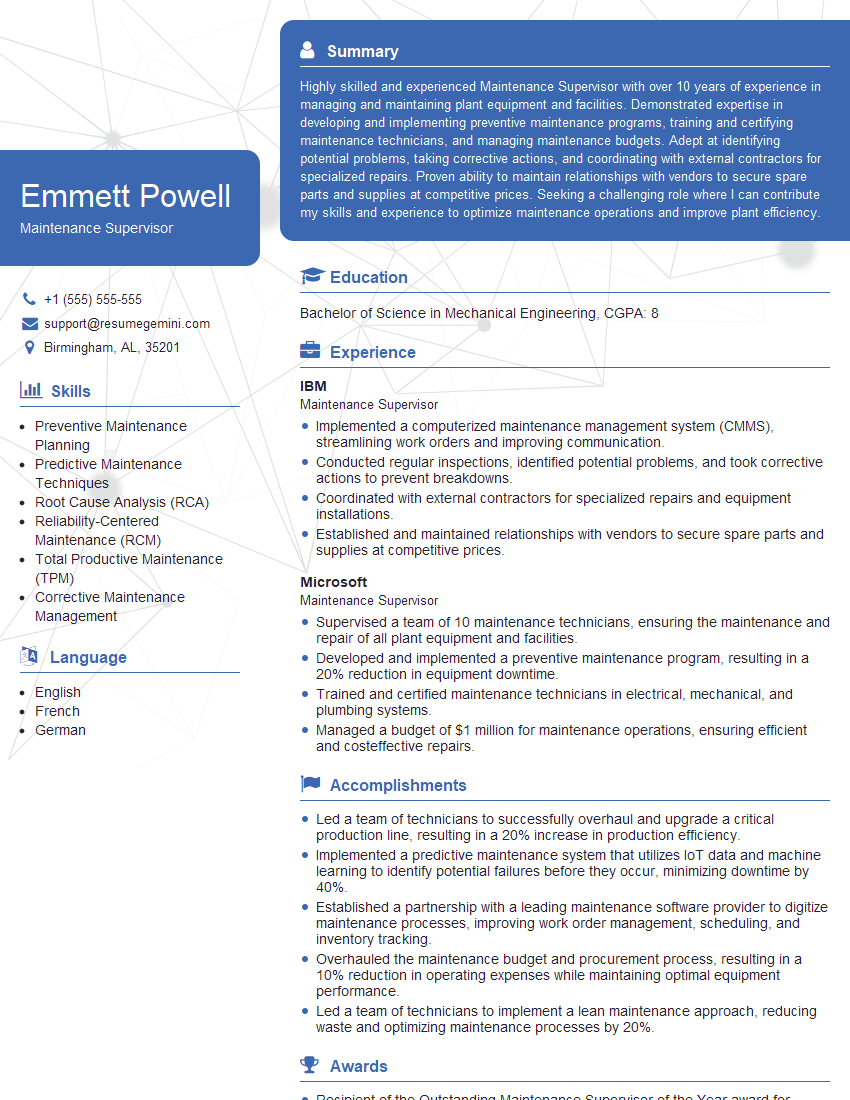
Maintenance Supervisor Resume Sample
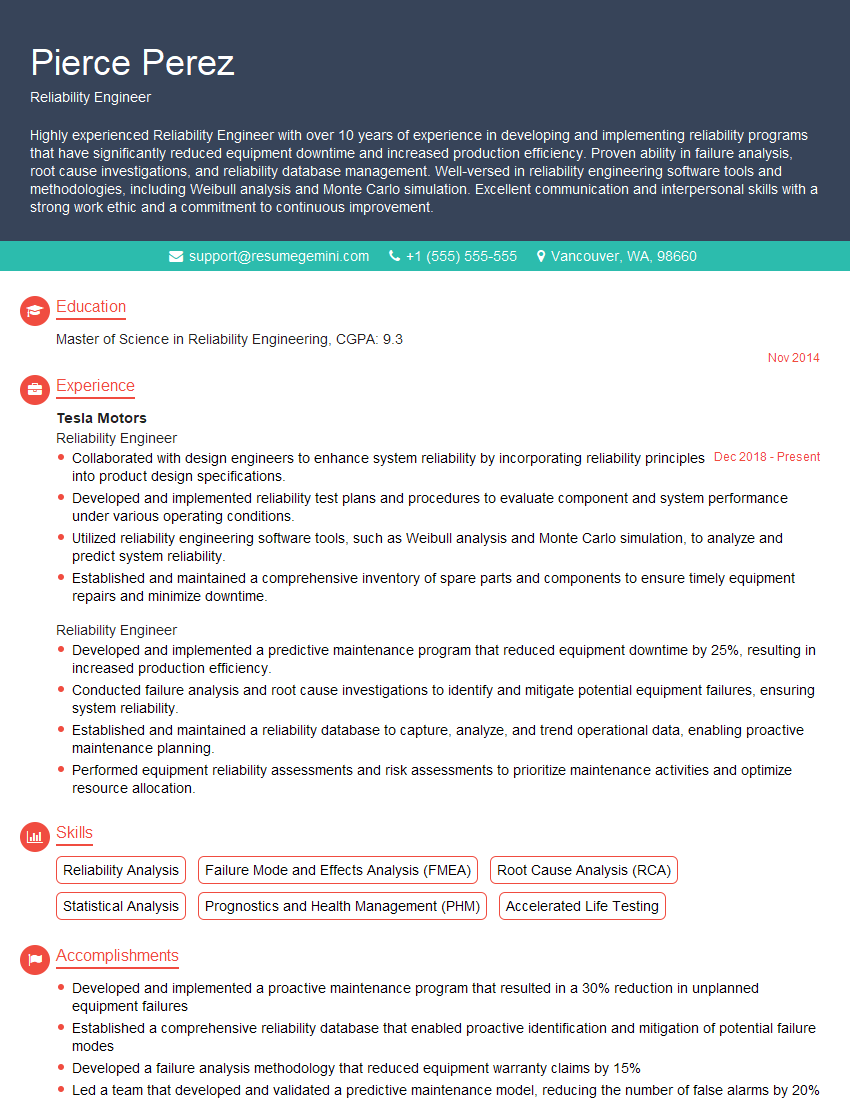
Reliability Engineer Resume Sample
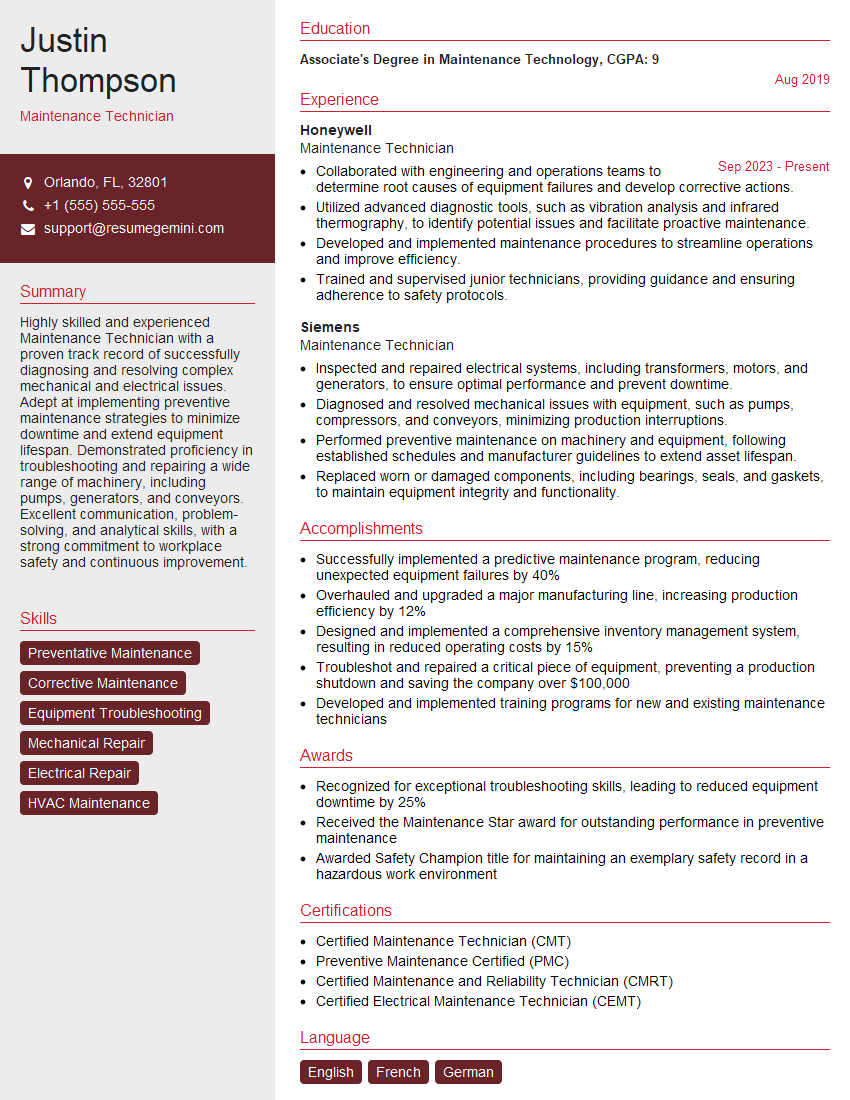
Maintenance Technician Resume Sample
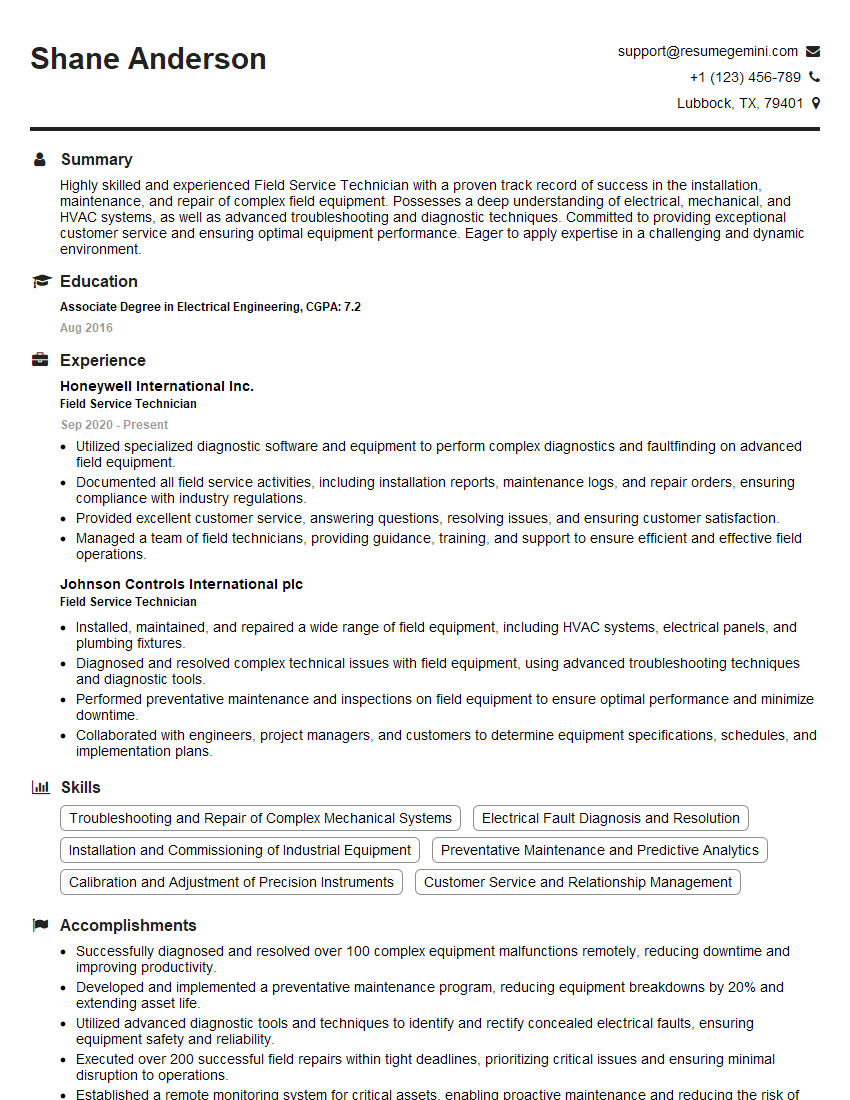
Field Service Technician Resume Sample
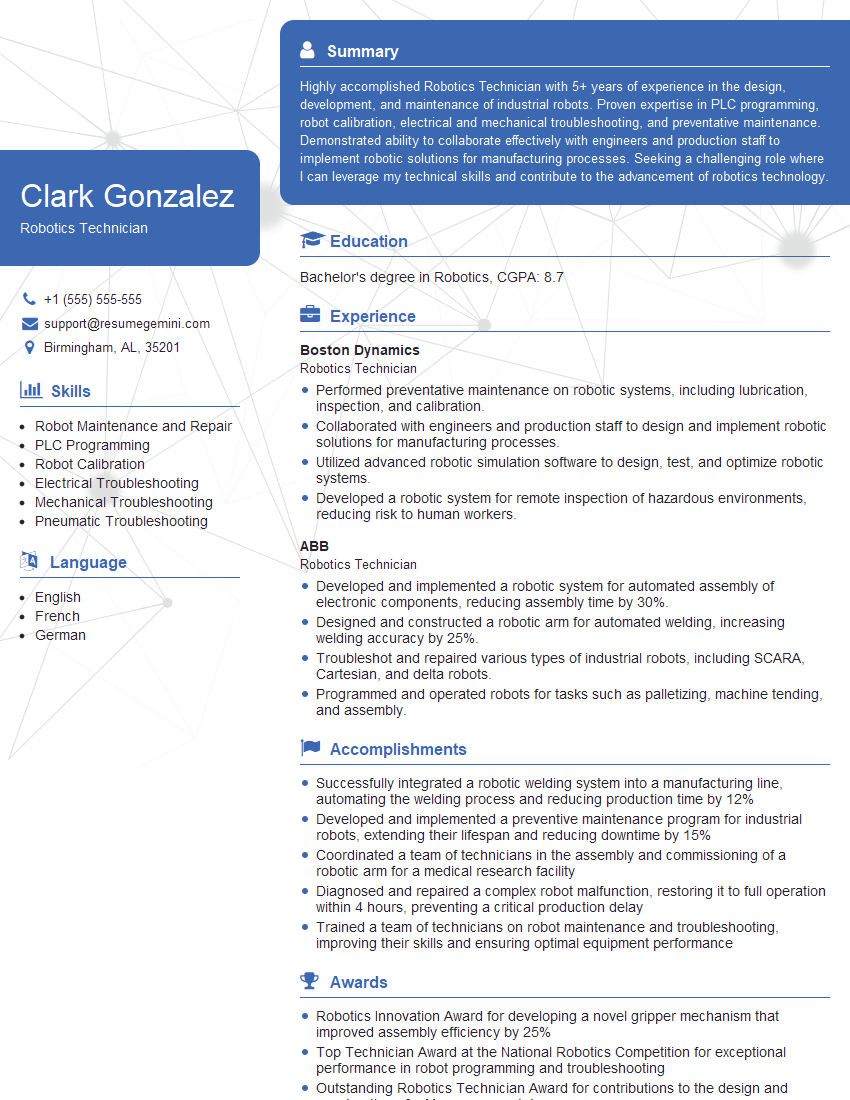
Robotics Technician Resume Sample

Machinist Resume Sample
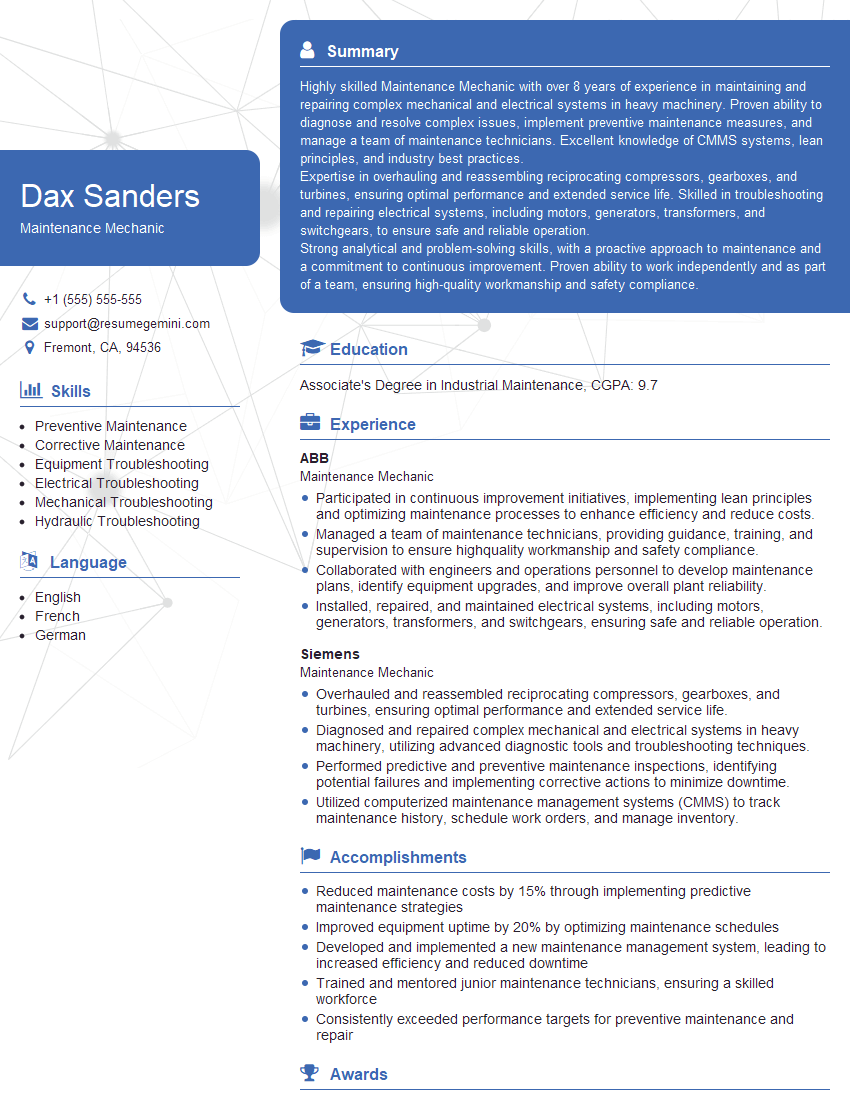
Maintenance Mechanic Resume Sample
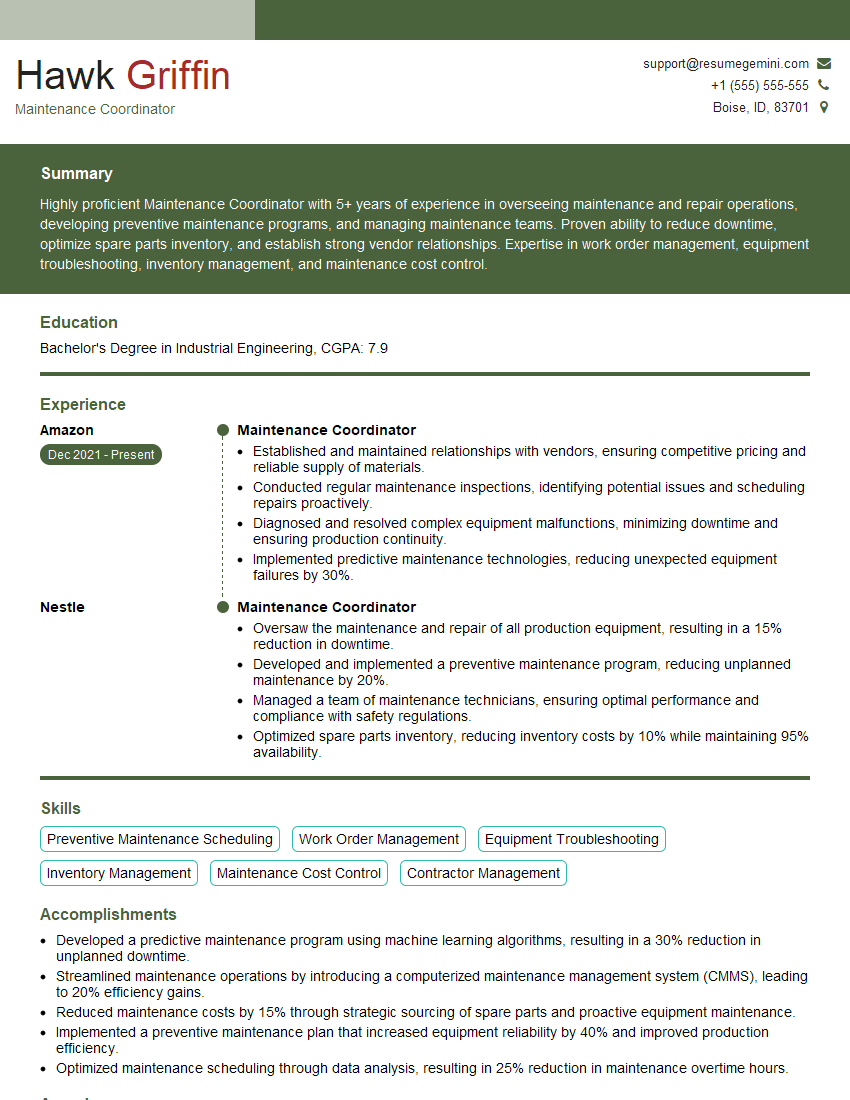
Maintenance Coordinator Resume Sample
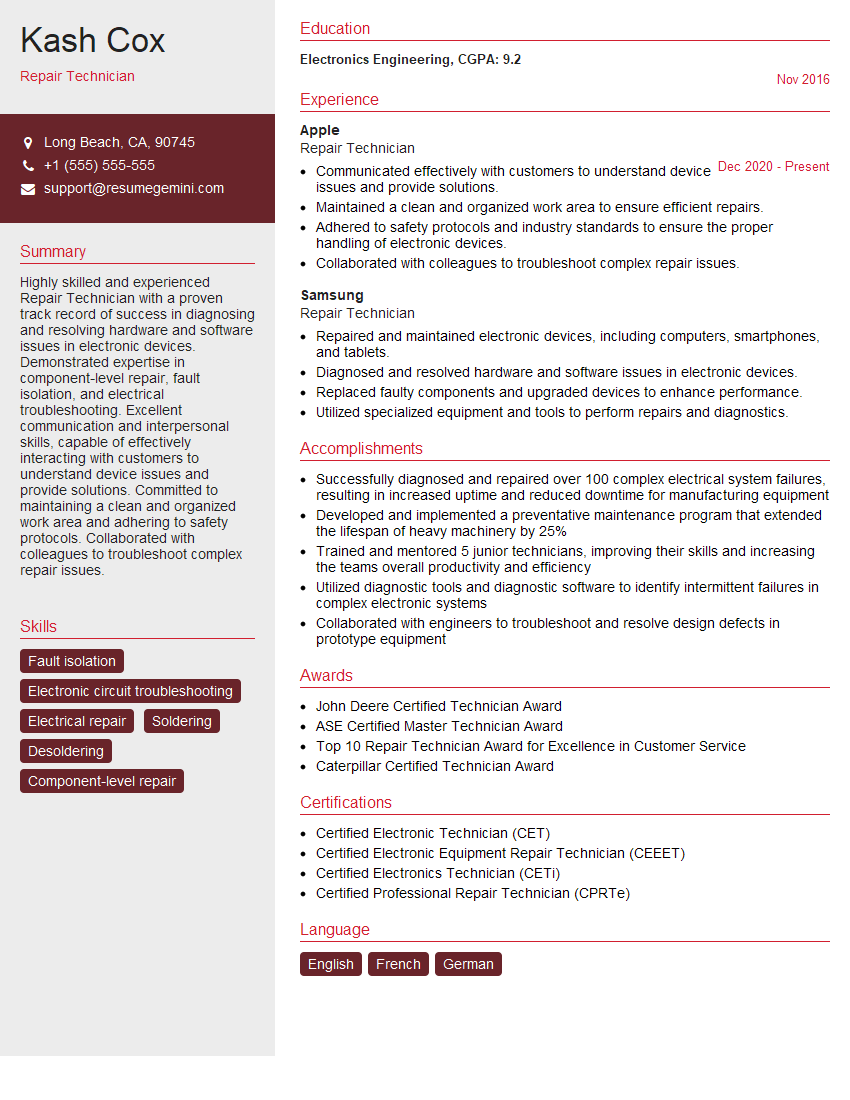
Repair Technician Resume Sample
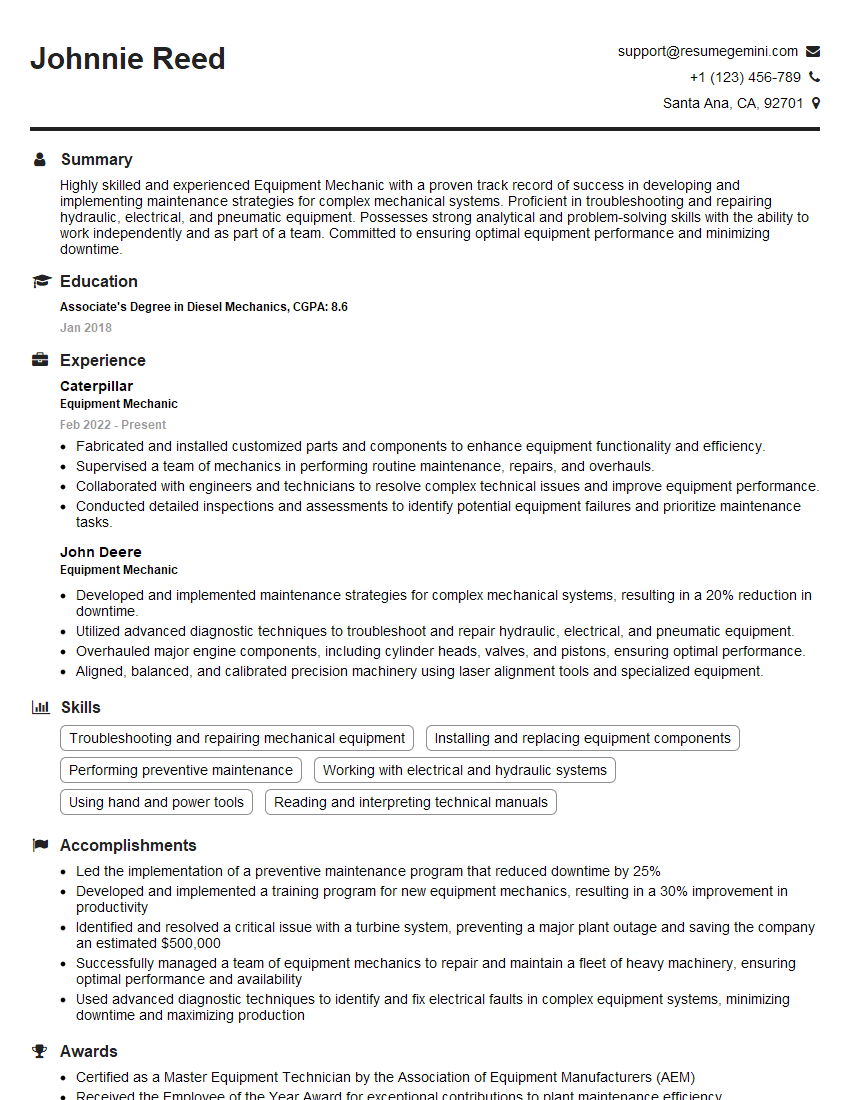
Equipment Mechanic Resume Sample

Automotive Mechanic Resume Sample
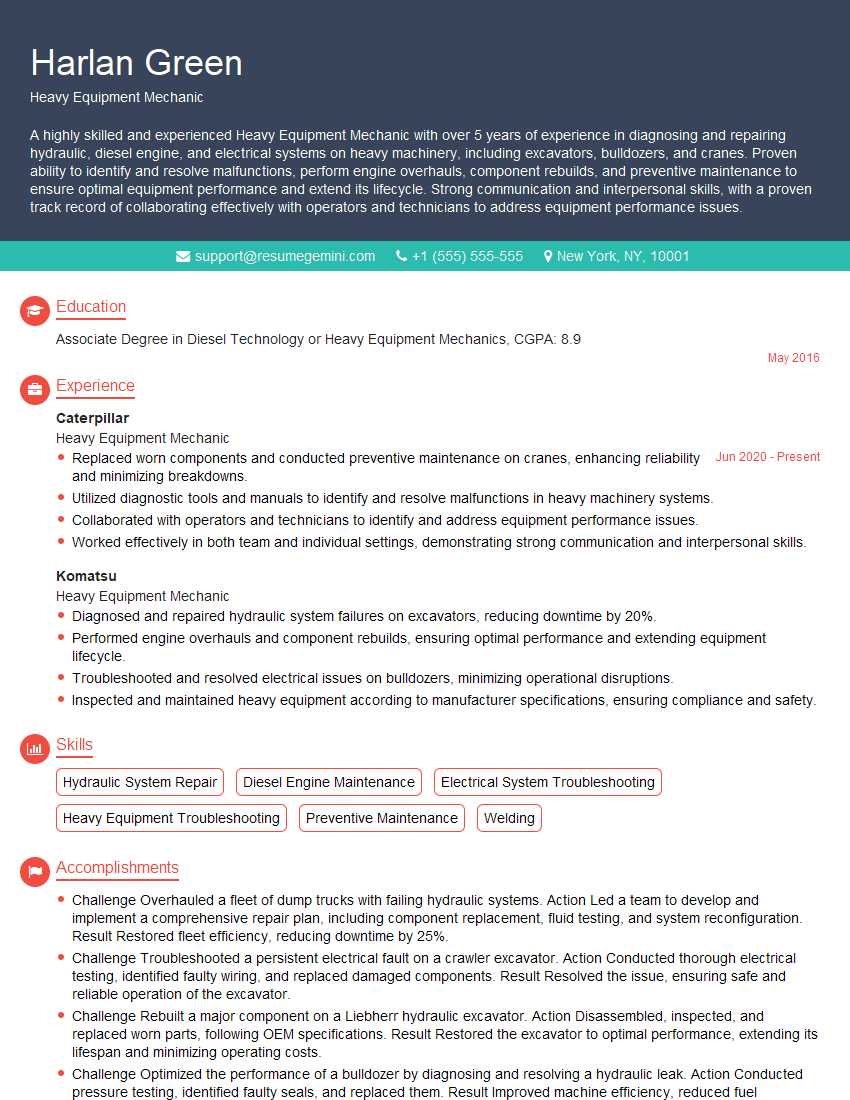
Heavy Equipment Mechanic Resume Sample

Electromechanical Technician Resume Sample
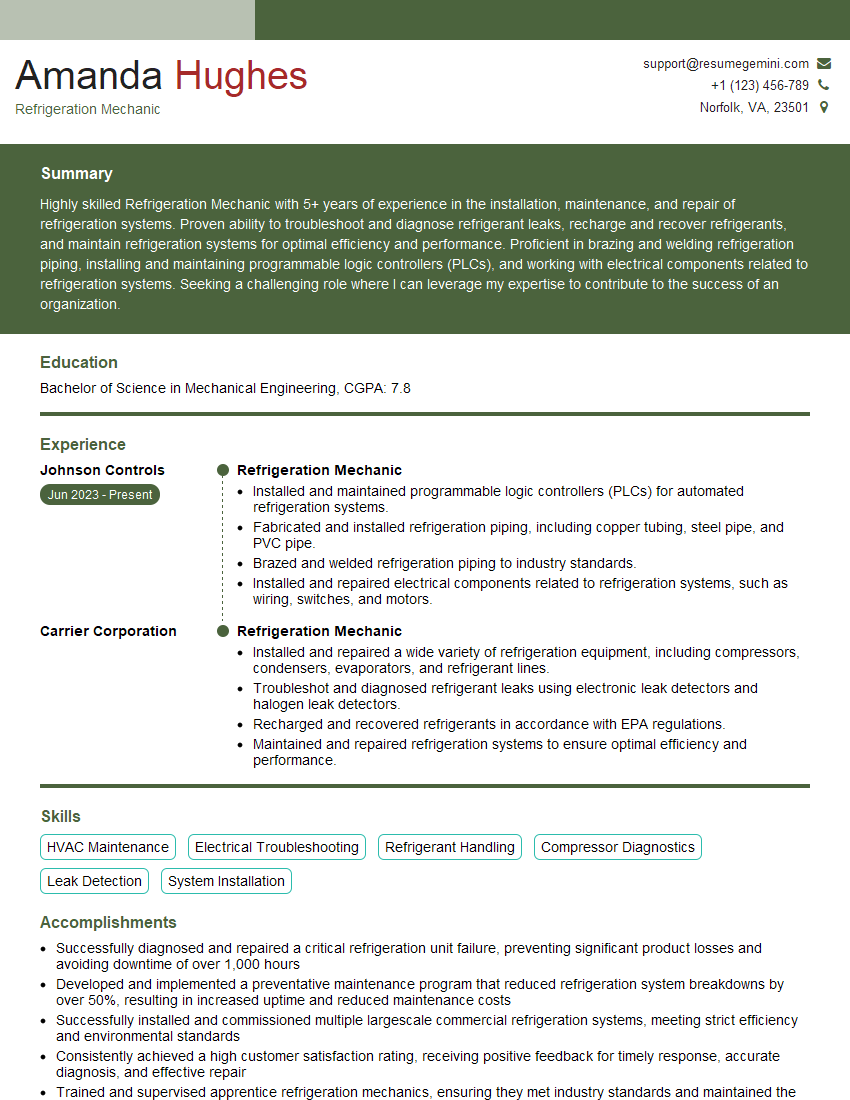
Refrigeration Mechanic Resume Sample
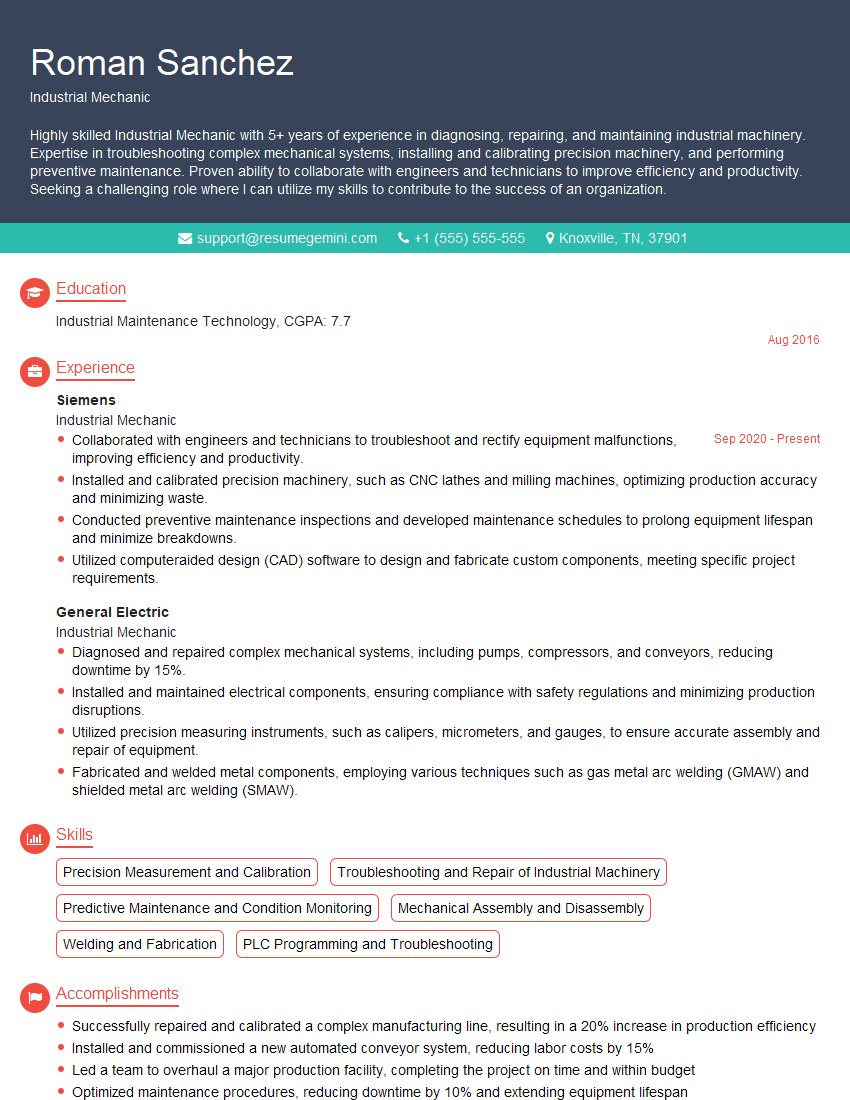
Industrial Mechanic Resume Sample

Millwright Resume Sample
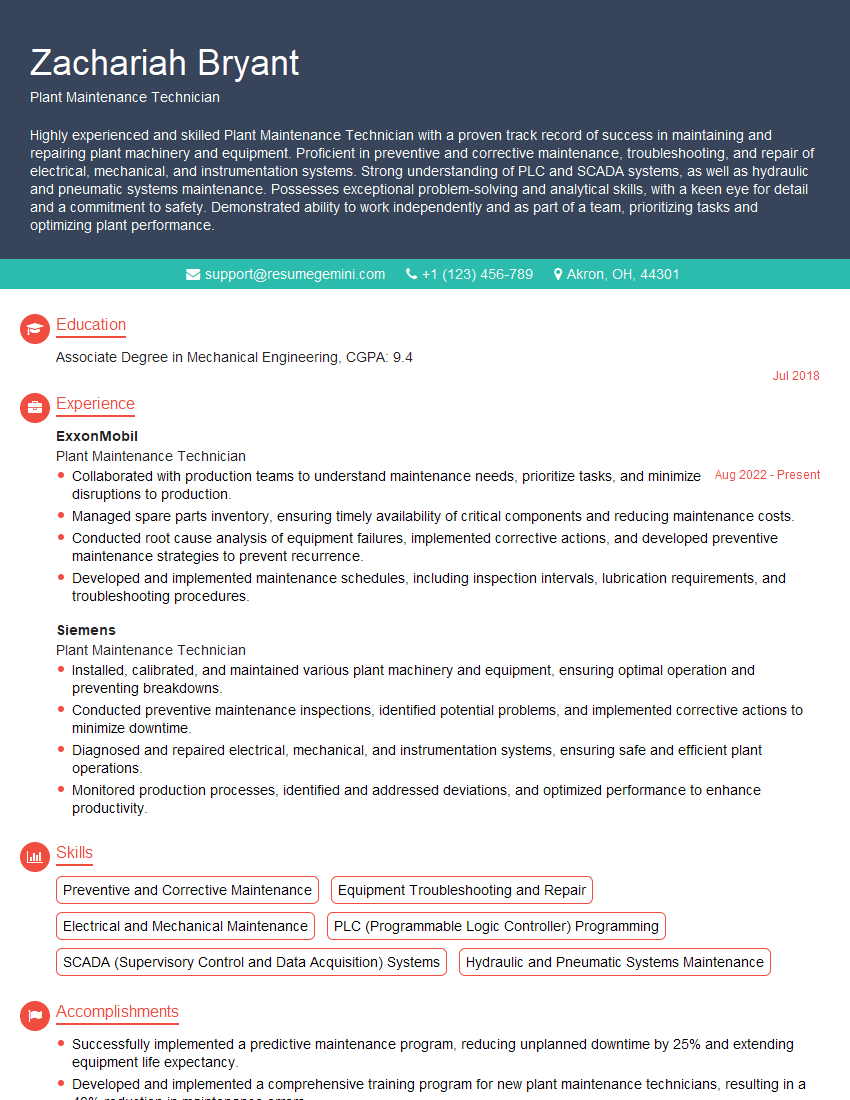
Plant Maintenance Technician Resume Sample

Facilities Maintenance Technician Resume Sample
- Maintenance Manager
- Maintenance Planner
- Maintenance Supervisor
- Reliability Engineer
- Maintenance Technician
- Field Service Technician
- Robotics Technician
- Machinist
- Maintenance Mechanic
- Maintenance Coordinator
- Repair Technician
- Equipment Mechanic
- Automotive Mechanic
- Heavy Equipment Mechanic
- Electromechanical Technician
- Refrigeration Mechanic
- Industrial Mechanic
- Millwright
- Plant Maintenance Technician
- Facilities Maintenance Technician
Explore more articles
Users Rating of Our Blogs
Share Your Experience
We value your feedback! Please rate our content and share your thoughts (optional).
What Readers Say About Our Blog
Very informative content, great job.
good