The thought of an interview can be nerve-wracking, but the right preparation can make all the difference. Explore this comprehensive guide to Handson Equipment Maintenance interview questions and gain the confidence you need to showcase your abilities and secure the role.
Questions Asked in Handson Equipment Maintenance Interview
Q 1. Describe your experience with preventative maintenance procedures.
Preventative maintenance (PM) is the key to maximizing equipment lifespan and minimizing downtime. It involves regularly scheduled inspections, lubrication, and minor repairs to prevent major failures. My experience encompasses a wide range of PM procedures, from simple visual inspections to complex lubrication schedules and component replacements.
For example, in my previous role at a manufacturing plant, I was responsible for the PM schedule of our automated packaging line. This involved weekly inspections of conveyor belts for wear and tear, monthly lubrication of all moving parts, and quarterly checks of the control system’s sensors. We also performed more comprehensive inspections every six months, which included replacing worn belts and brushes. This structured approach significantly reduced unexpected breakdowns and kept production running smoothly. A similar, albeit less complex, PM procedure was implemented for our forklifts, including regular battery checks, fluid level checks, and tire pressure monitoring.
- Scheduled Inspections: Visual checks for wear, leaks, and damage.
- Lubrication: Applying appropriate lubricants to moving parts to reduce friction and wear.
- Component Replacements: Replacing parts that show signs of wear before they fail.
- Calibration & Testing: Ensuring equipment is operating within specified parameters.
Q 2. Explain your troubleshooting process for malfunctioning equipment.
My troubleshooting process is systematic and follows a structured approach. I start by gathering information about the malfunction, such as error codes, unusual sounds, or observed behaviors. Then, I use a process of elimination to identify the root cause. I always prioritize safety and follow established lockout/tagout procedures before attempting any repairs.
- Gather Information: Document all observable symptoms, including error messages, sounds, and behaviors.
- Initial Assessment: Visually inspect the equipment for obvious problems (e.g., loose connections, leaks, broken parts).
- Testing and Diagnostics: Utilize diagnostic tools (discussed further in the next question) to pinpoint the problem.
- Isolate the Problem: Systematically check components to isolate the faulty part.
- Repair or Replacement: Repair the faulty component or replace it if necessary.
- Testing and Verification: Thoroughly test the equipment to ensure the repair was successful.
- Documentation: Record the problem, solution, and any preventative measures to avoid recurrence.
For instance, if a conveyor belt stopped unexpectedly, I’d first check the power supply, then the motor, and then the belt itself for damage. Using a multimeter, I could check for voltage at each point, isolating the problem area. This structured approach avoids unnecessary parts replacements and speeds up repair time.
Q 3. What diagnostic tools are you proficient in using?
I’m proficient in using a variety of diagnostic tools, including multimeters for electrical testing, pressure gauges for pneumatic and hydraulic systems, infrared thermometers for temperature checks, vibration analyzers for detecting mechanical issues, and specialized diagnostic software for programmable logic controllers (PLCs) and other electronic systems. I’m also comfortable using oscilloscopes and spectrum analyzers for more advanced troubleshooting needs.
For example, a multimeter is essential for checking voltage, current, and resistance in electrical circuits. An infrared thermometer can help identify overheating components that might indicate a developing problem. Using a vibration analyzer on a motor might reveal an imbalance which could lead to bearing failure if left unaddressed. The specific diagnostic tools I use will depend on the type of equipment and the nature of the malfunction.
Q 4. How do you prioritize maintenance tasks in a high-pressure environment?
Prioritizing maintenance tasks in a high-pressure environment requires a structured approach. I utilize a combination of techniques, including criticality analysis, urgency assessment, and resource allocation. I typically employ a risk-based approach, prioritizing tasks that pose the greatest risk to production or safety.
I use a system that prioritizes tasks based on several factors:
- Criticality: How essential is this equipment to ongoing operations? Equipment critical to production receives higher priority.
- Urgency: How imminent is the risk of failure? Equipment showing clear signs of imminent failure gets immediate attention.
- Impact: What would be the cost of a failure? Failures with higher costs are prioritized.
- Safety: Does the failure pose a safety risk? Safety-related issues always take precedence.
A simple system using a color-coded system (red, yellow, green) can help effectively manage and communicate task priorities.
Q 5. Describe a time you had to repair a complex piece of equipment.
In my previous role, we experienced a major malfunction with a large CNC milling machine. The machine suddenly stopped operating and displayed a cryptic error code. Initial troubleshooting pointed towards a possible issue within the control system, but the exact problem remained elusive.
Using a combination of the diagnostic software, circuit diagrams, and a systematic approach, I pinpointed a faulty communication board within the control system. The repair involved carefully tracing signals, checking voltage levels, and eventually identifying a specific integrated circuit (IC) that had failed. Replacing the IC restored functionality and minimized downtime.
This experience highlighted the importance of a thorough understanding of the system’s architecture, the use of diagnostic tools, and a methodical troubleshooting approach to resolve complex equipment issues efficiently and effectively.
Q 6. What safety procedures do you follow when performing maintenance?
Safety is paramount in all maintenance activities. I strictly adhere to all relevant safety regulations and company procedures. This includes wearing appropriate personal protective equipment (PPE), such as safety glasses, gloves, and hearing protection, as well as using lockout/tagout procedures to prevent accidental energization of equipment during maintenance.
Before starting any work, I always perform a thorough risk assessment, identifying potential hazards and implementing control measures. This includes proper grounding procedures for electrical work and ensuring adequate ventilation in confined spaces. Furthermore, I always work with a partner whenever possible, promoting a safety culture of mutual accountability.
- Lockout/Tagout Procedures: Disconnecting and securing power sources before any maintenance activity.
- Personal Protective Equipment (PPE): Using appropriate PPE to protect against injuries.
- Risk Assessment: Identifying and mitigating potential hazards.
- Emergency Procedures: Knowing and following emergency response protocols.
Q 7. How familiar are you with different types of lubrication and their applications?
I possess a strong understanding of various lubrication types and their applications. The choice of lubricant depends heavily on the specific application and operating conditions (temperature, load, speed).
Common types include:
- Grease: Provides excellent long-term lubrication, especially in applications with limited access or high loads.
- Oil: Suitable for high-speed, high-temperature applications or where frequent lubrication is required.
- Specialty Lubricants: Such as lithium-based grease for high-temperature applications, or synthetic oils for extreme conditions.
Incorrect lubrication can lead to premature equipment failure, so selecting the right lubricant is crucial. For example, using the wrong grease in a high-speed bearing could lead to overheating and failure. Understanding the properties of different lubricants and their appropriate applications is vital for effective preventative maintenance.
Q 8. What is your experience with hydraulic and pneumatic systems?
My experience with hydraulic and pneumatic systems spans over ten years, encompassing both preventative maintenance and troubleshooting. I’m proficient in diagnosing leaks, identifying faulty components (like pumps, cylinders, valves, and actuators), and performing repairs or replacements. I understand the principles of fluid power, pressure regulation, and system safety. For instance, I’ve successfully troubleshooted a hydraulic leak in a large industrial press by systematically checking each component – from the reservoir to the actuators – ultimately identifying a faulty seal in a hydraulic cylinder. In pneumatic systems, I’ve worked extensively with air compressors, pressure regulators, and various pneumatic tools. A memorable instance was diagnosing a faulty air pressure switch on a robotic arm causing intermittent operation. I understand the importance of maintaining correct pressures and the potential dangers of high-pressure systems and always adhere to safety protocols.
Q 9. How do you document your maintenance activities?
Documentation is crucial for traceability and accountability in maintenance. I use a combination of methods, starting with a digital CMMS (more on that later), supplemented by physical work orders and detailed notes. My digital records include timestamps, descriptions of the work performed, parts replaced, any findings, and even photographs. For example, if I replace a bearing, the record will note the bearing’s part number, the reason for replacement (e.g., excessive wear, vibration), and the tools/materials used. This allows for easy tracking of maintenance history for any given piece of equipment. For equipment with complex systems, I often create schematics or diagrams highlighting components that need attention. Furthermore, my physical work orders are carefully filled out and signed off by both myself and a supervisor, creating an audit trail. In short, my documentation approach is robust, clear, concise, and easily retrievable.
Q 10. Explain your understanding of root cause analysis in equipment failure.
Root cause analysis (RCA) goes beyond simply fixing a problem; it’s about preventing it from recurring. I typically utilize the 5 Whys technique, asking ‘why’ repeatedly until I reach the underlying cause. For example, if a conveyor belt keeps breaking, asking ‘why’ might reveal:
- Why did the belt break? Because it was worn.
- Why was it worn? Because of excessive friction.
- Why was there excessive friction? Because the alignment was off.
- Why was the alignment off? Because the mounting bolts were loose.
- Why were the mounting bolts loose? Because of insufficient tightening during previous maintenance.
This final ‘why’ reveals the root cause. Fixing only the worn belt is a temporary solution; correctly tightening the mounting bolts addresses the root cause and prevents future failures. I also use other techniques such as fault tree analysis (FTA) for more complex systems to systematically identify all possible causes leading to a failure.
Q 11. Describe your experience with reading and interpreting technical manuals.
Reading and interpreting technical manuals is an essential part of my job. I’m proficient in understanding schematic diagrams, wiring diagrams, exploded views, parts lists, troubleshooting guides, and safety precautions. My approach involves careful study of the diagrams, cross-referencing component numbers with parts lists, and thoroughly reviewing safety instructions before starting any work. For example, before servicing a complex piece of machinery, I’ll carefully read through the lockout/tagout procedures to ensure worker safety. I also utilize the troubleshooting sections in the manuals to help diagnose problems. If I encounter unfamiliar terminology, I consult reference materials or seek clarification from colleagues or the manufacturer. I find it particularly helpful to annotate manuals with notes and highlights for future reference.
Q 12. How do you handle unexpected equipment failures during operation?
Handling unexpected equipment failures requires a systematic and calm approach. My first priority is always safety – securing the area, ensuring the equipment is shut down safely, and preventing further damage. After securing the immediate situation, I assess the extent of the failure using my knowledge and the available tools. If possible, I utilize the equipment’s troubleshooting guide. I then prioritize the repairs based on the severity of the issue and its impact on production or operation. In some cases, I may need to perform temporary repairs to get the equipment back online quickly while a permanent solution is sought. I always keep thorough records of the failure, including what happened, how it was handled, and what needs to be done for a permanent fix. Thorough documentation and a systematic approach are vital for quick response, efficient problem solving and minimizing downtime.
Q 13. What is your experience with CMMS (Computerized Maintenance Management Systems)?
I have extensive experience with CMMS (Computerized Maintenance Management Systems), including planning, scheduling, and tracking maintenance activities. I’m proficient in using various CMMS software packages for creating work orders, managing inventory, tracking equipment history, and generating reports. For example, I use a CMMS to schedule routine preventative maintenance tasks such as lubrication, inspections, and filter replacements. The system allows me to track the completion of these tasks, ensuring compliance with maintenance schedules and identifying potential issues before they become major problems. The system also helps manage parts inventory, ensuring we have the necessary supplies on hand to minimize downtime. Generating reports from the CMMS provides valuable insights into maintenance costs, equipment reliability, and the effectiveness of maintenance strategies. This data-driven approach allows for continuous improvement in maintenance practices.
Q 14. Explain your understanding of different maintenance strategies (e.g., preventive, predictive, corrective).
Different maintenance strategies target different aspects of equipment reliability and cost. Preventive maintenance is planned and scheduled to prevent failures before they occur (e.g., routine lubrication, inspections). It reduces the likelihood of unexpected downtime but can be costly if overdone. Predictive maintenance uses sensors and data analysis to anticipate when maintenance is needed, optimizing maintenance timing (e.g., vibration analysis on motors). It minimizes downtime but requires advanced sensors and data analytics capabilities. Corrective maintenance is reactive; repairs are only made after a failure occurs. It’s the least expensive in the short term but leads to significant downtime and potential damage. Ideally, a balanced approach combining preventive and predictive maintenance with minimal corrective maintenance is most effective for maximizing uptime and minimizing costs. Choosing the right strategy often involves careful analysis of equipment criticality, maintenance costs, and potential downtime implications.
Q 15. How do you ensure compliance with safety regulations during maintenance?
Ensuring compliance with safety regulations during maintenance is paramount. It’s not just about following rules; it’s about proactively preventing accidents and protecting myself and my colleagues. My approach is multi-faceted and starts long before I even touch a machine.
- Pre-maintenance planning: I always begin by reviewing the equipment’s safety data sheet (SDS) and the manufacturer’s maintenance manual. This outlines specific safety precautions, lockout/tagout procedures (LOTO), and potential hazards.
- Lockout/Tagout (LOTO): Before any maintenance begins, I meticulously follow LOTO procedures to isolate energy sources – electrical, hydraulic, pneumatic – preventing accidental start-up. I use clearly labeled locks and tags, ensuring everyone understands the equipment is out of service.
- Personal Protective Equipment (PPE): I always wear appropriate PPE, such as safety glasses, gloves, hearing protection, and steel-toed boots, tailored to the specific task. For example, when working with chemicals, I’d use chemical-resistant gloves and eye protection.
- Regular Inspections: I conduct regular safety inspections of my tools and the workspace, ensuring everything is in good condition and that there are no trip hazards or potential for spills.
- Reporting & Documentation: Any incidents, near misses, or safety concerns are immediately reported, and all maintenance activities are meticulously documented to maintain a clear record of work performed and potential hazards addressed.
For instance, during a recent maintenance job on a conveyor belt, I meticulously followed LOTO procedures, ensuring the power was completely disconnected before starting repairs. This prevented any risk of accidental injury from moving parts.
Career Expert Tips:
- Ace those interviews! Prepare effectively by reviewing the Top 50 Most Common Interview Questions on ResumeGemini.
- Navigate your job search with confidence! Explore a wide range of Career Tips on ResumeGemini. Learn about common challenges and recommendations to overcome them.
- Craft the perfect resume! Master the Art of Resume Writing with ResumeGemini’s guide. Showcase your unique qualifications and achievements effectively.
- Don’t miss out on holiday savings! Build your dream resume with ResumeGemini’s ATS optimized templates.
Q 16. Describe your experience with welding and fabrication techniques.
My experience with welding and fabrication spans over ten years, encompassing various techniques and materials. I’m proficient in both MIG (Metal Inert Gas) and TIG (Tungsten Inert Gas) welding, as well as stick welding for specific applications.
I’m comfortable working with mild steel, stainless steel, and aluminum, adapting my techniques to the specific material properties. My fabrication skills include cutting, grinding, bending, and assembling metal components to create functional and durable parts. I’ve been involved in projects ranging from simple repairs to the fabrication of complete sub-assemblies for machinery.
For example, I recently fabricated a custom mounting bracket for a piece of equipment using TIG welding on stainless steel to ensure corrosion resistance in a harsh environment. I carefully measured and cut the stainless steel, then meticulously welded the pieces together, ensuring a strong and aesthetically pleasing finish. This required a precise understanding of weld penetration and heat control to avoid warping the metal. My skills in this area extend to blueprint reading, design interpretation, and material selection.
Q 17. What is your experience with electrical troubleshooting and repair?
Electrical troubleshooting and repair is a crucial part of my skillset. I’m experienced in diagnosing and resolving a wide range of electrical problems, from simple circuit malfunctions to more complex issues in motor controls and PLC (Programmable Logic Controller) systems.
My approach is systematic. I start by visually inspecting the system for obvious damage, loose connections, or burned components. Then I use multimeters and other diagnostic tools to measure voltage, current, and resistance to pinpoint the faulty component. I understand basic electrical theory including Ohm’s law and Kirchhoff’s laws which allows me to accurately diagnose and solve complex problems. I’m comfortable working with various types of electrical equipment, including motors, starters, sensors, and control panels.
For instance, I recently resolved a problem on a production line where a motor kept tripping its breaker. After systematic testing, I found a short circuit in the motor wiring. By tracing the circuit and replacing the damaged section of wiring, I restored the motor’s functionality and prevented further downtime.
Q 18. How do you manage your workload and prioritize tasks efficiently?
Effective workload management is critical in a fast-paced maintenance environment. I use a combination of techniques to prioritize tasks and ensure efficiency. First, I always start with a clear understanding of the maintenance schedule and any urgent requests. Then I prioritize tasks based on factors like urgency, criticality, and potential impact on production.
- Prioritization Matrix: I often use a prioritization matrix, categorizing tasks by urgency and importance. This helps me focus on the most critical issues first.
- Task Breakdown: I break down complex tasks into smaller, more manageable steps. This makes them less daunting and easier to track progress on.
- Time Management: I utilize time-blocking and scheduling techniques to allocate specific time slots for different tasks. This helps prevent multitasking and improves focus.
- Regular Reviews: I regularly review my progress and adjust my schedule as needed. Flexibility is key to adapting to unforeseen issues.
Imagine a scenario where a critical piece of equipment breaks down, causing a production bottleneck. I’d immediately prioritize repairing this equipment, even if it means delaying less critical maintenance tasks. This proactive approach minimizes downtime and maintains production efficiency.
Q 19. Describe your experience with working on different types of machinery (specify types).
My experience encompasses a wide range of machinery, including:
- Conveyor systems: Including belt conveyors, roller conveyors, and chain conveyors; I’m experienced in diagnosing and repairing mechanical, electrical, and control system issues.
- Packaging machinery: Such as filling machines, sealing machines, and labeling machines; this involves troubleshooting mechanical, pneumatic, and electrical components.
- Material handling equipment: Including forklifts, cranes, and hoists; I’m familiar with preventative maintenance schedules and safety regulations for these machines.
- CNC machines: I have experience with preventative maintenance, troubleshooting, and minor repairs on CNC milling and lathe machines.
- Industrial pumps and compressors: I’m familiar with diagnosing issues, replacing seals and bearings and performing regular maintenance on a variety of pumps and compressors used in various industrial settings.
I’m comfortable working on both mechanical and electromechanical systems, understanding the interplay between different components and systems. My experience allows me to quickly diagnose problems and develop effective solutions.
Q 20. What are some common causes of equipment failure and how can they be prevented?
Equipment failure stems from various causes, many of which are preventable through proactive maintenance. Here are some common causes:
- Lack of lubrication: Insufficient or improper lubrication leads to excessive wear and tear, eventually causing component failure. Regular lubrication schedules are crucial.
- Wear and tear: Normal wear and tear from constant use requires regular inspection and replacement of worn parts. Preventative maintenance extends the life of components.
- Misalignment: Misaligned components can cause premature wear and vibration, leading to failure. Regular alignment checks are important.
- Overloading: Operating equipment beyond its capacity puts excessive stress on components, resulting in failure. Proper load management is essential.
- Corrosion: Exposure to elements or corrosive substances can damage components. Protective coatings and regular cleaning can help mitigate this.
- Electrical faults: Short circuits, faulty wiring, and damaged components can lead to equipment malfunction. Regular electrical inspections and maintenance are necessary.
Preventing these issues involves a comprehensive preventative maintenance program, including regular inspections, lubrication, and component replacement as needed. This proactive approach is far more cost-effective than emergency repairs.
Q 21. How do you identify and address potential safety hazards during maintenance?
Identifying and addressing potential safety hazards is an ongoing process, integrated into every step of maintenance. My approach involves a combination of proactive measures and careful observation.
- Pre-job hazard assessment: Before starting any work, I conduct a thorough hazard assessment, identifying potential risks associated with the equipment and the maintenance task. This includes considering potential energy sources, moving parts, hazardous materials, and confined spaces.
- Lockout/Tagout (LOTO): As previously mentioned, LOTO procedures are fundamental to preventing accidental start-up and injuries.
- Safe work practices: I always follow safe work practices, using appropriate tools and techniques to minimize the risk of accidents. This includes using proper lifting techniques, avoiding unsafe postures, and maintaining a clean and organized workspace.
- Personal Protective Equipment (PPE): Consistent use of appropriate PPE is critical.
- Regular inspections: During the maintenance process, I regularly inspect the equipment and my workspace for any emerging hazards. This proactive approach allows for immediate intervention and prevents accidents from occurring.
For instance, during a recent repair, I noticed a loose cable that could have posed a tripping hazard. I immediately secured the cable, preventing a potential accident. This highlights the importance of continuous vigilance and proactive hazard identification.
Q 22. Describe your experience with using measuring instruments (e.g., calipers, micrometers).
My experience with precision measuring instruments like calipers and micrometers is extensive. I’ve used them daily throughout my career for tasks ranging from verifying the dimensions of machined parts to assessing wear and tear on critical components. I’m proficient in using both vernier and digital calipers, understanding their limitations and the importance of proper calibration. For instance, when inspecting a crankshaft journal for wear, I meticulously use a micrometer to measure the diameter at multiple points, ensuring accuracy to within a few thousandths of an inch. This level of precision is crucial for preventing costly breakdowns and ensuring equipment longevity. I understand the difference between inside, outside, and depth measurements and can readily select the appropriate instrument for the task. I also regularly check for zero errors and maintain instrument cleanliness to guarantee reliable readings. Furthermore, I am familiar with recording and interpreting measurements, a skill vital for detailed maintenance reports and identifying trends.
Q 23. How do you stay up-to-date with the latest maintenance technologies and best practices?
Staying current in the rapidly evolving field of maintenance technology is paramount. I actively participate in professional organizations like [Mention relevant professional organizations], attending conferences and workshops to learn about new advancements in predictive maintenance techniques, such as vibration analysis and thermal imaging. I also regularly read industry publications like [Mention relevant journals/magazines] and subscribe to online resources offering best practices and case studies. Furthermore, I actively seek out online courses and webinars on emerging technologies in predictive maintenance, IoT sensors and data analysis for equipment maintenance. I believe continuous learning is crucial, not only for professional growth but also for ensuring the highest level of efficiency and safety in our maintenance operations.
Q 24. What is your experience with inventory management of spare parts?
My experience with spare parts inventory management includes developing and implementing inventory control systems, managing stock levels, and optimizing ordering processes. I’ve used both manual and computerized inventory management systems. For example, in my previous role, I implemented a Kanban system to streamline the ordering of frequently used parts, reducing lead times and storage costs. I understand the importance of accurate inventory tracking, minimizing waste, and ensuring that critical parts are always readily available for timely repairs. I’m adept at forecasting future part needs based on equipment usage patterns and historical data, minimizing stockouts and preventing unnecessary surplus. I also ensure that all parts are properly stored and maintained to prevent deterioration and maintain their quality.
Q 25. Explain your understanding of vibration analysis and its applications in maintenance.
Vibration analysis is a crucial predictive maintenance technique that involves monitoring the vibrations produced by machinery to detect potential problems before they lead to major failures. Understanding the frequency, amplitude, and phase of vibrations allows us to identify imbalances, misalignments, bearing wear, and other mechanical issues. For example, a high-amplitude vibration at a specific frequency might indicate bearing damage. By using specialized equipment like vibration analyzers and sensors, we can collect data, analyze it using software, and create a vibration signature for each piece of equipment. Comparing current vibration data with baseline data allows for early detection of anomalies. This proactive approach prevents unexpected equipment downtime, reducing maintenance costs and enhancing overall operational efficiency. I am proficient in using various vibration analysis software and interpreting the results to generate effective maintenance plans.
Q 26. How do you collaborate effectively with other members of the maintenance team?
Effective collaboration is essential in a maintenance team. I believe in open communication, active listening, and mutual respect. I actively participate in team meetings, sharing my expertise and contributing to problem-solving discussions. I always ensure that I clearly communicate my work progress, any challenges encountered, and any safety concerns that arise. I am also comfortable providing and receiving constructive feedback to enhance our collective performance. When working on complex projects, I believe in coordinating tasks effectively with team members, defining roles and responsibilities to streamline the process and avoid duplication of effort. I find that a collaborative approach enhances problem-solving speed and leads to more efficient and reliable outcomes.
Q 27. Describe a challenging maintenance situation and how you overcame it.
In my previous role, we experienced an unexpected shutdown of a critical production line due to a major pump failure. The initial diagnosis was inconclusive, and the manufacturer’s technical support was unavailable for several days. The situation was critical due to production deadlines. To overcome this, I collaborated with the team to perform a thorough visual inspection, taking detailed measurements and documenting all observations. We then systematically investigated possible causes, including examining the pump’s vibration signature, checking fluid levels and pressure, and assessing the condition of related components. After careful analysis, we discovered a significant internal blockage within the pump causing excessive vibration and ultimately the failure. We successfully cleared the blockage, and despite the initial setback, the line was up and running within hours. This situation highlighted the importance of a thorough diagnostic approach, strong teamwork, and quick decision-making under pressure.
Q 28. What are your salary expectations for this role?
My salary expectations for this role are in the range of $[Lower Bound] to $[Upper Bound] per year. This is based on my experience, skills, and the responsibilities of this position. I am flexible and open to discussing this further based on the comprehensive compensation package offered.
Key Topics to Learn for Hands-on Equipment Maintenance Interview
- Preventive Maintenance Procedures: Understanding and applying routine maintenance schedules, including lubrication, inspection, and cleaning, to prevent equipment failures and extend lifespan. Practical application: Explain your experience developing and implementing a PM schedule for a specific type of equipment.
- Troubleshooting and Diagnostics: Identifying and resolving mechanical, electrical, hydraulic, or pneumatic issues using diagnostic tools and techniques. Practical application: Describe a situation where you successfully diagnosed and repaired a malfunctioning piece of equipment, detailing your problem-solving process.
- Safety Regulations and Procedures: Demonstrating knowledge and adherence to relevant safety standards, lockout/tagout procedures, and hazard identification. Practical application: Explain how you ensure a safe working environment during equipment maintenance and repair.
- Equipment Operation and Functionality: Comprehensive understanding of the equipment you’ll be maintaining, including its operational principles, components, and limitations. Practical application: Describe your experience operating and maintaining specific types of equipment, highlighting your understanding of their functionality.
- Record Keeping and Documentation: Maintaining accurate and detailed records of maintenance activities, repairs, and parts used. Practical application: Explain your experience with computerized maintenance management systems (CMMS) or other record-keeping methods.
- Repair and Replacement Techniques: Proficiency in repairing or replacing damaged components, using appropriate tools and techniques. Practical application: Discuss your experience with welding, machining, or other relevant repair skills.
Next Steps
Mastering hands-on equipment maintenance is crucial for career advancement in many industries. A strong understanding of these skills opens doors to higher-paying roles with increased responsibility and growth potential. To significantly improve your job prospects, invest time in creating a powerful, ATS-friendly resume that showcases your skills and experience effectively. ResumeGemini is a trusted resource that can help you build a professional resume that stands out. Examples of resumes tailored to Hands-on Equipment Maintenance are available to guide you, helping you present your qualifications in the best possible light.
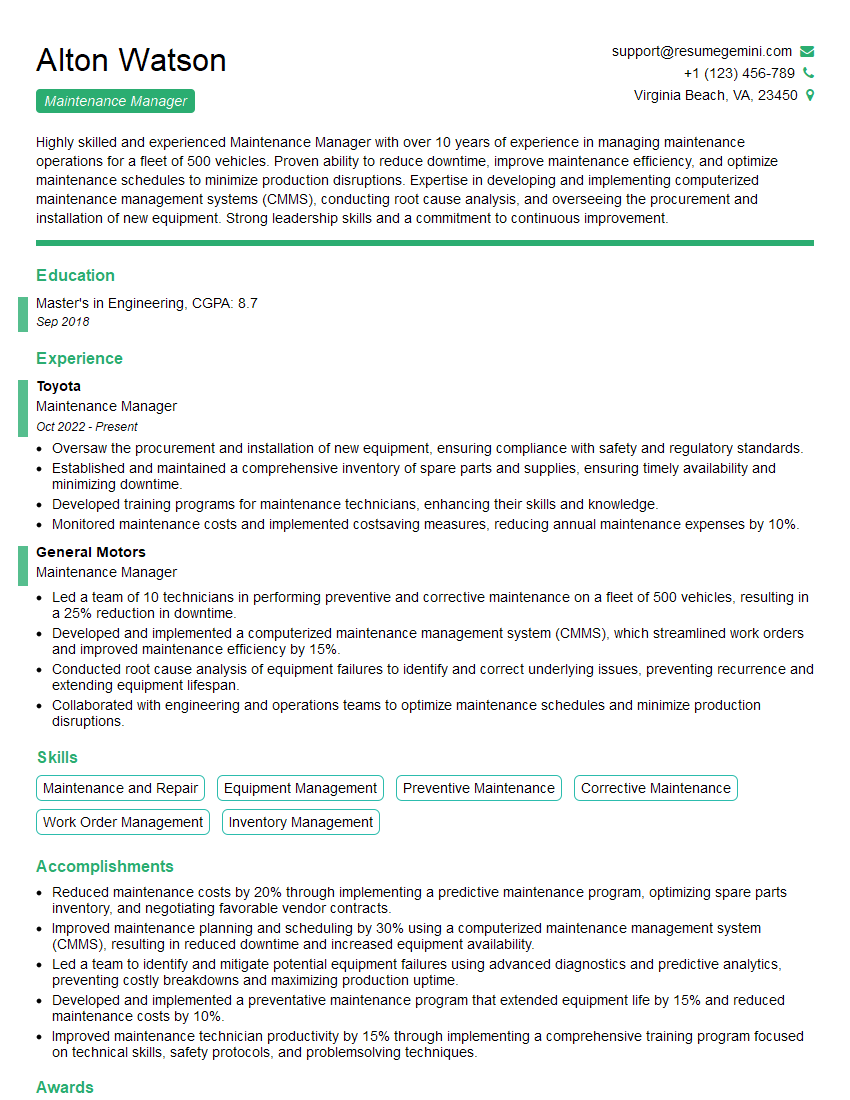
Maintenance Manager Resume Sample
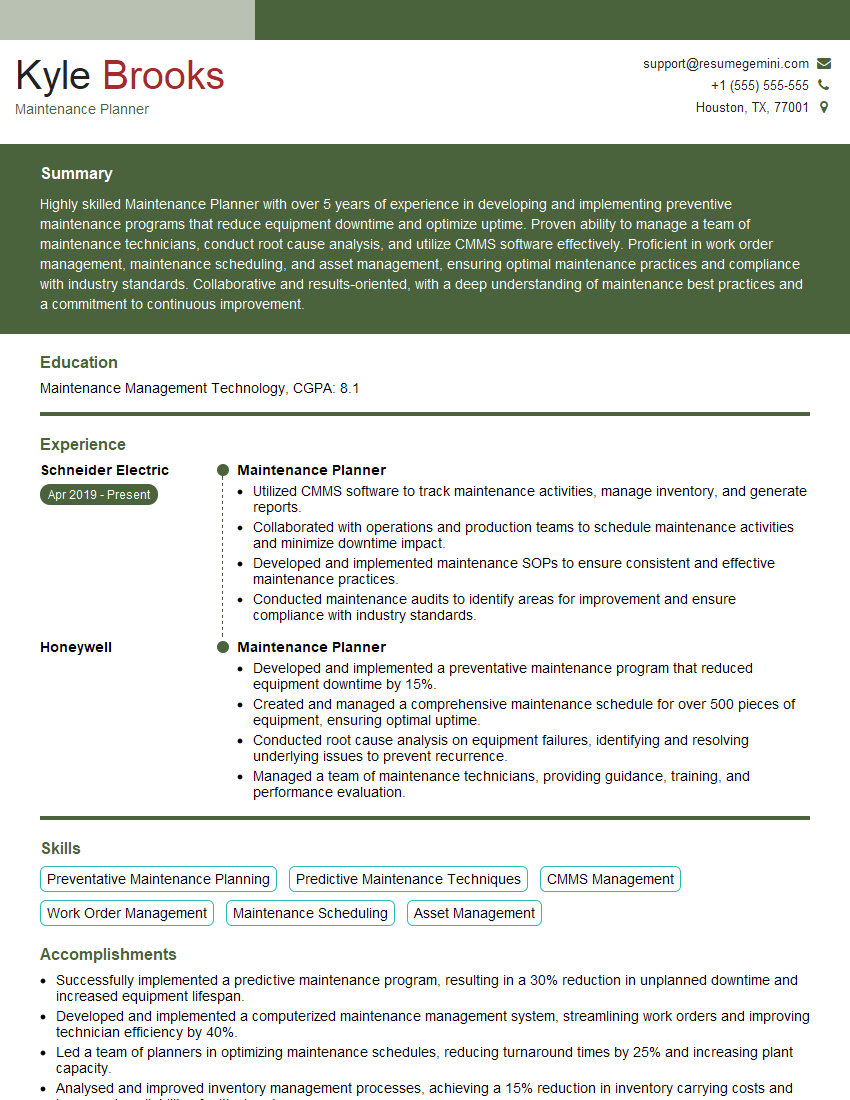
Maintenance Planner Resume Sample
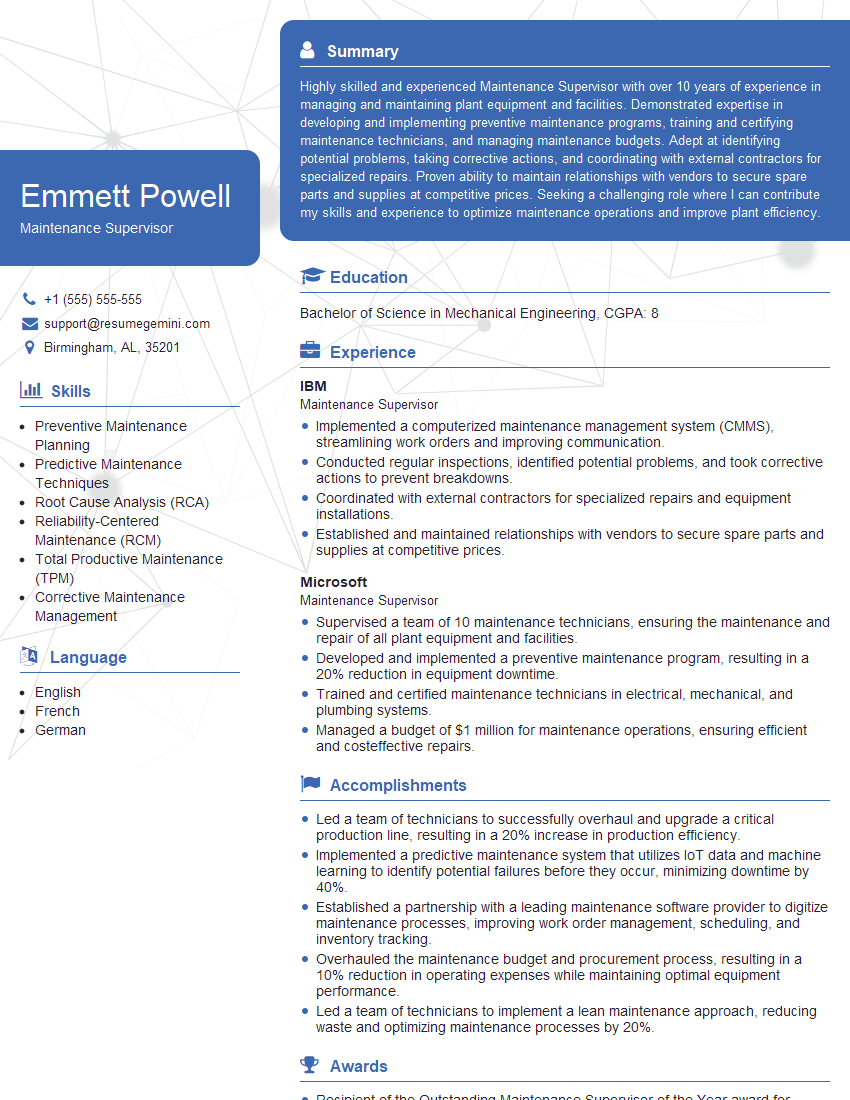
Maintenance Supervisor Resume Sample
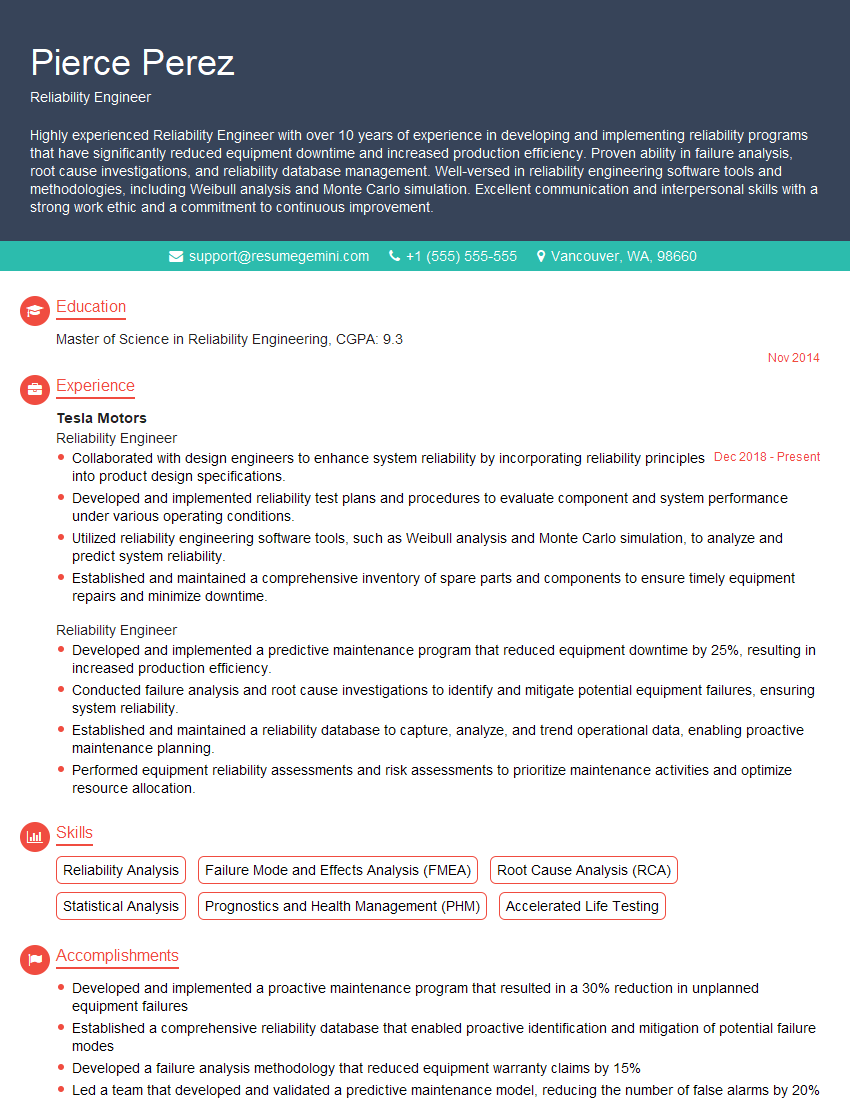
Reliability Engineer Resume Sample
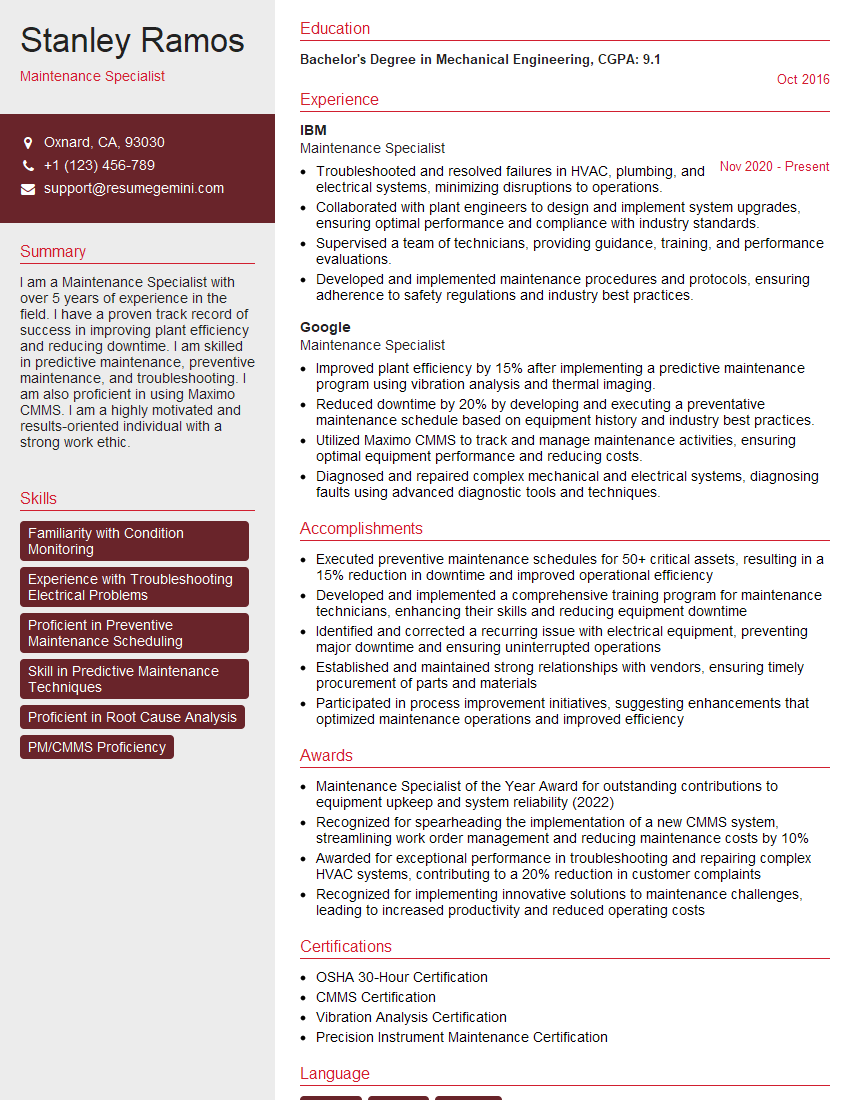
Maintenance Specialist Resume Sample
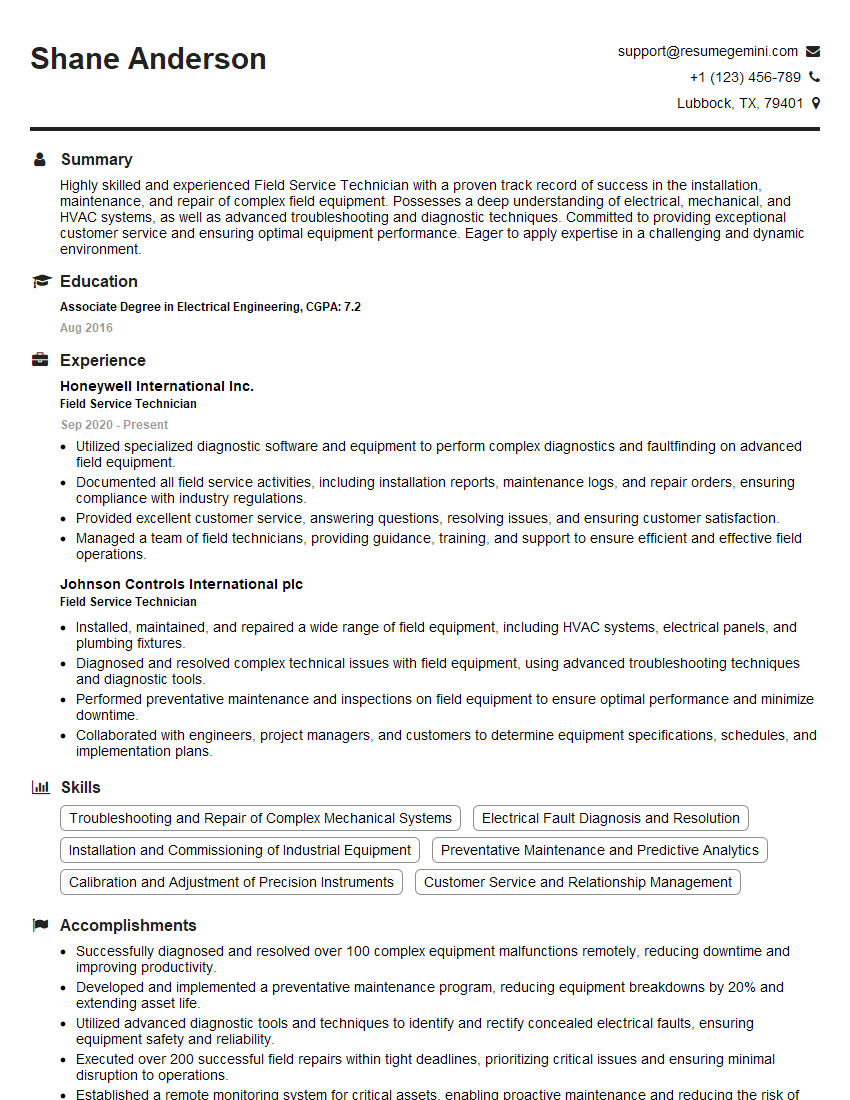
Field Service Technician Resume Sample
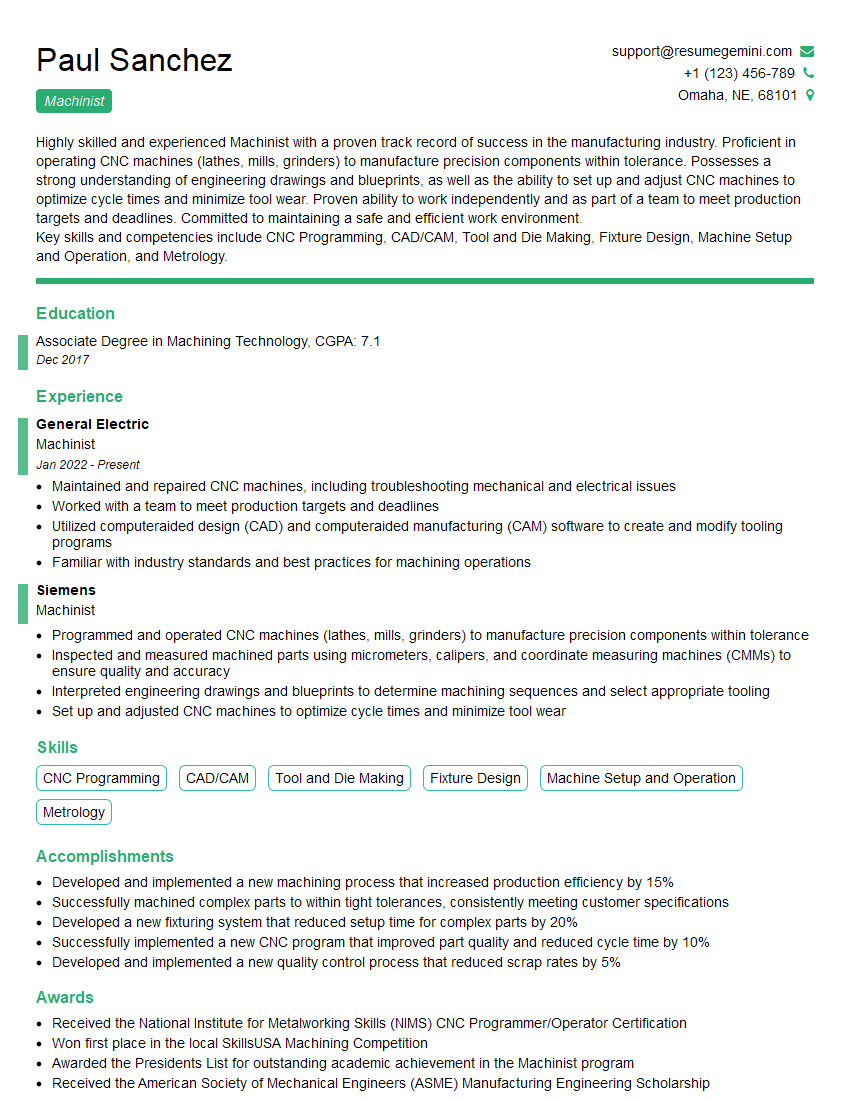
Machinist Resume Sample
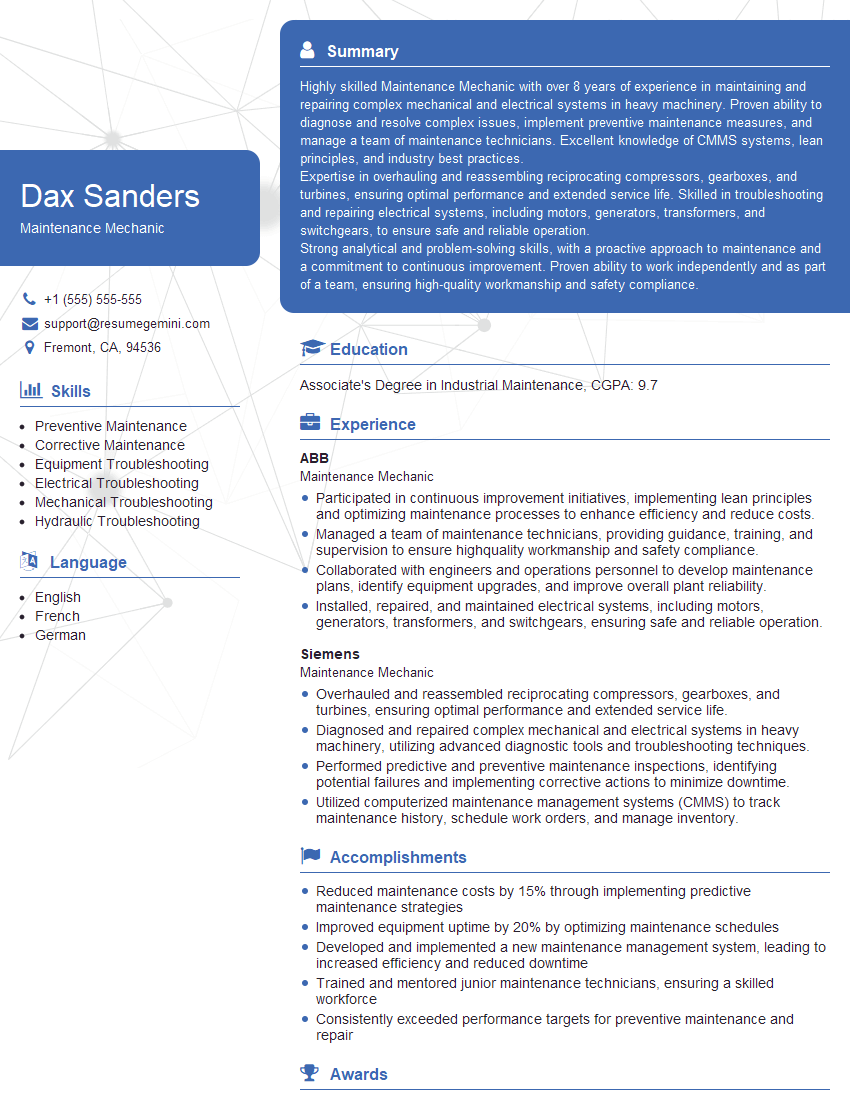
Maintenance Mechanic Resume Sample

Maintenance Scheduler Resume Sample

Electrical Maintenance Technician Resume Sample
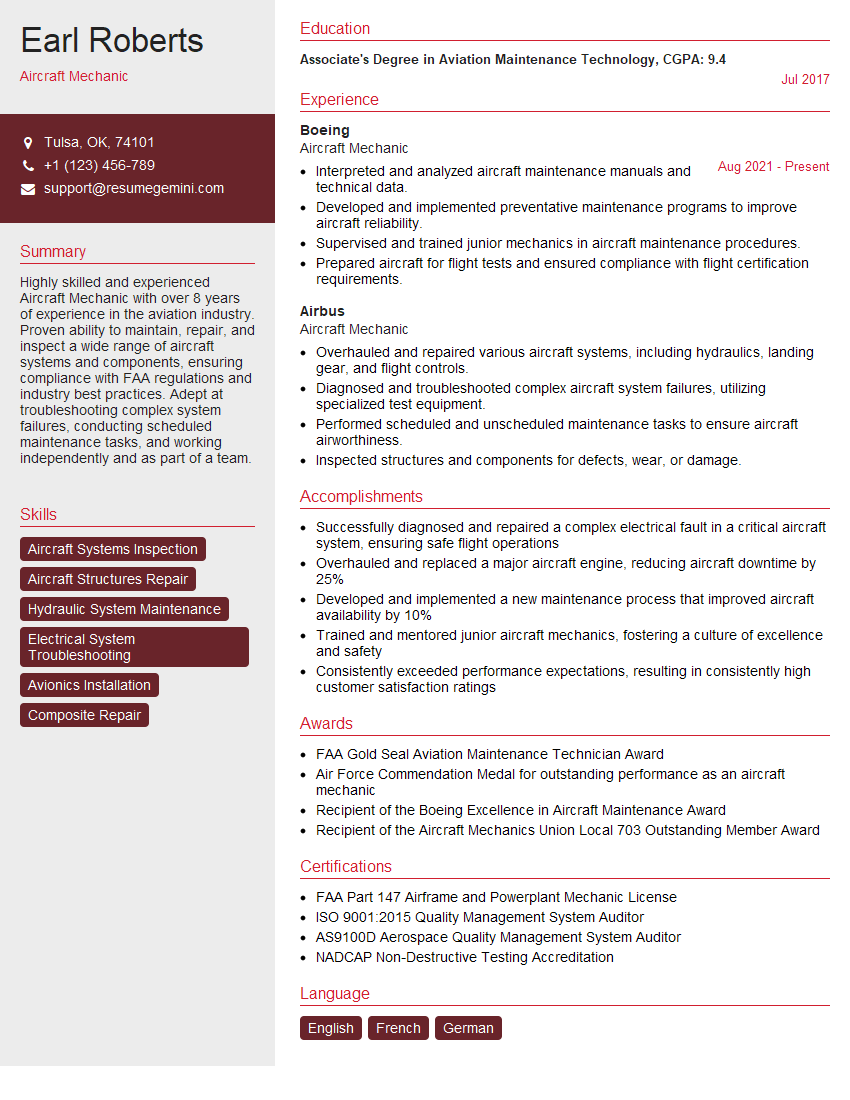
Aircraft Mechanic Resume Sample
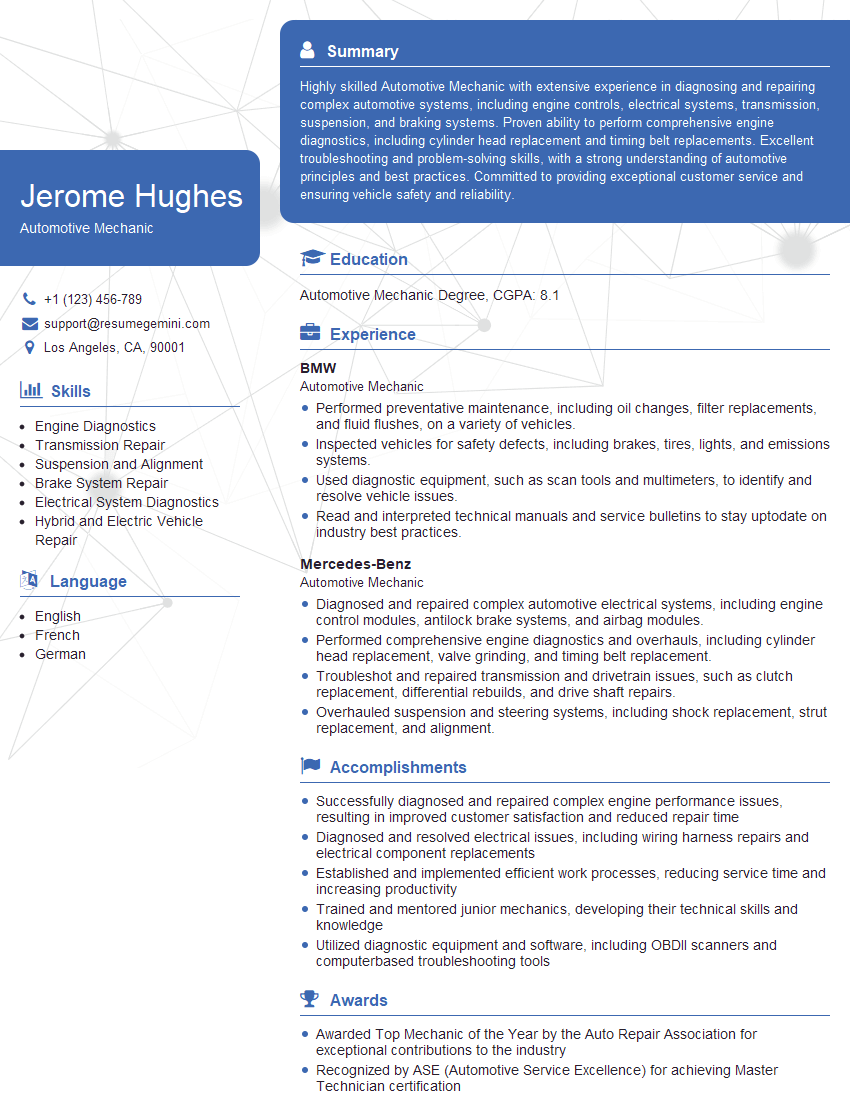
Automotive Mechanic Resume Sample
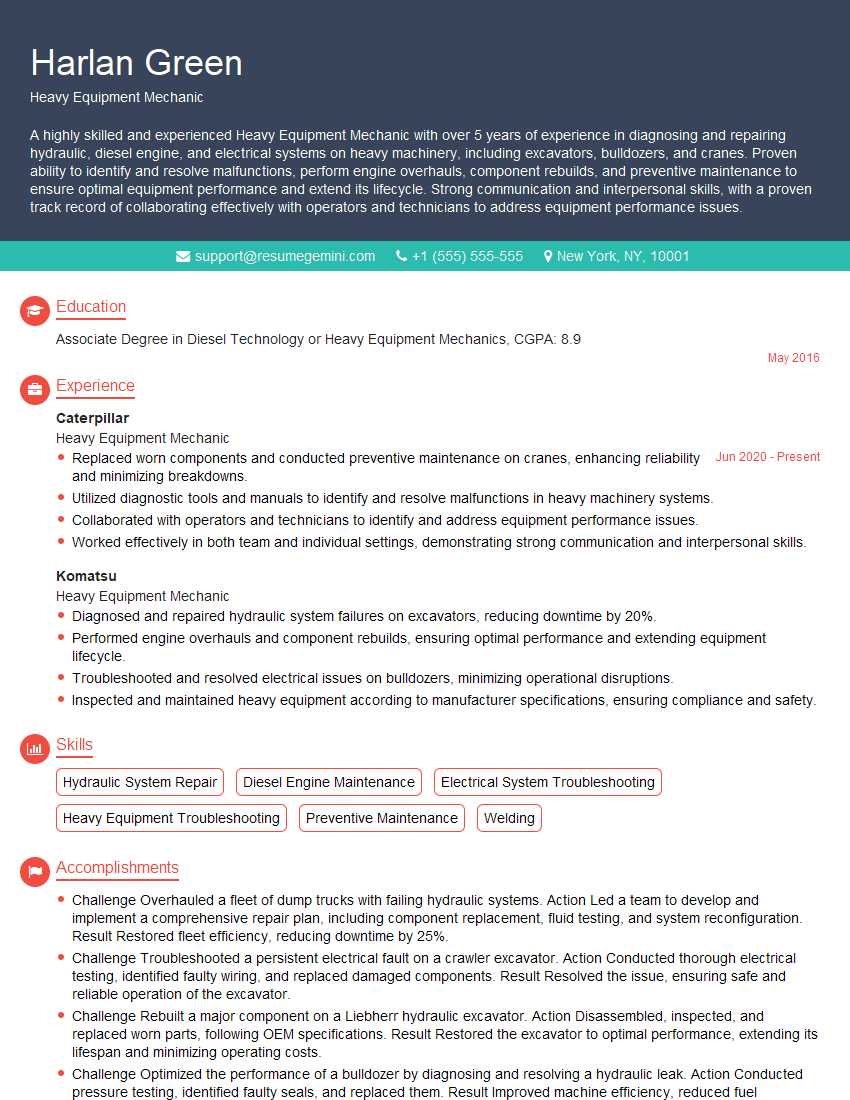
Heavy Equipment Mechanic Resume Sample
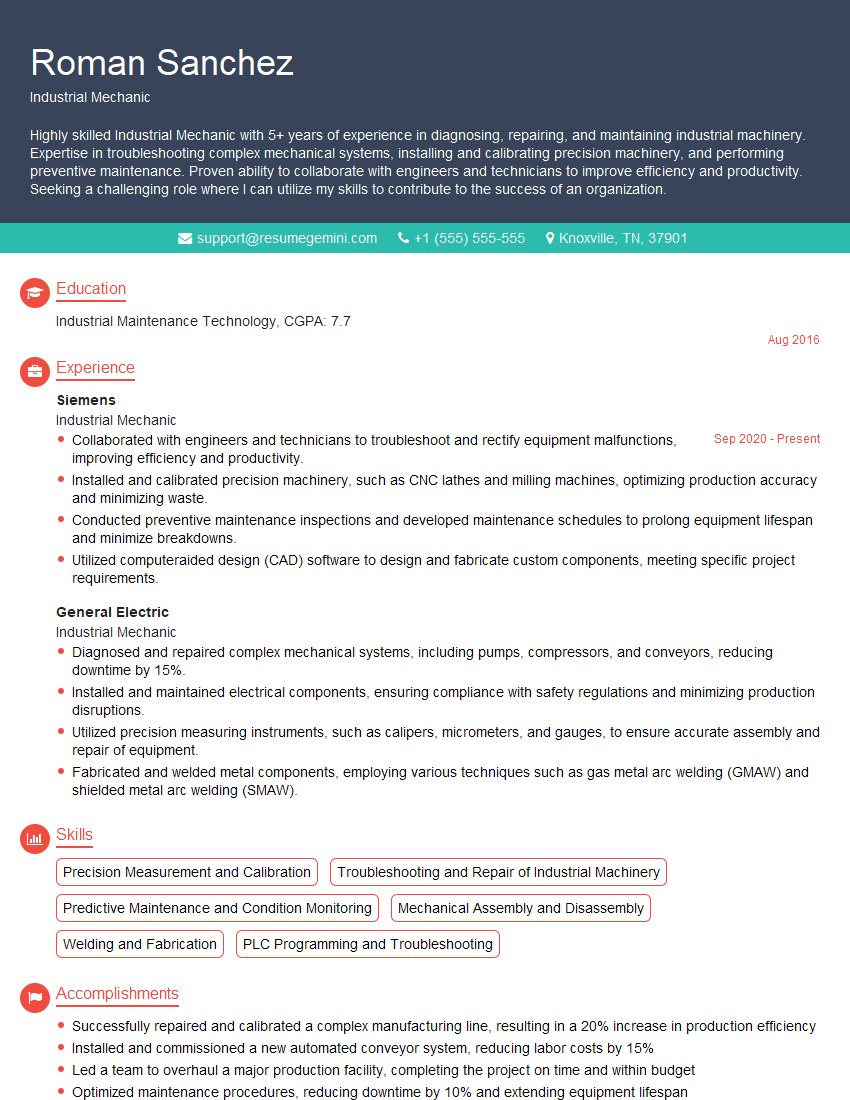
Industrial Mechanic Resume Sample
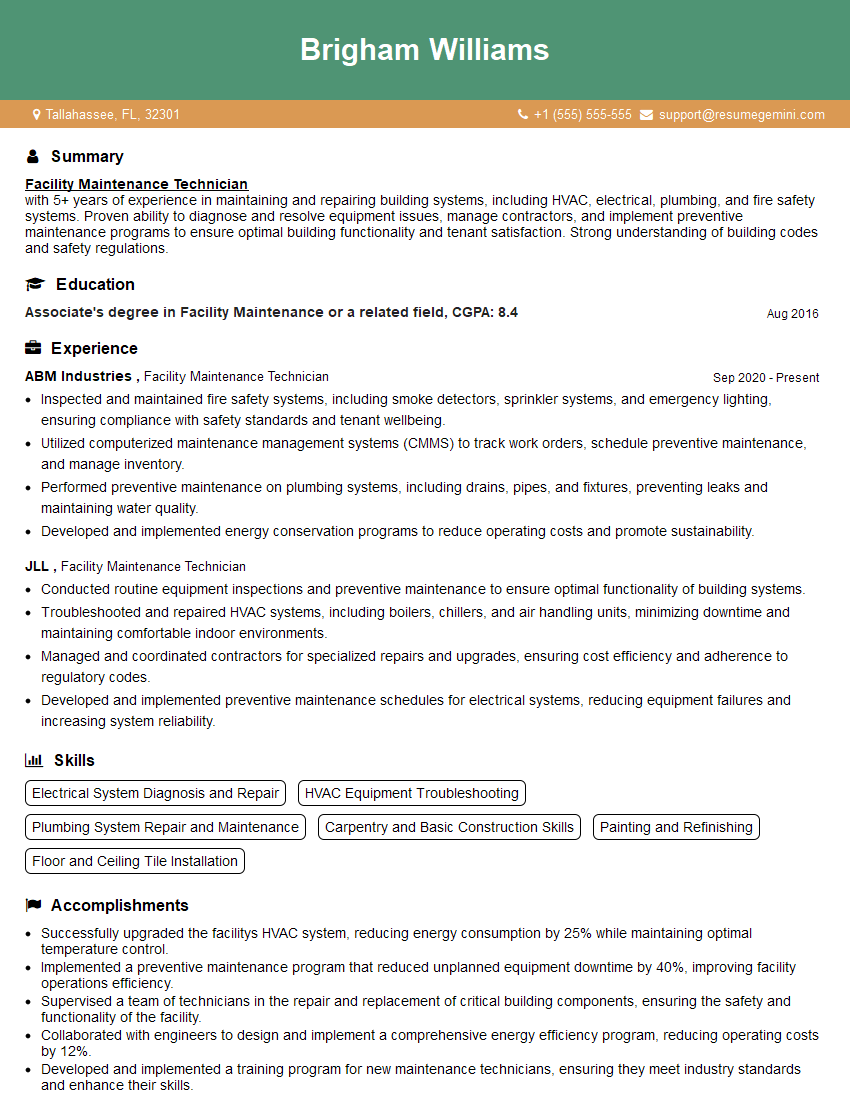
Facility Maintenance Technician Resume Sample
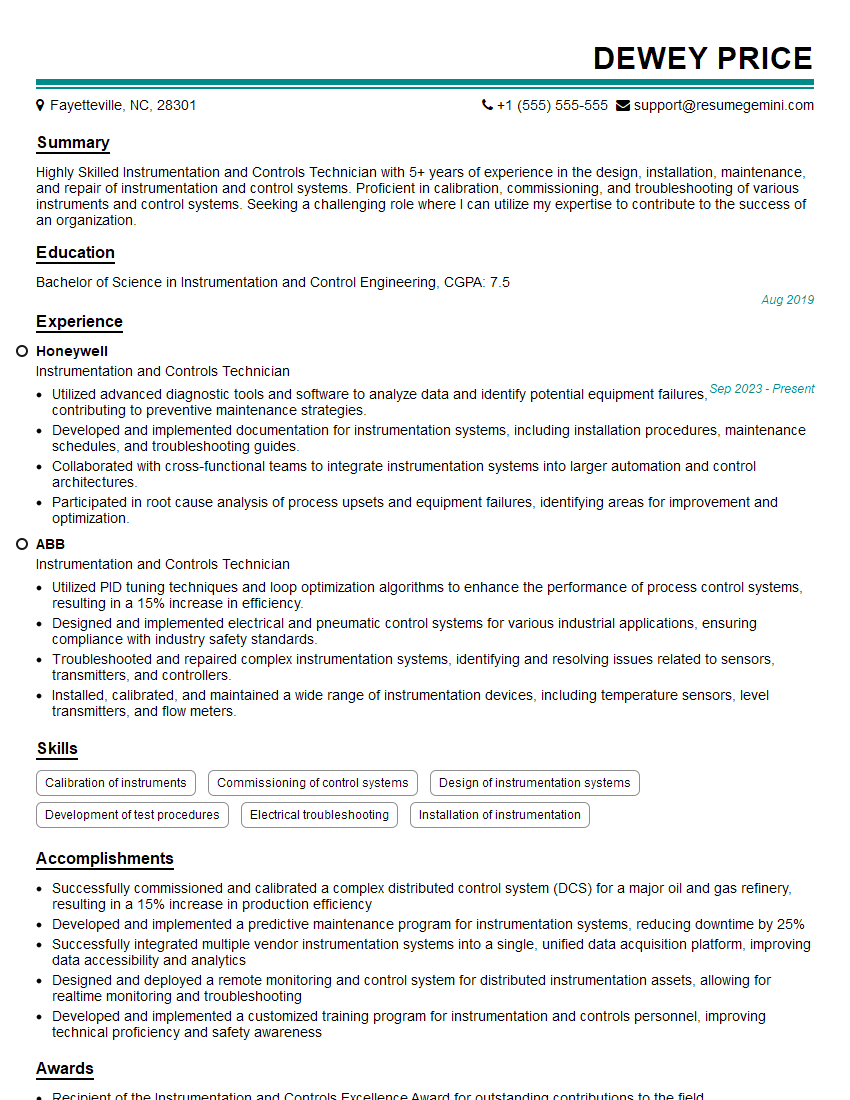
Instrumentation and Controls Technician Resume Sample
- Maintenance Manager
- Maintenance Planner
- Maintenance Supervisor
- Reliability Engineer
- Maintenance Specialist
- Field Service Technician
- Machinist
- Maintenance Mechanic
- Maintenance Scheduler
- Electrical Maintenance Technician
- Aircraft Mechanic
- Automotive Mechanic
- Heavy Equipment Mechanic
- Industrial Mechanic
- Facility Maintenance Technician
- Instrumentation and Controls Technician
Explore more articles
Users Rating of Our Blogs
Share Your Experience
We value your feedback! Please rate our content and share your thoughts (optional).
What Readers Say About Our Blog
Very informative content, great job.
good