Interviews are more than just a Q&A session—they’re a chance to prove your worth. This blog dives into essential Hazard Assessment and Risk Control interview questions and expert tips to help you align your answers with what hiring managers are looking for. Start preparing to shine!
Questions Asked in Hazard Assessment and Risk Control Interview
Q 1. Describe your experience conducting a Job Safety Analysis (JSA).
A Job Safety Analysis (JSA) is a systematic process to identify hazards and assess risks associated with a specific job task. My experience involves leading JSA workshops, facilitating discussions with workers directly involved in the tasks, and documenting findings. I use a structured approach, typically following a five-step process: selecting the task, breaking it down into steps, identifying potential hazards for each step, evaluating the risks associated with those hazards, and recommending control measures. For example, during a JSA for operating a forklift, we’d examine each step – pre-operational checks, maneuvering, loading/unloading – to identify hazards like collision risks, unstable loads, and equipment malfunctions. This leads to control measures like enforcing pre-shift inspections, implementing speed limits, and providing proper training.
Beyond simply identifying hazards, a thorough JSA goes into detail about the severity and likelihood of each. We rank these using scales and matrices, such as a 1-5 scale for likelihood and severity. Using a risk matrix helps prioritize hazards needing immediate attention and provides a clear visualization of the potential impact. This structured approach ensures that every aspect of the job is considered, from the most minor detail to the most critical aspects, leading to a much safer working environment. I have used JSAs in various industries, including construction, manufacturing, and logistics, consistently improving safety performance by pinpointing hazards and outlining prevention strategies.
Q 2. Explain the difference between a hazard and a risk.
A hazard is a potential source of harm. It’s the inherent danger itself, something that *could* cause injury or damage. Think of it as the ‘what’ – what *could* go wrong? A sharp knife is a hazard, a slippery floor is a hazard, an unguarded machine is a hazard.
A risk, on the other hand, is the chance, high or low, that somebody could be harmed by that hazard. Risk is the ‘how much’ and ‘how likely’. It combines the likelihood of the hazard occurring with the severity of the potential harm. A sharp knife is a hazard, but the *risk* of cutting yourself is high if you’re not careful, and low if you’re using it properly with protective measures. A slippery floor is a hazard, but the risk is high if it’s wet and people are rushing, low if it’s slightly damp and traffic is minimal. Assessing risk involves considering both the likelihood and consequences of a hazardous event.
Q 3. What risk assessment methodologies are you familiar with (e.g., HAZOP, FMEA, FTA)?
I’m proficient in several risk assessment methodologies. HAZOP (Hazard and Operability Study) is a systematic approach to identify deviations from intended operation of a process. It’s excellent for complex systems like chemical plants or pipelines. I have used HAZOP to proactively identify potential hazards before commissioning a new production line, preventing costly accidents and downtime.
FMEA (Failure Mode and Effects Analysis) is another valuable tool, focusing on potential failures of individual components or systems and their effects. This method is useful for identifying weaknesses in a product design or process. I’ve employed FMEA in designing safety-critical systems, ensuring redundancy and fail-safes were in place.
Finally, FTA (Fault Tree Analysis) is a deductive technique working backward from an undesired event (e.g., a major system failure) to identify the underlying causes. This is particularly useful for investigating accidents and preventing recurrence. I’ve used FTA in post-incident investigations, leading to improvements in procedures and equipment design.
Q 4. How do you prioritize risks?
Risk prioritization is crucial for efficient resource allocation. I typically use a risk matrix, plotting the likelihood of an event against its severity. This creates a visual representation of risks, allowing easy identification of high-priority hazards. The matrix often uses a qualitative scale (e.g., low, medium, high) for both likelihood and severity, though numerical scales are also possible. High-likelihood, high-severity risks are prioritized first. For example, a risk with a high likelihood of a serious injury will be tackled before a risk with a low likelihood of a minor injury. Beyond the matrix, I also consider factors like the number of people potentially affected and the potential environmental impact to further refine the prioritization.
Moreover, we use a combination of quantitative and qualitative risk assessments to support decision-making. Quantitative assessment often employs mathematical modeling to assess risk levels precisely. Whereas, Qualitative assessment focuses on expert judgment and experience when quantitative data is limited. This combined approach provides a robust and realistic risk assessment.
Q 5. Explain the hierarchy of risk controls.
The hierarchy of risk controls follows the principle of eliminating hazards whenever possible, then using increasingly less effective controls if elimination isn’t feasible. It’s often remembered as the ‘hierarchy of controls’.
- Elimination: The most effective control. If a hazard can be removed entirely, this is the best solution. Example: replacing a dangerous chemical with a safer alternative.
- Substitution: Replacing a hazardous substance or process with a less hazardous one. Example: Using a robot to perform a dangerous task.
- Engineering Controls: Physical changes to the workplace to minimize hazards. Examples: guarding machinery, installing ventilation systems, using safety interlocks.
- Administrative Controls: Changes to work practices, procedures, or training to minimize risk. Examples: job rotation, stricter safety rules, improved supervision, safety training.
- Personal Protective Equipment (PPE): The least effective control, used as a last resort when other controls are insufficient. Examples: safety glasses, gloves, hearing protection. It’s crucial to remember that PPE protects the *worker*, not the *hazard* itself.
The goal is to always work down the hierarchy, implementing the most effective control possible, starting with elimination or substitution before resorting to less effective measures like PPE.
Q 6. Describe your experience with developing and implementing safety programs.
My experience encompasses the entire lifecycle of safety program development and implementation. This starts with conducting thorough risk assessments (as previously described), identifying training needs, and designing targeted training programs. For example, I’ve developed a comprehensive safety program for a construction site, encompassing fall protection training, hazard communication, lockout/tagout procedures, and emergency response planning. This involved creating detailed safety manuals, conducting regular safety inspections, and implementing reporting systems for near misses and incidents. I’ve also been involved in implementing behavior-based safety programs that focus on changing worker behaviors to reduce incidents. Key to successful implementation is employee participation and engagement, ensuring buy-in from all levels of the organization.
Beyond that, I actively monitor the program’s effectiveness through regular audits, incident investigations, and leading indicator tracking (near misses, observations). I use this data to make changes and improvements to the program, tailoring it to the specific risks and challenges. It’s an iterative process; constant monitoring and improvement are essential to maintaining a safe and effective working environment.
Q 7. How do you identify and assess potential hazards in a workplace?
Identifying and assessing potential hazards in the workplace requires a multi-faceted approach. It begins with a thorough walk-through of the workplace, observing tasks, equipment, processes, and the environment. This should include input from workers, as they possess invaluable insight into the practical aspects of their jobs and can identify hazards that might be missed by an outsider. I’ve found that using checklists and standard hazard identification forms helps to ensure a consistent and comprehensive approach. We also leverage various tools like near-miss reporting systems, incident investigations, and safety audits. These help to reveal patterns, identify underlying causes of incidents, and highlight areas requiring improvement.
For example, a walk-through might uncover inadequate lighting, damaged equipment, or poor housekeeping, all of which could contribute to workplace accidents. Near-miss reporting can identify potential hazards before they cause an injury. For instance, a near-miss reporting an almost-fall can help find an issue with equipment or the floor. The assessment combines qualitative observation with quantitative data, such as accident statistics, to gain a clearer picture of the workplace’s safety status. Analyzing this data allows me to prioritize hazard controls using the risk assessment methodology, ensuring that the most significant hazards are addressed first. A continuous improvement cycle ensures that our strategies evolve with the workplace.
Q 8. What are some common workplace hazards and their corresponding controls?
Workplace hazards are potential sources of harm in the work environment. Identifying and controlling these hazards is crucial for maintaining a safe and healthy workplace. Common hazards include:
- Physical Hazards: These include slips, trips, and falls; exposure to noise, vibration, or extreme temperatures; and ergonomic issues like repetitive strain injuries. Controls might involve implementing non-slip flooring, providing hearing protection, using climate control systems, and designing workstations to minimize strain.
- Chemical Hazards: These involve exposure to hazardous substances like solvents, acids, or cleaning agents. Controls include proper ventilation, personal protective equipment (PPE) such as respirators and gloves, and the use of Material Safety Data Sheets (MSDS) for handling and storage.
- Biological Hazards: Exposure to bacteria, viruses, or other biological agents (e.g., in healthcare settings or laboratories). Controls include proper hygiene practices, vaccination programs, and the use of sterile equipment.
- Ergonomic Hazards: Poor workstation design leading to musculoskeletal disorders. Controls involve ergonomic assessments, adjustable furniture, and training on proper lifting techniques.
- Psychosocial Hazards: These include stress, harassment, and violence. Controls involve promoting a positive work environment, providing stress management resources, and establishing clear policies against harassment and violence.
For example, in a construction site, a common hazard is working at heights. Controls would include the use of harnesses, guardrails, and proper scaffolding.
Q 9. How do you conduct a workplace inspection?
A workplace inspection is a systematic examination of the work environment to identify hazards and assess the effectiveness of existing controls. I typically follow a structured approach:
- Planning: Determine the scope of the inspection, including areas to cover and specific hazards to focus on. This often involves reviewing previous inspection reports and incident records.
- Inspection: Conduct a thorough visual inspection, checking for potential hazards and evaluating the adequacy of existing controls. I use checklists to ensure consistency and thoroughness. I also engage with employees to gather their observations and concerns, as they often have valuable insights.
- Documentation: Record all findings, including identified hazards, existing controls, and recommendations for improvements. Photographs and videos can be very useful supporting evidence.
- Reporting: Prepare a comprehensive report summarizing the inspection findings, including prioritized recommendations for corrective actions. This report is shared with relevant stakeholders, including management and employees.
- Follow-up: Monitor the implementation of corrective actions and conduct follow-up inspections to ensure that hazards have been effectively mitigated. This ensures the continuous improvement of safety in the workplace.
For instance, during a recent inspection at a manufacturing facility, I identified a potential tripping hazard due to exposed wiring. This was documented, photographed, and immediate corrective action was implemented to cover the wiring.
Q 10. Explain your experience with incident investigation and root cause analysis.
Incident investigation and root cause analysis are crucial for preventing future occurrences. My approach involves a multi-step process:
- Data Gathering: Collect information from various sources, including witness statements, incident reports, photographs, and physical evidence. This stage is crucial for establishing a factual account of the event.
- Timeline Development: Create a clear timeline of the events leading up to, during, and after the incident.
- Root Cause Analysis: Use techniques such as the “5 Whys” or fault tree analysis to identify the underlying causes of the incident. It’s important to delve beyond the immediate causes to find the root issues that created the conditions for the event to occur.
- Corrective Action Plan: Develop a comprehensive plan to address the root causes, prevent recurrence, and mitigate similar risks. This often involves implementing new controls or improving existing ones.
- Reporting & Follow-up: Prepare a detailed report summarizing the investigation findings, root causes, and corrective actions. This report is shared with relevant stakeholders, and follow-up actions are monitored to ensure effectiveness.
In one case, investigating a near-miss incident involving a forklift, I used the “5 Whys” technique to uncover the root cause: inadequate training for forklift operators led to unsafe operating practices. The corrective action involved mandatory refresher training for all operators and implementing a more rigorous training program for new employees.
Q 11. How do you communicate risk information to different stakeholders?
Communicating risk information effectively is essential for gaining buy-in and ensuring the cooperation of stakeholders. My approach involves tailoring the communication to the audience:
- Management: I provide concise, data-driven reports focusing on the overall risk profile, cost-benefit analysis of control measures, and strategic implications.
- Employees: I utilize clear, concise language, avoiding jargon. I focus on the potential impact on their safety and health, and I encourage open communication and feedback.
- Contractors: I provide detailed pre-work briefings outlining specific site hazards, required PPE, and emergency procedures. I ensure that they understand their responsibilities and have access to necessary information.
- Regulatory Bodies: I provide comprehensive documentation that is compliant with all relevant regulations and standards, including incident reports and risk assessments.
I often use visual aids, such as infographics and presentations, to enhance understanding and engagement, particularly when communicating with less technically-inclined audiences. I also leverage regular safety meetings and toolbox talks to keep everyone informed.
Q 12. What is your experience with regulatory compliance related to safety and health?
Regulatory compliance is paramount in ensuring workplace safety. I have extensive experience with a range of safety and health regulations, including OSHA (Occupational Safety and Health Administration), and other relevant industry-specific regulations. My experience includes:
- Developing and implementing safety management systems (SMS): These systems ensure that all activities are compliant with all relevant standards and regulations.
- Conducting regular audits and inspections: This ensures ongoing compliance and proactively identifies areas requiring improvement.
- Maintaining accurate records and documentation: This is crucial for demonstrating compliance during audits or inspections.
- Staying up-to-date on changes to regulations: The regulatory landscape is constantly evolving, so continuous professional development is essential.
For example, I have successfully guided numerous organizations through OSHA inspections, ensuring that they maintained compliance and addressed any identified deficiencies.
Q 13. How do you manage contractor safety on a project?
Managing contractor safety is a crucial aspect of project management. My approach includes:
- Pre-qualification: Thoroughly vetting contractors to ensure they have the necessary safety certifications and experience. This includes reviewing their safety records and insurance coverage.
- Pre-work safety briefings: Conducting thorough briefings outlining site-specific hazards, emergency procedures, and required PPE.
- Site safety inspections: Regularly inspecting contractor work areas to ensure compliance with safety regulations and procedures.
- Communication and coordination: Maintaining open communication with contractors to address any safety concerns promptly.
- Incident investigation and reporting: Investigating any incidents involving contractors to determine root causes and implement corrective actions.
In a recent project, I pre-qualified contractors based on their safety records and implemented a rigorous system of site inspections and communication, resulting in zero contractor-related incidents.
Q 14. Describe your experience with developing safety training programs.
Developing effective safety training programs is crucial for ensuring a safe work environment. My approach is to create engaging and practical training that meets the specific needs of the workforce. This includes:
- Needs assessment: Identifying the specific safety training needs of the workforce based on job roles, hazards, and previous incident data. This ensures that the training is relevant and effective.
- Curriculum development: Designing a comprehensive curriculum that covers relevant safety topics, including hazard identification, risk assessment, and control measures. This often includes interactive elements, such as case studies, simulations, and hands-on activities.
- Training delivery: Employing diverse training methods, such as classroom instruction, online modules, and on-the-job training. The approach is tailored to learning styles and preferences.
- Evaluation and feedback: Assessing the effectiveness of the training through pre- and post-tests, observation of behavior, and feedback from participants. This allows for continuous improvement and ensures that the training is achieving its intended outcomes.
For example, I developed a comprehensive safety training program for a manufacturing plant that included both classroom instruction and hands-on simulations, resulting in a significant reduction in workplace accidents.
Q 15. How do you measure the effectiveness of safety programs?
Measuring the effectiveness of safety programs isn’t a one-size-fits-all approach; it requires a multifaceted strategy. We need to move beyond simply looking at the number of accidents. Instead, a robust evaluation incorporates leading and lagging indicators.
Lagging Indicators: These reflect past performance and include metrics like the number of lost-time incidents (LTIs), recordable injuries, near misses reported, and the total cost associated with safety incidents. A decrease in these metrics is positive, but it’s reactive rather than proactive.
Leading Indicators: These predict future performance and are more valuable for continuous improvement. Examples include the number of safety training hours completed, the frequency of safety inspections conducted, employee safety observation scores, and the number of safety suggestions implemented. Improvements here suggest a stronger safety culture and a reduced likelihood of accidents.
Furthermore, we should assess the effectiveness through employee surveys gauging their perception of safety, management commitment to safety, and the adequacy of safety resources. Analyzing incident investigation reports to identify root causes and recurring issues is critical. Regularly reviewing these indicators, coupled with a commitment to continuous improvement, provides a comprehensive picture of program effectiveness.
Career Expert Tips:
- Ace those interviews! Prepare effectively by reviewing the Top 50 Most Common Interview Questions on ResumeGemini.
- Navigate your job search with confidence! Explore a wide range of Career Tips on ResumeGemini. Learn about common challenges and recommendations to overcome them.
- Craft the perfect resume! Master the Art of Resume Writing with ResumeGemini’s guide. Showcase your unique qualifications and achievements effectively.
- Don’t miss out on holiday savings! Build your dream resume with ResumeGemini’s ATS optimized templates.
Q 16. How do you handle conflicting priorities between safety and production?
Balancing safety and production is a constant challenge. It’s a false dichotomy to assume they are mutually exclusive. In reality, a strong safety culture *enhances* production in the long run by reducing downtime, improving morale, and fostering a more efficient and productive work environment. When conflicts arise, a structured approach is vital.
Prioritize Risk Assessment: Thoroughly assessing potential hazards and prioritizing those with the highest risk of serious injury or property damage. This allows for a focused approach to risk mitigation.
Engage in Collaborative Problem-Solving: Open communication between safety personnel, production managers, and workers is crucial. Brainstorming sessions can identify creative solutions that balance safety and production goals. This fosters a sense of shared ownership and commitment.
Implement Mitigation Strategies: This includes adopting engineering controls (e.g., machine guarding), administrative controls (e.g., work permits, procedures), and personal protective equipment (PPE). We should select the most effective and practical control measures, considering both safety and production implications.
Establish Clear Metrics and Accountability: Setting specific, measurable, achievable, relevant, and time-bound (SMART) goals for both safety and production helps track progress and ensures that both aspects receive adequate attention.
Ultimately, safety is not a cost; it’s an investment that pays dividends in reduced losses, enhanced productivity, and a positive work environment. A successful approach necessitates a shift from viewing safety as a constraint to seeing it as a vital component of successful production.
Q 17. Describe a time you had to deal with a significant safety incident.
During my time at a construction site, a worker suffered a serious fall from a significant height due to a lapse in fall protection protocols. The immediate response was to ensure the injured worker received immediate medical attention. Simultaneously, we secured the area to prevent further incidents.
The subsequent investigation involved thoroughly examining the incident, interviewing witnesses, reviewing site safety documentation, and analyzing the fall protection system. We identified that inadequate training on the proper use of fall arrest equipment, coupled with a lack of effective supervision, led to the incident. This revealed a gap in our training program and oversight procedures.
Our corrective actions included enhanced training programs focused on practical application of fall protection equipment, stricter supervision procedures, and implementing a more robust inspection and maintenance schedule for safety equipment. This incident underscored the importance of proactive safety measures and the crucial role of continuous improvement in preventing future accidents. We also reviewed and improved our near-miss reporting system to encourage proactive identification of potential hazards.
Q 18. What is your experience with safety auditing?
I have extensive experience conducting and managing safety audits, both internal and external. My approach is to perform a thorough evaluation of a site or organization’s safety management system against relevant standards and best practices. This involves:
Planning: Defining the scope, objectives, and methodology of the audit, including identifying key areas to be reviewed.
Data Collection: Gathering information through document reviews, interviews with employees at all levels, observations of work practices, and safety inspections.
Findings: Identifying gaps, deficiencies, and areas for improvement in safety management systems and practices. This includes documenting the evidence found and determining the severity of each finding.
Reporting: Preparing a comprehensive report that details the audit findings, conclusions, and recommendations for corrective actions.
Follow-up: Verifying that the recommended corrective actions have been implemented and are effective.
I am proficient in various auditing techniques, including checklists, interviews, observations, and sampling methods. My experience spans diverse industries, allowing me to adapt my approach based on the specific regulatory requirements and industry best practices.
Q 19. How do you stay current with changes in safety regulations and best practices?
Staying current in the dynamic field of safety regulations and best practices is crucial. I actively pursue multiple strategies to ensure I remain up-to-date:
Professional Organizations: I am a member of professional organizations like [Mention relevant professional organizations e.g., OSHA, ASSE] which provide access to publications, conferences, and networking opportunities with other professionals. This allows me to learn about emerging trends and best practices in the field.
Regulatory Updates: I regularly review changes in relevant safety regulations and standards issued by regulatory bodies. I use official government websites and professional organization resources for this information.
Industry Publications and Journals: I subscribe to reputable safety publications and journals that provide insights into current research, new technologies, and evolving best practices.
Conferences and Workshops: Attending safety conferences and workshops helps me stay informed about emerging hazards, innovative safety solutions, and regulatory changes.
Online Courses and Webinars: I actively participate in online courses and webinars offered by reputable institutions and organizations to enhance my knowledge and skills in specific safety areas.
Continuous learning is not merely a professional pursuit, but a necessity to ensure I effectively mitigate risks and promote a safe working environment.
Q 20. Describe your proficiency with safety management software.
My experience with safety management software encompasses various systems, including [Mention specific software e.g., ISN, EHS software]. I am proficient in using these platforms for tasks such as:
Incident Reporting and Investigation: Recording and tracking safety incidents, conducting root cause analyses, and generating reports.
Training Management: Scheduling, tracking, and managing employee training records.
Permit-to-Work Systems: Managing hazardous work permits and ensuring compliance.
Inspections and Audits: Scheduling and conducting safety inspections, recording findings, and tracking corrective actions.
Data Analysis and Reporting: Generating reports and visualizations to track key safety metrics and identify trends.
Beyond basic data entry, I am adept at customizing reports, creating dashboards to monitor key safety performance indicators, and extracting meaningful insights from the data to drive continuous improvement efforts.
Q 21. Explain your understanding of the principles of ergonomics.
Ergonomics is the scientific study of designing workplaces, equipment, and tasks to suit the capabilities of the worker. It aims to reduce risk of musculoskeletal disorders (MSDs) such as carpal tunnel syndrome, back pain, and repetitive strain injuries. The core principles focus on adapting the work environment to the human body, rather than forcing the human body to adapt to the work environment.
Workplace Design: Workstations should be designed to allow for proper posture, reducing strain on the back, neck, and shoulders. This includes adjustable chairs, desks, and monitors. Tools should be easily accessible to avoid awkward postures.
Task Design: Tasks should be designed to minimize repetitive movements, prolonged static postures, and excessive force. This may involve job rotation, modifying work processes, or using assistive devices.
Environmental Factors: The work environment should consider factors like lighting, temperature, and noise levels. Poor environmental conditions can contribute to fatigue and increase the risk of errors.
Personal Protective Equipment (PPE): Appropriate PPE, such as gloves, back supports, and wrist braces, should be provided and properly used to protect workers from hazards.
Training and Education: Employees should be trained on proper lifting techniques, workstation setup, and other ergonomic principles to reduce the risk of MSDs.
Ignoring ergonomic principles can lead to increased injury rates, reduced productivity, higher absenteeism, and increased healthcare costs. A well-designed ergonomic program reduces these negative impacts and fosters a more productive and healthy work environment.
Q 22. What is your approach to working with diverse teams on safety matters?
My approach to working with diverse teams on safety matters centers on inclusive communication and collaborative problem-solving. I believe that leveraging the unique perspectives and experiences of each team member is crucial for comprehensive hazard identification and risk mitigation. I facilitate open dialogue, ensuring everyone feels comfortable voicing their concerns and contributing their expertise. This often involves using visual aids, simplified language, and actively seeking input from individuals who may be less vocal. For example, during a safety audit of a construction site, I would ensure that not only the project managers and engineers are consulted, but also the laborers and subcontractors, who often have invaluable on-the-ground knowledge of potential hazards. I also utilize diverse communication methods—both formal meetings and informal check-ins—to cater to different learning styles and communication preferences.
Furthermore, I create a psychologically safe space where individuals feel empowered to report near misses or unsafe practices without fear of retribution. This fosters a culture of trust and mutual respect, vital for effective teamwork in safety management.
Q 23. How do you foster a safety-conscious culture within a workplace?
Fostering a safety-conscious culture isn’t a one-time event; it’s an ongoing process requiring consistent effort and visible leadership commitment. It starts with clearly defining safety expectations and responsibilities at all levels of the organization. This involves developing a comprehensive safety policy that is communicated effectively and regularly reinforced through training, toolbox talks, and visual aids. Leaders must champion safety by actively participating in safety initiatives, demonstrating a personal commitment to safe practices, and visibly rewarding safe behaviors.
Beyond policy, engaging employees through interactive safety programs—like safety committees, near-miss reporting systems, and regular safety audits—encourages participation and ownership. Regular training tailored to specific job roles ensures employees have the knowledge and skills to perform their tasks safely. Furthermore, using positive reinforcement and celebrating successes helps create a culture where safety is viewed not as a burden, but as a shared responsibility and a source of pride. For instance, recognizing and rewarding an employee who identified a potential hazard before it resulted in an incident strengthens the safety culture considerably.
Q 24. How do you manage and mitigate risks associated with new technologies?
Managing risks associated with new technologies necessitates a proactive and multi-faceted approach. The process begins with a thorough hazard identification specific to the technology’s implementation. This involves considering potential risks throughout its lifecycle, from design and procurement to operation and decommissioning. For example, introducing robotics into a manufacturing plant necessitates assessing risks related to mechanical failure, software glitches, human-robot interaction, and data security breaches.
Risk mitigation strategies are then developed and implemented, including thorough testing, redundancy systems, safety protocols, and comprehensive employee training. Regular risk assessments are critical to evaluate the effectiveness of these mitigation measures and adapt to evolving risks as the technology is used. A robust risk management system, often including quantitative risk assessment methodologies, provides a structured approach to prioritize risks based on likelihood and severity. Continuous monitoring and improvement are key to staying ahead of potential issues. Documentation of risk assessments, mitigation strategies, and incident reports is crucial for regulatory compliance and continuous improvement.
Q 25. Describe your experience with emergency response planning and execution.
My experience with emergency response planning and execution includes developing and implementing comprehensive emergency plans for various settings, from industrial facilities to office buildings. This involves conducting thorough hazard vulnerability analyses to identify potential emergencies, such as fires, chemical spills, or natural disasters. Based on this analysis, detailed emergency response procedures are developed, outlining roles and responsibilities, evacuation routes, communication protocols, and procedures for post-incident recovery. Regular drills and simulations are crucial to test the effectiveness of the plan and ensure that all personnel are familiar with their roles and responsibilities.
In addition to planning, I have extensive experience in executing emergency responses. This includes coordinating response teams, managing communication during the emergency, and providing post-incident support to affected individuals. Critical to this is a robust communication system that ensures efficient information flow between responders, emergency services, and potentially affected stakeholders. Post-incident analysis and reporting are essential for identifying areas for improvement in the emergency response plan and overall safety management system.
Q 26. How do you balance the cost of safety measures with their effectiveness?
Balancing the cost of safety measures with their effectiveness requires a cost-benefit analysis that considers both tangible and intangible factors. A purely cost-driven approach can lead to inadequate safety measures, while an overly cautious approach can be financially unsustainable. The key is to prioritize safety measures based on their risk reduction potential relative to their cost. This involves using quantitative risk assessment techniques to estimate the potential costs of incidents and comparing them to the cost of implementing safety measures.
For example, implementing a costly new safety system may be justified if it significantly reduces the likelihood of a catastrophic incident with high potential financial and human costs. On the other hand, a less expensive measure, like providing safety training, might be prioritized if it addresses a high-frequency, low-severity hazard. Regular review and adjustments based on performance indicators and emerging risks are vital to maintain an optimal balance between safety and cost-effectiveness.
Q 27. Explain your understanding of legal liability concerning workplace safety.
My understanding of legal liability concerning workplace safety is rooted in the principle that employers have a legal and moral obligation to provide a safe and healthy work environment for their employees. This obligation is enshrined in various laws and regulations, varying by jurisdiction but generally encompassing requirements for hazard identification, risk assessment, implementation of control measures, employee training, and record-keeping. Failure to comply with these regulations can result in significant legal consequences, including fines, penalties, and even criminal charges in cases of gross negligence leading to serious injury or death.
The concept of ‘duty of care’ is central to workplace safety legislation. Employers are expected to take reasonable steps to ensure the safety of their employees. This includes providing appropriate personal protective equipment (PPE), implementing safe work practices, maintaining equipment in good working order, and providing adequate supervision. Legal liability extends not only to direct employees but also to contractors and visitors to the workplace. Thorough documentation of safety procedures, training records, and incident investigations is crucial to demonstrate compliance with legal obligations and provide a strong defense in case of litigation.
Q 28. How do you document and track safety performance indicators?
Documenting and tracking safety performance indicators (KPIs) is essential for monitoring the effectiveness of safety programs and identifying areas for improvement. This typically involves establishing a system for collecting data on key safety metrics, such as the number of accidents, near misses, lost-time injuries, and safety training participation rates. This data is then analyzed to identify trends, patterns, and areas of concern. Various methods can be employed, from simple spreadsheets to sophisticated safety management software.
Data visualization techniques, such as charts and graphs, are useful for presenting this information effectively to management and employees. Regular reporting on safety KPIs allows for timely intervention when trends suggest deteriorating safety performance. For instance, a sudden increase in near misses could indicate a need for additional training or a review of safety procedures. Continuous monitoring and analysis of safety data are crucial for driving improvements in workplace safety and demonstrating ongoing commitment to a safe working environment. The data should also be used to demonstrate progress to regulatory bodies and stakeholders.
Key Topics to Learn for Hazard Assessment and Risk Control Interview
- Hazard Identification and Analysis: Understanding various hazard identification methods (e.g., checklists, inspections, HAZOP), and techniques for analyzing potential hazards and their severity.
- Risk Assessment Methodologies: Proficiency in applying different risk assessment matrices (e.g., ALARP, FMEA, Bow-Tie analysis) to quantify and prioritize risks.
- Risk Control Strategies: Developing and implementing effective control measures (e.g., elimination, substitution, engineering controls, administrative controls, PPE) based on risk assessment results.
- Legal and Regulatory Compliance: Familiarity with relevant health and safety legislation, regulations, and industry best practices related to hazard assessment and risk control.
- Communication and Teamwork: Demonstrating the ability to effectively communicate risk assessments and control measures to diverse audiences and collaborate with cross-functional teams.
- Practical Application: Experience in conducting hazard assessments in real-world scenarios, including case studies demonstrating problem-solving approaches and decision-making skills under pressure.
- Data Analysis and Reporting: Ability to collect, analyze, and present risk assessment data clearly and concisely in reports and presentations. This includes understanding key performance indicators (KPIs) relevant to safety.
- Continuous Improvement: Knowledge of proactive safety management systems and the importance of continuous improvement in hazard identification and risk control processes.
Next Steps
Mastering Hazard Assessment and Risk Control is crucial for career advancement in many safety-critical industries. It demonstrates your commitment to workplace safety and your ability to proactively mitigate risks. To significantly improve your job prospects, invest time in creating a compelling, ATS-friendly resume that highlights your skills and experience. ResumeGemini is a trusted resource that can help you build a professional and impactful resume. We provide examples of resumes tailored specifically to Hazard Assessment and Risk Control professionals to help guide you in creating your own.
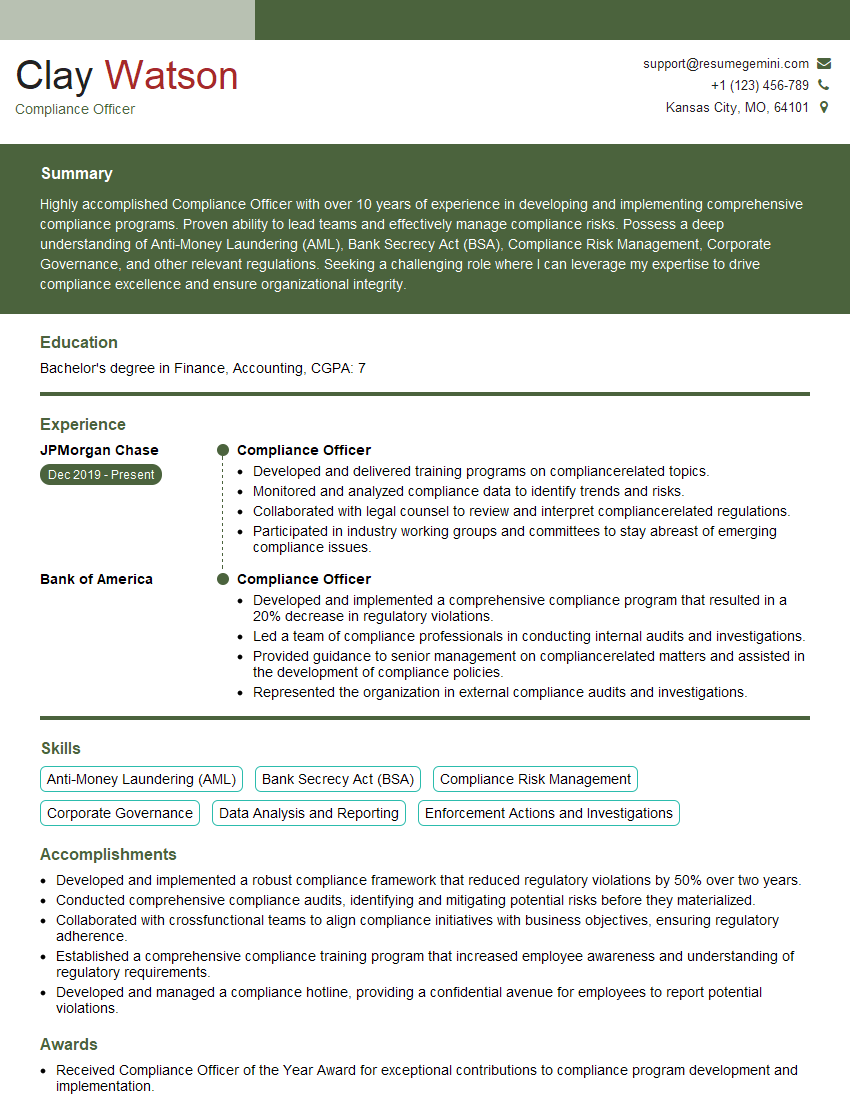
Compliance Officer Resume Sample
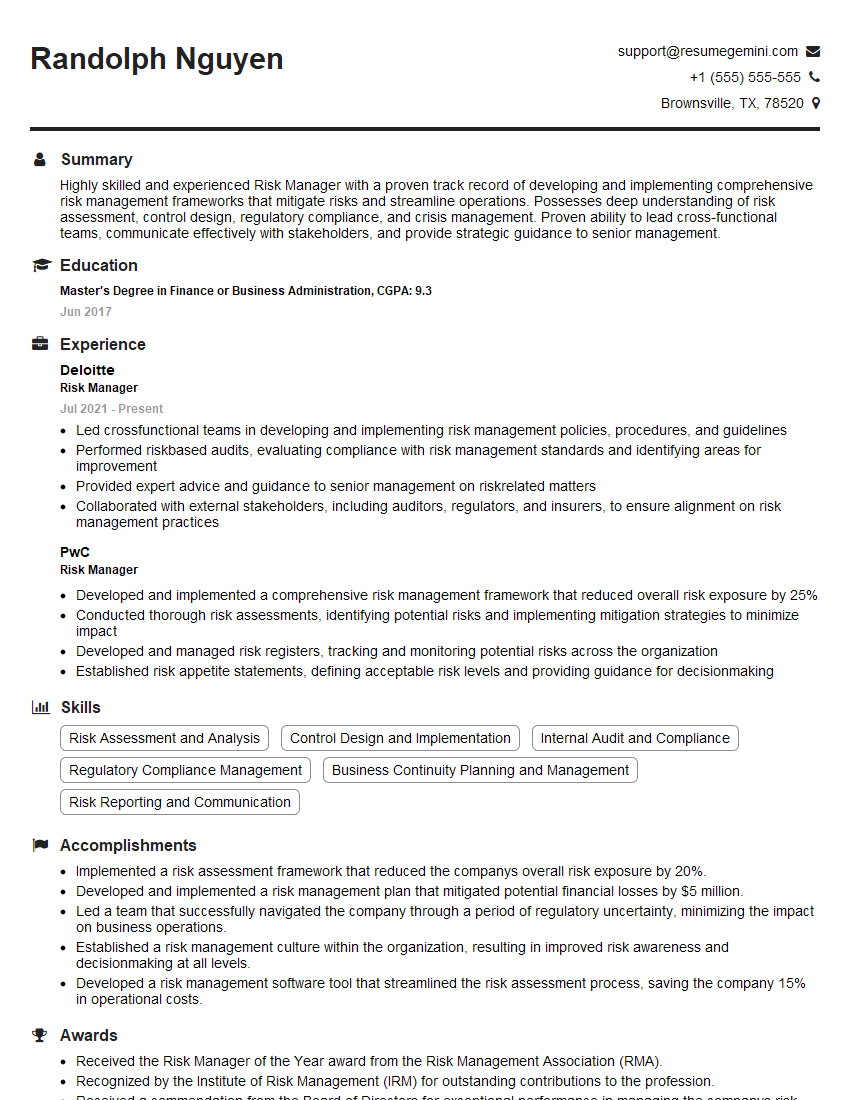
Risk Manager Resume Sample
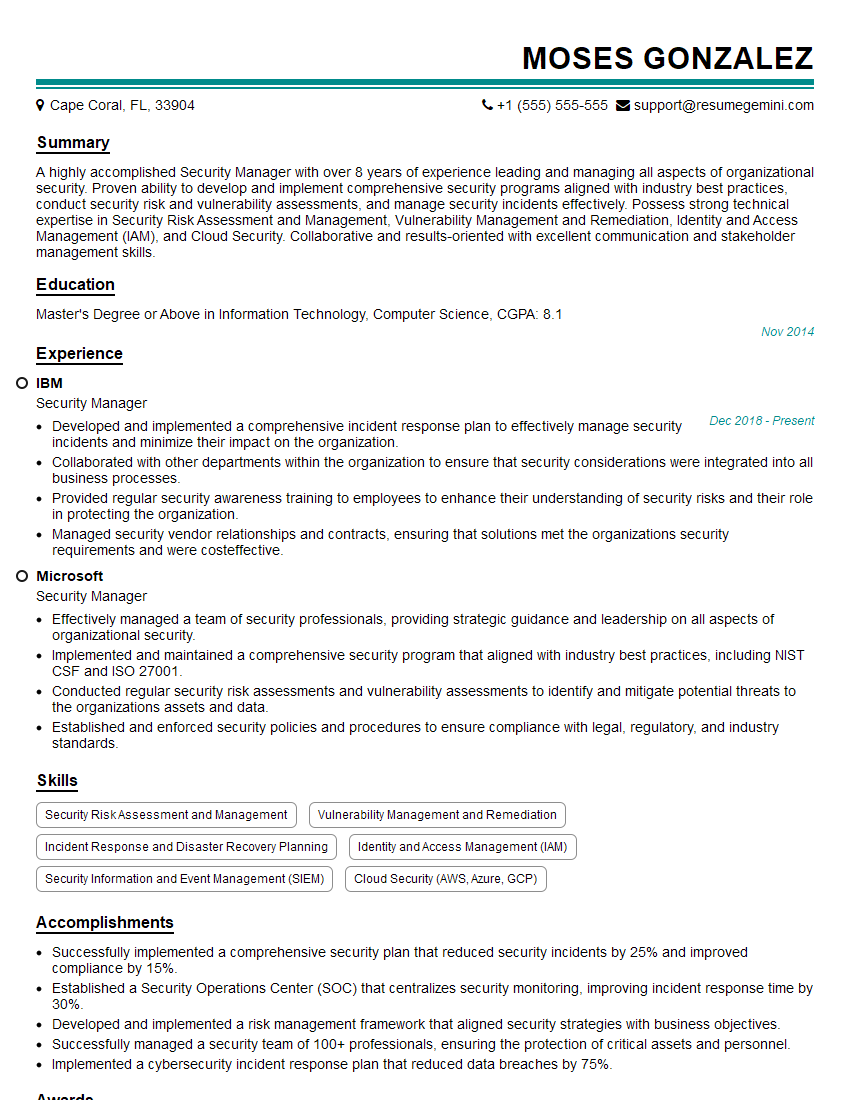
Security Manager Resume Sample
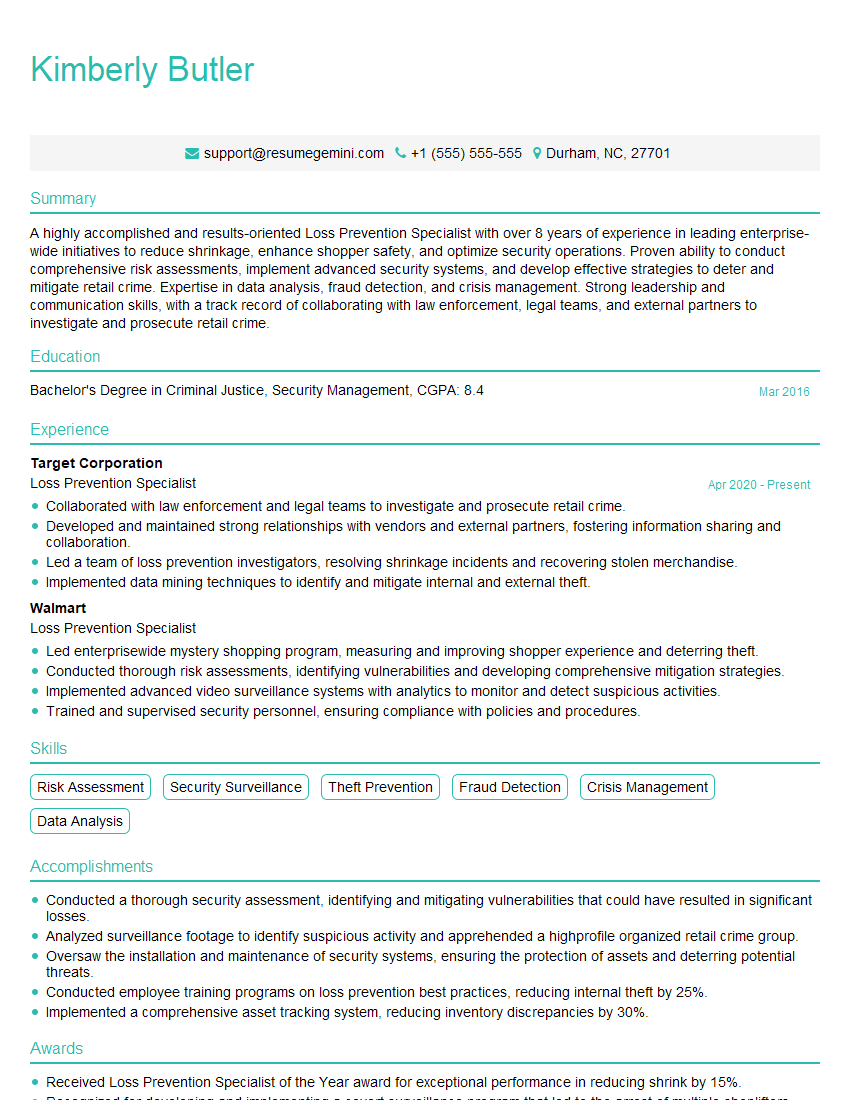
Loss Prevention Specialist Resume Sample
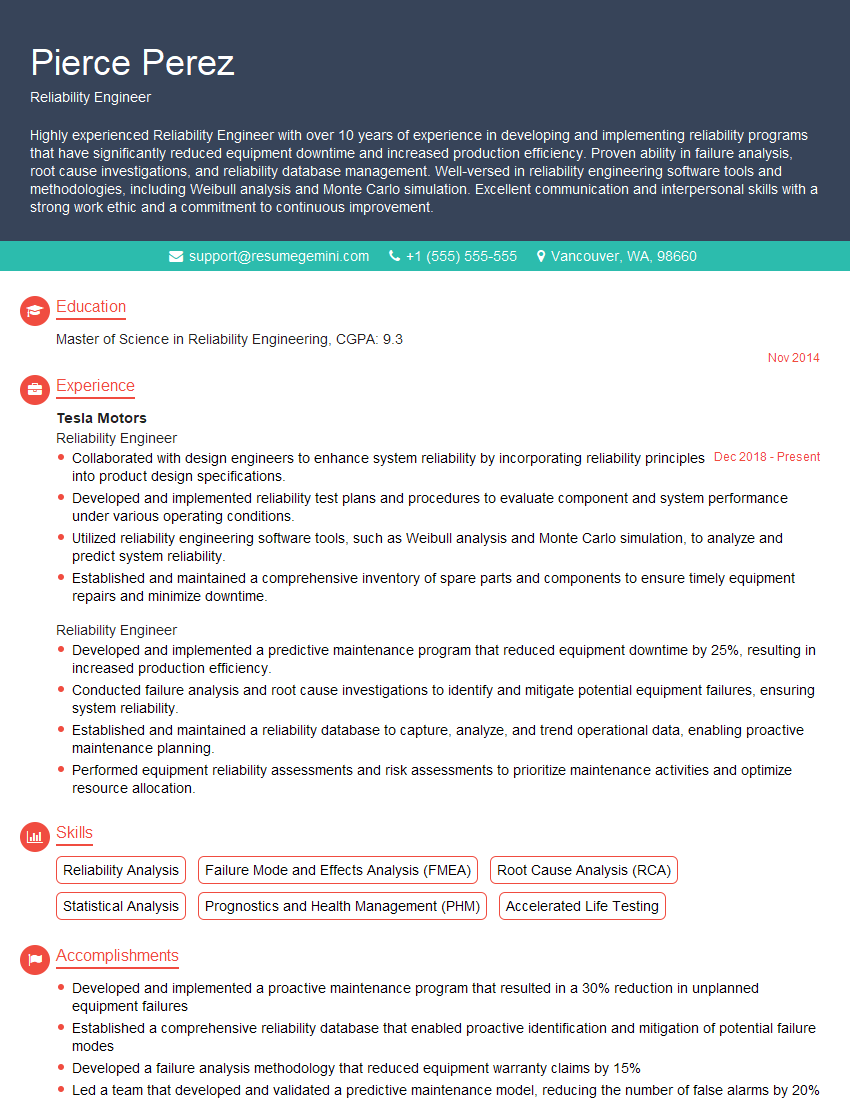
Reliability Engineer Resume Sample
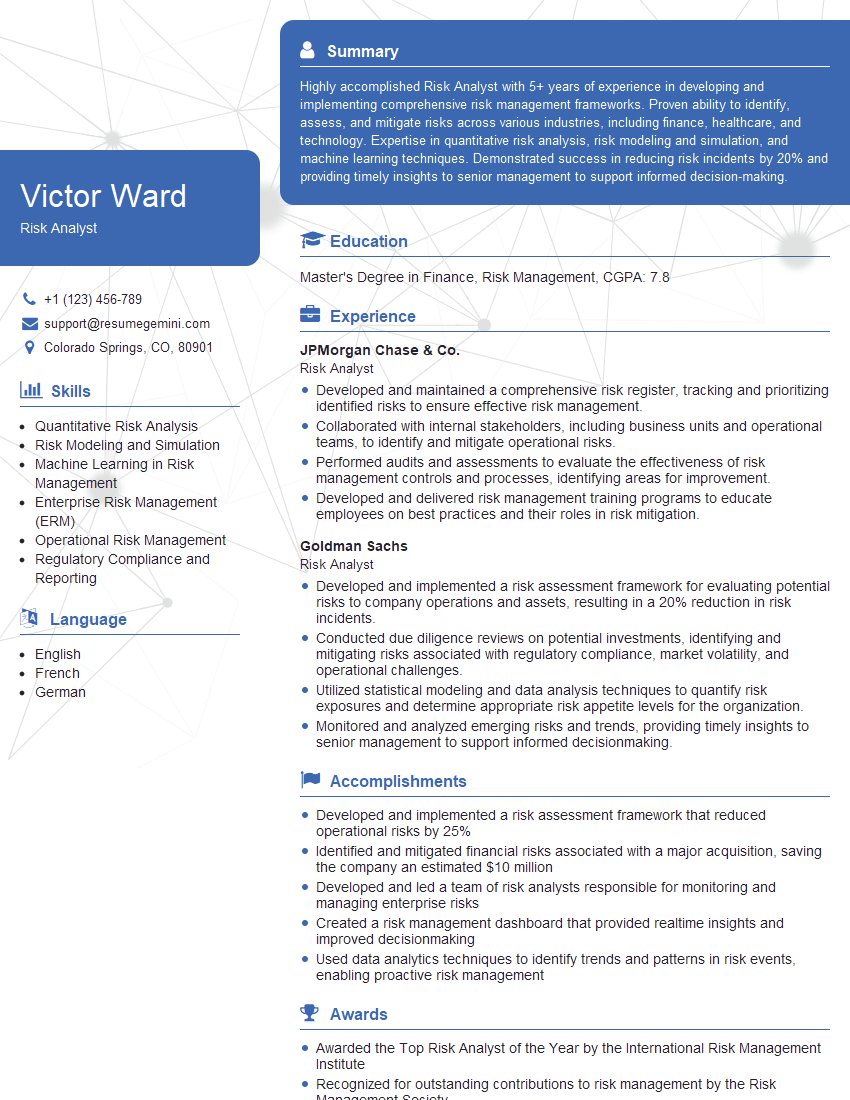
Risk Analyst Resume Sample
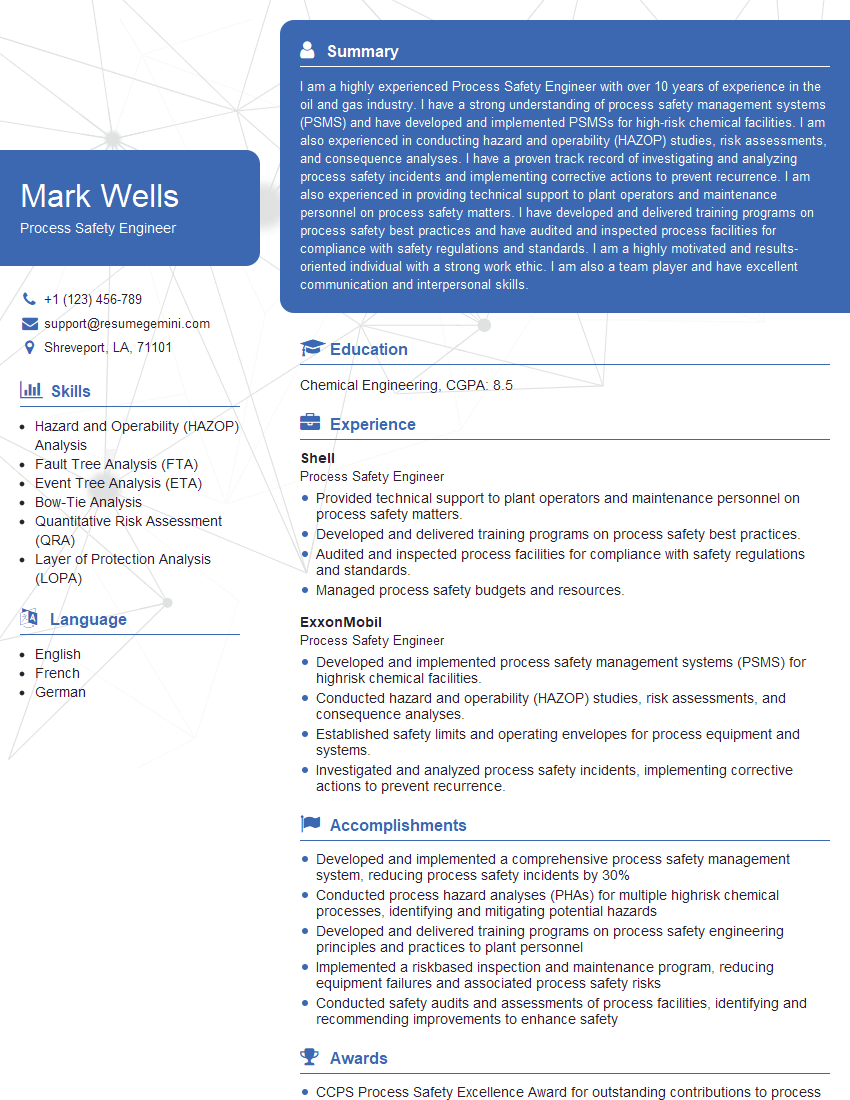
Process Safety Engineer Resume Sample
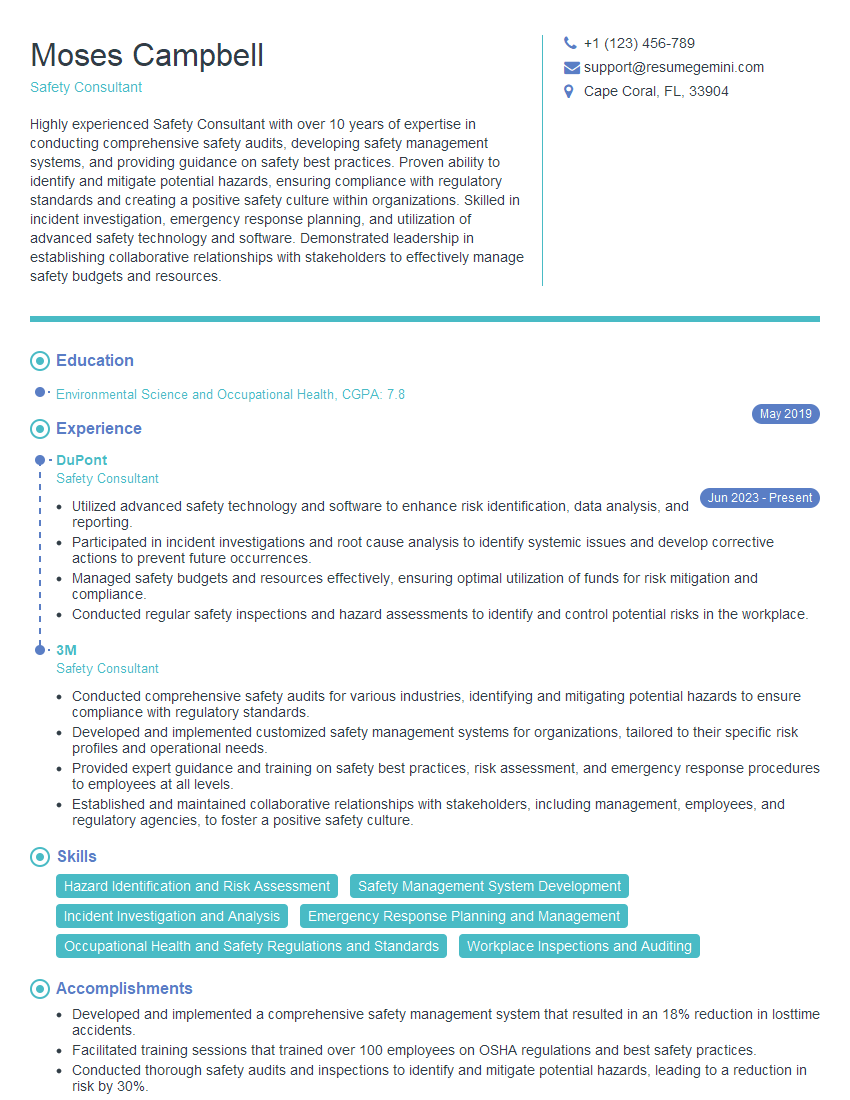
Safety Consultant Resume Sample
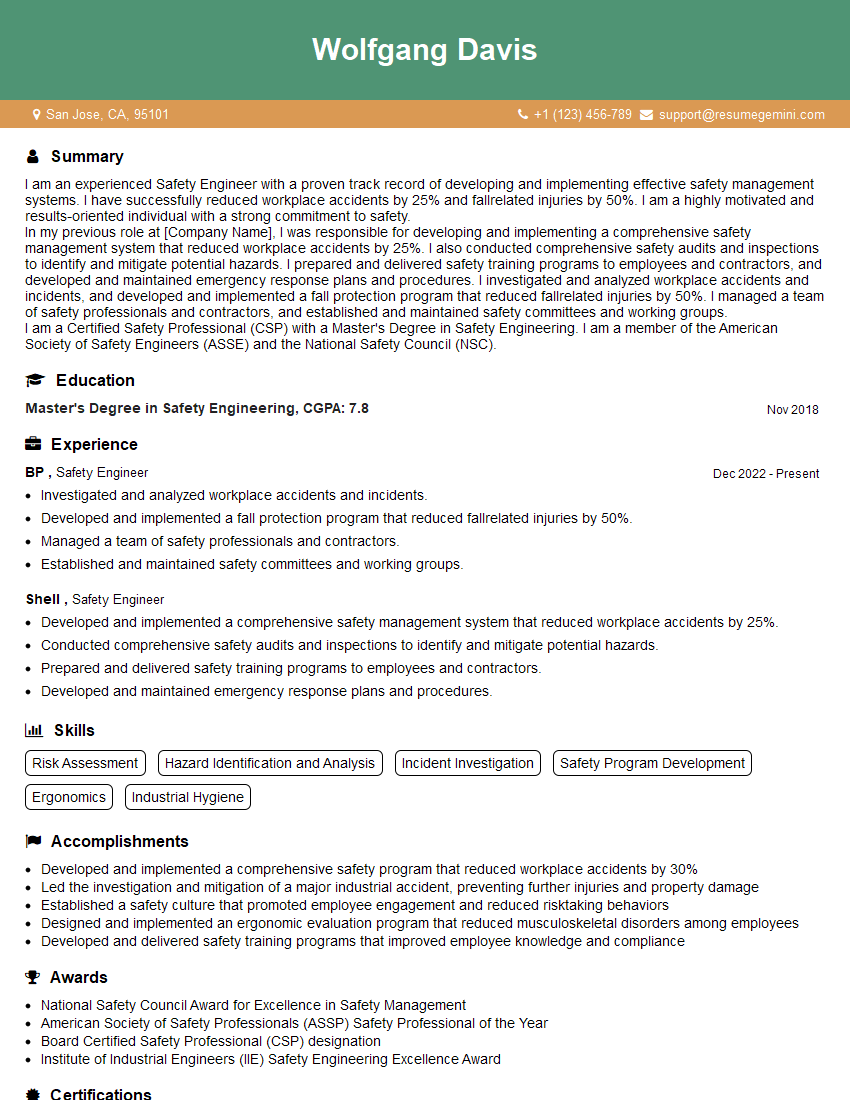
Safety Engineer Resume Sample
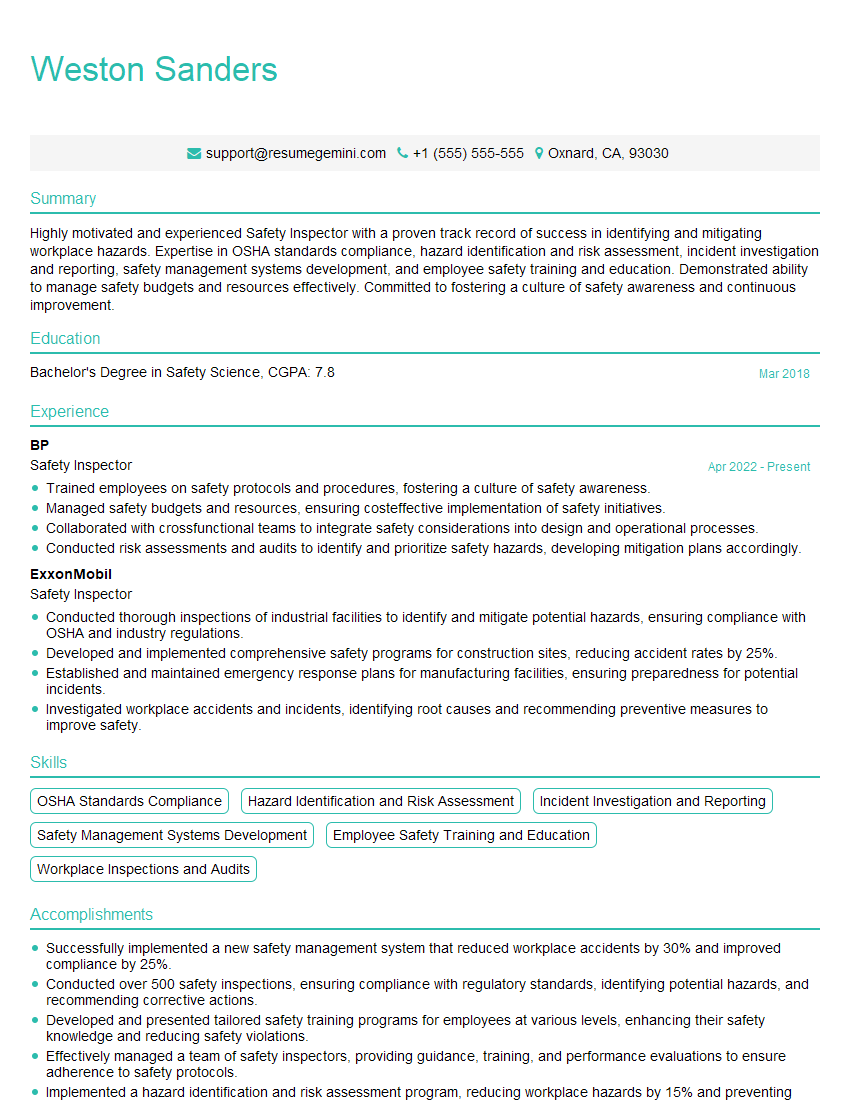
Safety Inspector Resume Sample
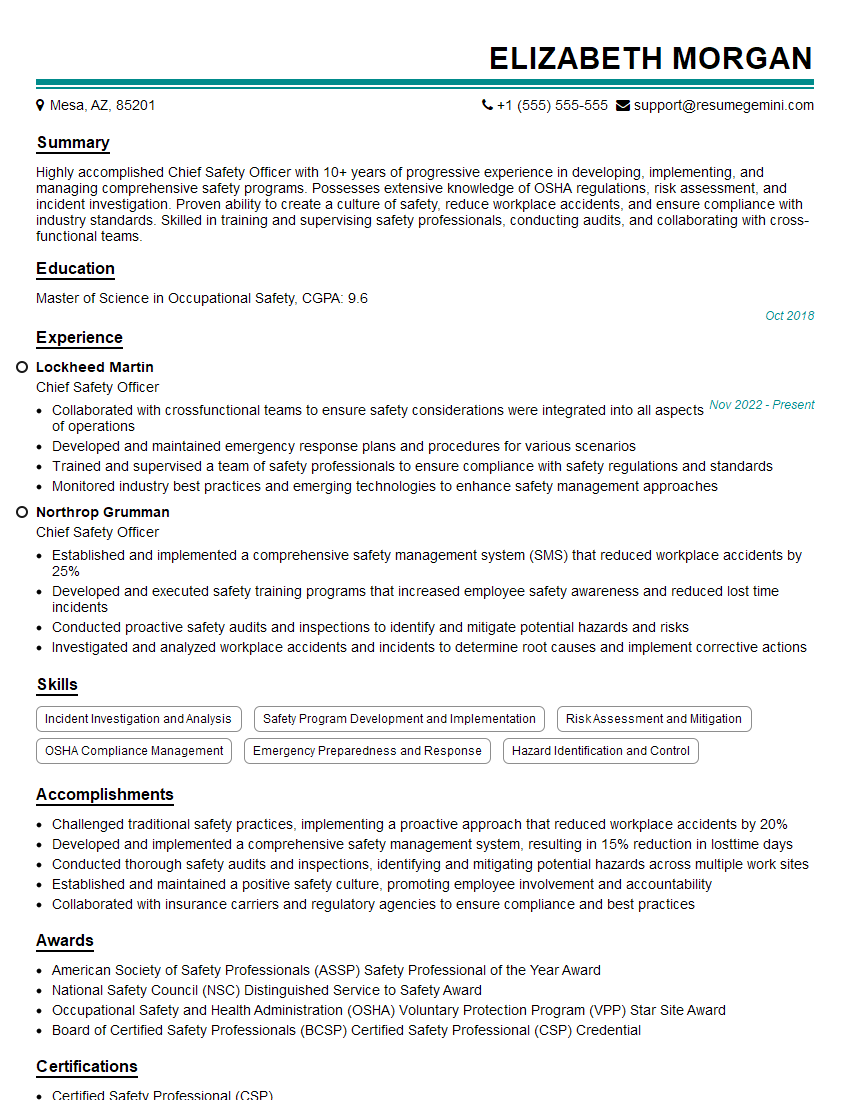
Chief Safety Officer Resume Sample
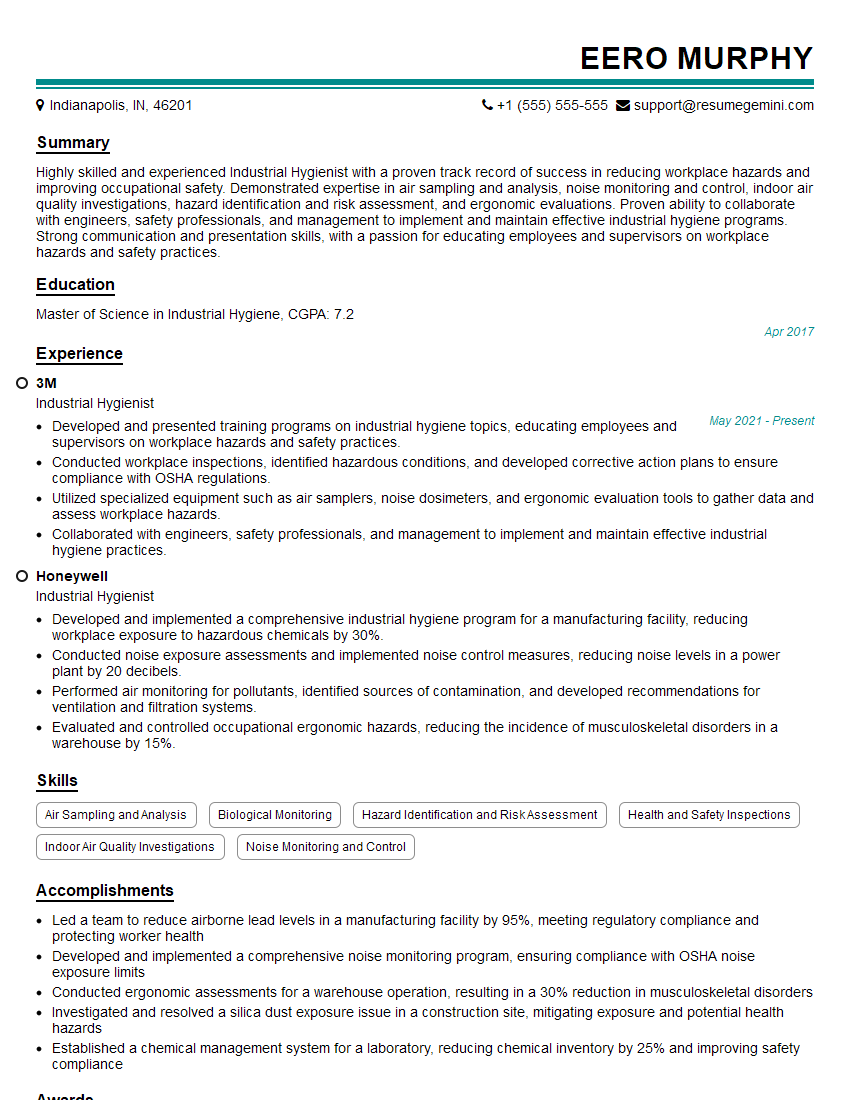
Industrial Hygienist Resume Sample
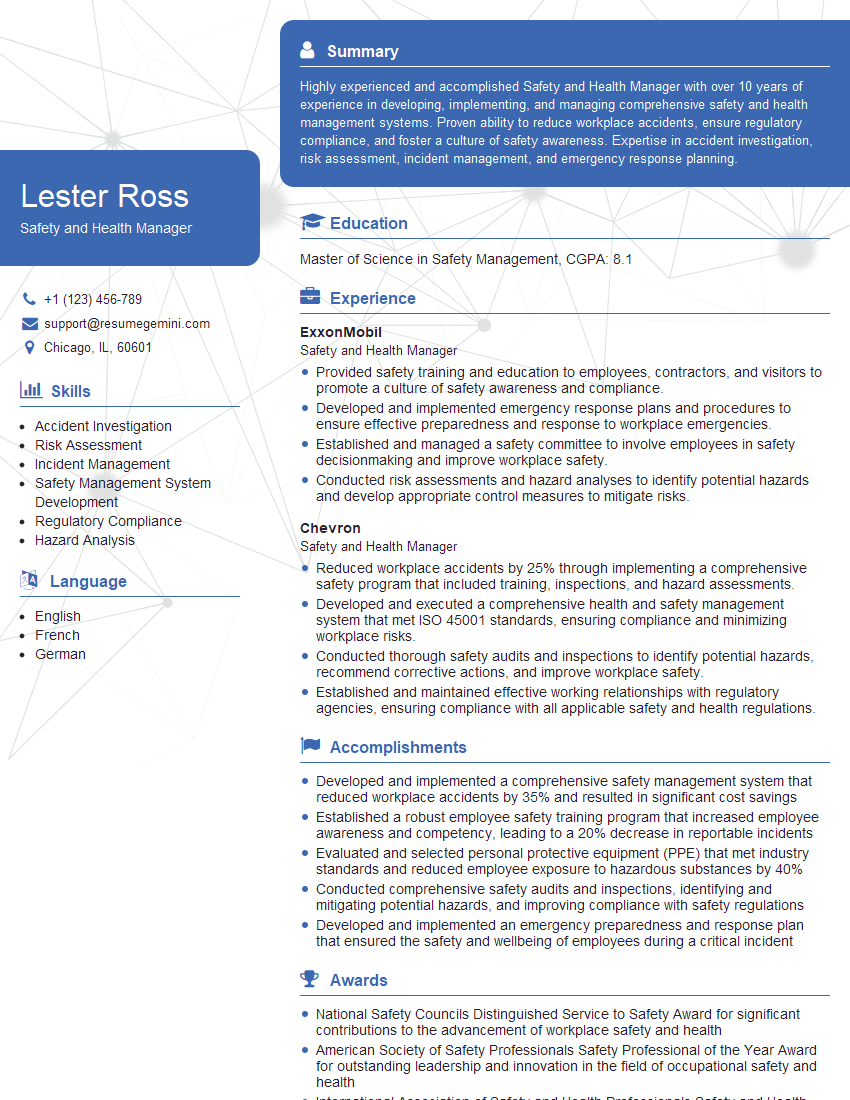
Safety and Health Manager Resume Sample
Explore more articles
Users Rating of Our Blogs
Share Your Experience
We value your feedback! Please rate our content and share your thoughts (optional).
What Readers Say About Our Blog
Very informative content, great job.
good