Every successful interview starts with knowing what to expect. In this blog, we’ll take you through the top Heightened Safety Awareness interview questions, breaking them down with expert tips to help you deliver impactful answers. Step into your next interview fully prepared and ready to succeed.
Questions Asked in Heightened Safety Awareness Interview
Q 1. Describe your experience implementing a heightened safety awareness program.
Implementing a heightened safety awareness program involves a multifaceted approach, beginning with a thorough risk assessment and culminating in ongoing monitoring and improvement. My experience in this area includes designing and deploying programs across various industries, from construction to manufacturing. A successful program starts with leadership buy-in, establishing a safety-first culture where reporting hazards is encouraged without fear of reprisal.
For example, in a previous role at a construction company, we implemented a comprehensive program involving weekly toolbox talks covering specific hazards, mandatory safety training using interactive modules, and a robust reporting system accessible via mobile app. This system allowed for immediate reporting of near misses and incidents, fostering a proactive approach to safety. We also implemented a peer-to-peer safety observation program where employees could recognize and reward safe work practices. This resulted in a significant reduction in recordable incidents and improved overall employee engagement.
Q 2. How do you identify and assess workplace hazards?
Identifying and assessing workplace hazards requires a systematic approach. It involves a combination of proactive measures and reactive responses to incidents. Proactive methods include conducting regular workplace inspections (walkthroughs), reviewing incident reports, consulting safety data sheets (SDS) for materials used, and utilizing job hazard analyses (JHAs) which systematically break down each task to identify potential hazards. Reactive methods involve analyzing near misses and accidents to determine root causes and prevent recurrence.
For example, a JHA for operating a forklift would analyze each step, from pre-operation checks to maneuvering and loading/unloading. This allows for identification of hazards like uneven ground, obstructed vision, and potential collisions. Assessing a hazard involves determining the likelihood and severity of an incident occurring, which helps prioritize mitigation efforts.
Q 3. What are the key elements of a robust safety risk assessment?
A robust safety risk assessment is comprised of several key elements: hazard identification (as described above), risk evaluation (likelihood and severity), risk control measures (hierarchy of controls – elimination, substitution, engineering controls, administrative controls, PPE), implementation of controls, documentation, and monitoring and review. It’s crucial to involve employees at all stages, as they possess valuable insights into daily tasks and potential risks.
Using a risk matrix is a standard practice. This matrix plots the likelihood and severity of a hazard, assigning a risk level (low, medium, high). This guides the selection of appropriate control measures. For example, a high-risk hazard might require engineering controls (e.g., machine guarding), while a low-risk hazard might only need administrative controls (e.g., a simple warning sign).
Q 4. Explain your understanding of OSHA regulations (or relevant local regulations).
My understanding of OSHA regulations (Occupational Safety and Health Administration) – or equivalent local regulations – is extensive. OSHA establishes minimum safety and health standards for most workplaces. I’m familiar with the General Duty Clause, which holds employers responsible for providing a workplace free from recognized hazards. I also have a strong grasp of specific standards relevant to different industries, such as those relating to fall protection, lockout/tagout procedures, hazard communication, and personal protective equipment (PPE). Staying updated on these regulations and their interpretations is crucial for ensuring compliance.
For example, understanding the requirements for fall protection in construction is vital to prevent falls from heights, a leading cause of workplace fatalities. This includes choosing appropriate fall protection equipment, ensuring proper training, and inspecting the equipment regularly.
Q 5. How do you communicate safety information effectively to diverse workforces?
Effective communication of safety information to diverse workforces requires tailoring the message to the audience’s language skills, literacy levels, and cultural backgrounds. This involves using multiple communication channels, including visual aids (pictures, videos), multilingual materials, and interactive training sessions. It’s also important to ensure that the information is easy to understand, relevant, and engaging.
For example, in a workforce with a large number of non-native English speakers, providing safety instructions in multiple languages is essential. Using visual aids such as pictograms can complement written instructions to enhance understanding regardless of literacy level. Interactive training with hands-on demonstrations further improves retention and engagement.
Q 6. Describe a time you identified a safety hazard and implemented corrective actions.
During a safety inspection at a manufacturing plant, I noticed that employees were routinely bypassing a safety interlock on a piece of machinery to speed up production. This presented a significant risk of injury. I immediately reported the observation to management. We then implemented several corrective actions:
- Engineering Controls: The machinery was modified to eliminate the possibility of bypassing the safety interlock.
- Administrative Controls: A new, stricter policy was introduced with increased monitoring and consequences for non-compliance.
- Employee Training: Refresher training was provided to all employees emphasizing the importance of the safety interlock and the risks of bypassing it.
Following these actions, incidents involving the machine decreased significantly, highlighting the importance of timely identification of hazards and the implementation of appropriate controls.
Q 7. What methods do you use to monitor and measure the effectiveness of safety programs?
Monitoring and measuring the effectiveness of safety programs involve tracking key metrics such as the number and types of incidents, near misses, and safety observations. Leading indicators, such as the number of safety training hours completed and the participation rate in safety committees, also provide valuable insights. Lagging indicators (incident rates) are useful but only reveal the impact of efforts after they have occurred. Regular audits, both internal and external, are vital to ensure compliance with regulations and identify areas for improvement.
Data analysis can reveal trends, helping pinpoint areas needing attention. For example, a sudden increase in near misses related to a particular task might indicate a need for additional training or process improvement. Regularly reviewing and updating the safety program based on data analysis helps maintain its effectiveness and ensure continuous improvement.
Q 8. How do you handle safety violations or near misses?
Handling safety violations and near misses requires a multi-faceted approach focused on immediate action, investigation, and prevention. My process begins with immediate correction of the unsafe condition or behavior. This might involve stopping work, relocating personnel, or issuing immediate instructions to rectify the situation.
Next, a thorough investigation is conducted using a root cause analysis technique like the 5 Whys or Fishbone diagram to identify the underlying causes. This isn’t just about assigning blame but understanding the systemic issues that contributed to the violation or near miss. For example, if a worker nearly fell from a ladder, we wouldn’t just reprimand the worker but investigate if the ladder was properly inspected, if training on ladder safety was adequate, and if proper safety equipment was available.
Finally, corrective actions are implemented to prevent recurrence. This could involve revising safety procedures, providing additional training, improving equipment, or enhancing communication. The effectiveness of these actions is monitored through regular audits and safety performance reviews. Following up with the individuals involved ensures they understand the implications and the corrective actions taken, fostering a culture of learning from mistakes.
Q 9. What are your strategies for promoting a safety-conscious culture?
Promoting a safety-conscious culture requires a holistic strategy that integrates safety into every aspect of the organization. It’s not enough to simply have safety rules; they need to be lived and breathed by everyone.
- Leadership Commitment: Visible and consistent leadership support is crucial. Leaders must actively participate in safety initiatives, model safe behaviors, and hold themselves and others accountable.
- Open Communication: Creating a culture where employees feel comfortable reporting safety concerns without fear of retribution is paramount. This requires establishing clear communication channels and actively soliciting feedback.
- Employee Empowerment: Empowering employees to stop work if they see an unsafe condition is vital. This requires training, clear procedures, and a supportive environment where stopping work isn’t seen as a negative act.
- Regular Safety Training: Ongoing, engaging, and relevant safety training is essential to refresh knowledge and address emerging hazards. This should include interactive elements, practical exercises, and regular refresher courses.
- Recognition and Rewards: Acknowledging and rewarding safe behaviors and contributions strengthens the safety culture. This can include certificates, bonuses, or public acknowledgment of accomplishments.
Think of it like building a strong foundation – each element contributes to a robust and lasting safety culture. A company with a strong safety culture experiences lower accident rates, higher employee morale, and increased productivity.
Q 10. Explain your experience with incident investigation and root cause analysis.
Incident investigation and root cause analysis are critical for preventing future incidents. My approach follows a structured methodology that ensures a thorough and unbiased investigation. I typically employ techniques such as the 5 Whys, Fault Tree Analysis, or Fishbone diagrams.
For example, in investigating a near miss involving a forklift, I would gather information through interviews with witnesses, review of incident reports, and examination of the physical environment. Using the 5 Whys, I would systematically ask ‘why’ five times to uncover the root cause. For example:
- Why did the forklift nearly hit the pedestrian? Because the forklift operator was distracted.
- Why was the operator distracted? Because they were using their phone.
- Why were they using their phone? Because they had no designated break area.
- Why was there no designated break area? Because management hadn’t prioritized providing one.
- Why hadn’t management prioritized a break area? Because they hadn’t considered employee comfort and safety a high enough priority.
This reveals that the root cause wasn’t simply the operator’s distraction but a systemic failure to provide a safe working environment. The corrective action would address the lack of a break area, along with implementing stricter phone usage policies and reinforcing training on safe forklift operation. The findings are documented in a comprehensive report with recommendations for corrective and preventative actions.
Q 11. How do you develop and deliver safety training programs?
Developing and delivering effective safety training programs requires careful planning and execution. I begin by conducting a thorough needs assessment to identify the specific safety hazards and training gaps. This involves analyzing job tasks, reviewing incident reports, and consulting with employees and supervisors. The training curriculum is then developed based on this assessment, ensuring it aligns with regulatory requirements and best practices.
The training itself should be engaging and interactive, utilizing various methods such as presentations, videos, hands-on exercises, and simulations. For example, training on forklift operation would include classroom instruction, followed by practical exercises on a designated training area. We use case studies and real-life examples to highlight potential dangers and demonstrate safe practices.
Following the training, a comprehensive evaluation is conducted to assess learning effectiveness. This might include written tests, practical demonstrations, and observation of on-the-job performance. The feedback gathered from the evaluation helps to refine the training program for future iterations ensuring continuous improvement and effectiveness. Post-training follow-up ensures continued reinforcement of learned concepts and addresses any lingering questions.
Q 12. What are the key performance indicators (KPIs) you use to track safety performance?
Key Performance Indicators (KPIs) are essential for tracking safety performance and identifying areas for improvement. The specific KPIs used will vary depending on the industry and organization, but some common examples include:
- Total Recordable Incident Rate (TRIR): The number of recordable incidents per 100 full-time employees.
- Lost Time Incident Rate (LTIR): The number of lost-time incidents per 100 full-time employees.
- Days Away, Restricted, or Transferred (DART) Rate: The number of days lost due to work-related injuries per 100 full-time employees.
- Near Miss Reporting Rate: The number of near misses reported per employee or per work hour.
- Safety Training Completion Rate: The percentage of employees who have completed required safety training.
- Employee Safety Survey Results: Feedback on employee perceptions of safety culture and practices.
These KPIs should be tracked regularly, analyzed, and used to inform safety initiatives. Trends in these indicators can highlight areas needing attention and help measure the effectiveness of safety interventions. A dashboard system allows for easy visualization of these metrics, facilitating quick identification of improvement opportunities and effective decision-making.
Q 13. How familiar are you with different types of Personal Protective Equipment (PPE)?
I am highly familiar with various types of Personal Protective Equipment (PPE). PPE selection is critical and depends on the specific hazards present in the workplace. It’s crucial to understand that PPE is a last line of defense; engineering controls and administrative controls should be prioritized whenever possible.
My knowledge encompasses a wide range of PPE, including:
- Head Protection: Hard hats, bump caps, safety helmets.
- Eye and Face Protection: Safety glasses, goggles, face shields, welding helmets.
- Hearing Protection: Earplugs, earmuffs.
- Respiratory Protection: Respirators, dust masks.
- Hand Protection: Gloves (various types for different hazards).
- Foot Protection: Safety shoes, steel-toe boots.
- Body Protection: High-visibility clothing, aprons, coveralls, fall protection harnesses.
I understand the importance of proper PPE selection, fit, and use, as well as the limitations of PPE. Regular inspection and maintenance of PPE are also crucial to ensure its effectiveness. Training employees on proper PPE selection, use, and care is essential for maximizing its protective benefits.
Q 14. Describe your experience with safety audits and inspections.
I have extensive experience conducting safety audits and inspections, using a systematic approach to identify hazards and assess compliance with safety regulations and standards. My process typically includes:
- Planning: Defining the scope of the audit, identifying specific areas to be inspected, and selecting appropriate checklists and standards.
- Inspection: Conducting a thorough walkthrough of the facility, observing work practices, inspecting equipment, and reviewing documentation. I use checklists and photographs to document findings.
- Documentation: Recording all observations and findings in a detailed report, including any identified hazards, non-compliances, and recommendations for corrective actions.
- Reporting: Presenting the findings to management and working collaboratively to develop and implement corrective actions. This includes prioritizing critical findings and creating a timeline for remediation.
- Follow-up: Conducting a follow-up inspection to verify that corrective actions have been implemented effectively.
I am proficient in using various auditing techniques and applying relevant safety standards, ensuring a thorough and comprehensive assessment of the workplace’s safety performance. I’m adept at tailoring my approach to different industries and organizational contexts, ensuring the audit is both relevant and effective.
Q 15. How do you manage safety-related documentation and record-keeping?
Managing safety documentation and record-keeping is crucial for demonstrating compliance and proactively improving safety performance. My approach involves a multi-faceted system ensuring accuracy, accessibility, and regulatory adherence. I utilize a combination of digital and physical methods, depending on the nature of the document.
- Digital Records: I leverage a dedicated safety management software (SMS) to store incident reports, training records, inspection checklists, permits to work, and other key documents. This allows for easy searching, version control, and secure data storage. For example, I’ve used systems that track near misses, allowing us to identify trends and implement preventative measures before accidents occur.
- Physical Records: While digital is preferred, some documents like original permits or signed acknowledgements often require physical archiving. These are stored in secure, easily accessible, and well-organized files, ensuring confidentiality and easy retrieval when needed. A robust filing system with clear labeling and indexing is key.
- Regular Audits and Reviews: Periodic audits ensure the system remains functional and up-to-date. This includes checks for completeness, accuracy, and accessibility of records. We also review the data to identify patterns and inform safety improvements.
This comprehensive approach guarantees all relevant information is readily available for analysis, inspections, and reporting, contributing to a culture of continuous safety improvement.
Career Expert Tips:
- Ace those interviews! Prepare effectively by reviewing the Top 50 Most Common Interview Questions on ResumeGemini.
- Navigate your job search with confidence! Explore a wide range of Career Tips on ResumeGemini. Learn about common challenges and recommendations to overcome them.
- Craft the perfect resume! Master the Art of Resume Writing with ResumeGemini’s guide. Showcase your unique qualifications and achievements effectively.
- Don’t miss out on holiday savings! Build your dream resume with ResumeGemini’s ATS optimized templates.
Q 16. What are your strategies for reducing workplace accidents?
Reducing workplace accidents requires a proactive and multi-pronged strategy focused on hazard identification, risk assessment, and employee empowerment. My approach centers around:
- Hazard Identification and Risk Assessment (HIRA): Regular and thorough workplace inspections, including job hazard analyses (JHAs), are essential to identify potential hazards. We then assess the risks associated with these hazards, prioritizing those with the highest probability and severity. This leads to the development of control measures, from engineering controls like guarding machinery to administrative controls such as improved training.
- Employee Training and Empowerment: A well-trained workforce is the best defense against accidents. My strategy involves regular safety training programs tailored to specific job roles, incorporating practical demonstrations and hands-on exercises. Crucially, I foster a culture where employees feel empowered to report hazards and near misses without fear of reprisal. This open communication is vital.
- Implementing and Enforcing Safety Procedures: Clear, concise safety procedures must be established and consistently enforced. This includes using standardized work instructions, ensuring proper use of personal protective equipment (PPE), and conducting regular safety drills and audits.
- Leading Indicators: Tracking leading indicators like near misses and safety observation data helps identify potential problems *before* they lead to accidents. These insights guide preventative actions and improve overall safety performance.
For example, in a previous role, we implemented a new system for reporting near misses. The data revealed a recurring issue with a specific piece of equipment. Addressing the equipment’s deficiency drastically reduced near misses associated with it.
Q 17. Explain your understanding of lockout/tagout procedures.
Lockout/Tagout (LOTO) procedures are critical for preventing accidental energy release during maintenance or repair of machinery. It’s a disciplined process to isolate energy sources, ensuring that equipment cannot be unexpectedly activated. My understanding encompasses all aspects, from initial planning to verification.
- Planning: Before commencing any LOTO procedure, a thorough risk assessment is crucial. This identifies all energy sources (electrical, mechanical, hydraulic, pneumatic, etc.) needing isolation.
- Lockout: Energy sources are physically disconnected and secured using appropriate lockout devices. Each authorized worker applies their own lock, preventing unauthorized energization.
- Tagout: A tag is placed alongside each lock, clearly indicating the worker’s name, date, and the reason for the lockout. This provides additional visual warning.
- Verification: Before starting work, each worker verifies that energy is completely isolated by attempting to reactivate the equipment. Only after verification can work commence.
- Release: Once work is complete, the locks and tags are removed only by the authorized person who applied them. This process is meticulously documented.
Failure to adhere to LOTO procedures can result in serious injury or death. Therefore, thorough training and regular audits are essential. For instance, we conduct regular LOTO drills and simulations to reinforce proper techniques and identify any potential weaknesses in the process.
Q 18. How do you ensure compliance with safety regulations?
Ensuring compliance with safety regulations involves a multifaceted strategy of understanding, implementing, and consistently monitoring adherence to all applicable laws, standards, and best practices. My approach includes:
- Staying Updated: I proactively monitor changes in relevant legislation, industry standards (e.g., OSHA, ANSI), and best practices. This ensures that our safety procedures and training programs remain current and effective. I utilize online resources, industry publications, and attend relevant workshops to stay informed.
- Regular Audits and Inspections: Comprehensive audits and inspections are conducted to identify any non-compliance issues. These are documented and addressed promptly. Corrective actions are implemented and tracked to closure.
- Training and Documentation: Regular training for all employees covers relevant safety regulations, procedures, and best practices. This training is documented, ensuring accountability and demonstrating compliance.
- Record Keeping: Maintaining meticulous records of safety training, inspections, incident investigations, and corrective actions is vital for demonstrating compliance during audits or investigations.
- Proactive Risk Management: Rather than merely reacting to incidents, we focus on proactive risk management to identify and mitigate potential hazards before they result in non-compliance or accidents.
For instance, we recently updated our chemical handling procedures to align with a newly revised OSHA standard. This involved retraining employees and updating our safety data sheets (SDS).
Q 19. How do you address employee concerns regarding safety issues?
Addressing employee concerns regarding safety issues is paramount for fostering a safe and productive work environment. My strategy prioritizes open communication, active listening, and timely resolution.
- Open Communication Channels: Multiple channels for reporting safety concerns are established, including suggestion boxes, regular safety meetings, and direct communication with supervisors. Anonymity is ensured where appropriate.
- Active Listening and Investigation: When a safety concern is raised, I actively listen, gather all relevant information, and conduct a thorough investigation. This may involve interviewing witnesses, inspecting the site, and reviewing relevant documentation.
- Timely Resolution: Concerns are addressed promptly and effectively. Where necessary, I collaborate with relevant departments to implement corrective actions. Employees are kept informed of progress and the final resolution.
- Feedback and Follow-up: After addressing a concern, I provide feedback to the employee, confirming that the issue has been resolved. I also follow up to ensure that the solution is effective and sustainable.
Building trust and demonstrating that concerns are taken seriously is key to creating a safety-conscious culture. For example, an employee once raised concerns about inadequate lighting in a particular work area. After investigation, we implemented improved lighting, and the employee felt heard and valued.
Q 20. Describe your experience with emergency response planning and procedures.
Emergency response planning and procedures are crucial for mitigating the impact of unforeseen events. My experience includes developing and implementing comprehensive plans, conducting regular drills, and ensuring that all personnel are adequately trained.
- Plan Development: Emergency response plans should be tailored to specific workplace hazards and potential emergencies (fires, chemical spills, medical emergencies, etc.). These plans must clearly outline roles, responsibilities, evacuation routes, assembly points, communication protocols, and contact information for emergency services.
- Training and Drills: Regular training and drills are conducted to ensure that employees are familiar with their roles and responsibilities during an emergency. This includes practicing evacuation procedures, using fire extinguishers, and responding to specific hazards.
- Communication: A robust communication system is vital, including emergency notification systems, designated communication channels, and procedures for informing employees and external agencies.
- Post-Incident Review: After any emergency, a thorough review is conducted to identify areas for improvement and enhance future responses. Lessons learned are incorporated into updated emergency response plans.
For example, I’ve been involved in developing an emergency response plan for a chemical manufacturing facility, which included detailed procedures for handling various chemical spills and specific training for employees on handling those events.
Q 21. How do you handle conflict resolution related to safety issues?
Conflict resolution related to safety issues requires a neutral and objective approach that prioritizes safety and collaboration. My approach focuses on:
- Open Dialogue: I facilitate open and honest communication between conflicting parties, ensuring everyone feels heard and respected. Active listening is crucial.
- Identifying the Root Cause: The underlying cause of the conflict is identified, focusing on the issue, not the individuals involved. This might involve differing interpretations of safety procedures or disagreements about risk assessment.
- Collaborative Problem-Solving: A collaborative approach is taken to find mutually acceptable solutions. This may involve brainstorming alternatives and reaching a consensus on the best course of action.
- Documentation and Follow-up: The agreed-upon solution is documented, and a follow-up is conducted to ensure that the solution is effective and that the conflict is resolved.
For example, I once mediated a conflict between two teams regarding the safety of a newly implemented process. Through open communication and collaboration, we identified a flaw in the original risk assessment and developed a revised procedure that addressed everyone’s concerns.
Q 22. Explain your understanding of the hierarchy of hazard controls.
The Hierarchy of Hazard Controls is a framework used to prioritize control measures to eliminate or minimize workplace hazards. It prioritizes the most effective methods first, moving down the hierarchy only if the previous level is insufficient. Think of it as a ladder of safety, with the safest and most effective controls at the top.
- Elimination: This is the most effective control method. It involves removing the hazard entirely from the workplace. For example, replacing a manually operated machine with an automated one that eliminates the need for manual handling and reduces the risk of injury.
- Substitution: Replacing a hazardous substance or process with a less hazardous one. Instead of using a highly toxic cleaning solvent, switching to a biodegradable and less toxic alternative.
- Engineering Controls: These involve modifying the work environment to reduce the risk. Examples include installing guards on machinery to prevent contact with moving parts, implementing ventilation systems to remove harmful fumes, or using ergonomic workstations to reduce strain injuries.
- Administrative Controls: These are procedural changes like job rotation, safety training, and establishing safe work procedures. For instance, implementing a strict lockout/tagout procedure before performing maintenance on equipment.
- Personal Protective Equipment (PPE): This is the last line of defense. PPE includes items like safety glasses, gloves, hard hats, and hearing protection. While crucial, PPE should only be used when other control measures are insufficient. For example, providing workers with safety glasses when engineering controls like machine guards are not fully effective.
It’s essential to always strive for the highest level of control possible, and multiple levels can be implemented concurrently. For example, you might eliminate a hazard where possible, and then implement engineering controls to further reduce any remaining risk.
Q 23. How do you stay up-to-date on changes in safety regulations and best practices?
Staying current on safety regulations and best practices requires a multifaceted approach. I actively participate in professional organizations like [mention relevant professional organizations], attend industry conferences and webinars, and regularly review publications from reputable safety authorities such as OSHA (Occupational Safety and Health Administration) and NIOSH (National Institute for Occupational Safety and Health). I also subscribe to relevant safety journals and newsletters to stay informed about emerging hazards and new technologies.
Beyond formal channels, I maintain a network of colleagues in the safety field. This allows for the exchange of best practices and knowledge about recent incidents and lessons learned. Continuous learning is a critical component of my role, ensuring I am always equipped to provide the most effective safety guidance and solutions.
Q 24. Describe your experience with conducting safety meetings and training sessions.
I have extensive experience conducting both planned and impromptu safety meetings and training sessions. My approach emphasizes interactive learning and incorporates various teaching methods. I utilize presentations, interactive exercises, case studies, and videos to cater to different learning styles. I make sure to tailor the content to the specific needs and knowledge level of the audience.
For example, in a recent training on lockout/tagout procedures, I started with a video demonstrating proper technique, followed by a hands-on practice session where employees simulated the procedure under my supervision. This combined approach ensured comprehensive understanding and skill development. I also encourage open dialogue and questions to foster a safe environment for learning. Post-training assessments and follow-up discussions ensure that the information is retained and implemented correctly.
Q 25. How do you motivate employees to actively participate in safety initiatives?
Motivating employees to actively participate in safety initiatives requires a multi-pronged approach that combines education, empowerment, and recognition. It’s not simply about compliance; it’s about fostering a safety culture where every employee feels responsible and valued.
- Education and Awareness: Clearly communicate the importance of safety and how it benefits both the individual and the organization. This includes highlighting success stories and near-miss reports.
- Empowerment and Involvement: Encourage employees to participate in safety committees, hazard identification, and risk assessment activities. Giving employees a voice empowers them to take ownership of safety.
- Recognition and Rewards: Recognize and reward employees who actively participate in safety initiatives. This can be through formal programs, public acknowledgment, or informal praise.
- Leadership Commitment: Visible and consistent leadership commitment to safety is crucial. Leaders should model safe behaviors and actively participate in safety programs.
For instance, in one organization, we implemented a ‘Safety Suggestion Box’ program, rewarding employees with gift cards for valuable safety suggestions. This simple initiative fostered a culture of proactive safety participation.
Q 26. What are some common safety hazards in your industry, and how can they be mitigated?
The specific safety hazards vary depending on the industry. However, some common hazards that I’ve encountered and mitigated include:
- Slips, Trips, and Falls: These are mitigated through proper housekeeping, adequate lighting, non-slip flooring, and appropriate footwear.
- Machine-related Injuries: These are prevented by using appropriate machine guarding, lockout/tagout procedures, and providing proper training on machinery operation.
- Exposure to Hazardous Substances: This requires proper ventilation, appropriate personal protective equipment (PPE), and strict adherence to Material Safety Data Sheets (MSDS).
- Fire Hazards: Implementing fire prevention measures like fire extinguishers, fire alarms, and regular fire drills is essential.
- Electrical Hazards: Proper grounding, insulation, and lockout/tagout procedures are crucial to prevent electrical shocks and fires.
Mitigation strategies always begin with risk assessment to identify the potential hazards, assess the risk level, and develop suitable controls. The chosen control measures are then documented and communicated to all relevant employees.
Q 27. How do you integrate safety considerations into project planning and execution?
Safety considerations are integrated into every stage of project planning and execution. It’s not an afterthought; it’s a core component. From the initial project conception to the final completion, safety is a paramount concern.
- Planning Phase: During the planning phase, a thorough hazard identification and risk assessment is conducted. This involves identifying potential hazards, evaluating their risks, and developing control measures.
- Design Phase: The design phase incorporates safety into the overall project design. This might involve using safer materials, implementing built-in safety features, and designing for ergonomics.
- Execution Phase: During project execution, regular safety inspections are carried out, safety procedures are strictly followed, and appropriate PPE is used.
- Monitoring and Evaluation: Post-project reviews are conducted to evaluate the effectiveness of implemented safety controls and to identify areas for improvement.
A critical element is the development of a detailed safety plan that addresses potential hazards, mitigation strategies, emergency procedures, and communication protocols. This plan is distributed to all project personnel and serves as a guide throughout the project lifecycle.
Q 28. Describe your experience working with safety committees or representatives.
I have extensive experience collaborating with safety committees and representatives. I believe these committees are indispensable in fostering a strong safety culture. I’ve worked with various committees, providing technical expertise, facilitating meetings, and contributing to the development and implementation of safety programs.
My role usually involves assisting the committee in identifying hazards, conducting risk assessments, developing and reviewing safety procedures, and investigating accidents or incidents. Effective communication and collaboration are essential to the success of these committees. I value their input, ensuring that their perspectives and concerns are addressed and integrated into the organization’s overall safety strategy. The success of a safety committee relies on open communication, trust, and mutual respect amongst all members.
Key Topics to Learn for Heightened Safety Awareness Interview
- Hazard Identification and Risk Assessment: Understanding methods for identifying potential hazards in various work environments and conducting thorough risk assessments to mitigate those hazards. Practical application includes using risk matrices and developing control measures.
- Personal Protective Equipment (PPE): Knowing the types of PPE available, their appropriate selection based on identified hazards, proper usage, limitations, and maintenance. Practical application involves selecting appropriate PPE for specific tasks and recognizing when PPE is inadequate.
- Emergency Response Procedures: Familiarity with emergency response plans, evacuation procedures, and the use of emergency equipment. Practical application includes understanding roles and responsibilities during emergencies and performing drills.
- Safety Regulations and Compliance: Understanding relevant safety regulations, legislation, and industry best practices. Practical application involves ensuring work activities comply with all applicable regulations and reporting any non-compliance.
- Incident Reporting and Investigation: Knowing the process for reporting incidents, conducting thorough investigations, and implementing corrective actions to prevent recurrence. Practical application includes documenting incidents accurately and identifying root causes.
- Communication and Teamwork: Effective communication skills are crucial for ensuring a safe work environment. Practical application involves clearly communicating hazards, safety concerns, and procedures to colleagues and supervisors.
- Behavioral-Based Safety (BBS): Understanding the principles of BBS and its role in fostering a proactive safety culture. Practical application includes recognizing unsafe behaviors and implementing interventions to improve safety performance.
Next Steps
Mastering Heightened Safety Awareness is crucial for career advancement in many industries. Demonstrating a strong commitment to safety will significantly enhance your job prospects. To increase your chances of landing your dream role, focus on crafting a compelling and ATS-friendly resume that highlights your safety knowledge and experience. ResumeGemini is a trusted resource that can help you build a professional and impactful resume. Examples of resumes tailored to Heightened Safety Awareness are available to help you get started.
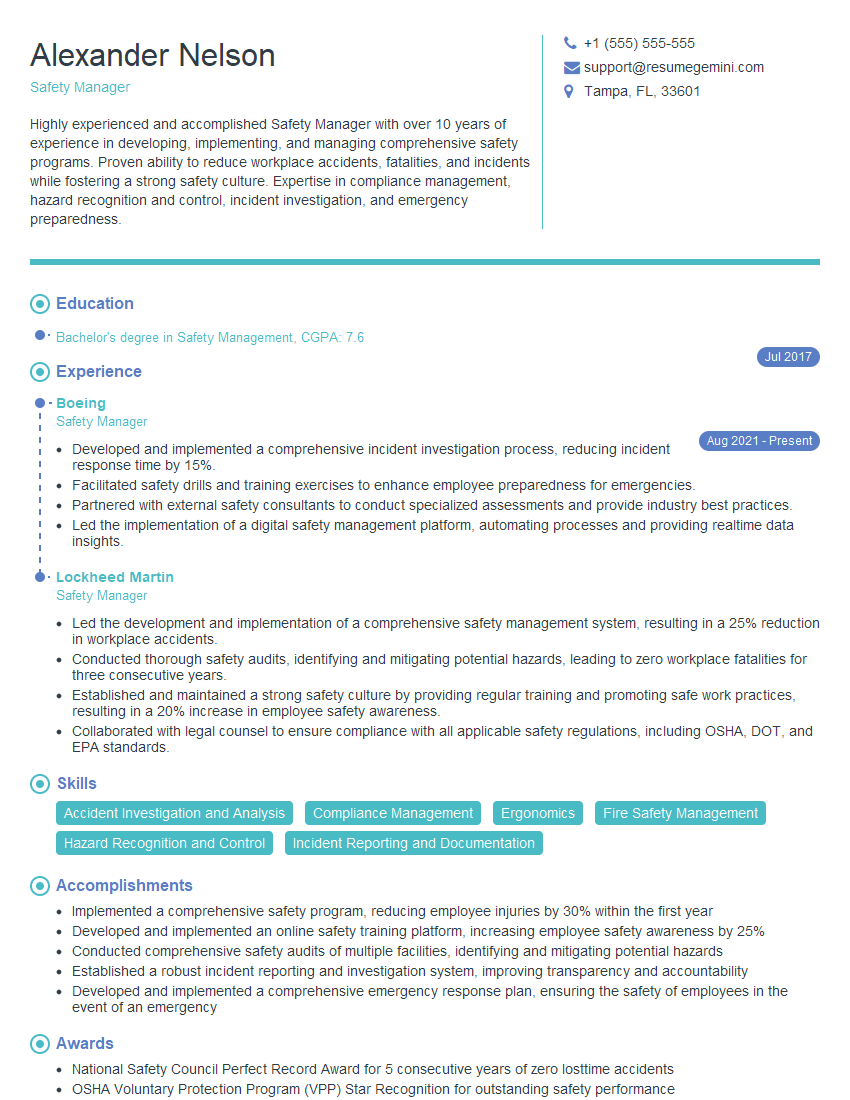
Safety Manager Resume Sample
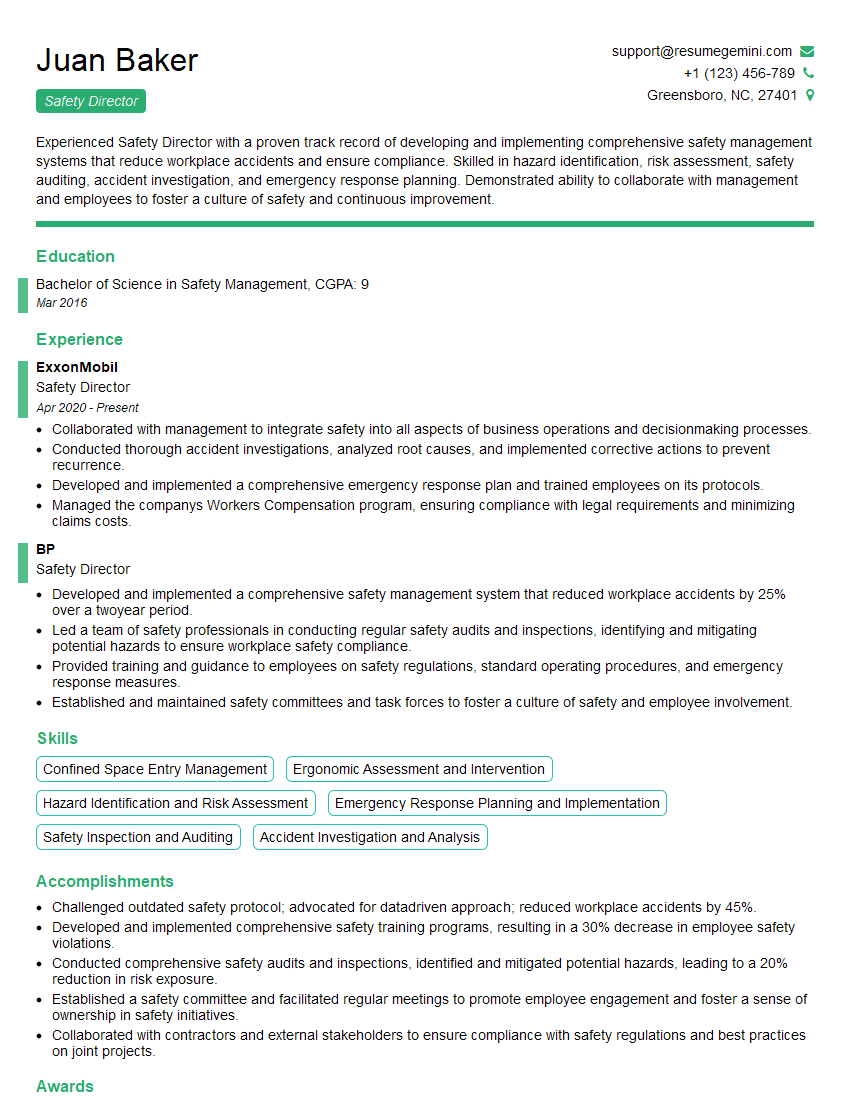
Safety Director Resume Sample
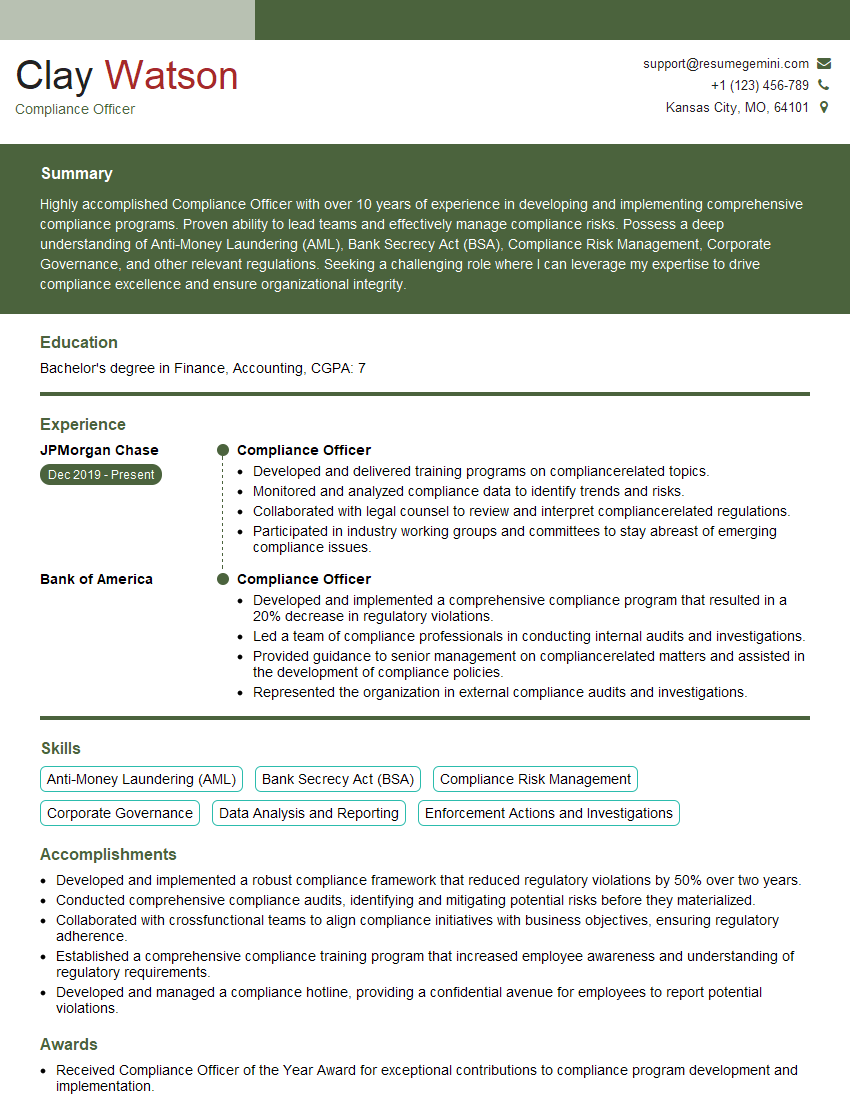
Compliance Officer Resume Sample
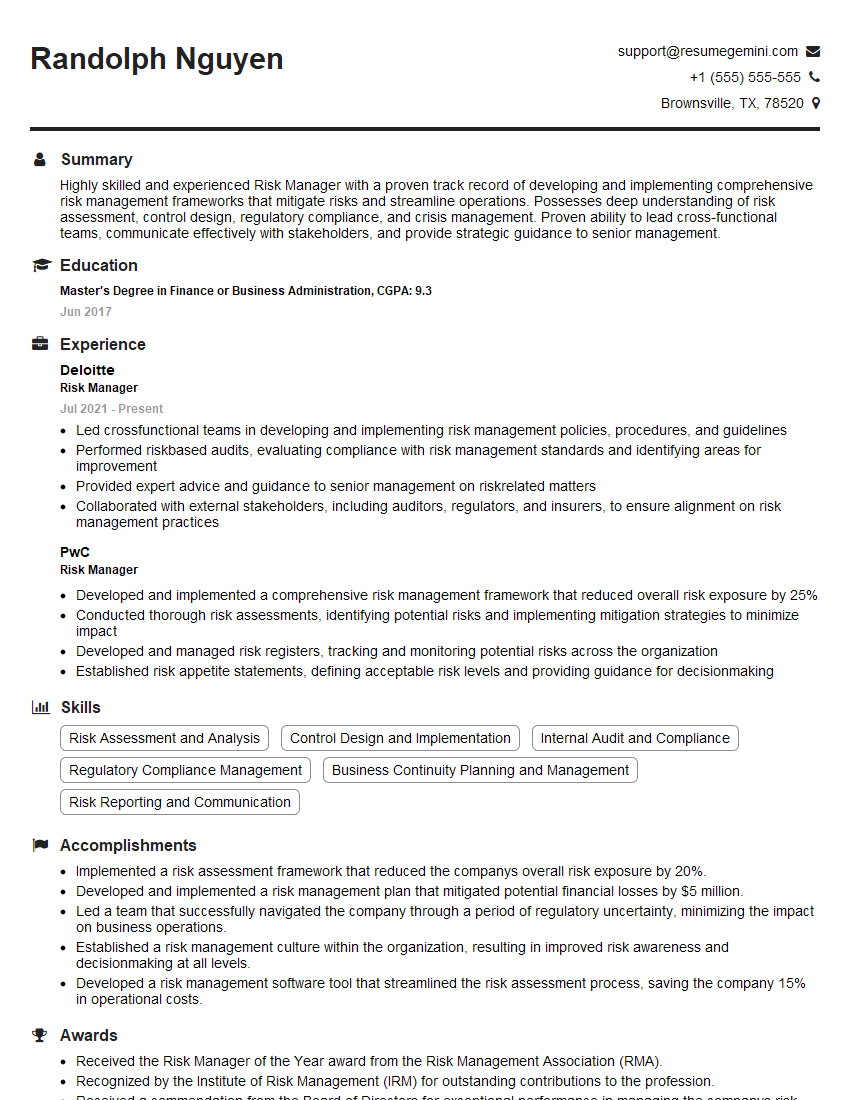
Risk Manager Resume Sample
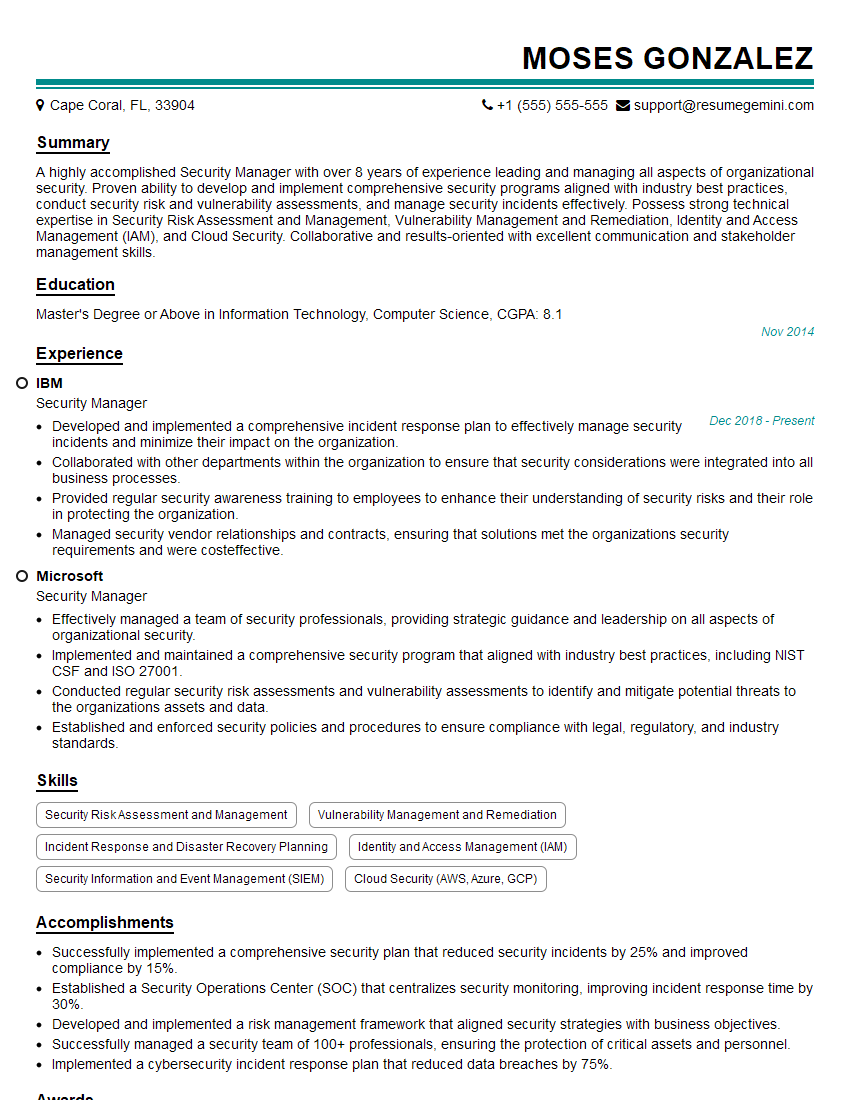
Security Manager Resume Sample
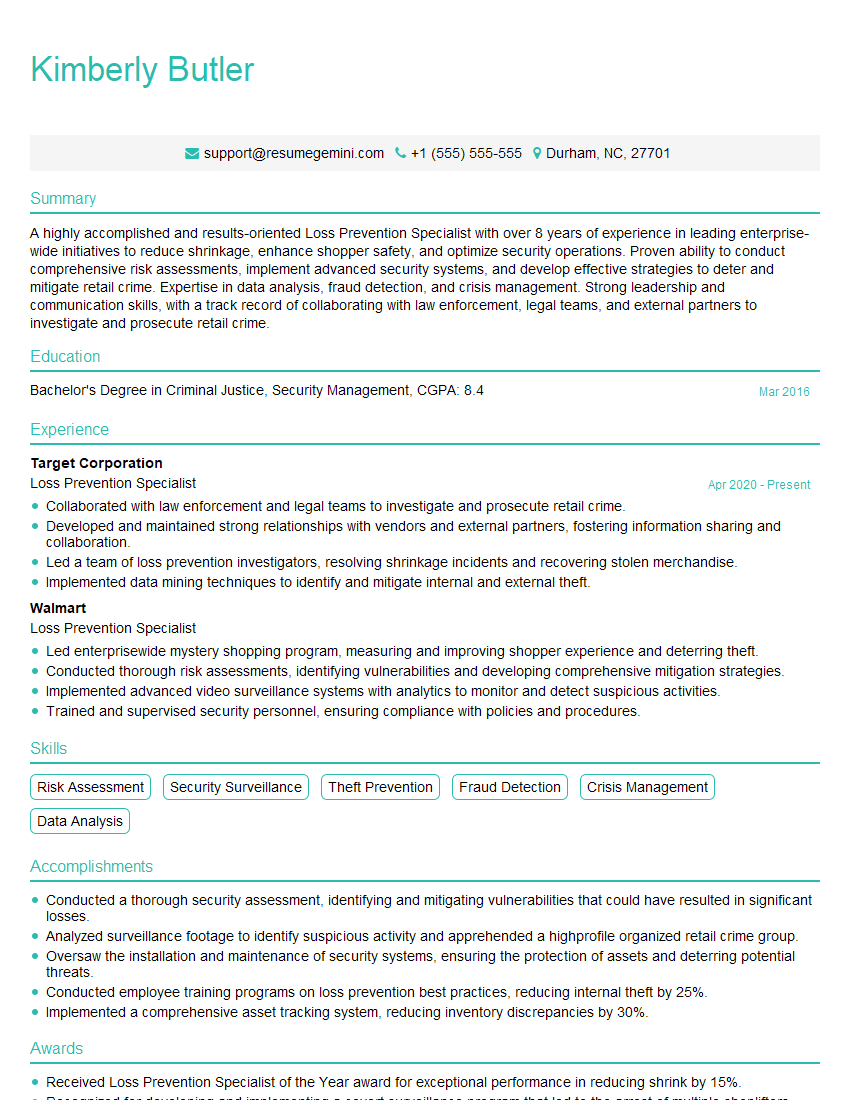
Loss Prevention Specialist Resume Sample
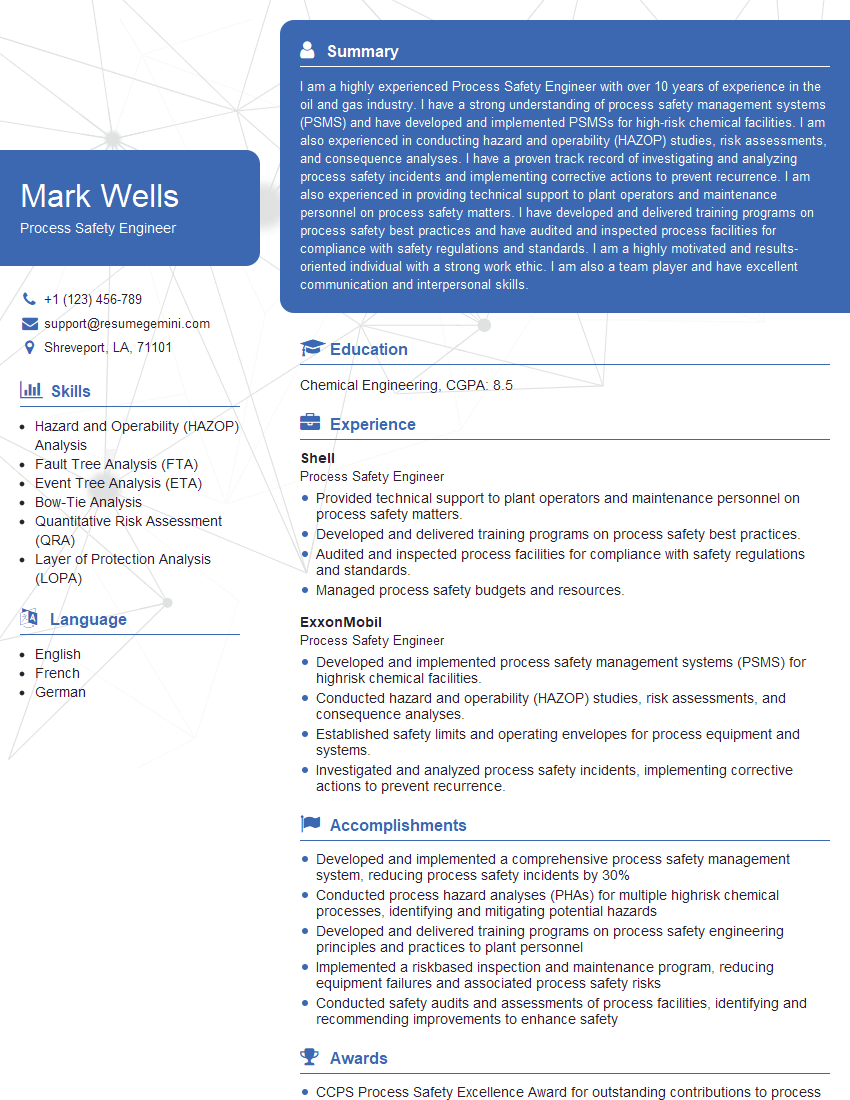
Process Safety Engineer Resume Sample
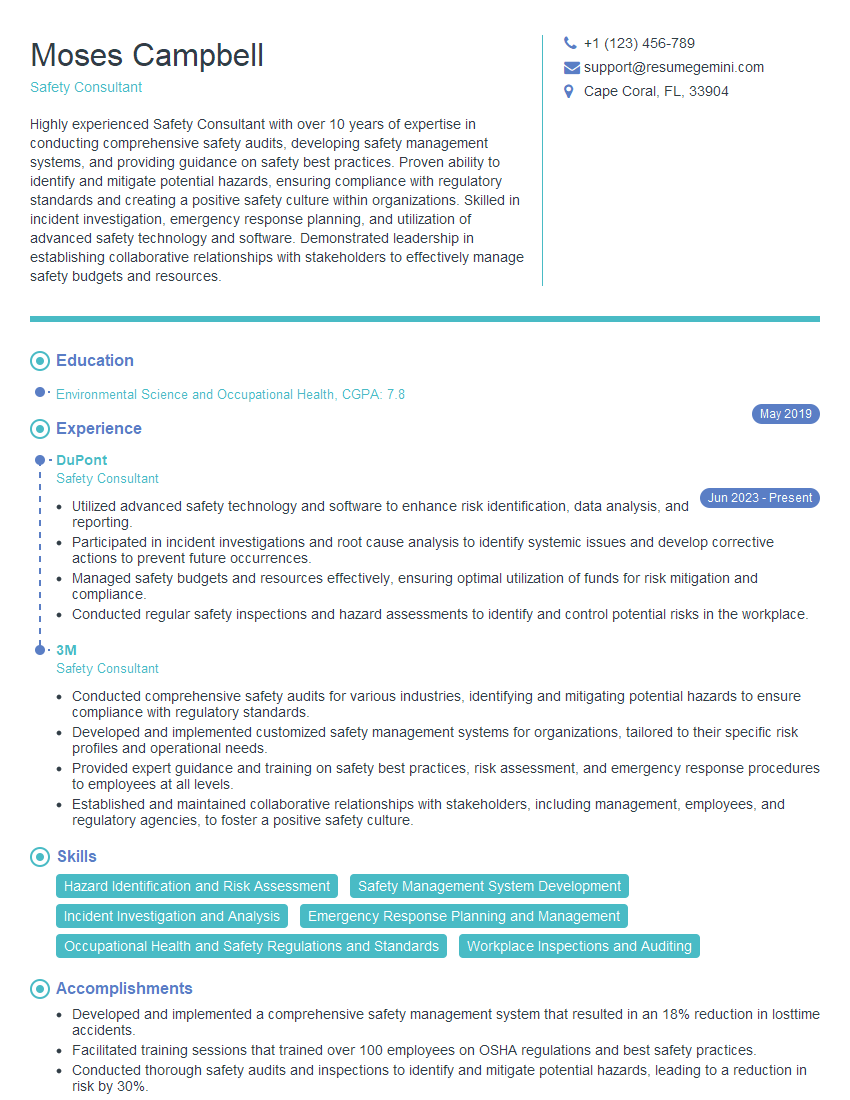
Safety Consultant Resume Sample
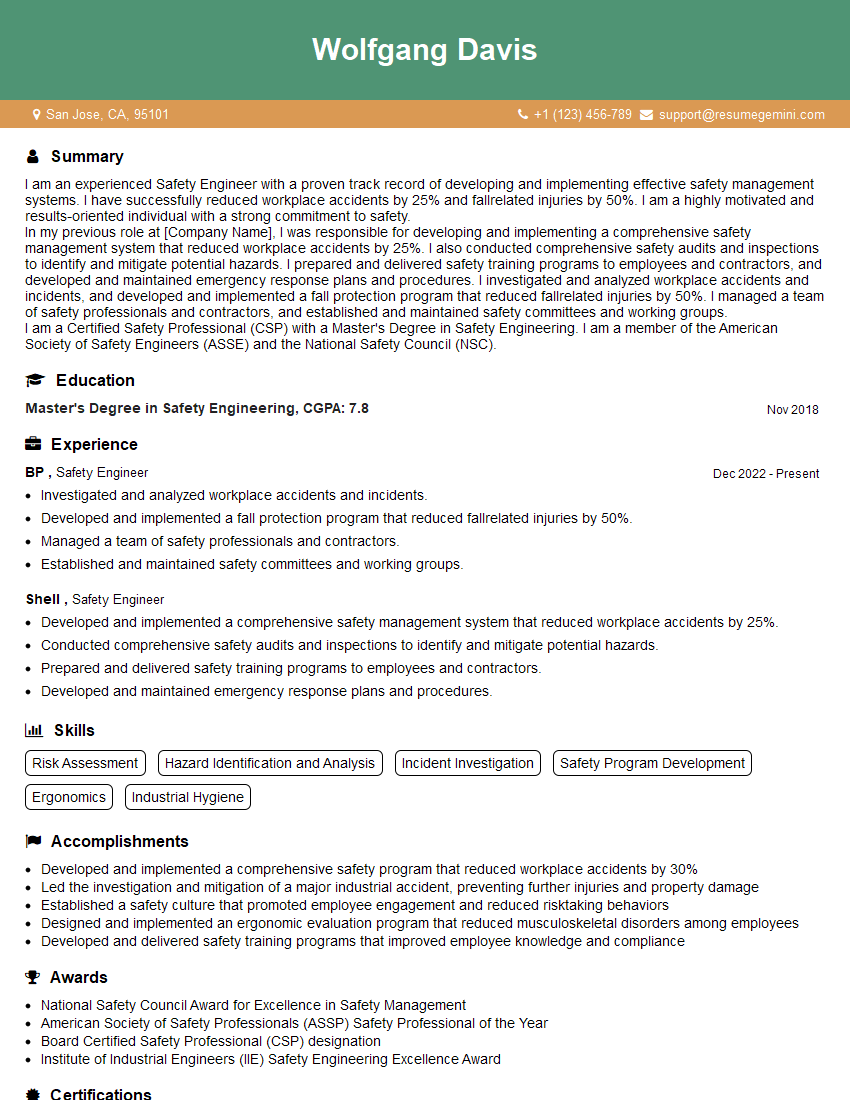
Safety Engineer Resume Sample
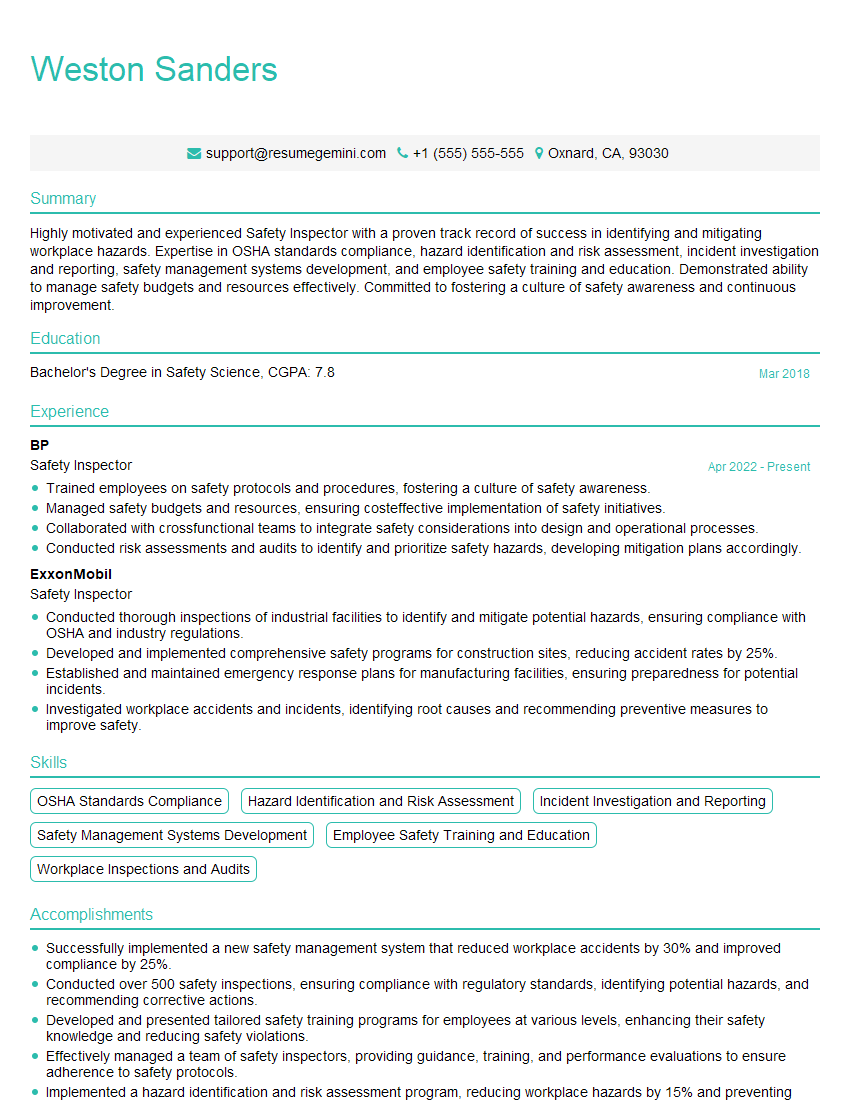
Safety Inspector Resume Sample
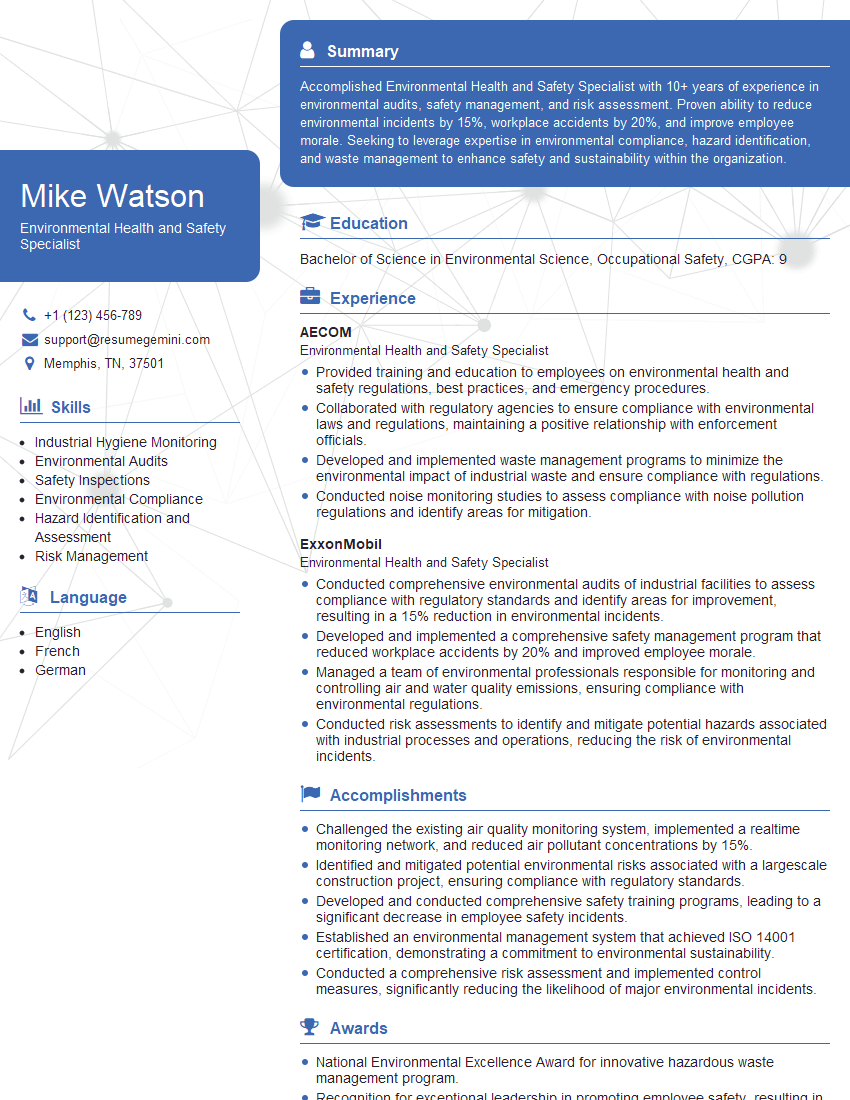
Environmental Health and Safety Specialist Resume Sample
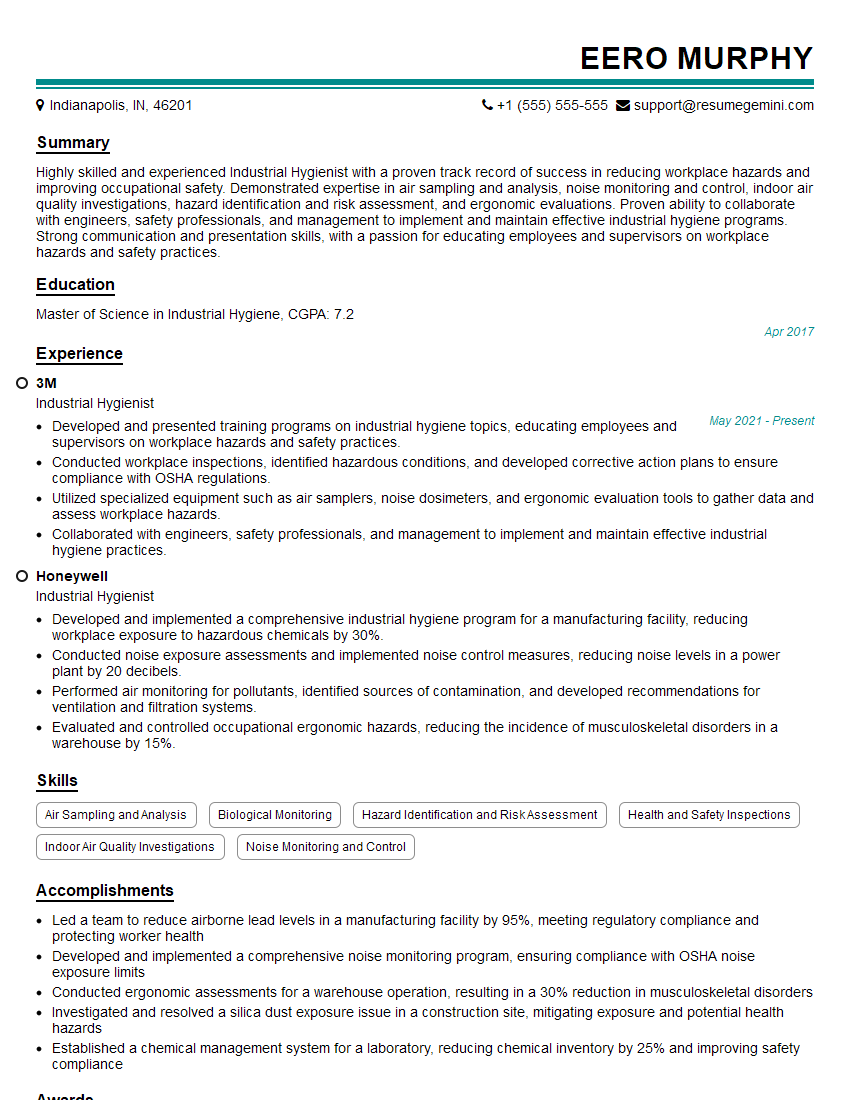
Industrial Hygienist Resume Sample
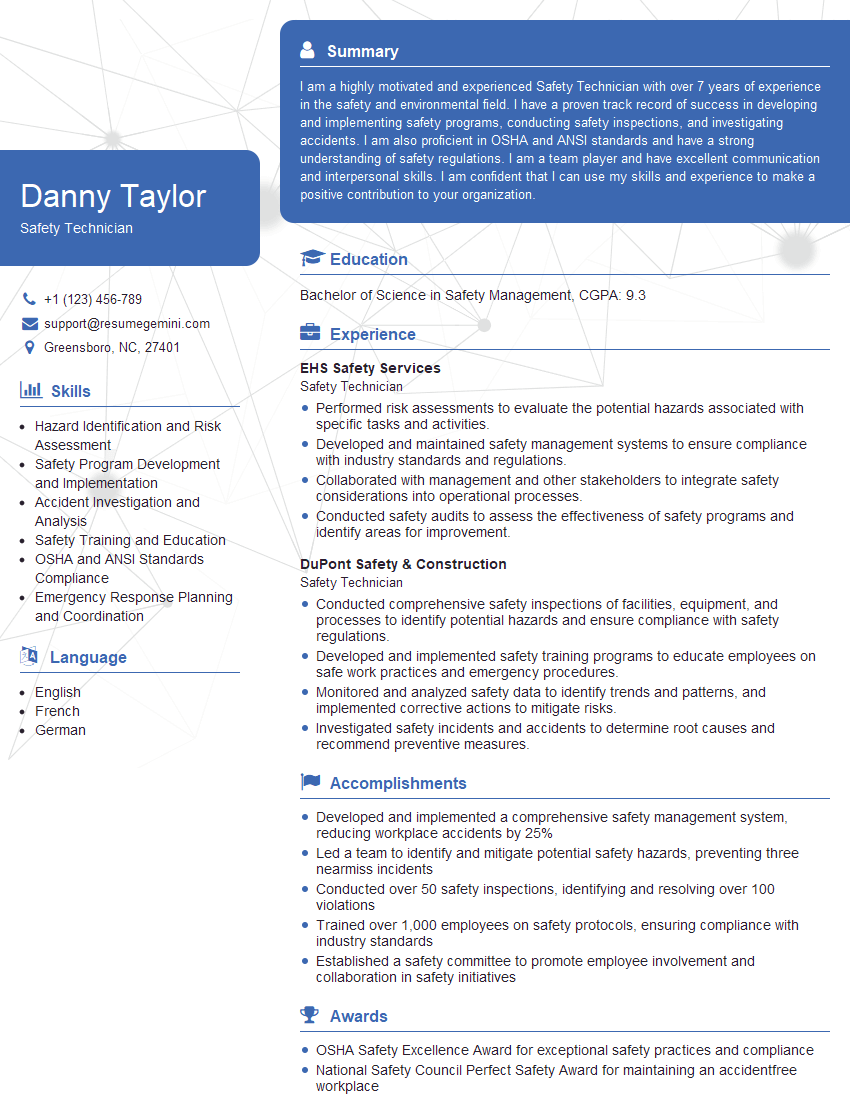
Safety Technician Resume Sample
Explore more articles
Users Rating of Our Blogs
Share Your Experience
We value your feedback! Please rate our content and share your thoughts (optional).
What Readers Say About Our Blog
Very informative content, great job.
good