The right preparation can turn an interview into an opportunity to showcase your expertise. This guide to HTTP/2 and SPDY interview questions is your ultimate resource, providing key insights and tips to help you ace your responses and stand out as a top candidate.
Questions Asked in HTTP/2 and SPDY Interview
Q 1. Explain the key differences between HTTP/1.1 and HTTP/2.
HTTP/1.1 and HTTP/2 are both protocols for transferring data over the web, but HTTP/2 represents a significant architectural shift resulting in substantial performance improvements. HTTP/1.1 is primarily a text-based protocol, relying on a request-response cycle where each request necessitates a separate TCP connection. This leads to significant overhead, especially when dealing with multiple resources (like images, CSS, and JavaScript) on a single webpage. HTTP/2, on the other hand, is a binary protocol that uses a single TCP connection to multiplex multiple requests and responses concurrently. Think of HTTP/1.1 as sending individual letters via snail mail, while HTTP/2 is like sending a single package containing all the letters at once.
- Connection Management: HTTP/1.1 uses persistent connections but suffers from head-of-line blocking; a slow resource can block others. HTTP/2 uses a single persistent connection with multiplexing to avoid this.
- Protocol Encoding: HTTP/1.1 is text-based (cleartext) and prone to more significant header bloat. HTTP/2 uses a binary framing layer with HPACK compression for headers and more efficient data transmission.
- Multiplexing: HTTP/1.1 lacks true multiplexing, forcing the browser to make numerous requests sequentially. HTTP/2 supports full multiplexing, allowing concurrent requests and responses over a single TCP connection.
- Header Compression: HTTP/1.1 lacks effective header compression, leading to unnecessary data transfer. HTTP/2 employs HPACK compression for efficient header handling.
- Server Push: HTTP/2 introduces server push, enabling the server to proactively send resources to the client before they are requested.
Q 2. What is multiplexing in HTTP/2, and how does it improve performance?
Multiplexing in HTTP/2 is the ability to send multiple requests and receive multiple responses concurrently over a single TCP connection. In HTTP/1.1, each request typically required its own connection, leading to connection overhead and latency. Imagine ordering multiple dishes at a restaurant: in HTTP/1.1, you’d have to order each dish individually and wait for it to arrive before ordering the next. In HTTP/2, you provide the server with the entire order, and the kitchen prepares everything simultaneously and sends dishes as they’re ready. This dramatically reduces the overall time to get your full meal (webpage resources).
This improvement stems from the use of streams and frames. Each request/response pair gets its own stream, and the data is broken down into smaller frames. These frames can be sent in any order and interleaved on the same connection, maximizing efficiency and minimizing latency.
Q 3. Describe header compression in HTTP/2 (HPACK).
Header Compression in HTTP/2 is handled by HPACK (Header Compression for HTTP/2). HPACK is a sophisticated algorithm that reduces the size of HTTP headers by employing a combination of techniques. It uses a static table of frequently used header fields and an dynamic table to store frequently used headers during a session. It also uses Huffman coding to further compress the remaining headers. This compression dramatically reduces the size of the headers, minimizing the amount of data that needs to be transmitted over the network. Think of it like using shorthand or abbreviations to write a message; HPACK uses pre-defined codes and efficient encoding to convey the same information with fewer bits.
For example, common headers like :method, :path, and :scheme are frequently used and are part of the static table. HPACK dynamically adjusts this table based on usage during a connection, making it even more efficient over time.
Q 4. How does server push work in HTTP/2?
Server Push in HTTP/2 allows the server to proactively send resources to the client before the client even requests them. This is a powerful feature that significantly improves page load times, especially for websites with many resources like images and JavaScript files. The server ‘predicts’ what resources the client will need and sends them, eliminating the need for the client to make individual requests for those resources.
For example, if a web page requires several CSS files, the server can push those files to the client immediately when the page is requested, even before the client sends individual requests for each file. The client receives these resources faster, leading to a quicker render time for the web page. The efficiency arises because all of these resources can be sent simultaneously, alongside the page’s initial HTML, over the same connection.
Q 5. Explain the role of streams and frames in HTTP/2.
Streams and frames are fundamental building blocks of HTTP/2 communication. Streams represent a bidirectional flow of data between the client and server for a particular request/response. Each stream has a unique identifier that keeps track of which data belongs to which request. Think of streams as individual conversations happening simultaneously over the same phone line.
Frames are the smallest units of data transmitted over a stream. Different frame types are used to convey headers, data, settings, and control information. They’re like individual messages within each conversation. This framing structure allows for flexibility in how data is sent and received, enabling multiplexing and efficient flow control.
For example, a single HTTP/2 stream might consist of several frames: a HEADERS frame containing the request headers, then multiple DATA frames for the response body, and finally an END_STREAM frame to signal the end of the stream.
Q 6. What are some of the performance benefits of HTTP/2 over HTTP/1.1?
HTTP/2 offers several significant performance improvements over HTTP/1.1:
- Reduced Latency: Multiplexing and header compression significantly reduce the time it takes to load web pages.
- Improved Throughput: The ability to send multiple requests and responses concurrently increases the overall data transfer rate.
- Faster Page Load Times: The combination of multiplexing, header compression, and server push results in faster rendering of web pages.
- Reduced Congestion: Fewer connections are needed, resulting in less congestion on the network.
- Enhanced User Experience: Faster loading times provide a smoother and more satisfying user experience.
Q 7. What are the challenges in migrating from HTTP/1.1 to HTTP/2?
Migrating from HTTP/1.1 to HTTP/2 involves several challenges:
- Compatibility: Older clients and servers may not support HTTP/2. Ensuring backward compatibility is critical.
- Testing: Thorough testing is necessary to ensure that applications function correctly under HTTP/2. Differences in behavior compared to HTTP/1.1 must be accounted for.
- Debugging: Debugging HTTP/2 can be more complex than HTTP/1.1 due to the binary nature of the protocol and the use of multiplexing. Specialized tooling is often necessary.
- Training: Developers and system administrators need training on the nuances of HTTP/2 to effectively implement and maintain it.
- Server and Client Configuration: Server and client configurations need to be correctly setup to enable HTTP/2 support.
Q 8. How does HTTP/2 handle flow control?
HTTP/2 employs a sophisticated flow control mechanism to prevent a fast client from overwhelming a slower server, or vice-versa. Think of it like a water pipe – you don’t want to burst the pipe by sending too much water too quickly. Instead, it uses a system of credits.
Each stream (a single request/response) has its own flow control window. The server advertises how many bytes it can currently receive (its window size). The client sends data, decrementing the window size as it goes. When the window size reaches zero, the client pauses sending data until the server increases the window size again by sending a WINDOW_UPDATE frame. This allows for adaptive flow control; a slow server will have smaller windows, limiting the client’s sending rate, while a fast server will allow larger windows for faster throughput.
This prevents bufferbloat (excessive buffering leading to performance degradation) and ensures reliable data transfer even with differing network conditions. For example, if a server is under heavy load, its flow control windows will shrink, throttling the incoming requests and preventing it from becoming overloaded. Conversely, a fast server will allow a high data throughput.
Q 9. Explain the concept of prioritization in HTTP/2.
HTTP/2 prioritization allows clients to signal the importance of different requests. Imagine ordering food at a restaurant: you’d want the appetizer to arrive before the main course. Similarly, in HTTP/2, a client can specify the relative urgency of different streams using dependency and weight.
Each stream can be assigned a parent stream, creating a dependency tree. A child stream inherits the priority of its parent. The weight of a stream indicates its relative importance compared to its siblings. A stream with a higher weight receives a larger share of bandwidth.
This allows the browser to optimize the rendering of a webpage by prioritizing critical resources like the main HTML document and essential CSS and JavaScript files. Non-critical resources, such as images, can be downloaded at a lower priority. The browser uses this mechanism to improve perceived performance by delivering the most crucial components of the page faster. It uses the PRIORITY frame to communicate this information to the server.
Q 10. What is SPDY, and how does it relate to HTTP/2?
SPDY (pronounced “speedy”) was an experimental protocol developed by Google that aimed to improve the performance of web pages over HTTP. It acted as a precursor to HTTP/2, introducing many of the key features we see today, such as multiplexing, header compression, and server push. Think of it as a beta version that paved the way for the standardized HTTP/2.
SPDY served as a crucial testing ground, allowing Google and other contributors to experiment and refine these innovative performance enhancements in a real-world setting. The experience gained with SPDY directly informed the design and development of HTTP/2. While now obsolete, it played a significant role in the evolution of web performance.
Q 11. Describe the evolution from SPDY to HTTP/2.
The evolution from SPDY to HTTP/2 involved a process of standardization and refinement. SPDY, being a Google-specific protocol, lacked the broad industry support needed for widespread adoption. While it proved the effectiveness of its features, it also revealed areas for improvement. The HTTP working group at the IETF (Internet Engineering Task Force) took the lessons learned from SPDY and incorporated them into the design of HTTP/2, resulting in a more robust, efficient, and interoperable protocol.
Key improvements in HTTP/2 included:
- A more formal and standardized specification, ensuring wider adoption and interoperability.
- Enhanced security features, incorporating TLS 1.2 or later as a mandatory requirement.
- Improved framing and flow control for greater efficiency and reliability.
- Streamlining and improving features based on practical experience and feedback from SPDY deployments.
Essentially, HTTP/2 represents the mature, standardized, and widely supported successor to SPDY’s experimental innovations.
Q 12. What are some common HTTP/2 troubleshooting techniques?
Troubleshooting HTTP/2 issues often involves checking various layers of the network stack. Here are some techniques:
- Network Monitoring Tools: Utilize tools like Wireshark or tcpdump to capture and analyze HTTP/2 traffic. Look for missing or malformed frames, flow control issues, and dropped packets.
- Server Logs: Examine server logs for errors or warnings related to HTTP/2 connections or processing.
- Browser Developer Tools: Browser developer tools often include network panels capable of showing detailed information about HTTP/2 requests, including timing and status codes. This allows for granular analysis of individual streams.
- Testing with Different Browsers and Clients: Try using different browsers or HTTP clients to see if the problem is specific to one particular client or a universal issue.
- Verify TLS/SSL Configuration: Ensure your TLS/SSL configuration is correctly set up. Problems here frequently mask or create HTTP/2 issues.
- Check for Server-Side Limitations: Some older servers might have limitations or bugs in their HTTP/2 implementations. Consult documentation or community forums to see if there are known issues with your server software and HTTP/2.
Q 13. How can you diagnose HTTP/2 performance issues?
Diagnosing HTTP/2 performance problems requires a systematic approach. Here’s a framework:
- Baseline Performance: First, establish a baseline of expected performance. Use tools to measure response times, throughput, and other key metrics under normal conditions.
- Identify Bottlenecks: Use network monitoring tools to pinpoint where performance issues occur. Is it network latency, server processing time, or client-side rendering delays?
- Analyze HTTP/2 Frames: Examine the HTTP/2 traffic using tools like Wireshark to look for slow or stalled streams, which could indicate flow control problems or server-side bottlenecks.
- Check for Resource Loading Issues: Investigate whether specific resources, like images or scripts, are causing delays. Optimize these resources or adjust their priority.
- Assess Server Load: Monitor server CPU, memory, and disk I/O to ensure the server isn’t overloaded. Too many requests can lead to performance degradation.
- Test Different Network Conditions: Simulate different network conditions (high latency, low bandwidth) to understand the impact on HTTP/2 performance. Tools can mimic various network scenarios.
By systematically investigating these areas, you can pinpoint the root cause of the performance problem and implement appropriate solutions.
Q 14. What are the security implications of HTTP/2?
HTTP/2, while significantly improving performance, introduces some security considerations primarily because it relies heavily on TLS for encryption. If not properly implemented, vulnerabilities can emerge.
- TLS/SSL Configuration Errors: Incorrectly configured TLS/SSL settings can expose the connection to man-in-the-middle attacks or other vulnerabilities. It’s crucial to use strong cipher suites and keep your TLS certificates up-to-date.
- Header Compression Vulnerabilities: While header compression improves efficiency, flaws in the implementation can lead to vulnerabilities, such as the CRIME and BREACH attacks which could allow attackers to steal sensitive information by manipulating HTTP headers. Using appropriately secure implementations is vital.
- Server-Side Vulnerabilities: Weaknesses in the server-side implementation of HTTP/2 can also be exploited. Regular security updates and patching are essential to mitigate these risks.
- Dependency on TLS: The mandatory use of TLS in HTTP/2 shifts security concerns entirely to the TLS implementation. Any weakness in the TLS configuration or implementation directly impacts the security of the entire HTTP/2 connection.
Therefore, robust security practices, including strong TLS/SSL configuration, regular security audits, and patching, are crucial for mitigating potential security risks associated with HTTP/2.
Q 15. Explain how HTTP/2 improves website load times.
HTTP/2 significantly improves website load times primarily through its efficient use of multiplexing and header compression. Imagine ordering multiple dishes from a restaurant: In HTTP/1.1, each dish (resource, like an image or JavaScript file) arrives in its own separate delivery (connection), leading to delays. HTTP/2, however, uses a single delivery (connection) to transport all dishes simultaneously, drastically reducing waiting time. This is called multiplexing. Additionally, HTTP/2 compresses HTTP headers, reducing the overall size of the data transmitted, thus further improving speed. This combined effect results in faster page load times and a smoother user experience.
For example, consider loading a webpage with multiple images, CSS files, and JavaScript files. With HTTP/1.1, each of these resources requires a separate TCP connection, leading to significant overhead. HTTP/2, however, streams all these resources over a single connection, resulting in a considerable reduction in latency and overall load time.
Career Expert Tips:
- Ace those interviews! Prepare effectively by reviewing the Top 50 Most Common Interview Questions on ResumeGemini.
- Navigate your job search with confidence! Explore a wide range of Career Tips on ResumeGemini. Learn about common challenges and recommendations to overcome them.
- Craft the perfect resume! Master the Art of Resume Writing with ResumeGemini’s guide. Showcase your unique qualifications and achievements effectively.
- Don’t miss out on holiday savings! Build your dream resume with ResumeGemini’s ATS optimized templates.
Q 16. What tools can be used to monitor HTTP/2 performance?
Several tools are available to monitor HTTP/2 performance. These tools provide insights into connection establishment, resource loading times, and potential bottlenecks. Popular choices include:
- Chrome DevTools: Chrome’s built-in developer tools offer detailed network performance analysis, clearly indicating whether HTTP/2 is being used and providing insights into individual resource loading times.
- WebPageTest: This website provides comprehensive performance analysis, including detailed information on HTTP/2 utilization and its impact on page load speed. It offers various testing locations and configurations.
- Network monitoring tools: Tools like Wireshark and tcpdump, while not specific to HTTP/2, allow for deep packet inspection, revealing details about the HTTP/2 connection establishment, stream management, and data transfer. They can be invaluable in diagnosing specific performance issues.
- Browser developer tools (Firefox, Edge): Similar to Chrome DevTools, these tools also provide network analysis information including HTTP/2 usage and performance metrics.
These tools, when used effectively, offer a comprehensive understanding of your website’s performance under HTTP/2 and guide optimization strategies.
Q 17. How does HTTP/2 impact caching?
HTTP/2 doesn’t fundamentally change caching mechanisms, but it optimizes how cached resources are utilized. The core caching strategies (browser cache, CDN cache, server-side cache) remain the same. However, HTTP/2’s features like header compression and multiplexing improve the efficiency of accessing cached resources. Since HTTP/2 can fetch multiple resources concurrently, it leverages caching more effectively. If a resource is already in the cache, it’s retrieved much faster, further enhancing performance, even with caching involved. This is especially beneficial for websites with large numbers of static assets such as images and CSS files that are typically heavily cached.
For instance, if a browser has already cached an image, HTTP/2 can request it alongside other resources over a single connection, resulting in a quicker retrieval time compared to HTTP/1.1, which would require a separate connection even for cached items.
Q 18. Discuss the impact of HTTP/2 on mobile performance.
HTTP/2 is particularly beneficial for mobile performance due to its inherent efficiency. Mobile networks often suffer from high latency and limited bandwidth. HTTP/2’s multiplexing significantly reduces the number of round trips needed to download all the resources of a web page, effectively mitigating latency issues. Header compression also reduces the amount of data transmitted, saving bandwidth. This translates to faster page load times, lower data consumption, and an overall improved user experience on mobile devices, especially in areas with poor network conditions.
Imagine a user browsing a website on a slow 3G connection. The reduced round trips and minimized data transfer offered by HTTP/2 ensure that the page loads faster and consumes less data, leading to a much more positive user experience than with HTTP/1.1.
Q 19. What are some best practices for optimizing HTTP/2 performance?
Optimizing HTTP/2 performance requires attention to several key areas:
- Minimize resource requests: Combine CSS and JavaScript files, optimize images, and leverage browser caching effectively to reduce the number of requests your website makes. The fewer requests, the better HTTP/2’s multiplexing capabilities are utilized.
- Server Push: Strategically push resources to the client before they are requested if you have knowledge of the client’s probable needs. This can preload essential content and improve initial page load times.
- Properly sized resources: Large files can overwhelm the capacity of HTTP/2’s streams. Optimizing image sizes, minimizing CSS and Javascript, can greatly improve performance.
- Use HTTP/2 capable servers and clients: This may seem trivial, but ensure that your server and clients properly support HTTP/2 and are configured appropriately.
- Use a Content Delivery Network (CDN): A CDN distributes your website’s content closer to users geographically, reducing latency and improving loading speeds, particularly effective in conjunction with HTTP/2.
By focusing on these best practices, you can significantly enhance your website’s performance under HTTP/2, delivering a faster and more responsive experience to your users.
Q 20. Explain the role of ALPN (Application-Layer Protocol Negotiation) in HTTP/2.
ALPN (Application-Layer Protocol Negotiation) plays a crucial role in establishing HTTP/2 connections. It’s a TLS extension that allows the client and server to negotiate which application protocol (HTTP/1.1, HTTP/2, or others) will be used for the connection before the handshake is completed. This prevents unnecessary negotiation and switching during the connection process. Without ALPN, the client would need to try different protocols until finding one that both client and server support, increasing latency. ALPN ensures that the correct protocol is selected right away for efficient communication.
In essence, ALPN provides a mechanism for clients and servers to communicate their supported protocols before fully establishing a secure connection (via TLS/SSL). It is a vital element for efficient HTTP/2 establishment by streamlining the protocol selection process.
Q 21. How does HTTP/2 handle connection management?
HTTP/2 significantly improves connection management compared to HTTP/1.1. The key difference lies in its ability to use a single persistent connection for multiple requests and responses. This contrasts with HTTP/1.1, which often relies on multiple connections. HTTP/2 uses multiplexing over a single TCP connection, which reduces the overhead associated with establishing and maintaining multiple connections. This is more efficient for bandwidth and processing power.
Furthermore, HTTP/2 introduces mechanisms for connection prioritization and flow control, allowing the client and server to manage the flow of data more efficiently. Prioritization allows the client to signal which resources are more important, ensuring that critical resources are loaded first. Flow control prevents the server from overwhelming the client with data.
Connection management in HTTP/2 is designed for efficiency and resilience. Multiplexing reduces connection overhead, and prioritization/flow control optimize data transfer. This ultimately contributes to faster and more reliable website performance.
Q 22. Describe the different types of HTTP/2 frames.
HTTP/2 frames are the fundamental building blocks of communication between a client and a server. They’re like individual packages carrying different types of information. Each frame has a type, flags, and a payload. Here are some key frame types:
- DATA: Carries the actual data of the HTTP message, like the HTML of a webpage or the bytes of an image. Think of it as the main content of the package.
- HEADERS: Contains the HTTP headers, such as the method (GET, POST), URL, and status codes. This frame is crucial for setting up the communication context. It’s like the address label and shipping instructions on the package.
- SETTINGS: Used to configure the connection parameters between client and server. Examples include window size adjustments or enabling/disabling features. Think of it as setting the delivery options.
- PRIORITY: Specifies the priority of a stream, allowing the client or server to indicate which resources are more important and should be given preference. Like marking a package as ‘Urgent’.
- PUSH_PROMISE: Used by the server to proactively send resources to the client, even before the client requests them. This is a key optimization feature. Think of it as ‘surprise and delight’ package included with the main order.
- PING: Used to check the health of the connection. It’s like sending a ‘keep-alive’ signal to ensure the connection is active and responsive.
- RST_STREAM: Abruptly terminates a stream, often due to errors. It’s like an immediate ‘stop delivery’ instruction.
- WINDOW_UPDATE: Adjusts the flow control window, allowing more data to be sent before the receiver needs to acknowledge receipt. It’s like increasing the delivery capacity on the route.
- GOAWAY: Signals the end of a connection or a specific stream. It’s a formal ‘connection closed’ message.
Understanding these frame types is crucial for analyzing and troubleshooting HTTP/2 communication. Each frame plays a specific role in making HTTP/2 efficient and performant.
Q 23. What are the limitations of HTTP/2?
While HTTP/2 offers significant performance improvements, it’s not without limitations. Some key limitations include:
- Complexity: HTTP/2 is significantly more complex than HTTP/1.1, making implementation and debugging more challenging. This complexity can impact adoption and increase the learning curve for developers.
- Head-of-Line Blocking (HOL Blocking): Although significantly reduced compared to HTTP/1.1, it can still occur in some situations due to multiplexing limitations. Careful stream prioritization helps mitigate this.
- Browser and Server Compatibility: While widespread adoption has made this less of a problem, older browsers or servers might not support HTTP/2, leading to compatibility issues. Always verify compatibility before deploying.
- Debugging: Debugging HTTP/2 can be complex due to the multiplexing and framing structure. Specialized tools are often necessary.
- Security Considerations: While HTTP/2 operates over TLS, ensuring proper security configuration and mitigating potential vulnerabilities remains crucial.
These limitations need to be considered when deciding on adopting HTTP/2, but the performance gains often outweigh the challenges for modern applications.
Q 24. How does HTTP/2 handle error handling?
HTTP/2 employs a robust error handling mechanism. Errors are typically detected and handled at the frame level. For instance:
- RST_STREAM frame: This frame immediately terminates a stream if an error occurs. It acts as a quick ‘kill switch’ to stop any further processing on a faulty stream.
- GOAWAY frame: Signals the graceful termination of a connection, offering a way for the server to indicate that it’s shutting down. It may contain an error code.
- Connection errors: Issues like network problems or protocol violations can lead to the connection being closed. Error codes associated with these indicate the nature of the problem.
- HTTP error codes: HTTP error codes (like 4xx client errors and 5xx server errors) are still used to convey errors related to the requested resources.
The use of frames allows for fine-grained error detection and handling, preventing errors in one stream from impacting others. This is a significant improvement over HTTP/1.1, where a single error could impact the entire connection.
Q 25. What are the future trends in HTTP/2 and related protocols?
Future trends in HTTP/2 and related protocols likely include:
- Improved error handling and debugging: Tools and techniques will continue to evolve to simplify debugging and troubleshooting HTTP/2 connections.
- Enhanced security features: Further research and development will focus on integrating more robust security features into HTTP/2.
- Integration with other protocols: HTTP/2 might integrate more closely with other network protocols to optimize performance and interoperability.
- QUIC: QUIC (Quick UDP Internet Connections) is a promising transport protocol that offers improvements over TCP, enhancing HTTP/3 performance. While not directly an HTTP/2 feature, it’s closely related.
- HTTP/3: The adoption and evolution of HTTP/3, built on top of QUIC, will likely lead to further enhancements in performance, security, and reliability.
The focus will be on improving the user experience through faster loading times, better security, and more robust error handling, resulting in a more efficient and user-friendly web.
Q 26. Compare and contrast the performance of HTTP/2 and SPDY.
Both SPDY and HTTP/2 aimed to address the limitations of HTTP/1.1, but they achieved this in different ways. SPDY was a precursor to HTTP/2. Key performance differences include:
- Multiplexing: Both SPDY and HTTP/2 use multiplexing to allow multiple requests and responses to be sent concurrently over a single TCP connection, drastically reducing latency. However, HTTP/2 has a more robust and efficient multiplexing mechanism.
- Header Compression: Both utilized header compression, but HTTP/2 uses HPACK, a more refined algorithm, leading to better compression ratios and reducing overhead.
- Stream Prioritization: Both support stream prioritization, but HTTP/2’s implementation is more sophisticated, allowing for finer-grained control over resource loading.
- Server Push: SPDY offered server push, which HTTP/2 also supports (via PUSH_PROMISE frames). However, HTTP/2 refined this feature, leading to better control and reduced risk of sending unnecessary data.
In essence, HTTP/2 is a refined and standardized evolution of SPDY, addressing some of SPDY’s shortcomings and providing a more consistent and performant framework for web communication. SPDY’s legacy primarily lies in its role as a stepping stone to the development of HTTP/2.
Q 27. Explain the concept of a server push in the context of SPDY.
In SPDY, server push allowed the server to proactively send resources to the client before the client explicitly requested them. Imagine you’re browsing a news website; the server might push images or CSS files even before you click on an article. This is because the server anticipates that you’ll likely need those resources.
This anticipatory delivery reduced latency because resources were available almost instantly when needed. However, careful consideration was necessary to avoid sending unnecessary data, which could lead to wasted bandwidth and even slower performance. The success of server push hinged on the server’s ability to accurately predict the client’s needs.
Q 28. Describe how SPDY addressed some of the limitations of HTTP/1.1.
SPDY addressed several key limitations of HTTP/1.1. Primarily:
- Head-of-Line Blocking: HTTP/1.1 suffered from head-of-line blocking, where a single slow resource could block all subsequent requests on the same connection. SPDY’s multiplexing feature significantly mitigated this by allowing concurrent requests over a single connection.
- HTTP Header Overhead: HTTP headers were relatively large and repeated frequently in HTTP/1.1. SPDY introduced header compression to significantly reduce this overhead and improve efficiency.
- Connection Management: Establishing and managing multiple TCP connections in HTTP/1.1 was inefficient and resource-intensive. SPDY’s multiplexing streamlined this, making it less cumbersome for both clients and servers.
By addressing these core issues, SPDY paved the way for HTTP/2, which built upon and further refined these improvements, setting the foundation for the modern web’s performance capabilities.
Key Topics to Learn for HTTP/2 and SPDY Interview
- HTTP/2 Fundamentals: Understanding the core improvements over HTTP/1.1, including multiplexing, header compression (HPACK), and server push.
- SPDY’s Role: Learning about SPDY as the precursor to HTTP/2 and its key features that paved the way for HTTP/2’s development. Understanding its limitations and why it was eventually superseded.
- Header Compression (HPACK): Deep dive into how HPACK works to reduce overhead and improve performance. Be prepared to discuss its encoding and decoding mechanisms.
- Multiplexing: Explain how multiplexing allows concurrent requests over a single TCP connection, improving performance and reducing latency. Understand its benefits and potential challenges.
- Server Push: Discuss the concept of server push and its advantages in proactively sending resources to the client. Analyze its potential drawbacks and use cases.
- Stream Prioritization: Understand how HTTP/2 allows for prioritizing streams, enabling efficient resource management and improved perceived performance.
- Flow Control: Explain how flow control prevents overwhelming the client or server, ensuring a stable and efficient connection.
- Practical Applications: Be ready to discuss real-world scenarios where HTTP/2 significantly enhances web application performance, such as streaming video or loading complex web pages.
- Troubleshooting and Optimization: Prepare to discuss common challenges encountered when implementing or optimizing HTTP/2, and how to address them effectively.
- Comparison with HTTP/1.1: Be able to articulate the key differences and performance advantages of HTTP/2 compared to its predecessor.
Next Steps
Mastering HTTP/2 and SPDY significantly enhances your profile as a skilled web developer, opening doors to exciting opportunities in performance optimization and high-traffic web applications. To maximize your job prospects, crafting a strong, ATS-friendly resume is crucial. ResumeGemini is a trusted resource to help you build a professional and impactful resume tailored to highlight your expertise. We provide examples of resumes specifically designed for candidates with HTTP/2 and SPDY skills to help you get started.

Principal Engineer Resume Sample

Security Engineer Resume Sample

Software Engineer Resume Sample

Network Security Engineer Resume Sample

Solutions Architect Resume Sample

Infrastructure Engineer Resume Sample

Web Developer Resume Sample

System Administrator Resume Sample

Network Architect Resume Sample

Technical Architect Resume Sample

Technical Lead Resume Sample
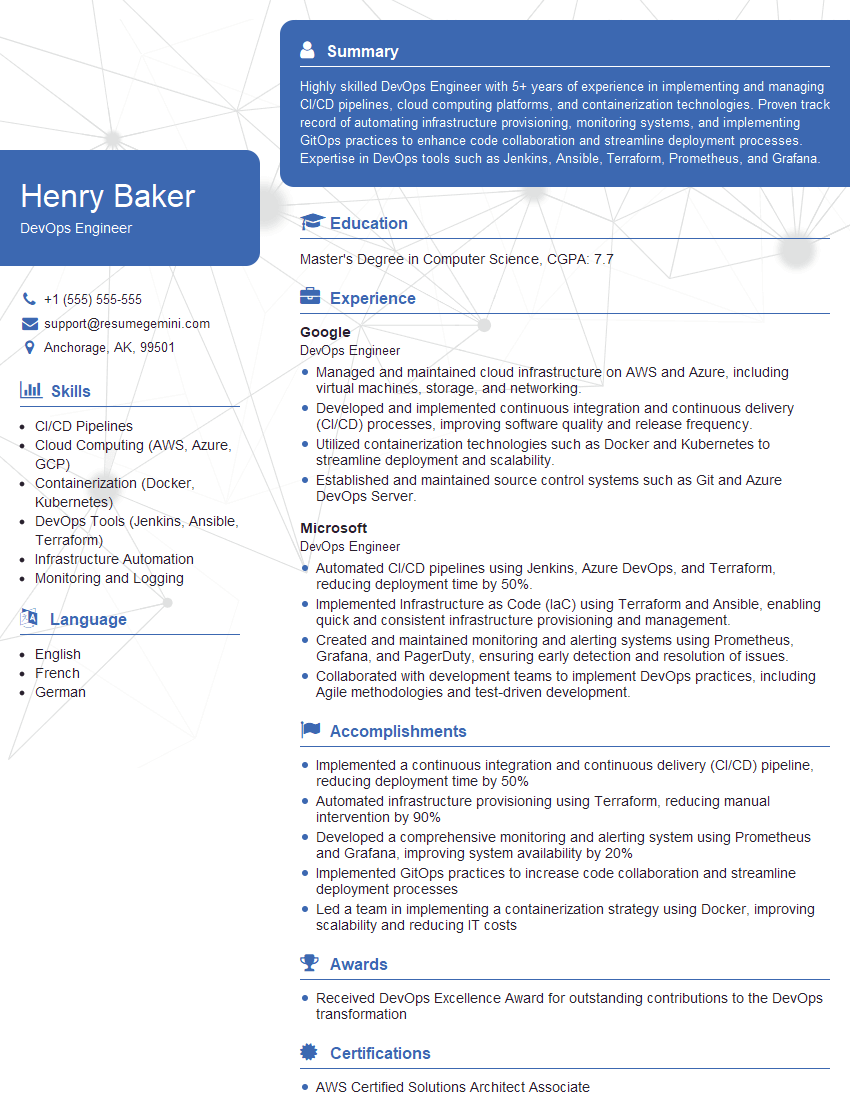
DevOps Engineer Resume Sample
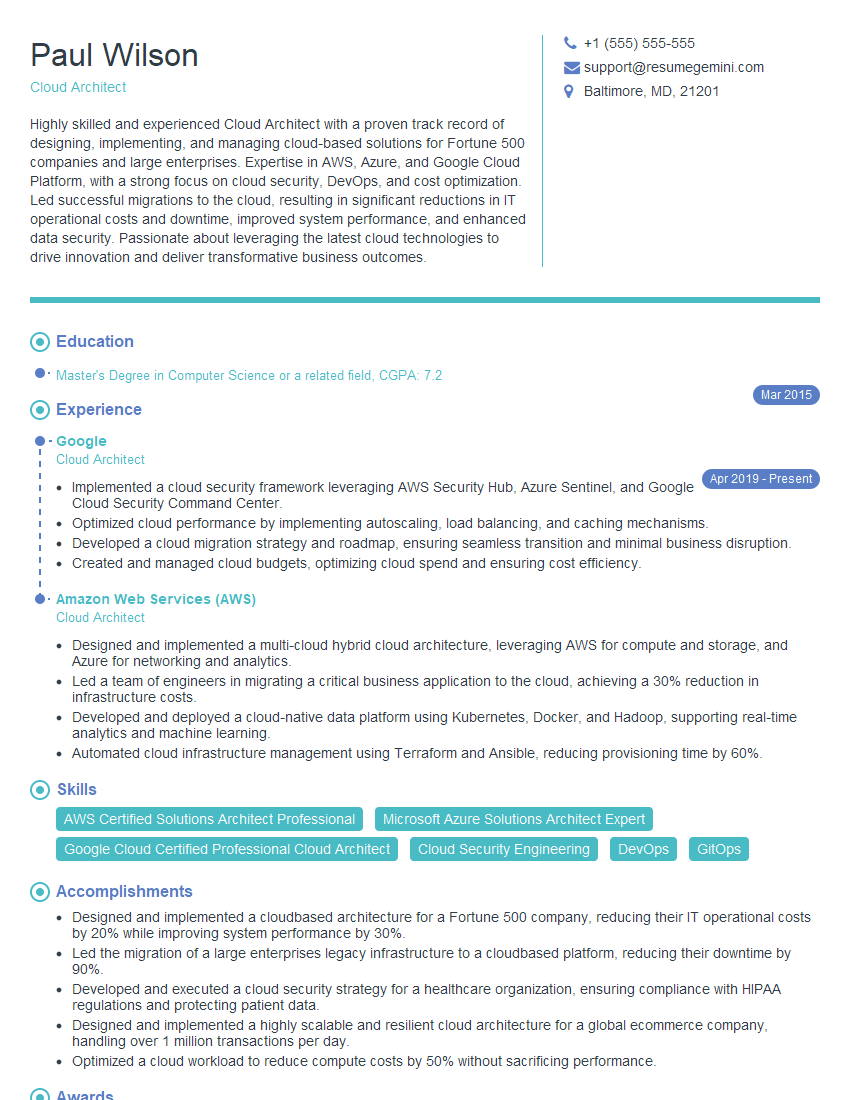
Cloud Architect Resume Sample
Explore more articles
Users Rating of Our Blogs
Share Your Experience
We value your feedback! Please rate our content and share your thoughts (optional).
What Readers Say About Our Blog
Very informative content, great job.
good