Preparation is the key to success in any interview. In this post, we’ll explore crucial Identifying and Reporting Potential Conveyor System Issues interview questions and equip you with strategies to craft impactful answers. Whether you’re a beginner or a pro, these tips will elevate your preparation.
Questions Asked in Identifying and Reporting Potential Conveyor System Issues Interview
Q 1. Explain the different types of conveyor systems and their applications.
Conveyor systems are the backbone of many industries, moving everything from raw materials to finished goods. They come in various types, each suited to specific applications. Here are a few key examples:
- Belt Conveyors: These are the most common type, using a continuous loop of belts to transport items. Think of the luggage systems at an airport or the massive belts in a mining operation. They’re versatile and can handle a wide range of materials and capacities.
- Roller Conveyors: These use rollers to support and move items, often gravity-fed. You’ll see these frequently in warehouses and distribution centers for lighter items. They are simple, reliable, and relatively inexpensive.
- Screw Conveyors (Augers): These use a rotating screw blade within a trough to move materials, particularly powders, granules, or small pieces. They are ideal for conveying materials that are easily damaged by other methods.
- Bucket Elevators: These lift materials vertically using buckets attached to a rotating belt or chain. They are used where significant vertical transport is needed, such as in grain silos or cement plants.
- Overhead Conveyors: These systems utilize a track and trolley system to transport items overhead, saving floor space. Think of car assembly lines where parts are transported above workers.
The choice of conveyor system depends on factors like the type of material being transported, the required capacity, the distance to be covered, the environment, and budgetary constraints. For instance, a delicate electronic component would require a gentler system like a roller conveyor, whereas heavy rocks in a quarry would necessitate a robust belt conveyor system.
Q 2. Describe common causes of conveyor belt slippage.
Conveyor belt slippage is a common issue that reduces efficiency and can lead to safety hazards. Several factors contribute to this:
- Insufficient Belt Tension: If the belt isn’t taut enough, it can slip on the pulleys. This is often caused by belt stretching or improper initial installation.
- Worn or Damaged Belt: A belt with cracks, cuts, or significant wear will lose its grip and be prone to slippage.
- Dirty or Greasy Pulleys: A build-up of material like dust, oil, or grease on the drive pulleys reduces the friction necessary for proper grip.
- Improper Pulley Alignment: Misaligned pulleys cause uneven belt tension and increase the likelihood of slippage.
- Excessive Load: Overloading the conveyor beyond its capacity can cause the belt to slip under the stress.
- Incorrect Tracking: If the belt wanders off-center, it can reduce contact with the pulleys leading to slippage.
Imagine trying to grip a wet bar of soap – it slips easily. Similarly, a dirty or worn belt on a greasy pulley loses its grip.
Q 3. How do you identify and diagnose misalignment in a conveyor system?
Misalignment in a conveyor system is a significant problem, leading to premature wear, belt damage, and potential breakdowns. Identifying it requires a systematic approach:
- Visual Inspection: Look for uneven belt tracking, belt edge wear, and signs of excessive pulley wear on one side.
- Straight Edge Check: Use a long, straight edge to check the alignment of the conveyor frame, pulleys, and idlers. Any deviation indicates misalignment.
- String Line Method: A string line can be used to visually check the alignment of the conveyor structure along its length.
- Laser Alignment Tools: These provide precise measurements and are particularly useful for long conveyors. They display any angular or vertical misalignment.
- Measurement of Pulley Distances: Carefully measure the distances between pulleys to verify that they are consistent and within the manufacturer’s specifications.
For example, if you notice the belt riding consistently to one side of the conveyor, it often indicates a misalignment of the pulleys or idlers in that direction.
Q 4. What are the key safety precautions when inspecting a conveyor system?
Safety is paramount when inspecting a conveyor system. Here are key precautions:
- Lockout/Tagout Procedures: Always follow proper lockout/tagout procedures to prevent accidental startup before starting any inspection.
- Personal Protective Equipment (PPE): Wear appropriate PPE, including safety glasses, gloves, and steel-toe boots.
- Awareness of Moving Parts: Be cautious of any moving parts, even if the system is shut down. Some parts may still have residual energy.
- Fall Protection: If working at heights, use appropriate fall protection measures.
- Proper Lighting and Visibility: Ensure adequate lighting to clearly see all components of the system during the inspection.
- Awareness of Hazardous Materials: Be aware of any hazardous materials being conveyed and take appropriate precautions.
A simple analogy: imagine trying to fix a car engine without turning off the ignition – highly dangerous. Similarly, working on a live conveyor system is incredibly risky.
Q 5. How do you perform a visual inspection of a conveyor system?
A visual inspection is the first and often most crucial step in identifying potential conveyor system issues. It should be thorough and methodical:
- Belt Condition: Check the belt for tears, cuts, gouges, excessive wear, and proper tracking. Look for signs of material buildup or damage.
- Pulley Condition: Inspect pulleys for cracks, wear, and proper alignment. Check for slipping or unusual noise.
- Idler Condition: Examine idlers for wear, damage, or misalignment. Check for proper rotation and lubrication.
- Frame and Structure: Look for structural damage, rust, or misalignment in the conveyor frame.
- Guards and Safety Devices: Verify that all safety guards and devices are in place and functioning correctly.
- Material Build-up: Check for material buildup on the belt, pulleys, or idlers which can cause problems.
- Fasteners: Inspect bolts and other fasteners for tightness and corrosion.
Think of it like a doctor performing a physical examination – a careful, systematic visual check reveals a lot about the overall health of the system.
Q 6. What are the common causes of conveyor system breakdowns?
Conveyor system breakdowns can be caused by a variety of factors, often stemming from neglect or inadequate maintenance:
- Belt Failures: Tears, rips, and excessive wear are common causes. This can stem from overloading, improper tension, or poor belt quality.
- Pulley and Idler Problems: Misalignment, wear, damage, or seized bearings in pulleys and idlers can lead to system failure.
- Motor or Drive Issues: Motor burnout, gear failures, or drive chain problems will stop the conveyor.
- Structural Failures: Damage to the conveyor frame, supports, or components can cause instability and malfunctions.
- Component Failures: Failure of sensors, switches, or other electronic components can cause operational issues.
- Material Handling Issues: Blockages, spills, or the accumulation of material can lead to breakdowns.
For instance, a sudden power surge can fry the motor, while a buildup of sticky material on the pulleys can lead to belt slippage and eventual failure.
Q 7. Describe your experience with preventive maintenance on conveyor systems.
Preventive maintenance is critical for maximizing the lifespan and efficiency of conveyor systems. My experience includes developing and implementing comprehensive maintenance programs based on manufacturers’ recommendations and industry best practices. This typically involves:
- Regular Inspections: Conducting routine visual inspections to identify potential issues early on.
- Lubrication Schedules: Following a strict lubrication schedule for all moving parts to prevent wear and tear.
- Belt Tension Adjustments: Regularly checking and adjusting belt tension to maintain optimal operation.
- Component Replacement: Proactively replacing worn-out components like belts, pulleys, and idlers to avoid unexpected failures. This is often based on a predictive maintenance model using vibration analysis or thermal imaging to detect potential issues before they become critical.
- Cleaning and Debris Removal: Regularly cleaning the conveyor to remove material buildup that can impede operation and cause damage.
- Documentation: Meticulously documenting all maintenance activities, including dates, repairs, and any identified issues.
In one project, implementing a preventative maintenance program reduced downtime by 40% and extended the lifespan of critical components. This not only saved the company significant money but also enhanced safety by preventing unexpected breakdowns.
Q 8. How do you troubleshoot a conveyor system that is experiencing frequent stoppages?
Troubleshooting frequent stoppages in a conveyor system requires a systematic approach. Think of it like diagnosing a car problem – you need to identify the root cause, not just the symptom. I begin by thoroughly examining the system’s operational logs to pinpoint the timing and frequency of the stoppages. This often reveals patterns. Then, I visually inspect the entire system, checking for obvious issues such as:
- Belt slippage or misalignment: This is a common cause and can be identified by looking for uneven wear on the belt or misalignment of the pulleys.
- Sensor malfunctions: Sensors monitor various aspects of the conveyor (e.g., belt position, overload). A faulty sensor might trigger an unnecessary stop.
- Mechanical issues: This could include worn bearings, damaged rollers, or issues with the drive motor itself. Listening for unusual noises can be helpful here.
- Jammed material: Check for blockages or build-up of material on the belt or within the system itself.
- Power supply issues: Intermittent power failures can cause sudden stoppages.
Once a potential cause is identified, I perform targeted tests to confirm the diagnosis. For example, I might check the tension of the belt, test the sensors, or measure the motor current. I meticulously document all findings and corrective actions. The key is to be thorough and methodical, eliminating possibilities until the root cause is identified.
For example, in one instance, frequent stoppages were attributed to a seemingly minor misalignment of a pulley. Once corrected, stoppages ceased. This highlights how a seemingly insignificant issue can cause significant disruption.
Q 9. Explain the importance of lubrication in conveyor system maintenance.
Lubrication is absolutely critical for conveyor system maintenance. It’s like the lifeblood of the system. Proper lubrication reduces friction between moving parts, extending their lifespan significantly. This translates directly into reduced downtime and maintenance costs.
Insufficient lubrication leads to increased wear and tear, potentially causing premature failure of components such as bearings, rollers, and chains. This can result in costly repairs, increased energy consumption due to higher friction, and potential safety hazards. Over-lubrication is also problematic, leading to contamination and attracting dirt and debris.
The type and frequency of lubrication depend on the specific components and operating conditions. For instance, roller bearings generally require periodic lubrication with grease, while chain drives might need regular oiling. A well-defined lubrication schedule, tailored to the system, is vital for optimal performance and longevity.
Q 10. What are the different types of conveyor belt materials and their properties?
Conveyor belt materials are chosen based on the application, considering factors such as the material being conveyed, the operating environment (temperature, chemicals), and the required durability. Some common types include:
- Rubber: A versatile choice, offering good abrasion resistance, flexibility, and impact strength. Different rubber compounds are available with varying properties to suit specific needs.
- PVC (Polyvinyl Chloride): Suitable for lighter-duty applications and environments where oil or grease resistance is required.
- Fabric: Often used as a reinforcing layer within a multi-ply belt, providing tensile strength.
- Hypalon (Chlorosulfonated Polyethylene): Known for its excellent resistance to chemicals, ozone, and weathering. This makes it ideal for harsh environments.
- PU (Polyurethane): Offers good abrasion resistance and flexibility, and is often chosen for food processing applications due to its cleanability.
The properties of these materials – such as tensile strength, elongation, and tear resistance – determine the belt’s suitability for a given application. Selecting the wrong material can lead to premature belt failure and operational disruptions.
Q 11. How do you determine the appropriate tension for a conveyor belt?
Determining the appropriate conveyor belt tension is crucial for efficient and safe operation. Insufficient tension results in belt slippage, while excessive tension can lead to premature wear and damage to the belt and other components. Think of it like tuning a guitar string – too loose, and it won’t sound right; too tight, and it will snap.
The optimal tension is usually specified by the belt manufacturer and depends on factors like belt length, material, and the type of idlers. It’s often measured using specialized tension gauges which measure the force required to elongate the belt a specific amount. Some systems use load cells to measure belt tension directly. A well-maintained system will have clearly marked tensioning devices to easily adjust the tension.
In practice, we use tension charts provided by the belt manufacturer, inputting relevant variables to calculate the ideal tension. Regular checks and adjustments are essential to ensure the belt maintains the optimal tension throughout its operational life.
Q 12. Describe your experience with conveyor system component replacement.
I have extensive experience in conveyor system component replacement, covering a range of components including belts, rollers, pulleys, motors, sensors, and control elements. The process always begins with a thorough assessment to determine the extent of the damage and the appropriate replacement part.
Safety is paramount. Before beginning any work, I ensure the power to the system is completely isolated and locked out. Then, I carefully remove the faulty component, taking note of its configuration and any special considerations for reinstallation. I always use manufacturer-specified replacement parts to ensure compatibility and performance. After installation, I thoroughly test the system to verify proper functionality and to check for any issues.
I’ve handled situations ranging from straightforward roller replacements to complex motor repairs, always following established safety protocols and best practices. For example, I once had to replace a damaged drive motor on a high-speed conveyor. Precise alignment and careful electrical connections were critical to prevent further damage or safety hazards.
Q 13. How do you document your findings after inspecting a conveyor system?
Documentation is crucial for effective conveyor system maintenance. I use a combination of methods for recording my findings, aiming for clarity and completeness. This allows for easy tracking of issues, trends, and preventative maintenance.
My documentation typically includes:
- Detailed inspection reports: These reports include photographs, diagrams, and a description of any identified issues, including their severity and location.
- Maintenance logs: These logs track all maintenance activities, including dates, personnel involved, parts replaced, and any relevant observations.
- Repair records: These records detail the repairs performed, including parts used and labor hours.
- Preventive maintenance schedules: I ensure that a documented preventive maintenance schedule is in place, to prevent future issues.
All documentation is stored in a central location, accessible to relevant personnel. This systematic approach ensures continuity of care and aids in preventative maintenance planning.
Q 14. What software or tools do you use to track conveyor system maintenance?
I utilize various software and tools to track conveyor system maintenance effectively. These help in scheduling, managing resources, and identifying potential issues before they become significant problems.
Examples include:
- Computerized Maintenance Management Systems (CMMS): These software packages provide a centralized platform for scheduling maintenance tasks, tracking inventory, managing work orders, and generating reports. Examples include SAP PM, IBM Maximo, and several others.
- Spreadsheet software (e.g., Microsoft Excel): For simpler systems, spreadsheets can be used to create and maintain maintenance schedules and track key metrics.
- Mobile apps: Many CMMS platforms offer mobile apps allowing for on-site data entry and updates.
- Data acquisition systems: Some conveyor systems incorporate data acquisition systems that monitor key performance indicators (KPIs) such as belt speed, tension, and motor current. This data can be analyzed to identify potential problems.
The choice of tools depends on the complexity of the system and the organization’s needs. My preference is to utilize a CMMS for larger systems due to its ability to handle multiple parameters and generate comprehensive reports.
Q 15. How do you prioritize maintenance tasks on a conveyor system?
Prioritizing maintenance on a conveyor system is crucial for preventing costly downtime and ensuring safety. I utilize a risk-based approach, combining a criticality assessment with a predictive maintenance strategy. This involves:
- Criticality Assessment: Identifying components vital for operation. For instance, a main drive motor failure halts the entire system, taking precedence over a minor component like a guide roller. I assign a criticality score to each component based on its impact on production and safety.
- Predictive Maintenance: Implementing condition monitoring techniques such as vibration analysis, lubricant analysis, and thermal imaging to predict potential failures before they occur. This allows for scheduled maintenance, minimizing unplanned downtime. For example, a slight increase in motor vibration might indicate impending bearing failure, prompting preventive maintenance before a catastrophic breakdown.
- Preventative Maintenance Schedule: Creating a schedule based on manufacturers’ recommendations and historical data. This involves regular lubrication, inspections, and cleaning. Regular lubrication of chain drives, for instance, significantly extends their lifespan.
- CMMS (Computerized Maintenance Management System): Utilizing a CMMS to track maintenance activities, manage spare parts inventory, and generate reports to optimize maintenance strategies. This system allows for data-driven decision-making, leading to more efficient maintenance practices.
This multi-faceted approach ensures that critical components receive timely attention, while preventative measures are implemented to avoid unexpected failures, ultimately maximizing system uptime and minimizing maintenance costs.
Career Expert Tips:
- Ace those interviews! Prepare effectively by reviewing the Top 50 Most Common Interview Questions on ResumeGemini.
- Navigate your job search with confidence! Explore a wide range of Career Tips on ResumeGemini. Learn about common challenges and recommendations to overcome them.
- Craft the perfect resume! Master the Art of Resume Writing with ResumeGemini’s guide. Showcase your unique qualifications and achievements effectively.
- Don’t miss out on holiday savings! Build your dream resume with ResumeGemini’s ATS optimized templates.
Q 16. Explain your experience with conveyor system upgrades or modifications.
I have extensive experience in conveyor system upgrades and modifications, ranging from minor component replacements to complete system overhauls. In one project, we upgraded an aging roller conveyor system in a distribution center. The original system was inefficient and prone to jams. The upgrade involved:
- Replacing outdated rollers: The old rollers were worn and causing friction, leading to jams. We replaced them with high-quality, self-lubricating rollers, reducing friction and improving efficiency.
- Implementing a new control system: The existing control system was outdated and unreliable. We installed a modern PLC-based control system with improved diagnostics and monitoring capabilities.
- Adding sensors and safety features: We incorporated sensors to detect jams and blockages, automatically stopping the conveyor to prevent damage. We also upgraded safety features to meet current regulations.
The upgrade resulted in a significant increase in throughput, reduced downtime, and improved worker safety. Another project involved integrating a new high-speed belt conveyor into an existing production line, requiring careful coordination with other production equipment and the development of custom interface solutions. Each project requires a thorough understanding of the existing system, a detailed design process, and careful implementation to minimize disruption and ensure successful integration.
Q 17. How do you handle emergency situations involving conveyor system malfunctions?
In emergency situations involving conveyor system malfunctions, my approach is systematic and prioritizes safety. My steps are:
- Immediate Safety Actions: First and foremost, I ensure the safety of personnel by isolating the malfunctioning section of the conveyor and stopping the system. This includes activating emergency stops and ensuring the area is secured.
- Assessment and Diagnosis: Once the system is secured, I perform a rapid assessment to identify the cause of the malfunction. This may involve checking for obvious issues like broken belts, jammed rollers, or power failures.
- Temporary Repair (if possible): If a minor repair can be safely performed to restore partial functionality, this is prioritized. This could involve clearing a simple jam or replacing a damaged component.
- Notification and Communication: I promptly notify relevant personnel, including maintenance supervisors and potentially management, depending on the severity of the situation. Clear communication is essential.
- Long-Term Solution: After the immediate situation is addressed, a thorough investigation is carried out to determine the root cause of the malfunction and implement a permanent solution to prevent recurrence. This might involve replacing worn components, making design modifications, or improving maintenance procedures.
Effective emergency response requires clear protocols, well-trained personnel, and readily available spare parts. Regular training and drills reinforce these procedures and ensure a coordinated and efficient response.
Q 18. What are the regulatory compliance requirements for conveyor systems?
Regulatory compliance for conveyor systems varies depending on location and industry. However, common regulations often address safety, such as:
- OSHA (Occupational Safety and Health Administration): In the US, OSHA sets standards for workplace safety, including requirements for guarding moving parts, emergency stops, lockout/tagout procedures, and noise levels. These standards are designed to prevent injuries to workers.
- CE Marking (Conformité Européenne): Within the European Union, CE marking indicates that a product meets relevant health, safety, and environmental protection requirements. For conveyor systems, this often involves demonstrating compliance with machinery directives.
- Local and National Standards: Many countries and regions have their own specific regulations and standards for conveyor systems, often based on international standards like ISO.
Compliance is essential not only to avoid penalties but also to create a safe working environment. This involves regular inspections, documentation of maintenance activities, and keeping up-to-date with relevant regulations and standards. I regularly review and update my knowledge to ensure our systems remain compliant.
Q 19. Describe your experience with working with different conveyor system manufacturers.
I’ve worked with a variety of conveyor system manufacturers, including both large multinational corporations and smaller specialized companies. My experience has shown that each manufacturer has its own strengths and weaknesses regarding design, components, and support. For example:
- Company A (Large Multinational): Offered a wide range of standardized components and readily available support, but customization options were limited and could be expensive.
- Company B (Specialized Manufacturer): Provided highly customized solutions ideal for unique applications, but their support network was smaller and lead times could be longer.
My approach involves understanding the specific requirements of the project and selecting the manufacturer best suited to meet those needs. This often involves evaluating factors such as cost, lead times, technical support capabilities, and the manufacturer’s reputation for quality and reliability. Effective communication with manufacturers is crucial to ensure the system meets the specified requirements.
Q 20. How do you interpret conveyor system schematics and diagrams?
Interpreting conveyor system schematics and diagrams is fundamental to understanding the system’s layout, components, and functionality. I am proficient in reading various types of diagrams, including:
- Layout Drawings: Show the overall arrangement of the conveyor system, including its location within the facility, dimensions, and relationships to other equipment.
- Schematic Diagrams: Illustrate the electrical and control systems, including power sources, motors, sensors, and control logic. These are crucial for troubleshooting electrical issues.
- Component Drawings: Provide detailed information about individual components, such as motors, rollers, belts, and sensors. These are essential for maintenance and replacement.
- P&ID (Piping and Instrumentation Diagrams): Relevant for pneumatic or hydraulic conveyor systems, showing the flow of fluids and the location of valves and actuators.
My ability to interpret these diagrams allows me to quickly understand the system’s operation, identify potential problems, and plan maintenance activities effectively. Understanding the symbology and conventions used in these diagrams is crucial for accurate interpretation.
Q 21. Explain your understanding of conveyor system capacity and throughput.
Conveyor system capacity and throughput are critical performance indicators. Capacity refers to the maximum amount of material the system can handle under ideal conditions, while throughput represents the actual amount of material moved over a specific time period. Several factors influence both:
- Belt Width and Speed: A wider belt or faster speed increases capacity. However, exceeding the design limits can lead to premature wear and damage.
- Material Properties: The size, weight, and flow characteristics of the material being conveyed significantly impact throughput. Lumpy or sticky materials can reduce throughput.
- System Design: The efficiency of the conveyor system’s design, including the layout, incline, and number of transfer points, impacts overall throughput. Inefficient transfers can create bottlenecks.
- Maintenance: Proper maintenance ensures optimal performance and prevents downtime, leading to higher throughput.
Calculating capacity often involves using formulas provided by manufacturers or industry standards, considering factors like belt width, speed, and material density. Monitoring throughput requires data collection over time, allowing for analysis of bottlenecks and opportunities for improvement. For example, if throughput consistently falls below the predicted capacity, it indicates potential problems requiring investigation and resolution.
Q 22. Describe your experience with PLC programming related to conveyor systems.
My experience with PLC programming for conveyor systems spans over ten years, encompassing design, implementation, troubleshooting, and maintenance. I’m proficient in several PLC platforms, including Allen-Bradley and Siemens, and comfortable with various programming languages like Ladder Logic and Structured Text. I’ve worked on projects ranging from simple conveyor lines to complex automated systems with integrated robotic arms and advanced sorting mechanisms. For example, in one project, I programmed a PLC to control a high-speed sorting conveyor, utilizing sensors to identify product type and direct it to the appropriate output chute. This involved creating complex logic to handle sensor inputs, manage conveyor speed and direction, and implement safety interlocks. Another project involved integrating a PLC with a SCADA system for real-time monitoring and remote diagnostics of a large distribution center’s conveyor network.
A specific example involved optimizing a conveyor system’s throughput by implementing a dynamic speed control algorithm within the PLC. This algorithm analyzed sensor data on product accumulation and adjusted conveyor speed to prevent bottlenecks while maintaining a smooth flow. The result was a 15% increase in throughput with reduced product damage.
Q 23. How do you ensure the safety of personnel working around conveyor systems?
Ensuring personnel safety around conveyor systems is paramount. My approach is multifaceted and includes implementing and enforcing strict safety protocols, regularly inspecting equipment for hazards, and providing comprehensive training to all personnel. Key measures include:
- Lockout/Tagout Procedures: Rigorous adherence to lockout/tagout procedures before any maintenance or repair work is performed.
- Emergency Stop Buttons: Strategically placed emergency stop buttons readily accessible throughout the conveyor system.
- Guards and Barriers: Properly installed guards and barriers to prevent accidental contact with moving parts.
- Warning Signage: Clear and prominent warning signs indicating potential hazards.
- Personal Protective Equipment (PPE): Mandatory use of appropriate PPE, such as safety glasses, gloves, and steel-toed shoes.
- Regular Safety Audits: Conducting regular safety audits to identify and rectify potential hazards.
- Training Programs: Providing comprehensive training to all employees on safe operating procedures and hazard recognition.
Think of it like this: we treat safety not as an afterthought, but as an integral part of the system design and operation, built into every step of the process from the initial design phase to daily operations.
Q 24. What metrics do you use to evaluate the performance of a conveyor system?
Evaluating conveyor system performance involves tracking several key metrics. These metrics provide insights into efficiency, reliability, and overall system health. Some of the most important metrics include:
- Throughput: The number of units processed per unit of time (e.g., units per hour).
- Uptime: The percentage of time the system is operational.
- Mean Time Between Failures (MTBF): The average time between system failures.
- Mean Time To Repair (MTTR): The average time required to repair a system failure.
- Product Damage Rate: The percentage of products damaged during conveyance.
- Energy Consumption: The amount of energy consumed by the system per unit of time.
By tracking these metrics, we can identify areas for improvement, predict potential problems, and optimize system performance. For example, a consistently low throughput might indicate a bottleneck in the system, while a high product damage rate might point to a problem with the conveyor’s design or operation. Data analysis tools and reporting systems are crucial for effective monitoring and management of these metrics.
Q 25. How do you identify potential hazards related to conveyor system operation?
Identifying potential hazards in conveyor systems requires a proactive and systematic approach. My process involves a combination of visual inspections, operational analysis, and risk assessments. This includes:
- Visual Inspections: Regularly inspecting the conveyor system for worn parts, loose components, damaged belts, and other physical defects.
- Operational Analysis: Observing the system in operation to identify areas of potential concern, such as pinch points, entanglement hazards, or areas of excessive noise or vibration.
- Risk Assessments: Conducting thorough risk assessments to identify potential hazards and evaluate their likelihood and severity.
- Maintenance Logs: Reviewing maintenance logs to identify recurring problems and potential failure patterns.
- Safety Standards Compliance: Ensuring the system complies with relevant safety standards and regulations.
For instance, I once identified a potential hazard where a conveyor belt’s edge was exposed, posing a risk of entanglement. By implementing a simple guard, we effectively mitigated this risk. Another example is detecting signs of belt slippage, which might suggest improper tension or component wear, leading to potential breakdowns or accidents.
Q 26. Describe your experience with root cause analysis for conveyor system problems.
My approach to root cause analysis for conveyor system problems is based on a structured methodology, often employing techniques like the ‘5 Whys’ and fishbone diagrams. The goal is not just to fix the immediate symptom, but to identify the underlying cause to prevent recurrence. Here’s my typical approach:
- Gather Data: Collect all relevant data, including maintenance logs, operational records, and witness statements.
- Define the Problem: Clearly define the problem and its impact on the system’s performance.
- Identify Potential Causes: Brainstorm potential causes using techniques such as the ‘5 Whys’ or fishbone diagrams.
- Verify the Root Cause: Test and verify the identified root cause through experimentation, observation, or data analysis.
- Implement Corrective Actions: Implement appropriate corrective actions to address the root cause.
- Monitor Effectiveness: Monitor the effectiveness of the corrective actions to ensure the problem is resolved.
For example, if a conveyor repeatedly jams, the initial symptom might be a jammed product. Asking ‘why’ repeatedly might reveal underlying causes such as: 1. Why is the product jamming? (Incorrect product orientation). 2. Why is the product oriented incorrectly? (Faulty infeed system). 3. Why is the infeed system faulty? (Worn components). This identifies the need for component replacement, addressing the root cause rather than just clearing the jam each time.
Q 27. Explain your understanding of different types of conveyor system sensors and their functions.
Conveyor systems utilize a variety of sensors for monitoring and control. Understanding their function is crucial for effective troubleshooting and maintenance. Some common sensor types include:
- Proximity Sensors: Detect the presence of objects without physical contact, often used for detecting product presence or position.
- Photoelectric Sensors: Detect the presence or absence of light, used for object detection, counting, and level sensing.
- Ultrasonic Sensors: Use sound waves to detect objects and measure distances, useful for detecting product presence or level in bins.
- Inductive Sensors: Detect the presence of metallic objects, often used for detecting the presence of metal parts or for safety purposes.
- Capacitive Sensors: Detect changes in capacitance, used to detect the presence of non-metallic objects.
- Limit Switches: Mechanical switches activated by physical contact, often used for position sensing or safety interlocks.
- Encoders: Measure the rotational speed and position of shafts, essential for precise speed and position control.
Each sensor type has specific applications. For example, photoelectric sensors are excellent for counting items on a conveyor, while proximity sensors are often used to detect jams or blockages. Understanding these differences is vital for selecting the right sensor for a specific application and for effectively troubleshooting sensor-related issues.
Q 28. How do you communicate effectively with other maintenance personnel regarding conveyor system issues?
Effective communication is crucial in a maintenance environment. I prioritize clear, concise, and accurate communication with other maintenance personnel using a combination of methods:
- Written Reports: Detailed written reports documenting system issues, troubleshooting steps, and corrective actions. These reports serve as a record of maintenance activities and aid in knowledge transfer.
- Verbal Communication: Clear and concise verbal communication to ensure everyone is aware of ongoing issues and planned maintenance activities.
- Work Orders: Using a robust work order system to track maintenance tasks, assign responsibilities, and document completion.
- Visual Aids: Using diagrams, photos, or videos to illustrate complex issues or maintenance procedures. A picture is often worth a thousand words, particularly when explaining a complex problem.
- Regular Meetings: Participating in regular meetings with other maintenance personnel to discuss ongoing issues and share best practices.
I always aim to provide enough context and detail to allow others to understand the problem and contribute to its solution. Furthermore, active listening and the ability to articulate technical information clearly are vital aspects of my communication style.
Key Topics to Learn for Identifying and Reporting Potential Conveyor System Issues Interview
- Conveyor System Components & Functionality: Understanding the mechanics of different conveyor types (belt, roller, chain), their individual components (motors, drives, sensors, rollers, belts), and how they interact to ensure efficient material handling.
- Identifying Potential Hazards & Malfunctions: Learning to recognize common issues like belt slippage, misalignment, component wear, damaged rollers, sensor failures, and potential safety hazards. This includes practical application of visual inspection techniques and understanding operational parameters.
- Preventive Maintenance Strategies: Knowing how to proactively identify potential problems before they escalate into major breakdowns. This involves understanding lubrication schedules, inspection procedures, and the importance of regular system checks.
- Troubleshooting and Diagnostics: Developing systematic approaches to diagnosing malfunctions. This includes understanding the use of diagnostic tools, interpreting error codes, and isolating the root cause of problems.
- Safety Protocols and Procedures: Understanding and adhering to all relevant safety regulations and procedures when working with conveyor systems, including lockout/tagout procedures and personal protective equipment (PPE) usage.
- Reporting and Documentation: Mastering effective methods for documenting identified issues, including clear and concise reporting using standardized formats, documenting repair procedures, and utilizing maintenance management systems (CMMS).
- Understanding Conveyor System Optimization: Knowing how to analyze system performance data to identify areas for improvement in efficiency, throughput, and safety. This may include applying lean manufacturing principles.
Next Steps
Mastering the art of identifying and reporting potential conveyor system issues is crucial for career advancement in maintenance, operations, and engineering roles. A strong understanding of these concepts demonstrates your technical skills, problem-solving abilities, and commitment to safety – all highly sought-after qualities in today’s industry. To further enhance your job prospects, focus on creating an ATS-friendly resume that highlights your relevant skills and experience. ResumeGemini is a trusted resource that can help you build a professional and impactful resume, ensuring your application stands out. Examples of resumes tailored to Identifying and Reporting Potential Conveyor System Issues are available to help guide you.
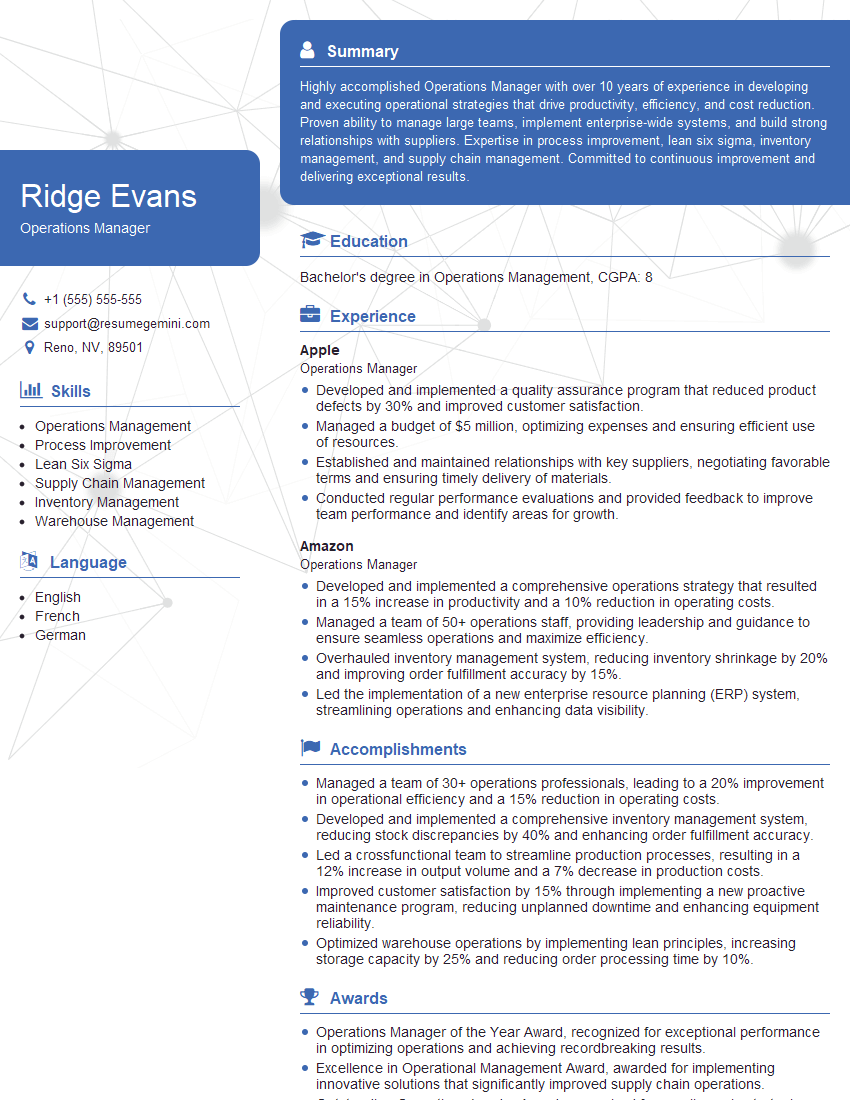
Operations Manager Resume Sample

Production Supervisor Resume Sample
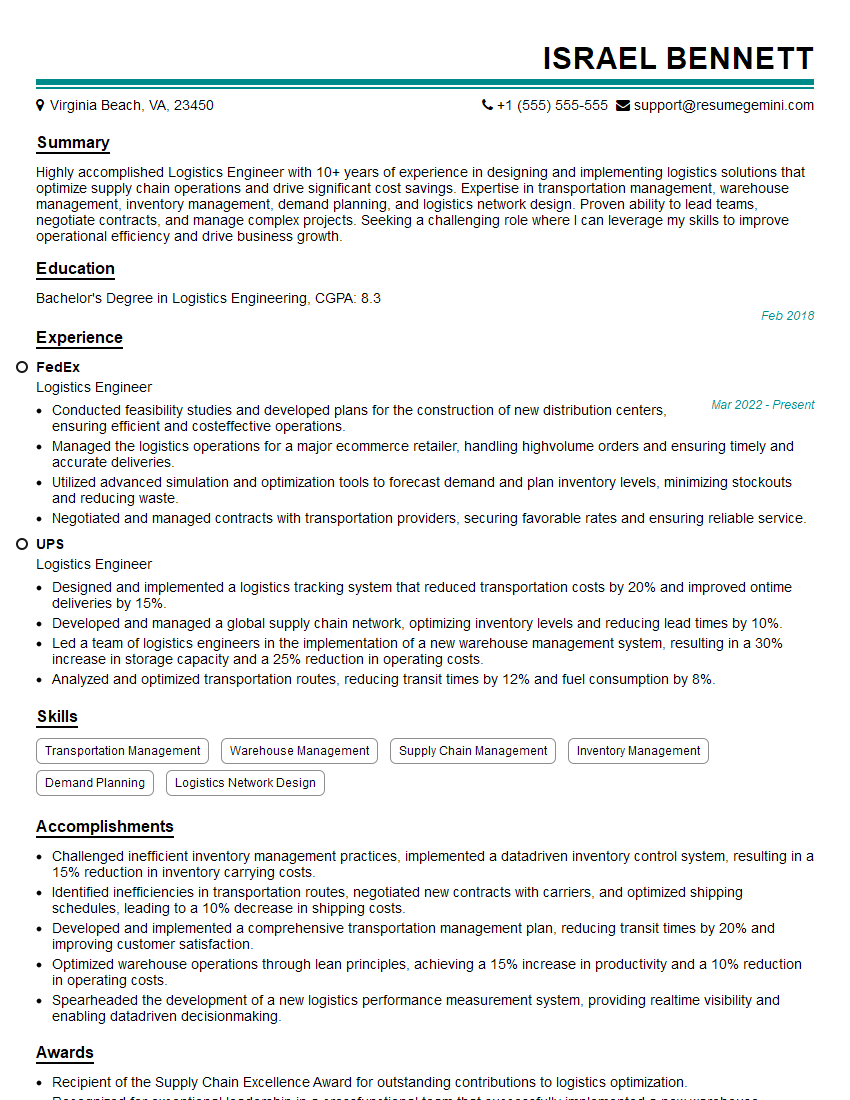
Logistics Engineer Resume Sample

Reliability Engineer Resume Sample
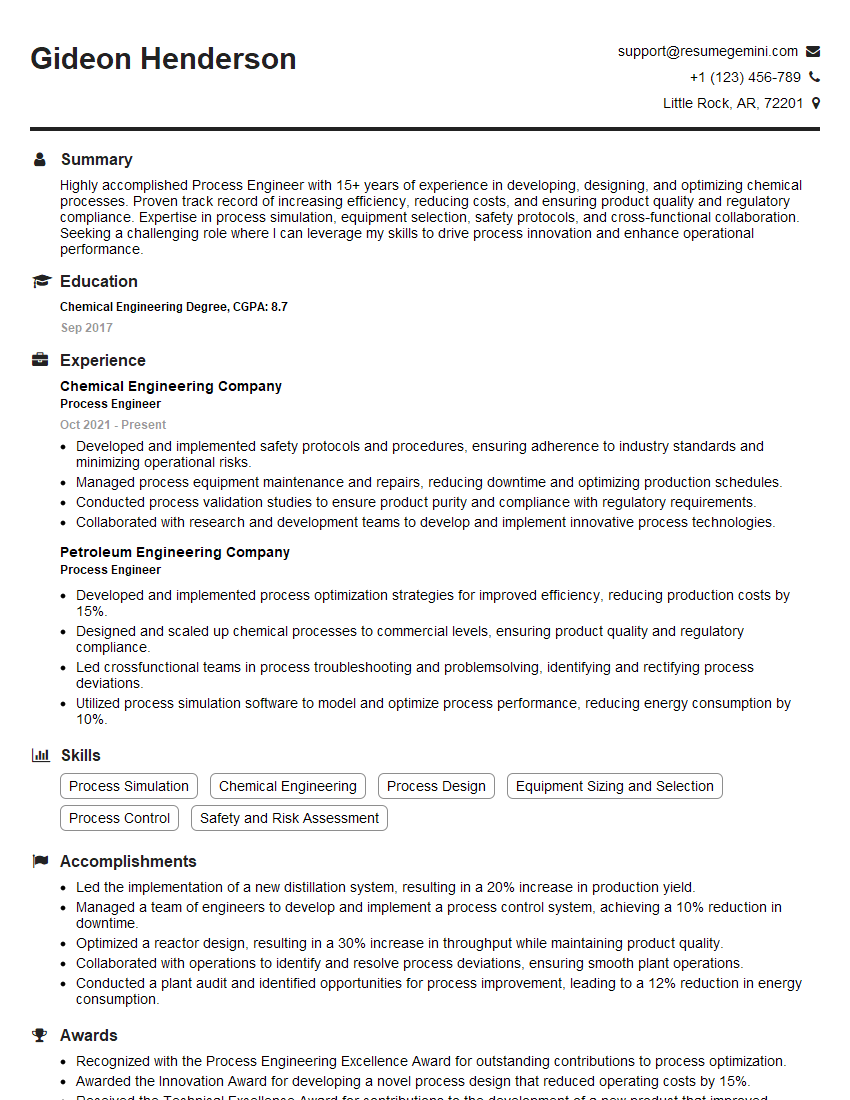
Process Engineer Resume Sample
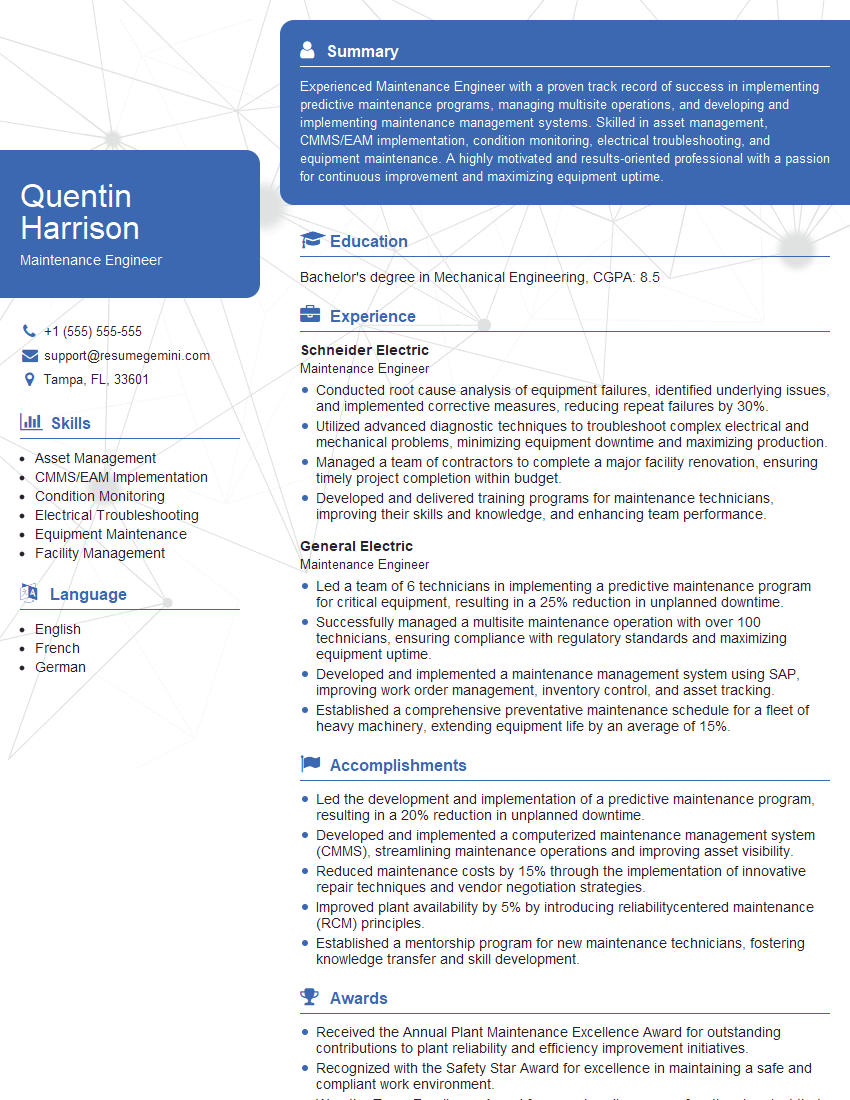
Maintenance Engineer Resume Sample
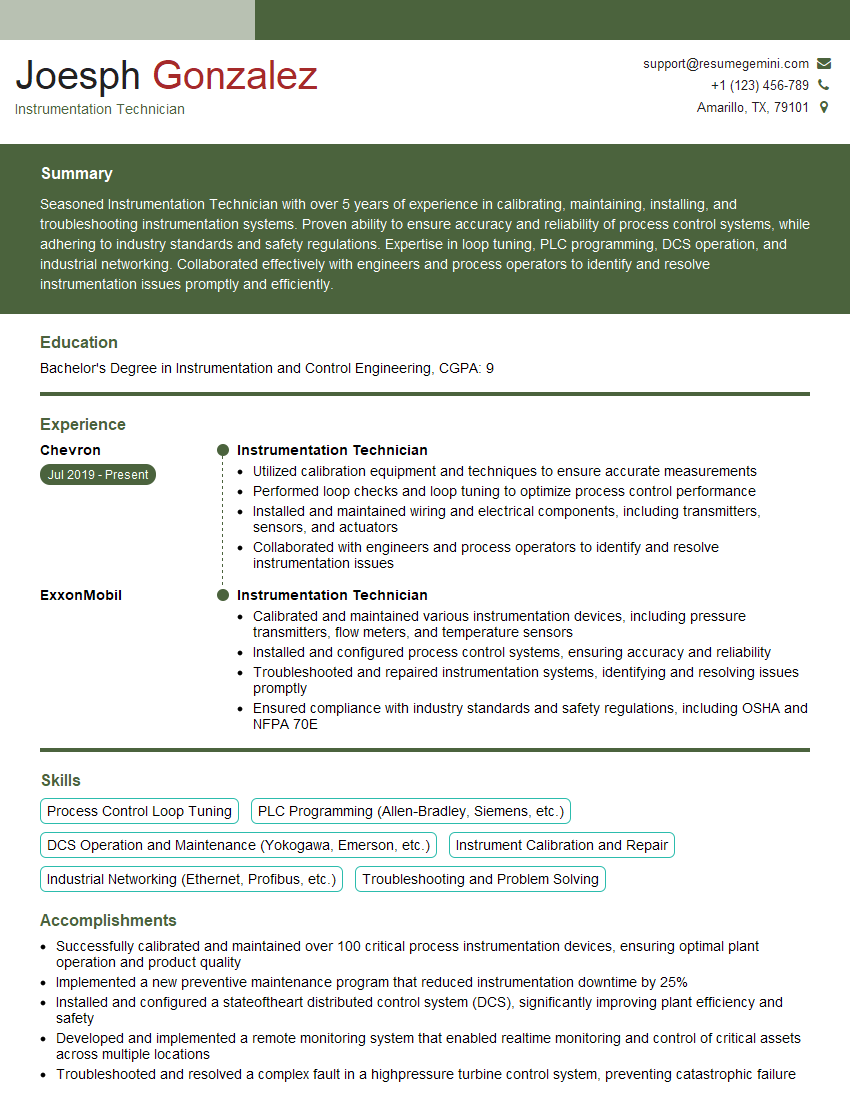
Instrumentation Technician Resume Sample

Automation Technician Resume Sample

Mechanical Technician Resume Sample

Robotics Technician Resume Sample

Predictive Maintenance Technician Resume Sample
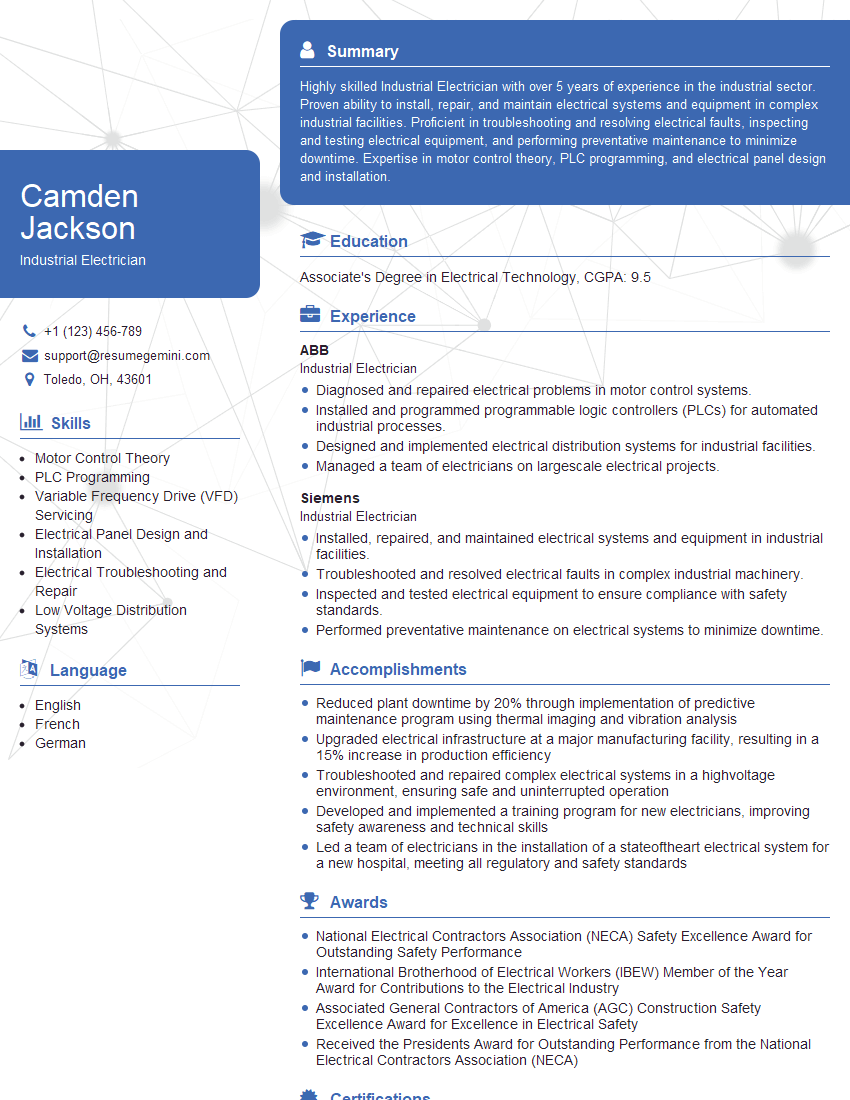
Industrial Electrician Resume Sample

Plant Maintenance Supervisor Resume Sample
Explore more articles
Users Rating of Our Blogs
Share Your Experience
We value your feedback! Please rate our content and share your thoughts (optional).
What Readers Say About Our Blog
Very informative content, great job.
good