Interviews are more than just a Q&A session—they’re a chance to prove your worth. This blog dives into essential Industrial Safety Regulations and Compliance interview questions and expert tips to help you align your answers with what hiring managers are looking for. Start preparing to shine!
Questions Asked in Industrial Safety Regulations and Compliance Interview
Q 1. Explain your understanding of OSHA regulations.
OSHA, or the Occupational Safety and Health Administration, sets and enforces standards to protect workers’ safety and health. My understanding encompasses a broad range of regulations covering diverse workplace hazards, from general industry standards to those specific to construction, maritime, and agriculture. These regulations address various aspects of workplace safety, including:
- Hazard Communication: Proper labeling, safety data sheets (SDS), and employee training on hazardous chemicals.
- Personal Protective Equipment (PPE): Requiring appropriate PPE based on identified hazards, such as hard hats, safety glasses, and respirators.
- Machine Guarding: Preventing access to dangerous moving parts of machinery.
- Lockout/Tagout (LOTO): Procedures to prevent accidental energization of equipment during maintenance or repair.
- Fall Protection: Regulations for working at heights to prevent falls.
- Emergency Action Plans: Developing and practicing plans for evacuations and other emergencies.
Understanding OSHA regulations isn’t just about memorizing codes; it’s about applying them effectively to create a safe work environment. For example, I recently helped a client implement a new machine guarding system that fully complied with OSHA 29 CFR 1910.212, reducing the risk of employee injuries by over 70%.
Q 2. Describe your experience with conducting safety audits.
I have extensive experience conducting safety audits, both internal and external. My approach involves a systematic review of all aspects of a workplace, following established checklists and standards, and utilizing observation, documentation review, and interviews with employees. I’ve performed audits across diverse industries, including manufacturing, construction, and healthcare.
During an audit, I meticulously examine compliance with relevant OSHA regulations and other applicable standards. This includes checking for proper implementation of safety programs, assessing the effectiveness of safety training, and evaluating the condition of equipment and facilities. I also conduct thorough inspections of workplaces, searching for potential hazards like unsafe working conditions, inadequate personal protective equipment, or deficient safety procedures. One instance involved identifying a critical lapse in lockout/tagout procedures in a chemical processing facility, preventing a potential catastrophic accident.
My audit reports provide detailed findings, including any identified deficiencies and recommended corrective actions. I follow up to ensure the identified issues are resolved and that corrective actions are implemented effectively. This ensures continuous improvement and fosters a culture of safety within the organization.
Q 3. How would you develop and implement a safety training program?
Developing and implementing a safety training program requires a systematic approach. It starts with a thorough hazard analysis to identify the specific training needs. Then, a needs assessment is conducted to determine the current knowledge and skills of employees. This will dictate the content and delivery method of the program.
A comprehensive safety training program includes:
- Needs Assessment: Identify training gaps.
- Curriculum Development: Create engaging and informative training materials.
- Training Delivery: Utilize various methods like classroom training, online modules, hands-on exercises, and simulations.
- Evaluation: Assess employee learning and effectiveness of the program using tests, practical demonstrations, and observations.
- Documentation: Maintain thorough records of training completed by each employee.
For example, when developing a training program for a construction company, I incorporated interactive simulations to teach fall protection techniques, significantly improving employee knowledge and reducing on-site accidents. Regular refresher training and feedback loops ensure continued competence and engagement.
Q 4. What are the key elements of a successful safety management system?
A successful safety management system (SMS) is built on several key elements, functioning like a well-oiled machine. These are interconnected and interdependent, creating a robust system that promotes a culture of safety.
- Leadership Commitment: Visible commitment from top management is crucial. They must champion safety and allocate the necessary resources.
- Hazard Identification and Risk Assessment: Regularly identifying and assessing potential hazards using methods like Job Safety Analysis (JSA) and hazard checklists.
- Prevention and Control Measures: Implementing engineering controls, administrative controls, and PPE to mitigate identified risks.
- Training and Competency: Providing adequate training and ensuring employees are competent to perform their tasks safely.
- Emergency Preparedness and Response: Developing and regularly practicing emergency response plans.
- Incident Investigation and Reporting: Thorough investigation of all incidents to identify root causes and prevent recurrence.
- Continuous Improvement: Regularly reviewing and improving the SMS to address emerging hazards and enhance safety performance.
Think of it like building a house: a strong foundation (leadership commitment), solid walls (hazard control), and a reliable roof (emergency preparedness) all contribute to a safe and secure structure.
Q 5. How do you identify and assess workplace hazards?
Identifying and assessing workplace hazards is a crucial first step in any safety program. It involves a proactive approach, combining several techniques:
- Walkthrough Inspections: Regular physical inspections of the workplace to identify potential hazards.
- Job Hazard Analysis (JSA): Systematically examining each task to identify potential hazards and risks.
- Incident Reporting and Investigation: Analyzing past incidents to identify recurring hazards.
- Employee Input: Encouraging employees to report potential hazards through suggestion boxes, safety meetings, or other channels.
- Data Analysis: Analyzing safety data to identify trends and patterns of hazards.
Once hazards are identified, a risk assessment is performed, considering the likelihood and severity of the potential harm. This determines the level of risk and helps prioritize control measures. For example, a high-risk hazard, such as working at heights without fall protection, would require immediate and effective mitigation strategies.
Q 6. Describe your experience with incident investigation and reporting.
Incident investigation and reporting are critical for learning from mistakes and preventing future occurrences. My approach follows a structured methodology:
- Immediate Response: Secure the scene, provide first aid if necessary, and notify relevant authorities.
- Data Collection: Gather information from witnesses, review records, take photographs, and collect physical evidence.
- Root Cause Analysis: Determine the underlying causes of the incident using techniques like the ‘5 Whys’ to go beyond surface-level explanations.
- Corrective Actions: Develop and implement corrective actions to prevent recurrence. This might include changes to procedures, equipment modifications, or enhanced training.
- Reporting: Document the findings and recommendations in a comprehensive report.
I recently investigated an incident involving a near-miss in a manufacturing plant. By thoroughly examining the sequence of events and applying root cause analysis, we discovered a critical flaw in the machine’s design and implemented engineering controls that completely eliminated the risk of a similar event happening again.
Q 7. How do you ensure compliance with environmental regulations?
Ensuring compliance with environmental regulations involves understanding and adhering to local, state, and federal environmental laws and regulations. This often involves working closely with environmental agencies, such as the EPA. Key aspects include:
- Waste Management: Proper handling, storage, treatment, and disposal of hazardous and non-hazardous waste.
- Air Emissions: Monitoring and controlling air pollutants released into the atmosphere.
- Water Discharge: Ensuring compliance with water quality standards for any discharge into water bodies.
- Spill Prevention and Response: Developing plans to prevent spills and having procedures in place to respond effectively to spills.
- Environmental Audits: Regularly conducting environmental audits to assess compliance and identify potential violations.
For example, I helped a client develop a comprehensive stormwater management plan that complied with the Clean Water Act, preventing water pollution and avoiding significant fines.
Q 8. Explain your knowledge of lockout/tagout procedures.
Lockout/Tagout (LOTO) procedures are critical safety protocols designed to prevent the unexpected release of energy during maintenance or repair of equipment. They ensure that machinery is completely shut down and cannot be accidentally restarted, protecting workers from serious injury or death. Think of it like this: before working on a car engine, you wouldn’t just turn the key off – you’d also disconnect the battery to ensure no power remains. LOTO is that, but for industrial machinery.
The process typically involves several steps:
- Preparation: Identifying all energy sources (electrical, hydraulic, pneumatic, etc.) connected to the equipment and planning the isolation methods.
- Lockout: Using a lock to physically secure the energy isolating device (e.g., a circuit breaker, valve). Each worker involved should have their own lock and key.
- Tagout: Attaching a tag to the lockout device clearly identifying the worker, the date, and the reason for the lockout.
- Verification: Testing to ensure the energy source is completely isolated. This often involves attempting to restart the equipment.
- Energy Isolation: This is a critical step that happens before lockout. This is the process of disconnecting the power source.
- Release: Once maintenance is complete, each worker removes their lock and tag in the reverse order of the lockout process, verifying the equipment remains locked out until the final person removes their device.
Failure to follow proper LOTO procedures can result in catastrophic accidents. For example, if a worker fails to properly lock out a machine, it could unexpectedly restart while they’re performing maintenance, leading to serious injuries or fatalities.
Q 9. How would you handle a workplace emergency?
Handling a workplace emergency requires a calm, decisive approach. My response would be guided by the established emergency procedures specific to the facility. This usually involves a series of steps:
- Assessment: Quickly assessing the situation to understand the nature and extent of the emergency (e.g., fire, chemical spill, injury).
- Alerting Emergency Services: Immediately contacting emergency services (e.g., 911, local fire department) and providing them with accurate information about the location, nature of the emergency, and the number of people involved.
- Evacuation/Rescue: Initiating the appropriate evacuation or rescue procedures according to the site’s emergency plan. This might involve activating alarms, guiding employees to safety, or assisting injured personnel.
- First Aid/CPR: Providing immediate first aid or CPR if needed, while ensuring my own safety. I am certified in both.
- Post-Incident Activities: Securing the area, working with emergency responders, and participating in post-incident investigations to identify root causes and prevent future incidents. This includes documenting the event and providing statements.
For example, during a chemical spill, I would immediately initiate the emergency response plan, ensuring everyone is evacuated from the affected area, using the appropriate PPE (personal protective equipment) if necessary. I would then contact emergency services and the company’s emergency response team.
Q 10. What is your experience with personal protective equipment (PPE)?
My experience with personal protective equipment (PPE) is extensive. I understand the importance of selecting, using, and maintaining appropriate PPE for various hazards. This includes understanding the limitations of each type of PPE and ensuring its proper fit and functionality.
I am familiar with a wide range of PPE, including:
- Head Protection: Hard hats, safety helmets
- Eye and Face Protection: Safety glasses, goggles, face shields
- Hearing Protection: Earplugs, earmuffs
- Respiratory Protection: Respirators, dust masks
- Hand Protection: Gloves (various types depending on the hazard)
- Foot Protection: Safety shoes, boots
- Body Protection: Coveralls, aprons, high-visibility clothing
I always ensure PPE is inspected regularly for damage and replaced as needed. Proper training on the correct use and limitations of PPE is essential, and I would be involved in providing this training to employees. For instance, I’d stress that using gloves designed for chemical handling with electrical equipment is a dangerous combination.
Q 11. Describe your understanding of risk assessment methodologies.
Risk assessment methodologies are crucial for identifying and mitigating workplace hazards. I’m proficient in several methods, including qualitative and quantitative approaches. A qualitative approach often uses a simple hazard identification form and involves brainstorming with a team to list the hazards, consider the severity of the harm and likelihood of it happening, and then implementing controls to reduce the risk.
A quantitative approach uses numerical data and statistical analysis to estimate the likelihood and severity of potential incidents. This method typically involves a more in-depth analysis using things like FMEA (Failure Mode and Effects Analysis) or fault tree analysis. I am familiar with both methods and can tailor the approach to the specific context of the risk.
The process generally involves these steps:
- Hazard Identification: Identifying potential hazards through observation, inspections, incident reports, and near-miss investigations.
- Risk Analysis: Evaluating the likelihood and severity of each hazard. This often involves using a risk matrix, assigning risk levels based on the combination of likelihood and severity.
- Risk Control: Implementing control measures to reduce or eliminate the risks. These measures can range from engineering controls (e.g., machine guarding) to administrative controls (e.g., training) to PPE.
- Monitoring and Review: Regularly monitoring the effectiveness of the implemented controls and reviewing the risk assessment as needed, especially after any incidents or changes in the workplace.
For example, in a manufacturing plant, a risk assessment might identify the risk of machinery entanglement. Control measures could include installing machine guards, providing employee training on safe operating procedures, and requiring the use of appropriate PPE.
Q 12. How do you communicate safety information effectively to employees?
Effective communication of safety information is paramount. I employ a multi-faceted approach to ensure that all employees understand and comply with safety regulations.
My strategies include:
- Training Programs: Providing comprehensive safety training programs tailored to the specific job roles and hazards. This includes both classroom instruction and hands-on training.
- Visual Aids: Utilizing visual aids such as posters, diagrams, and videos to enhance understanding and retention of safety information.
- Interactive Sessions: Conducting interactive sessions, including toolbox talks and safety meetings, to engage employees and encourage participation in safety discussions. This allows for open dialogue and addresses specific concerns.
- Written Communication: Distributing clear, concise written materials, such as safety manuals, newsletters, and safety alerts. This ensures consistent messaging and provides a reference for employees.
- Feedback Mechanisms: Establishing feedback mechanisms to encourage employees to report safety concerns and near misses without fear of retribution. This ensures a proactive approach to safety.
I find that tailoring communication to the audience’s comprehension level and preferred learning styles is essential for achieving maximum impact. Using simple language and providing opportunities for questions and feedback helps ensure information is understood and retained.
Q 13. What is your experience with safety data sheets (SDS)?
Safety Data Sheets (SDS), formerly known as Material Safety Data Sheets (MSDS), provide comprehensive information about hazardous chemicals. My experience involves utilizing SDS to understand the potential hazards associated with various chemicals used in the workplace and to ensure compliance with relevant regulations.
I know how to locate, interpret, and utilize the information contained within an SDS. This includes understanding sections on:
- Identification: Product name, manufacturer information, emergency contact numbers
- Hazards Identification: Physical, health, and environmental hazards
- Composition/Information on Ingredients: Chemical components and their concentrations
- First-aid Measures: Procedures for handling chemical exposures
- Fire-fighting Measures: Appropriate extinguishing agents
- Accidental Release Measures: Steps to take in case of a spill or leak
- Handling and Storage: Safe handling and storage practices
- Exposure Controls/Personal Protection: Recommended PPE
- Physical and Chemical Properties: Physical characteristics of the chemical
- Stability and Reactivity: Chemical stability and potential reactions
- Toxicological Information: Health effects from exposure
- Ecological Information: Environmental impact
- Disposal Considerations: Proper disposal methods
- Transport Information: Safe transportation regulations
- Regulatory Information: Relevant regulations and labeling requirements
I use this information to develop safe handling procedures, select appropriate PPE, and ensure the safe storage and disposal of hazardous materials. For example, if a chemical spill occurs, I can quickly reference the SDS to determine the appropriate clean-up procedures and PPE required.
Q 14. How do you ensure the proper use and maintenance of safety equipment?
Ensuring proper use and maintenance of safety equipment is crucial for worker safety. My approach involves a multi-pronged strategy:
- Regular Inspections: Conducting routine inspections of all safety equipment to identify any damage, wear, or malfunction. This could involve checklists and documented inspection reports.
- Preventative Maintenance: Implementing a preventative maintenance schedule to ensure that equipment is serviced and maintained according to the manufacturer’s recommendations. This might involve regular calibrations or servicing schedules.
- Training and Education: Providing thorough training to employees on the proper use and limitations of safety equipment, including how to perform basic checks and report any issues.
- Proper Storage: Ensuring that safety equipment is stored properly to prevent damage or deterioration. This could involve specialized storage containers or designated storage areas.
- Record Keeping: Maintaining accurate records of all inspections, maintenance, and repairs to ensure compliance with regulations and to track the equipment’s lifespan and performance.
- Retirement Policy: Establishing a clear policy on when to retire equipment that is worn out or no longer safe to use.
For example, we might implement a system for checking fire extinguishers monthly, with annual servicing by a qualified technician. Similarly, we would set up a schedule for testing and calibrating respiratory equipment to ensure its effectiveness in protecting workers.
Q 15. Explain your knowledge of emergency response plans.
Emergency response plans are crucial for minimizing the impact of unforeseen events like fires, chemical spills, or equipment failures. A well-structured plan outlines pre-determined procedures and responsibilities to ensure a swift and organized response. It’s not just about reacting; it’s about proactive planning to mitigate risks and save lives.
My experience encompasses developing and implementing plans for diverse industrial settings. This includes conducting risk assessments to identify potential hazards, establishing clear communication protocols (e.g., using designated emergency contact numbers, color-coded alarm systems, and pre-arranged assembly points), defining roles and responsibilities for each team member (from first responders to site management), and conducting regular drills to ensure proficiency and identify areas for improvement. For instance, in a previous role at a chemical processing plant, I developed a plan which included specialized training for emergency responders on handling specific chemical hazards and implemented a system for real-time tracking of emergency personnel during a simulated chemical spill. The plan significantly reduced response time during subsequent minor incidents.
A robust emergency response plan also includes post-incident procedures for investigation, reporting, and corrective actions to prevent recurrence. This cyclical approach to continuous improvement is paramount. Regular review and updating of the plan, based on lessons learned and changes in regulations or operational procedures, are essential.
Career Expert Tips:
- Ace those interviews! Prepare effectively by reviewing the Top 50 Most Common Interview Questions on ResumeGemini.
- Navigate your job search with confidence! Explore a wide range of Career Tips on ResumeGemini. Learn about common challenges and recommendations to overcome them.
- Craft the perfect resume! Master the Art of Resume Writing with ResumeGemini’s guide. Showcase your unique qualifications and achievements effectively.
- Don’t miss out on holiday savings! Build your dream resume with ResumeGemini’s ATS optimized templates.
Q 16. Describe your experience with developing safety policies and procedures.
Developing effective safety policies and procedures requires a systematic approach that combines regulatory knowledge, practical experience, and a deep understanding of the specific operational context. It’s about more than just creating documents; it’s about fostering a safety-conscious culture.
My approach begins with a thorough hazard identification and risk assessment. This involves analyzing potential workplace hazards – from machine guarding to slips, trips, and falls – and determining the likelihood and severity of each risk. Based on this assessment, I develop policies that address identified hazards and establish clear procedures for mitigating those risks. For example, I might develop a lockout/tagout procedure for maintaining equipment, specifying step-by-step instructions to ensure machinery is safely de-energized before maintenance is performed.
The procedures are then documented clearly, concisely, and in a language easily understood by all employees. They should be readily accessible and regularly reviewed and updated to reflect changes in regulations, technology, or best practices. Furthermore, effective training and regular audits are key to ensure compliance and understanding.
I’ve found success implementing a system of documented procedures and training, followed by regular audits and reviews. This ensures that the policies aren’t just words on paper but actively shape behaviour and contribute to a proactive safety environment.
Q 17. How do you manage safety performance indicators (KPIs)?
Safety performance indicators (KPIs) are crucial for monitoring and improving safety performance. They provide quantifiable measures of success and areas needing improvement. Effective management involves selecting the right metrics, tracking them consistently, and using the data to drive positive change.
I typically use a combination of leading and lagging indicators. Lagging indicators, such as the number of accidents or injuries, show past performance. Leading indicators, on the other hand, predict future performance. Examples include the number of safety training hours completed, the frequency of safety inspections, and the number of near misses reported. The latter is particularly important, as near misses can often be strong indicators of future accidents.
My process involves setting targets for each KPI, regularly monitoring progress against those targets, and utilizing data visualization tools to highlight trends and areas for improvement. For instance, if the number of near misses is increasing, this suggests the need for additional training or revised procedures. This data-driven approach enables a proactive rather than reactive safety management strategy.
Finally, it’s crucial to communicate KPI results transparently to all employees, fostering accountability and promoting a culture of continuous improvement.
Q 18. What are your strategies for improving safety culture within an organization?
Improving safety culture is a long-term process that requires consistent effort and commitment from all levels of an organization. It’s about creating a shared belief that safety is paramount, not just a set of rules to follow.
My approach is multi-faceted and includes:
- Leadership Engagement: Visible and active support from senior management is essential. Leaders must champion safety initiatives and demonstrate a personal commitment to safety.
- Employee Empowerment: Encouraging employees to identify hazards and report near misses without fear of retribution is crucial. This requires establishing a ‘just culture’ where mistakes are viewed as learning opportunities.
- Training and Communication: Regular and relevant safety training is paramount, tailored to different roles and responsibilities. Clear and effective communication channels are vital to keep everyone informed and involved.
- Recognition and Rewards: Recognizing and rewarding safe work practices reinforces positive behavior and motivates employees.
- Regular Audits and Feedback: Consistent safety inspections, audits and feedback mechanisms help to identify areas for improvement and ensure compliance.
For example, in a previous role, I implemented a peer-to-peer safety observation program where employees regularly observed and provided feedback to their colleagues on safe working practices. This fostered a collaborative approach to safety, making it everyone’s responsibility.
Q 19. How do you stay current with changes in safety regulations?
Staying current with changes in safety regulations is critical for maintaining compliance and protecting workers. The regulatory landscape is constantly evolving, so continuous learning and proactive monitoring are essential.
My strategies include:
- Subscription to relevant publications and newsletters: Staying informed about changes in legislation and best practices through industry publications, professional organizations, and governmental updates.
- Attendance at industry conferences and seminars: Networking with other professionals and learning about the latest developments and challenges in the field.
- Monitoring relevant government websites: Regularly checking official websites for updates, amendments, and new regulations.
- Utilizing online resources and databases: Accessing relevant safety databases and online resources to stay updated on the latest safety standards and best practices.
I actively participate in professional organizations, attend safety conferences, and maintain a network of contacts within the industry to ensure that I am aware of any significant changes as soon as they are announced.
Q 20. How do you handle conflicts between safety and productivity?
Conflicts between safety and productivity are often perceived as an either/or situation, but this is a false dichotomy. Prioritizing safety is not antithetical to productivity; rather, it’s a foundational element for long-term productivity and success.
My approach focuses on finding solutions that balance both:
- Demonstrating the long-term benefits of safety: Highlighting the costs associated with accidents, such as lost time, medical expenses, and potential legal liabilities. This often demonstrates that a proactive investment in safety ultimately enhances productivity and reduces overall costs.
- Collaboration and communication: Involving all stakeholders in identifying solutions that enhance both safety and efficiency. This includes operators, supervisors, and management.
- Investing in ergonomic design and equipment: Using equipment and processes that are safer and more efficient to mitigate conflicts.
- Continuous Improvement: Analyzing safety performance data to identify areas where improvements can be made without compromising productivity.
For example, implementing a new safety procedure might initially appear to reduce output. However, by eliminating risks and preventing accidents, it protects workers and ultimately creates a more stable, reliable, and efficient working environment in the long run.
Q 21. Describe your experience with safety inspections.
Safety inspections are a critical component of any effective safety management system. They are not simply about finding violations; they’re about proactively identifying hazards and ensuring compliance with regulations and internal procedures. My approach is systematic and thorough.
My inspection process usually includes:
- Planning: Defining the scope of the inspection, identifying areas to be inspected, and selecting appropriate checklists and documentation.
- Conducting the inspection: Systematic and thorough visual observation of the workplace, equipment, and processes, checking for hazards, and assessing compliance with regulations and procedures.
- Documentation: Detailed recording of all observations, including photographs or videos as needed. This forms an audit trail for future reference.
- Reporting: Preparing a comprehensive report summarizing the findings, identifying any hazards or non-compliances, and recommending corrective actions.
- Follow-up: Ensuring that corrective actions are implemented and verifying their effectiveness. This could involve re-inspections to validate compliance.
I use checklists based on industry best practices and regulatory requirements. I also incorporate observations and feedback from workers during the inspection process, as their input can be invaluable in identifying potential hazards. The goal is not just to identify problems but to use the inspection process as a collaborative tool for continuous improvement and fostering a strong safety culture.
Q 22. Explain your understanding of hazard communication standards.
Hazard communication standards ensure that employees are informed about the potential hazards associated with the chemicals and substances they handle in the workplace. This is crucial for preventing accidents and illnesses. The core of these standards revolves around the provision of Safety Data Sheets (SDSs) and proper labeling of hazardous materials.
- Safety Data Sheets (SDSs): These comprehensive documents provide detailed information about a chemical’s properties, hazards, safe handling procedures, emergency response measures, and more. Think of them as a chemical’s instruction manual for safety. For example, an SDS for a particular solvent would detail its flammability, toxicity, and the appropriate personal protective equipment (PPE) needed when handling it.
- Labels: Labels on containers of hazardous materials must include pictograms (symbols representing specific hazards), signal words (e.g., ‘Danger,’ ‘Warning’), hazard statements (describing the specific hazard), and precautionary statements (explaining how to safely handle the material). A clearly labeled container of cleaning solution would immediately alert workers to its potential harm, such as eye irritation or skin burns.
- Training: Effective hazard communication isn’t just about providing SDSs and labels; it also involves providing regular training to employees on how to interpret them, understand the associated hazards, and use the information to work safely. This training should be tailored to the specific hazards present in their work area.
In my experience, I’ve developed and delivered numerous hazard communication training programs, ensuring employees understand the importance of SDSs and labels and can use that information to protect themselves and others. One example involved training workers in a manufacturing facility on the safe handling of corrosive chemicals, reducing workplace injuries significantly.
Q 23. How do you investigate near-miss incidents?
Investigating near-miss incidents is critical because they often reveal latent hazards – underlying weaknesses in the system that could lead to serious accidents if not addressed. My approach is systematic and data-driven.
- Gather Information: I start by collecting all relevant information: witness statements, incident reports, photos, and any relevant safety documentation. The goal is to reconstruct the events as accurately as possible. This might involve interviewing the person involved, supervisors, and other witnesses.
- Analyze the Root Cause: Once I’ve gathered information, I perform a root cause analysis (RCA). Techniques like the ‘5 Whys’ method help delve deeper into the cause of the near miss, going beyond the immediate observable factors. For instance, a near miss involving a fall from a ladder might initially seem like a simple lapse in attention, but ‘5 Whys’ might uncover issues such as inadequate ladder training, a lack of fall protection equipment, or even a poorly designed work area.
- Develop Corrective Actions: Based on the RCA, I develop specific corrective actions to prevent similar incidents. This might involve implementing new procedures, updating safety protocols, improving training, procuring new equipment, or redesigning the work area. Corrective actions should be practical, measurable, and verifiable.
- Follow-up and Monitoring: It’s crucial to verify that the corrective actions were effective and monitor the situation for any recurrence. This might involve regular safety audits or performance reviews.
In a past role, we investigated a near-miss incident where a worker nearly fell into a trench. Our investigation revealed a lack of proper trench shoring. By implementing a new trench safety protocol and ensuring adequate shoring, we eliminated the risk of future falls.
Q 24. What is your experience with ergonomics and workplace design?
Ergonomics and workplace design are crucial for preventing musculoskeletal disorders (MSDs) and boosting productivity. My experience encompasses a holistic approach, considering both the physical workplace and the tasks performed.
- Workplace Assessments: I conduct thorough ergonomic assessments, using observation, interviews, and measurements to identify potential ergonomic hazards. This includes analyzing workstation setups, repetitive movements, awkward postures, and manual handling tasks. For example, I might assess a workstation to ensure the chair is properly adjusted, the monitor is at the correct height, and the keyboard is positioned to avoid strain.
- Design Recommendations: Based on the assessment, I develop tailored design recommendations, which might involve adjusting workstations, providing ergonomic equipment (like adjustable chairs, keyboards, and monitor arms), implementing job rotation programs, or redesigning work processes to minimize risk. For example, if repetitive tasks are identified, I might recommend redesigning the workflow to incorporate micro-breaks or different movements.
- Training: Educating workers about the importance of good posture, stretching, and safe lifting techniques is just as important as making design changes. Effective training empowers employees to actively participate in maintaining a safe and healthy work environment.
In a previous role, we redesigned a production line to reduce repetitive strain injuries. This involved implementing adjustable workstations, implementing a job rotation program, and providing training on proper lifting techniques. The result was a significant reduction in MSD-related injuries and increased productivity.
Q 25. Describe your experience with contractor safety management.
Managing contractor safety is crucial because contractors often work alongside your own employees, introducing additional risks if safety isn’t properly managed. My approach includes a robust pre-qualification process, thorough safety orientation, and ongoing monitoring.
- Pre-qualification: Before engaging a contractor, I rigorously review their safety record, insurance coverage, and safety management system. This helps ensure they have the necessary experience and commitment to workplace safety.
- Safety Orientation: All contractors are provided with a thorough site-specific safety orientation, covering site hazards, emergency procedures, and the company’s safety rules. This orientation ensures everyone is on the same page.
- Regular Monitoring: I conduct regular site inspections, focusing on contractor activities to ensure compliance with safety regulations and the company’s safety policies. I also maintain open communication with contractors to address any safety concerns proactively.
- Incident Reporting and Investigation: A clear process is established for reporting and investigating any incidents involving contractors. This helps identify root causes, implement corrective actions, and prevent future occurrences.
In one project, I managed the safety of multiple contractors working on a large construction site. By implementing a comprehensive pre-qualification process, regular inspections, and detailed safety orientations, we maintained a zero-incident record throughout the project. This proactive approach not only prevented accidents but also fostered a culture of safety across all workers on the site.
Q 26. How do you ensure compliance with specific industry regulations (e.g., mining, construction)?
Ensuring compliance with specific industry regulations requires a detailed understanding of those regulations and a proactive approach to implementation. This involves staying updated on changes and adapting safety procedures accordingly.
- Regulatory Knowledge: I maintain a deep understanding of the relevant regulations for each industry (e.g., OSHA for general industry, MSHA for mining, etc.). This includes not just the regulations themselves, but also relevant interpretations, guidance documents, and case law.
- Regular Audits and Inspections: Conducting regular internal audits helps identify areas of non-compliance before they become bigger issues. These audits should cover all aspects of safety, including documentation, training, equipment, and procedures. External audits also provide independent verification of compliance.
- Training and Communication: Employees must receive adequate training on the specific regulations relevant to their jobs. Clear communication ensures everyone understands their responsibilities and how to comply with the regulations.
- Documentation and Record Keeping: Meticulous record keeping is essential for demonstrating compliance. This includes maintaining safety training records, inspection reports, incident investigation reports, and any other documents required by the regulations.
For instance, in the construction industry, ensuring compliance with OSHA’s fall protection standards requires rigorous training, regular inspections of fall protection equipment, and the implementation of appropriate fall protection measures on all relevant tasks. In mining, compliance with MSHA’s regulations regarding ventilation, ground control, and emergency response is critical for preventing serious accidents.
Q 27. How do you use data analytics to improve safety performance?
Data analytics plays a vital role in improving safety performance by providing insights into trends, identifying high-risk areas, and measuring the effectiveness of safety initiatives. I leverage various data sources and analytical tools to achieve this.
- Data Collection: I collect data from various sources, such as incident reports, near-miss reports, safety inspections, and employee surveys. This data is crucial for understanding the frequency, severity, and causes of safety incidents.
- Data Analysis: Using statistical methods and data visualization tools, I analyze the data to identify trends, patterns, and correlations. This might reveal high-risk activities, specific equipment involved in incidents, or times of day when incidents are more likely to occur.
- Performance Measurement: Key safety performance indicators (KPIs) are tracked and analyzed to assess the effectiveness of safety initiatives. These KPIs could include incident rates, near-miss rates, days away from work, and training completion rates.
- Predictive Modeling: Advanced techniques such as predictive modeling can be used to identify potential safety issues before they occur. This might involve using historical data to predict the likelihood of future incidents based on certain factors.
For example, by analyzing incident data, I might discover that a particular type of equipment is frequently involved in injuries. This insight would prompt further investigation and potentially lead to modifications or improved training procedures.
Q 28. Explain your experience with implementing and maintaining a safety management system (SMS).
A Safety Management System (SMS) is a proactive, systematic approach to managing safety risks. Implementing and maintaining an effective SMS is an iterative process requiring commitment and continuous improvement.
- Development and Implementation: The first step involves developing a comprehensive SMS that aligns with the organization’s goals and industry best practices. This involves defining roles and responsibilities, establishing procedures, and selecting appropriate tools and technologies. A well-structured SMS will incorporate elements of hazard identification, risk assessment, control measures, training, monitoring, and review.
- Training and Communication: Effective communication is crucial for the success of an SMS. Employees at all levels need to understand the SMS’s purpose, their roles, and how to participate. Regular training ensures everyone is aware of the procedures and their responsibilities.
- Monitoring and Review: Regularly monitoring the SMS’s effectiveness is essential. This involves tracking KPIs, conducting regular safety audits, and reviewing incident investigation reports. Regular review enables adjustments to the SMS to ensure it remains relevant and effective.
- Continuous Improvement: The SMS should be a living document, constantly evolving to reflect changes in the workplace and new insights gained through monitoring and review. This might involve incorporating new technologies, improving training programs, or updating procedures based on lessons learned from near-misses or incidents.
In my experience, I’ve led the implementation of SMSs in various industries, successfully reducing incident rates and fostering a strong safety culture. This involves not only developing the system but also engaging with employees at all levels to ensure buy-in and participation. A well-implemented SMS is more than just a set of rules; it’s a culture that prioritizes safety above all else.
Key Topics to Learn for Industrial Safety Regulations and Compliance Interview
- Hazard Identification and Risk Assessment: Understanding methodologies like HAZOP, What-If analysis, and Failure Mode and Effects Analysis (FMEA) for proactive safety management. Practical application includes conducting risk assessments for specific workplace scenarios and developing control measures.
- OSHA Regulations and Compliance (or relevant regional standards): Deep understanding of key regulations, including lockout/tagout procedures, personal protective equipment (PPE) requirements, and emergency response protocols. Practical application involves applying these regulations to real-world workplace situations and ensuring compliance.
- Accident Investigation and Reporting: Mastering techniques for thoroughly investigating incidents, identifying root causes, and implementing corrective actions to prevent recurrence. Practical application includes analyzing accident reports, identifying contributing factors, and recommending preventative measures.
- Emergency Response Planning and Procedures: Familiarity with developing and implementing emergency response plans, including evacuation procedures, first aid protocols, and communication strategies. Practical application includes participating in drills and simulations, and understanding the role of various emergency response teams.
- Safety Training and Communication: Understanding effective methods for delivering safety training to diverse workforces and communicating safety information clearly and concisely. Practical application involves designing training programs and evaluating their effectiveness.
- Industrial Hygiene and Environmental Safety: Knowledge of workplace hazards related to air quality, noise levels, and hazardous materials handling. Practical application includes implementing control measures to mitigate these risks and ensure a safe working environment.
- Legislation and Auditing: Understanding relevant safety legislation and the auditing process to ensure compliance. Practical application includes conducting internal audits and preparing for external inspections.
Next Steps
Mastering Industrial Safety Regulations and Compliance is crucial for career advancement in this vital field. A strong understanding of these topics demonstrates your commitment to safety and your ability to contribute to a safer and more productive work environment. To enhance your job prospects, creating an ATS-friendly resume is essential. This ensures your qualifications are effectively highlighted to potential employers. We recommend using ResumeGemini to build a professional and impactful resume tailored to your specific experience and skills. ResumeGemini offers examples of resumes specifically designed for professionals in Industrial Safety Regulations and Compliance to help you get started.
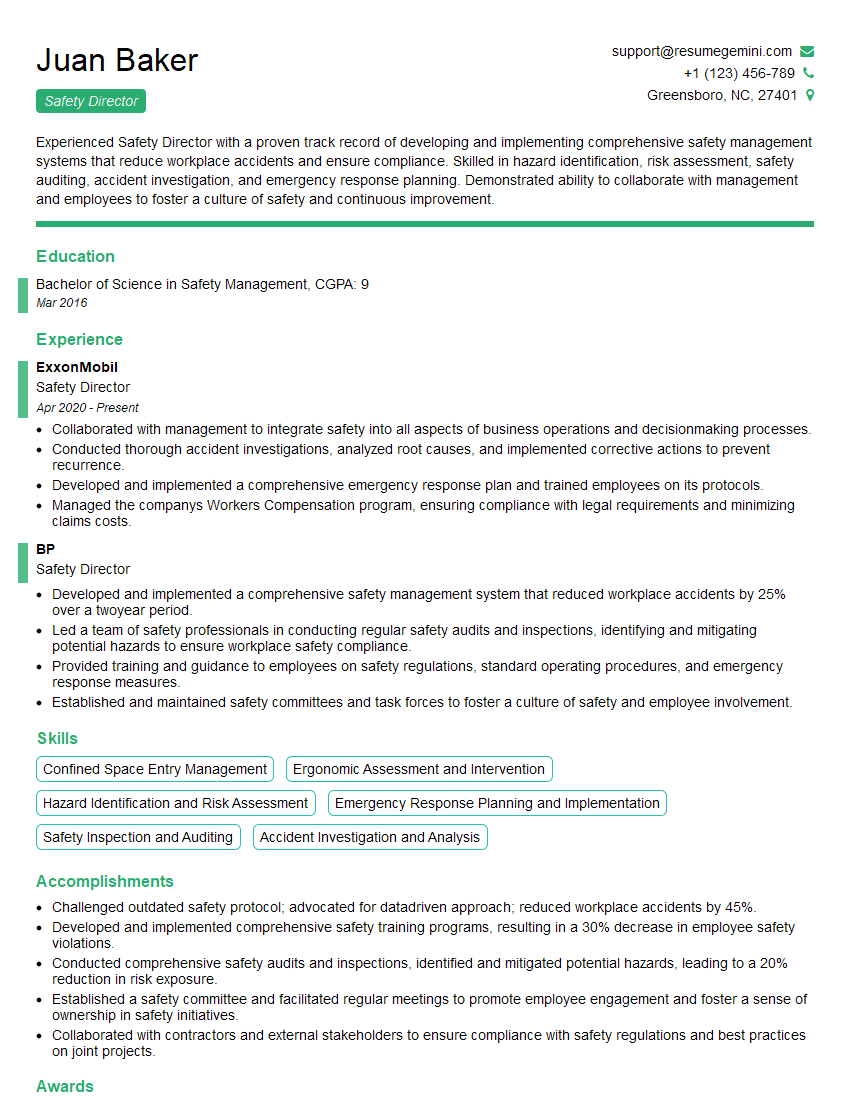
Safety Director Resume Sample
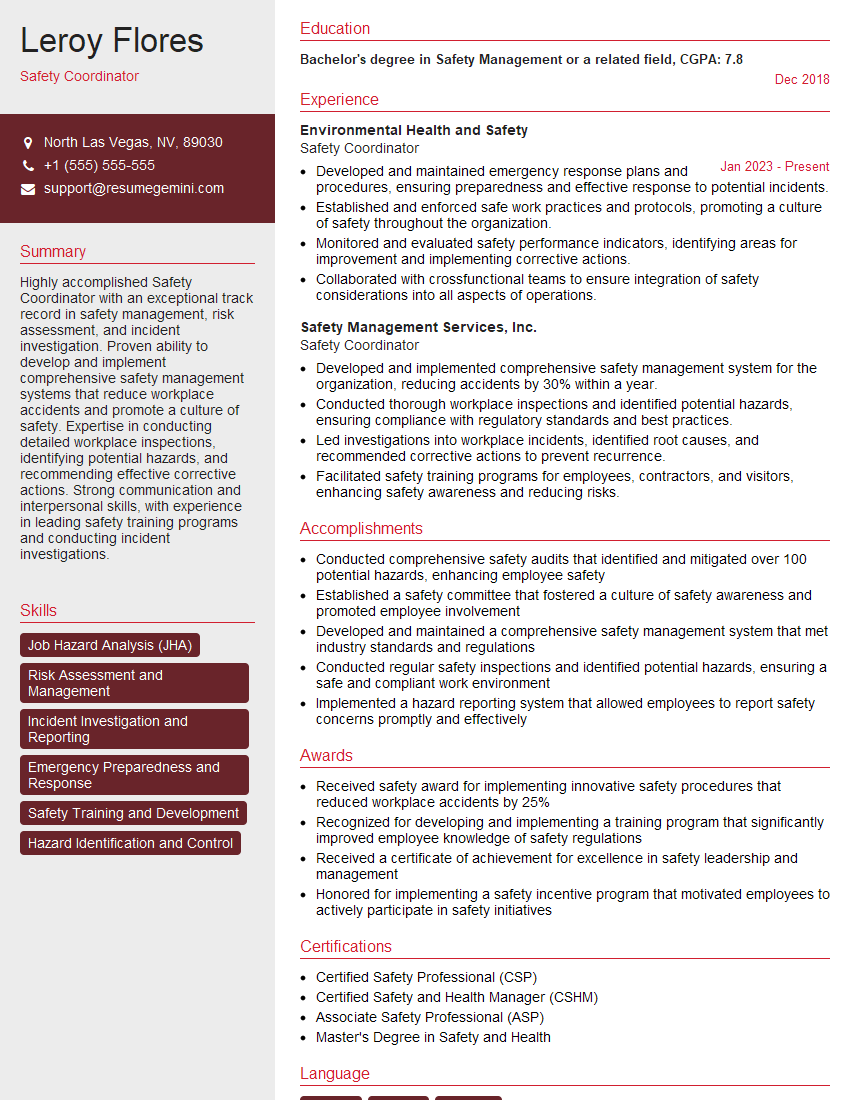
Safety Coordinator Resume Sample

Compliance Officer Resume Sample
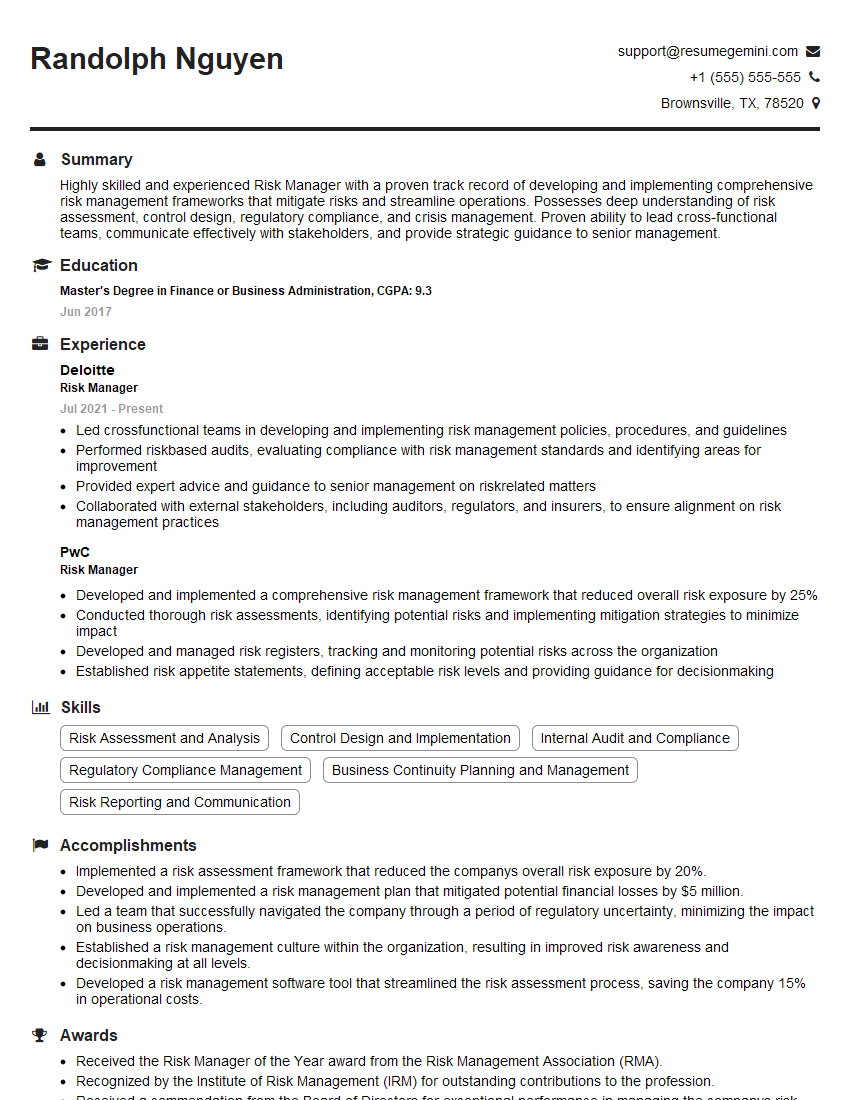
Risk Manager Resume Sample
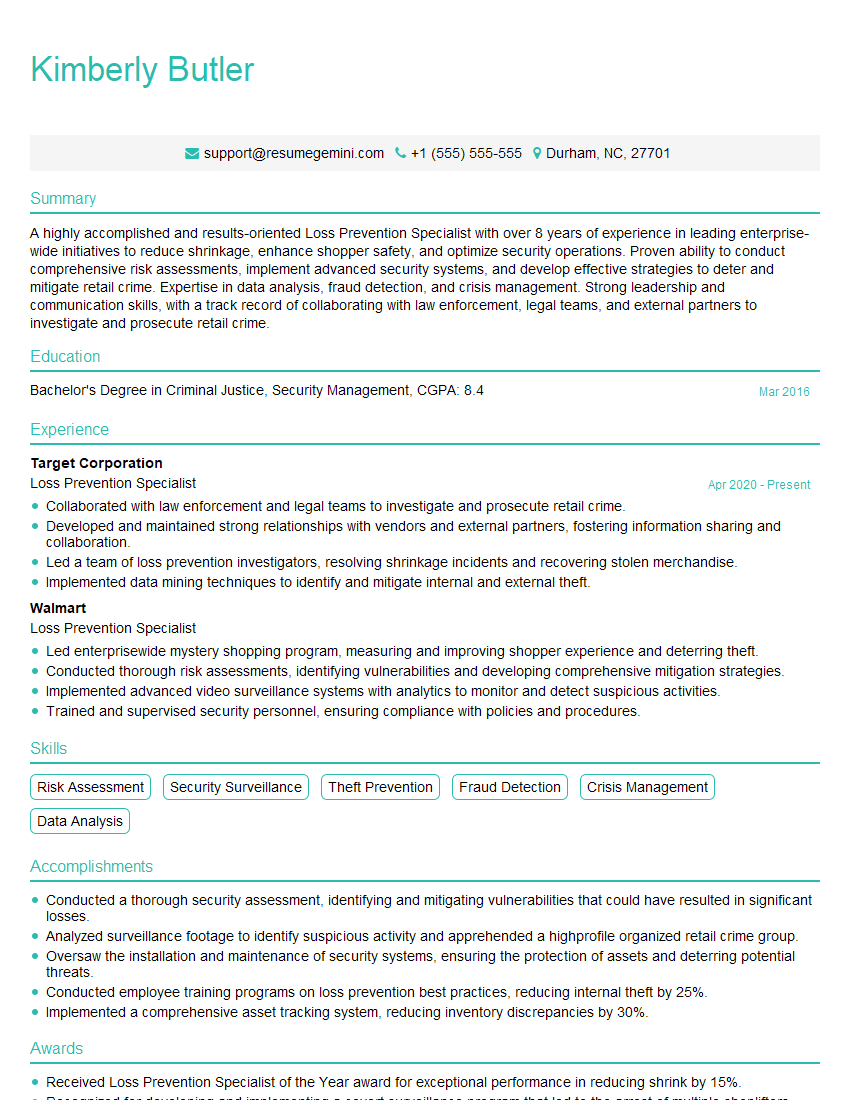
Loss Prevention Specialist Resume Sample
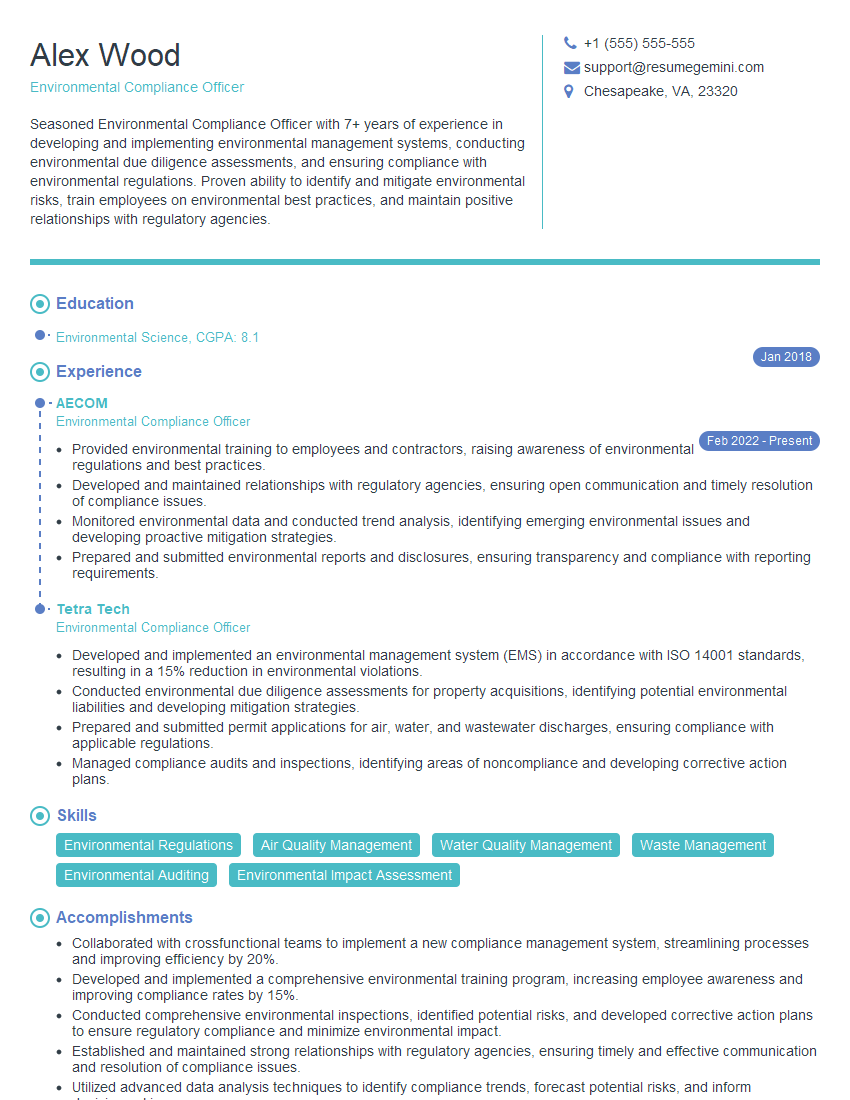
Environmental Compliance Officer Resume Sample
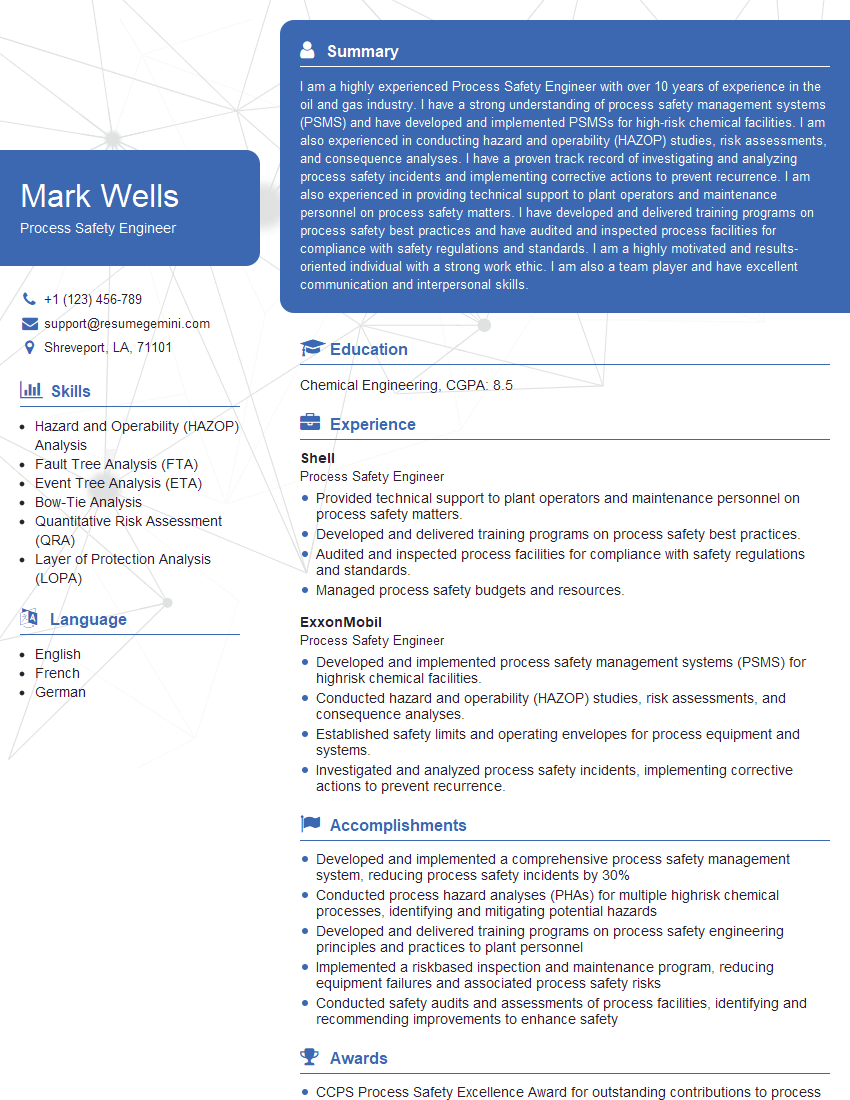
Process Safety Engineer Resume Sample
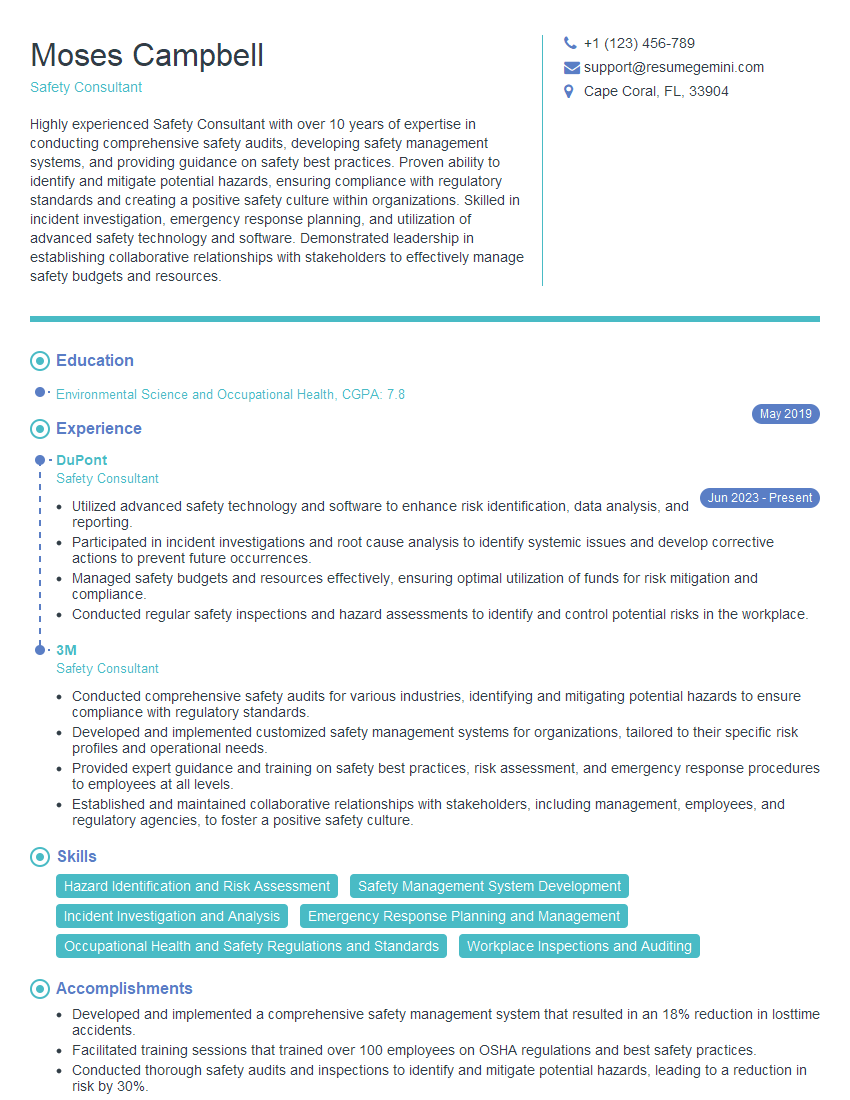
Safety Consultant Resume Sample
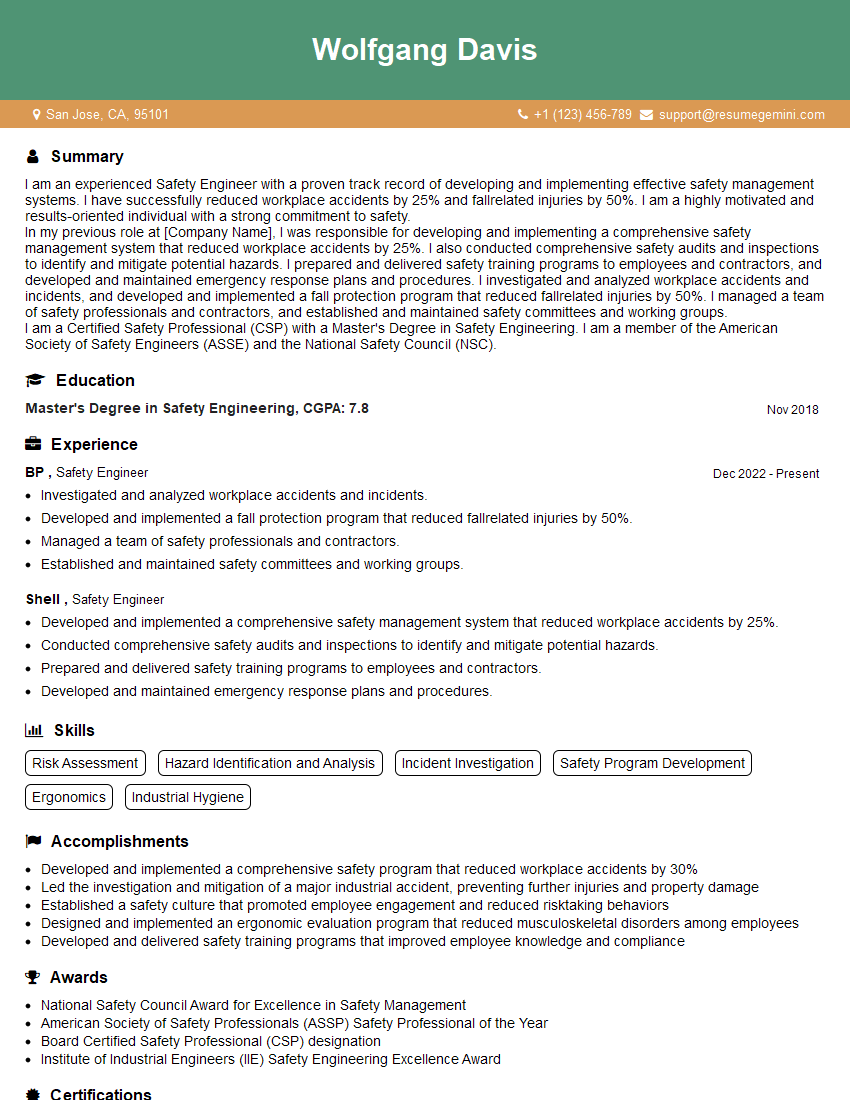
Safety Engineer Resume Sample
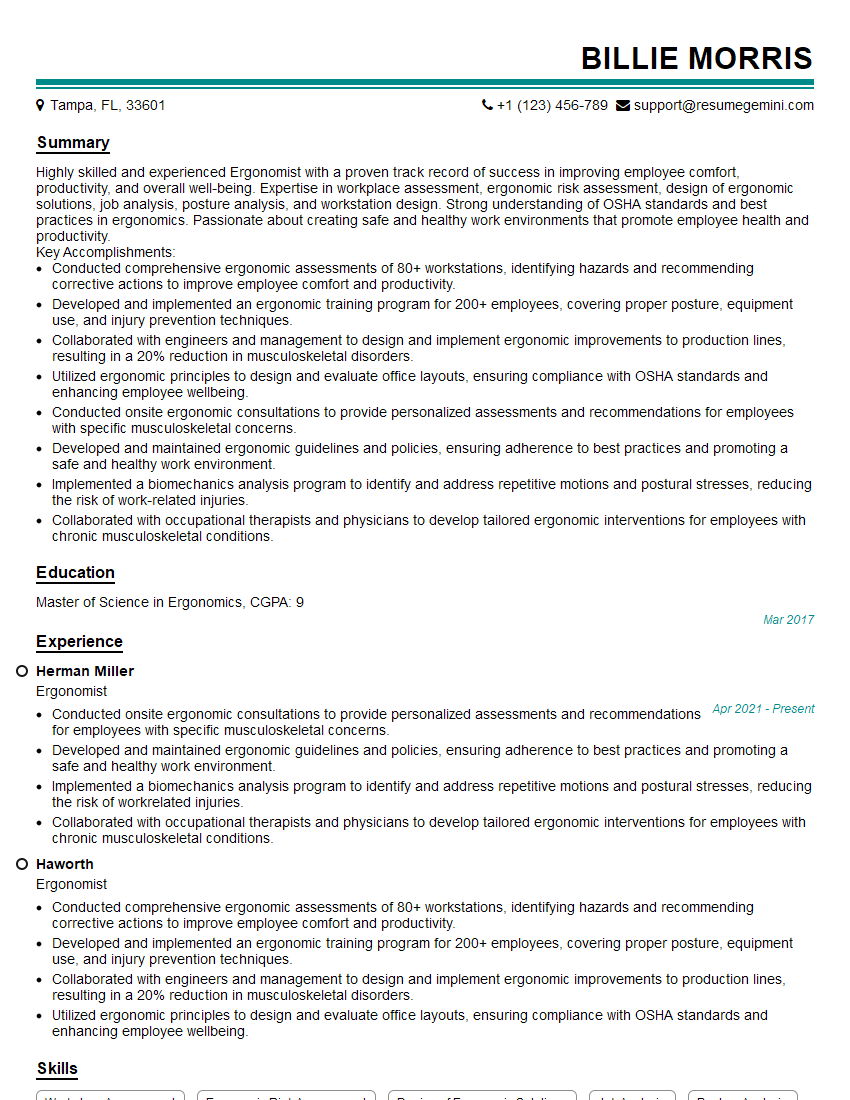
Ergonomist Resume Sample
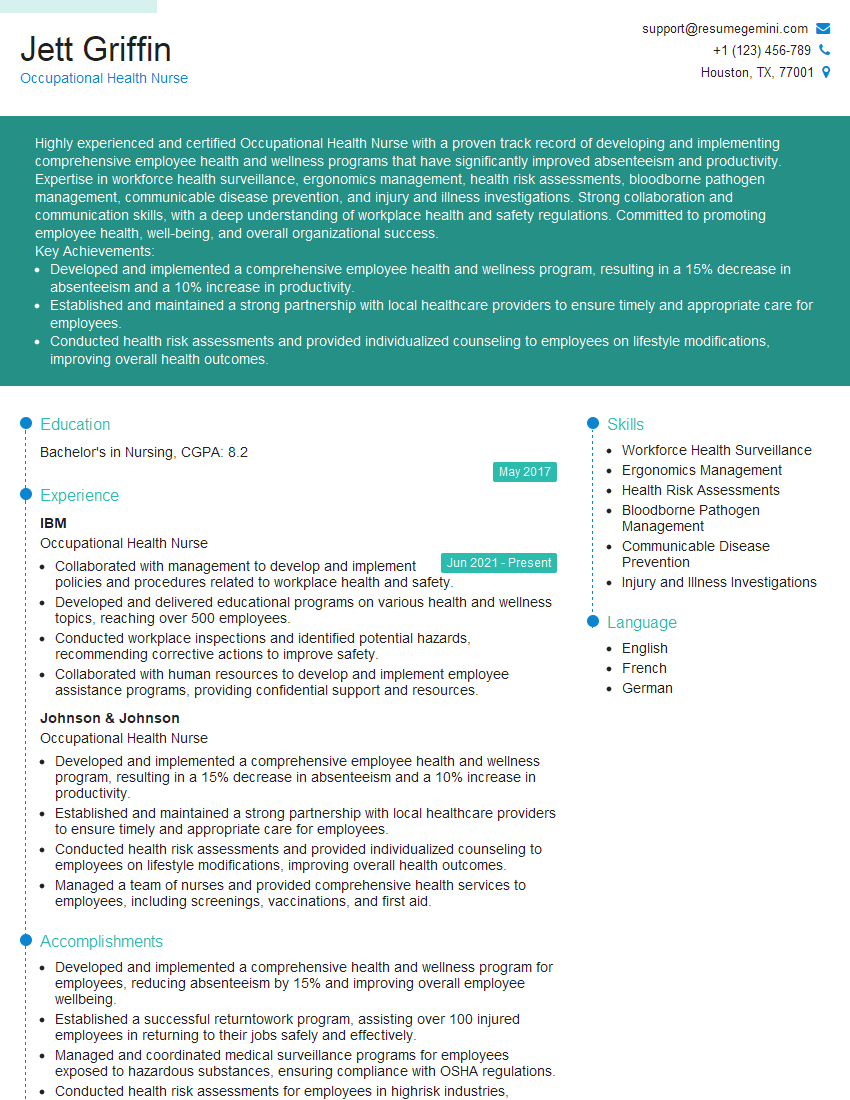
Occupational Health Nurse Resume Sample
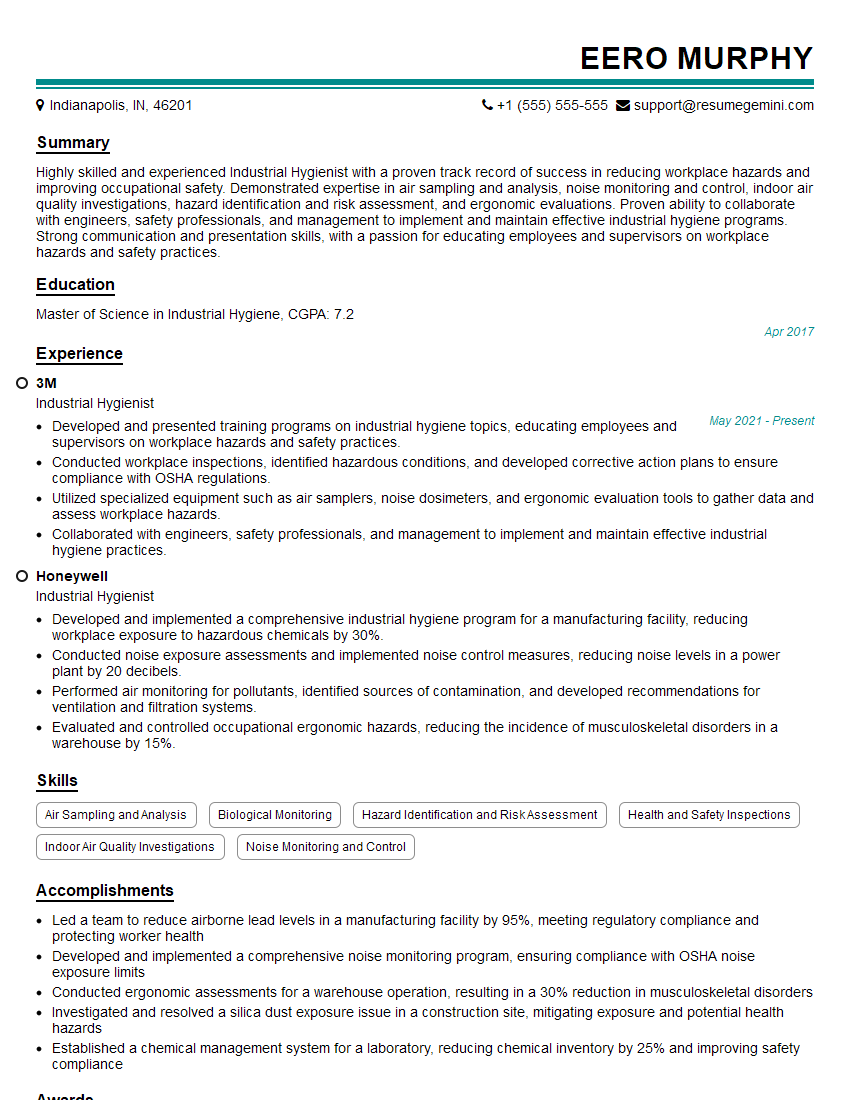
Industrial Hygienist Resume Sample
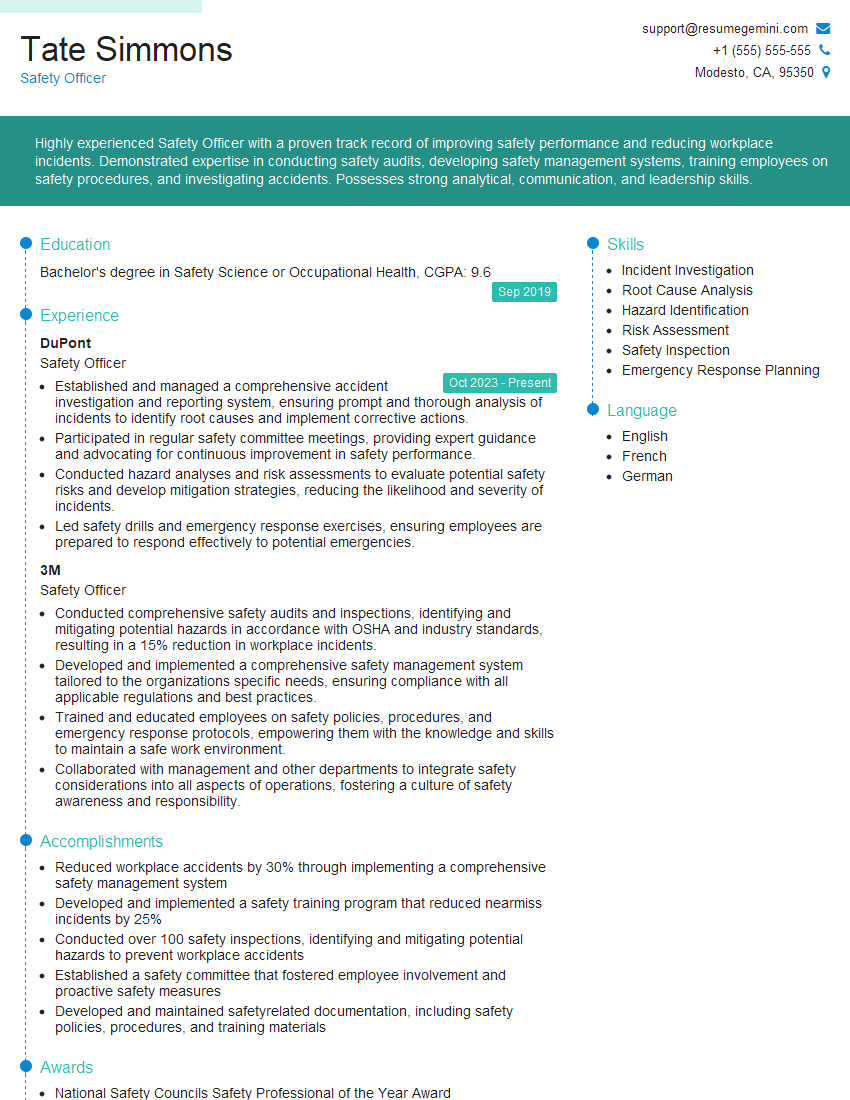
Safety Officer Resume Sample
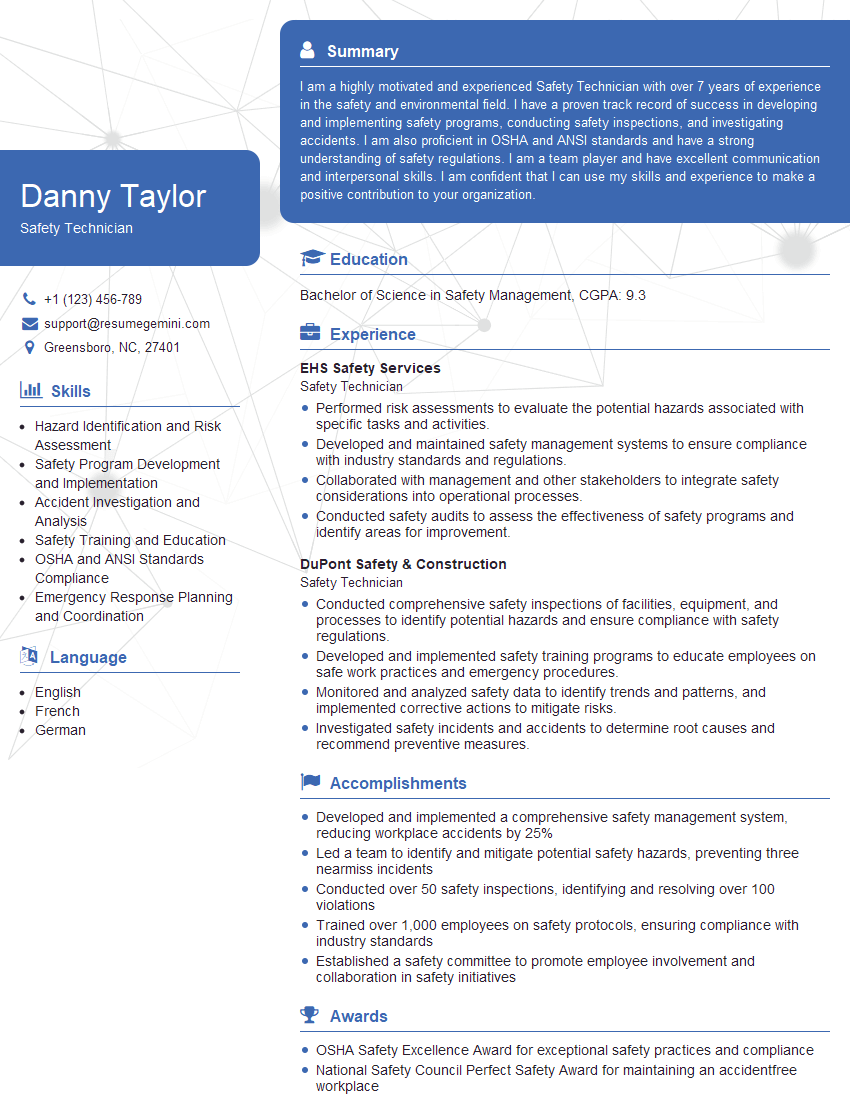
Safety Technician Resume Sample
Explore more articles
Users Rating of Our Blogs
Share Your Experience
We value your feedback! Please rate our content and share your thoughts (optional).
What Readers Say About Our Blog
Very informative content, great job.
good