Are you ready to stand out in your next interview? Understanding and preparing for Industry Standards (e.g., ANSI, ASTM, IEC) interview questions is a game-changer. In this blog, we’ve compiled key questions and expert advice to help you showcase your skills with confidence and precision. Let’s get started on your journey to acing the interview.
Questions Asked in Industry Standards (e.g., ANSI, ASTM, IEC) Interview
Q 1. Explain the difference between ANSI, ASTM, and IEC standards.
ANSI, ASTM, and IEC are all organizations that develop and publish industry standards, but they focus on different sectors and have distinct approaches.
- ANSI (American National Standards Institute): This is a private, non-profit organization that coordinates the U.S. voluntary standardization system. It doesn’t actually *create* standards itself, but rather accredits organizations that do (like ASME, IEEE, etc.) and ensures they meet certain criteria. Think of ANSI as an umpire, making sure standards are developed fairly and consistently. ANSI standards often find adoption in North America.
- ASTM International (formerly American Society for Testing and Materials): This is a global organization developing and publishing technically demanding standards for materials, products, systems, and services. Their focus is largely on testing and materials science. They cover a wide range of industries, from construction to healthcare. An example is ASTM D445, which specifies the method for determining kinematic viscosity of transparent and opaque liquids.
- IEC (International Electrotechnical Commission): This is a global organization that prepares and publishes International Standards for all electrical, electronic, and related technologies. They cover a massive spectrum, from power generation to consumer electronics. IEC standards often have global adoption, impacting many industries worldwide. An example is IEC 60079, which deals with explosion protection for electrical equipment in explosive atmospheres.
The key difference lies in their scope and approach. ANSI is more of a coordinator, ASTM focuses on materials and testing, and IEC focuses on electrotechnical aspects. Often, there’s overlap; a particular product might need to meet standards from all three organizations or equivalent standards in other countries.
Q 2. Describe your experience with ISO 9001.
I have extensive experience working within organizations certified to ISO 9001:2015 (and its previous iterations). In my previous role at [Company Name], I was actively involved in maintaining our ISO 9001 certification. This involved:
- Participating in internal audits, identifying gaps in our processes, and ensuring corrective actions were implemented.
- Contributing to the development and maintenance of our quality management system (QMS) documentation, ensuring it aligned with the ISO 9001 requirements.
- Working closely with the management team to ensure top-management commitment and leadership towards quality objectives.
- Training colleagues on relevant aspects of ISO 9001, including risk management and continuous improvement processes.
- Collaborating with external auditors during certification audits and addressing any identified non-conformances.
My experience has given me a thorough understanding of the principles of ISO 9001, including the Plan-Do-Check-Act (PDCA) cycle, risk-based thinking, and the importance of customer focus. I understand that ISO 9001 is more than just a certification; it’s a framework for consistently improving processes and delivering high-quality products or services. In a practical sense, this improved our operational efficiency and significantly reduced defects.
Q 3. How do you ensure compliance with industry standards in your work?
Ensuring compliance starts with thorough understanding of the relevant standards applicable to the project or product. This involves carefully reviewing specifications, searching relevant databases (e.g., ANSI.org, ASTM.org, IEC.org), and consulting with subject matter experts. My process includes:
- Requirement Gathering: Identify all applicable standards early in the project lifecycle. This includes reviewing customer requirements and industry regulations.
- Documentation: Maintaining a comprehensive register of applicable standards and tracking their versions to ensure we are working with the latest revisions.
- Process Integration: Integrating standard requirements into our design, manufacturing, testing, and quality control processes. This often involves creating checklists, templates, and work instructions that explicitly address compliance needs.
- Verification and Validation: Regularly verifying our adherence to standards through internal audits, inspections, and testing. Validation may involve external certifications, third-party audits, or product testing in accordance with specific standards.
- Continuous Improvement: Regularly reviewing our compliance processes and identifying areas for improvement. This might involve implementing new technologies or updating our QMS.
For example, in a recent project involving the design of an electrical device, we had to comply with both UL and IEC standards. We meticulously documented our compliance efforts, including test results and certification data.
Q 4. What is your process for identifying and resolving conflicts between different standards?
Conflicts between standards are not uncommon, especially when dealing with international projects. My approach to resolving these involves a systematic process:
- Identify the Conflict: Clearly define the conflicting requirements, including specific clauses from each standard.
- Analyze the Context: Determine the scope and implications of each conflicting requirement. Consider the priorities of each standard (e.g., safety vs. performance).
- Prioritization: Determine which standard takes precedence. This often requires considering regulatory requirements, customer specifications, and industry best practices. Sometimes, a higher-level standard (e.g., a national regulation) will dictate which standard should prevail.
- Deviations and Justification: If necessary, document any deviations from one standard and justify the decision. This needs to be well-documented and approved by relevant stakeholders.
- Mitigation Strategies: Implement strategies to minimize the impact of the conflict. This might involve design modifications, additional testing, or implementing alternative solutions that satisfy both requirements (if possible).
- Communication: Clearly communicate the resolution to all relevant parties.
Imagine a situation where an IEC standard specifies a particular type of cable for safety, but an ANSI standard recommends a different cable type for optimal performance. We’d analyze the safety implications, prioritize safety, document the deviation from the ANSI recommendation, and justify the decision based on safety requirements.
Q 5. How familiar are you with the process of developing and updating industry standards?
I am very familiar with the process of developing and updating industry standards. While I haven’t personally led the development of a standard, I have participated in industry working groups and reviewed proposed standards. The process generally involves:
- Identification of Need: Recognizing a gap in existing standards or a need for a new standard to address technological advancements or industry challenges.
- Proposal and Scope Definition: Developing a detailed proposal outlining the scope and objectives of the new or revised standard.
- Working Group Formation: Creating a working group of subject matter experts to develop the standard. This requires consensus-building and collaboration amongst different stakeholders.
- Drafting and Review: Iterative drafting and review of the standard document, with multiple rounds of feedback and revisions.
- Public Comment Period: A period of time where the draft standard is made public for review and comment from interested parties.
- Approval and Publication: Once comments have been addressed, the standard is approved and published by the relevant standards organization.
- Maintenance and Revision: Regularly reviewing and updating the standard to account for technological changes and evolving industry practices.
The whole process is usually transparent and collaborative, emphasizing a balanced approach that takes many viewpoints into consideration. It’s a very meticulous process designed to ensure standards are relevant, effective, and widely accepted.
Q 6. Explain the importance of traceability in a quality system conforming to industry standards.
Traceability is crucial in a quality system conforming to industry standards. It ensures that every component, process, and activity can be tracked back to its origin, providing a clear audit trail. This is fundamental for several reasons:
- Product Verification: Traceability allows verification of the origin and history of materials and processes used in a product. This ensures that materials meet specified requirements and that manufacturing processes adhere to standards.
- Problem Solving: If defects or non-conformances are identified, traceability helps to pinpoint the root cause quickly and efficiently. This minimizes downtime and reduces the cost of rectifying problems.
- Compliance Demonstration: Traceability provides evidence of compliance with applicable standards and regulations. This is essential during audits and for maintaining certifications.
- Customer Satisfaction: Providing traceability to customers builds trust and confidence in the quality and reliability of products and services.
- Continuous Improvement: Traceability data can be analyzed to identify trends, improve processes, and reduce waste.
Imagine a pharmaceutical company. Traceability is paramount. Every batch of medicine needs to be traceable to the raw materials used, the manufacturing process, the quality control testing, and ultimately, the patient who received it. This ensures both safety and accountability.
Q 7. Describe a situation where you had to interpret and apply a complex industry standard.
In a previous project involving the design of a high-pressure pipeline system, we encountered a complex situation. The project required adherence to both ASME B31.4 (Pipeline Transportation Systems for Liquid Hydrocarbons and Other Liquids) and API 6D (Piping components for pressure-containing systems). ASME B31.4 focused on the overall pipeline design and integrity, while API 6D provided specific requirements for valves.
The challenge arose when interpreting the requirements for valve selection in relation to pipeline material compatibility and pressure ratings. While both standards addressed valve selection, their requirements and testing methodologies had subtle yet crucial differences. My approach involved:
- Detailed Review: We thoroughly reviewed both standards, identifying conflicting and complementary requirements.
- Expert Consultation: We consulted with experienced pipeline engineers and valve specialists to clarify ambiguities and ensure proper interpretation.
- Risk Assessment: We performed a thorough risk assessment to evaluate the potential consequences of different valve selection choices.
- Documentation: We documented our interpretation of each standard, justifying any deviations or selections made based on sound engineering principles and risk assessments.
Ultimately, we selected valves that satisfied the strictest requirements of both standards, ensuring both pipeline safety and system performance. Proper documentation of our interpretation and rationale was critical in demonstrating compliance during audits.
Q 8. How do you stay updated on changes and revisions to relevant industry standards?
Staying current with industry standard revisions is crucial for maintaining compliance and best practices. My approach is multi-faceted. Firstly, I subscribe to relevant standard organizations’ newsletters and updates, such as those from ANSI, ASTM International, and IEC. These organizations often provide alerts for new versions or revisions of standards.
Secondly, I actively participate in industry conferences and webinars. These events often feature presentations and discussions on the latest changes and interpretations of standards. Networking with other professionals at these events also provides valuable insights into practical applications and challenges.
Thirdly, I regularly check the websites of these standard organizations directly. Many organizations provide online access to their standards, allowing for easy tracking of updates and revisions. Finally, I utilize professional development resources such as online courses and training materials to ensure my knowledge stays up-to-date.
Q 9. What are some common challenges in implementing and maintaining industry standards?
Implementing and maintaining industry standards presents several common challenges. One significant hurdle is the cost of implementation. Updating equipment, training staff, and revising processes can be expensive, especially for smaller organizations. Another challenge is the potential for resistance to change from employees who are accustomed to existing procedures. Clearly communicating the benefits and providing thorough training are essential in addressing this.
Furthermore, the complexity of some standards can be overwhelming. Understanding the nuances and interpreting the requirements correctly can be difficult, potentially leading to misinterpretations and non-compliance. The constant evolution of standards also necessitates continuous learning and adaptation, requiring significant investment in time and resources.
Finally, ensuring consistent implementation across different departments or locations within an organization can be challenging. Establishing clear guidelines, implementing robust monitoring systems, and providing consistent training are crucial to address this.
Q 10. Describe your experience with conducting internal audits to ensure compliance with industry standards.
In my previous role, I led internal audits to ensure compliance with ISO 9001:2015 quality management system standards. My approach involved a systematic review of processes, documentation, and employee practices. I began by developing a detailed audit plan, outlining the scope, methodology, and timeline. This plan included a sampling strategy to assess the effectiveness of the quality management system across different departments.
During the audit, I meticulously reviewed documentation, such as quality manuals, work instructions, and records of internal audits. I also conducted interviews with employees at all levels to gain firsthand insights into their understanding and adherence to the standards. Where gaps were identified, I collaborated with the relevant departments to develop corrective action plans. These plans outlined specific steps to address the non-compliance issues and prevent recurrence.
Following the audit, I prepared a comprehensive report summarizing the findings, highlighting areas of compliance and non-compliance. This report served as a basis for management review, enabling informed decision-making regarding resource allocation and process improvements. The entire process was documented meticulously and audited for effectiveness.
Q 11. How do you handle situations where a product or process doesn’t meet the requirements of a specific standard?
When a product or process falls short of a standard’s requirements, a structured approach is essential. The first step is to clearly define the extent of the non-compliance. What specific requirements are not met? How significant is the deviation? This assessment will inform the subsequent steps.
Next, a thorough investigation is needed to determine the root cause of the non-compliance. Tools like Fishbone diagrams or 5 Whys can be helpful here. Once the root cause is identified, corrective actions are developed to address the issue. This might involve design modifications, process improvements, or employee retraining.
Finally, it’s crucial to implement preventive measures to avoid future occurrences. This might involve revising SOPs, enhancing quality control procedures, or investing in new equipment. Throughout the process, proper documentation is vital. This documentation will be used to demonstrate to regulators or customers that corrective and preventive actions have been taken.
Q 12. Explain the concept of a ‘standard operating procedure’ (SOP) and its relevance to industry standards.
A Standard Operating Procedure (SOP) is a set of step-by-step instructions compiled by an organization to help workers carry out complex routine operations. SOPs aim to achieve efficiency, quality output, and uniformity of performance, while reducing miscommunication and failure to comply with safety regulations. Their relevance to industry standards is significant because they provide a practical mechanism for implementing and maintaining compliance.
Industry standards often outline general requirements. SOPs translate these high-level requirements into specific, actionable steps for employees to follow. For example, an industry standard might specify safety requirements for handling hazardous materials. The corresponding SOP would detail the exact procedures, including personal protective equipment (PPE) to be used, the steps for safe handling, and the necessary emergency response protocols.
Well-defined SOPs, therefore, ensure consistent adherence to industry standards, reducing the risk of accidents, errors, and non-compliance issues. They serve as a critical link between abstract standards and the day-to-day operations of an organization.
Q 13. What is your understanding of risk assessment related to industry standards?
Risk assessment, in the context of industry standards, is the systematic identification, analysis, and evaluation of potential hazards associated with non-compliance. It involves determining the likelihood and severity of negative consequences resulting from failing to meet the requirements of a given standard. This process helps organizations prioritize efforts to mitigate risks and ensure safety.
For example, in a manufacturing setting, a risk assessment might identify the potential for equipment malfunction leading to injuries if safety standards for machine guarding are not met. The assessment would then determine the likelihood of such a malfunction and the severity of potential injuries. This information allows the organization to prioritize implementing appropriate safeguards and training programs.
Effective risk assessment relies on a thorough understanding of the relevant standards, the processes involved, and the potential hazards. It requires a proactive approach, involving systematic hazard identification, evaluation, and mitigation strategies. The result is a safer and more compliant work environment.
Q 14. Describe your experience with root cause analysis related to non-compliance with standards.
Root cause analysis (RCA) is a systematic approach to identifying the underlying causes of non-compliance with industry standards. It goes beyond simply addressing the symptoms to find the fundamental reasons behind the issue. My experience involves utilizing various RCA methodologies, including the 5 Whys, Fishbone diagrams, and Fault Tree Analysis.
For instance, during an internal audit, we discovered a batch of products failing a critical quality test. Using the 5 Whys method, we systematically investigated the issue: Why did the products fail the test? (Faulty component). Why was the faulty component used? (Insufficient incoming inspection). Why was the inspection insufficient? (Lack of training for inspectors). Why was there a lack of training? (Overlooked during scheduling). This process identified a lack of training as the root cause, enabling us to implement targeted training programs to prevent future occurrences.
RCA is crucial because it prevents reactive, short-term fixes and promotes lasting improvements in processes and procedures. By identifying the root cause, organizations can implement effective corrective and preventive actions, ensuring long-term compliance and minimizing the risk of similar incidents.
Q 15. How do you communicate technical information related to industry standards to non-technical audiences?
Communicating complex technical information about industry standards to a non-technical audience requires a shift in perspective and communication style. The key is to translate technical jargon into plain language, using analogies and real-world examples to illustrate concepts.
For instance, explaining the intricacies of ANSI/ESD S20.20 (Electrostatic Discharge Control) to a production line manager might involve focusing on the bottom-line impact: reduced product damage, lower repair costs, and increased productivity. Instead of dwelling on specific clauses, I’d emphasize the practical consequences of non-compliance – potential for costly equipment failure and potential safety hazards.
I utilize visual aids like flowcharts, diagrams, and infographics to simplify complex processes. For example, I might use a flowchart to visually represent the steps involved in a specific standard’s implementation, making it easier to grasp the overall process. Stories and case studies of successful compliance implementations (or failures, highlighting the consequences) can also be powerful tools for engagement.
Career Expert Tips:
- Ace those interviews! Prepare effectively by reviewing the Top 50 Most Common Interview Questions on ResumeGemini.
- Navigate your job search with confidence! Explore a wide range of Career Tips on ResumeGemini. Learn about common challenges and recommendations to overcome them.
- Craft the perfect resume! Master the Art of Resume Writing with ResumeGemini’s guide. Showcase your unique qualifications and achievements effectively.
- Don’t miss out on holiday savings! Build your dream resume with ResumeGemini’s ATS optimized templates.
Q 16. What are some key performance indicators (KPIs) you would use to measure compliance with industry standards?
Key Performance Indicators (KPIs) for measuring compliance with industry standards depend on the specific standard and organizational context. However, some common and versatile KPIs include:
- Compliance Rate: The percentage of processes or products that meet the requirements of the standard. For example, a 98% compliance rate for a specific safety protocol.
- Number of Non-conformances: The total number of instances where the standard wasn’t met. Tracking this metric helps identify areas needing improvement.
- Time to Remediation: The average time taken to correct a non-conformance. A shorter time indicates efficient corrective action processes.
- Training Completion Rate: The percentage of employees who have completed the required training on the relevant standard. This measures the effectiveness of employee education programs.
- Audit Scores: The scores achieved during internal or external audits against the standard. This provides an overall assessment of the compliance posture.
These KPIs, when tracked and analyzed over time, reveal trends and highlight areas needing attention to sustain or improve compliance.
Q 17. What software or tools are you familiar with for managing and tracking compliance with industry standards?
I have experience with several software and tools for managing and tracking compliance with industry standards. These include:
- Enterprise Resource Planning (ERP) systems: Many ERP systems (like SAP or Oracle) incorporate modules for managing compliance documentation, tracking audits, and reporting on KPIs.
- Compliance management software: Specialized software like Archer, MetricStream, or ServiceNow offer comprehensive functionalities for managing all aspects of compliance, including documentation, risk assessment, and audit scheduling.
- Document management systems (DMS): These systems, such as SharePoint or M-Files, allow for centralized storage, version control, and access control of standard documents and audit reports.
- Spreadsheets (Excel): Although less sophisticated, spreadsheets can be effective for basic tracking of KPIs and non-conformances, particularly in smaller organizations.
The choice of tool depends on the organization’s size, complexity, and specific compliance needs. Larger organizations typically benefit from dedicated compliance management software, while smaller ones might find spreadsheets sufficient for their requirements.
Q 18. How would you approach implementing a new industry standard within an organization?
Implementing a new industry standard requires a structured approach involving several key steps:
- Gap Analysis: Conduct a thorough assessment to identify the differences between current practices and the requirements of the new standard. This identifies areas requiring changes.
- Training and Education: Provide comprehensive training to all relevant personnel on the requirements of the new standard, emphasizing its practical implications.
- Process Modification: Update processes and procedures to ensure alignment with the new standard. This may involve revising work instructions, updating software, or investing in new equipment.
- Documentation Update: Update all relevant documentation, including standard operating procedures (SOPs), quality manuals, and training materials, to reflect the new standard’s requirements.
- Pilot Implementation: Consider a pilot implementation in a limited area to test the effectiveness of the changes and identify any unforeseen challenges before full-scale rollout.
- Monitoring and Evaluation: Continuously monitor compliance with the new standard using relevant KPIs and conduct regular audits to ensure effectiveness. This allows for timely adjustments and continuous improvement.
Communication is crucial throughout this process. Keeping all stakeholders informed of progress and addressing concerns proactively is essential for successful implementation.
Q 19. What is your experience with using statistical process control (SPC) methods to ensure compliance?
Statistical Process Control (SPC) methods are invaluable for ensuring compliance with industry standards. SPC uses statistical techniques to monitor and control processes, helping identify variations and potential problems before they escalate into non-conformances.
For instance, in a manufacturing environment adhering to ISO 9001 (Quality Management Systems), control charts (like X-bar and R charts) can be used to monitor critical process parameters. If data points fall outside the control limits, it signals a potential problem requiring investigation and corrective action. This prevents the production of non-conforming products.
Similarly, in a laboratory setting adhering to GLP (Good Laboratory Practices), SPC can be applied to monitor instrument calibration data or analytical results. Consistent monitoring ensures the accuracy and reliability of results, vital for regulatory compliance.
My experience includes designing and implementing SPC charts using statistical software (like Minitab or JMP) to monitor critical parameters and analyze process capability. This allows for data-driven decision-making to maintain compliance.
Q 20. Describe a time you had to justify the cost of implementing or maintaining an industry standard.
In a previous role, we needed to justify the cost of implementing a new cybersecurity standard (NIST Cybersecurity Framework) which seemed substantial. To do so, I created a comprehensive cost-benefit analysis:
Costs: I itemized the cost of software upgrades, employee training, consultancy fees, and potential downtime. I presented these costs transparently and explained each item.
Benefits: This was the crucial part. I quantified the potential losses from a cybersecurity breach – loss of client data, regulatory fines, reputational damage, and business disruption. I compared the cost of the standard implementation to the potential cost of a security breach (which was far greater).
Return on Investment (ROI): I calculated the ROI by comparing the cost of implementation to the cost savings (avoiding potential breaches) and potential gains (improved reputation, increased client trust). The ROI clearly showed the implementation would save more money than it would cost in the long run.
This approach, backed by data and a clear focus on risk mitigation, successfully convinced leadership to approve the implementation.
Q 21. What is your understanding of the legal implications of non-compliance with industry standards?
Non-compliance with industry standards carries significant legal and financial implications, varying depending on the specific standard and jurisdiction. These can include:
- Legal penalties: Fines, lawsuits, and even criminal charges can result from serious non-compliance, especially in regulated industries like pharmaceuticals or healthcare.
- Contractual liabilities: Failure to meet contractual obligations that incorporate industry standards can lead to breach of contract lawsuits and financial losses.
- Product liability: If a product fails to meet relevant safety standards, the manufacturer can be held liable for injuries or damages caused by the product.
- Regulatory sanctions: Regulatory bodies can issue warnings, cease-and-desist orders, or even revoke licenses in cases of repeated or severe non-compliance.
- Reputational damage: Public disclosure of non-compliance can damage the organization’s reputation, impacting sales and stakeholder trust.
Understanding the legal landscape and the potential consequences is crucial for proactively managing compliance and mitigating risks.
Q 22. Explain the difference between mandatory and voluntary industry standards.
Industry standards are broadly categorized as mandatory or voluntary, depending on their legal enforceability. Mandatory standards are legally required for compliance, often enforced by government regulations or legal frameworks. Failure to meet mandatory standards can result in legal penalties, including fines or product recalls. Voluntary standards, on the other hand, are adopted by organizations or industries on a self-regulatory basis. While not legally mandated, adhering to voluntary standards often signifies a commitment to quality, safety, and best practices. This can enhance a company’s reputation, improve market access, and provide a competitive advantage.
- Example (Mandatory): Regulations surrounding vehicle safety (e.g., seat belt requirements) often reference and build upon established mandatory standards such as those from the National Highway Traffic Safety Administration (NHTSA).
- Example (Voluntary): The ISO 9001 standard for quality management systems is a voluntary standard, though many companies adopt it to improve their internal processes and demonstrate their commitment to quality to customers.
Q 23. How familiar are you with different types of testing and inspection methods used to verify compliance with standards?
My experience encompasses a wide range of testing and inspection methods used to verify compliance with various industry standards. These methods vary significantly depending on the product, industry, and specific standard. Common methods include:
- Destructive Testing: This involves testing a sample to failure to determine its strength, durability, or other properties. Examples include tensile testing to determine the yield strength of a material, or impact testing to assess its resistance to impact forces. This is often mandated by standards for critical components.
- Non-Destructive Testing (NDT): These methods evaluate the integrity of a material or component without causing damage. Common NDT methods include ultrasonic testing (UT), radiographic testing (RT), and magnetic particle inspection (MPI). These are often crucial for ensuring the safety of products like pipelines or aircraft parts, as defined in relevant standards like ASME Section V and ASTM E series.
- Environmental Testing: This involves subjecting products to various environmental conditions (temperature, humidity, vibration) to assess their performance and durability under those conditions. Standards like IEC 60068 define environmental testing procedures.
- Performance Testing: This focuses on evaluating the functional performance of a product according to its specifications and often requires bespoke testing based on performance metrics defined by industry standards.
In my experience, meticulous documentation and traceability are paramount throughout the testing process, ensuring that test results can be linked directly to the relevant standards clauses. This is vital for demonstrating compliance and maintaining audit trails.
Q 24. Describe your experience with certification bodies and the certification process.
I have extensive experience interacting with various certification bodies, such as UL, TÜV, and Intertek, throughout the certification process. This process typically involves several key steps:
- Application & Review: The process begins with submitting an application outlining the product and the relevant standards. The certification body reviews the application to determine the scope and feasibility of the certification.
- Testing & Inspection: The certification body or a designated testing laboratory conducts various tests and inspections to verify compliance with the specified standards. This may involve audits of the manufacturing processes and facilities.
- Documentation Review: Comprehensive documentation, including design specifications, test results, and manufacturing processes, are meticulously reviewed to ensure compliance with the standards.
- Certification Audit: A formal audit is conducted to verify the overall compliance and ensure that the quality system is in place and effectively implemented.
- Certification Issuance: Upon successful completion of all steps, the certification body issues a certificate of compliance, which validates that the product meets the requirements of the relevant standard. The certificate often carries a scope and validity period.
It’s important to note that maintaining certification often involves periodic audits and surveillance to ensure continued compliance with the standards and the quality system.
Q 25. How do industry standards impact product design and development?
Industry standards significantly influence product design and development by providing a framework for safety, performance, and interoperability. They serve as a baseline for functionality, testability, and manufacturability. Integrating industry standards early in the design phase facilitates streamlined development, reducing the risk of design flaws and rework later in the process. This leads to cost savings and quicker time to market.
- Safety: Standards such as UL (Underwriters Laboratories) for electrical safety and IEC standards for various electrical and electronic products dictate specific design requirements to prevent hazards. Failure to comply can have significant safety and legal implications.
- Interoperability: Standards such as USB (Universal Serial Bus) ensure that devices from different manufacturers can seamlessly communicate and work together. This is crucial for promoting innovation and reducing fragmentation within an industry.
- Performance: Standards defining performance metrics for various products (e.g., energy efficiency, data transfer rates) guide the design process to optimize product performance and provide consistent standards for consumers.
In essence, adhering to relevant standards during design reduces risk, improves reliability, and allows for a more efficient and compliant product development process.
Q 26. How do you balance the requirements of different industry standards when they conflict?
Conflicting requirements across different industry standards are a common challenge. Addressing such conflicts requires a systematic approach that prioritizes safety and regulatory compliance. The approach typically involves:
- Identify and Document Conflicts: The first step is identifying the specific clauses or requirements that conflict. Documenting these conflicts precisely is crucial.
- Prioritize Standards: Determine which standard takes precedence. This usually involves considering the legal requirements and safety implications. Mandatory standards generally supersede voluntary standards. Sometimes, a higher-level standard will supersede a more specific one.
- Consult Stakeholders: Engage with relevant stakeholders, including regulatory bodies, certification bodies, and internal engineering teams, to discuss the conflict and find a resolution. Sometimes consensus-based solutions are developed.
- Develop Mitigation Strategies: Implement design or process changes to mitigate the impact of the conflicts. This might involve designing a workaround or seeking an exemption from one of the standards where justifiable.
- Documentation: Thoroughly document the conflict, the resolution process, and any resulting design changes. This documentation is essential for future audits and compliance demonstrations.
Resolving conflicting standards often requires a collaborative effort and a deep understanding of the underlying rationale and implications of each standard.
Q 27. How do you incorporate industry standards into your project planning and management?
Incorporating industry standards into project planning and management is critical for ensuring project success. This involves:
- Early Identification of Applicable Standards: At the initial project planning phase, it’s essential to identify all relevant industry standards and regulatory requirements. This involves comprehensive research and potentially consulting with subject matter experts.
- Risk Assessment: Conduct a thorough risk assessment, identifying potential risks associated with non-compliance and developing mitigation strategies. This often involves assigning appropriate resources and time allocation to ensure compliance.
- Standard Integration into Work Packages: Standards requirements should be explicitly integrated into project work packages and task assignments. This ensures that compliance considerations are built into the project execution from the start.
- Compliance Tracking and Reporting: Implement a robust system for tracking compliance progress, including test results, inspection reports, and any deviations from standards. Regular reports help in monitoring compliance throughout the project lifecycle.
- Compliance Reviews: Conduct regular compliance reviews, involving stakeholders to ensure that the project remains on track and that any deviations are addressed promptly.
Integrating standards from the beginning ensures compliance from product conception, avoiding costly rework and potential project delays.
Q 28. Explain your understanding of the life cycle of an industry standard.
The life cycle of an industry standard typically involves several key stages:
- Development: This stage involves identifying the need for a standard, drafting the standard document, and circulating it for review and feedback from stakeholders. Consensus building is critical here.
- Publication: Once the standard is finalized, it is officially published by the standard-setting organization. This publication makes the standard available for public use.
- Adoption: Organizations and industries adopt the standard, implementing its requirements in their products, processes, or operations.
- Maintenance: Standards are not static; they require regular maintenance and updates to reflect technological advancements and address any identified deficiencies. This usually involves periodic reviews and revisions.
- Withdrawal: Eventually, a standard may become obsolete or superseded by newer standards. At this point, it is withdrawn by the standard-setting organization.
The duration of each stage varies considerably depending on the complexity of the standard and the level of stakeholder involvement. Understanding this life cycle is essential for tracking the current relevance and validity of any specific standard.
Key Topics to Learn for Industry Standards (e.g., ANSI, ASTM, IEC) Interview
- Understanding the Scope and Purpose: Learn the fundamental differences between ANSI, ASTM, and IEC standards, and when each is applicable. Consider the historical context and evolution of these standards.
- Navigating Standard Documents: Practice interpreting technical specifications, diagrams, and tables within standard documents. Focus on identifying key requirements and compliance criteria.
- Practical Application in Engineering/Testing: Explore real-world examples of how these standards are used in design, manufacturing, testing, and quality assurance processes. Think about specific industry applications relevant to your experience.
- Compliance and Certification: Understand the implications of adhering to industry standards, including certification processes, potential legal ramifications of non-compliance, and the benefits of certification.
- Problem-Solving with Standards: Practice identifying potential conflicts or ambiguities within standards and develop strategies for resolving them. Consider how standards inform decision-making in complex projects.
- Emerging Trends and Future Directions: Research the ongoing development and updates within these standards. Demonstrate awareness of current industry best practices and future trends.
- Specific Standard Knowledge (Relevant to your field): Identify and delve deeper into specific ANSI, ASTM, or IEC standards directly relevant to your area of expertise and the roles you’re targeting.
Next Steps
Mastering industry standards like ANSI, ASTM, and IEC is crucial for career advancement in many technical fields. A strong understanding demonstrates your commitment to quality, safety, and professionalism, making you a highly desirable candidate. To maximize your job prospects, ensure your resume is ATS-friendly, highlighting your relevant skills and experience clearly. ResumeGemini is a trusted resource that can help you build a professional resume tailored to the specific requirements of different industries. Examples of resumes tailored to highlight experience with Industry Standards (e.g., ANSI, ASTM, IEC) are available through ResumeGemini to help you showcase your skills effectively.
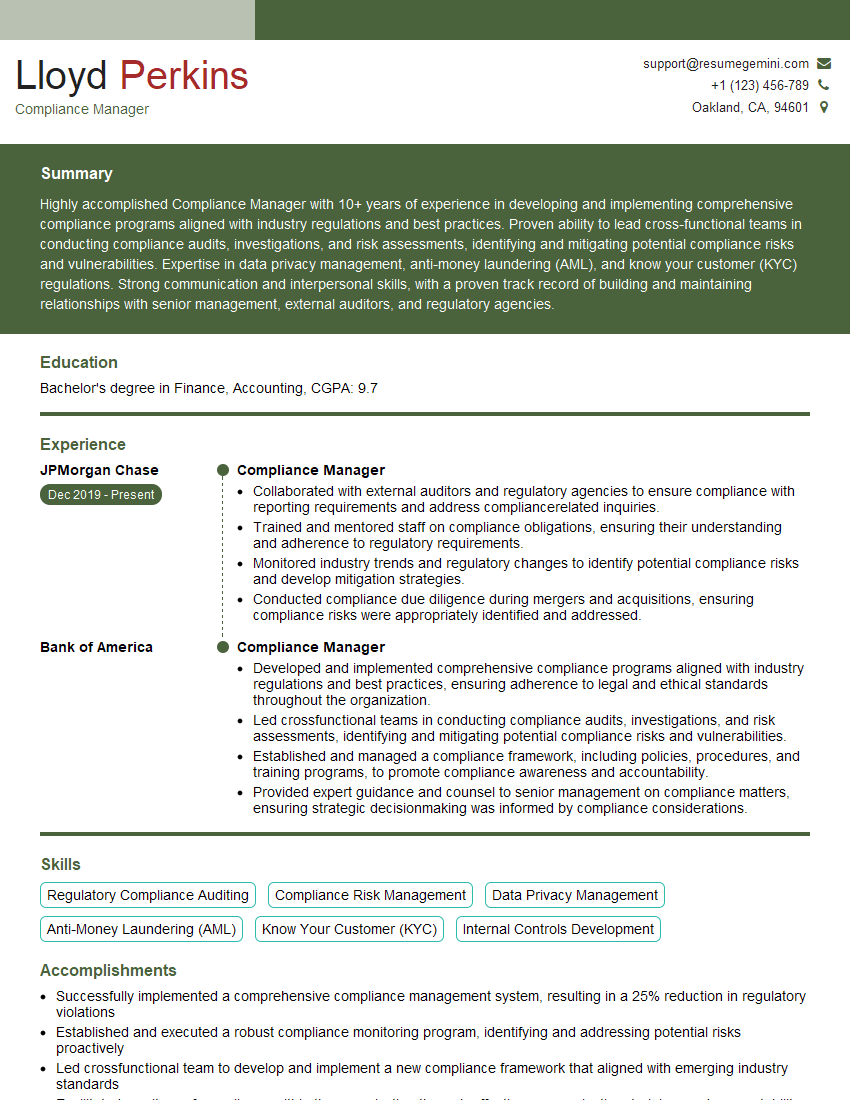
Compliance Manager Resume Sample
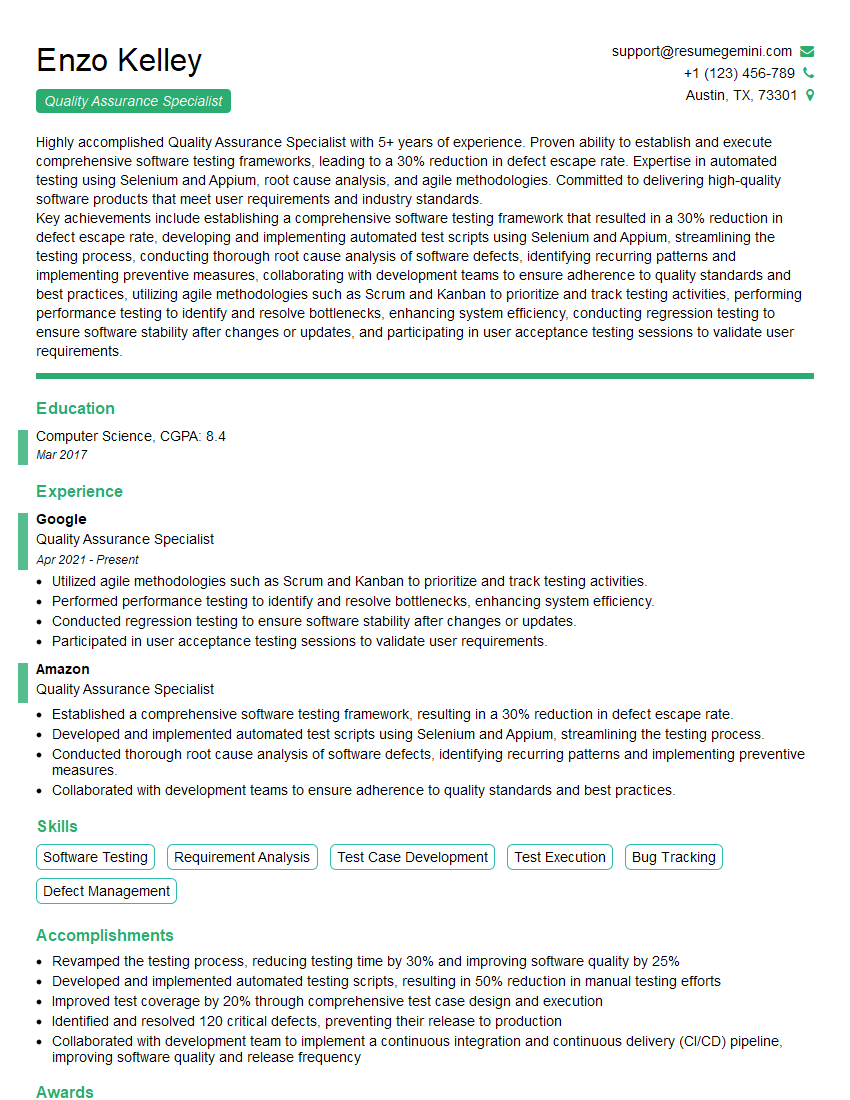
Quality Assurance Specialist Resume Sample
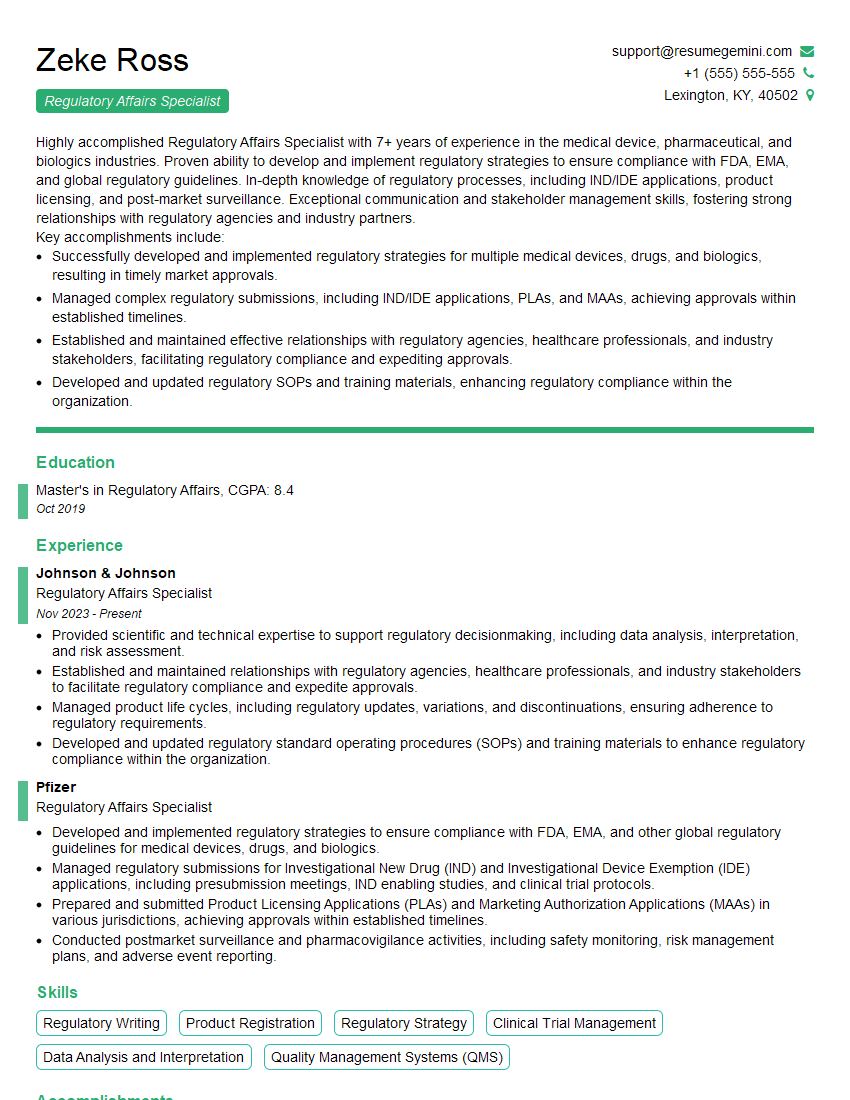
Regulatory Affairs Specialist Resume Sample
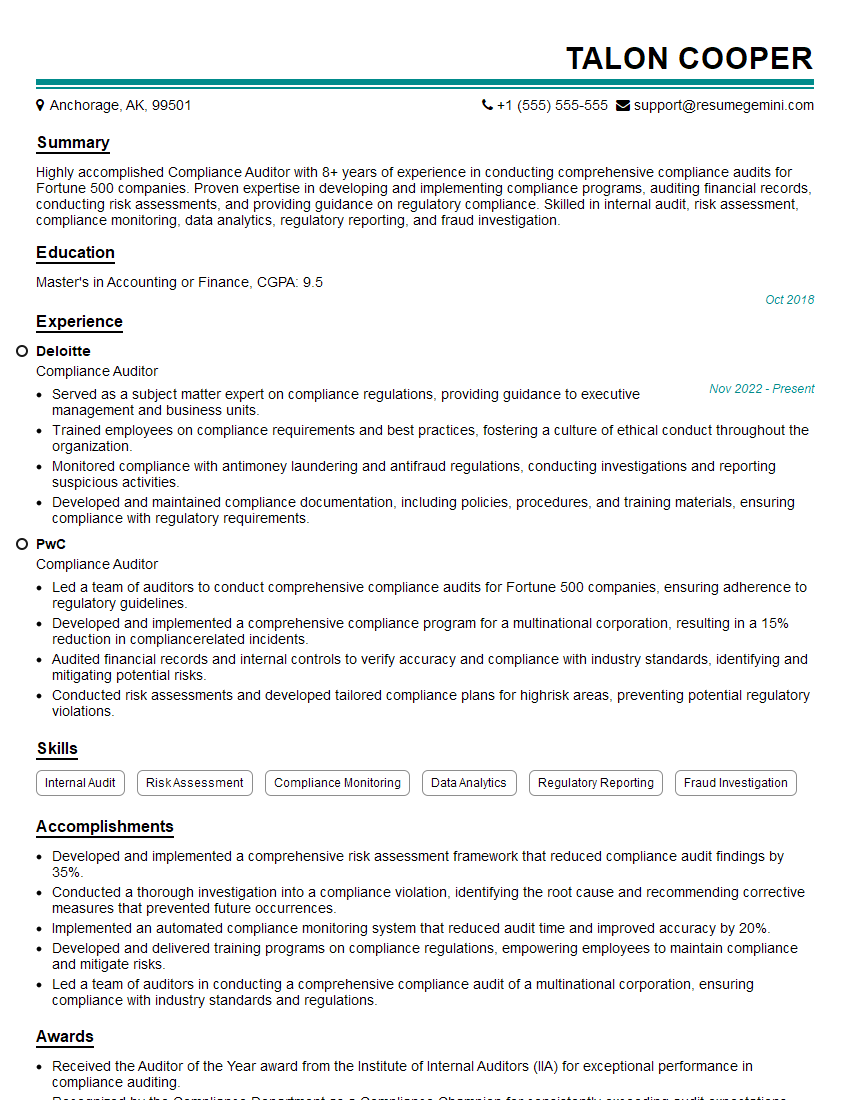
Compliance Auditor Resume Sample
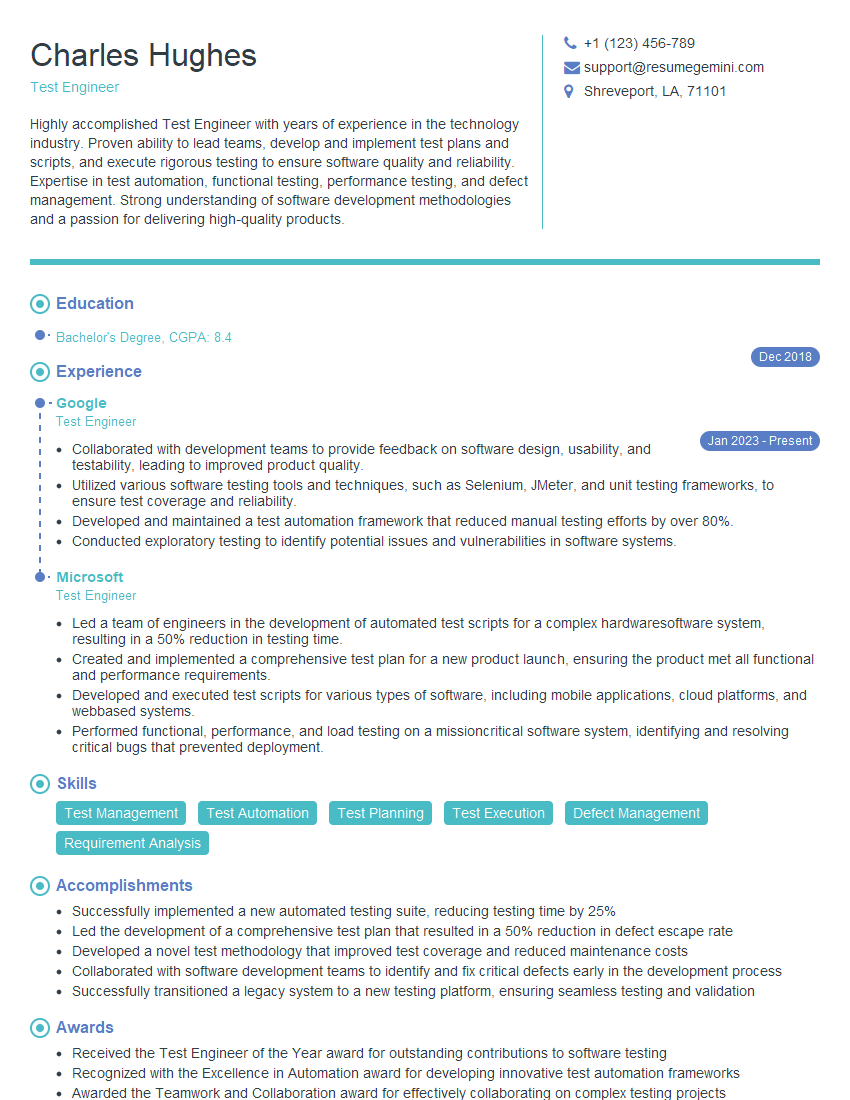
Test Engineer Resume Sample
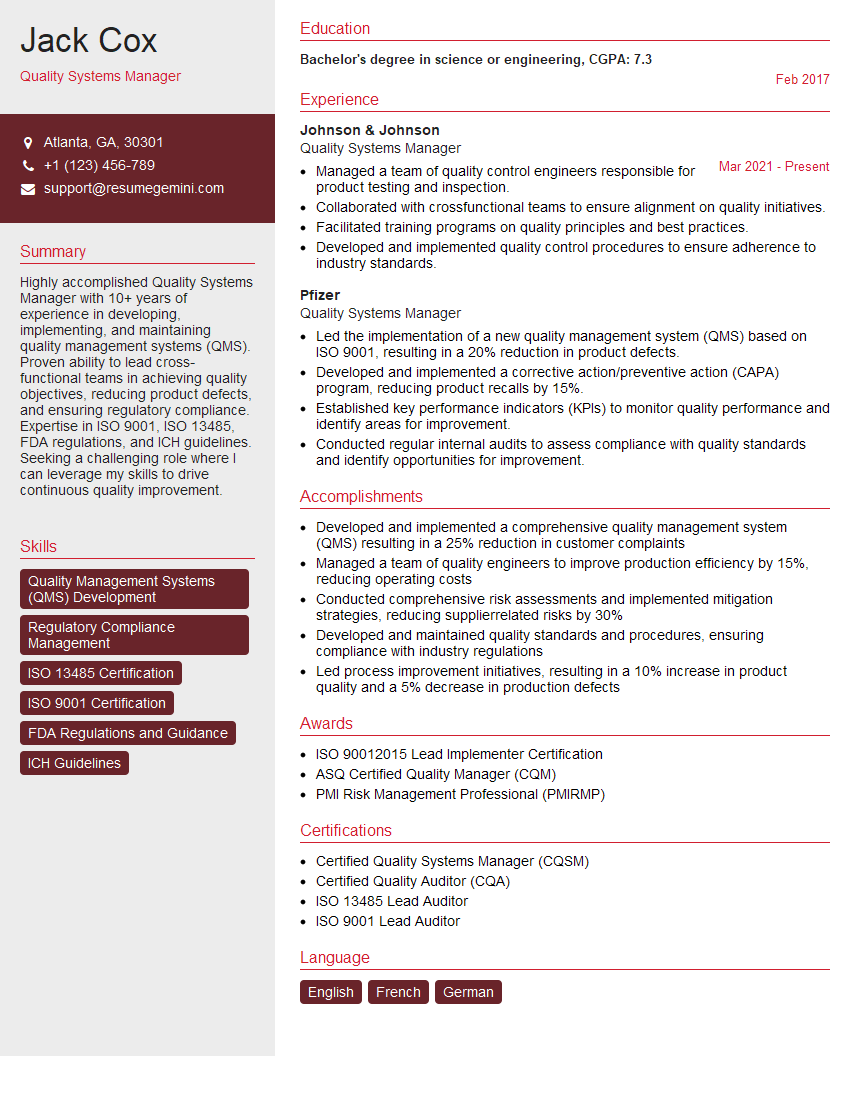
Quality Systems Manager Resume Sample
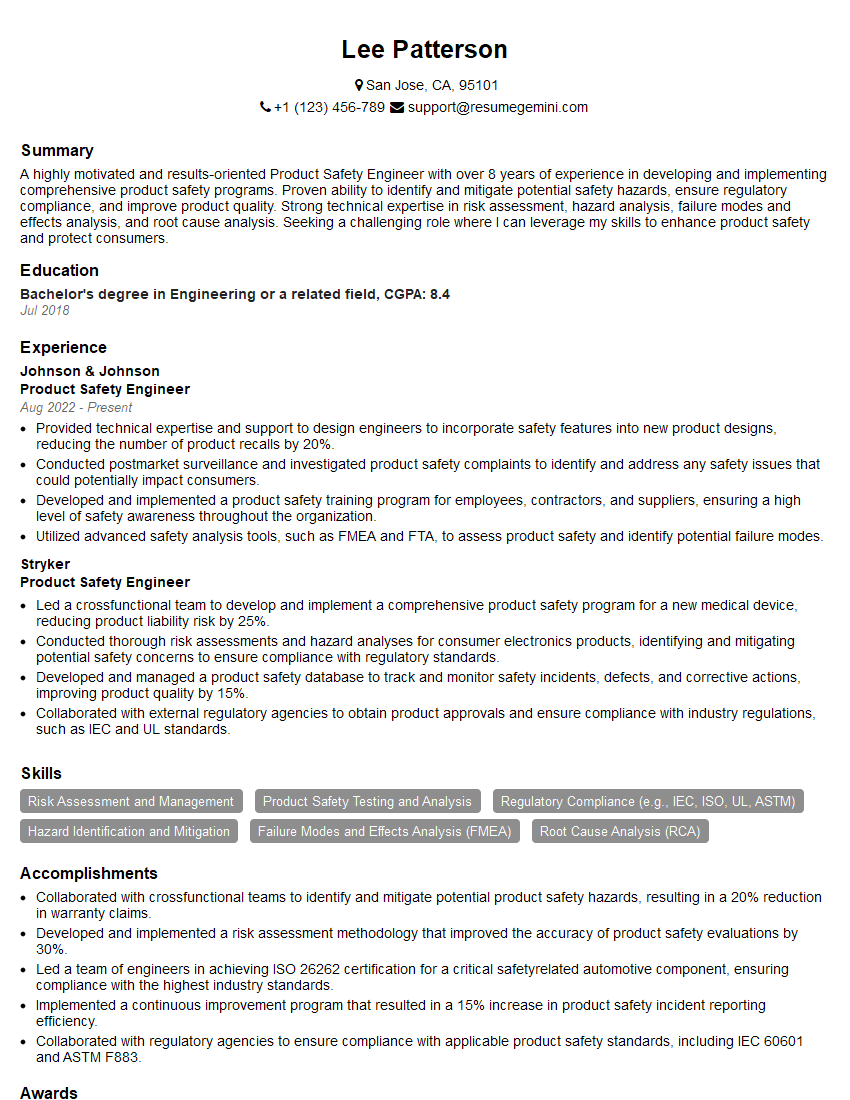
Product Safety Engineer Resume Sample
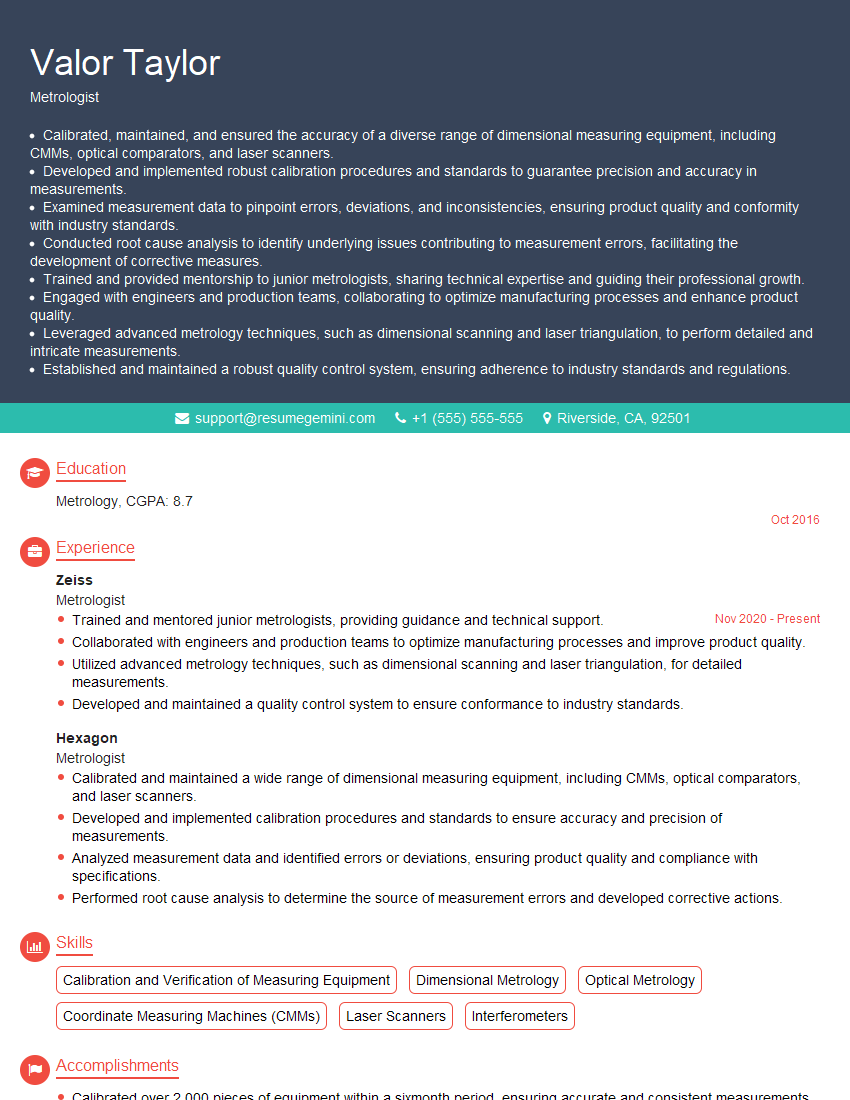
Metrologist Resume Sample
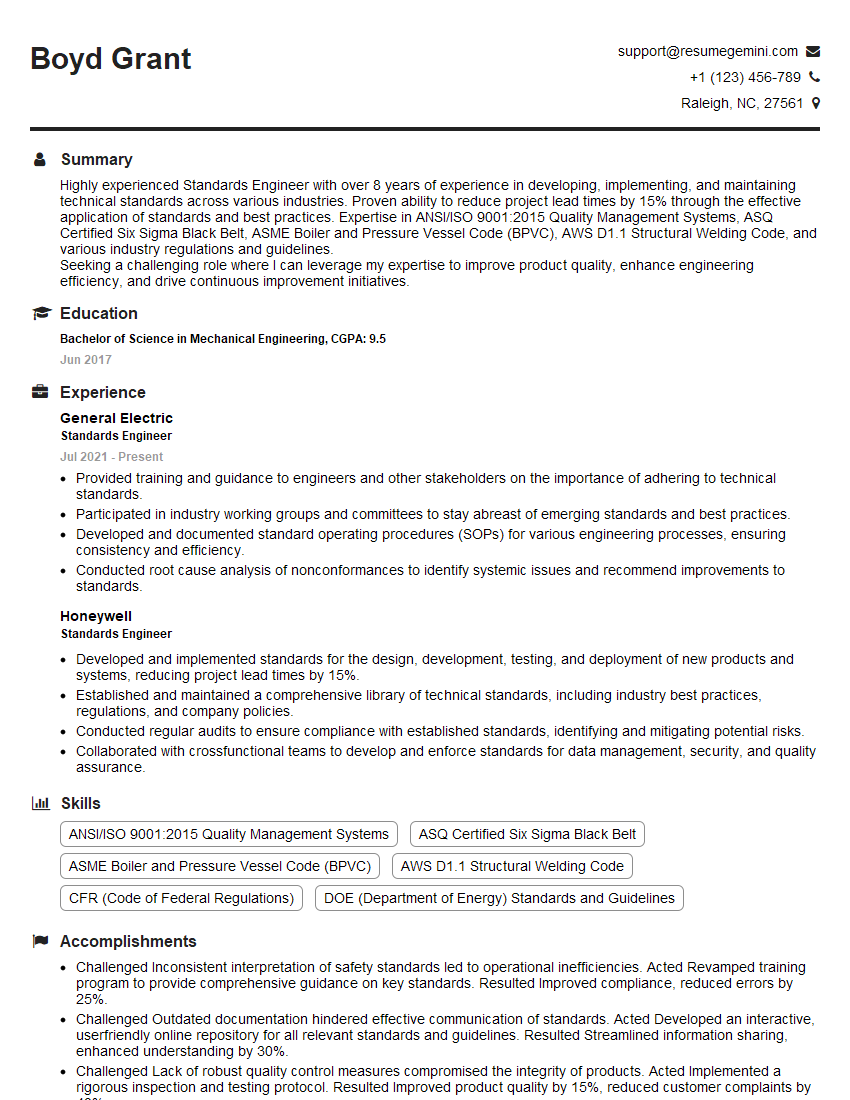
Standards Engineer Resume Sample
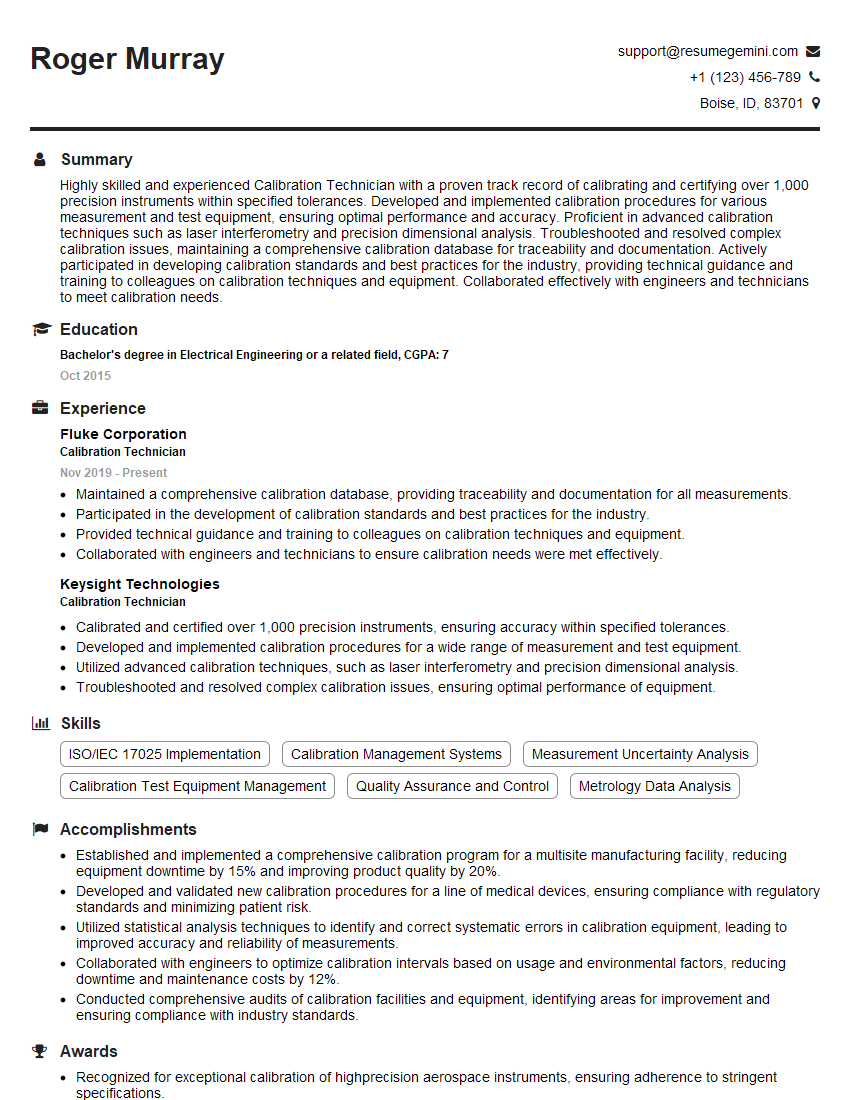
Calibration Technician Resume Sample
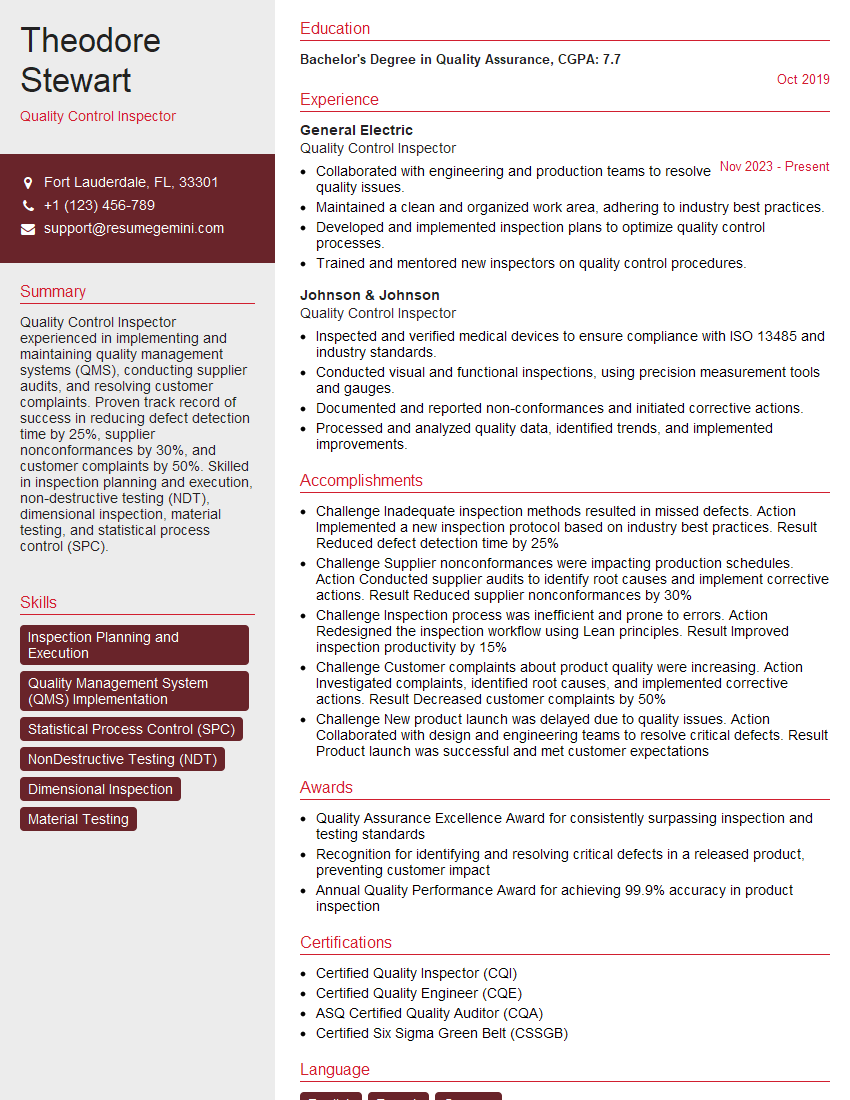
Quality Control Inspector Resume Sample
Explore more articles
Users Rating of Our Blogs
Share Your Experience
We value your feedback! Please rate our content and share your thoughts (optional).
What Readers Say About Our Blog
Very informative content, great job.
good