The thought of an interview can be nerve-wracking, but the right preparation can make all the difference. Explore this comprehensive guide to Interfacing with Referees interview questions and gain the confidence you need to showcase your abilities and secure the role.
Questions Asked in Interfacing with Referees Interview
Q 1. What is your process for selecting referees from a candidate’s list?
Selecting referees is crucial for gaining a well-rounded perspective on a candidate. My process begins with reviewing the candidate’s provided list, looking for a mix of professional and personal references. Ideally, I aim for at least three references, spanning different aspects of their career or life. I prioritize those who have directly supervised the candidate or worked closely with them on significant projects. I’ll also consider the length and nature of the relationship, seeking referees who can offer insightful feedback beyond simple statements. If the candidate’s list is limited, I might gently suggest additional individuals who could provide valuable perspectives.
For example, if a candidate is applying for a management role, I’d actively seek references who can speak to their leadership skills and team management experience, rather than just focusing on their technical abilities. This ensures a holistic assessment.
Q 2. How do you verify the identity and employment history of a referee?
Verifying a referee’s identity and employment history is vital for ensuring the validity of their feedback. I typically use a multi-pronged approach. First, I’ll confirm their contact information through readily available online resources, such as LinkedIn or company websites. Then, I confirm their employment details by contacting the company’s HR department or directly speaking to the referee’s supervisor if feasible. This process not only verifies their identity but also allows for a secondary check on their relationship with the candidate. Any discrepancies in information provided by the candidate and verified through these channels are noted and further investigated.
For instance, if a referee claims a title that differs from what’s listed on a company website, I’ll clarify this discrepancy before proceeding further. This attention to detail is essential for maintaining the integrity of the reference check process.
Q 3. What strategies do you use to ensure unbiased feedback from referees?
Ensuring unbiased feedback requires careful structuring of the interview process. I begin by clearly stating the purpose of the interview and reassuring the referee about the confidentiality of their responses. I avoid leading questions, framing inquiries in a neutral and open-ended manner that encourages genuine feedback. Instead of asking ‘Was the candidate a good worker?’, I prefer questions like, ‘Can you describe the candidate’s work ethic?’ or ‘How would you characterize their problem-solving skills?’ Additionally, I offer referees the chance to add any additional context or comments. I explicitly encourage them to be honest and forthright, regardless of whether it’s positive or negative.
For example, instead of simply asking ‘Did the candidate meet expectations?’, a better approach would be ‘Can you provide specific examples illustrating how the candidate either exceeded or fell short of expectations?’ This helps get more detailed and nuanced information.
Q 4. How do you handle conflicting information received from different referees?
Conflicting information from different referees is not uncommon and requires careful consideration. I won’t automatically dismiss any feedback. Instead, I analyze the context of each statement, considering the relationship the referee had with the candidate and the specific timeframe referenced. For example, a conflict might stem from different expectations or perspectives on performance, reflecting varying work styles or departmental priorities. I might also delve deeper into the specific instances causing the discrepancy, seeking clarifying information from either the referee or, if possible, the candidate themselves. In situations where the conflict remains unresolved, I’ll acknowledge the discrepancies in my report, presenting them alongside the relevant contextual information.
Consider a scenario where one referee highlights the candidate’s exceptional communication skills, while another suggests it’s an area needing improvement. I would aim to understand if these assessments relate to different communication settings, such as internal communication versus client interaction.
Q 5. What are the legal and ethical considerations when interviewing referees?
Legal and ethical considerations are paramount. I adhere strictly to data protection laws (like GDPR or CCPA, depending on location), ensuring that any data collected during the reference check process is handled securely and confidentially. I only collect information relevant to the job role and obtain consent from the candidate before contacting their referees. I carefully word questions to avoid discriminatory language or inquiries about protected characteristics. It’s crucial to avoid asking questions about personal issues unrelated to the job. Furthermore, I am always mindful of the potential for defamation, ensuring all feedback is documented accurately and fairly. I maintain a record of all interactions for accountability and transparency.
For instance, I wouldn’t ask about a candidate’s family situation or religious beliefs; those are irrelevant to job performance and potentially discriminatory.
Q 6. How do you maintain confidentiality during referee interviews?
Maintaining confidentiality is critical. Before contacting a referee, I obtain explicit consent from the candidate, clearly explaining the purpose of the reference check and the type of information being sought. I never disclose the candidate’s identity unless the referee specifically requests confirmation. I use secure communication channels, such as encrypted email or secure phone lines, to conduct interviews. Notes from the interview are kept securely and access is restricted to those with a legitimate need to know. I remind referees about the confidential nature of the conversation at the start and end of each interview. Furthermore, I ensure that all notes and records of the interview are properly anonymized if the candidate isn’t selected for the position.
Q 7. Describe your process for documenting referee feedback.
Documenting referee feedback is essential for accuracy and consistency. I use a standardized template to record all key information, including the referee’s name, contact details, their relationship to the candidate, the date of the interview, and a summary of their feedback. I meticulously document both positive and negative comments, noting specific examples provided by the referees. This detailed documentation allows for a thorough and objective review of the candidate’s suitability for the role. I store this information securely, adhering to relevant data protection regulations and ensuring its confidentiality. A clear audit trail is maintained, documenting who has accessed the information and when.
For example, my template might include fields for assessing skills like communication, teamwork, problem-solving, leadership, and work ethic, allowing me to aggregate and compare feedback across multiple references more effectively. The template would also include a section for any other relevant observations or specific examples.
Q 8. How do you address a referee who is hesitant to provide information?
Addressing a hesitant referee requires a delicate balance of understanding and persistence. It’s crucial to remember that they’re doing you a favor by providing their time and insights. Begin by reiterating your appreciation for their time and the importance of their perspective. Explain clearly why their input is valuable to you and the candidate. Often, hesitancy stems from concerns about confidentiality or liability. Addressing these directly can alleviate their worries. For example, you might say, “I understand your concerns about confidentiality; all information shared will be treated with the strictest confidence.” You can also reassure them by clarifying the scope of your questions and the purpose of the reference check. If the hesitancy persists, consider providing more background information about the candidate or the role to help them feel more comfortable.
If gentle encouragement doesn’t work, try reframing your questions. Instead of directly asking for a numerical rating, try asking open-ended questions like, “Can you share a specific example of the candidate’s work ethic?” or “How did the candidate handle pressure in challenging situations?” These types of questions often elicit more detailed and insightful responses than a simple “rate them from 1 to 5.” Remember, building rapport is key. Show genuine interest in their opinion and make them feel valued as a source of expertise.
Q 9. What questions do you prioritize when interviewing referees?
Prioritizing questions during a referee interview is crucial for efficiency and obtaining the most relevant information. I always start with open-ended questions to gauge the overall relationship and the referee’s overall impression. Examples include: “Can you describe your working relationship with the candidate?” or “What were the candidate’s key responsibilities in your team?” Next, I focus on questions assessing key competencies and skills relevant to the job description. This might involve questions about problem-solving abilities, teamwork skills, communication style, leadership qualities, and work ethic. For example, I might ask, “Can you describe a time the candidate demonstrated strong problem-solving skills?” or “How effectively did the candidate collaborate with colleagues on projects?” Finally, I always include questions about the candidate’s strengths and areas for improvement, and always ask about their likelihood of recommending the candidate for a similar role in the future. The order and specific wording of the questions are adjusted depending on the role and the information already gathered from the candidate’s application.
Q 10. How do you handle a referee who gives negative feedback?
Receiving negative feedback is an inevitable part of the reference check process. The key is to approach it professionally and objectively, avoiding any defensive or confrontational reactions. First, listen carefully to the referee’s concerns. Ask clarifying questions to fully understand the context of their feedback. For instance, if they mention a weakness, I would ask, “Can you provide a specific example to illustrate that point?” or “What strategies might help the candidate address this area?” This helps to get a more nuanced picture of the situation and avoids making snap judgments based on limited information. Once I fully understand the feedback, I assess how critical it is to the position requirements. Sometimes, a seemingly negative comment can be interpreted differently depending on the context. Finally, it’s vital to document the feedback accurately and neutrally, including the context and the referee’s own assessment of the situation. This helps ensure that the information is considered objectively during the final hiring decision.
Q 11. How do you assess the credibility of referee responses?
Assessing the credibility of referee responses requires a multi-faceted approach. Firstly, I consider the referee’s relationship with the candidate. A long-term, close working relationship usually yields more insightful and trustworthy feedback. Secondly, I look for consistency. Do the responses align with information gathered from other sources, such as the candidate’s resume and previous interviews? Inconsistencies may raise red flags requiring further investigation. I also assess the specificity and depth of the answers. Vague or generalized responses are less credible than detailed examples illustrating the candidate’s skills and behaviors. Furthermore, I pay attention to the referee’s tone and language. Does the feedback sound genuine and objective, or does it seem biased or overly positive/negative? Lastly, I cross-reference the information with other referees. If multiple referees echo similar concerns, it signals a more credible issue. Remember, assessing credibility is not about seeking perfection, but about identifying patterns and ensuring a balanced perspective.
Q 12. How do you balance obtaining detailed information with respecting the referee’s time?
Balancing detailed information with respect for the referee’s time involves careful planning and execution. Before the interview, I prepare a concise list of well-defined questions, prioritizing those that are most crucial to the hiring decision. I clearly state the purpose of the interview at the beginning, emphasizing the time constraints and expressing gratitude for their contribution. I aim for brevity and efficiency in my questioning, avoiding unnecessary digressions. I also encourage the referee to focus on the most relevant aspects of the candidate’s skills and experience. Instead of asking multiple smaller questions, I often phrase questions that allow the referee to elaborate in a focused manner. After each response, I summarize and confirm my understanding to ensure clarity and prevent unnecessary follow-up. I never exceed the agreed-upon time limit, and always thank the referee profusely for their time and insights. By being organized, respectful, and efficient, I ensure I gather the necessary information without overburdening the referee.
Q 13. What are the key indicators of a strong or weak referee recommendation?
Strong referee recommendations are characterized by specific examples illustrating the candidate’s skills and achievements. They often include quantifiable results, showcasing the candidate’s impact on past projects or teams. The referee typically expresses a high degree of confidence in the candidate’s ability to succeed in the targeted role, highlighting their positive attributes and their likelihood of recommending them again. Weak recommendations, on the other hand, might lack specific examples, relying instead on vague generalizations or expressing reservations about the candidate’s abilities. They may highlight significant shortcomings or inconsistencies in the candidate’s performance and express uncertainty about their suitability for the role. The tone of the recommendation also matters; a lukewarm or hesitant tone suggests a weaker recommendation, while an enthusiastic and confident tone signifies a strong endorsement. The absence of any substantial positive feedback also constitutes a weak recommendation.
Q 14. How do you follow up with referees after the interview?
Following up with referees after the interview is crucial for professional courtesy and maintaining a positive relationship. A timely thank-you note, either via email or phone call, is essential. This demonstrates appreciation for their time and valuable insights. In the thank you, I re-emphasize the confidentiality of the information shared, and reiterate my gratitude for their contribution to the hiring process. In some cases, depending on the situation and the referee’s willingness, I might briefly share an update on the hiring decision. This shows respect for their input and keeps them in the loop, strengthening the relationship for future opportunities. If the candidate is not selected, I would still follow-up and thank the referee. Avoiding any communication is unprofessional and might damage potential future collaborations. Remember, building strong relationships with referees is a long-term investment.
Q 15. How do you use referee feedback to inform your hiring decisions?
Referee feedback is crucial for validating a candidate’s qualifications and work style. I don’t just look for a simple ‘yes’ or ‘no’ but delve deeper into specific examples. I analyze the referee’s responses across several key areas:
- Job performance: Did the candidate consistently meet expectations? Were there instances of exceeding expectations or falling short? I look for concrete examples to support their claims.
- Work ethic and attitude: Was the candidate reliable, proactive, and a team player? Negative feedback in this area is especially important to consider, particularly regarding teamwork and professionalism.
- Skills and abilities: Did the referee confirm the candidate possesses the skills listed on their resume? I often ask for specific examples to illustrate the candidate’s proficiency.
- Cultural fit: This is harder to quantify but crucial. I ask about the candidate’s communication style, how they handle pressure, and how they interact with colleagues. Discrepancies between the candidate’s self-presentation and referee feedback can be highly revealing.
I weigh the referee’s responses, considering their relationship with the candidate and the context of their feedback. A consistently positive assessment across multiple referees significantly strengthens a candidate’s application, whereas inconsistent or negative feedback requires further investigation and careful consideration.
Career Expert Tips:
- Ace those interviews! Prepare effectively by reviewing the Top 50 Most Common Interview Questions on ResumeGemini.
- Navigate your job search with confidence! Explore a wide range of Career Tips on ResumeGemini. Learn about common challenges and recommendations to overcome them.
- Craft the perfect resume! Master the Art of Resume Writing with ResumeGemini’s guide. Showcase your unique qualifications and achievements effectively.
- Don’t miss out on holiday savings! Build your dream resume with ResumeGemini’s ATS optimized templates.
Q 16. What technologies or tools do you use to manage referee interviews?
To manage referee interviews efficiently and securely, I primarily use a combination of tools:
- Dedicated applicant tracking systems (ATS): Many ATS platforms now incorporate referee management features. These systems allow for secure communication, scheduling, and tracking of responses. They often provide templates for standardized questions and automated reminders.
- Secure video conferencing platforms: Tools like Zoom or Microsoft Teams enable remote interviews while maintaining confidentiality. Recording features can also be beneficial for later review.
- Secure email and online forms: For referees who prefer written communication, I use secure email and customized online forms to gather feedback. I make sure to explicitly state the purpose of the interview and the importance of confidentiality.
Regardless of the tool used, data security and confidentiality are paramount. I always ensure the platform adheres to data privacy regulations.
Q 17. How do you ensure compliance with data privacy regulations when handling referee information?
Data privacy is a top priority. I ensure compliance with regulations like GDPR and CCPA through the following steps:
- Informed consent: Before contacting referees, I obtain explicit consent from the candidate, clearly outlining what information will be collected, how it will be used, and who will have access to it. I use clear and concise language, avoiding legal jargon.
- Data minimization: I only collect the necessary information, focusing on relevant job-related skills and experience. I avoid unnecessary personal details.
- Secure storage and access: All referee information is stored securely using encrypted systems and password-protected databases. Access is restricted to authorized personnel only.
- Data retention policy: A clear policy determines how long the data is kept, complying with legal requirements. Data is deleted securely once it’s no longer needed.
- Transparency: I’m transparent with referees about how their information will be handled and processed. I provide contact information for data protection inquiries.
By implementing these measures, I ensure that referee information is handled responsibly and ethically, complying with all relevant data privacy regulations.
Q 18. How do you adapt your interviewing style depending on the referee’s relationship with the candidate?
My interviewing style adapts based on the referee’s relationship with the candidate. This is crucial for obtaining unbiased and insightful feedback.
- Close relationships (e.g., supervisor, colleague): I ask open-ended questions focused on specific situations and observable behaviors, using behavioral interview techniques (STAR method) to gauge performance and work style. I probe for both positive and negative feedback, seeking specific examples.
- Less close relationships (e.g., client, acquaintance): The questions are more general but still focused on the candidate’s professional capabilities. I might ask about their overall impression and professional competence. I’m less likely to delve into sensitive areas without prior consent from the candidate.
Maintaining a neutral and professional tone is key, regardless of the referee’s relationship with the candidate. I strive to create a safe space for honest feedback, emphasizing the confidentiality of the process. If there’s a potential conflict of interest, I might choose not to use the feedback or use it with caution.
Q 19. Describe a situation where you had to deal with a difficult or uncooperative referee.
I once encountered a referee who was reluctant to provide specific feedback, offering only vague positive comments. I suspected the referee might have a personal conflict with the candidate. My approach involved:
- Building rapport: I started by establishing a friendly and understanding tone, emphasizing the importance of their insights and the confidentiality of the process.
- Reframing the questions: I moved away from general questions and focused on specific scenarios, asking about observable behaviors rather than subjective opinions. For instance, instead of asking ‘How was their work ethic?’, I asked, ‘Can you describe a time when the candidate faced a challenging deadline? How did they handle it?’
- Gentle probing: I gently probed for more concrete examples, acknowledging that some aspects are more difficult to discuss. I reassured them that their feedback would be held in confidence and used to make an informed decision.
While I didn’t get the detailed feedback I’d hoped for, I gained a sense of the referee’s hesitation, which I considered when evaluating the candidate’s overall profile. The experience taught me the importance of patience, active listening, and reframing questions to elicit more helpful information from reluctant referees.
Q 20. What are some common mistakes to avoid when interviewing referees?
Several common mistakes can hinder the effectiveness of referee interviews:
- Leading questions: Asking questions that suggest a desired answer (e.g., ‘Wasn’t John a great team player?’) will bias the response and provide unreliable information.
- Lack of preparation: Failing to develop a structured list of targeted questions leads to disorganized interviews and inconsistent feedback.
- Over-reliance on positive feedback: Only seeking positive comments creates an incomplete picture. Encouraging honest feedback, including constructive criticism, is crucial for a balanced assessment.
- Ignoring non-verbal cues: Paying attention to tone, hesitations, and body language can provide valuable insights into the referee’s true feelings.
- Breaching confidentiality: Disclosing sensitive information or sharing feedback with unauthorized individuals is a serious ethical violation.
Avoiding these pitfalls ensures a fair and thorough assessment of the candidate’s suitability for the role.
Q 21. How do you interpret non-verbal cues from referees during the interview?
Interpreting non-verbal cues requires careful observation and context. While not definitive, certain cues can suggest underlying sentiments.
- Hesitations or pauses: Frequent pauses or hesitations before answering might indicate uncertainty or reluctance to provide fully positive feedback.
- Tone of voice: A hesitant or unenthusiastic tone, even when providing positive comments, might suggest underlying reservations.
- Body language: Avoiding eye contact, fidgeting, or a generally tense demeanor can indicate discomfort or negative feelings towards the candidate.
- Word choice: Using qualifiers like ‘somewhat,’ ‘generally,’ or ‘occasionally’ can suggest less strong support than unqualified positive statements.
It’s essential to combine non-verbal observations with the verbal responses. A single non-verbal cue doesn’t necessarily indicate a negative assessment, but a pattern of such cues in conjunction with verbal ambiguity could warrant further investigation. It’s always best to focus on the concrete examples provided to support their claims, regardless of nonverbal cues.
Q 22. What is your approach to handling sensitive information provided by referees?
Handling sensitive referee information requires a meticulous approach prioritizing confidentiality and ethical considerations. I adhere to strict data protection protocols, ensuring all information is treated with the utmost care. This includes obtaining explicit consent before contacting referees, using secure communication channels, and storing all data in compliance with relevant privacy regulations (like GDPR or CCPA). I never share referee feedback beyond the hiring team directly involved and always anonymize any potentially identifying information when documenting insights. For example, instead of saying ‘John Doe stated…’, I might write ‘A former supervisor stated…’. This safeguards the referee’s privacy while still capturing valuable insights. Furthermore, I clearly outline the purpose of the reference check upfront, ensuring transparency and managing expectations.
Q 23. How do you ensure the interview process is fair and impartial to all candidates?
Fairness and impartiality are paramount. To achieve this, I use standardized interview questions for all candidates and all referees. This ensures consistency and reduces unconscious bias. I also maintain detailed records of the entire process, including the questions asked, the responses received, and any relevant notes. This transparency aids in ensuring that the process is equitable and defensible. Furthermore, I always strive to gather multiple references, if possible, to get a more holistic and less biased view of the candidate. I focus on gathering information related to the specific skills and competencies required for the role, avoiding open-ended questions that could lead to subjective judgments. Finally, I carefully analyze the context of any feedback received to ensure I’m not overemphasizing negative comments or ignoring positive ones.
Q 24. How do you manage the expectations of candidates regarding the referee interview process?
Managing candidate expectations is crucial for a positive experience. Before initiating contact with referees, I clearly explain the purpose, scope, and timeline of the reference checks to the candidates. This includes outlining the types of questions that will be asked and assuring them that the process will be handled professionally and confidentially. I provide a realistic timeframe for completing the process and actively keep them updated throughout. Open communication is key here; I actively address any questions or concerns and reassure candidates that their privacy and feelings are respected. For instance, if a candidate is apprehensive about a particular referee, I offer support and explore alternative options to ensure their comfort.
Q 25. What metrics do you use to evaluate the effectiveness of your referee interview process?
Evaluating the effectiveness of the referee interview process involves tracking several key metrics. This includes the time it takes to complete the process, the percentage of completed reference checks, the quality of feedback received, and the correlation between referee feedback and subsequent employee performance. I also measure candidate satisfaction with the process through feedback surveys. Analyzing these metrics allows me to identify areas for improvement, such as streamlining the process or refining interview questions to elicit more useful feedback. For example, a low completion rate might indicate issues with reaching referees, prompting me to improve my contact methods. Similarly, inconsistent feedback might suggest a need for more standardized questions.
Q 26. How do you ensure the information obtained from referees is consistent with other information gathered during the hiring process?
Ensuring consistency between referee feedback and other information requires a comprehensive approach. I integrate referee feedback with information from other sources, such as resumes, cover letters, interviews, and assessments. I look for patterns and inconsistencies across these data points. For example, if a candidate highlights a specific skill in their resume but their referees don’t corroborate it, I investigate further. Discrepancies don’t automatically disqualify a candidate, but they prompt deeper exploration. This might involve asking clarifying questions or seeking additional references. The goal is to develop a holistic and nuanced understanding of the candidate’s capabilities and character, based on multiple perspectives.
Q 27. Describe your experience in handling situations where a referee is reluctant to provide specific details.
Reluctant referees require a tactful and empathetic approach. I begin by reiterating the importance of their feedback and assuring them of confidentiality. I focus on building rapport by demonstrating genuine interest in their professional insights. I might adjust my approach by asking open-ended, less direct questions to encourage them to share their experiences. If necessary, I might offer to answer any questions they have about the process or the candidate to alleviate their concerns. If they still refuse to provide sufficient information, I document the situation clearly and consider whether to pursue other references. The key is to balance the need for thorough information with respecting the referee’s time and boundaries.
Q 28. What are the potential risks of relying solely on referee feedback when making hiring decisions?
Relying solely on referee feedback carries significant risks. Referee feedback can be subjective, biased (positive or negative), outdated, or even inaccurate. Referees may be reluctant to provide negative feedback for fear of retribution. This can lead to an incomplete picture of the candidate’s suitability for the role. Moreover, some candidates might have limited professional networking opportunities, hindering access to referees. To mitigate these risks, I always integrate referee feedback with multiple other data sources, ensuring that it’s just one piece of a broader evaluation process. This minimizes the impact of any biases or inaccuracies and allows for a more balanced and comprehensive assessment of the candidate.
Key Topics to Learn for Interfacing with Referees Interview
- Understanding the Referee’s Role: Explore the importance of choosing appropriate referees and the information they can provide about your skills and experience. Consider how their perspective adds value to your application.
- Preparing Your Referees: Learn strategies for effectively communicating with your referees, providing them with necessary information (like your resume and the job description), and managing their expectations regarding the interview process.
- Handling Referee Contact and Follow-up: Practice professional communication techniques for interacting with recruiters and hiring managers regarding your referees. This includes understanding timelines and responding promptly to requests for information.
- Addressing Potential Challenges: Anticipate potential issues, such as unresponsive referees or conflicting information, and develop strategies for addressing these situations gracefully and professionally. Consider how you’ll present a cohesive narrative even with varied feedback.
- Legal and Ethical Considerations: Understand the legal and ethical implications of sharing personal information and obtaining consent from your referees. Be aware of data privacy regulations and best practices.
- Optimizing your Referee List for Different Roles: Learn how to tailor your referee list based on the specific requirements and culture of different organizations and roles. Understanding when to use academic versus professional references is key.
Next Steps
Mastering the art of interfacing with referees is crucial for career advancement. It demonstrates your professionalism, organizational skills, and ability to manage relationships effectively – all highly valued by employers. Building an ATS-friendly resume significantly increases your chances of getting your application noticed. ResumeGemini can help you craft a compelling resume that highlights your key skills and experiences, making you stand out from other candidates. We offer examples of resumes tailored specifically to situations requiring strong referee engagement; take advantage of these resources to strengthen your application and confidently navigate this crucial aspect of the job search process.
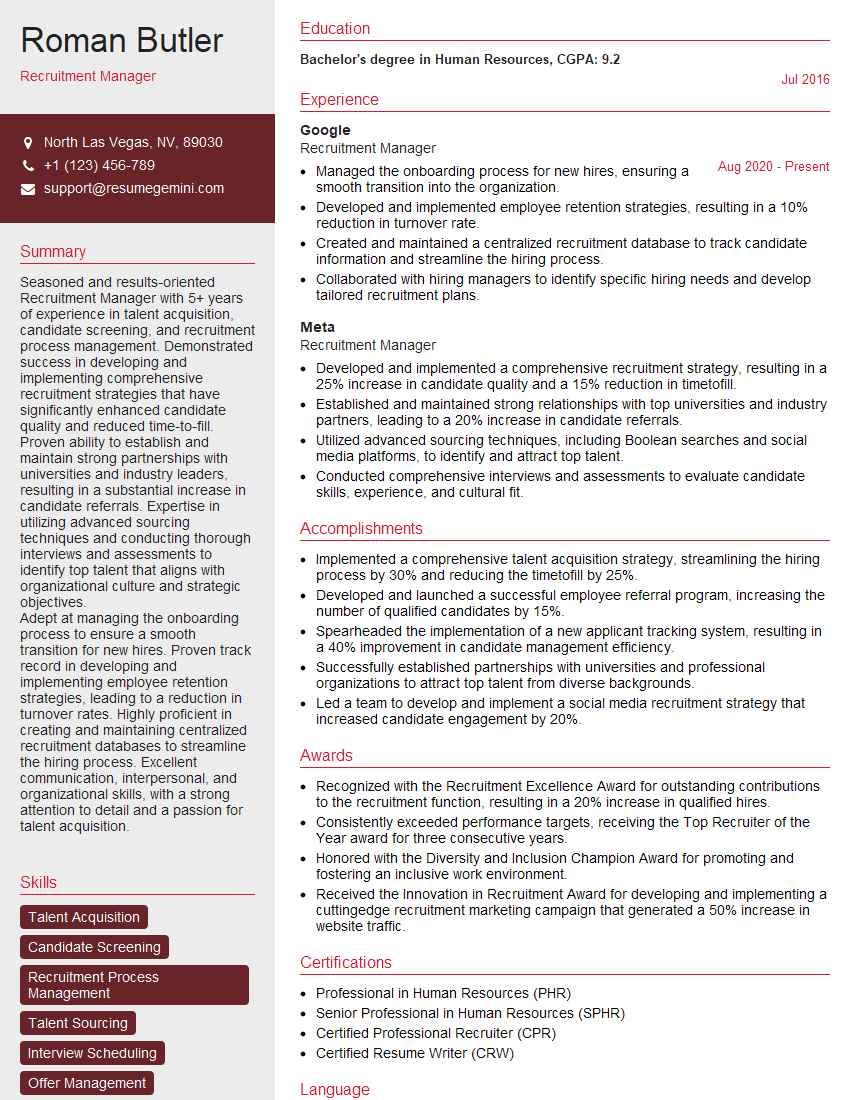
Recruitment Manager Resume Sample
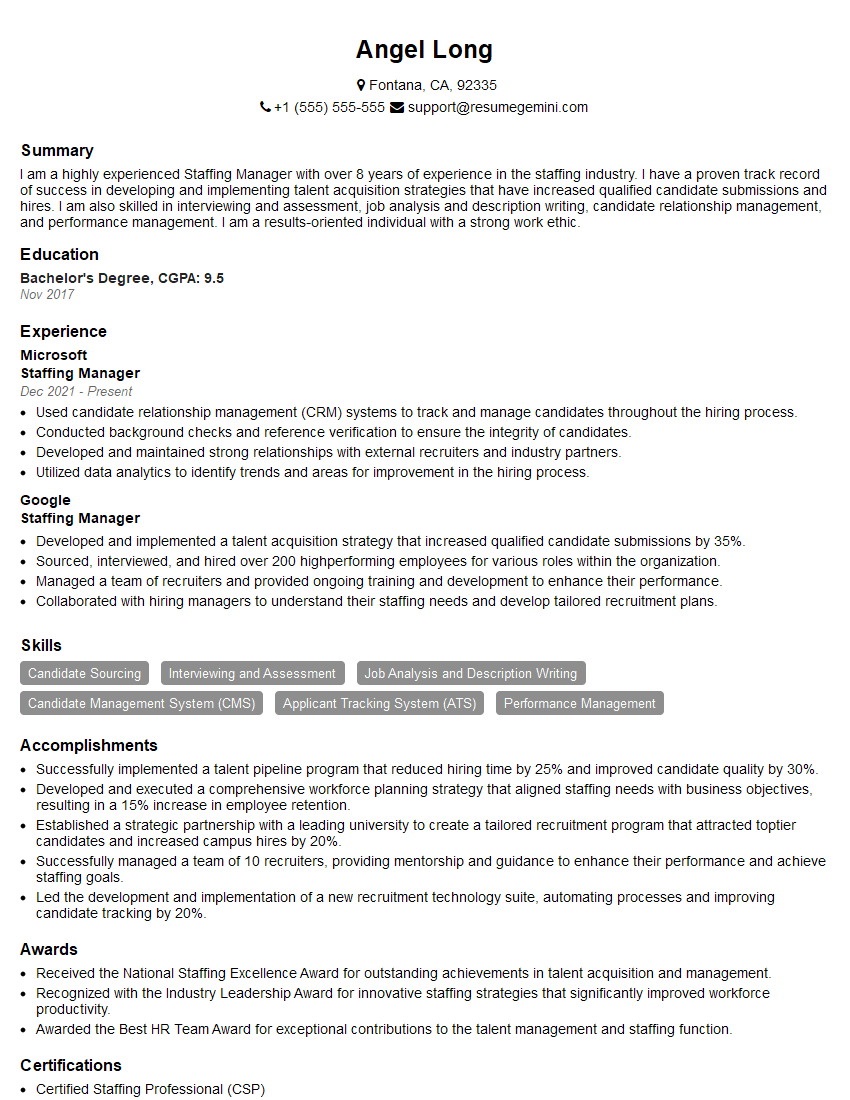
Staffing Manager Resume Sample
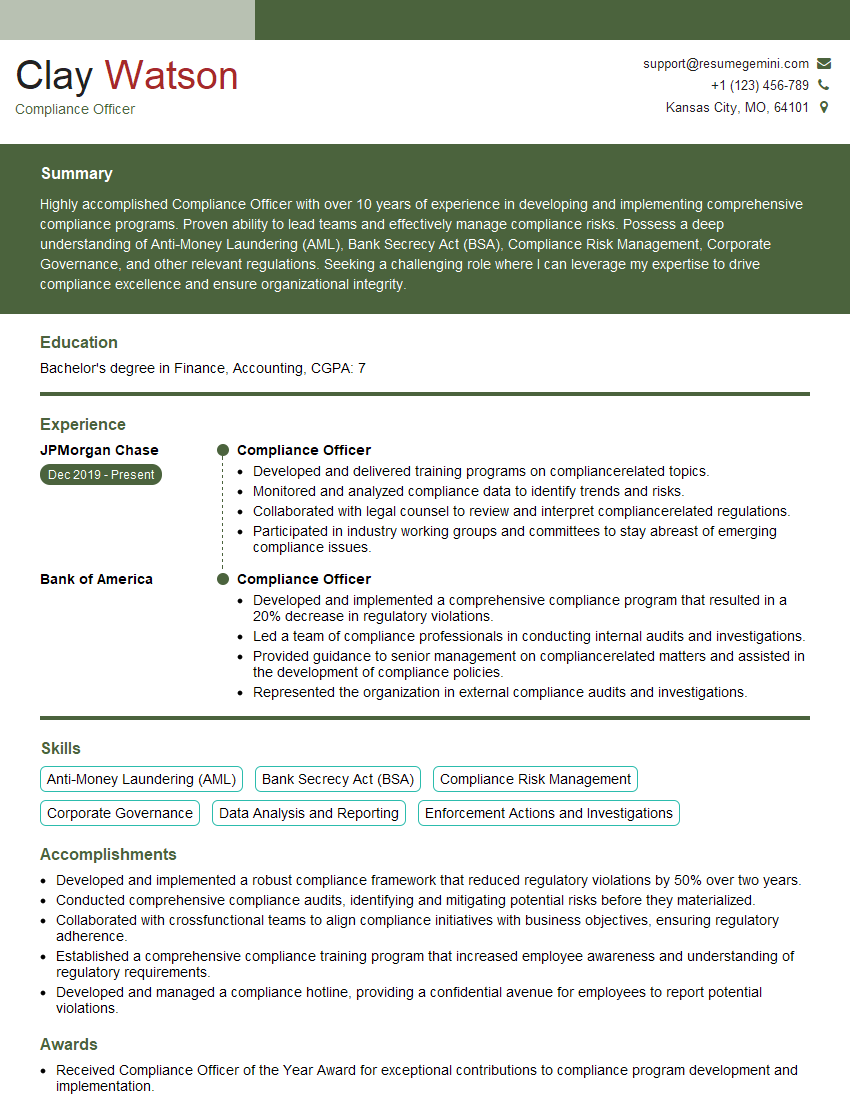
Compliance Officer Resume Sample

Background Investigator Resume Sample
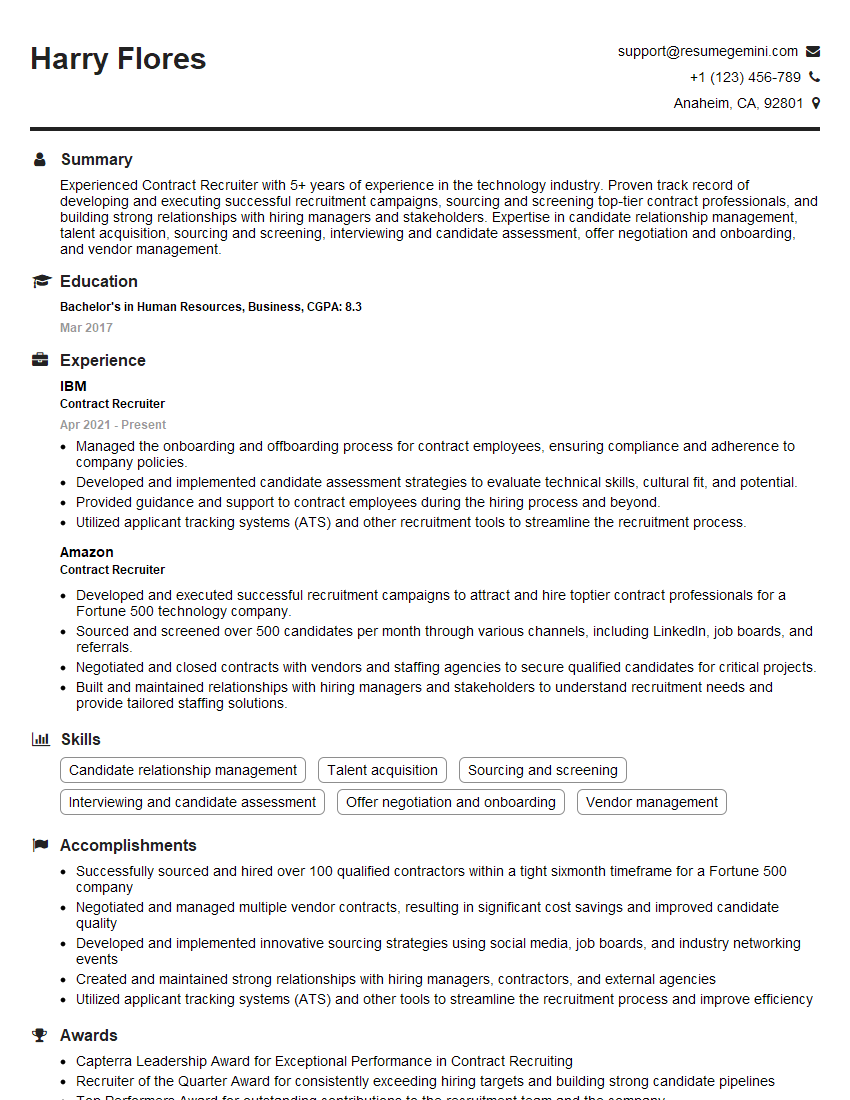
Contract Recruiter Resume Sample
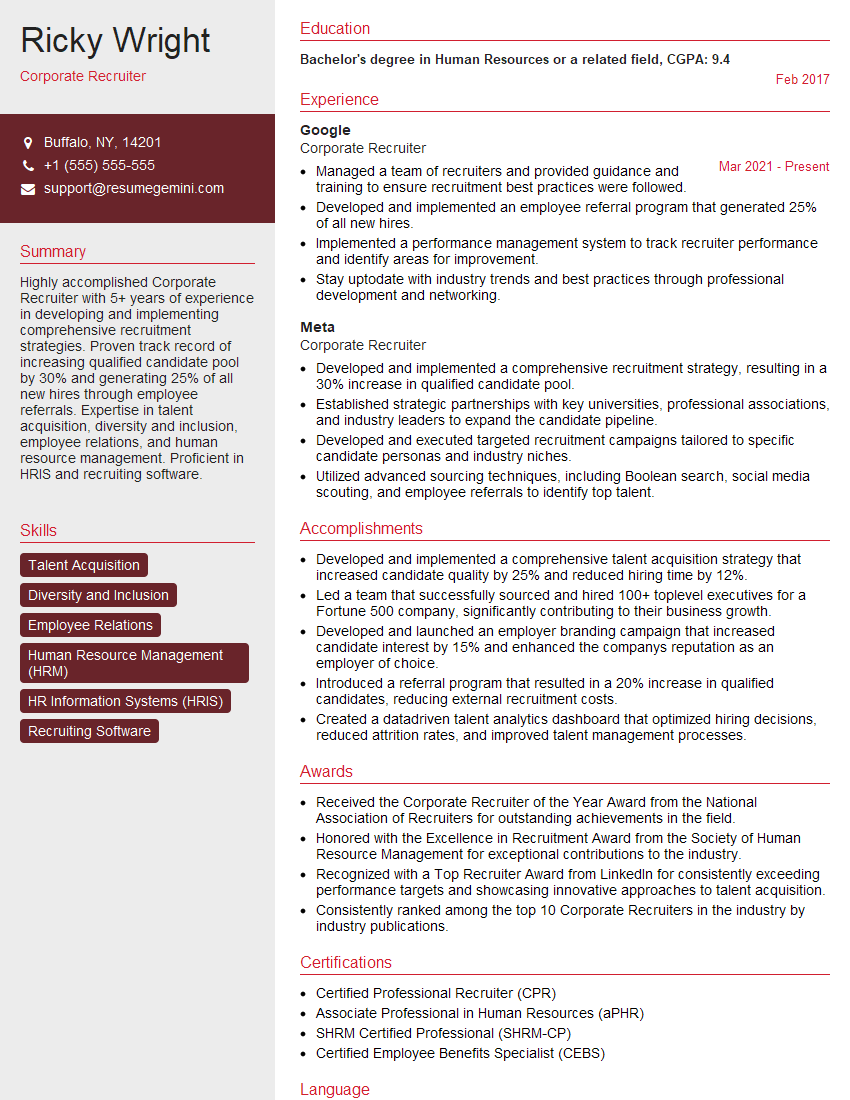
Corporate Recruiter Resume Sample
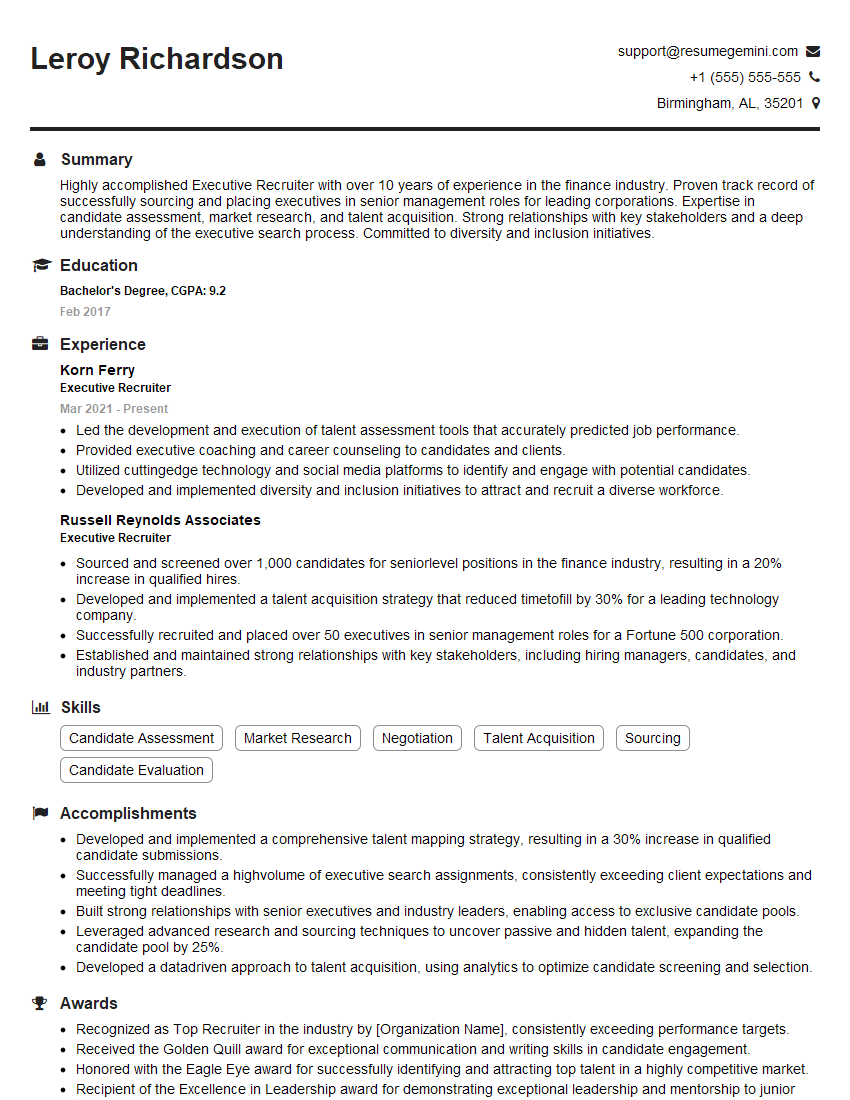
Executive Recruiter Resume Sample
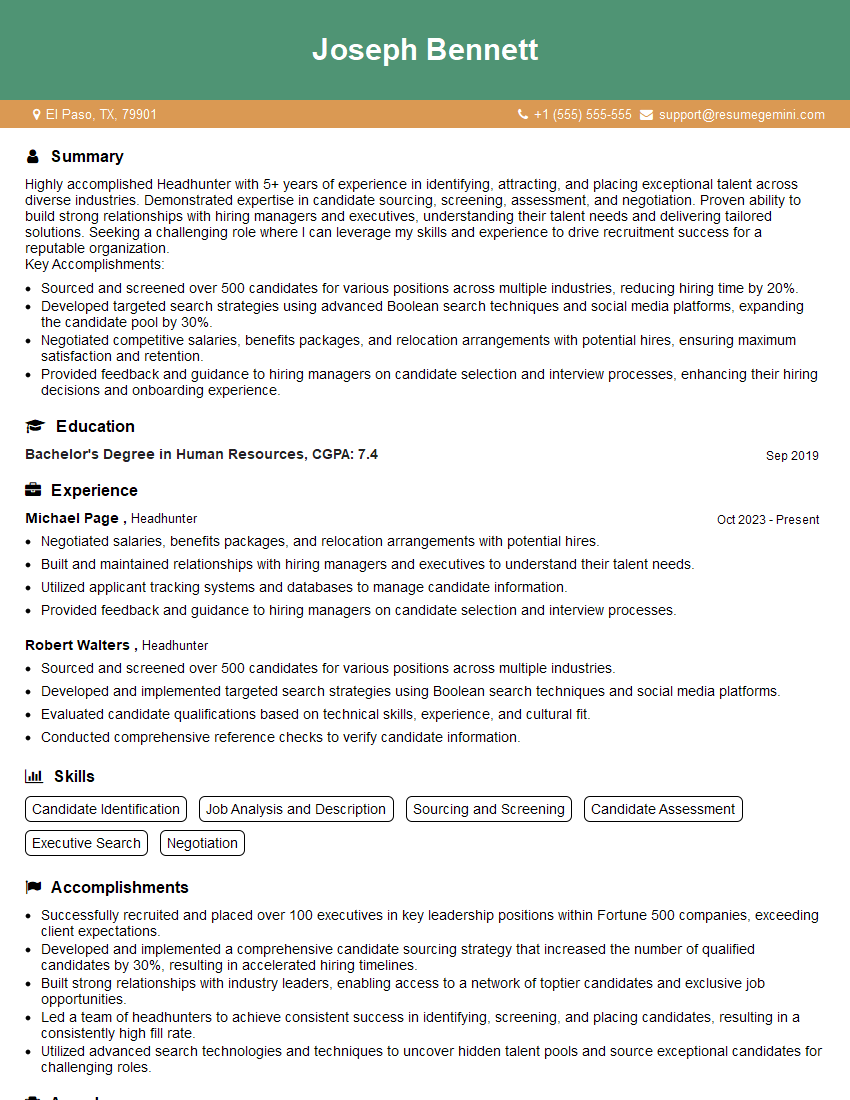
Headhunter Resume Sample
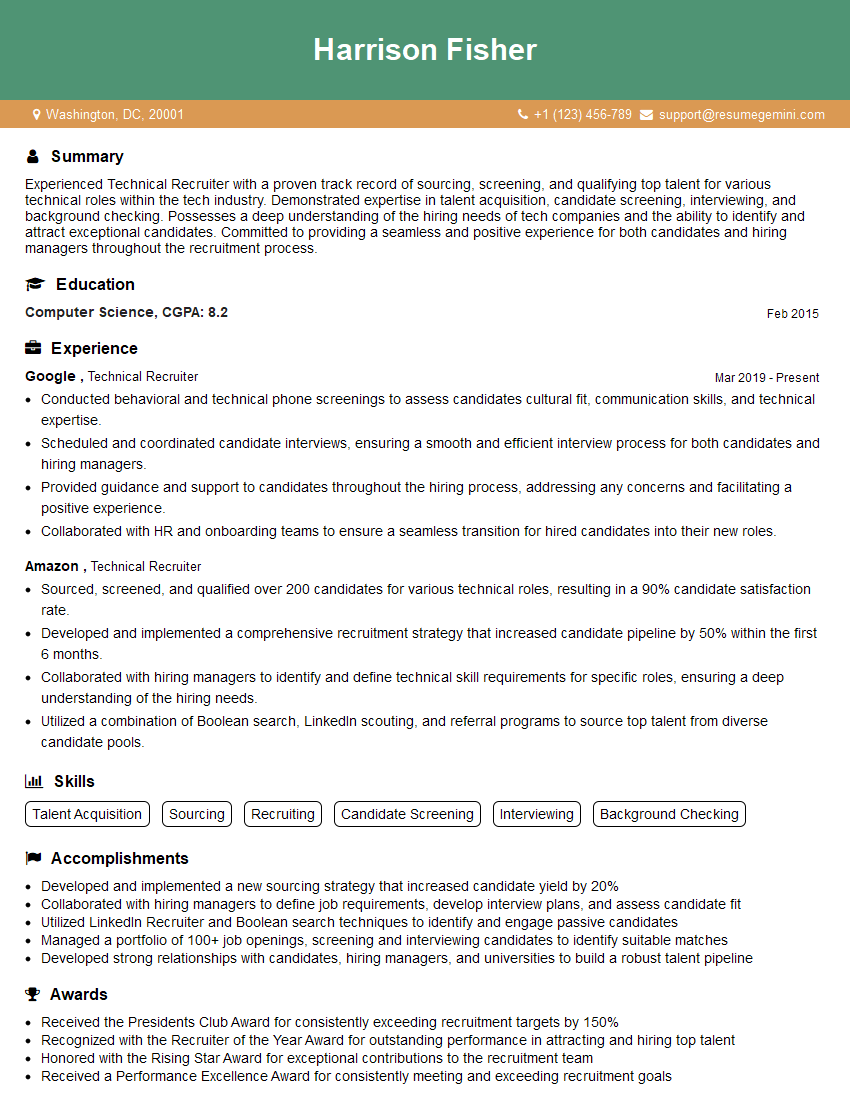
Technical Recruiter Resume Sample
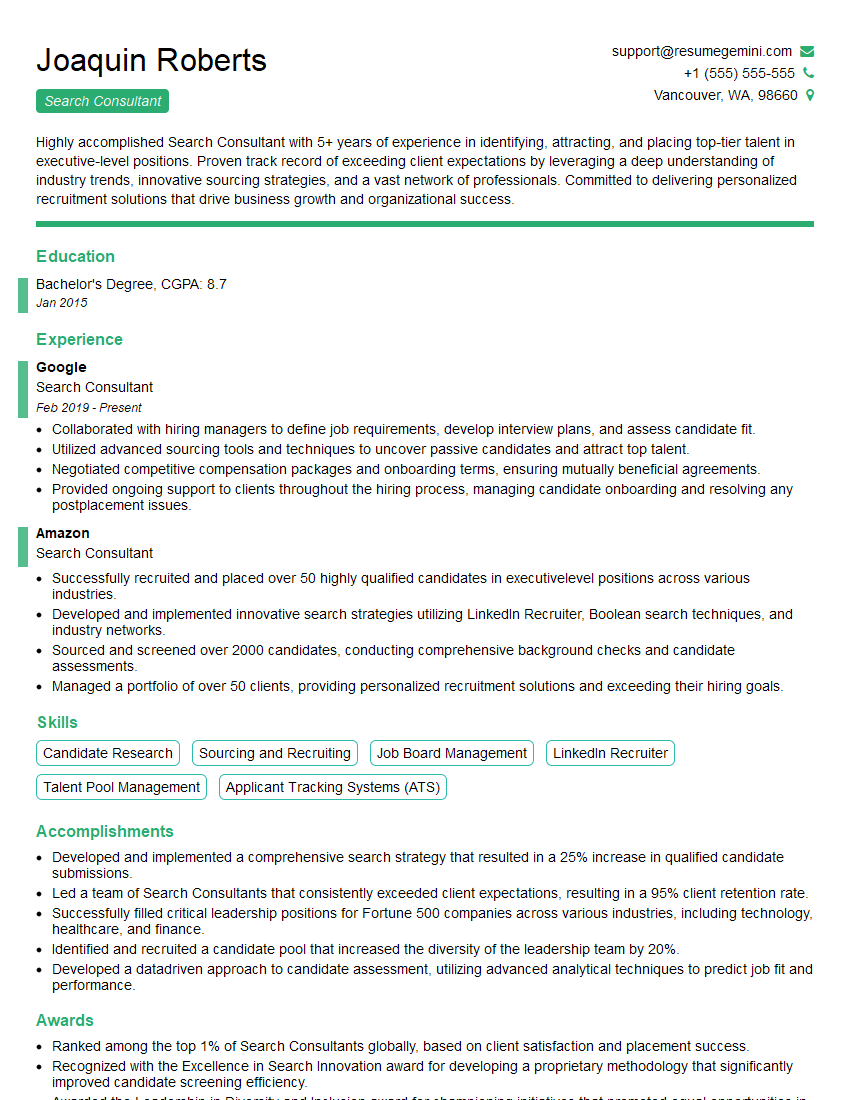
Search Consultant Resume Sample
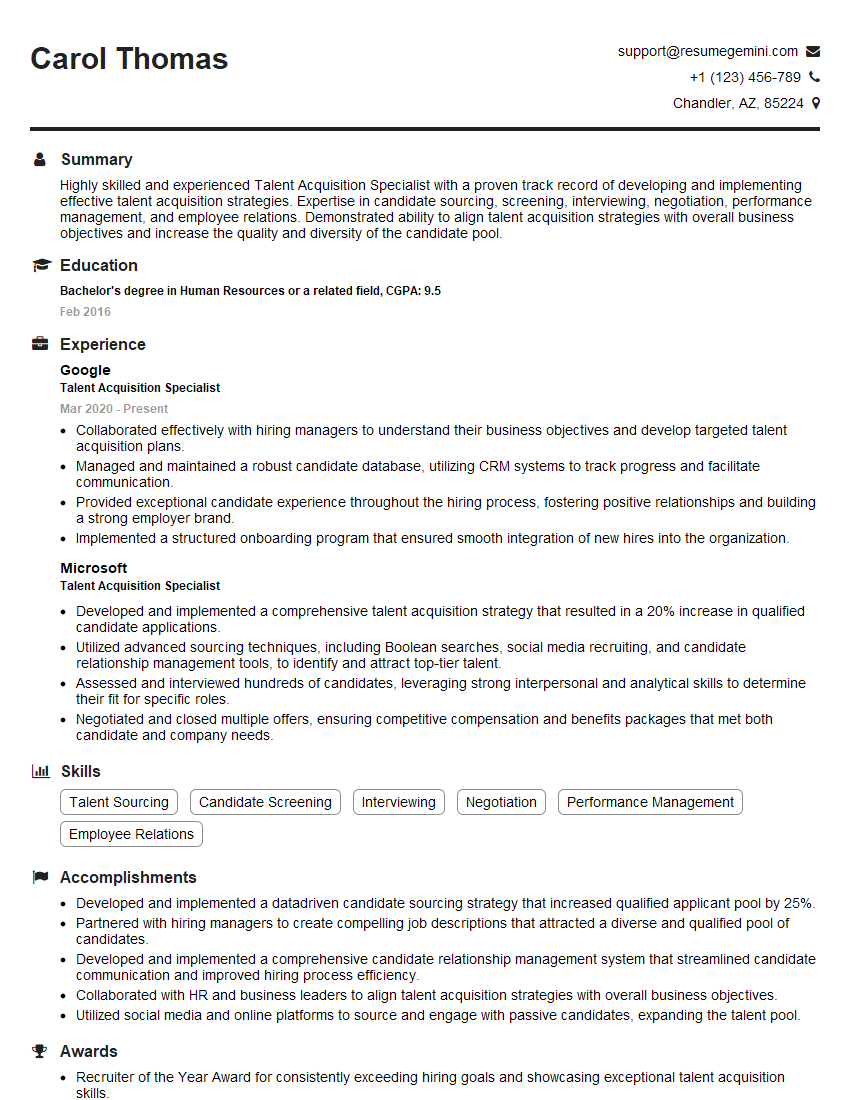
Talent Acquisition Specialist Resume Sample
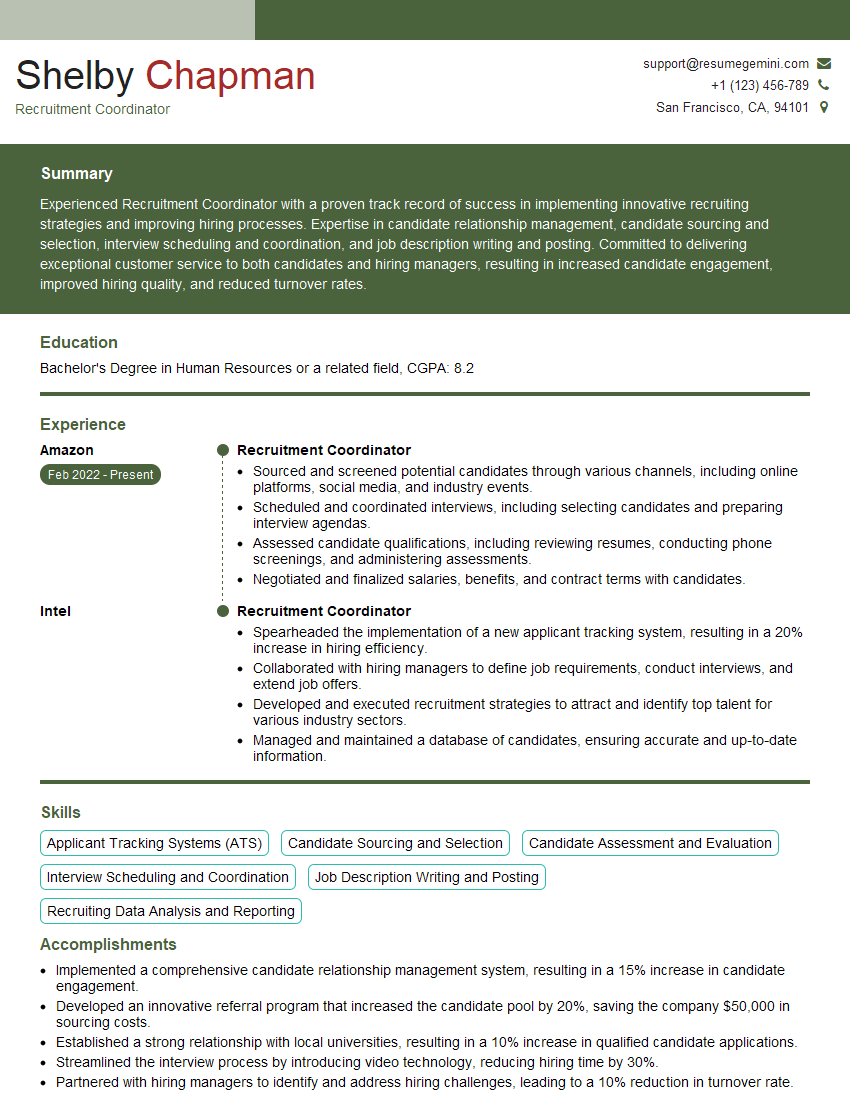
Recruitment Coordinator Resume Sample
Explore more articles
Users Rating of Our Blogs
Share Your Experience
We value your feedback! Please rate our content and share your thoughts (optional).
What Readers Say About Our Blog
Very informative content, great job.
good