Every successful interview starts with knowing what to expect. In this blog, we’ll take you through the top Interview and Debriefing Techniques interview questions, breaking them down with expert tips to help you deliver impactful answers. Step into your next interview fully prepared and ready to succeed.
Questions Asked in Interview and Debriefing Techniques Interview
Q 1. Define structured interviewing and its benefits.
Structured interviewing uses a pre-determined set of questions, asked in the same order to all candidates. This standardized approach ensures fair comparison and reduces bias.
- Benefits:
- Fairness: All candidates are evaluated on the same criteria.
- Efficiency: The structured format saves time and improves consistency.
- Objectivity: Reduces the impact of personal biases on the hiring decision.
- Legal Compliance: Helps to mitigate the risk of discrimination claims.
For example, instead of asking open-ended questions like “Tell me about yourself,” a structured interview might use specific behavioral questions like, “Describe a time you failed. What did you learn from it?” This allows for direct comparison of candidates’ responses against predefined success criteria.
Q 2. Explain the importance of active listening in interviews.
Active listening is crucial for effective interviewing. It goes beyond simply hearing words; it involves fully concentrating on what the candidate is saying, both verbally and nonverbally, understanding the message, responding thoughtfully, and remembering the information.
- Importance:
- Building Rapport: Shows genuine interest and builds trust.
- Gathering Information: Enables deeper understanding of the candidate’s skills and experiences.
- Identifying inconsistencies: Helps detect discrepancies in responses or body language.
- Guiding the Conversation: Allows you to ask clarifying questions and steer the interview towards relevant topics.
Imagine a candidate describing a challenging project. Active listening means not just hearing their words, but also observing their body language, noticing their tone of voice, and asking follow-up questions to understand their approach and the outcome. This allows for a more thorough assessment of their problem-solving abilities and teamwork skills.
Q 3. Describe different types of interview questions (e.g., behavioral, situational).
Interview questions fall into various categories, each serving a different purpose:
- Behavioral Questions: Focus on past experiences to predict future behavior. They often use the STAR method (Situation, Task, Action, Result) as a framework for answering. Example: “Tell me about a time you had to deal with a difficult coworker.”
- Situational Questions: Present hypothetical scenarios to assess how a candidate would react in specific situations. Example: “Imagine you’re facing a tight deadline and a key team member is out sick. How would you handle it?”
- Competency-Based Questions: Assess specific skills and abilities required for the role. Example: “Describe your experience with project management software.”
- Technical Questions: Evaluate a candidate’s technical knowledge and skills relevant to the job. These are common in technical roles. Example (for a software developer): “Explain the difference between an array and a linked list.”
- Open-Ended Questions: Encourage detailed responses and provide insights into a candidate’s thought process. Example: “What are your career aspirations?”
Q 4. How do you ensure interviewer bias is minimized?
Minimizing interviewer bias is critical for fair and effective recruitment. Here are key strategies:
- Structured Interviews: Using a standardized set of questions reduces the impact of personal preferences.
- Blind Resume Review: Removing identifying information from resumes during the initial screening phase can help reduce bias based on gender, race, or age.
- Interviewer Training: Educating interviewers on common biases (confirmation bias, halo effect, etc.) and providing techniques to mitigate them is crucial.
- Multiple Interviewers: Having several interviewers participate can provide a more balanced perspective and reduce the influence of individual biases.
- Scoring Rubrics: Using pre-defined scoring criteria ensures consistent evaluation across candidates.
For example, training interviewers to recognize and avoid the halo effect (where one positive trait overshadows others) is essential. By consciously evaluating each skill independently, the interviewer can form a more objective assessment.
Q 5. What are some effective techniques for managing difficult interviewees?
Managing difficult interviewees requires tact and skill. Here’s a structured approach:
- Remain Calm and Professional: Maintain composure even when faced with challenging behavior.
- Active Listening: Attempt to understand the root cause of their behavior.
- Reframing Questions: Rephrase questions to guide the conversation in a more productive direction.
- Setting Boundaries: Politely but firmly redirect the conversation if it becomes inappropriate or unproductive.
- Ending the Interview: If the behavior is severely disruptive or unprofessional, it may be necessary to end the interview early.
For instance, if a candidate becomes overly aggressive or argumentative, you might say, “I understand your perspective, but let’s focus on the question at hand.” If the behavior continues, you might politely end the interview, explaining that their conduct was not in line with the company’s expectations.
Q 6. How do you establish rapport with an interviewee?
Establishing rapport is about creating a comfortable and trusting environment. It’s crucial for eliciting honest and insightful responses.
- Start with Small Talk: Begin with a few friendly, non-intrusive conversational openers.
- Active Listening & Body Language: Maintain eye contact, nod to show understanding, and use positive body language.
- Show Genuine Interest: Ask questions that demonstrate your interest in the candidate’s experiences and perspectives.
- Be Respectful and Professional: Treat the candidate with courtesy and respect at all times.
- Mirror and Match (Subtly): Subtly mirroring the candidate’s body language can foster connection (avoid overt imitation).
For example, starting with a comment about the weather or a positive remark about their resume can help ease the tension and create a more relaxed atmosphere. Asking thoughtful questions about their career path demonstrates genuine interest and helps to build rapport.
Q 7. Explain the process of conducting a thorough debriefing after an interview.
A thorough debriefing after each interview is crucial for making informed hiring decisions. It should be prompt and documented.
- Note Taking During the Interview: Record key observations, strengths, and weaknesses.
- Immediate Reflection: Jot down your initial impressions immediately after the interview.
- Structured Debriefing Meeting (if multiple interviewers): Compare notes, discuss key observations, and reach a consensus on the candidate’s suitability.
- Assessment against Predefined Criteria: Evaluate the candidate’s qualifications based on job requirements.
- Documentation: Maintain detailed, objective notes about the interview process and outcome.
For instance, a post-interview debriefing might involve interviewers discussing a candidate’s technical skills, communication style, and cultural fit. Comparing notes helps mitigate individual biases and ensures a more holistic assessment.
Q 8. What are the key elements of a well-structured debriefing report?
A well-structured debriefing report provides a comprehensive record of an interview, ensuring accuracy and facilitating future reference. It’s essentially a structured summary of the interview’s key findings and observations. Key elements include:
- Interviewee Information: Name, date of birth, contact details, and any relevant identifying information (while adhering to privacy regulations).
- Date and Time of Interview: Precise record-keeping is crucial for accuracy and traceability.
- Interview Purpose: Clearly state the objective of the interview. For example, ‘To gather information regarding the incident on July 26th.’
- Summary of Statements: A concise overview of the interviewee’s key statements, avoiding subjective interpretations.
- Inconsistencies and Contradictions: Detailed notes on any discrepancies identified within the interviewee’s statements or between the interviewee’s account and other evidence.
- Observations: Non-verbal cues observed during the interview, such as body language and demeanor. This is crucial context but should be presented objectively.
- Supporting Evidence: Reference any documents or materials reviewed or discussed during the interview.
- Interviewer’s Assessment: A brief, unbiased summary of the interviewer’s overall impression and assessment of the interviewee’s credibility and the information provided.
- Attachments: Any supporting documentation (e.g., copies of relevant documents, photographs) should be clearly referenced and attached.
Think of it like a meticulously organized case file; every detail is important and should be meticulously documented.
Q 9. How do you identify inconsistencies in an interviewee’s statements?
Identifying inconsistencies requires careful attention to detail and a systematic approach. I typically use a combination of techniques:
- Careful Note-Taking: Detailed notes during the interview are crucial. This allows for a thorough review to identify discrepancies.
- Cross-Referencing: Comparing the interviewee’s statements with other sources of information, such as witness testimonies, documents, or physical evidence. Discrepancies often surface through this comparison.
- Timeline Analysis: Constructing a timeline of events to identify gaps or inconsistencies in the interviewee’s narrative.
- Detailed Questioning: When inconsistencies arise, I use probing questions to clarify the interviewee’s statements, focusing on specific details and seeking clarification on contradictory information. This is done in a non-confrontational manner to encourage honest responses.
- Body Language Observation: While subjective, inconsistencies in verbal and non-verbal communication can also be a valuable indicator.
For instance, if an interviewee claims to have been at home all day but security footage places them elsewhere, that’s a significant inconsistency requiring further investigation.
Q 10. Describe your approach to handling sensitive information obtained during an interview.
Handling sensitive information ethically and legally is paramount. My approach focuses on:
- Confidentiality: Maintaining strict confidentiality is essential. I only share information with authorized personnel on a need-to-know basis.
- Data Security: All sensitive information is stored securely, either electronically (using encrypted systems) or physically (in locked cabinets). Access is strictly controlled.
- Legal Compliance: I ensure all actions adhere to relevant data protection laws and regulations (e.g., GDPR, HIPAA).
- Informed Consent: Interviewees are informed about the purpose of the interview and how their information will be used, obtaining their explicit consent before proceeding.
- Ethical Considerations: I always prioritize ethical considerations, ensuring that the collection and use of sensitive information are justified and proportionate to the objectives of the interview.
In essence, treating sensitive information with the same care I would my own private information is the guiding principle.
Q 11. How do you maintain confidentiality during and after an interview?
Maintaining confidentiality is crucial for building trust and ensuring the integrity of the interview process. My strategies include:
- Secure Interview Environment: Conducting interviews in private, secure locations to prevent eavesdropping.
- Limited Access to Information: Restricting access to interview transcripts and recordings to authorized personnel only.
- Data Encryption: Storing electronic data in encrypted formats to prevent unauthorized access.
- Secure Disposal of Documents: Properly disposing of any physical documents containing sensitive information.
- Non-Disclosure Agreements: In certain circumstances, using non-disclosure agreements to further protect confidential information.
- Professional Ethics: Adhering to strict professional ethics and codes of conduct relating to confidentiality.
Think of it like safeguarding a client’s financial details; the utmost discretion and security are essential.
Q 12. What are some common pitfalls to avoid during interviews?
Several common pitfalls can significantly impact the effectiveness of interviews. Some key ones to avoid include:
- Leading Questions: Asking questions that suggest a desired answer can bias the interviewee’s response.
- Interrupting the Interviewee: Allowing the interviewee ample time to respond fully is crucial for gathering comprehensive information.
- Lack of Preparation: Insufficient preparation can lead to missed opportunities and irrelevant questioning.
- Bias and Prejudice: Allowing personal biases to influence the interview process can lead to inaccurate conclusions.
- Poor Note-Taking: Incomplete or inaccurate notes can hinder the debriefing process.
- Jumping to Conclusions: Resisting the urge to prematurely reach conclusions before gathering sufficient evidence.
- Failing to Verify Information: Not independently verifying the information provided by the interviewee.
Imagine a detective jumping to conclusions before thoroughly investigating a crime scene; the results would likely be flawed.
Q 13. How do you adapt your interviewing style to different interviewee personalities?
Adapting my interviewing style to different personalities is critical for effective communication and information gathering. I achieve this by:
- Active Listening: Paying close attention to the interviewee’s verbal and non-verbal communication to understand their personality and communication style.
- Building Rapport: Establishing a comfortable and trusting environment conducive to open communication.
- Adjusting Communication Style: Adapting my language, tone, and pace to match the interviewee’s communication style.
- Understanding Personality Types: Recognizing different personality types (e.g., introverted, extroverted, assertive, passive) and adjusting my approach accordingly.
- Flexibility: Being flexible and adapting my questioning techniques as needed to elicit the best possible information.
For example, a reserved individual might need more time and gentler questioning than someone who is more outgoing and expressive.
Q 14. What techniques do you use to verify information obtained during an interview?
Verifying information gathered during an interview is crucial for ensuring its accuracy and reliability. Techniques I use include:
- Cross-referencing with other sources: Comparing the interviewee’s statements with other evidence, such as documents, witness testimonies, or physical evidence.
- Independent Verification: Seeking independent confirmation of the information from multiple sources.
- Fact-checking: Verifying the accuracy of dates, times, locations, and other factual details.
- Document Review: Examining relevant documents, such as emails, reports, or financial records, to corroborate statements.
- Background Checks: Conducting background checks to verify the interviewee’s identity and claims.
- Follow-up Interviews: Conducting additional interviews to clarify ambiguous points or resolve inconsistencies.
This systematic approach helps ensure the reliability of information obtained during the interview, much like a journalist corroborating their sources before publishing a story.
Q 15. How do you assess the credibility of an interviewee?
Assessing an interviewee’s credibility involves a multi-faceted approach that goes beyond simply accepting their statements at face value. It’s about triangulating information and looking for consistency and coherence.
- Consistency Check: Do their answers align across different questions? Are there discrepancies or contradictions in their narrative? For example, if they claim extensive experience in a specific software, I’d ask follow-up questions to probe their knowledge of its features and functionalities. Inconsistent answers raise red flags.
- Supporting Evidence: Do they offer concrete examples or evidence to support their claims? Vague statements are less credible than those backed by specific achievements or quantifiable results. Instead of saying “I improved efficiency,” a credible candidate might say, “I streamlined the workflow, reducing processing time by 15% and saving the company $5,000 monthly.”
- Body Language and Tone: While not definitive, observing nonverbal cues can provide insights. Are they confident and articulate, or hesitant and evasive? Do their expressions and body language match their words? Significant discrepancies might indicate deception.
- Reference Checks: Verification of information provided through contacting previous employers or references is crucial. This helps validate skills, experience, and work ethic.
- Fact-Checking: If possible, independently verify information provided, particularly regarding dates, places, and achievements. A quick online search can often uncover inconsistencies.
Ultimately, assessing credibility is a judgment call based on a holistic evaluation of the interviewee’s behavior, statements, and supporting evidence.
Career Expert Tips:
- Ace those interviews! Prepare effectively by reviewing the Top 50 Most Common Interview Questions on ResumeGemini.
- Navigate your job search with confidence! Explore a wide range of Career Tips on ResumeGemini. Learn about common challenges and recommendations to overcome them.
- Craft the perfect resume! Master the Art of Resume Writing with ResumeGemini’s guide. Showcase your unique qualifications and achievements effectively.
- Don’t miss out on holiday savings! Build your dream resume with ResumeGemini’s ATS optimized templates.
Q 16. How do you document an interview effectively?
Effective documentation of an interview is essential for accurate record-keeping and future reference. My approach involves a structured system:
- Detailed Notes: I take comprehensive notes during and immediately after the interview. These notes include not just the interviewee’s answers, but also my observations about their demeanor, body language, and overall impression. I use a standardized format to ensure consistency.
- Audio or Video Recording (with Consent): Whenever possible and legally permissible, I record the interview with the interviewee’s explicit consent. This provides a detailed record that can be reviewed later. I always inform them of the recording and obtain their written or verbal agreement.
- Interview Summary Report: After the interview, I prepare a concise summary report highlighting key points, strengths, weaknesses, and overall assessment. This summary serves as a quick reference point.
- Secure Storage: All interview documentation is stored securely, adhering to data privacy regulations and organizational policies. This ensures confidentiality and protects sensitive information.
For example, if interviewing for a technical role, I might note specific coding examples they provided, alongside my evaluation of their problem-solving approach. If interviewing for a management role, I would focus on their leadership style, team management experience, and conflict-resolution strategies.
Q 17. What are the legal and ethical considerations involved in interviewing?
Legal and ethical considerations are paramount in conducting interviews. Failure to adhere to these guidelines can have significant consequences.
- Confidentiality: Interviewers must maintain the confidentiality of information shared by interviewees. This includes personal details, sensitive information, and anything that could harm their reputation.
- Data Protection: Handling personal data requires compliance with relevant data protection laws like GDPR or CCPA. This includes obtaining consent for data processing, securely storing information, and ensuring transparency.
- Bias and Discrimination: Interviewers must avoid bias and discrimination based on race, gender, religion, age, or any other protected characteristic. Questions should be job-relevant and avoid subjective judgments.
- Informed Consent: Interviewees should be fully informed about the purpose of the interview, how their information will be used, and their rights. This includes the right to refuse to answer questions.
- Legal Compliance: Interview questions should comply with employment laws. For example, questions about marital status, children, or health conditions are generally prohibited.
For instance, asking an interviewee about their religious beliefs or their plans to have children would be both unethical and potentially illegal in many jurisdictions. Instead, focus on job-relevant skills and experience.
Q 18. How do you handle an interviewee who becomes emotional or upset?
Handling an emotional or upset interviewee requires empathy, sensitivity, and tact. The goal is to create a safe and supportive environment while still gathering necessary information.
- Acknowledge their Feelings: Start by acknowledging their emotions. Phrases like, “I understand this is a difficult topic,” or “It sounds like you’re feeling frustrated,” can help de-escalate the situation.
- Provide a Safe Space: Create a space where the interviewee feels comfortable expressing their feelings. Avoid interrupting or minimizing their emotions.
- Pause and Re-focus: If the interview becomes overly emotional, consider pausing the interview briefly to allow the interviewee to compose themselves. You can offer water or a short break.
- Redirect the Conversation: Gently redirect the conversation back to relevant aspects of the interview, but avoid pushing them if they’re still visibly upset.
- Follow Up (if appropriate): If the emotional response is significant or related to a potential workplace issue, follow up with the interviewee after the interview to offer support or additional resources.
For example, if an interviewee becomes tearful while discussing a past negative work experience, I’d acknowledge their feelings, offer a brief pause, and then refocus the conversation on how they learned from the situation and how those experiences might have shaped their professional growth.
Q 19. Describe your experience with different interview formats (e.g., phone, video, in-person).
My experience encompasses various interview formats, each with its own advantages and challenges:
- In-Person Interviews: These offer the best opportunity to observe body language and build rapport. However, they require more logistical coordination.
- Video Interviews (e.g., Zoom, Skype): They offer flexibility and cost-effectiveness, but require good internet connectivity and can lack the personal touch of in-person interviews. I ensure appropriate lighting and a quiet background.
- Phone Interviews: These are efficient for initial screening, but they lack the visual cues that can provide valuable insights. I make a point of being enthusiastic and engaging despite the limitations of the medium.
In each format, I adapt my approach to maximize effectiveness. For example, during a phone interview, I focus on clear articulation and actively listen for verbal cues. In video interviews, I maintain eye contact with the camera and use visual aids where appropriate.
Q 20. How do you use nonverbal cues to gauge an interviewee’s honesty?
Nonverbal cues can be helpful, but should be interpreted cautiously as they are not foolproof indicators of honesty. They should be considered alongside verbal responses.
- Eye Contact: Sustained and appropriate eye contact is generally considered positive. However, excessive eye contact or avoidance can be indicative of discomfort or deception (but may also be cultural or personality-based).
- Body Language: Open posture (uncrossing arms, relaxed stance) typically indicates comfort and honesty. Closed posture might indicate nervousness or defensiveness, but it’s not necessarily a sign of dishonesty.
- Facial Expressions: Microexpressions—fleeting facial expressions—can sometimes betray true emotions. However, interpreting these requires significant experience and training.
- Inconsistency: Discrepancies between verbal statements and nonverbal cues are potential warning signs. For example, someone might claim confidence but exhibit nervous fidgeting.
It’s critical to avoid drawing conclusions solely based on nonverbal cues. Instead, use them as supplementary information to support or question verbal responses. Cultural differences in nonverbal communication should also be considered.
Q 21. What is your process for preparing for an interview?
My interview preparation process is meticulous and ensures I’m well-equipped to conduct a successful and productive interview.
- Review the Job Description: I thoroughly review the job description to understand the key responsibilities, required skills, and desired qualifications.
- Develop Interview Questions: I create a set of open-ended questions designed to assess the candidate’s skills, experience, and suitability for the role. I tailor the questions based on the specific job requirements.
- Research the Candidate: I research the candidate’s background, experience, and accomplishments, using online resources such as LinkedIn. This helps me to ask targeted and insightful questions.
- Prepare a Scoring System: I develop a scoring system or rubric to ensure consistent and objective evaluation of candidates across different interviews. This helps minimize bias and promotes fairness.
- Plan the Interview Structure: I plan the flow of the interview, including time allocation for each section, questions, and potential follow-up questions. This helps maintain a structured and efficient interview.
For instance, when interviewing a software engineer, I would research their projects on GitHub, review their resume meticulously, and design questions focused on specific technologies and problem-solving techniques mentioned in their profile. Thorough preparation is crucial for conducting insightful and effective interviews.
Q 22. How do you ensure the interview stays focused and on track?
Keeping an interview focused requires careful planning and execution. Before the interview, I develop a detailed interview guide with clear objectives and a logical flow of questions. This ensures I cover all necessary topics without veering off-topic. During the interview, I actively listen and use prompting techniques to guide the conversation back to the main points if the interviewee digresses. For example, if the interviewee starts discussing irrelevant details, I might gently redirect them by saying something like, “That’s interesting, but let’s focus on [relevant topic]. Can you tell me more about…” I also use nonverbal cues like maintaining eye contact and nodding to encourage them to stay on track. Finally, summarizing key points at intervals helps to confirm understanding and reinforce the interview’s focus.
Think of it like navigating with a map. The interview guide is my map, the interviewee’s responses are the roads, and my prompting techniques are the navigation system. Staying focused ensures I gather all the necessary information efficiently and effectively.
Q 23. Explain the concept of cognitive interviewing.
Cognitive interviewing is a user-centered method used to improve the design of surveys, questionnaires, or other data collection instruments. It involves observing participants as they respond to the questions, asking them to ‘think aloud’ about their thought processes. This helps identify any areas of confusion, ambiguity, or difficulty in understanding the questions. The goal is to improve the clarity, accuracy, and completeness of responses.
For instance, if a question is confusing, the participant might hesitate, re-read the question, or provide an answer that’s clearly not what was intended. By observing these behaviors and listening to the participant’s verbalizations, we can identify problematic questions and revise them for better understanding. This iterative process enhances the quality of data collected and reduces response bias.
Q 24. Describe your experience with conducting investigative interviews.
I have extensive experience conducting investigative interviews in various contexts, including [mention specific contexts, e.g., workplace investigations, fraud investigations, or accident investigations]. My approach is based on establishing rapport with the interviewee while maintaining a professional and objective demeanor. I start by clearly explaining the purpose of the interview and ensuring the interviewee understands their rights. I then employ a structured approach, using open-ended questions to encourage detailed responses, followed by clarifying questions to ensure thorough understanding. I carefully document all responses, paying close attention to both verbal and nonverbal cues. My focus is always on obtaining factual information while treating the interviewee with respect and dignity. Confidentiality is paramount, and I always adhere to relevant ethical guidelines.
In one instance, I investigated a case of alleged data breach. By using a calm and empathetic approach, I was able to build trust with the individual I was interviewing and obtain critical information that was initially withheld. The combination of effective questioning techniques and active listening was key to resolving the issue.
Q 25. How do you handle interruptions during an interview?
Handling interruptions professionally and efficiently is crucial for maintaining the flow of an interview and preserving the interviewee’s concentration. My strategy involves acknowledging the interruption politely, but firmly indicating that I need to finish the current line of questioning before addressing the interruption. For instance, I might say, “Excuse me, I’ll address that in a moment; let’s finish this question first.” If the interruption is urgent, I’ll briefly acknowledge it and ask if it can wait until after the current section of the interview is completed. If a delay is unavoidable, I’ll pause the interview, taking care to clearly indicate when I’ll resume. After the interruption, I always recap the last point discussed before continuing with the interview.
This approach minimizes disruption while ensuring that all matters are addressed appropriately and professionally.
Q 26. What software or tools have you used to support interviewing and debriefing processes?
Throughout my career, I have utilized various software and tools to support interviewing and debriefing processes. These include audio and video recording software for accurate documentation and later review (ensuring compliance with relevant privacy regulations and obtaining consent beforehand). I also frequently use transcription software to create written records of interviews quickly and efficiently. For collaborative debriefing, I utilize video conferencing platforms and project management tools to share interview recordings and documentation with relevant stakeholders. These tools allow for thorough analysis of the gathered information and facilitate informed decision-making.
Specifically, I’ve had experience with [mention specific software, e.g., Zoom, Otter.ai, Microsoft Teams]. The choice of tools depends largely on the context and requirements of each specific project.
Q 27. How do you measure the effectiveness of your interview and debriefing techniques?
Measuring the effectiveness of interview and debriefing techniques requires a multi-faceted approach. Firstly, I assess the quality and completeness of the information gathered. This includes evaluating the accuracy, relevance, and depth of responses obtained. I also evaluate the overall efficiency of the process. Did the interview achieve its objectives within the allocated timeframe? Post-interview analysis may involve comparing findings against other evidence or data to validate the information obtained. Additionally, I use feedback from stakeholders and participants to refine my techniques. This might involve seeking opinions on clarity, structure, and overall experience during the interview.
Ultimately, a successful interview results in high-quality data that contributes meaningfully to the decision-making process. This could manifest in successfully resolving a conflict, improving a process, or providing critical information for a report or investigation.
Q 28. Describe a time you had to adapt your interviewing style to achieve a successful outcome.
In one instance, I was interviewing a highly technical individual about a complex software issue. My initial structured approach, relying heavily on technical jargon, was proving ineffective. I recognized the interviewee was becoming frustrated and less forthcoming. I adapted my style by simplifying my language, using more visual aids, and incorporating analogies to make the technical concepts more accessible. This change fostered a more collaborative atmosphere, allowing the interviewee to feel comfortable and share more detailed information. As a result, I was able to uncover the root cause of the software issue, which would not have been possible with the original approach.
The key takeaway is the importance of flexibility and adaptability in interviewing. Being able to recognize when your approach needs modification and making adjustments to connect with the interviewee is vital for achieving a successful outcome.
Key Topics to Learn for Interview and Debriefing Techniques Interview
- Understanding the Interview Process: Learn to anticipate different interview styles (behavioral, technical, panel) and tailor your approach accordingly. This includes understanding the purpose of each stage.
- STAR Method and Behavioral Questions: Master the STAR method (Situation, Task, Action, Result) to structure compelling answers to behavioral questions, showcasing your skills and experience effectively.
- Effective Communication and Active Listening: Practice clear and concise communication, demonstrating strong active listening skills to engage interviewers and fully understand their questions.
- Asking Strategic Questions: Develop a list of insightful questions to ask the interviewer, demonstrating your genuine interest and proactive nature. This shows initiative and allows you to gather crucial information.
- Conducting Thorough Post-Interview Debriefing: Analyze your performance, identify areas for improvement, and learn from both successes and shortcomings for future interviews. This is crucial for continuous self-improvement.
- Negotiating Salary and Benefits: Understand the process of salary negotiation, including researching industry standards and confidently presenting your desired compensation package.
- Handling Difficult Interview Questions: Develop strategies for addressing challenging or unexpected questions with grace and professionalism, turning potential negatives into positives.
- Nonverbal Communication: Recognize the importance of body language, maintaining professional posture, and making eye contact to create a positive impression.
Next Steps
Mastering Interview and Debriefing Techniques is paramount for career advancement. A strong performance in interviews significantly impacts your job prospects, leading to better opportunities and higher salaries. Creating an ATS-friendly resume is equally crucial for getting your application noticed. An optimized resume increases your chances of landing interviews in the first place. To build a truly professional and effective resume, we highly recommend using ResumeGemini, a trusted resource that can help you craft a compelling narrative showcasing your unique skills and experience. Examples of resumes tailored to Interview and Debriefing Techniques are available to guide you.
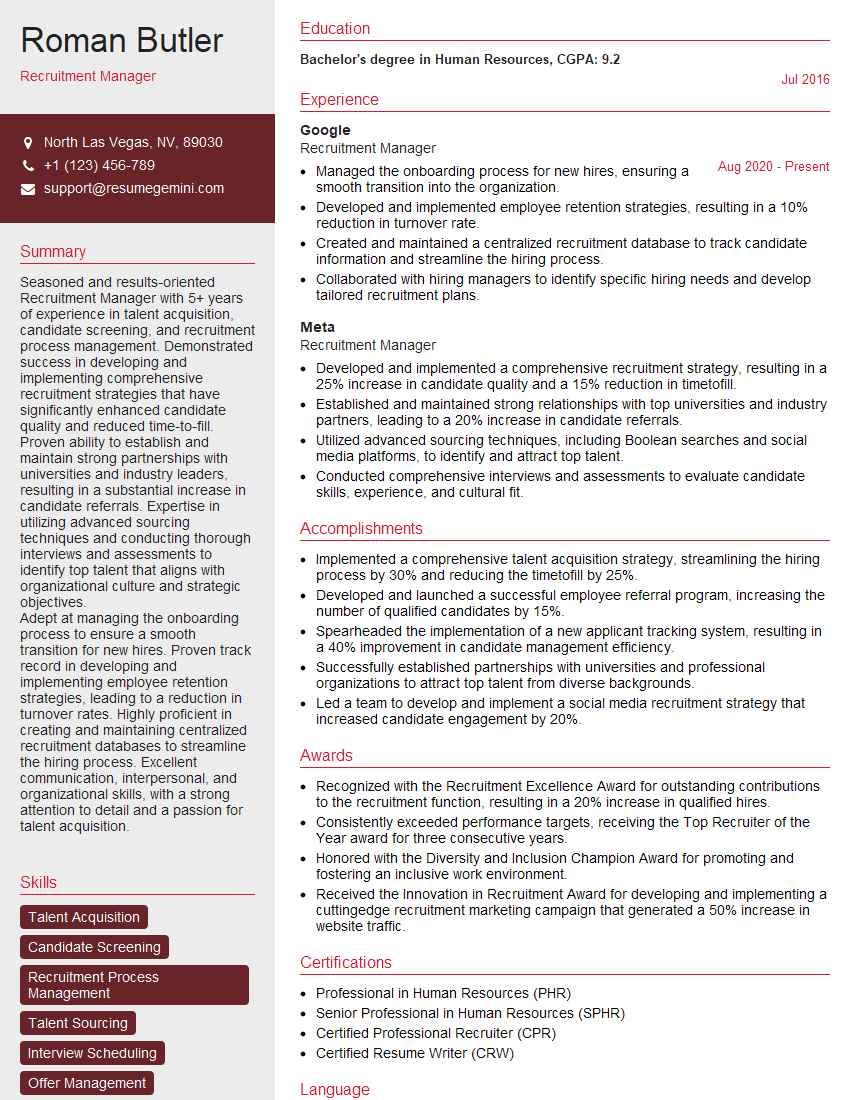
Recruitment Manager Resume Sample

Compliance Officer Resume Sample
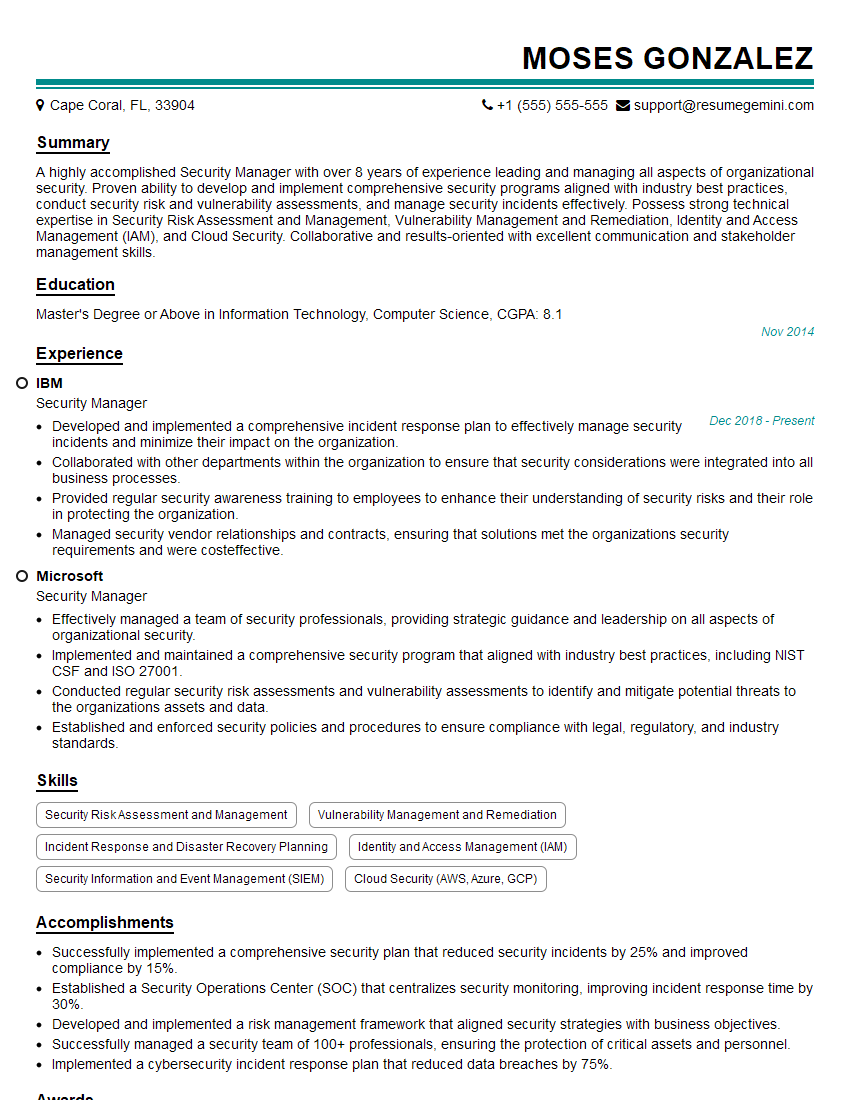
Security Manager Resume Sample
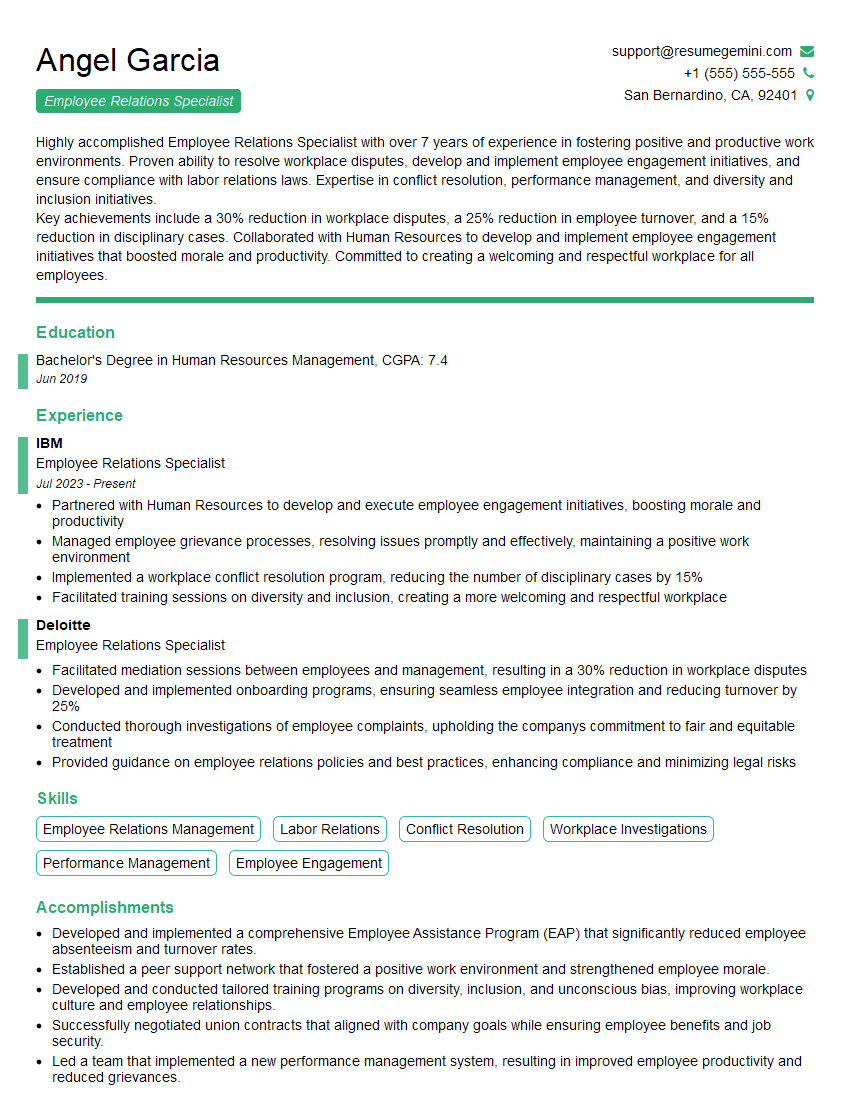
Employee Relations Specialist Resume Sample
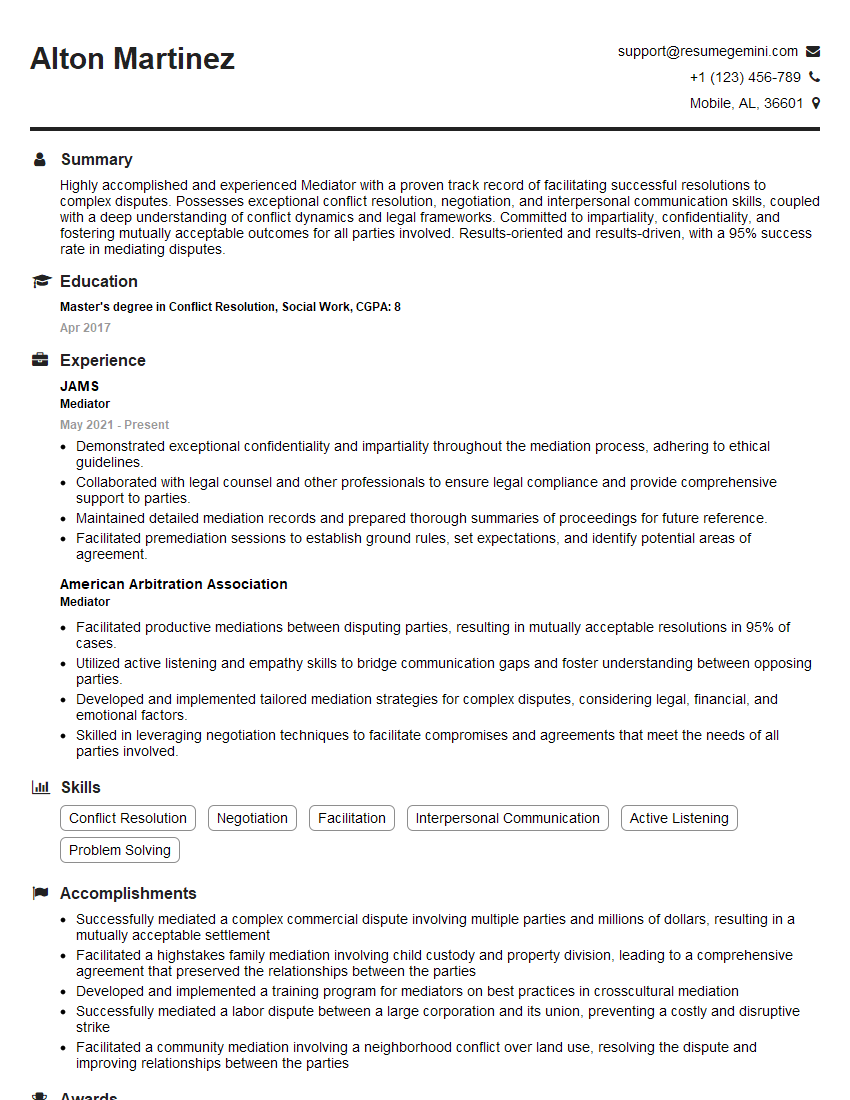
Mediator Resume Sample
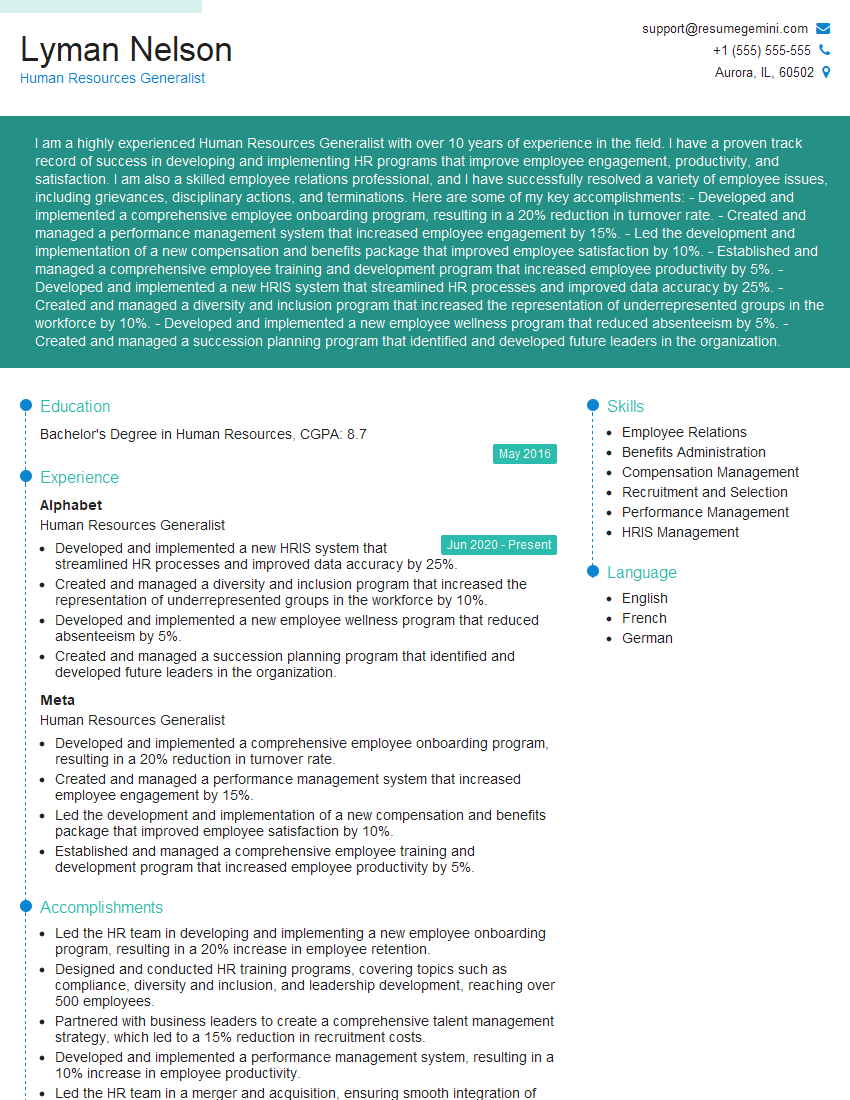
Human Resources Generalist Resume Sample
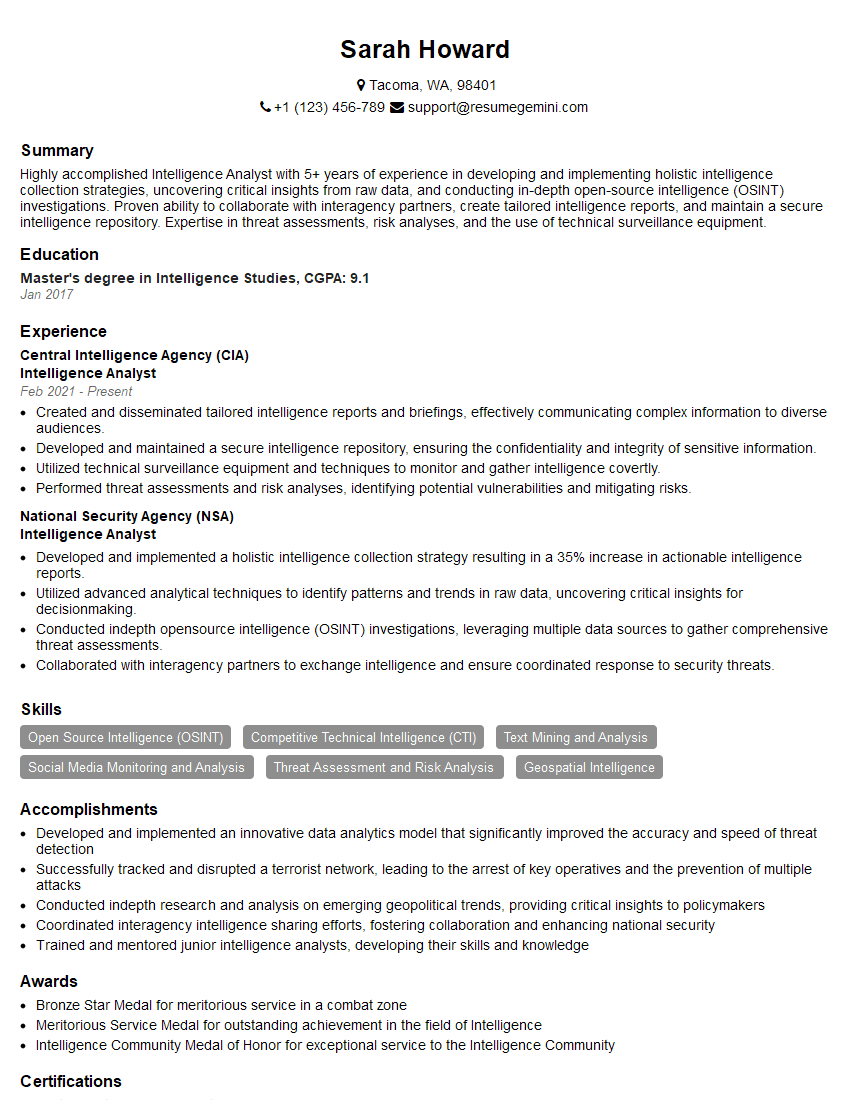
Intelligence Analyst Resume Sample
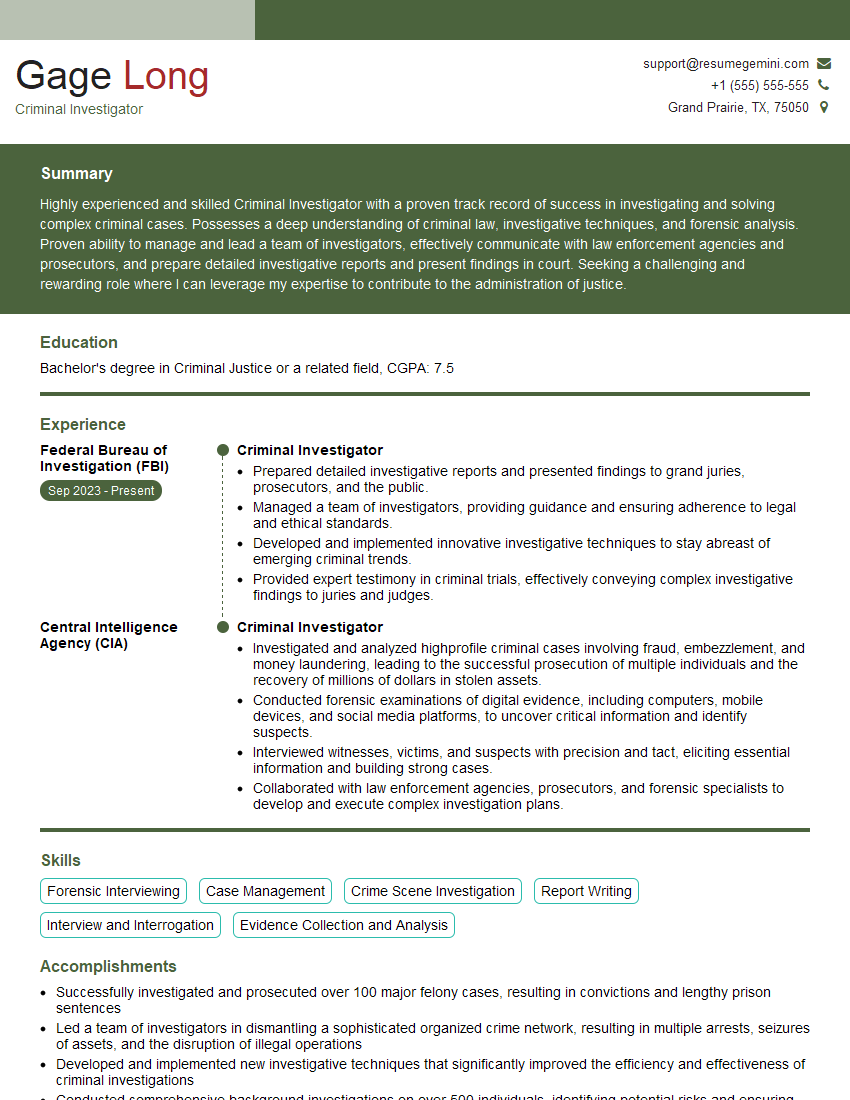
Criminal Investigator Resume Sample
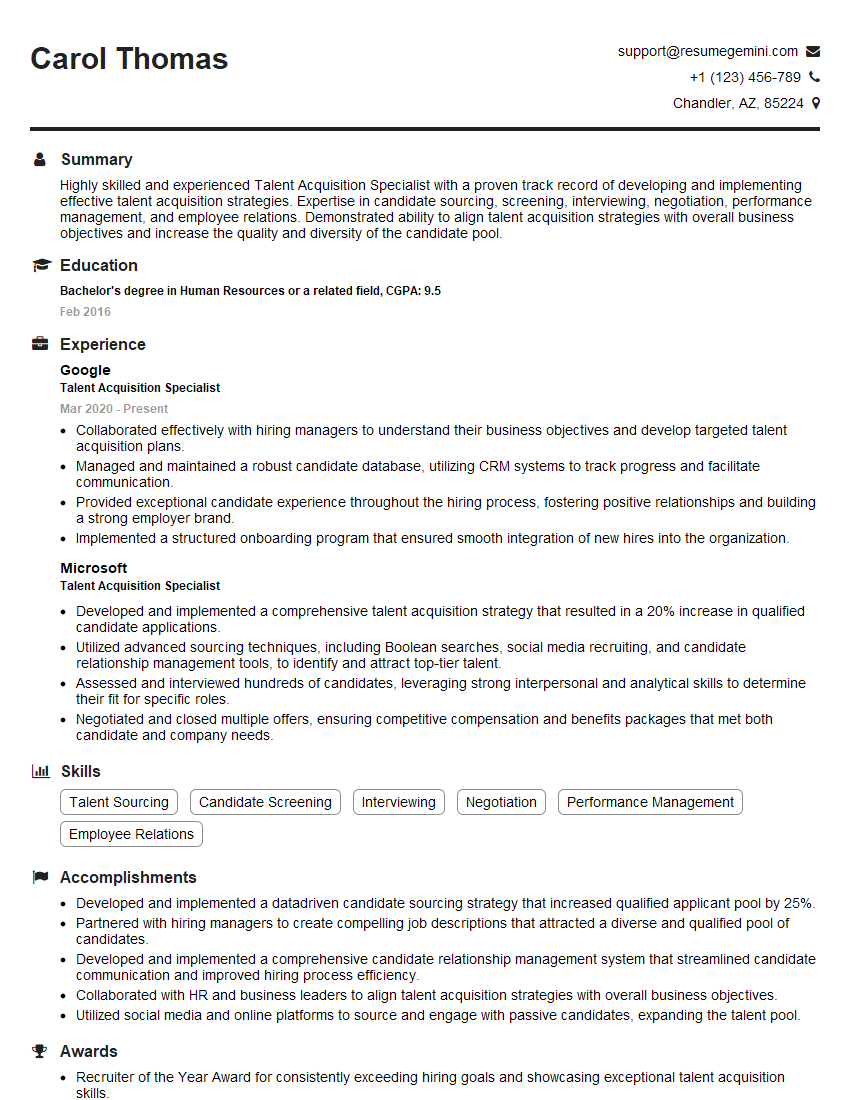
Talent Acquisition Specialist Resume Sample
Explore more articles
Users Rating of Our Blogs
Share Your Experience
We value your feedback! Please rate our content and share your thoughts (optional).
What Readers Say About Our Blog
Very informative content, great job.
good