Interviews are more than just a Q&A session—they’re a chance to prove your worth. This blog dives into essential IPC/WHMA-A-620 Standards interview questions and expert tips to help you align your answers with what hiring managers are looking for. Start preparing to shine!
Questions Asked in IPC/WHMA-A-620 Standards Interview
Q 1. Define acceptable solder joint criteria according to IPC-A-620.
IPC-A-620 defines acceptable solder joint criteria based on a graded system of acceptability, ranging from Class 1 (highest reliability) to Class 3 (least stringent). Acceptable solder joints are determined by several factors, including the solder fillet shape, the presence or absence of defects (like voids, bridging, or insufficient solder), and the overall mechanical integrity of the connection. A Class 1 joint, for example, would require a perfectly formed fillet with no defects, while a Class 3 joint might tolerate minor imperfections. This grading system allows for flexibility depending on the application’s reliability requirements. A medical device would demand a Class 1 joint, while a simple consumer product might accept a Class 3.
Specifically, the standard defines criteria for assessing parameters like:
- Fillet Shape: Describes the shape and volume of the solder connecting the component lead and the pad (e.g., concave, convex, and their variations). Good fillets usually exhibit a certain balance between height, width, and length.
- Continuity: Ensures a continuous solder path, making a reliable electrical connection.
- Voids: The presence of voids (unfilled spaces) within the solder joint is undesirable as it weakens the connection and reduces reliability. The acceptable void volume varies depending on the class level.
- Intermetallics: While a certain amount of intermetallics (alloy formed between the solder and the pad/lead material) is normal, excessive intermetallics can indicate a problem with the soldering process.
Think of it like building a brick wall: a Class 1 joint is like perfectly laying each brick, ensuring a strong, even wall. A Class 3 joint might have a few slightly misaligned bricks, but still stands securely. The level of perfection depends on how critical the wall’s stability is.
Q 2. Explain the different classes of solderability per IPC-A-620.
IPC-A-620 doesn’t directly define ‘classes of solderability’ in the same way it classifies solder joints. Instead, it focuses on the solderability of the component leads and PCB pads, which is a critical factor influencing the quality of the resulting solder joints. Poor solderability leads to defects.
We can, however, infer different levels based on the criteria for acceptable solder joints. Effectively, this means a highly solderable component would consistently produce Class 1 or Class 2 solder joints with proper soldering techniques. A component with poor solderability would likely yield Class 3 joints at best, often exhibiting defects like insufficient solder or poor fillet formation.
Practical examples include situations where oxidation on the lead or pads hinders the solder’s ability to wet the surfaces properly, leading to poor solderability and defects. Careful handling, proper storage, and surface treatments are vital to maintain solderability.
Q 3. Describe the various types of solder defects and their classifications.
IPC-A-620 outlines numerous solder defects, categorized based on their visual appearance and impact on the joint’s integrity. These defects can range from minor imperfections to critical failures.
- Insufficient Solder: The solder volume is too small to adequately connect the component lead and the pad. This results in a weak, unreliable joint.
- Excess Solder: An excessive amount of solder can cause bridging between adjacent leads or form icicles (excess solder extending beyond the joint). This can lead to short circuits.
- Bridging: Solder connecting adjacent leads, resulting in an electrical short circuit.
- Voids: Unfilled spaces within the solder joint, reducing its mechanical strength and electrical conductivity.
- Tombstoning: One lead of a component stands upright, not making proper contact with the pad.
- Cold Solder Joint: A solder joint that hasn’t melted properly, resulting in a weak, porous connection.
- Open Circuit: The solder connection is completely absent, resulting in a lack of electrical contact.
The classification of a solder defect is crucial, as it determines the acceptability of the joint based on the chosen acceptance criteria (Class 1, 2, or 3). A small void might be acceptable in a Class 3 joint, but it would be unacceptable in a Class 1 joint.
Q 4. What are the key visual inspection criteria for surface mount technology (SMT) components?
Visual inspection of SMT components is crucial for ensuring product quality and reliability. Key visual criteria according to IPC-A-620 include:
- Component Placement: Components must be correctly placed and aligned on the PCB.
- Solder Joint Quality: Examine solder joints for defects such as bridging, insufficient solder, excessive solder, voids, and poor fillet formation. The acceptability of these defects depends on the chosen acceptance level.
- Component Orientation: Components must be correctly oriented, and markings should be easily readable.
- Component Damage: Check for any physical damage to the components (e.g., cracks, bent leads).
- Coplanarity: Components should be flush with the PCB surface or within specified tolerances.
- Solder Paste Residue: Ensure there is minimal solder paste residue.
Imagine a well-organized kitchen; every tool in its place, functioning smoothly. Similarly, a well-soldered PCB has components perfectly positioned, and solder joints are flawless, ensuring the circuit works reliably.
Q 5. How do you identify and classify bridging defects in a PCB?
Bridging is a common solder defect where solder forms an unwanted connection between two adjacent leads or pads. This creates a short circuit that could severely compromise the circuit’s functionality.
Identification: Bridging is visually obvious during inspection, appearing as a solder connection between two points not meant to be connected. Often it’s a blob or bridge of solder.
Classification: IPC-A-620 classifies bridging based on its severity and impact on the circuit’s functionality. The degree of severity affects the acceptability based on the chosen class level. A small bridge in a Class 3 assembly might be acceptable, while the same bridge is unacceptable in a Class 1 assembly.
For example, a small bridge between two closely spaced pads in a low-frequency circuit might not have a significant effect. However, in high-frequency or sensitive circuits, any bridging is generally unacceptable.
Q 6. What are the acceptable limits for component lead stand-off height?
IPC-A-620 specifies acceptable limits for component lead stand-off height (the distance between the lead and the PCB surface). The acceptable range depends on the component type, size, and the acceptance criteria (Class 1, 2, or 3). Generally, there should be a certain minimum stand-off height to avoid shorts and to ensure mechanical stability. A too high stand-off height is also undesirable, as it weakens the connection.
There isn’t a single universal value; it is determined by the specific component and application. The standard provides guidelines and acceptable ranges for various component sizes and types, and in many cases this is determined by the component manufacturer’s specifications.
Think of it like building a house; the foundation needs a certain height to be sturdy, but excessive height is wasteful and potentially unstable. Similarly, the stand-off height is critical for mechanical strength and preventing shorts.
Q 7. Explain the process of assessing solder fillets according to IPC-A-620.
Assessing solder fillets according to IPC-A-620 involves a visual inspection of their shape, size, and overall appearance. The goal is to verify the quality of the solder connection between the component lead and the PCB pad.
The process includes:
- Visual Examination: Carefully inspect the fillet using appropriate magnification and lighting. Look for defects and assess its overall shape.
- Shape Assessment: The fillet should have the correct shape (e.g., concave, convex, or a combination). The acceptable shape varies based on the component and the acceptance level.
- Volume Assessment: The fillet should have sufficient volume to ensure a strong and reliable connection.
- Defect Detection: Check for defects like voids, excessive solder, or incomplete wetting. The presence and severity of these defects will impact the acceptability of the fillet.
- Comparison to Standards: Compare the observed fillet characteristics to the illustrations and descriptions provided in IPC-A-620 to determine its acceptability.
Analogously, think of evaluating a weld on a metal pipe. The fillet needs a certain shape and volume to ensure strength and leak-proofness. Similarly, a good solder fillet is crucial for reliable connections in electronics.
Q 8. How do you measure and document solder joint defects?
Measuring and documenting solder joint defects according to IPC-A-620 involves a visual inspection using magnification, typically a stereo microscope, and classifying the defects based on their severity. We use a standardized acceptance criteria (Class 1, 2, or 3) to determine acceptability. Documentation is crucial and usually involves creating a detailed report with images and descriptions of each defect, noting its location on the assembly, the type of defect (e.g., bridging, insufficient solder, cold solder joint), and the relevant IPC-A-620 criteria violated.
For example, a solder bridge between two adjacent pins would be documented with a high-resolution image, the location identified by component designation and pin numbers, classified as a specific severity level (e.g., a Class 3 defect if it causes an electrical short), and referenced to the relevant IPC-A-620 paragraph outlining the criteria. The report often includes a summary of the total number of defects found per criteria and per class of acceptance.
Q 9. Differentiate between Class 1, 2, and 3 acceptance criteria in IPC-A-620.
IPC-A-620’s acceptance criteria (Class 1, 2, and 3) define the acceptable level of solder joint defects based on the application’s reliability requirements. Think of it like a grading system for the quality of the soldering.
- Class 1: Represents the highest level of quality, suitable for high-reliability applications like aerospace or medical devices. Defects are minimal and have no impact on functionality or reliability. It’s a very strict standard.
- Class 2: A mid-range standard, suitable for most commercial applications. Allows for a few minor defects that don’t significantly affect functionality or reliability. This is a balance between quality and cost.
- Class 3: The most lenient standard, often used for applications where reliability requirements are less stringent. Allows for more defects but still maintains basic functionality. It prioritizes cost-effectiveness.
The choice of class depends on the application’s intended use and the level of risk associated with potential failures. A Class 1 assembly would undergo far more rigorous inspection than a Class 3 assembly.
Q 10. What are the requirements for component orientation and placement?
Component orientation and placement are critical for proper functionality, serviceability, and manufacturability. IPC-A-620 outlines specific requirements to ensure components are placed accurately and consistently. This prevents shorts, opens, and other issues.
- Orientation: Components must be oriented according to the manufacturer’s specifications and the design requirements. This might involve specific markings or polarity considerations. Incorrect orientation can lead to malfunction.
- Placement: Components must be placed accurately within the specified tolerance, ensuring proper connections and avoiding interference with other components. Incorrect placement might result in bridging or opens.
Think of it like building with LEGOs – each brick has a specific orientation and position to ensure the structure is stable and functional. Improper placement in electronics can have similar consequences – a malfunctioning circuit.
Q 11. Explain the importance of proper cleaning after soldering.
Proper cleaning after soldering is crucial for removing flux residues. Flux, a chemical used to aid in soldering, can be corrosive and attract moisture, leading to long-term reliability issues such as corrosion or electrical leakage. This cleaning is not just about aesthetics, it’s about preventing premature failure.
IPC-A-620 recommends using appropriate cleaning methods (e.g., aqueous, solvent, no-clean) based on the type of flux used. The chosen cleaning method must effectively remove flux residues without damaging the assembly. Incomplete cleaning can lead to various problems including insulation breakdown, reduced solder joint reliability, and potential device failure.
Q 12. How would you handle a situation where a significant number of defects are detected?
Discovering a significant number of defects triggers a thorough investigation to identify the root cause(s). This is a critical step to preventing future occurrences.
- Defect Analysis: Conduct a detailed analysis of the defects to identify patterns or commonalities (e.g., specific component types, soldering process parameters).
- Root Cause Investigation: Investigate potential causes: Were there issues with the solder paste, the reflow profile, component placement accuracy, operator training, or equipment malfunction? Data analysis tools may help pinpoint the main culprits.
- Corrective Actions: Implement corrective actions to address the root causes, which may include process adjustments, equipment calibration, operator retraining, or component changes.
- Verification: Verify the effectiveness of the corrective actions by repeating the process and inspecting the results. This ensures the implemented solutions are truly effective.
- Documentation: Meticulously document all findings, corrective actions, and verification results. This creates a record for future reference and continuous improvement.
In essence, it’s like troubleshooting a car engine – you don’t just fix the symptom, you diagnose the problem and fix it at the source.
Q 13. Describe your experience with various soldering techniques (e.g., wave soldering, reflow soldering).
My experience encompasses a range of soldering techniques. I’ve worked extensively with both wave soldering and reflow soldering, understanding their strengths and limitations.
- Wave Soldering: This is a high-volume process ideal for through-hole components. I’m familiar with optimizing wave height, preheat temperatures, and conveyor speeds for optimal solder joint quality and minimal defects. I also know that careful control of the flux and solder is essential for minimizing defects and ensuring good wetting.
- Reflow Soldering: Common for surface mount technology (SMT), my expertise lies in optimizing reflow profiles (temperature, time, etc.) for different component types and solder pastes to achieve optimal solder joint formation. Understanding and controlling factors like preheat, peak temperature, and cooling are crucial to avoid defects like tombstoning or head-in-pillow.
In both techniques, proper process control, skilled operators, and regular equipment maintenance are paramount to maintaining consistent quality and minimizing defects.
Q 14. What are the common causes of solder bridging and how can they be prevented?
Solder bridging, where solder connects two adjacent pads unintentionally, is a common defect. Several factors contribute to its occurrence.
- Excessive Solder Paste: Applying too much solder paste increases the likelihood of bridging. This is especially true with fine-pitch components.
- Improper Stencil Design: Stencils with insufficient apertures or poorly designed openings can cause excess paste deposition.
- Incorrect Reflow Profile: An inappropriate reflow profile (temperature too high or dwell time too long) can cause the solder to flow excessively.
- Component Placement Issues: Poorly placed components that are too close together increase the risk of bridging during reflow.
Prevention focuses on controlling these factors. This includes precise solder paste application, optimal stencil design, carefully controlled reflow profiles, and accurate component placement. Regular inspection and process optimization are vital for minimizing bridging defects.
Q 15. How do you ensure the proper application of conformal coating?
Proper conformal coating application is crucial for protecting PCBs from environmental hazards. It involves a multi-step process focusing on cleanliness, even coating thickness, and avoidance of defects. First, the PCB must be meticulously cleaned to remove any dust, flux residue, or other contaminants that could interfere with adhesion. This often involves ultrasonic cleaning in a specialized solvent. Next, the coating material, chosen based on the application’s specific needs (e.g., UV-curable acrylate for its rapid cure time, polyurethane for its flexibility), is applied evenly. This can be achieved through various methods such as spraying, dipping, or selective coating using a stencil. The thickness should fall within the manufacturer’s specifications and be consistent across the board to prevent areas of weakness. Finally, curing takes place, either through UV exposure or thermal baking. Improper curing can lead to soft or sticky coating, rendering it ineffective. Throughout the process, visual inspection and potentially thickness measurements are essential to ensure quality.
For instance, I once encountered a case where inconsistent spraying technique resulted in uneven coating thickness. This led to some areas being under-protected and others experiencing coating ‘run-off’, causing shorts. We corrected it by implementing a more thorough training program for the coating technicians, focusing on spray angle and distance control, and investing in a more precise spraying system. The result was a significant improvement in coating quality and a reduction in field failures.
Career Expert Tips:
- Ace those interviews! Prepare effectively by reviewing the Top 50 Most Common Interview Questions on ResumeGemini.
- Navigate your job search with confidence! Explore a wide range of Career Tips on ResumeGemini. Learn about common challenges and recommendations to overcome them.
- Craft the perfect resume! Master the Art of Resume Writing with ResumeGemini’s guide. Showcase your unique qualifications and achievements effectively.
- Don’t miss out on holiday savings! Build your dream resume with ResumeGemini’s ATS optimized templates.
Q 16. Describe your experience with various inspection tools and methods.
My experience spans a wide range of inspection tools and methods. I’m proficient in using optical microscopes for detailed examination of solder joints and component placement. For measuring critical dimensions like coplanarity and lead spacing, I routinely utilize a calibrated microscope with a measuring eyepiece or a vision system. Automated optical inspection (AOI) systems play a significant role in high-volume production, providing rapid and objective assessment of numerous criteria defined in IPC-A-620. Furthermore, I’m experienced with X-ray inspection for detecting hidden defects such as solder bridges or insufficient solder fill in through-hole components, and I utilize various test equipment to verify electrical continuity and functionality post-assembly.
I also utilize manual inspection techniques in accordance with IPC-A-620, applying different magnification levels based on the severity and location of the defect. For example, a slight imperfection in a conformal coating that does not compromise functionality might be acceptable under Class 3 criteria but would be unacceptable under Class 1. The process involves meticulous attention to detail and a strong understanding of acceptable criteria for each class of workmanship.
Q 17. Explain your understanding of rework and repair procedures according to IPC-A-620.
IPC-A-620 clearly outlines rework and repair procedures, emphasizing that repairs must not degrade the quality or reliability of the assembly. The process generally begins with a thorough assessment of the defect to determine its root cause. Rework or repair must adhere to the same standards as the original assembly process, including cleaning, appropriate soldering techniques, and conformance to IPC-J-STD-001 standards for soldering. Excessive rework on a single assembly, however, is a strong indicator of underlying process issues, and corrective action should be prioritized. Documentation is critical, recording the type of repair, the specific location, and the date and initials of the technician who performed the repair.
For example, if a component is incorrectly placed, removing it and replacing it with a properly oriented component is acceptable rework, provided the surrounding components are not damaged in the process. However, if multiple attempts fail, the root cause must be investigated – is there a design flaw? Is the technician adequately trained? Addressing the root cause prevents further issues and ensures long-term reliability.
Q 18. What are the implications of exceeding the acceptable limits for component lead coplanarity?
Exceeding acceptable limits for component lead coplanarity, meaning the leads aren’t in the same plane, has several significant implications. It can lead to poor solder joint formation, causing weak connections that may result in intermittent failures or complete component detachment. This can manifest as poor electrical connections, leading to malfunctions in the device. Furthermore, excessive coplanarity issues can lead to stress on the component leads and the PCB itself, potentially leading to fractures over time, especially under thermal cycling. Finally, the component’s mechanical integrity is affected, which can cause it to be more susceptible to vibrations or impacts.
In practice, excessive lead coplanarity can result in significant scrap and rework. It also impacts the long-term reliability and cost of the product. Identifying the root cause, whether it’s due to component quality, placement errors during assembly, or PCB design issues, is essential for corrective action.
Q 19. How do you interpret and apply IPC-A-620 acceptance criteria in your daily work?
Interpreting and applying IPC-A-620 acceptance criteria is fundamental to my daily work. The standard provides clear classifications (Class 1, 2, and 3) that dictate acceptable levels of workmanship based on the intended application’s severity. Class 1 represents the most stringent requirements for high-reliability applications, while Class 3 is less stringent for applications where failures are less critical. I use the detailed visual references and acceptance criteria provided in IPC-A-620 to assess the quality of completed assemblies. This involves examining aspects such as solder joint quality, component placement accuracy, and the cleanliness of the board.
For example, in a Class 1 assembly, a slightly dull solder joint, while acceptable under Class 3, would be considered a defect requiring rework. This systematic approach ensures we meet the specific quality levels required for each project. Our company’s internal quality control procedures are directly based on these criteria, and the use of standardized scoring methods allows for objective and consistent evaluation among multiple inspectors.
Q 20. What is your experience using IPC-A-610?
IPC-A-610, the standard for Acceptability of Printed Boards, is closely related to my work, although IPC-A-620 focuses on assembled boards. My experience with IPC-A-610 comes from working with PCB manufacturers to ensure the boards we receive meet the required quality. This involves reviewing board documentation and inspecting incoming boards for defects in accordance with the relevant acceptance criteria from IPC-A-610. I look for issues such as open or shorted traces, damaged components, poor surface finish, and dimensional discrepancies. Early identification of issues in the PCBs prevents defects that would otherwise be amplified during assembly.
For example, I’ve encountered situations where minor trace damage on the PCB during manufacturing was overlooked. This led to difficulty in soldering and subsequent failures. Close collaboration with the PCB manufacturer, utilizing IPC-A-610 as our common language and reference, was critical in resolving the issue and implementing preventative measures.
Q 21. Describe your experience with different types of PCBs and their construction.
My experience encompasses various PCB types, including single-sided, double-sided, and multilayer boards. I understand the differences in their construction and the implications for assembly. Single-sided boards are simple, with components placed on only one side, making assembly relatively straightforward. Double-sided boards allow for higher component density and require more complex assembly techniques, such as the use of surface mount technology (SMT) and potentially through-hole components. Multilayer boards offer even greater density and are commonly employed in complex devices. The intricacies of multilayer boards necessitate higher precision in the assembly process to avoid defects in signal routing and internal layer interconnection.
I’ve worked with different materials like FR-4 (fiberglass-reinforced epoxy) and high-frequency materials like Rogers, understanding how each material’s properties affect the design and assembly process. For example, high-frequency PCBs require specialized handling and assembly techniques to prevent signal degradation. Understanding PCB construction is paramount to anticipating and addressing potential assembly challenges.
Q 22. How do you manage documentation and reporting of inspection findings?
Managing documentation and reporting of inspection findings according to IPC-A-620 involves a systematic approach ensuring traceability and accountability. We typically utilize a combination of digital and physical methods.
- Digital Systems: We leverage specialized software for creating inspection reports. These systems allow for the recording of defects, their classification (according to IPC-A-620 criteria), location on the assembly, and associated images or videos. This data is stored securely and is easily accessible for analysis and trend identification. For example, we might use a CMMS (Computerized Maintenance Management System) or a dedicated quality management system (QMS) software.
- Physical Documentation: While digital records are crucial, physical documentation plays a role too, especially for audits or as a backup. This includes hard copies of inspection reports, photographs of critical defects, and the original IPC-A-620 acceptance criteria documents used during the inspection process.
- Traceability: Every inspection report clearly identifies the lot number, the inspector, the date and time of inspection, and the specific assembly examined. This ensures complete traceability throughout the manufacturing process.
- Reporting and Analysis: The compiled inspection data is regularly analyzed to identify trends and areas for process improvement. We generate reports showing defect rates, types of defects, and their root causes. This information is then shared with relevant teams (production, engineering, etc.) to initiate corrective actions.
This rigorous approach ensures that any non-conformances are documented appropriately, contributing to continuous improvement in the manufacturing process.
Q 23. Explain the importance of following IPC-A-620 standards for quality assurance.
Following IPC-A-620 standards is paramount for quality assurance in electronics manufacturing because it provides a universally recognized set of criteria for evaluating the acceptability of soldered connections. It’s like a shared language for manufacturers, inspectors, and customers.
- Consistent Quality: IPC-A-620 establishes clear visual acceptance criteria for various soldering types and technologies. This ensures consistency in quality across different manufacturing facilities and suppliers. Without a standard, interpretations of acceptable quality would vary wildly.
- Reduced Rework and Scrap: Adherence to IPC-A-620 minimizes the likelihood of producing faulty assemblies, thus reducing rework and scrap costs. By identifying and correcting defects early in the process, we avoid costly repairs down the line.
- Improved Reliability: Properly soldered connections are fundamental to the reliable operation of electronic products. IPC-A-620 helps ensure that these connections meet the necessary reliability standards, minimizing product failures in the field.
- Customer Satisfaction: Meeting IPC-A-620 standards demonstrates a commitment to quality, contributing to greater customer satisfaction and trust. It signifies that the product has been built to a high standard.
- Legal and Regulatory Compliance: In certain industries, adhering to IPC-A-620 standards may be a requirement for regulatory compliance, which is crucial for avoiding legal issues and maintaining operational licenses.
In short, IPC-A-620 acts as a benchmark for quality, ensuring that products meet specific reliability and performance expectations, ultimately reducing costs and increasing customer confidence.
Q 24. What are the key differences between through-hole and surface mount technology soldering?
Through-hole technology (THT) and surface mount technology (SMT) soldering differ significantly in their methods and resulting connection types. The key differences lie in component placement and the soldering process.
- Component Placement: In THT, components have leads that pass through holes in the printed circuit board (PCB). These leads are then soldered on the underside of the board. SMT components, on the other hand, have pads that are directly mounted onto the surface of the PCB.
- Soldering Process: THT soldering often involves wave soldering or hand soldering with a soldering iron. SMT typically uses reflow soldering, where the entire PCB is heated in an oven to melt the solder paste and create the connections.
- Connection Strength: THT connections generally offer better mechanical strength due to the larger surface area of the connection and the support provided by the leads. SMT connections rely on the solder’s adhesion to the component and PCB pads.
- Inspection: Inspection of THT joints is relatively straightforward, as the connections are usually visible on both sides of the PCB. SMT joint inspection often requires magnification and sometimes specialized equipment (like X-ray inspection) to detect hidden defects.
- Component Size and Density: SMT enables higher component density on PCBs, leading to smaller and more complex designs. THT is often favored for larger, higher-power components.
Choosing between THT and SMT depends on factors like component size, required mechanical strength, production volume, and cost. Many modern PCBs incorporate a mixture of both technologies to leverage the advantages of each.
Q 25. Describe a time you identified a critical defect and the steps you took to resolve it.
During the production of a high-frequency communication device, I identified a critical defect involving a cold solder joint on a crucial surface mount capacitor. This capacitor was part of the timing circuit, and a poor connection could lead to malfunction and potential device failure.
- Defect Identification: I discovered the defect during a routine visual inspection using a microscope. The solder joint appeared dull and lacked the characteristic shiny, convex shape indicative of a good solder connection.
- Verification: To confirm the defect, I performed electrical testing on the circuit. The timing signal was unstable, confirming a faulty connection. This additional testing reinforced my initial visual assessment.
- Root Cause Analysis: After investigating, we found that the issue stemmed from an insufficient amount of solder paste being dispensed during the automated SMT process. We checked the stencil for blockages or misalignment, as well as the solder paste viscosity and dispenser settings.
- Corrective Action: We recalibrated the solder paste dispenser and cleaned the stencil, ensuring the proper amount of solder paste was applied consistently. In addition, we implemented a more robust inspection process, including automated optical inspection (AOI), to catch similar defects in the future.
- Preventive Measures: We also implemented regular preventative maintenance of the SMT equipment and updated our process documentation to reflect the changes made. This systematic approach helped prevent similar defects from recurring.
This experience highlighted the importance of thorough inspection, precise process control, and proactive problem-solving in maintaining high quality in electronic assembly.
Q 26. How familiar are you with the different types of solder pastes and their applications?
My familiarity with solder pastes includes understanding their various types, compositions, and application-specific properties. The selection of the appropriate solder paste is critical to the success of the SMT process.
- Alloy Composition: Solder pastes are classified primarily by their alloy composition, such as Sn63Pb37 (tin-lead), SAC (SnAgCu – lead-free), or other lead-free alternatives like SnAgBi. The choice of alloy influences the melting point, mechanical properties, and wetting characteristics of the solder joint.
- Flux Type: The flux, a key component of solder paste, helps remove oxides from the surfaces to improve wetting and solderability. Different flux types (e.g., rosin, water-soluble, no-clean) are selected depending on the application’s requirements and cleaning procedures. No-clean fluxes are commonly used for surface mount applications to avoid costly cleaning processes.
- Particle Size and Distribution: The size and distribution of solder particles affect the printability, viscosity, and overall performance of the solder paste. Smaller particles generally offer finer detail and better printability, but might have slightly lower mechanical strength.
- Viscosity: The viscosity of the solder paste determines its flow properties during printing, which needs to be carefully considered when selecting stencils and deposition techniques. Viscosity is influenced by temperature and storage conditions.
- Applications: Different solder pastes are chosen based on application needs. For high-temperature applications, higher-melting point alloys are used. For fine-pitch components, smaller particle size pastes are necessary. The choice is made balancing factors like the solder’s mechanical and electrical properties, cost, and environmental impact.
Understanding these aspects of solder pastes allows for the optimization of the SMT process and the creation of high-quality and reliable soldered connections.
Q 27. What is your understanding of the relationship between IPC-A-620 and other IPC standards?
IPC-A-620 is part of a larger family of IPC standards that cover various aspects of electronics manufacturing. Its relationship with other standards creates a comprehensive framework for producing high-quality electronic assemblies.
- IPC-7711/7721 (Soldering): These standards detail the processes and best practices for different soldering methods, providing guidance on how to achieve the acceptable solder joint quality defined by IPC-A-620. They essentially explain how to achieve the quality criteria.
- IPC-J-STD-001 (Requirements for Soldered Electrical and Electronic Assemblies): This standard outlines requirements for the overall design and manufacturing of electronic assemblies, encompassing many areas related to IPC-A-620 such as materials selection, cleanliness, and testing. It focuses on the overall assembly level.
- IPC-A-600 (Acceptability of Electronic Assemblies): A broader standard that covers various aspects of electronic assembly quality, including areas not addressed in IPC-A-620, such as component placement and mechanical integrity. It provides a wider perspective on quality control.
- IPC-610 (Electronic Circuit Board Standards): Provides requirements for the design and manufacturing of printed circuit boards, laying the foundation for proper solder joint formation detailed in IPC-A-620.
In essence, IPC-A-620 provides the acceptance criteria for solder joints, while other standards complement it by addressing other aspects of the manufacturing process. Together, these standards create a holistic quality management system for electronics assembly.
Q 28. How do you stay updated on the latest revisions and changes to IPC-A-620?
Staying updated on IPC-A-620 revisions is vital for maintaining professional competence and ensuring adherence to the latest industry best practices. I employ a multi-faceted approach to stay current:
- IPC Membership: I’m an active member of IPC, which grants me access to the latest standards, revisions, and training materials. This provides timely updates and ensures I’m aware of any changes impacting my work.
- Training Courses and Webinars: I regularly participate in IPC-sponsored training courses and webinars to learn about the changes and the reasoning behind them. These courses often provide practical examples and case studies.
- Industry Publications and Journals: I follow relevant industry publications and journals that discuss updates and interpretations of IPC standards. This offers valuable insights from experienced professionals in the field.
- Networking with Peers: Engaging with colleagues and industry experts through conferences and professional organizations facilitates knowledge sharing and allows me to learn about practical challenges and solutions related to IPC-A-620.
- Regular Review of the Standard: Beyond formal training, I periodically review the latest version of IPC-A-620 to ensure my understanding is up-to-date and to identify any potential areas for improvement in our internal processes.
This proactive approach allows me to maintain a high level of expertise and ensure that my work always aligns with the most current requirements and best practices defined by IPC-A-620.
Key Topics to Learn for IPC/WHMA-A-620 Standards Interview
Acing your IPC/WHMA-A-620 Standards interview requires a thorough understanding of both the theory and practical application of these vital industry guidelines. Focus your preparation on these key areas:
- Soldering Techniques and Defects: Understand various soldering methods (wave, reflow, hand soldering), common defects (cold solder joints, bridging, tombstoning), and how to identify and prevent them. Practice analyzing solder joints based on the standard’s criteria.
- Component Placement and Handling: Master the principles of correct component orientation, placement accuracy, and handling to avoid damage. Be prepared to discuss best practices for minimizing mechanical stress on components.
- Wire and Cable Harnessing: Learn the accepted practices for wire routing, termination, and strain relief. Understand how to identify and rectify issues related to wire harnessing according to the standard.
- Cleanliness and Contamination Control: Familiarize yourself with the importance of clean assembly environments and the methods used to prevent contamination. Be ready to discuss the impact of contamination on product reliability.
- Inspection and Acceptance Criteria: Understand the different inspection methods and the acceptance criteria defined in the standard. Practice applying these criteria to identify acceptable and unacceptable workmanship.
- Documentation and Traceability: Know the importance of maintaining thorough documentation throughout the assembly process. Understand how to trace components and processes to ensure quality and accountability.
- Repair and Rework Procedures: Understand the approved methods for repairing and reworking assemblies while adhering to the IPC/WHMA-A-620 standard. This includes identifying when repair is acceptable versus replacement.
Next Steps
Mastering IPC/WHMA-A-620 Standards significantly enhances your career prospects in electronics manufacturing. It demonstrates a commitment to quality and a deep understanding of industry best practices. To further boost your chances, create a resume that’s both effective and ATS-friendly – making it easily searchable by Applicant Tracking Systems. ResumeGemini is a trusted resource for building professional, impactful resumes that highlight your skills and experience. They offer examples specifically tailored to showcasing IPC/WHMA-A-620 knowledge, helping you present yourself in the best possible light to potential employers. Take the next step and craft a resume that truly reflects your expertise!

Manufacturing Manager Resume Sample

Quality Control Manager Resume Sample

Production Supervisor Resume Sample
Compliance Auditor Resume Sample
Process Engineer Resume Sample
Quality Systems Manager Resume Sample
Manufacturing Engineer Resume Sample
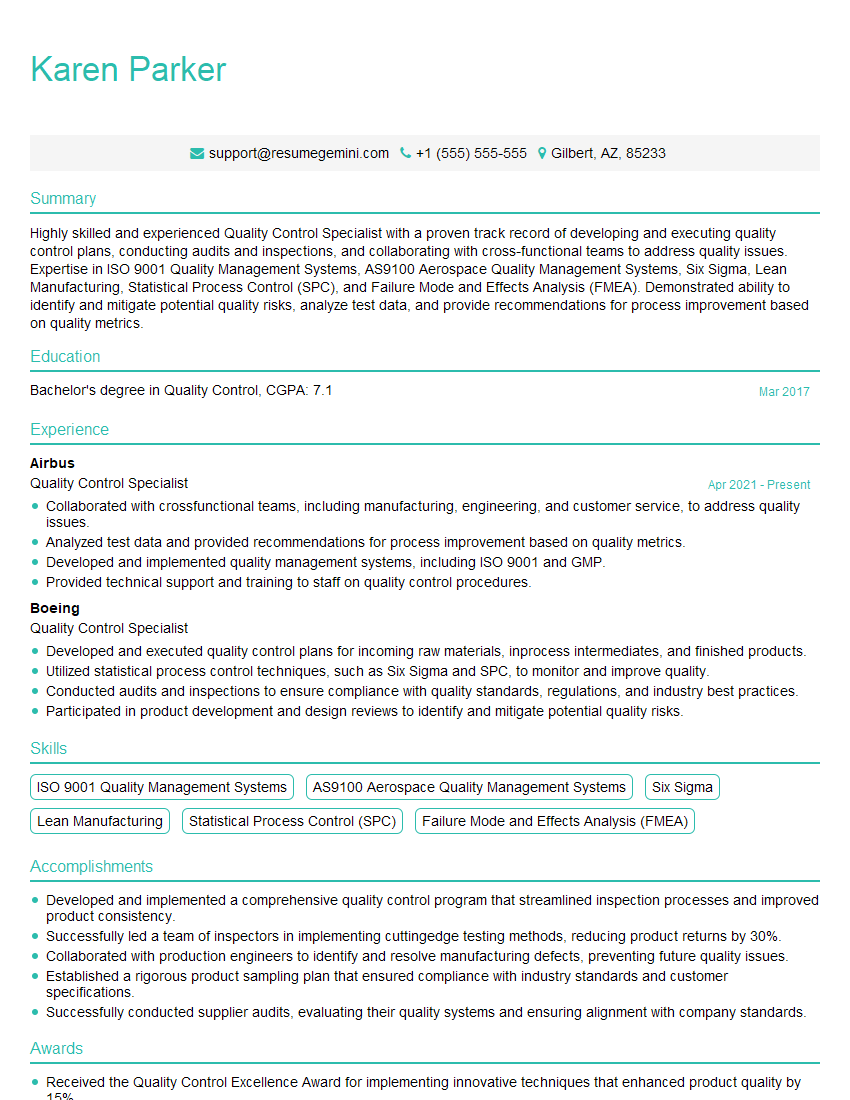
Quality Control Specialist Resume Sample

Quality Assurance Engineer Resume Sample
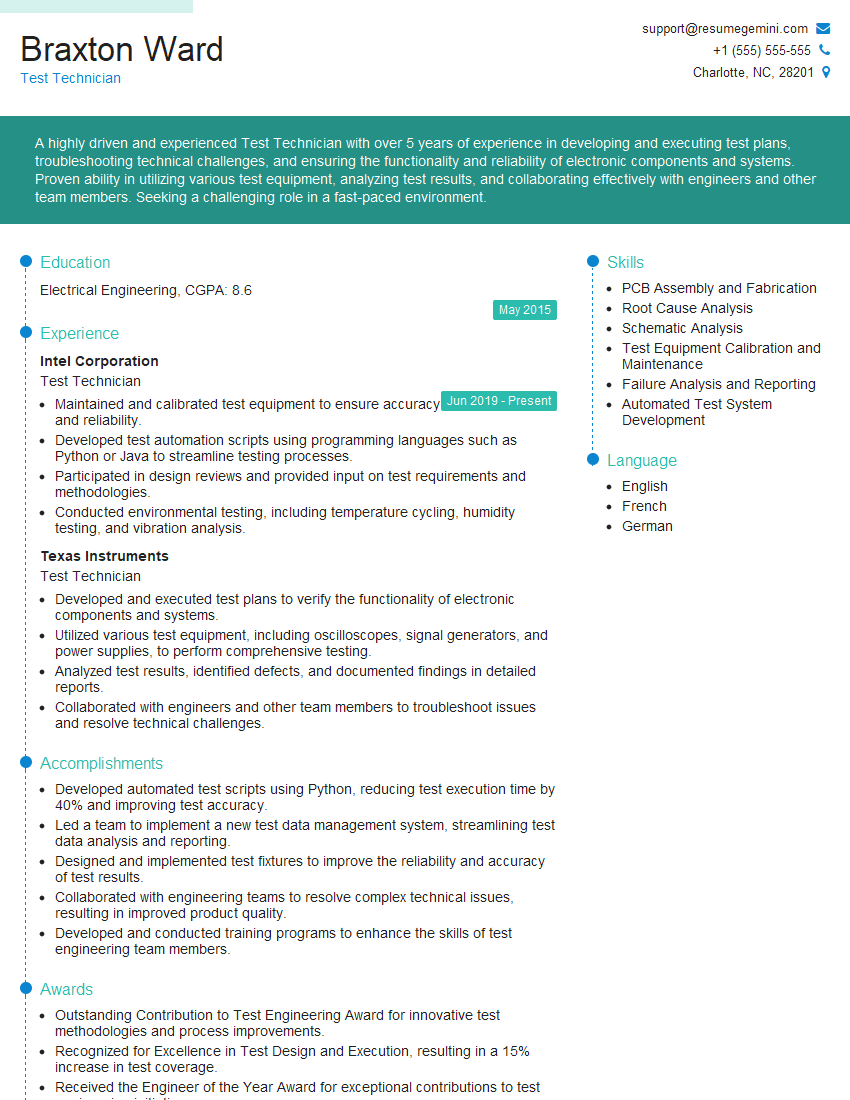
Test Technician Resume Sample
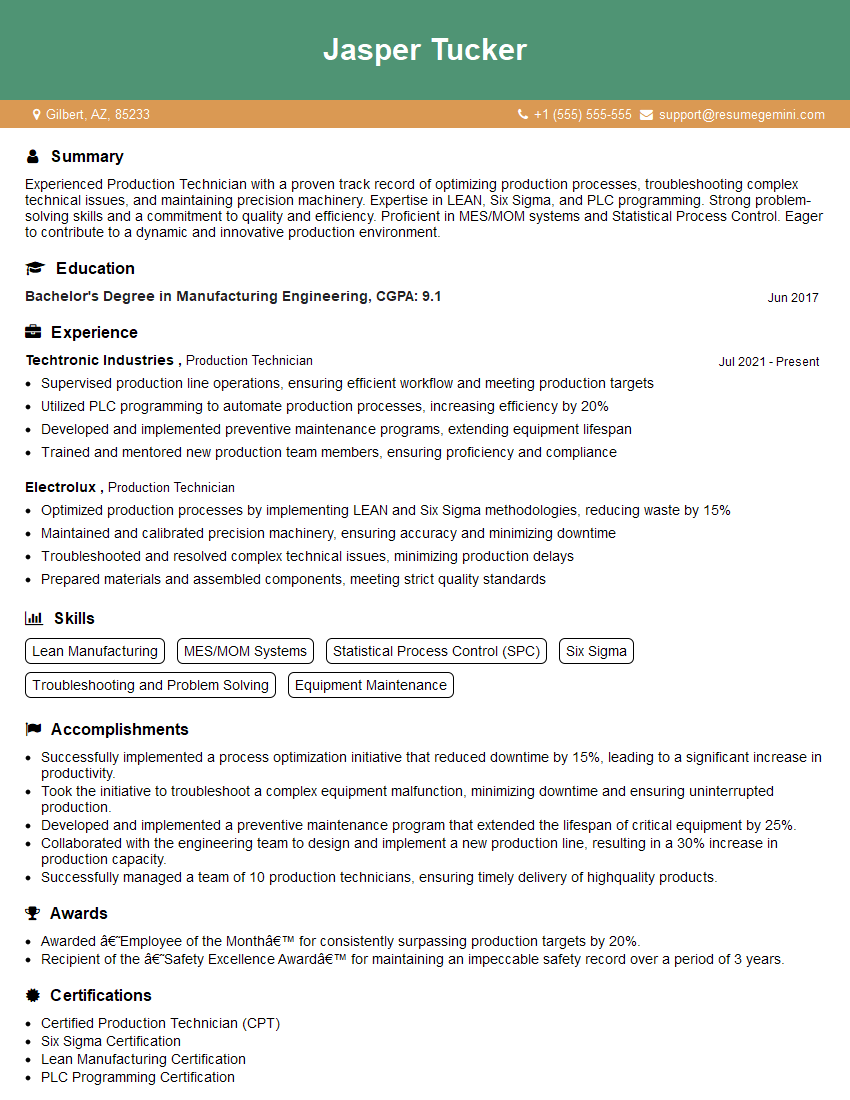
Production Technician Resume Sample
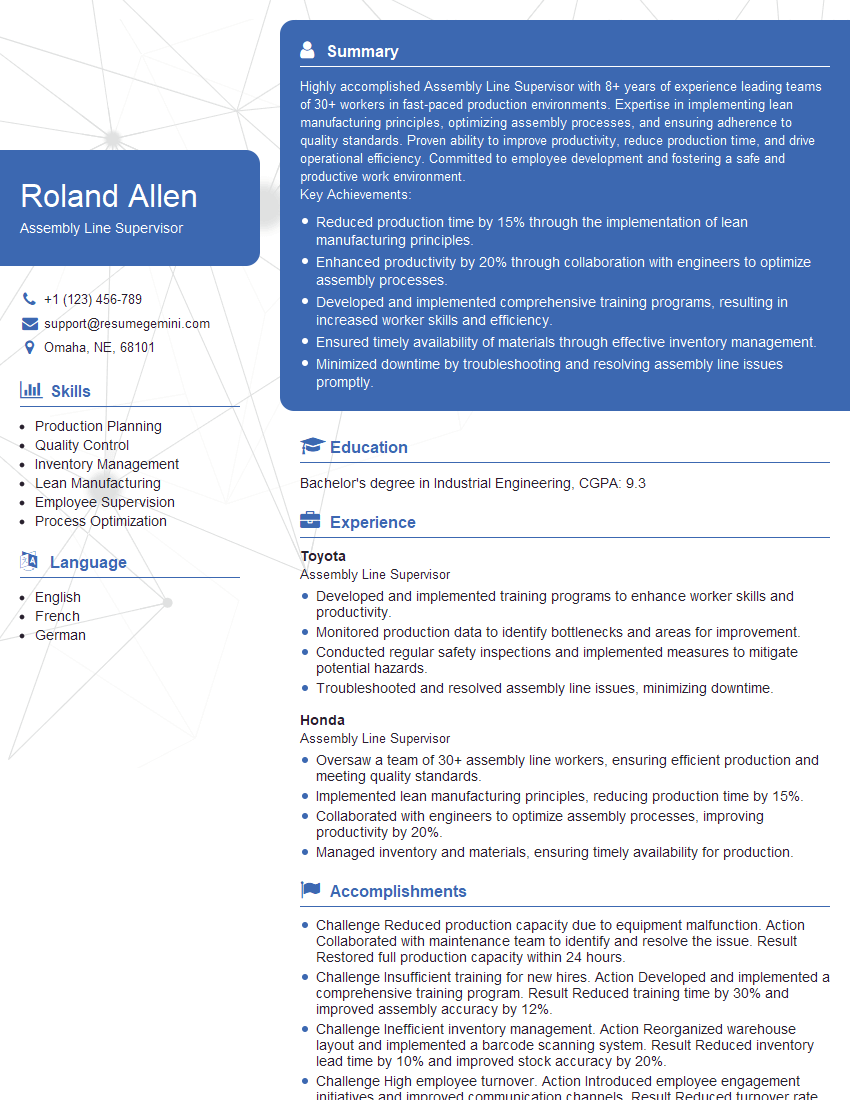
Assembly Line Supervisor Resume Sample

Inspection Supervisor Resume Sample

Soldering Technician Resume Sample
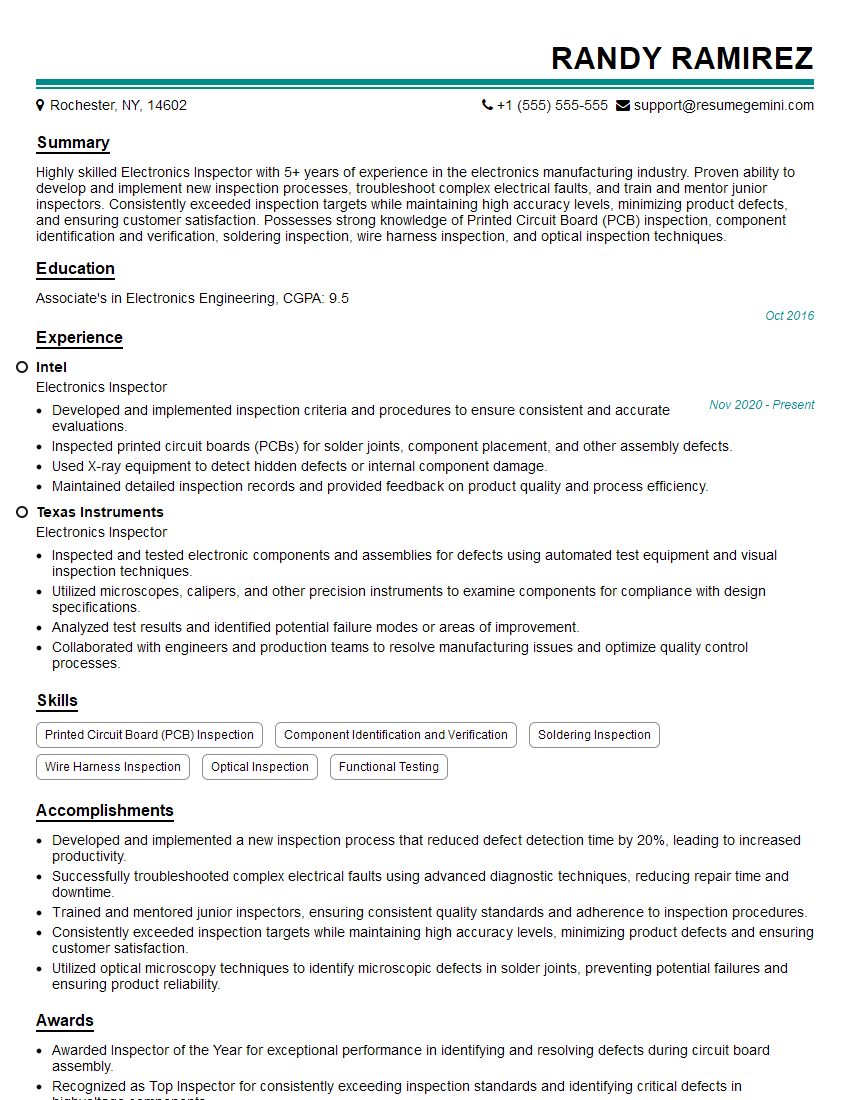
Electronics Inspector Resume Sample
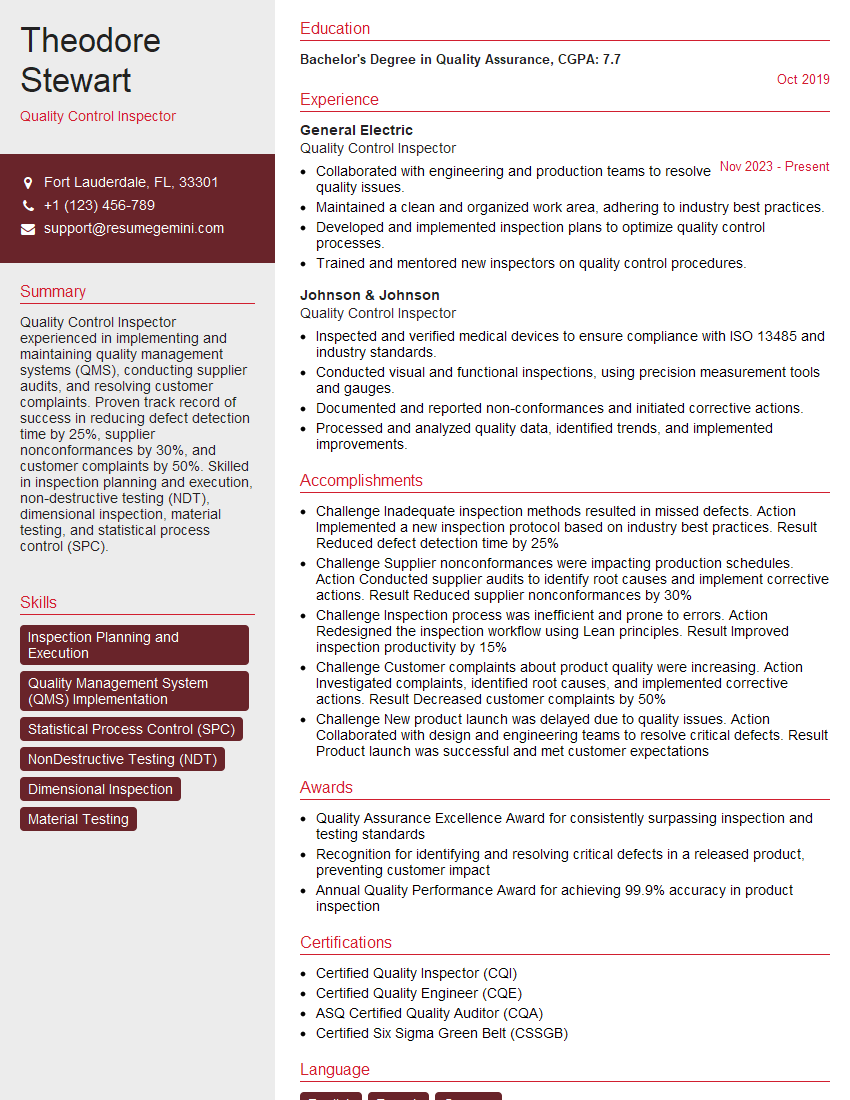
Quality Control Inspector Resume Sample
- Manufacturing Manager
- Quality Control Manager
- Production Supervisor
- Compliance Auditor
- Process Engineer
- Quality Systems Manager
- Manufacturing Engineer
- Quality Control Specialist
- Quality Assurance Engineer
- Test Technician
- Production Technician
- Assembly Line Supervisor
- Inspection Supervisor
- Soldering Technician
- Electronics Inspector
- Quality Control Inspector
Explore more articles
Users Rating of Our Blogs
Share Your Experience
We value your feedback! Please rate our content and share your thoughts (optional).
What Readers Say About Our Blog
Very informative content, great job.
good