Interviews are opportunities to demonstrate your expertise, and this guide is here to help you shine. Explore the essential IT Risk Management and Compliance interview questions that employers frequently ask, paired with strategies for crafting responses that set you apart from the competition.
Questions Asked in IT Risk Management and Compliance Interview
Q 1. Explain the difference between risk and vulnerability.
Think of a house. A vulnerability is a weakness in the house, like an unlocked window or a weak door. A risk is the potential for something bad to happen because of that weakness – like a burglar breaking in through the unlocked window. Vulnerability is the flaw; risk is the potential consequence of that flaw.
More formally, a vulnerability is a weakness in a system’s design, implementation, operation, or internal controls that could be exploited by a threat. A risk, on the other hand, is the combination of the likelihood of a vulnerability being exploited and the potential impact of that exploitation. For example, an outdated operating system (vulnerability) combined with the possibility of a hacker gaining access and stealing data (likelihood) and the resulting financial and reputational damage (impact) constitute a risk.
Q 2. Describe the NIST Cybersecurity Framework.
The NIST Cybersecurity Framework (CSF) is a voluntary framework developed by the National Institute of Standards and Technology (NIST) to help organizations manage and reduce their cybersecurity risks. It’s not a set of mandatory requirements, but rather a flexible guide that can be tailored to any organization’s size, sector, and risk profile.
The CSF is structured around five core functions:
- Identify: Develop an understanding of the organization’s assets, data, and systems, including identifying cybersecurity risks.
- Protect: Develop and implement safeguards to limit or contain the impact of a cybersecurity event.
- Detect: Develop and implement the ability to identify the occurrence of a cybersecurity event.
- Respond: Develop and implement a plan for responding to a cybersecurity event.
- Recover: Develop and implement a plan for restoring any capabilities or services that were impaired due to a cybersecurity event.
Each function contains specific categories and subcategories that offer guidance and best practices for implementing cybersecurity controls. The framework also uses a tiered approach (Tier 1-4) to allow organizations to assess their current cybersecurity posture and plan for improvement.
Think of it as a roadmap for building a strong cybersecurity program. Organizations can use it to identify gaps, prioritize improvements, and demonstrate their commitment to cybersecurity.
Q 3. What are the key components of an effective risk management program?
An effective risk management program relies on several key components working together. These include:
- Risk Assessment Methodology: A structured approach to identify, analyze, and prioritize risks. This often involves vulnerability scanning, penetration testing, and threat modeling.
- Risk Inventory: A comprehensive list of identified risks, including their likelihood and potential impact.
- Risk Treatment Plan: Strategies for mitigating identified risks (e.g., avoidance, mitigation, transfer, acceptance). This may involve implementing security controls, purchasing insurance, or changing business processes.
- Risk Monitoring and Reporting: Ongoing assessment of the effectiveness of implemented controls and regular reporting to management on the organization’s risk posture.
- Communication and Awareness: Clear communication of risk information to stakeholders and employees, along with security awareness training.
- Governance and Oversight: A clear framework for decision-making related to risk management, including roles, responsibilities, and accountability.
The key is not just identifying risks but also understanding their context and implementing appropriate and cost-effective controls.
Q 4. How do you perform a risk assessment?
Performing a risk assessment involves a systematic process. A common approach involves these steps:
- Asset Identification: Identify all critical assets, including hardware, software, data, and intellectual property.
- Threat Identification: Identify potential threats that could affect those assets, such as malware, phishing attacks, or insider threats.
- Vulnerability Identification: Identify vulnerabilities in the systems and processes that could be exploited by the identified threats. This often involves vulnerability scanning and penetration testing.
- Likelihood Assessment: Determine the probability of each threat exploiting a vulnerability.
- Impact Assessment: Determine the potential impact of a successful attack, considering financial, operational, reputational, and legal consequences.
- Risk Calculation: Combine likelihood and impact to quantify the overall risk for each threat and vulnerability.
- Risk Prioritization: Rank risks based on their severity and prioritize which ones to address first.
- Risk Response Planning: Develop and implement risk treatment strategies, such as implementing security controls, transferring risk through insurance, or accepting the residual risk.
Throughout this process, documentation and clear communication are crucial. Using a risk register to track and manage identified risks is highly beneficial.
Q 5. What are the common types of IT risks?
Common types of IT risks include:
- Data breaches: Unauthorized access to sensitive data, leading to financial losses, reputational damage, and legal liabilities.
- Malware infections: Viruses, ransomware, and other malicious software that can disrupt operations, steal data, or damage systems.
- Denial-of-service (DoS) attacks: Attempts to make a system or network unavailable to legitimate users.
- Phishing attacks: Attempts to trick users into revealing sensitive information, such as passwords or credit card details.
- Insider threats: Malicious or negligent actions by employees or other insiders.
- System failures: Hardware or software malfunctions that can disrupt operations.
- Compliance failures: Failure to comply with relevant regulations and standards, such as GDPR or HIPAA.
- Supply chain risks: Vulnerabilities introduced through third-party vendors or suppliers.
The specific risks an organization faces will depend on its industry, size, and the nature of its IT infrastructure and operations.
Q 6. Explain the concept of residual risk.
Residual risk is the risk that remains after implementing risk mitigation strategies. It’s the level of risk an organization is willing to accept after taking steps to reduce it. It’s important to note that it’s impossible to eliminate all risks. A certain amount of risk will always remain.
For example, even with strong antivirus software and security awareness training, there’s still a residual risk of a successful malware infection. The organization accepts this residual risk as the cost of implementing complete mitigation might be too high or impractical. Regular risk assessments and monitoring are crucial for managing residual risk and ensuring it remains within acceptable limits.
Q 7. Describe your experience with ISO 27001.
I have extensive experience with ISO 27001, having been involved in several projects related to its implementation and maintenance. My experience encompasses:
- Gap analysis: Identifying the gaps between an organization’s current information security management system (ISMS) and the requirements of ISO 27001.
- ISMS development and implementation: Defining policies, procedures, and controls to meet the standard’s requirements.
- Risk assessments and treatment: Conducting thorough risk assessments to identify and mitigate risks to information security.
- Internal audits: Conducting regular internal audits to ensure compliance with the ISMS and ISO 27001.
- Management review: Participating in management reviews to assess the effectiveness of the ISMS and make improvements.
- Support for certification audits: Preparing for and supporting external certification audits to achieve and maintain ISO 27001 certification.
I’m familiar with the Annex A controls and how they can be tailored to specific organizational contexts. I understand the importance of continuous improvement in information security and the iterative nature of implementing and maintaining an effective ISMS according to ISO 27001.
Q 8. How do you prioritize risks?
Risk prioritization is crucial for effective risk management. It involves systematically assessing and ranking identified risks based on their likelihood and potential impact. This allows us to focus resources on the most critical threats first. I typically use a risk matrix, a visual tool that plots likelihood against impact. Likelihood represents the probability of the risk occurring, while impact assesses the severity of consequences if it does.
For instance, a risk with high likelihood and high impact (e.g., a ransomware attack targeting critical systems) would receive top priority, while a risk with low likelihood and low impact (e.g., a minor software bug in a non-critical application) would be prioritized lower. This process often incorporates qualitative and quantitative data, including historical incident data, vulnerability assessments, and expert judgment. I also consider the organization’s risk appetite and tolerance when prioritizing. A risk matrix is not a static entity; it’s regularly reviewed and updated as circumstances change.
- High Likelihood, High Impact: Immediate action required.
- High Likelihood, Low Impact: Mitigation actions should be planned and implemented.
- Low Likelihood, High Impact: Contingency plans and monitoring are necessary.
- Low Likelihood, Low Impact: Monitor and accept the risk.
Q 9. What are your methods for mitigating IT risks?
Mitigating IT risks involves implementing controls to reduce the likelihood or impact of identified threats. My approach is multi-layered and follows a defense-in-depth strategy. This means employing a combination of technical, administrative, and physical safeguards.
- Technical Controls: These include firewalls, intrusion detection/prevention systems (IDS/IPS), antivirus software, data encryption, access control lists (ACLs), and vulnerability scanning. For example, implementing multi-factor authentication (MFA) significantly reduces the risk of unauthorized access.
- Administrative Controls: These encompass policies, procedures, and guidelines. Examples include security awareness training for employees, strong password policies, incident response plans, and regular security audits. A well-defined data classification policy is essential to determine the level of protection needed for different data types.
- Physical Controls: These protect physical assets and infrastructure. They might involve security cameras, access badges, physical security barriers, and environmental controls (e.g., climate control to prevent server overheating). For example, secure data centers with controlled access and environmental monitoring mitigate the risk of data loss due to physical damage.
The choice of mitigation strategies depends heavily on the specific risk and the organization’s context. A cost-benefit analysis is often performed to determine the most effective and efficient mitigation approach. Continuous monitoring and improvement are key to ensure the effectiveness of implemented controls.
Q 10. What is a Business Impact Analysis (BIA) and how is it used?
A Business Impact Analysis (BIA) is a crucial process used to identify and assess the potential impacts of disruptions to an organization’s operations. It helps determine the criticality of business functions and systems and guides the development of effective business continuity and disaster recovery plans.
A BIA typically involves identifying critical business functions, analyzing potential disruptions (e.g., natural disasters, cyberattacks, pandemics), assessing the potential impacts of these disruptions (financial losses, reputational damage, legal liabilities), and determining the maximum tolerable downtime (MTD) for each critical function. For example, a BIA might reveal that a financial institution’s online banking system has a very low MTD because any prolonged outage would have a severe financial impact and damage customer trust.
The results of a BIA are then used to prioritize recovery strategies, allocate resources effectively, and define recovery time objectives (RTOs) and recovery point objectives (RPOs). RTO defines the acceptable timeframe for restoring a system, while RPO indicates the maximum amount of data loss acceptable after a disruption. The BIA is a living document, regularly updated to reflect changes in the business environment and technology landscape.
Q 11. How do you ensure compliance with relevant regulations (e.g., GDPR, HIPAA)?
Ensuring compliance with regulations like GDPR and HIPAA requires a comprehensive approach. It’s not just about ticking boxes; it’s about embedding compliance into the organization’s culture and processes.
For GDPR, we need to focus on data protection, ensuring lawful processing, data subject rights (right to access, erasure, etc.), data breach notification, and international data transfers. This involves implementing technical and organizational measures to secure personal data, documenting data processing activities, and appointing a Data Protection Officer (DPO) where required. Regular data protection impact assessments (DPIAs) are vital for high-risk processing activities.
For HIPAA, we focus on the security and privacy of protected health information (PHI). This entails implementing physical, technical, and administrative safeguards to protect PHI from unauthorized access, use, or disclosure. Compliance requires robust access controls, audit trails, employee training on HIPAA regulations, and a comprehensive risk management program. We need to conduct regular security risk assessments and implement appropriate mitigation strategies to address identified vulnerabilities.
In both cases, regular audits, employee training, and ongoing monitoring are essential to ensure continued compliance. Maintaining detailed documentation of compliance efforts is crucial for demonstrating compliance to auditors and regulators.
Q 12. Explain your understanding of data loss prevention (DLP).
Data Loss Prevention (DLP) refers to the strategies and technologies used to prevent sensitive data from leaving the organization’s control without authorization. It’s about identifying, monitoring, and protecting confidential information across various channels, including email, cloud storage, and removable media.
DLP solutions can involve a combination of technologies, such as network-based DLP tools that monitor network traffic for sensitive data leaving the network, endpoint DLP tools that monitor data on individual computers and mobile devices, and cloud DLP tools that protect data stored in cloud services. These tools use various techniques to identify sensitive data, including keyword-based detection, data loss prevention policies, and data pattern matching. They can also enforce policies, such as preventing the transfer of sensitive data to unauthorized recipients or blocking access to sensitive data from unapproved devices.
Effective DLP requires a combination of technology and process. It’s essential to define clear data classification policies, implement appropriate security controls, and provide regular employee training on data security best practices. Regular reviews and updates of DLP policies and technologies are crucial to adapt to evolving threats and organizational changes.
Q 13. Describe your experience with security incident response.
My experience with security incident response involves a structured approach following a well-defined incident response plan. This plan typically outlines the steps to be taken in the event of a security incident, including identification, containment, eradication, recovery, and post-incident activity.
In the identification phase, we focus on detecting the incident through security monitoring tools, logs, and user reports. Containment involves isolating the affected systems to prevent further damage or spread of the incident. Eradication aims to remove the root cause of the incident, such as malware or unauthorized access. Recovery involves restoring systems and data to a functional state. Finally, in the post-incident activity phase, we analyze the incident to understand what happened, identify weaknesses, and implement preventive measures to avoid similar incidents in the future. This often involves creating detailed reports, updating security policies, and conducting employee training.
I have hands-on experience with various types of security incidents, including malware infections, phishing attacks, and denial-of-service attacks. I am proficient in using forensic tools to investigate incidents and gather evidence. My experience emphasizes the importance of clear communication, collaboration, and swift action to minimize the impact of security incidents.
Q 14. How do you communicate security risks to non-technical stakeholders?
Communicating security risks to non-technical stakeholders requires translating complex technical information into clear, concise, and relatable terms. Avoid jargon and technical details that might confuse them. Instead, focus on the business impact of the risks.
I typically use analogies and real-world examples to illustrate the risks. For example, I might compare a phishing attack to a thief trying to steal someone’s wallet. Or, I might explain the impact of a data breach using the cost of potential fines and reputational damage. Using visuals, such as charts and graphs, can also help to simplify complex information. I focus on the likelihood and potential impact of risks, using terminology they can easily understand (e.g., “high chance” instead of “high probability”).
It’s crucial to tailor the communication to the audience. A presentation to the board of directors will differ significantly from a training session for employees. Active listening and obtaining feedback are essential to ensure the message is understood and that the audience feels comfortable asking questions. Ultimately, the goal is to ensure that non-technical stakeholders understand the risks and are committed to supporting security initiatives.
Q 15. What are key performance indicators (KPIs) for measuring the effectiveness of a risk management program?
Key Performance Indicators (KPIs) for a risk management program measure its effectiveness in identifying, assessing, and mitigating risks. They shouldn’t just focus on the number of vulnerabilities found, but rather on the overall reduction of risk to the organization. Effective KPIs are aligned with business objectives and provide a clear picture of the program’s success.
Number of security incidents: A decrease indicates improved effectiveness. Tracking incident types (e.g., phishing, malware) helps pinpoint weaknesses.
Mean Time To Resolution (MTTR): Lower MTTR shows faster response to security events, minimizing impact.
Vulnerability remediation rate: Measures the speed and efficiency of patching and fixing identified vulnerabilities. A high rate suggests proactive vulnerability management.
Percentage of vulnerabilities mitigated within a defined timeframe: For example, aiming for 90% of critical vulnerabilities remediated within 30 days.
Risk score reduction: Tracking the overall risk score (often calculated using a risk matrix) shows the impact of risk mitigation efforts.
Cost of security incidents: Lower costs demonstrate the program’s financial benefits in reducing losses from breaches.
Employee security awareness training completion rates: High completion rates indicate a commitment to security awareness, a key component of a comprehensive program.
Compliance audit results: Successful completion of security audits and compliance checks demonstrates the program’s effectiveness in meeting regulatory requirements.
For example, a company might track the number of phishing attempts successfully blocked by their security awareness training, illustrating the program’s tangible impact. Or they might monitor the decrease in their overall risk score after implementing a new security control, like multi-factor authentication.
Career Expert Tips:
- Ace those interviews! Prepare effectively by reviewing the Top 50 Most Common Interview Questions on ResumeGemini.
- Navigate your job search with confidence! Explore a wide range of Career Tips on ResumeGemini. Learn about common challenges and recommendations to overcome them.
- Craft the perfect resume! Master the Art of Resume Writing with ResumeGemini’s guide. Showcase your unique qualifications and achievements effectively.
- Don’t miss out on holiday savings! Build your dream resume with ResumeGemini’s ATS optimized templates.
Q 16. Explain the importance of vulnerability management.
Vulnerability management is crucial for reducing an organization’s attack surface and minimizing the risk of security breaches. It involves identifying, assessing, prioritizing, and remediating vulnerabilities in IT systems and applications. Think of it as regularly inspecting your house for potential weaknesses – cracks in the walls (vulnerabilities) – before a burglar (attacker) can exploit them.
Ignoring vulnerabilities leaves your organization exposed to various threats, including data breaches, malware infections, system downtime, and financial losses. A robust vulnerability management program includes:
Regular vulnerability scanning and penetration testing: Identifying weaknesses in your systems.
Prioritization of vulnerabilities based on severity and likelihood of exploitation: Focusing resources on the most critical issues first.
Remediation of identified vulnerabilities: Patching software, implementing security controls, and making configuration changes.
Ongoing monitoring and reporting: Tracking the effectiveness of vulnerability management efforts and identifying any emerging threats.
For instance, failing to patch a known vulnerability in a web server could allow attackers to gain unauthorized access to sensitive data, resulting in significant legal and financial consequences.
Q 17. How do you handle conflicts between security and business needs?
Balancing security and business needs requires careful consideration and a collaborative approach. Security shouldn’t be an obstacle to business growth, but rather a facilitator of it. Conflicts often arise when security measures seem to hinder productivity or increase costs.
My approach involves:
Risk assessment and prioritization: Understanding the business impact of different risks helps prioritize security investments. For example, prioritizing the protection of customer data over less critical internal systems.
Communication and collaboration: Open dialogue between security and business teams is key to finding solutions that meet both needs. This includes presenting security recommendations in the context of business goals and explaining the potential consequences of not implementing them.
Finding creative solutions: Exploring alternative approaches that achieve the desired security level without overly impacting business operations. This might include implementing phased rollouts, employing less disruptive technologies, or focusing on employee training.
Data-driven decision making: Using metrics and analytics to demonstrate the return on investment (ROI) of security initiatives and justify the necessary resources.
Negotiation and compromise: Sometimes, a compromise is necessary. This might involve accepting a slightly higher level of risk in exchange for increased business agility or reduced costs. Transparency and clear communication are crucial in this process.
For example, if a new application requires a feature that presents a security risk, I would work with the developers to explore alternative designs or implement mitigating controls to reduce the risk while still delivering the necessary functionality.
Q 18. What is your experience with penetration testing and vulnerability scanning?
I have extensive experience with both penetration testing and vulnerability scanning. These are complementary techniques that provide a comprehensive view of an organization’s security posture.
Vulnerability scanning is an automated process that uses tools to identify known vulnerabilities in systems and applications. It’s like a security check-up, revealing potential weaknesses. I’ve used tools like Nessus, OpenVAS, and QualysGuard to perform scans, analyzing the results to prioritize remediation efforts. I’m proficient in interpreting scan results, understanding false positives, and identifying critical vulnerabilities.
Penetration testing, on the other hand, is a more hands-on approach that simulates real-world attacks to identify exploitable vulnerabilities. It’s like a security stress test, pushing systems to their limits. I’ve conducted both black-box (no prior knowledge of the system) and white-box (full system knowledge) penetration tests, following methodologies like OWASP Testing Guide. I am skilled in various attack vectors, including network attacks, web application attacks, and social engineering techniques. The results from penetration testing help to validate the findings from vulnerability scans and often uncover vulnerabilities that automated scans miss.
I’m experienced in creating detailed reports that outline findings, their severity, and recommendations for remediation. I collaborate closely with development and IT teams to facilitate the implementation of fixes.
Q 19. Describe your experience with security awareness training programs.
I’ve designed and implemented numerous security awareness training programs for organizations of varying sizes and industries. My approach focuses on engaging employees and fostering a security-conscious culture. I believe that successful security awareness training is not just about compliance, but about empowering employees to be active participants in protecting their organization.
My experience includes:
Needs assessment: Identifying the specific security risks and knowledge gaps within the organization.
Curriculum development: Creating engaging and relevant training materials tailored to the target audience, using a variety of methods (e.g., videos, interactive modules, phishing simulations).
Delivery: Implementing training through various channels (e.g., online modules, instructor-led sessions, workshops).
Assessment and measurement: Evaluating the effectiveness of training through quizzes, phishing simulations, and post-training assessments.
Continuous improvement: Regularly reviewing and updating training materials to reflect emerging threats and best practices.
I’ve successfully implemented programs that reduced phishing susceptibility, improved password hygiene, and increased overall security awareness among employees. For example, one program I developed included a realistic phishing simulation, followed by targeted training on recognizing and avoiding phishing attempts. The result was a significant reduction in successful phishing attacks within the organization.
Q 20. What is the difference between preventive and detective controls?
Preventive and detective controls are two fundamental types of security controls designed to protect information assets. They work together to establish a robust security posture, but they have distinct roles.
Preventive controls aim to prevent security incidents from occurring in the first place. They’re like locks on a door, preventing unauthorized access. Examples include:
Firewalls: Blocking unauthorized network traffic.
Intrusion Detection Systems (IDS): Monitoring network traffic for malicious activity. (Note that while an IDS *detects*, it is often used *preventatively* by alerting security personnel who can then take action.)
Access control lists (ACLs): Restricting access to sensitive data and resources.
Data loss prevention (DLP) tools: Preventing sensitive data from leaving the organization’s network.
Security awareness training: Educating employees about security threats and best practices.
Detective controls aim to identify security incidents that have already occurred. They’re like security cameras, recording events that have taken place. Examples include:
Intrusion Detection/Prevention Systems (IDS/IPS): Detecting and potentially blocking malicious network traffic.
Security Information and Event Management (SIEM) systems: Collecting and analyzing security logs to identify suspicious activity.
Log analysis: Reviewing system logs to detect security events.
Audit trails: Tracking user activity to identify unauthorized access or modifications.
In a real-world scenario, a firewall (preventive) would block malicious traffic from entering the network. If an attacker manages to bypass the firewall, an intrusion detection system (detective) might detect the intrusion and alert security personnel. Both types of controls are necessary for a complete security strategy.
Q 21. How do you manage third-party risk?
Managing third-party risk is crucial because organizations increasingly rely on external vendors, suppliers, and partners for various services and products. These third parties often have access to sensitive data and systems, creating potential security vulnerabilities. A comprehensive third-party risk management program is essential.
My approach involves:
Identifying third-party relationships: Creating an inventory of all third-party vendors and the services they provide.
Assessing risk: Evaluating the potential risks associated with each third-party relationship, considering factors like the sensitivity of data shared, the security controls implemented by the third party, and their geographic location.
Due diligence: Conducting thorough background checks on third-party vendors, including reviewing their security policies, certifications, and incident history.
Contractual agreements: Including strong security clauses in contracts with third parties, specifying their responsibilities for data security and incident reporting.
Monitoring and oversight: Regularly monitoring the security performance of third parties, reviewing their security reports, and conducting periodic audits.
Incident response: Establishing clear procedures for handling security incidents involving third parties.
For example, before engaging a cloud service provider, I would thoroughly assess their security posture, review their certifications (e.g., ISO 27001, SOC 2), and negotiate a contract that outlines their security responsibilities and our rights in case of a breach. This ensures that the third party meets our security requirements and that we have recourse if they fail to do so.
Q 22. Explain your experience with audit management.
My experience with audit management encompasses the entire lifecycle, from planning and scoping to execution, reporting, and remediation. I’ve led and participated in numerous internal and external audits across various regulatory frameworks, including SOC 2, ISO 27001, and HIPAA. This involves developing audit plans aligned with organizational objectives, coordinating with stakeholders to gather evidence, conducting risk assessments, identifying control gaps, and documenting findings. I’m proficient in using audit management software to streamline the process, track progress, and manage remediation efforts. For instance, in a recent SOC 2 audit, I identified a weakness in our change management process, leading to the implementation of a more robust system that improved tracking and accountability, ultimately strengthening our overall security posture.
My approach is collaborative; I work closely with audited teams, offering guidance and support throughout the process, ensuring that audit findings translate into actionable improvements rather than just a checklist of compliance items. I believe in a continuous improvement mindset, using audit results to refine our security controls and enhance organizational resilience.
Q 23. What are your experience with risk registers and reporting?
Risk registers are central to my approach to managing IT risks. I’ve extensive experience developing, maintaining, and reporting on risk registers using various methodologies, including qualitative and quantitative risk assessments. This involves identifying potential threats, analyzing their likelihood and impact, assigning risk owners, and defining mitigation strategies. I’m adept at using different software tools to manage the risk register, track progress on mitigation activities, and generate reports for management and stakeholders. For example, I developed a customized risk register template for a previous organization that incorporated a color-coded system to visually represent the risk level, making it easier for non-technical stakeholders to understand and engage with the process.
Reporting on risks is crucial to securing buy-in and resources for remediation. My reports typically include a summary of identified risks, prioritized by impact and likelihood, along with proposed mitigation plans and timelines. I tailor my reporting to the audience, ensuring that technical details are communicated effectively to both technical and non-technical personnel. I always advocate for proactive risk management rather than reactive incident response, making sure the risk register is a dynamic and living document, regularly updated with new threats and changing circumstances.
Q 24. How do you stay current with evolving threats and security best practices?
Staying current with evolving threats and security best practices is an ongoing process that I take very seriously. I actively engage in several methods to maintain my knowledge and skills. I subscribe to industry publications and newsletters such as SANS Institute, Krebs on Security, and Threatpost. I regularly attend webinars and conferences focusing on emerging threats and security technologies. I actively participate in online security communities and forums, engaging in discussions and learning from the collective experience of security professionals worldwide. I also dedicate time each week to exploring new vulnerabilities and security tools.
Furthermore, I maintain several professional certifications (mention specific certifications here if comfortable), which require continuous learning and development to stay current with industry standards. These certifications provide a structured approach to learning and ensure my knowledge is aligned with the latest best practices. This continuous learning cycle ensures I can effectively identify and address emerging risks, and it allows me to provide informed recommendations to my organization. For example, recently I attended a training on the latest techniques used in ransomware attacks which allowed me to update our security policies and training materials to mitigate that specific risk.
Q 25. Describe a time you identified a critical security vulnerability. How did you handle it?
In a previous role, I discovered a critical vulnerability in our web application that allowed unauthorized access to sensitive customer data. I discovered this during a routine penetration testing exercise. This vulnerability was an SQL injection flaw, meaning malicious actors could potentially manipulate database queries to gain access to confidential information.
My immediate response was to follow our established incident response plan. This involved:
- Containment: I immediately isolated the vulnerable web application to prevent further exploitation.
- Eradication: I worked with the development team to patch the vulnerability and implement appropriate input validation measures.
- Recovery: We verified the integrity of the database and ensured no unauthorized access had occurred. If data compromise was suspected, we’d follow a further data breach protocol, including reporting to the relevant authorities and affected individuals.
- Post-incident activity: We conducted a thorough root cause analysis to understand how the vulnerability was introduced and to prevent similar issues in the future. This included enhancing our development security practices and strengthening our vulnerability management program.
This incident highlighted the importance of proactive security measures, regular vulnerability assessments, and a well-defined incident response plan. The successful mitigation of this threat significantly reduced the potential impact on our customers and our organization’s reputation.
Q 26. Explain your understanding of different authentication methods.
Authentication methods are crucial for verifying the identity of users and systems accessing resources. I have experience with a wide range of authentication methods, including:
- Password-based authentication: The most common but also the least secure method, susceptible to phishing and brute-force attacks. We always promote strong password policies and multi-factor authentication to mitigate these risks.
- Multi-factor authentication (MFA): This adds an extra layer of security by requiring users to provide multiple forms of authentication, such as a password and a one-time code from a mobile device. MFA significantly reduces the risk of unauthorized access.
- Biometric authentication: This uses unique biological characteristics like fingerprints or facial recognition to verify identity. While convenient, it requires careful consideration of privacy and security implications.
- Public Key Infrastructure (PKI): This uses digital certificates to authenticate users and devices. It’s vital for secure communication and data exchange, especially in scenarios with high security requirements.
- Token-based authentication: This uses short-lived tokens for authentication, offering enhanced security compared to password-based methods. Examples include OAuth 2.0 and OpenID Connect.
The choice of authentication method depends on the sensitivity of the data and the risk tolerance of the organization. I always recommend implementing a layered security approach that combines multiple authentication methods to achieve a robust security posture.
Q 27. How do you ensure data integrity and confidentiality?
Ensuring data integrity and confidentiality is paramount in any IT environment. My approach involves implementing a combination of technical and administrative controls:
- Data encryption: Encrypting data both in transit and at rest protects it from unauthorized access, even if a breach occurs. This includes using strong encryption algorithms and managing encryption keys securely.
- Access control: Implementing the principle of least privilege restricts access to data based on roles and responsibilities. This minimizes the risk of data breaches caused by insider threats or compromised accounts.
- Data loss prevention (DLP): Implementing DLP tools helps to prevent sensitive data from leaving the organization’s control. This involves monitoring data flows and blocking unauthorized transfers.
- Regular backups and recovery: Having a robust backup and recovery plan ensures that data can be restored in the event of a disaster or data corruption. Regular testing of these backups is crucial to validate their effectiveness.
- Intrusion detection and prevention systems (IDS/IPS): These systems monitor network traffic for malicious activity and can block or alert on suspicious behavior, preventing data breaches before they occur.
Furthermore, robust data governance policies, security awareness training, and incident response planning are also crucial components of maintaining data integrity and confidentiality. A holistic approach that combines these technical and administrative controls is necessary to effectively protect sensitive information.
Q 28. What is your experience with cloud security best practices?
Cloud security best practices are integral to my understanding of IT risk management. My experience includes working with various cloud providers (AWS, Azure, GCP) and implementing security controls in cloud environments. This involves:
- Identity and access management (IAM): Implementing strong IAM policies to control access to cloud resources. This includes using least privilege principles, multi-factor authentication, and regular access reviews.
- Network security: Securing cloud networks using virtual private clouds (VPCs), firewalls, and intrusion detection/prevention systems.
- Data security: Encrypting data at rest and in transit, using cloud-native encryption services and implementing data loss prevention measures.
- Security monitoring and logging: Utilizing cloud-based security information and event management (SIEM) systems to monitor for security threats and collect logs for auditing and incident response.
- Compliance and governance: Ensuring compliance with relevant regulations and industry best practices, such as SOC 2, ISO 27001, and HIPAA, in the cloud environment.
I also understand the shared responsibility model of cloud security, where responsibility for security is shared between the cloud provider and the customer. This includes understanding which security controls are the responsibility of the cloud provider and which ones are the responsibility of the organization. I’ve successfully implemented cloud security architectures for several clients, ensuring their cloud deployments are secure, compliant, and resilient.
Key Topics to Learn for IT Risk Management and Compliance Interview
- Risk Assessment and Management Frameworks: Understand frameworks like NIST Cybersecurity Framework, ISO 27001, COBIT, and their practical application in identifying, analyzing, and mitigating IT risks. Consider how these frameworks relate to specific organizational contexts.
- Compliance Regulations and Standards: Familiarize yourself with relevant regulations like HIPAA, GDPR, PCI DSS, SOX, and CCPA. Focus on understanding the practical implications of these regulations and how organizations ensure compliance.
- Security Controls and Implementations: Explore various security controls (technical, administrative, physical) and their effectiveness in mitigating identified risks. Be prepared to discuss examples of implementing and monitoring these controls.
- Incident Response and Management: Understand the lifecycle of an incident response process, from detection and containment to recovery and post-incident analysis. Consider how to effectively communicate during an incident.
- Data Security and Privacy: Master concepts related to data classification, access control, encryption, and data loss prevention (DLP). Understand the importance of data governance and privacy policies.
- Auditing and Reporting: Understand the role of auditing in verifying compliance and the importance of clear, concise reporting of risk assessments and mitigation strategies.
- IT Governance and Risk Appetite: Grasp the concept of aligning IT risk management with overall business objectives and understanding organizational risk tolerance.
- Emerging Threats and Technologies: Demonstrate awareness of current cybersecurity threats (e.g., ransomware, phishing) and emerging technologies (e.g., cloud security, AI/ML in security) and their impact on risk management.
- Problem-Solving and Analytical Skills: Be prepared to discuss scenarios involving IT risk and demonstrate your ability to analyze the situation, identify potential solutions, and justify your recommendations.
Next Steps
Mastering IT Risk Management and Compliance opens doors to exciting and impactful career opportunities, offering significant growth potential and high demand in today’s evolving digital landscape. To maximize your chances of landing your dream role, creating an ATS-friendly resume is crucial. ResumeGemini can help you build a professional and effective resume that highlights your skills and experience in the most compelling way. ResumeGemini provides examples of resumes tailored specifically to IT Risk Management and Compliance professionals, offering valuable guidance and inspiration for your own resume creation. Take the next step in your career journey today!
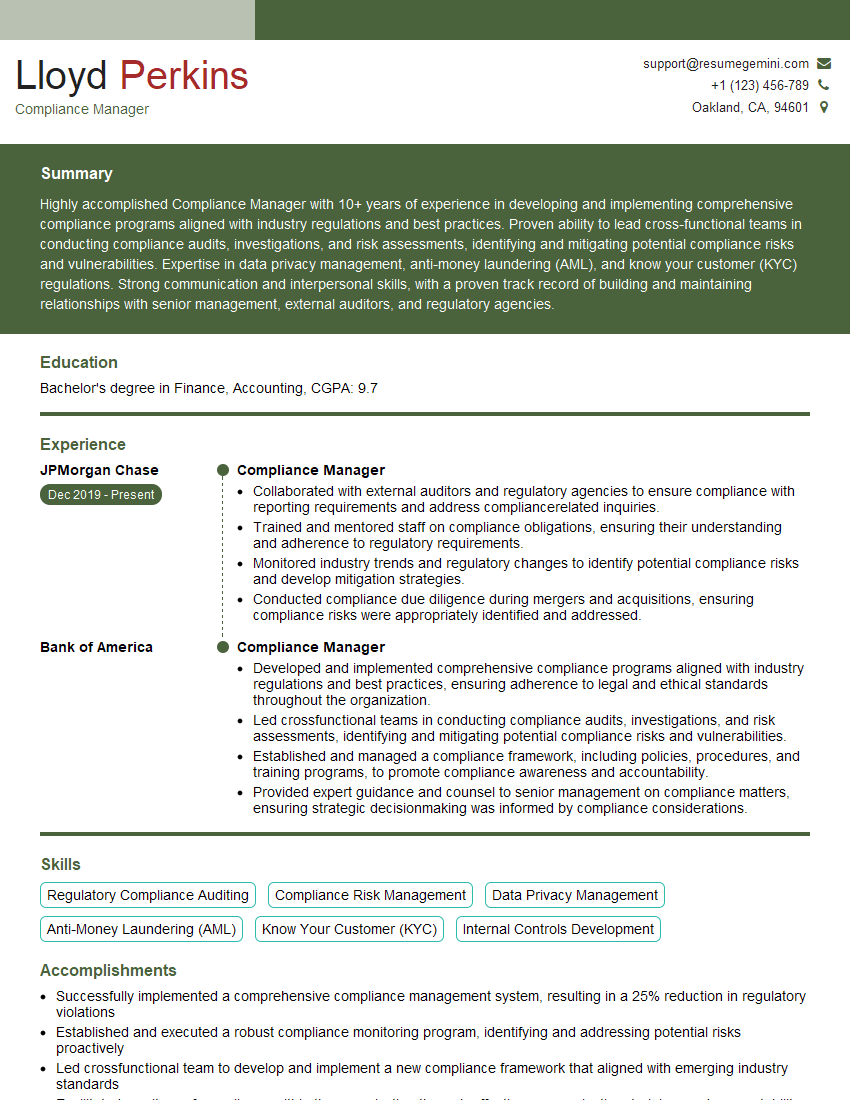
Compliance Manager Resume Sample
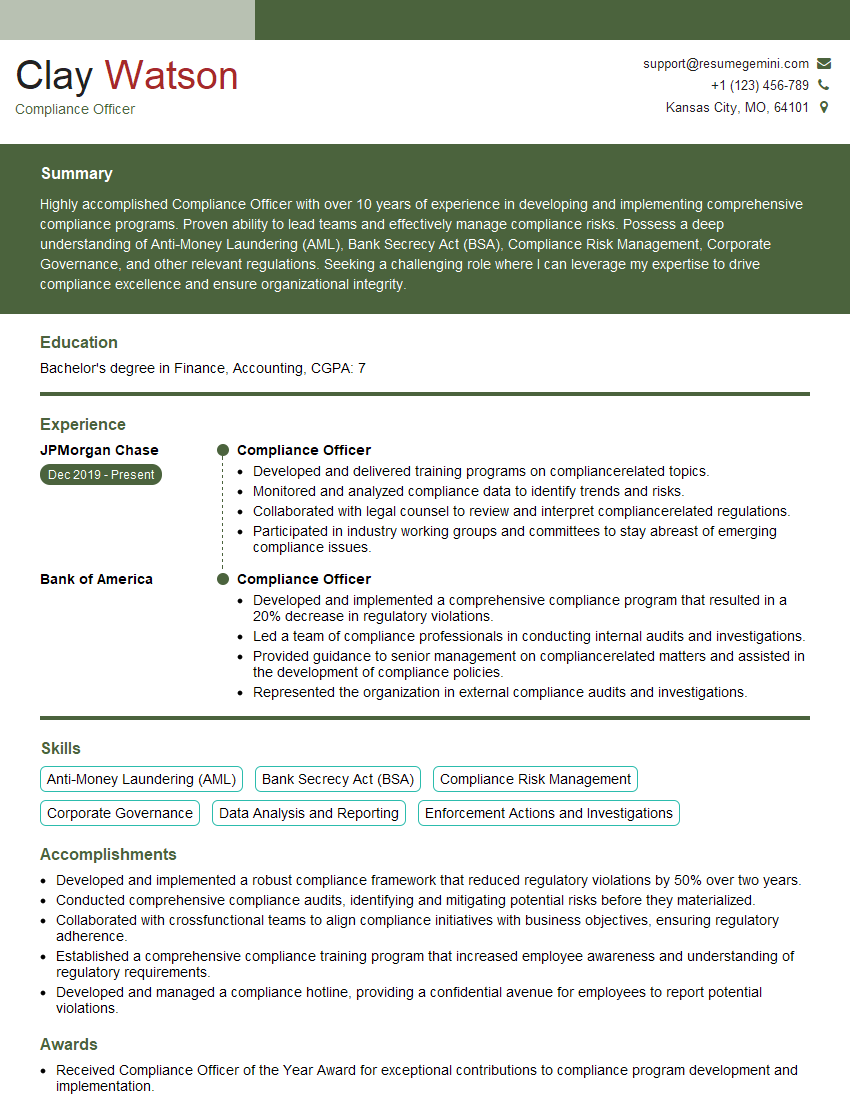
Compliance Officer Resume Sample
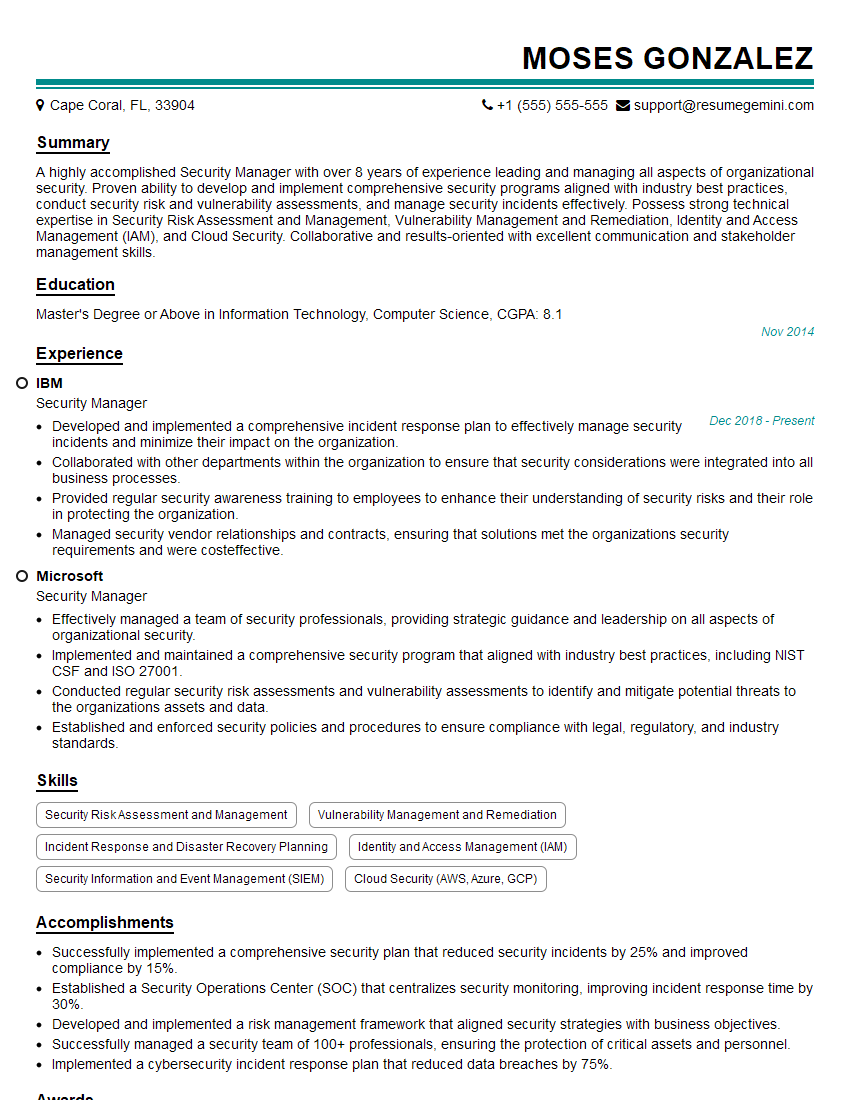
Security Manager Resume Sample
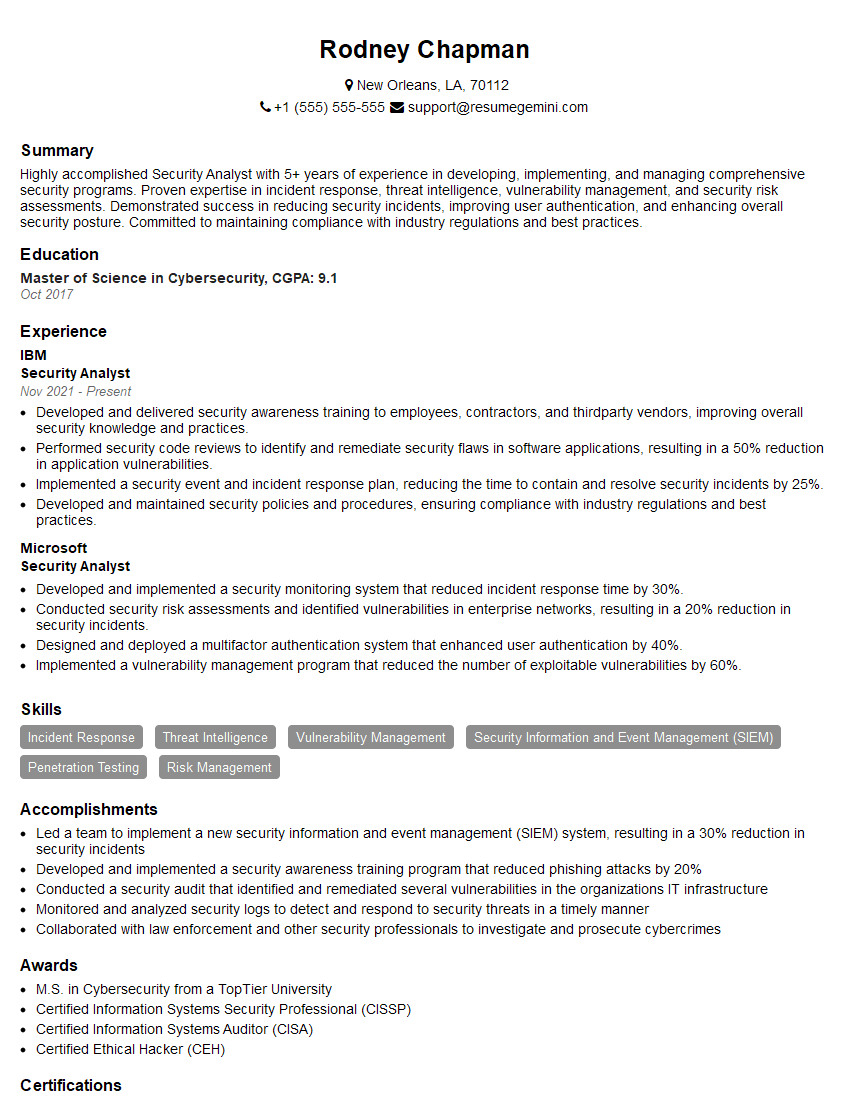
Security Analyst Resume Sample
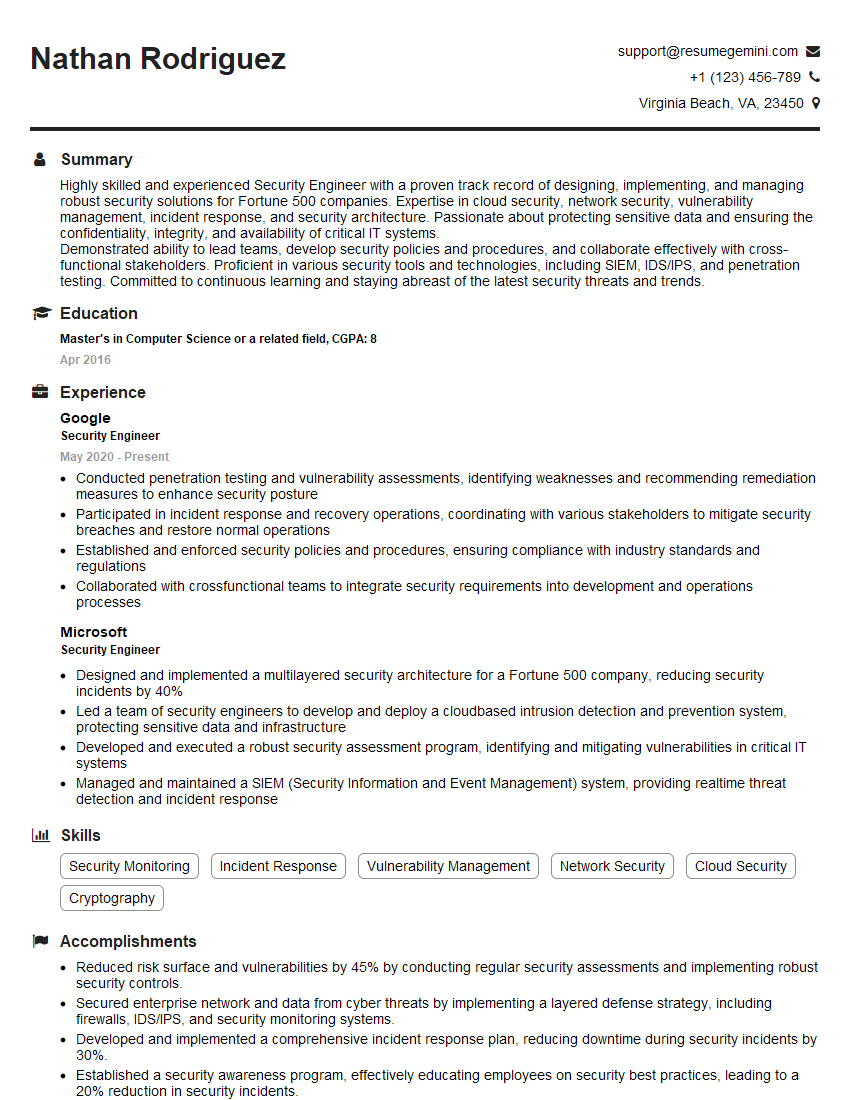
Security Engineer Resume Sample
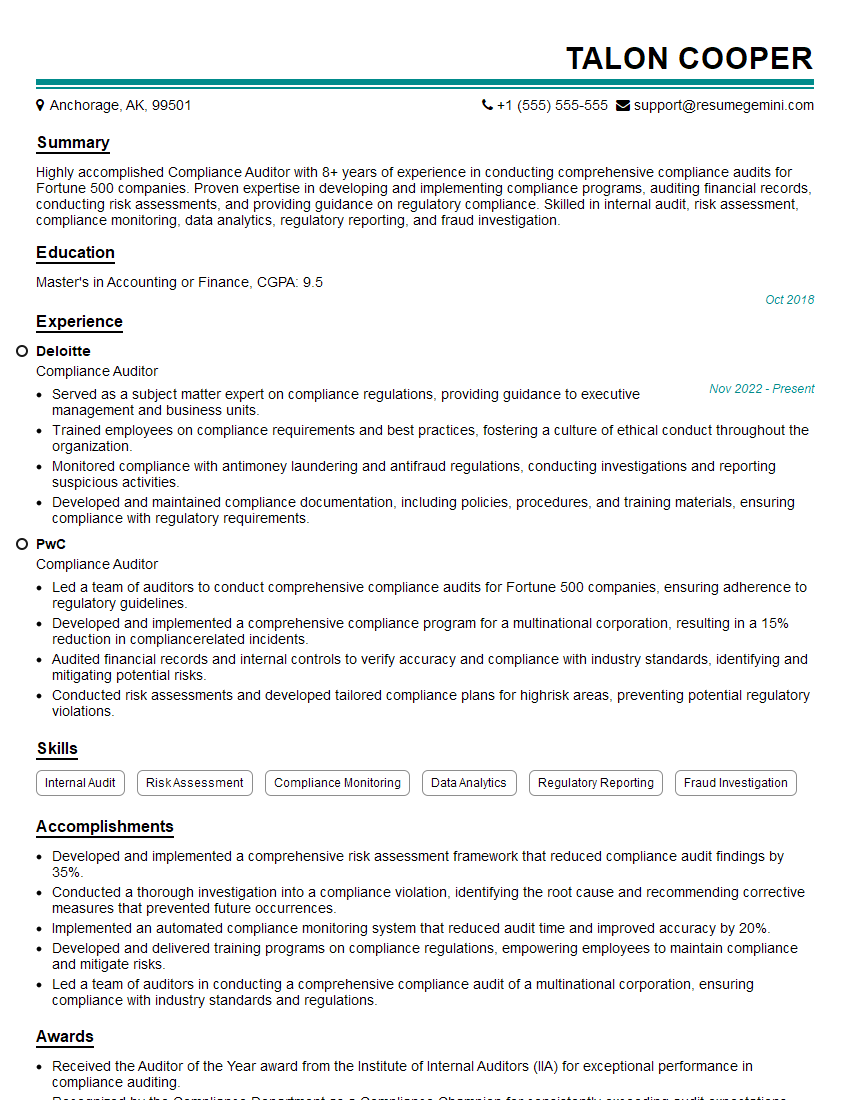
Compliance Auditor Resume Sample
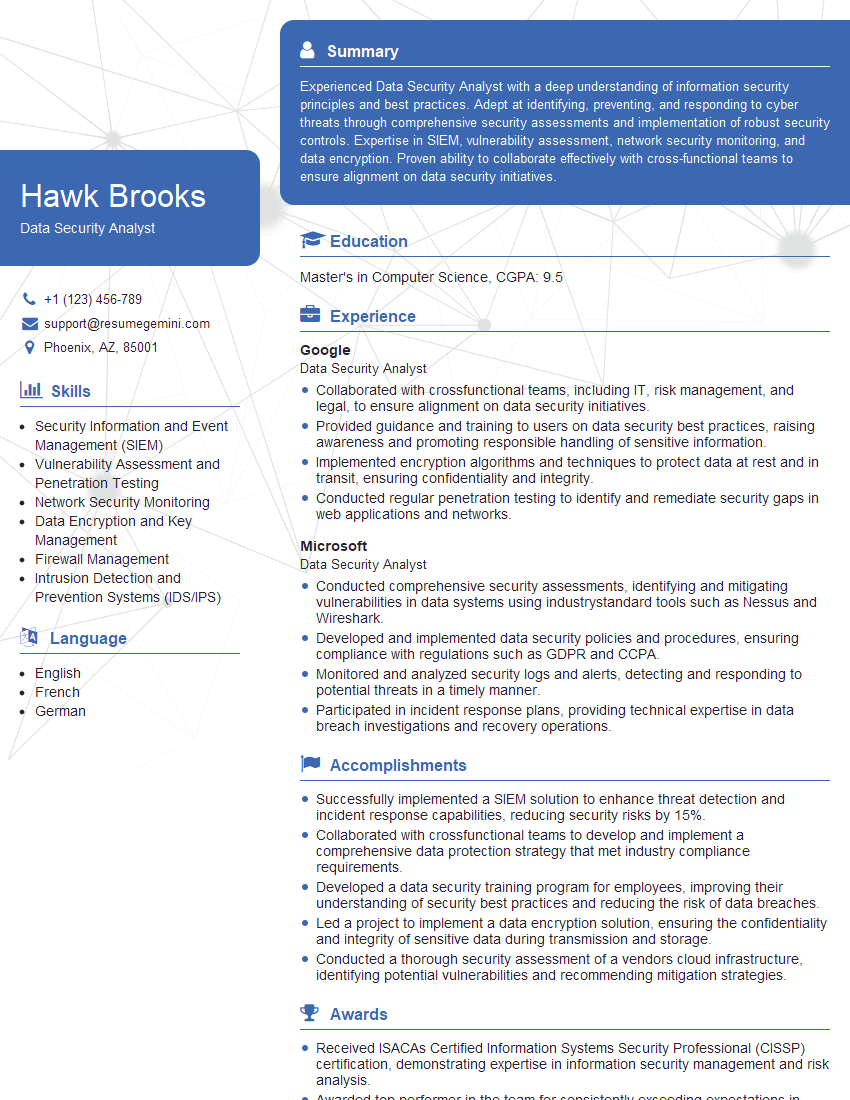
Data Security Analyst Resume Sample
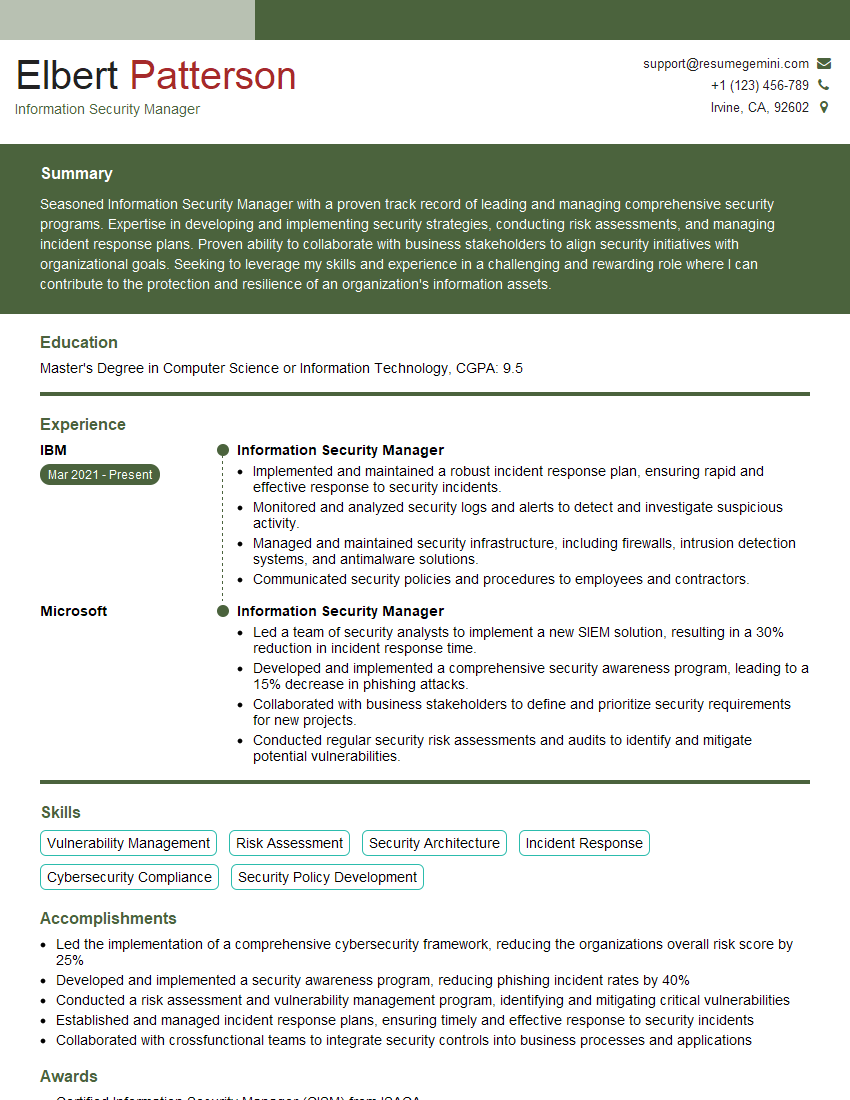
Information Security Manager Resume Sample
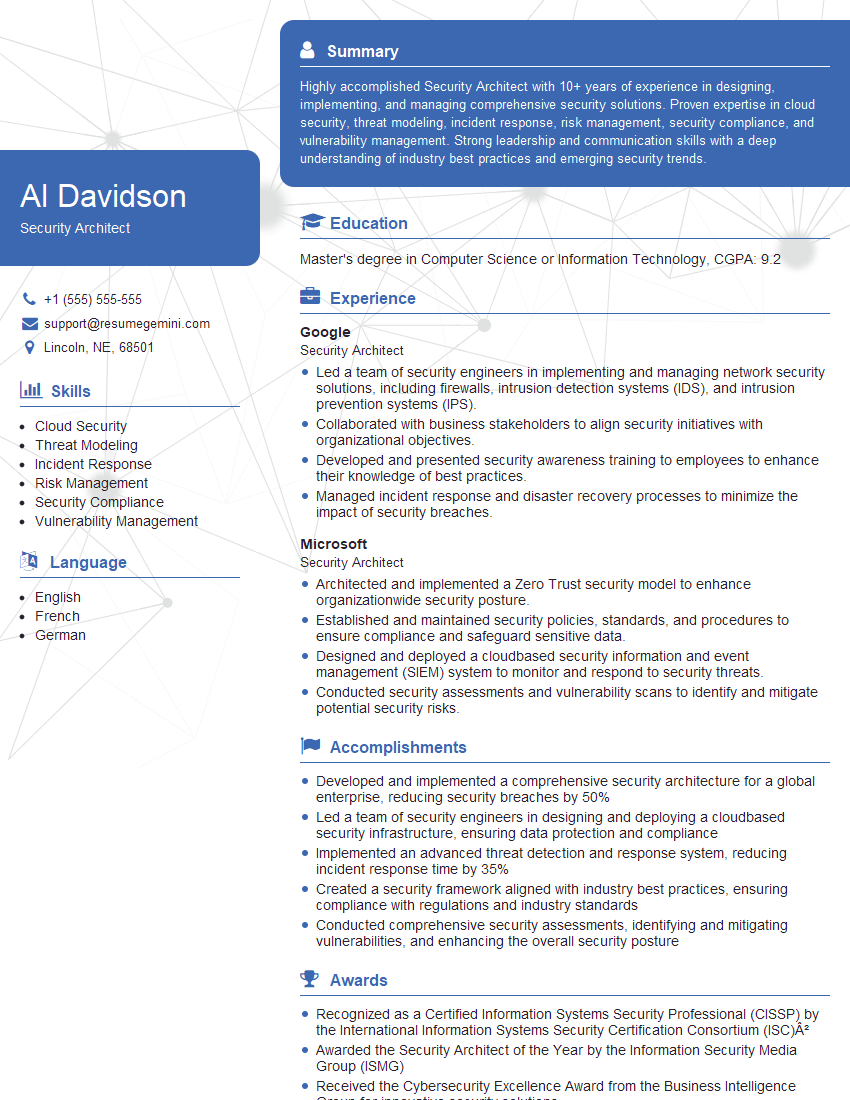
Security Architect Resume Sample
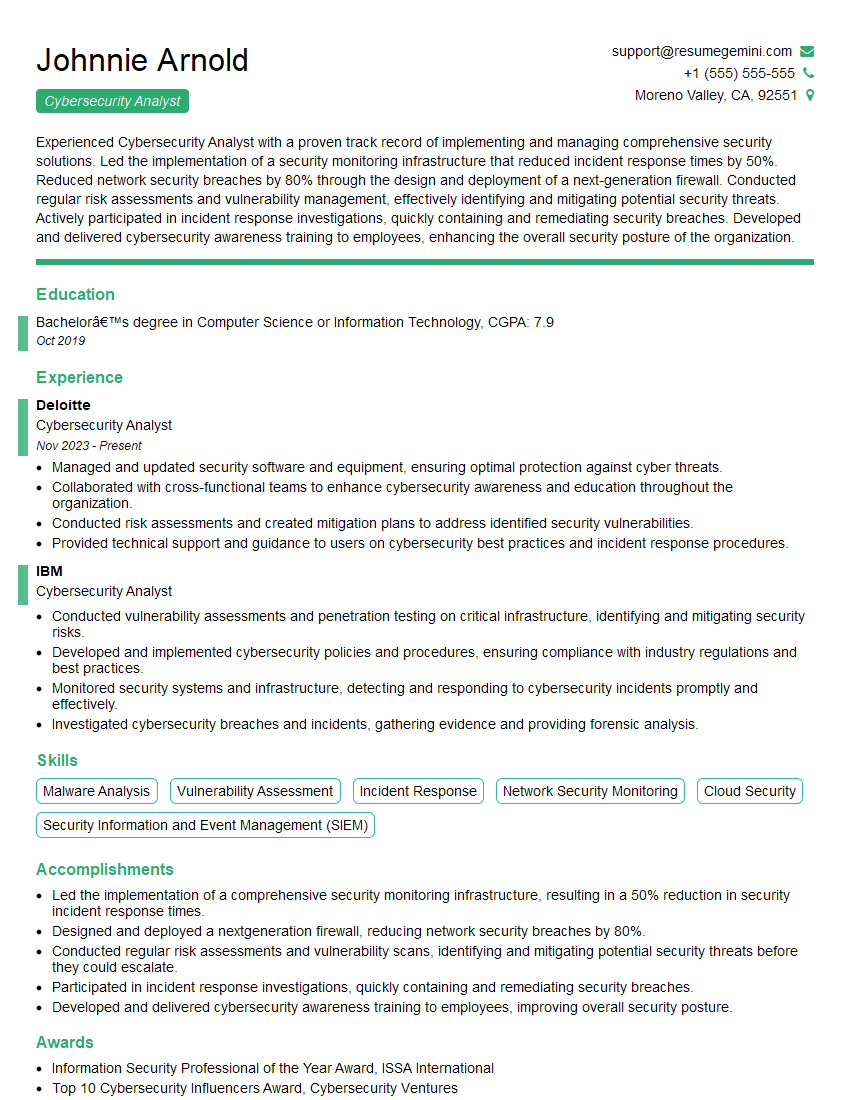
Cybersecurity Analyst Resume Sample
Explore more articles
Users Rating of Our Blogs
Share Your Experience
We value your feedback! Please rate our content and share your thoughts (optional).
What Readers Say About Our Blog
Very informative content, great job.
good