Cracking a skill-specific interview, like one for Knowledge of Industry Standards (e.g., ASTM, ASME, ISO), requires understanding the nuances of the role. In this blog, we present the questions you’re most likely to encounter, along with insights into how to answer them effectively. Let’s ensure you’re ready to make a strong impression.
Questions Asked in Knowledge of Industry Standards (e.g., ASTM, ASME, ISO) Interview
Q 1. Explain the significance of ISO 9001 certification for a manufacturing company.
ISO 9001 certification is a globally recognized standard for a Quality Management System (QMS). For a manufacturing company, achieving this certification signifies a commitment to consistently meeting customer and regulatory requirements. It’s not just a tick-box exercise; it’s a framework for continuous improvement across all aspects of the business, from design and development to production, delivery, and service.
- Enhanced Customer Confidence: Certification demonstrates a company’s dedication to quality, building trust and attracting new clients.
- Improved Efficiency: Implementing a QMS streamlines processes, reduces waste, and minimizes errors, leading to increased efficiency and profitability.
- Reduced Risks: A well-defined QMS helps identify and mitigate risks associated with non-conformities, improving product quality and safety.
- Competitive Advantage: In today’s market, ISO 9001 certification provides a competitive edge, often acting as a crucial factor in securing contracts and partnerships.
- International Recognition: The ISO 9001 standard is globally recognized, facilitating smoother operations in international markets.
Imagine a car manufacturer: ISO 9001 certification assures customers that the cars meet specified quality standards, from the design of the engine to the assembly of the dashboard. This builds trust and reduces the risk of recalls or customer dissatisfaction.
Q 2. Describe the key differences between ASTM and ASME standards.
ASTM International (formerly the American Society for Testing and Materials) and ASME (American Society of Mechanical Engineers) are both prominent organizations developing standards, but they focus on different areas. ASTM focuses primarily on materials testing and standardization, while ASME concentrates on mechanical engineering, including design, construction, and safety of mechanical equipment.
- ASTM: Develops standards for testing the properties of materials, such as tensile strength, hardness, and chemical composition. They cover a wide range of materials, including metals, plastics, polymers, and composites. Think of testing the strength of a steel beam or determining the flammability of a plastic casing.
- ASME: Concentrates on standards for design, manufacturing, and installation of mechanical equipment, particularly pressure vessels, boilers, and piping systems. Their standards prioritize safety and reliability. Consider the design of a high-pressure steam boiler in a power plant – ASME standards are critical for ensuring its safe operation.
In essence, ASTM provides the material properties data (e.g., yield strength of steel), while ASME uses this data to design and ensure the safe operation of engineered systems (e.g., a pressure vessel built from that steel).
Q 3. How would you apply ISO 14001 environmental management principles in a manufacturing setting?
ISO 14001 is an environmental management system (EMS) standard that helps organizations minimize their environmental impact. In a manufacturing setting, applying its principles involves a systematic approach to managing environmental aspects and impacts throughout the entire product lifecycle.
- Environmental Policy: Defining a clear environmental policy that commits to continuous environmental improvement.
- Environmental Aspects Identification: Identifying and assessing the significant environmental aspects of the manufacturing process (e.g., energy consumption, waste generation, water usage).
- Legal Compliance: Ensuring full compliance with all applicable environmental regulations and permits.
- Pollution Prevention: Implementing strategies to prevent or minimize pollution (e.g., implementing cleaner production techniques, recycling programs).
- Resource Management: Efficiently managing resources like water and energy through conservation measures.
- Emergency Preparedness and Response: Developing and regularly practicing emergency response plans for environmental incidents.
For example, a textile factory could use ISO 14001 to minimize water usage in dyeing processes, implement a system for recycling wastewater, and reduce its carbon footprint by switching to renewable energy sources. The implementation requires careful planning and integration within the company’s overall operations.
Q 4. What are the common requirements for material testing according to ASTM standards?
ASTM standards for material testing usually involve a series of steps to ensure reliable and consistent results. Common requirements include:
- Sample Preparation: Properly preparing the test specimens to represent the material accurately, following specified dimensions and surface conditions. This step is crucial for obtaining reliable results.
- Test Methods: Utilizing standardized test methods to obtain reproducible results. For example, ASTM E8 covers tensile testing of metallic materials, outlining the procedure and equipment required.
- Calibration and Verification: Regularly calibrating the testing equipment and verifying the accuracy of the measurements to ensure the reliability of the test results.
- Documentation: Maintaining detailed records of the test procedures, results, and any deviations from the standard. This is crucial for traceability and quality control.
- Reporting: Presenting the test results in a clear and concise manner, usually in a formal report that includes the test method used, the results obtained, and any relevant observations.
For instance, testing the tensile strength of steel involves carefully preparing a specimen, testing it according to ASTM E8, and documenting every aspect of the procedure, including the equipment used and its calibration status.
Q 5. Explain the role of ASME Section VIII in pressure vessel design.
ASME Section VIII, Division 1 and Division 2, cover the design, fabrication, inspection, testing, and certification of pressure vessels. It’s a crucial standard for ensuring the safety and reliability of these critical components used in various industries.
- Design Rules: Section VIII provides detailed rules and equations for designing pressure vessels based on material properties, operating pressures, and temperatures. These rules consider factors like stress, fatigue, and corrosion.
- Material Specifications: The section references various ASTM standards for specifying the appropriate materials to use in the construction of pressure vessels, ensuring their suitability for the intended operating conditions.
- Fabrication and Construction: It outlines the requirements for the fabrication and construction processes, including welding procedures and quality control measures.
- Inspection and Testing: Section VIII establishes stringent requirements for inspecting and testing pressure vessels during and after fabrication, ensuring they meet the design specifications and are free from defects.
- Certification: The standards outline the requirements for the certification of pressure vessels, ensuring they comply with the code and can be safely operated.
Think of a large pressure vessel used in a chemical plant. ASME Section VIII ensures that the vessel is designed and built to withstand the pressures and temperatures it will experience, preventing catastrophic failures. This is crucial for worker safety and environmental protection.
Q 6. How do you ensure compliance with relevant industry standards throughout a project lifecycle?
Ensuring compliance with relevant industry standards throughout a project lifecycle requires a proactive and systematic approach. This involves planning, implementation, and verification at each stage.
- Planning Phase: Identifying all applicable standards early in the project. This includes reviewing project specifications, conducting a gap analysis, and developing a compliance plan.
- Design Phase: Incorporating the standards into the design specifications and drawings. This includes selecting materials that meet the required specifications and designing components that comply with the relevant standards.
- Manufacturing/Construction Phase: Implementing the procedures and processes outlined in the standards during manufacturing or construction. This includes using certified materials, employing qualified personnel, and maintaining accurate records.
- Testing and Inspection Phase: Conducting the necessary tests and inspections to verify that the product or system meets the specified requirements. This includes documenting the results and addressing any non-conformances.
- Operation and Maintenance Phase: Establishing procedures for ongoing compliance, including routine inspections, maintenance, and records keeping.
A well-defined compliance program, coupled with regular audits and reviews, can effectively address the risks associated with non-compliance. A proactive approach prevents costly rework, potential safety hazards, and legal issues.
Q 7. What is the importance of traceability in maintaining compliance with standards?
Traceability is the ability to trace the history, application, or location of an item throughout its lifecycle. Maintaining traceability is essential for demonstrating compliance with industry standards because it enables verification of the materials, processes, and equipment used in the production of a product or system.
- Material Traceability: Knowing the origin and history of the materials used, ensuring they meet the required specifications.
- Process Traceability: Tracking the various processes and procedures followed during manufacturing or construction, verifying their adherence to the standards.
- Equipment Traceability: Ensuring that the equipment used is properly calibrated and maintained according to the required standards.
- Personnel Traceability: Maintaining records of the personnel involved in the various stages of the project, documenting their qualifications and training.
For example, in the pharmaceutical industry, traceability is crucial for ensuring the safety and efficacy of drugs. Each batch of medication needs to be tracked from the raw materials to the final product, allowing for quick identification and removal of any batches affected by a potential contamination event. Lack of traceability can lead to significant risks and costly consequences.
Q 8. Describe your experience with using a specific industry standard (e.g., ASTM A370, ASME Y14.5).
I have extensive experience with ASTM A370, Standard Test Methods and Definitions for Mechanical Testing of Steel Products. This standard is crucial in ensuring the quality and integrity of steel components used in various industries, from construction to aerospace. In my previous role at Acme Engineering, I was directly responsible for overseeing the implementation and adherence to ASTM A370 during the manufacturing process of high-strength steel beams for a major bridge project. This involved meticulously planning and executing tensile, yield, and elongation tests on steel samples, ensuring all procedures strictly followed the standard’s guidelines. We used calibrated testing machines and maintained detailed records, adhering to the prescribed data reporting formats. Any deviations from the standard were carefully documented, analyzed, and approved by the relevant stakeholders. Successful implementation of ASTM A370 on this project ensured the structural integrity and longevity of the bridge.
Another example involves using ASTM A370 to resolve a discrepancy in the mechanical properties of a batch of steel. By following the rigorous testing procedures and analysis methods outlined in the standard, we were able to pinpoint the root cause—a slight variation in the alloying composition—and take corrective measures to prevent similar issues in future batches. This highlights the importance of ASTM A370 in quality control and risk mitigation.
Q 9. How would you handle a situation where a project requirement conflicts with an industry standard?
Handling conflicts between project requirements and industry standards necessitates a structured approach that prioritizes safety and compliance. My first step would involve a thorough review of the conflicting requirement, identifying precisely where the divergence from the standard lies and why the project team believes a deviation is necessary. This often involves discussions with the project manager, engineers, and potentially external stakeholders, such as client representatives or regulatory bodies.
If the conflict is minor and doesn’t compromise safety or performance, we might explore alternative solutions that satisfy both the project and the standard. For instance, we may be able to modify the design slightly to align with the standard or employ alternative materials or processes that meet both requirements. However, if the conflict is significant and impacts safety or performance, I’d initiate a formal deviation request. This would involve documenting the conflict, outlining the proposed deviation from the standard, assessing the potential risks associated with the deviation, and proposing mitigation strategies to reduce those risks. This deviation request would then be reviewed and approved by a designated authority within the organization, perhaps a quality manager or an independent review board.
Throughout this process, transparent communication with all stakeholders is essential. Maintaining comprehensive documentation of the decision-making process ensures traceability and facilitates future audits and reviews.
Q 10. Explain the concept of a ‘deviation’ from a standard and the appropriate handling procedure.
A ‘deviation’ from a standard is any departure from the specified requirements of that standard. This could range from minor variations in dimensions to significant changes in materials or processes. It’s important to distinguish between deviations which may be acceptable and those which are completely unacceptable. Deviations should always be controlled and documented.
The appropriate handling procedure for deviations involves several key steps:
- Identification and Documentation: Carefully document the deviation, including its nature, location, and cause. Photos, measurements, and other relevant evidence should be included.
- Risk Assessment: Analyze the potential impact of the deviation on product quality, safety, and performance. The severity and likelihood of any negative consequences should be assessed.
- Approval Process: A formal request for deviation must be submitted, detailing the deviation, the justification for it, the proposed mitigation plans, and the impact analysis. This should be reviewed and approved by a designated authority within the organization.
- Implementation and Control: Once approved, the deviation should be implemented under strict control, ensuring that the mitigation plan is effective. The change is controlled through changes in documents and processes, and tracked through a change management system.
- Monitoring and Review: The impact of the deviation should be monitored closely to ensure that it does not result in any unforeseen problems.
- Reporting: All deviations should be recorded and reported in compliance logs or relevant databases.
For example, a slight tolerance deviation on a machined part might be acceptable if it falls within a pre-defined allowance and does not affect the functionality. However, a deviation in a critical safety component necessitates rigorous risk assessment and a detailed deviation request with thorough mitigation planning before approval.
Q 11. What is your understanding of risk assessment in relation to industry standards?
Risk assessment in relation to industry standards is crucial for ensuring product safety and compliance. It’s a systematic process of identifying potential hazards, analyzing their likelihood and severity, and implementing control measures to mitigate those risks. Industry standards provide a baseline for acceptable risk levels, offering guidance on design, manufacturing, testing, and other relevant aspects. This is a proactive process.
For instance, when designing a pressure vessel, referencing ASME Section VIII, Division 1, will help determine the appropriate design parameters, material selection, and testing procedures to ensure the vessel can withstand operating pressures safely. A risk assessment may uncover other risks, such as improper maintenance procedures. This necessitates incorporating additional safeguards to reduce the risk of failures. Risk assessments, performed at various stages of the product lifecycle, form a crucial component of any robust quality management system.
By using industry standards as a framework, we can proactively identify and manage risks associated with non-compliance, ensuring our processes and products meet or exceed the expectations of safety and performance.
Q 12. How do you stay updated on changes and revisions within relevant industry standards?
Staying updated on changes and revisions within relevant industry standards requires a proactive and multi-faceted approach. I subscribe to notifications from standard-setting organizations like ASTM International and ASME. These organizations provide updates on revisions and new standards. Many standards bodies maintain online databases and subscription services that give you access to the most current versions of standards.
I also actively participate in industry conferences, workshops, and training sessions to keep abreast of new developments and best practices. Networking with other professionals in my field is also valuable, allowing for the sharing of knowledge and experiences concerning changes in standards.
Regular internal reviews of our engineering documents and procedures are critical to ensure alignment with the latest standards. We utilize software tools that track changes and highlight those that require attention and updates in our processes. This proactive approach ensures we’re always operating in compliance with the most up-to-date industry standards.
Q 13. Describe your experience with internal audits related to industry standards compliance.
My experience with internal audits related to industry standards compliance includes both performing audits and being audited. As an auditor, my focus was on verifying adherence to relevant standards, such as ISO 9001 for quality management systems, as well as specific standards relevant to our products. This involved reviewing documentation, observing processes, and interviewing personnel to gather evidence of compliance.
Audits typically follow a structured methodology, including planning, execution, reporting, and follow-up. We used checklists and audit templates based on the specific standards to ensure consistency and thoroughness. Discrepancies found during the audits were documented, classified based on severity, and corrective actions were identified and implemented. A critical aspect was to ensure proper documentation of all findings and corrective actions.
As an auditee, I’ve participated in internal audits, actively collaborating with auditors to facilitate a smooth and effective audit. This involved providing documentation, answering questions, and implementing corrective actions based on audit findings. Through active participation in both sides of the audit process, I developed a thorough understanding of the importance of compliance and continuous improvement.
Q 14. What are the key elements of a quality management system (QMS)?
A Quality Management System (QMS) is a collection of interrelated or interacting elements to establish policies, procedures, processes and resources needed to achieve quality objectives. Key elements include:
- Leadership and Commitment: Top management must demonstrate a clear commitment to quality and actively support the QMS.
- Customer Focus: Understanding and meeting customer needs and expectations is paramount.
- Process Approach: Managing processes effectively is crucial for achieving consistent quality results. This involves defining, controlling, monitoring, and improving processes.
- People Engagement: Empowering and engaging employees at all levels is essential for achieving quality goals.
- Improvement: Continuous improvement through data analysis, problem-solving, and proactive measures is key to enhancing quality.
- Evidence-Based Decision-Making: Using data and evidence to make informed decisions is crucial for effective quality management.
- Relationship Management: Maintaining positive relationships with suppliers and other external stakeholders contributes to overall quality.
ISO 9001 is a widely recognized international standard for quality management systems. It provides a framework that incorporates all these elements, offering a structure for organizations to implement and maintain an effective QMS. Adhering to such standards enhances efficiency, reduces errors, and builds customer confidence. It’s not merely about compliance but about continual enhancement of the entire quality process.
Q 15. How would you interpret and implement a specific standard in a practical engineering scenario?
Interpreting and implementing a standard involves a multi-step process. First, you thoroughly understand the standard’s requirements, paying close attention to the scope, definitions, and specific clauses relevant to your project. Then, you map these requirements onto your specific engineering scenario. This might involve creating a checklist, developing specific procedures, or modifying existing workflows. Let’s say we’re implementing ASTM A370, Standard Test Methods and Definitions for Mechanical Testing of Steel Products. A specific clause might detail the procedure for a tensile test. To implement this, we’d select the appropriate specimens, use calibrated testing equipment following the standard’s specifications (e.g., grip alignment, strain rate), and meticulously document all steps. Finally, we analyze the results and ensure they meet the acceptance criteria laid out in the standard.
For instance, if we’re building a bridge, we might utilize AASHTO (American Association of State Highway and Transportation Officials) standards alongside ASTM standards to ensure structural integrity. We would meticulously document our process, including material certifications that confirm compliance with the specified ASTM grades.
Career Expert Tips:
- Ace those interviews! Prepare effectively by reviewing the Top 50 Most Common Interview Questions on ResumeGemini.
- Navigate your job search with confidence! Explore a wide range of Career Tips on ResumeGemini. Learn about common challenges and recommendations to overcome them.
- Craft the perfect resume! Master the Art of Resume Writing with ResumeGemini’s guide. Showcase your unique qualifications and achievements effectively.
- Don’t miss out on holiday savings! Build your dream resume with ResumeGemini’s ATS optimized templates.
Q 16. What are the potential consequences of non-compliance with industry standards?
Non-compliance with industry standards can have serious repercussions, ranging from minor inconveniences to catastrophic failures. Consequences can include:
- Legal and Financial Penalties: Failure to meet safety standards can lead to hefty fines, lawsuits, and even criminal charges, especially in cases involving accidents or injuries.
- Reputational Damage: Non-compliance can severely damage an organization’s credibility and trust among clients, investors, and the public.
- Product Recalls and Rework: If a product doesn’t meet standards, it may need to be recalled, leading to significant financial losses and logistical challenges. This is especially true in the automotive and medical device industries.
- Project Delays and Cost Overruns: Corrective actions and rework needed to achieve compliance add time and expense to a project.
- Safety Hazards: The most serious consequence of non-compliance is the potential for accidents, injuries, or even fatalities. Examples include building collapses due to substandard materials or equipment malfunctions in the aerospace industry.
Q 17. Discuss the importance of documentation in maintaining compliance.
Documentation is crucial for maintaining compliance. It provides irrefutable evidence that the project adheres to relevant standards. This documentation should be comprehensive and include:
- Standard References: Clearly identify the specific standards followed.
- Material Certifications: Confirm that materials used meet the specified requirements.
- Test Results: Record all results from inspections, tests, and quality control checks.
- Calibration Records: Demonstrate that testing equipment is accurately calibrated and maintained.
- Process Records: Document all steps of the project or manufacturing process.
- Deviation Reports: If there are any deviations from the standard, a thorough explanation must be documented along with justifications and corrective actions.
Think of documentation as an audit trail. It not only helps ensure compliance but allows for easy tracing of issues and provides valuable insights for improvement.
Q 18. How do you ensure effective communication regarding standards compliance within a team?
Effective communication is paramount in ensuring standards compliance. This involves:
- Clear and Concise Communication: Use plain language to explain standards requirements to team members with varying levels of technical expertise. Avoid jargon. Visual aids like flowcharts and diagrams can be very helpful.
- Regular Training: Provide regular training sessions on relevant standards and best practices. This could involve workshops, online modules, or shadowing experienced professionals.
- Open Communication Channels: Establish open communication channels, such as regular meetings or dedicated communication platforms, to address questions, concerns, and potential issues. This fosters a culture of proactive problem-solving.
- Feedback Mechanisms: Implement a system where team members can provide feedback on the effectiveness of compliance procedures and suggest improvements. This creates a continuous improvement cycle.
- Clear Roles and Responsibilities: Assign clear roles and responsibilities for standards compliance within the team. This ensures accountability and avoids confusion.
Q 19. Explain your understanding of root cause analysis in relation to standard deviations.
Root cause analysis (RCA) is a systematic approach to identifying the underlying causes of problems, including those related to deviations from standards. When deviations occur (e.g., a manufactured part exceeds the tolerance specified in an ISO standard), RCA helps to determine why this happened. It’s not simply about identifying the immediate problem (the deviation itself); it’s about uncovering the root cause, which might be something like inadequate calibration, operator error, or a flaw in the manufacturing process.
Statistical tools, such as control charts (e.g., Shewhart charts) used to track standard deviations, can help identify trends and potential issues. A consistently high standard deviation might indicate a problem requiring RCA. The ‘5 Whys’ technique, where you repeatedly ask ‘why’ to drill down to the root cause, is a simple yet effective RCA method. Other methods include Fishbone diagrams and fault tree analysis.
Q 20. What are some common challenges encountered while implementing industry standards?
Implementing industry standards often presents various challenges:
- Cost of Implementation: Implementing new standards can be expensive, particularly for smaller companies with limited resources.
- Lack of Awareness and Training: Insufficient knowledge of standards among personnel can lead to non-compliance.
- Conflicting Standards: Sometimes, different standards may overlap or even contradict each other, creating confusion.
- Technology Limitations: Some standards may require specific technologies or equipment that a company doesn’t have access to.
- Resistance to Change: Implementing new standards often requires changing established processes and workflows, which can face resistance from employees.
- Lack of resources (time, personnel, budget): Insufficient resources can hinder effective compliance implementation.
Q 21. How do you balance cost-effectiveness with compliance requirements?
Balancing cost-effectiveness with compliance requirements is a crucial aspect of successful implementation. It’s about finding the most efficient and economical way to meet all standards without compromising safety or quality. This requires a careful assessment of risks and costs. Some strategies include:
- Prioritization: Focus on the most critical standards first, addressing those that pose the greatest risk. This helps manage resources effectively.
- Risk Assessment: A thorough risk assessment helps identify potential areas of non-compliance and allows for targeted resource allocation. The highest-risk aspects need the most rigorous attention.
- Phased Implementation: Implementing standards in phases can help manage costs and ensure that resources are utilized efficiently. This allows for incremental improvements and learning along the way.
- Process Optimization: Streamlining processes and optimizing workflows can reduce costs associated with compliance.
- Technology Investments: Investing in technology that automates compliance processes, such as quality control software, can increase efficiency and reduce costs in the long run.
Remember, cutting corners on compliance is never a cost-effective solution in the long run. The potential costs of non-compliance—legal fees, reputational damage, product recalls—far outweigh the initial investment in ensuring full compliance.
Q 22. Describe your experience with corrective and preventive actions (CAPA) related to standards.
Corrective and Preventive Actions (CAPA) are crucial for maintaining compliance with industry standards. A CAPA system is a structured process designed to identify the root cause of non-conformances or failures, implement corrective actions to address the immediate problem, and preventive actions to prevent recurrence. This is vital for ensuring product quality, safety, and regulatory compliance. My experience involves leading and participating in numerous CAPA investigations across various sectors, including medical device manufacturing and aerospace.
For instance, in a medical device company, we discovered a defect in a batch of surgical instruments. The CAPA process involved: 1) Identifying the non-conformance: A significant number of instruments failed a sterility test. 2) Investigating the root cause: This involved analyzing manufacturing processes, equipment calibration records, and employee training records. We identified a lapse in the sterilization process as the root cause. 3) Implementing corrective actions: This included immediate recall of the affected batch, re-sterilization of the remaining instruments using a validated process, and thorough cleaning and recalibration of the sterilization equipment. 4) Implementing preventive actions: This involved enhanced employee training on sterilization protocols, implementation of a more robust monitoring system for the sterilization equipment, and revision of the standard operating procedures (SOPs).
Another example from the aerospace industry involved a discrepancy in the material properties of a component. We used a similar CAPA process, leading to updated material specifications, stricter supplier audits, and improved quality control checks throughout the supply chain. The effectiveness of these CAPA implementations is continually monitored through metrics like recurrence rates and customer satisfaction surveys.
Q 23. How do industry standards impact product design and development?
Industry standards significantly influence product design and development by providing a framework for safety, performance, and interoperability. They act as benchmarks, ensuring products meet minimum requirements and can be integrated into existing systems. Standards often define critical parameters, testing procedures, and acceptable limits. This reduces design ambiguity, improves efficiency by providing pre-defined solutions, and facilitates global compatibility.
For example, ISO 9001 (Quality Management Systems) dictates requirements for quality control throughout the design and manufacturing process. Adhering to this standard ensures that products consistently meet customer requirements and specified quality standards. In the automotive industry, standards like SAE J1772 (Electric Vehicle Charging System) dictate how electric vehicle charging infrastructure should be designed and implemented. This promotes interoperability – ensuring any EV can be charged at any compliant station. Without these standards, manufacturers would have to design unique solutions for each situation, drastically increasing costs and complexity.
Standards also drive innovation by establishing common goals and creating a foundation for advancement. By focusing on existing best practices and promoting collaboration, they pave the way for the development of more efficient, safer, and reliable products.
Q 24. Explain the relationship between industry standards and regulatory compliance.
Industry standards and regulatory compliance are closely intertwined. Many regulatory bodies incorporate or reference industry standards in their regulations. Compliance with relevant standards often demonstrates compliance with regulatory requirements. Standards act as a practical guide for meeting legal and safety obligations. Using established standards provides a strong defense during audits and inspections. However, it’s crucial to understand that meeting an industry standard doesn’t automatically guarantee regulatory compliance – regulations often have additional or stricter requirements.
Think of it like this: Industry standards are like a recipe for a cake – they provide guidelines and best practices, ensuring a generally good outcome. Regulatory compliance is like passing a food safety inspection – the cake must meet specific requirements to be considered safe and sellable, even if it doesn’t perfectly follow a specific recipe.
For example, the FDA (Food and Drug Administration) often references ASTM and ISO standards in their regulations for medical devices. Manufacturers demonstrating compliance with these standards greatly strengthen their case for FDA approval. However, the FDA may have additional requirements beyond those outlined in the standards. This emphasizes the need for a comprehensive understanding of both standards and regulations.
Q 25. How do you measure the effectiveness of a company’s standards compliance program?
Measuring the effectiveness of a company’s standards compliance program requires a multi-faceted approach that goes beyond simply documenting compliance activities. Key performance indicators (KPIs) are essential. These include:
- Audit findings: The number and severity of non-conformances identified during internal and external audits.
- Corrective action effectiveness: The rate of recurrence of non-conformances after corrective actions have been implemented.
- Employee training completion rates: Demonstrates the organization’s commitment to ensuring staff are aware of and follow relevant standards.
- Customer complaints related to quality: High rates suggest potential compliance weaknesses.
- Number of successful product certifications: This indicates the level of successful standard adherence.
- Timely completion of compliance-related tasks: This shows the efficiency of the compliance program.
By tracking these KPIs, a comprehensive picture of the effectiveness of the compliance program emerges. Regular review and analysis of these metrics allows for proactive identification of areas for improvement and optimization of processes to ensure ongoing compliance.
Q 26. Describe a time you had to resolve a conflict between different standards.
In a previous role, we encountered a conflict between two international standards for a pressure vessel design – ASME Section VIII, Division 1, and an equivalent European standard. ASME allowed a specific welding technique, while the European standard had more stringent requirements, effectively prohibiting it. Both standards were legally required within the different regions where the pressure vessel would be deployed.
To resolve the conflict, we formed a cross-functional team including engineers, legal experts, and procurement specialists. We took the following steps: 1) Thorough analysis: We carefully compared the specific clauses of both standards, identifying the areas of discrepancy. 2) Risk assessment: We evaluated the safety implications of using each welding technique, considering the risk profile of the intended applications. 3) Feasibility study: We investigated the technical feasibility and cost-effectiveness of adopting the stricter European standard across both regions or using alternate welding techniques for compliance.
Ultimately, we decided to comply with the more stringent European standard globally, which although increasing costs initially, minimized risk and ensured compliance in all regions. This decision involved clear documentation and communication with all stakeholders, including the client.
Q 27. What are your preferred resources for researching and understanding new industry standards?
My preferred resources for researching and understanding new industry standards include a combination of official standards organizations, professional associations, and reputable online databases.
- Official standards organizations: such as ISO, ASTM International, ASME, etc. These organizations offer the most up-to-date and authoritative versions of standards. They usually have online portals where standards can be purchased and downloaded.
- Professional associations: Many professional associations, like ASME, IEEE, and others, provide valuable resources, including summaries, explanations, and training materials related to industry standards relevant to their fields.
- Reputable online databases: Several commercial databases offer searchable collections of standards, enabling quick identification and review of relevant documents.
- Industry publications and journals: These publications frequently discuss and analyze new and updated standards, offering insights into their implications and practical applications.
I also find networking with other professionals involved in standards development and implementation invaluable. Staying current requires continuous learning and engagement with the broader standards community.
Key Topics to Learn for Knowledge of Industry Standards (e.g., ASTM, ASME, ISO) Interview
- Understanding the Scope and Purpose of Standards Organizations: Learn the differences between ASTM, ASME, and ISO, and understand their respective areas of focus. Explore how these organizations develop and maintain standards.
- Interpreting Standard Documents: Practice reading and interpreting technical specifications, including understanding terminology, classifications, and requirements outlined in standard documents. Focus on identifying key parameters and their implications.
- Applying Standards in Practical Scenarios: Consider how specific standards relate to real-world engineering or manufacturing challenges. Think through examples where adherence to, or deviation from, a standard would be critical. This includes understanding the consequences of non-compliance.
- Commonly Used Standards and their Applications: Familiarize yourself with frequently cited standards within your specific industry. Research examples of how these standards are applied in design, testing, and manufacturing processes.
- Revisions and Updates to Standards: Understand the process of standard revisions and the importance of staying current with the latest versions. Consider how to identify and utilize the most up-to-date standard documentation.
- Problem-Solving using Standards: Practice using standards to solve hypothetical engineering or quality control problems. Develop your ability to identify relevant standards and apply their requirements effectively.
- Legal and Regulatory Implications of Standards: Understand the role standards play in compliance with regulations and legal requirements. Consider the potential liabilities associated with non-compliance.
Next Steps
Mastering knowledge of industry standards like ASTM, ASME, and ISO is crucial for career advancement in technical fields. Demonstrating this expertise is essential for securing your dream role. To maximize your chances, create an ATS-friendly resume that clearly showcases your understanding and practical application of these standards. ResumeGemini is a trusted resource that can help you build a professional resume that highlights your skills effectively. We provide examples of resumes tailored to showcasing expertise in Knowledge of Industry Standards (e.g., ASTM, ASME, ISO), ensuring your qualifications stand out to potential employers.
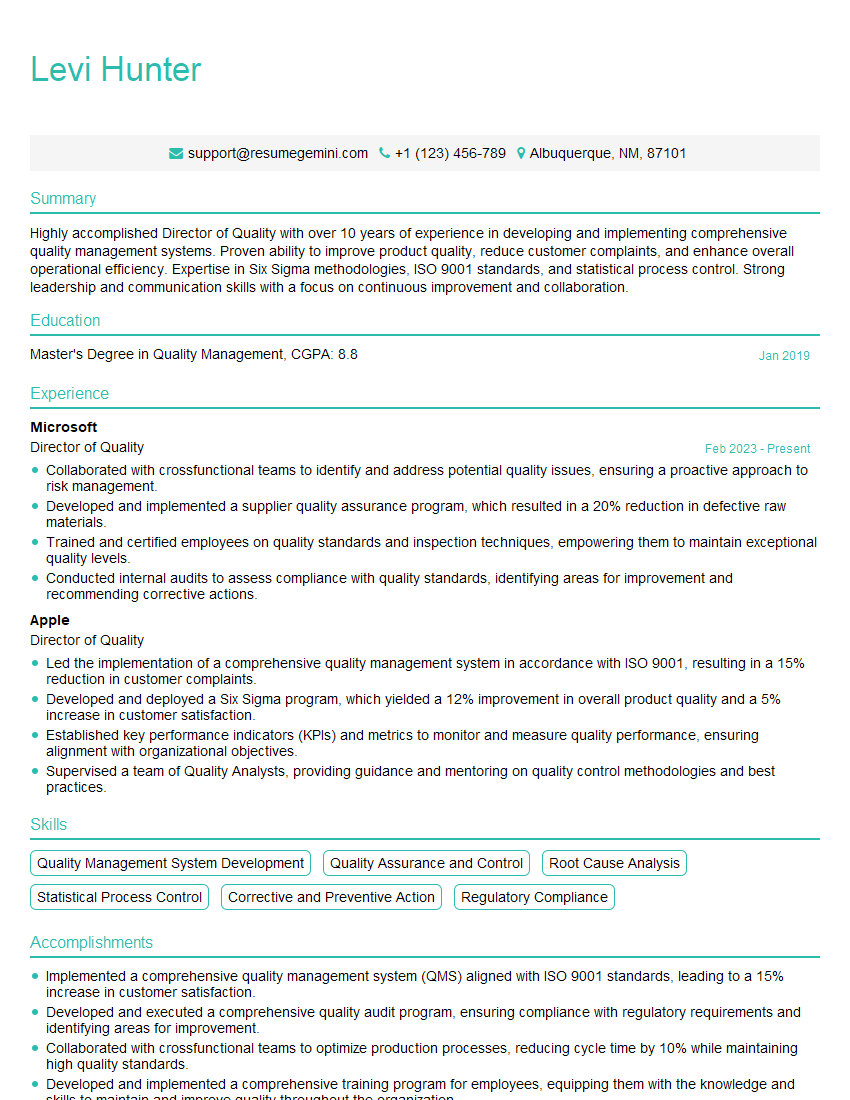
Director of Quality Resume Sample
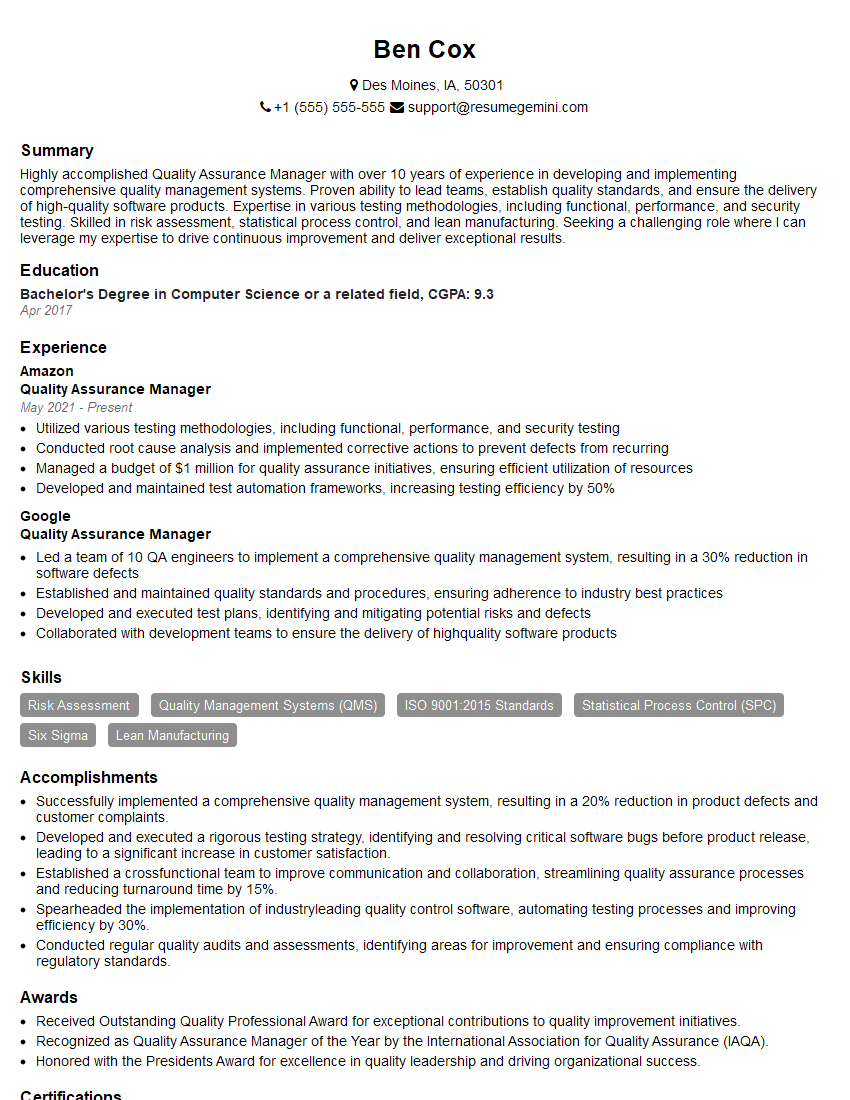
Quality Assurance Manager Resume Sample
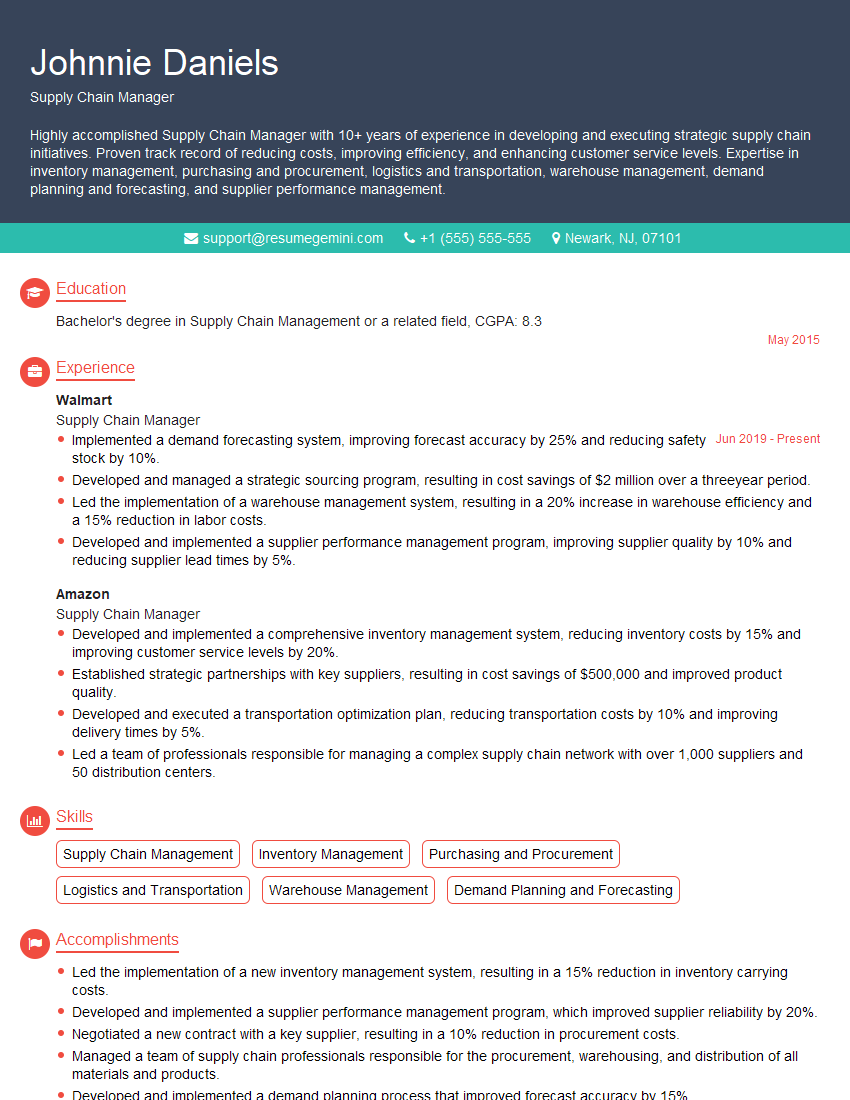
Supply Chain Manager Resume Sample
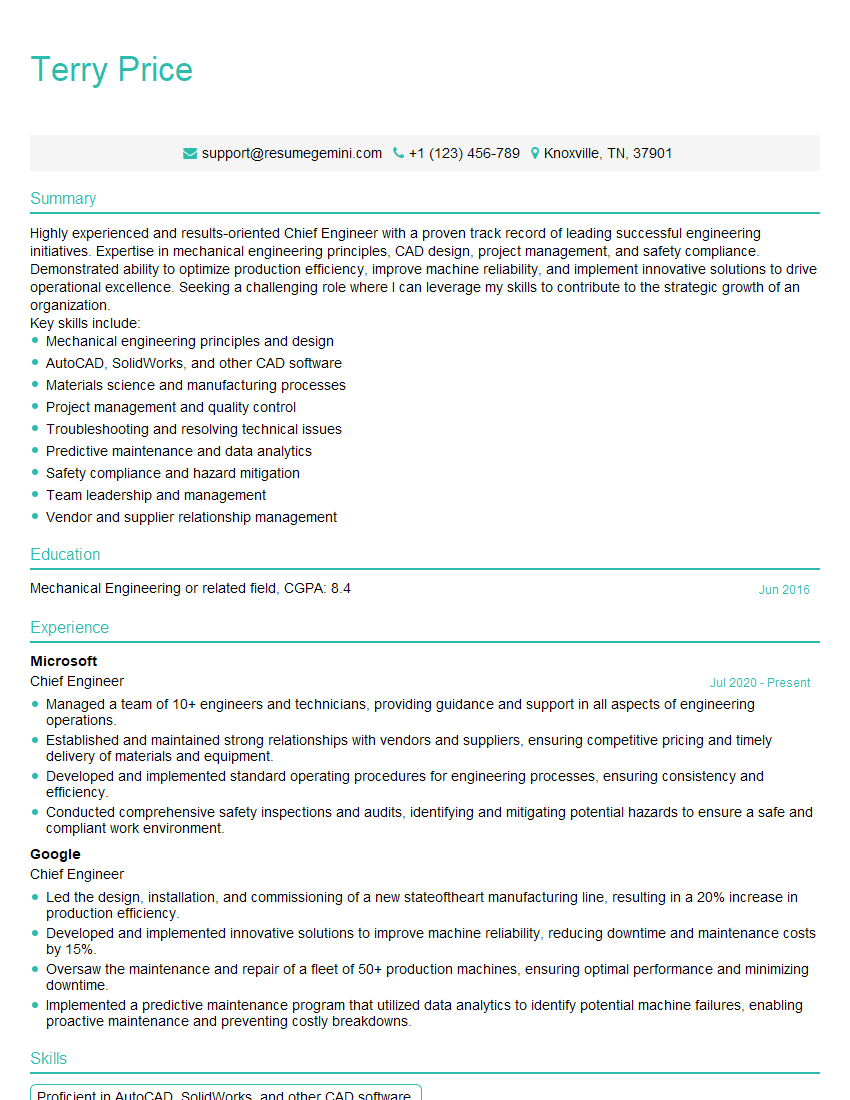
Chief Engineer Resume Sample
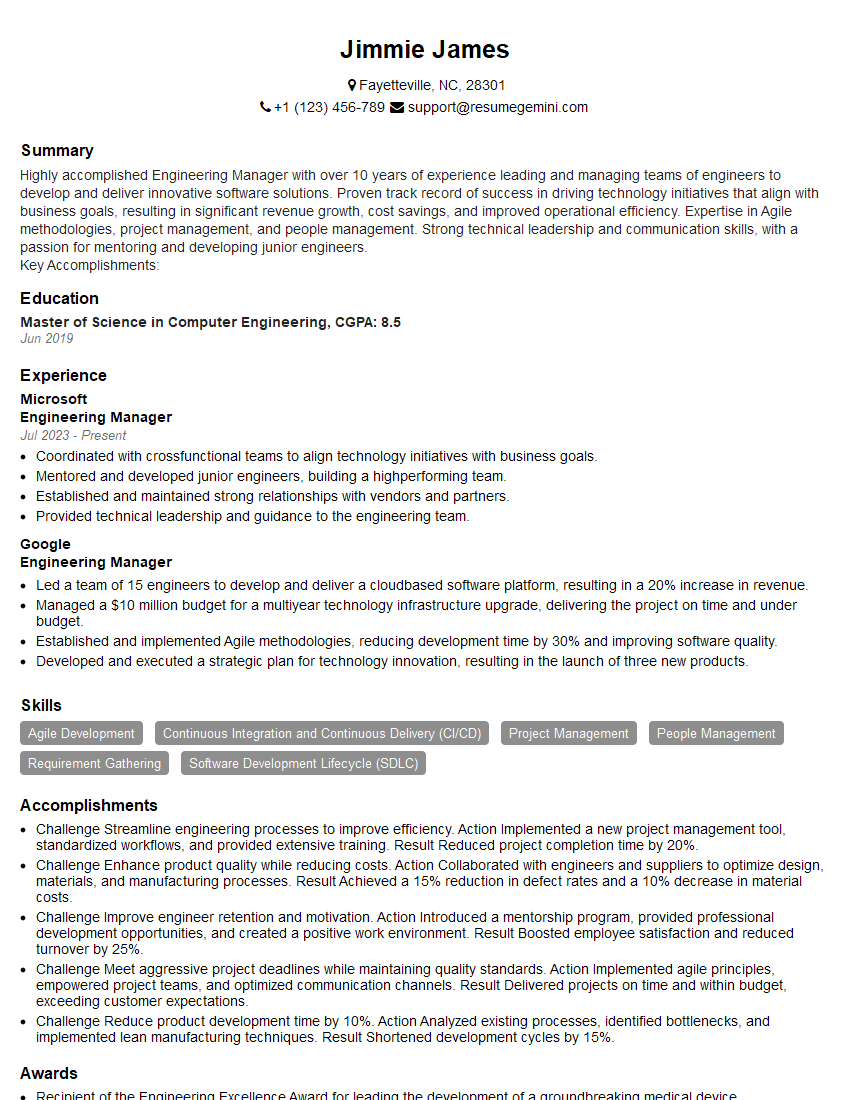
Engineering Manager Resume Sample
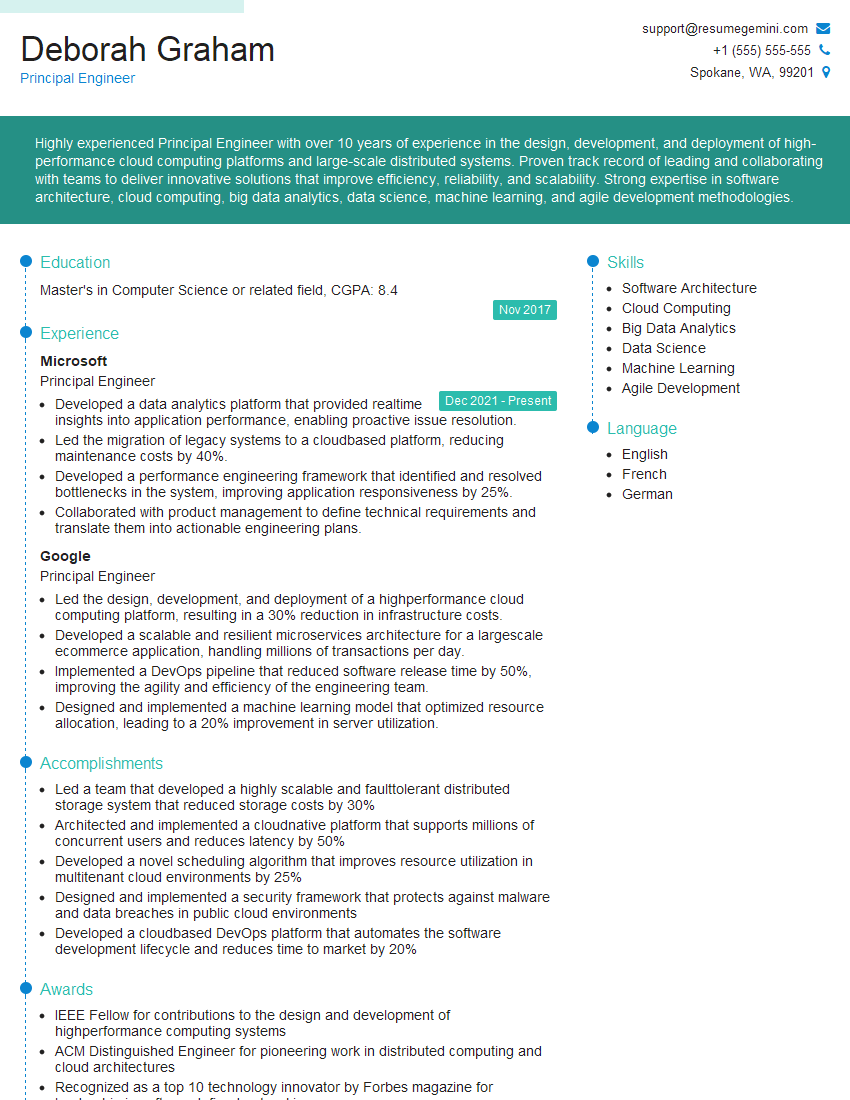
Principal Engineer Resume Sample

Project Engineer Resume Sample
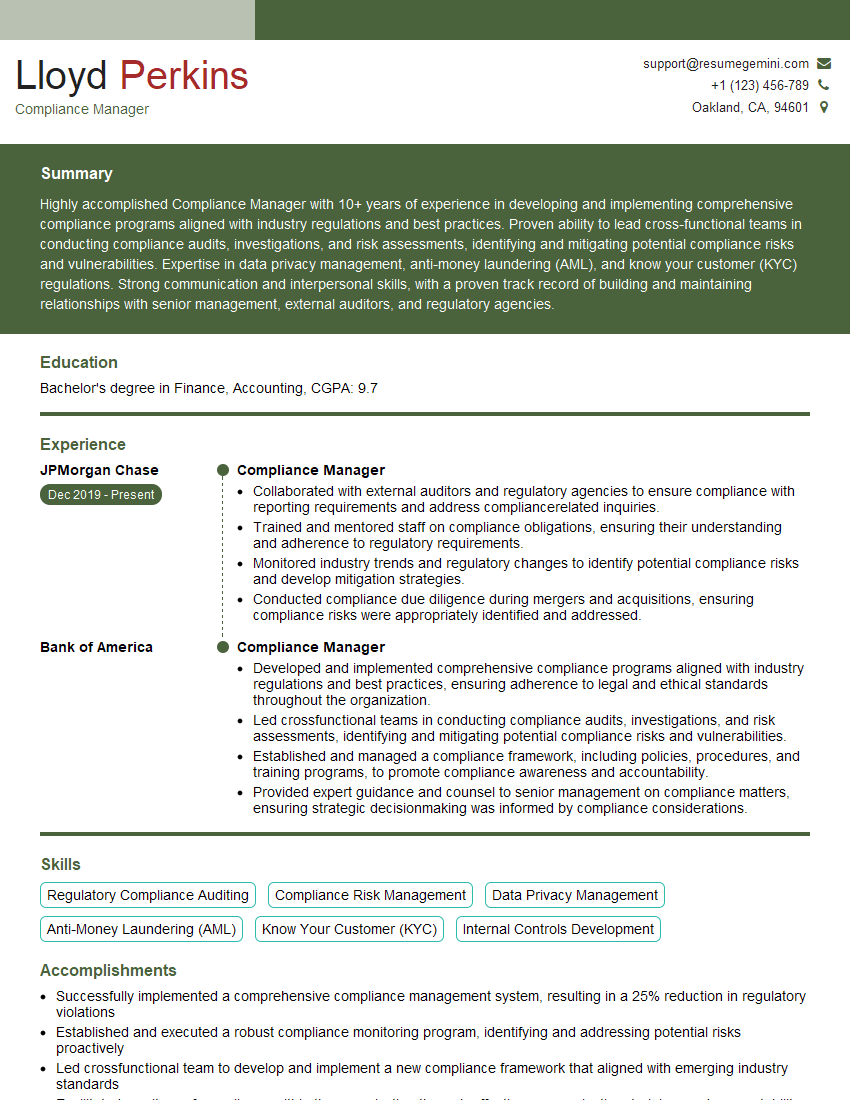
Compliance Manager Resume Sample

Compliance Officer Resume Sample
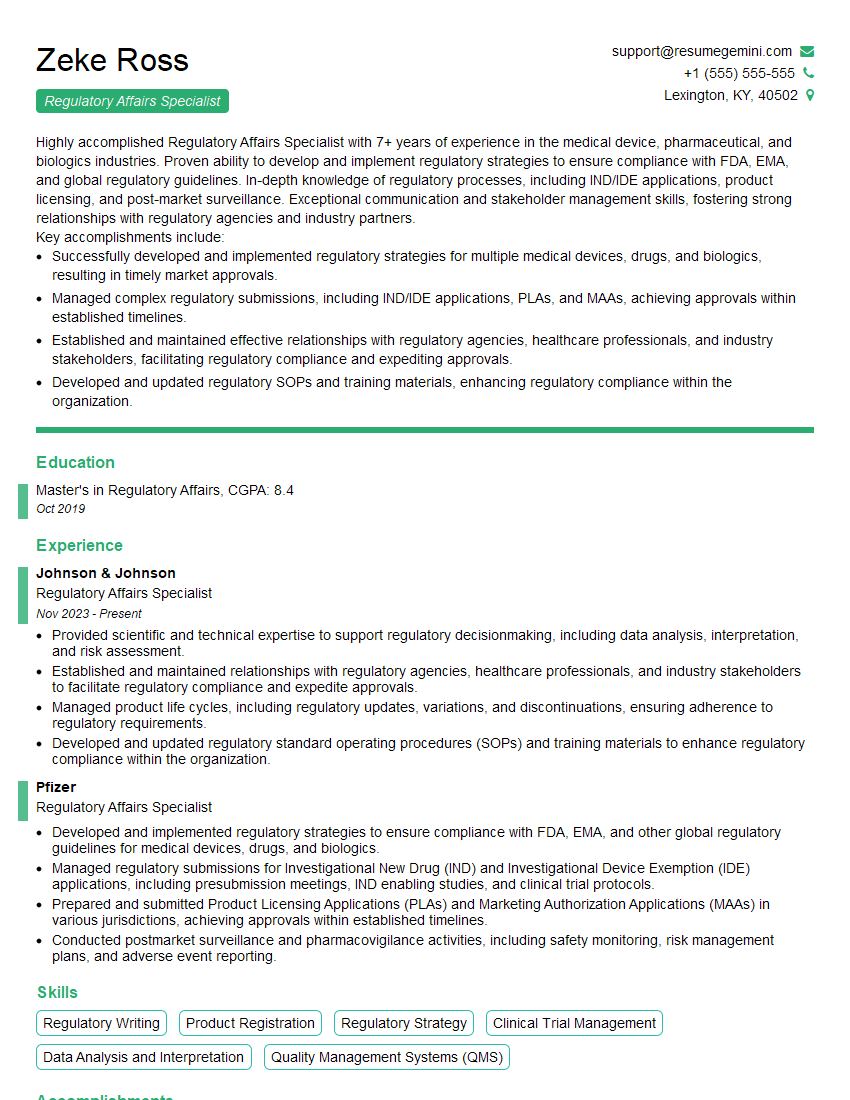
Regulatory Affairs Specialist Resume Sample
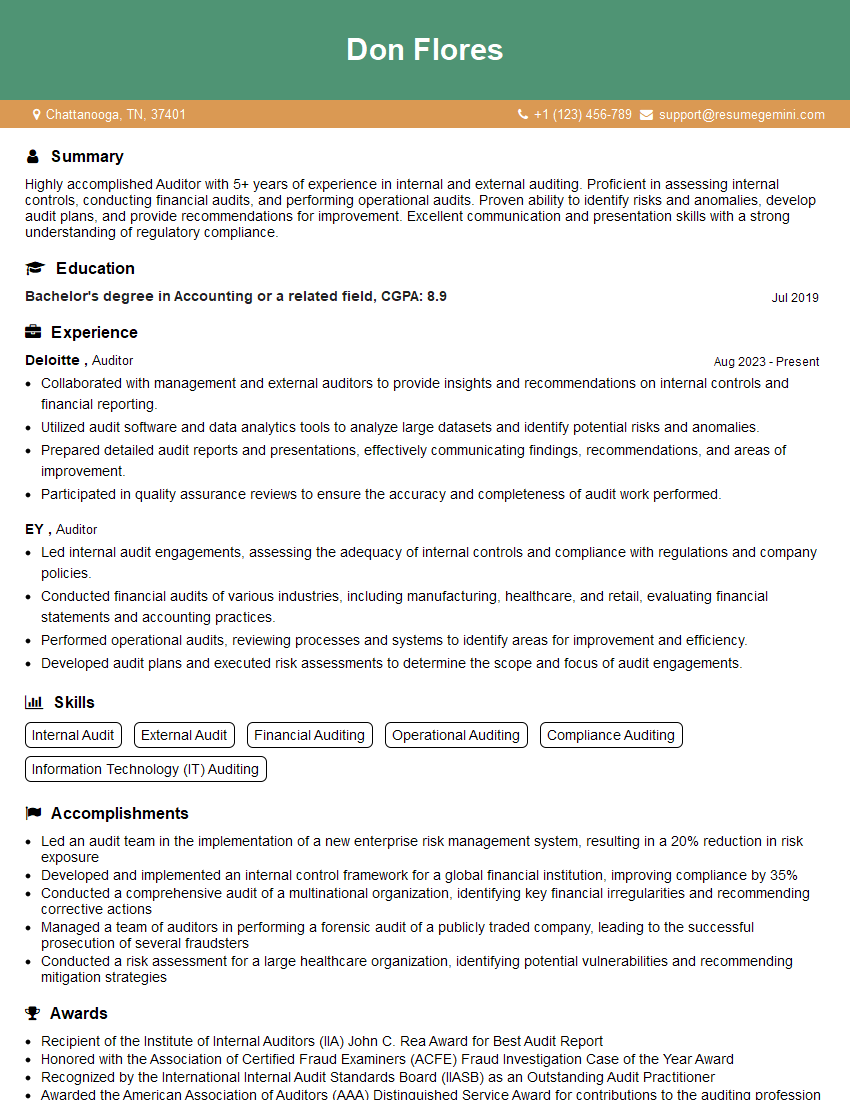
Auditor Resume Sample
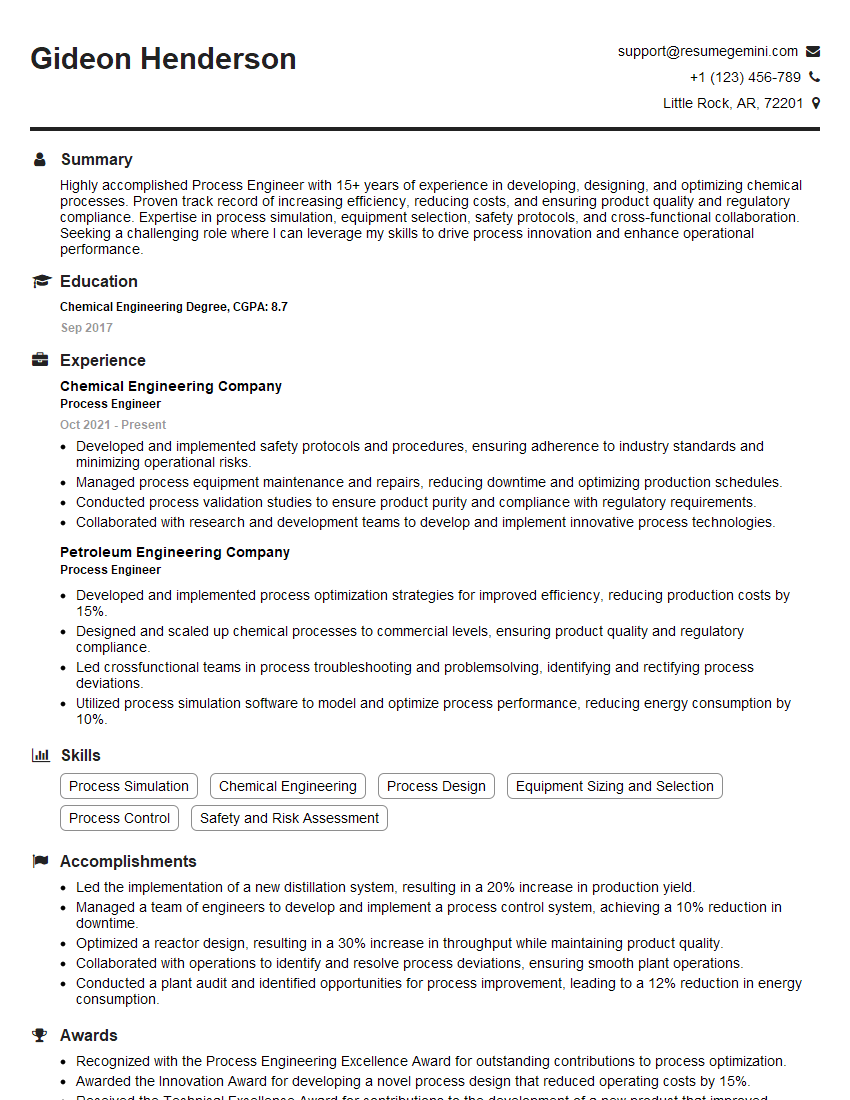
Process Engineer Resume Sample
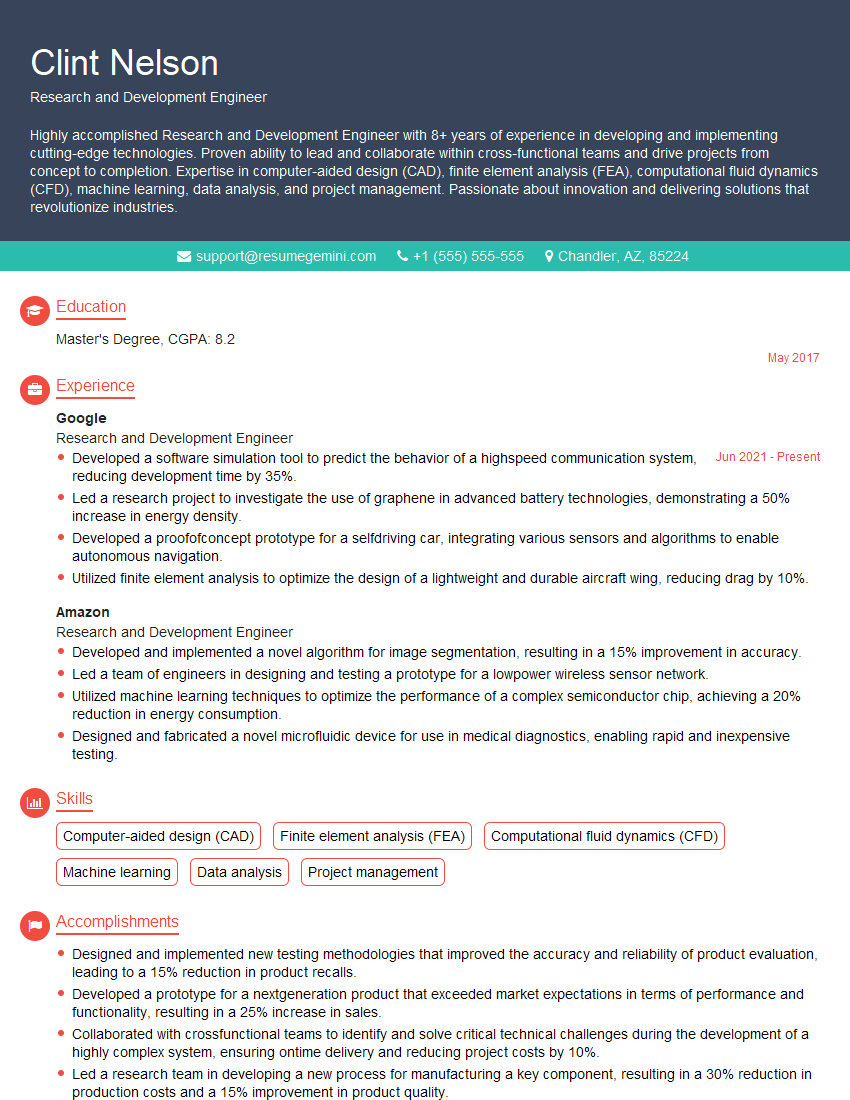
Research and Development Engineer Resume Sample
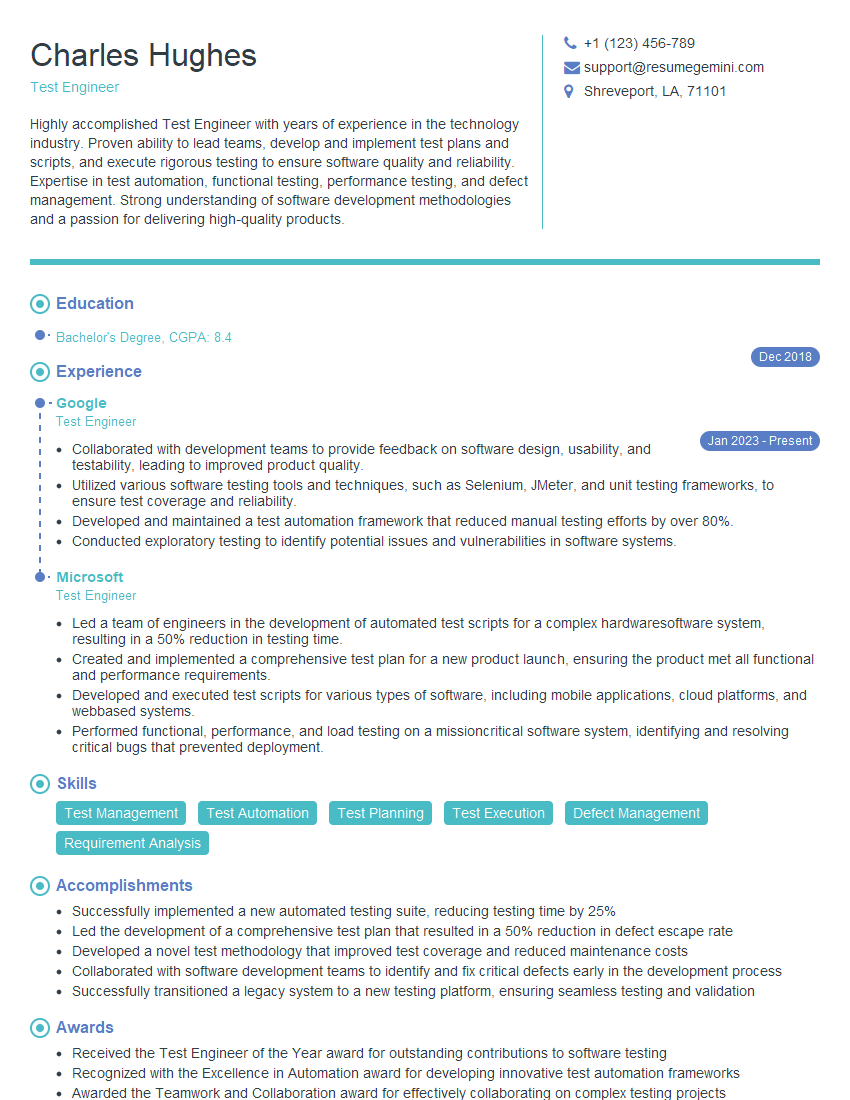
Test Engineer Resume Sample
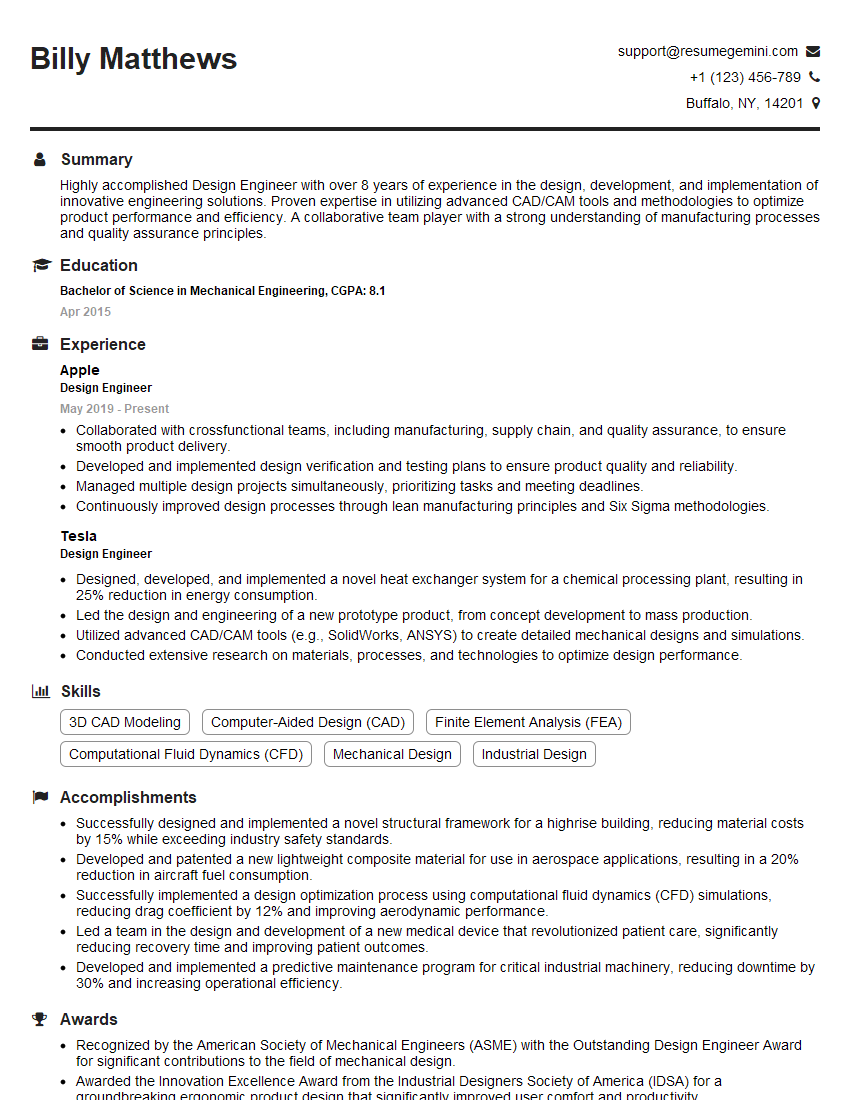
Design Engineer Resume Sample
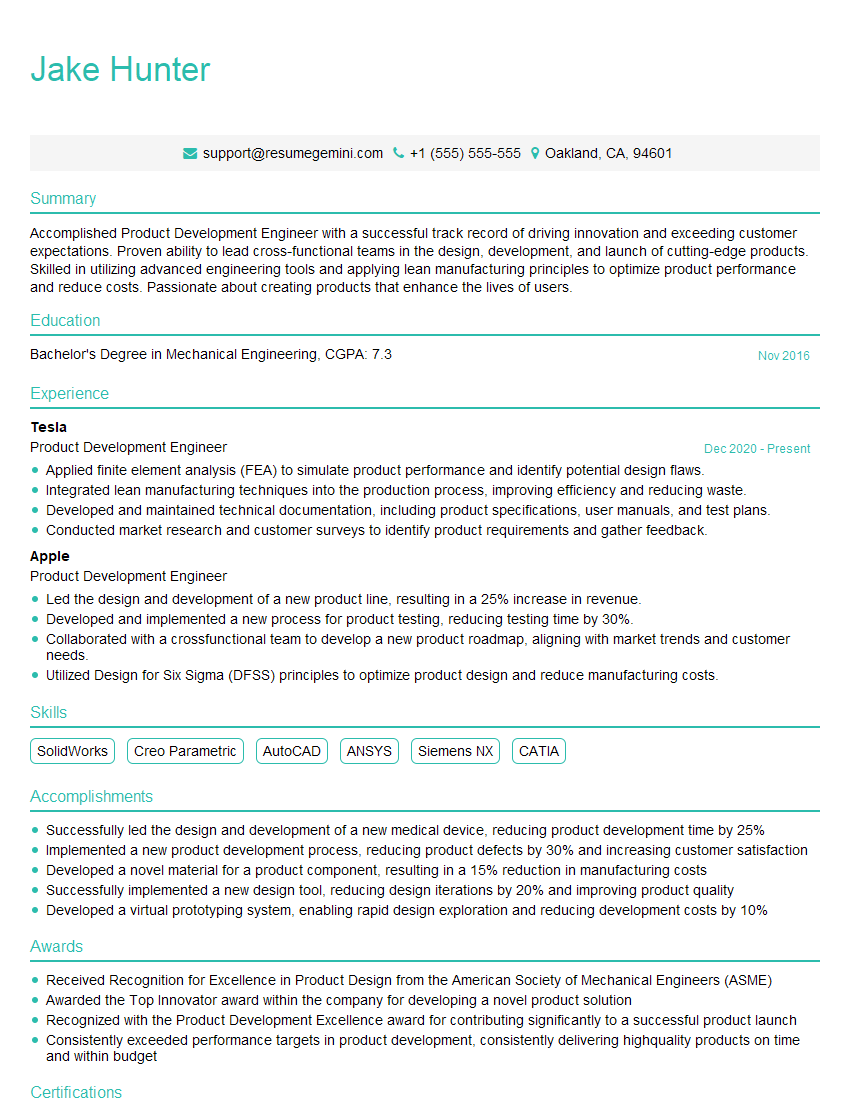
Product Development Engineer Resume Sample
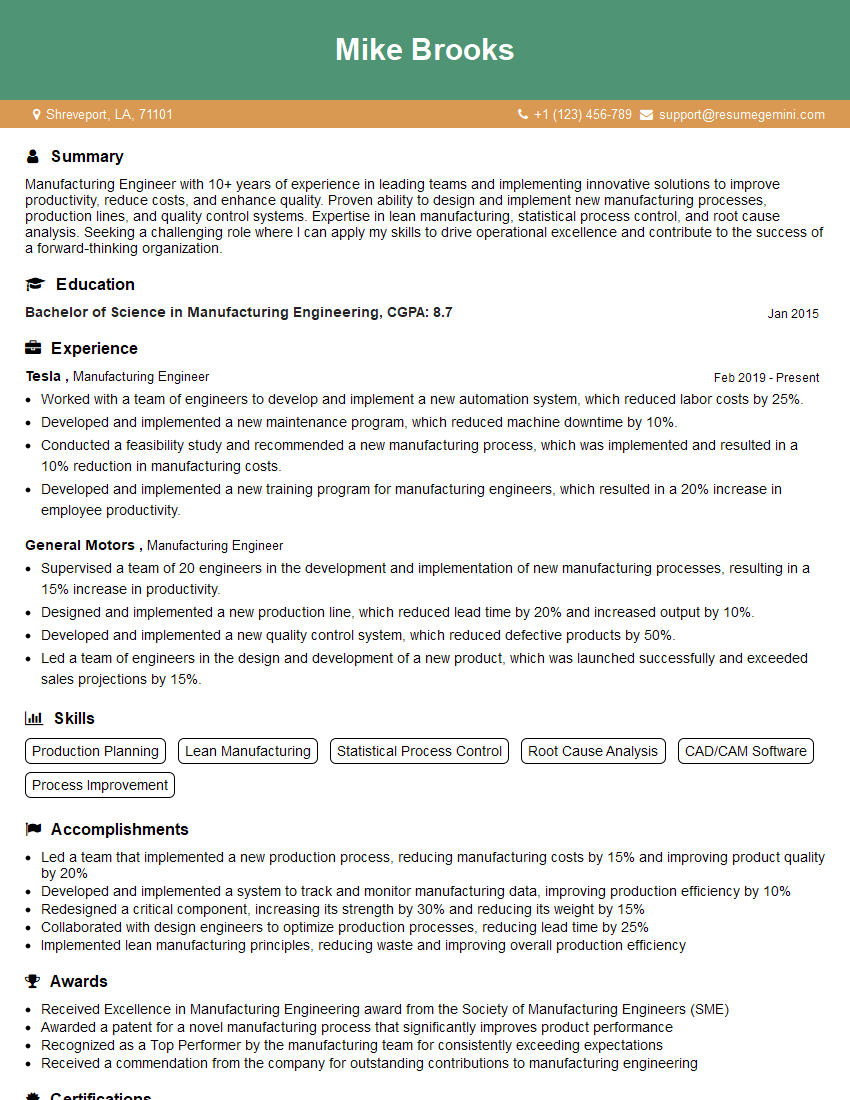
Manufacturing Engineer Resume Sample
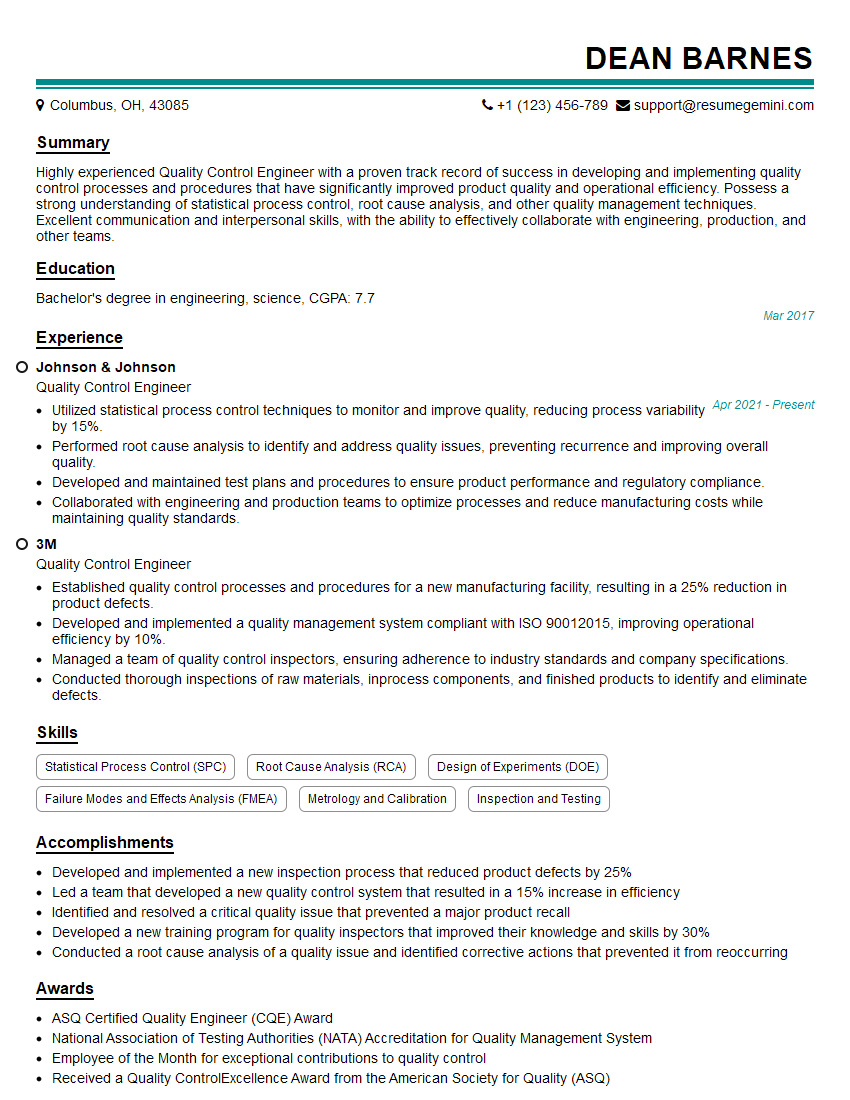
Quality Control Engineer Resume Sample
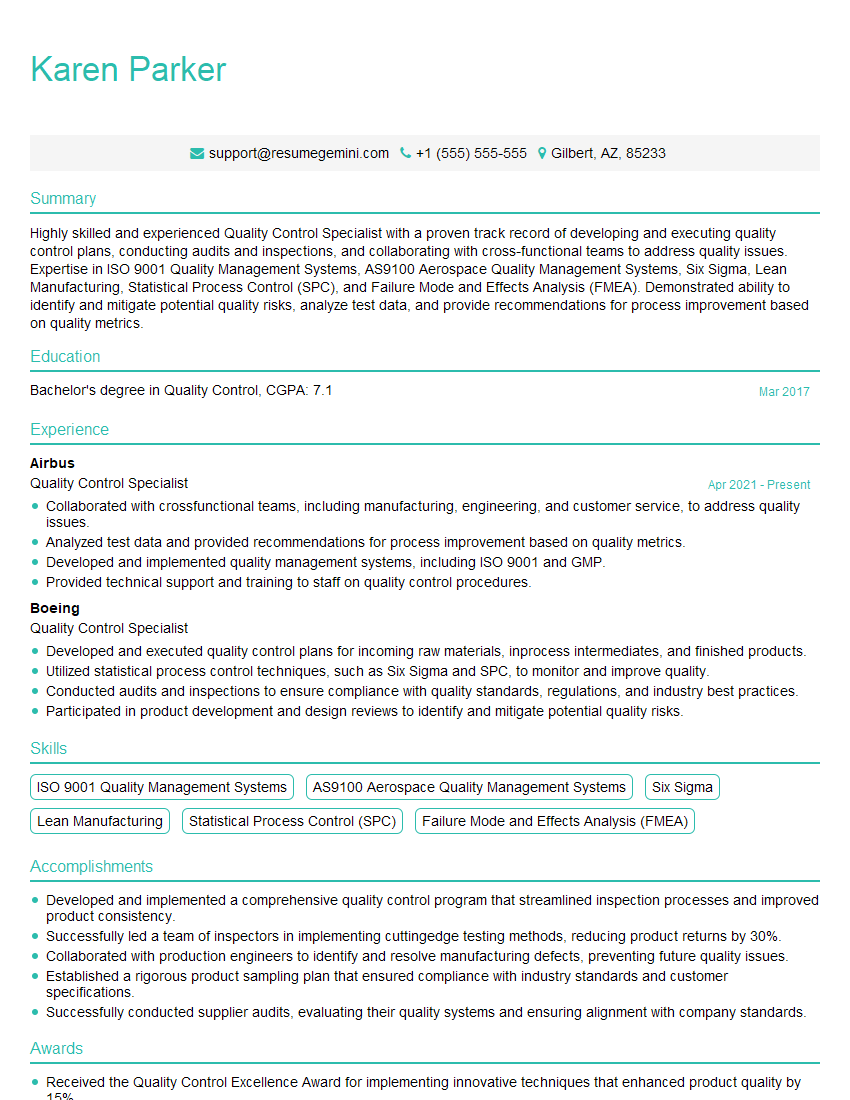
Quality Control Specialist Resume Sample
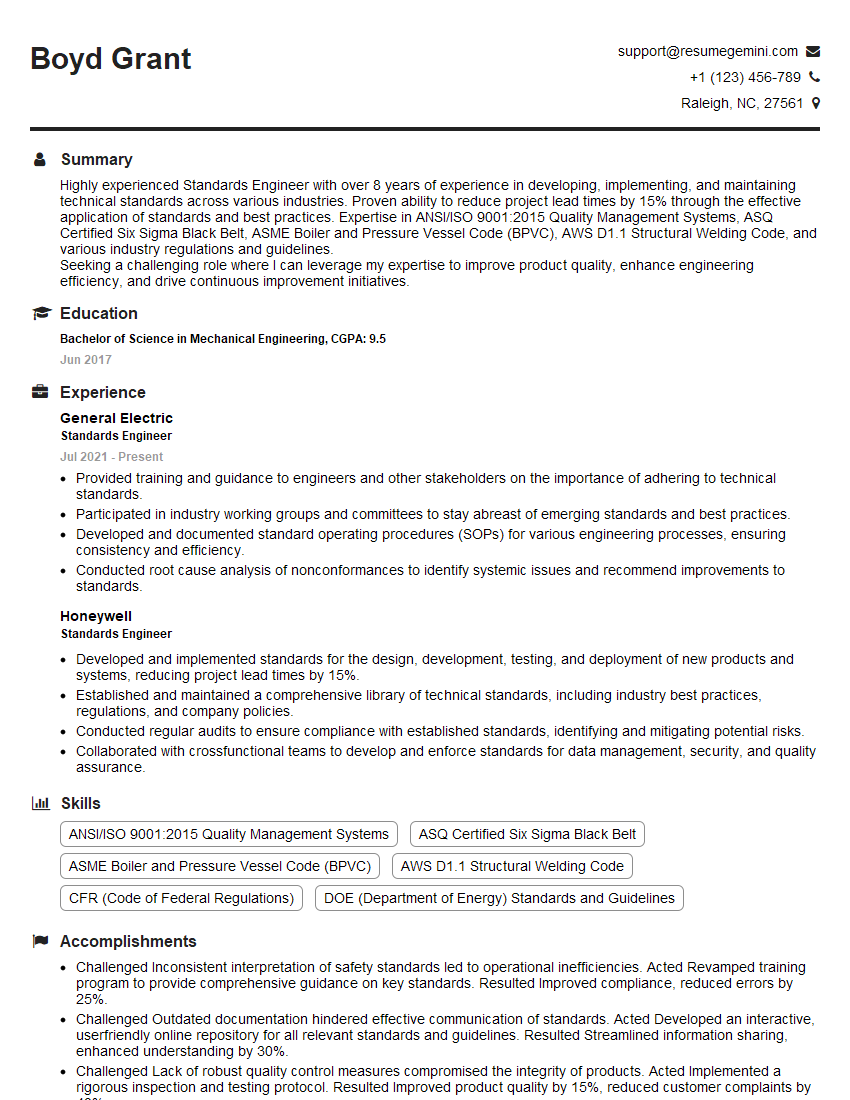
Standards Engineer Resume Sample
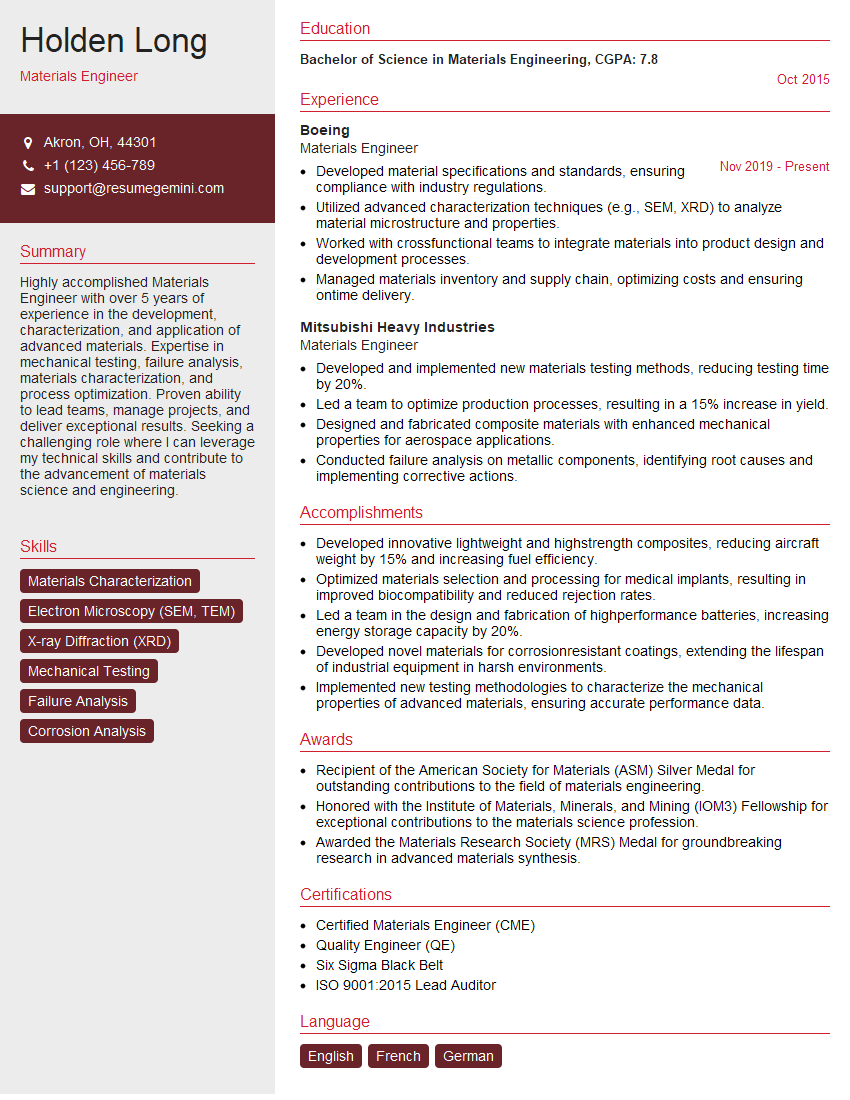
Materials Engineer Resume Sample
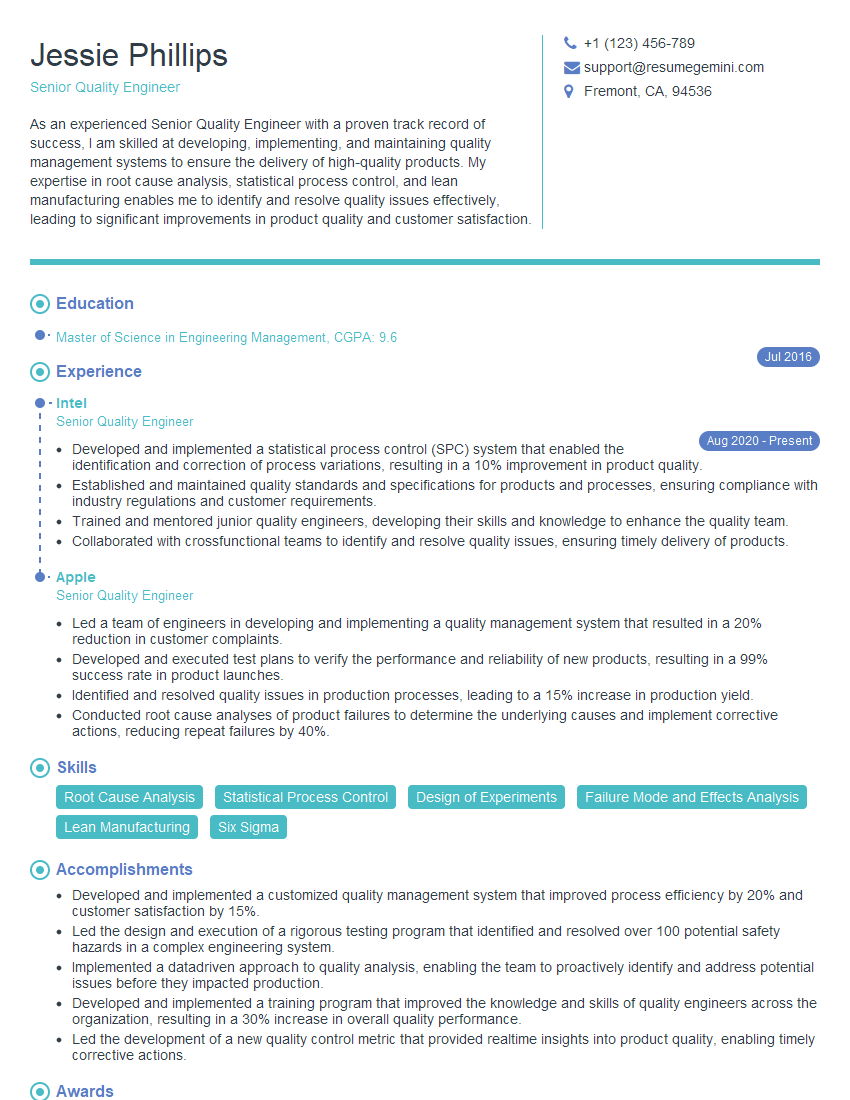
Senior Quality Engineer Resume Sample

Technical Writer Resume Sample
- Director of Quality
- Quality Assurance Manager
- Supply Chain Manager
- Chief Engineer
- Engineering Manager
- Principal Engineer
- Project Engineer
- Compliance Manager
- Compliance Officer
- Regulatory Affairs Specialist
- Auditor
- Process Engineer
- Research and Development Engineer
- Test Engineer
- Design Engineer
- Product Development Engineer
- Manufacturing Engineer
- Quality Control Engineer
- Quality Control Specialist
- Standards Engineer
- Materials Engineer
- Senior Quality Engineer
- Technical Writer
Explore more articles
Users Rating of Our Blogs
Share Your Experience
We value your feedback! Please rate our content and share your thoughts (optional).
What Readers Say About Our Blog
Very informative content, great job.
good