The thought of an interview can be nerve-wracking, but the right preparation can make all the difference. Explore this comprehensive guide to Knowledge of production scheduling and inventory management interview questions and gain the confidence you need to showcase your abilities and secure the role.
Questions Asked in Knowledge of production scheduling and inventory management Interview
Q 1. Explain the difference between MRP and MRP II.
Material Requirements Planning (MRP) and Manufacturing Resource Planning (MRP II) are both production planning and inventory control systems, but MRP II is a significant evolution of MRP.
MRP focuses primarily on the scheduling and ordering of materials needed for production. It takes a bill of materials (BOM) – a list of raw materials and components needed to manufacture a product – and a master production schedule (MPS) – a plan indicating how many finished goods to produce and when – to calculate the exact quantities of each material required and their delivery schedule. Think of it as a precise recipe for manufacturing, ensuring you have the right ingredients at the right time.
MRP II expands upon MRP by incorporating other crucial business functions. It integrates not only material planning but also capacity planning (do we have the machines and workforce to handle the planned production?), financial planning (what’s the projected cost?), and sales and marketing data. This holistic view allows for better decision-making, proactively identifying potential bottlenecks and resource constraints before they impact production. It’s like having a comprehensive dashboard that monitors all aspects of your manufacturing process, instead of just focusing on ingredients.
In essence, MRP is a subset of MRP II. MRP focuses solely on materials, while MRP II provides a broader, integrated view of the entire manufacturing process.
Q 2. Describe your experience with forecasting techniques.
My experience encompasses a variety of forecasting techniques, ranging from simple moving averages to more sophisticated exponential smoothing and ARIMA models. The choice of method depends heavily on the characteristics of the data and the forecasting horizon.
For example, when dealing with relatively stable demand patterns with minimal seasonality, a simple moving average might suffice. This method averages demand over a specific period to predict future demand. However, for products with seasonal fluctuations or trends, exponential smoothing, which gives more weight to recent data, tends to be more accurate. I’ve successfully used this in predicting seasonal demand for winter coats.
In situations with complex patterns and significant historical data, I employ ARIMA models (Autoregressive Integrated Moving Average). These statistical models account for autocorrelation within the time series data, providing more precise forecasts, especially for longer time horizons. I used ARIMA successfully when forecasting demand for a new product launch, where historical data was limited but intricate market trends were identifiable.
Beyond these quantitative methods, qualitative techniques like expert opinions and market research are also invaluable, especially when dealing with new products or significant market shifts. I always advocate for a blend of both quantitative and qualitative methods for the most robust forecasts.
Q 3. How do you handle production delays?
Production delays are inevitable, but their impact can be minimized with proactive planning and swift response. My approach involves a multi-step process.
- Identify the Root Cause: First, a thorough investigation is crucial to pinpoint the reason for the delay. Is it due to a supplier issue, equipment malfunction, labor shortage, or a quality problem?
- Assess the Impact: Once the cause is identified, I evaluate the extent of the delay’s impact on the overall production schedule and downstream processes. This includes evaluating the impact on customer orders and deadlines.
- Develop a Contingency Plan: Depending on the cause and impact, I develop a plan to mitigate the delay. This might involve expediting materials, re-allocating resources, negotiating with suppliers, or adjusting the production schedule. Prioritization is key here. If multiple orders are affected, critical orders may need to be prioritized.
- Communicate Effectively: Transparency is critical. I communicate the delay and the mitigation plan to all stakeholders—customers, suppliers, and internal teams—to manage expectations and prevent further complications.
- Post-Mortem Analysis: After resolving the delay, a post-mortem analysis helps identify areas for improvement and prevent similar issues in the future. This analysis provides valuable insights to refine our processes and improve our overall production schedule robustness.
Q 4. What are the key performance indicators (KPIs) you use to measure inventory management efficiency?
Several key performance indicators (KPIs) are vital in measuring inventory management efficiency. These KPIs provide a holistic view of inventory performance and identify areas for improvement.
- Inventory Turnover Rate: This shows how efficiently inventory is used. A higher turnover rate indicates faster sales and less risk of obsolescence. It’s calculated as Cost of Goods Sold / Average Inventory.
- Days of Inventory on Hand (DOH): This represents the number of days it takes to sell the current inventory. A lower DOH suggests better inventory management. It’s calculated as Average Inventory / (Cost of Goods Sold / 365).
- Inventory Holding Costs: This tracks the total cost associated with storing inventory, including storage fees, insurance, taxes, and obsolescence costs. Minimizing these costs is essential for profitability.
- Stockout Rate: This measures the frequency of stockouts, which can lead to lost sales and customer dissatisfaction. A lower stockout rate is desirable.
- Fill Rate: This KPI indicates the percentage of customer orders fulfilled on time and in full. A higher fill rate signifies better inventory availability and order fulfillment efficiency.
By tracking and analyzing these KPIs, we can identify areas of strength and weakness within our inventory management processes and make data-driven improvements.
Q 5. Explain your understanding of safety stock and how it’s calculated.
Safety stock is the extra inventory held to buffer against unexpected demand fluctuations, lead time variability, and supply chain disruptions. It’s a crucial component of inventory management, preventing stockouts and maintaining production continuity.
Calculating safety stock requires considering several factors:
- Demand Variability: Measured by the standard deviation of demand during a specific period. Higher variability necessitates a larger safety stock.
- Lead Time Variability: This reflects the uncertainty in the time it takes to receive an order. Greater variability increases the need for safety stock.
- Service Level: This represents the desired probability of not experiencing a stockout. A higher service level requires a larger safety stock. For example, a 95% service level means there’s a 95% chance of meeting demand.
A common formula for calculating safety stock is:
Safety Stock = Z * σLwhere:
Zis the Z-score corresponding to the desired service level (e.g., 1.65 for a 95% service level).σLis the standard deviation of lead time demand (this considers both demand and lead time variability).
The calculation of σL itself can be complex and often involves statistical methods, but the basic principle is to account for the uncertainty in both demand and lead time.
Q 6. How do you prioritize production orders?
Prioritizing production orders requires a well-defined strategy to optimize resource utilization and meet customer demands effectively. Several methods can be employed, often in combination:
- Critical Ratio Scheduling: This method prioritizes orders based on their urgency and due dates. The critical ratio (CR) is calculated as (Due Date – Today’s Date) / Processing Time. Orders with lower CR values (closer to their due date) are prioritized.
- Earliest Due Date (EDD): This prioritizes orders with the earliest due dates, regardless of processing time. Simple, but may not always be the most efficient if processing times vary significantly.
- Shortest Processing Time (SPT): This prioritizes orders with the shortest processing time. It minimizes work-in-progress (WIP) and improves throughput, but can lead to late deliveries for longer jobs if not combined with other methods.
- Customer Priority: High-value customers or those with long-term contracts may receive preferential treatment.
- Material Availability: Orders with readily available materials may be prioritized to reduce delays.
Often, a combination of these methods is implemented, depending on the specific circumstances and business objectives. For example, I often use a combination of critical ratio and customer priority to balance urgency and customer loyalty.
Q 7. Describe a time you had to optimize inventory levels.
In a previous role, we experienced a significant increase in demand for one of our flagship products, exceeding our initial forecast. This led to a sharp rise in inventory levels, tying up capital and increasing storage costs. We needed to optimize our inventory levels to maintain service levels without excessive holding costs.
To address this, we implemented a multi-pronged approach:
- Demand Forecasting Refinement: We analyzed the surge in demand to identify the underlying causes and incorporated this into our forecasting model, improving future predictions.
- Inventory Optimization Software: We implemented inventory optimization software to analyze our inventory levels, lead times, and demand patterns, recommending optimal order quantities and reorder points.
- Supplier Collaboration: We negotiated with our key suppliers to secure more flexible delivery schedules, reducing lead times and minimizing the need for excessive safety stock.
- Production Schedule Adjustment: We adjusted our production schedule to better align with the revised demand forecast, smoothing out production peaks and preventing future inventory buildups.
These actions resulted in a significant reduction in excess inventory, a decrease in holding costs, and a continued ability to meet customer demand. The implementation of the inventory optimization software was particularly impactful, providing real-time insights and recommendations that allowed for dynamic adjustment of inventory levels. This improved inventory management not only saved the company a significant amount of money but also improved our responsiveness to market changes.
Q 8. What inventory management software are you familiar with?
I’m proficient in several inventory management software solutions, including SAP ERP, Oracle NetSuite, and Infor M3. My experience spans from implementing and configuring these systems to designing custom reporting and dashboards to optimize inventory visibility and control. For instance, in a previous role at a food manufacturing company, I utilized SAP ERP to implement a robust inventory tracking system that reduced stockouts by 15% and minimized waste by optimizing order quantities based on real-time demand forecasting. I’m also familiar with cloud-based solutions like Fishbowl Inventory and Zoho Inventory, which are particularly useful for smaller businesses needing scalable and affordable options.
My familiarity extends beyond the basic functionalities. I understand how to leverage advanced features such as lot tracking, serial number management, and demand forecasting to gain a deeper understanding of inventory movement and identify potential issues proactively. I can configure alerts for low stock levels, exceeding safety stock limits, and near-expiration dates, allowing for timely intervention.
Q 9. How do you manage obsolete or slow-moving inventory?
Managing obsolete or slow-moving inventory is crucial for maintaining profitability and efficient warehouse space. My approach involves a multi-pronged strategy. First, I conduct a thorough inventory analysis to identify items that haven’t moved in a defined period (e.g., six months or a year). This often involves creating an ABC analysis, categorizing items based on their value and consumption rate. High-value, slow-moving items require more attention. For these, I explore options such as:
- Price reductions or discounts: Stimulating demand through sales or promotions.
- Repurposing or repackaging: Transforming the item into a different product or creating smaller packaging for niche markets.
- Liquidation or disposal: Selling the items at a loss to recover some value, or responsibly disposing of them if they are unusable or expired.
- Return to supplier (if possible): Negotiating a return or credit with the original supplier.
For low-value, slow-moving items, bulk disposal or donation might be the most cost-effective solution. Regular review and adjustments to inventory levels based on sales data and demand forecasts are vital for preventing this issue from becoming a major problem.
Q 10. Explain the concept of Just-in-Time (JIT) inventory management.
Just-in-Time (JIT) inventory management is a production strategy that aims to reduce waste by receiving materials only as they are needed in the production process. It’s a pull system, meaning production is triggered by actual customer demand rather than relying on forecasts. The core idea is to minimize inventory holding costs by eliminating excess stock. Think of it like a perfectly choreographed dance where each component arrives exactly when the production line requires it.
The benefits of JIT include:
- Reduced inventory holding costs: Less capital tied up in storage.
- Lower storage space requirements: Frees up valuable warehouse space.
- Improved quality: Detects and addresses defects more quickly.
- Increased efficiency: Streamlined processes lead to reduced production times.
However, JIT requires precise coordination with suppliers, reliable delivery schedules, and robust quality control processes. A disruption in the supply chain, even a minor one, can significantly impact production. Implementing JIT successfully requires a strong partnership with suppliers and a highly efficient production system.
Q 11. How do you balance inventory costs with customer service levels?
Balancing inventory costs with customer service levels is a delicate act of optimization. High inventory levels ensure that you rarely run out of stock, leading to high customer satisfaction, but it also increases storage, insurance, and obsolescence costs. Low inventory levels reduce these costs but risk stockouts, leading to lost sales and frustrated customers. The key is to find the optimal balance point. This often involves using sophisticated inventory models, like the Economic Order Quantity (EOQ) model or the safety stock calculation, to determine the right amount of inventory to keep on hand.
Furthermore, effective forecasting and demand planning help in predicting future demand to avoid overstocking or shortages. Using accurate sales history, market trends, and seasonal variations, combined with appropriate statistical models, improves the prediction accuracy. Real-time inventory tracking systems enable immediate responses to unexpected changes in demand. The ultimate goal is to minimize the total cost of inventory, including holding costs and the cost of stockouts, while ensuring an acceptable level of customer service.
Q 12. What is your experience with capacity planning?
Capacity planning is a critical aspect of production scheduling. My experience involves analyzing production capacity, identifying bottlenecks, and optimizing resource allocation to meet demand. I use various techniques, including:
- Demand forecasting: Predicting future demand to anticipate resource requirements.
- Capacity analysis: Evaluating the current production capacity of machines, labor, and other resources.
- Bottleneck identification: Pinpointing the constraints limiting production output.
- Resource allocation: Optimizing the use of resources to maximize production efficiency.
- Simulation and modeling: Utilizing software to test different scenarios and predict production outcomes.
For example, in a previous role, I used simulation software to model different production scenarios and identified a bottleneck in the assembly line. By adjusting the workflow and adding an extra machine, we increased production capacity by 18% without significant capital investment.
Q 13. How do you handle unexpected spikes in demand?
Handling unexpected spikes in demand requires a flexible and responsive approach. My strategy involves several steps:
- Assess the situation: Quickly determine the scale and duration of the demand spike.
- Leverage existing resources: Maximize utilization of current personnel, machinery, and inventory.
- Expedite production: Prioritize the production of high-demand items, potentially by working overtime or outsourcing some tasks.
- Manage customer expectations: Communicate with customers regarding potential delays or order limitations.
- Analyze the cause: Investigate the root cause of the unexpected spike to improve forecasting and preparedness for the future.
- Replenish inventory: Once the spike subsides, replenish inventory levels to prevent future shortages.
A real-world example involved a sudden surge in demand for a particular product due to positive media coverage. We quickly implemented overtime shifts, prioritized production, and communicated with customers about potential delivery delays. This proactive approach prevented major disruptions and ultimately capitalized on the increased demand.
Q 14. Explain your understanding of lead times and their impact on scheduling.
Lead time is the time it takes to procure materials, manufacture products, or complete other processes. Understanding lead times is paramount in accurate production scheduling. Longer lead times require earlier planning and more significant safety stock levels to avoid delays or stockouts. Short lead times offer greater flexibility and responsiveness to changes in demand, but may require more frequent smaller orders.
Lead times impact scheduling in several ways:
- Material procurement: Accurate lead time estimation is crucial for timely procurement of raw materials and components.
- Production planning: Lead times determine the duration of each production stage and the overall production schedule.
- Delivery scheduling: Lead times inform the delivery schedule and allow for accurate delivery commitments to customers.
- Inventory management: Longer lead times necessitate higher safety stock levels to buffer against uncertainties.
Ignoring or misjudging lead times can result in production delays, missed deadlines, increased inventory holding costs, and dissatisfied customers. Regularly reviewing and updating lead times based on historical data and supplier performance is essential for accurate scheduling and efficient operations.
Q 15. How do you collaborate with other departments (e.g., sales, procurement)?
Effective collaboration is the cornerstone of successful production scheduling and inventory management. My approach involves proactive communication and a shared understanding of goals across departments. With Sales, I work closely to understand upcoming demand forecasts, ensuring our production plans align with anticipated sales volume and product mix. This involves regular meetings to review sales pipelines and potential fluctuations. With Procurement, I share detailed production schedules to facilitate timely acquisition of raw materials and components. This collaboration ensures we avoid production delays due to material shortages. We establish clear communication channels, using tools like shared spreadsheets and project management software, to track material availability and delivery schedules. A crucial aspect is establishing clear reporting mechanisms – providing Sales with accurate delivery estimates and updating Procurement on any changes to our production plan.
For example, during a recent project involving a new product launch, I collaborated closely with Sales to understand the anticipated launch-day demand, allowing us to establish an appropriate production schedule and manage inventory levels accordingly. This minimized the risk of stockouts or overstocking, leading to optimized inventory management and cost savings.
Career Expert Tips:
- Ace those interviews! Prepare effectively by reviewing the Top 50 Most Common Interview Questions on ResumeGemini.
- Navigate your job search with confidence! Explore a wide range of Career Tips on ResumeGemini. Learn about common challenges and recommendations to overcome them.
- Craft the perfect resume! Master the Art of Resume Writing with ResumeGemini’s guide. Showcase your unique qualifications and achievements effectively.
- Don’t miss out on holiday savings! Build your dream resume with ResumeGemini’s ATS optimized templates.
Q 16. What is your experience with different scheduling algorithms?
I have extensive experience with various scheduling algorithms, each with its strengths and weaknesses. My choice depends on the specific production environment, product complexity, and the available data. For instance, in situations with relatively stable demand and a straightforward production process, a simple First-Come, First-Served (FCFS) algorithm might suffice. However, in more complex scenarios, more sophisticated algorithms are necessary.
Prioritized Scheduling allows us to prioritize critical jobs or high-demand products, ensuring timely delivery. I’ve successfully utilized this in environments with diverse product lines, where meeting deadlines for certain key products is paramount. Critical Path Method (CPM) is another technique I frequently employ, especially for projects with significant interdependencies between tasks. This helps identify critical tasks that can delay the entire project, allowing for proactive resource allocation and risk management.
Finally, I’ve used MRP (Material Requirements Planning) extensively. MRP uses bill-of-materials data to determine the materials needed to produce finished goods based on the master production schedule. This allows for efficient procurement and minimized inventory holding costs. The selection of the right algorithm involves considering factors like production lead times, machine capacity, and potential bottlenecks.
Q 17. Describe your experience with demand forecasting.
Accurate demand forecasting is crucial for efficient production scheduling and inventory control. My experience involves utilizing a combination of quantitative and qualitative methods. Quantitative methods include statistical techniques like exponential smoothing and ARIMA modeling, leveraging historical sales data to predict future trends. I utilize software tools for this analysis, visualizing trends and seasonality to refine forecasts. Qualitative methods, such as incorporating expert opinions from the sales team or market research data, help to account for factors not easily captured in historical data, such as anticipated marketing campaigns or competitor actions. A key aspect of my approach is regularly reviewing and adjusting forecasts. By comparing actual sales to forecasts, identifying discrepancies, and adjusting the model as needed, I ensure the accuracy of predictions improves over time. This iterative approach leads to continuously improving forecast accuracy.
For example, in predicting demand for seasonal products, incorporating historical data with knowledge of upcoming marketing initiatives provided a more accurate forecast than relying solely on historical trends.
Q 18. How do you ensure accurate inventory records?
Maintaining accurate inventory records is paramount. My approach involves a multi-pronged strategy incorporating both technological and procedural measures. Firstly, I utilize robust inventory management systems (IMS) with real-time tracking capabilities. These systems automatically update inventory levels based on incoming and outgoing shipments, as well as production activities. Implementing barcodes or RFID tags enhances accuracy and efficiency during stock counting and tracking. Secondly, regular cycle counting is crucial. This involves randomly checking inventory levels on a frequent basis instead of relying on annual physical counts. This allows for the prompt identification and resolution of minor discrepancies. Additionally, clear procedures for receiving, storing, and issuing materials are vital. Well-defined processes, combined with appropriate training for staff involved in inventory handling, ensure data accuracy. Finally, I ensure regular reconciliation between physical inventory counts and system records to promptly identify and investigate any discrepancies.
Q 19. How do you identify and address inventory discrepancies?
Inventory discrepancies can stem from various sources – data entry errors, theft, damage, or inaccurate tracking. My process for addressing these involves a systematic approach. Firstly, I identify the discrepancy by comparing physical counts against system records. Once identified, I investigate the root cause. This may involve reviewing transaction records, security footage (if available), or interviewing relevant personnel. Once the cause is pinpointed, appropriate corrective actions are implemented. This might include disciplinary action if caused by negligence, improving data entry processes if caused by human error, or improving security measures if theft is suspected. Finally, I implement preventative measures to avoid future discrepancies. This may involve process improvements, enhanced training, or upgraded technology.
For instance, a significant discrepancy might point to an issue with the scanner used for data entry, highlighting the need for equipment calibration or replacement. Regular review of these corrective and preventative measures is key to ensuring inventory accuracy.
Q 20. What are the benefits and drawbacks of different inventory valuation methods?
Different inventory valuation methods impact the cost of goods sold and the value of inventory reported on the balance sheet. First-In, First-Out (FIFO) assumes that the oldest inventory is sold first. This method tends to reflect current market prices more accurately during periods of inflation. Last-In, First-Out (LIFO) assumes the newest inventory is sold first. During inflation, LIFO results in a higher cost of goods sold, reducing taxable income. However, LIFO can misrepresent the value of ending inventory. Weighted-Average Cost calculates the average cost of goods available for sale and assigns that cost to all units sold and in inventory. This method simplifies calculations but may not accurately reflect the actual cost of goods sold if costs fluctuate significantly. The choice of method depends on factors like industry regulations, tax implications, and management’s preference, keeping in mind the potential impact on financial reporting and tax liabilities.
Q 21. How do you utilize data analysis to improve production scheduling and inventory management?
Data analysis plays a vital role in improving production scheduling and inventory management. By analyzing historical data on production times, material consumption, and sales trends, I identify patterns and insights to optimize processes. For instance, analyzing production data can reveal bottlenecks in the production line, allowing for targeted improvements in efficiency. Analyzing sales data can help predict future demand, allowing for proactive inventory management, minimizing storage costs and preventing stockouts or excess inventory. I use various tools and techniques, including data visualization dashboards and statistical modeling, to uncover key insights. Predictive analytics can identify potential risks or opportunities, allowing for proactive decision-making. For example, identifying a potential spike in demand using predictive modeling allows for timely adjustments in production schedules and procurement plans.
The insights gained through data analysis help to refine forecasts, optimize production schedules, and manage inventory levels more effectively, ultimately leading to reduced costs, improved efficiency, and enhanced customer satisfaction.
Q 22. Describe your experience with lean manufacturing principles.
Lean manufacturing is all about eliminating waste and maximizing efficiency in the production process. Think of it like spring cleaning for a factory – we’re getting rid of anything that doesn’t add value to the final product. My experience involves implementing various lean tools and techniques, such as:
- Value Stream Mapping: I’ve used this to visually map out the entire production process, identifying bottlenecks and areas for improvement. For example, in a previous role, we used value stream mapping to identify a significant delay in the packaging process, leading to an optimization that reduced lead time by 15%.
- 5S Methodology: This focuses on workplace organization: Seiri (sort), Seiton (set in order), Seiso (shine), Seiketsu (standardize), and Shitsuke (sustain). I’ve implemented 5S in several facilities, resulting in a safer, more efficient, and cleaner work environment.
- Kaizen Events: These are focused improvement workshops where teams collaborate to identify and solve problems. I’ve led numerous Kaizen events, resulting in significant improvements in production efficiency and defect reduction. For instance, in one event, we tackled a recurring assembly issue, improving the process to reduce defects by 20%.
- Kanban: This visual system helps manage workflow, signaling when to produce more parts. This ensures we’re not overproducing, thus reducing waste and inventory costs. I’ve successfully implemented Kanban systems in several projects, leading to significant improvements in inventory management.
My focus is always on continuous improvement, using data-driven approaches to measure the impact of lean initiatives and identify further opportunities for optimization.
Q 23. How do you manage inventory risk?
Managing inventory risk involves balancing the need to have enough stock to meet demand with the cost of holding excess inventory. It’s a delicate balancing act! My approach involves several key strategies:
- Demand Forecasting: Accurate forecasting is crucial. I utilize various statistical methods and incorporate historical data, market trends, and seasonality to predict future demand. Advanced techniques like exponential smoothing and ARIMA modeling help create reliable forecasts.
- Safety Stock Management: Maintaining a certain level of safety stock protects against unexpected demand surges or supply chain disruptions. The amount of safety stock is carefully calculated based on demand variability and lead times.
- Inventory Turnover Analysis: Regularly analyzing inventory turnover helps identify slow-moving items and potential obsolescence risks. This allows for proactive measures, such as discounts or disposal, to minimize losses.
- ABC Analysis: This prioritizes inventory based on value and consumption. High-value items (A) receive more attention and tighter control compared to low-value items (C). This ensures efficient allocation of resources.
- Vendor Managed Inventory (VMI): In some cases, I collaborate with suppliers to implement VMI programs, where they take responsibility for managing inventory levels at our facility. This can improve efficiency and reduce our risk.
By combining these strategies, I aim to minimize inventory costs while ensuring sufficient stock to meet customer demand and avoid stockouts.
Q 24. Explain your understanding of supply chain disruptions and mitigation strategies.
Supply chain disruptions can be devastating, ranging from natural disasters to geopolitical events and pandemics. Understanding and mitigating these risks is critical. My approach involves:
- Risk Assessment: I start by identifying potential disruptions and assessing their likelihood and impact. This involves considering various factors, such as supplier reliability, geopolitical instability, and natural disaster risks.
- Diversification: Relying on a single supplier is risky. I advocate for diversifying the supply base to reduce dependence on any one supplier. This helps buffer against disruptions from a single source.
- Contingency Planning: Developing contingency plans for different scenarios is essential. These plans outline alternative sourcing strategies, transportation routes, and production adjustments to maintain operations during disruptions.
- Supplier Relationship Management: Building strong relationships with suppliers fosters collaboration and open communication. This enables early warning of potential issues and helps coordinate responses to disruptions.
- Real-time Monitoring: Utilizing technology to monitor supply chain performance in real-time allows for early detection of potential issues. This enables proactive intervention and minimizes the impact of disruptions.
For example, during the recent global chip shortage, my team proactively identified alternative suppliers and adjusted our production schedule to minimize the impact on our production output. This involved close collaboration with our existing suppliers and exploring new sourcing options.
Q 25. How do you use technology to enhance production scheduling and inventory management?
Technology is indispensable for efficient production scheduling and inventory management. I leverage several technologies, including:
- Enterprise Resource Planning (ERP) Systems: ERP systems like SAP or Oracle provide integrated solutions for planning, scheduling, and inventory management. They provide real-time visibility into inventory levels, production schedules, and supply chain performance.
- Manufacturing Execution Systems (MES): MES systems provide real-time control over the production floor, monitoring machine performance, tracking production progress, and capturing quality data. This allows for immediate responses to production deviations.
- Warehouse Management Systems (WMS): WMS systems optimize warehouse operations, tracking inventory movements, managing storage locations, and directing picking and packing activities. This streamlines warehouse operations and enhances efficiency.
- Advanced Planning and Scheduling (APS) Software: APS software uses sophisticated algorithms to optimize production schedules, considering various constraints such as capacity, material availability, and due dates. This results in more efficient and reliable schedules.
- Data Analytics and Business Intelligence (BI): Analyzing historical data and key performance indicators (KPIs) helps identify trends, optimize processes, and improve decision-making. This includes using dashboards to monitor key metrics in real-time.
The combination of these technologies provides a powerful toolset for managing production and inventory effectively. For instance, using APS software, I’ve optimized production schedules to reduce lead times by 10% and increase on-time delivery rates by 15%.
Q 26. Describe a time you had to resolve a conflict between production schedule and inventory levels.
In a previous role, we faced a conflict between a tight production schedule for a new product launch and low inventory levels of a critical component. The schedule demanded immediate production to meet the launch deadline, but the low inventory risked a production halt.
My solution involved a multi-pronged approach:
- Prioritization: We prioritized the critical component, expediting its procurement by negotiating with the supplier for faster delivery and potentially paying a premium for expedited shipping.
- Schedule Adjustment: We slightly adjusted the production schedule to allow for a staggered production run, starting with the available inventory while awaiting the expedited shipment.
- Communication: We proactively communicated the situation to stakeholders, including the sales and marketing teams, to manage expectations and avoid customer disappointment.
- Root Cause Analysis: After resolving the immediate crisis, we conducted a root cause analysis to understand why inventory levels were low. This helped us improve our demand forecasting and inventory management processes to prevent similar situations in the future.
By using a combination of strategic negotiation, proactive communication, and process improvement, we successfully resolved the conflict and avoided a major delay in the product launch.
Q 27. How do you ensure compliance with relevant regulations (e.g., food safety, hazardous materials)?
Compliance with regulations is paramount. My approach involves:
- Thorough Understanding: I ensure a complete understanding of all relevant regulations, including food safety standards (e.g., HACCP, FDA regulations), hazardous materials handling regulations (e.g., OSHA, EPA), and other industry-specific regulations.
- Implementation of Procedures: We establish clear and detailed procedures to ensure compliance with all regulations. These procedures cover all aspects of production, handling, storage, and disposal of materials.
- Training and Education: All employees receive comprehensive training on relevant regulations and procedures. Regular refresher training helps maintain awareness and adherence to these regulations.
- Documentation and Record-Keeping: Meticulous record-keeping is essential to demonstrate compliance. This includes maintaining detailed logs of all processes, inspections, and any corrective actions taken.
- Regular Audits and Inspections: We conduct regular internal audits and inspections to identify any areas of non-compliance and take corrective action. We also cooperate fully with external audits and inspections.
By proactively implementing these measures, we create a culture of compliance and minimize the risk of regulatory violations. This not only protects our company from penalties but also ensures the safety of our products and employees.
Q 28. What are your salary expectations?
My salary expectations are commensurate with my experience and skills in production scheduling and inventory management, and are based on the industry standards for a professional with my qualifications and expertise in this field. I am open to discussing a competitive compensation package that reflects the value I bring to your organization. I am more interested in a role where I can make significant contributions and continue to grow my expertise.
Key Topics to Learn for Knowledge of Production Scheduling and Inventory Management Interview
- Demand Forecasting: Understanding different forecasting methods (e.g., moving average, exponential smoothing) and their application in predicting future demand to optimize production schedules and inventory levels. Practical application: Analyzing historical sales data to predict seasonal demand fluctuations.
- Production Planning & Scheduling: Mastering techniques like MRP (Material Requirements Planning), JIT (Just-in-Time) inventory, and Kanban systems. Practical application: Developing a production schedule that minimizes lead times and maximizes resource utilization while meeting customer demand.
- Inventory Control Techniques: Understanding different inventory management models (e.g., EOQ – Economic Order Quantity, ABC analysis) and their impact on inventory costs and service levels. Practical application: Implementing an ABC analysis to prioritize inventory management efforts on high-value items.
- Supply Chain Management Principles: Understanding the flow of goods and information throughout the supply chain and how it impacts production scheduling and inventory management. Practical application: Identifying and mitigating potential supply chain disruptions.
- Lean Manufacturing Principles: Applying lean methodologies to eliminate waste and improve efficiency in production and inventory processes. Practical application: Implementing Kaizen events to continuously improve processes and reduce inventory holding costs.
- Software and Tools: Familiarity with common ERP (Enterprise Resource Planning) systems and production scheduling software. Practical application: Demonstrating proficiency in using relevant software to manage production schedules and inventory data.
- Problem-Solving & Optimization: Applying analytical skills to identify bottlenecks, improve efficiency, and optimize inventory levels. Practical application: Developing solutions to address common production scheduling and inventory management challenges, such as stockouts or overstocking.
Next Steps
Mastering production scheduling and inventory management is crucial for career advancement in operations, supply chain, and manufacturing roles. These skills are highly sought after, leading to increased earning potential and exciting career opportunities. To maximize your chances of landing your dream job, it’s vital to present your skills effectively. Creating an ATS-friendly resume is key to getting past applicant tracking systems and landing interviews. ResumeGemini is a trusted resource that can help you build a professional and impactful resume. We offer examples of resumes tailored to showcasing expertise in production scheduling and inventory management to help you get started.

Operations Manager Resume Sample
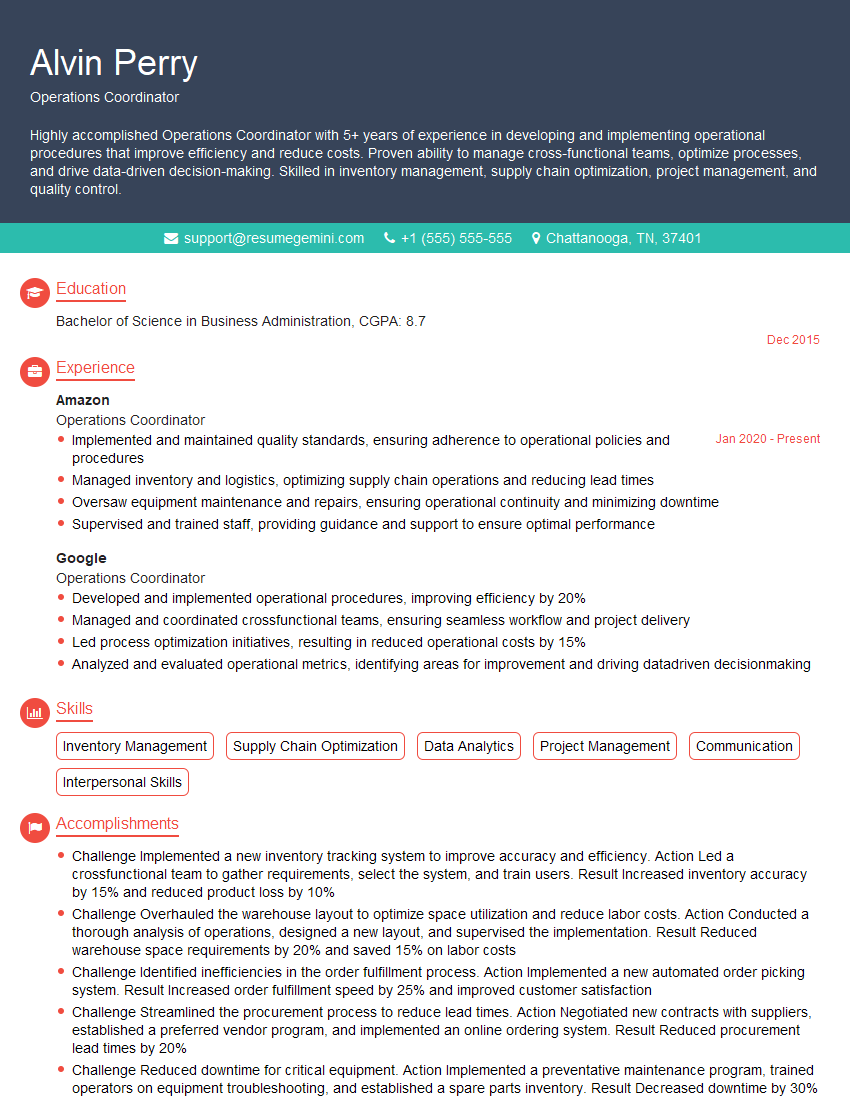
Operations Coordinator Resume Sample
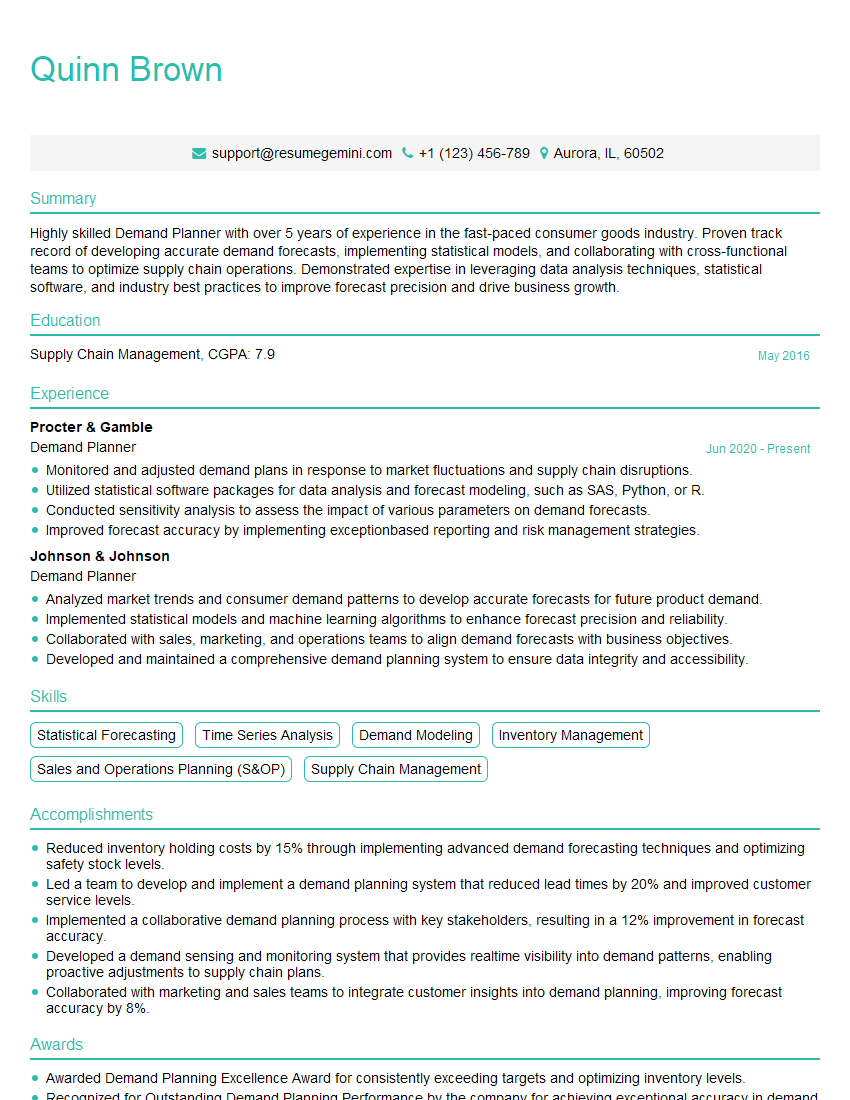
Demand Planner Resume Sample

Manufacturing Planner Resume Sample
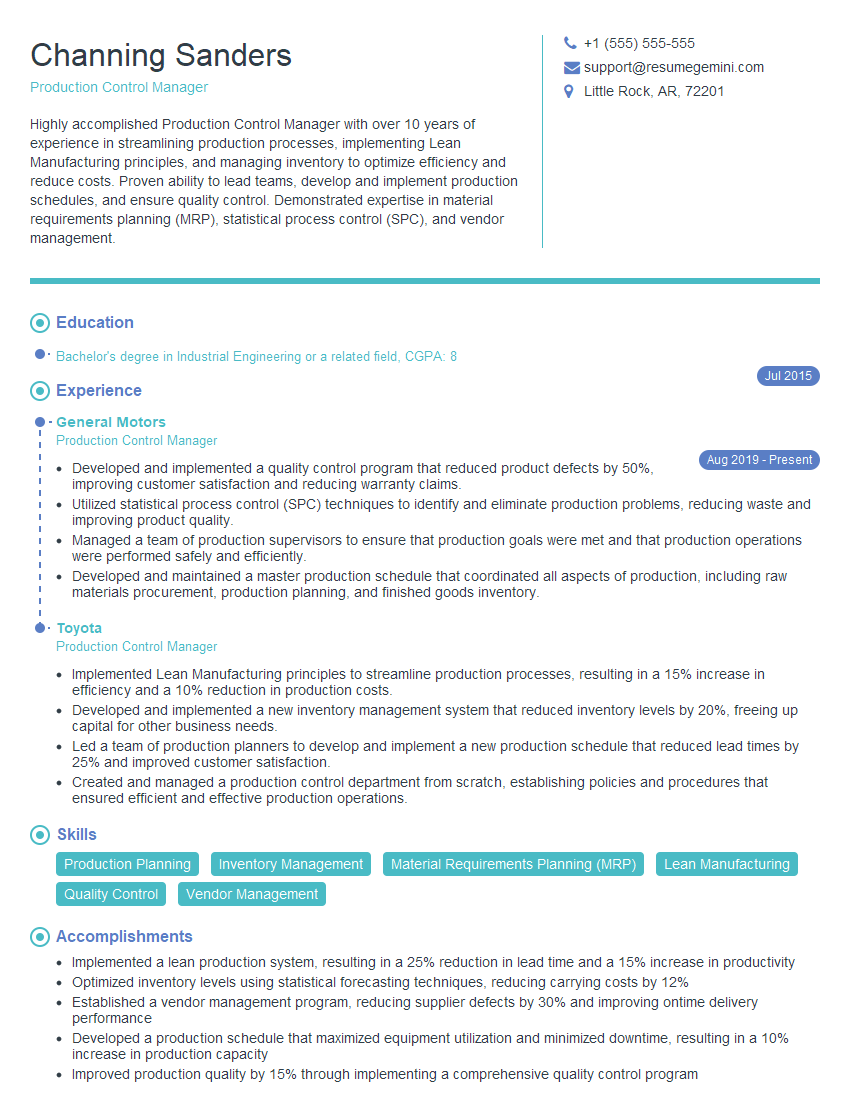
Production Control Manager Resume Sample
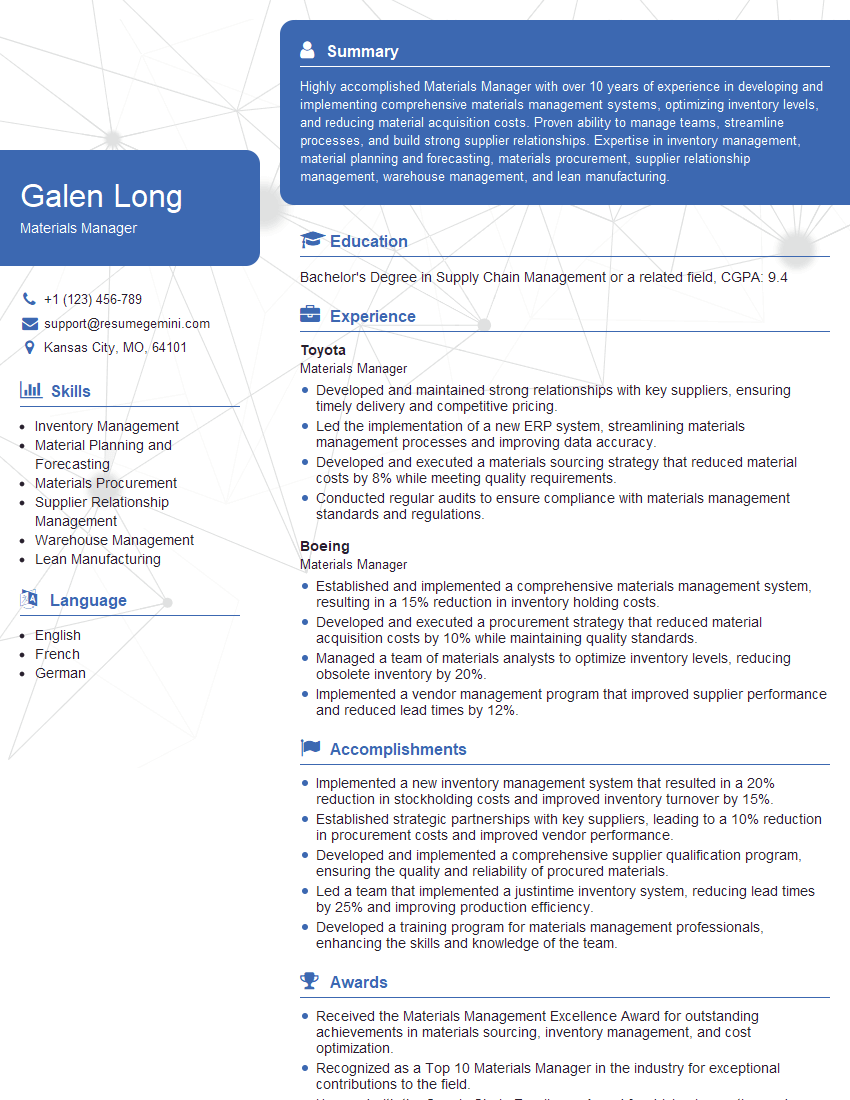
Materials Manager Resume Sample

Procurement Manager Resume Sample
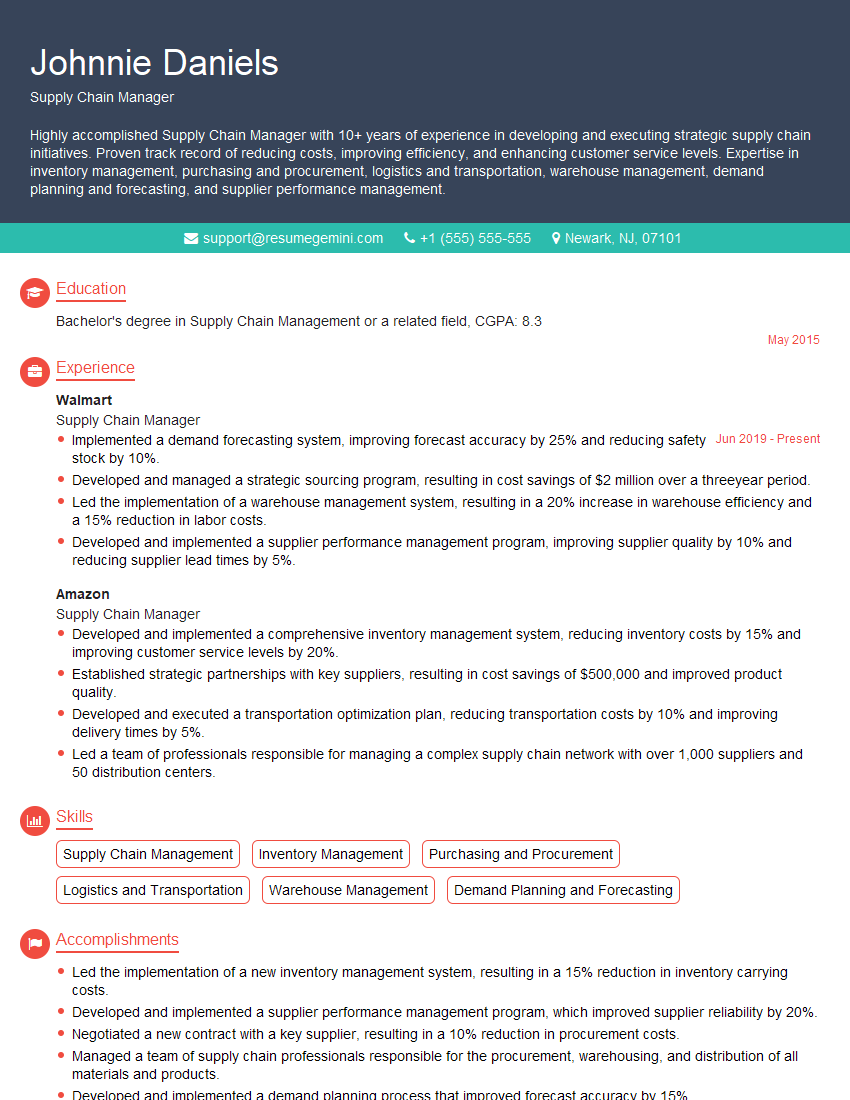
Supply Chain Manager Resume Sample
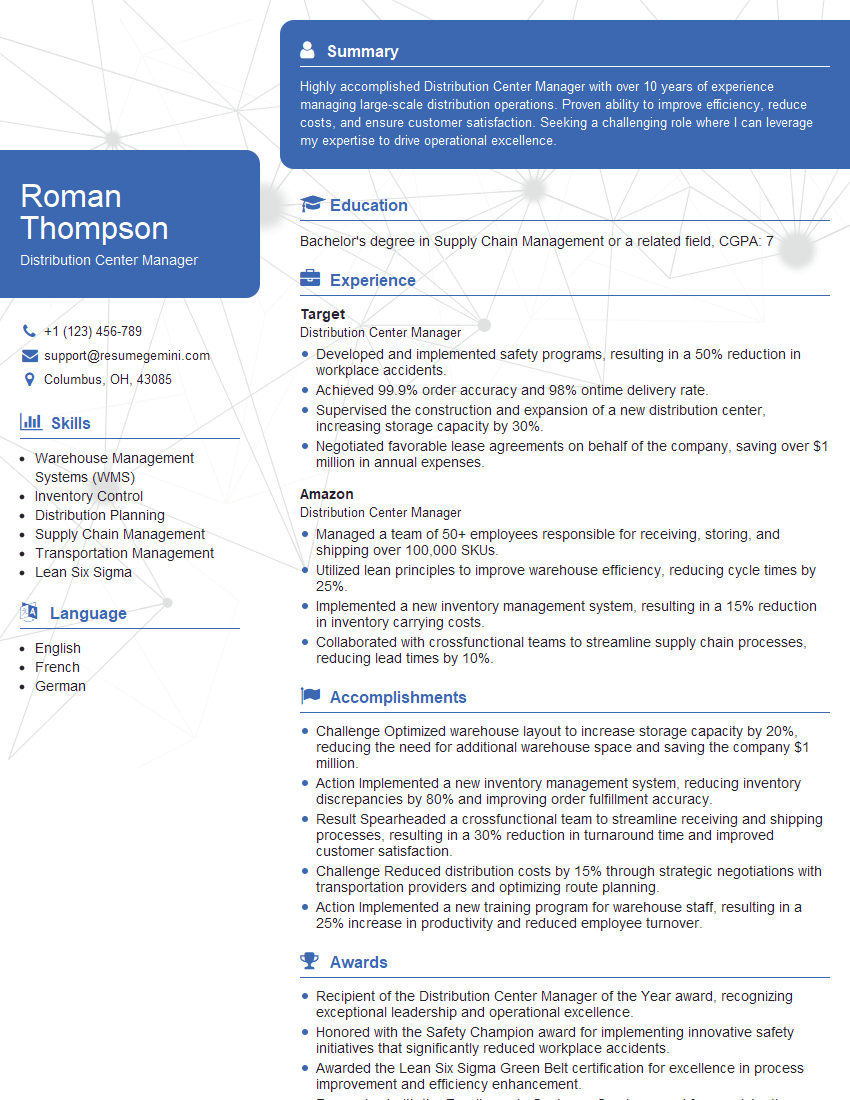
Distribution Center Manager Resume Sample
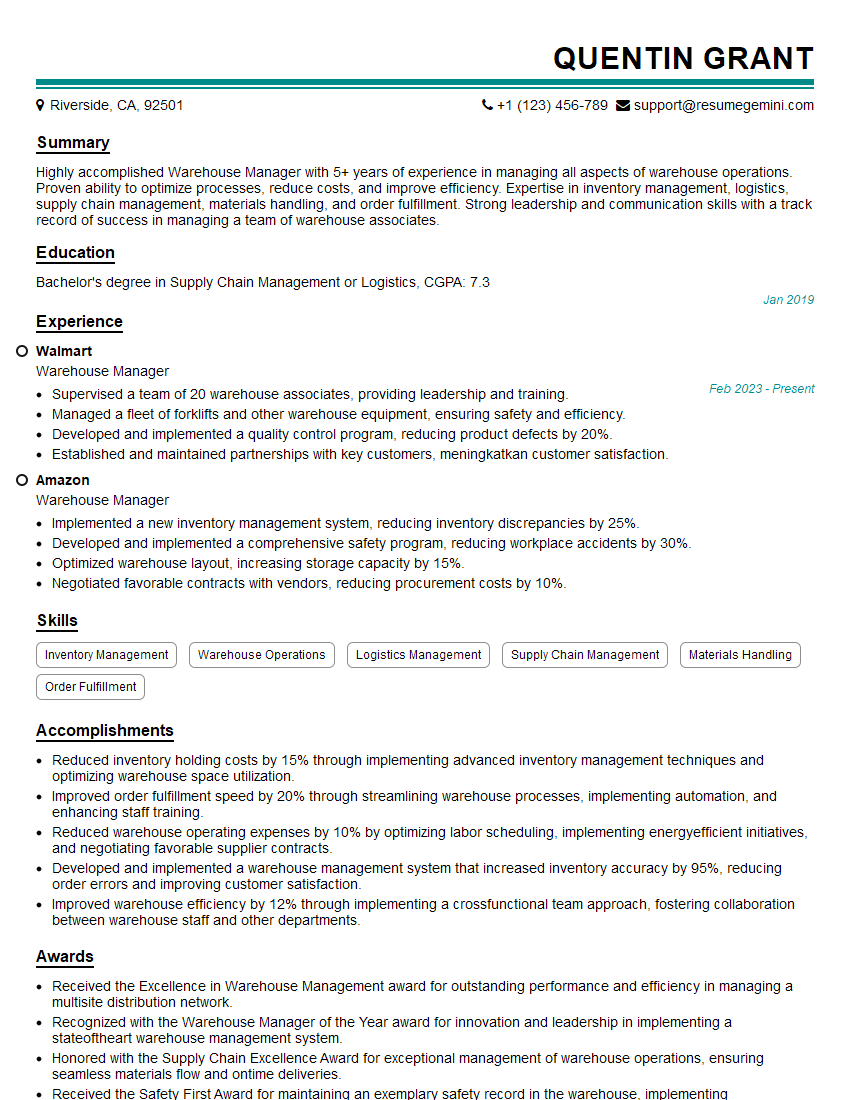
Warehouse Manager Resume Sample
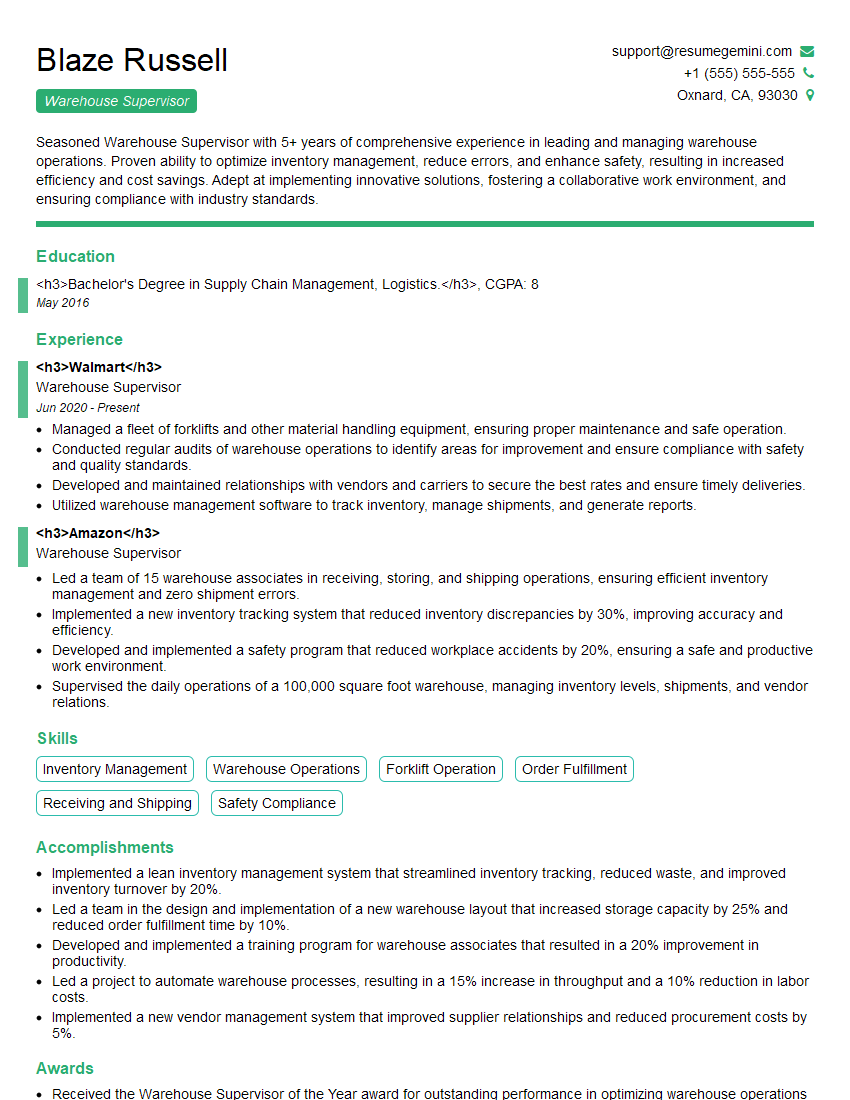
Warehouse Supervisor Resume Sample
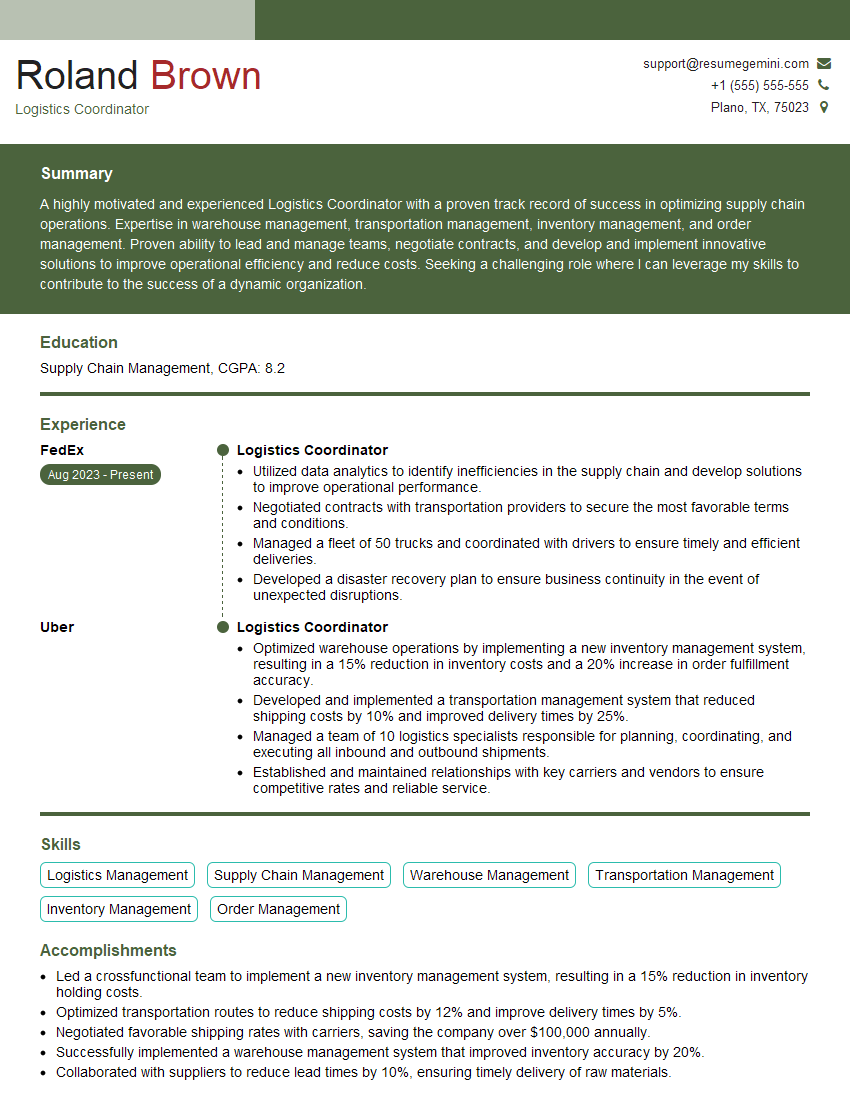
Logistics Coordinator Resume Sample
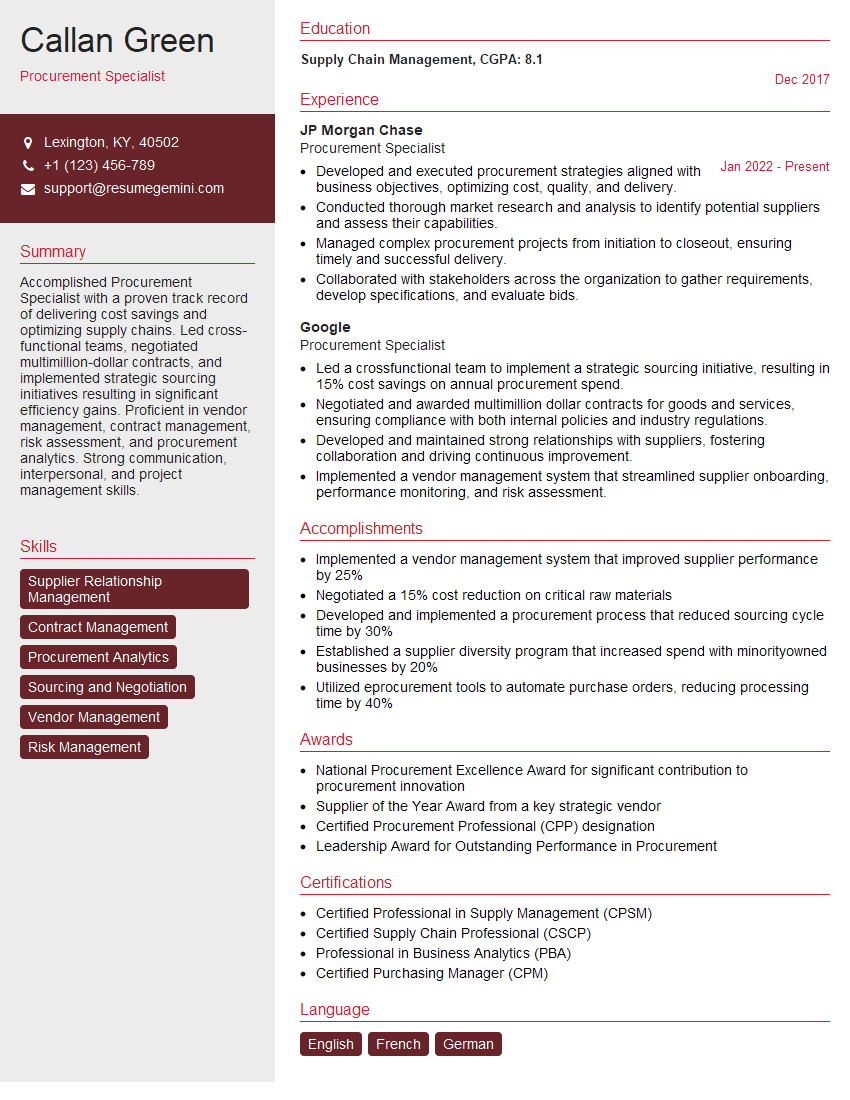
Procurement Specialist Resume Sample
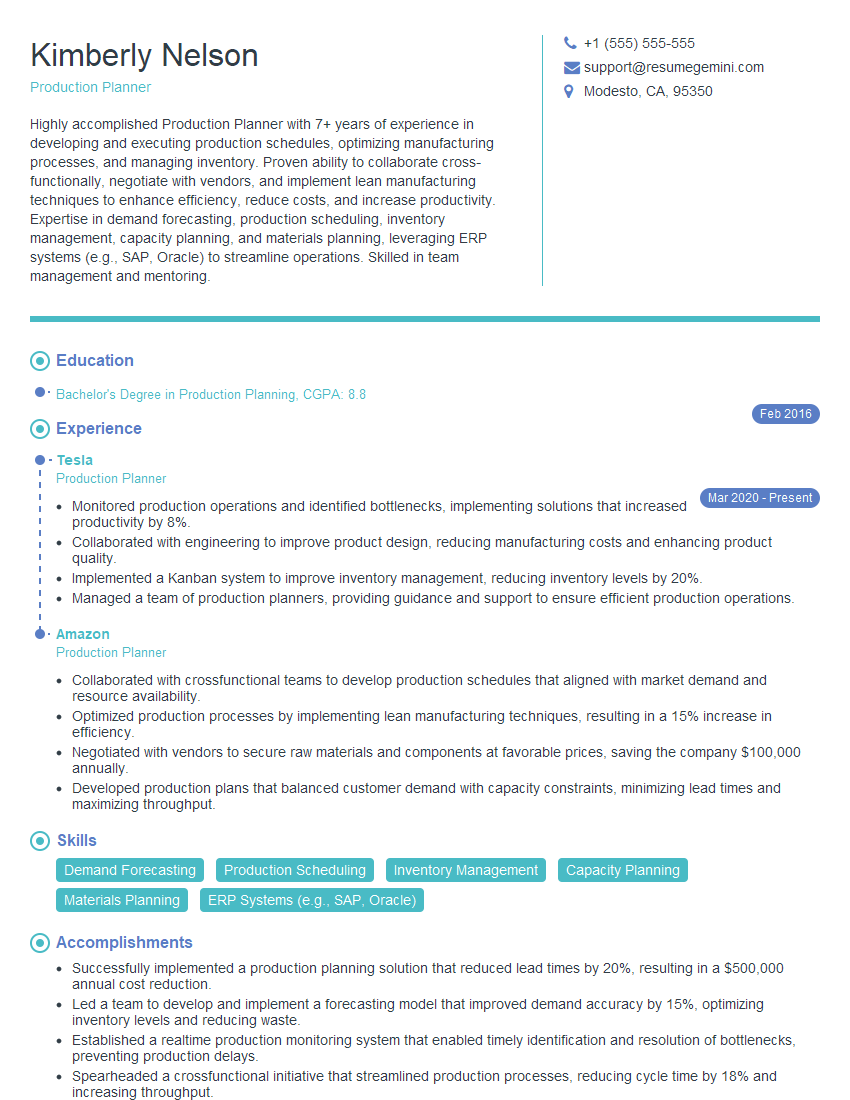
Production Planner Resume Sample

Inventory Manager Resume Sample
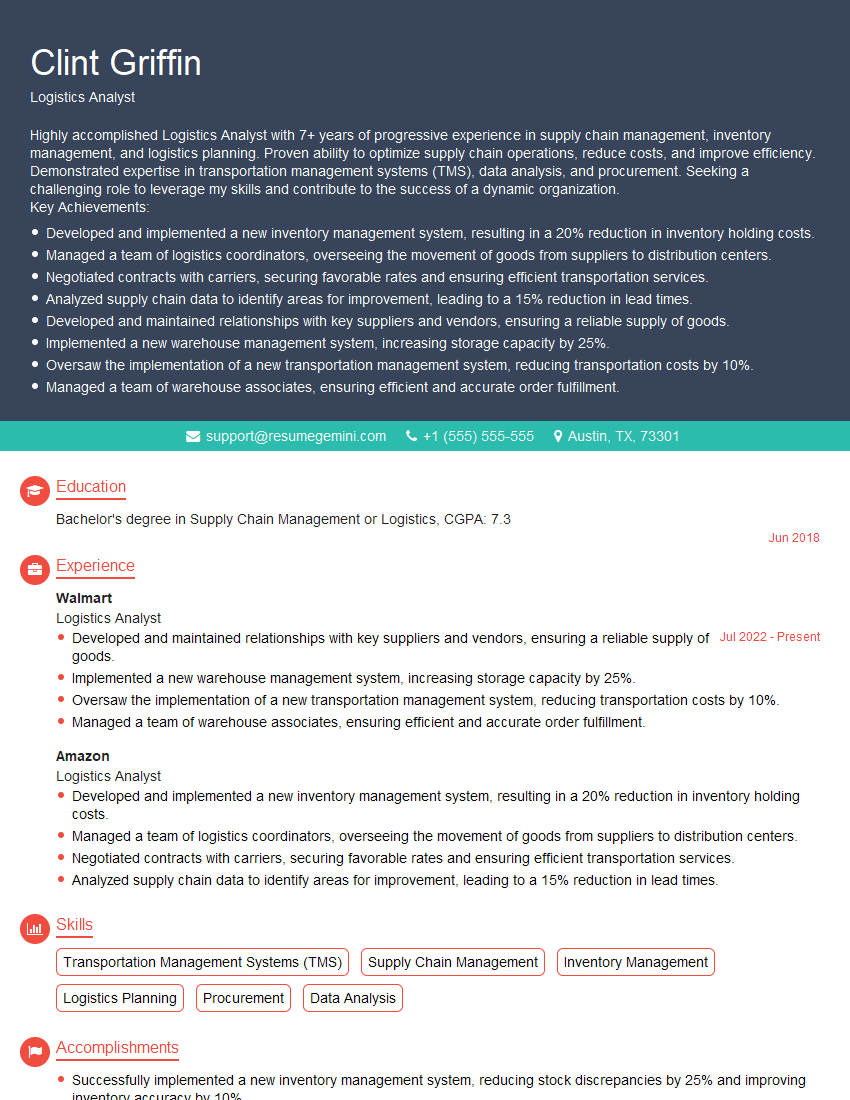
Logistics Analyst Resume Sample
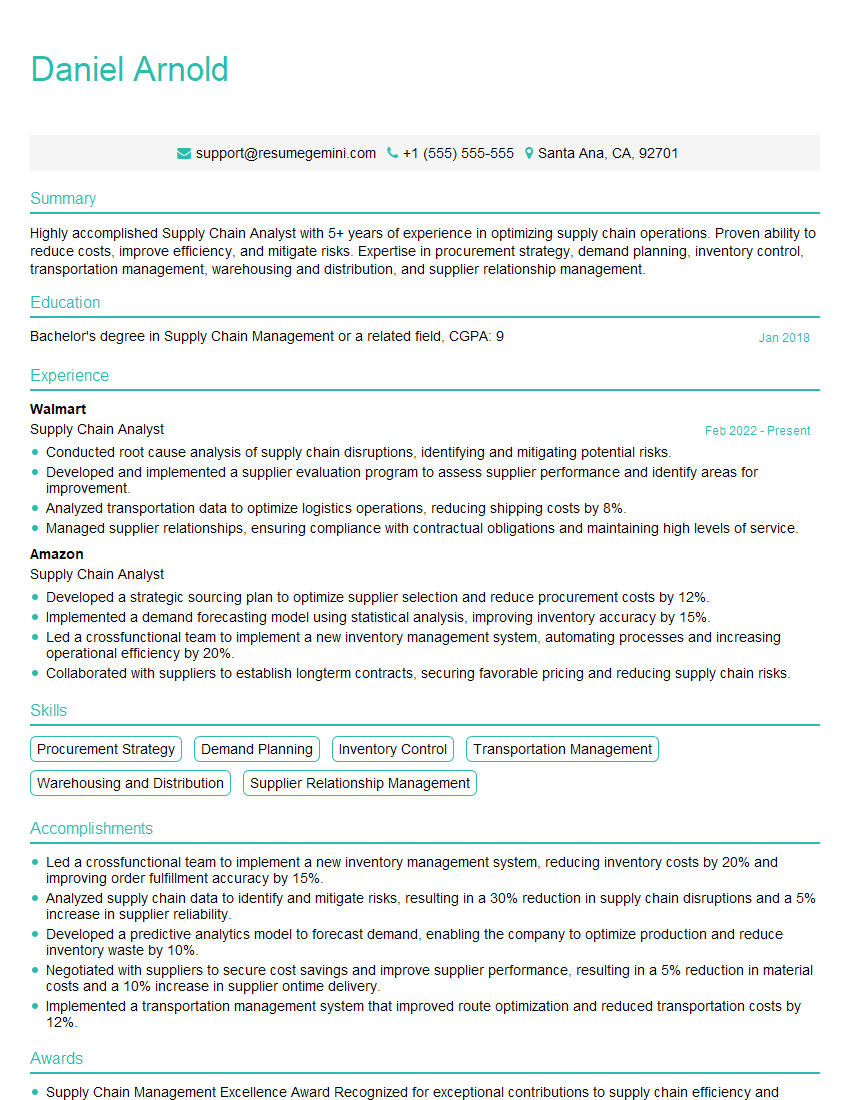
Supply Chain Analyst Resume Sample

Planning Manager Resume Sample
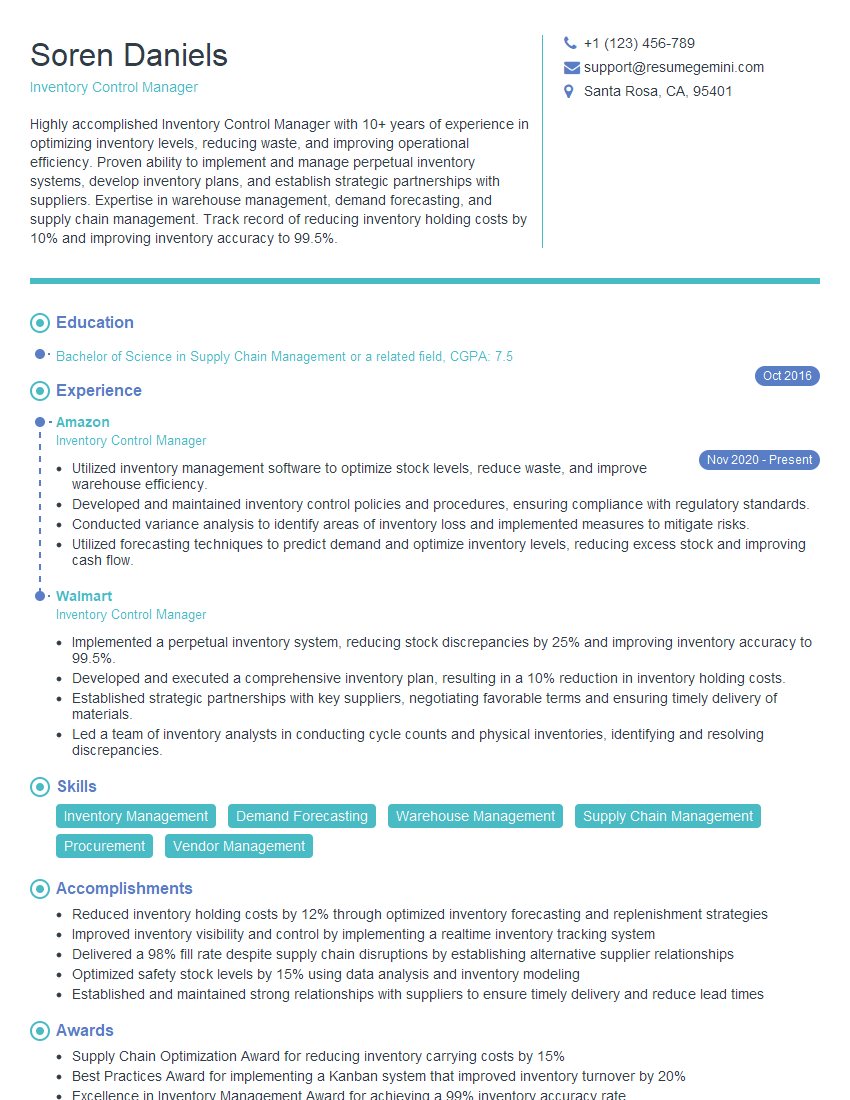
Inventory Control Manager Resume Sample
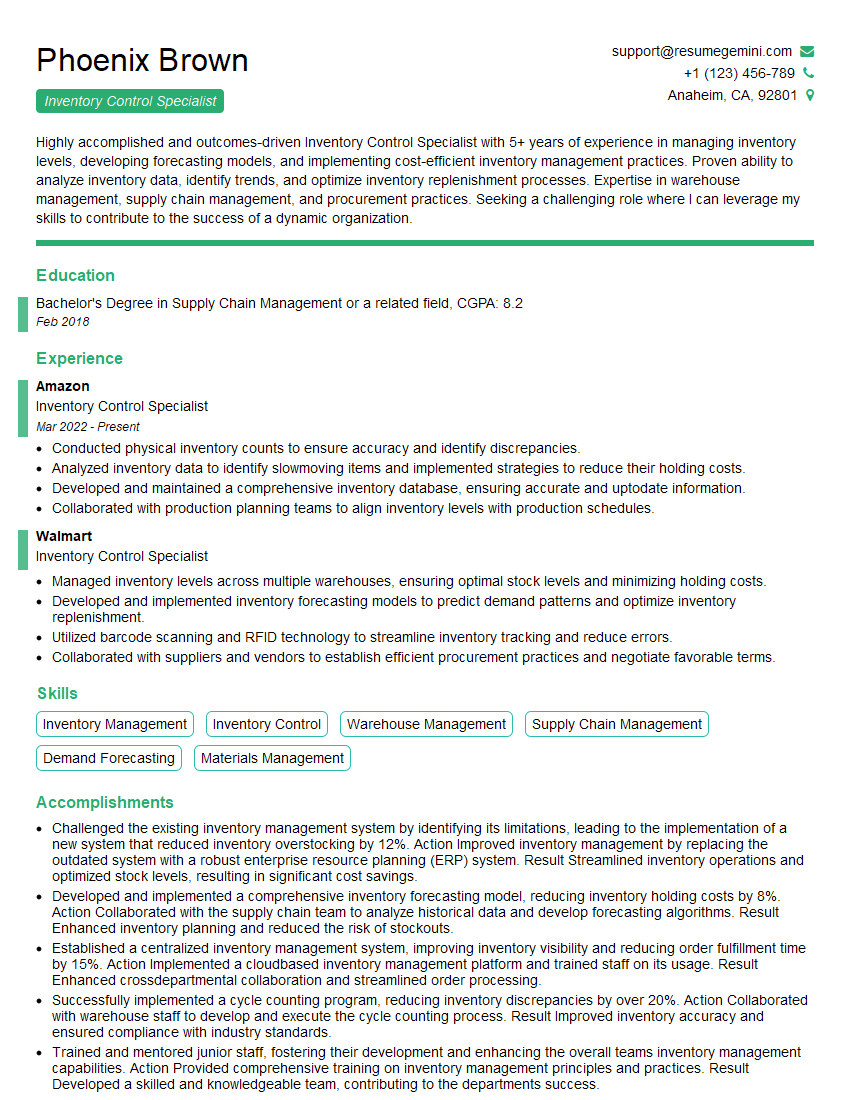
Inventory Control Specialist Resume Sample
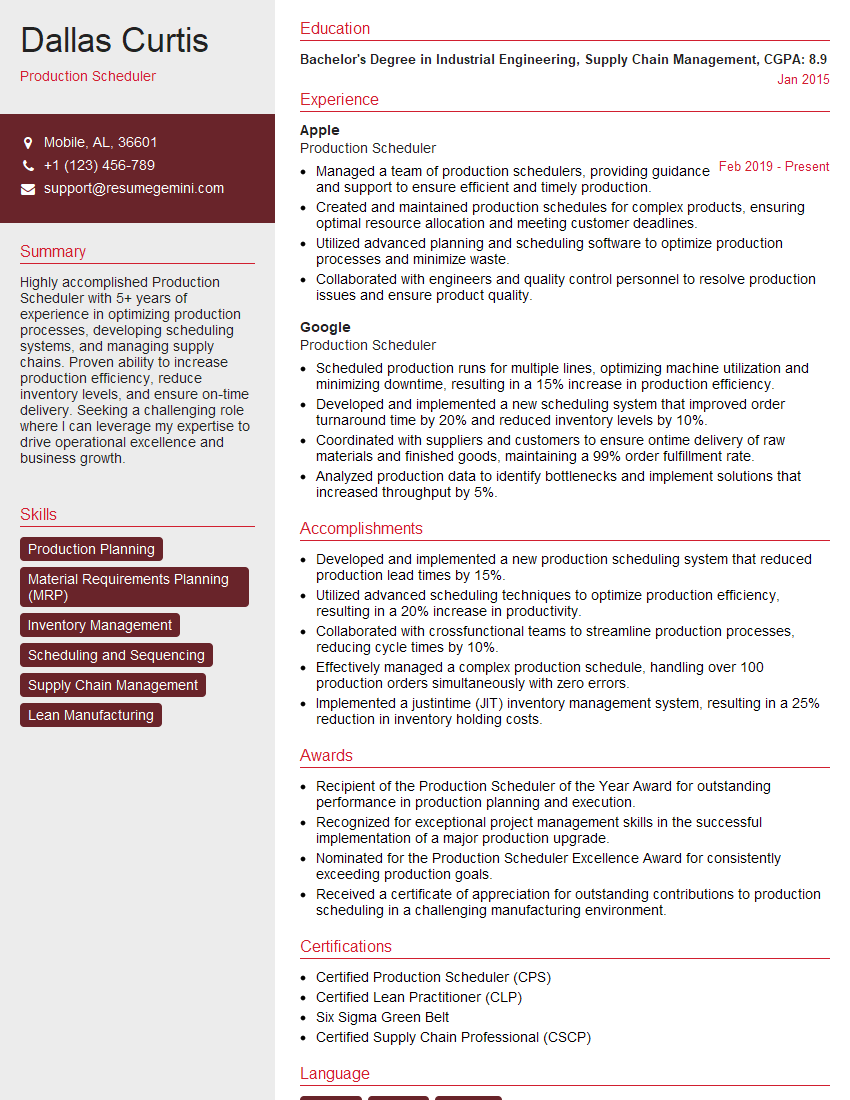
Production Scheduler Resume Sample
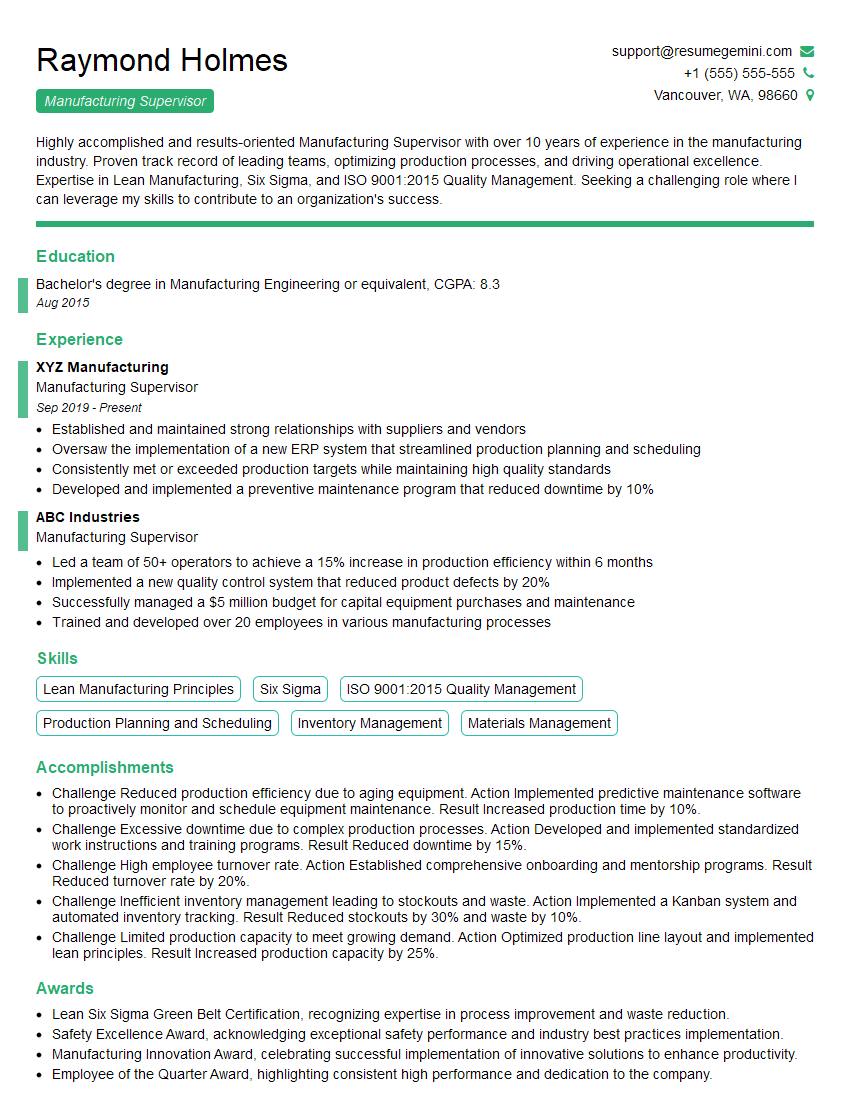
Manufacturing Supervisor Resume Sample
- Operations Manager
- Operations Coordinator
- Demand Planner
- Manufacturing Planner
- Production Control Manager
- Materials Manager
- Procurement Manager
- Supply Chain Manager
- Distribution Center Manager
- Warehouse Manager
- Warehouse Supervisor
- Logistics Coordinator
- Procurement Specialist
- Production Planner
- Inventory Manager
- Logistics Analyst
- Supply Chain Analyst
- Planning Manager
- Inventory Control Manager
- Inventory Control Specialist
- Production Scheduler
- Manufacturing Supervisor
Explore more articles
Users Rating of Our Blogs
Share Your Experience
We value your feedback! Please rate our content and share your thoughts (optional).
What Readers Say About Our Blog
Very informative content, great job.
good