Feeling uncertain about what to expect in your upcoming interview? We’ve got you covered! This blog highlights the most important Knowledge of Safety Procedures and Best Practices interview questions and provides actionable advice to help you stand out as the ideal candidate. Let’s pave the way for your success.
Questions Asked in Knowledge of Safety Procedures and Best Practices Interview
Q 1. Describe your experience with implementing safety programs.
Implementing safety programs requires a systematic approach, combining thorough risk assessment with practical solutions and employee engagement. My experience spans various sectors, from manufacturing to construction, where I’ve successfully designed and deployed programs targeting specific hazards. For example, in a manufacturing plant with high machinery risks, I implemented a comprehensive lockout/tagout (LOTO) program, incorporating regular training, audits, and clear communication protocols. This reduced near-miss incidents by 40% within the first year. In another project, focusing on a construction site, I integrated a robust fall protection program, including the mandatory use of harnesses, safety nets, and regular inspections of scaffolding. This resulted in a significant decrease in fall-related injuries.
- Needs Assessment: Identifying specific hazards and vulnerabilities within the workplace is the first crucial step.
- Program Development: This includes creating tailored policies, procedures, and training materials relevant to identified risks.
- Implementation and Training: Effective training and communication are crucial to ensure employees understand and follow safety protocols.
- Monitoring and Evaluation: Regularly monitoring the program’s effectiveness through audits, incident reporting, and performance indicators allows for continuous improvement.
Q 2. Explain your understanding of OSHA regulations.
My understanding of OSHA regulations is extensive, covering general industry standards, as well as those specific to various sectors like construction and maritime. I’m proficient in interpreting OSHA standards, identifying compliance gaps, and developing strategies to rectify any deficiencies. I understand the importance of OSHA’s General Duty Clause, which mandates employers to provide a workplace free from recognized hazards. Key areas of my expertise include hazard communication (HazCom), personal protective equipment (PPE) requirements, and emergency action planning. For instance, I’ve helped companies implement comprehensive HazCom programs, ensuring accurate labeling, safety data sheets (SDS), and employee training in handling hazardous materials. Regularly staying updated on OSHA changes and new rulings is critical to maintaining compliance.
Q 3. How do you conduct a workplace hazard assessment?
Conducting a workplace hazard assessment is a systematic process to identify and evaluate potential risks. I use a multi-faceted approach, combining walkthrough inspections, interviews with employees, and a review of historical incident data. The process typically involves:
- Planning: Defining the scope of the assessment, including specific areas and hazards to be evaluated.
- Inspection: Conducting a thorough walkthrough of the workplace, observing work practices, and identifying potential hazards.
- Data Collection: Gathering information through interviews with workers, reviewing incident reports, and analyzing historical safety data.
- Hazard Identification: Cataloguing all identified hazards, classifying them by severity and likelihood of occurrence.
- Risk Assessment: Evaluating the risk level associated with each hazard using a suitable matrix (e.g., likelihood x severity).
- Control Measures: Developing and implementing control measures to mitigate the identified risks, prioritizing those with the highest risk levels.
- Documentation: Creating a comprehensive report documenting the findings of the assessment, including control measures and assigned responsibilities.
For example, in a warehouse setting, this might involve identifying risks related to forklifts, manual handling, and storage stability, leading to recommendations for improved forklift training, ergonomic workstations, and better storage practices.
Q 4. What are your methods for investigating workplace accidents?
Investigating workplace accidents requires a thorough and objective approach to determine the root cause and prevent future occurrences. My methodology involves:
- Securing the Scene: Protecting the area to prevent further incidents and preserve evidence.
- Gathering Information: Collecting data from multiple sources, including witness statements, incident reports, and physical evidence.
- Witness Interviews: Conducting structured interviews with witnesses to gather factual information without leading questions.
- Data Analysis: Analyzing the collected data to identify contributing factors and determine the root cause of the accident.
- Root Cause Analysis: Employing techniques like the “5 Whys” to delve deeper into the contributing factors and pinpoint the underlying cause.
- Corrective Actions: Developing and implementing corrective actions to prevent similar accidents from happening again.
- Reporting: Documenting the investigation findings, corrective actions, and recommendations in a comprehensive report.
For instance, if an employee suffered a hand injury while operating a machine, the investigation would look into factors like machine guarding, employee training, and adherence to safety procedures.
Q 5. How do you develop and deliver safety training?
Developing and delivering safety training is crucial to fostering a safety-conscious culture. My approach involves tailoring training to specific job roles and hazards, utilizing a variety of methods to ensure effectiveness. I incorporate interactive elements such as simulations, case studies, and practical exercises to enhance engagement and knowledge retention. The training typically includes:
- Needs Assessment: Identifying the training needs based on the identified hazards and employee skill gaps.
- Curriculum Development: Creating training materials that are clear, concise, and tailored to the audience’s needs.
- Delivery Methods: Utilizing various training methods including classroom instruction, online modules, on-the-job training, and simulations.
- Evaluation: Assessing the effectiveness of training through tests, observations, and feedback mechanisms.
- Documentation: Maintaining accurate records of employee training completion and performance.
For example, when training employees on the use of forklifts, I would incorporate hands-on training with simulated scenarios to ensure they understand safe operating procedures and emergency responses.
Q 6. What are the key elements of a comprehensive safety management system?
A comprehensive safety management system (SMS) is a structured approach to proactively identifying, assessing, and controlling workplace hazards. Key elements include:
- Leadership Commitment: Demonstrating strong commitment from top management to create a safety-first culture.
- Risk Assessment: Regularly conducting thorough hazard assessments to identify potential risks and vulnerabilities.
- Hazard Control: Implementing effective control measures to mitigate identified risks, prioritizing those with the highest risk levels.
- Emergency Preparedness: Developing and practicing emergency response plans to handle incidents and accidents effectively.
- Training and Communication: Providing comprehensive safety training to employees and establishing clear communication channels.
- Incident Reporting and Investigation: Establishing a system for reporting and investigating incidents to identify root causes and prevent recurrence.
- Monitoring and Evaluation: Regularly monitoring the effectiveness of the SMS through audits, inspections, and key performance indicators (KPIs).
- Continuous Improvement: Using data and feedback to continually improve the SMS and enhance workplace safety.
Q 7. Describe your experience with incident reporting and investigation.
My experience with incident reporting and investigation encompasses various industries. I’ve established and managed incident reporting systems, trained personnel on proper reporting procedures, and conducted thorough investigations into numerous incidents. I’m adept at using various investigative techniques, including root cause analysis, to identify contributing factors and prevent future occurrences. The process typically includes:
- Prompt Reporting: Implementing a system to encourage timely and accurate incident reporting by employees.
- Investigation: Conducting thorough investigations to determine the root causes of incidents.
- Corrective Actions: Developing and implementing effective corrective actions to prevent similar incidents from occurring.
- Documentation: Maintaining accurate and detailed records of incidents, investigations, and corrective actions.
- Analysis & Reporting: Analyzing incident data to identify trends and patterns, and reporting findings to management for decision-making.
For example, I once investigated a near-miss incident involving a forklift collision. The investigation revealed a lack of clear signage and inadequate training on traffic management in the warehouse, leading to recommendations for improved signage and a refresher training program on safe forklift operation.
Q 8. How do you ensure compliance with safety regulations?
Ensuring compliance with safety regulations is a multifaceted process that begins with a thorough understanding of all applicable laws, standards, and industry best practices. This involves regular review and updates to stay abreast of changes. It’s not just about reading the regulations; it’s about integrating them into the very fabric of our operations.
- Regular Audits and Inspections: We conduct routine internal audits and inspections to identify any discrepancies between our practices and the regulations. These audits follow a checklist, focusing on key areas like PPE usage, machine safeguarding, and emergency procedures. Any identified non-compliances are documented, investigated, and corrected with a preventative action plan to prevent recurrence.
- Training and Education: Comprehensive safety training is paramount. Employees must understand their roles and responsibilities in maintaining a safe work environment. This includes regular refresher courses to reinforce good habits and address emerging hazards. We use a combination of classroom training, online modules, and on-the-job coaching.
- Documentation and Record Keeping: Meticulous record-keeping is crucial for demonstrating compliance. This includes maintaining records of training, inspections, incident reports, and corrective actions. A well-maintained system makes auditing easier and allows us to track trends and areas needing improvement.
- Proactive Hazard Identification and Control: Instead of reacting to accidents, we proactively identify and control hazards through risk assessments and Job Safety Analysis (JSA). This involves identifying potential hazards, assessing the risks, and implementing control measures to mitigate those risks.
For example, in a manufacturing setting, we’d ensure all machinery is properly guarded, emergency shut-off switches are readily accessible, and employees are trained on lockout/tagout procedures before performing any maintenance.
Q 9. Explain your understanding of risk assessment methodologies.
Risk assessment methodologies are systematic processes used to identify, analyze, and control hazards. The goal is to proactively minimize the likelihood and severity of potential injuries or incidents. Different methodologies exist, but they generally share common elements.
- Hazard Identification: This involves systematically identifying potential hazards within the workplace. This could be through observation, checklists, brainstorming sessions, incident reports, or even near-miss reporting.
- Risk Analysis: Once hazards are identified, we analyze the likelihood of the hazard occurring and the severity of the potential consequences. This often involves a qualitative or quantitative assessment. A common approach is using a risk matrix that plots likelihood against severity to categorize risks as low, medium, or high.
- Risk Control: Based on the risk assessment, appropriate control measures are implemented to eliminate or reduce the identified risks. These controls can be hierarchical, starting with elimination of the hazard, followed by substitution, engineering controls, administrative controls, and finally, personal protective equipment (PPE).
- Monitoring and Review: The risk assessment is not a one-time event. It should be regularly reviewed and updated to account for changes in the workplace, processes, or equipment. This ensures the controls remain effective and relevant.
For instance, in a construction project, a risk assessment might identify the hazard of falling from heights. The risk analysis would assess the likelihood of falls and the potential severity of injuries. Control measures might include using scaffolding, safety harnesses, and providing training on safe work practices at heights.
Q 10. How do you communicate safety information effectively to workers?
Effective communication of safety information is crucial for fostering a safety-conscious culture. A multi-pronged approach is essential.
- Tailored Communication: We adapt our communication methods to suit the audience and the complexity of the information. Simple language and visuals are often more effective than technical jargon. Consider using different communication channels for different groups.
- Multiple Channels: We employ a variety of communication channels to ensure maximum reach and comprehension. This includes safety meetings, toolbox talks, posters, email, intranet sites, and even short videos. We utilize methods suited to the workplace environment.
- Interactive Training: Interactive training sessions, including hands-on demonstrations and simulations, improve knowledge retention and participation. Quizzes, case studies, and group discussions can promote active learning.
- Feedback and Engagement: We encourage feedback from employees to ensure the messages are understandable and relevant. We foster an environment where employees feel comfortable raising safety concerns without fear of retribution.
- Multilingual Support: In diverse workplaces, we ensure safety information is translated into all relevant languages to reach everyone.
For example, we might use a short video to demonstrate the correct way to use a specific piece of equipment, followed up with a hands-on session supervised by a trainer. This combines visual learning with practical application for better understanding.
Q 11. How do you manage safety concerns raised by employees?
Addressing employee safety concerns requires a prompt, thorough, and transparent process. It’s about demonstrating that their concerns are valued and that action will be taken.
- Establish a Clear Reporting System: We have established clear procedures for reporting safety concerns, ensuring employees can easily report issues without fear of reprisal. This could be through a designated reporting hotline, online portal, or direct communication with supervisors.
- Prompt Investigation: All reported concerns are investigated promptly and thoroughly. This involves identifying the root cause of the concern, assessing the associated risk, and determining appropriate corrective actions.
- Transparent Communication: Employees are kept informed of the investigation’s progress and the actions being taken to address the concern. Open communication builds trust and ensures employees feel heard.
- Corrective Actions and Follow-up: Once corrective actions are identified, they are implemented promptly and documented. We follow up to ensure the corrective actions were effective and that the concern has been resolved.
- Employee Involvement: We encourage employee participation in the investigation and development of solutions. This can foster a sense of ownership and improve the effectiveness of safety measures.
For example, if an employee reports a slippery floor, we would immediately investigate, determine the cause (e.g., a spill), implement corrective actions (e.g., clean the spill, improve spill control measures), and communicate to the employee the steps taken to address the concern. We would then follow up to ensure the problem is resolved and doesn’t recur.
Q 12. Describe your experience with lockout/tagout procedures.
Lockout/Tagout (LOTO) procedures are critical for preventing accidental energization of equipment during maintenance or repair. My experience encompasses all aspects of LOTO, from training to implementation to auditing.
- Training and Competency: I’ve conducted extensive training on LOTO procedures, covering the steps involved, the importance of proper technique, and the potential consequences of non-compliance. Employees are tested on their understanding and competency before being allowed to perform LOTO procedures independently.
- Procedure Development and Implementation: I’ve been involved in developing and implementing LOTO procedures tailored to specific equipment and processes within various facilities. These procedures typically include a detailed step-by-step guide, including the identification of energy sources, lockout devices, and verification steps.
- Regular Audits and Inspections: I’ve performed regular audits to ensure that LOTO procedures are being followed consistently and that the lockout devices are effective. This includes inspecting the condition of lockout devices, verifying that proper procedures are followed, and identifying any areas for improvement.
- Incident Investigation: In the event of a LOTO-related incident, I’ve participated in thorough investigations to determine the root cause, implement corrective actions, and prevent recurrence. This often includes reviewing procedures, training records, and employee statements.
For instance, before maintenance on a large industrial press, we’d follow a strict LOTO procedure, involving identifying all energy sources (electrical, hydraulic, pneumatic), applying appropriate lockout devices, verifying the absence of energy, and only then allowing maintenance work to commence. All employees involved would receive a thorough briefing.
Q 13. How do you ensure the proper use of personal protective equipment (PPE)?
Ensuring proper PPE use is vital for protecting workers from workplace hazards. It goes beyond simply providing PPE; it’s about fostering a culture of PPE use and ensuring it’s used correctly.
- Hazard Assessment and PPE Selection: The selection of appropriate PPE is based on a thorough hazard assessment. Different hazards require different types of PPE. We ensure that the chosen PPE is appropriate for the specific risks involved.
- Training and Education: Employees receive comprehensive training on the correct selection, use, inspection, and maintenance of their PPE. They are taught the limitations of PPE and the importance of using it in conjunction with other control measures.
- Fit Testing and Comfort: Proper fit is essential for effectiveness. We provide fit testing where necessary, and we work with employees to address concerns about comfort or usability to encourage consistent wear.
- Regular Inspections and Maintenance: We conduct regular inspections of PPE to ensure it is in good condition and free from damage. Damaged or worn PPE is replaced immediately. Regular cleaning and maintenance are encouraged.
- Enforcement and Accountability: A clear policy on PPE use is essential. We consistently enforce the policy and hold employees accountable for their PPE usage. This is about safety, not punishment; it’s about consistently protecting workers.
For instance, in a construction site, we wouldn’t just provide hard hats; we’d also provide training on their proper use and fit, conduct regular inspections to ensure they are not damaged, and reinforce the importance of wearing them at all times in designated areas.
Q 14. What are your strategies for preventing workplace injuries?
Preventing workplace injuries requires a proactive, multi-layered approach that integrates safety into every aspect of the organization.
- Proactive Hazard Identification and Control: Regularly identifying and assessing hazards using methods like Job Safety Analysis (JSA) and risk assessments is crucial. This allows us to put controls in place before incidents occur. This is the most effective way to prevent accidents.
- Engineering Controls: Implementing engineering controls to eliminate or reduce hazards at the source is our primary strategy. Examples include machine guarding, improved ventilation systems, and ergonomic workstation design.
- Administrative Controls: These controls focus on changing work practices and procedures to reduce risk. Examples include work permits, standard operating procedures, and safety training programs.
- Personal Protective Equipment (PPE): PPE is the last line of defense, used when other controls are insufficient. We ensure proper PPE selection, training, and use.
- Safety Culture: Creating a strong safety culture where safety is everyone’s responsibility is paramount. This involves open communication, employee involvement, and recognition of safety achievements. A strong safety culture is built on trust and mutual respect.
- Incident Investigation and Root Cause Analysis: Thoroughly investigating incidents and performing root cause analysis helps to identify systemic issues and implement lasting corrective actions. We aim to learn from mistakes and improve prevention strategies.
- Regular Safety Audits and Inspections: Regular inspections and audits ensure that safety procedures and controls are maintained and that any emerging hazards are identified promptly.
Imagine a scenario in an office setting where repetitive strain injuries are a concern. We might implement ergonomic assessments of workstations, provide training on proper posture and keyboard techniques, and provide adjustable chairs and keyboards. This multi-pronged approach is more effective than simply providing wrist rests as a last resort.
Q 15. How do you handle emergency situations in the workplace?
Handling workplace emergencies requires a calm, decisive approach based on established protocols. My first step is always to ensure my own safety and the safety of those around me before attempting any rescue or intervention. This includes assessing the situation quickly to understand the nature of the emergency and the potential risks involved.
For example, if there’s a fire, I would immediately activate the nearest fire alarm, evacuate the area according to the pre-determined escape routes, and account for all personnel. If someone is injured, I would assess the injury’s severity and provide first aid as trained, calling emergency services immediately. My response always aligns with company emergency procedures, which I regularly review and participate in drills for. This preparedness minimizes panic and maximizes the effectiveness of our response.
Following the immediate response, I’d participate in any post-incident investigation, documenting events accurately and contributing to identifying areas for improvement in our emergency response plan. This might involve analyzing the incident’s root cause, reviewing the effectiveness of our training, and suggesting improvements to safety protocols or equipment.
Career Expert Tips:
- Ace those interviews! Prepare effectively by reviewing the Top 50 Most Common Interview Questions on ResumeGemini.
- Navigate your job search with confidence! Explore a wide range of Career Tips on ResumeGemini. Learn about common challenges and recommendations to overcome them.
- Craft the perfect resume! Master the Art of Resume Writing with ResumeGemini’s guide. Showcase your unique qualifications and achievements effectively.
- Don’t miss out on holiday savings! Build your dream resume with ResumeGemini’s ATS optimized templates.
Q 16. Describe your experience with developing safety policies and procedures.
I have extensive experience in developing and implementing comprehensive safety policies and procedures. My approach is always risk-based, starting with a thorough hazard identification and risk assessment. This involves identifying potential hazards within the workplace, analyzing the likelihood and severity of harm, and implementing control measures to mitigate the risks.
For instance, in a previous role, we identified a significant risk of slips, trips, and falls in a warehouse setting. Through a detailed risk assessment, we identified the root causes – poor lighting, cluttered walkways, and inadequate floor maintenance. To address this, we developed a new procedure for maintaining walkways, procured better lighting equipment, and implemented a regular inspection program. We also provided training to all employees on safe work practices. These changes were documented in a comprehensive safety policy, distributed to all employees, and regularly reviewed and updated.
The effectiveness of these policies is constantly monitored, through regular inspections, accident reporting, and employee feedback. This iterative approach ensures that our policies remain relevant, effective, and responsive to changing workplace dynamics.
Q 17. How do you monitor and evaluate the effectiveness of safety programs?
Monitoring and evaluating safety program effectiveness relies on a multifaceted approach combining quantitative and qualitative data. Key performance indicators (KPIs) are crucial. These might include the number of accidents, near misses, lost-time incidents, and worker compensation claims. A decrease in these metrics suggests improvement, while an increase signals a need for investigation and corrective action.
Beyond numbers, qualitative data is equally important. This includes regular safety audits, employee feedback surveys, and observations of workplace practices. For example, we might conduct regular walk-throughs to observe adherence to safety procedures, interview employees to gauge their perception of safety culture, and analyze accident reports to identify trends and root causes. This combination helps provide a holistic understanding of safety program performance.
Data analysis is paramount. Trends identified in incident reports and surveys, for example, can highlight areas requiring immediate attention or specific training interventions. This iterative process allows for continuous improvement and ensures the safety program remains relevant and effective.
Q 18. How do you stay up-to-date on changes in safety regulations?
Staying current on safety regulations requires proactive engagement with various resources. I regularly subscribe to relevant industry publications and professional organizations, such as OSHA (Occupational Safety and Health Administration) for example. These provide updates on new regulations, best practices, and industry standards.
Active participation in professional development opportunities, such as conferences, webinars, and training courses, keeps me informed about evolving safety challenges and innovative solutions. Furthermore, I maintain a network of colleagues in the safety field, engaging in discussions and sharing information to stay abreast of emerging trends and regulatory changes.
Regularly reviewing and updating our internal safety policies and procedures, ensuring they align with current regulations, is also crucial. This includes providing updated training to employees to ensure they’re working under current safety guidelines and best practices.
Q 19. Explain your understanding of different types of workplace hazards.
Workplace hazards are numerous and diverse, broadly categorized as physical, chemical, biological, ergonomic, and psychosocial.
- Physical hazards include things like noise, vibration, radiation, temperature extremes, and slips, trips, and falls. A construction site, for example, presents numerous physical hazards.
- Chemical hazards involve exposure to harmful substances such as solvents, acids, and gases. A laboratory setting is a prime example.
- Biological hazards include exposure to bacteria, viruses, and other pathogens. Healthcare settings and agricultural work are high-risk environments.
- Ergonomic hazards relate to workplace design and equipment that can cause musculoskeletal disorders. Repetitive tasks or awkward postures can lead to injuries.
- Psychosocial hazards involve factors like stress, harassment, and bullying, significantly impacting employee well-being and productivity.
Understanding these different hazard types allows for targeted risk assessments and the implementation of appropriate control measures. This could involve engineering controls (e.g., ventilation systems), administrative controls (e.g., work rotation), and personal protective equipment (PPE).
Q 20. Describe your experience with safety audits and inspections.
Safety audits and inspections are essential for identifying and correcting hazards before they lead to incidents. My experience includes conducting both internal and external audits, using a systematic approach involving a pre-audit planning phase, the audit itself, and a post-audit reporting and follow-up phase.
During the audit, I meticulously review safety policies, procedures, documentation, and physical work areas, checking for compliance with regulations and best practices. I’ll interview employees to assess their understanding of safety procedures and identify any areas of concern. My approach is objective and unbiased, documenting findings comprehensively with photographs and other supporting evidence.
The post-audit report summarizes findings, identifies corrective actions, and establishes timelines for implementation. I then actively follow up to ensure that the recommended corrective actions are implemented effectively and that the issues are resolved. This iterative approach ensures continuous improvement in safety performance.
Q 21. How do you handle conflicts related to safety concerns?
Conflicts related to safety concerns often arise from differing perspectives or priorities. My approach is always to address these conflicts through open communication, collaboration, and a focus on finding solutions that prioritize safety.
I begin by actively listening to all parties involved, understanding their concerns and perspectives. I then work to facilitate a constructive dialogue, focusing on the facts and avoiding emotional arguments. If necessary, I’ll involve a neutral third party to mediate the discussion. The goal is to reach a mutually agreeable solution that ensures employee safety without compromising productivity. This might involve adjusting work practices, providing additional training, or implementing new safety measures.
Documentation is key throughout the process. All discussions, agreements, and actions taken are carefully documented to ensure accountability and transparency. This approach helps maintain a positive safety culture, promoting open communication and proactive problem-solving.
Q 22. What are your strategies for improving safety culture in the workplace?
Improving a workplace safety culture is a multifaceted process that requires a comprehensive approach. It’s not just about rules and regulations; it’s about fostering a shared belief that safety is everyone’s responsibility. My strategy hinges on three key pillars: Leadership Commitment, Employee Engagement, and Continuous Improvement.
Leadership Commitment: Safety starts at the top. Leaders must visibly champion safety, actively participating in safety initiatives, and holding themselves and others accountable. This includes allocating sufficient resources for safety training, equipment, and programs. For example, I’ve seen firsthand how a CEO’s personal involvement in safety walkthroughs dramatically increased employee participation in safety reporting.
Employee Engagement: Safety is not solely the responsibility of safety officers. It requires the active involvement of every employee. This can be achieved through various methods such as regular safety training, open communication channels (suggestion boxes, anonymous reporting systems), and empowering employees to stop work if they perceive an unsafe condition. I once implemented a peer-to-peer safety recognition program, which significantly increased the reporting of near misses and improved overall safety awareness.
Continuous Improvement: Safety is an ongoing journey, not a destination. Regular safety audits, incident investigations, and data analysis are crucial to identify areas for improvement. This iterative process involves learning from past mistakes, implementing corrective actions, and regularly reviewing safety procedures to adapt to changing conditions. For instance, after a minor incident, we analyzed the root cause and revised our operating procedures to prevent recurrence, adding a new safety checklist and improved training module.
Q 23. How do you use data to improve safety performance?
Data is the cornerstone of effective safety management. I utilize data to identify trends, pinpoint hazards, and measure the effectiveness of safety interventions. My approach involves a structured process:
Data Collection: This involves gathering data from various sources, including incident reports, near-miss reports, safety inspections, and worker feedback. This data should be accurate, consistent, and easily accessible.
Data Analysis: Once collected, the data is analyzed to identify patterns and trends. This may involve using statistical methods to determine the frequency and severity of incidents, identify high-risk areas, and evaluate the effectiveness of safety programs. For instance, we used statistical process control (SPC) charts to track lagging indicators like lost-time injury frequency rates, allowing for early detection of potential safety issues.
Actionable Insights: The analysis should lead to actionable insights. This might involve implementing new safety controls, revising existing procedures, providing additional training, or improving communication. For example, identifying a high number of slips and falls in a specific area led us to improve lighting and provide specialized slip-resistant footwear.
Monitoring and Evaluation: After implementing changes, it’s essential to monitor their effectiveness and evaluate their impact on safety performance. This iterative process allows for continuous improvement and ensures that safety measures remain relevant and effective.
Q 24. Explain your experience with developing safety metrics and KPIs.
Developing effective safety metrics and KPIs (Key Performance Indicators) is vital for tracking progress and demonstrating the impact of safety initiatives. My experience includes:
Lagging Indicators: These measure the outcomes of safety programs, such as Lost Time Injury Frequency Rate (LTIFR), Total Recordable Incident Rate (TRIR), and Days Away, Restricted, or Transferred (DART) rate. These provide a retrospective view of safety performance.
Leading Indicators: These measure the effectiveness of safety programs *before* incidents occur. Examples include the number of safety training hours completed, the number of safety inspections conducted, the number of near misses reported, and safety observation scores. These are crucial for proactive safety management.
Data Visualization: I utilize various tools to visualize safety data, including dashboards and reports. This makes it easier to track progress, identify trends, and communicate safety performance to stakeholders. I have experience with tools like Microsoft Power BI and Tableau for effective data visualization.
KPIs Alignment: I ensure that the KPIs are aligned with the overall safety goals and objectives of the organization. This ensures that efforts are focused on areas that have the greatest impact on safety performance.
Q 25. How do you ensure that safety procedures are followed consistently?
Ensuring consistent adherence to safety procedures requires a multi-pronged approach that combines clear communication, training, reinforcement, and accountability.
Clear and Concise Procedures: Safety procedures must be written clearly, concisely, and in a language easily understood by all employees. They should also be readily accessible, possibly in both physical and digital formats.
Comprehensive Training: Employees must receive thorough training on all safety procedures relevant to their roles. This training should include both theoretical knowledge and practical application, ideally complemented with hands-on exercises and simulations.
Regular Audits and Inspections: Regular audits and inspections help to identify any deviations from safety procedures. This provides feedback and allows for corrective actions to be taken promptly. Utilizing checklists and documented processes for inspections ensures consistency.
Reinforcement and Accountability: Consistent reinforcement of safety procedures, through both positive and corrective feedback, is crucial for maintaining compliance. Accountability mechanisms, such as regular safety meetings and performance reviews, should be in place to ensure employees understand the importance of adherence.
Incentivizing Safe Behavior: Recognizing and rewarding safe behavior helps to reinforce positive attitudes towards safety. Incentive programs, such as safety awards or bonuses, can further encourage employees to adhere to safety protocols.
Q 26. Describe your experience with safety committees and meetings.
I have extensive experience working with safety committees and participating in safety meetings. My role has always been to facilitate open communication, encourage collaborative problem-solving, and ensure that all voices are heard. This includes:
Facilitating Meetings: I ensure that safety meetings are well-organized, productive, and focused on addressing key safety concerns. I create agendas, distribute meeting minutes, and track action items to maintain accountability.
Encouraging Participation: I actively encourage participation from all members of the safety committee, creating a safe and inclusive environment for everyone to share their ideas and concerns. This often involves using techniques to encourage quieter members to participate.
Addressing Concerns: I ensure that all safety concerns raised by committee members are addressed promptly and effectively. This may involve investigating incidents, developing corrective actions, or implementing new safety procedures.
Tracking Progress: I track the progress of action items and report back to the committee on the progress made. This ensures transparency and accountability.
Promoting a Culture of Safety: Through my participation in safety committees, I aim to build a strong safety culture within the organization, emphasizing the importance of proactive risk management and employee empowerment.
Q 27. How do you promote a culture of safety in your workplace?
Promoting a culture of safety is not a one-time event, but a continuous process that requires consistent effort and engagement from everyone in the organization. My approach focuses on:
Leadership Visibility: Leaders must visibly demonstrate their commitment to safety by actively participating in safety initiatives, communicating the importance of safety, and holding themselves and others accountable.
Open Communication: Establishing open communication channels, such as suggestion boxes, anonymous reporting systems, and regular safety meetings, helps to foster a culture of trust and transparency.
Employee Empowerment: Empowering employees to stop work if they identify unsafe conditions is crucial for fostering a proactive safety culture. Employees must feel comfortable expressing their concerns without fear of reprisal.
Recognition and Rewards: Recognizing and rewarding safe behavior reinforces positive attitudes towards safety and motivates employees to adhere to safety procedures. This could include things like employee-of-the-month awards, team-based safety recognition, or other forms of positive reinforcement.
Continuous Improvement: Regular safety audits, incident investigations, and data analysis provide insights for continuous improvement. This iterative process involves learning from past mistakes and adapting safety procedures to changing conditions.
Q 28. What is your experience with near-miss reporting and analysis?
Near-miss reporting and analysis is a crucial component of proactive safety management. My experience encompasses:
Encouraging Reporting: Creating a culture where employees feel comfortable reporting near misses without fear of retribution is essential. This often requires clear communication about the purpose of near-miss reporting and assurance that reporting will not lead to disciplinary action.
Investigating Incidents: Thoroughly investigating each near miss to identify the root causes. This involves gathering information from various sources, interviewing witnesses, and analyzing the circumstances leading to the near miss.
Root Cause Analysis: Employing techniques like the “5 Whys” or fishbone diagrams to understand the underlying causes of near misses. This helps identify systemic issues and prevent future occurrences.
Corrective Actions: Implementing corrective actions based on the root cause analysis. This may include revising safety procedures, providing additional training, improving equipment, or modifying the work environment.
Data Tracking and Trend Analysis: Tracking near-miss data over time to identify trends and patterns. This can reveal areas where improvements are needed and provide insights into the effectiveness of safety interventions. We used this data to prioritize safety initiatives and allocate resources effectively.
Key Topics to Learn for Knowledge of Safety Procedures and Best Practices Interview
- Hazard Identification and Risk Assessment: Understanding methods for identifying potential hazards in various work environments and conducting thorough risk assessments to mitigate those hazards. This includes practical application of risk matrices and prioritization techniques.
- Emergency Response Procedures: Knowledge of emergency action plans, including evacuation procedures, first aid response, and the use of safety equipment (e.g., fire extinguishers, spill kits). Be prepared to discuss practical scenarios and your role in emergency situations.
- Personal Protective Equipment (PPE): Understanding the selection, proper use, and limitations of various types of PPE, including safety glasses, gloves, respirators, and hearing protection. This also involves knowing when specific PPE is required and how to inspect it for proper functionality.
- Safety Regulations and Compliance: Familiarity with relevant safety regulations and industry best practices. This includes understanding legal obligations and the consequences of non-compliance. Be ready to discuss specific regulations relevant to your field of expertise.
- Incident Reporting and Investigation: Understanding the process of reporting safety incidents, conducting thorough investigations, and implementing corrective actions to prevent recurrence. This includes accurate documentation and analysis of contributing factors.
- Safety Training and Communication: Knowledge of effective safety training methods and the importance of clear communication in maintaining a safe work environment. This includes discussing strategies for engaging employees and promoting a safety-conscious culture.
- Ergonomics and Workplace Safety: Understanding ergonomic principles and their application in preventing musculoskeletal injuries. This includes the proper use of equipment and the importance of workplace design for optimal safety and well-being.
Next Steps
Mastering Knowledge of Safety Procedures and Best Practices is crucial for career advancement, demonstrating your commitment to a safe and productive work environment. A strong resume is your first step to showcasing this expertise. Crafting an ATS-friendly resume that highlights your skills and experience is key to getting noticed by potential employers. ResumeGemini can help you create a professional and impactful resume tailored to your specific experience. Use ResumeGemini’s resources to build a compelling document, and explore the examples of resumes tailored to Knowledge of Safety Procedures and Best Practices for inspiration and guidance.
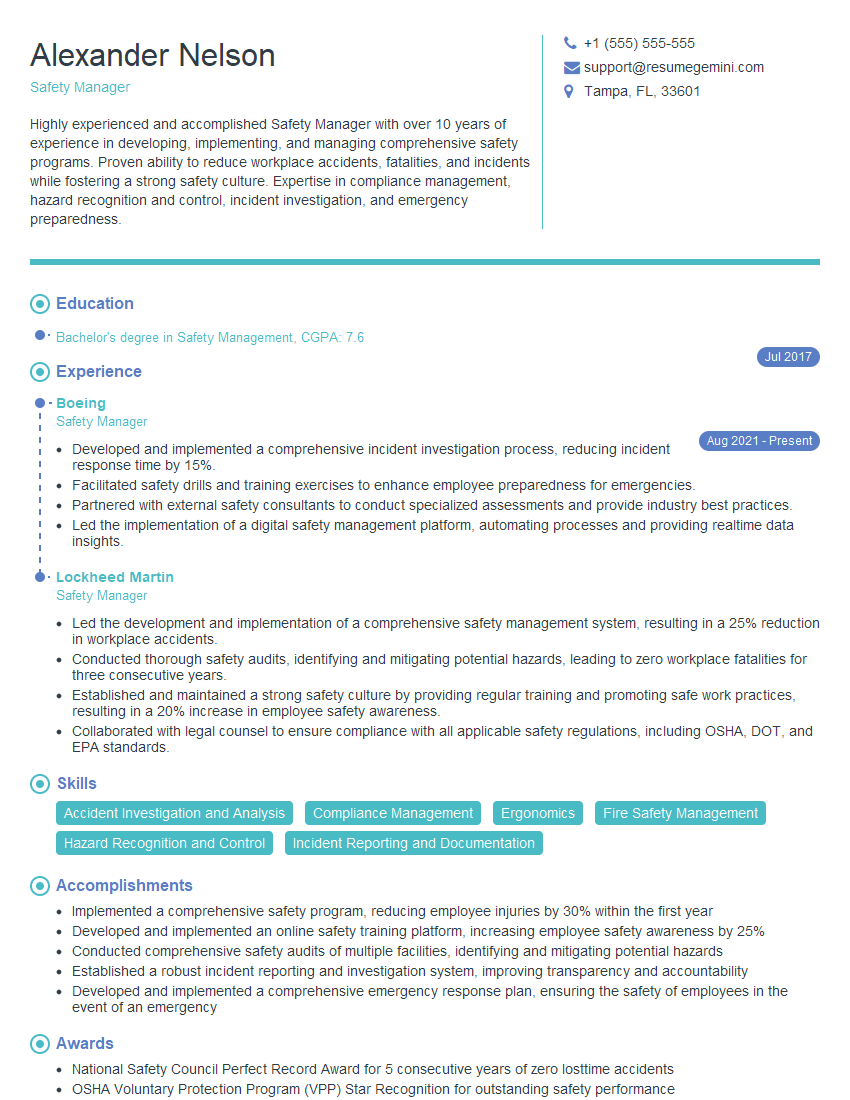
Safety Manager Resume Sample
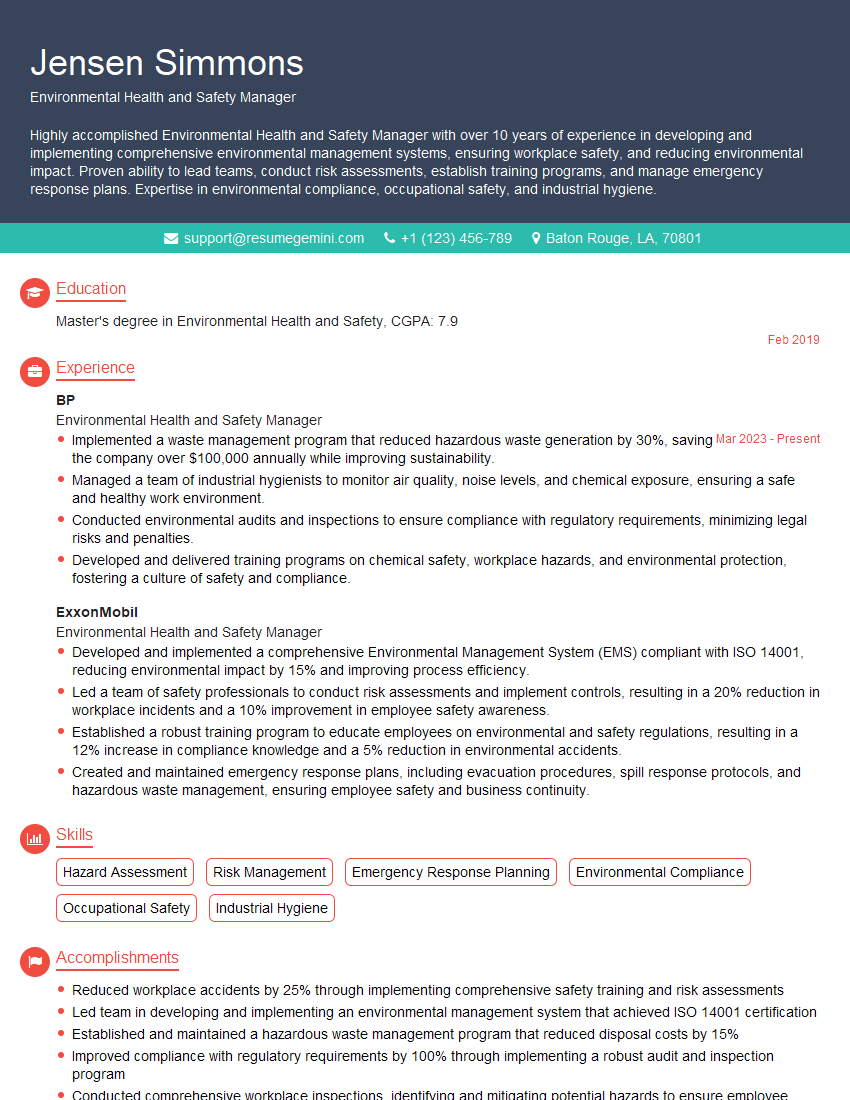
Environmental Health and Safety Manager Resume Sample
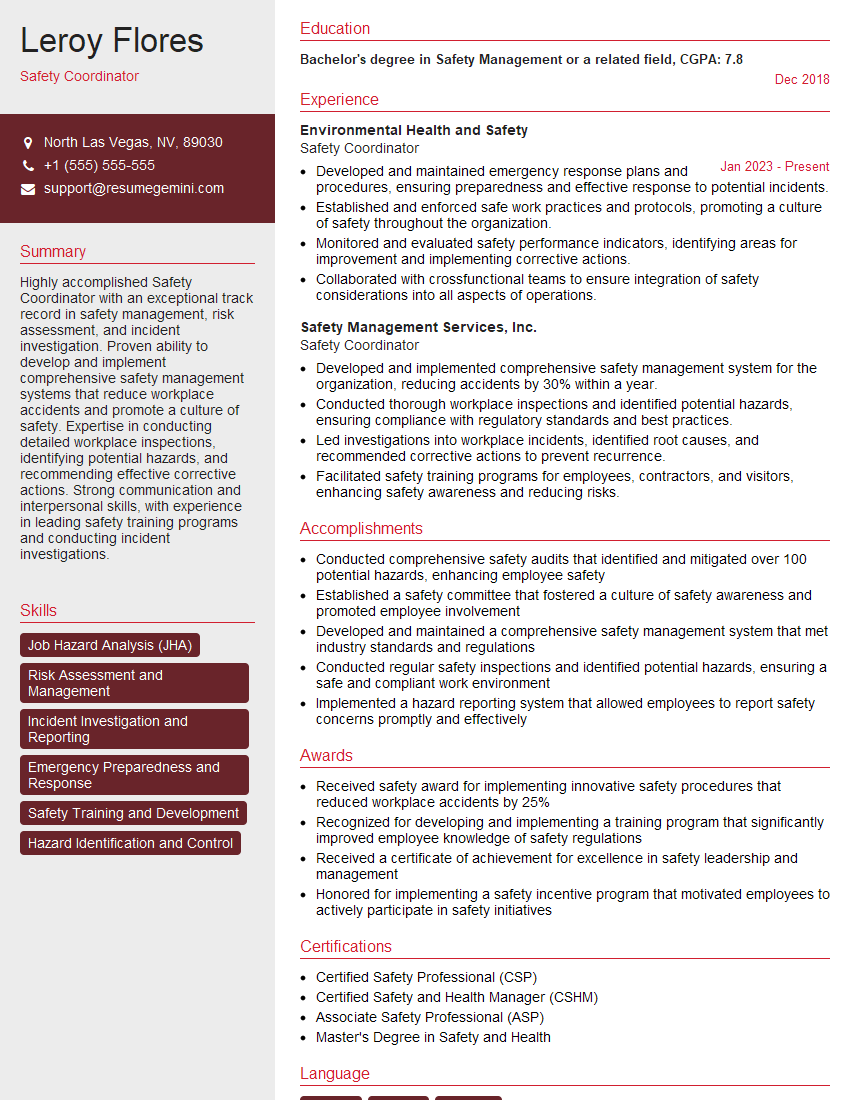
Safety Coordinator Resume Sample
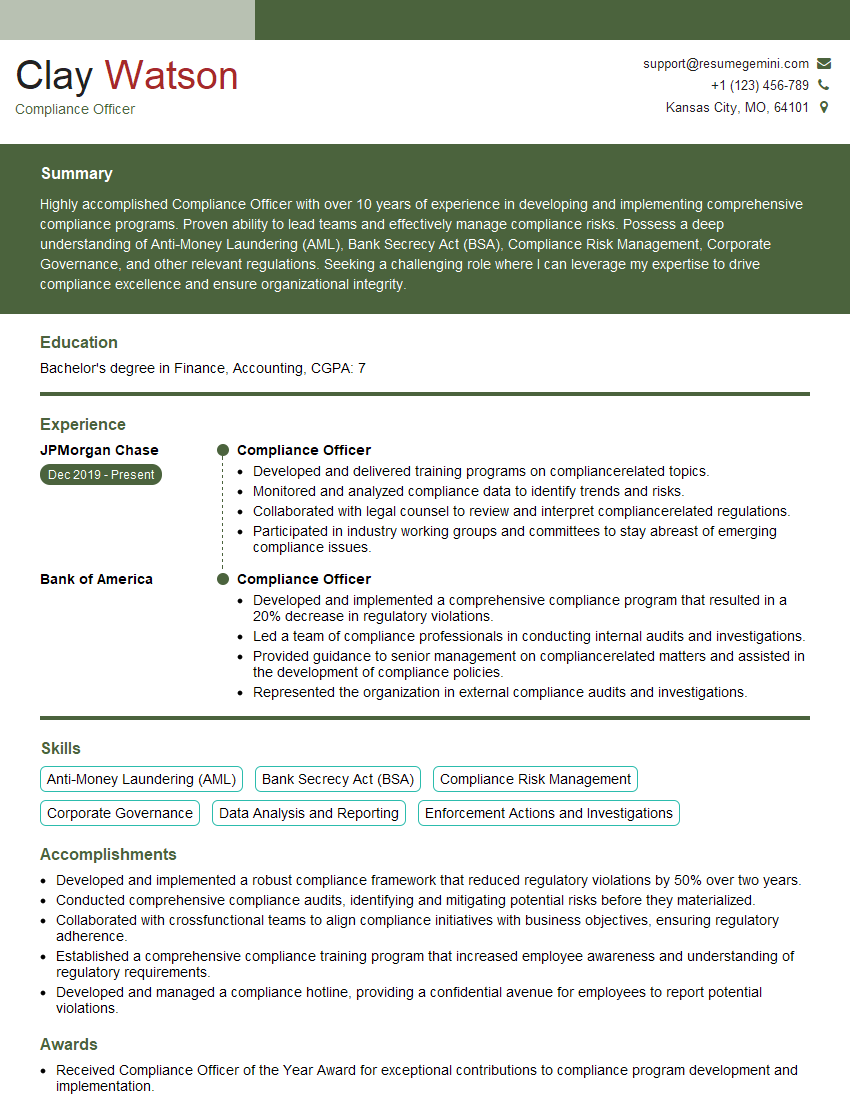
Compliance Officer Resume Sample
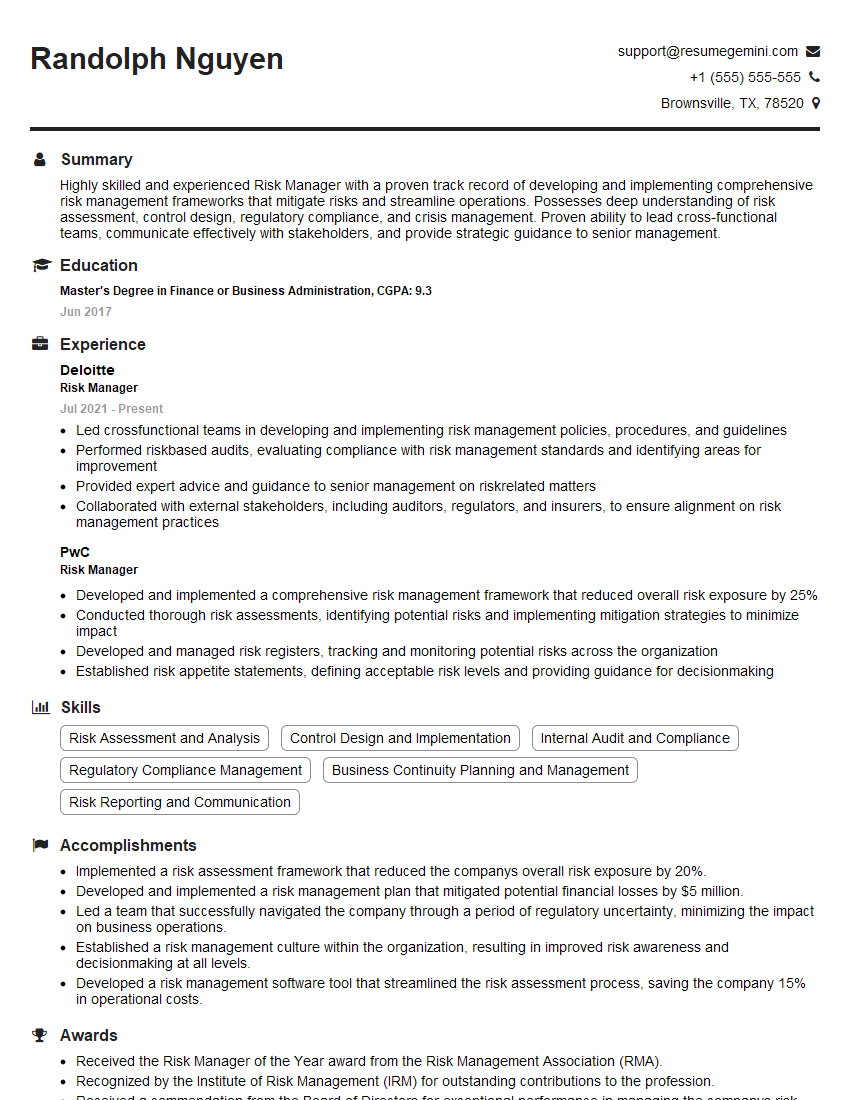
Risk Manager Resume Sample
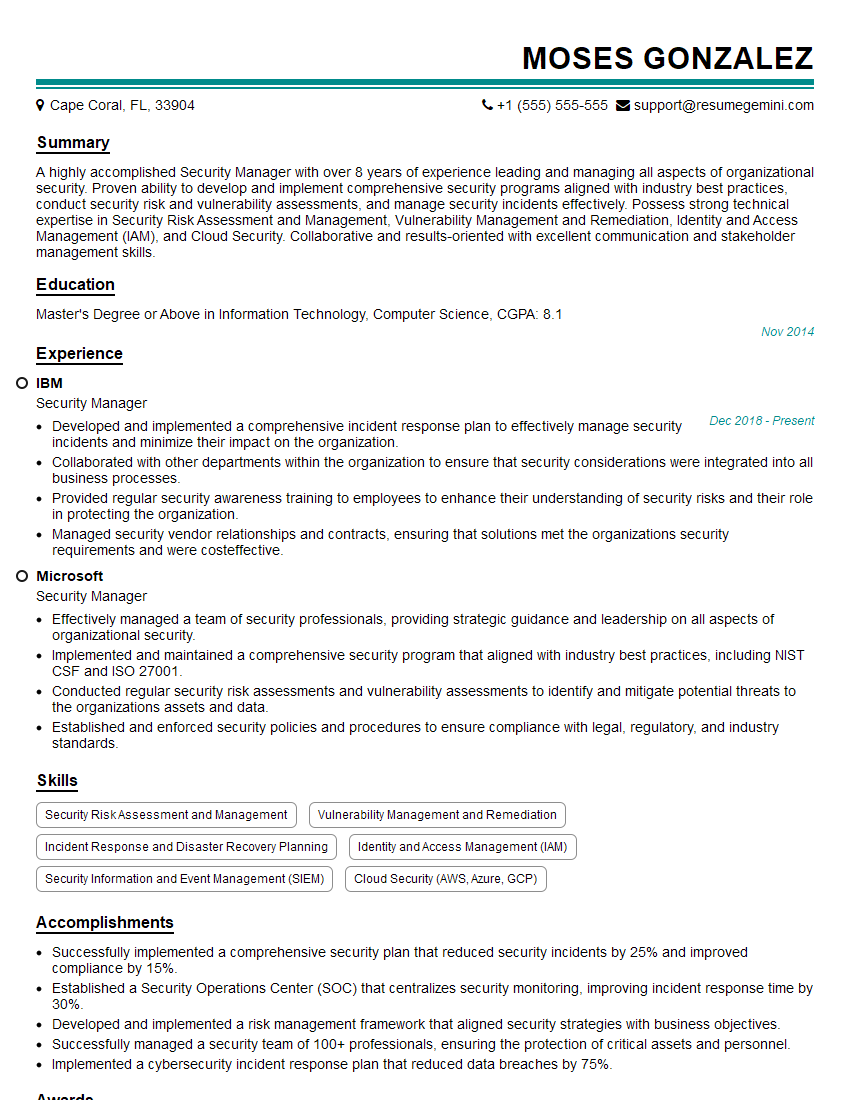
Security Manager Resume Sample
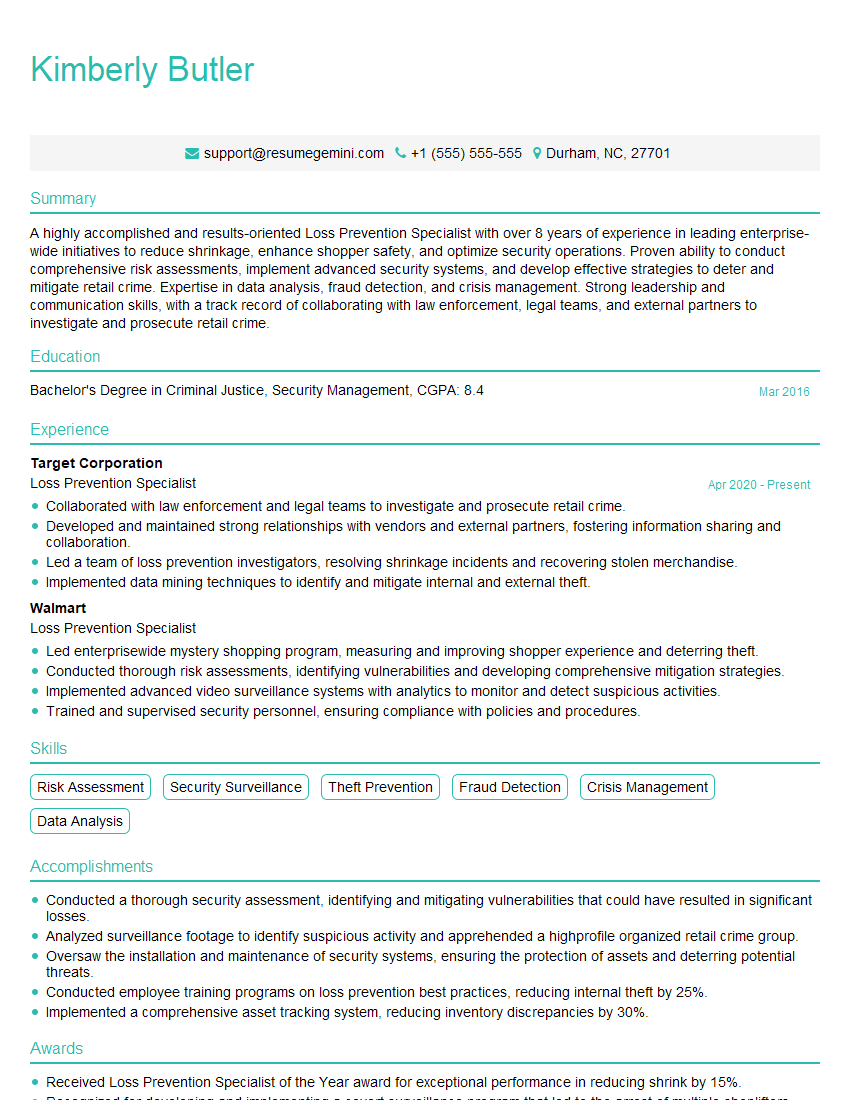
Loss Prevention Specialist Resume Sample
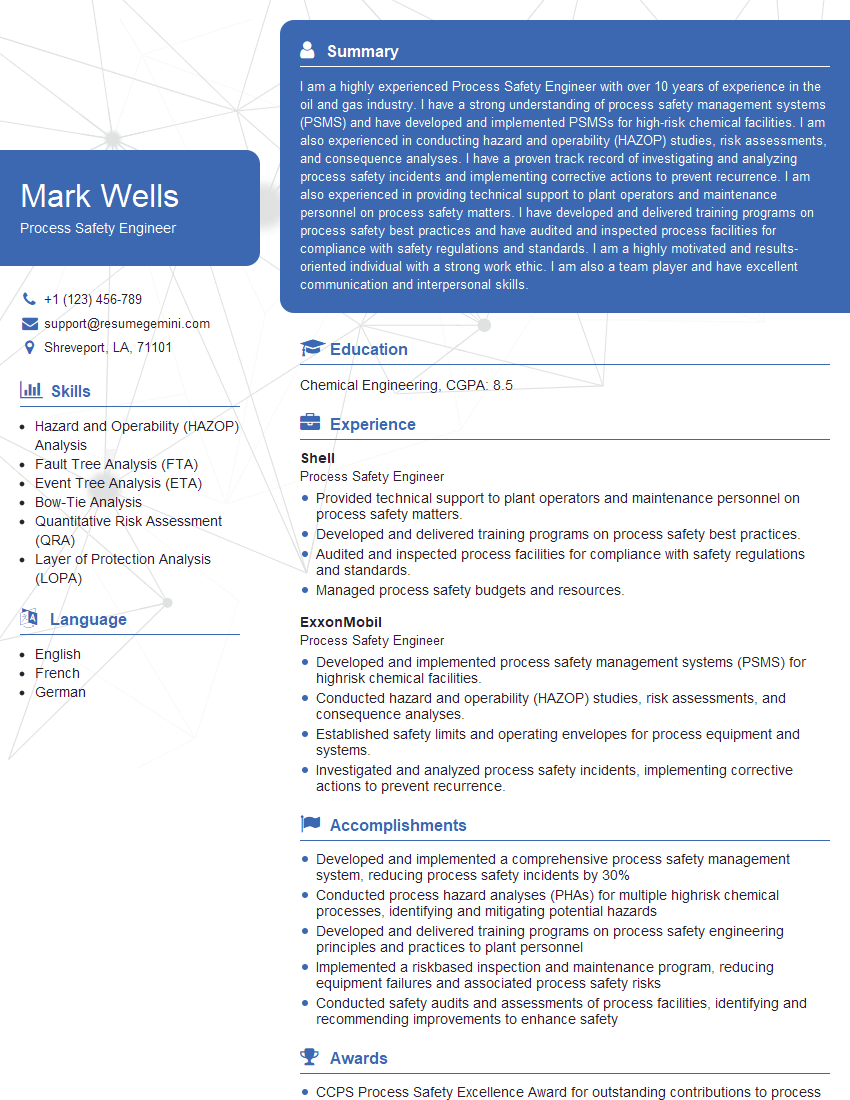
Process Safety Engineer Resume Sample
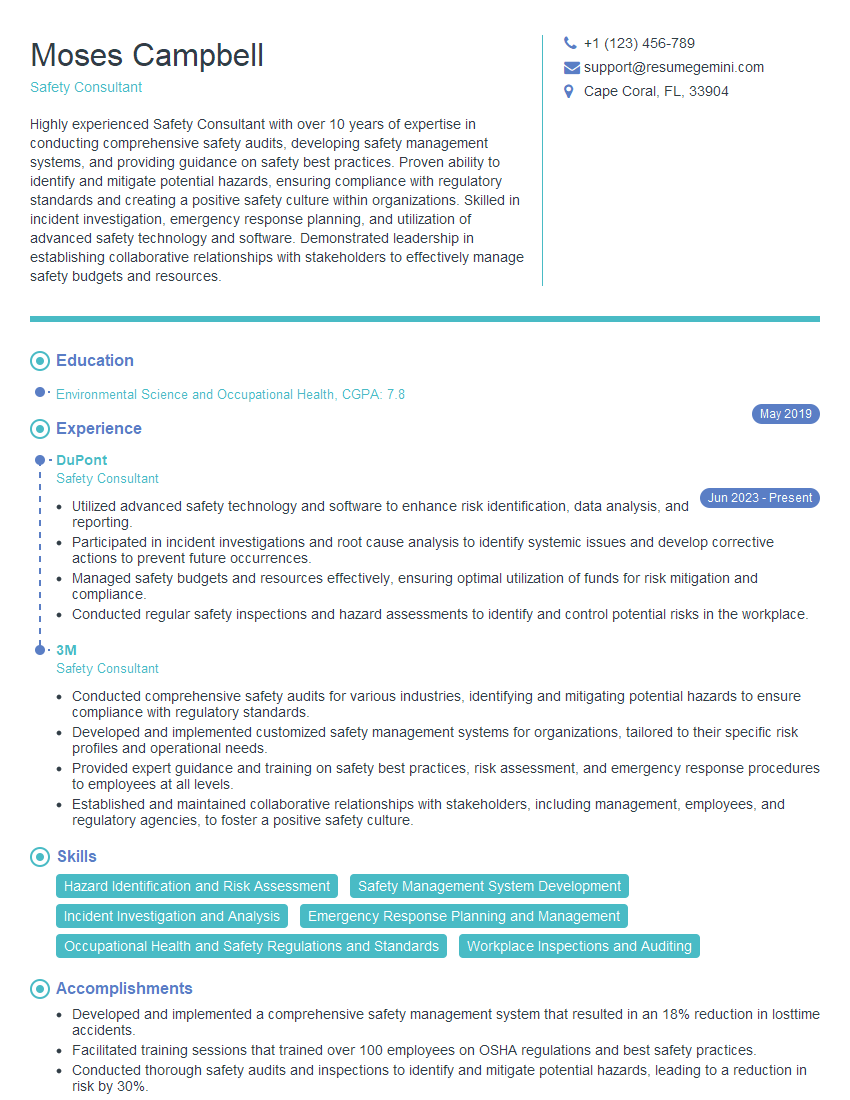
Safety Consultant Resume Sample
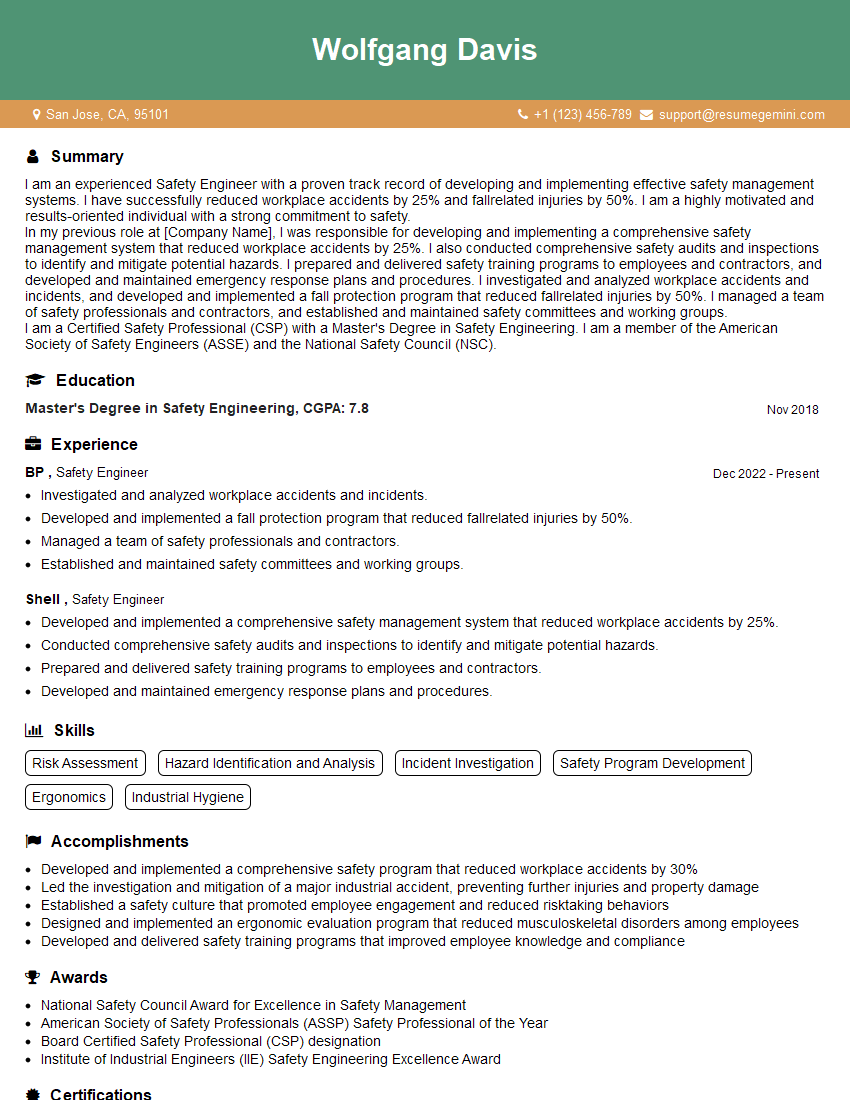
Safety Engineer Resume Sample
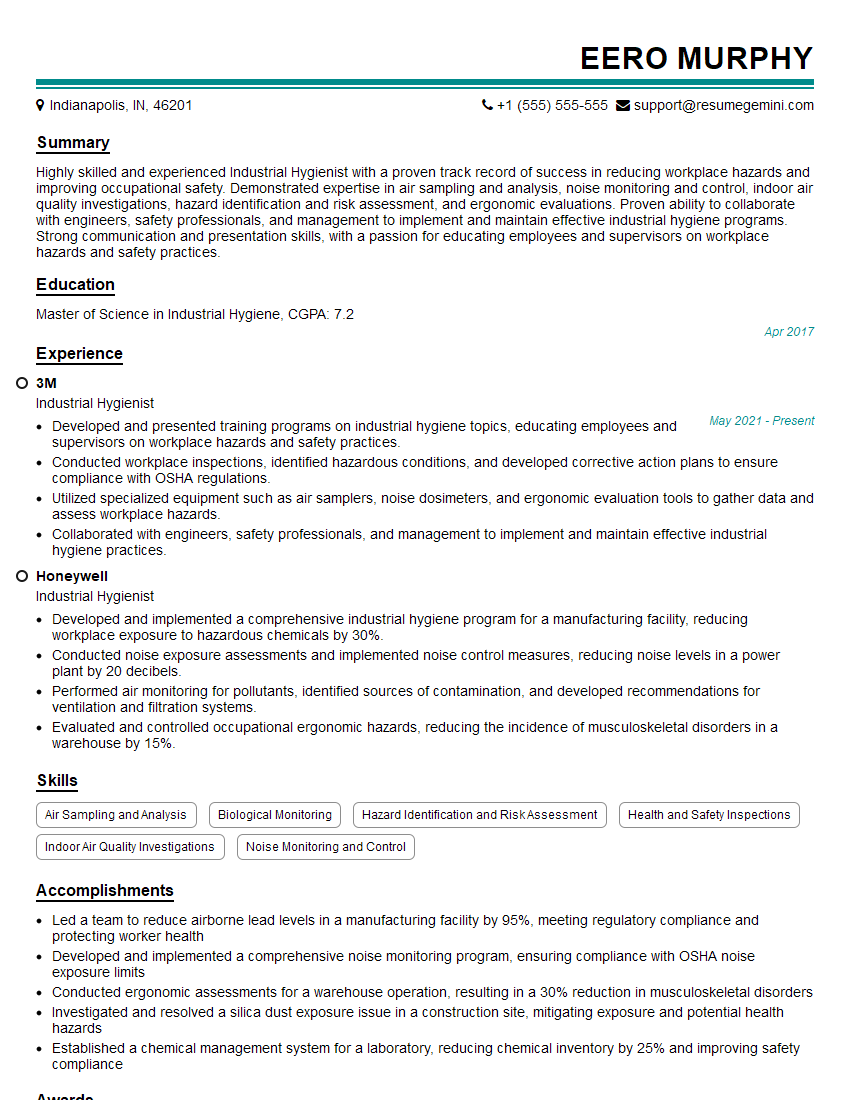
Industrial Hygienist Resume Sample
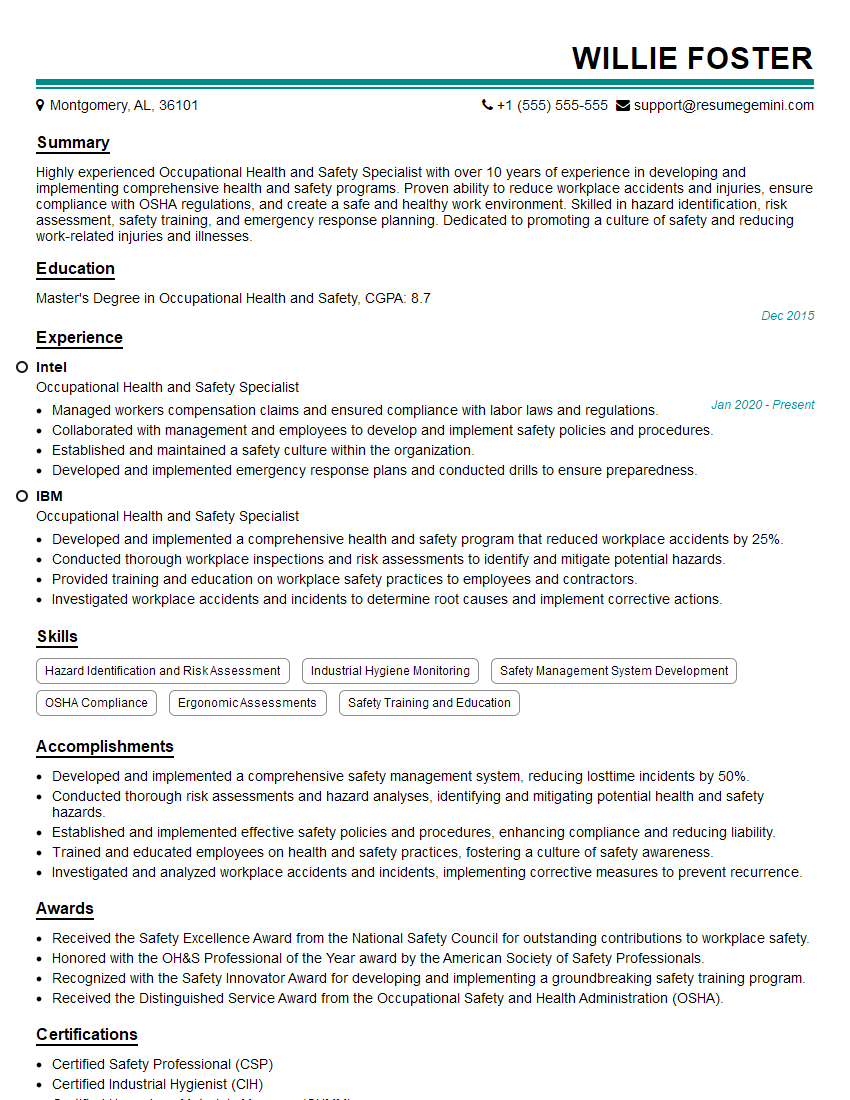
Occupational Health and Safety Specialist Resume Sample
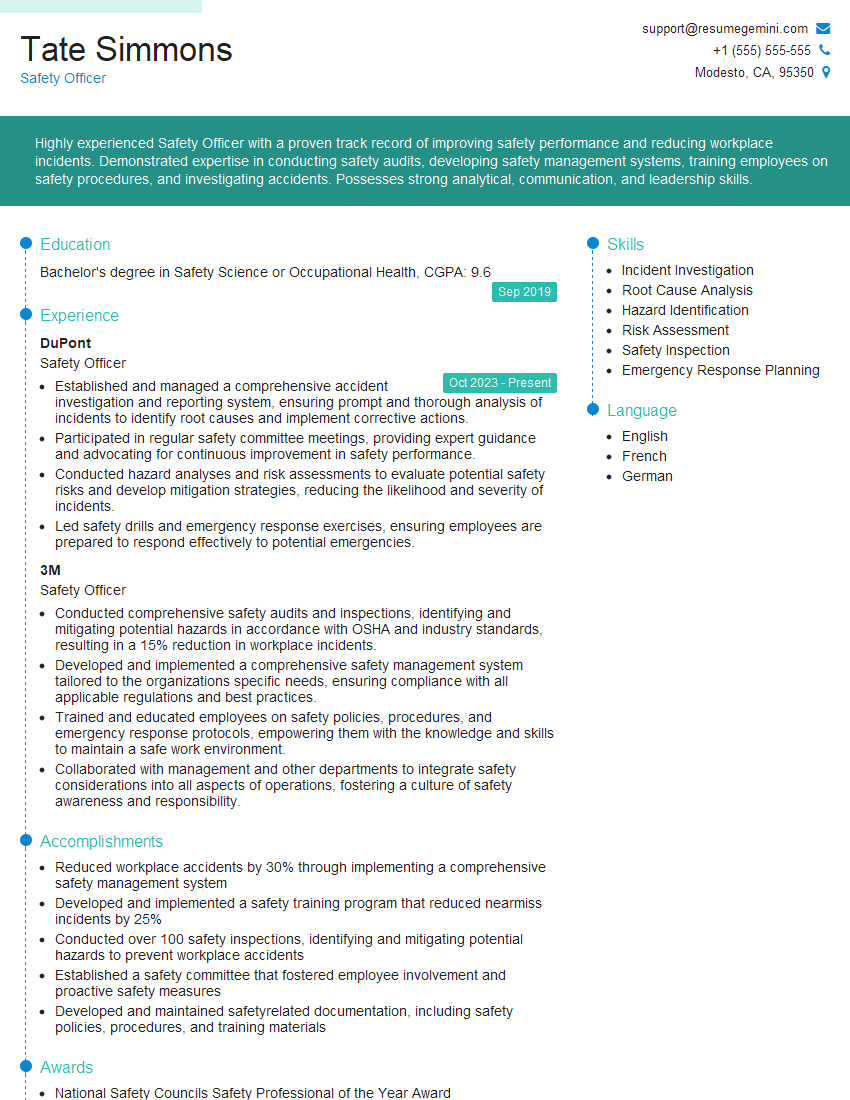
Safety Officer Resume Sample
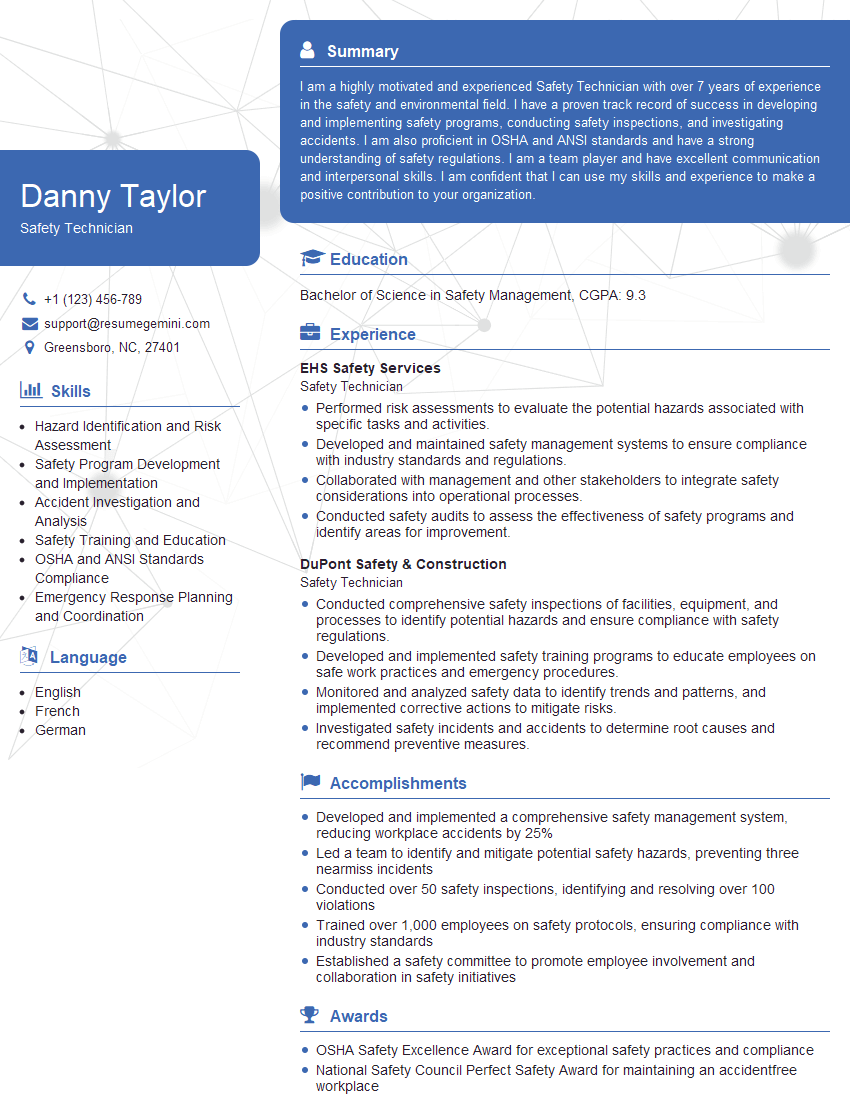
Safety Technician Resume Sample
- Safety Manager
- Environmental Health and Safety Manager
- Safety Coordinator
- Compliance Officer
- Risk Manager
- Security Manager
- Loss Prevention Specialist
- Process Safety Engineer
- Safety Consultant
- Safety Engineer
- Industrial Hygienist
- Occupational Health and Safety Specialist
- Safety Officer
- Safety Technician
Explore more articles
Users Rating of Our Blogs
Share Your Experience
We value your feedback! Please rate our content and share your thoughts (optional).
What Readers Say About Our Blog
Very informative content, great job.
good