Interviews are opportunities to demonstrate your expertise, and this guide is here to help you shine. Explore the essential New Source Review (NSR) interview questions that employers frequently ask, paired with strategies for crafting responses that set you apart from the competition.
Questions Asked in New Source Review (NSR) Interview
Q 1. Explain the purpose and scope of New Source Review (NSR).
New Source Review (NSR) is a crucial environmental permitting program under the Clean Air Act. Its primary purpose is to prevent significant air pollution from new or modified stationary sources. Think of it as a pre-construction check for factories, power plants, and other large facilities that could impact air quality. The scope encompasses a wide range of industrial activities, ensuring that they meet stringent emission standards before commencing operations or making significant changes. This prevents the deterioration of air quality and protects public health and the environment. Essentially, NSR helps ensure that new sources don’t undo the progress already made in improving air quality.
Q 2. What are the major components of a Prevention of Significant Deterioration (PSD) permit application?
A Prevention of Significant Deterioration (PSD) permit application, a key component of NSR, is quite comprehensive. It’s like a detailed blueprint for the facility’s impact on the air. Major components include:
- Facility Description: A thorough description of the proposed facility, including its location, processes, and equipment.
- Emissions Calculations: Precise calculations of all air pollutants the facility will release, showing both the amount and type of emissions.
- Air Quality Modeling: Sophisticated computer models that predict how the facility’s emissions will affect air quality in the surrounding area. This ensures that the impact stays within allowable limits.
- Best Available Control Technology (BACT) Analysis: A detailed justification of the chosen air pollution control technologies, demonstrating that they represent the best currently available technology (we’ll discuss BACT further in a later question).
- Permitting Documents: All necessary regulatory documentation, permits and approvals from other agencies etc. are usually required.
- Monitoring Plan: A plan outlining how the facility will monitor its emissions after construction to ensure compliance with permit conditions.
Failure to include any of these components can delay or even prevent the issuance of a PSD permit.
Q 3. Describe the difference between major and minor NSR modifications.
The distinction between major and minor NSR modifications hinges on whether the changes trigger significant increases in emissions. A major modification results in a significant net emissions increase of regulated pollutants (specific thresholds are defined by the EPA). Think of it like a substantial expansion of a factory, significantly increasing its production capacity and consequently, its emissions. This requires a full NSR permit application, including air quality modeling and BACT analysis. A minor modification, on the other hand, involves changes that don’t meet the significant net emissions increase thresholds. These might include equipment replacements that don’t alter overall production significantly. Minor modifications usually require a less extensive review process, potentially involving a simpler notification process than a full permit application.
Q 4. Explain the significance of the ‘best available control technology’ (BACT) determination in NSR.
Best Available Control Technology (BACT) is a cornerstone of NSR. It refers to the most effective and advanced pollution control technology that is reasonably available considering energy, environmental, and economic impacts. The determination of BACT is not just about finding the cleanest technology, but rather finding the most effective solution while maintaining feasibility. The permitting authority assesses various control options, weighing their effectiveness against their costs and other factors. Imagine a factory considering different ways to reduce its emissions of a particular pollutant. BACT analysis would weigh the performance, cost, and feasibility of installing scrubbers, filters, or implementing process changes. The selected technology must represent the best balance between emission reductions and overall practicality.
Q 5. How does the ‘lowest achievable emission rate’ (LAER) standard apply to NSR?
The Lowest Achievable Emission Rate (LAER) standard applies primarily to new or modified sources located in areas that have already violated National Ambient Air Quality Standards (NAAQS). It’s a much stricter standard compared to BACT. While BACT considers what is reasonably available, LAER sets the bar significantly higher; it aims for the absolute lowest emission levels currently achievable by similar sources. This reflects a more aggressive approach to clean air in areas already struggling with poor air quality. Think of it like this: BACT is what’s generally achievable, while LAER represents the absolute best performance in a particularly sensitive location. This ensures that new sources don’t exacerbate existing air quality problems in these critical areas.
Q 6. What are the different types of NSR permits?
There are several types of NSR permits, each tailored to different situations:
- Prevention of Significant Deterioration (PSD) Permits: Issued for new or modified sources in attainment or unclassifiable areas (areas meeting NAAQS). Focuses on preventing air quality from worsening.
- Nonattainment New Source Review (NNSR) Permits: Issued for new or modified sources in areas that do not meet NAAQS. Employs stricter emission limits (LAER) to improve air quality.
- Title V Operating Permits: While not exclusively for NSR, larger facilities may incorporate NSR requirements into their Title V permits, streamlining the permitting process. These are general operating permits required by many facilities.
The type of permit required depends on the source’s location and the nature of the project.
Q 7. Describe the process for obtaining an NSR permit.
Obtaining an NSR permit involves a multi-step process that can be quite complex and time-consuming:
- Initial Consultation: Early discussions with the permitting authority to determine the applicable regulations and requirements.
- Application Preparation: Gathering all necessary data and preparing a comprehensive permit application, including the components discussed earlier.
- Permit Review: The permitting authority reviews the application, potentially requesting additional information or clarification.
- Public Comment Period: Opportunity for the public to review and comment on the proposed project. This helps to ensure public participation in the process and addresses possible local concerns.
- Permit Issuance or Denial: Based on the review and public comment, the authority decides whether to issue or deny the permit. If issued, it includes specific conditions and emission limits.
- Construction and Operation: The facility can proceed with construction and operation, adhering to the permit’s terms.
- Compliance Monitoring: The facility is subject to ongoing monitoring and enforcement to ensure it adheres to the permit conditions.
The entire process can take several months, or even years, depending on the project’s complexity and regulatory hurdles.
Q 8. How does NSR apply to modifications of existing sources?
New Source Review (NSR) applies to modifications of existing sources that meet specific criteria, essentially determining whether the changes are significant enough to warrant review and permitting. Think of it like this: if you’re renovating your house, minor repairs like painting a room might not require major permits. However, adding a significant addition or completely redoing the plumbing system would certainly trigger a more extensive review process. Similarly, modifying an existing industrial facility might or might not trigger NSR depending on the nature and extent of the changes.
Specifically, NSR applies to modifications that increase the facility’s emissions of regulated pollutants above certain thresholds. These thresholds vary depending on the pollutant and the type of source. The EPA defines ‘major modifications’ that must obtain a preconstruction permit. These can include things like increasing the capacity of a boiler, installing new equipment that results in significant emissions increases, or even altering the process in a way that generates more pollution. A key concept here is the ‘significant emissions increase’ which is determined through specific calculations outlined in the regulations.
For instance, adding a new production line to a manufacturing plant that increases emissions of particulate matter above a defined threshold would trigger NSR. Conversely, replacing a minor piece of equipment with minimal impact on emissions likely would not.
Q 9. What are the potential penalties for non-compliance with NSR regulations?
Penalties for non-compliance with NSR regulations can be significant and far-reaching. The EPA has several enforcement tools at its disposal, and the consequences can include:
- Civil penalties: These can amount to substantial fines, depending on the severity and duration of the violation. The penalties can be calculated based on the amount of excess emissions and the potential environmental harm.
- Criminal penalties: In cases of willful or knowing violations, criminal charges can be filed, leading to significant fines and even imprisonment.
- Corrective actions: Facilities may be required to undertake costly measures to bring their operations into compliance, including installing new pollution control equipment or modifying their processes.
- Citizen suits: Environmental groups or even concerned citizens can file lawsuits against non-compliant facilities, leading to further legal costs and potential fines.
- Operational restrictions: The EPA can issue orders to temporarily halt operations or restrict output until compliance is achieved.
In essence, the potential costs associated with non-compliance—financial penalties, legal fees, and potential business disruptions—significantly outweigh the costs of adhering to NSR regulations from the outset.
Q 10. Explain the role of the EPA in NSR.
The Environmental Protection Agency (EPA) plays a central role in NSR. It’s the primary federal agency responsible for setting and enforcing NSR requirements under the Clean Air Act. Their responsibilities encompass a wide range of activities including:
- Developing and promulgating regulations: The EPA establishes the criteria for determining when NSR applies, defines significant emissions increases, and sets the standards for preconstruction permits.
- Providing guidance and technical assistance: The EPA offers resources and support to states and facilities to help them navigate the complexities of NSR.
- Reviewing and approving permit applications: The EPA may directly review and approve NSR permits, particularly for major sources or those with significant regional impacts. In some instances, the EPA delegates this responsibility to state agencies.
- Enforcing compliance: The EPA is tasked with monitoring compliance with NSR regulations and taking enforcement actions against facilities that violate the rules.
- Developing and maintaining the NSR program: This includes adapting the regulations to reflect advances in technology and changes in emissions control strategies.
Essentially, the EPA acts as both the rule-maker and the enforcer, ensuring that facilities comply with NSR requirements to protect air quality nationwide.
Q 11. What are some common challenges encountered during the NSR permitting process?
The NSR permitting process can be complex and time-consuming, presenting several common challenges:
- Determining applicability: Accurately assessing whether a modification triggers NSR requirements can be difficult, often requiring detailed engineering analysis and careful interpretation of regulations.
- Data collection and analysis: Gathering accurate and comprehensive emissions data, which is crucial for the permitting process, can be challenging and resource-intensive.
- Permitting delays: The review and approval process can be lengthy, potentially delaying project timelines and incurring additional costs.
- Regulatory complexity: The NSR regulations are intricate and subject to interpretation, requiring expertise in environmental law and regulations.
- Cost of compliance: Meeting NSR requirements can involve significant upfront costs for engineering studies, permit applications, and potentially installing pollution control equipment.
- Interaction with state and local agencies: Navigating the permitting process across different levels of government can create additional complexities and potential delays.
Effective project planning, thorough preparation, and expert guidance are crucial for successfully navigating these challenges and obtaining NSR permits in a timely and cost-effective manner.
Q 12. How do you determine if a project triggers NSR requirements?
Determining whether a project triggers NSR requirements involves a careful review of the planned modifications and their potential impact on emissions. It’s a multi-step process that begins with identifying whether the source is subject to NSR regulations (many categories are listed in the code). The process requires meticulous attention to detail and often involves specialized engineering and legal expertise.
Here’s a simplified outline of the process:
- Identify the regulated pollutants: Determine which pollutants are emitted by the source and whether they are regulated under the Clean Air Act.
- Assess the modifications: Carefully analyze the proposed changes to the facility and determine their potential impact on emissions.
- Calculate emission changes: Use approved methodologies to calculate the changes in emissions for each regulated pollutant.
- Compare to thresholds: Compare the calculated emission changes to the EPA-defined significant emission rate thresholds. These are specific numerical values that determine whether the increase is considered ‘significant’.
- Consider other factors: In addition to emissions increases, other factors might trigger NSR, such as the installation of major equipment or significant changes to the facility’s process.
- Apply the relevant regulations: Different regulations apply depending on the type of source, the pollutants emitted, and the type of modification.
If the calculated emission increases exceed the relevant thresholds, the project likely triggers NSR requirements, necessitating the submission of a permit application.
Q 13. What is the significance of the ‘significant’ threshold in NSR?
The ‘significant’ threshold in NSR is the crucial determinant of whether a modification to an existing source triggers the need for a preconstruction permit. It’s not a single, universally applicable number; rather, it’s a set of specific emission rate increases for various pollutants, defined by the EPA. These thresholds are established to ensure that only modifications with a potentially substantial environmental impact are subject to the more stringent NSR requirements.
Think of it as a safety net. Only modifications exceeding these thresholds are deemed significant enough to warrant the added scrutiny and permitting process of a preconstruction review. Modifications that fall below the threshold are generally considered minor and may not require a full NSR permit. The thresholds reflect a balance between ensuring air quality and avoiding unnecessary burdens on industrial operations. They’re based on factors like the potential impact of the emissions on ambient air quality and on public health.
These thresholds are regularly reviewed and updated by the EPA to reflect advancements in emissions control technology and changes in scientific understanding of the health effects of air pollution.
Q 14. How do you conduct an NSR applicability analysis?
Conducting an NSR applicability analysis is a methodical process requiring a deep understanding of the relevant regulations and engineering principles. It involves a systematic evaluation of the proposed project to determine whether it triggers NSR requirements. This isn’t something done lightly; errors can lead to significant legal and financial consequences. It’s best approached with a methodical, step-by-step approach similar to the one described in question 5, but with far greater detail and precision.
The analysis usually involves:
- Gathering data: Collecting detailed information on the existing facility’s operations, emissions data, and proposed modifications.
- Performing emissions calculations: Utilizing approved calculation methods to quantify the potential increase in emissions resulting from the modifications.
- Comparing to thresholds: Comparing the calculated emission increases to the relevant significant emission rate thresholds.
- Considering other factors: Evaluating additional factors that might trigger NSR, such as changes to the process or installation of new equipment, regardless of emissions increases.
- Analyzing legal precedents: Reviewing previous NSR determinations on similar projects to help inform the analysis.
- Documenting the findings: Preparing a comprehensive written report clearly outlining the methodology, data used, and the conclusions of the analysis.
It’s important to engage experienced professionals, including engineers and environmental lawyers, to conduct a thorough and accurate NSR applicability analysis. A detailed and well-documented analysis is crucial for reducing risk and ensuring compliance with NSR regulations.
Q 15. What are the key elements of an NSR compliance plan?
A comprehensive NSR compliance plan ensures a facility operates within the legal limits of air emissions. It’s a roadmap for achieving and maintaining compliance, acting as a shield against potential penalties. Key elements include a thorough emissions inventory, detailing all regulated pollutants released. This inventory forms the foundation for determining whether NSR permits are even required. The plan must then identify any major modifications or new sources that trigger NSR requirements. For each modification or source, the plan outlines the necessary permitting steps, including gathering data, conducting air dispersion modeling, and preparing the permit application. Crucially, it details the emission control technologies to be implemented, ensuring the facility meets the applicable emission limits. Finally, a robust compliance plan includes a monitoring and reporting strategy, specifying how emissions will be measured, recorded, and reported to the regulatory agency. Regular compliance audits and potential corrective action plans further strengthen the plan’s effectiveness.
For example, a power plant upgrading its boilers would need a detailed plan outlining the new boiler’s emissions, the modeling to show its impact on ambient air quality, the chosen control technologies (like scrubbers or selective catalytic reduction), and a meticulous monitoring strategy using continuous emission monitoring systems (CEMS).
Career Expert Tips:
- Ace those interviews! Prepare effectively by reviewing the Top 50 Most Common Interview Questions on ResumeGemini.
- Navigate your job search with confidence! Explore a wide range of Career Tips on ResumeGemini. Learn about common challenges and recommendations to overcome them.
- Craft the perfect resume! Master the Art of Resume Writing with ResumeGemini’s guide. Showcase your unique qualifications and achievements effectively.
- Don’t miss out on holiday savings! Build your dream resume with ResumeGemini’s ATS optimized templates.
Q 16. Describe your experience with NSR permitting software or databases.
Throughout my career, I’ve extensively utilized various NSR permitting software and databases. My experience spans working with both commercial packages and specialized regulatory databases. I’m proficient in using software that automates air dispersion modeling, allowing for efficient scenario analysis and optimized control technology selection. My experience includes software capable of managing complex data sets related to emissions inventories, permit applications, and compliance monitoring. For instance, I’ve used software to streamline the process of calculating emission factors, applying emission limits, and performing impact assessments, saving considerable time and resources. I’m also familiar with various regulatory databases, enabling me to quickly access information on specific permits, emission standards, and relevant regulations. This ensures accurate and timely compliance reporting. My proficiency extends to utilizing these tools to generate reports for regulatory submissions, ensuring accuracy and completeness of data, which is critical for maintaining compliance.
Q 17. Explain the concept of emissions offsets in the context of NSR.
Emissions offsets, in the context of NSR, provide a mechanism for facilities to meet stringent emission limits without necessarily making significant physical changes at their own site. They work by allowing a facility to ‘offset’ emissions increases from a new source or modification by investing in projects that reduce emissions elsewhere. This ‘elsewhere’ could be another part of the same facility or a different facility altogether. The offset project must be environmentally sound and lead to a quantifiable reduction in emissions of the same pollutant. Think of it as a credit system; you gain credits for emission reductions achieved through an offset project which can be used to offset additional emissions from another project at your facility. The key is ensuring the offset project is real, permanent, quantifiable, verifiable, and enforceable. It is a vital tool for balancing economic development with environmental protection and must meet strict guidelines set forth by the governing agency to maintain environmental integrity. For example, a factory planning an expansion that will increase NOx emissions could offset the increase by investing in a project that reduces NOx emissions from another source – perhaps by upgrading a nearby facility’s equipment.
Q 18. How do you handle situations where NSR requirements conflict with other environmental regulations?
Conflicts between NSR requirements and other environmental regulations are not uncommon. When this occurs, a thorough understanding of all applicable regulations is essential. The first step involves identifying the specific conflict. For example, a water discharge permit might impose limitations that clash with the process needed to meet NSR air emissions standards. Once identified, a systematic approach involves analyzing the regulations to determine the most stringent requirements. Often, the more stringent regulation takes precedence. However, it’s crucial to document the conflict and explore potential options to reconcile the requirements, such as modifying the process to simultaneously meet both regulations. If a true compromise cannot be reached, consultation with regulatory agencies is necessary. Open communication with all involved agencies is key to finding a solution that protects both the environment and the regulated facility’s operational feasibility.
Q 19. What are the key differences between PSD and Title V permitting?
Both Prevention of Significant Deterioration (PSD) and Title V permits are major components of the NSR program, but they apply to different types of sources and have distinct requirements. PSD permits apply to new or modified sources that might cause a significant increase in air pollution in areas already meeting National Ambient Air Quality Standards (NAAQS). These permits require rigorous analysis to demonstrate that emissions from the new or modified source won’t worsen air quality. In contrast, Title V permits are for existing major stationary sources that are subject to specific operating permits under the Clean Air Act. These permits are more comprehensive, outlining various emission limits, monitoring procedures, and record-keeping requirements. Think of PSD permits as focused on preventing degradation of good air quality, while Title V permits focus on ongoing compliance for existing major sources. PSD focuses on pre-construction review to protect clean air, whereas Title V ensures ongoing compliance for facilities already operating. The differences in application, scope and procedural requirements can be significant.
Q 20. How does NSR relate to greenhouse gas emissions?
The relationship between NSR and greenhouse gas (GHG) emissions has evolved significantly. While NSR initially focused primarily on criteria pollutants (like sulfur dioxide and particulate matter), the inclusion of GHGs under the Clean Air Act has expanded NSR’s scope. Many major sources that trigger NSR permitting also emit significant quantities of GHGs. While the specific requirements vary by state and the type of source, some NSR permits now incorporate GHG emissions limits or require GHG emission reduction strategies. This means that a facility undergoing a major modification might need to consider its GHG footprint as part of the NSR permitting process. The complexities of this intersection require careful consideration of both the traditional air quality regulations and the climate change policies that have impacted the regulatory landscape. This can lead to more complex permit applications and require more sophisticated modeling approaches.
Q 21. What is your experience with different types of emission control technologies?
My experience with emission control technologies is extensive, encompassing various types used across different industries. I’m familiar with technologies like scrubbers for removing particulate matter and sulfur dioxide from flue gases, selective catalytic reduction (SCR) and selective non-catalytic reduction (SNCR) for controlling nitrogen oxides (NOx), and fabric filters (baghouses) for removing particulate matter from exhaust streams. I also have experience with electrostatic precipitators (ESPs), another effective method for particulate matter control. Beyond these, my understanding extends to advanced technologies like activated carbon injection (ACI) for mercury control and low NOx burners for reducing NOx emissions at the combustion source. My experience includes evaluating the effectiveness, cost-effectiveness, and applicability of these technologies in various contexts, considering factors such as pollutant type, emission rate, and operating conditions. I am also familiar with the regulatory requirements and compliance monitoring associated with each technology.
Q 22. How do you ensure accurate reporting of emissions data under NSR?
Accurate emissions reporting under the New Source Review (NSR) program is paramount for compliance. It involves a multi-step process that begins with meticulous data collection. This includes using properly calibrated and maintained monitoring equipment, such as continuous emission monitoring systems (CEMS) and other analytical methods, to measure emissions. Data must be recorded according to strict protocols, with regular quality assurance checks and detailed documentation of any deviations or calibration adjustments.
Next, the data undergoes rigorous quality control. This involves checking for outliers, ensuring consistency with past data, and performing necessary calculations to report emissions in the units required by the permit (e.g., tons per year). Any discrepancies need to be thoroughly investigated and documented.
Finally, the compiled data must be accurately reported to the relevant regulatory agencies using their specified reporting forms and deadlines. This frequently involves submitting electronic reports that meet specific technical specifications. Failure to meet these reporting requirements can lead to significant penalties. For example, a facility that consistently underreports its emissions risks substantial fines and potential enforcement actions.
Q 23. Describe your experience with environmental audits related to NSR compliance.
Throughout my career, I’ve been extensively involved in environmental audits concerning NSR compliance. These audits cover various aspects, from reviewing permit applications and operational records to conducting on-site inspections of emission control equipment. For instance, I was part of an audit team that reviewed a power plant’s application for a significant modification. We carefully scrutinized their emission projections and the justification for their proposed control technologies. This involved reviewing engineering calculations, examining the plant’s monitoring data, and evaluating whether their proposed modifications were consistent with the Prevention of Significant Deterioration (PSD) requirements of the Clean Air Act.
Another project involved an on-site audit of a chemical manufacturing facility where we examined their CEMS data, inspected their maintenance logs, and verified whether their operations were compliant with their NSR permit conditions. Discovering minor inconsistencies can prevent major problems down the line. In one instance, we identified a slight calibration drift in their CEMS, preventing a potential future violation.
Q 24. How would you approach a situation where an unexpected emission increase occurs?
An unexpected increase in emissions is a serious event requiring immediate and decisive action. The first step is to immediately identify the cause. This may involve reviewing operational data, inspecting equipment, and potentially conducting additional testing. It’s crucial to understand whether the increase is due to equipment malfunction, a process change, or an unforeseen circumstance. For instance, a sudden spike in emissions might indicate a leak in a crucial piece of equipment, while a gradual increase could signal a gradual decline in the efficiency of an emission control device.
Once the cause is identified, immediate corrective actions should be taken to mitigate the emissions increase. This might involve repairing faulty equipment, adjusting operational parameters, or implementing temporary control measures. Simultaneously, a detailed report documenting the event, including the cause, corrective actions, and the steps taken to prevent future occurrences, needs to be prepared. This report must be submitted to the regulatory agency in a timely manner, often within a specified timeframe depending on the severity of the increase and the permit conditions. Failure to address the problem promptly can lead to penalties.
Q 25. What are some strategies for minimizing NSR compliance costs?
Minimizing NSR compliance costs requires a proactive approach. One strategy is to meticulously plan for potential modifications or new sources well in advance. This allows for thorough evaluation of different control technologies and emission reduction strategies. Careful planning can potentially reduce future capital investments and operating costs. For example, considering energy-efficient designs from the start can significantly impact long-term costs.
Another key strategy involves leveraging compliance flexibility mechanisms where appropriate. This may include using emission credits, employing advanced monitoring technologies to better track emissions, and optimizing processes to reduce overall emissions. Regular maintenance of emission control equipment is also critical, as it helps prevent costly repairs and downtime further reducing maintenance expenses and potentially avoiding unexpected emission events. Effective training for plant staff on proper operation and maintenance of equipment is another cost-effective strategy.
Q 26. How do you stay up-to-date on changes to NSR regulations?
Staying current with NSR regulations requires a multifaceted approach. I regularly monitor the websites of the Environmental Protection Agency (EPA) and relevant state environmental agencies. Subscribing to industry newsletters and attending relevant conferences and workshops provides valuable insights into the latest changes and interpretations. Staying connected with professional organizations dedicated to environmental compliance is also essential, as they often provide updates and guidance on regulatory changes.
Furthermore, maintaining communication with legal counsel specializing in environmental law is crucial for ensuring that we interpret and apply the latest regulations correctly. This proactive approach to staying informed minimizes the risk of non-compliance and associated penalties.
Q 27. Explain your understanding of the Clean Air Act and its relevance to NSR.
The Clean Air Act (CAA) is the cornerstone of federal air pollution control in the United States. Title I of the CAA sets National Ambient Air Quality Standards (NAAQS) for criteria pollutants. The NSR program, primarily found in Title I, is a key component of the CAA. It aims to prevent significant air quality degradation by requiring new or modified sources of air pollution to meet stringent emission limits and obtain permits before commencing operations.
NSR is divided into two main programs: Prevention of Significant Deterioration (PSD) and Nonattainment New Source Review (NNSR). PSD applies to areas meeting NAAQS, while NNSR applies to areas not meeting NAAQS. Both programs dictate the emission limits and other requirements for new or modified major sources, ensuring that air quality does not deteriorate significantly. In essence, the CAA establishes the broad framework, while NSR is the mechanism to control new and modified sources and improve air quality.
Q 28. Describe your experience working with state and local environmental agencies on NSR matters.
My experience working with state and local environmental agencies on NSR matters has been extensive and collaborative. I’ve worked with multiple agencies on permit applications, responding to requests for information, and addressing compliance issues. A successful example involved working with the state agency to obtain a PSD permit for a new manufacturing facility. We worked closely with the agency’s engineers, providing them with all the necessary information and responding promptly to their requests, ensuring a smooth and efficient permitting process.
Another instance involved addressing a compliance issue where we worked with the local agency to develop a corrective action plan. This required close collaboration, including joint site visits and regular communication to develop a solution. Effective collaboration with these agencies is essential for seamless compliance, effective issue resolution and proactive environmental management.
Key Topics to Learn for New Source Review (NSR) Interview
- Regulatory Framework: Understand the legal basis of NSR, including the Clean Air Act and relevant amendments. Consider the differences between major and minor NSR.
- Permitting Process: Familiarize yourself with the steps involved in obtaining an NSR permit, from application submission to compliance monitoring. Practice outlining the key stages and potential bottlenecks.
- Emission Calculations and Modeling: Develop a strong understanding of how emissions are calculated and modeled for NSR purposes. Be prepared to discuss different modeling techniques and their applications.
- Best Available Control Technology (BACT): Master the concept of BACT and its role in determining emission limits. Be ready to discuss how BACT is determined and applied in various scenarios.
- Prevention of Significant Deterioration (PSD): Understand the PSD program and its relationship to NSR. Be able to differentiate between PSD and other NSR requirements.
- Compliance Monitoring and Reporting: Learn about the ongoing compliance requirements after an NSR permit is issued, including record-keeping, reporting, and potential penalties for non-compliance.
- Case Studies and Problem Solving: Prepare to discuss hypothetical scenarios involving NSR permitting and compliance. Practice applying your knowledge to real-world problems.
- Technological Advancements: Stay updated on new technologies and their impact on NSR compliance and permitting. Be able to discuss emerging trends and their potential implications.
Next Steps
Mastering New Source Review is crucial for advancing your career in environmental compliance and engineering. A strong understanding of NSR opens doors to specialized roles with higher earning potential and greater responsibility. To maximize your job prospects, focus on creating an ATS-friendly resume that highlights your NSR expertise. ResumeGemini is a trusted resource that can help you build a professional and impactful resume. Use ResumeGemini to craft a compelling narrative showcasing your skills and experience; examples of resumes tailored to New Source Review (NSR) are available to guide you.
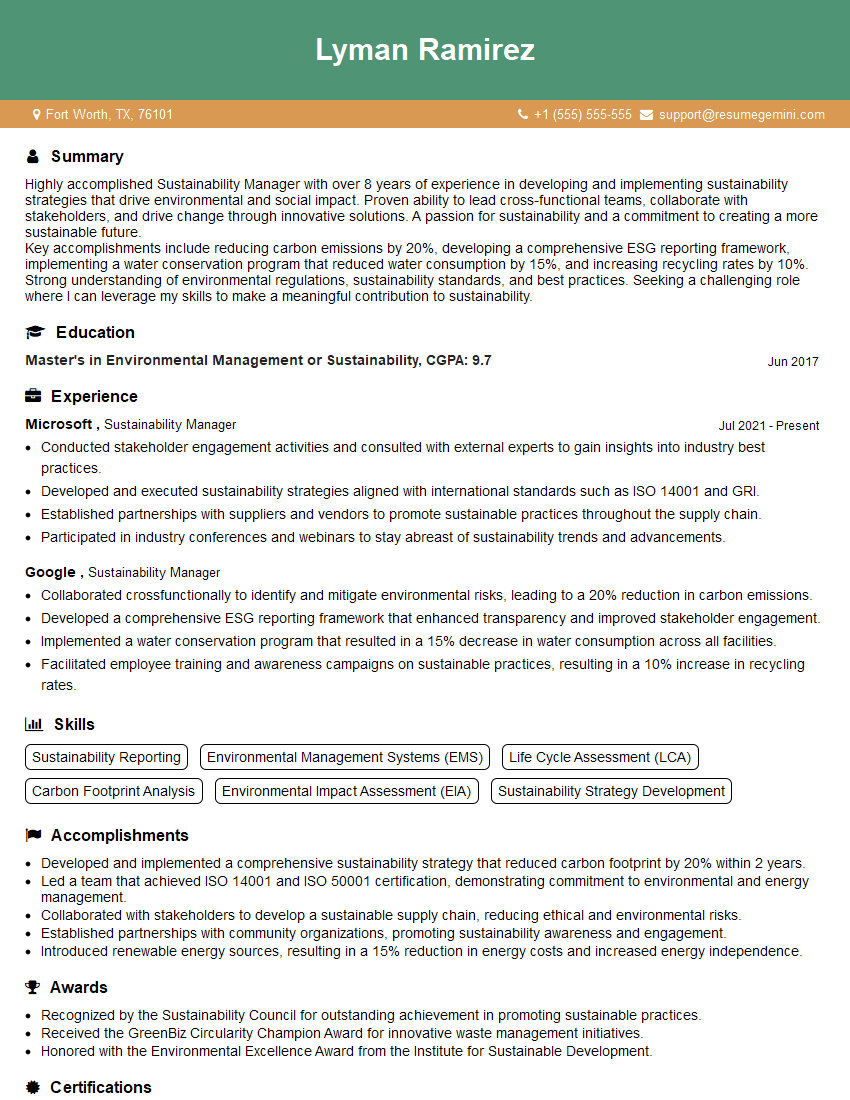
Sustainability Manager Resume Sample
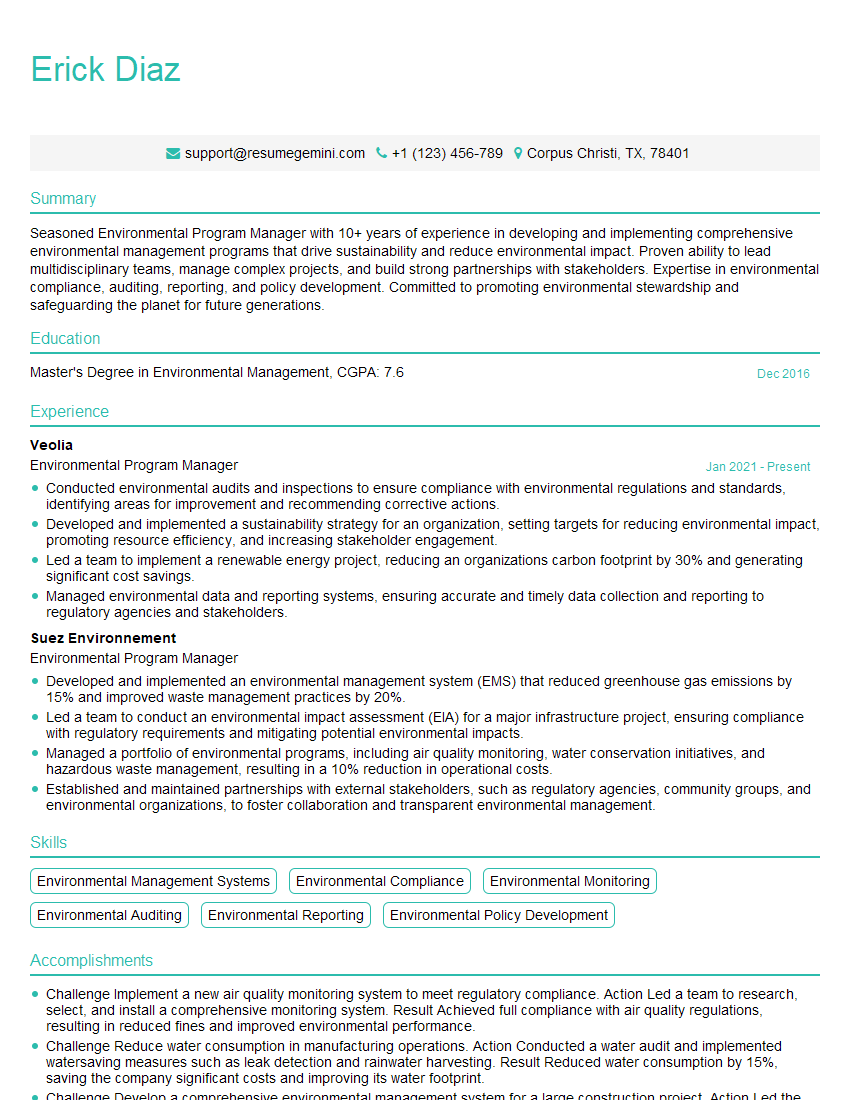
Environmental Program Manager Resume Sample
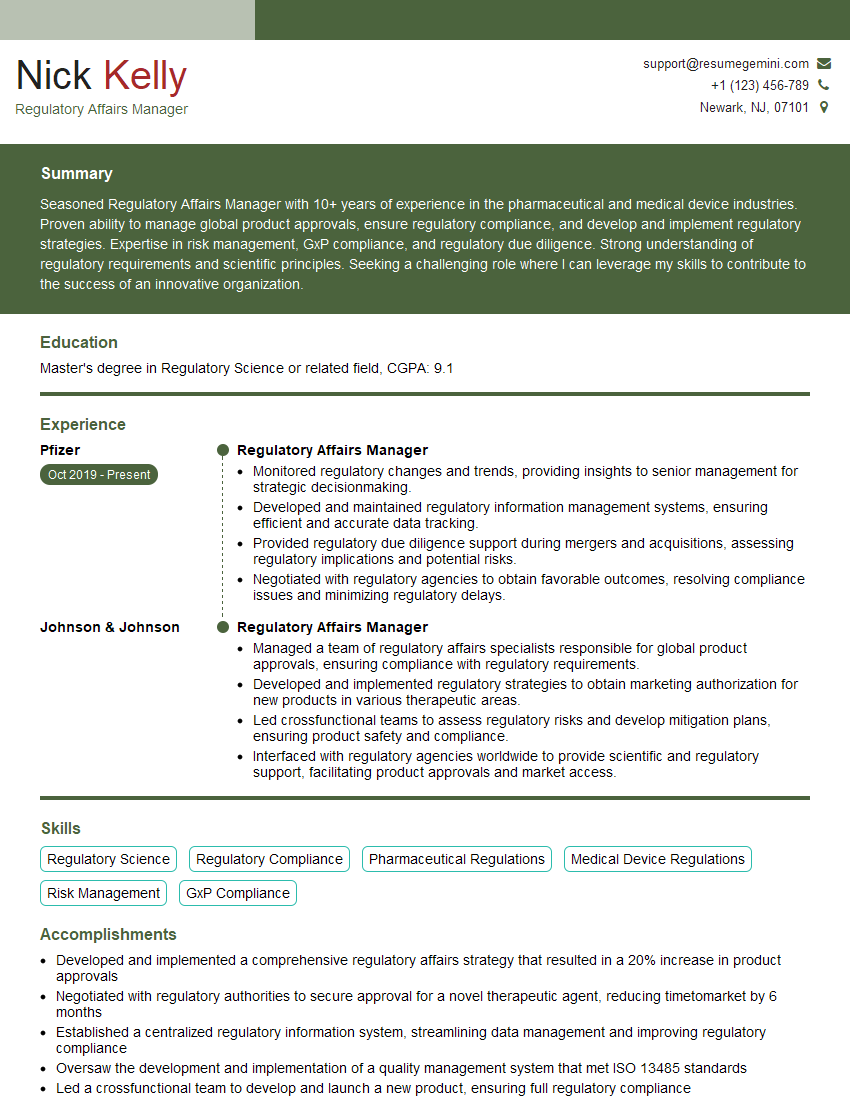
Regulatory Affairs Manager Resume Sample

Compliance Manager Resume Sample
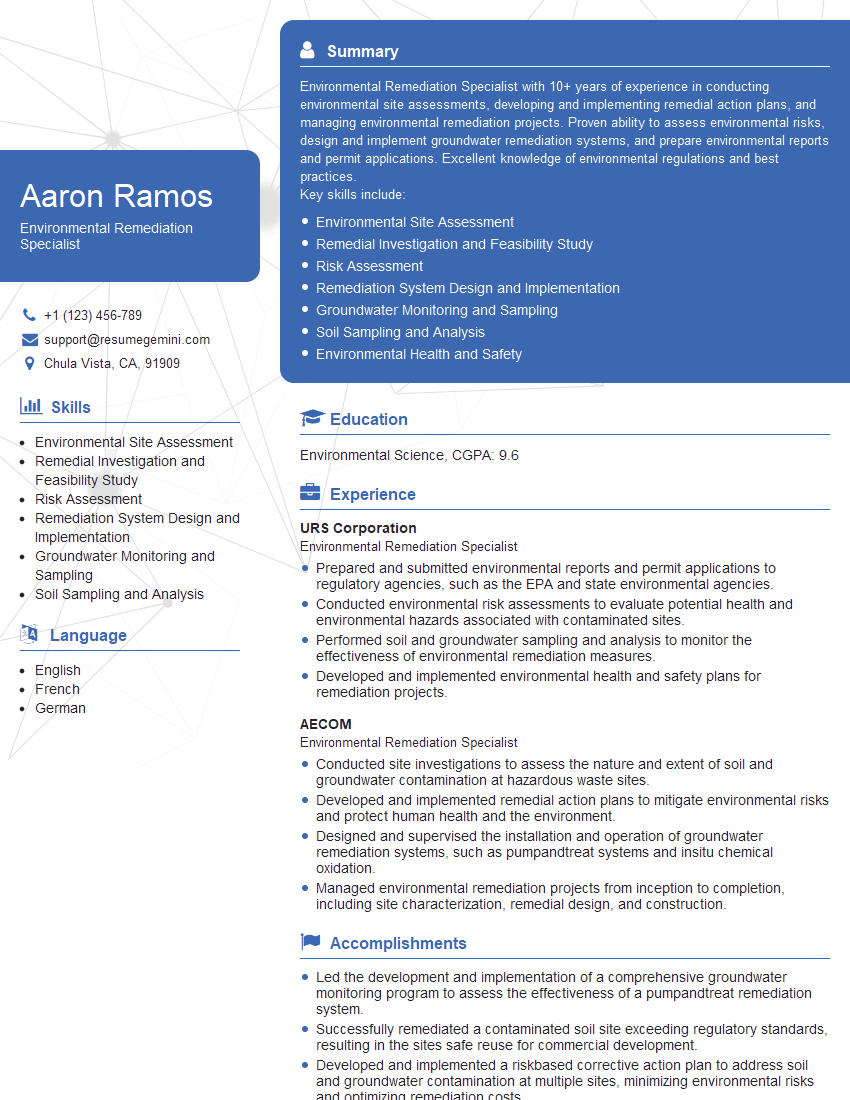
Environmental Remediation Specialist Resume Sample
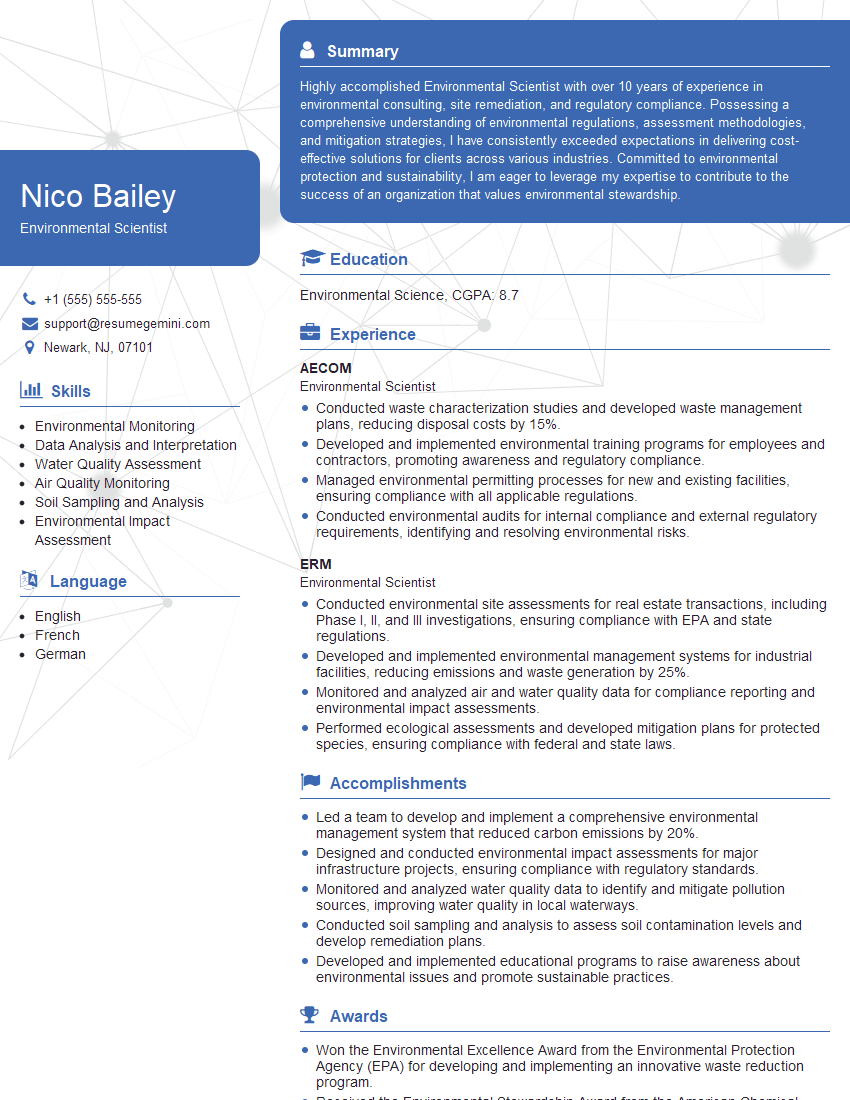
Environmental Scientist Resume Sample
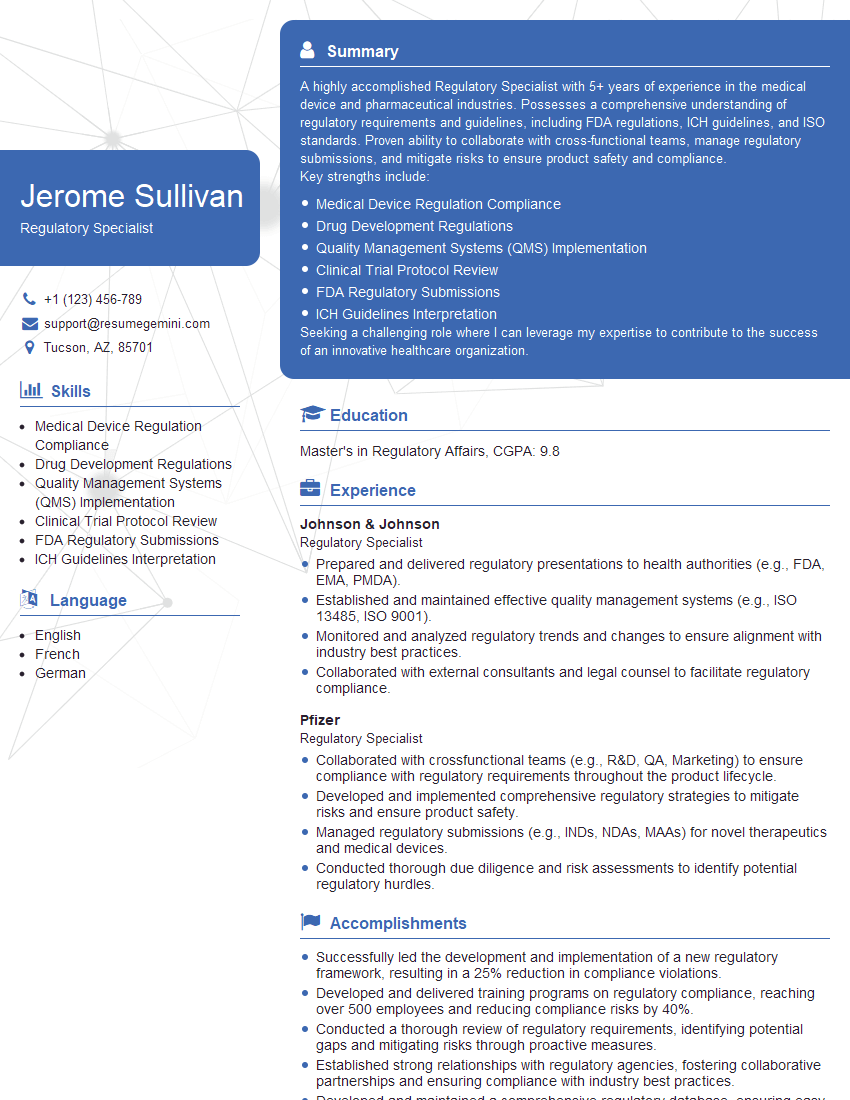
Regulatory Specialist Resume Sample
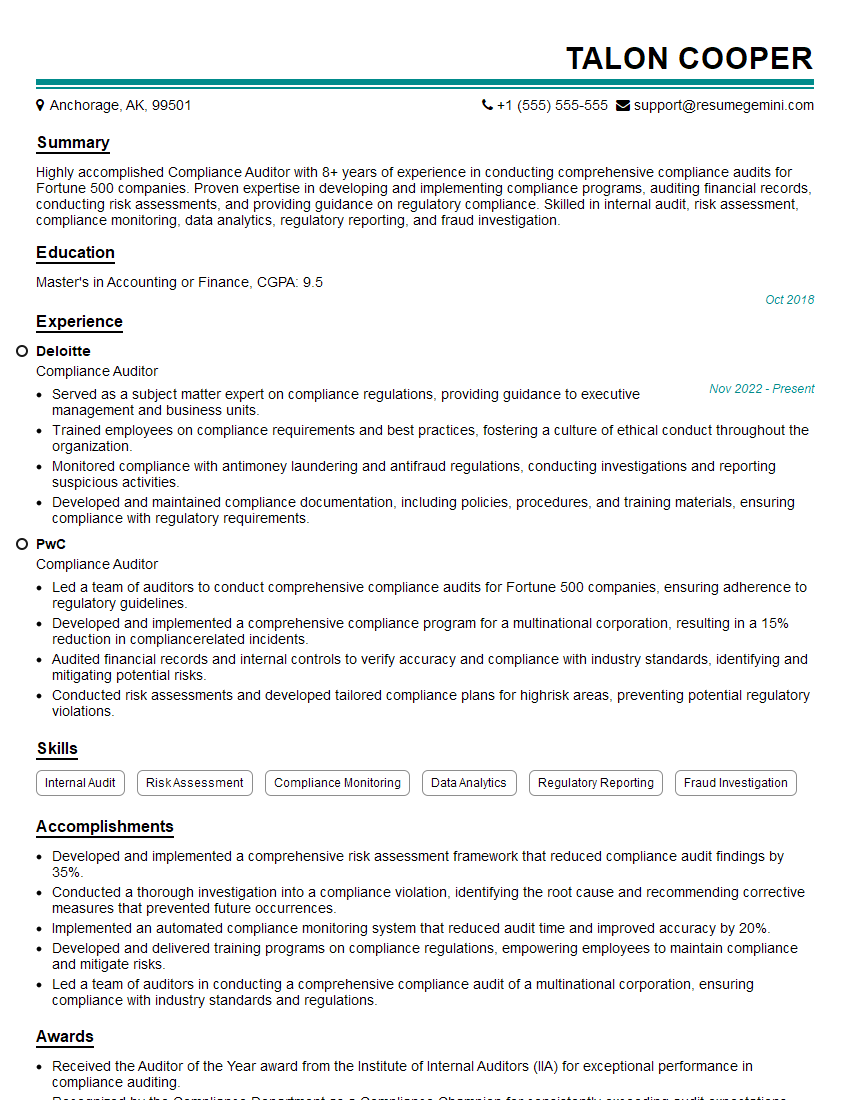
Compliance Auditor Resume Sample
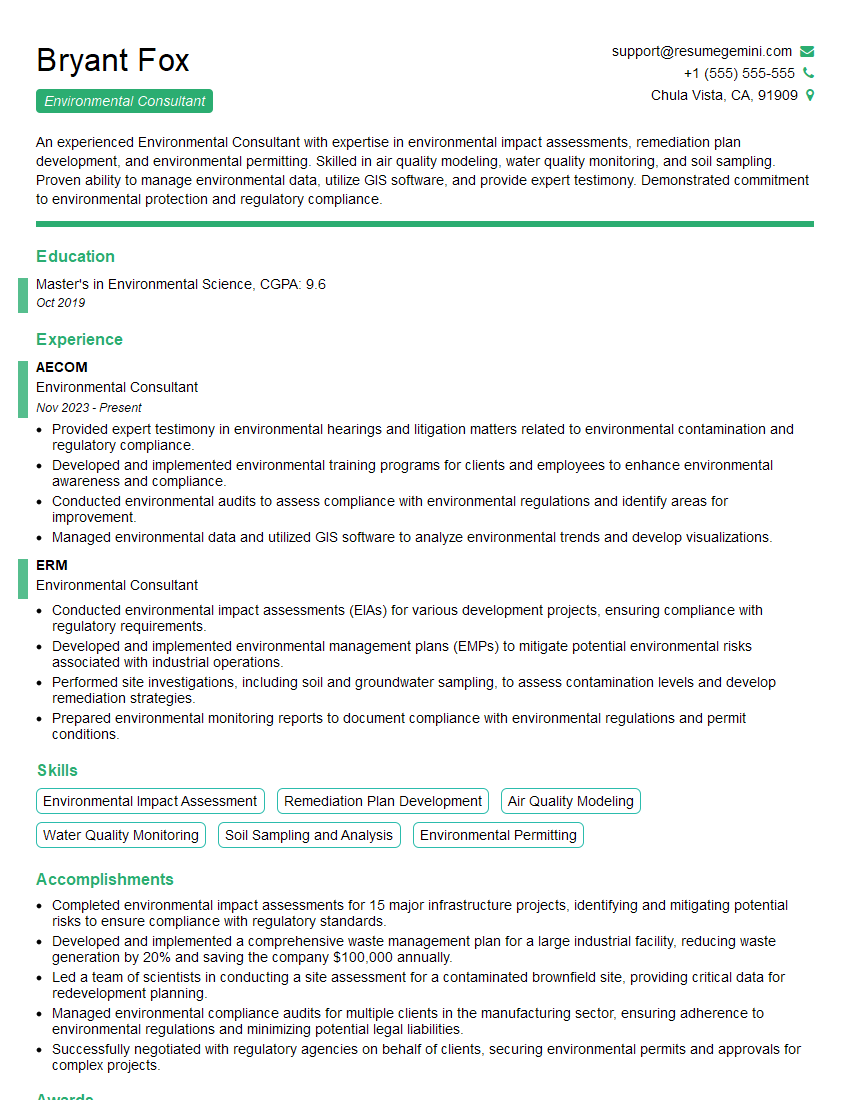
Environmental Consultant Resume Sample
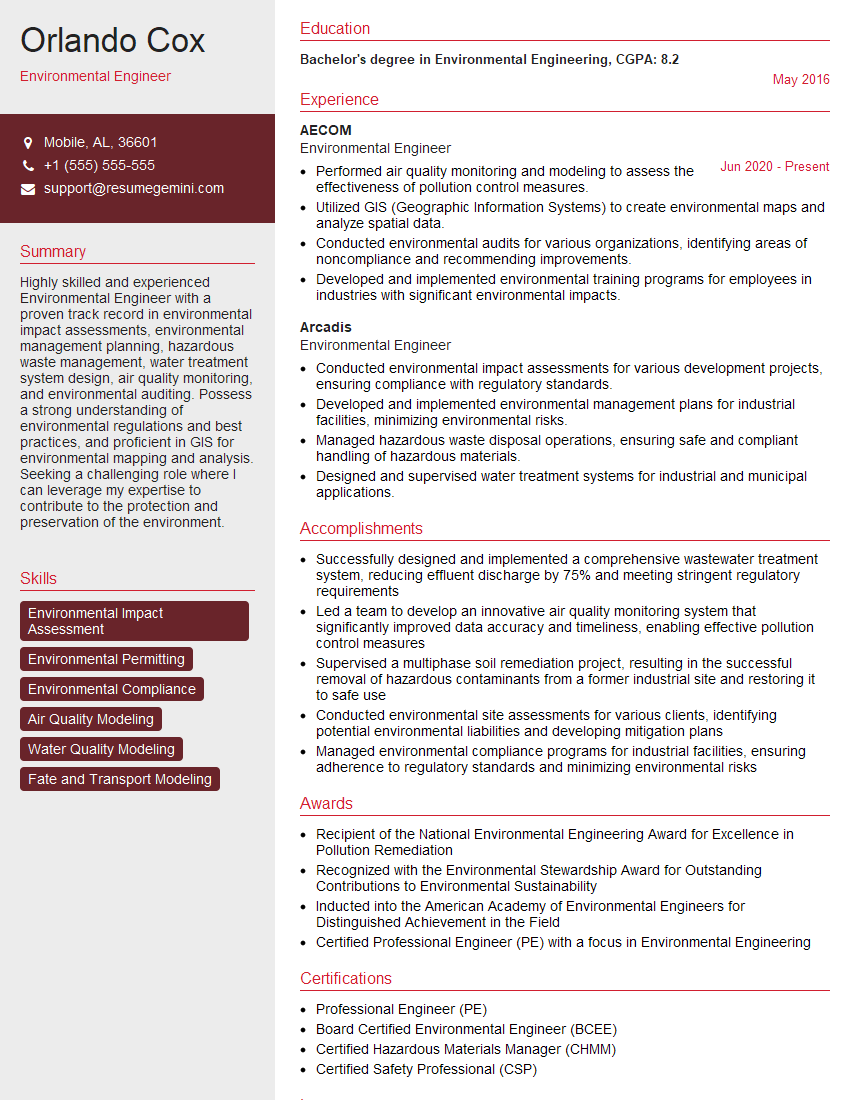
Environmental Engineer Resume Sample

Health and Safety Manager Resume Sample
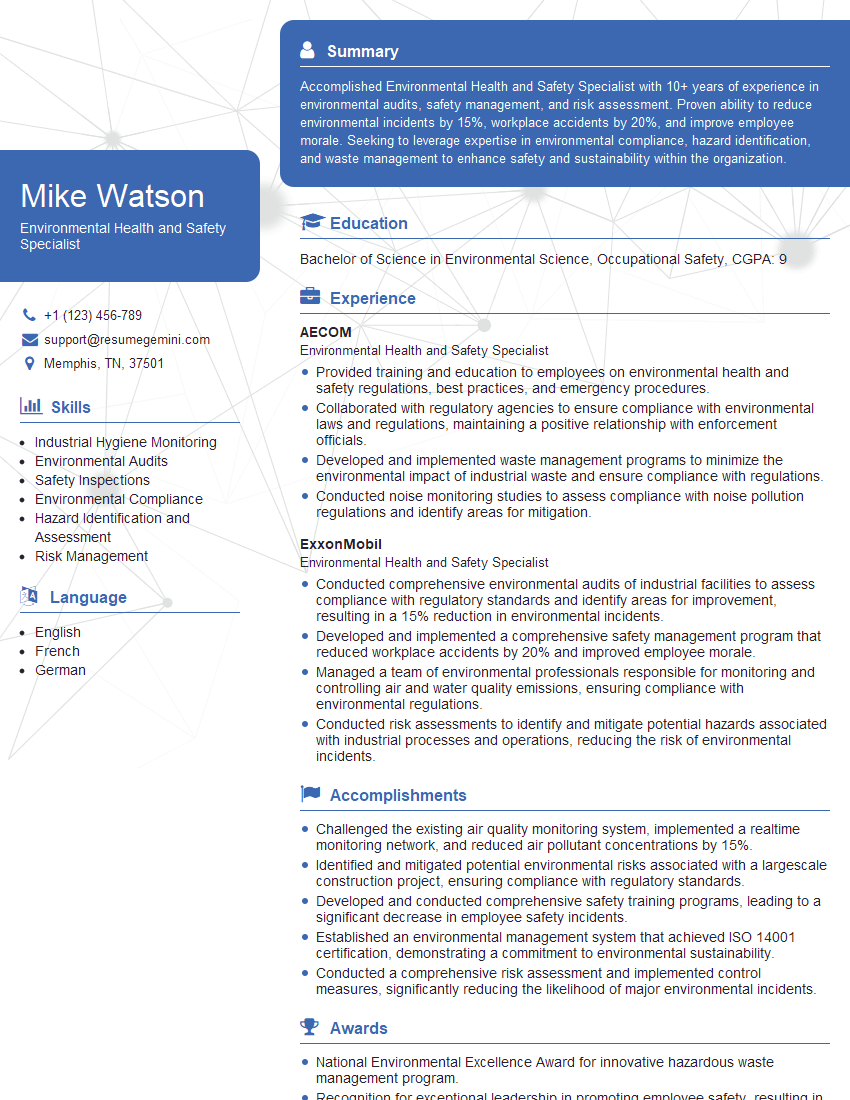
Environmental Health and Safety Specialist Resume Sample
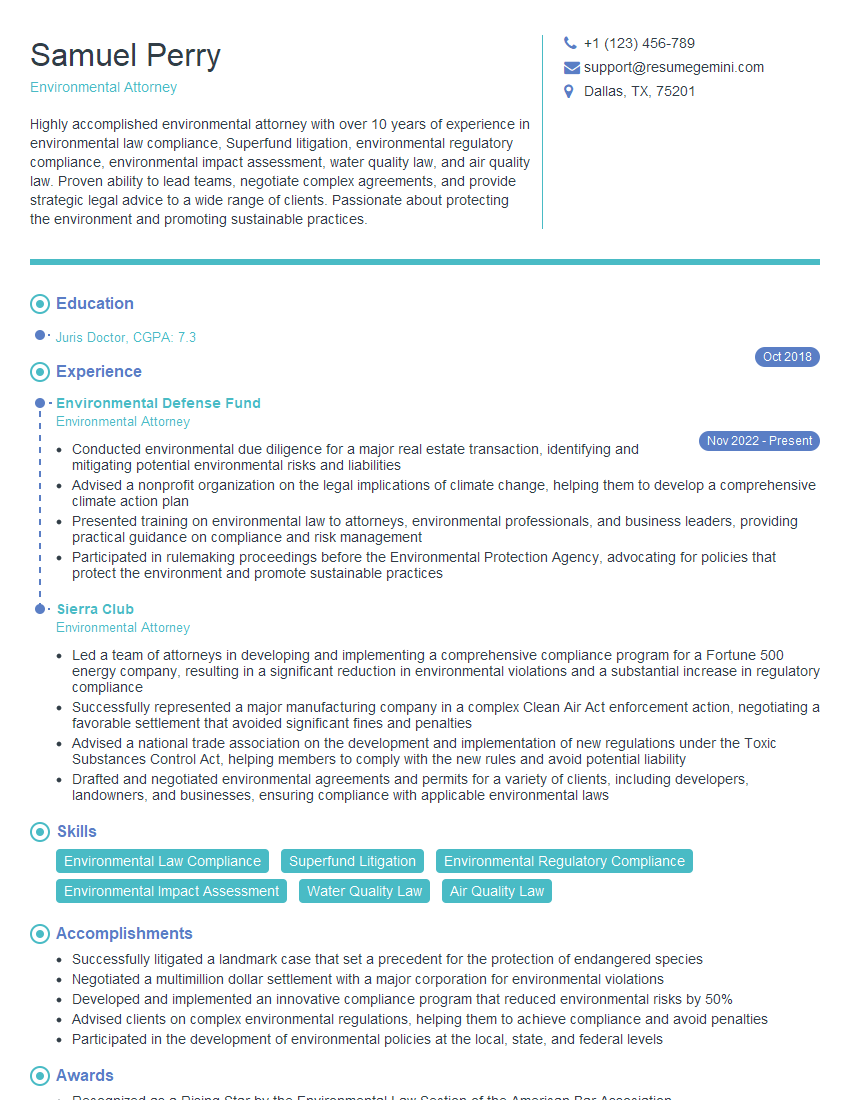
Environmental Attorney Resume Sample
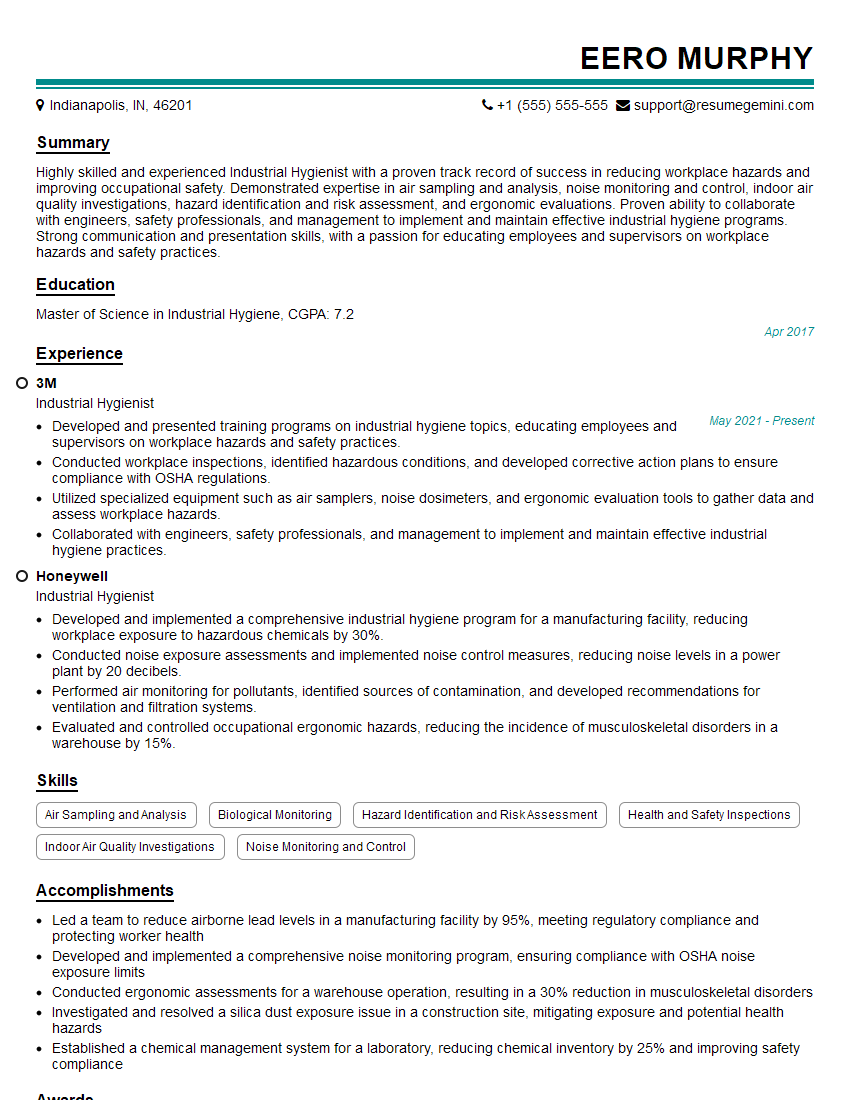
Industrial Hygienist Resume Sample
- Sustainability Manager
- Environmental Program Manager
- Regulatory Affairs Manager
- Compliance Manager
- Environmental Remediation Specialist
- Environmental Scientist
- Regulatory Specialist
- Compliance Auditor
- Environmental Consultant
- Environmental Engineer
- Health and Safety Manager
- Environmental Health and Safety Specialist
- Environmental Attorney
- Industrial Hygienist
Explore more articles
Users Rating of Our Blogs
Share Your Experience
We value your feedback! Please rate our content and share your thoughts (optional).
What Readers Say About Our Blog
Very informative content, great job.
good