Interviews are opportunities to demonstrate your expertise, and this guide is here to help you shine. Explore the essential Land Navigation and Reconnaissance interview questions that employers frequently ask, paired with strategies for crafting responses that set you apart from the competition.
Questions Asked in Land Navigation and Reconnaissance Interview
Q 1. Describe your experience using various map types (topographic, satellite, etc.).
My experience with various map types is extensive, spanning both military and civilian applications. Topographic maps are my foundation. I’m proficient in interpreting contour lines to visualize terrain features like elevation changes, slopes, and potential obstacles. This is crucial for route planning and avoiding hazards. Satellite imagery provides a different perspective, showing surface features with exceptional detail – invaluable for identifying landmarks, vegetation types, and even man-made structures. I regularly use satellite imagery in conjunction with topographic maps to gain a comprehensive understanding of the area. Furthermore, I’m adept at using digital map systems, including those incorporating both topographic and satellite data, with layers for various features like roads, waterways, and points of interest. For example, during a reconnaissance mission in a mountainous region, I relied on topographic maps to navigate steep valleys and ridges, while satellite imagery helped identify a suitable concealed observation post hidden amongst dense vegetation.
Q 2. Explain the process of determining a grid coordinate using a map and compass.
Determining grid coordinates using a map and compass involves a two-step process. First, you locate your position on the map. Then, you use the grid lines printed on the map to identify your Easting (the horizontal coordinate) and Northing (the vertical coordinate). Imagine the map’s grid as a giant coordinate system. The Easting number increases as you move east, and the Northing number increases as you move north. To find your location, align your map to your compass bearing, and then use the grid lines to pinpoint your coordinates. Let’s say your map has 1000-meter grid squares. If you’re two-thirds of the way across a square with an Easting of 47000 and one-quarter of the way up from the bottom of a square with a Northing of 32000, your approximate coordinate would be 47200, 32250. Remember that precision is paramount; the smaller the grid square, the more precise your location.
Q 3. How do you account for magnetic declination when using a compass?
Magnetic declination is the angle between true north (the geographic North Pole) and magnetic north (the direction your compass needle points). This difference varies depending on your location. Failing to account for it will lead to significant errors in your navigation. To compensate, you need to find the declination for your area (usually found on the map’s legend) and adjust your compass bearing accordingly. If the declination is easterly, you add it to your compass bearing; if westerly, you subtract it. For example, if your desired bearing is 090° (east) and the declination is 15° east, your compass bearing should be set to 105°. If the declination was 15° west, your compass bearing would be adjusted to 075°. Ignoring declination can lead to significant errors, especially over long distances, easily resulting in being off course by hundreds of meters.
Q 4. What are the different methods for determining your location without GPS?
Several methods exist for determining location without GPS. These are often used as backups or in environments where GPS is unreliable. Celestial navigation, using the sun, moon, and stars, allows for precise location determination, but requires specialized knowledge and equipment. Dead reckoning involves estimating your position based on your known starting point, direction, and distance traveled. This method accumulates error over time, but is useful for short-range navigation. Triangulation uses bearings from at least two known points to pinpoint your location. This method is extremely effective and is used in combination with map features. Lastly, identifying features visible on a map and comparing them to your surroundings allows you to determine your approximate location. In a survival situation, I would utilize a combination of these methods to ensure accuracy and account for inherent uncertainties. For instance, I might use dead reckoning to estimate a general position, then confirm it using triangulation with prominent landmarks, constantly referencing my map.
Q 5. Describe your experience with GPS equipment and its limitations.
I have extensive experience with various GPS units, from handheld devices to integrated systems. GPS is undoubtedly a powerful tool, offering rapid and precise location data. However, it’s vital to understand its limitations. Signal blockage from terrain, buildings, or dense foliage can lead to loss of signal or inaccurate readings. Atmospheric conditions, such as ionospheric disturbances, can affect accuracy. Additionally, the quality of the GPS unit itself is crucial. Low-cost units may have reduced accuracy or susceptibility to interference. I’ve experienced situations where GPS failed completely in deep canyons or dense forests, necessitating a return to traditional map and compass navigation. Therefore, I always rely on backup methods and understand the importance of comprehensive navigational skills beyond technological dependence.
Q 6. How do you plan a route considering terrain, obstacles, and time constraints?
Route planning considers several key factors. Terrain analysis involves studying the elevation profile, identifying potential obstacles (rivers, cliffs, dense vegetation), and assessing the overall difficulty. Obstacles necessitate planning alternative routes or selecting appropriate equipment for traversal. Time constraints factor in travel speed, considering terrain and potential delays. I use a combination of maps, satellite imagery, and personal experience to select the optimal route. For example, a shorter but more difficult route might not be feasible given time limitations, and I would then opt for a longer but more accessible alternative. This process often involves creating multiple potential routes, weighing the pros and cons of each before selecting the safest and most efficient one. I might even perform a recon of particularly challenging sections of the route to assess risk in person.
Q 7. What are the key principles of reconnaissance and surveillance?
Reconnaissance and surveillance are integral to mission success. Key principles include thorough planning, meticulous observation, and detailed reporting. Reconnaissance focuses on acquiring information about a specific area or target, while surveillance involves continuous monitoring of a target. Both demand stealth, operational security (OPSEC), and the ability to gather information discreetly and efficiently. Methods include visual observation, photographic documentation, electronic surveillance, and the use of specialized equipment like night vision goggles or thermal imagers. Ethical considerations and adherence to the law of armed conflict (LOAC), if applicable, are paramount. Effective reconnaissance and surveillance depend heavily on information fusion – combining various data sources to produce a complete and accurate picture. For instance, a reconnaissance mission might utilize aerial imagery to gain an initial overview, followed by ground observation to confirm details and gather precise information about the terrain and enemy positions.
Q 8. Describe your experience with different types of reconnaissance techniques (e.g., visual, aerial).
Reconnaissance techniques are crucial for gathering intelligence before any operation. My experience encompasses a wide range, from basic visual reconnaissance to more sophisticated aerial methods. Visual reconnaissance involves directly observing a target area, utilizing natural concealment and employing observation skills to identify key features, enemy positions, and potential threats. This can range from simple observation from a concealed position to more advanced techniques like using binoculars or rangefinders for precise measurements and target identification. I’ve extensively used visual reconnaissance during various exercises, including navigating unfamiliar terrain and assessing potential ambush points. Aerial reconnaissance, on the other hand, leverages technology like drones or manned aircraft to provide a bird’s-eye view of the area. This allows for broader coverage and the identification of features that might be missed from ground level. I’ve used this technique to map large areas, assess enemy infrastructure, and confirm the accuracy of ground-level observations. For instance, during a recent exercise, I used a drone to scout ahead of our patrol, identifying a concealed enemy patrol route before we encountered it.
Q 9. How do you select and use appropriate camouflage and concealment techniques?
Camouflage and concealment are essential for successful reconnaissance. The choice of technique depends heavily on the environment and the specific mission. Think of it like this: you’re a chameleon adapting to your surroundings. In a forested area, utilizing natural cover like foliage and shadows is critical. I’ve trained extensively in blending with different terrains, using natural materials like leaves and mud to break up my outline and match the background colors. In more open terrain, using disruptive patterns and ground-hugging postures is necessary. Remember, the goal isn’t just to be unseen, but to be unidentifiable as a person. This can involve using camouflage netting, choosing appropriate clothing, and even employing body paint. I’ve always prioritized creating a ‘natural’ look that blends seamlessly with the background. For example, during an exercise in a desert environment, utilizing tan and brown clothing combined with careful positioning within rocky outcrops proved vital for successful observation. This combined with maintaining minimal movement significantly reduced our detectability.
Q 10. How do you maintain operational security during reconnaissance missions?
Operational security (OPSEC) is paramount during reconnaissance. A single compromised detail can jeopardize the entire mission. My approach focuses on several key principles. First, strict communication protocols are essential. We use secure communication channels and minimize the use of electronic devices where possible. Secondly, we meticulously plan routes and movement, avoiding predictable patterns and adhering to cover and concealment best practices at all times. Thirdly, we always maintain situational awareness, continuously assessing potential threats and adjusting our plans accordingly. Fourthly, all material left behind is immediately destroyed or disposed of safely. During a recent exercise, we used hand signals instead of radio communications in a high-risk area, successfully avoiding detection despite close proximity to enemy patrols. Finally, strict adherence to pre-planned exfiltration routes and contingency plans is always incorporated into the mission planning.
Q 11. Explain your experience in interpreting aerial imagery and maps.
Interpreting aerial imagery and maps is a fundamental skill. I possess extensive experience in analyzing both, using them synergistically to achieve accurate situational awareness. Aerial imagery provides a broader perspective, revealing terrain features, infrastructure, and potential enemy positions that might be missed on the ground. However, maps provide the context – the names, coordinates, and established grid systems. My training includes using specialized software to enhance aerial imagery, identifying key features like roads, buildings, and vegetation. I then overlay this information onto topographic maps to gain a complete picture. For instance, while interpreting satellite imagery of a mountainous region, I identified a previously unknown trail system, and correlating this with topographic maps allowed me to understand its elevation and usability in planning a route, ultimately facilitating a more successful patrol.
Q 12. What are the key elements of a reconnaissance report?
A well-structured reconnaissance report is critical for disseminating information effectively. Key elements include:
- Mission Objectives: A clear statement of the mission’s purpose.
- Area Description: Detailed description of the terrain, vegetation, and key features of the surveyed area.
- Enemy Activity: Observation of enemy presence, positions, movements, equipment, and capabilities.
- Civil Considerations: Observations regarding civilian presence, activities, and potential impact on the mission.
- Obstacles and Routes: Identification of potential obstacles, routes for movement, and optimal routes for infiltration and exfiltration.
- Recommendations: Suggestions based on findings, outlining courses of action.
- Appendices: Supporting documentation, like sketches, photos, and GPS coordinates.
Q 13. How do you ensure the accuracy and reliability of collected data?
Ensuring data accuracy and reliability is achieved through multiple steps. First, I utilize multiple data collection methods – corroborating visual observations with aerial imagery and map analysis. Second, I employ precise measuring tools like rangefinders and GPS devices for accurate distance and position data. Third, meticulous record-keeping ensures that all data is carefully documented, with clear timestamps and detailed descriptions. Fourth, thorough cross-referencing helps to identify discrepancies and inconsistencies, ensuring data integrity. Finally, I conduct regular quality checks throughout the mission and post-mission review to ensure accuracy and reliability. In a recent mission, cross-referencing GPS coordinates with map data and aerial imagery helped correct a minor error in determining the exact location of an enemy patrol route.
Q 14. Describe your experience with data collection and analysis tools.
My experience with data collection and analysis tools is extensive. I’m proficient in using GPS devices, rangefinders, digital cameras, and various mapping software. I’m also experienced with specialized software used for image enhancement and analysis. Moreover, I’m skilled in utilizing GIS (Geographic Information Systems) software to organize and analyze geographic data, creating detailed maps and overlays from various sources. For example, during a recent exercise, I used GIS software to integrate GPS tracking data from our patrol with aerial imagery and topographic maps, creating a dynamic situational awareness display that enhanced decision-making throughout the operation.
Q 15. How do you prioritize information gathered during reconnaissance?
Prioritizing reconnaissance information is crucial for mission success. It’s not simply about collecting data; it’s about understanding its relevance to the mission’s objectives. I use a tiered system, prioritizing information based on its immediate impact and long-term strategic value.
- Tier 1: Immediate Threats and Critical Information: This includes immediate dangers like enemy troop locations, active defenses (mines, ambushes), or critical infrastructure that directly impacts mission execution. This information needs immediate action and dissemination.
- Tier 2: Mission-Critical Information: This includes information directly relevant to achieving the mission’s primary objectives, such as enemy strengths and weaknesses, terrain features impacting movement, or potential escape routes. This is analyzed thoroughly and integrated into the mission plan.
- Tier 3: Supporting Information: This encompasses broader context, like the local population’s attitude, resource availability, or potential communication challenges. While important, it’s less urgent and can be addressed after the primary objectives are considered.
For example, during a reconnaissance mission to assess a potential enemy stronghold, discovering a heavily defended perimeter (Tier 1) would override the need for detailed analysis of local water sources (Tier 3), at least initially. The immediate threat needs addressing first.
Career Expert Tips:
- Ace those interviews! Prepare effectively by reviewing the Top 50 Most Common Interview Questions on ResumeGemini.
- Navigate your job search with confidence! Explore a wide range of Career Tips on ResumeGemini. Learn about common challenges and recommendations to overcome them.
- Craft the perfect resume! Master the Art of Resume Writing with ResumeGemini’s guide. Showcase your unique qualifications and achievements effectively.
- Don’t miss out on holiday savings! Build your dream resume with ResumeGemini’s ATS optimized templates.
Q 16. How do you handle unexpected situations or changes in plans during a mission?
Adaptability is paramount in reconnaissance. Unexpected situations are the rule, not the exception. My approach involves a combination of pre-planning, robust communication, and decisive decision-making under pressure.
- Pre-Mission Contingency Planning: We develop alternative routes, communication protocols for disrupted contact, and fallback plans to handle potential issues, like equipment failure or unexpected enemy activity.
- Real-Time Assessment: When an unexpected situation arises, the team conducts a quick assessment of the new circumstances. What changed? What are the new risks? What are the available options? This involves quickly gathering information from all available sources, even improvised ones.
- Flexible Decision-Making: Based on the assessment, the team makes informed decisions. This may involve adjusting the route, altering the data collection priorities, or even aborting parts of the mission to ensure safety. This requires clear communication and shared decision-making within the team.
For instance, encountering an unexpected river crossing during a patrol might require finding a fordable point (if time allows), contacting support for bridge construction resources, or using an alternative route further away. The response is dictated by the context.
Q 17. Explain your experience with risk assessment and mitigation in reconnaissance operations.
Risk assessment is an integral part of every reconnaissance mission. I utilize a systematic approach, incorporating both quantitative and qualitative factors.
- Identification of Hazards: We identify potential risks systematically, including environmental factors (weather, terrain), enemy activity, equipment failure, and logistical constraints.
- Risk Analysis: We evaluate each risk based on its likelihood and potential consequences. A simple matrix helps us visualize this, rating each risk from low to high on both axes.
- Mitigation Strategies: For each identified risk, we develop and implement mitigation strategies. This could involve choosing safer routes, employing surveillance technology, having backup equipment, or securing additional personnel support.
- Contingency Planning: Even with mitigation, some risks remain. We plan for contingencies—what to do if a specific risk materializes. This could include emergency evacuation plans or alternative communication methods.
For example, if an area is known to have landmines, we might use mine detection equipment, select safer routes, or delay operations until the risk is reduced. The approach is always tailored to the specific mission and threats.
Q 18. How do you use technology such as GIS software to support land navigation?
GIS (Geographic Information Systems) software is invaluable for land navigation and reconnaissance. It allows for detailed map manipulation and analysis that goes beyond standard map and compass work.
- Map Creation and Visualization: GIS allows us to create custom maps incorporating various data layers—terrain, elevation, vegetation, infrastructure, and intelligence reports. This provides a comprehensive understanding of the operational environment.
- Route Planning and Analysis: We use GIS to plan optimal routes considering factors like terrain difficulty, visibility, and enemy positions. The software can analyze elevation profiles to predict potential challenges and identify optimal movement corridors.
- Data Integration and Analysis: GIS integrates various data sources – imagery (satellite, aerial), sensor data, and intelligence reports – to create a dynamic operational picture. We can analyze this data to identify patterns, predict enemy movements, and assess mission risks.
For example, by overlaying intelligence reports showing enemy troop movements with terrain data, we can identify potential ambush points and plan alternative routes to avoid them. GIS software is a crucial tool in maximizing situational awareness and minimizing risk.
Q 19. What are the limitations of different mapping systems?
Different mapping systems have their strengths and weaknesses. Understanding these limitations is essential for accurate navigation and decision-making.
- Topographic Maps: Excellent for terrain analysis, but can be outdated, lacking real-time information and potentially inaccurate due to changes over time.
- Satellite Imagery: Provides real-time visual data, excellent for situational awareness. However, resolution limitations can impact detail, and cloud cover can obstruct visibility.
- Electronic Charts/Digital Maps: Convenient and portable, readily updated with GPS integration. However, they can be affected by GPS interference and require power, making them vulnerable to equipment failure.
- Paper Maps: Lightweight and independent of power, but lack real-time updates and detail.
For instance, relying solely on satellite imagery during a nighttime mission could be problematic if the resolution is too low to distinguish enemy positions accurately, or if cloud cover obscures the view. A combination of map types is usually the best approach.
Q 20. How do you ensure the security of sensitive information during reconnaissance?
Security of sensitive information during reconnaissance is paramount. A breach can compromise the mission and put personnel at risk.
- Need-to-Know Basis: Information is shared only with personnel who need it for the mission. This limits the number of people who have access to sensitive details.
- Data Encryption: All digital data, including mission plans, intelligence reports, and GPS coordinates, is encrypted using strong encryption algorithms to prevent unauthorized access.
- Secure Communication: We use encrypted communication channels for transmitting sensitive information. This prevents interception by adversaries.
- Physical Security: Physical documents and equipment are handled securely, avoiding leaving them unattended or in unsecured locations.
- Compartmentalization: Information is divided into compartments, with different individuals responsible for different aspects to avoid a single point of failure.
For example, GPS coordinates are not openly shared; instead, location references might be used in communications, minimizing the risks of compromise if the device is captured.
Q 21. Explain your understanding of terrain analysis and its application to mission planning.
Terrain analysis is the systematic study of the land’s physical features to understand its impact on military operations. It’s crucial for mission planning and execution.
- Understanding the Terrain: We examine elevation, slope, vegetation, obstacles (rivers, mountains, etc.), and man-made features (roads, buildings). This allows us to predict the challenges and opportunities the terrain presents.
- Movement Analysis: We determine the best routes, considering factors like the suitability of the terrain for different modes of transportation (vehicles, foot), and identifying potential choke points or ambush sites.
- Concealment and Cover: We look for locations that provide natural concealment and cover from enemy observation and fire, crucial for reconnaissance.
- Observation and Fields of Fire: We identify advantageous locations for observation and setting up fields of fire, maximizing the effectiveness of defensive or offensive actions.
For example, identifying a steep slope might suggest a difficult passage, requiring us to find an alternative route or to plan for potential delays. Conversely, finding a high vantage point might provide excellent observation capabilities. A good understanding of terrain is a key element to a successful mission plan.
Q 22. Describe your experience with various types of compass (lensatic, baseplate, etc).
My experience encompasses a wide range of compasses, each with its own strengths and weaknesses. The lensatic compass, with its built-in magnifying lens and sighting mirror, is ideal for precise bearings in challenging terrain. Its durability and waterproof design make it a favorite for field operations. I’ve used it extensively for navigating through dense forests and mountainous regions, relying on its accuracy for both map reading and terrain association. The baseplate compass, on the other hand, offers a larger base for more stable readings on flat surfaces, and its simpler design makes it easier for quick bearings in less demanding situations. I find it useful for shorter reconnaissance missions or when speed is paramount. I’m also proficient with Silva compasses, known for their reliable construction and user-friendly features, often employing them as a backup or secondary navigational tool. Understanding the nuances of each type, including declination adjustment and proper sighting techniques, is crucial for consistent accuracy.
Q 23. What is resection and how do you perform it?
Resection is a land navigation technique used to determine your location on a map by taking bearings to at least two known points. Imagine you’re lost in a forest and can see two identifiable landmarks – a distinctive hill and a tall communication tower – whose positions are marked on your map. Resection involves taking a compass bearing to each landmark. You then draw lines on your map representing those bearings, emanating from the landmark positions. The intersection of these lines pinpoints your location. The more landmarks you use (three or more is even better), the more accurate your position will be. This is because any slight inaccuracies in the bearings will result in a smaller error triangle where the lines converge. In practice, I’ve used resection countless times during reconnaissance missions, verifying my position or correcting drift from other navigation methods. It’s especially useful when GPS is unreliable or unavailable.
Q 24. What is intersection and how do you perform it?
Intersection is the opposite of resection. Instead of determining your own location, you use it to find the location of an unknown point. Let’s say you’re observing an enemy position from two different known locations. From each location, you take a compass bearing to the enemy position. On the map, you draw lines representing these bearings, extending them from the known points. Where these lines intersect on the map is the approximate location of the enemy position. This technique is extremely valuable in reconnaissance for locating enemy installations, potential ambush sites, or other points of interest. The accuracy of intersection is directly related to the angle between the bearings taken; a wider angle leads to greater precision. A smaller angle increases the margin for error in the intersection point. It’s crucial to understand this limitation and use multiple observations whenever possible.
Q 25. Describe your proficiency with different coordinate systems (e.g., UTM, MGRS).
I’m proficient in both UTM (Universal Transverse Mercator) and MGRS (Military Grid Reference System) coordinate systems. UTM uses a grid system based on latitude and longitude, dividing the earth into 60 zones. Each zone has a unique grid with easting and northing coordinates. MGRS is a military adaptation of UTM that provides a more precise and easily communicable way to locate points on a map using a combination of zone, grid square, and additional digits for higher precision. In military operations, the speed and accuracy of MGRS are invaluable. For example, calling in artillery fire or coordinating air support relies heavily on the unambiguous location data provided by MGRS coordinates. I frequently use both systems for precise location marking, route planning, and target acquisition during reconnaissance and navigation exercises.
Q 26. How do you calculate pace count and its accuracy?
Pace count is a fundamental navigation technique where you measure distance by counting your steps. First, you need to determine your individual pace length by walking a measured distance (e.g., 100 meters) and counting the number of paces. Divide the distance by the number of paces to get your average pace length. The accuracy of pace count depends on several factors, including terrain (flat vs. hilly), the surface (soft sand vs. hard road), and your consistency in stride length. Keeping a consistent pace is paramount. Variations in pace length due to fatigue or terrain changes can significantly affect accuracy. Using a pedometer can increase precision and help maintain consistency. For improved accuracy, I often employ a combination of pace count and other navigational aids like compass bearings and map reading. This approach minimizes error accumulation and allows for more reliable navigation, particularly in GPS-denied environments.
Q 27. How do you use a clinometer or altimeter in land navigation?
A clinometer measures angles of elevation or depression, useful for determining the height of an object or the slope of the terrain. In land navigation, this information is crucial for route planning, especially in mountainous regions. For instance, a steep slope might require a longer travel time or an alternative route. An altimeter measures altitude or height above sea level. Knowing your altitude is essential for accurate map reading and orientation, particularly in areas with significant elevation changes. Both instruments are often integrated into a single device. I use these tools during reconnaissance to assess the difficulty of terrain, plan routes that minimize elevation gain or loss, and to estimate distances using trigonometric principles.
Q 28. Describe your experience with night navigation techniques.
Night navigation requires specialized techniques and equipment. A military-grade compass with tritium illumination is essential for taking accurate bearings in low-light conditions. A high-lumen headlamp with red light functionality (to preserve night vision) is critical. Celestial navigation, using stars and constellations, is a valuable skill, although it requires significant training and experience. Understanding the limitations of visual references at night is crucial – everything appears closer at night and judging distances is more difficult. I’ve used night vision devices to enhance visibility and ensure safety. Effective night navigation requires meticulous planning, familiarity with the terrain, and rigorous training to anticipate and mitigate the added challenges of darkness.
Key Topics to Learn for Land Navigation and Reconnaissance Interview
- Map Reading and Interpretation: Understanding map symbols, scales, contour lines, and grid references. Practical application includes plotting points, estimating distances, and orienting oneself using a compass and map.
- Compass and GPS Navigation: Mastering compass techniques like orienting, taking bearings, and following azimuths. Understanding GPS limitations and how to use it effectively in conjunction with a map. Practical application includes navigating to a specific point using both compass and GPS.
- Terrain Association: Relating map features to the actual terrain. Identifying landmarks and understanding how terrain influences movement and observation. Practical application includes using terrain features for cover and concealment, and adapting routes based on terrain challenges.
- Reconnaissance Techniques: Understanding different types of reconnaissance (e.g., route, area, zone) and the appropriate techniques for each. Practical application includes planning and executing reconnaissance missions, utilizing observation skills, and reporting findings effectively.
- Surveillance and Observation: Developing observation skills to identify potential threats and gather intelligence. Understanding methods for maintaining concealment and security. Practical application includes utilizing natural and man-made cover and concealment to conduct effective surveillance.
- Reporting and Communication: Clearly and concisely communicating information gathered during reconnaissance. Understanding different communication methods and their limitations. Practical application includes creating accurate and timely reports using standardized formats.
- Safety and Risk Management: Understanding potential hazards and developing strategies to mitigate risk during land navigation and reconnaissance operations. Practical application includes planning for contingencies and emergency procedures.
Next Steps
Mastering Land Navigation and Reconnaissance is crucial for career advancement in many fields requiring strong spatial awareness, problem-solving skills, and attention to detail. These skills are highly valued by employers and can open doors to exciting and challenging opportunities. To significantly enhance your job prospects, creating an ATS-friendly resume is paramount. ResumeGemini is a trusted resource that can help you build a professional and effective resume, maximizing your chances of landing your dream job. Examples of resumes tailored to Land Navigation and Reconnaissance roles are available to help you get started.
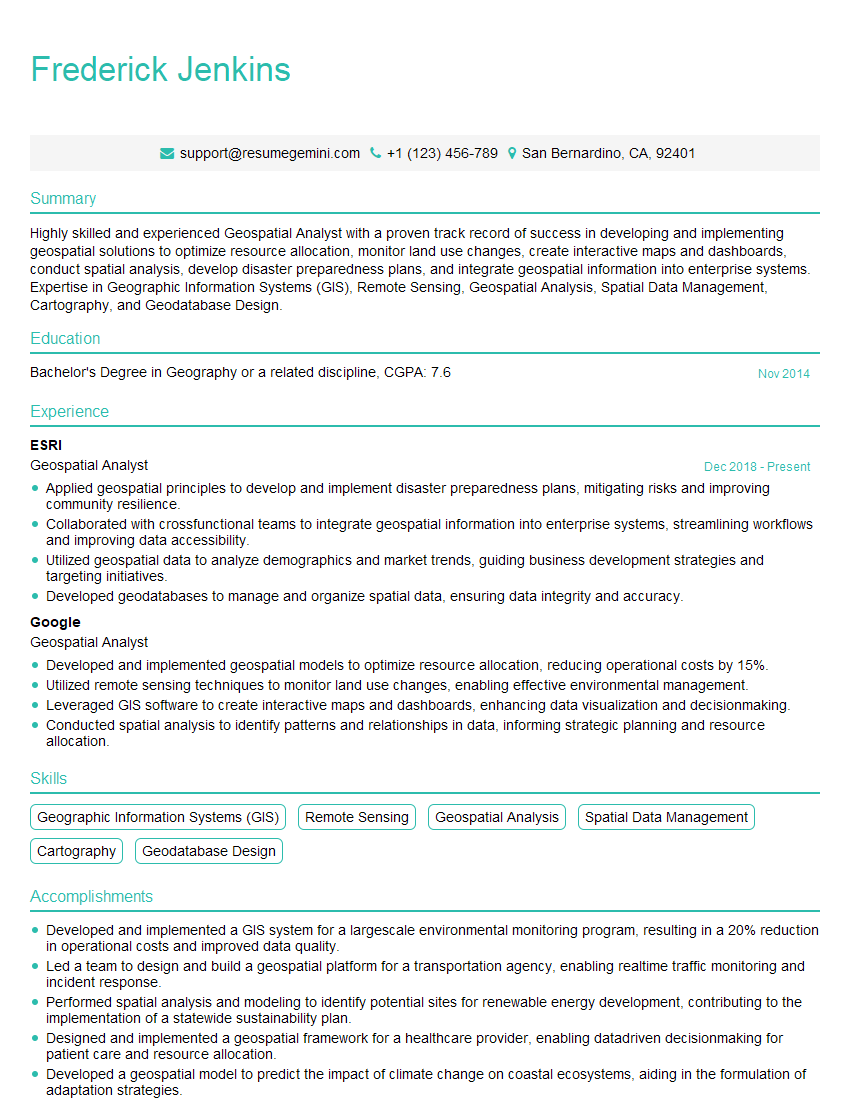
Geospatial Analyst Resume Sample
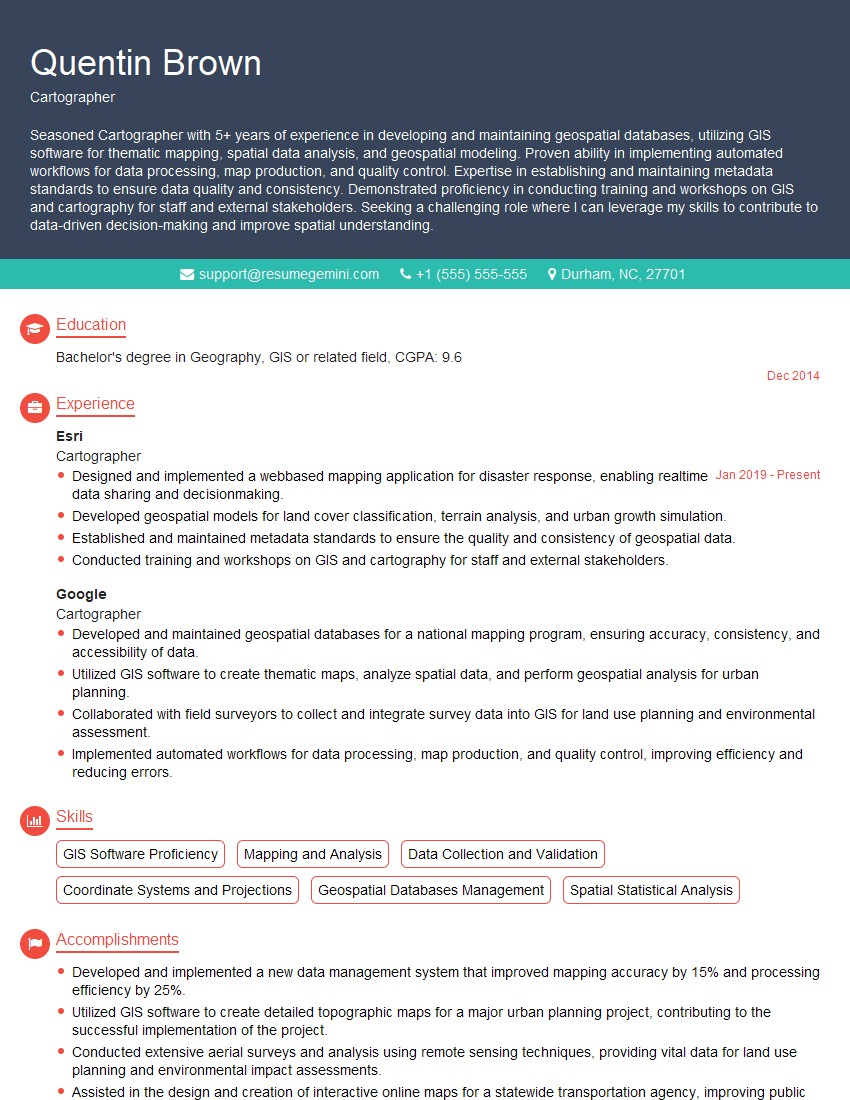
Cartographer Resume Sample
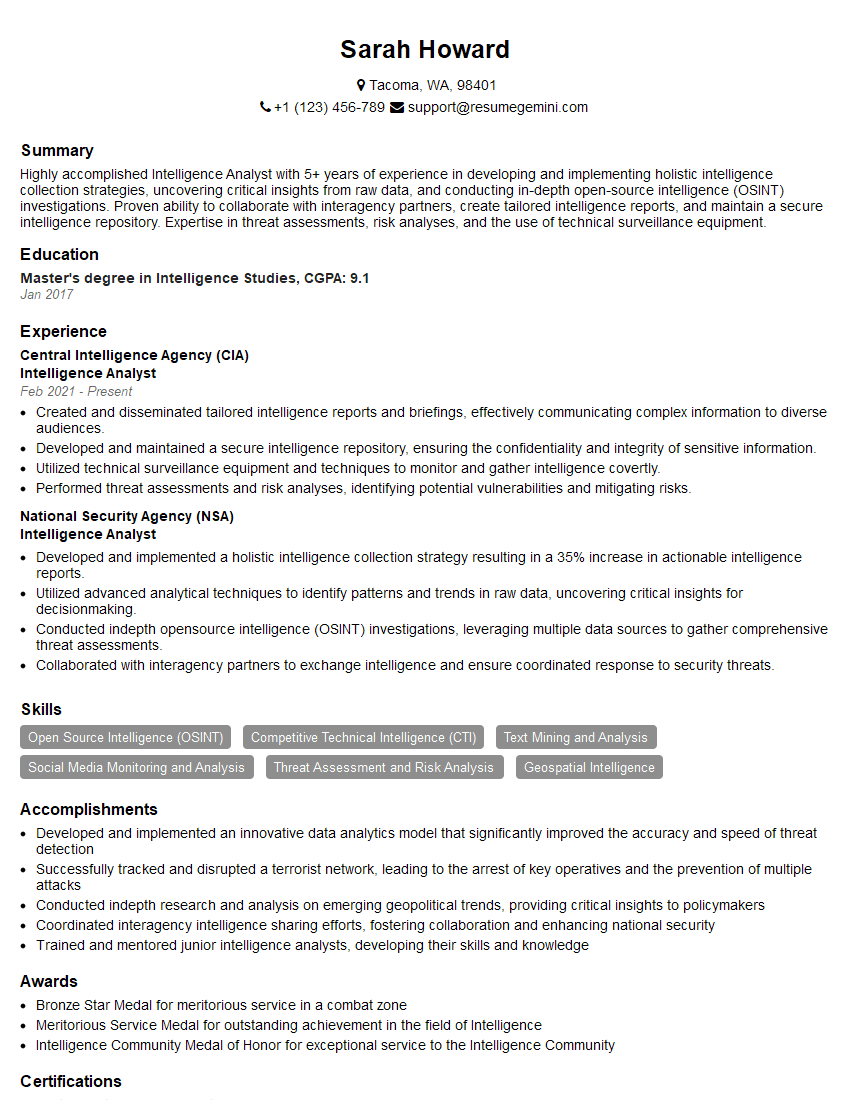
Intelligence Analyst Resume Sample
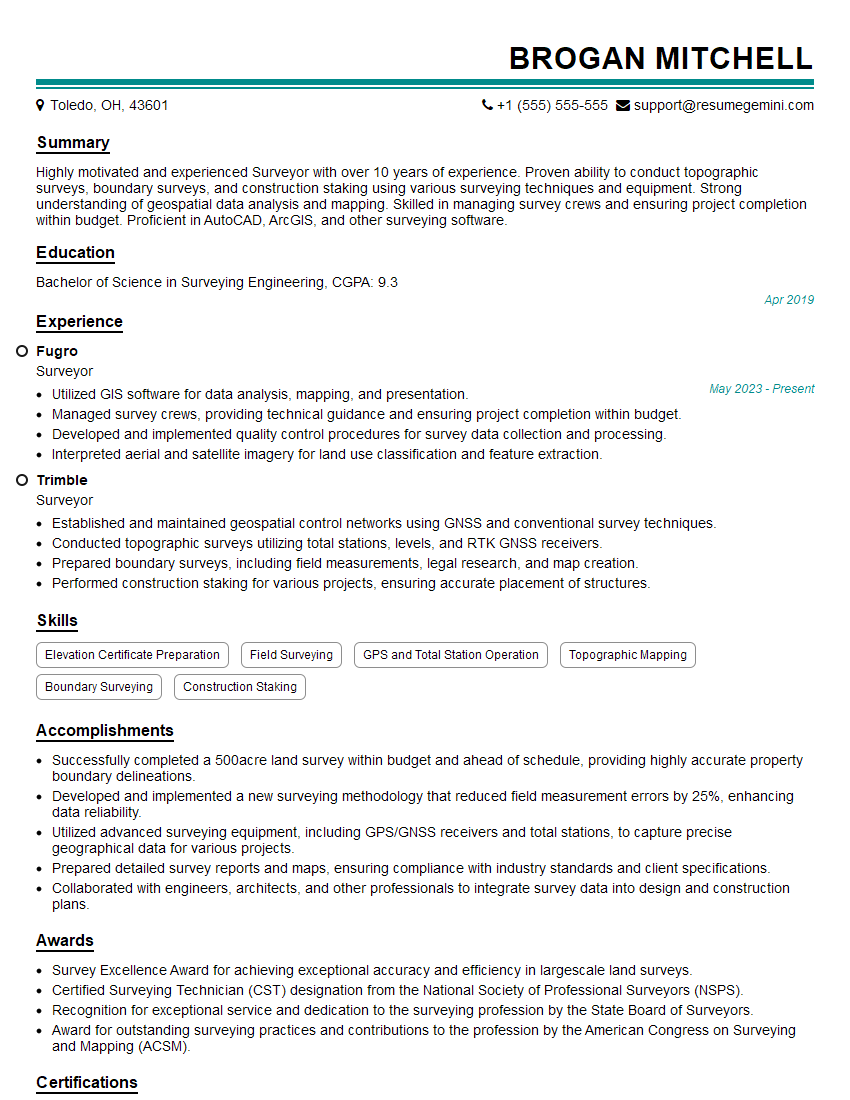
Surveyor Resume Sample
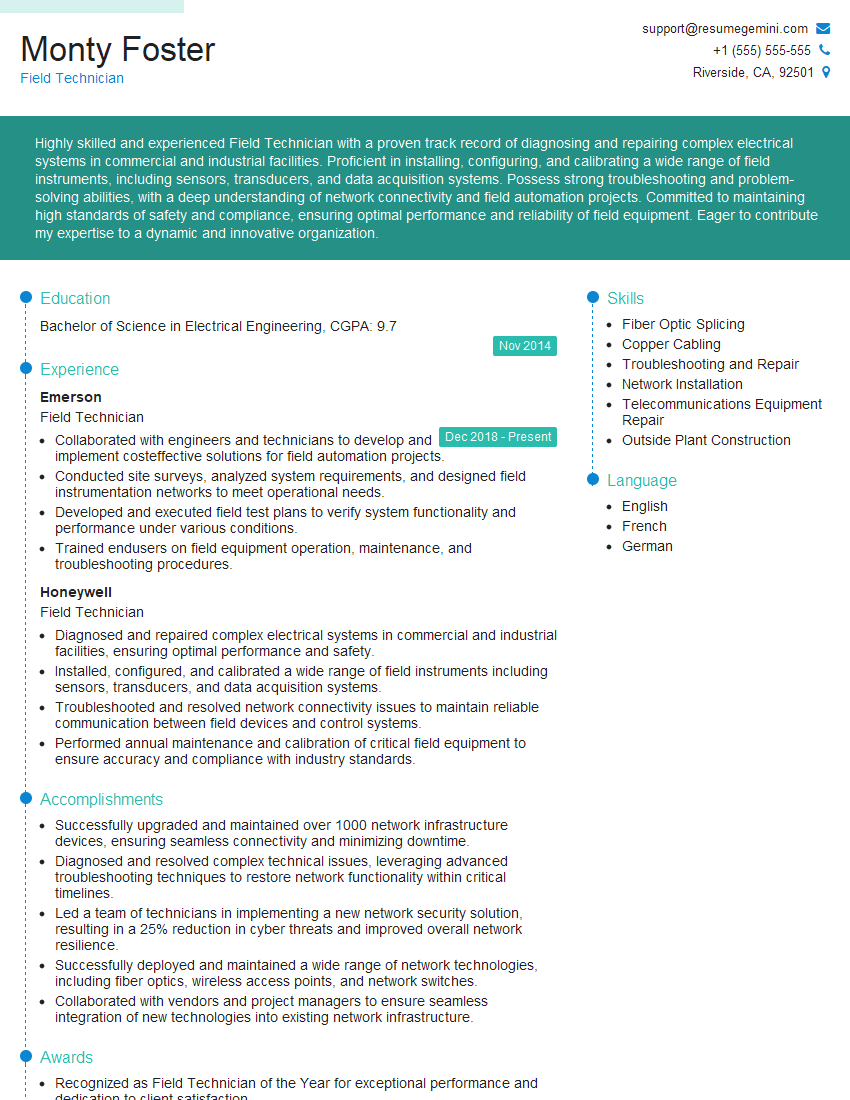
Field Technician Resume Sample
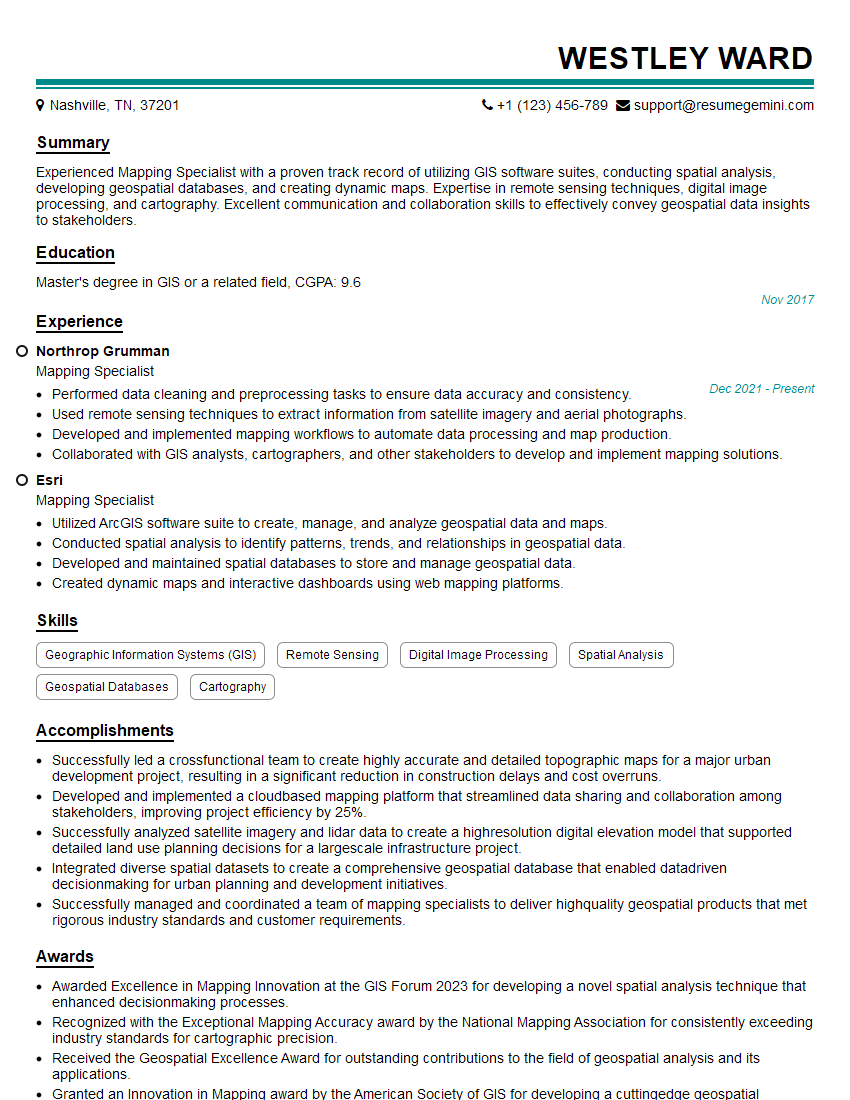
Mapping Specialist Resume Sample
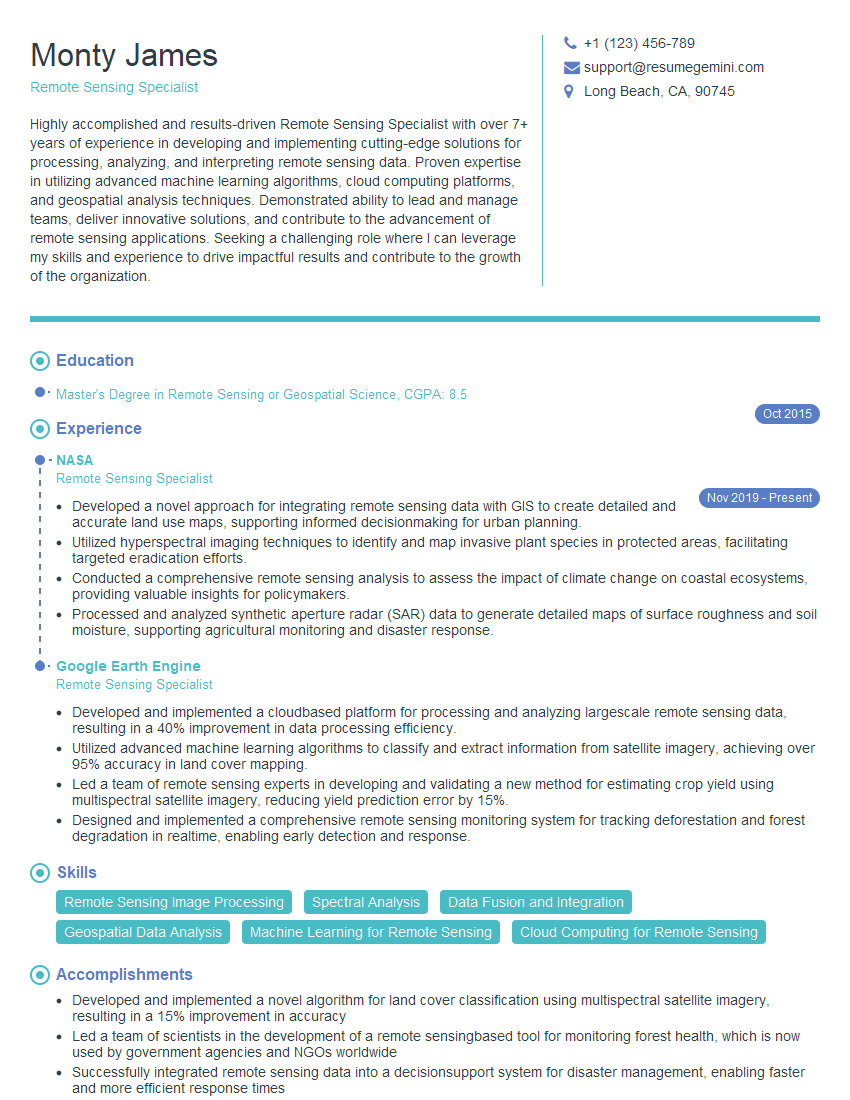
Remote Sensing Specialist Resume Sample
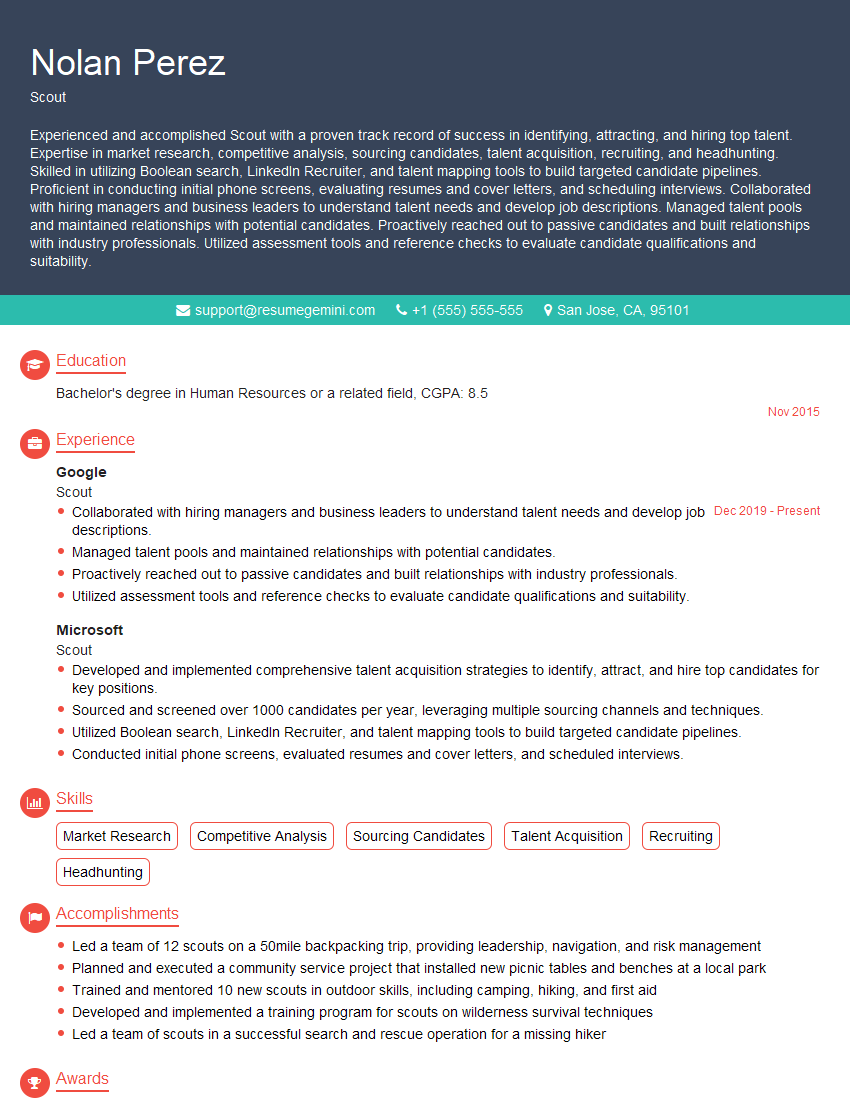
Scout Resume Sample
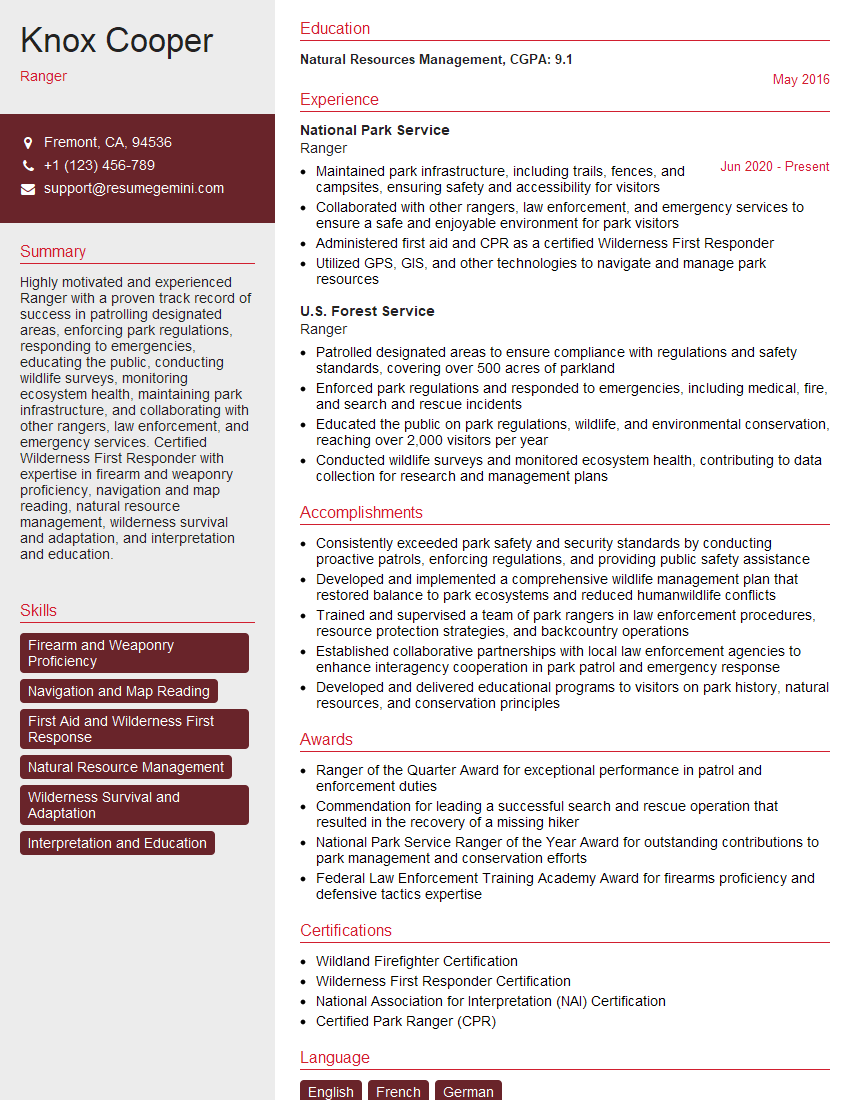
Ranger Resume Sample
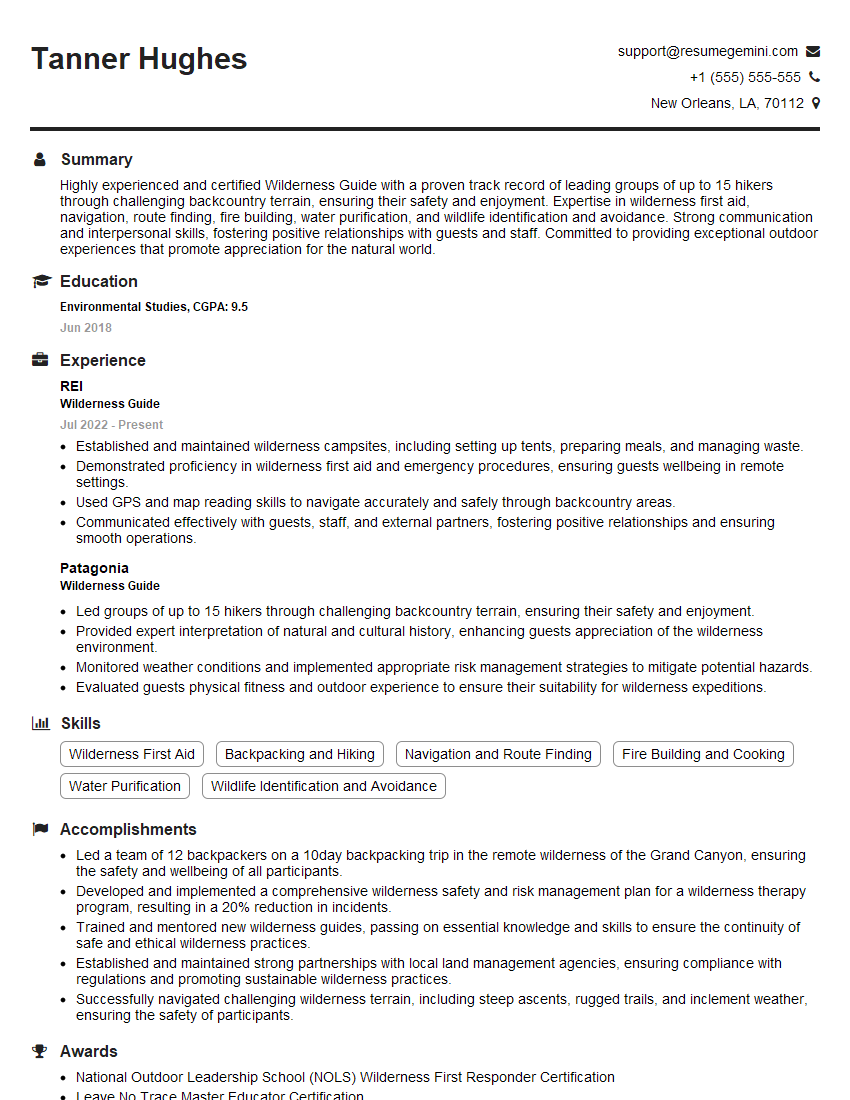
Wilderness Guide Resume Sample
Explore more articles
Users Rating of Our Blogs
Share Your Experience
We value your feedback! Please rate our content and share your thoughts (optional).
What Readers Say About Our Blog
Very informative content, great job.
good