Are you ready to stand out in your next interview? Understanding and preparing for Load Calculations and Planning interview questions is a game-changer. In this blog, we’ve compiled key questions and expert advice to help you showcase your skills with confidence and precision. Let’s get started on your journey to acing the interview.
Questions Asked in Load Calculations and Planning Interview
Q 1. Explain the difference between apparent, real, and reactive power.
Imagine electricity flowing through a wire like water in a pipe. Real power (measured in Watts, W) is the actual work done, like the amount of water used to turn a water wheel. It’s the energy converted into useful work – heat from a heater, light from a bulb, or mechanical energy from a motor. Apparent power (measured in Volt-Amperes, VA) is the total power supplied, considering both the real power and a component called reactive power. Think of it as the total water flowing through the pipe, whether or not it’s effectively turning the wheel. Finally, reactive power (measured in Volt-Ampere Reactive, VAR) is the power that oscillates back and forth without doing any real work. It’s like water sloshing back and forth in the pipe, not contributing to turning the wheel. Reactive power is mostly associated with inductive and capacitive loads (motors, transformers, capacitors).
The relationship between these powers is described by the power triangle: Apparent Power (VA) is the hypotenuse, Real Power (W) is one leg, and Reactive Power (VAR) is the other leg. The power factor (explained later) relates the real power to the apparent power.
Q 2. Describe the process of performing a load calculation for a commercial building.
Performing a load calculation for a commercial building is a systematic process. It starts with a thorough understanding of the building’s intended use and occupancy. Here’s a breakdown:
- Gather information: Obtain architectural plans, equipment lists (HVAC, lighting, elevators, kitchen equipment, etc.), and information on the building’s electrical system.
- Determine load types: Categorize loads into lighting, heating, ventilation, air conditioning (HVAC), power, and miscellaneous equipment.
- Calculate individual loads: For each load type, estimate the power consumption based on manufacturers’ data, industry standards, or engineering calculations. For example, lighting load might be calculated based on the number of fixtures, wattage per fixture, and hours of operation. HVAC loads usually require specialized software or manual calculations based on thermal loads and equipment performance.
- Apply demand factors: Demand factors account for the fact that not all loads operate simultaneously. For example, not all lights will be on at the same time. These factors are applied to the total connected load of each load category to arrive at the demand load.
- Summation of loads: Add up the demand loads for all categories to obtain the total building demand load.
- Add service demand: Include allowance for future expansion and additional loads.
- Verify results: Check calculations, compare with similar building data, and consult with other professionals (architects, engineers, etc.) for validation.
Software tools significantly aid in this process, allowing for complex calculations and simulations. The final load calculation determines the required size of transformers, electrical panels, and other system components.
Q 3. What are the key factors considered in load forecasting?
Load forecasting is crucial for power system planning and expansion. Accurate predictions ensure sufficient capacity to meet future energy demands. Key factors include:
- Historical load data: Analyzing past energy consumption patterns provides a foundation for prediction.
- Economic growth: Economic activity directly influences energy demand; growth typically leads to increased consumption.
- Population growth: More people mean higher energy demands, both residential and commercial.
- Technological advancements: New technologies can impact energy efficiency (lowering demand) or create new energy-intensive applications (increasing demand).
- Climate change: Weather patterns and temperatures affect heating and cooling loads significantly.
- Government policies and regulations: Energy efficiency standards and incentives influence energy consumption behavior.
- Load characteristics and diversity: Understanding the different types of loads and how they vary throughout the day and year is crucial for accurate prediction.
Statistical methods, econometric modeling, and artificial intelligence techniques are commonly used in load forecasting.
Q 4. How do you account for future load growth in a system planning study?
Accounting for future load growth is vital to avoid system overloads and ensure reliable power delivery. Several methods are used:
- Load growth rate estimation: Historical data and projected economic and population growth are used to estimate the annual or decadal load growth rate.
- Load curve extrapolation: Extending existing load curves (graphical representations of load over time) into the future, factoring in the predicted growth rate.
- Scenario planning: Developing various scenarios based on different growth rates and potential future conditions (e.g., pessimistic, optimistic, most likely).
- Adding capacity margins: System expansion plans should include additional capacity to accommodate uncertain load growth and ensure system reliability.
For example, if a study predicts a 5% annual load growth, future demand can be estimated by multiplying the current demand by (1 + 0.05)^n, where n is the number of years in the future.
Q 5. What methods are used for load flow analysis?
Load flow analysis determines the voltage magnitude and phase angle at each bus (node) in a power system under a given load condition. This is crucial for system planning and operation, ensuring secure and stable power delivery. Key methods include:
- Gauss-Seidel method: An iterative method that solves a system of non-linear equations representing the power flow equations.
- Newton-Raphson method: Another iterative method known for its faster convergence compared to the Gauss-Seidel method, especially for large systems.
- Fast decoupled method: A simplified version of the Newton-Raphson method that significantly reduces computational effort while maintaining reasonable accuracy.
Power system simulation software employs these methods to provide detailed information about voltage profiles, line flows, and power losses in the system, helping engineers make informed decisions on system operation and expansion.
Q 6. Explain the concept of power factor and its importance in load calculations.
Power factor (PF) is the ratio of real power (kW) to apparent power (kVA). It indicates how efficiently the electrical energy is being used. A power factor of 1 (or 100%) means all the apparent power is real power, meaning the system is perfectly efficient. A lower power factor indicates a larger proportion of reactive power, which contributes to increased losses and reduced efficiency.
Importance in load calculations: A low power factor necessitates larger equipment (transformers, cables, generators) to handle the increased apparent power, leading to higher capital and operating costs. It also increases losses in the system, wasting energy and resulting in higher electricity bills. Power factor correction techniques, such as using capacitor banks, are often employed to improve the power factor and system efficiency.
For example, a motor with a 0.8 power factor requires more current to deliver the same amount of mechanical power compared to a motor with a 0.95 power factor, leading to higher current-related losses.
Q 7. What are the different types of loads encountered in power systems?
Power systems encounter diverse loads, broadly categorized as:
- Constant power loads: These loads maintain a constant power draw regardless of voltage fluctuations (e.g., some electronic devices, computers).
- Constant current loads: These maintain a relatively constant current, with power consumption varying with voltage (e.g., some types of lighting).
- Constant impedance loads: These maintain a constant impedance, with power consumption varying with the square of the voltage (e.g., resistive heating elements).
- Motor loads: Induction motors and synchronous motors are widely used, presenting inductive loads with varying power factor characteristics.
- Nonlinear loads: These loads draw non-sinusoidal currents, creating harmonic distortions that affect power quality (e.g., rectifiers, variable speed drives). These can lead to overheating and equipment failure if not managed.
Understanding the different load types is crucial for accurate system design and analysis. Nonlinear loads, in particular, require special consideration to maintain power quality and prevent system issues.
Q 8. How do you determine the appropriate size of transformers and other equipment based on load calculations?
Determining the appropriate size of transformers and other equipment hinges on accurate load calculations. We don’t want equipment that’s too small (leading to overheating and failure) or too large (representing unnecessary cost and inefficiency). The process involves several steps:
Load estimation: This involves identifying all the electrical loads connected to the system. This includes lighting, motors, heating/cooling systems, and any other appliances or machinery. For example, a commercial building might require calculating the load of individual offices, hallways, and common areas separately.
Demand factor application: Not all loads operate at their maximum capacity simultaneously. The demand factor represents the ratio of the maximum demand to the total connected load. For example, if a 100 kW connected load has a maximum demand of 70 kW, the demand factor is 0.7. This factor helps us to size equipment based on actual demand, rather than the theoretical maximum.
Diversity factor application: This factor reflects the fact that individual loads in a system seldom reach their peak demand simultaneously. It’s the ratio of the sum of individual maximum demands to the actual maximum demand of the entire system. For example, if several apartments have a total maximum load demand of 300 kW but the building’s highest simultaneous demand is only 200 kW, the diversity factor is 0.66. Applying this helps us to create efficient, cost-effective systems.
Load calculation: After applying demand and diversity factors, we determine the total anticipated load for the system. For three-phase systems, we consider the phase currents and power factor.
Equipment sizing: Based on the calculated load, we select transformers and other equipment with sufficient capacity, usually incorporating a safety margin (typically 20-30%) to account for future growth and uncertainties.
Imagine designing a power system for a new factory. We’d meticulously inventory all the machinery, lighting, and other electrical devices, calculate their individual power consumption, apply demand and diversity factors to arrive at the total load, and then select a transformer with sufficient capacity, ensuring it operates within its safe operating temperature range to avoid early failure.
Q 9. What are the common software tools used for load flow studies?
Several software tools are used for load flow studies. The choice depends on the complexity of the system and the specific needs of the analysis. Some popular options include:
ETAP (Electrical Transient Analyzer Program): A comprehensive software suite for power system analysis, including load flow, short-circuit, and protective relay coordination studies.
EasyPower: Another widely used software package offering similar capabilities to ETAP, with a strong focus on user-friendly interfaces.
CYME International’s CYME Power System Software: This software is known for its robust capabilities in handling large and complex power systems, featuring advanced modeling features.
MATLAB with Power System Toolboxes: Provides flexibility and control for experienced users familiar with programming and power system theory. You can customize simulations to a high degree, but there’s a steeper learning curve.
Each software package provides a different range of features; the choice often depends on project budget, team familiarity with the software, and the level of analysis required.
Q 10. Describe the impact of harmonic distortion on power systems.
Harmonic distortion refers to the presence of non-linear loads (like rectifiers, variable-frequency drives, and electronic ballasts) that introduce frequencies that are multiples of the fundamental power frequency (typically 50 or 60 Hz). These harmonics cause several problems:
Increased heating in equipment: Harmonics increase the RMS current, resulting in higher losses and potentially damaging overheating in transformers, cables, and other components.
Malfunctioning of sensitive equipment: Harmonics can interfere with the operation of electronic devices, causing malfunctions or data errors. Consider a sensitive medical device in a hospital – harmonics could negatively affect its performance.
Resonance issues: If the system’s impedance resonates at a harmonic frequency, it can lead to excessively high harmonic currents, causing significant damage.
Power factor distortion: Harmonics reduce the power factor, leading to increased power consumption and higher electricity bills.
Mitigation strategies include using harmonic filters, active power filters, and selecting equipment with low harmonic generation characteristics. Ignoring harmonic distortion can lead to costly equipment failures and operational issues.
Q 11. How do you handle unbalanced loads in a three-phase system?
Unbalanced loads in a three-phase system occur when the current or power consumption in each phase is unequal. This creates an imbalance in the system, leading to higher currents in some phases than others. Consequences include:
Overloading of phases: One or two phases might carry significantly more current than the other, potentially exceeding their capacity.
Increased neutral current: Unbalanced loads significantly increase the current flowing through the neutral conductor, which can overheat and lead to premature failure.
Reduced system efficiency: An unbalanced system reduces overall system efficiency.
Mitigation techniques involve:
Load balancing: Distributing loads evenly across the three phases.
Phase converters: Using phase converters to create a balanced three-phase system from a single-phase supply.
Adding additional loads: Strategically adding loads to the under-loaded phases to achieve a balanced condition.
Using a phase monitor: A phase monitor helps detect and analyze any imbalance, alerting operators to potential problems.
In a factory setting with different machines on different phases, careful load distribution is crucial. Improper balance can lead to unnecessary wear and tear on the system and potential disruptions.
Q 12. Explain the concept of demand factor and diversity factor.
Demand factor is the ratio of the maximum demand of a system to its total connected load. It represents the fraction of the total connected load that is actually used at the peak demand. A demand factor less than 1 indicates that not all loads are operating at their maximum capacity simultaneously. For example, a building with a connected load of 1000 kW but a peak demand of 700 kW has a demand factor of 0.7.
Diversity factor is the ratio of the sum of individual maximum demands to the maximum demand of the entire system. This factor reflects the fact that individual loads within a system rarely reach their peak demands at the same time. A higher diversity factor signifies that the loads are less likely to coincide in their peak demands, leading to a lower overall system peak demand. For example, if individual apartment loads sum up to 1200 kW, but the total building peak demand is only 800 kW, the diversity factor is 0.67.
Both factors are critical in accurate load calculations as they help determine the system’s actual peak demand, which is essential for appropriately sizing the equipment.
Q 13. What are the different types of load curves and their significance?
Load curves graphically represent the variation of electrical load over time. Different types offer insights into load patterns and system behavior:
Daily load curve: Shows the variation of load over a 24-hour period.
Weekly load curve: Shows the load variation over a week, highlighting weekday vs. weekend differences.
Monthly load curve: Illustrates the load variation over a month, useful for seasonal load analysis.
Annual load curve: Displays the load variation throughout the year, essential for long-term planning and peak load determination.
Load curves are crucial for system planning, sizing equipment (like transformers and generators), and managing energy resources efficiently. By analyzing the shape and trends of these curves, utilities can better understand energy consumption patterns, anticipate future needs, and optimize energy production and distribution.
For example, a daily load curve of a commercial building would show a higher load during working hours and lower load during nighttime and weekends. This helps determine the appropriate sizing of the building’s transformer and its capacity to meet peak demands.
Q 14. How do you determine the short-circuit current in a power system?
Determining the short-circuit current (SCC) in a power system is crucial for selecting appropriate protective devices like circuit breakers and fuses. The SCC is the maximum current that can flow during a short circuit fault. We determine this using either analytical methods or software.
Analytical methods involve simplifying the system into equivalent circuits and applying Ohm’s law and circuit theory. This approach is best for smaller, simpler systems.
Software methods use specialized software (like ETAP or EasyPower) to model the entire system and calculate the SCC at various points. These tools provide more accurate results for complex systems.
The process often involves identifying the fault location, determining the impedance of the system up to that point, and then calculating the available short-circuit current from the supply. The formula is often expressed as:
Isc = Vs / Zswhere:
Iscis the short-circuit currentVsis the system voltageZsis the system impedance (including source impedance, transformer impedance, and line impedance)
Accurate SCC determination is critical for safety and system protection. Incorrect calculations can lead to inadequate protection, resulting in equipment damage or even fires. We always take a conservative approach, sometimes increasing the calculated SCC to account for uncertainties.
Q 15. Explain the importance of load balancing in power systems.
Load balancing in power systems is crucial for ensuring efficient and reliable power distribution. It involves distributing the electrical load evenly across multiple generators or power sources to prevent overloading any single component. Think of it like distributing weight evenly across multiple legs of a table – overloading one leg makes the whole table unstable. Without load balancing, some generators might be overworked, leading to premature failure, while others remain underutilized. This imbalance can result in power outages, reduced system efficiency, and increased energy costs.
Effective load balancing is achieved through various techniques, including:
- Automatic Generation Control (AGC): This system automatically adjusts the output of generators to match the changing demand.
- Load Shedding: In extreme cases, excess load is deliberately shed from the system to prevent a complete blackout (more on this in a later answer).
- Smart Grid Technologies: These technologies use advanced sensors and data analytics to monitor load distribution in real-time and optimize power flow.
For example, in a large data center with multiple servers, load balancing ensures that no single server is overwhelmed, preventing performance bottlenecks and ensuring uninterrupted service. Similarly, in a national power grid, load balancing across different power plants prevents regional blackouts and optimizes energy usage.
Career Expert Tips:
- Ace those interviews! Prepare effectively by reviewing the Top 50 Most Common Interview Questions on ResumeGemini.
- Navigate your job search with confidence! Explore a wide range of Career Tips on ResumeGemini. Learn about common challenges and recommendations to overcome them.
- Craft the perfect resume! Master the Art of Resume Writing with ResumeGemini’s guide. Showcase your unique qualifications and achievements effectively.
- Don’t miss out on holiday savings! Build your dream resume with ResumeGemini’s ATS optimized templates.
Q 16. What are the safety precautions associated with load calculation and planning?
Safety is paramount in load calculation and planning. Neglecting safety precautions can lead to serious consequences, including electrical shocks, fires, and even fatalities. Here are some crucial safety measures:
- Proper Training and Certification: Personnel involved in load calculations and planning should possess appropriate training and certifications to understand the risks and implement safe practices.
- Lockout/Tagout Procedures: Before working on any electrical equipment, lockout/tagout procedures must be strictly followed to prevent accidental energization.
- Personal Protective Equipment (PPE): Appropriate PPE, such as insulated gloves, safety glasses, and arc-flash protective clothing, should be worn at all times when working on or near energized equipment.
- Adherence to Electrical Codes and Standards: All work must comply with relevant national and international electrical codes and standards (e.g., NEC in the US).
- Regular Inspections and Maintenance: Regular inspections and maintenance of electrical equipment are essential to identify and address potential hazards before they cause incidents.
- Working at Heights Safety: If working at heights is required, all necessary fall protection measures must be in place.
Imagine a scenario where a technician is performing maintenance on a high-voltage transformer without proper lockout/tagout procedures. The risk of a fatal electrical shock is extremely high. Strict adherence to safety protocols is non-negotiable in this field.
Q 17. How do you address load shedding during peak demand?
Load shedding is a controlled interruption of power supply during peak demand periods to prevent a complete system collapse. It’s a last resort, employed when demand exceeds the available generating capacity. Think of it as selectively turning off lights in a room that’s overloaded to prevent the circuit breaker from tripping.
Strategies for load shedding include:
- Frequency-Based Shedding: When system frequency drops below a set threshold, indicating excessive load, pre-determined loads are automatically shed.
- Underfrequency Load Shedding (UFLS): This is an automated system that triggers load shedding based on frequency deviation from the nominal value.
- Manual Load Shedding: In less automated systems, operators manually disconnect loads to relieve stress on the system. This requires careful planning and coordination.
- Rotating Load Shedding: This involves systematically shedding loads in different areas or among different customer groups, minimizing the impact on any one area for extended periods.
The selection of loads to shed is crucial. Non-critical loads, like those in less populated areas or industrial consumers with interruptible contracts, are typically prioritized for shedding.
Q 18. What are the common causes of power outages and how can load planning mitigate them?
Power outages can stem from various sources. Load planning can effectively mitigate many of them.
- Equipment Failure: Faulty transformers, transmission lines, or generators can cause outages. Regular maintenance and preventative measures, as highlighted in load planning, significantly reduce this risk.
- Natural Disasters: Severe weather events like hurricanes, floods, or ice storms can damage power infrastructure. Robust designs, strategic placement of infrastructure, and emergency plans developed as part of load planning minimize the impact.
- Overloading: Exceeding the capacity of a system’s components leads to outages. Proper load calculations and planning, considering peak demand and future growth, prevent this.
- Cyberattacks: Targeting of control systems can disrupt power supply. Load planning includes considerations for cyber security and system redundancy to ensure resilience.
- Human Error: Mistakes during construction, maintenance, or operation can lead to outages. Comprehensive training programs and safety protocols, which are integral to load planning, reduce this risk.
For example, a utility company using advanced load forecasting tools might identify a potential overload in a specific area during a heatwave. This allows them to proactively add capacity or implement demand-side management strategies (like incentivizing reduced energy use during peak hours) to prevent an outage.
Q 19. Explain the concept of voltage regulation.
Voltage regulation refers to the ability of a power system to maintain a consistent voltage level at all points in the system, despite variations in load and generation. Maintaining a stable voltage is critical because equipment operates optimally within a specific voltage range. Fluctuations can damage appliances, reduce efficiency, and even cause equipment failure.
Voltage regulation is achieved through various methods:
- Transformers: Transformers step up or step down voltage levels to maintain appropriate voltage levels throughout the network.
- Voltage Regulators: These devices automatically adjust voltage levels to compensate for load changes.
- Reactive Power Compensation: Adding capacitors or reactors to the system helps manage reactive power, which impacts voltage levels.
- Advanced Grid Management Systems: These systems monitor voltage levels in real-time and adjust generation or load to maintain stability.
Imagine a scenario where a large industrial plant suddenly switches on its machinery. This causes a sudden voltage drop in the area. Effective voltage regulation ensures that the voltage quickly recovers to its nominal level, preventing damage to sensitive equipment and maintaining continuous service for all consumers.
Q 20. How do you integrate renewable energy sources into load planning?
Integrating renewable energy sources (RES) into load planning presents both opportunities and challenges. The intermittent nature of RES like solar and wind requires careful consideration.
Strategies for integration include:
- Load Forecasting: Accurate forecasting of both load and RES generation is crucial to ensure grid stability. Advanced forecasting models incorporating weather data and historical patterns are essential.
- Energy Storage: Batteries or other energy storage technologies can help balance the intermittent supply of RES by storing excess energy during periods of high generation and releasing it during periods of low generation or high demand.
- Demand-Side Management: Strategies like time-of-use pricing can incentivize consumers to shift their energy consumption to times when RES generation is high.
- Grid Modernization: Upgrading the grid infrastructure to accommodate the distributed nature of RES generation is crucial for seamless integration.
- Microgrids: Microgrids can provide localized power generation and distribution, increasing resilience and allowing for more efficient RES integration (more on this in the next answer).
For example, a community might plan for a solar farm to generate power during peak sunlight hours. This would be complemented by energy storage to provide power during evening hours or cloudy days, minimizing reliance on fossil fuel-based generation.
Q 21. What are the challenges associated with microgrid planning?
Microgrid planning presents unique challenges due to the smaller scale and localized nature of the system.
- Resource Availability and Management: Limited resources, including generation capacity and energy storage, require careful planning to meet demand.
- Islanding Operation: Microgrids must be designed to operate independently from the main grid during outages, requiring robust control systems and sufficient generation capacity.
- Protection and Control: Sophisticated protection and control systems are essential to ensure reliable operation and prevent cascading failures within the microgrid.
- Economic Viability: Microgrids must be economically viable, considering the costs of construction, operation, and maintenance.
- Integration with the Main Grid: Safe and efficient integration with the main grid during normal operation is essential.
For example, designing a microgrid for a remote island community requires careful consideration of available renewable resources (solar, wind), energy storage options, and the community’s energy demand profile. The system must be resilient to weather events, while also seamlessly integrating with the main grid when available.
Q 22. Describe your experience with load flow software packages (e.g., ETAP, EasyPower).
My experience with load flow software packages like ETAP and EasyPower is extensive. I’ve used them extensively throughout my career for various projects, from small commercial buildings to large industrial facilities and even renewable energy integration studies. I’m proficient in building models, performing simulations, and interpreting results. For instance, in a recent project involving a large hospital expansion, I utilized ETAP to model the entire electrical system, including the existing infrastructure and the new additions. This allowed me to accurately predict voltage levels, current flows, and potential overload conditions under various operating scenarios. Beyond just running simulations, I’m adept at customizing the software to incorporate specific equipment characteristics and protection schemes, ensuring highly accurate and realistic results. EasyPower, on the other hand, I’ve used extensively for its streamlined interface and reporting capabilities, particularly helpful in communicating complex analysis results to non-technical stakeholders. My expertise includes not only using the software’s built-in features, but also leveraging its scripting capabilities for automation and advanced analysis.
Q 23. Explain the impact of distributed generation on load flow analysis.
Distributed generation (DG), such as rooftop solar panels or small-scale wind turbines, significantly impacts load flow analysis. Traditionally, power flowed unidirectionally from the utility grid to the load. DG introduces bi-directional power flow, making the system more complex. This complexity stems from the fact that DG units can inject power into the grid, potentially altering voltage profiles and impacting power flows throughout the system. For example, a large solar installation might significantly reduce the current drawn from the grid during peak sunlight hours, even leading to reverse power flow. This requires a more sophisticated analysis to account for variations in DG output due to weather conditions or equipment malfunctions. Load flow software must be adapted to accurately model the power injection and voltage regulation characteristics of DG units, considering their control strategies and interconnection points. Neglecting DG in load flow analysis can lead to inaccurate predictions, potentially causing system instability or equipment damage.
Q 24. How do you interpret and analyze load flow study results?
Interpreting load flow study results involves a systematic approach. First, I verify the accuracy of the model by comparing the simulated results against known operating conditions or historical data. I then look for key indicators like voltage magnitudes and angles at various buses, branch currents, and power losses. Voltage magnitudes outside the acceptable range (typically 0.95 pu to 1.05 pu) indicate potential problems like overvoltage or undervoltage. High branch currents suggest potential overloading, requiring the investigation of conductor sizing and protection devices. Power losses reveal energy inefficiencies that may warrant optimization strategies. Beyond these basic parameters, I also analyze power factor, reactive power flow, and short circuit current levels. For example, a low power factor can indicate inefficiencies and increased operating costs. A thorough analysis often involves identifying the bottlenecks in the system and suggesting appropriate mitigation measures. The final step is presenting the findings clearly and concisely to the stakeholders using graphs, tables, and written reports.
Q 25. What are some common mistakes to avoid during load calculations?
Several common mistakes can significantly affect the accuracy of load calculations. One prevalent error is improperly estimating load diversity. Assuming all loads operate simultaneously leads to an overestimation of peak demand. Another common mistake is neglecting the impact of future load growth. Failing to incorporate future expansion plans leads to an undersized system that cannot meet future needs. Incorrectly applying load factors, which represent the ratio of average load to peak load, can also lead to errors. Also, neglecting the impact of harmonics generated by nonlinear loads such as computers and variable speed drives can distort the power waveforms and lead to inaccurate calculations. Furthermore, failing to properly model transformer characteristics (impedance, tap settings, etc.) can introduce significant errors. Lastly, using outdated or inaccurate load data can lead to the planning and design of electrical systems that are not fit for purpose.
Q 26. How do you ensure the accuracy and reliability of load calculations?
Ensuring accuracy and reliability in load calculations involves a multi-pronged approach. First, I use a combination of top-down and bottom-up methods. Top-down utilizes historical data and load profiles for existing facilities, while bottom-up involves detailed analysis of individual loads and their characteristics. I always cross-check the results obtained from both methods to identify any discrepancies. I then validate the load data using multiple sources, including utility company records, energy audits, and manufacturer’s specifications for equipment. I also incorporate load diversity factors based on statistical data appropriate to the type of facility and its operational profile. My calculations account for various factors like anticipated load growth, demand response initiatives, and future system expansions. Regularly updating the load model is crucial to maintain its accuracy over time. The validation process involves comparing the results with field measurements, if possible, to ensure that the calculated loads align with the actual system behavior.
Q 27. Explain your experience in coordinating with other engineering disciplines during a project involving load planning.
Coordinating with other engineering disciplines is paramount in load planning. In a recent project involving a new data center, I collaborated closely with architects, mechanical engineers, and IT specialists. Architects provided floor plans and space allocations, informing the placement of electrical equipment and the routing of power distribution systems. Mechanical engineers’ data on HVAC loads helped me to accurately estimate the power demand for cooling systems. The IT team’s specifications on server power consumption were essential for accurate load calculations. Regular meetings, shared data platforms, and a strong communication framework ensured everyone had the necessary information to perform their tasks efficiently. This collaborative approach ensured the electrical system design was fully integrated with other systems and addressed all aspects of the facility’s operational requirements. Addressing potential conflicts and streamlining the design process are key outcomes of this collaboration, resulting in a more efficient and cost-effective project.
Key Topics to Learn for Load Calculations and Planning Interview
- Fundamental Load Types: Understanding different types of loads (e.g., dead load, live load, snow load, wind load) and their impact on structural design.
- Load Combinations and Factors of Safety: Mastering the application of load combination equations and safety factors according to relevant building codes (e.g., ASCE 7, IBC).
- Load Path Analysis: Tracing the flow of loads through a structure to identify critical members and potential points of failure.
- Practical Application in Design Software: Demonstrating proficiency in using industry-standard software (e.g., Revit, ETABS, SAP2000) for load calculations and structural analysis.
- Influence Lines and Diagrams: Using influence lines to determine the maximum moments and shears in structural elements.
- Code Compliance and Regulations: Understanding and applying relevant building codes and regulations pertaining to load calculations and structural design.
- Load Estimation Techniques: Applying various methods for estimating loads based on project specifics and available data.
- Problem-Solving and Analytical Skills: Demonstrating the ability to approach complex load calculation problems systematically and efficiently.
- Understanding Load Redistribution: Explaining the concept and implications of load redistribution in structural systems.
Next Steps
Mastering Load Calculations and Planning is crucial for career advancement in structural engineering and related fields. A strong understanding of these principles opens doors to challenging and rewarding projects. To significantly boost your job prospects, create an ATS-friendly resume that effectively highlights your skills and experience. ResumeGemini is a trusted resource that can help you build a professional and impactful resume. We offer examples of resumes tailored to Load Calculations and Planning to guide you in showcasing your expertise effectively. Invest time in crafting a compelling resume—it’s your first impression on potential employers.

Reliability Engineer Resume Sample
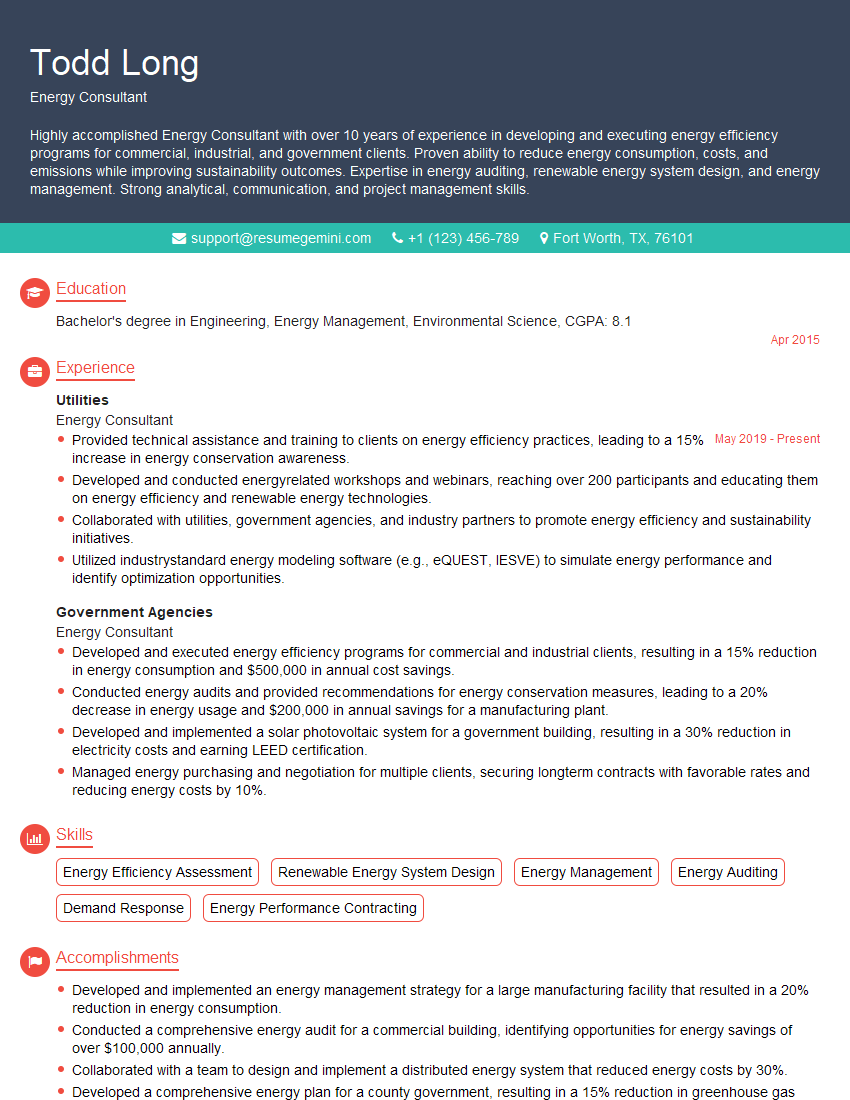
Energy Consultant Resume Sample

Infrastructure Engineer Resume Sample

Utility Engineer Resume Sample

Electrical Design Engineer Resume Sample
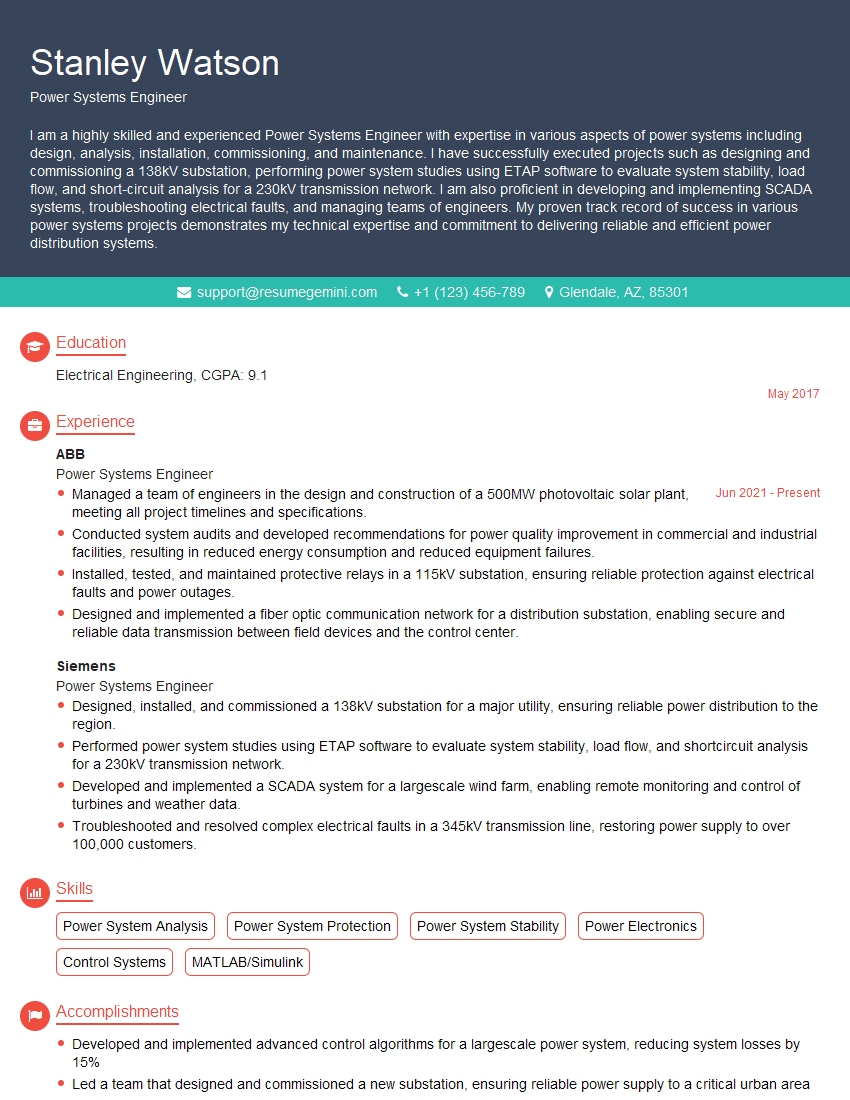
Power Systems Engineer Resume Sample

Smart Grid Engineer Resume Sample
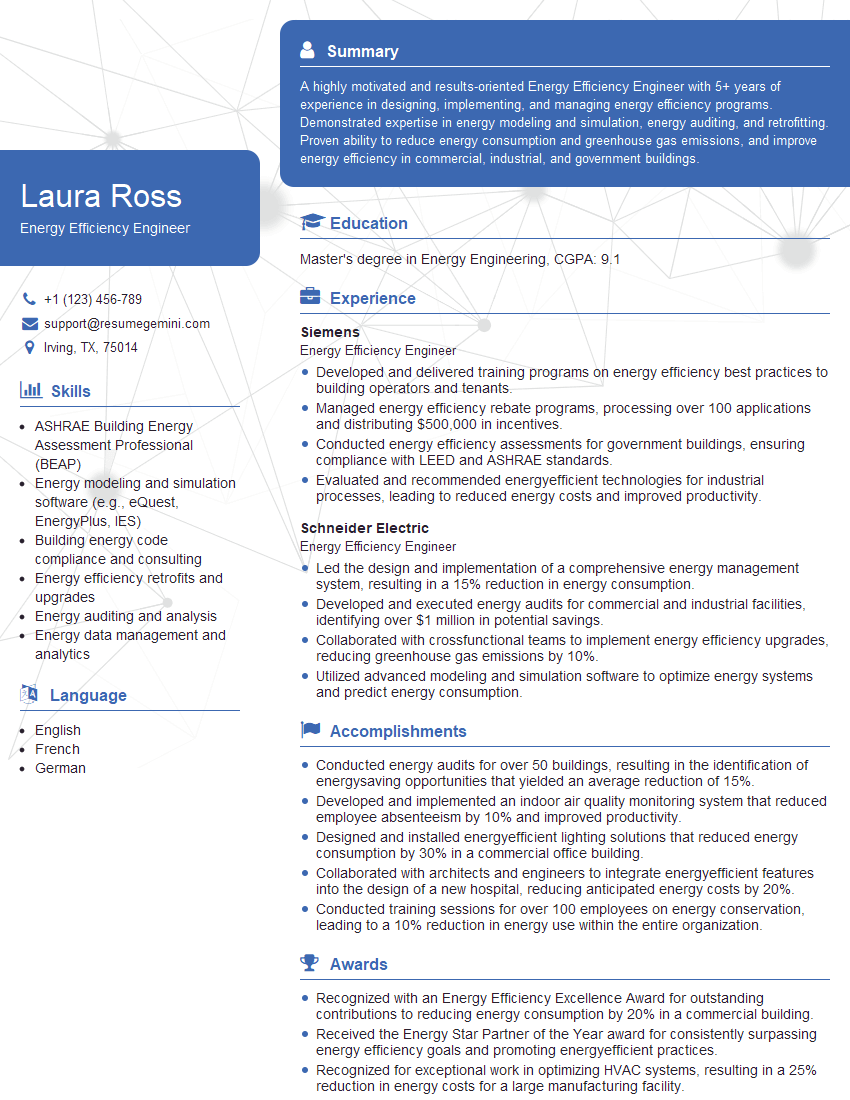
Energy Efficiency Engineer Resume Sample
Explore more articles
Users Rating of Our Blogs
Share Your Experience
We value your feedback! Please rate our content and share your thoughts (optional).
What Readers Say About Our Blog
Very informative content, great job.
good