Interviews are more than just a Q&A session—they’re a chance to prove your worth. This blog dives into essential Lowes interview questions and expert tips to help you align your answers with what hiring managers are looking for. Start preparing to shine!
Questions Asked in Lowes Interview
Q 1. Describe your experience with Lowe’s point-of-sale system.
My experience with Lowe’s point-of-sale (POS) system is extensive. I’m proficient in using the system for various transactions, including sales, returns, exchanges, and applying discounts. I understand the importance of accurate data entry to maintain inventory accuracy and generate precise sales reports. The system is user-friendly, with intuitive interfaces for processing payments via various methods – credit cards, debit cards, Lowe’s gift cards, and cash. I’m also familiar with troubleshooting common POS issues, such as network connectivity problems or printer malfunctions, and know how to escalate problems to the appropriate IT support when necessary. For instance, I once resolved a system crash during a busy Saturday rush by quickly restarting the POS terminal and ensuring all transactions were properly logged before the system went back online, minimizing customer inconvenience.
Beyond basic transactions, I’m adept at using the POS system’s reporting features to track sales performance, identify best-selling products, and monitor employee productivity. This data helps in making informed business decisions and optimizing store operations. The system’s ability to integrate with inventory management allows for real-time updates on stock levels, avoiding potential stockouts or overstocking.
Q 2. How would you handle a customer complaint about a faulty product?
Handling customer complaints about faulty products requires a calm and empathetic approach. My first step is to actively listen to the customer’s concerns and validate their feelings. I then thoroughly examine the product to determine the nature of the defect. Depending on the situation, I may offer several solutions:
- Exchange: If a replacement is available, I’ll offer an immediate exchange for a new, undamaged product.
- Repair: If the product can be repaired under warranty, I’ll guide the customer through the repair process and provide information on repair times and procedures.
- Refund: If the product is beyond repair or the customer prefers a refund, I’ll process the refund according to Lowe’s return policy, ensuring the customer receives their money back quickly and efficiently. I’ll also ensure that proper documentation is completed to avoid any future issues.
Throughout the process, I maintain a professional and friendly demeanor, focusing on finding a solution that satisfies the customer. I strive to turn a negative experience into a positive one by demonstrating Lowe’s commitment to customer satisfaction. I remember one instance where a customer was upset about a damaged lawnmower. By calmly assessing the situation, offering a prompt replacement, and personally assisting with the exchange, I was able to resolve their frustration and turn them into a repeat customer.
Q 3. Explain your understanding of Lowe’s return policy.
Lowe’s return policy is customer-centric and designed to provide flexibility and peace of mind. Generally, customers can return most items within 90 days of purchase with a receipt for a full refund or exchange. Some exceptions exist, such as special orders, clearance items, and certain appliances which may have different return windows. The policy also outlines conditions for returns, such as the product needing to be in its original packaging and in resalable condition. Damaged or defective products are typically handled under warranty or replaced without penalty. Knowing the nuances of the policy is crucial. For example, I understand that while a receipt simplifies the process, it’s not always strictly required, and alternative methods of verification, like credit card statements, can be used.
My understanding extends to handling returns gracefully and professionally. I prioritize a quick and efficient process, ensuring the customer leaves satisfied even if the return is outside the standard guidelines (within reason and company policy). This ensures a positive brand experience, minimizing customer frustration and maximizing customer loyalty. This is particularly important as it affects customer perception of the store and future purchase decisions.
Q 4. How do you prioritize tasks in a fast-paced retail environment?
Prioritizing tasks in a fast-paced retail environment requires a structured approach. I utilize several strategies including:
- Identifying Urgency: I assess tasks based on their urgency and impact. Addressing urgent customer needs, such as resolving a problem or assisting a customer in distress, always takes precedence.
- Time Management: I utilize time-blocking techniques to allocate specific time slots for different tasks. This enables me to stay organized and complete tasks efficiently.
- Multitasking Strategically: While multitasking can improve efficiency, I focus on completing high-priority tasks before switching to less critical ones. This avoids errors and ensures focus on important tasks.
- Collaboration: In busy periods, I communicate with colleagues and delegate tasks whenever possible, ensuring efficient workload distribution and improved customer service. For example, if a large delivery arrives, I’ll coordinate with my team to quickly unload and stock shelves while still attending to customer needs.
This systematic approach allows me to handle numerous tasks simultaneously while maintaining a high level of customer service and ensuring efficiency in my work. This approach is particularly useful during peak shopping seasons like the holiday rush where organization and teamwork are crucial.
Q 5. Describe your experience working with inventory management systems.
My experience with inventory management systems involves using Lowe’s internal systems to track stock levels, manage orders, and identify product discrepancies. I’m familiar with using handheld scanners for inventory checks, updating stock levels after sales and receiving shipments. I understand the importance of accurate inventory data for avoiding stockouts, optimizing shelf space, and managing inventory costs. I’ve used these systems to identify slow-moving products, allowing the store to make informed decisions about pricing and promotion strategies. For example, by analyzing data on paint colors, we were able to identify less popular shades, allowing us to adjust ordering to free up shelf space and avoid waste.
Beyond data entry, I’m adept at using the system’s reporting features to analyze inventory trends, forecast demand, and identify potential issues like damaged or expired products. Proactive inventory management is critical to successful retail operations, ensuring optimal stock levels and minimizing losses. I’ve been instrumental in improving inventory accuracy in the past, resulting in reduced losses due to stock discrepancies and better efficiency in order fulfillment.
Q 6. How would you assist a customer in choosing the right paint for their project?
Assisting a customer in choosing the right paint involves a consultative approach. I start by asking clarifying questions to understand their project:
- Surface: What surface will the paint be applied to (wood, drywall, metal)?
- Location: Is it an interior or exterior application?
- Finish: What type of finish is desired (matte, satin, gloss, eggshell)?
- Color: Do they have a specific color in mind, or do they need help choosing? We can use color swatches and tools to help visualize the color in their space.
- Durability: What level of durability is needed (e.g., for a high-traffic area)?
Once I understand their needs, I can guide them towards the appropriate paint type and finish. I’ll also explain the differences between various paints, highlighting features like washability, mildew resistance, and coverage. If they need help with color selection, I can offer suggestions based on their existing décor or provide color schemes. Finally, I ensure that I’ve addressed all their questions and concerns and they feel confident in their paint selection. I always explain the quantity needed to complete their project and advise them on any necessary prep work for a successful paint job. Providing them with all the necessary information empowers them to complete their project successfully.
Q 7. What is your experience with handling large shipments and stocking shelves?
My experience with handling large shipments and stocking shelves is significant. I’m proficient in receiving large deliveries, checking for discrepancies, and ensuring that the shipment matches the order. I’m familiar with proper stock rotation techniques, prioritizing older stock for quicker sale to prevent expiration or damage. I efficiently organize shelves to ensure easy access for customers, adhering to planograms (store-designed layouts) for product placement. I use handheld scanners to quickly update inventory levels after stocking, ensuring accurate data in the system.
I collaborate with other team members to coordinate large shipments and ensure efficient unloading and stocking processes. For instance, during a period of high demand for a certain product, I coordinated with my fellow associates to stock the shelves as quickly as possible, maximizing customer convenience and product availability. Proper organization and teamwork are vital during these instances to streamline the process, minimize disruption to customers, and ensure all shelves are adequately stocked and organized. This process also helps to minimize potential damage or waste that could be incurred during unloading and organization.
Q 8. How do you ensure product safety and compliance within the store?
Product safety and compliance at Lowe’s is paramount. We adhere to rigorous standards set by various regulatory bodies, including the Consumer Product Safety Commission (CPSC), and implement several key measures. These include regular safety inspections of products and store areas, ensuring proper labeling and warnings are displayed, and maintaining detailed records of product recalls and safety incidents.
For example, we rigorously check power tools for proper grounding and insulation, ensuring they meet all relevant safety certifications. If a product recall is issued, we immediately initiate a store-wide recall process, notifying customers and facilitating prompt returns or replacements. Employee training is also crucial, with staff receiving regular updates on safety protocols and hazard identification. We even have dedicated safety teams who conduct audits and provide training to ensure consistent compliance.
Q 9. Describe your experience using Lowe’s handheld devices for inventory tracking.
Lowe’s handheld devices are instrumental in our inventory management system. We primarily use them for real-time stock tracking, assisting customers in locating products, and processing transactions. The devices are user-friendly and provide immediate access to product information, including pricing, availability, and location within the store. This drastically reduces the time spent searching for items and improves the overall customer experience.
For instance, if a customer is looking for a specific type of paint, I can use the handheld device to quickly verify its availability and direct them to the exact aisle and shelf. The system also allows for quick updates on stock levels, which enables us to forecast demand and minimize out-of-stock situations. It’s integrated with our central inventory system, ensuring data accuracy across all stores.
Q 10. How would you resolve a conflict between two customers?
Resolving customer conflicts requires a calm, empathetic, and impartial approach. My first step is to actively listen to both parties, allowing each to explain their perspective without interruption. Then, I work to identify the root cause of the conflict, focusing on understanding their concerns rather than assigning blame. My goal is to find a mutually agreeable solution, potentially through compromise or mediation.
For example, if two customers are arguing over the last item on the shelf, I would first apologize for the inconvenience. Then I’d offer alternatives, such as suggesting a similar product, checking availability at a nearby store, or offering a rain check. If a resolution cannot be reached immediately, I’d offer to involve a manager for further assistance. Maintaining a professional demeanor throughout the process is crucial to de-escalate the situation.
Q 11. Explain your knowledge of different types of lumber and their applications.
My understanding of lumber encompasses various species, grades, and their corresponding applications. For instance, pressure-treated lumber is essential for outdoor projects like decks and fences, as it resists rot and insect damage. Hardwoods like oak and maple are ideal for flooring and furniture due to their durability and aesthetic appeal. Softwoods like pine and fir are commonly used for framing and construction, offering a good balance of strength and affordability. Each type possesses unique characteristics that dictate its suitability for specific applications.
I can differentiate between various grades of lumber, understanding the impact of knots, grain patterns, and other characteristics on the strength and overall quality. For example, selecting higher-grade lumber for visible applications ensures a more refined aesthetic. Knowing the different types and grades allows me to assist customers in selecting the appropriate lumber for their projects, ensuring both structural integrity and visual appeal.
Q 12. How would you address a safety hazard in the store?
Addressing a safety hazard requires immediate action. My first priority is to eliminate or mitigate the immediate danger, ensuring the safety of customers and employees. This might involve cordoning off a hazardous area, alerting management, and implementing temporary solutions until a permanent fix can be implemented.
For instance, if I noticed a spill in the aisle, I would immediately place warning cones around it, clean it up, and report the incident to management. If a damaged fixture poses a risk, I would immediately report it and ensure it’s properly secured or removed to prevent accidents. Clear communication and prompt action are essential in preventing injuries.
Q 13. Describe your experience with customer service metrics and KPI’s.
My experience with customer service metrics and KPIs includes tracking key indicators like customer satisfaction scores (CSAT), Net Promoter Score (NPS), average handling time, and resolution rates. These metrics provide valuable insights into our performance and areas for improvement. I use this data to identify trends, pinpoint issues, and develop strategies to enhance customer experience.
For example, consistently low CSAT scores for a particular product line might indicate a need for improved product training or clearer product information. Similarly, high average handling time could signal a need for process improvement or additional staff training. By analyzing these metrics, we can proactively address issues, improve efficiency, and create a more positive customer experience.
Q 14. How familiar are you with Lowe’s pricing strategies?
Lowe’s pricing strategies are multifaceted, focusing on competitiveness while maintaining profitability. We employ a variety of pricing methods, including cost-plus pricing, value-based pricing, and promotional pricing. Competitive pricing is a major factor, ensuring our prices remain attractive compared to competitors such as Home Depot. We often utilize promotional pricing strategies, offering discounts and sales events to stimulate demand and clear out inventory.
Value-based pricing comes into play when considering premium products with enhanced features or superior quality. Understanding these strategies enables me to effectively respond to customer questions about pricing and to explain the rationale behind our price points. The ability to navigate these different pricing approaches is essential for successful sales and customer engagement.
Q 15. What is your experience with loss prevention techniques?
My experience with loss prevention at Lowe’s encompasses a multifaceted approach. It goes beyond just observing for theft; it’s about proactively minimizing loss through various strategies. This includes maintaining a visible presence on the sales floor to deter shoplifting, utilizing CCTV footage effectively, and working collaboratively with security personnel. I’m adept at recognizing common shoplifting techniques and implementing appropriate responses, such as discreetly observing suspicious behavior or intervening when necessary, always ensuring customer safety and adherence to company policy. I also have experience analyzing loss data to identify trends and implement preventative measures, such as improving product placement or enhancing security in high-risk areas. For example, I noticed a spike in paint theft during a particular time of year, so I worked with management to implement better stock control and increased security in that area, leading to a significant reduction in loss.
Beyond theft prevention, loss prevention also includes minimizing shrinkage due to damage or misplacement of merchandise. I actively participate in inventory management, contributing to accurate stock counts and minimizing discrepancies. Finally, I understand the importance of adhering to Lowe’s policies and procedures related to loss prevention to ensure compliance and ethical practices.
Career Expert Tips:
- Ace those interviews! Prepare effectively by reviewing the Top 50 Most Common Interview Questions on ResumeGemini.
- Navigate your job search with confidence! Explore a wide range of Career Tips on ResumeGemini. Learn about common challenges and recommendations to overcome them.
- Craft the perfect resume! Master the Art of Resume Writing with ResumeGemini’s guide. Showcase your unique qualifications and achievements effectively.
- Don’t miss out on holiday savings! Build your dream resume with ResumeGemini’s ATS optimized templates.
Q 16. How would you train a new employee on Lowe’s safety procedures?
Training a new employee on Lowe’s safety procedures is paramount. I would start with a comprehensive overview of the company’s safety manual, emphasizing key areas such as proper lifting techniques, the use of personal protective equipment (PPE), and awareness of potential hazards within the store, like forklifts and heavy machinery. This would be followed by hands-on training, including demonstrations and practice sessions on safe operation of equipment and how to handle potentially dangerous materials. I believe in experiential learning, so shadowing experienced employees would form a crucial part of the process, allowing for observation and practical application of learned concepts.
Crucially, the training would also cover emergency procedures, including fire safety protocols, evacuation routes, and the use of emergency equipment. Regular quizzes and assessments would ensure understanding and retention. Importantly, I’d establish an open communication channel where employees feel comfortable raising any safety concerns. Finally, regular refresher training would reinforce the importance of safety and address any updated procedures or equipment.
Q 17. Describe your experience with managing a team or department.
In my previous role at Lowe’s, I managed a team of 10 associates in the lumber department. My approach focused on fostering a collaborative and supportive work environment. I delegated tasks effectively, based on individual strengths and skill sets, ensuring everyone felt valued and empowered. This involved clear communication of expectations, providing regular feedback, and offering opportunities for professional development. I used a combination of individual and group coaching techniques to improve performance and address any challenges.
I believe in leading by example and fostered open communication, actively seeking input from my team on various operational and sales strategies. Regular team meetings allowed for open dialogue, problem-solving, and feedback on processes. One example of successful team management was the implementation of a new inventory system. Through collaborative teamwork and training sessions, we managed a smooth transition with minimal disruption to operations and an improved accuracy of inventory.
Q 18. How do you handle stressful situations during peak customer hours?
Peak customer hours at Lowe’s can be incredibly demanding. My strategy for handling stressful situations involves prioritizing calm and efficient customer service. I focus on prioritizing tasks, addressing urgent customer needs first while ensuring no one is left waiting excessively. I utilize active listening skills to understand the customer’s needs quickly and accurately. I also delegate tasks to team members effectively, empowering them to handle smaller issues, allowing me to focus on the more complex problems.
I find that positive body language and a reassuring demeanor go a long way in diffusing tension. If a situation escalates, I always try to remain calm and empathetic, using de-escalation techniques to resolve conflicts peacefully. When overwhelmed, taking a few moments to re-center myself can be helpful. If necessary, I won’t hesitate to seek assistance from other team members or managers to ensure all customers receive timely and efficient service.
Q 19. What is your experience with handling cash and credit transactions?
I possess extensive experience handling both cash and credit transactions at Lowe’s. I am proficient in operating the point-of-sale (POS) system, accurately processing various payment methods, including cash, credit cards, debit cards, and Lowe’s gift cards. I am meticulous in balancing my cash drawer at the beginning and end of each shift, ensuring accountability and accuracy. I am also well-versed in handling returns and exchanges, following all company procedures and policies diligently to avoid discrepancies. I’m trained to identify and prevent fraudulent transactions, and am familiar with the protocols for handling suspected fraudulent activities, including reporting them to the appropriate authorities.
My experience includes handling large transactions, managing customer inquiries related to payments, and resolving any payment-related issues professionally and efficiently. Customer satisfaction and accurate financial processing are always my top priorities.
Q 20. How familiar are you with Lowe’s ordering and purchasing system?
I’m highly familiar with Lowe’s ordering and purchasing system. I understand the process from identifying the need for a particular product, initiating a purchase order through the system (often using the internal Lowe’s software), and tracking its progress through the supply chain until it arrives in the store. This includes understanding inventory management principles, forecasting demand, and ensuring that orders are placed accurately and efficiently to minimize stockouts and overstocking. I’m also comfortable using the system to check the status of existing orders, manage backorders, and resolve any discrepancies or issues that might arise during the ordering process. I understand the importance of accurate product codes, descriptions, and quantities to ensure timely and correct delivery. Experience with managing vendor relationships is also part of my expertise, ensuring timely delivery and addressing any quality issues.
Q 21. How would you assist a customer with a complex home improvement project?
Assisting a customer with a complex home improvement project requires a consultative approach. I would begin by actively listening to understand their vision and needs, asking clarifying questions to fully grasp the scope of the project, including their budget, timeline, and desired aesthetic. I would then offer my expertise, guiding them through the selection process of appropriate materials and tools, offering alternative solutions, and explaining the various aspects of the project, including potential challenges and solutions.
Using Lowe’s resources, I would create a comprehensive materials list, outlining the necessary products and their quantities. I would also leverage available resources like online design tools or in-store experts to further assist the customer in visualizing the final outcome. For example, if they’re planning a kitchen remodel, I might suggest using Lowe’s design services or recommend collaborating with a local contractor. Throughout the process, I aim to provide them with clear and concise information, answering their questions thoroughly and providing technical support to ensure their success in their project.
Q 22. Describe your experience with using Lowe’s online resources for product information.
Lowe’s online resources are incredibly comprehensive and user-friendly. I regularly utilize their website and app for product information, finding them invaluable for both quick searches and detailed research. The website offers high-quality images, detailed specifications (dimensions, materials, warranties), customer reviews, and often even videos demonstrating product use and installation. For example, if I needed information on a specific type of exterior paint, I’d search by brand, color, or finish, and the site would filter results to display relevant options. Each product page usually includes detailed information on coverage, drying time, and cleaning instructions – crucial details for making informed purchasing decisions. The app provides similar information, adding the convenience of mobile access and often featuring location-specific pricing and availability.
I also frequently use the Lowe’s website’s ‘Find In Store’ feature to check local stock before making a trip to the store. This avoids wasted time and ensures the product I need is available. The ability to compare multiple products side-by-side on the website is particularly useful when making difficult choices. Overall, Lowe’s online resources have significantly streamlined my workflow and helped me provide better service to customers.
Q 23. How do you ensure accuracy when processing customer transactions?
Accuracy in customer transactions is paramount at Lowe’s. I employ a multi-layered approach to ensure accuracy. Firstly, I meticulously verify the quantity and type of items being purchased against the customer’s order or request. This often involves double-checking the product details against the barcode scanner to confirm correct identification. Secondly, I carefully input the information into the point-of-sale (POS) system, paying attention to every detail, such as discounts, taxes, and any applicable promotions. I frequently perform a visual check of the entered information on the screen before finalizing the transaction. Finally, I always provide the customer with a receipt and review the transaction summary with them, ensuring they’re satisfied with the purchase and the total amount due. This final confirmation step often catches any last-minute errors. If any discrepancies are found at any stage, I immediately rectify them before proceeding to ensure complete accuracy.
Beyond these individual steps, Lowe’s training programs emphasize the importance of accuracy in all transactions, emphasizing the implications of errors for both the customer and the company. I regularly participate in these training sessions to stay updated on new procedures and technologies. I believe a strong focus on attention to detail, combined with regular training and a culture of accountability, creates the best environment for accurate transactions.
Q 24. How would you identify and address potential safety concerns with specific products?
Identifying and addressing potential safety concerns with products is a critical aspect of my role. This involves a multi-pronged approach starting with staying informed about product recalls and safety advisories issued by Lowe’s and relevant regulatory bodies. I regularly check internal communications, emails, and online resources for such updates. If I notice a potential safety hazard with a product – for example, a loose component or a damaged package – I immediately remove the product from the sales floor and report it to my supervisor. We follow established procedures for handling these situations, which often includes quarantining the affected products and contacting the appropriate personnel within Lowe’s to initiate a recall or replacement process.
Beyond addressing existing concerns, I proactively educate myself on product safety guidelines and best practices. Understanding the specific hazards associated with different product types (e.g., power tools, chemicals, ladders) allows me to provide customers with necessary safety information, ensuring they use products correctly and safely. This includes emphasizing proper safety equipment usage and highlighting relevant warning labels on products. My approach combines reactive problem-solving with proactive risk mitigation, creating a safer environment for both customers and colleagues.
Q 25. What is your understanding of Lowe’s sustainability initiatives?
Lowe’s has a robust and evolving commitment to sustainability. Their initiatives span various aspects of their operations, from sourcing materials to reducing waste. One key focus is on sourcing sustainable products, including those made from recycled materials or certified by organizations like the Forest Stewardship Council (FSC). Lowe’s actively promotes and stocks a wide range of eco-friendly products, such as energy-efficient appliances, water-saving fixtures, and sustainable building materials. They also prioritize reducing their environmental impact through initiatives like improving energy efficiency in their stores and distribution centers, reducing landfill waste through recycling programs, and investing in renewable energy sources.
Furthermore, Lowe’s actively engages in community sustainability projects and supports organizations working towards environmental conservation. These commitments are evident not only in their marketing materials but also in the tangible changes they’re making to their operations. The company regularly publishes sustainability reports detailing their progress and goals, making their commitment to environmental responsibility transparent and measurable.
Q 26. Describe a time you had to solve a problem involving a customer with an unmet need.
A customer once needed a specific type of tile for a kitchen backsplash, but we were temporarily out of stock. They were frustrated because this tile was crucial to their renovation timeline. Instead of simply telling them to check back later, I took the time to understand their project in detail and their urgency. After searching our inventory management system and the inventories of nearby stores, I discovered a limited supply at a store about 30 minutes away. I offered to contact the other store to verify the availability, and if it was in stock, I could arrange to have it transferred to our store for them or guide them on how to order it online for in-store pickup.
The customer appreciated the extra effort; going above and beyond to find a solution demonstrated care for their situation, rather than simply handling the immediate problem. This resulted in a positive outcome for the customer, reinforcing their trust in Lowe’s and their satisfaction with my service. This experience taught me the value of understanding the ‘why’ behind a customer’s need and proactively seeking solutions, rather than simply reacting to the immediate issue. It showcases the importance of building customer relationships built on trust and problem-solving.
Q 27. How do you maintain a positive and productive work environment within your team?
Maintaining a positive and productive work environment involves fostering teamwork and open communication. I believe in actively participating in team discussions, sharing my knowledge, and supporting my colleagues. This includes offering assistance when needed and celebrating shared successes. I also strive to create a space where everyone feels comfortable sharing their ideas and concerns, contributing to a collaborative environment. We regularly discuss work-related challenges and brainstorm solutions together, reinforcing the importance of teamwork. We also implement and encourage team building activities that nurture camaraderie and foster trust.
I also strongly emphasize respectful communication and conflict resolution. By addressing disagreements constructively and focusing on solutions, we maintain a respectful environment. This includes active listening and empathy in interactions with my team members. When problems arise, I encourage open discussion and strive to find solutions that are fair and mutually beneficial. By promoting a supportive and respectful environment, the team can function optimally, contributing to increased productivity and a more enjoyable work experience for everyone.
Q 28. Explain your familiarity with Lowe’s customer loyalty program.
Lowe’s customer loyalty program, Lowe’s For Pros, offers significant benefits to loyal customers. I’m very familiar with its features, such as earning points on eligible purchases, which can be redeemed for discounts, gift cards, or other rewards. The program is structured to provide benefits across different product categories and spending levels, rewarding consistent engagement. Furthermore, the program offers personalized offers and promotions based on individual purchase history. This targeted approach ensures that customers receive relevant discounts and incentives. The program also provides exclusive access to events and early access to sales, creating additional value for loyal customers.
My understanding extends to assisting customers in enrolling in the program and guiding them in maximizing the benefits. I frequently explain the different rewards tiers and help customers navigate the program’s features, such as checking points balances and redeeming rewards. My familiarity with the program allows me to seamlessly integrate it into customer interactions, enhancing their shopping experience and fostering loyalty.
Key Topics to Learn for a Lowe’s Interview
- Customer Service Excellence: Understanding Lowe’s commitment to customer satisfaction, and how you can contribute to a positive shopping experience. Consider practical scenarios like handling difficult customers or resolving product issues.
- Product Knowledge: Demonstrating familiarity with Lowe’s product lines, including tools, building materials, and home improvement items. Think about how you would assist a customer in choosing the right product for their needs.
- Teamwork and Collaboration: Highlighting your ability to work effectively within a team environment, sharing responsibilities, and contributing to a collaborative work atmosphere. Prepare examples showcasing your teamwork skills.
- Sales and Merchandising: Understanding the principles of retail sales and effective product merchandising. Consider how you would present products to maximize sales and create an appealing store layout.
- Inventory Management and Organization: Demonstrating knowledge of maintaining organized inventory, stocking shelves efficiently, and handling potential inventory discrepancies. Think of ways you could contribute to efficient inventory practices.
- Safety Procedures and Compliance: Showcasing your awareness of and commitment to workplace safety regulations and procedures within a retail environment. Be prepared to discuss your approach to safety in various situations.
- Problem-Solving and Decision-Making: Highlighting your ability to identify and resolve problems independently and as part of a team. Prepare examples of situations where you demonstrated strong problem-solving skills.
Next Steps
Mastering the key aspects of Lowe’s operations significantly enhances your career prospects in retail and customer service. A strong understanding of these topics demonstrates your commitment to excellence and increases your chances of securing your desired position. Building an ATS-friendly resume is crucial to getting your application noticed. To create a truly impactful resume that highlights your skills and experience effectively, we recommend leveraging the power of ResumeGemini. ResumeGemini provides tools and resources to craft a professional resume, and we offer examples of resumes tailored to Lowe’s to help you get started.
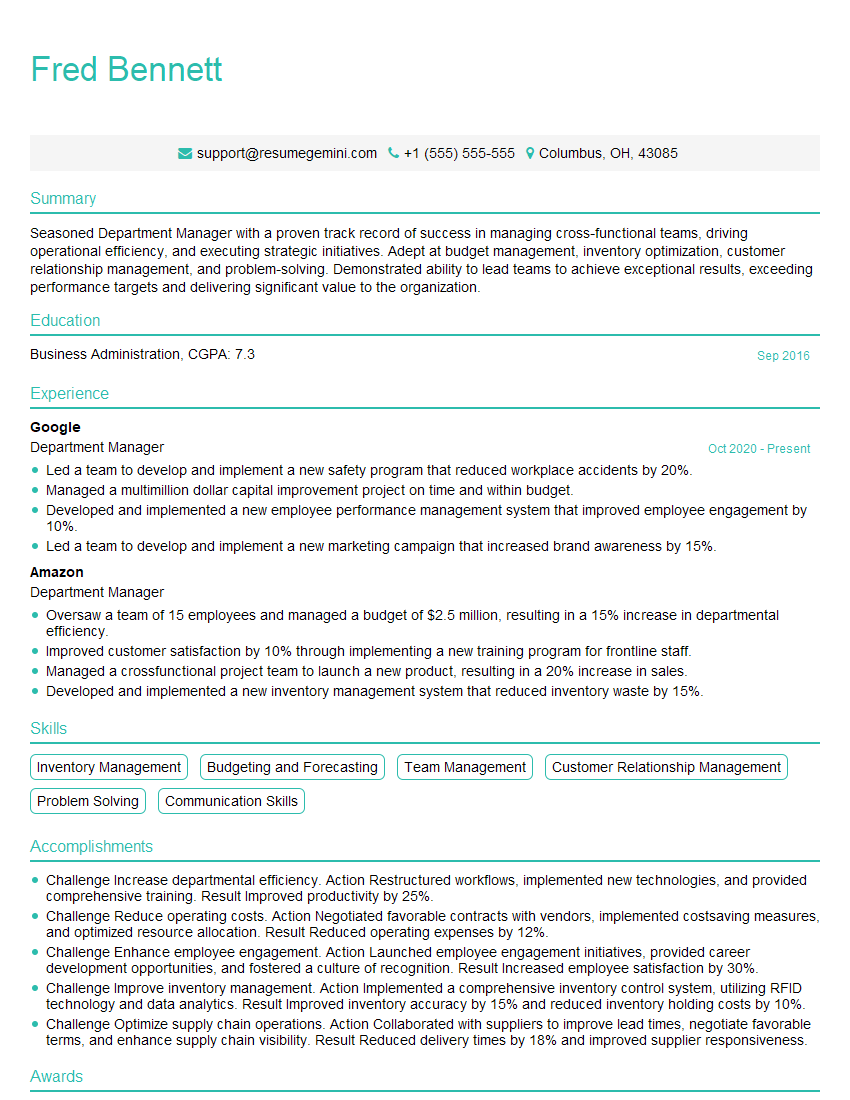
Department Manager Resume Sample
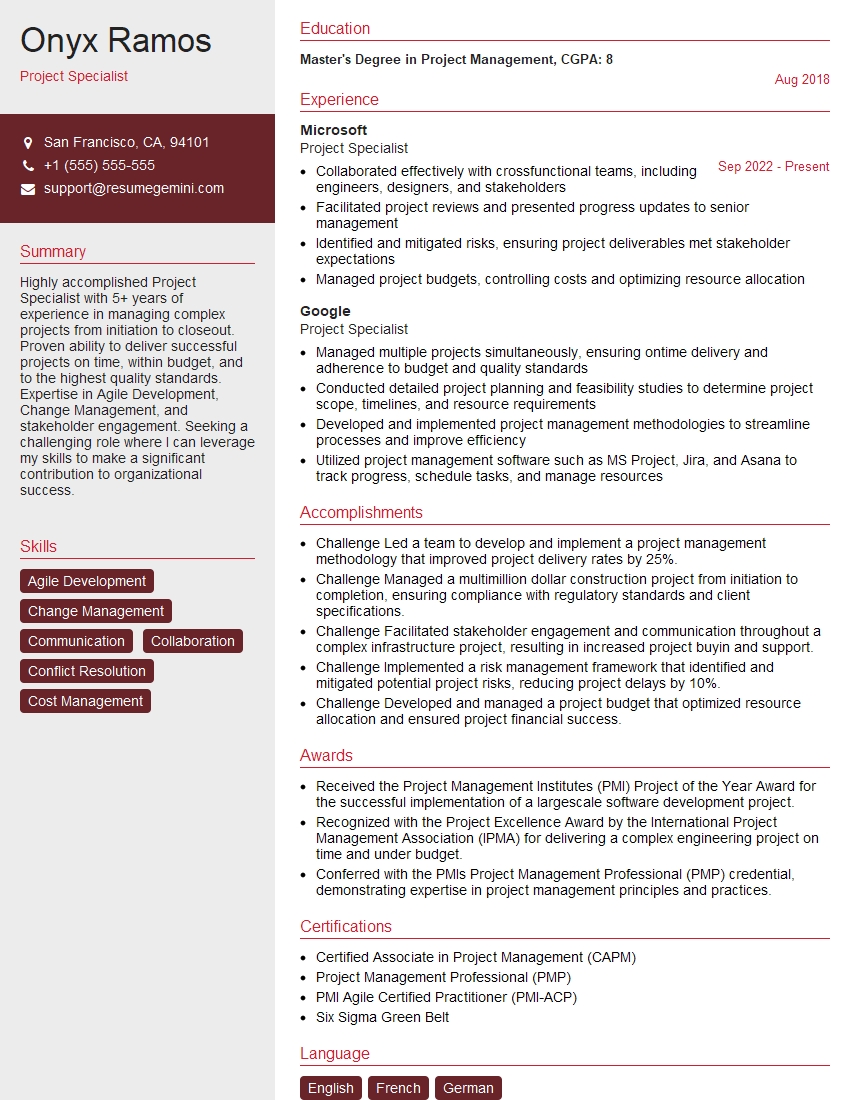
Project Specialist Resume Sample

Training Specialist Resume Sample
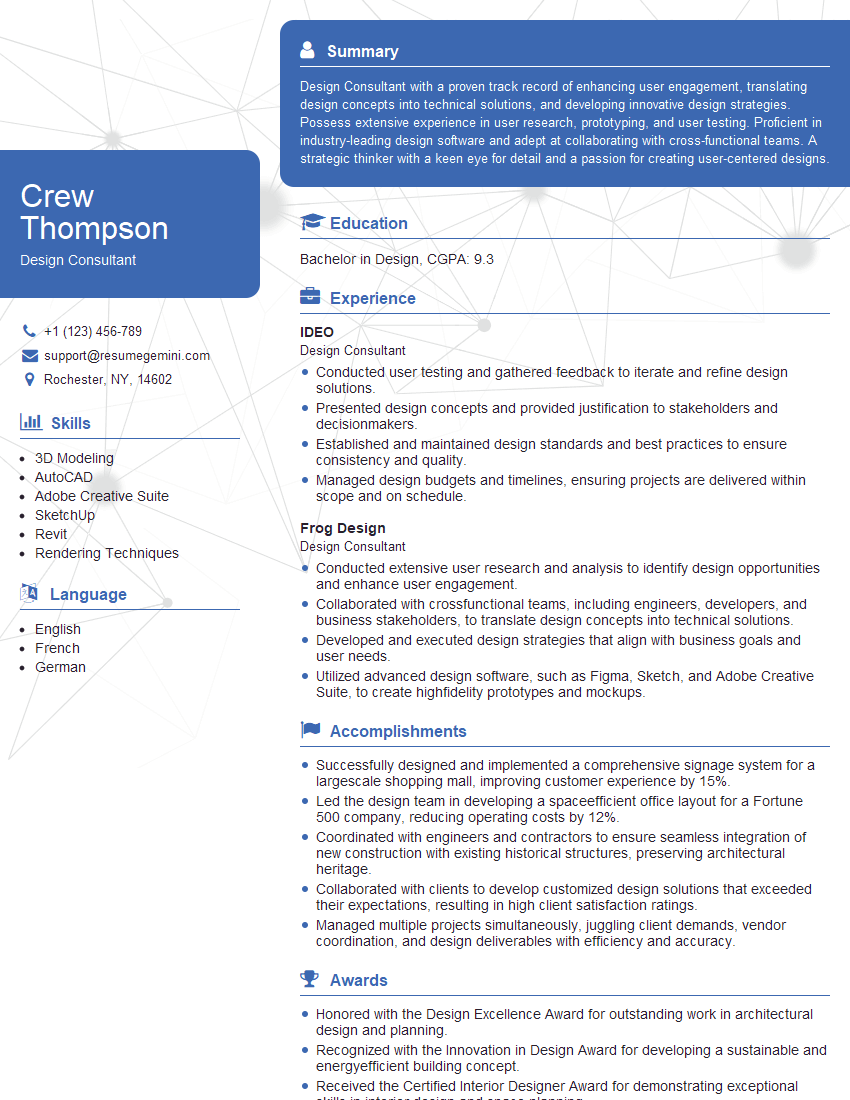
Design Consultant Resume Sample
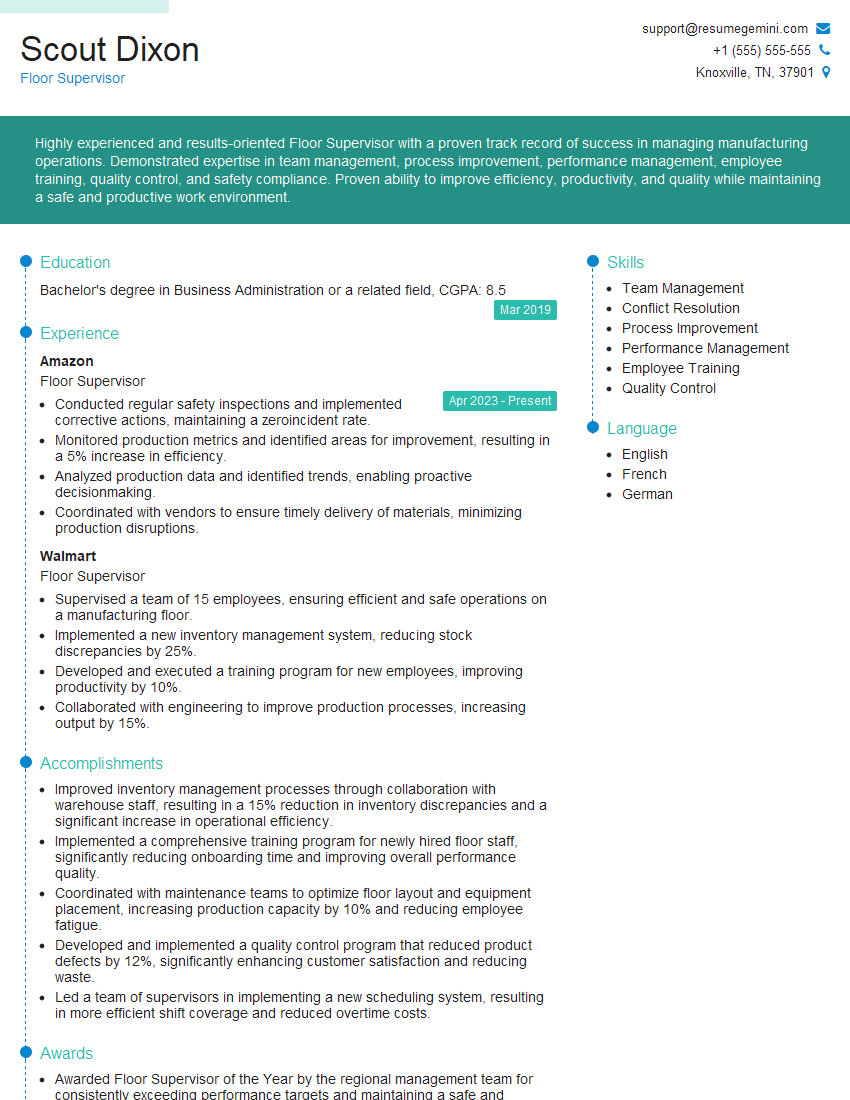
Floor Supervisor Resume Sample
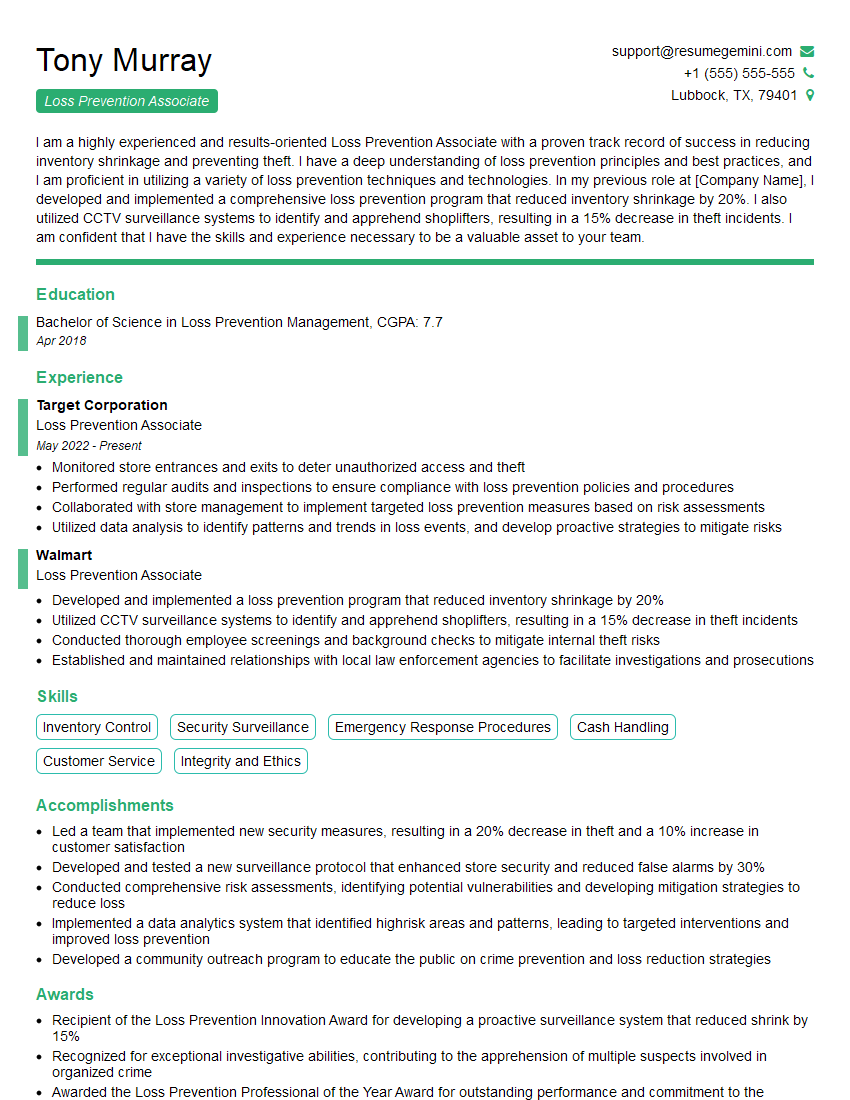
Loss Prevention Associate Resume Sample
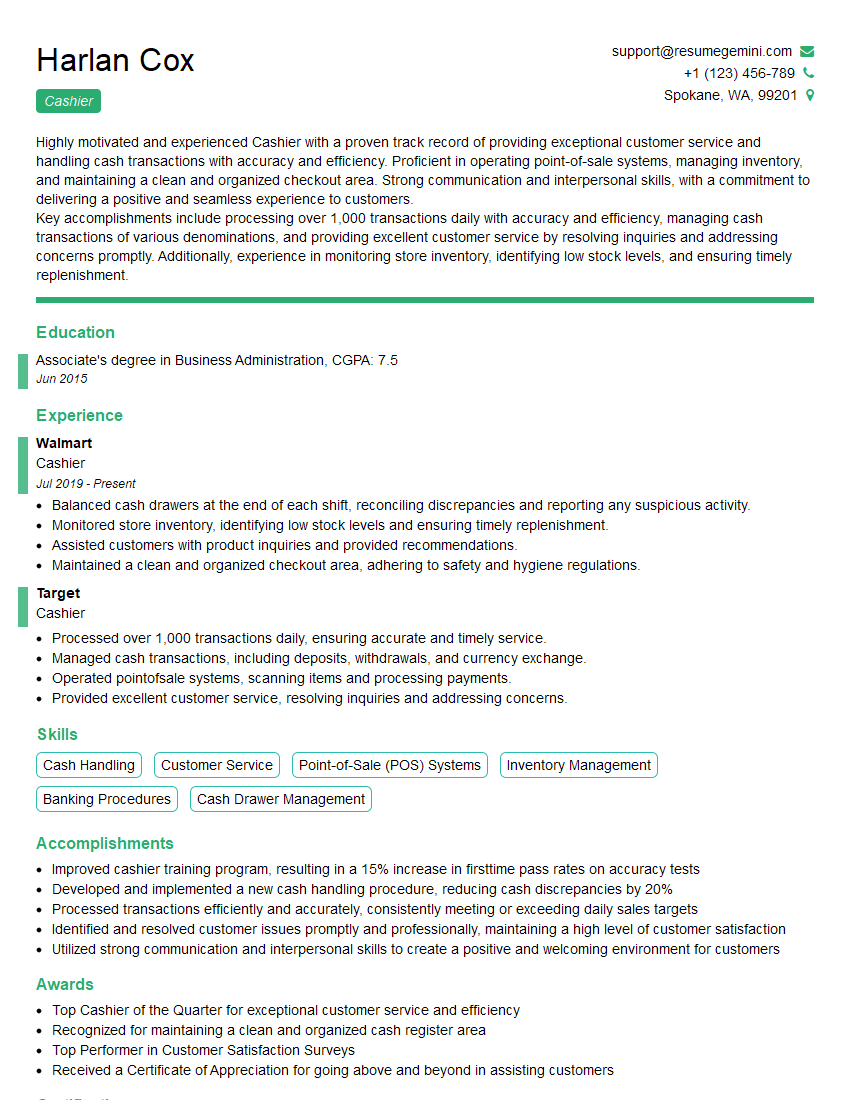
Cashier Resume Sample
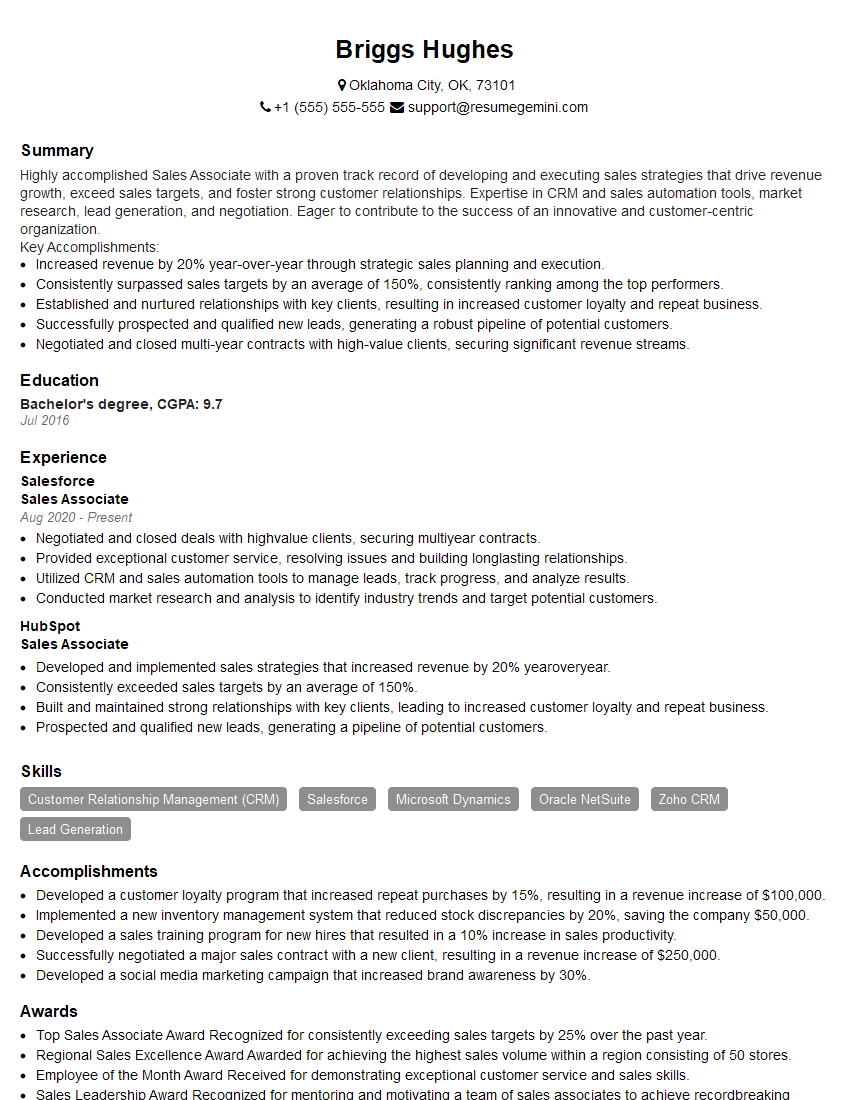
Sales Associate Resume Sample
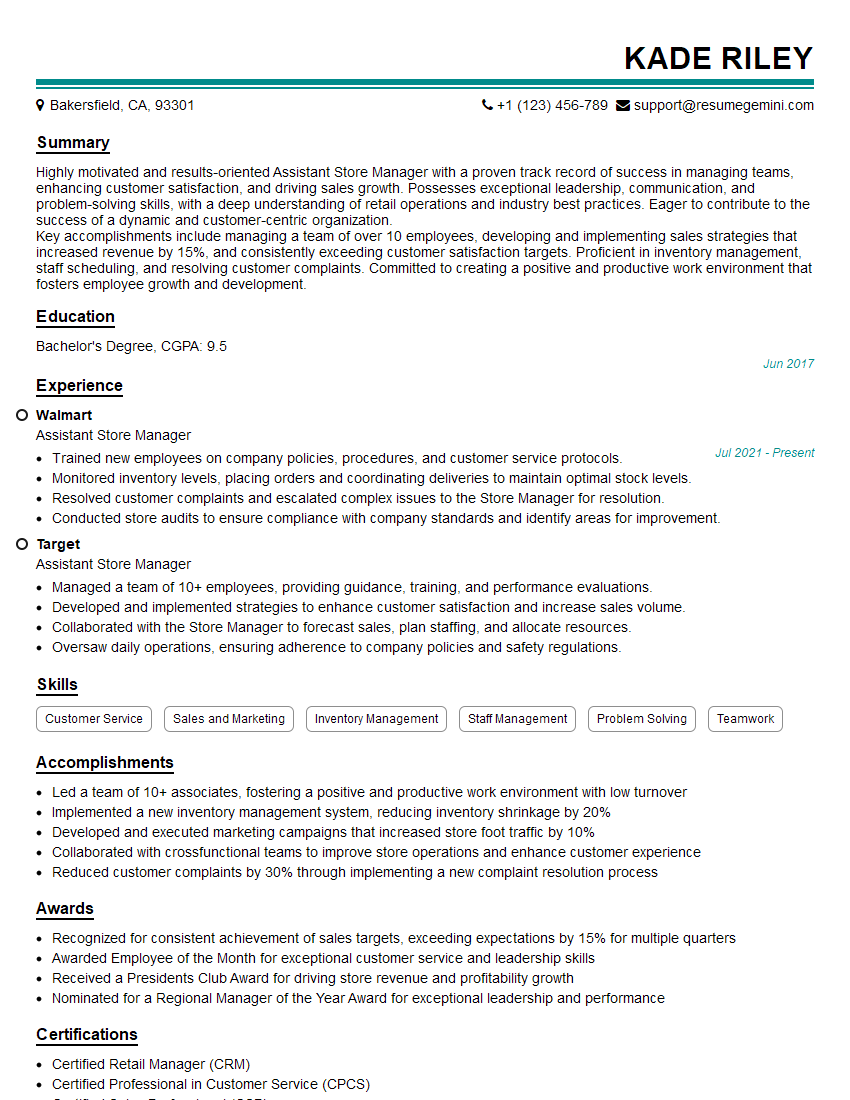
Assistant Store Manager Resume Sample
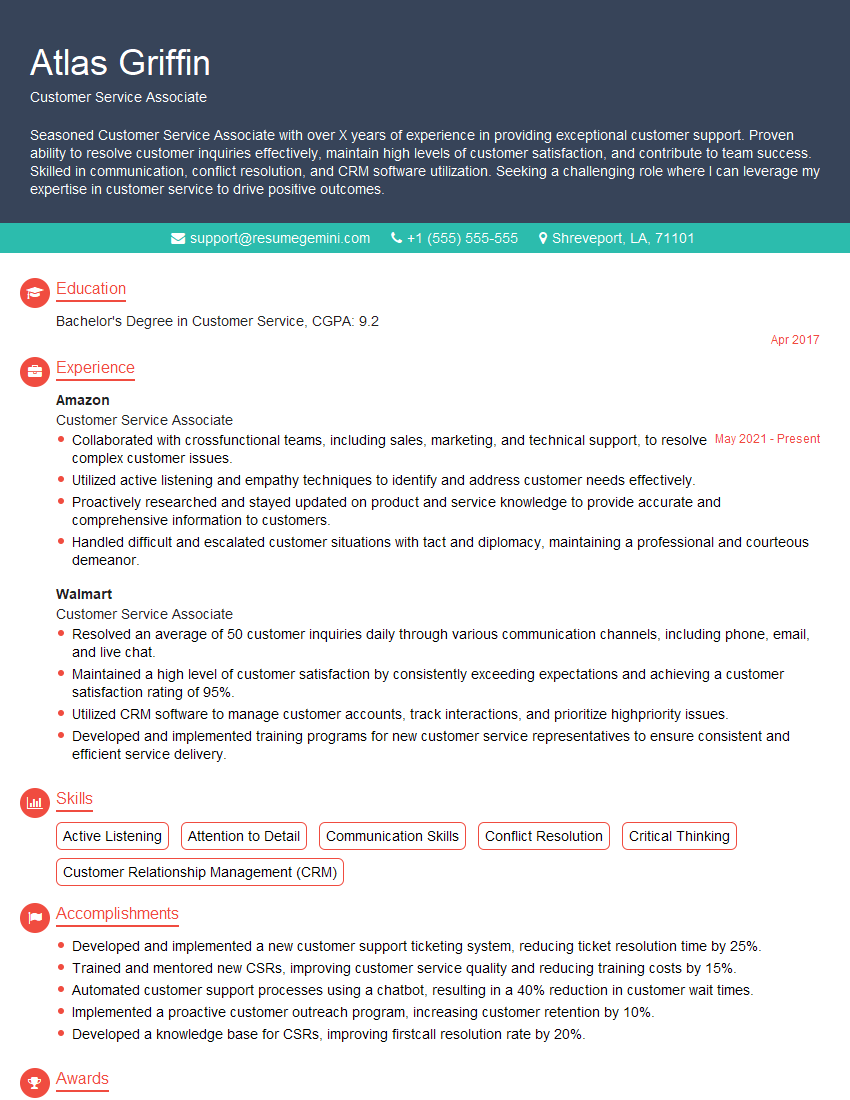
Customer Service Associate Resume Sample
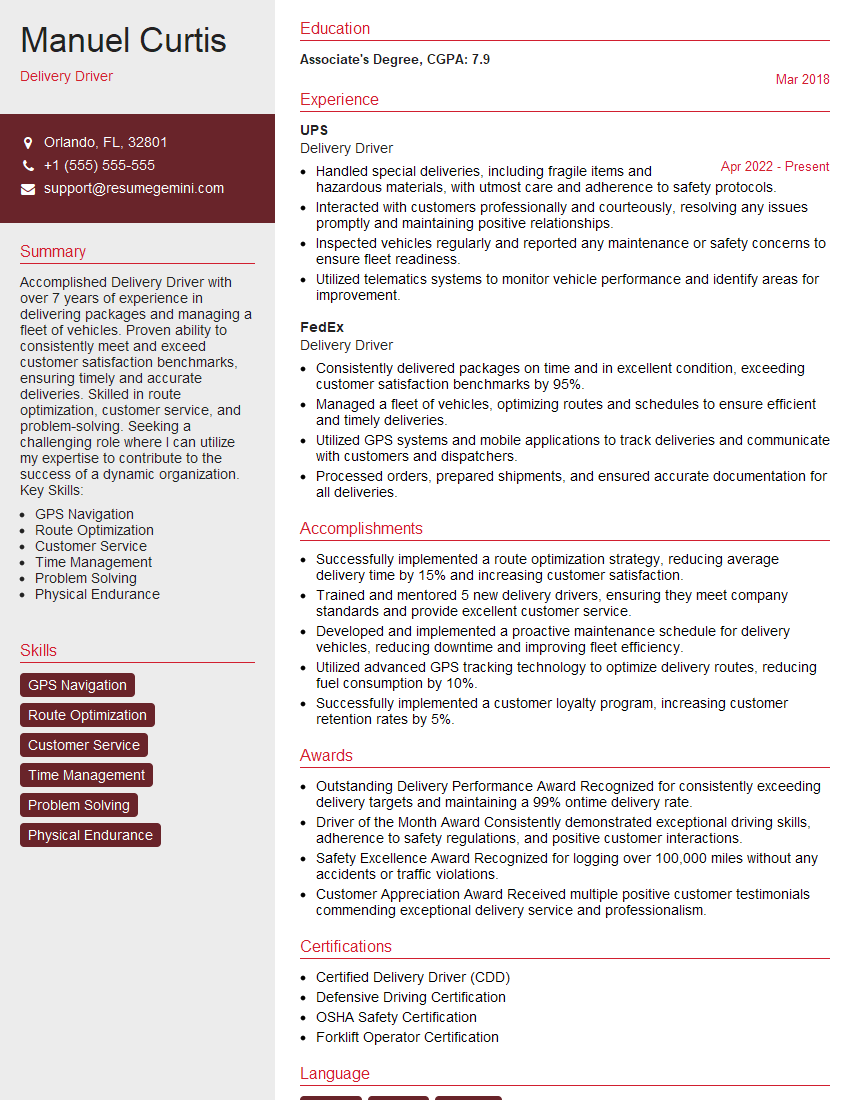
Delivery Driver Resume Sample
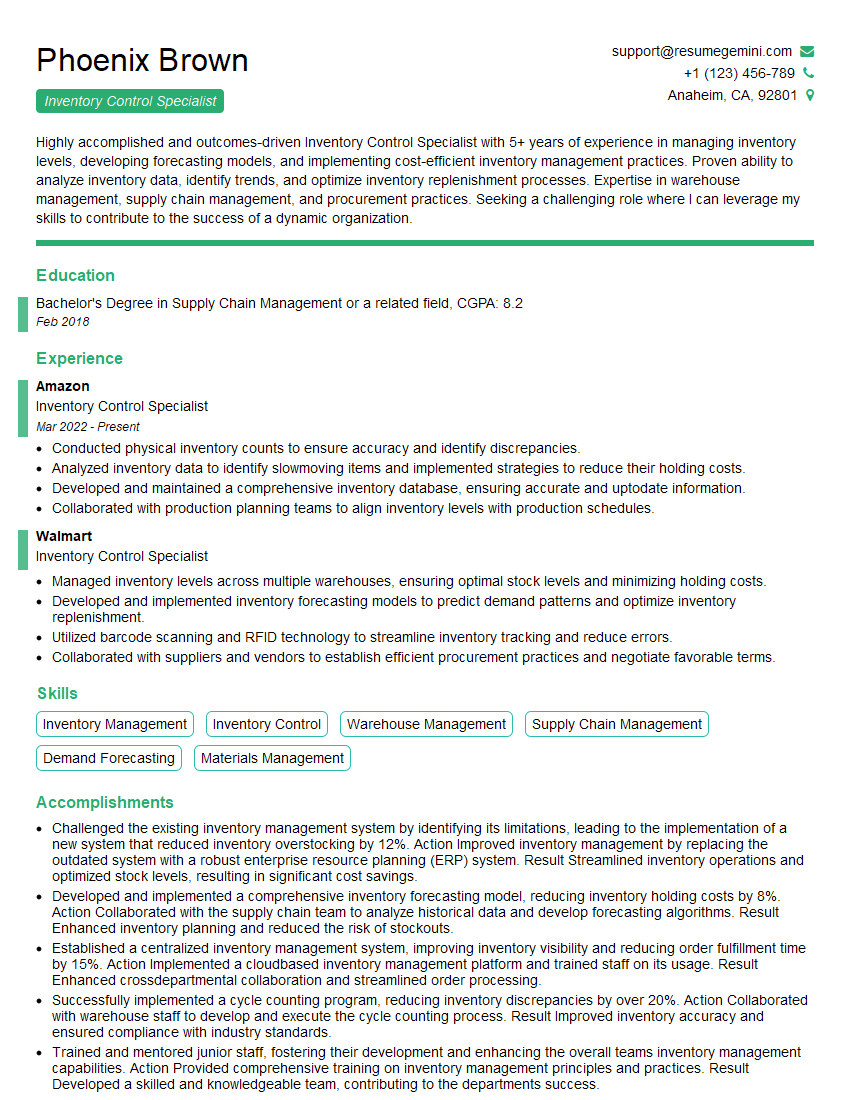
Inventory Control Specialist Resume Sample
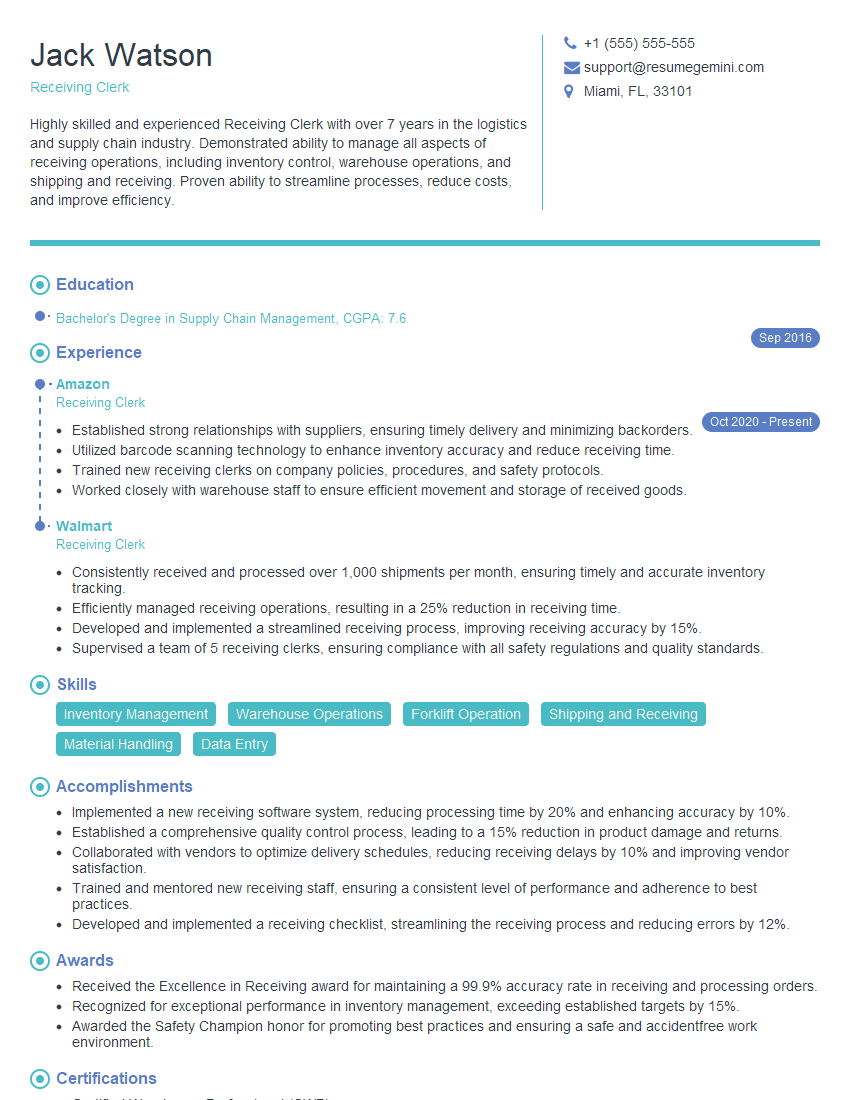
Receiving Clerk Resume Sample
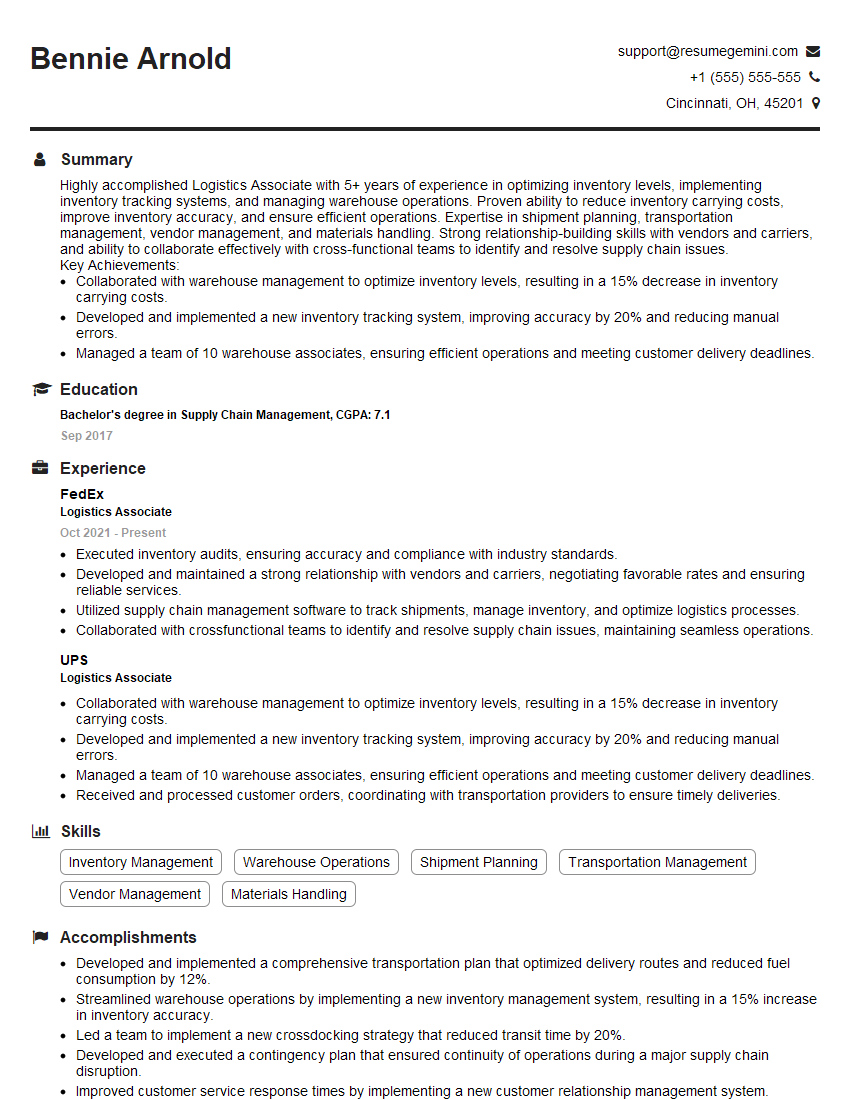
Logistics Associate Resume Sample
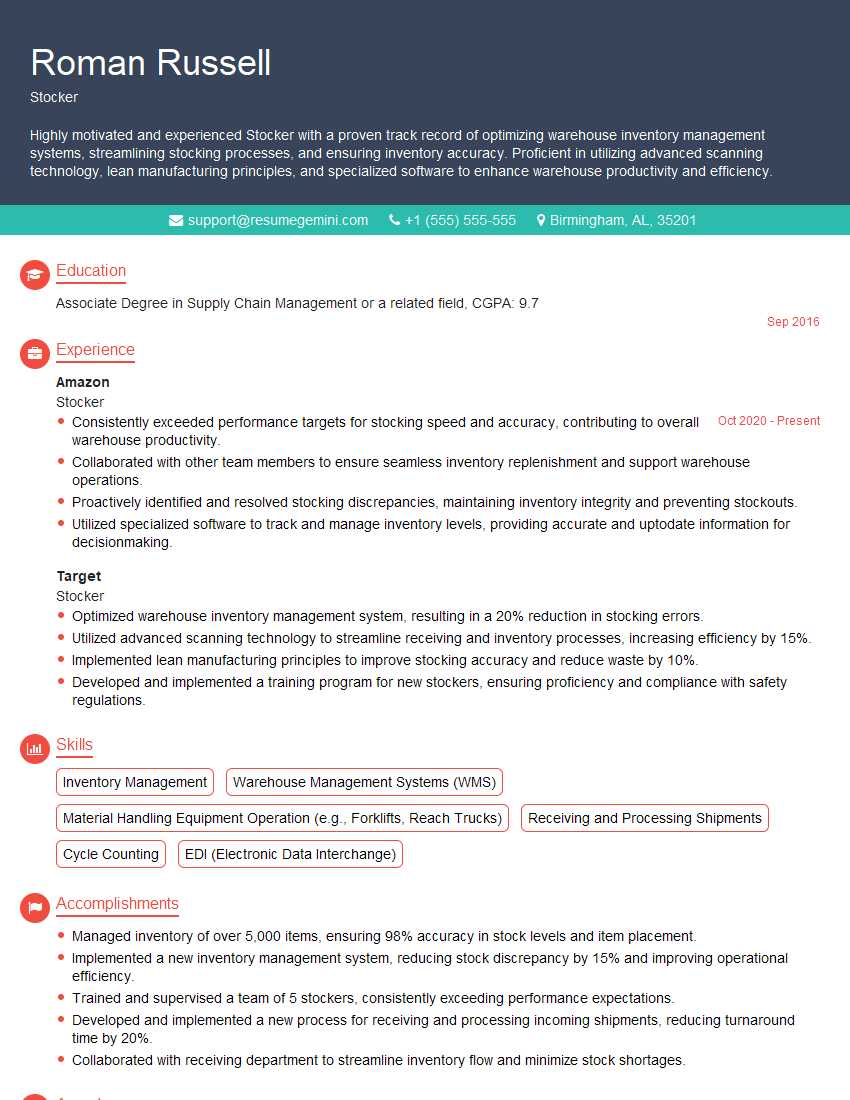
Stocker Resume Sample
Explore more articles
Users Rating of Our Blogs
Share Your Experience
We value your feedback! Please rate our content and share your thoughts (optional).
What Readers Say About Our Blog
Very informative content, great job.
good