Are you ready to stand out in your next interview? Understanding and preparing for Make-up and Costume Design interview questions is a game-changer. In this blog, we’ve compiled key questions and expert advice to help you showcase your skills with confidence and precision. Let’s get started on your journey to acing the interview.
Questions Asked in Make-up and Costume Design Interview
Q 1. Describe your experience with different makeup techniques (e.g., airbrushing, contouring).
My makeup artistry spans a wide range of techniques, each offering unique benefits. Airbrushing, for instance, provides a flawless, even finish ideal for high-definition photography or stage performances. The atomized makeup creates a thin, natural-looking layer that minimizes the appearance of pores and imperfections. I’ve used airbrushing extensively for bridal makeup and theatrical productions requiring a long-lasting, smudge-proof finish. Contouring, on the other hand, is a sculpting technique focusing on enhancing facial features using light and shadow. This involves strategically applying darker shades to recede areas and lighter shades to highlight, creating depth and dimension. I frequently employ contouring for character work, transforming actors’ appearances to suit their roles, whether it’s creating a gaunt, weary look or a sharp, defined jawline.
Beyond these, I’m proficient in techniques such as prosthetics application (for creating realistic wounds or age effects), special effects makeup (for fantasy or horror projects), and advanced techniques like creating realistic textures for aging or injury simulations. I believe in adapting my approach depending on the specific needs of each project, prioritizing both aesthetic appeal and practicality.
Q 2. Explain your process for creating a character’s look based on a script or design brief.
My process for creating a character’s look starts with a thorough understanding of the source material – be it a script, design brief, or concept art. I begin by analyzing the character’s personality, backstory, and role within the narrative. This informs my choices regarding makeup and costume. For example, a villain might benefit from dark, dramatic makeup and sharp, angular costume elements, while a kind-hearted character might be suited by softer, natural makeup and flowing, comfortable garments.
Next, I create mood boards and sketches to visualize the overall look, experimenting with color palettes, textures, and styles. This allows me to test and refine the concept before moving to the practical application. This iterative process includes multiple rounds of revisions, both self-initiated and client-driven, to ensure alignment with the production’s artistic vision. Once finalized, I create detailed makeup charts and costume construction plans, including material specifications and detailed patterns. The final step involves execution, collaborating with the actors and production team to ensure the look complements their performances and remains cohesive with the overall aesthetic of the piece.
Q 3. What software are you proficient in for costume design (e.g., CAD, Photoshop)?
My proficiency in costume design software includes Adobe Photoshop, Illustrator, and CLO 3D. Photoshop is invaluable for creating detailed fabric textures, manipulating images, and refining designs. Illustrator excels in creating clean vector graphics for pattern making and technical drawings. CLO 3D, a 3D pattern-making and draping program, significantly streamlines the process by providing a realistic simulation of how fabrics behave, ultimately leading to better fits and more efficient construction.
I find that utilizing these software programs in combination drastically improves the efficiency of my design process and ensures precision in the final product. For instance, I might design the base costume in CLO 3D, render it using a photo-realistic material that I created in Photoshop, and finally create technical drawings using Illustrator to provide the seamstress with the necessary instructions.
Q 4. How do you manage multiple projects and deadlines simultaneously?
Managing multiple projects effectively requires a structured approach. I employ project management tools, such as Trello or Asana, to track tasks, deadlines, and resources across various productions. I break down each project into smaller, manageable components, assigning priorities based on deadlines and importance. This allows for better focus and avoids feeling overwhelmed. Regular communication with clients and the production team is crucial; keeping everyone informed of progress and potential challenges ensures smooth collaboration.
Furthermore, I prioritize time management techniques, like time blocking and the Pomodoro method, to maintain focus and avoid burnout. Delegation, when possible, is key, and I’m always looking for opportunities to collaborate with talented individuals to ease the workload and distribute responsibilities. The key is to be organized, proactive, and maintain open communication to navigate the demands of multiple projects simultaneously.
Q 5. Describe your experience working with different fabric types and their properties.
My experience encompasses a wide array of fabrics, each with unique properties that significantly impact the final design. Understanding these properties is crucial for selecting the appropriate material for a specific garment. For example, silk drapes beautifully but is delicate and prone to wrinkling, whereas linen is durable but tends to be more rigid. I frequently work with heavier fabrics like brocade for period costumes, requiring specific construction techniques to manage its weight and structure. Lightweight fabrics like chiffon or organza are perfect for flowing garments or details, while stretch fabrics like jersey offer flexibility and comfort. Understanding these differences allows me to make informed design choices that complement both the garment’s aesthetic and the character’s movement.
In practice, I consult extensive fabric swatches and make physical tests before making final decisions for a particular costume. I’ve had numerous occasions where the drape or texture of a particular fabric inspired a design element or even guided the overall aesthetic. For instance, the unique texture of a heavy velvet spurred the design of a magnificent gothic-inspired gown.
Q 6. How do you handle feedback and revisions on your designs?
Feedback is essential for refining designs and ensuring client satisfaction. I actively solicit feedback at various stages of the process, from initial concept sketches to final fittings. I approach feedback constructively, viewing it as an opportunity for improvement rather than criticism. I maintain open communication, asking clarifying questions to ensure I understand the feedback accurately. Then, I carefully consider how to incorporate the feedback while maintaining the artistic integrity of the design. This might involve minor adjustments or more substantial revisions.
For significant changes, I often present revised sketches or mock-ups to ensure the client is happy with the direction before proceeding to the next stage of production. This iterative process ensures the final design meets the client’s expectations and achieves the desired aesthetic impact. I’ve found that this collaborative approach fosters stronger working relationships and ultimately leads to more successful outcomes.
Q 7. Explain your knowledge of historical costume design from a specific period.
My knowledge of historical costume design is extensive, particularly regarding the Victorian Era (1837-1901). This period is characterized by its distinct silhouettes and dramatic use of fabric and embellishments. Women’s fashion evolved significantly throughout the era, from the full-skirted crinolines of the mid-1800s to the more streamlined S-bend corsets and bustle styles of the late Victorian period. Understanding these shifts is crucial for creating historically accurate costumes. The use of rich fabrics such as velvet, satin, and lace, intricate embellishments like embroidery and beading, and specific garment construction techniques like boning and corsetry are all key elements to consider.
For example, a gown from the 1850s would feature a full crinoline, creating a bell-shaped silhouette, while a gown from the 1890s might use a bustle to emphasize the back and create a more elongated, curving silhouette. Understanding these nuanced details, along with the social context and technological advancements of the period, informs my designs, ensuring authenticity and historical accuracy while maintaining artistic integrity. I’ve recreated numerous Victorian-era costumes for theatre productions and historical reenactments, applying my in-depth knowledge to create period-appropriate pieces that are both stunning and historically accurate.
Q 8. What are your preferred methods for creating realistic special effects makeup?
Creating realistic special effects makeup involves a multi-step process combining artistry and technical skill. My preferred methods prioritize layering and blending to achieve depth and believability. This often starts with sculpting the base using materials like silicone or foam latex prosthetics. These are meticulously applied and blended seamlessly with the skin using appropriate adhesives and skin-tone matching techniques. Then, I meticulously apply paints and pigments to achieve accurate color, texture, and detail. For example, to create a realistic wound, I might begin with a sculpted silicone base to form the wound’s depth and shape. Then, I would use a variety of paints – reds, purples, browns – to simulate bruising, blood, and tissue damage, carefully blending to create a gradient that mimics reality. Finally, I’d add finishing touches like subtle highlights and shadows to enhance the three-dimensionality and realism. Airbrushing is invaluable for achieving fine details and even coverage, especially when depicting things like burns or intricate textures.
Q 9. How do you ensure the safety and comfort of actors during makeup application?
Actor safety and comfort are paramount. Before any application, I conduct a thorough patch test to check for allergies to any products. I always use hypoallergenic and high-quality makeup and adhesives. I explain the process to the actor, addressing any concerns and ensuring they feel comfortable throughout. Frequent breaks are provided, especially during long application periods, and I’m always attentive to their feedback. If an actor reports discomfort, I immediately reassess the application, making adjustments to reduce pressure or irritation. Removing makeup at the end of the day is equally important; I use gentle makeup remover and cleansing techniques to prevent irritation or skin damage. For instance, I recently worked with an actor sensitive to certain latex adhesives. We switched to a hypoallergenic alternative, and regular comfort checks ensured the prosthetic remained in place without causing any issues. Open communication and proactive attention to detail are vital.
Q 10. Describe your experience with creating prosthetics and applying them.
My prosthetic-making experience spans various techniques, from sculpting life casts to molding and casting silicone and foam latex. I’m proficient in creating both appliances (pieces attached to the skin) and full-head masks. The process typically begins with creating a mold from a life cast of the actor’s face (or body part). Once the mold is ready, I carefully pour in liquid silicone or foam latex, ensuring no air bubbles are trapped. After curing, I remove the prosthetic, carefully cleaning and trimming it. Then comes the detailed sculpting and painting to create the desired effect. Application involves careful cleaning and preparing the skin, applying adhesive, positioning the prosthetic, and blending the edges seamlessly using skin-tone makeup. I remember creating a prosthetic for a character with severe facial scarring. The process involved numerous iterations of sculpting and painting to ensure accuracy and realism, culminating in a highly detailed and believable effect that blended perfectly with the actor’s skin.
Q 11. How do you maintain sanitation and hygiene standards while working on set?
Maintaining sanitation and hygiene is critical to prevent infections and cross-contamination. I meticulously sterilize all tools and surfaces using appropriate disinfectants before and after each use. Single-use applicators are preferred whenever possible. I always wash my hands thoroughly and wear fresh gloves for each actor. Used materials are disposed of properly according to safety regulations. Furthermore, I maintain a clean and organized workspace, keeping all products properly labeled and stored. This includes regular cleaning and disinfection of my makeup kit, brushes, and other tools. Maintaining these standards is not only crucial for the actor’s well-being but also ensures the longevity and quality of the makeup itself.
Q 12. Explain your understanding of color theory and its application in makeup and costume design.
Color theory is fundamental to both makeup and costume design. Understanding the color wheel—primary, secondary, and tertiary colors—helps me create harmonious and impactful looks. Complementary colors (opposite on the wheel) create vibrant contrast, while analogous colors (next to each other) offer a more subtle, cohesive feel. I use this knowledge to select colors that enhance the actor’s features (in makeup) or create a particular mood or atmosphere (in costume). For instance, cool tones can create a sense of calm, while warm tones can evoke energy. Value (lightness or darkness) and saturation (intensity) further influence the overall effect. A deep understanding of color allows me to create a balanced palette, considering not only individual components but also their interaction and the overall impact on the audience’s perception. Consider a scene requiring a feeling of coldness and isolation; using a muted blue palette in the costumes and highlighting cool, pale tones in the makeup will effectively reinforce the scene’s mood.
Q 13. Describe your experience working with diverse casts and understanding cultural considerations.
Working with diverse casts demands sensitivity and cultural awareness. I conduct preliminary discussions with actors to understand their preferences and any cultural considerations relevant to their character or personal comfort level. This includes understanding the significance of specific hairstyles, makeup traditions, or clothing choices that might be culturally meaningful. I research and familiarize myself with different cultures’ aesthetic practices to avoid misrepresentation or offense. For example, when working with an actor of a specific cultural background, I’d research traditional makeup or adornment styles and discuss with them how to integrate these authentic elements in a way that respects their heritage and aligns with the overall story being told. Respectful collaboration ensures the portrayal is accurate, sensitive, and empowering.
Q 14. How do you source materials for costumes and makeup within a budget?
Budgeting for costumes and makeup requires resourcefulness and strategic planning. I prioritize researching and sourcing materials from various suppliers to compare prices and find the most cost-effective options. This can include thrift stores, online marketplaces, fabric wholesalers, and even upcycling existing materials. I often create custom pieces rather than buying ready-made items to control costs and ensure a precise fit and look. Furthermore, I meticulously plan the makeup design to minimize the number of products needed, opting for versatile items that can be used in multiple ways. Open communication with the production team about budget limitations allows for collaborative solutions, ensuring that creative vision is maintained within financial constraints.
Q 15. What is your experience with wig styling and hair piece construction?
My experience with wig styling and hair piece construction spans over ten years, encompassing everything from basic styling and maintenance to complex bespoke creations. I’m proficient in various techniques, including:
- Wig Cap Construction: From hand-tying intricate lace fronts for natural-looking hairlines to using wefts for quicker construction, I adapt my approach based on the project’s demands and budget.
- Styling: I’m skilled in achieving a broad range of styles, from period-specific looks to modern trends. This involves cutting, layering, teasing, and using thermal styling tools to create volume, texture, and specific shapes. For example, I recently created a highly stylized Victorian-era updo using a hand-tied lace-front wig that required intricate braiding and detailed placement of artificial flowers.
- Hair Piece Design & Fabrication: I can create custom hair pieces, including chignons, buns, and extensions, using various materials like human hair, synthetic fibers, and even non-traditional materials for avant-garde designs. I understand the principles of blending colors and textures for seamless integration with the wearer’s natural hair or a wig.
- Maintenance and Repair: I’m adept at repairing damaged wigs and hair pieces, addressing issues like fraying wefts, broken strands, and damaged caps. This ensures longevity and cost-effectiveness for productions.
I’ve worked with a diverse range of materials, including human hair, synthetic fibers, and heat-resistant fibers, adapting my techniques based on the specific requirements of each project and the character I’m creating.
Career Expert Tips:
- Ace those interviews! Prepare effectively by reviewing the Top 50 Most Common Interview Questions on ResumeGemini.
- Navigate your job search with confidence! Explore a wide range of Career Tips on ResumeGemini. Learn about common challenges and recommendations to overcome them.
- Craft the perfect resume! Master the Art of Resume Writing with ResumeGemini’s guide. Showcase your unique qualifications and achievements effectively.
- Don’t miss out on holiday savings! Build your dream resume with ResumeGemini’s ATS optimized templates.
Q 16. Explain your knowledge of different makeup application tools and their uses.
Makeup application requires a diverse range of tools, each serving a unique purpose. My knowledge encompasses both traditional and contemporary techniques, using tools like:
- Brushes: From large powder brushes for even application to fine detail brushes for precise eyeliner application, the brush selection significantly impacts the final look. For example, a synthetic flat brush is ideal for applying cream products, while a natural-hair brush is better suited for blending powders. I always consider bristle type, shape, and size for optimum results.
- Sponges: Beauty blenders and latex sponges are ideal for seamless foundation application, creating a smooth, airbrushed effect. Their porous nature allows for even product distribution, avoiding streaking.
- Spatulas and palettes: These tools allow for hygienic mixing of colors and precise application of products such as cream pigments or special effects materials.
- Airbrush systems: These offer precise control, particularly for creating flawless coverage, special effects makeup, or even body painting. I’m proficient in using these systems for both traditional and high-definition makeup applications.
- Other Tools: This includes pencil sharpeners, tweezers, eyelash curlers, and various applicators such as wands and spoolies.
Understanding the properties of each tool, its impact on various makeup products, and its suitability for different skin types is crucial for professional and hygienic application.
Q 17. How do you collaborate effectively with other members of the creative team?
Collaboration is the cornerstone of successful costume and makeup design. I believe in open communication and a shared vision. My approach involves:
- Initial Consultations: Early discussions with the director, actors, and other designers (costume, set, etc.) are essential to define the project’s aesthetic and the character’s look. This ensures everyone is on the same page from the start.
- Mood Boards and Sketches: Visual communication is key. I often create mood boards and detailed sketches to illustrate my ideas and facilitate discussion. This helps to avoid misunderstandings and ensures a unified vision.
- Feedback and Iteration: I actively encourage feedback and am open to revisions. The creative process is iterative, and adapting to suggestions and incorporating fresh perspectives is crucial.
- Respectful Dialogue: I maintain a respectful and professional demeanor, fostering a collaborative environment where everyone feels comfortable expressing their opinions and concerns.
For example, during a recent production, I collaborated closely with the costume designer to ensure the makeup complemented the clothing’s color palette and texture. Our collaborative discussions led to a cohesive and striking visual aesthetic.
Q 18. Describe a time you had to solve a complex problem related to a costume or makeup design.
In one production, we faced a challenge with a historically accurate costume that was proving incredibly difficult to reproduce. The original design featured intricate gold embroidery on a delicate silk fabric that was no longer available. Simply replicating it wouldn’t be feasible within the production’s budget or time constraints.
My solution involved a multi-step approach:
- Research: I researched alternative materials that could mimic the look and feel of the original fabric.
- Experimentation: I experimented with different embroidery techniques and gold-colored threads, finding a balance between visual accuracy and feasibility.
- Collaboration: I worked closely with the costume shop to develop a new process that combined laser-cut gold details with hand-stitching techniques, replicating the original design’s visual complexity without the need for extremely time-consuming traditional hand-embroidery.
This alternative solution not only solved the immediate problem but also resulted in a more efficient and cost-effective process for the production. The final outcome was highly praised for its historical accuracy and visual appeal.
Q 19. Explain your understanding of the importance of health and safety regulations in your field.
Health and safety regulations are paramount in our industry. My understanding encompasses various aspects, including:
- Hygiene: Maintaining strict hygiene standards is critical to prevent the spread of infections. This includes proper handwashing, using disposable applicators, and cleaning and sterilizing all tools between uses.
- Allergen Awareness: I’m acutely aware of potential allergies and sensitivities related to makeup products, fabrics, and other materials. I always inquire about potential allergies and select hypoallergenic products when necessary.
- Safe Product Handling: I’m well-versed in the safe handling and storage of makeup, adhesives, and other materials, following manufacturers’ instructions and adhering to any relevant safety data sheets (SDS).
- Ergonomics and Workplace Safety: I maintain good posture and use proper lifting techniques when handling heavy materials or equipment to prevent injuries. I also ensure the workspace is organized and free of hazards.
- Regulatory Compliance: I stay informed about current regulations and best practices in the field, ensuring all my work complies with relevant health and safety standards.
Ignoring these regulations can have severe consequences, ranging from minor skin irritations to serious health problems. Prioritizing safety is not just a legal requirement, but an ethical responsibility.
Q 20. What are your preferred methods for draping and pattern-making?
My preferred methods for draping and pattern-making are based on a combination of traditional techniques and modern adaptations. I utilize both draping on a dress form (3D) and flat pattern making (2D):
- Draping: This method involves directly manipulating fabric on a dress form to create a three-dimensional shape. It allows for greater flexibility and creativity, particularly for garments with complex silhouettes or unusual forms. I prefer this for unique, one-off pieces.
- Flat Pattern Making: This involves creating a two-dimensional pattern on paper that’s later cut and sewn. This method is ideal for producing multiple garments consistently, ensuring a perfect fit and offering greater control over the garment’s dimensions.
- Muller Method: I also incorporate elements of the Muller method, a pattern cutting technique focusing on precise shaping and fitting.
My choice of technique depends largely on the project’s requirements, budget, and time constraints. Sometimes, I’ll combine both approaches for optimal results, especially when creating historically accurate or highly stylized garments.
Q 21. How do you ensure costumes fit correctly and comfortably on actors?
Ensuring a proper and comfortable fit is crucial for both actor performance and overall production success. My process involves:
- Accurate Measurements: I take precise measurements of each actor, paying close attention to details like chest, waist, hip, and inseam measurements, as well as shoulder width and sleeve length. I also consider the actor’s build and posture.
- Mock-Ups and Fittings: I always create mock-ups (toile) in inexpensive fabrics before constructing the final garments. These allow for adjustments and alterations before committing to the final fabric, ensuring a perfect fit.
- Alterations and Adjustments: I’m adept at making alterations and adjustments during fittings, accommodating individual body types and ensuring ease of movement.
- Comfort Considerations: I choose fabrics and construction techniques that are both visually appropriate and comfortable for the actor to wear for extended periods. This includes selecting breathable fabrics, avoiding restrictive seams, and incorporating features for comfort such as elastic waistbands or adjustable closures.
- Communication: Throughout the process, I maintain open communication with the actors, addressing any concerns or discomfort they may experience. Their comfort is paramount and directly impacts their performance.
By prioritizing these steps, I create costumes that not only look amazing but also enable actors to perform their best.
Q 22. What are your experience with different garment construction techniques?
My experience encompasses a wide range of garment construction techniques, from basic hand-sewing and machine stitching to more advanced methods like draping, pattern cutting, and tailoring. I’m proficient in constructing garments from various fabrics, understanding the unique properties of each and adapting my techniques accordingly. For example, delicate silks require careful hand-stitching to prevent damage, while heavier wools may need reinforced seams for durability. I’ve worked with various closures, including zippers, buttons, hooks and eyes, and have experience creating structured garments using interfacing and boning. I also have experience with historical construction techniques, like the use of stays and lacing for period costumes. This involves understanding how to create period-accurate silhouettes and using traditional methods of construction.
- Hand-sewing: Essential for delicate fabrics and detailed finishing.
- Machine Sewing: Efficient for larger projects and creating durable seams.
- Draping: Creating patterns directly on a dress form, ideal for unique and flowing designs.
- Pattern Cutting: Creating patterns from measurements and adapting existing patterns.
- Tailoring: Achieving a precise and custom fit, particularly important for period costumes.
Q 23. Explain your knowledge of various textile finishes and their effects.
My knowledge of textile finishes is extensive and directly impacts the final look and feel of a costume. Different finishes affect drape, texture, colourfastness, and overall durability. For instance, a silk charmeuse (a lustrous satin weave) would feel dramatically different than a raw silk with no finish, and that raw silk might be more easily damaged and prone to fading in the sun. Understanding these properties is key to making informed design choices.
- Dyeing: Altering the colour of the fabric; I’m experienced with both natural and synthetic dyes.
- Printing: Adding patterns or designs to fabric, ranging from screen printing to digital printing.
- Finishing Treatments: These include processes like mercerization (to increase luster and strength in cotton), waterproofing, or adding flame-retardant treatments.
- Embroidery & embellishments: Adding texture, detail and ornamentation to the costume, through techniques including appliqué, beading, and stitching.
For example, in designing a medieval peasant costume, I might choose a linen fabric that’s been naturally dyed with plant-based pigments to achieve an authentic look, whereas for a futuristic space opera costume, I might use a metallic fabric with a special finish to create a reflective and otherworldly effect.
Q 24. How do you research and source accurate historical information for costume designs?
Researching historical accuracy for costume designs is a crucial part of my process. I start by identifying the specific time period and location relevant to the project. My research methods involve exploring various resources:
- Archival Research: Examining museum collections, historical photographs, paintings, and illustrated books for visual references.
- Library Research: Consulting books, articles, and scholarly papers on historical fashion and textiles.
- Online Databases: Utilizing digital archives and online resources dedicated to historical clothing and fashion.
- Museum visits: Observing actual garments and artifacts in museums.
For instance, when designing costumes for a production of Shakespeare, I would refer to historical paintings, engravings, and surviving garments from the Elizabethan era to ensure the costumes are accurate in terms of silhouette, fabrics, and embellishments. This meticulous research ensures historical authenticity and adds depth and credibility to the production.
Q 25. Describe your experience with managing and overseeing a costume shop or makeup department.
I have extensive experience managing both costume shops and makeup departments. This involves overseeing budgets, scheduling, purchasing materials, hiring and managing staff, and ensuring timely completion of projects. In a costume shop, I would manage the construction of multiple costumes simultaneously, ensuring quality control throughout the process. In a makeup department, I’d handle scheduling artists, maintaining hygiene standards, coordinating makeup tests, and ensuring each actor’s makeup aligns with the overall design concept.
For example, on a large-scale theatre production, I would create a detailed production schedule, assign tasks to different members of the team, and manage inventory of fabrics, makeup and other materials. Effective communication and organization are crucial to achieving this. I have experience with managing teams of different sizes and skill levels, from small intimate crews to larger department with 20+ members.
Q 26. What are some common challenges you face in makeup or costume design and how do you overcome them?
Challenges in makeup and costume design are frequent, but creatively overcome. Common issues include:
- Time constraints: Meeting tight deadlines with complex designs requires efficient planning and resource management.
- Budget limitations: Finding cost-effective solutions without compromising quality requires creativity and resourcefulness.
- Technical challenges: Constructing intricate garments or achieving specific makeup effects may require problem-solving and innovative techniques.
- Actor/model fit issues: Adapting costumes to accommodate individual body types and movement needs requires swift adjustments.
I overcome these by prioritizing tasks, exploring alternative materials, collaborating with the team to find creative solutions, and utilizing efficient construction techniques. For example, if a particular fabric is too expensive, I might explore similar, less costly alternatives that still achieve the desired aesthetic. If a costume doesn’t fit an actor correctly, I would be ready to make quick adjustments on set using different techniques, like adding darts or easing seams.
Q 27. How do you stay updated with the latest trends and techniques in your field?
Staying updated is vital in this ever-evolving field. I employ a multi-faceted approach:
- Industry Publications: Regularly reading design magazines and journals focused on theatre, film, and fashion.
- Professional Workshops and Conferences: Attending workshops and seminars to learn new techniques and network with other professionals.
- Online Resources: Following influential designers and makeup artists on social media and exploring relevant online tutorials.
- Museum Exhibitions and Shows: Attending exhibitions to view the work of other designers and to gain inspiration.
I also actively participate in online communities and forums to discuss new trends and challenges with peers. This continuous learning allows me to integrate the latest innovations into my work and adapt to ever-changing demands.
Q 28. Describe your experience with creating and maintaining a professional portfolio.
Maintaining a professional portfolio is crucial for showcasing my skills and securing new opportunities. Mine is a curated collection of my best work, presented in a visually appealing and well-organized manner.
- High-Quality Images: Professional photography of completed costumes and makeup designs is essential.
- Detailed Descriptions: Each piece includes a brief description outlining the design process, materials used, and any unique challenges overcome.
- Diverse Range of Projects: The portfolio showcases a variety of projects to demonstrate versatility and skill.
- Digital and Physical Formats: I maintain both digital and physical portfolios, catering to different client preferences.
My digital portfolio is regularly updated and easily accessible, allowing potential clients to browse my work quickly and efficiently. The physical portfolio is used for in-person presentations and allows for a more tactile experience, especially useful when showing off the details and textures of costumes.
Key Topics to Learn for Make-up and Costume Design Interview
- Character Development through Makeup & Costume: Understanding how makeup and costume choices contribute to character portrayal, including period accuracy, social status, and personality traits.
- Practical Application: Demonstrate your understanding of color theory, facial features, and body proportions in relation to costume and makeup design. Be ready to discuss specific examples from your portfolio.
- Makeup Techniques: Proficiency in various makeup techniques such as prosthetics application, special effects makeup, aging techniques, and period-specific makeup styles.
- Costume Construction & Design Principles: Knowledge of different fabrics, construction methods, pattern making, draping, and historical costume design principles.
- Budgeting & Resource Management: Explain your approach to managing budgets, sourcing materials, and working efficiently within given constraints.
- Collaboration & Communication: Discuss your experience collaborating with directors, actors, and other designers. Highlight your communication skills and ability to receive and implement feedback effectively.
- Problem-solving: Describe how you approach challenges like quick turnaround times, unexpected material shortages, or adapting designs to suit specific actors or venues.
- Portfolio Presentation: Prepare a strong portfolio showcasing your best work and be ready to discuss your creative process and design choices for each project.
- Industry Trends & Research: Stay updated on current trends and techniques within makeup and costume design. Demonstrate your ability to research and incorporate relevant historical or contemporary influences into your designs.
Next Steps
Mastering Make-up and Costume Design opens doors to a fulfilling and creative career in film, theater, television, and beyond. A strong resume is crucial for showcasing your skills and experience to potential employers. An ATS-friendly resume, optimized for applicant tracking systems, significantly increases your chances of getting your application noticed. To build a truly impactful resume, we recommend using ResumeGemini, a trusted resource designed to help you craft a professional and compelling document. ResumeGemini provides examples of resumes tailored to the Make-up and Costume Design field, giving you a head start in creating a document that highlights your unique talents and experience.
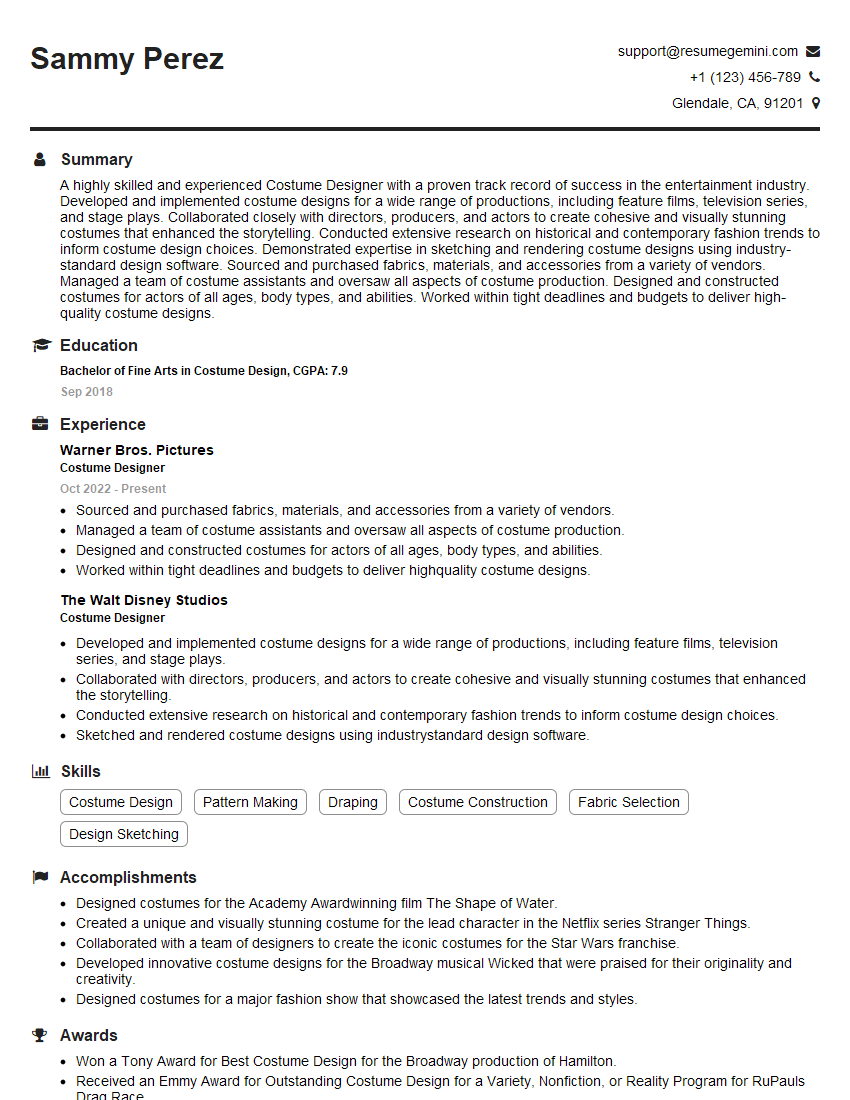
Costume Designer Resume Sample
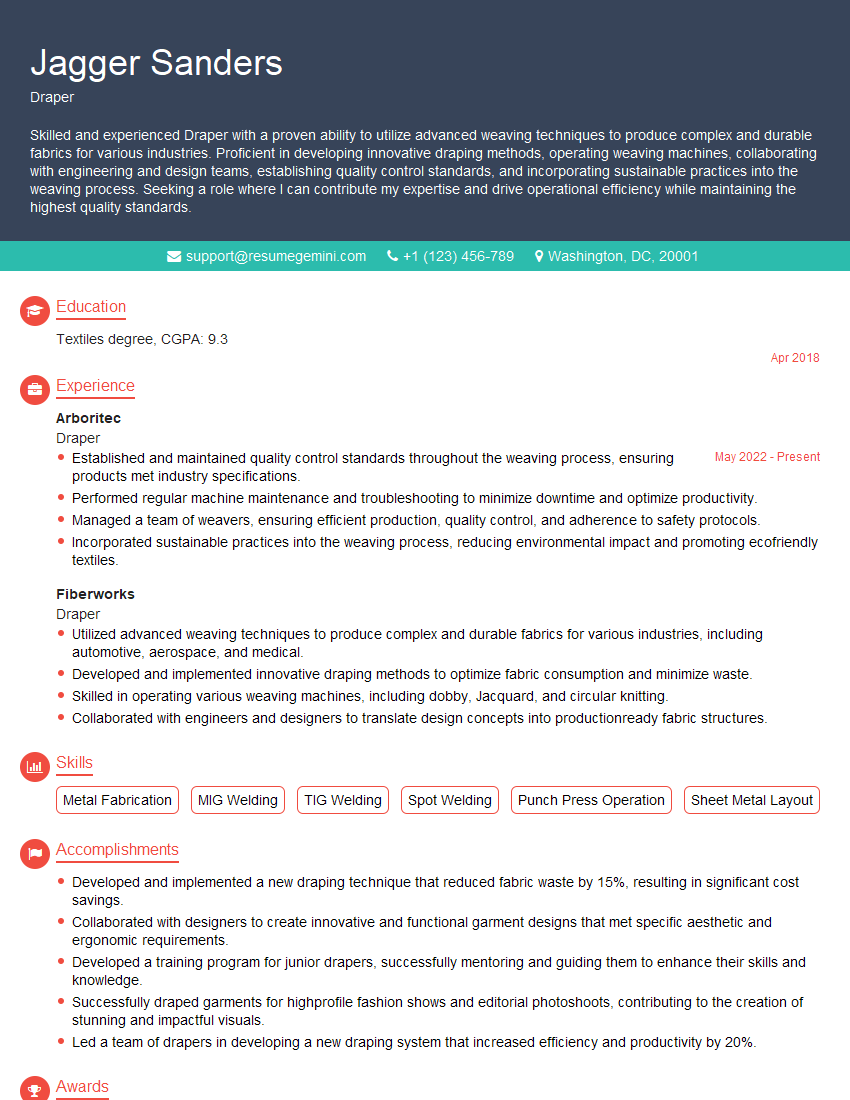
Draper Resume Sample
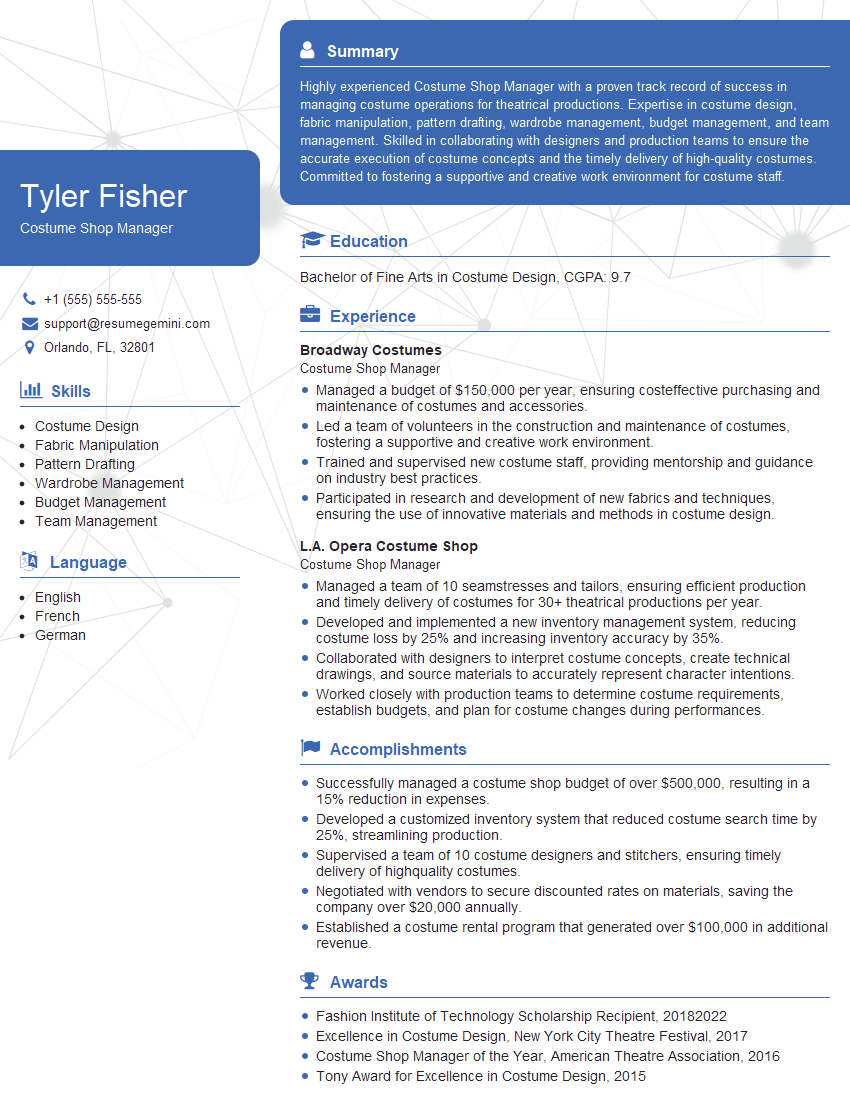
Costume Shop Manager Resume Sample
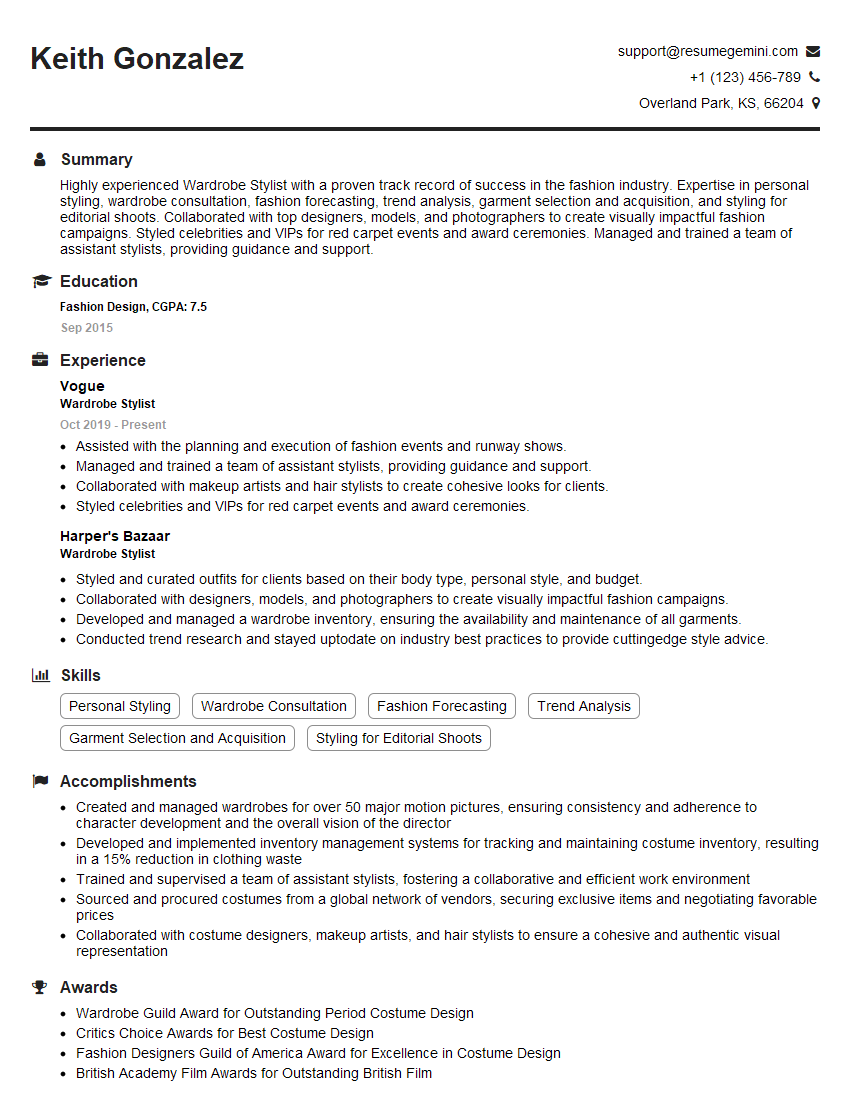
Wardrobe Stylist Resume Sample
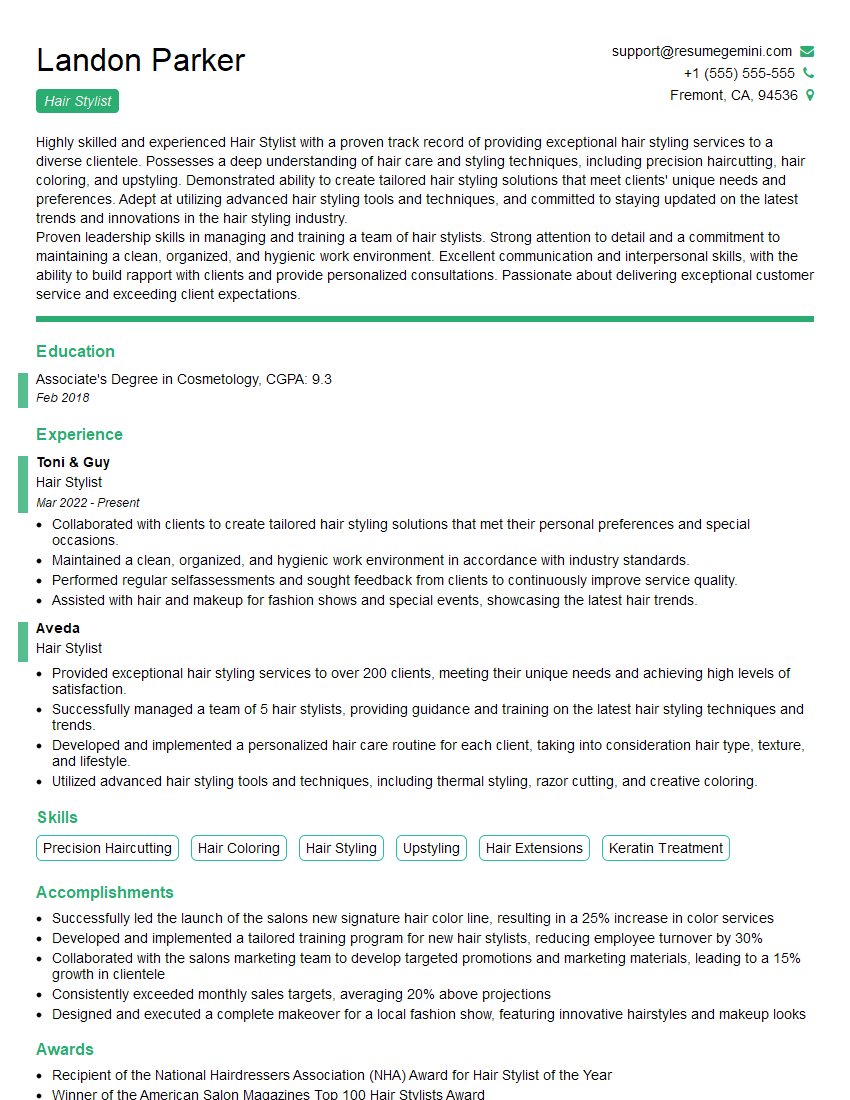
Hair Stylist Resume Sample
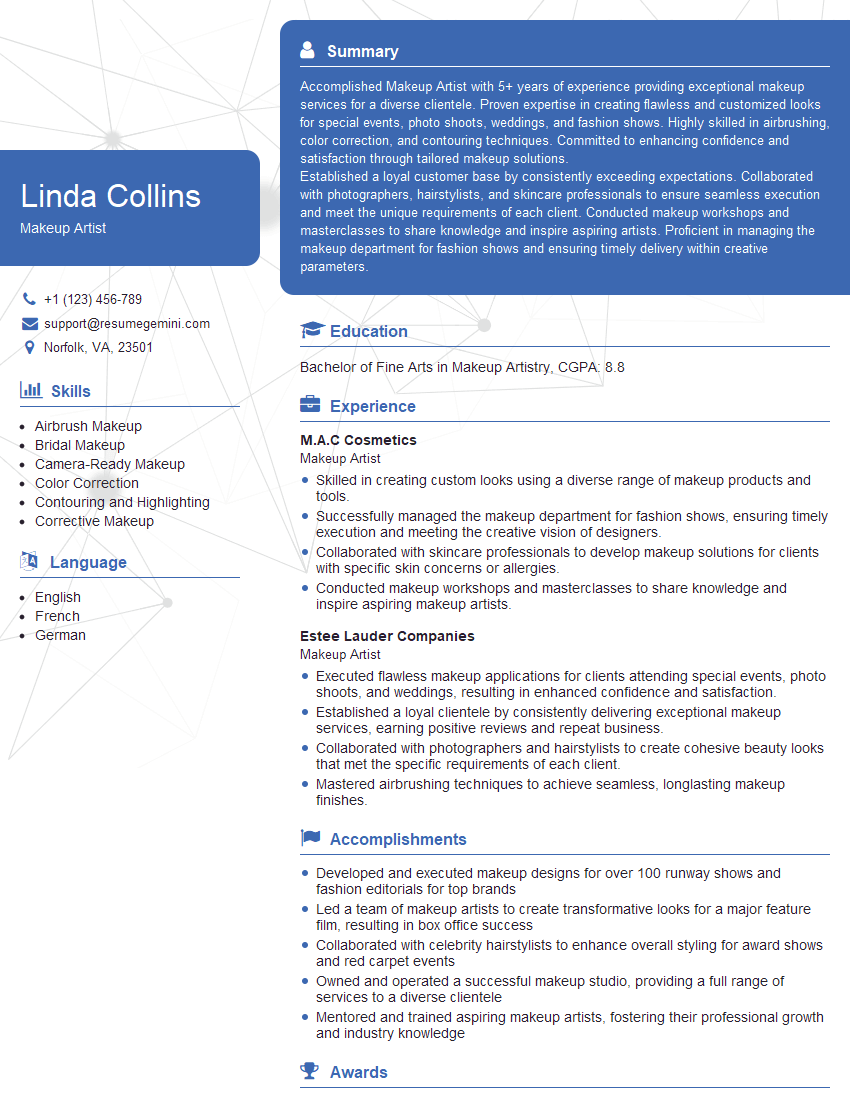
Makeup Artist Resume Sample
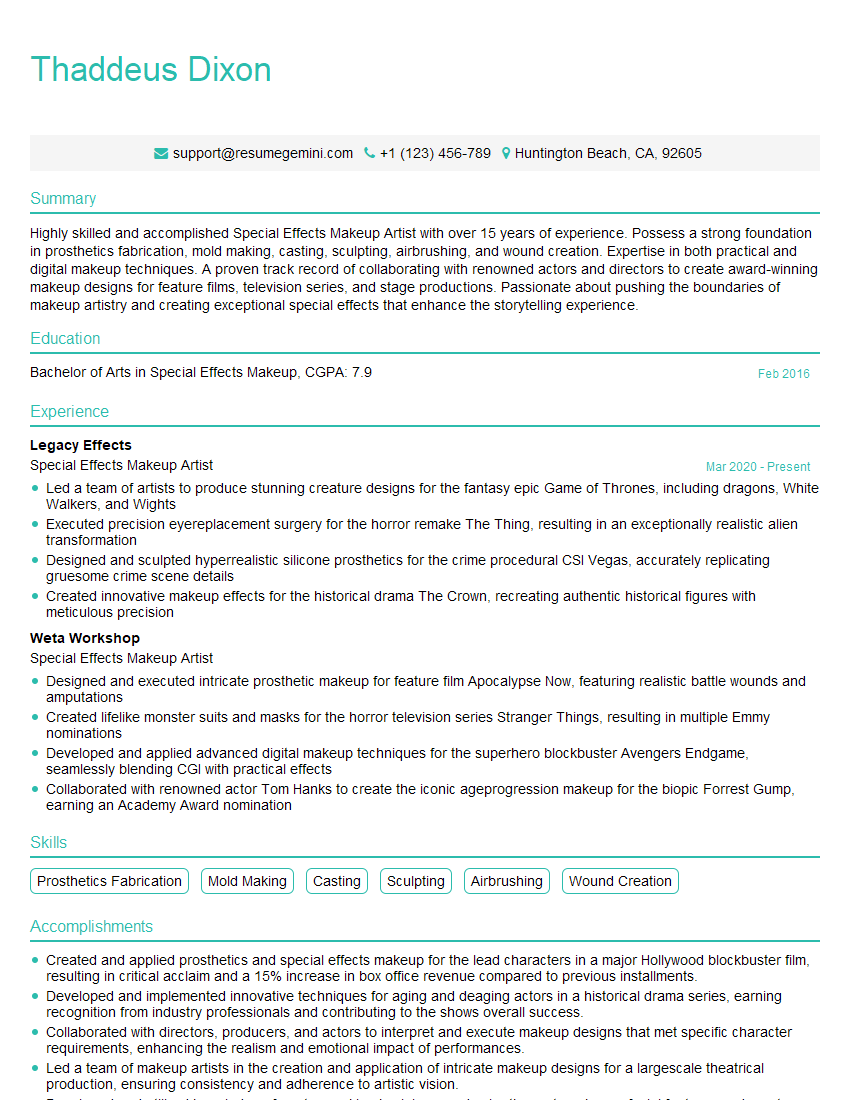
Special Effects Makeup Artist Resume Sample
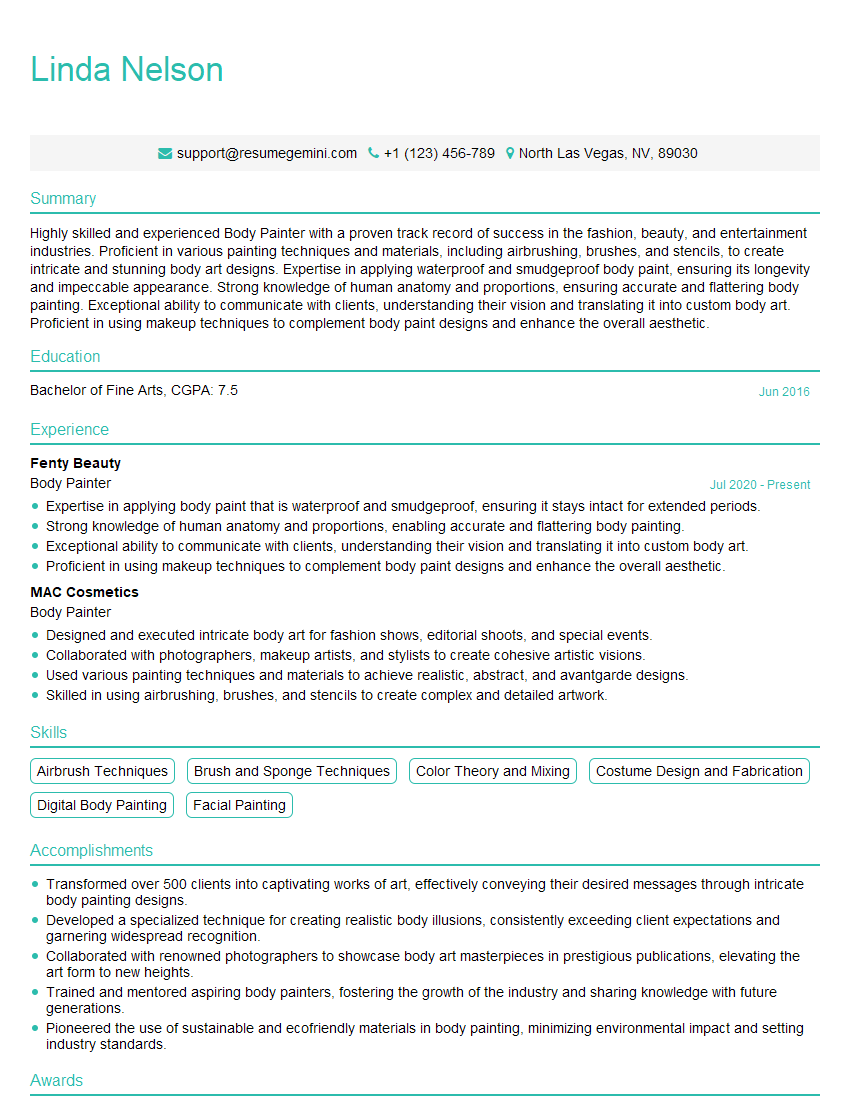
Body Painter Resume Sample
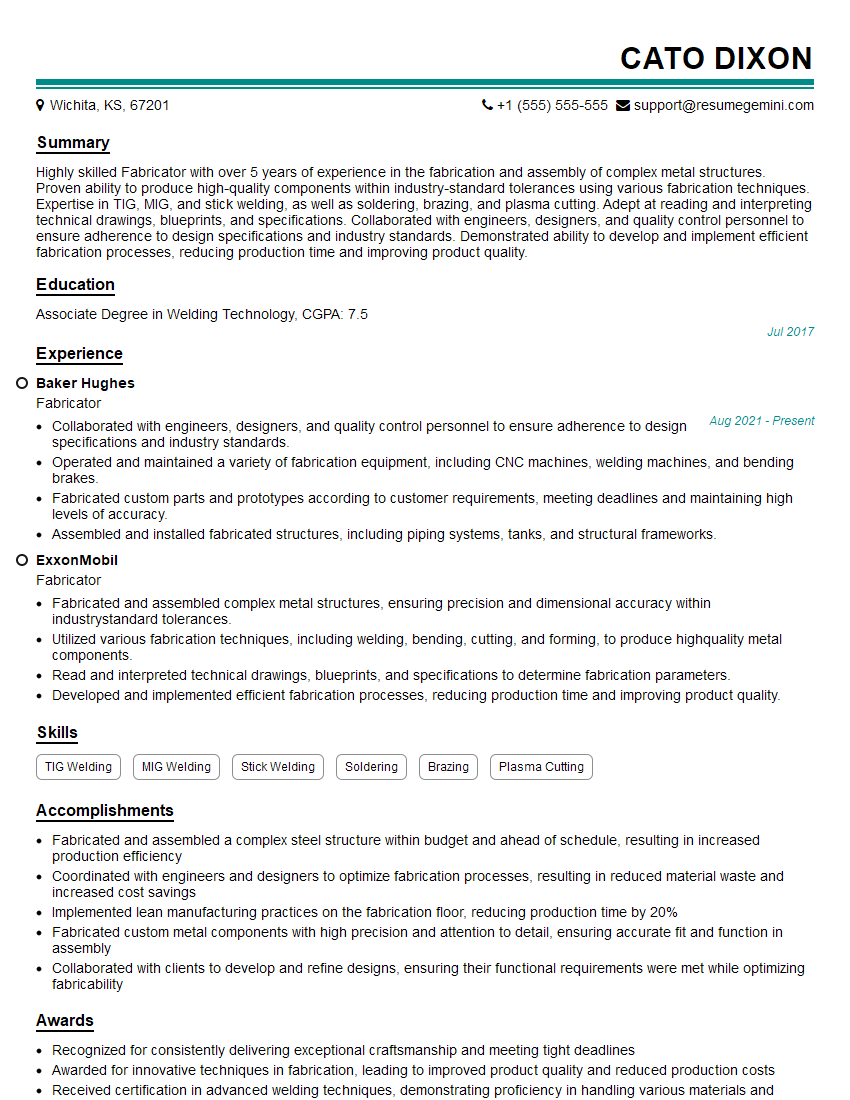
Fabricator Resume Sample
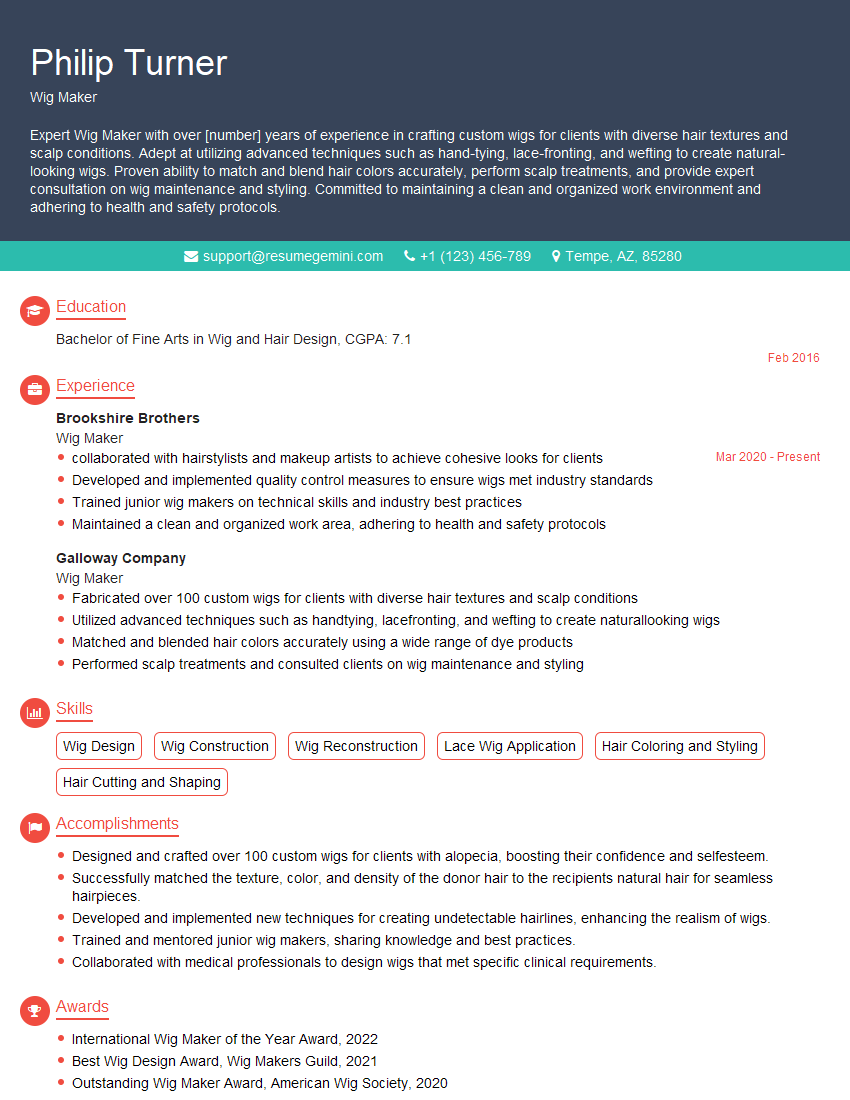
Wig Maker Resume Sample
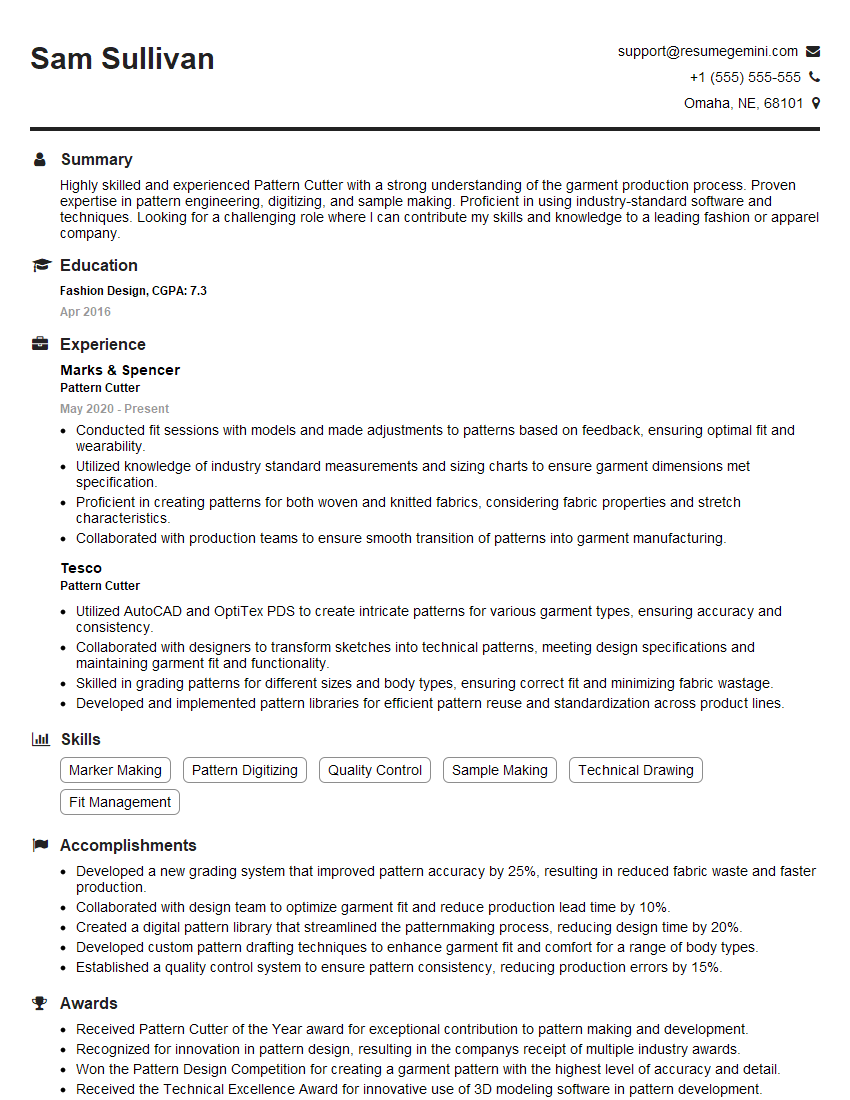
Pattern Cutter Resume Sample
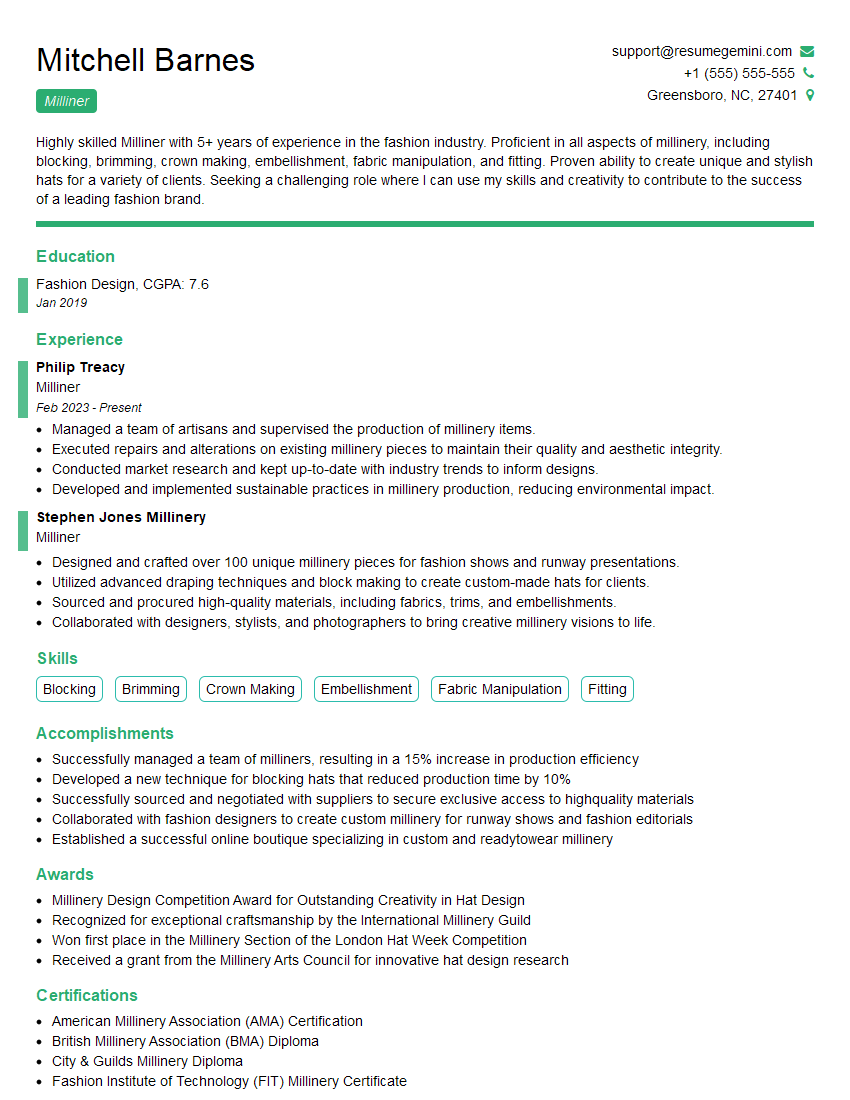
Milliner Resume Sample
Explore more articles
Users Rating of Our Blogs
Share Your Experience
We value your feedback! Please rate our content and share your thoughts (optional).
What Readers Say About Our Blog
Very informative content, great job.
good