The thought of an interview can be nerve-wracking, but the right preparation can make all the difference. Explore this comprehensive guide to Manage multiple priorities and meet deadlines interview questions and gain the confidence you need to showcase your abilities and secure the role.
Questions Asked in Manage multiple priorities and meet deadlines Interview
Q 1. Describe your process for prioritizing tasks when faced with multiple deadlines.
Prioritizing tasks with multiple deadlines requires a structured approach. I utilize a combination of methods, starting with a clear understanding of each task’s urgency and importance. I often employ the Eisenhower Matrix (Urgent/Important), categorizing tasks into four quadrants: Do, Decide, Delegate, and Delete. This helps me focus on high-impact, time-sensitive tasks first. Following this, I use a task management system (like Trello or Asana) to visually organize my tasks, assigning deadlines and dependencies. This allows me to see the bigger picture and adjust priorities as needed.
For example, if I have a critical presentation due tomorrow and a less urgent report due next week, the presentation takes precedence. I’ll block out focused time for the presentation, ensuring it’s completed before tackling the report. Regularly reviewing and updating my task list keeps me on track.
Q 2. How do you handle unexpected interruptions that derail your planned schedule?
Unexpected interruptions are inevitable. My strategy is built around minimizing their impact. First, I assess the urgency of the interruption. If it’s truly urgent and requires immediate attention, I’ll address it. However, if it’s less pressing, I’ll politely request a reschedule or briefly note it to deal with later. I use time-blocking techniques, allocating specific time slots for focused work, reducing susceptibility to distractions. If an interruption does disrupt my workflow, I briefly note where I left off before addressing the interruption, allowing for a smoother return to my original task.
For instance, if a colleague needs immediate help with a critical system error, I’ll assist them. However, if it’s a non-urgent request for information, I’ll let them know I’ll get back to them in a designated time frame once I’ve completed my current task. Maintaining a calm and organized approach is key to navigating these situations effectively.
Q 3. Explain a time you had to re-prioritize tasks due to a change in project requirements.
In a previous project developing a new software application, we initially focused on a specific feature set based on the initial requirements. However, halfway through development, client feedback revealed a need to shift priorities and enhance a different, previously less emphasized feature. This required immediate re-prioritization. We held a team meeting to assess the impact of the changes on the existing project timeline and resource allocation. We utilized a revised Eisenhower Matrix to recalibrate task importance and urgency, eliminating some less critical tasks and re-allocating resources to the newly prioritized feature. Open communication and collaborative decision-making were crucial in successfully adapting to the change in requirements, while minimizing delays to the project overall.
Q 4. What strategies do you use to ensure you consistently meet deadlines?
Consistently meeting deadlines relies on proactive planning and execution. My strategies include breaking down large tasks into smaller, manageable sub-tasks with individual deadlines. This makes the overall project less daunting and provides a sense of accomplishment as each sub-task is completed. I also regularly review my progress, comparing it to the planned timeline. This allows for early identification of potential delays and the implementation of corrective measures. Furthermore, I build buffer time into my schedule to account for unforeseen challenges or setbacks. Regular communication with stakeholders keeps everyone informed and aligned, fostering a shared understanding of the project’s progress and any potential roadblocks.
Q 5. How do you delegate tasks effectively to meet tight deadlines?
Effective delegation is crucial for meeting tight deadlines. I ensure that tasks are assigned to individuals with the appropriate skills and experience. Before delegating, I provide clear instructions, expectations, and deadlines. Regular check-ins ensure that the delegated tasks are progressing as planned and provide opportunities to offer support or address any roadblocks. Building trust and strong working relationships with team members is essential to successful delegation. I also ensure that the team member understands the overall project goals and how their task contributes to the success of the project. This empowers them to own the task and take responsibility for its successful completion.
Q 6. How do you manage your time to avoid feeling overwhelmed?
Avoiding overwhelm requires a holistic approach to time management. I utilize time-blocking to schedule dedicated work periods, interspersed with short breaks for rest and rejuvenation. This prevents burnout and helps maintain focus. I also prioritize self-care activities, ensuring I get adequate sleep, exercise, and time for relaxation. I regularly review my task list, prioritizing tasks based on urgency and importance, and adjusting my schedule as needed. Saying ‘no’ to non-essential tasks is also important to prevent overcommitment. Regular breaks help maintain productivity and prevent burnout, allowing for a more sustainable approach to managing time and workload.
Q 7. Describe a situation where you had to work under pressure to meet a critical deadline.
During a critical product launch, a major bug was discovered in the software just days before the release date. The pressure was immense to resolve the issue without delaying the launch. The team worked extended hours, collaborating closely to identify the root cause of the bug and implement a fix. We utilized an agile methodology, breaking down the problem into smaller, manageable tasks, allowing for parallel efforts and rapid progress. Clear communication and regular updates kept everyone informed and motivated. Despite the intense pressure, we successfully resolved the bug and launched the product on schedule. This experience underscored the importance of teamwork, clear communication, and a structured problem-solving approach under pressure.
Q 8. How do you use project management tools to track progress and manage multiple priorities?
Project management tools are indispensable for juggling multiple priorities and tracking progress. I typically use tools like Asana, Trello, or Jira, depending on the project’s complexity and team size. These platforms allow me to create detailed project plans, breaking down large tasks into smaller, manageable sub-tasks. Each task is assigned a deadline, and progress is visually tracked using Kanban boards or Gantt charts. For example, in a recent marketing campaign, I used Asana to assign tasks to team members, set deadlines for each deliverable (e.g., copywriting, graphic design, social media posting), and monitor progress using the task completion percentages. This allowed me to quickly identify potential bottlenecks and re-allocate resources as needed. The ability to assign due dates, set dependencies between tasks, and track time spent on each is crucial for staying organized and on schedule. Regularly reviewing these dashboards keeps me informed and proactive in managing competing priorities.
Q 9. How do you communicate project status and potential roadblocks to stakeholders?
Transparent and proactive communication is key to managing stakeholder expectations. I use a multi-faceted approach. Regular status reports, delivered through a variety of mediums (email updates, brief weekly team meetings, or more formal monthly presentations), keep stakeholders informed of progress. I also utilize project management software’s reporting features to visually represent progress, highlighting key milestones and accomplishments. When roadblocks arise, I immediately communicate the issue, its potential impact, and proposed mitigation strategies. For instance, if a critical supplier delays delivery, I proactively inform the team and stakeholders, outlining alternative solutions (e.g., finding a backup supplier, adjusting the project timeline). This ensures everyone is informed and collaboratively works towards solutions rather than experiencing unexpected setbacks.
Q 10. How do you balance short-term and long-term priorities?
Balancing short-term and long-term priorities requires a strategic approach. I often use a prioritization matrix, considering both urgency and importance. Urgent and important tasks receive immediate attention. Important but not urgent tasks are scheduled proactively to avoid last-minute rushes. Less important tasks are delegated or postponed if necessary. For example, if a critical bug needs immediate fixing (short-term), I’ll prioritize that over developing a new feature (long-term), even though the new feature contributes to the overall product strategy. However, I’d also allocate time for the long-term project regularly, ensuring it stays on track. This balanced approach prevents neglecting the bigger picture while addressing pressing issues effectively. Regular review and adjustments to this balance are vital to adaptation.
Q 11. What is your approach to handling conflicting priorities?
Conflicting priorities are inevitable. My approach involves clearly defining the impact of each priority, then prioritizing based on strategic alignment and overall project goals. I initiate discussions with relevant stakeholders to find common ground and compromise. Sometimes, this may involve re-negotiating deadlines or adjusting scopes. If a compromise isn’t achievable, I’ll present a rationale for my decision, emphasizing the justification for selecting one priority over the other. It’s essential to document these decisions and communicate them transparently to all affected parties to avoid misunderstandings and maintain trust.
Q 12. How do you identify and mitigate potential risks that could impact deadlines?
Risk management is a crucial aspect of meeting deadlines. I employ a proactive approach, identifying potential risks early in the project lifecycle. This often involves brainstorming sessions with the team and utilizing risk assessment tools. Once identified, I assign each risk a likelihood and impact score, prioritizing those with the highest potential to disrupt deadlines. Mitigation strategies are then developed and implemented, such as contingency plans, buffer time built into the schedule, or allocating extra resources. For example, if a key team member is on vacation during a critical phase, I’d delegate their tasks beforehand or hire temporary assistance. Regularly reviewing and updating the risk register ensures that potential problems are addressed before they escalate.
Q 13. Have you ever missed a deadline? How did you handle the situation?
Yes, I have missed deadlines before. In one instance, a critical third-party dependency was significantly delayed, causing a ripple effect throughout the project. My response involved immediately communicating the delay to stakeholders, explaining the reasons, and proposing a revised timeline. I then focused on implementing damage control, prioritizing the most critical tasks to minimize the overall impact. Post-mortem analysis helped identify shortcomings in the risk assessment process, leading to improvements in future project planning and risk mitigation strategies. Crucially, I owned the situation, communicated openly and honestly, and actively worked to rectify the delay.
Q 14. How do you measure your success in managing multiple priorities?
Measuring success in managing multiple priorities isn’t solely about meeting deadlines, though that’s a significant factor. I measure success through a combination of factors: On-time and within-budget project completion, positive stakeholder feedback, team morale, and the successful achievement of project goals. Regularly reviewing project metrics, stakeholder satisfaction surveys, and team feedback sessions provide valuable insights into the overall effectiveness of my prioritization and management strategies. A successful project is one where deadlines are met, quality is maintained, and the team feels supported and engaged throughout the process.
Q 15. Describe a time you had to make a difficult decision about which task to prioritize.
Prioritization is a crucial skill, and making tough decisions about which tasks to tackle first is an everyday occurrence. One instance involved a critical software bug fix and a high-priority feature release, both due within the same week. The bug fix risked significant downtime and customer dissatisfaction, while the feature release was a key component for an upcoming marketing campaign. I used the Eisenhower Matrix (urgent/important) to analyze the situation. While the feature release was important, the bug fix was urgent and potentially more impactful. I immediately rallied the team to focus on resolving the bug, pushing back the feature release by one day. This allowed us to mitigate the risk of downtime, keeping clients satisfied, and ensuring the long-term health of the product. Open communication with stakeholders was critical in successfully implementing this change.
Career Expert Tips:
- Ace those interviews! Prepare effectively by reviewing the Top 50 Most Common Interview Questions on ResumeGemini.
- Navigate your job search with confidence! Explore a wide range of Career Tips on ResumeGemini. Learn about common challenges and recommendations to overcome them.
- Craft the perfect resume! Master the Art of Resume Writing with ResumeGemini’s guide. Showcase your unique qualifications and achievements effectively.
- Don’t miss out on holiday savings! Build your dream resume with ResumeGemini’s ATS optimized templates.
Q 16. How do you stay organized when managing multiple projects simultaneously?
Staying organized when juggling multiple projects requires a systematic approach. I rely on a combination of project management tools, such as Asana or Trello, coupled with a robust personal system. These tools allow me to visually track tasks, deadlines, and progress across all projects. My personal system involves creating detailed to-do lists broken down by project, prioritized by urgency and importance, and reviewed daily. I use time blocking to allocate specific time slots for each project. Regular review and adjustment of my plans are key; I regularly reassess priorities and deadlines to ensure I’m always on track. Think of it like running a marathon; pacing and strategic breaks are just as important as speed.
Q 17. How do you handle a situation where multiple projects require your attention at the same time?
When faced with multiple competing demands, I employ a triage system. First, I assess each project’s urgency and importance using a framework like the Eisenhower Matrix. This helps categorize tasks as urgent and important, important but not urgent, urgent but not important, and neither urgent nor important. I then prioritize tasks based on this assessment, focusing on the urgent and important ones first. Next, I delegate where possible, distributing tasks to capable team members. Finally, I proactively communicate with stakeholders, setting clear expectations and managing their understanding of timelines. It’s like being an air traffic controller: you’ve got multiple planes needing attention; the key is prioritization and effective communication to avoid collisions and delays.
Q 18. What is your preferred method for tracking your progress on multiple projects?
My preferred method for progress tracking is a combination of project management software and regular status reports. Project management tools offer built-in progress tracking features like Kanban boards or Gantt charts. I utilize these to monitor task completion, identify potential roadblocks, and visualize progress toward project milestones. In addition, I schedule regular status meetings with team members to discuss progress, address any challenges, and ensure alignment on priorities. This combination of visual tracking and regular communication provides a holistic view of project health and allows for proactive intervention if necessary.
Q 19. How do you ensure that all team members understand their priorities and deadlines?
Ensuring team members understand their priorities and deadlines is paramount. I utilize clear and concise communication, including regular team meetings, written task assignments with clear deadlines and expectations, and visual project management tools accessible to all team members. I also hold individual check-in meetings to answer questions, clarify expectations, and provide any necessary support. Open communication channels and regular feedback are essential to maintain transparency and keep everyone aligned. It’s about creating a shared understanding, not just issuing commands.
Q 20. How do you adapt your approach to prioritization based on the urgency and importance of tasks?
My approach to prioritization is dynamic and adapts to the changing urgency and importance of tasks. The Eisenhower Matrix serves as a foundational framework, but it’s not static. I regularly re-evaluate task priorities based on new information, changing circumstances, or unforeseen events. For instance, a sudden critical client issue might bump a planned feature enhancement to a lower priority. This requires flexibility and the ability to adjust plans without losing sight of the bigger picture. It’s like navigating a ship; the course must be corrected constantly based on the conditions and destination.
Q 21. What tools or techniques do you use to improve your time management skills?
To enhance my time management, I use several tools and techniques. Project management software like Asana and Trello are essential for organizing tasks and tracking progress. Time blocking helps me allocate specific time slots for focused work on individual projects. The Pomodoro Technique, using short bursts of focused work followed by short breaks, boosts my concentration. Regular review and refinement of my to-do lists and schedule ensure I remain agile and responsive to changing priorities. These tools, combined with mindful self-assessment, help ensure I’m working effectively and efficiently.
Q 22. How do you proactively identify and address potential delays?
Proactive delay identification involves anticipating potential roadblocks before they impact deadlines. This isn’t about reacting to problems; it’s about preventing them. My approach involves a multi-pronged strategy:
- Risk Assessment: At the project’s outset, I identify potential risks – resource constraints, dependencies on external factors, technological challenges, etc. I assign each risk a probability and impact score to prioritize mitigation efforts.
- Regular Check-ins: I schedule regular meetings (daily stand-ups for agile projects, weekly check-ins for longer projects) to monitor progress, identify emerging issues, and adjust plans accordingly. This allows for early intervention.
- Communication: Open and transparent communication with all stakeholders is crucial. If a potential delay is identified, I communicate it promptly, explaining the issue and proposed solutions. This prevents misunderstandings and facilitates collaborative problem-solving.
- Buffer Time: I always build buffer time into project schedules. This provides flexibility to handle unexpected delays without jeopardizing the overall deadline. It’s better to have extra time and finish early than to be scrambling at the last minute.
For example, in a recent marketing campaign, I anticipated potential delays in securing influencer partnerships. By initiating outreach early and having backup options, we avoided a critical delay in campaign launch.
Q 23. Describe a time you successfully navigated a complex project with multiple stakeholders and tight deadlines.
I once managed a website redesign project for a large client with tight deadlines and numerous stakeholders (designers, developers, marketing, legal). The complexity stemmed from needing to migrate a substantial amount of content and maintain site functionality throughout the process. My approach involved:
- Detailed Project Plan: I created a comprehensive project plan with clear milestones, timelines, and responsibilities. This involved using a Gantt chart (more on that later) to visualize dependencies and critical paths.
- Stakeholder Management: Regular communication with each stakeholder group was crucial. I held weekly meetings to update everyone on progress, address concerns, and ensure alignment. This fostered a sense of collaboration and transparency.
- Agile Methodology: We adopted an agile approach, working in short sprints with frequent reviews and adjustments. This allowed us to adapt quickly to changing requirements and unforeseen issues.
- Risk Mitigation: We proactively identified and mitigated potential risks, such as technical glitches or delays in content approvals. We had backup plans in place for every contingency.
The project was delivered on time and under budget, significantly exceeding client expectations. This success highlighted the power of structured planning, collaborative teamwork, and proactive risk management.
Q 24. How do you stay motivated and focused when working on multiple projects?
Maintaining motivation and focus across multiple projects requires a structured approach. My strategies include:
- Prioritization: I use techniques like the Eisenhower Matrix (urgent/important) to prioritize tasks. This ensures I focus on the most critical items first.
- Time Blocking: Dedicated time blocks for specific projects help me concentrate without constant task-switching. I avoid multitasking, as it reduces efficiency.
- Regular Breaks: Short breaks throughout the day help prevent burnout and maintain focus. This might involve a short walk, a quick meditation, or simply stepping away from the screen.
- Goal Setting: Breaking down large projects into smaller, manageable goals provides a sense of accomplishment and keeps me motivated. I celebrate milestones along the way.
- Self-Care: Prioritizing sleep, exercise, and healthy eating are crucial for maintaining energy and focus. Neglecting self-care leads to decreased productivity and burnout.
Think of it like a marathon, not a sprint. Consistent effort and strategic pacing are key to success.
Q 25. How do you ensure that your workload is manageable and avoid burnout?
Workload management is essential for preventing burnout. My strategies include:
- Realistic Estimation: I accurately estimate the time required for tasks, avoiding underestimation. This prevents unexpected workloads.
- Delegation: When possible, I delegate tasks to others, leveraging team strengths and expertise.
- Saying No: I politely decline additional projects or tasks if my workload is already at capacity. This protects my time and prevents burnout.
- Regular Review: I regularly review my workload and adjust priorities as needed. This ensures I stay on track and address potential imbalances.
- Time Audit: Periodically, I conduct a time audit to identify time-wasting activities and improve efficiency. This helps identify areas for improvement in task management.
It’s crucial to understand your personal capacity and set healthy boundaries. Overworking consistently is unsustainable and counterproductive.
Q 26. Describe your experience with using Gantt charts or other project visualization tools.
I have extensive experience using Gantt charts and other project visualization tools. Gantt charts are particularly useful for complex projects with multiple tasks and dependencies. They provide a visual representation of the project timeline, allowing for easy identification of critical paths and potential bottlenecks.
I also utilize other tools like Kanban boards for agile projects, which provide a visual representation of the workflow and the status of each task. These tools facilitate collaboration and communication among team members. They also offer a quick overview of the project’s status and identify potential delays or roadblocks.
For example, in a recent project using a Gantt chart, I was able to quickly identify that a delay in one task would impact several others down the line. This allowed us to proactively address the issue and prevent a significant project delay.
Q 27. How do you handle pressure and stress when working on multiple urgent tasks?
Handling pressure and stress when juggling urgent tasks requires a calm and methodical approach. My strategies include:
- Prioritization: I use a prioritization matrix to focus on the most critical tasks first. This reduces feelings of overwhelm.
- Deep Breathing Exercises: Taking short breaks to practice deep breathing helps calm the nervous system and improve focus.
- Time Management Techniques: Employing time management techniques, like the Pomodoro Technique, helps break down large tasks into manageable chunks and prevents feeling overwhelmed.
- Mindfulness: Staying present in the moment helps reduce anxiety and improves concentration. Focusing on the task at hand, rather than dwelling on the pressure, increases efficiency.
- Seeking Support: When feeling overwhelmed, I reach out to colleagues or mentors for support and advice.
It’s important to remember that stress is a normal part of high-pressure work environments, but managing it effectively is crucial for maintaining productivity and well-being.
Q 28. What are your strategies for effective time blocking and task scheduling?
Effective time blocking and task scheduling are crucial for managing multiple priorities. My approach involves:
- Prioritized Task List: I start each day with a prioritized to-do list, focusing on the most important and urgent tasks first.
- Time Blocking: I allocate specific time blocks for each task, creating a structured schedule. This prevents context switching and improves focus.
- Realistic Time Estimates: I estimate the time required for each task accurately, avoiding unrealistic deadlines. I also include buffer time for unexpected delays.
- Regular Review: I regularly review my schedule and adjust it as needed, accommodating unforeseen circumstances and re-prioritizing tasks.
- Batching Similar Tasks: I group similar tasks together, which streamlines workflow and reduces mental switching costs. For example, I might dedicate a block of time to answering emails, then another to making phone calls.
Think of your schedule as a roadmap to your day. Planning it strategically ensures that you reach your destinations on time and without getting lost.
Key Topics to Learn for Managing Multiple Priorities and Meeting Deadlines Interview
- Prioritization Techniques: Understanding frameworks like Eisenhower Matrix (Urgent/Important), MoSCoW method (Must have/Should have/Could have/Won’t have), and value-based prioritization. Learn how to apply these in real-world scenarios.
- Time Management Strategies: Explore effective time blocking, the Pomodoro Technique, and timeboxing. Practice estimating task durations accurately and building buffer time into your schedules.
- Task Delegation and Collaboration: Mastering the art of delegating tasks effectively, setting clear expectations, and fostering collaborative teamwork to share the workload and meet deadlines.
- Project Management Methodologies: Familiarize yourself with Agile, Scrum, or Kanban principles. Understanding these methodologies demonstrates your ability to manage complex projects and adapt to changing priorities.
- Risk Management and Contingency Planning: Learn to identify potential roadblocks, develop mitigation strategies, and create backup plans to ensure projects stay on track despite unforeseen challenges.
- Communication and Reporting: Develop clear and concise communication skills to keep stakeholders informed of progress, challenges, and any necessary adjustments to plans. Practice creating effective progress reports.
- Stress Management and Resilience: Explore techniques for managing stress effectively when juggling multiple tasks and tight deadlines. Highlight your ability to remain calm and productive under pressure.
Next Steps
Mastering the ability to manage multiple priorities and meet deadlines is crucial for career advancement. It demonstrates essential organizational skills, problem-solving capabilities, and a proactive approach to work. To increase your job prospects, focus on creating a strong, ATS-friendly resume that highlights these skills. ResumeGemini is a trusted resource that can help you build a professional and impactful resume. Examples of resumes tailored to showcase expertise in managing multiple priorities and meeting deadlines are available for your review – use them to inspire your own resume creation!
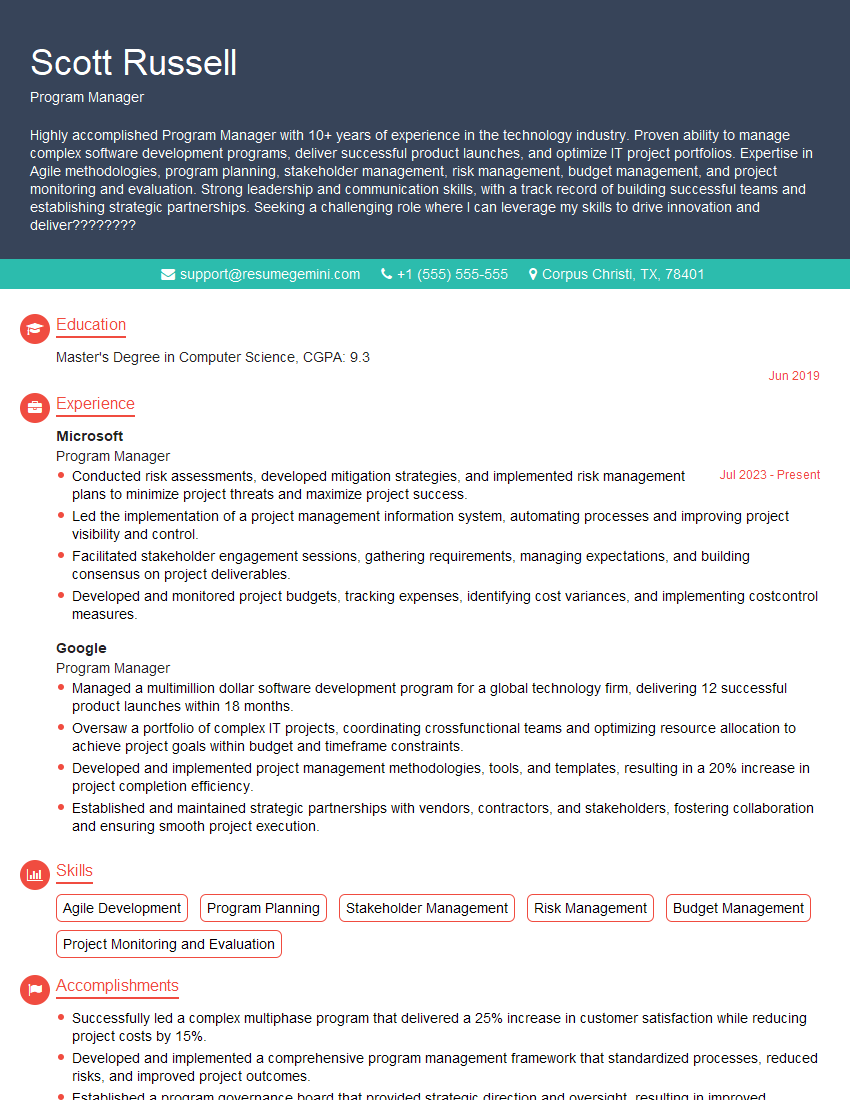
Program Manager Resume Sample
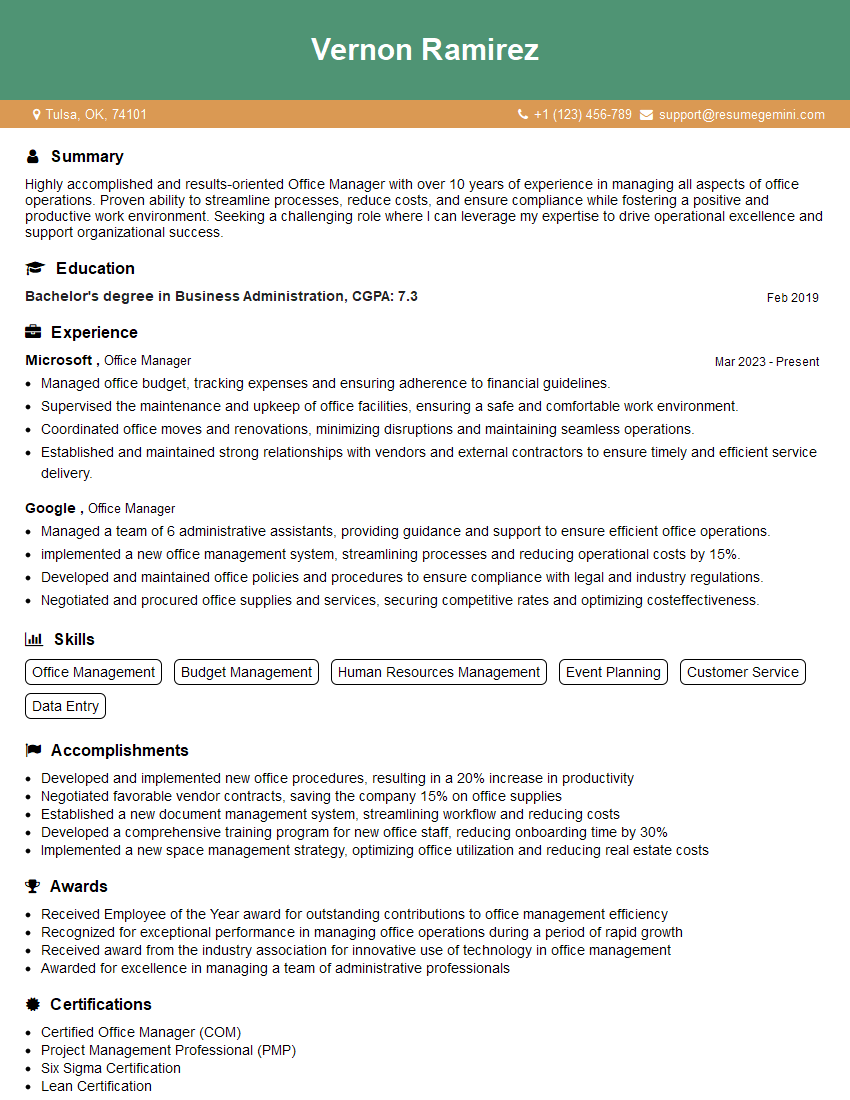
Office Manager Resume Sample

Operations Manager Resume Sample
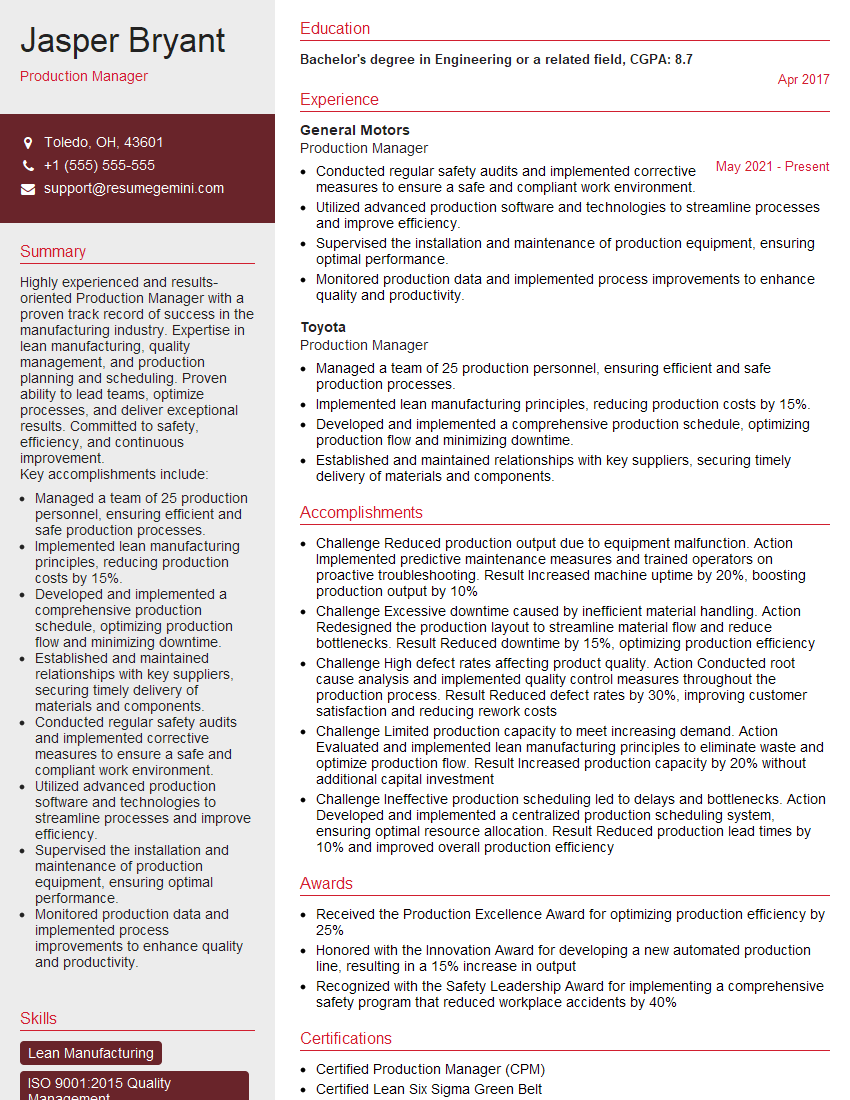
Production Manager Resume Sample
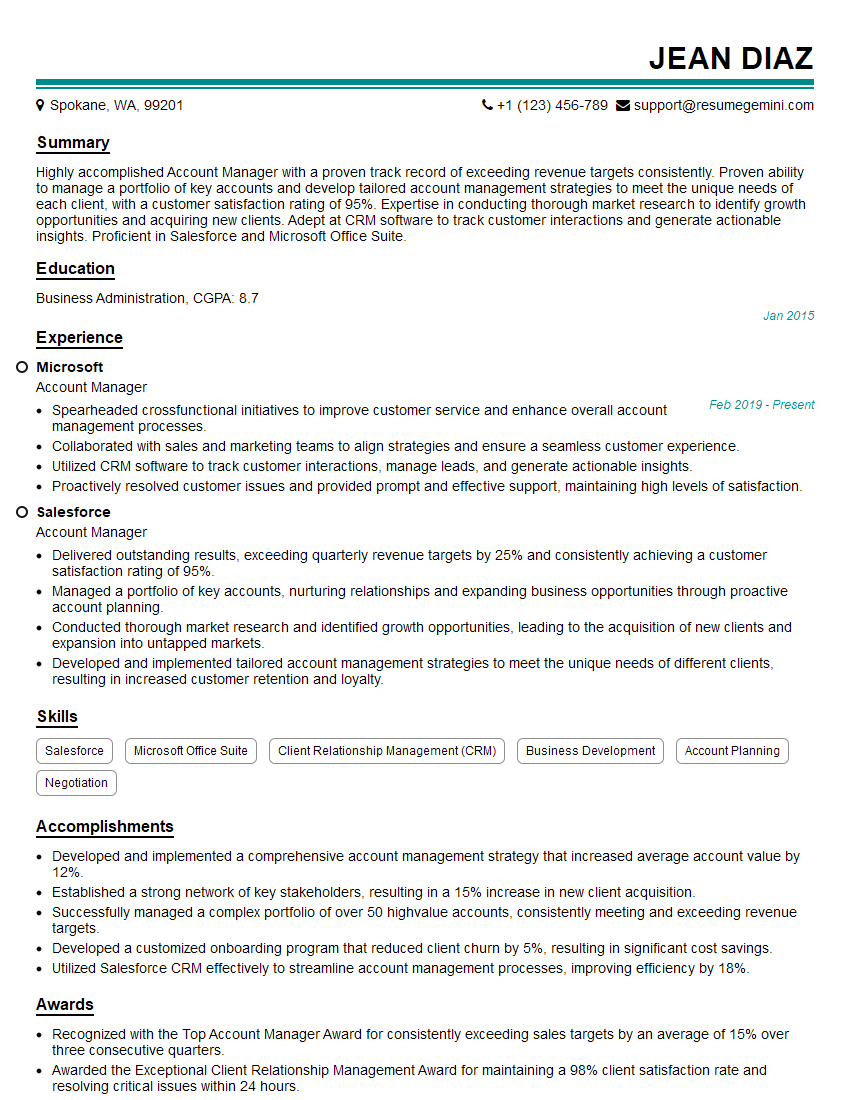
Account Manager Resume Sample
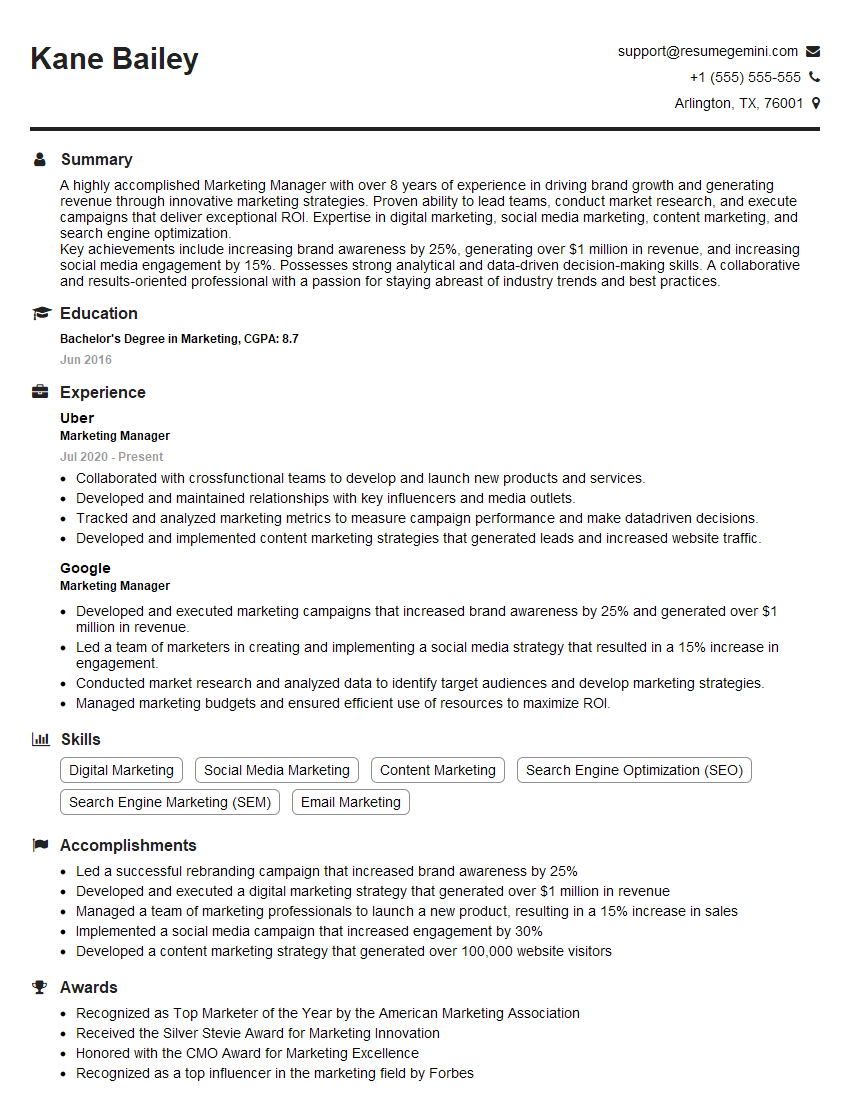
Marketing Manager Resume Sample
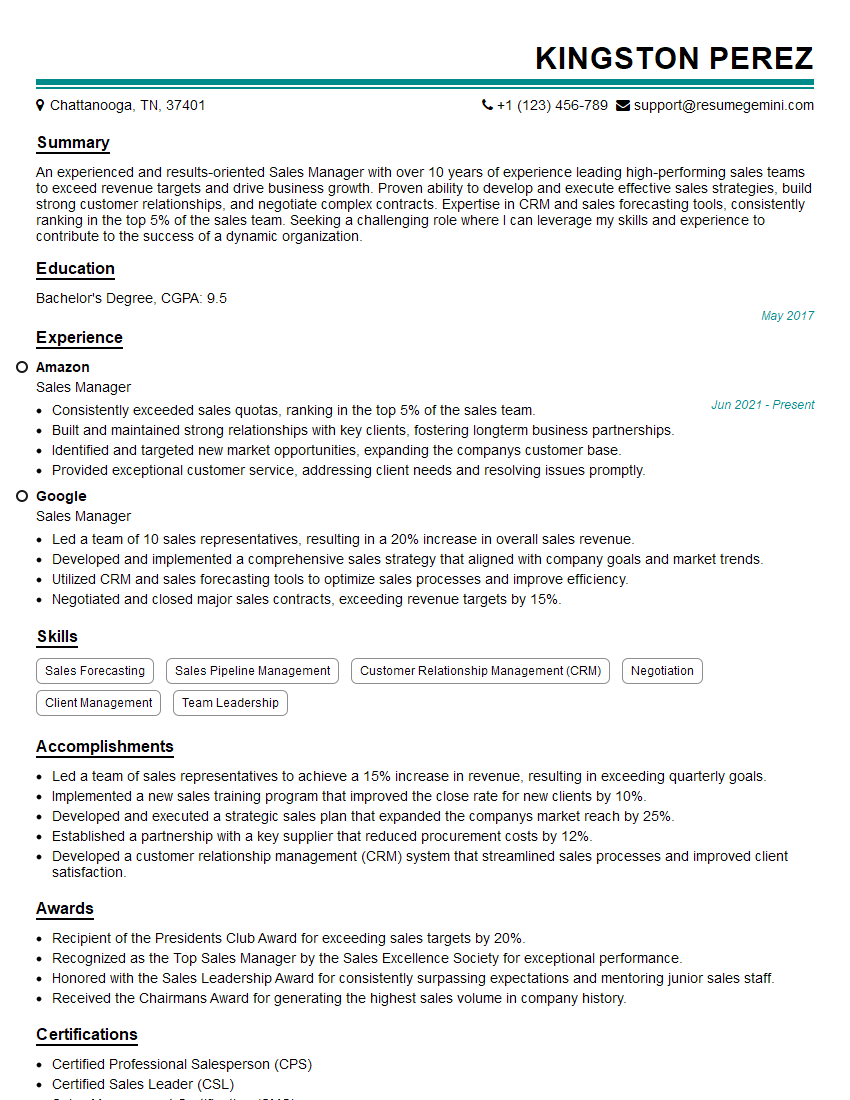
Sales Manager Resume Sample
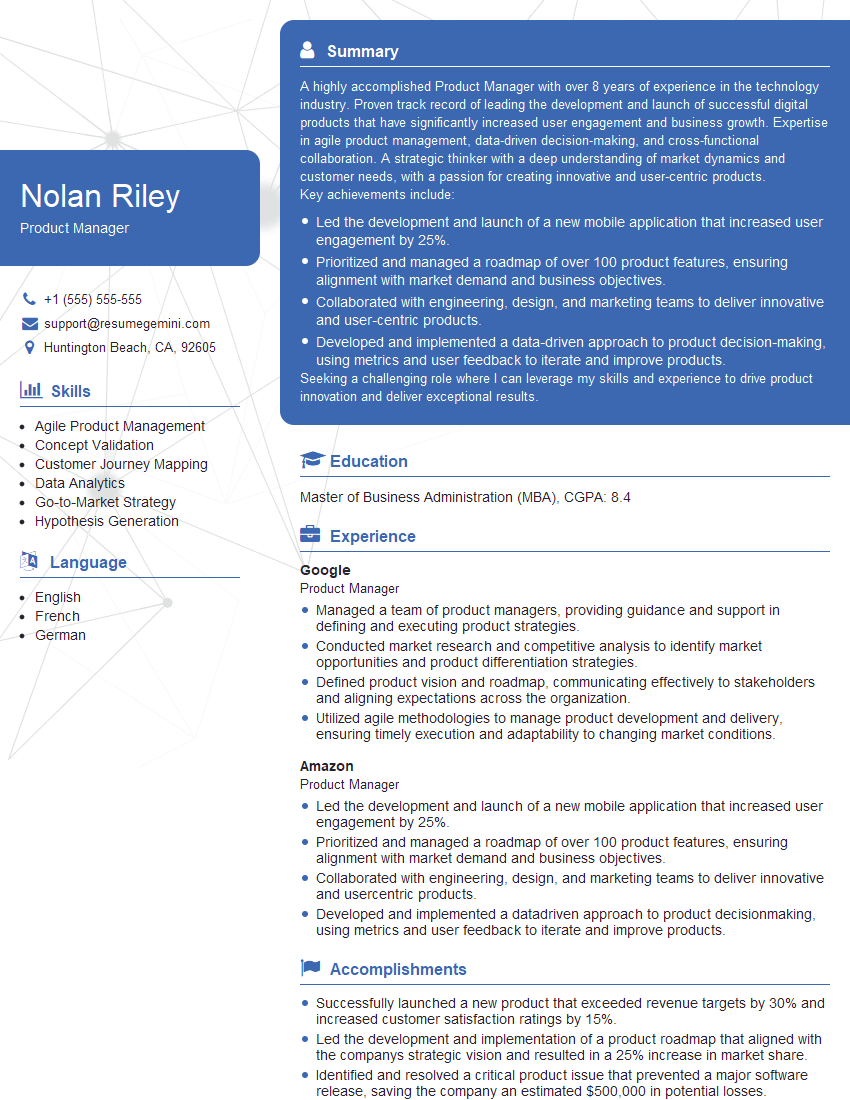
Product Manager Resume Sample
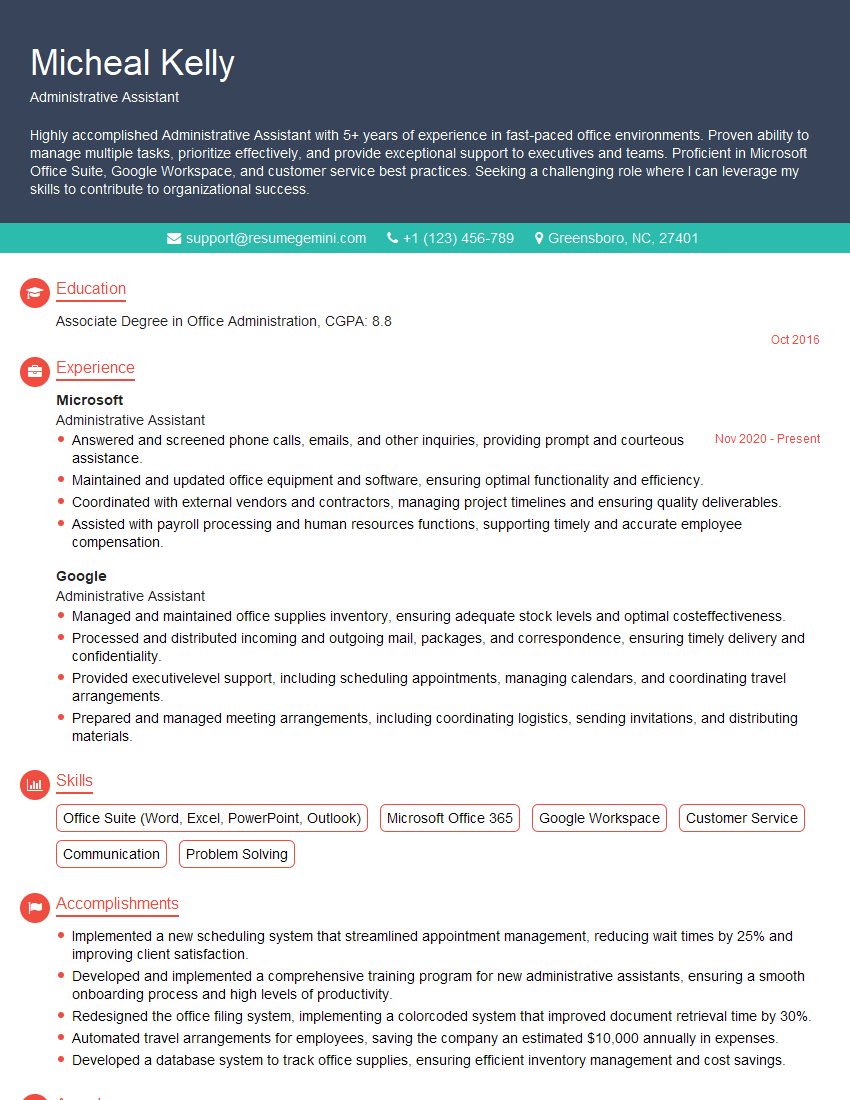
Administrative Assistant Resume Sample
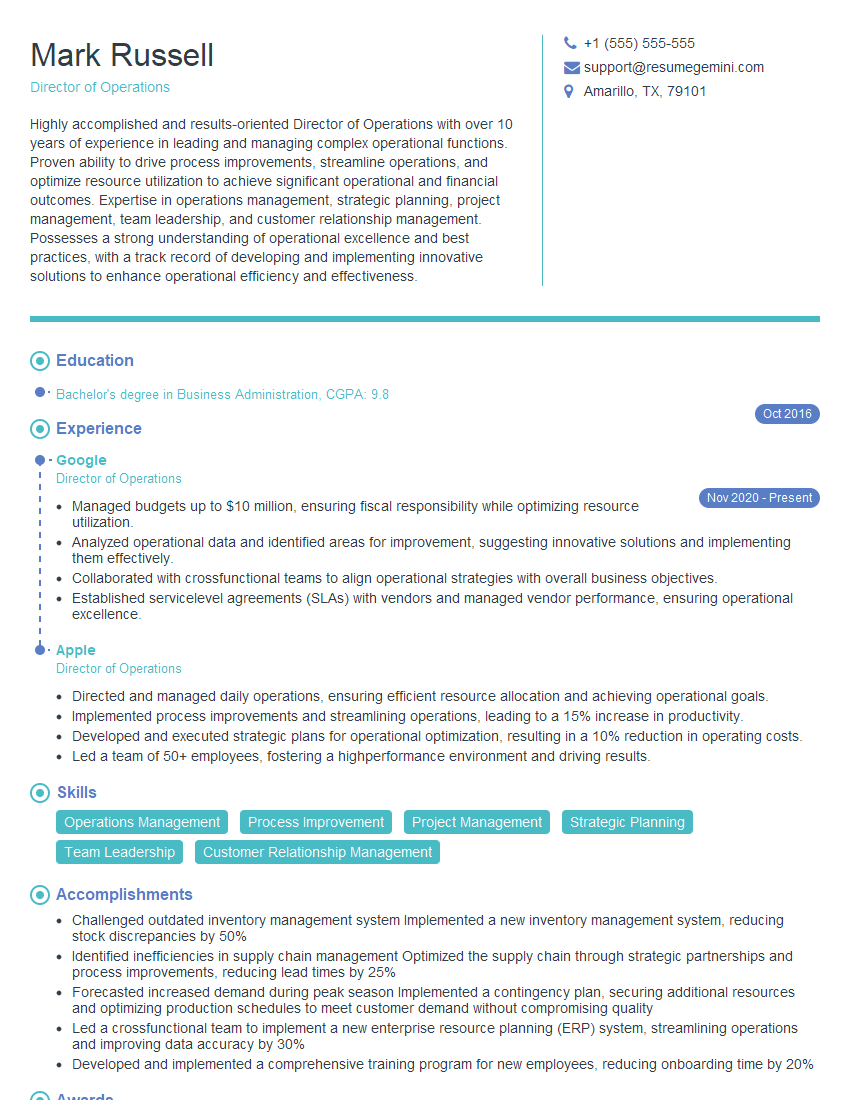
Director of Operations Resume Sample
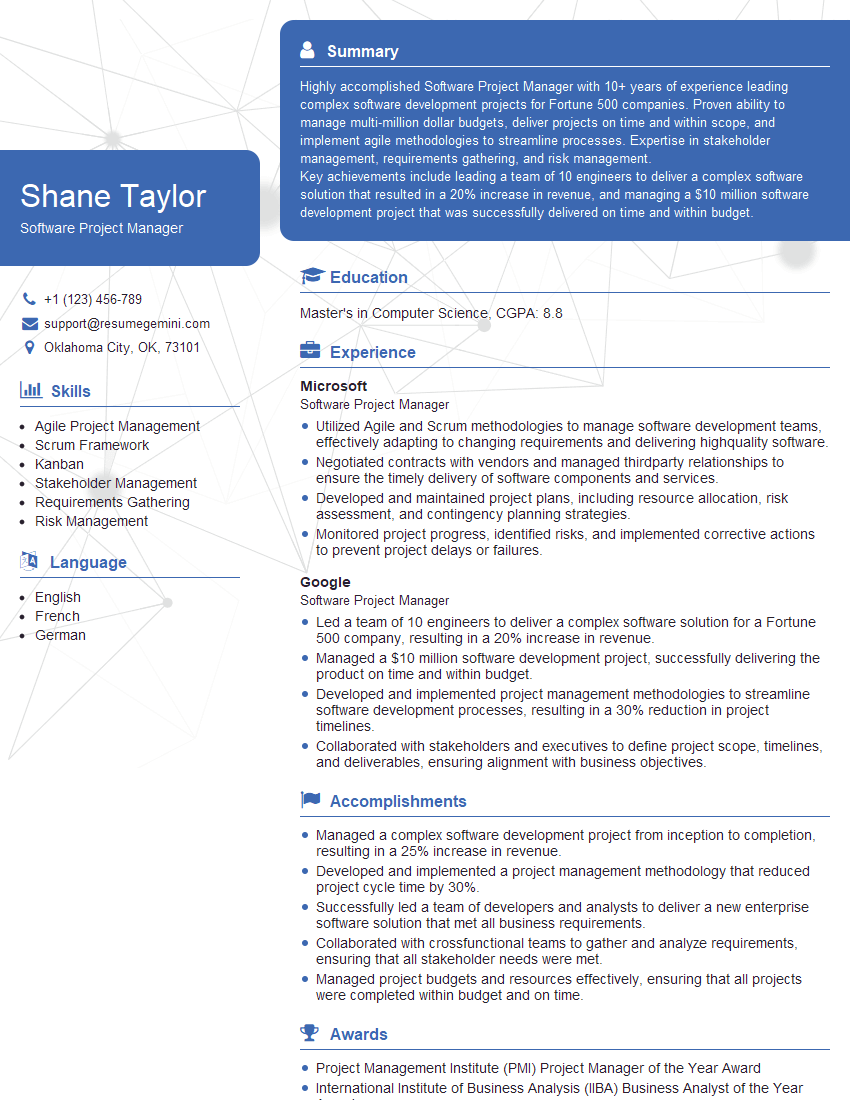
Software Project Manager Resume Sample
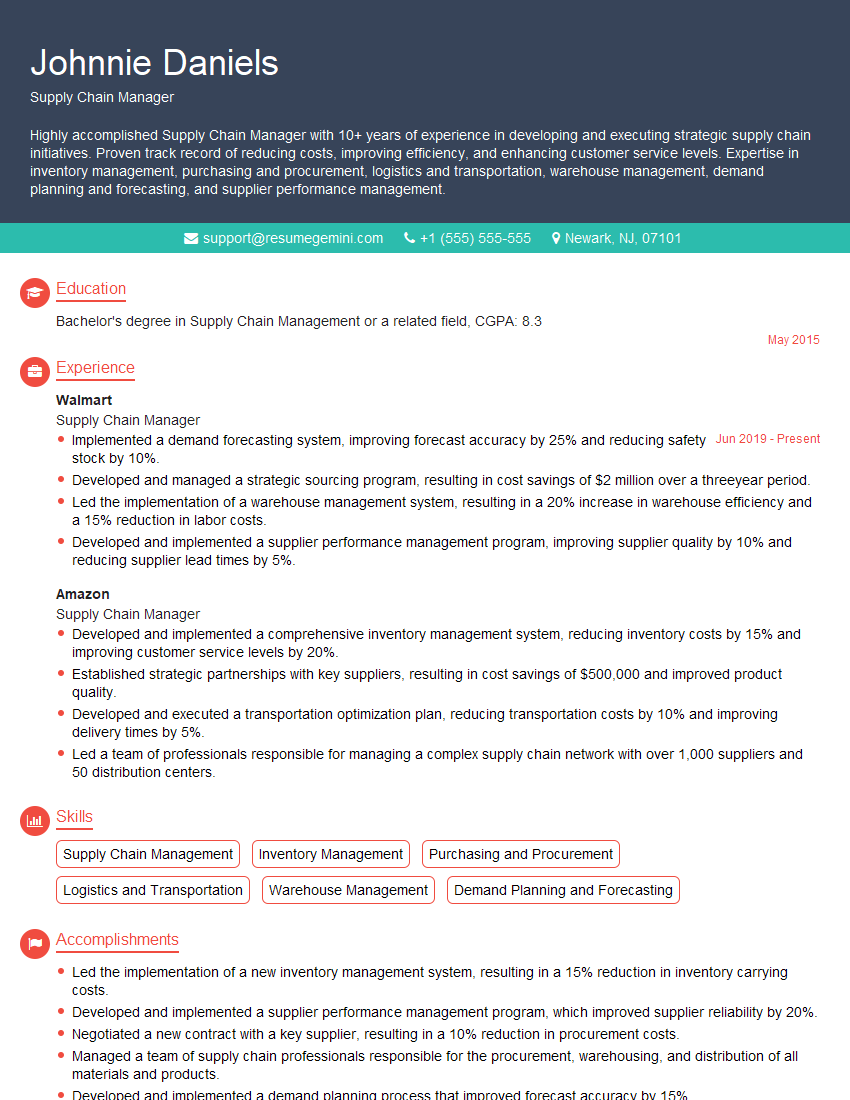
Supply Chain Manager Resume Sample
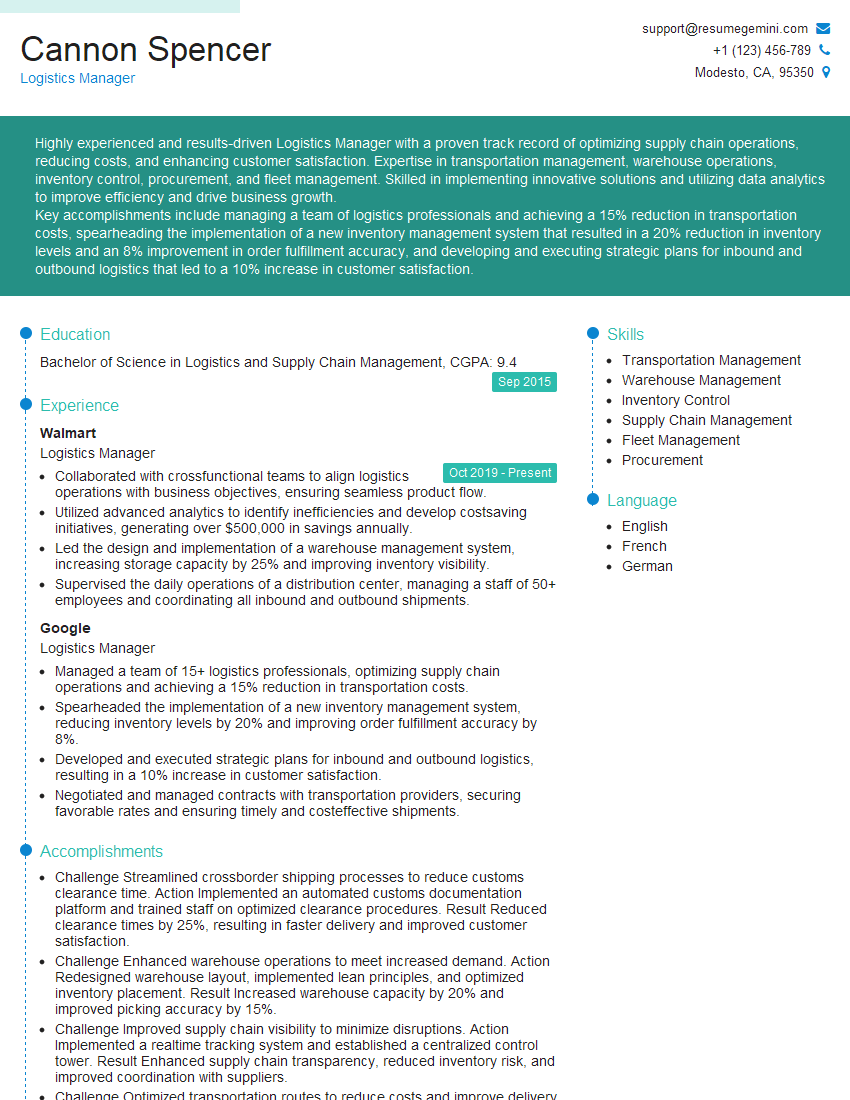
Logistics Manager Resume Sample
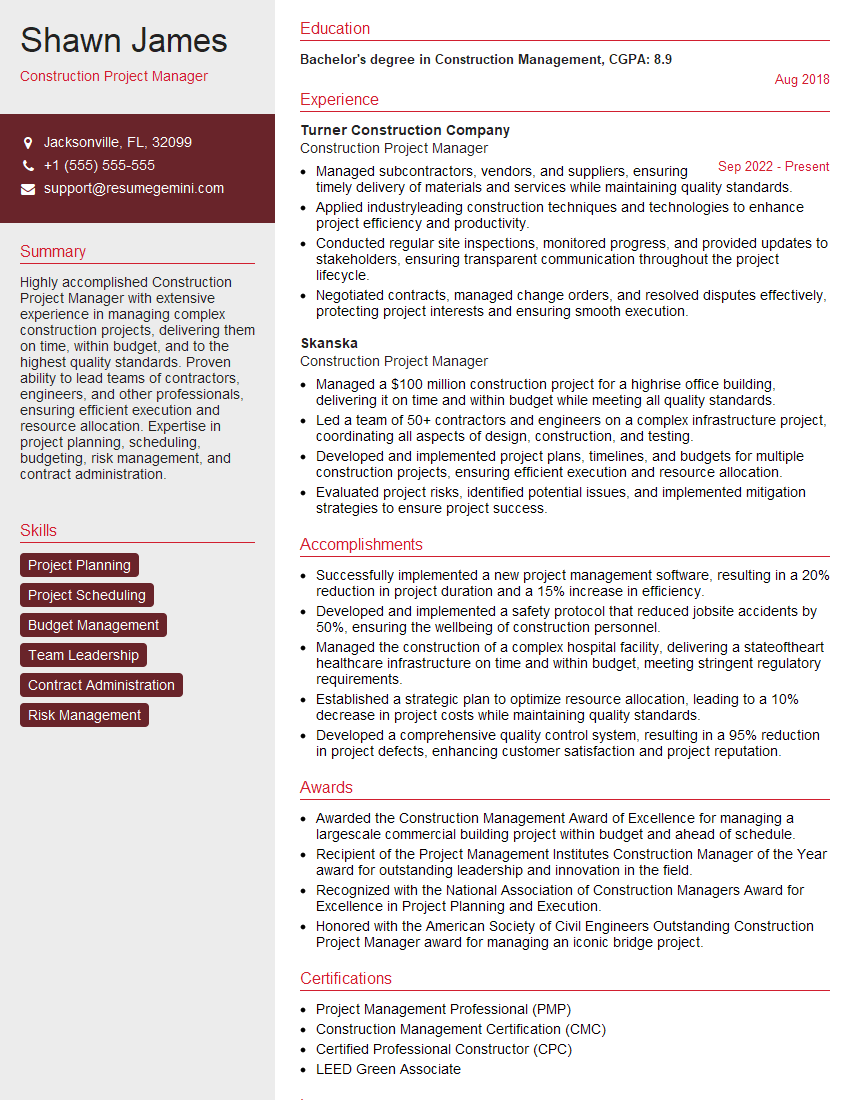
Construction Project Manager Resume Sample
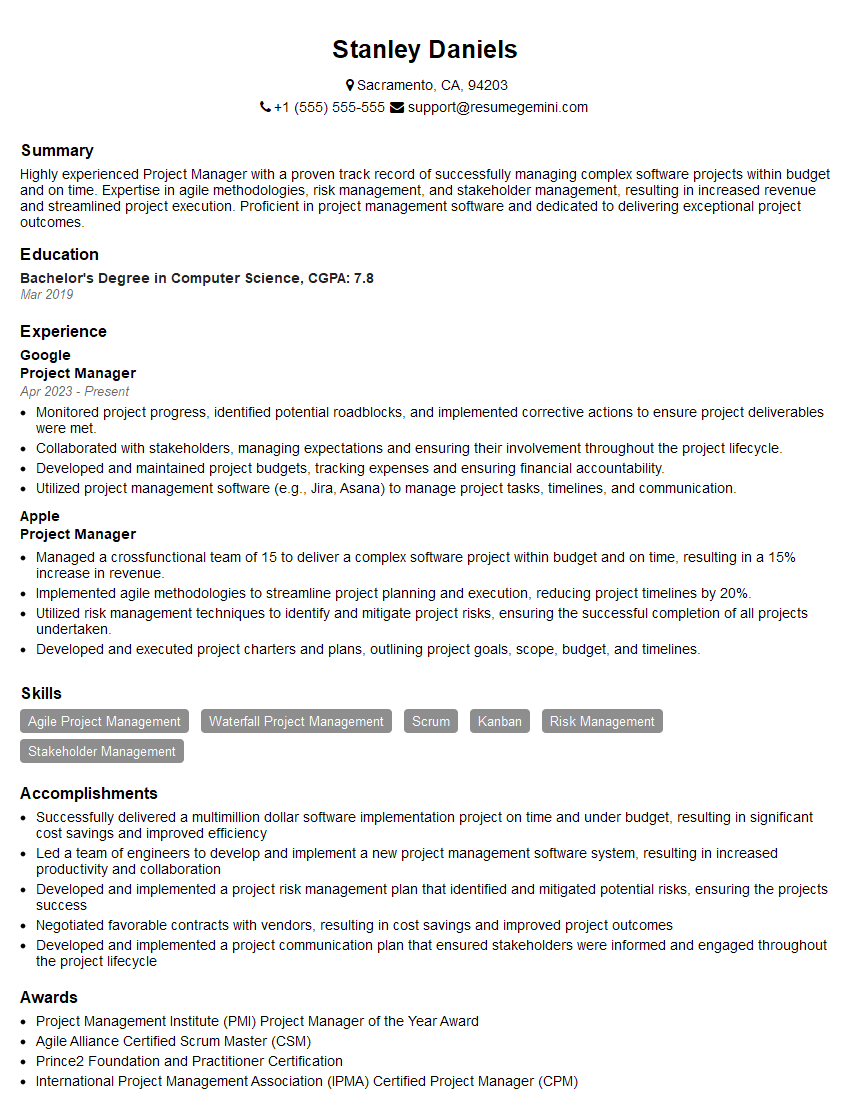
Project Manager Resume Sample
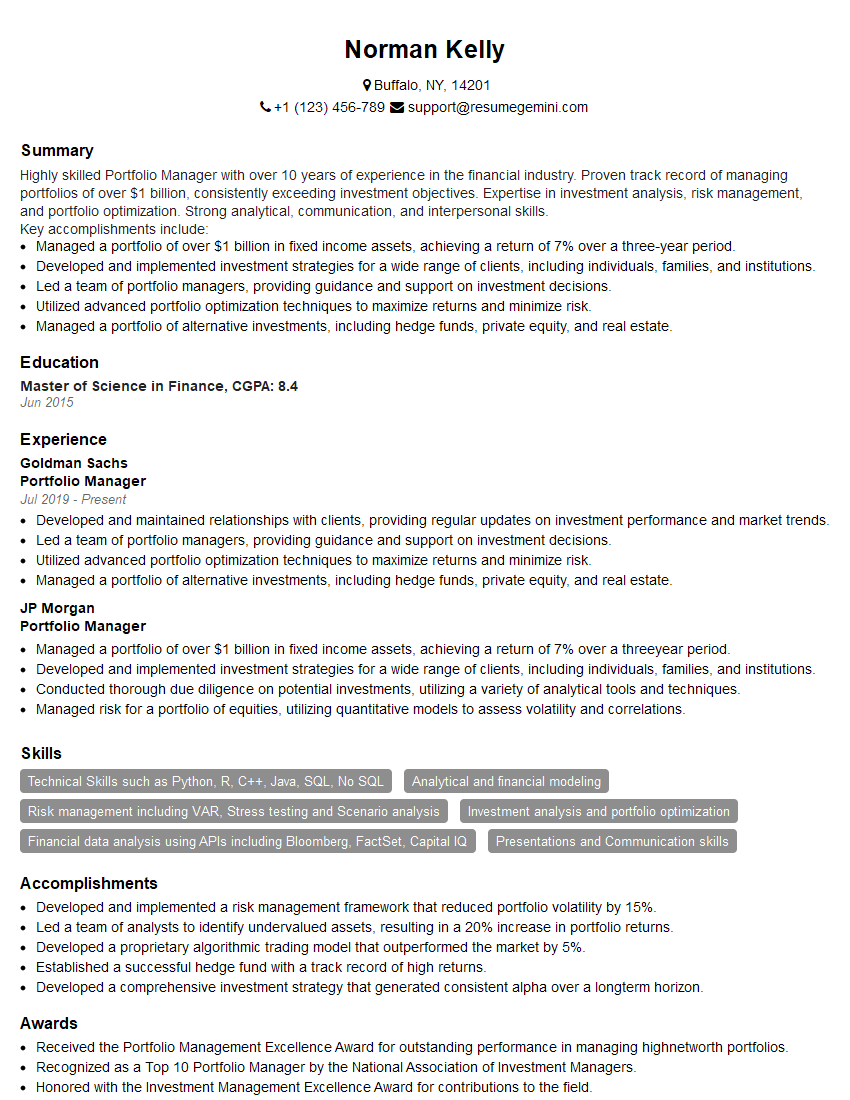
Portfolio Manager Resume Sample
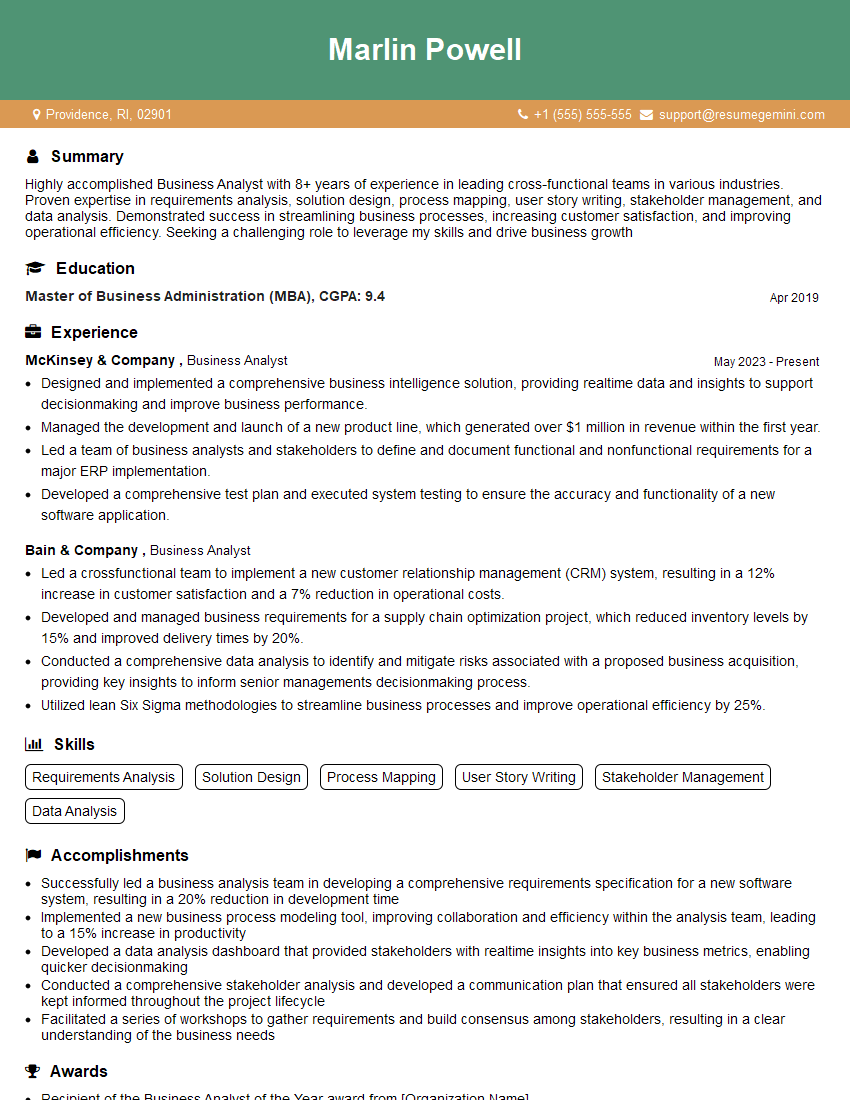
Business Analyst Resume Sample
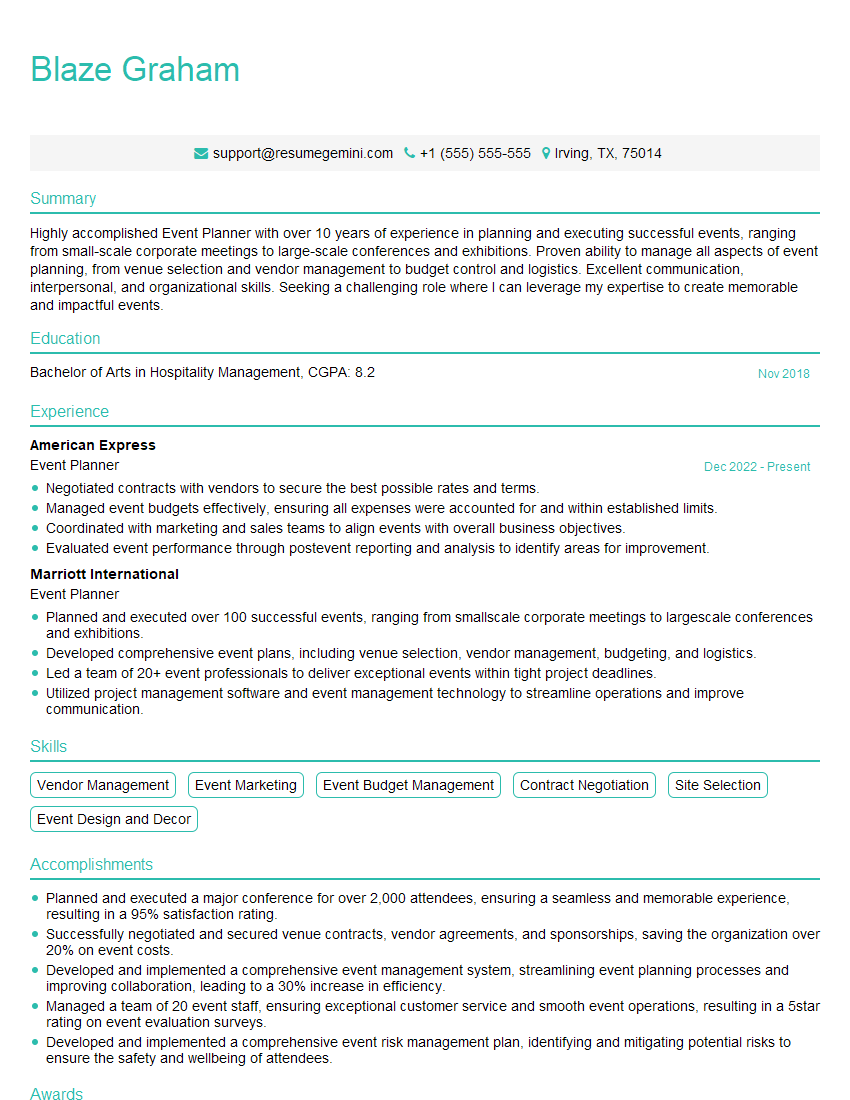
Event Planner Resume Sample
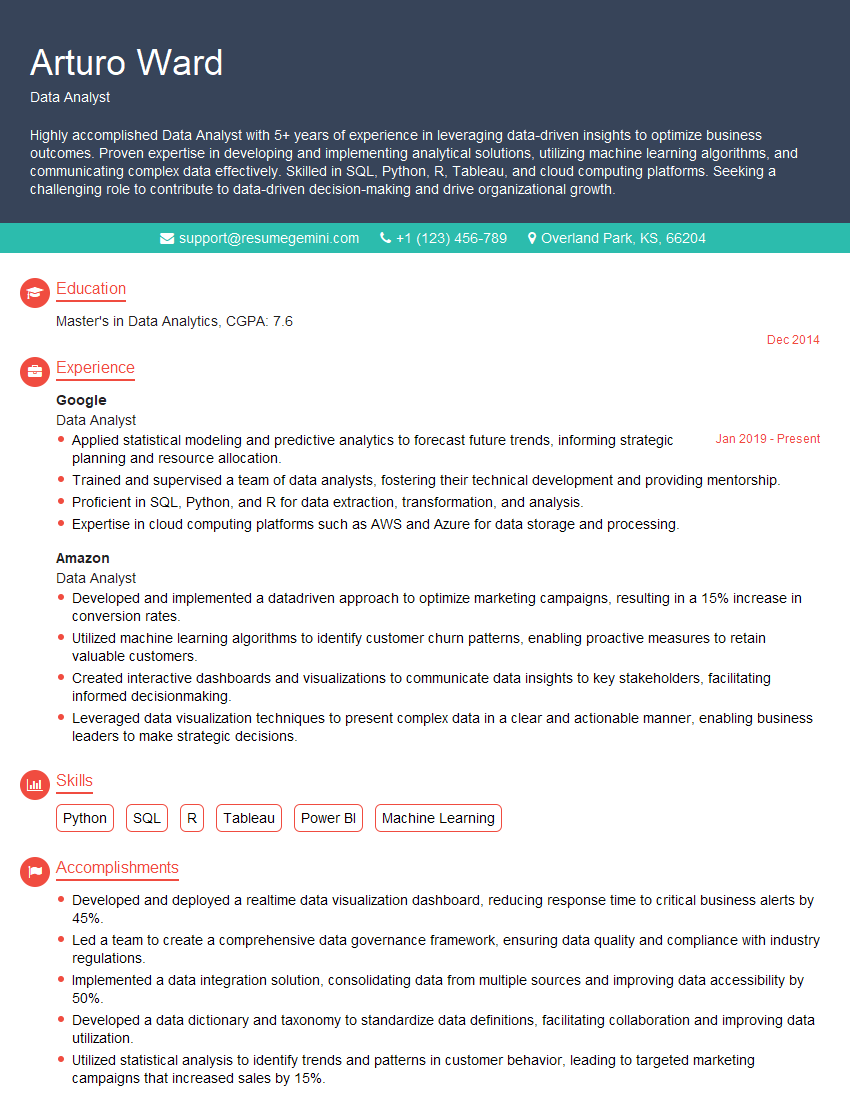
Data Analyst Resume Sample
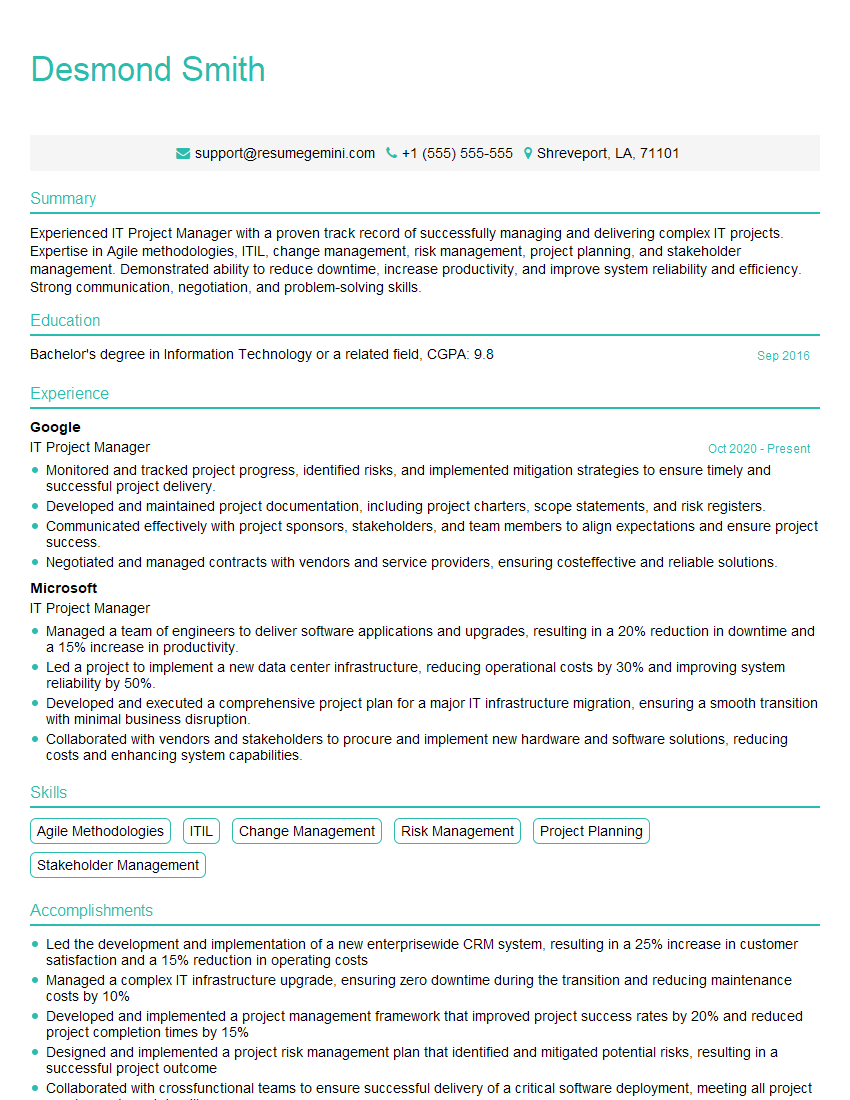
IT Project Manager Resume Sample
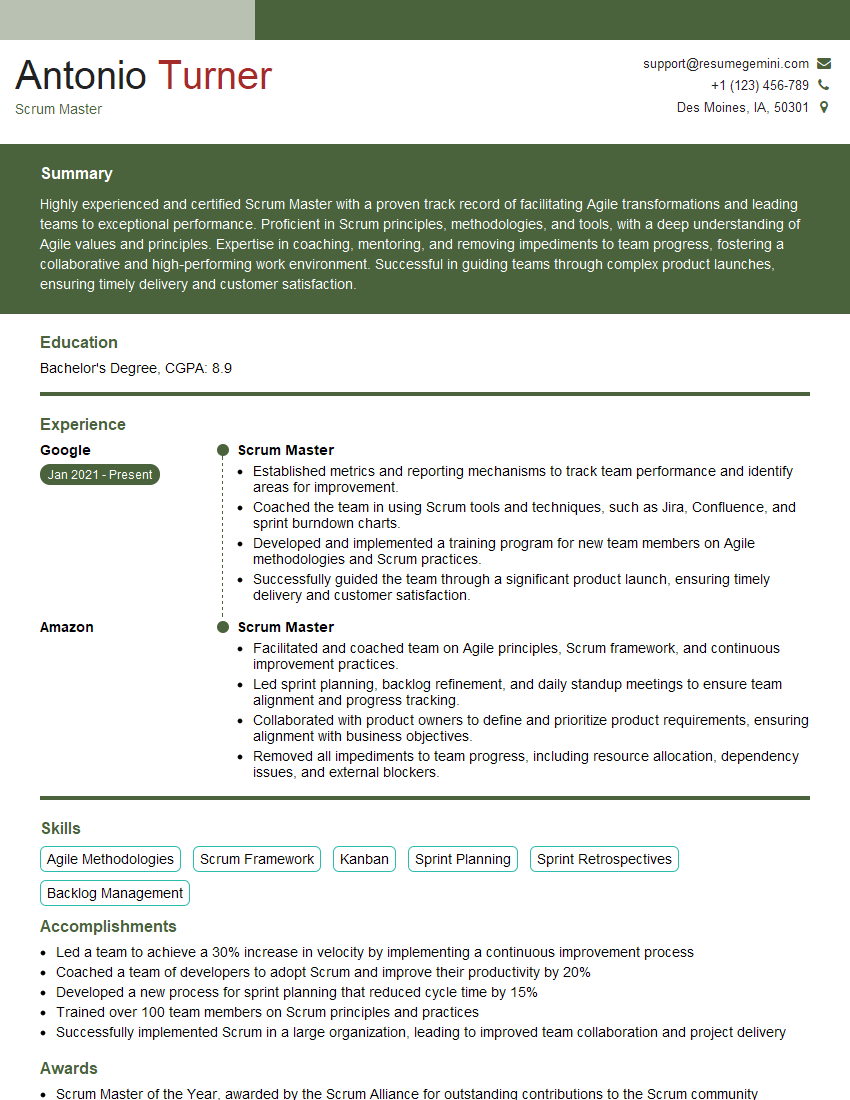
Scrum Master Resume Sample
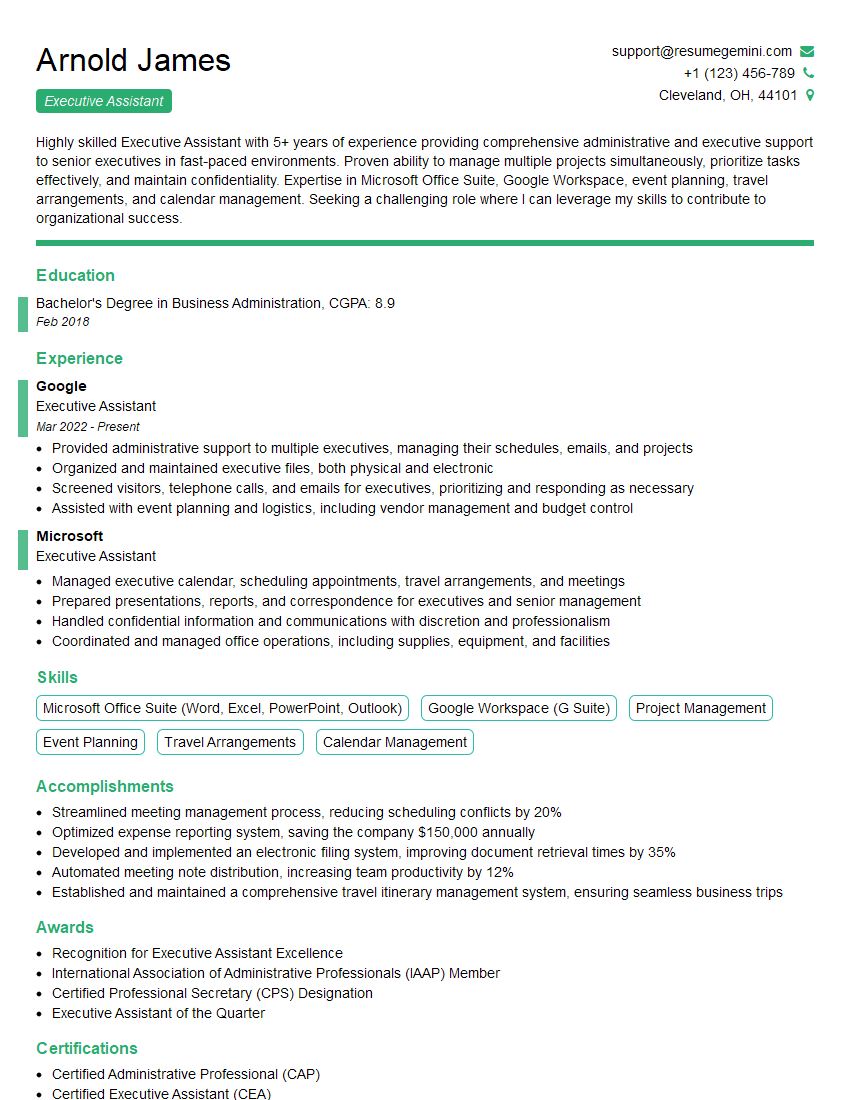
Executive Assistant Resume Sample
- Program Manager
- Office Manager
- Operations Manager
- Production Manager
- Account Manager
- Marketing Manager
- Sales Manager
- Product Manager
- Administrative Assistant
- Director of Operations
- Software Project Manager
- Supply Chain Manager
- Logistics Manager
- Construction Project Manager
- Project Manager
- Portfolio Manager
- Business Analyst
- Event Planner
- Data Analyst
- IT Project Manager
- Scrum Master
- Executive Assistant
Explore more articles
Users Rating of Our Blogs
Share Your Experience
We value your feedback! Please rate our content and share your thoughts (optional).
What Readers Say About Our Blog
Very informative content, great job.
good