Feeling uncertain about what to expect in your upcoming interview? We’ve got you covered! This blog highlights the most important Networking and IT Skills interview questions and provides actionable advice to help you stand out as the ideal candidate. Let’s pave the way for your success.
Questions Asked in Networking and IT Skills Interview
Q 1. Explain the difference between TCP and UDP.
TCP (Transmission Control Protocol) and UDP (User Datagram Protocol) are both communication protocols used on the internet, but they differ significantly in how they handle data transmission. Think of them like two different delivery services: TCP is like FedEx, ensuring reliable delivery with tracking and confirmation, while UDP is like sending a postcard – faster, but with no guarantee of arrival.
- TCP: Connection-oriented. It establishes a connection between sender and receiver before transmitting data, ensuring reliable, ordered delivery. It uses acknowledgments (ACKs) to confirm receipt of data packets and retransmits lost or corrupted packets. This makes it ideal for applications requiring high reliability, such as web browsing (HTTP), email (SMTP), and file transfer (FTP).
- UDP: Connectionless. It doesn’t establish a connection before sending data; it simply sends packets and hopes for the best. It’s faster but less reliable, as there’s no guarantee of delivery or order. This makes it suitable for applications where speed is prioritized over reliability, such as online gaming (where a slightly delayed packet is better than no packet), streaming video, and DNS lookups.
In short: TCP prioritizes reliability, while UDP prioritizes speed. The choice depends on the application’s needs.
Q 2. What are the different layers of the OSI model?
The OSI (Open Systems Interconnection) model is a conceptual framework that divides network communication into seven distinct layers. Each layer performs specific functions, making it easier to understand and troubleshoot network issues. Imagine it like a layered cake, where each layer depends on the one below it.
- Layer 7: Application Layer: This is where applications interact with the network (e.g., HTTP, SMTP, FTP).
- Layer 6: Presentation Layer: Handles data formatting and encryption/decryption (e.g., converting data to a standard format).
- Layer 5: Session Layer: Manages sessions between applications (e.g., establishing and terminating connections).
- Layer 4: Transport Layer: Provides reliable data transfer (TCP) or unreliable, fast data transfer (UDP).
- Layer 3: Network Layer: Handles logical addressing (IP addresses) and routing.
- Layer 2: Data Link Layer: Handles physical addressing (MAC addresses) and error detection on a local network.
- Layer 1: Physical Layer: Deals with the physical transmission of data (cables, wireless signals).
Understanding the OSI model is crucial for network professionals because it helps in diagnosing and resolving network problems by isolating the faulty layer.
Q 3. Describe the function of a router and a switch.
Routers and switches are essential network devices, but they operate at different layers of the OSI model and have distinct functions.
- Router: Operates at the Network Layer (Layer 3). It forwards data packets between networks based on their IP addresses. Think of a router as a postal worker who sorts mail based on addresses and sends it to the correct destination. They connect different networks (e.g., your home network to the internet).
- Switch: Operates at the Data Link Layer (Layer 2). It forwards data frames within a single network based on their MAC addresses. Imagine a switch as an internal mail sorter within a post office; it directs mail to specific departments (devices) within the office.
In essence, routers route traffic between networks, while switches direct traffic within a single network. A router is needed to connect to the internet, while a switch connects devices within your local network (home or office).
Q 4. What is subnetting and why is it important?
Subnetting is the process of dividing a network into smaller, more manageable subnetworks. It’s like dividing a large city into smaller neighborhoods for better organization and efficiency. This is crucial for several reasons:
- Improved Network Performance: By reducing the number of devices on each subnet, network congestion is minimized, leading to faster data transmission.
- Enhanced Security: Subnetting allows for better security by isolating sensitive data and resources to specific subnets, restricting access.
- Efficient IP Address Allocation: Subnetting allows for more efficient use of available IP addresses, preventing address exhaustion.
- Simplified Network Management: Subnetting simplifies network management by making it easier to track and manage devices and resources.
For instance, a large company might subnet its network to separate departments, improving security and performance for each department. Subnetting involves using subnet masks to define the boundaries of each subnet.
Q 5. Explain the concept of IP addressing (IPv4 and IPv6).
IP addressing is the system used to uniquely identify devices on a network. There are two main versions: IPv4 and IPv6.
- IPv4 (Internet Protocol version 4): Uses 32-bit addresses, represented as four sets of numbers separated by dots (e.g.,
192.168.1.1). The limited address space (around 4.3 billion addresses) is a major drawback, leading to address exhaustion. - IPv6 (Internet Protocol version 6): Uses 128-bit addresses, represented as eight groups of four hexadecimal digits separated by colons (e.g.,
2001:0db8:85a3:0000:0000:8a2e:0370:7334). It has a vastly larger address space, solving the IPv4 address exhaustion problem and offering other improvements like improved security and routing.
Understanding IP addressing is fundamental for network configuration and troubleshooting. Each device on a network needs a unique IP address to communicate with other devices.
Q 6. What are the common network security threats?
Network security threats are constantly evolving, but some common ones include:
- Malware: Viruses, worms, trojans, ransomware, and spyware that can damage systems, steal data, or disrupt operations.
- Phishing: Deceptive attempts to acquire sensitive information like usernames, passwords, and credit card details by masquerading as a trustworthy entity in electronic communication.
- Denial-of-Service (DoS) attacks: Attempts to make a machine or network resource unavailable to its intended users.
- Man-in-the-Middle (MitM) attacks: An attacker secretly relays and possibly alters the communication between two parties who believe they are directly communicating with each other.
- SQL Injection: A code injection technique that exploits vulnerabilities in database applications to gain unauthorized access to data.
- Zero-day exploits: Attacks that exploit previously unknown vulnerabilities in software or hardware.
Staying updated on the latest threats and implementing robust security measures is crucial to protect networks and data.
Q 7. How do firewalls work?
Firewalls act as security barriers between a trusted internal network and an untrusted external network (like the internet). They examine network traffic and block or allow it based on pre-defined rules. Imagine a bouncer at a nightclub: they check IDs and only allow people who meet their criteria to enter.
Firewalls can be implemented in software or hardware and can employ various techniques to filter traffic, such as:
- Packet filtering: Examining individual data packets and blocking those that don’t meet specified criteria (e.g., blocking traffic from certain IP addresses or ports).
- Stateful inspection: Tracking the state of network connections to determine whether packets belong to legitimate sessions.
- Application-level gateways: Inspecting the contents of application-level data to identify and block malicious traffic.
Firewalls are essential for protecting networks from unauthorized access and malicious attacks. They are a fundamental component of any comprehensive network security strategy.
Q 8. Describe your experience with network troubleshooting.
Network troubleshooting is a systematic process of identifying, isolating, and resolving network problems. My experience spans various environments, from small office networks to large enterprise infrastructures. I approach troubleshooting methodically, employing a tiered approach starting with the simplest checks and progressively delving into more complex solutions.
My typical process involves:
- Gathering information: This includes understanding the nature of the issue, when it started, the affected users or devices, and any recent changes made to the network.
- Checking the basics: This often involves verifying cable connections, power supplies, and simple things like ensuring devices are properly configured. Think of it like checking the fuses before investigating more complex electrical issues.
- Utilizing diagnostic tools: I’m proficient with tools like
ping,traceroute,nslookup, Wireshark, and various network monitoring systems to pinpoint the source of problems. For example, a slow internet connection might be resolved by usingtracerouteto identify bottlenecks along the route. - Testing and verification: After implementing a solution, thorough testing is crucial to ensure the issue is fully resolved and doesn’t reappear.
- Documentation: Detailed documentation of the troubleshooting process, including steps taken, results, and the final solution, is vital for future reference and knowledge sharing.
For instance, in one situation, a company experienced widespread network outages. By using Wireshark, I identified a faulty switch port causing excessive collisions, leading to a swift resolution by replacing the component. Another time, using ping and traceroute helped diagnose a DNS resolution problem that was affecting a specific department. The problem traced back to a misconfigured DNS server setting.
Q 9. Explain VLANs and their purpose.
VLANs, or Virtual Local Area Networks, are logical subdivisions of a physical network. They allow you to segment a network into smaller, isolated broadcast domains, even if they all share the same physical infrastructure. Think of it like having multiple apartments within a single building, each with its own private space.
Purpose of VLANs:
- Improved Security: VLANs isolate sensitive data by restricting access to only authorized devices within a specific VLAN. For example, a company might have separate VLANs for guests, employees, and sensitive financial data.
- Enhanced Performance: By reducing network congestion, VLANs improve performance and reduce latency. This is because broadcast traffic is contained within a single VLAN, preventing it from flooding the entire network.
- Simplified Network Management: VLANs simplify network management by grouping similar devices or users together. This enables easier policy enforcement and network monitoring.
- Flexibility and Scalability: VLANs provide flexibility to adapt to changing network requirements without major physical changes.
Example: A school might have separate VLANs for students, teachers, and administrative staff, each with different network access policies and bandwidth allocation.
Q 10. What is DNS and how does it work?
DNS, or the Domain Name System, is the internet’s phonebook. It translates human-readable domain names (like google.com) into machine-readable IP addresses (like 172.217.160.142) that computers use to communicate. Without DNS, we’d have to remember complex IP addresses for every website we visit.
How DNS Works:
When you type a website address into your browser, your computer first queries a DNS resolver, usually provided by your internet service provider. This resolver then contacts a hierarchy of DNS servers:
- Recursive Resolver: The first point of contact that initiates the query.
- Root Name Server: The top-level servers that direct the query to the next level.
- Top-Level Domain (TLD) Server: Servers responsible for specific top-level domains (e.g., .com, .org, .net).
- Authoritative Name Server: The servers that hold the actual IP address for the specific domain.
The resolver works its way down the hierarchy until it finds the authoritative name server for the domain. This server then returns the corresponding IP address, allowing your browser to connect to the website.
Example: When you type www.example.com, your computer’s DNS resolver will contact a series of DNS servers to eventually find the IP address for www.example.com. This IP address is then used to establish a connection.
Q 11. What is DHCP and how does it work?
DHCP, or the Dynamic Host Configuration Protocol, is a network management protocol that automatically assigns IP addresses and other network configuration parameters to devices on a network. This eliminates the need to manually configure each device, simplifying network administration.
How DHCP Works:
A DHCP server manages a pool of IP addresses. When a device joins the network, it sends a DHCP Discover message. The DHCP server responds with a DHCP Offer message containing an available IP address and other network parameters (subnet mask, default gateway, DNS server addresses). The device then requests this IP address (DHCP Request) and the server confirms the assignment (DHCP ACK).
Benefits of DHCP:
- Automation: Automates IP address assignment, reducing manual configuration and errors.
- Centralized Management: Allows for central management of IP addresses and other network settings.
- IP Address Reuse: Recycles IP addresses when devices leave the network, improving IP address efficiency.
- Simplified Administration: Makes network administration easier and more efficient.
Example: When you connect a new laptop to your home Wi-Fi network, it automatically receives an IP address, subnet mask, and other network settings via DHCP from your router (acting as the DHCP server).
Q 12. Explain the concept of VPNs.
VPNs, or Virtual Private Networks, create a secure, encrypted connection over a public network like the internet. It’s like creating a private tunnel through a public space, protecting your data from prying eyes.
How VPNs Work:
A VPN uses encryption to protect your data as it travels between your device and a VPN server. This encryption makes it very difficult for anyone intercepting your data to read it. Your data is also typically routed through the VPN server, masking your actual IP address and location.
Uses of VPNs:
- Enhanced Security: VPNs protect your data from eavesdropping and unauthorized access, especially on public Wi-Fi networks.
- Privacy: VPNs mask your IP address and location, providing increased online anonymity.
- Remote Access: VPNs enable secure remote access to private networks, allowing employees to access company resources from anywhere.
- Bypass Geo-restrictions: VPNs can help bypass geographic restrictions on websites and online services.
Example: An employee working remotely can use a VPN to securely access their company’s internal network, ensuring confidential data remains protected.
Q 13. What is the difference between a hub, switch, and router?
Hubs, switches, and routers are all networking devices, but they operate differently and serve different purposes:
- Hub: A hub is a very simple device that broadcasts data received on one port to all other ports. This is inefficient and insecure as all devices see all traffic (broadcast domain). Think of it as a simple mailroom; every letter goes to every apartment.
- Switch: A switch learns the MAC addresses of the devices connected to its ports and forwards data only to the intended recipient. This improves efficiency and security by creating smaller collision domains. Imagine a more sophisticated mailroom, where mail is directly delivered to the correct apartment.
- Router: A router connects different networks together, routing traffic between them based on IP addresses. Routers operate at the network layer (Layer 3) of the OSI model. Think of it as a postal service that routes mail between cities.
In short:
- Hubs broadcast, switches forward selectively, and routers route between networks.
Example: Your home router connects your local area network (LAN) to the internet (WAN). Your LAN may use a switch to connect multiple devices (computers, printers etc.) while the router acts as the gateway to the broader internet.
Q 14. Describe your experience with network monitoring tools.
I have extensive experience with various network monitoring tools, including both open-source and commercial solutions. My experience includes using these tools to monitor network performance, identify issues, and ensure network security.
Some examples of tools I’ve used include:
- Nagios: A powerful open-source monitoring system that allows for comprehensive monitoring of network devices, services, and applications. I used it to track uptime, resource utilization and response times.
- Zabbix: Another popular open-source monitoring tool, offering similar capabilities to Nagios. Its flexibility and scalability make it ideal for monitoring large and complex networks.
- SolarWinds: A comprehensive commercial solution that provides detailed network performance monitoring and management capabilities. Its dashboards provide at-a-glance visibility into network health.
- PRTG Network Monitor: A user-friendly commercial monitoring tool with a comprehensive feature set.
- Wireshark: This powerful protocol analyzer is essential for deep network packet analysis allowing me to identify performance bottlenecks, security breaches and network malfunctions.
Using these tools, I have successfully identified and resolved a wide range of network issues, including slow network performance, connectivity problems, and security breaches. For instance, using SolarWinds helped me pinpoint a server bottleneck causing latency issues during peak hours, while Wireshark helped identify a denial-of-service attack targeting our network. The key is choosing the right tool based on the specific requirements of the network and the complexity of the issues being monitored.
Q 15. What is your experience with cloud computing platforms (AWS, Azure, GCP)?
My cloud computing experience encompasses all three major platforms: AWS, Azure, and GCP. I’ve worked extensively with AWS, primarily utilizing EC2 for virtual machine management, S3 for object storage, and RDS for relational database services. I’ve built and deployed several applications using these services, focusing on scalability, availability, and cost optimization. With Azure, I’ve focused on their virtual network configurations and implementation of Azure Active Directory for identity and access management. My experience with GCP is centered around their compute engine and Kubernetes engine for container orchestration. In all three platforms, I’m proficient in infrastructure as code (IaC) using tools like Terraform, enabling automated deployment and management of cloud resources. For example, I recently used Terraform and AWS to automate the deployment of a highly available web application, significantly reducing deployment time and human error. I understand the nuances of each platform, allowing me to choose the best fit based on project requirements and budgetary constraints.
Career Expert Tips:
- Ace those interviews! Prepare effectively by reviewing the Top 50 Most Common Interview Questions on ResumeGemini.
- Navigate your job search with confidence! Explore a wide range of Career Tips on ResumeGemini. Learn about common challenges and recommendations to overcome them.
- Craft the perfect resume! Master the Art of Resume Writing with ResumeGemini’s guide. Showcase your unique qualifications and achievements effectively.
- Don’t miss out on holiday savings! Build your dream resume with ResumeGemini’s ATS optimized templates.
Q 16. Explain your understanding of network protocols.
Network protocols are the set of rules that govern communication between devices on a network. Think of them as the language computers use to talk to each other. My understanding covers a wide range, from the physical layer (e.g., Ethernet) to the application layer (e.g., HTTP, HTTPS, FTP). I’m familiar with TCP/IP, the foundation of the internet, understanding its layered architecture (physical, data link, network, transport, session, presentation, application) and how data flows through each layer. TCP (Transmission Control Protocol) provides reliable, ordered delivery of data, while UDP (User Datagram Protocol) prioritizes speed over reliability. I have practical experience troubleshooting network connectivity issues by analyzing packet captures using Wireshark to pinpoint protocol-related problems. For instance, I once identified a network bottleneck by analyzing TCP packet retransmissions, leading to a solution that improved application performance significantly. I also understand routing protocols like BGP (Border Gateway Protocol) and OSPF (Open Shortest Path First), which are crucial for managing large and complex networks.
Q 17. Describe your experience with scripting languages (Python, Bash).
I’m proficient in both Python and Bash scripting. Python is my go-to language for automating complex tasks, data analysis, and developing network management tools. I’ve used it to create scripts for automating server deployments, monitoring network performance, and parsing log files for troubleshooting. For instance, I wrote a Python script to automatically back up server configurations and data to cloud storage. Bash scripting is essential for automating tasks within the Linux environment. I routinely use it for managing servers, automating system administration tasks, and creating custom tools for network operations. A recent example involves a Bash script I developed to automate the deployment of a web server on multiple virtual machines, ensuring consistent configurations across all servers. I’m comfortable working with regular expressions in both languages for text processing and data manipulation, which is vital for tasks such as log analysis and data extraction.
Q 18. How do you handle network outages?
Handling network outages requires a systematic approach. My first step is to identify the scope and impact of the outage – which systems are affected and what services are unavailable? Then, I use monitoring tools to pinpoint the source of the problem. This might involve checking server logs, network devices, and examining network traffic patterns with tools like Wireshark. Once the cause is identified, I implement a solution based on the root cause. This could range from restarting a failed server, resolving a routing issue, or contacting the internet service provider. Throughout this process, clear and concise communication with stakeholders is vital – keeping them informed about the status of the outage and the estimated time to resolution. A crucial aspect is having a well-defined disaster recovery plan that includes redundant systems and backup infrastructure, minimizing the impact of future outages. For example, in a past incident, we quickly identified a fiber cut as the cause and switched to a backup network connection, minimizing downtime and ensuring business continuity.
Q 19. What is your experience with network security best practices?
Network security is paramount. My experience encompasses implementing and enforcing a range of best practices, including: regularly updating software and firmware to patch vulnerabilities; employing firewalls and intrusion detection/prevention systems (IDS/IPS) to filter and block malicious traffic; implementing strong password policies and multi-factor authentication (MFA) to secure access to network resources; utilizing VPNs (Virtual Private Networks) to secure remote access; and regularly conducting penetration testing and vulnerability assessments to proactively identify and address security weaknesses. I also understand the importance of network segmentation to isolate critical systems from less critical ones, minimizing the impact of a security breach. A real-world example includes implementing a zero-trust security model where every user and device needs continuous verification before accessing resources, regardless of their location within or outside the network.
Q 20. What is your experience with different operating systems (Windows, Linux, macOS)?
I have extensive experience with Windows, Linux (various distributions like Ubuntu, CentOS, and Red Hat), and macOS. My proficiency extends beyond basic usage to advanced system administration tasks such as user and group management, configuring services, troubleshooting system issues, and scripting for automation. I understand the strengths and weaknesses of each OS and can select the appropriate platform based on project needs. For instance, Linux is often my preferred choice for server environments due to its stability and flexibility, while Windows may be better suited for certain client applications. My experience includes managing servers, deploying applications, and troubleshooting problems across different operating systems. I’m equally comfortable using command-line interfaces and graphical user interfaces for system administration tasks. Understanding the nuances of each OS has been crucial in managing diverse IT environments.
Q 21. Describe your experience with database management systems (SQL, NoSQL).
My experience with database management systems covers both SQL and NoSQL databases. With SQL databases (like MySQL, PostgreSQL, and SQL Server), I’m proficient in designing database schemas, writing queries (SELECT, INSERT, UPDATE, DELETE), optimizing database performance, and managing database security. I understand concepts like normalization, indexing, and query optimization to ensure efficient data retrieval and management. For NoSQL databases (like MongoDB and Cassandra), I’m experienced in designing data models suitable for their respective strengths – scalability and flexibility. I understand the differences between relational and non-relational databases and can choose the right database technology based on the application’s requirements. I’ve used both SQL and NoSQL databases in various projects to manage and process data, demonstrating a deep understanding of their capabilities and limitations. For example, I’ve utilized MongoDB for a high-volume, real-time data application where its scalability was crucial for handling rapid data growth.
Q 22. Explain your experience with virtualization technologies (VMware, Hyper-V).
My experience with virtualization technologies like VMware vSphere and Microsoft Hyper-V is extensive. I’ve worked extensively with both platforms in various enterprise environments, from designing and implementing virtualized infrastructure to troubleshooting performance issues and managing virtual machine (VM) lifecycle.
With VMware, I’ve leveraged features like vCenter Server for centralized management, vMotion for live VM migration, and DRS (Distributed Resource Scheduler) for automated resource allocation. I’ve also worked with vSAN for software-defined storage, significantly simplifying storage management. A recent project involved migrating a legacy application server infrastructure to a VMware vSphere environment, resulting in a 30% reduction in hardware costs and improved uptime.
In my work with Hyper-V, I focused on integrating it with Windows Server environments, utilizing features like Failover Clustering for high availability and Shielded VMs for enhanced security. I have experience setting up and managing Hyper-V clusters, configuring virtual switches, and optimizing VM performance for different workloads. For instance, I successfully migrated a critical database server to a Hyper-V cluster, ensuring zero downtime during the transition. My skills encompass not just the deployment but also the ongoing maintenance, performance tuning, and security hardening of virtualized environments in both platforms.
Q 23. What is your experience with network automation tools?
My experience with network automation tools is substantial, encompassing both scripting and configuration management systems. I’m proficient in Ansible, Python, and have experience with tools like Puppet and Chef. Ansible, in particular, has become my go-to for automating repetitive tasks like configuring network devices (routers, switches) and deploying virtual networks.
For example, I used Ansible to automate the configuration of hundreds of Cisco switches across multiple data centers, significantly reducing deployment time from days to hours. The playbooks ensured consistent configuration across all devices, minimizing the risk of human error and improving overall network consistency. My approach often involves writing reusable modules to enhance efficiency and maintainability. Beyond simple configuration, I’ve also integrated Ansible with monitoring systems to automate responses to network events, creating a more proactive and robust network infrastructure.
I’m also comfortable working with REST APIs provided by network devices to interact programmatically with them. This enables automation for more complex tasks, extending beyond simple configuration changes.
Q 24. Describe a challenging networking problem you solved.
One challenging networking problem I solved involved a recurring network outage affecting a critical business application. The outages were intermittent and difficult to diagnose initially. The symptoms pointed to network congestion, but standard monitoring tools weren’t providing definitive answers.
My troubleshooting approach involved a multi-step process. First, I implemented more granular network monitoring, including packet capture using tcpdump and Wireshark. Analyzing the captured packets revealed unusual spikes in broadcast traffic during the outages. Further investigation pointed to a faulty network switch that was malfunctioning, generating excess broadcast traffic due to a failing component.
The solution wasn’t simply replacing the switch; the faulty switch masked a deeper problem with the network design. The original design lacked proper segmentation, leading to excessive broadcast traffic when a part of the network experienced congestion. To resolve this, I proposed and implemented a network redesign with VLAN segmentation, isolating the application traffic and limiting the impact of potential broadcast storms. This involved not only replacing the switch but also reconfiguring the network, implementing access control lists (ACLs), and carefully monitoring the system afterward. The result was a significant improvement in network stability and a complete elimination of the recurring outages.
Q 25. How do you stay up-to-date with the latest networking technologies?
Staying current in the dynamic field of networking requires a multi-faceted approach. I regularly read industry publications like Network World and Computerworld, and I follow influential bloggers and industry experts on social media platforms like LinkedIn and Twitter.
Participation in online communities and forums, such as those hosted on Reddit and Stack Overflow, provides valuable insights into real-world challenges and solutions. Attending industry conferences and webinars is crucial, offering opportunities to network with peers and learn about the latest advancements directly from vendors and experts. I also actively pursue online courses and certifications to enhance my skills in specific areas; currently, I am working towards my CCNP certification.
Hands-on experience remains paramount. I regularly work on personal projects involving new technologies and explore emerging trends. This active learning approach ensures I’m well-equipped to address the evolving landscape of network technologies.
Q 26. What are your salary expectations?
My salary expectations are in the range of $110,000 to $130,000 per year, depending on the benefits package and the overall compensation structure. This is based on my experience, skills, and the current market rate for similar roles in this area.
Q 27. What are your long-term career goals?
My long-term career goals involve becoming a leading expert in network architecture and security. I aim to contribute to the development and implementation of secure, efficient, and scalable network solutions for large-scale organizations. I’m particularly interested in cloud networking and Software-Defined Networking (SDN) and aspire to lead teams in the design and deployment of cutting-edge network infrastructure.
Q 28. Do you have any questions for me?
Yes, I have a few questions. First, can you elaborate on the company’s approach to professional development and opportunities for advancement? Secondly, could you describe the team structure and the technologies currently in use within the network infrastructure team? Finally, what are the primary challenges the network team is currently facing?
Key Topics to Learn for Networking and IT Skills Interview
- Networking Fundamentals: Understanding network topologies (star, bus, mesh), IP addressing (IPv4, IPv6), subnetting, routing protocols (RIP, OSPF, BGP), and network security concepts (firewalls, intrusion detection systems).
- Practical Application: Describe scenarios where you’ve applied your knowledge of network troubleshooting, such as diagnosing connectivity issues or optimizing network performance. Be prepared to discuss specific tools and techniques you used.
- Cloud Computing: Familiarize yourself with cloud platforms (AWS, Azure, GCP), cloud services (IaaS, PaaS, SaaS), and cloud security best practices. Understanding basic virtualization concepts is crucial.
- Operating Systems: Demonstrate a strong understanding of at least one major operating system (Windows Server, Linux) including its architecture, command-line interface, and system administration tasks.
- Cybersecurity: Discuss common security threats, vulnerabilities, and mitigation strategies. Understanding concepts like access control, encryption, and incident response is vital.
- Database Management: Showcase your knowledge of database concepts (SQL, NoSQL), database design, and query optimization techniques. Experience with specific database systems (MySQL, PostgreSQL, MongoDB) is beneficial.
- Problem-Solving Approach: Practice articulating your problem-solving process, emphasizing logical thinking, methodical troubleshooting, and the ability to adapt to unexpected challenges. Use the STAR method (Situation, Task, Action, Result) to structure your answers.
Next Steps
Mastering Networking and IT skills is paramount for a successful and rewarding career in the technology sector. These skills are highly sought after, opening doors to diverse and challenging roles with excellent growth potential. To significantly improve your job prospects, create a compelling and ATS-friendly resume that highlights your technical expertise and accomplishments. ResumeGemini is a trusted resource that can help you build a professional and impactful resume. We provide examples of resumes tailored to Networking and IT skills to guide you through the process.
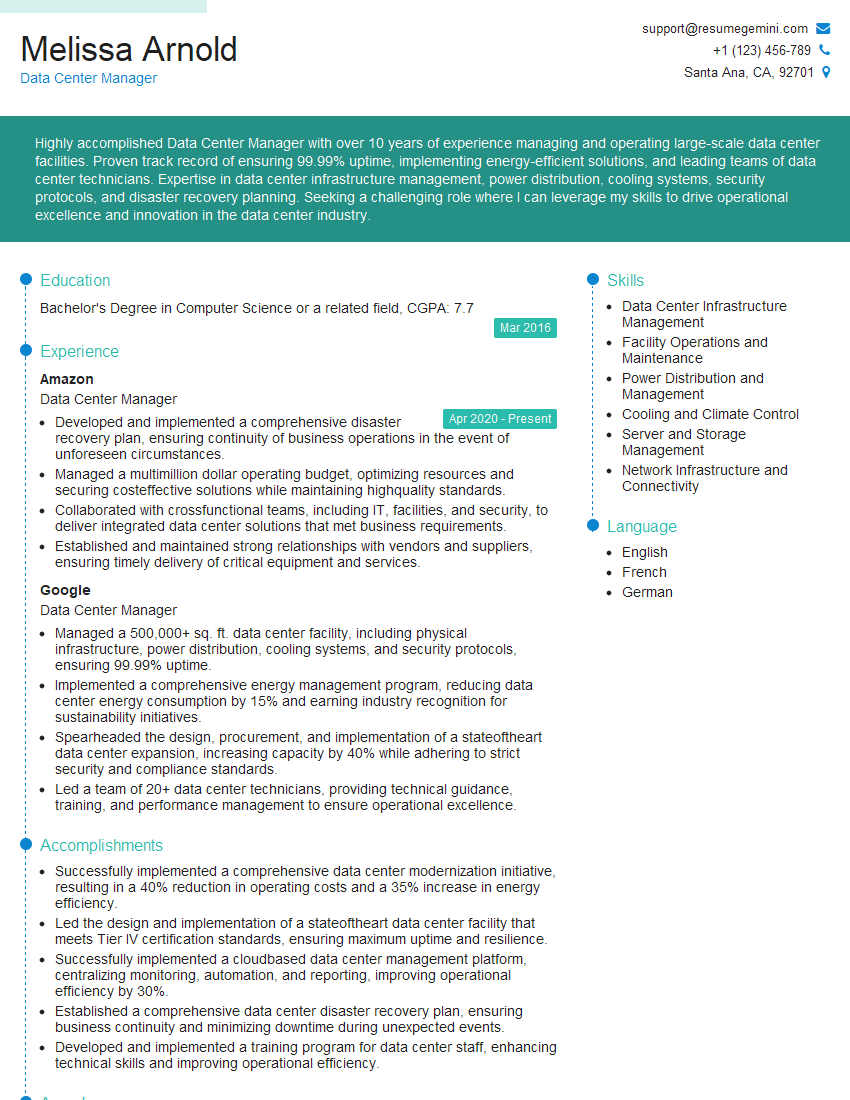
Data Center Manager Resume Sample
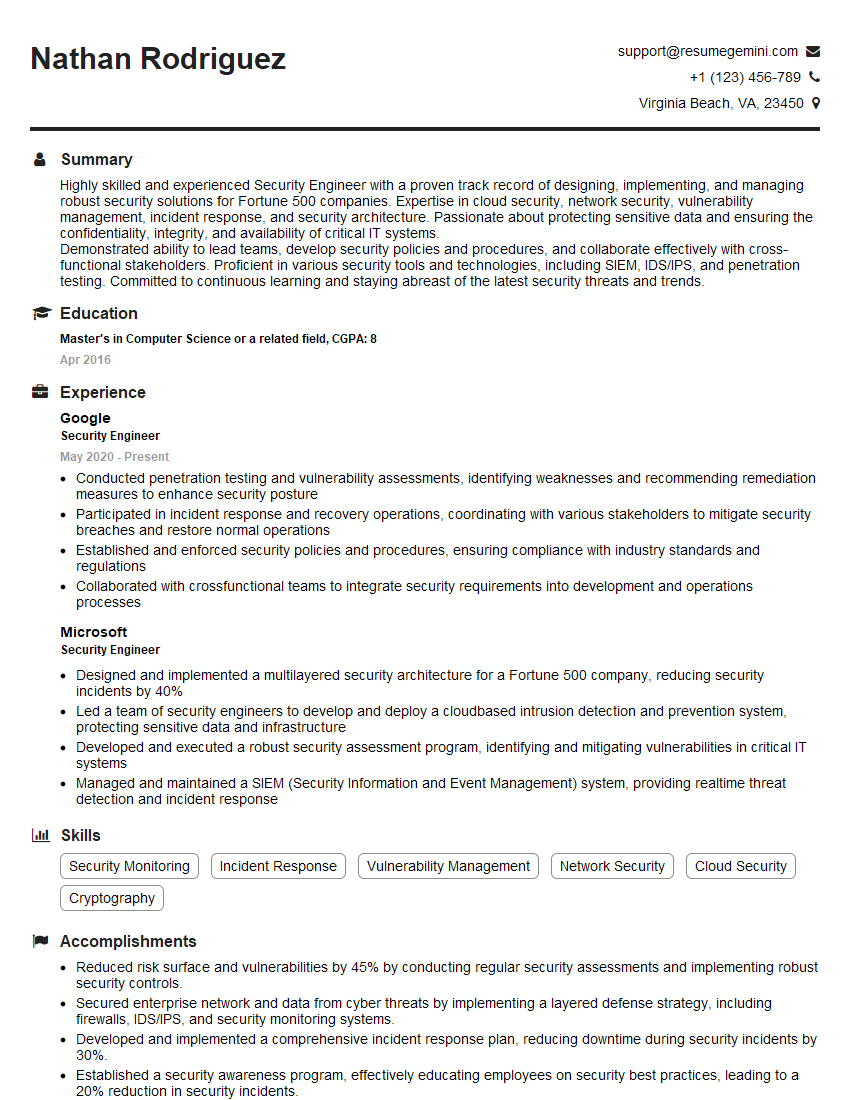
Security Engineer Resume Sample
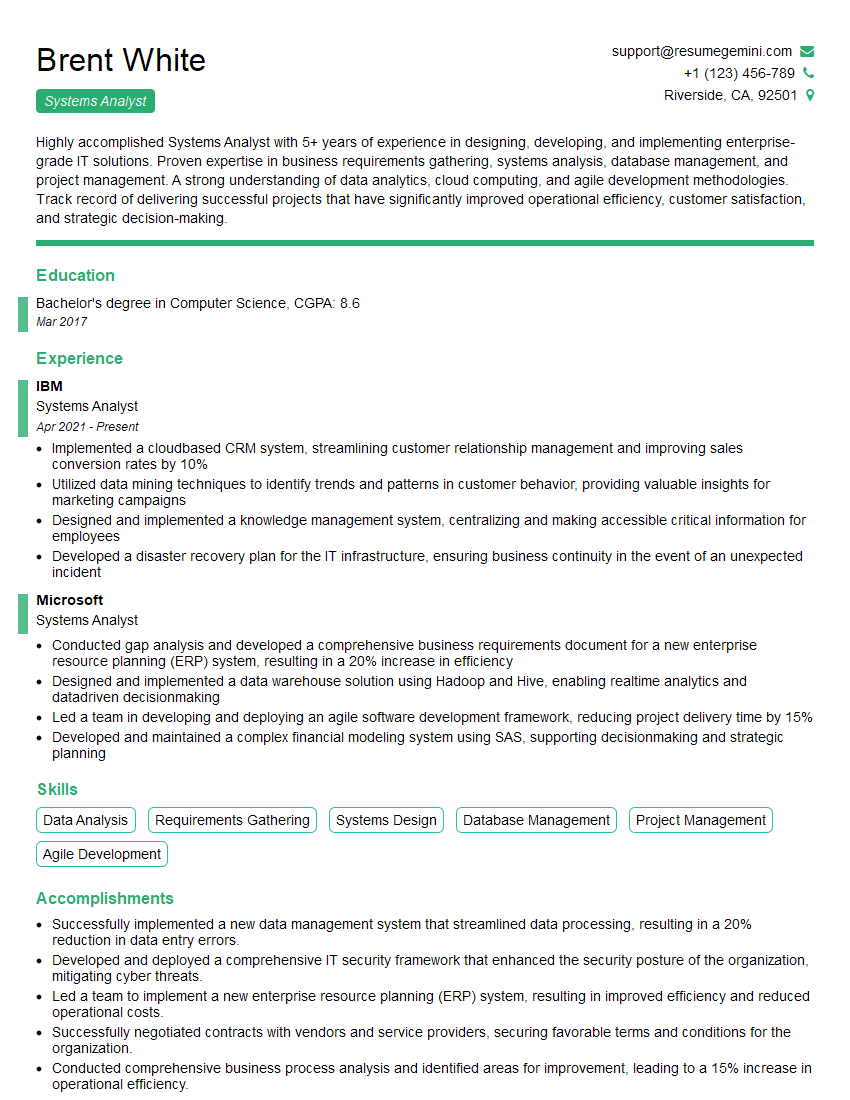
Systems Analyst Resume Sample
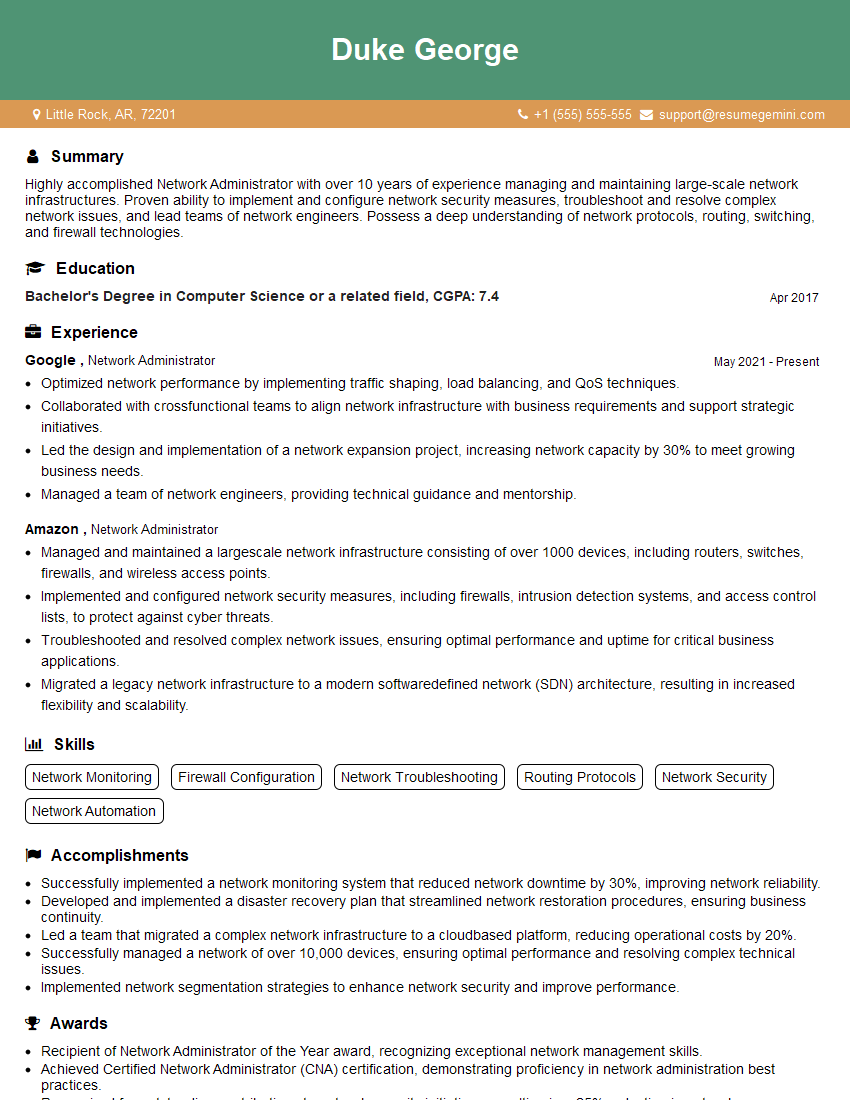
Network Administrator Resume Sample
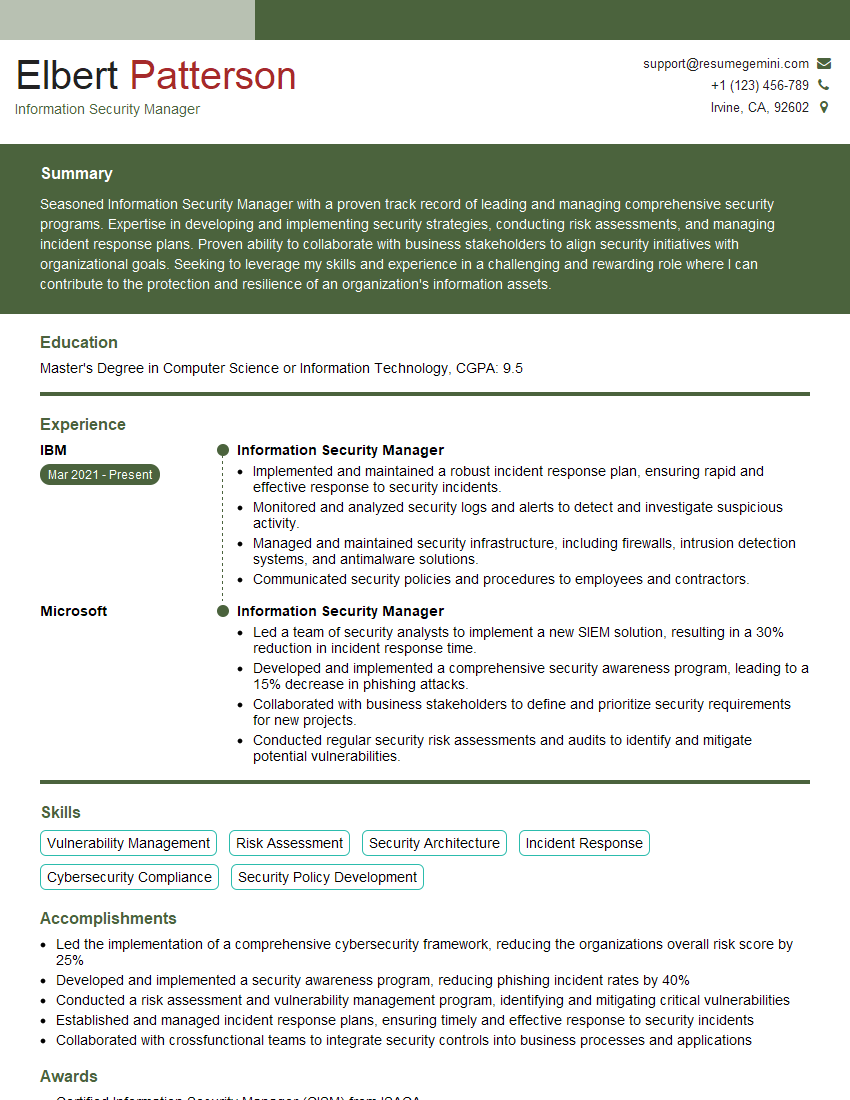
Information Security Manager Resume Sample
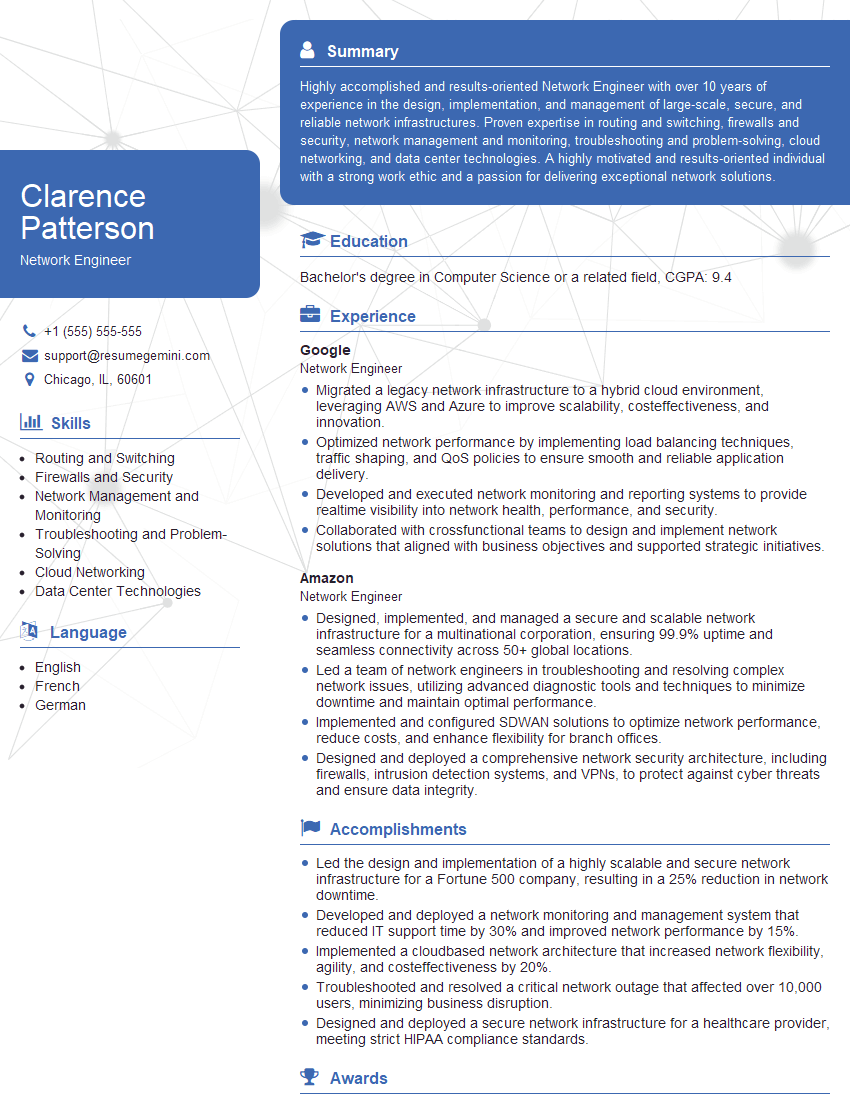
Network Engineer Resume Sample
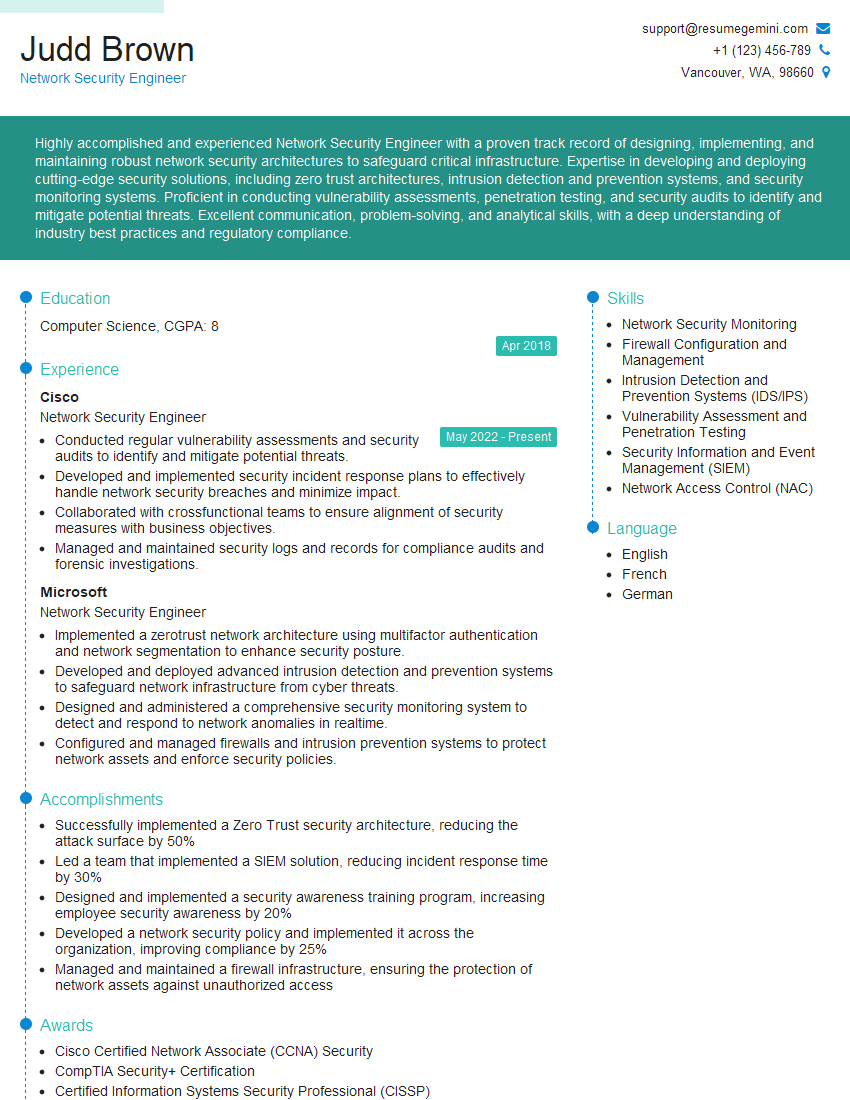
Network Security Engineer Resume Sample
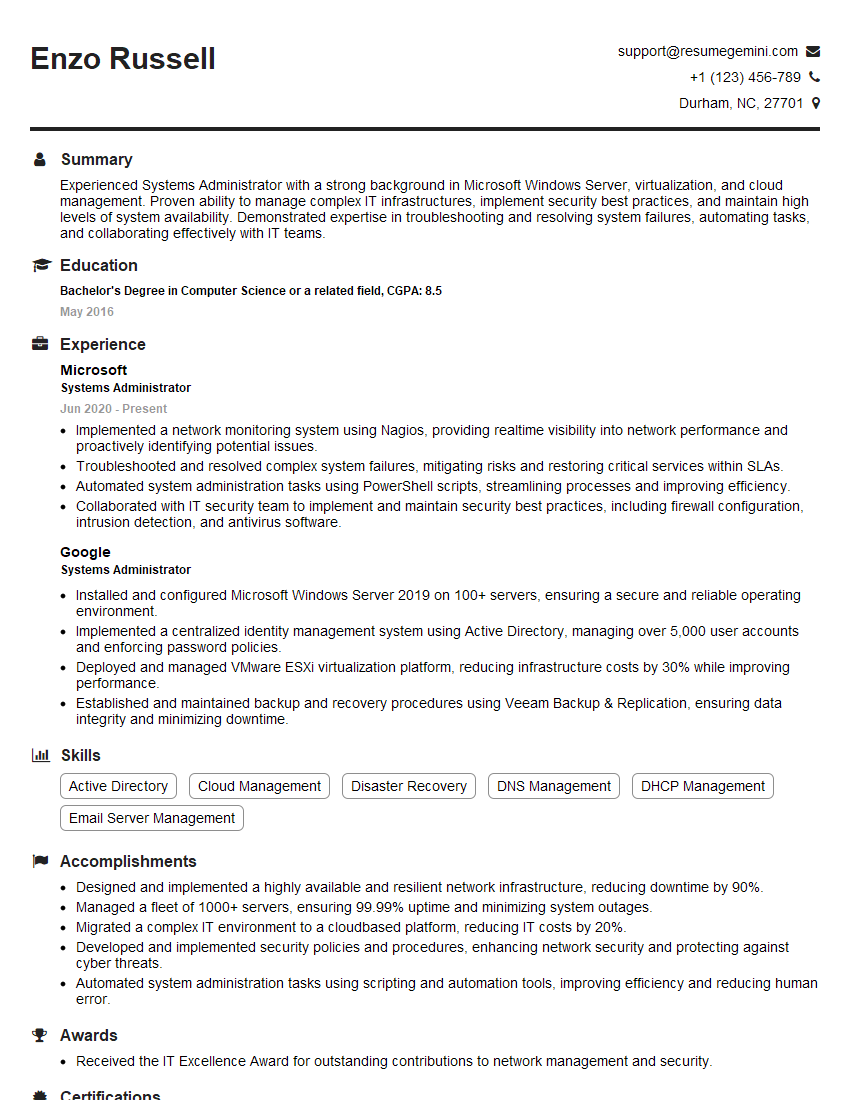
Systems Administrator Resume Sample

Technical Support Engineer Resume Sample
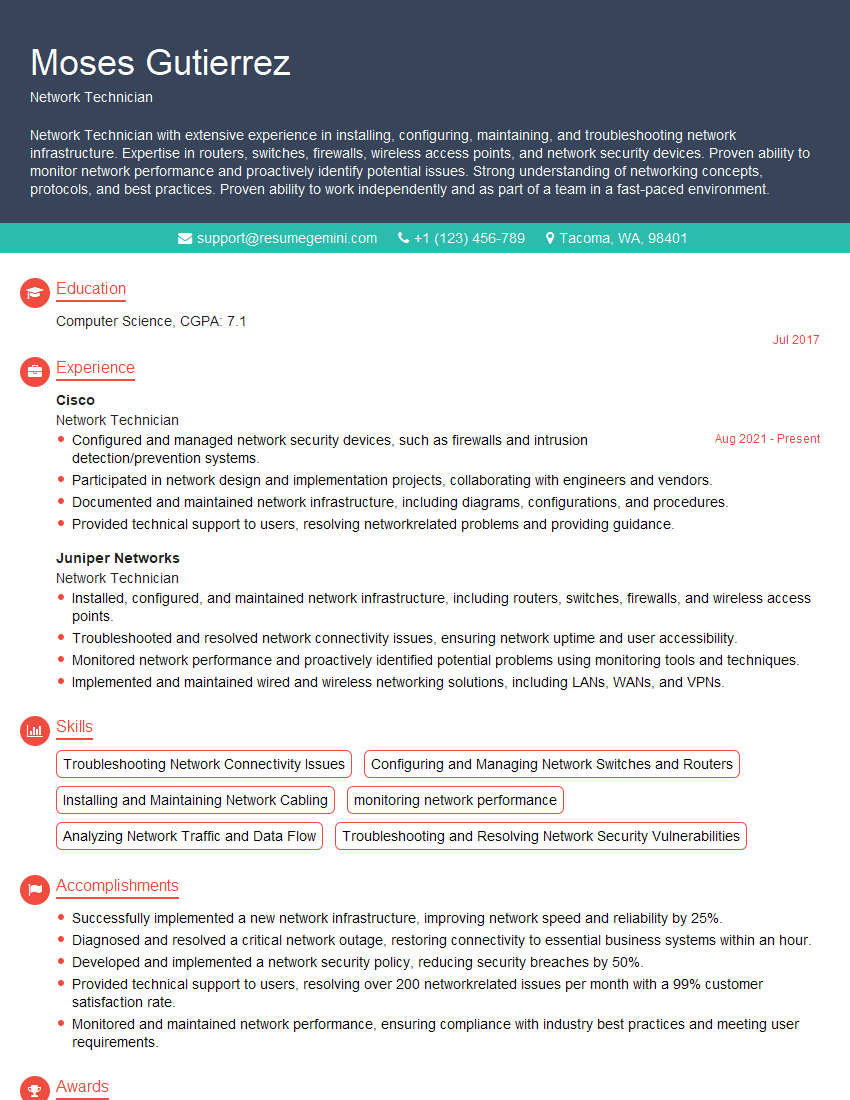
Network Technician Resume Sample
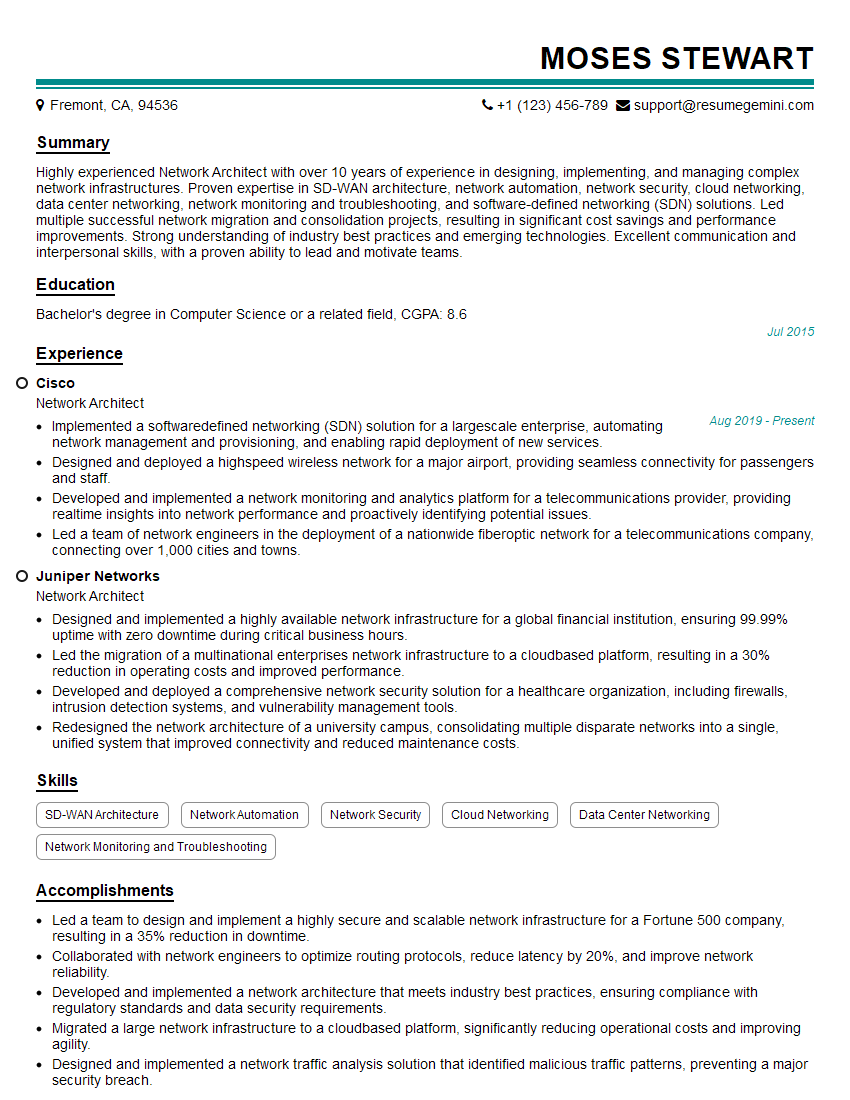
Network Architect Resume Sample
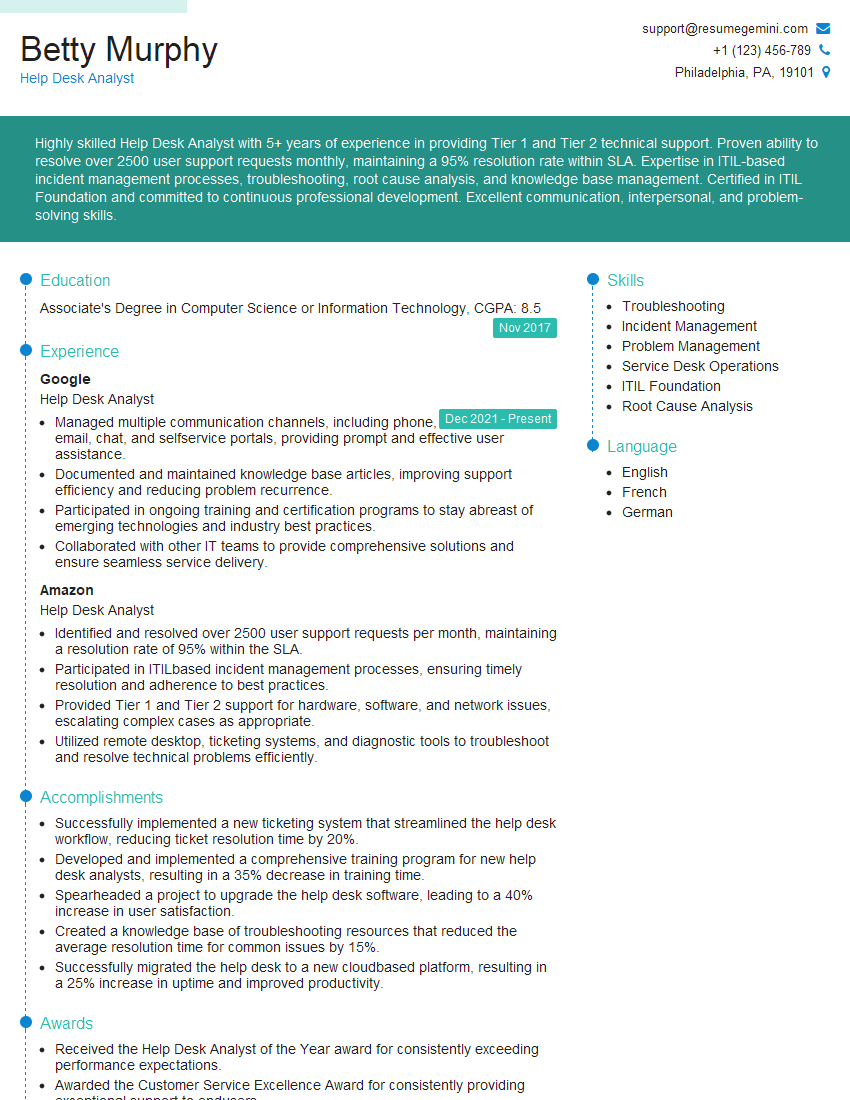
Help Desk Analyst Resume Sample
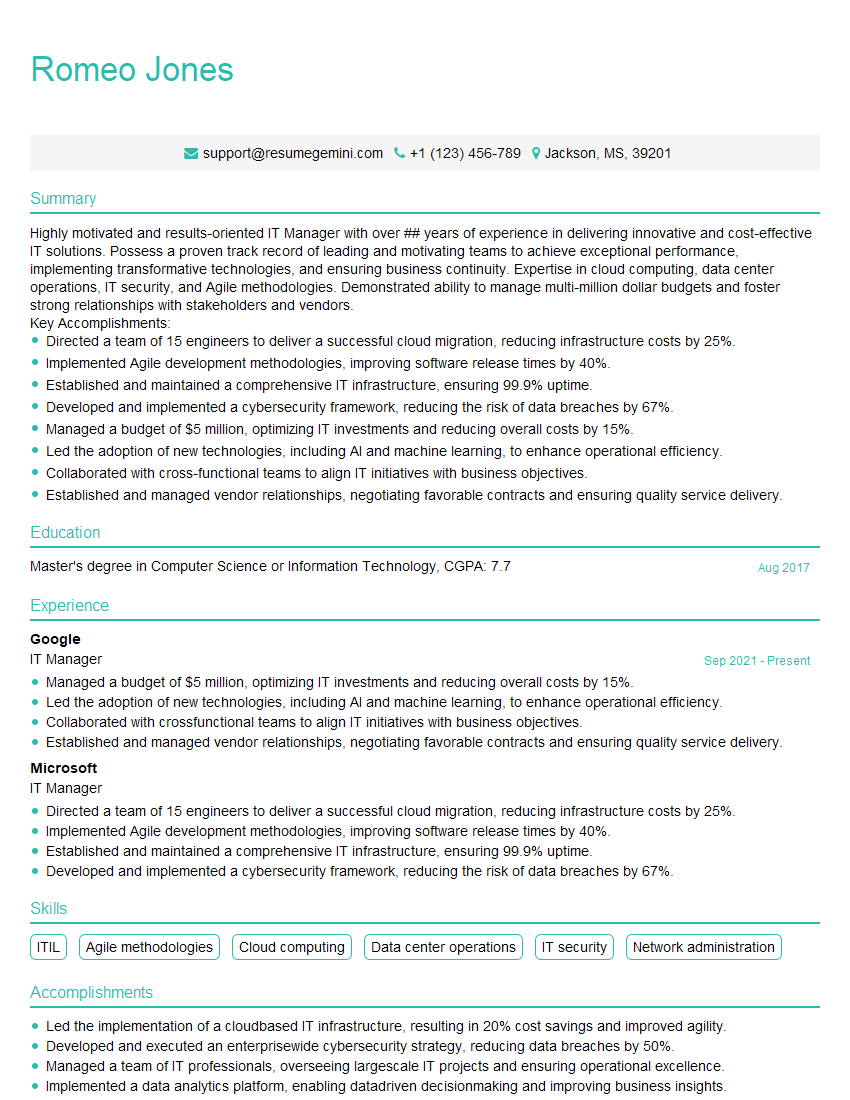
IT Manager Resume Sample
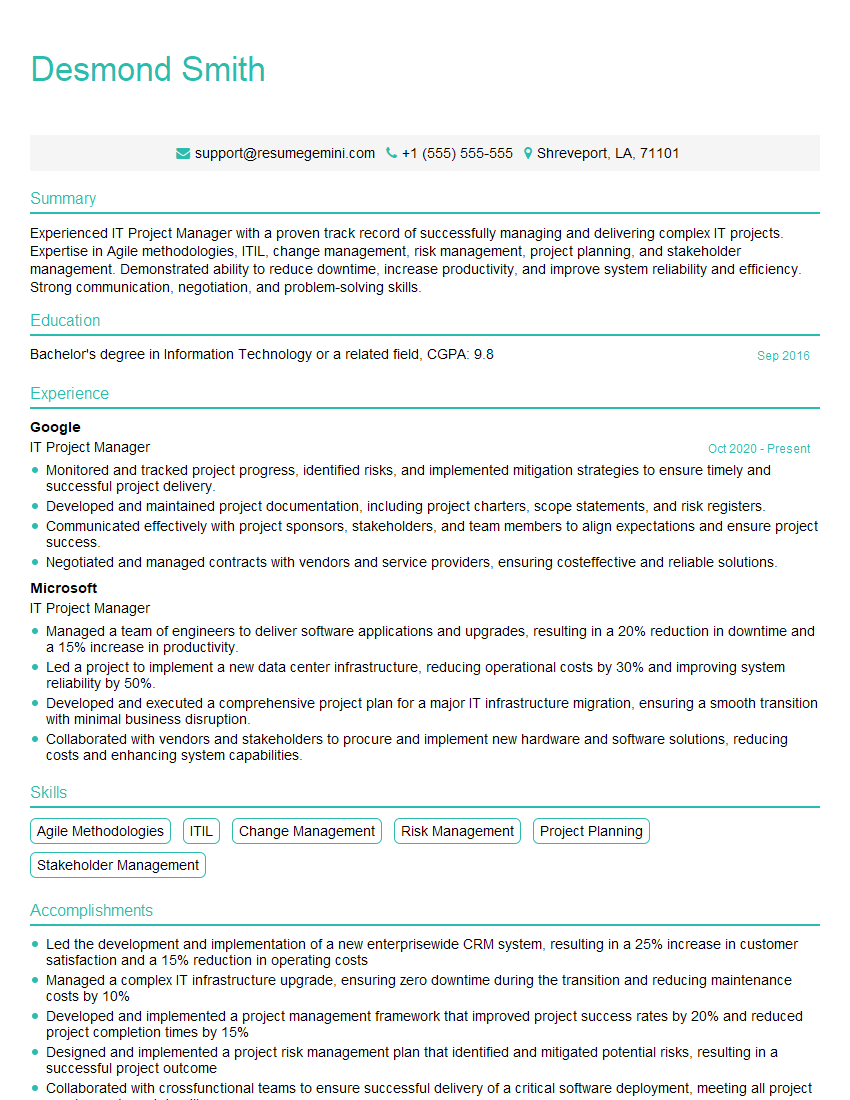
IT Project Manager Resume Sample
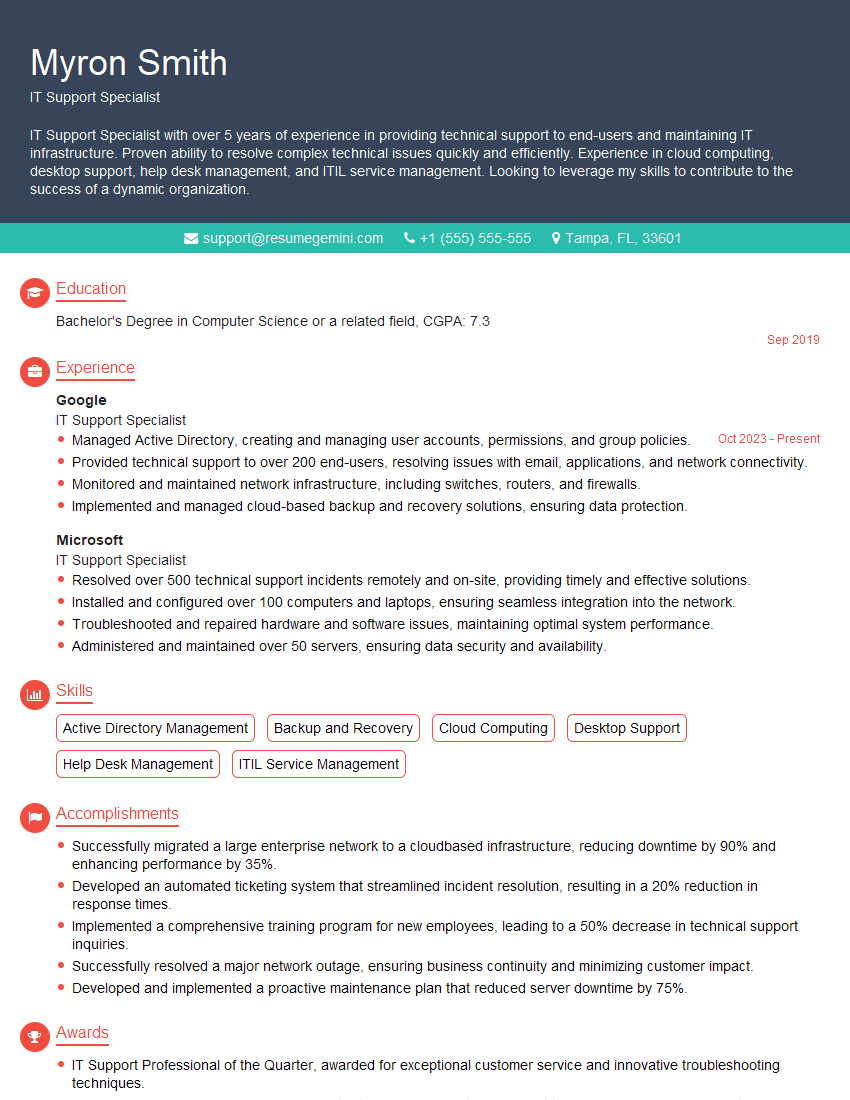
IT Support Specialist Resume Sample
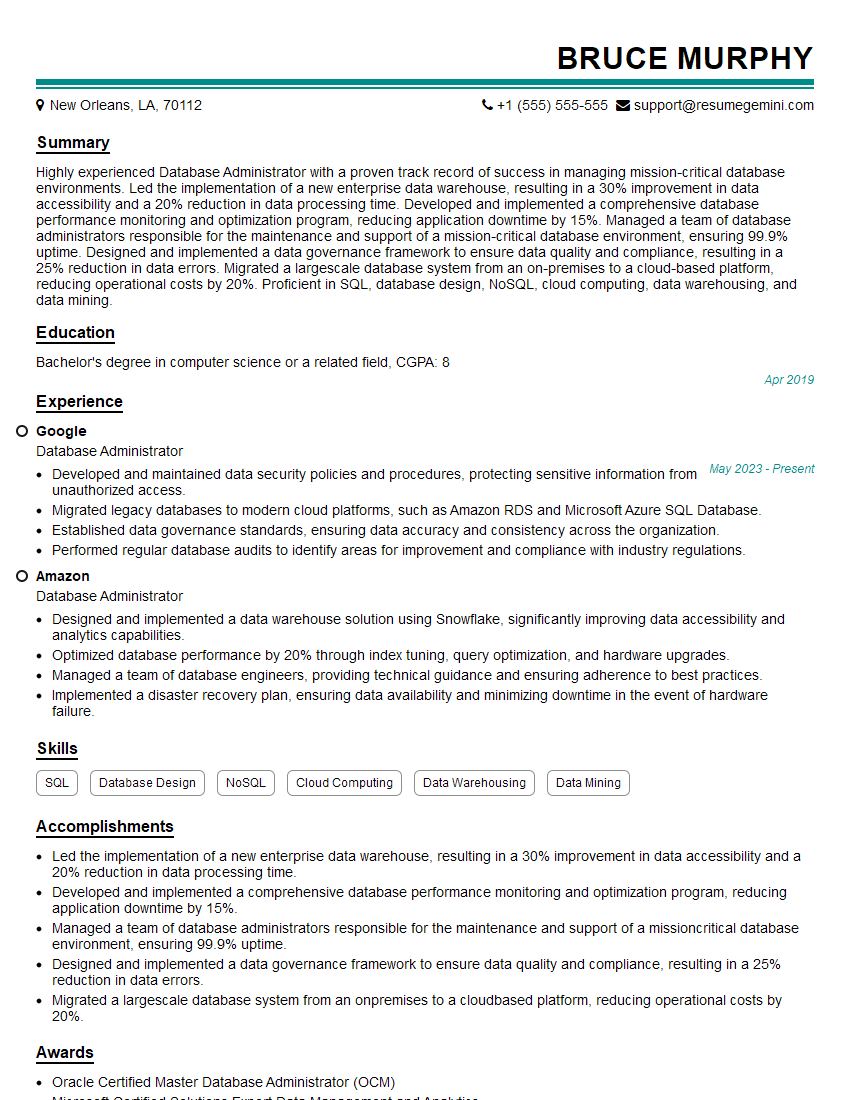
Database Administrator Resume Sample
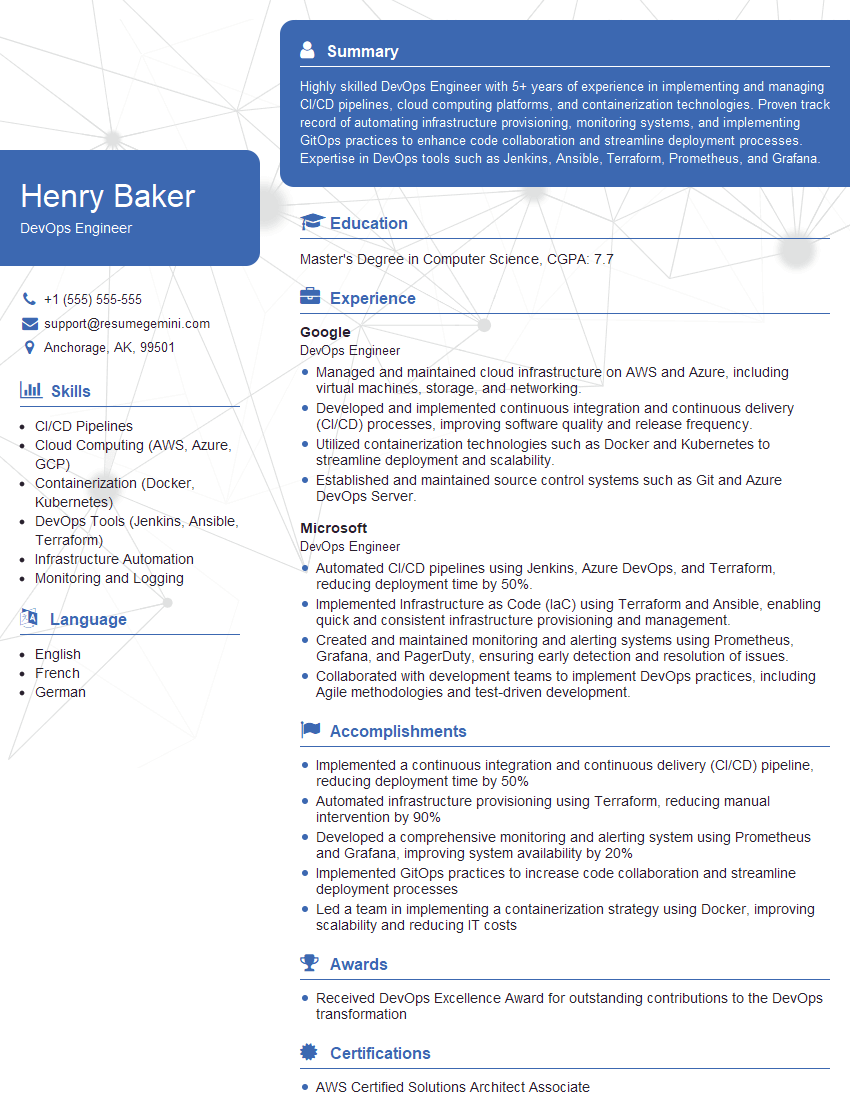
DevOps Engineer Resume Sample
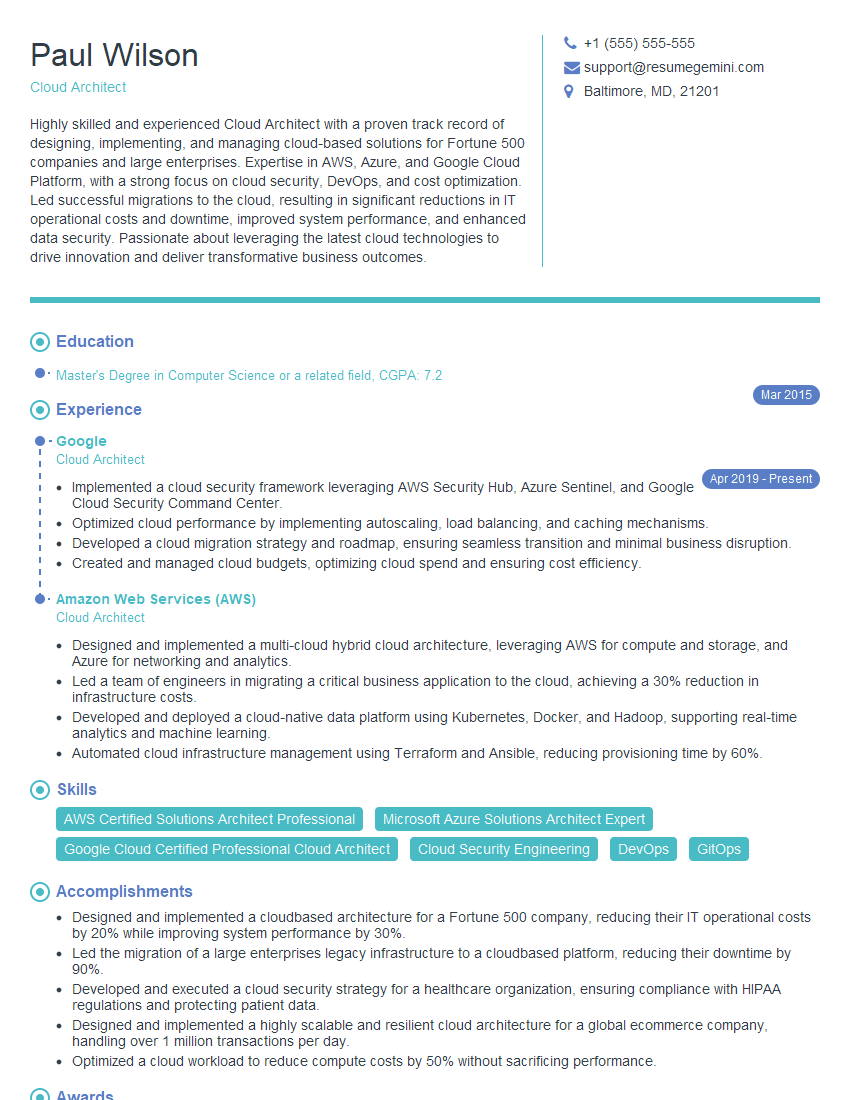
Cloud Architect Resume Sample
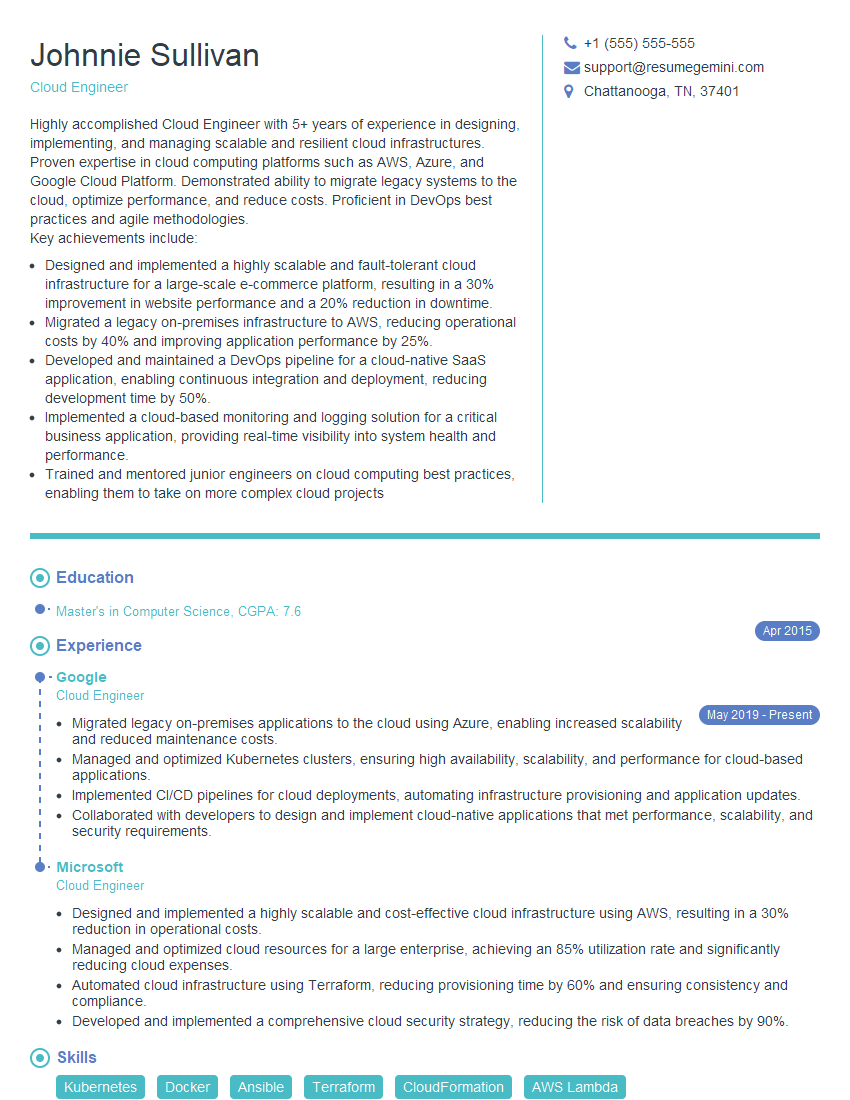
Cloud Engineer Resume Sample
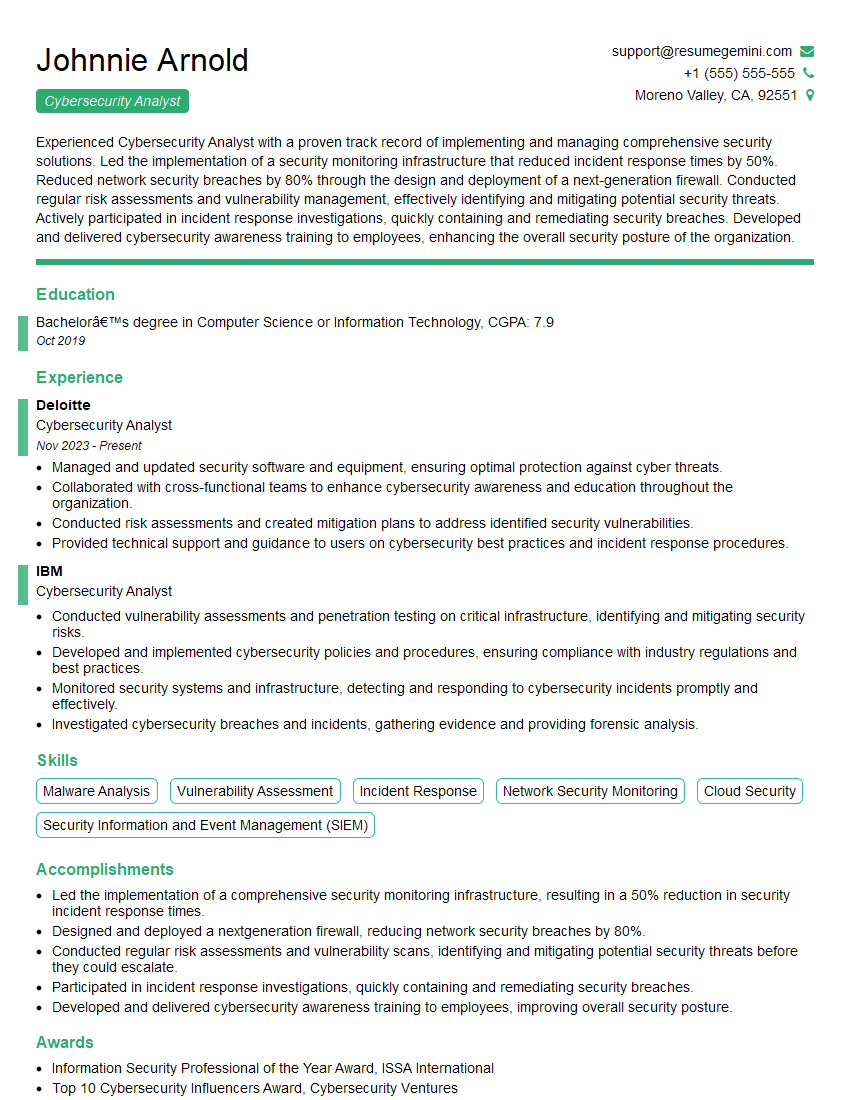
Cybersecurity Analyst Resume Sample
- Data Center Manager
- Security Engineer
- Systems Analyst
- Network Administrator
- Information Security Manager
- Network Engineer
- Network Security Engineer
- Systems Administrator
- Technical Support Engineer
- Network Technician
- Network Architect
- Help Desk Analyst
- IT Manager
- IT Project Manager
- IT Support Specialist
- Database Administrator
- DevOps Engineer
- Cloud Architect
- Cloud Engineer
- Cybersecurity Analyst
Explore more articles
Users Rating of Our Blogs
Share Your Experience
We value your feedback! Please rate our content and share your thoughts (optional).
What Readers Say About Our Blog
Very informative content, great job.
good