Preparation is the key to success in any interview. In this post, we’ll explore crucial Milk Harvesting and Collection interview questions and equip you with strategies to craft impactful answers. Whether you’re a beginner or a pro, these tips will elevate your preparation.
Questions Asked in Milk Harvesting and Collection Interview
Q 1. Describe the process of pre-milking preparation.
Pre-milking preparation is crucial for ensuring high-quality milk and maintaining the udder health of the cow. It’s a multi-step process focused on cleanliness and cow comfort.
- Cleaning the Udder and Teats: This involves thoroughly wiping the udder and teats with a clean, warm cloth or disposable paper towels. This removes any dirt, manure, or other debris that could contaminate the milk. Think of it like washing your hands before preparing food – essential for hygiene.
- Pre-Dipping: A pre-dip solution, typically containing an iodine-based antiseptic, is applied to the teats before milking. This helps to further reduce the bacterial load and prevents the spread of mastitis (udder infection). It’s a crucial step in preventing contamination.
- Fore-Stripping: A small amount of milk is manually removed from each teat before attaching the milking machine. This helps to check for abnormalities in the milk (e.g., clots, changes in color or consistency) and to stimulate milk letdown. Fore-stripping allows for early detection of potential issues.
- Stimulating Milk Letdown: Gentle udder massage can help stimulate the release of oxytocin, a hormone that triggers milk letdown. A calm and relaxed cow will produce more milk, and a stressed cow is more likely to retain milk and have lower-quality milk.
Proper pre-milking preparation is a cornerstone of good dairy farming practices. Neglecting any of these steps can compromise milk quality and animal health.
Q 2. Explain the importance of proper hygiene in milk harvesting.
Proper hygiene in milk harvesting is paramount for producing safe and high-quality milk. Contamination can lead to spoilage, reduced shelf life, and potentially serious health risks for consumers. Think of it as creating a sterile environment for a highly sensitive product.
- Sanitation of Equipment: Milking machines, milk pails, and storage containers must be meticulously cleaned and sanitized after each use to eliminate bacteria and other microorganisms. This is often done with a multi-step process involving detergents and sanitizers.
- Personal Hygiene: Milk handlers must maintain high standards of personal hygiene, including washing their hands thoroughly before and after milking. Clean overalls or milking suits are also crucial to minimize contamination.
- Environmental Hygiene: The milking environment should be clean and well-maintained. This includes keeping the milking parlor free of dust, dirt, and animal waste. A clean environment minimizes the risk of contamination.
- Cow Hygiene: As discussed in the pre-milking preparation, a clean udder and teats are essential. Regular cleaning of the cow’s surroundings also helps prevent contamination.
Failure to maintain proper hygiene can lead to significant economic losses for dairy farmers due to rejected milk batches, increased spoilage, and potential fines for non-compliance with food safety regulations.
Q 3. What are the different methods of milk collection?
Milk collection methods vary depending on the scale of operation, from small farms to large-scale dairy facilities.
- Manual Milking: This traditional method involves hand-milking the cow, often still used in smaller farms or with certain breeds. It’s labor-intensive but allows for close observation of the cow’s health.
- Machine Milking: This is the most common method in modern dairies, using milking machines that attach to the cow’s teats, providing efficient and consistent milk extraction. Different types of milking machines exist depending on the number of cows and the farm size.
- Pipeline Milking Systems: These systems connect multiple milking units to a central milk collection tank, maximizing efficiency and reducing labor in larger operations. Milk flows directly into a refrigerated tank, minimizing the time milk spends at warmer temperatures.
- Bulk Tank Storage: After milking, milk is typically stored in refrigerated bulk tanks on the farm before being collected by tankers for transportation to processing plants. This ensures the milk stays chilled and maintains its quality.
The choice of collection method depends on factors such as farm size, budget, labor availability, and the desired level of automation.
Q 4. How do you ensure milk quality during harvesting and transportation?
Maintaining milk quality during harvesting and transportation requires a focus on temperature control, hygiene, and timely processing.
- Rapid Cooling: Immediately after milking, the milk should be cooled to below 4°C (39°F) to inhibit bacterial growth. This is crucial for preserving the milk’s quality and extending its shelf life. Think of it as putting the milk in a refrigerator immediately.
- Clean Transportation: Milk tankers and other transport vehicles must be thoroughly cleaned and sanitized to prevent contamination. Regular maintenance and inspection are essential.
- Proper Handling: Gentle handling of milk during all stages prevents agitation and foaming, which can affect the quality. Avoid splashing or jarring the milk.
- Timely Processing: Milk should be transported to the processing plant as quickly as possible to minimize the time spent at ambient temperatures. Delays can negatively impact the milk’s quality.
Regular quality checks throughout the process are essential to identify and address any issues that might compromise the quality of the final product.
Q 5. What are the common causes of milk spoilage?
Milk spoilage is primarily caused by microbial growth, leading to undesirable changes in flavor, odor, and appearance.
- Bacterial Contamination: Bacteria are the most common cause of milk spoilage. Contamination can occur at any stage of the process, from milking to transportation. The presence of certain bacteria can lead to souring, off-flavors, and the formation of gas.
- Improper Cooling: Failure to cool milk quickly and adequately allows bacteria to multiply rapidly, accelerating spoilage. Warm temperatures provide an ideal environment for bacterial growth.
- Enzyme Activity: Naturally occurring enzymes in milk can contribute to spoilage over time, especially if the milk is not cooled properly. These enzymes cause changes in the milk’s composition.
- Exposure to Light and Air: Prolonged exposure to light and air can oxidize the milk’s fat and affect its flavor and appearance. Proper storage and handling should minimize this exposure.
Implementing rigorous hygiene practices, rapid cooling, and appropriate storage conditions are crucial for preventing milk spoilage and maintaining its quality and safety.
Q 6. Describe your experience with various milking equipment.
Throughout my career, I’ve worked extensively with a range of milking equipment, from traditional manual systems to highly automated robotic milking systems.
- Conventional Milking Machines: I have considerable experience operating and maintaining various brands of conventional milking machines. This includes troubleshooting malfunctions, cleaning, and sanitation procedures, and ensuring optimal performance.
- Pipeline Milking Systems: I’ve worked with pipeline milking systems in large-scale dairy operations, understanding their intricacies and maximizing their efficiency for high throughput. This involves managing the system’s components, from the milking clusters to the bulk tank.
- Robotic Milking Systems: More recently, I’ve gained experience with robotic milking systems, understanding their automated functionality and the data-driven management they enable. These systems offer significant advantages in efficiency and animal welfare but require specialized knowledge for optimal management.
My understanding spans across different technologies, allowing me to adapt to various farm setups and maximize milk production while ensuring high-quality milk production.
Q 7. Explain the procedure for cleaning and sanitizing milking equipment.
Cleaning and sanitizing milking equipment is a critical step in preventing bacterial contamination and ensuring milk safety. This process is typically a multi-step procedure.
- Pre-Cleaning: This involves removing visible dirt and milk residue from the equipment using warm water and a detergent. A thorough rinse follows this step.
- Cleaning: A specialized dairy detergent is used to thoroughly clean the equipment, effectively removing fat and protein residues. This process might involve soaking or circulating the detergent through the equipment.
- Rinsing: After cleaning, the equipment is rinsed thoroughly with clean, potable water to remove all traces of detergent. This step is critical to prevent residues from interfering with the sanitizer.
- Sanitization: A dairy sanitizer (e.g., chlorine-based or iodophor) is used to kill any remaining microorganisms. The equipment must be fully immersed in the sanitizer or treated using a circulating system, following the manufacturer’s instructions meticulously.
- Drying: Finally, the equipment should be allowed to air dry completely before being stored. Proper drying prevents the recontamination of equipment during storage.
Regular and thorough cleaning and sanitization are crucial for preventing bacterial growth and maintaining the high hygienic standards necessary for producing safe and high-quality milk. Failure to do so could result in significant economic losses and potential health risks.
Q 8. How do you identify and address mastitis in dairy cows?
Mastitis, an inflammation of the udder, is a significant problem in dairy farming, reducing milk yield and quality. Identifying it early is crucial. We use a multi-pronged approach:
- Visual Inspection: Regularly examine the udder for swelling, redness, heat, and any changes in consistency. A hard, painful area is a key indicator.
- Milk Examination: Check for changes in milk – clots, flakes, or a watery consistency. A California Mastitis Test (CMT) is a quick, on-farm test that detects the presence of somatic cells (white blood cells), which increase during infection. A positive CMT warrants further investigation.
- Somatic Cell Count (SCC): Laboratory analysis of milk samples provides a precise SCC measurement. High SCC indicates inflammation, though it doesn’t pinpoint the causative agent. A veterinarian can help identify the bacteria involved.
Addressing mastitis involves immediate action: We separate the affected cow, administer appropriate antibiotics based on bacterial identification (culture and sensitivity testing), and ensure proper udder hygiene and milking techniques. Maintaining clean milking equipment and providing comfortable bedding are crucial preventative measures. In some severe cases, the cow might require supportive therapy. Chronic mastitis cases may necessitate culling the animal to prevent further spread of infection within the herd.
Q 9. What are the different types of milk tankers used for transportation?
Milk tankers vary in size and design depending on the volume of milk being transported and the distance covered. Common types include:
- Small Tankers: Used for collecting milk from smaller farms and transporting it to a central collection point. These are typically less than 5,000 liters capacity.
- Medium Tankers: These are frequently used for transporting milk from collection points to processing plants, holding anywhere from 5,000 to 20,000 liters.
- Large Tankers: These large-capacity tankers (20,000 liters and above) are often used for long-distance transport to processing facilities. They often feature advanced refrigeration systems.
- Insulated Tankers: All tankers used for milk transport must be insulated to maintain the cold chain, minimizing temperature fluctuations. The insulation materials and design vary depending on the desired temperature control.
The choice of tanker depends on the scale of the operation and logistical requirements. Factors such as road accessibility and the proximity of farms to processing plants will influence the size and type of tanker used. We carefully manage our tanker fleet to ensure efficiency and the safety of the milk being transported.
Q 10. Explain the importance of maintaining proper temperature during milk transport.
Maintaining the correct temperature during milk transport is paramount for preserving milk quality and preventing bacterial growth. Milk is highly perishable and susceptible to spoilage by microorganisms. Keeping it cool significantly slows down the bacterial growth rate, extending its shelf life and maintaining its quality.
Ideally, milk should be chilled to 4°C (39°F) or lower within two hours of milking. This temperature is maintained throughout transport using refrigerated tankers equipped with temperature monitoring and recording systems. Deviations from the recommended temperature can lead to spoilage, affecting flavor, texture, and nutritional value, rendering the milk unsuitable for processing and consumption.
Imagine leaving a carton of milk out at room temperature – it would spoil quickly. The same principle applies on a larger scale for bulk milk transport. Maintaining a low temperature ensures we deliver high-quality milk to processing facilities, meeting stringent quality standards.
Q 11. What are the regulations related to milk transportation and storage?
Regulations governing milk transportation and storage are stringent and vary slightly depending on location but generally encompass:
- Temperature Control: Maintaining a specific temperature range throughout transport and storage is mandatory. Detailed temperature records must be kept.
- Hygiene Standards: Tankers must be regularly cleaned and sanitized to prevent contamination. Thorough cleaning protocols are essential.
- Vehicle Maintenance: Tankers must undergo regular inspections to ensure they are in good working order and meet safety standards.
- Driver Training: Drivers must receive proper training on safe handling procedures and maintaining appropriate temperatures.
- Traceability: Complete records of milk origin, transport, and storage are required for tracking and preventing contamination problems.
- Food Safety Regulations: All operations must adhere to local and national food safety regulations, which are often very strict.
Non-compliance can lead to severe penalties, including fines and product recalls. Adherence to regulations is non-negotiable to ensure consumer safety and maintain the integrity of the dairy industry.
Q 12. How do you handle milk spillage during transport?
Milk spillage during transport is a serious issue, leading to product loss and potential contamination. Our procedures minimize this risk, but if it does occur:
- Immediate Containment: The spillage must be immediately contained to prevent further spread and contamination of the surrounding environment.
- Thorough Cleaning: The affected area of the tanker and any surrounding areas must be thoroughly cleaned and sanitized using approved cleaning agents to remove any residual milk. This prevents bacterial growth and potential contamination of future milk loads.
- Documentation: The incident must be thoroughly documented, including the quantity of spilled milk, the cause of the spillage, and the cleaning and sanitization procedures undertaken. This information is essential for internal investigations and potential reporting to regulatory bodies.
- Disposal: Spilled milk must be disposed of properly according to environmental regulations, preventing pollution and waste.
Prevention is key. Regular tanker maintenance, proper loading procedures, and driver training significantly reduce the likelihood of spillage.
Q 13. Describe the process of milk testing and analysis.
Milk testing and analysis is a crucial part of quality control. It ensures the milk meets standards for safety and composition. The process typically involves:
- Sensory Evaluation: Initial assessment involves checking for off-odors, abnormal color, or any unusual appearance.
- Physical Tests: Tests like determining acidity (pH), density, and freezing point help assess the overall composition and quality.
- Microbial Analysis: This involves culturing samples to identify and quantify the presence of bacteria and other microorganisms. This is essential for detecting contamination.
- Chemical Analysis: Tests determine the levels of fat, protein, lactose, and other components. This checks that the milk composition meets required standards.
- Somatic Cell Count (SCC): As previously mentioned, a high SCC indicates potential mastitis and reduces milk quality.
These tests provide a comprehensive picture of the milk’s quality and safety, ensuring it meets processing and consumer standards. We use accredited laboratories for accurate and reliable results. Results are analyzed to identify potential problems and guide improvements in milk production and handling.
Q 14. What are the indicators of poor milk quality?
Several indicators point to poor milk quality:
- Off-odors and Flavors: Milk with a sour, rancid, or other unusual odor or taste indicates spoilage or contamination.
- Abnormal Appearance: Changes in color, presence of clots, flakes, or sediment suggest potential problems.
- High Acidity (low pH): This indicates bacterial growth and spoilage.
- High Somatic Cell Count (SCC): Signifies udder inflammation (mastitis).
- High Bacterial Count: Presence of excessive bacteria signifies contamination during milking, handling, or transport.
- Abnormal Composition: Deviation from expected levels of fat, protein, or lactose indicates issues in cow nutrition or health.
Detecting these indicators early through rigorous testing is vital. It allows us to promptly identify and address problems in the production or handling process, maintaining the highest quality standards and preventing the delivery of substandard milk to consumers.
Q 15. How do you maintain milk records and documentation?
Maintaining accurate milk records is crucial for efficient farm management and meeting regulatory requirements. We utilize a combination of manual and digital record-keeping. Each milking session is documented, noting the cow’s identification number (often through electronic tagging), the volume of milk produced (typically measured by the milking machine), and the date and time. This data is then entered into a farm management software, which allows for detailed analysis of individual cow performance, overall herd productivity, and trend identification over time. We also maintain separate records of any treatments administered to cows, such as antibiotics, which are crucial for traceability and ensuring milk quality adheres to regulations. This comprehensive system helps us detect any issues promptly, from individual cow health concerns to potential problems with milking equipment.
For example, if we notice a sudden drop in milk yield from a particular cow, we can quickly review the records to identify potential causes, such as illness or a change in feed. This allows for timely intervention and prevents further losses. Similarly, we can track herd-wide milk production trends to identify seasonal changes or the impact of different feeding strategies.
Career Expert Tips:
- Ace those interviews! Prepare effectively by reviewing the Top 50 Most Common Interview Questions on ResumeGemini.
- Navigate your job search with confidence! Explore a wide range of Career Tips on ResumeGemini. Learn about common challenges and recommendations to overcome them.
- Craft the perfect resume! Master the Art of Resume Writing with ResumeGemini’s guide. Showcase your unique qualifications and achievements effectively.
- Don’t miss out on holiday savings! Build your dream resume with ResumeGemini’s ATS optimized templates.
Q 16. What are your experiences with different milk cooling systems?
Milk cooling is essential for maintaining milk quality and extending its shelf life. I’ve worked with various cooling systems, including bulk tank cooling, plate coolers, and immersion coolers. Bulk tank cooling, the most common method, utilizes large insulated tanks with refrigeration units to cool the milk to below 4°C (39°F) within a few hours of milking. This is highly efficient for larger herds. Plate coolers are more compact and ideal for smaller operations, using a system of plates to quickly cool the milk by exchanging heat with a chilled refrigerant. Immersion coolers, on the other hand, directly submerge milk containers in chilled water. Each system has its pros and cons regarding cost, efficiency, and space requirements. My experience has shown that regular maintenance and cleaning are crucial to the longevity and efficiency of any cooling system, regardless of the type.
For instance, a faulty refrigeration unit in a bulk tank can lead to spoilage and significant losses. Therefore, regular inspections and preventative maintenance, including cleaning of the condenser and compressor, are vital. The choice of system often depends on factors such as herd size, budget, and available space. Selecting the right system and practicing proper maintenance is essential for preserving milk quality and preventing economic losses.
Q 17. How do you troubleshoot common problems with milking machines?
Troubleshooting milking machine problems requires a systematic approach. Common issues range from vacuum leaks to pulsator malfunctions. I start by visually inspecting the entire system, checking for any obvious signs of damage or leakage. Vacuum leaks, for example, can significantly reduce milking efficiency. I use a vacuum gauge to measure the vacuum level and identify any significant drops. If a leak is suspected, I systematically check all connections, tubes, and cups, replacing or repairing damaged components. Pulsator problems often manifest as uneven pulsation, which can cause discomfort to the cow and potentially damage the udder. Here, I check the pulsator’s air and vacuum lines, ensuring they’re free from blockages and functioning correctly. Sometimes, the issue lies in the milking claw or liner, which might require cleaning or replacement.
For example, if the vacuum gauge shows a significantly low reading, it’s a clear indication of a leak somewhere in the system. I then proceed to systematically check each component, often working from the vacuum pump towards the milking units. Similarly, if the pulsator isn’t working correctly, I’ll check the air supply, the vacuum connection, and the pulsator itself. This method allows for quick identification and resolution of most issues. If the problem persists, a call to a qualified technician is advisable.
Q 18. Explain your understanding of milk somatic cell count (SCC).
Somatic cell count (SCC) refers to the number of somatic cells, primarily white blood cells, in a milk sample. A high SCC indicates udder inflammation or mastitis, a common bacterial infection in dairy cows. Mastitis reduces milk production and quality, leading to economic losses for the farm. Monitoring SCC is crucial for early disease detection and implementing appropriate treatment strategies. Regular SCC testing, typically done through automated methods, helps identify cows with mastitis before clinical symptoms appear, allowing for prompt treatment and preventing the spread of infection to other cows. The acceptable SCC limit varies depending on regulations, but generally, lower values indicate better udder health and higher quality milk.
Think of it like a blood test for cows – a high SCC signals that something is amiss. We use the SCC data to monitor herd health and identify individual cows needing attention. This proactive approach minimizes economic losses and maintains overall herd health. Regular testing, combined with good hygiene practices and timely treatment, significantly reduces the prevalence of mastitis and improves milk quality.
Q 19. How do you ensure the accuracy of milk measurement?
Accurate milk measurement is vital for efficient farm management, paying producers fairly, and meeting regulatory requirements. Modern milking parlors typically use electronic milk meters integrated into the milking system, providing real-time measurements for each cow. These meters use sensors to measure the milk flow and provide highly accurate readings. For smaller operations, manual measurement using calibrated containers is common. Regardless of the method, regular calibration and maintenance of the equipment are essential. For electronic meters, this often involves periodic checks and software updates. For manual measurement, using properly calibrated containers is critical. It’s important to ensure that all milk is accounted for, minimizing loss and ensuring accurate payment based on production. Cross-referencing manual measurements with the automatic system for a period of time can help verify accuracy.
For example, a discrepancy between the electronic meter reading and the manual measurement can signal a problem with the meter, requiring calibration or repair. Regular checking and cross-verification ensure the reliability of the milk measurement process.
Q 20. Describe your experience with milk storage facilities.
Milk storage facilities must maintain a consistently low temperature to preserve milk quality and prevent spoilage. My experience includes working with both on-farm and off-farm storage facilities. On-farm storage usually involves bulk milk tanks, large refrigerated tanks that maintain a temperature below 4°C (39°F). These tanks are regularly cleaned and sanitized to prevent bacterial growth. Off-farm storage facilities are often larger and may include additional processing equipment. Regular cleaning and maintenance, along with strict temperature control, are vital in both types of facilities. Adequate ventilation is also important to prevent moisture buildup and maintain optimal hygiene.
I’ve seen firsthand how improper storage can lead to significant milk spoilage, resulting in substantial financial losses. For instance, a malfunctioning refrigeration system can quickly spoil large quantities of milk. Therefore, regular inspections, preventative maintenance, and a robust cleaning protocol are indispensable to maintain the quality of stored milk.
Q 21. What are your skills in using milk analysis equipment?
I’m proficient in using various milk analysis equipment, including automated somatic cell counters, milk analyzers that measure fat and protein content, and bacterial plate counters. Automated somatic cell counters provide rapid and accurate SCC measurements, crucial for monitoring udder health. Milk analyzers determine the fat and protein content, which impacts milk pricing and quality control. Bacterial plate counters help assess the microbiological quality of milk, ensuring it meets safety standards. I understand the principles of operation for each device, including calibration procedures, quality control measures, and data interpretation. Regular maintenance and adherence to manufacturer’s guidelines are crucial for accurate results.
For instance, using an improperly calibrated somatic cell counter can lead to inaccurate results, potentially masking mastitis cases. Regular calibration and quality control checks are essential for ensuring the reliability of the data generated by this equipment. My skills in using and maintaining this equipment allow for accurate and timely assessments of milk quality and herd health.
Q 22. Explain your experience with bulk milk handling procedures.
My experience with bulk milk handling encompasses all stages, from receiving the milk from the milking parlor to its final storage in refrigerated tanks. This involves ensuring the milk remains at a consistently low temperature (typically below 4°C) to prevent bacterial growth. We utilize sanitized pipelines and bulk tanks to maintain hygiene and prevent contamination. Regular cleaning and sanitization protocols are strictly followed, involving both automated cleaning-in-place (CIP) systems and manual cleaning procedures. I’m proficient in operating and maintaining these systems, ensuring optimal performance and efficient milk handling. For instance, I’ve successfully troubleshooted issues with a malfunctioning CIP system by identifying a clogged nozzle and implementing a thorough cleaning and recalibration procedure, preventing potential milk spoilage and maintaining high standards of hygiene. I’m also adept at recording and interpreting milk quality data, identifying potential problems early and ensuring the milk meets all regulatory standards before it leaves the farm.
Q 23. How do you handle emergency situations during milk harvesting?
Emergency situations during milk harvesting are rare but require swift and decisive action. A common scenario might involve a power outage affecting the cooling system. In such a case, my immediate response involves initiating backup power generation and closely monitoring milk temperature. Simultaneously, I would assess the situation to determine if the affected milk is still within safe temperature parameters and decide whether to proceed with processing or discard the batch. Another emergency could be a sudden illness of a cow during milking. The priority is to ensure the safety of the animal. We call the veterinarian immediately, and the milking process is paused for that animal. If there’s any indication of mastitis or other milk contamination, that animal’s milk is discarded to prevent affecting the entire bulk supply. Finally, equipment malfunctions, like a broken pipeline, are dealt with immediately by isolating the affected section, alerting the maintenance team, and initiating a thorough inspection to prevent milk spillage and contamination.
Q 24. What are the safety measures you follow during milk harvesting?
Safety during milk harvesting is paramount. We follow strict protocols, including wearing appropriate personal protective equipment (PPE) like gloves and protective footwear at all times. Our milking parlor and handling areas are designed with safety features, including non-slip flooring and properly secured equipment. Regular safety checks of equipment and the environment are crucial; we conduct visual inspections and perform maintenance as needed. For example, I regularly check the electrical wiring to prevent short circuits, ensure proper grounding, and inspect for any damage to milking equipment that might pose a risk. We also have clear procedures for handling any potential hazards, such as chemical spills, and provide regular safety training to all staff, covering emergency response protocols.
Q 25. Describe your experience with different types of dairy cows.
My experience spans across various dairy cow breeds, including Holsteins, Jerseys, and Brown Swiss. Each breed has its unique characteristics affecting milk production and handling. Holsteins, for example, are known for their high milk volume, while Jerseys are prized for their high butterfat content. Brown Swiss cows are known for their robustness and adaptability. Understanding these breed-specific traits helps in optimizing milking procedures and anticipating potential issues. For example, the larger udder size of Holsteins might require adjustments to milking equipment to ensure efficient and comfortable milking. Similarly, the high butterfat content in Jersey milk needs careful handling to prevent cream separation during transportation and processing.
Q 26. How do you manage cow comfort to improve milk yield?
Cow comfort significantly impacts milk yield. We focus on several key areas. Proper housing, including well-ventilated barns and comfortable bedding, reduces stress and promotes milk production. A consistent and gentle milking routine minimizes animal stress. We also provide appropriate nutrition through balanced feed rations and access to clean, fresh water. Regular hoof trimming and veterinary care are essential for maintaining cow health. I routinely monitor cow behavior for signs of discomfort, like lameness or reluctance to eat, and address these issues promptly. For instance, noticing a cow limping, we immediately contacted the veterinarian, discovering a foot abscess, which was treated promptly and the cow’s milk production eventually returned to normal levels. Regular observation and prompt attention to cow comfort are crucial for maintaining a high milk yield and ensuring animal welfare.
Q 27. How do you comply with food safety regulations during milk harvesting?
Compliance with food safety regulations is a top priority. We maintain meticulous records of all aspects of milk production, including milking procedures, cleaning and sanitization logs, and temperature monitoring data. We adhere strictly to Good Agricultural Practices (GAP) and Good Manufacturing Practices (GMP) guidelines. This involves regular testing of milk for bacteria counts and other quality indicators. We also undergo regular audits by regulatory bodies to ensure our practices align with the latest food safety standards. All personnel receive comprehensive training on food safety protocols. For example, the use of approved sanitizers and the strict adherence to pre-milking udder preparation routines are vital in preventing bacterial contamination. Any deviation from these protocols is meticulously documented and addressed to ensure consistent compliance.
Q 28. Describe your experience with milk traceability systems.
Milk traceability systems are critical for ensuring the safety and quality of our products. We utilize a combination of electronic and manual systems to track milk from the individual cow to the final product. Each cow has a unique identification tag linked to a database containing its complete history. The milk from each cow is linked to its identification tag during milking, allowing for detailed tracking of its production. This system enables rapid identification and isolation of any potential contamination sources, allowing us to effectively manage any food safety issues. For example, if a specific cow tests positive for a particular bacteria, our system enables us to rapidly isolate and remove its milk from the production line, preventing contamination of the entire batch. This ensures consumer safety and protects our brand reputation.
Key Topics to Learn for Milk Harvesting and Collection Interview
- Dairy Farm Hygiene and Biosecurity: Understanding and implementing protocols to maintain optimal milk quality and prevent contamination throughout the harvesting process. Practical application includes knowledge of cleaning procedures, sanitation protocols, and disease prevention strategies.
- Milk Harvesting Techniques: Mastering various milking systems (e.g., automatic, robotic), understanding milking procedures, and recognizing potential issues during the process. Practical application includes troubleshooting common milking equipment malfunctions and ensuring cow comfort and well-being.
- Milk Quality Assessment: Familiarize yourself with methods for evaluating milk quality, including testing for somatic cell count, bacteria levels, and other indicators. Practical application includes understanding the implications of poor milk quality and implementing corrective actions.
- Milk Collection and Transportation: Understanding the importance of proper cooling, storage, and transportation of milk to maintain quality and prevent spoilage. Practical application includes knowledge of appropriate tank sizes, chilling methods, and transportation regulations.
- Milk Handling Equipment and Maintenance: Gain a working knowledge of various milking machines, bulk tanks, and other equipment used in the process. Practical application includes basic troubleshooting and preventative maintenance to minimize downtime and ensure efficient operation.
- Regulatory Compliance and Safety Procedures: Understanding and adhering to all relevant food safety regulations and workplace safety guidelines. Practical application includes familiarity with relevant legislation and best practices for ensuring a safe working environment.
- Data Management and Record Keeping: Understanding the importance of accurate record-keeping related to milk production, quality, and handling. Practical application includes familiarity with common record-keeping software and procedures.
Next Steps
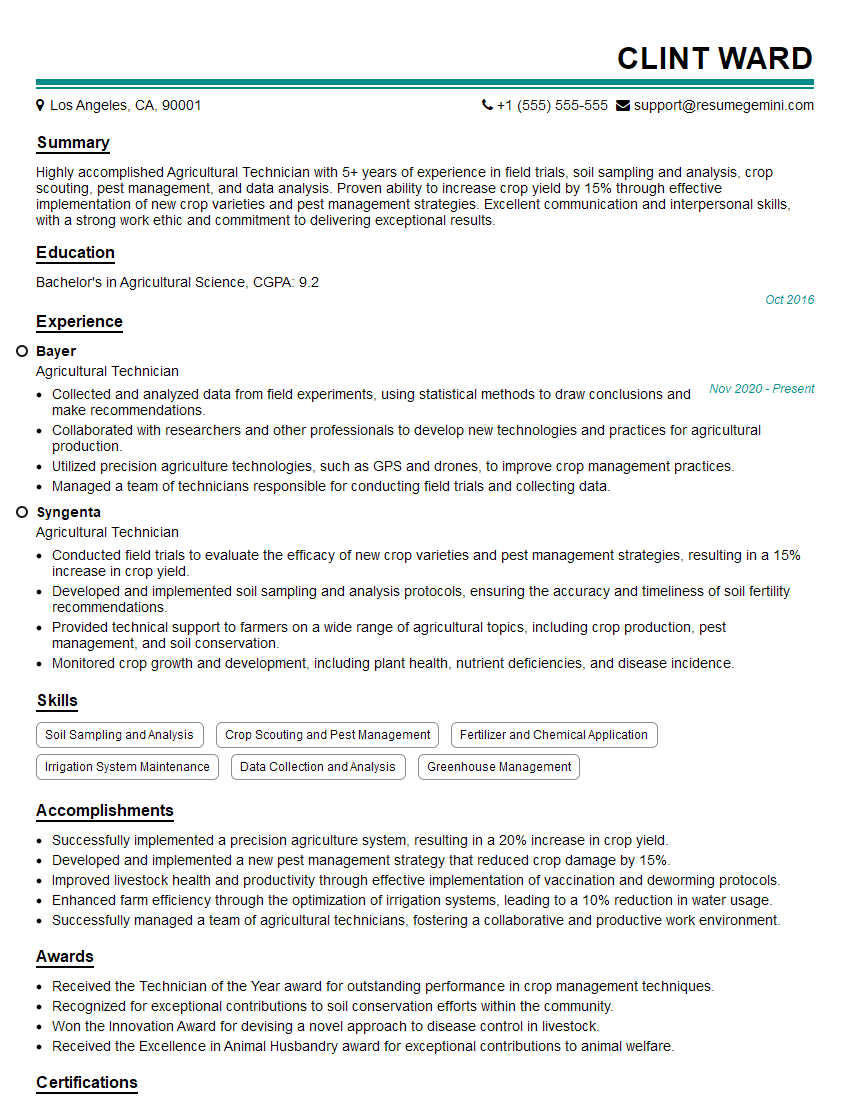
Mastering Milk Harvesting and Collection opens doors to rewarding careers within the dairy industry, offering opportunities for growth and specialization. A strong resume is crucial for showcasing your skills and experience to potential employers. Creating an ATS-friendly resume significantly increases your chances of getting your application noticed. To enhance your resume-building experience and make a strong first impression, we recommend using ResumeGemini. ResumeGemini provides tools and resources to craft a compelling resume, and we offer examples of resumes tailored to the Milk Harvesting and Collection field.

Explore more articles
Users Rating of Our Blogs
Share Your Experience
We value your feedback! Please rate our content and share your thoughts (optional).
What Readers Say About Our Blog
Very informative content, great job.
good