Are you ready to stand out in your next interview? Understanding and preparing for Manufacturing Systems Design interview questions is a game-changer. In this blog, we’ve compiled key questions and expert advice to help you showcase your skills with confidence and precision. Let’s get started on your journey to acing the interview.
Questions Asked in Manufacturing Systems Design Interview
Q 1. Explain your experience with different manufacturing process layouts (e.g., product, process, fixed-position).
Manufacturing process layouts dictate how equipment and workstations are arranged to facilitate production. Choosing the right layout is critical for efficiency and minimizing bottlenecks. I’ve worked extensively with three primary layouts:
- Product Layout (Assembly Line): This layout is ideal for high-volume, standardized products. Imagine an automotive assembly line – each station performs a specific task, and the product moves linearly through the process. This maximizes efficiency by reducing material handling and setup times. I implemented a product layout for a client producing consumer electronics, resulting in a 15% increase in output.
- Process Layout (Functional Layout): Here, similar machines or processes are grouped together. This is beneficial for low-volume, high-variety products where flexibility is key. For example, a machine shop might group all lathes together, then all milling machines, etc. A project involved optimizing a process layout in a small-batch manufacturing facility by analyzing workflow and reducing travel times between machines. This reduced lead times by approximately 20%.
- Fixed-Position Layout (Project Layout): In this layout, the product remains stationary, and resources are brought to it. Large-scale projects like shipbuilding or construction utilize this approach. While I haven’t directly managed a project of this scale, I have experience designing the logistical aspects of resource allocation and scheduling for complex projects, ensuring material availability at the right time and place.
The selection of the most appropriate layout depends on factors such as product volume, variety, and the level of customization required. I always consider these factors when designing or improving a manufacturing process.
Q 2. Describe your experience with Lean Manufacturing principles and methodologies.
Lean Manufacturing focuses on eliminating waste and maximizing value for the customer. My experience encompasses several key Lean principles:
- Value Stream Mapping: I’ve used this extensively to visually represent the entire process, from raw materials to finished goods, identifying areas of waste like excess inventory, unnecessary steps, or waiting times. One successful application involved reducing the lead time for a specific product by 30% by streamlining the value stream.
- 5S Methodology: Implementing 5S (Sort, Set in Order, Shine, Standardize, Sustain) in multiple facilities has led to improved organization, reduced waste, and a safer work environment. This often results in increased efficiency and a more productive workforce.
- Kaizen (Continuous Improvement): I actively promote a culture of continuous improvement by encouraging employee suggestions and implementing small, incremental changes. This approach has consistently delivered noticeable improvements in productivity and quality.
- Kanban: I have implemented Kanban systems to manage workflow and inventory, reducing lead times and minimizing waste. This involved training teams on the Kanban principles and setting up visual management boards.
Lean principles are not just about cost reduction; they significantly enhance efficiency, quality, and employee engagement, ultimately leading to greater customer satisfaction.
Q 3. How familiar are you with Six Sigma methodologies and their application in manufacturing?
Six Sigma is a data-driven methodology focused on reducing variation and defects in processes. My familiarity includes deploying DMAIC (Define, Measure, Analyze, Improve, Control) projects.
- Define: Clearly defining the problem and project goals. This involves setting measurable targets and understanding customer requirements.
- Measure: Collecting data to understand the current process performance and identify key metrics.
- Analyze: Using statistical tools to identify root causes of variation and defects.
- Improve: Implementing solutions to address the root causes and improve process performance.
- Control: Monitoring the improved process to ensure sustained performance and prevent regression.
For example, I led a Six Sigma project that reduced the defect rate in a critical manufacturing process from 3% to less than 0.5%. This involved using statistical process control (SPC) charts and root cause analysis techniques like the 5 Whys. The project resulted in substantial cost savings and improved customer satisfaction.
Q 4. What are your preferred methods for identifying and solving bottlenecks in a manufacturing process?
Identifying and solving bottlenecks requires a systematic approach. My preferred methods include:
- Value Stream Mapping: As mentioned earlier, this helps visualize the entire process and pinpoint areas with long lead times or high inventory.
- Data Analysis: Analyzing production data, cycle times, and defect rates can reveal bottlenecks. Statistical tools like histograms and scatter plots are helpful in this process.
- Visual Management: Using visual tools such as Kanban boards and Andon systems to immediately identify and address production issues.
- Root Cause Analysis: Tools like the 5 Whys, fishbone diagrams (Ishikawa diagrams), and Pareto charts help identify the underlying causes of bottlenecks.
Once a bottleneck is identified, solutions can range from simple process improvements to investing in new equipment or technology. For instance, a recent project involved addressing a bottleneck in the packaging process by implementing a new automated system, significantly increasing throughput.
Q 5. Describe your experience with implementing automation solutions in a manufacturing environment.
I have significant experience implementing automation solutions in manufacturing, focusing on improving efficiency, consistency, and safety. My work has involved:
- Robotics Integration: I’ve overseen the integration of robotic systems for tasks such as welding, painting, and material handling. This requires careful planning to ensure compatibility with existing equipment and processes.
- Automated Guided Vehicles (AGVs): Implementing AGVs to optimize material movement within the facility, minimizing transportation time and labor costs. This often involves integrating AGVs with warehouse management systems (WMS).
- Computer Numerical Control (CNC) Machines: Implementing and optimizing CNC machines to improve accuracy and consistency. This involves programming the machines and monitoring their performance.
- Supervisory Control and Data Acquisition (SCADA) systems: Integrating SCADA systems to monitor and control various aspects of the manufacturing process, enhancing real-time visibility and enabling proactive intervention.
A successful automation project involved integrating robotic arms into an assembly line, resulting in a 20% increase in production and a reduction in workplace injuries.
Q 6. What software or tools do you use for process simulation or modeling?
For process simulation and modeling, I’m proficient in several software packages:
- Arena: A powerful discrete event simulation software ideal for modeling complex manufacturing systems.
- AnyLogic: Versatile simulation software capable of handling agent-based, system dynamics, and discrete event simulations.
- Plant Simulation: A robust simulation software for designing and optimizing manufacturing processes.
I utilize these tools to create digital twins of manufacturing systems, allowing me to test different scenarios, optimize layouts, and predict performance before implementing changes in the real world. This reduces risk and ensures that changes are effective and efficient.
Q 7. Explain your understanding of capacity planning and its impact on manufacturing systems.
Capacity planning is the process of determining the production capacity needed to meet demand. It involves forecasting future demand, analyzing existing capacity, and identifying any gaps. This is crucial for efficient resource allocation and preventing production shortfalls or overspending on idle capacity.
I use various techniques for capacity planning:
- Demand Forecasting: Using historical data, market trends, and sales forecasts to predict future demand.
- Capacity Analysis: Analyzing the capacity of individual machines, work centers, and the entire facility.
- Bottleneck Analysis: Identifying capacity constraints that limit overall production.
- Simulation Modeling: Using simulation software to test different capacity scenarios and evaluate their impact.
Effective capacity planning avoids both overproduction, which leads to wasted resources, and underproduction, which can result in lost sales and customer dissatisfaction. A properly executed capacity plan aligns production capacity with market demand, ensuring optimal resource utilization and profitability. I frequently incorporate capacity planning into the early stages of new project designs and during the continuous improvement initiatives of existing production lines.
Q 8. How do you approach the design of a new manufacturing facility or production line?
Designing a new manufacturing facility or production line is a multifaceted process requiring a systematic approach. It’s akin to building a complex machine where every component needs to interact seamlessly for optimal performance. My approach involves several key phases:
- Needs Assessment & Feasibility Study: This initial phase involves a thorough understanding of the product to be manufactured, the required production volume, and market demands. We analyze the existing infrastructure, available resources, and potential risks. A detailed cost-benefit analysis is crucial here. For instance, if we’re manufacturing high-precision components, investing in advanced CNC machines might be justified despite higher initial costs, given the potential for improved accuracy and reduced waste.
- Process Design & Layout Planning: This stage involves defining the manufacturing process flow – from raw material intake to finished goods packaging. We use tools like Value Stream Mapping (VSM) to identify and eliminate waste (muda) in the process. Layout planning considers factors like material flow, ergonomic considerations for workers, and efficient use of space. A U-shaped production line, for example, can be highly efficient for smaller batch sizes, minimizing material handling and movement.
- Equipment Selection & Specifications: This involves selecting the right machinery and equipment based on the production requirements, considering factors such as capacity, speed, automation level, and maintenance needs. We might opt for flexible manufacturing systems (FMS) for high-mix, low-volume production, enabling quick changeovers and adaptability to changing demands.
- Control Systems & Automation: Implementing an effective control system, including supervisory control and data acquisition (SCADA) systems and manufacturing execution systems (MES), is crucial for monitoring and optimizing the entire process. Automation, such as robots and automated guided vehicles (AGVs), can improve efficiency, precision, and consistency. Choosing the right level of automation depends on factors like the complexity of the product and the budget.
- Implementation & Commissioning: This phase involves installing and testing all the equipment, training personnel, and fine-tuning the production line to achieve optimal performance. This often involves iterative adjustments based on data gathered during testing and initial production runs.
Throughout the entire process, collaboration with cross-functional teams – engineers, operations personnel, and suppliers – is essential to ensure a successful implementation.
Q 9. Describe your experience with material handling systems and optimization.
My experience with material handling systems and optimization is extensive. I’ve worked on projects involving various systems, from simple conveyor belts to sophisticated automated guided vehicle (AGV) systems. Optimization always centers on minimizing material handling time, reducing costs, and enhancing safety.
In one project, we implemented a simulation model using software like AnyLogic to optimize the layout of a warehouse and its associated material handling systems. The simulation allowed us to experiment with different AGV routes, warehouse configurations, and picking strategies before physical implementation. This significantly reduced the risk of costly errors and delays. The simulation revealed that altering the warehouse layout and employing a more efficient picking strategy reduced material handling times by 25% and increased throughput by 15%.
I am also experienced in using lean principles to improve material handling. Techniques like 5S (Sort, Set in Order, Shine, Standardize, Sustain) and Kanban systems are effectively applied to minimize waste and improve flow. For example, implementing a Kanban system for raw material replenishment reduces inventory levels and ensures that materials are available when needed, without unnecessary storage or delays.
Q 10. Explain your understanding of different scheduling techniques used in manufacturing.
Manufacturing scheduling is crucial for efficient production. Different techniques are employed depending on the production environment and objectives. Here are a few examples:
- FIFO (First-In, First-Out): This simple method prioritizes jobs based on their arrival time. While easy to implement, it might not be optimal for minimizing makespan or maximizing resource utilization.
- SJF (Shortest Job First): This technique prioritizes jobs with the shortest processing time, reducing average completion time. It’s useful when dealing with jobs of varying lengths.
- Priority Scheduling: This method assigns priorities to jobs based on factors like due dates, customer importance, or criticality. It’s frequently used in job shops and can be combined with other techniques.
- Critical Ratio Scheduling: This method calculates a critical ratio for each job (time remaining / processing time) and prioritizes jobs with lower ratios, effectively managing due dates.
- MRP (Material Requirements Planning): This sophisticated system links production schedules to material availability, ensuring that necessary parts are available when needed. It reduces inventory costs and prevents production delays due to material shortages.
- Lean Scheduling: This emphasizes minimizing waste and maximizing flow, often involving techniques like Kanban and pull systems. It aims to produce only what’s needed, when it’s needed.
Choosing the right scheduling technique involves careful consideration of the specific context, including job characteristics, production constraints, and performance metrics. Often, a hybrid approach combining several techniques proves most effective.
Q 11. How do you ensure the safety and ergonomics of a manufacturing system design?
Safety and ergonomics are paramount in manufacturing system design. Neglecting these aspects can lead to accidents, injuries, reduced productivity, and increased costs. My approach focuses on proactive measures throughout the design process:
- Hazard Analysis & Risk Assessment (HARA): A thorough HARA is conducted to identify potential hazards, assess their risks, and implement control measures. This might involve using techniques like Failure Mode and Effects Analysis (FMEA).
- Machine Guarding & Safety Interlocks: Machines are designed with appropriate guarding to prevent access to hazardous parts. Safety interlocks ensure that machines stop automatically if safety procedures are not followed.
- Ergonomic Workstation Design: Workstations are designed to minimize physical strain on workers, considering factors like posture, reach, and repetitive movements. This includes selecting appropriate tools and equipment, providing adjustable chairs and work surfaces, and optimizing the work flow.
- Personal Protective Equipment (PPE): Appropriate PPE, such as safety glasses, gloves, and hearing protection, is provided and its use is enforced.
- Training & Procedures: Workers are trained on safe operating procedures and emergency response protocols. Clear and concise safety instructions are readily available at workstations.
- Regular Safety Audits & Inspections: Regular safety audits and inspections help identify potential hazards and ensure that safety measures are maintained and effective. This includes conducting root cause analysis of incidents to prevent recurrences.
Safety and ergonomics are not merely add-ons; they are integral parts of a well-designed manufacturing system, contributing to improved productivity, quality, and employee well-being.
Q 12. What is your experience with different types of manufacturing equipment (e.g., CNC machines, robots)?
I have extensive experience working with diverse manufacturing equipment, including CNC machines, robots, and various automated systems. My experience spans across different programming languages (e.g., G-code for CNCs, Robot Operating System (ROS) for robots) and control systems.
For instance, I led a project to integrate robotic arms into a production line for automated assembly. This involved programming the robots using ROS, creating appropriate safety protocols, and integrating the robots with the existing production line’s control system. We achieved a 30% increase in throughput and a significant reduction in assembly errors.
Working with CNC machines involves a deep understanding of their capabilities and limitations. I’ve been involved in optimizing CNC machining programs to reduce cycle times and improve surface finish. This requires a good understanding of tool path optimization and process parameters.
My knowledge extends to other equipment like 3D printers (additive manufacturing) and automated storage and retrieval systems (AS/RS), enabling me to design and implement efficient manufacturing processes tailored to the specific needs of a project.
Q 13. Describe your experience with implementing and managing preventative maintenance programs.
Implementing and managing preventative maintenance (PM) programs is crucial for maximizing equipment uptime and minimizing downtime due to unexpected failures. My approach is centered around data-driven decision-making and a proactive approach:
- Equipment Data Collection & Analysis: We collect data on equipment performance, such as runtimes, cycle times, and error rates. This data helps to identify patterns and predict potential failures.
- PM Schedule Development: A detailed PM schedule is developed based on the manufacturer’s recommendations, historical data, and best practices. The schedule outlines specific tasks and their frequencies.
- Maintenance Procedures & Documentation: Clear and concise procedures are documented for each PM task. This ensures consistency and helps to reduce errors.
- Spare Parts Inventory Management: An inventory management system is implemented to ensure that necessary spare parts are readily available when needed, reducing downtime due to part shortages.
- Maintenance Personnel Training: Maintenance personnel are trained on the proper procedures and techniques for carrying out PM tasks.
- Performance Monitoring & Improvement: The effectiveness of the PM program is regularly monitored and evaluated. Continuous improvement efforts are implemented to optimize the program’s efficiency and reduce costs.
A well-structured PM program is not merely a cost; it’s an investment that significantly reduces the risks of unplanned downtime, improves equipment reliability, and extends the lifespan of equipment, leading to long-term cost savings. For example, in a previous role, we implemented a predictive maintenance program using vibration sensors and machine learning algorithms. This enabled us to anticipate equipment failures and schedule maintenance proactively, reducing unplanned downtime by 40%.
Q 14. How do you measure and improve the overall equipment effectiveness (OEE) of a manufacturing system?
Overall Equipment Effectiveness (OEE) is a crucial metric for measuring the performance of manufacturing equipment. It represents the percentage of planned production time that is actually used to produce good-quality products. Improving OEE involves focusing on three key factors: Availability, Performance, and Quality.
Measuring OEE: OEE is calculated using the following formula:
OEE = Availability x Performance x QualityWhere:
- Availability: The percentage of time the equipment is available for production (uptime / planned production time).
- Performance: The ratio of actual production rate to ideal production rate.
- Quality: The percentage of good-quality products produced.
Improving OEE: Improving OEE involves systematically addressing issues in each of these three areas. For example:
- Improving Availability: Reducing downtime through effective preventative maintenance, optimized spare parts management, and quick changeovers.
- Improving Performance: Optimizing machine parameters, improving operator training, and implementing lean manufacturing principles to reduce waste.
- Improving Quality: Implementing stricter quality control measures, investing in advanced sensors and inspection systems, and improving the overall process design to reduce defects.
Data analysis plays a key role in identifying areas for improvement. By tracking key performance indicators (KPIs) and analyzing trends, we can pinpoint bottlenecks and implement targeted improvements. For example, if low quality is identified as the primary cause of low OEE, we might focus on implementing Statistical Process Control (SPC) techniques to reduce variability in the manufacturing process.
Q 15. Explain your understanding of quality control methods and their integration into manufacturing systems.
Quality control (QC) is the process of ensuring that a product or service meets specified requirements and standards. In manufacturing, this is crucial for maintaining customer satisfaction, minimizing waste, and ensuring profitability. Effective QC methods are integrated throughout the entire manufacturing process, from raw material inspection to final product testing.
My approach encompasses several key methods:
- Statistical Process Control (SPC): This utilizes statistical methods like control charts (e.g., X-bar and R charts) to monitor process variation and identify potential problems before they lead to defects. For instance, I’ve used SPC to monitor the diameter of machined parts, setting control limits to ensure consistency and prevent out-of-spec production.
- Acceptance Sampling: This involves inspecting a random sample of products to determine if the entire batch meets quality standards. This is cost-effective for large production runs where 100% inspection isn’t feasible. I’ve implemented this for incoming raw material verification, ensuring consistent quality from our suppliers.
- Total Quality Management (TQM): This philosophy emphasizes continuous improvement and involves all employees in the pursuit of quality. In a previous role, I helped implement a TQM program that reduced defect rates by 20% through employee empowerment and process optimization.
- Six Sigma: This data-driven methodology aims to reduce defects to near-zero levels by identifying and eliminating process variations. I have experience applying DMAIC (Define, Measure, Analyze, Improve, Control) methodology to optimize assembly line efficiency and reduce rework.
Integrating QC effectively requires proactive measures like implementing robust testing procedures at each stage of production, using automated inspection systems where appropriate, and establishing clear quality metrics and targets. Regular audits and performance reviews are essential to monitor progress and identify areas for improvement.
Career Expert Tips:
- Ace those interviews! Prepare effectively by reviewing the Top 50 Most Common Interview Questions on ResumeGemini.
- Navigate your job search with confidence! Explore a wide range of Career Tips on ResumeGemini. Learn about common challenges and recommendations to overcome them.
- Craft the perfect resume! Master the Art of Resume Writing with ResumeGemini’s guide. Showcase your unique qualifications and achievements effectively.
- Don’t miss out on holiday savings! Build your dream resume with ResumeGemini’s ATS optimized templates.
Q 16. How familiar are you with different types of manufacturing control systems (e.g., PLC, SCADA)?
I’m highly familiar with various manufacturing control systems, including PLCs (Programmable Logic Controllers) and SCADA (Supervisory Control and Data Acquisition) systems. These are essential for automating and monitoring processes in a modern manufacturing environment.
PLCs are rugged, programmable devices used for controlling individual machines or production lines. I’ve worked extensively with Allen-Bradley PLCs, programming them using ladder logic to control robotic arms, conveyors, and other automated equipment. For example, I designed a PLC program to coordinate the movements of a robotic welding system, ensuring precise and repeatable welds.
SCADA systems provide a centralized view of the entire manufacturing operation, allowing operators to monitor and control multiple PLCs and other equipment from a single interface. I have experience with SCADA systems, including those using HMI (Human Machine Interface) software, to monitor production parameters like temperature, pressure, and throughput in real-time, allowing for proactive adjustments and issue identification. Imagine using a SCADA system to monitor an entire bottling plant – it shows you the status of every machine, production rates, and alerts you to any potential problems.
My knowledge also extends to other related systems like MES (Manufacturing Execution Systems), which provide deeper integration of production data for analysis and optimization. Understanding these systems is critical for efficient manufacturing operations and continuous improvement.
Q 17. How do you handle unexpected downtime or production issues in a manufacturing environment?
Unexpected downtime or production issues are inevitable in manufacturing. My approach to handling these situations involves a structured, proactive methodology:
- Immediate Response: First, I prioritize safety and ensure the immediate problem is addressed to prevent further damage or injury. This might involve shutting down a machine or isolating a problem area.
- Root Cause Analysis: Once the immediate issue is resolved, a thorough root cause analysis is essential using techniques like the 5 Whys or Fishbone diagrams to pinpoint the underlying problem. For example, frequent machine failures might be traced to inadequate maintenance, poor quality parts, or operator error.
- Corrective Actions: Based on the root cause analysis, corrective actions are implemented to prevent recurrence. This may involve replacing faulty components, retraining operators, improving maintenance procedures, or modifying the process itself.
- Preventive Measures: Implementing preventative measures is crucial to avoid future downtime. This might include scheduled maintenance, improved quality control measures, or process redesigns to reduce vulnerability to similar issues.
- Documentation and Reporting: Thorough documentation of the incident, including root cause analysis, corrective actions, and preventative measures, is essential for continuous improvement. This information is often shared with relevant teams to improve overall process reliability.
This systematic approach ensures that downtime is minimized and the underlying issues are addressed, ultimately improving overall operational efficiency and product quality.
Q 18. Describe your experience with using data analytics to improve manufacturing processes.
Data analytics plays a vital role in improving manufacturing processes. I have extensive experience utilizing data to identify bottlenecks, improve efficiency, and reduce costs. My approach involves several key steps:
- Data Collection: Gathering relevant data from various sources, such as PLCs, SCADA systems, MES, and quality control systems. This data might include production rates, machine performance, defect rates, energy consumption, and material usage.
- Data Analysis: Employing statistical analysis techniques and data visualization tools to identify patterns, trends, and anomalies. This could involve using tools like Excel, R, Python (with libraries like Pandas and Scikit-learn), or specialized manufacturing analytics platforms.
- Identifying Improvement Opportunities: Using the insights gained from the data analysis to identify areas for improvement. For instance, data might reveal that a specific machine is a bottleneck in the production line or that a certain type of defect is consistently occurring at a particular stage of the process.
- Implementing Improvements: Implementing changes based on the identified opportunities, such as adjusting production parameters, implementing new technologies, or redesigning processes. This may involve collaboration with other departments to ensure successful implementation.
- Monitoring and Evaluation: Continuously monitoring the impact of the implemented changes and making further adjustments as needed. This iterative process is crucial for ensuring sustained improvement.
For example, in a previous role, I used data analytics to identify a previously unknown correlation between ambient temperature and the failure rate of a specific component. By implementing climate control measures, we significantly reduced the failure rate and improved overall equipment effectiveness (OEE).
Q 19. What are your preferred methods for documenting manufacturing processes and procedures?
Proper documentation of manufacturing processes and procedures is crucial for consistency, training, and continuous improvement. My preferred methods combine digital and physical documentation for maximum accessibility and practicality:
- Standard Operating Procedures (SOPs): Detailed, step-by-step instructions for each process are created and stored in a central, easily accessible digital repository. These are updated regularly to reflect any changes or improvements.
- Process Flowcharts: Visual representations of the manufacturing process using tools like Visio or Lucidchart, providing a clear overview of the sequence of operations and their interdependencies. This helps in identifying potential bottlenecks and areas for improvement.
- Work Instructions: Simplified, concise instructions for individual tasks, often including visual aids such as photographs or videos, to ensure clear understanding by operators. These can be both digital and printed for ease of access on the shop floor.
- Digital Asset Management System: Centralizing all related documentation, including drawings, specifications, and quality control records, in a single, secure system ensures easy access and version control.
- Regular Reviews and Updates: Documentation is regularly reviewed and updated to reflect any changes to the process, new technologies implemented, or lessons learned from any incidents or improvements. This ensures that the documentation always reflects current practices.
This multi-faceted approach provides a comprehensive and accessible documentation system, improving consistency, reducing errors, and facilitating effective training and continuous improvement.
Q 20. How do you manage and resolve conflicts between different departments within a manufacturing organization?
Conflicts between departments are common in manufacturing environments. My approach focuses on collaboration, clear communication, and a structured problem-solving process:
- Identify and Define the Conflict: Clearly identify the source of the conflict and the parties involved. This often requires active listening and gathering information from all perspectives.
- Facilitate Open Communication: Create a safe space for all parties to express their concerns and perspectives without interruption. This might involve a facilitated meeting or a series of individual conversations.
- Identify Shared Goals: Remind all parties of the overarching organizational goals and how their individual contributions are crucial to achieving them. This helps to reframe the conflict in a more collaborative context.
- Collaborative Problem-Solving: Engage all parties in developing solutions that address the concerns of everyone involved. This collaborative approach ensures buy-in and promotes a sense of shared ownership.
- Develop an Action Plan: Once a solution is agreed upon, develop a clear action plan with assigned responsibilities and deadlines. This ensures that the agreed-upon solution is implemented effectively.
- Monitor and Evaluate: Monitor the implementation of the action plan and evaluate its effectiveness. This ensures that the solution is working as intended and addresses the root cause of the conflict.
For example, a conflict between production and quality control might arise over production speed versus quality standards. By facilitating a collaborative discussion, we can identify solutions that balance both priorities, possibly through process optimization or improved operator training.
Q 21. Describe your experience with project management in a manufacturing setting.
My project management experience in manufacturing focuses on delivering projects on time, within budget, and to the required quality standards. I utilize a combination of agile and traditional project management methodologies, adapting my approach to the specific project needs.
My approach typically includes:
- Project Scoping and Planning: Defining clear project goals, deliverables, timelines, and budgets. This often involves detailed risk assessment and mitigation planning.
- Resource Allocation: Effectively allocating resources including personnel, equipment, and materials to ensure timely project completion.
- Communication and Collaboration: Maintaining open and effective communication among all stakeholders, including regular progress updates and addressing any potential issues promptly.
- Monitoring and Control: Tracking progress against the project plan, identifying deviations, and taking corrective actions as needed. This often involves utilizing project management software such as MS Project or Jira.
- Quality Assurance: Ensuring that the project deliverables meet the defined quality standards and specifications.
- Project Closure: Formally closing the project upon completion, documenting lessons learned, and conducting a post-project review to identify areas for improvement.
For instance, I led a project to implement a new automated assembly line. This involved coordinating the design, procurement, installation, and commissioning of the new equipment, while ensuring minimal disruption to existing operations. By leveraging agile methodologies, we were able to adapt to unforeseen challenges and deliver the project ahead of schedule and under budget.
Q 22. Explain your understanding of supply chain management and its relationship to manufacturing systems.
Supply chain management (SCM) encompasses the planning and management of all activities involved in sourcing raw materials, transforming them into finished goods, and delivering them to the end customer. It’s a holistic process that spans from the origin of raw materials to the final delivery, encompassing procurement, manufacturing, logistics, and distribution. Manufacturing systems, on the other hand, are the specific processes and technologies used to transform raw materials into finished goods within a factory or production facility. Think of SCM as the overarching strategy, while manufacturing systems are the tactical execution within a specific part of that strategy.
The relationship is symbiotic. Effective SCM relies on efficient manufacturing systems to ensure timely production and cost-effectiveness. For example, a robust SCM strategy might incorporate Just-in-Time (JIT) manufacturing, which requires precise coordination between suppliers and the manufacturing floor to minimize inventory and waste. Conversely, well-designed manufacturing systems provide the data and insights needed to optimize the entire SCM, such as real-time production data used for demand forecasting and inventory management. A poorly designed manufacturing system can create bottlenecks, lead times, and inefficiencies that ripple throughout the entire supply chain, impacting customer satisfaction and profitability.
Imagine building a house. SCM is the entire process from acquiring land, sourcing materials (wood, bricks, cement), employing contractors, managing transportation, and ultimately delivering the finished house. The manufacturing system is the part where the contractor’s team uses the materials, tools, and processes to construct the house itself. Both are crucial, and one cannot function optimally without the other.
Q 23. How do you stay current with the latest advancements in manufacturing technology?
Staying current in the rapidly evolving field of manufacturing technology requires a multi-pronged approach. I regularly attend industry conferences like Automate and Hannover Messe, engage with professional organizations such as the Society of Manufacturing Engineers (SME), and actively participate in online communities and forums dedicated to manufacturing advancements. This gives me exposure to the latest trends and innovations firsthand.
Furthermore, I subscribe to industry publications, including magazines and journals, such as Industry Week and Manufacturing Engineering, and follow key thought leaders and companies in the space on platforms like LinkedIn. I also dedicate time to researching and experimenting with emerging technologies myself. This hands-on approach allows me to understand their practical applications and limitations. Finally, continuous learning is essential, and I regularly pursue online courses and webinars to expand my knowledge on new technologies such as AI-driven quality control, digital twin technologies, and additive manufacturing techniques.
Q 24. What is your experience with designing for sustainability in a manufacturing environment?
Designing for sustainability is no longer a ‘nice-to-have’ but a business imperative. In my previous role at [Previous Company Name], we implemented a comprehensive sustainability program focusing on reducing our environmental footprint across the entire manufacturing lifecycle. This involved several key initiatives.
- Waste Reduction: We implemented lean manufacturing principles to minimize waste generation, focusing on reducing material waste through improved process efficiency and better inventory management. We also implemented robust recycling programs for various materials.
- Energy Efficiency: We invested in energy-efficient equipment, optimized energy consumption through process improvements, and explored renewable energy sources to power our facility.
- Sustainable Sourcing: We prioritized sourcing materials from suppliers who adhered to ethical and environmental standards. This involved careful supplier selection and auditing processes.
- Product Lifecycle Management: We designed products with end-of-life considerations in mind, promoting recyclability and minimizing the environmental impact of product disposal.
The result was a significant reduction in our carbon footprint, improved resource efficiency, and enhanced our brand reputation. This initiative not only reduced costs but also improved employee engagement by demonstrating our commitment to environmental responsibility.
Q 25. Describe your experience with integrating new technologies into existing manufacturing systems.
Integrating new technologies into existing manufacturing systems requires a phased and structured approach. My experience includes integrating robotic automation into a legacy assembly line at [Previous Company Name]. This wasn’t a simple plug-and-play process. It involved a detailed assessment of the current system to identify bottlenecks and areas for improvement.
We began with a pilot project focusing on a specific assembly task. This allowed us to test the new technology in a controlled environment, identify any integration challenges, and train our workforce. Data was meticulously collected throughout the pilot phase to gauge performance and refine the implementation strategy. This iterative approach minimized disruption to the existing production workflow. Once the pilot was successful, we gradually scaled up the implementation across the entire assembly line. This staged rollout mitigated risk and allowed us to address any unexpected issues effectively.
Effective communication and collaboration with all stakeholders – from engineers and operators to management – were crucial to the success of this project. Regular progress reviews and feedback mechanisms ensured everyone was aligned and informed throughout the process. This approach ensured a smoother transition and minimized potential setbacks.
Q 26. How do you ensure that manufacturing systems comply with relevant safety regulations and standards?
Ensuring compliance with safety regulations and standards is paramount in manufacturing. My approach involves a multi-layered strategy. First, we conduct thorough risk assessments to identify potential hazards within the manufacturing processes and equipment. This includes analyzing potential risks related to machinery, materials handling, and workplace ergonomics.
Based on the risk assessment, we develop and implement comprehensive safety protocols and procedures, including the use of appropriate personal protective equipment (PPE) and safety guards. These protocols are clearly communicated to all employees through training programs and documented in easily accessible safety manuals. We regularly conduct safety audits and inspections to ensure ongoing compliance and identify areas for improvement. This involves both internal audits and, where applicable, engaging external safety professionals for independent assessments.
Furthermore, we maintain meticulous records of all safety incidents, investigations, and corrective actions. This data is used to continuously improve our safety program and prevent future incidents. Finally, staying updated with the latest safety regulations and industry best practices is crucial. We actively participate in safety training and attend seminars to ensure our systems remain compliant and ahead of any potential changes in regulations.
Q 27. What are your salary expectations?
My salary expectations are in the range of $[Lower Bound] to $[Upper Bound] per year, commensurate with my experience and the responsibilities of this position. However, I am flexible and open to discussion, particularly considering the comprehensive benefits package and opportunities for professional growth.
Q 28. Do you have any questions for me?
I have several questions. First, can you describe the company’s current manufacturing technologies and future plans for technological upgrades? Second, what opportunities are there for professional development and advancement within the company? Finally, could you elaborate on the team structure and collaborative environment within the manufacturing department?
Key Topics to Learn for Manufacturing Systems Design Interview
- Production Planning & Control: Understand different scheduling techniques (e.g., MRP, JIT), capacity planning, and inventory management strategies. Consider real-world scenarios involving production bottlenecks and optimization.
- Facility Layout & Design: Explore various layout types (e.g., process, product, cellular) and their impact on efficiency and workflow. Practice analyzing floor plans and identifying improvement opportunities. Consider factors like material handling and ergonomics.
- Manufacturing Processes: Gain a solid understanding of various manufacturing processes (e.g., machining, casting, forming) and their applications. Be prepared to discuss process selection criteria and trade-offs.
- Automation & Robotics: Familiarize yourself with different types of automation technologies (e.g., CNC machines, robots, AGVs) and their integration into manufacturing systems. Understand the benefits and challenges of automation implementation.
- Supply Chain Management: Understand the flow of materials and information throughout the supply chain, including procurement, logistics, and distribution. Be prepared to discuss strategies for improving supply chain efficiency and resilience.
- Quality Control & Improvement: Learn about different quality control methodologies (e.g., Six Sigma, Lean Manufacturing) and their application in improving product quality and reducing defects. Be able to discuss quality metrics and continuous improvement initiatives.
- Simulation & Modeling: Understand the use of simulation software to model and analyze manufacturing systems. Be prepared to discuss the benefits and limitations of simulation in design and optimization.
- Data Analytics in Manufacturing: Explore how data analytics can be used to improve efficiency, predict failures, and optimize processes. Understanding data visualization and interpretation is crucial.
Next Steps
Mastering Manufacturing Systems Design is crucial for a successful and rewarding career in this dynamic field. It opens doors to challenging and innovative roles with significant growth potential. To maximize your job prospects, creating a compelling and ATS-friendly resume is paramount. ResumeGemini can be a valuable tool in this process, helping you craft a professional and effective resume that highlights your skills and experience. ResumeGemini provides examples of resumes tailored to Manufacturing Systems Design to guide you through the process. Invest time in building a strong resume – it’s your first impression with potential employers.

Operations Manager Resume Sample
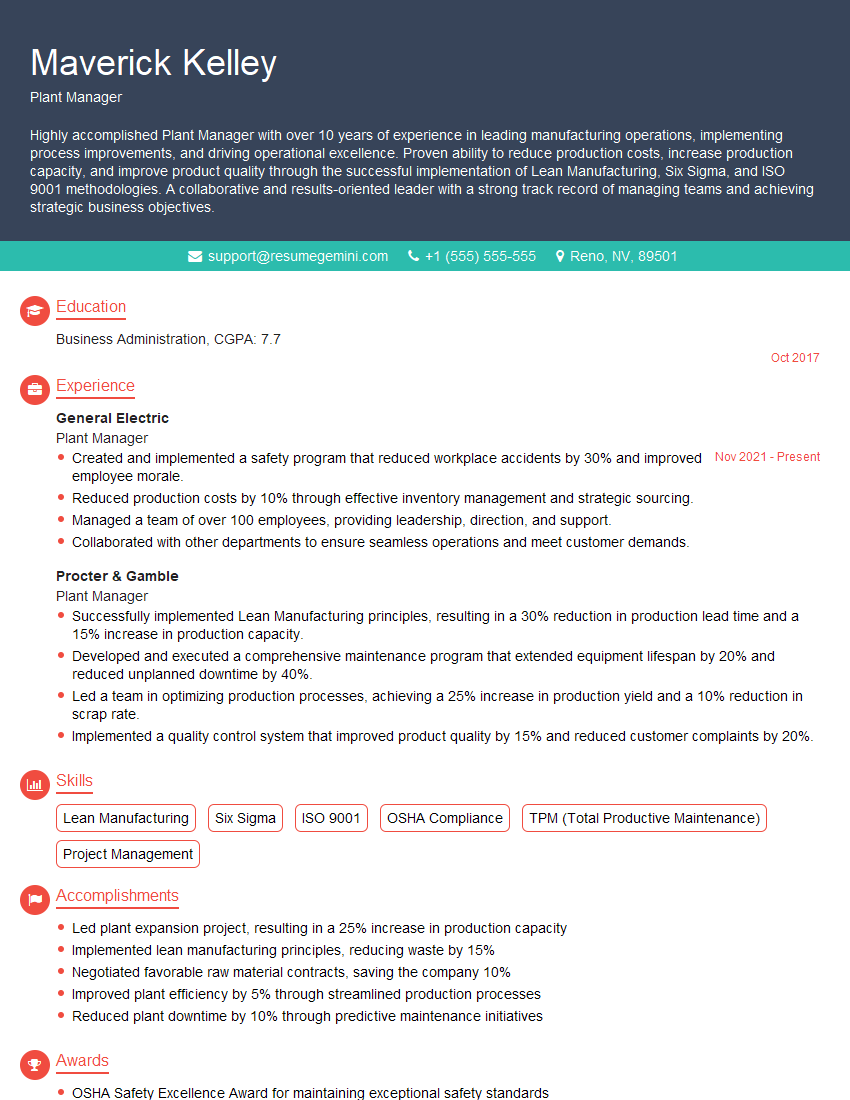
Plant Manager Resume Sample
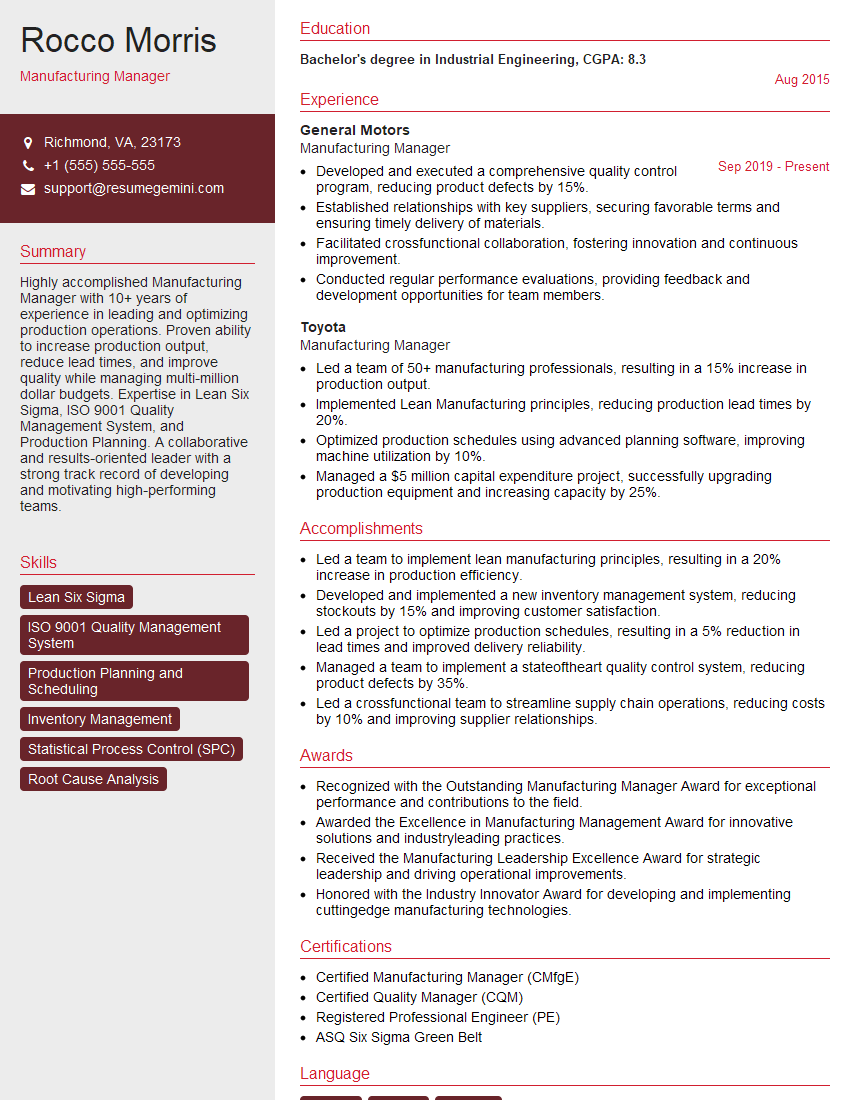
Manufacturing Manager Resume Sample
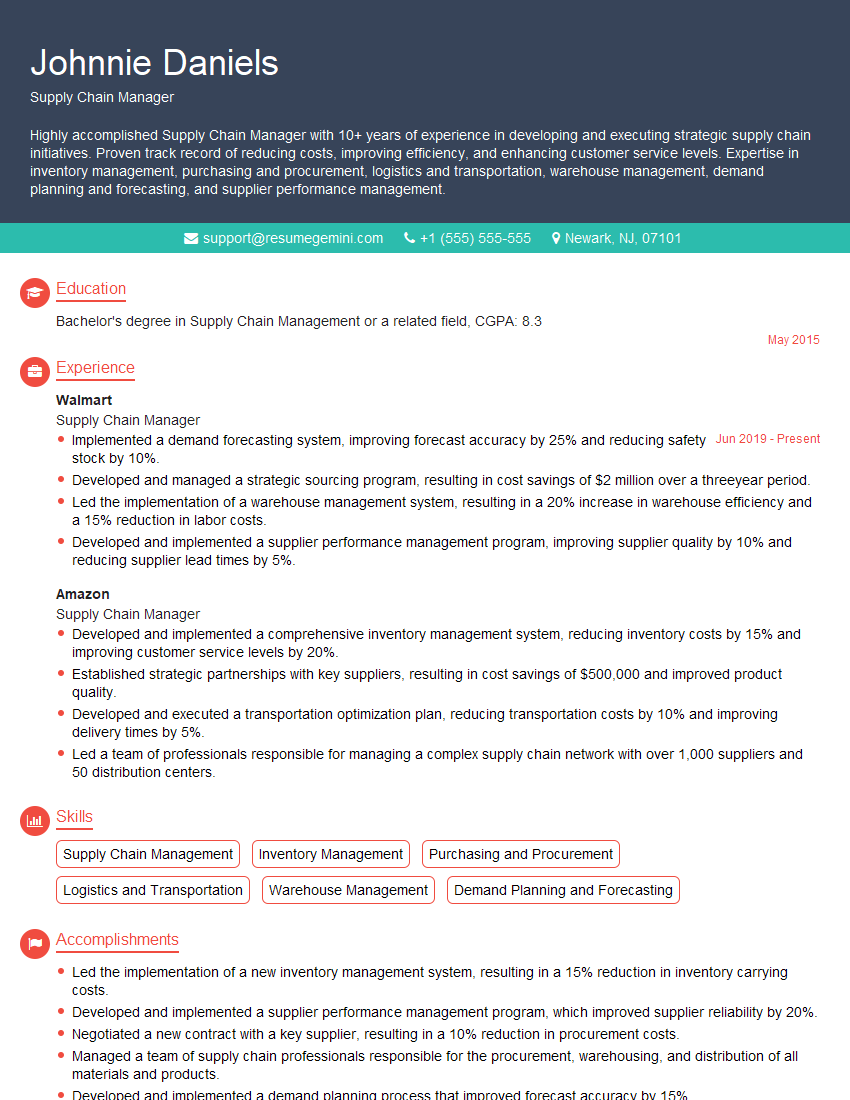
Supply Chain Manager Resume Sample
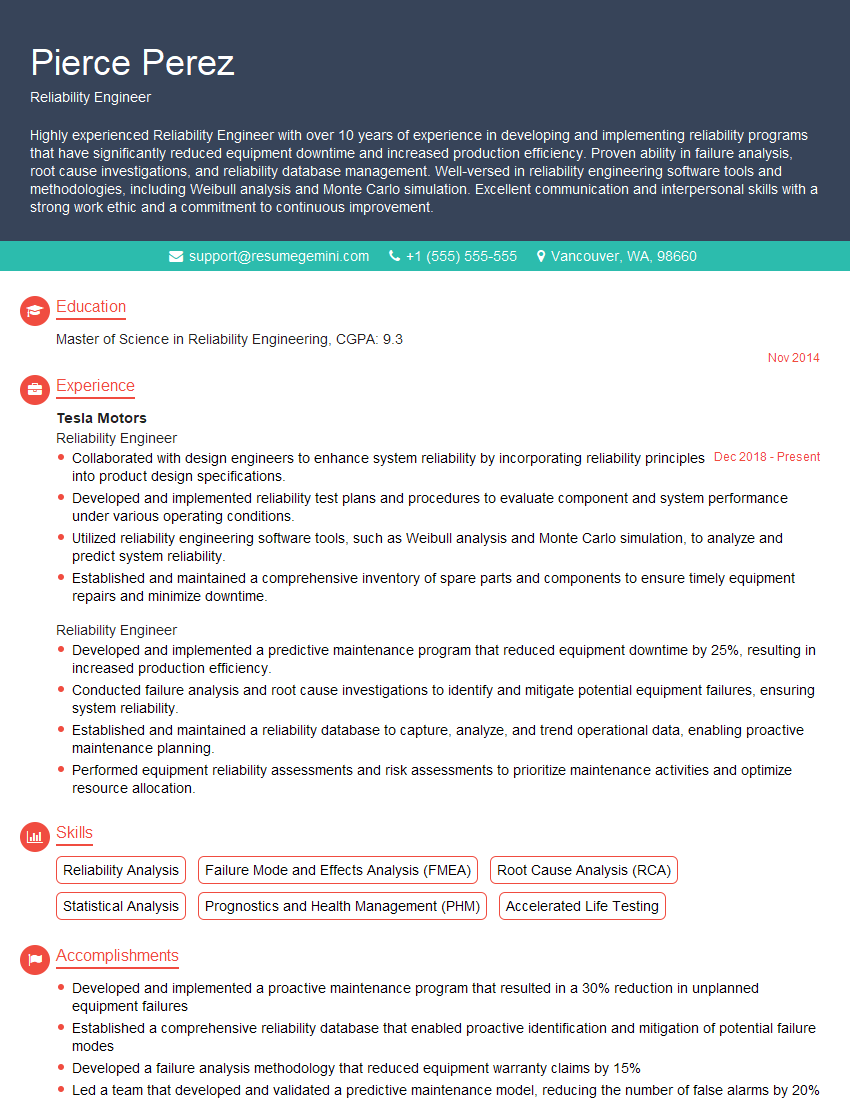
Reliability Engineer Resume Sample
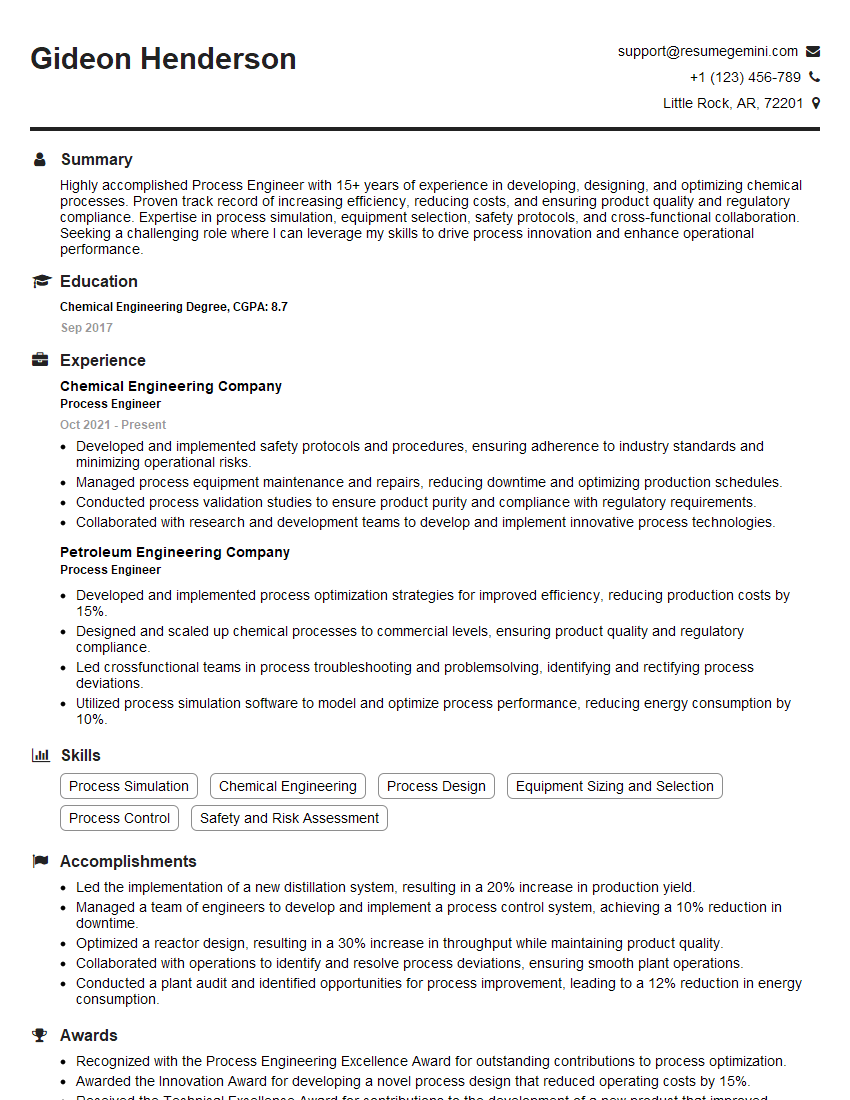
Process Engineer Resume Sample
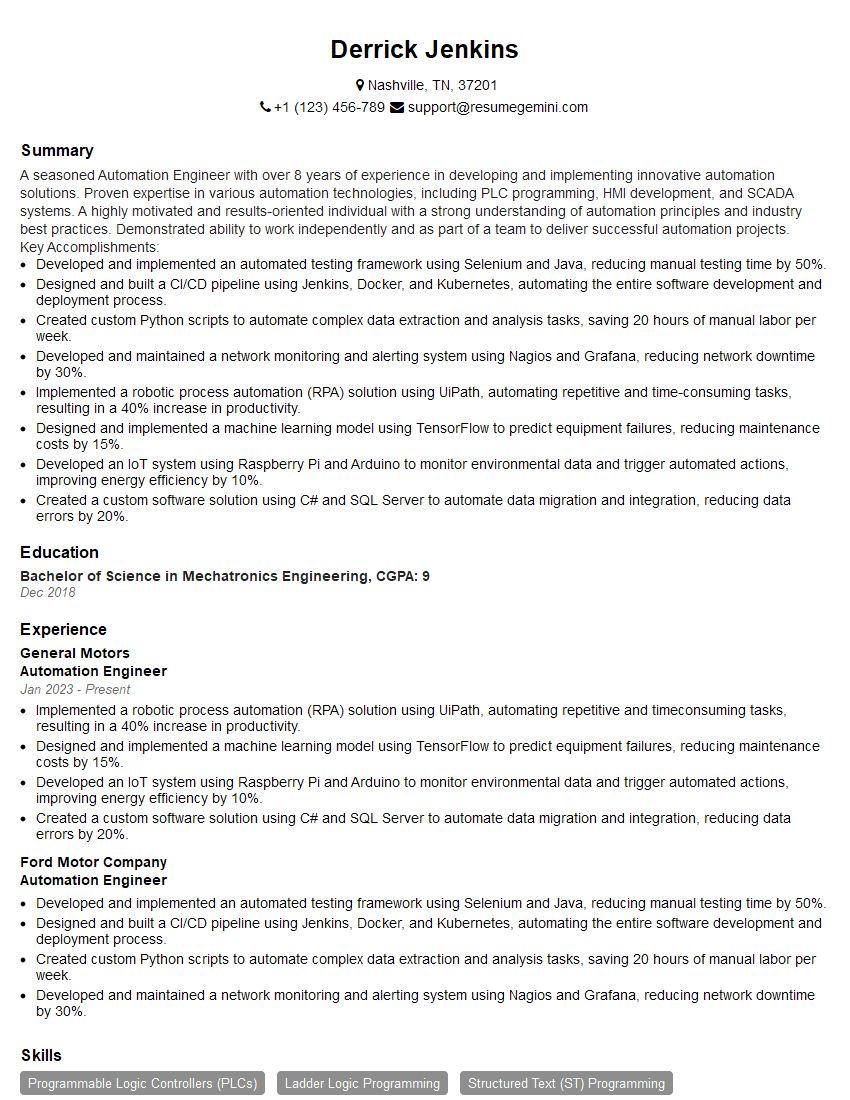
Automation Engineer Resume Sample
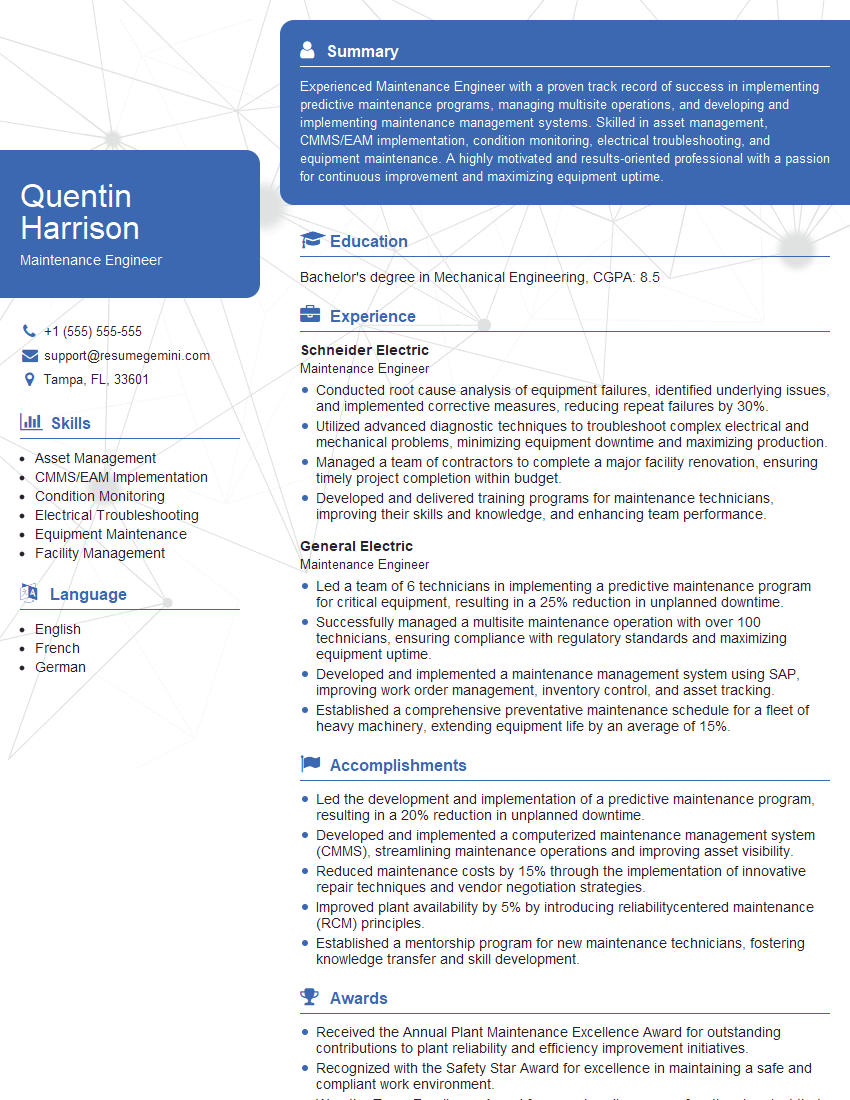
Maintenance Engineer Resume Sample
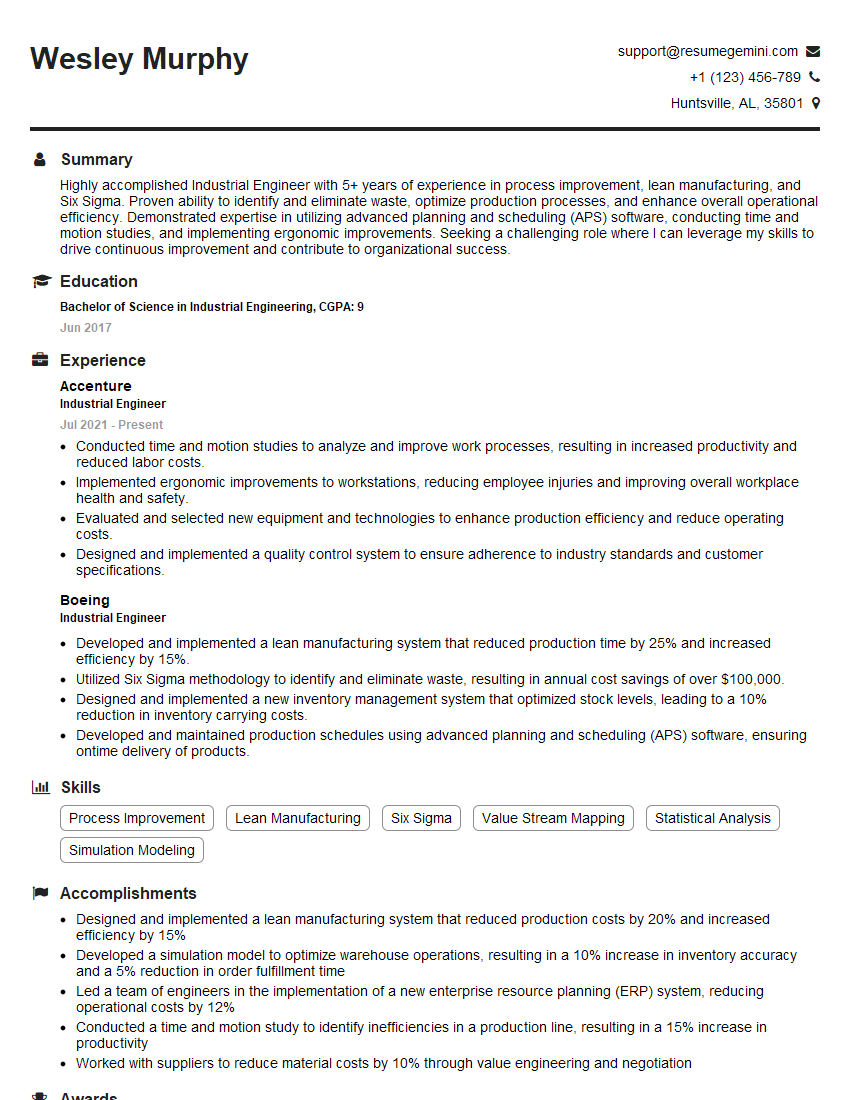
Industrial Engineer Resume Sample
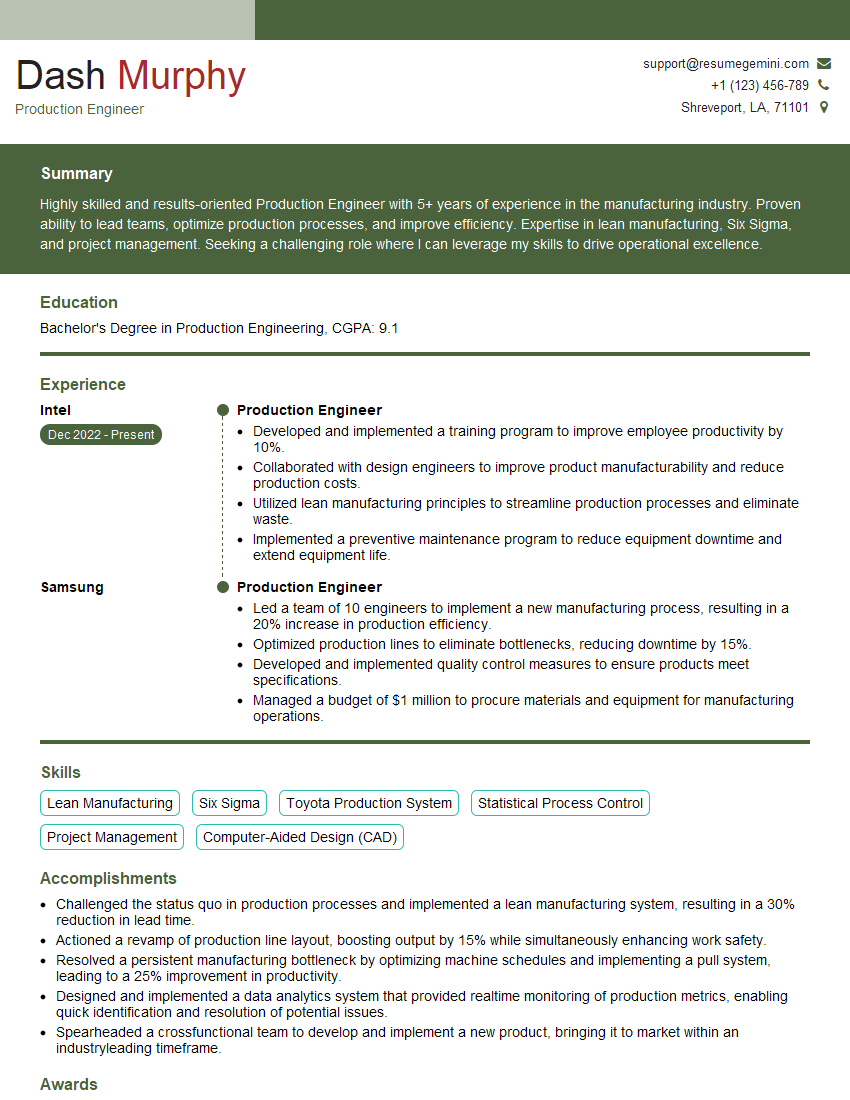
Production Engineer Resume Sample
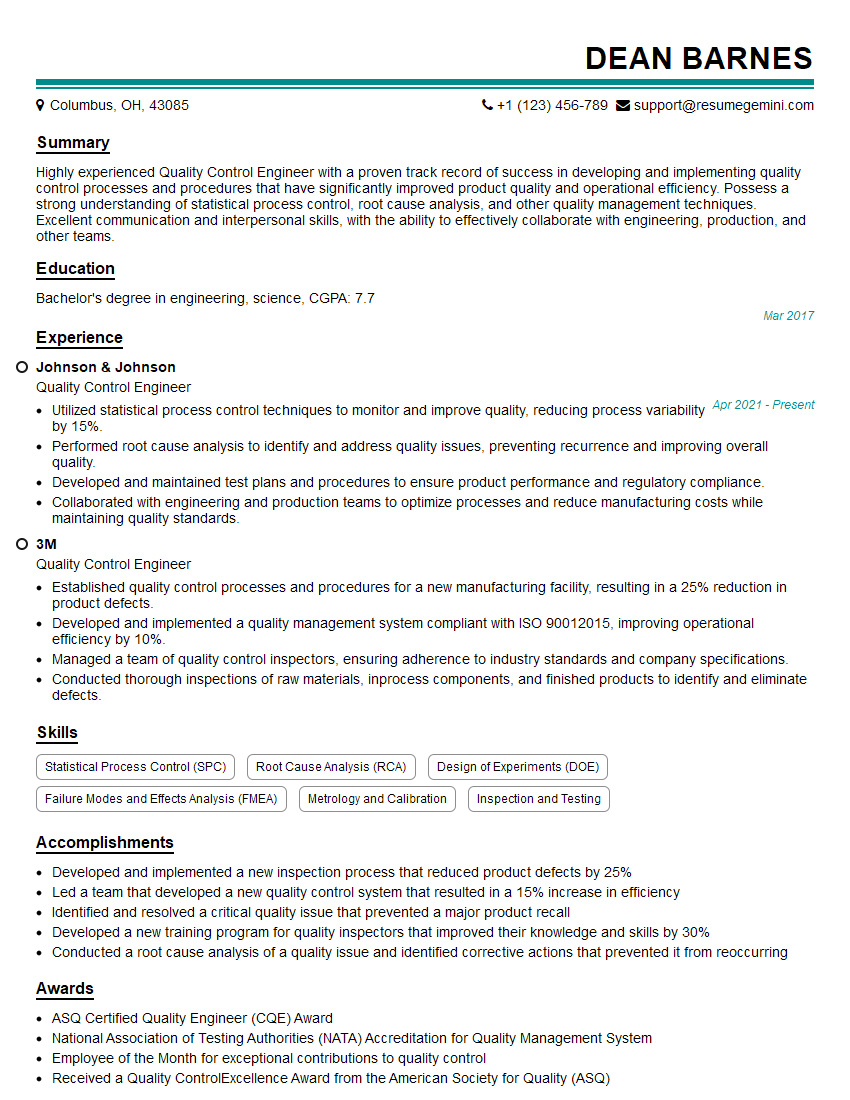
Quality Control Engineer Resume Sample
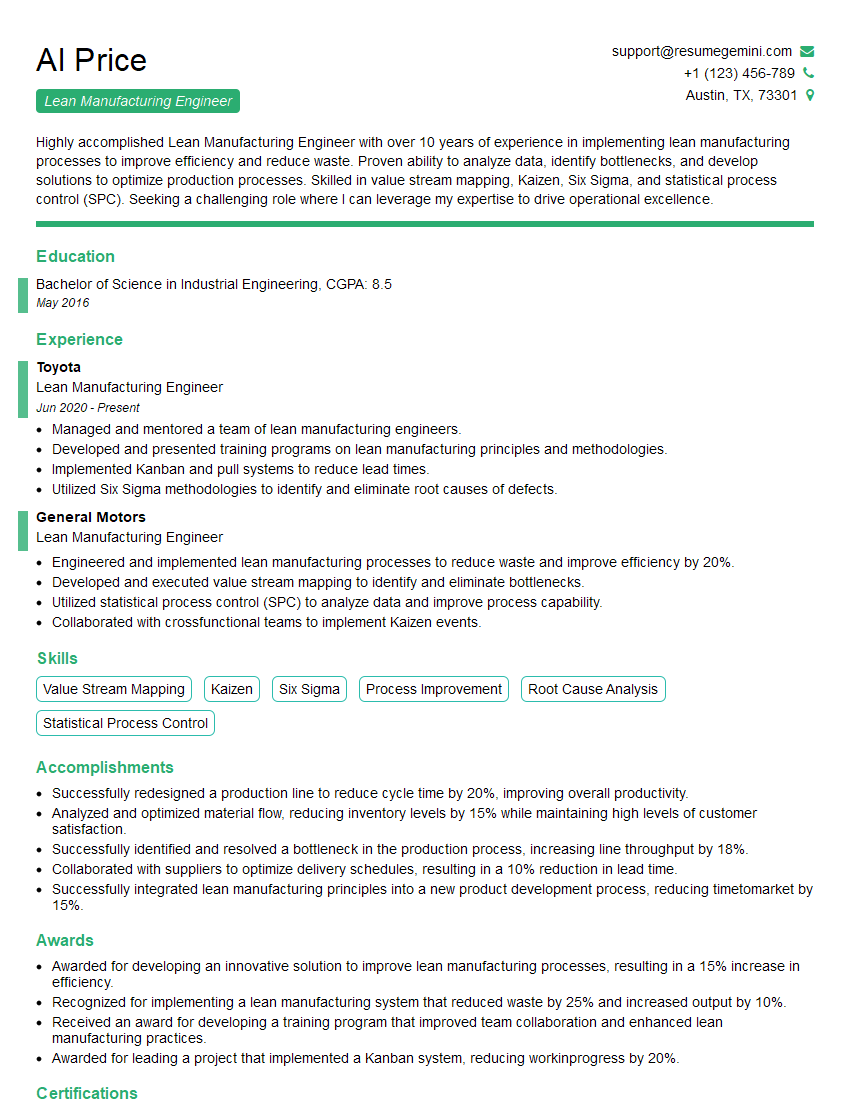
Lean Manufacturing Engineer Resume Sample
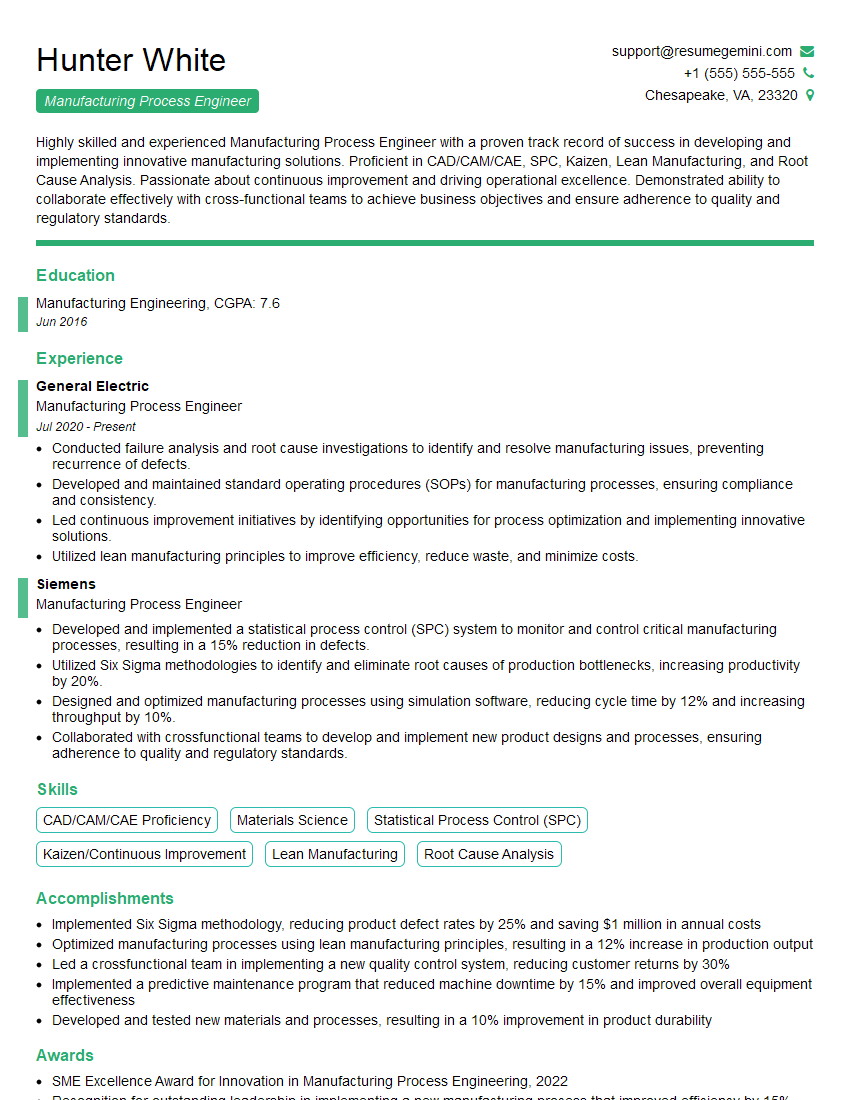
Manufacturing Process Engineer Resume Sample
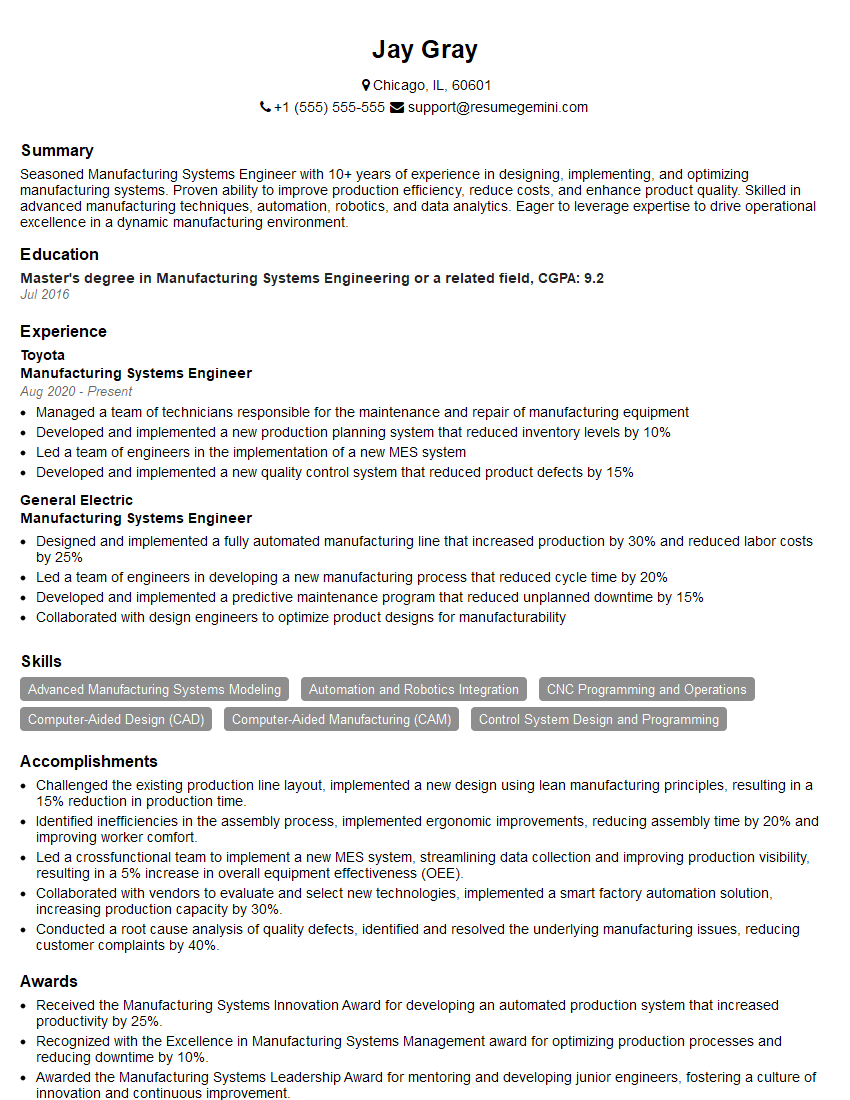
Manufacturing Systems Engineer Resume Sample
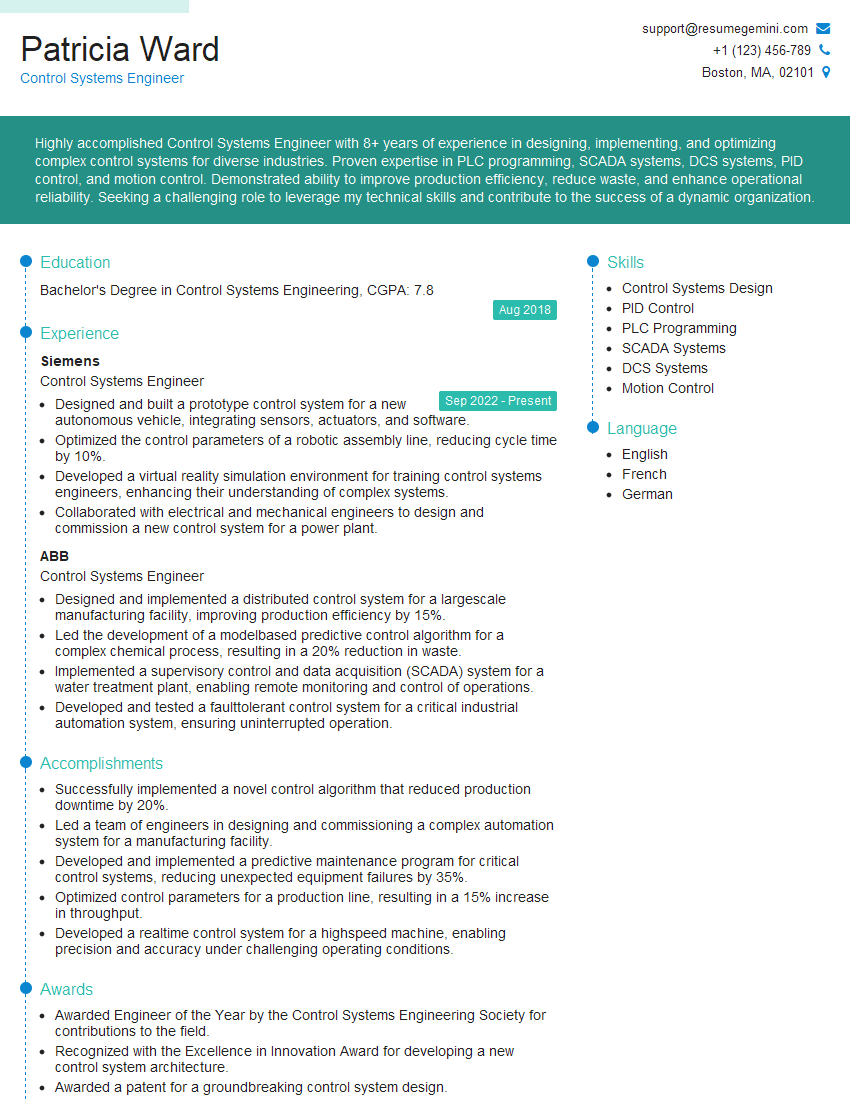
Control Systems Engineer Resume Sample
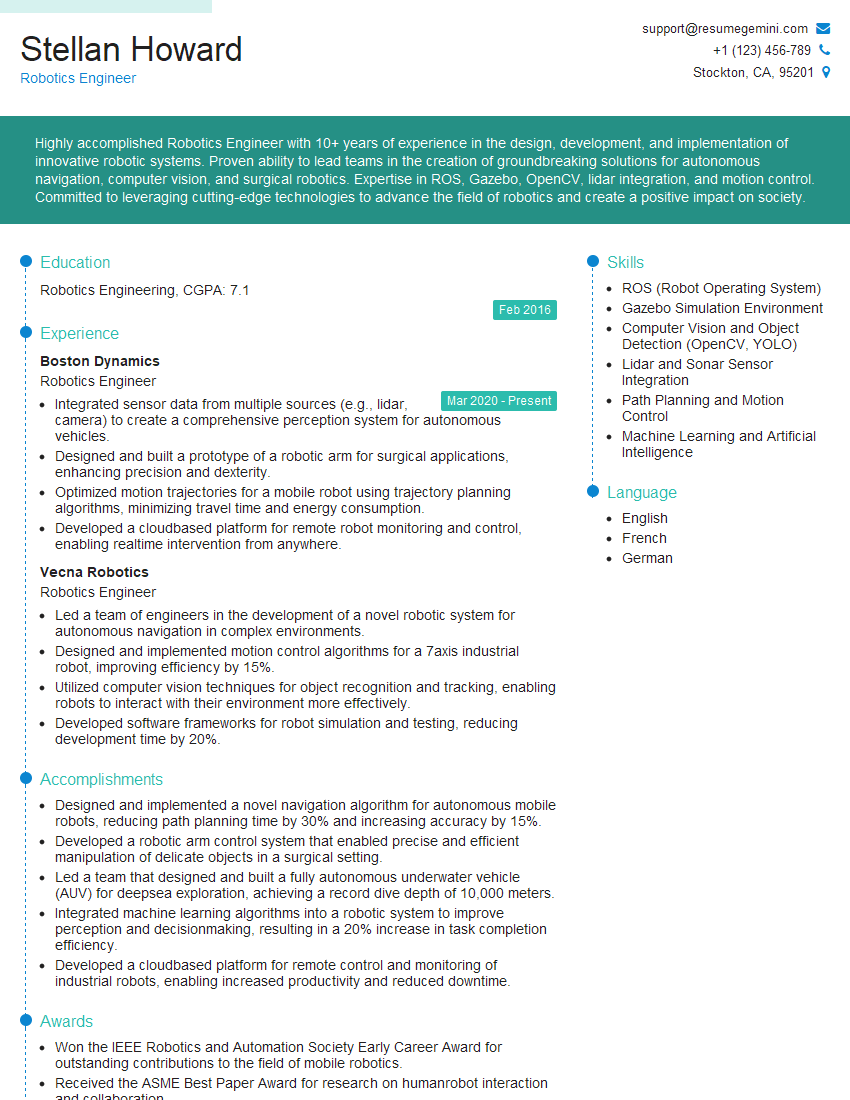
Robotics Engineer Resume Sample
- Operations Manager
- Plant Manager
- Manufacturing Manager
- Supply Chain Manager
- Reliability Engineer
- Process Engineer
- Automation Engineer
- Maintenance Engineer
- Industrial Engineer
- Production Engineer
- Quality Control Engineer
- Lean Manufacturing Engineer
- Manufacturing Process Engineer
- Manufacturing Systems Engineer
- Control Systems Engineer
- Robotics Engineer
Explore more articles
Users Rating of Our Blogs
Share Your Experience
We value your feedback! Please rate our content and share your thoughts (optional).
What Readers Say About Our Blog
Very informative content, great job.
good