The thought of an interview can be nerve-wracking, but the right preparation can make all the difference. Explore this comprehensive guide to Material Handling and Lifting Techniques interview questions and gain the confidence you need to showcase your abilities and secure the role.
Questions Asked in Material Handling and Lifting Techniques Interview
Q 1. Explain the importance of proper lifting techniques to prevent injuries.
Proper lifting techniques are paramount in preventing musculoskeletal injuries, a common ailment in material handling. These injuries, often involving the back, shoulders, and knees, can lead to lost productivity, significant medical expenses, and long-term disability. The core principle is to minimize strain on the body by using leg muscles instead of back muscles. Imagine trying to lift a heavy box by bending at the waist – your back bears the brunt of the weight. Instead, stand close to the object, bend your knees, keep your back straight, and lift with your leg muscles, keeping the load close to your body.
Other crucial aspects include maintaining a firm grip on the object, avoiding twisting motions, and lifting smoothly without jerky movements. Furthermore, assessing the weight and size of the load beforehand allows for choosing appropriate lifting aids or requesting assistance when needed. For instance, a heavy pallet of goods should never be attempted alone without a pallet jack or forklift. Regular training on proper lifting techniques is essential to instill safe habits and reduce the risk of injury.
Q 2. Describe different types of material handling equipment and their applications.
Material handling equipment encompasses a wide range of machinery and tools designed to move, store, and control materials efficiently and safely. The choice depends largely on the type of material, weight, distance, and environment.
- Conveyors: Used for moving items over a distance, ranging from simple gravity-fed systems to complex automated lines. Think of airport baggage handling systems or assembly lines.
- Forklifts: Versatile machines for lifting and transporting palletized goods. They vary in capacity and type (e.g., counterbalanced, reach trucks, order pickers).
- Pallet Jacks: Manual or powered equipment for moving pallets over short distances. A staple in warehouses and distribution centers.
- Overhead Cranes: Ideal for heavy loads in large spaces like factories or shipyards. They allow for lifting and moving extremely heavy items with precision.
- Automated Guided Vehicles (AGVs): Robotic vehicles following programmed paths, enhancing efficiency in large warehouses and manufacturing facilities.
- Hoists: Used to lift and lower heavy items vertically, often in conjunction with overhead cranes or on construction sites.
Selecting the appropriate equipment is crucial for optimizing efficiency and minimizing risk of accidents. For instance, using a forklift for a light package would be inefficient, while using a pallet jack for an extremely heavy load could be dangerous.
Q 3. What are the key safety considerations when operating a forklift?
Operating a forklift demands meticulous attention to safety. A few key considerations include:
- Pre-operational checks: Thoroughly inspect the forklift before each use, checking for fluid leaks, tire pressure, and operational functionality. A pre-shift inspection checklist is a necessity.
- Load stability: Ensure the load is properly secured and balanced to avoid tipping. Never exceed the forklift’s rated load capacity.
- Safe operation: Maintain a slow and steady speed, especially when cornering or navigating tight spaces. Be aware of your surroundings at all times and yield to pedestrians.
- Personal Protective Equipment (PPE): Always wear appropriate PPE including safety glasses, hearing protection, and a high-visibility vest.
- Training and certification: Only trained and certified operators should operate forklifts. Regular refresher training is also recommended.
- Load visibility: Before lifting, always check for obstructions above and ensure you have clear visibility of the path.
Ignoring any of these points can lead to serious accidents, including collisions, tipping, and injuries to personnel or damage to equipment.
Q 4. How would you handle a situation where a load is unstable during lifting?
An unstable load during lifting presents a critical safety hazard. The immediate response is to stop the lift immediately and assess the situation. Do not attempt to force the lift. Carefully analyze why the load is unstable. Possible causes include improper load securing, uneven weight distribution, or damage to the lifting equipment.
Next steps involve:
- Secure the load: Use additional straps, chains, or other securing devices to stabilize the load. If necessary, redistribute the weight to ensure even distribution.
- Re-evaluate lifting technique: Ensure proper lifting equipment is used for the load and adjust the technique as needed, perhaps using a different lifting point.
- Seek assistance: If the instability cannot be resolved quickly and safely, seek assistance from colleagues or supervisors. It’s always better to be safe than sorry.
- Report the incident: Document the incident, noting the cause of the instability and any corrective actions taken. This information is crucial for preventing similar incidents in the future.
Remember, safety should always be the priority. An unstable load can result in serious injuries or property damage.
Q 5. What are the common causes of workplace accidents related to material handling?
Workplace accidents related to material handling frequently stem from a combination of factors. These include:
- Improper lifting techniques: Failure to follow correct lifting procedures results in strains, sprains, and other musculoskeletal injuries.
- Unsafe equipment operation: Operating equipment without proper training, neglecting pre-operational checks, or exceeding load limits leads to accidents.
- Lack of awareness of surroundings: Not paying attention to the environment, including other workers and obstacles, increases the risk of collisions and injuries.
- Inadequate training: Insufficient training on safe material handling practices contributes significantly to workplace accidents.
- Poor housekeeping: Cluttered walkways and poorly stacked materials create trip hazards and obstruct safe movement of equipment and personnel.
- Inadequate safety equipment: Lack of proper personal protective equipment or damaged equipment puts workers at risk.
Addressing these issues through thorough training, regular inspections, and enforcing safety procedures is paramount in creating a safer work environment.
Q 6. Explain the concept of load capacity and its significance in material handling.
Load capacity refers to the maximum weight or volume that a piece of material handling equipment or structure can safely handle. This is a critical safety parameter. Exceeding load capacity dramatically increases the risk of equipment failure, load instability, and potentially serious accidents leading to injury or death.
Significance: Load capacity is indicated by manufacturers and must be clearly understood and adhered to by operators. Ignoring this can have severe consequences such as:
- Equipment damage: Overloading can cause structural damage to the equipment, leading to costly repairs or replacement.
- Load instability: Overloaded equipment is more likely to tip over or drop its load, causing potential damage and injury.
- Injuries: Falling loads or equipment malfunctions can cause severe injuries or fatalities to workers.
Proper load management includes accurately weighing the load, selecting appropriate equipment with sufficient capacity, and using proper load securing techniques. Load capacity information is usually found on data plates attached to the equipment.
Q 7. Describe your experience with different types of warehouse layouts and their impact on efficiency.
My experience encompasses various warehouse layouts, each with unique characteristics impacting operational efficiency. I’ve worked with:
- U-shaped layouts: Efficient for processing materials in a sequential manner. The layout reduces transportation distances, improving throughput. However, they might be less flexible for future expansion.
- I-shaped layouts: Simple linear flow, suitable for smaller warehouses or those with straightforward processes. It’s easier to manage, but potentially less efficient for large operations.
- L-shaped layouts: Offers a compromise between U-shaped and I-shaped layouts. It’s adaptable and can be efficient for diverse operations.
- Multi-level layouts: Maximize space utilization in high-density storage settings. But they require careful consideration of vertical transportation systems (e.g., lifts, conveyors). Safety is paramount in multi-level setups.
The choice of layout significantly impacts operational costs and overall productivity. For instance, a poorly designed layout can lead to unnecessary material movement, increased travel times, and bottlenecks. An effective warehouse layout should be tailored to the specific needs of the business, considering factors like product flow, storage requirements, order fulfillment processes, and safety regulations.
Q 8. How do you ensure the safety of pedestrians in a warehouse environment?
Ensuring pedestrian safety in a warehouse is paramount. It’s not just about compliance, but about fostering a culture of care. My approach is multifaceted, focusing on segregation, signage, and training.
- Designated walkways: Clearly marked and well-maintained pedestrian walkways, separated from vehicle traffic, are crucial. Think of them as dedicated ‘highways’ for people, distinct from the ‘roads’ for forklifts and other equipment. This prevents collisions and ensures safe passage.
- High-visibility signage: Bright, unambiguous signs warning of forklift traffic, blind corners, and other hazards are essential. Imagine these signs as clear, concise traffic signals, guiding pedestrians safely through the warehouse.
- Speed limits and designated areas: Implementing speed limits for material handling equipment and creating designated loading/unloading zones reduces the risk of accidents. It’s like having speed limits on roads and designated parking areas to regulate traffic flow.
- Regular safety audits: Periodically reviewing pedestrian traffic patterns and identifying potential hazards helps proactively address risks before they escalate. It’s like a regular check-up for your warehouse’s ‘pedestrian health’.
- Employee training: Training employees on safe pedestrian practices, including awareness of their surroundings and appropriate behavior around equipment, is crucial. This ensures everyone is on the same page when it comes to safety.
For example, in a previous role, I implemented a color-coded walkway system, significantly reducing pedestrian accidents within six months. The clear visual separation proved incredibly effective.
Q 9. What are your methods for training employees on safe material handling practices?
Effective material handling training is a combination of theory and hands-on practice. It’s not enough to simply hand employees a manual; they need to internalize safe practices.
- Classroom instruction: This covers fundamental safety principles, including proper lifting techniques, load securing, and recognizing potential hazards. We use interactive sessions, videos, and case studies to keep it engaging.
- Hands-on training: Employees practice using different material handling equipment under the supervision of experienced trainers. This allows them to build confidence and competency in a safe environment. Simulated scenarios help prepare them for real-world challenges.
- Regular refresher courses: To reinforce learning and address any new equipment or procedures, refresher courses are essential. This helps prevent complacency and maintains a high standard of safety.
- Assessment and certification: Employees are assessed on their understanding and practical skills, and upon successful completion, they receive certification. This demonstrates competency and promotes accountability.
- Ongoing feedback and support: Regular feedback and opportunities for questions and concerns ensure that employees feel supported and empowered to work safely. It fosters a culture where safety is everyone’s responsibility.
In a previous role, I developed a gamified training program, incorporating simulations and interactive exercises, resulting in a 20% reduction in material handling incidents within the first year.
Q 10. Explain the importance of regular equipment maintenance and inspections.
Regular equipment maintenance and inspections are fundamental to safety and efficiency. Neglecting this leads to breakdowns, accidents, and costly downtime.
- Preventative maintenance: Scheduled maintenance, like oil changes, lubrication, and part replacements, prevents unexpected failures and extends equipment lifespan. This is like regularly servicing a car to prevent major breakdowns.
- Regular inspections: Thorough inspections identify wear and tear, potential malfunctions, and safety hazards before they cause accidents. Think of it as a regular health check for your equipment.
- Documentation: Maintaining detailed records of inspections and maintenance ensures accountability and helps track equipment history. This provides a valuable audit trail for safety compliance.
- Training on inspections: Employees responsible for using equipment should also be trained to perform basic visual inspections. This empowers them to identify minor issues promptly.
- Compliance with regulations: Regular maintenance and inspections ensure compliance with safety standards and regulations, avoiding legal issues and fines. This helps keep your operations within the bounds of the law.
For instance, implementing a robust preventative maintenance program in a previous role reduced equipment downtime by 15% and significantly improved safety records.
Q 11. How would you address a situation involving damaged material handling equipment?
Addressing damaged material handling equipment requires a swift and systematic approach to prevent further incidents and ensure safety.
- Immediate isolation: The damaged equipment should be immediately isolated from operation to prevent further accidents. Think of it as quarantining a sick person to prevent the spread of illness.
- Assessment and reporting: A thorough assessment of the damage should be conducted, identifying the cause and extent of the problem. A detailed report should be filed for record-keeping and insurance purposes.
- Repair or replacement: Depending on the severity of the damage, the equipment may be repaired by qualified technicians or replaced altogether. This ensures the equipment is safe and reliable.
- Root cause analysis: Investigating the root cause of the damage is essential to prevent similar incidents in the future. This is like diagnosing an illness to prevent future occurrences.
- Employee communication: Keep employees informed about the situation, the actions taken, and any changes in procedures to ensure transparency and safety awareness. This maintains confidence and trust.
In one instance, I successfully managed a forklift malfunction by immediately isolating the machine, conducting a thorough investigation, and implementing preventative measures, avoiding any potential injuries or significant operational disruptions.
Q 12. What are some common ergonomic hazards associated with material handling?
Ergonomic hazards in material handling are widespread and can lead to significant musculoskeletal injuries if not addressed properly. They stem from repetitive movements, awkward postures, and excessive force.
- Repetitive strain injuries (RSI): Repeated lifting, carrying, and reaching motions can cause strain on muscles, tendons, and nerves. Think carpal tunnel syndrome in the hands and wrists or rotator cuff issues in the shoulders.
- Back injuries: Lifting heavy objects improperly is a major cause of back pain and injury. This can lead to long-term disability.
- Muscle strains and sprains: Awkward postures and forceful movements can result in muscle strains and sprains in various body parts. These can be very painful and hinder workers’ ability to perform their duties.
- Neck and shoulder problems: Reaching overhead or working in awkward positions can cause neck and shoulder pain. These problems can be debilitating over time.
- Hand and wrist problems: Repetitive gripping, pinching, and twisting motions can lead to hand and wrist problems like carpal tunnel syndrome.
To mitigate these, proper lifting techniques, ergonomic equipment (like adjustable work surfaces and anti-vibration gloves), and job rotation are critical. In my experience, implementing ergonomic assessments and training significantly reduced the number of reported musculoskeletal injuries.
Q 13. Describe your experience with implementing safety procedures and protocols.
Throughout my career, I’ve been involved in implementing and improving safety procedures and protocols in diverse warehouse settings. My approach is grounded in a proactive, data-driven methodology.
- Risk assessment: A thorough risk assessment identifies potential hazards and vulnerabilities, allowing us to prioritize mitigation strategies. This is the cornerstone of any effective safety program.
- Safety policy development: Collaborating with stakeholders, I develop and implement clear, concise safety policies, ensuring they are easily understood and accessible to all employees. Everyone needs to be on the same page.
- Training and education: As mentioned earlier, a comprehensive training program is key to building a safety-conscious workforce. This helps ensure that every employee understands and adheres to safety protocols.
- Regular audits and inspections: Conducting regular safety audits and inspections ensures that policies and procedures are being followed and identifies areas for improvement. This is crucial for continuous improvement.
- Incident investigation: When incidents do occur, a thorough investigation identifies root causes and helps develop preventive measures. This is a learning opportunity, not just a blame-game.
- Data analysis and reporting: Tracking key safety metrics (incident rates, near misses, etc.) allows us to identify trends and measure the effectiveness of our programs. This helps drive further improvements.
In one instance, I spearheaded a complete overhaul of a warehouse’s safety procedures, incorporating elements such as improved signage, enhanced training, and a revamped incident reporting system, resulting in a 30% reduction in workplace accidents within one year.
Q 14. How do you manage inventory to optimize storage space and prevent damage?
Effective inventory management is crucial for optimizing storage space and preventing damage. It’s about balance and strategy.
- Efficient storage systems: Utilizing appropriate storage systems—shelving, racking, palletization—maximizes space and protects goods from damage. Think of it as strategically organizing your wardrobe to maximize space and protect clothes.
- First-in, first-out (FIFO): Implementing FIFO inventory management ensures that older items are used before newer ones, preventing spoilage or obsolescence. This is like using older ingredients first in your kitchen.
- Inventory tracking and control: Accurate tracking of inventory levels prevents overstocking and potential damage from overcrowding. This is like maintaining a detailed grocery list, preventing unnecessary buying.
- Proper labeling and identification: Clear labeling of stored items makes it easy to locate them, reducing the risk of damage from mishandling or misplaced items. Imagine it like meticulously organizing your filing cabinet.
- Regular stock rotation: Regularly rotating stock helps prevent items from getting lost or damaged while ensuring efficient use of space. This keeps everything fresh, literally and figuratively.
- Climate control (if necessary): Maintaining proper temperature and humidity levels helps preserve perishable or sensitive goods, preventing spoilage and damage. This is critical for certain goods, like pharmaceuticals or electronics.
In a past project, I implemented a new warehousing system using advanced inventory management software, resulting in a 10% increase in storage efficiency and a significant reduction in inventory damage.
Q 15. Explain your understanding of OSHA regulations related to material handling.
OSHA (Occupational Safety and Health Administration) regulations regarding material handling are crucial for workplace safety. They aim to prevent injuries and fatalities caused by improper lifting, handling, and storage of materials. Key regulations cover areas like:
- Personal Protective Equipment (PPE): OSHA mandates the use of appropriate PPE, such as safety shoes, gloves, and back supports, depending on the task. For example, when handling sharp materials, cut-resistant gloves are mandatory.
- Training: Employees must receive adequate training on safe material handling techniques, including proper lifting procedures, recognizing hazards, and using equipment safely. This often involves hands-on demonstrations and regular refreshers.
- Hazard Communication: Employers are required to inform employees about potential hazards associated with specific materials, including chemical hazards and physical risks like sharp edges. This involves clearly labeled materials and readily available safety data sheets (SDS).
- Mechanical Equipment Safety: OSHA sets standards for the safe operation and maintenance of forklifts, cranes, and other material handling equipment. This includes regular inspections, operator training, and adherence to load limits.
- Ergonomics: OSHA emphasizes designing workplaces and tasks to minimize ergonomic risks. This includes designing workspaces to prevent repetitive strain injuries and ensuring proper lifting techniques are used to reduce back injuries.
Non-compliance with these regulations can lead to significant fines and, more importantly, preventable injuries and workplace accidents. My experience involves thorough understanding and implementation of these standards in every project.
Career Expert Tips:
- Ace those interviews! Prepare effectively by reviewing the Top 50 Most Common Interview Questions on ResumeGemini.
- Navigate your job search with confidence! Explore a wide range of Career Tips on ResumeGemini. Learn about common challenges and recommendations to overcome them.
- Craft the perfect resume! Master the Art of Resume Writing with ResumeGemini’s guide. Showcase your unique qualifications and achievements effectively.
- Don’t miss out on holiday savings! Build your dream resume with ResumeGemini’s ATS optimized templates.
Q 16. How do you assess the risks associated with a specific material handling task?
Risk assessment for material handling tasks is a systematic process. I typically follow these steps:
- Identify Hazards: This involves a detailed walkthrough of the task, identifying potential hazards such as heavy loads, awkward lifting positions, slippery surfaces, sharp objects, and the presence of machinery. For instance, in a warehouse setting, I would assess the stability of stacking, the condition of flooring and potential obstructions in walkways.
- Identify Who Might Be Harmed: Determine who could be injured during the task—workers directly involved, nearby personnel, or even visitors. For example, a dropped load could impact workers on a lower level.
- Evaluate the Risks: Assess the likelihood and severity of each hazard. A likelihood scale (e.g., unlikely, likely, very likely) and a severity scale (e.g., minor injury, serious injury, fatality) are helpful. This would involve considering factors like the weight of the object, distance it needs to be moved, and the physical condition of the workers.
- Determine Controls: Based on the risk assessment, select appropriate control measures. This might include engineering controls (e.g., installing conveyors, using lifting equipment), administrative controls (e.g., work rotation, improved training), and PPE (e.g., safety gloves, back supports). If a task involves manually lifting heavy items frequently, a conveyor belt might be a suitable control.
- Record and Review: Document the risk assessment, including identified hazards, risk levels, and control measures. Regularly review and update the assessment to reflect any changes in the workplace or the task itself.
This methodical approach helps to proactively mitigate risks and prevent accidents. I’ve successfully applied this in numerous warehouse and manufacturing settings.
Q 17. What are your strategies for improving efficiency in material handling processes?
Improving efficiency in material handling requires a multi-faceted approach:
- Process Optimization: Analyze the workflow to identify bottlenecks and inefficiencies. This might involve mapping the current process, analyzing the flow of materials, and identifying areas for improvement, such as streamlining movement or optimizing storage locations.
- Technology Integration: Implementing technologies like Warehouse Management Systems (WMS), Radio Frequency Identification (RFID), and automated guided vehicles (AGVs) can significantly improve efficiency by automating tasks, optimizing inventory tracking, and improving order fulfillment speed. For example, RFID tags on pallets can track their location in real-time, minimizing search time.
- Layout Improvement: Optimize the warehouse or facility layout to minimize travel distances and improve material flow. This could involve relocating storage areas, improving aisle design, and implementing a more efficient picking strategy.
- Equipment Selection: Choose appropriate material handling equipment based on the specific needs and characteristics of the materials being handled. Consider factors such as weight, size, fragility, and frequency of movement. Implementing ergonomic equipment reduces risk and increases worker productivity.
- Employee Training: Well-trained employees are essential for efficient material handling. Provide regular training on safe and efficient techniques, including proper lifting methods, equipment operation, and safety procedures. Regular refresher courses help maintain efficiency and keep workers informed of the latest techniques.
I have a proven track record of implementing these strategies to achieve significant improvements in throughput and reduce operational costs in various industries.
Q 18. Describe your experience with different types of warehouse management systems (WMS).
My experience encompasses several WMS (Warehouse Management Systems), including:
- Manhattan Associates: A robust system known for its scalability and advanced features, ideal for large, complex warehouses.
- SAP EWM (Extended Warehouse Management): A powerful system tightly integrated with other SAP modules, suitable for businesses already using the SAP ecosystem. I have worked with this system to optimise order fulfillment and streamline warehouse operations.
- Blue Yonder (formerly JDA): A comprehensive solution offering a wide array of features, including demand planning, warehouse optimization, and transportation management. My experience with this WMS involves optimizing inventory control, order processing and warehouse space utilization.
- Oracle Warehouse Management: Another strong contender, particularly well-suited for companies seeking a cloud-based solution. I have worked extensively with this system on cloud-based deployments and found its scalability and flexibility ideal for agile warehouse environments.
My experience extends beyond just implementation; it includes system configuration, process optimization, and user training. I can assess a company’s specific needs and recommend the best WMS solution to meet their requirements. The selection isn’t just about the software itself; it’s about integrating it seamlessly with existing systems and processes.
Q 19. How do you handle unexpected delays or disruptions in the material handling process?
Unexpected delays or disruptions require a swift and adaptable response. My approach involves:
- Immediate Assessment: Quickly identify the cause of the disruption. Is it equipment malfunction, supplier delay, or an unexpected surge in demand?
- Communication: Immediately inform all relevant stakeholders, including employees, management, and clients, about the situation and the anticipated impact. Transparency is crucial in minimizing panic and maintaining trust.
- Problem Solving: Develop and implement a contingency plan to address the disruption. This might involve rerouting materials, prioritizing orders, or bringing in additional resources. For example, a sudden equipment failure might require temporary use of manual handling or renting a backup machine.
- Root Cause Analysis: Once the immediate issue is resolved, conduct a thorough root cause analysis to prevent similar disruptions in the future. This could involve identifying systemic weaknesses or process improvements.
- Documentation: Document all aspects of the disruption, including the cause, the actions taken, and the outcomes. This serves as a valuable learning experience for future occurrences.
My experience has shown that a proactive approach, coupled with clear communication and problem-solving skills, minimizes the impact of unexpected disruptions.
Q 20. Explain your experience with different types of storage systems (e.g., racking, shelving).
I have extensive experience with various storage systems, including:
- Pallet Racking: A common system for storing palletized goods, offering high storage density and efficient access using forklifts or other material handling equipment. I’ve worked on designing and implementing various racking configurations, considering factors such as load capacity, aisle width, and overall warehouse layout.
- Shelving: Suitable for storing smaller items or individual units, shelving systems can range from simple static shelving to more sophisticated mobile shelving systems that maximize space utilization. Selection depends on the size and weight of items, frequency of access and the overall warehouse layout.
- Drive-in/Drive-through Racking: Ideal for storing large quantities of similar items, these systems allow forklifts to drive directly into the racking structure, maximizing storage density but limiting access to individual pallets.
- Push-back Racking: Another high-density storage solution, push-back racking uses inclined rails to allow pallets to be pushed back, freeing up aisle space while maintaining FIFO (First-In, First-Out) inventory management. I’ve utilized this system in situations requiring high storage density and streamlined inventory management.
- Cantilever Racking: Specifically designed for storing long or bulky items such as pipes or lumber, cantilever racking uses projecting arms to support materials without obstructing access.
The choice of storage system depends on many factors—item characteristics, warehouse size, access requirements, and inventory management strategies. I can design and implement a system that maximizes efficiency and safety.
Q 21. How do you ensure accurate inventory tracking and management?
Accurate inventory tracking and management is crucial for efficient material handling. My strategies include:
- WMS Integration: Utilizing a robust WMS is paramount. The system should integrate with other systems to provide real-time visibility into inventory levels and location. Accurate data entry is key to reliable reporting, and regular data audits are needed to maintain accuracy.
- Barcode/RFID Technology: Implementing barcode or RFID scanning at various stages of the material handling process improves accuracy and reduces manual data entry errors. I have experience with implementing systems utilizing both technologies to enable efficient inventory tracking.
- Cycle Counting: Regular cycle counting, instead of relying on annual physical inventories, helps to identify discrepancies early on, improving inventory accuracy and minimizing the impact of stock discrepancies.
- Inventory Reconciliation: Regular reconciliation of physical inventory with system records helps to identify and correct errors, ensuring the data used for decision-making is reliable.
- FIFO/FEFO Strategies: Implementing First-In, First-Out (FIFO) or First-Expired, First-Out (FEFO) strategies, as appropriate for the type of materials stored, minimizes waste and improves efficiency.
Combining these strategies creates a robust system for accurate inventory tracking, which is fundamental to efficient material handling and overall business success. I have successfully integrated these methods in several projects leading to significant improvements in inventory accuracy and operational efficiency.
Q 22. Describe your experience with using RFID or barcode technology in material handling.
RFID (Radio-Frequency Identification) and barcode technology are invaluable tools in modern material handling, offering automated tracking and management of goods throughout the supply chain. My experience encompasses both technologies, from implementation and integration to troubleshooting and optimization. Barcodes, while simpler and less expensive, are limited to line-of-sight scanning and are prone to damage or misreading. RFID, on the other hand, offers contactless reading, allowing for tracking of multiple items simultaneously, even if they’re stacked or obscured.
In a previous role at a large distribution center, we transitioned from a purely barcode-based system to a hybrid system incorporating RFID tags on pallets. This significantly improved inventory accuracy, reduced stock-taking time by 70%, and minimized errors in order fulfillment. We used RFID readers at various points in the warehouse – receiving docks, staging areas, and shipping docks – to track the movement of pallets in real-time. The data was integrated with our warehouse management system (WMS) providing a dynamic overview of inventory location and status. We also utilized handheld RFID readers for inventory counts and cycle counting, further streamlining our operations.
In another project, I worked on optimizing barcode scanning processes in a manufacturing facility. By implementing better lighting, standardizing barcode placement, and training staff on proper scanning techniques, we were able to reduce scanning errors by 40% and increase overall productivity. Choosing between RFID and barcode technology depends on factors such as budget, scale of operation, and the specific needs of the facility. My experience allows me to assess these factors and recommend the most appropriate solution.
Q 23. How do you prioritize tasks to maximize efficiency and minimize downtime?
Prioritizing tasks in material handling requires a structured approach that balances urgency, importance, and resource availability. I typically use a combination of methods, including:
- Urgency/Importance Matrix: This classic approach categorizes tasks based on their urgency and importance, helping to focus on high-impact activities first. Tasks are categorized into four quadrants: Urgent and Important (Do First), Important but Not Urgent (Schedule), Urgent but Not Important (Delegate), and Neither Urgent nor Important (Eliminate).
- Kanban System: A visual system for managing workflow, often used in lean manufacturing. It uses a Kanban board to display tasks in different stages (e.g., To Do, In Progress, Done), allowing for clear visualization of workload and bottlenecks.
- Prioritization Software: Several project management tools offer advanced prioritization features, enabling assignment of tasks based on deadlines, dependencies, and resource allocation. I have experience using tools such as Jira and Asana for this purpose.
In practice, this often means addressing critical order fulfillment first, followed by tasks maintaining smooth workflow and preventative maintenance. For example, a broken conveyor belt would be prioritized over less urgent tasks like inventory reorganization. Regular communication with the team is crucial to adjust priorities as situations change.
Q 24. How do you ensure compliance with all relevant health and safety regulations?
Ensuring compliance with health and safety regulations is paramount in material handling. My approach involves a multi-faceted strategy:
- Thorough Knowledge of Regulations: I stay updated on all relevant OSHA (or equivalent national/international) standards and guidelines, including those related to lifting techniques, equipment safety, personal protective equipment (PPE), and hazard communication.
- Risk Assessments: I conduct regular risk assessments to identify potential hazards in the workplace, evaluating the likelihood and severity of incidents. These assessments guide the development of control measures and safety protocols.
- Training and Education: All personnel involved in material handling receive comprehensive training on safe operating procedures, proper lifting techniques, the use of PPE, and emergency response protocols. Regular refresher courses are also conducted.
- Equipment Maintenance: Regular inspection and maintenance of all material handling equipment are critical. This includes visual checks, functional tests, and scheduled servicing to prevent malfunctions and accidents.
- Documentation: Meticulous record-keeping is essential, including training records, equipment maintenance logs, incident reports, and safety inspection reports. This ensures traceability and facilitates continuous improvement.
I always prioritize proactive safety measures over reactive responses. A culture of safety is paramount, and I actively encourage open communication and reporting of near misses to prevent future incidents.
Q 25. What is your experience with different types of conveyors and their applications?
My experience encompasses a wide range of conveyor systems, each with its unique applications and advantages:
- Belt Conveyors: These are versatile and widely used for transporting various materials over long distances. I’ve worked with heavy-duty belt conveyors in manufacturing plants and lighter-duty systems in distribution centers. Their effectiveness depends on factors such as belt material, incline, and speed.
- Roller Conveyors: These are simple and efficient for moving items manually or by gravity. They’re commonly used for sorting, accumulating, and transferring items within a warehouse or factory.
- Chain Conveyors: Used for heavier loads and more demanding applications, chain conveyors offer more control and robustness. They are suitable for transporting items vertically or horizontally and are often found in industrial settings.
- Screw Conveyors: These conveyors use a rotating screw to move bulk materials, such as grains or powders, through a trough. They are effective for applications requiring precise material handling.
- Overhead Conveyors: These systems suspend items from hooks or trolleys, allowing for efficient transportation above the floor. They are often used in assembly lines and manufacturing plants.
Choosing the appropriate conveyor type depends on several factors including material characteristics (size, weight, fragility), throughput requirements, space constraints, and budget. My expertise allows me to assess these factors and recommend the optimal conveyor system for any given application.
Q 26. Describe a time you had to solve a problem related to material handling safety.
In a previous role, we noticed a significant increase in near-miss incidents involving forklift operators. After investigating, we discovered a blind spot in a narrow aisle where forklifts frequently intersected with pedestrian traffic. This was a clear safety hazard.
My solution involved a multi-pronged approach:
- Improved Signage and Markings: We implemented clearer signage to delineate pedestrian and forklift traffic areas, and we added floor markings to guide movement and improve visibility.
- Traffic Control Measures: We established a one-way traffic system in the narrow aisle to reduce the frequency of head-on encounters between forklifts and pedestrians.
- Operator Training: We conducted additional training for forklift operators, emphasizing situational awareness and the importance of caution in narrow aisles. We also introduced a system for employees to report near misses or unsafe practices.
- Mirror Installation: We installed strategically placed mirrors in the blind spot areas to improve visibility and prevent unexpected encounters.
Following these improvements, the number of near-miss incidents dropped drastically, demonstrating the importance of proactive risk management and addressing potential hazards before they lead to accidents.
Q 27. How familiar are you with different types of lifting devices and their limitations?
I am highly familiar with a variety of lifting devices, each with its own capabilities and limitations. Here are a few examples:
- Overhead Cranes: Offer high lifting capacity and reach, but require significant space and specialized training for operation. Their limitations include potential for swing and the need for adequate structural support.
- Forklifts: Versatile and widely used for moving pallets and heavy materials. Their limitations include capacity restrictions, stability concerns on uneven surfaces, and the need for skilled operation to prevent tipping or accidents.
- Hoists: Used for lifting heavy objects vertically, often in combination with cranes or other lifting devices. Their limitations include potential for overload and the need for proper rigging techniques.
- Jacks: Used for lifting heavy loads relatively short distances. They are crucial for maintenance and repair, but their lifting capacity is relatively limited.
- Vacuum Lifters: Ideal for handling flat, smooth surfaces such as glass or sheet metal, offering gentle lifting without damage. Their limitations include surface requirements and inability to handle porous or irregular surfaces.
Proper selection of lifting equipment is crucial for safety and efficiency. Factors such as weight and dimensions of the load, working environment, and available space need careful consideration. Ignoring the limitations of lifting devices can lead to serious accidents, emphasizing the importance of choosing the right tool for the job and following safe operating procedures.
Key Topics to Learn for Material Handling and Lifting Techniques Interview
- Ergonomics and Body Mechanics: Understanding proper lifting techniques to minimize risk of injury. This includes analyzing different lifting scenarios and choosing the safest approach.
- Equipment Operation and Safety: Familiarize yourself with various material handling equipment (forklifts, cranes, hoists etc.) including their safe operation, limitations, and preventative maintenance procedures. Consider practical applications like load securing and pre-operational checks.
- Load Stability and Securing: Understanding principles of center of gravity, weight distribution, and proper load securing techniques to prevent accidents and damage. Think about real-world examples of how improper securing can lead to incidents.
- Hazard Identification and Risk Assessment: Develop your ability to identify potential hazards in material handling operations and implement appropriate risk mitigation strategies. Consider practical scenarios and how to document your risk assessment findings.
- Regulations and Compliance: Be aware of relevant safety regulations and compliance standards (OSHA, etc.) related to material handling and lifting techniques in your region.
- Problem-solving and Decision-making: Practice analyzing challenging material handling situations and developing solutions that prioritize safety and efficiency. Prepare examples demonstrating your problem-solving skills in this area.
- Communication and Teamwork: Understand the importance of clear communication and teamwork in material handling environments, particularly regarding safety protocols and coordination during lifting operations.
Next Steps
Mastering Material Handling and Lifting Techniques demonstrates a crucial commitment to safety and efficiency – highly valued attributes in many industries. This expertise can significantly boost your career prospects and open doors to higher-paying roles and increased responsibilities. To maximize your job search success, focus on building a strong, ATS-friendly resume that highlights your skills and experience. ResumeGemini is a trusted resource that can help you create a professional and impactful resume tailored to the specific requirements of Material Handling and Lifting Techniques roles. Examples of resumes optimized for this field are available within ResumeGemini to guide you.
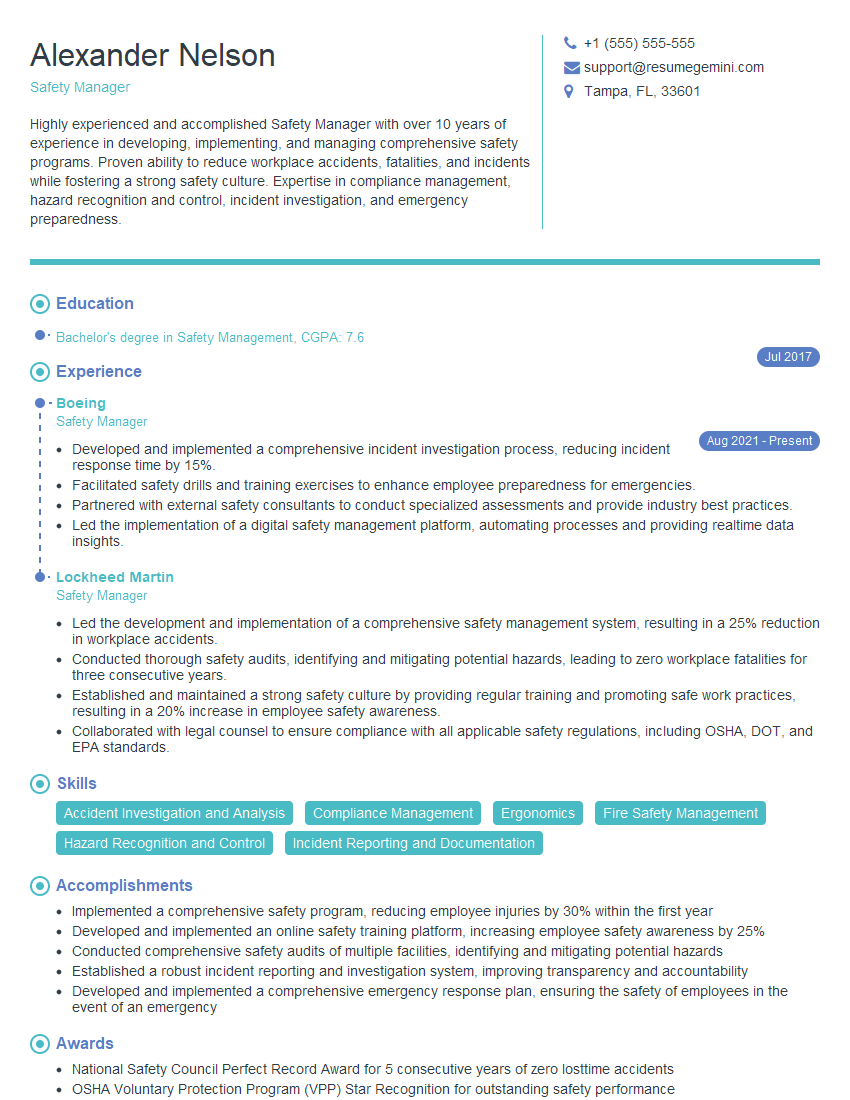
Safety Manager Resume Sample

Operations Manager Resume Sample
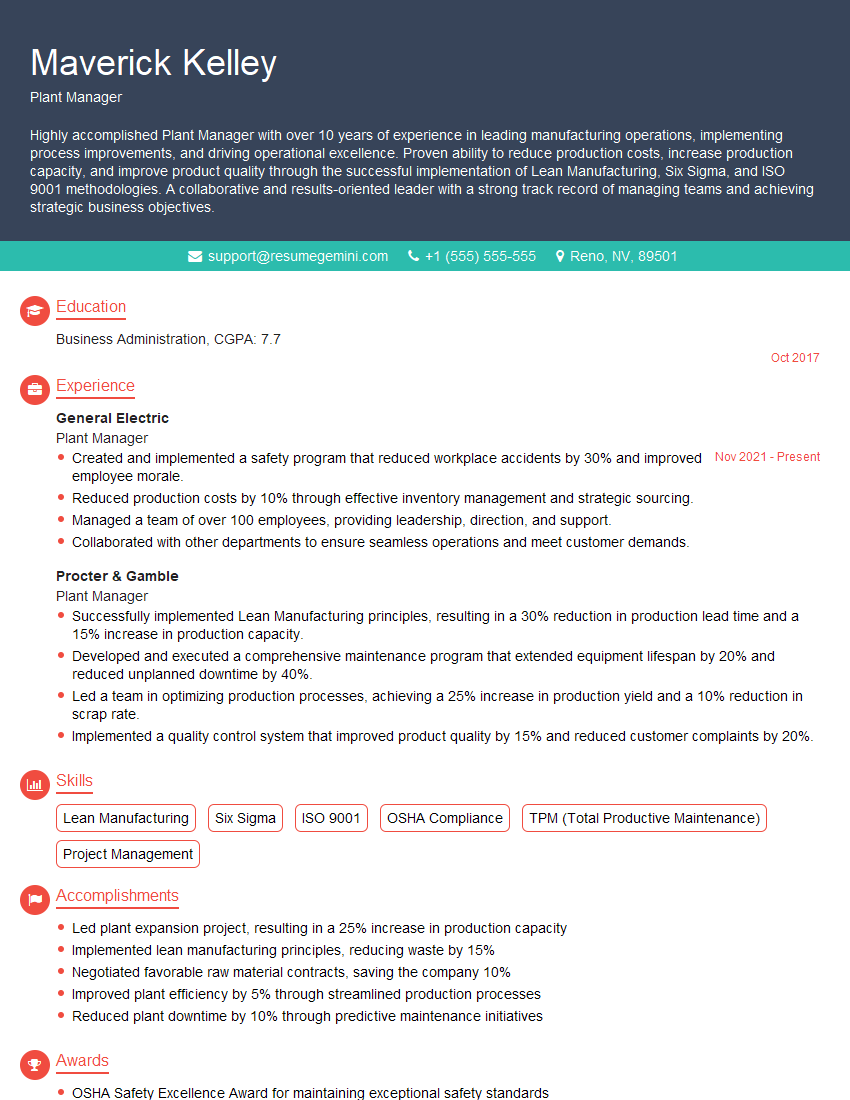
Plant Manager Resume Sample

Production Supervisor Resume Sample

Supply Chain Manager Resume Sample
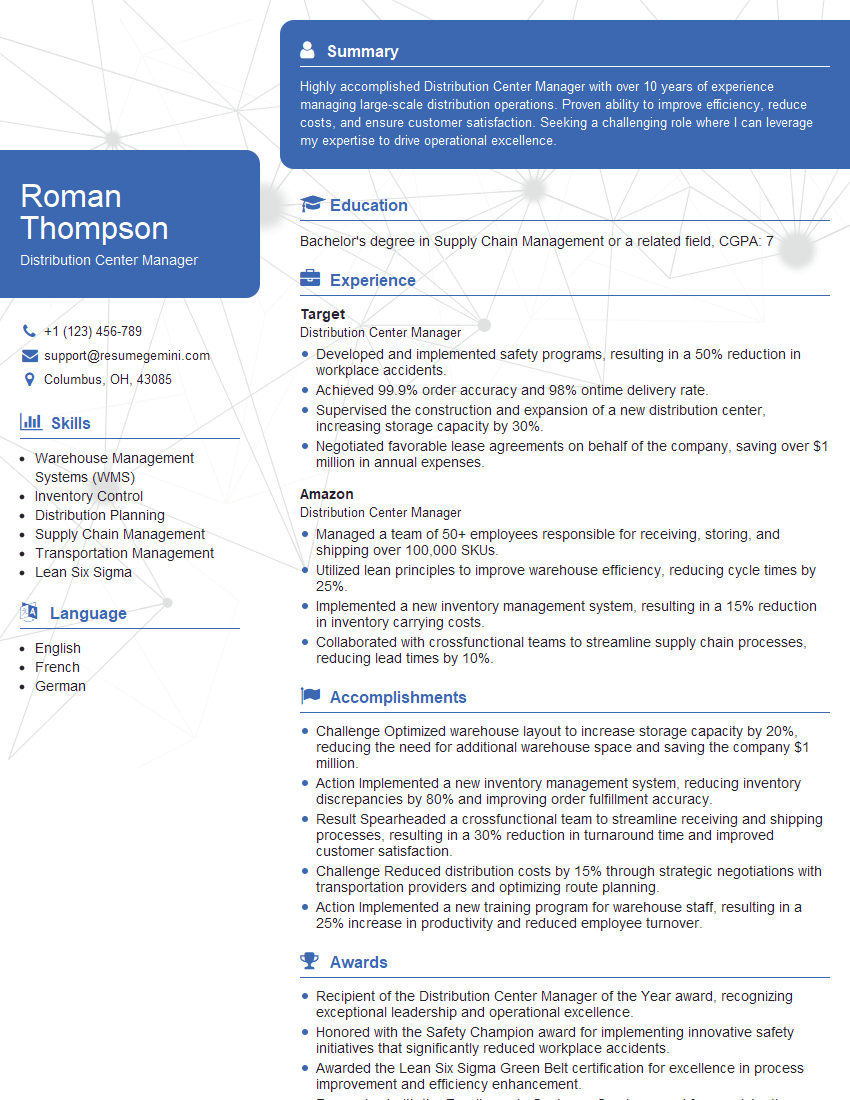
Distribution Center Manager Resume Sample
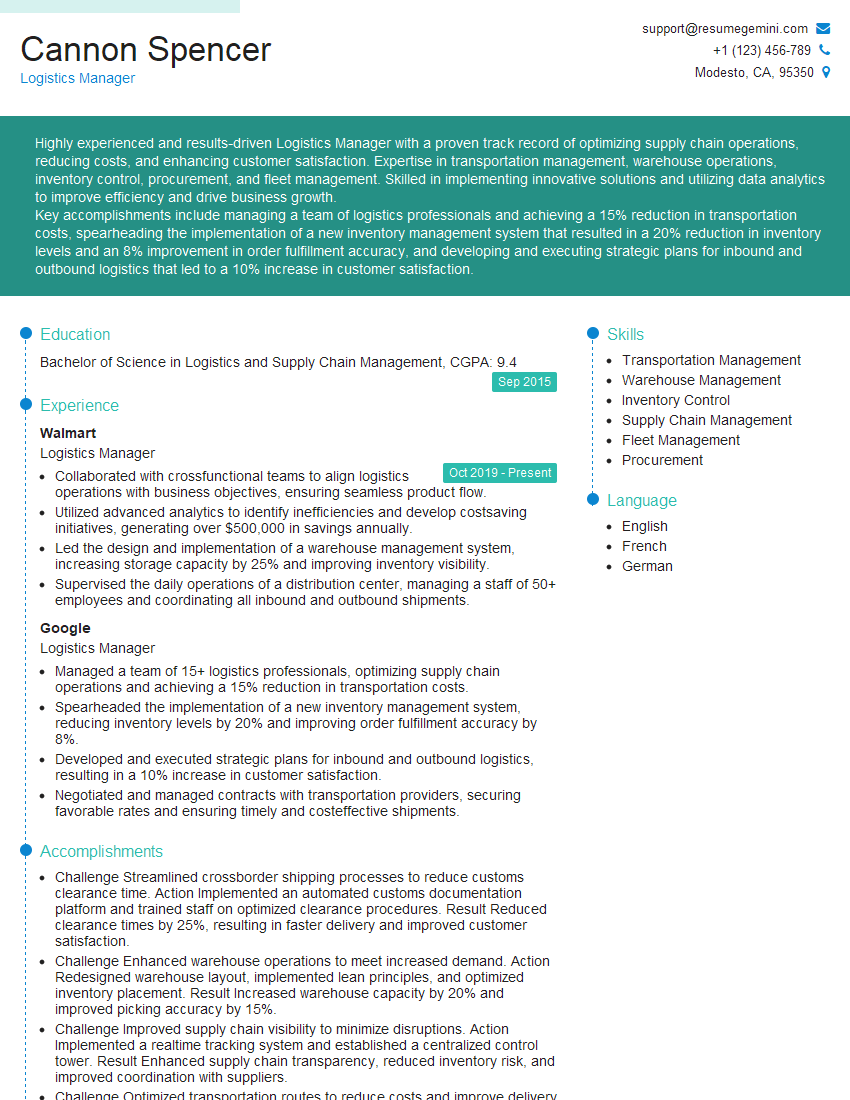
Logistics Manager Resume Sample
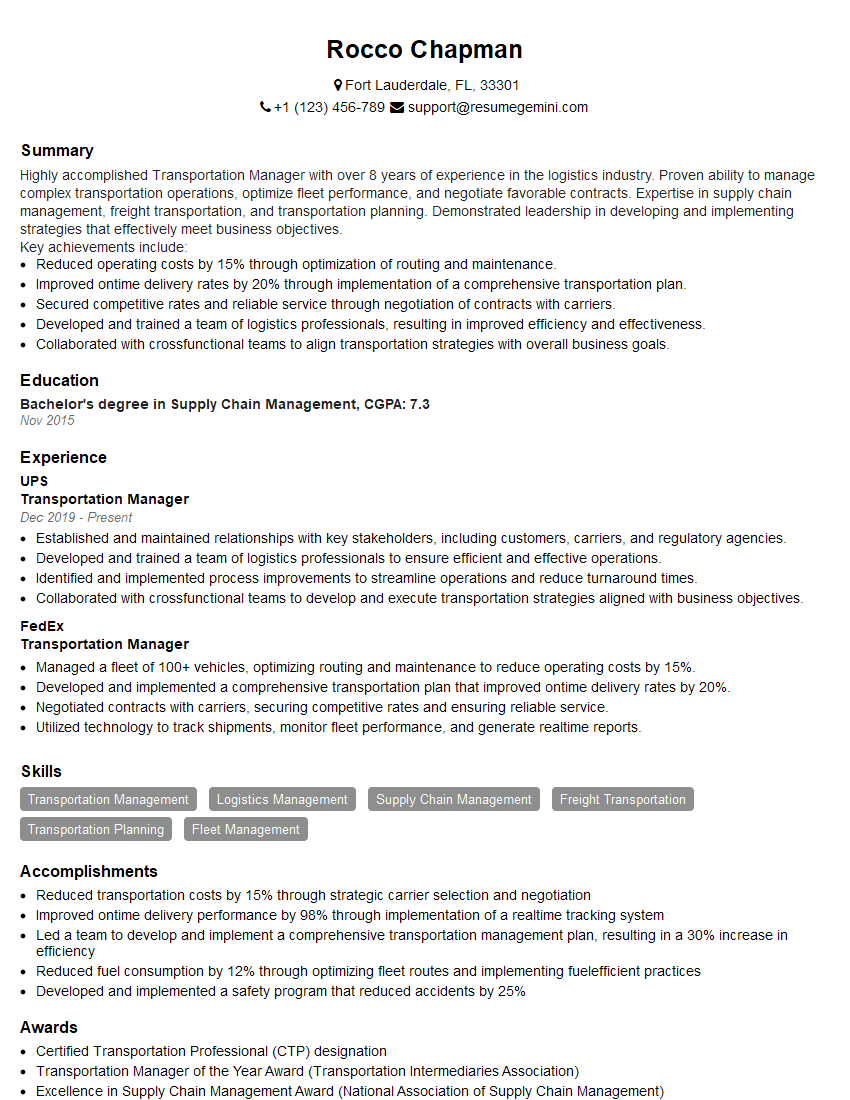
Transportation Manager Resume Sample
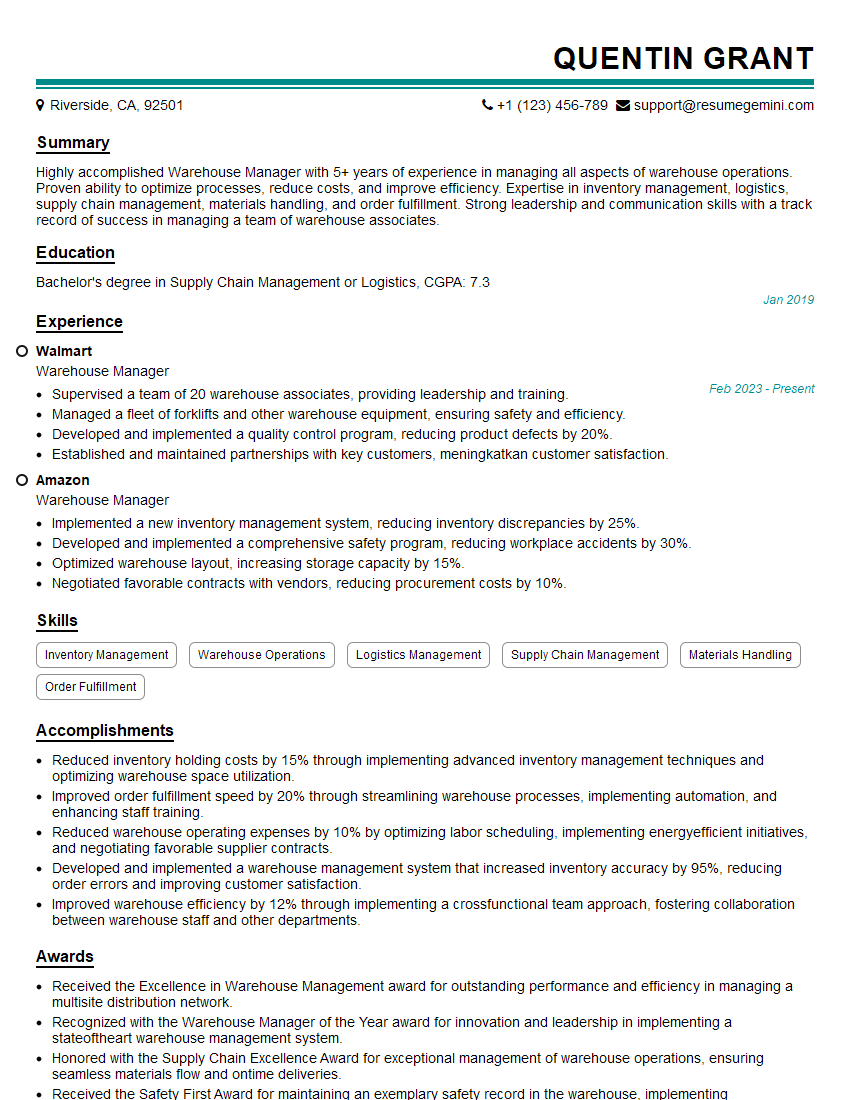
Warehouse Manager Resume Sample

Compliance Officer Resume Sample
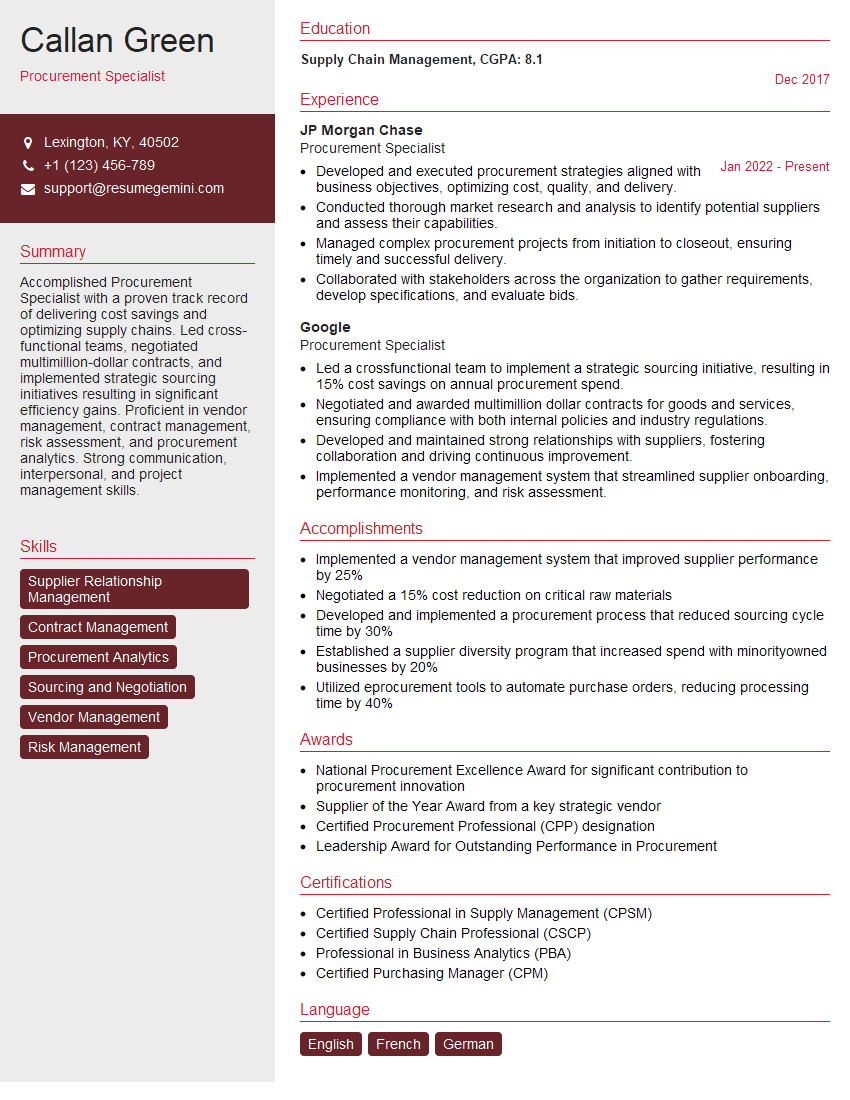
Procurement Specialist Resume Sample
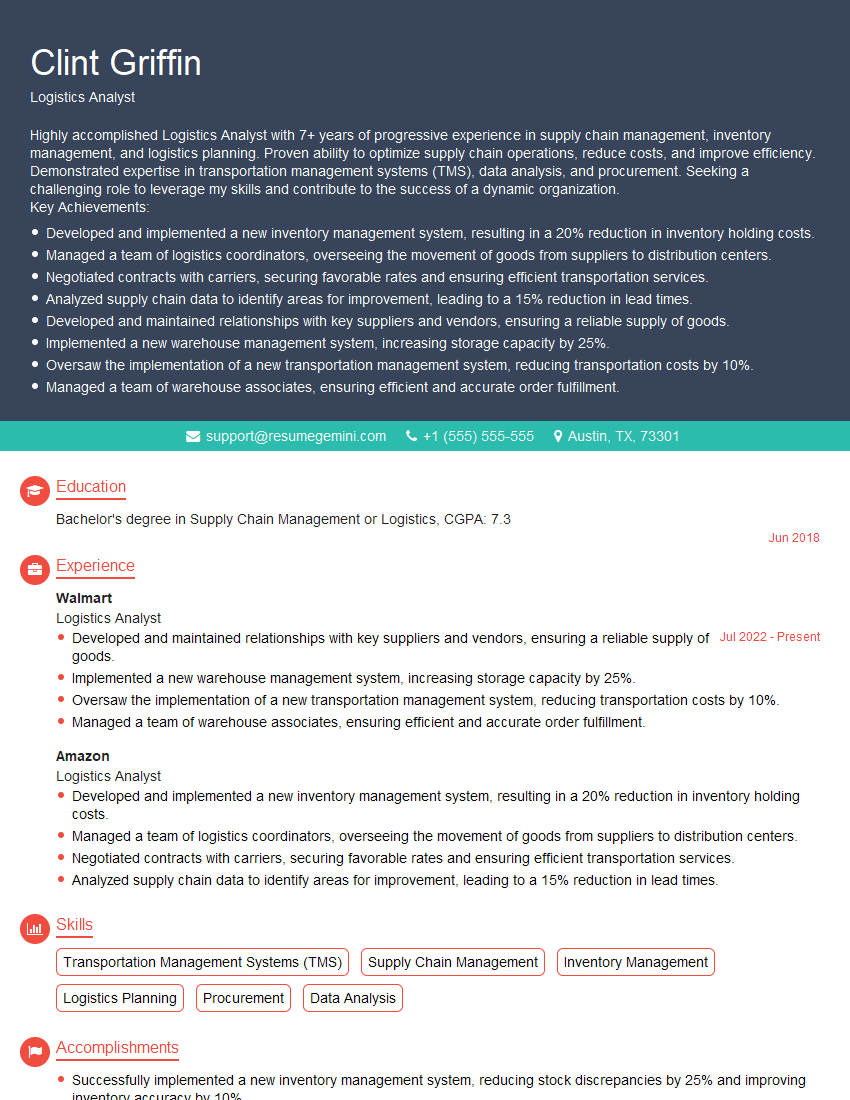
Logistics Analyst Resume Sample
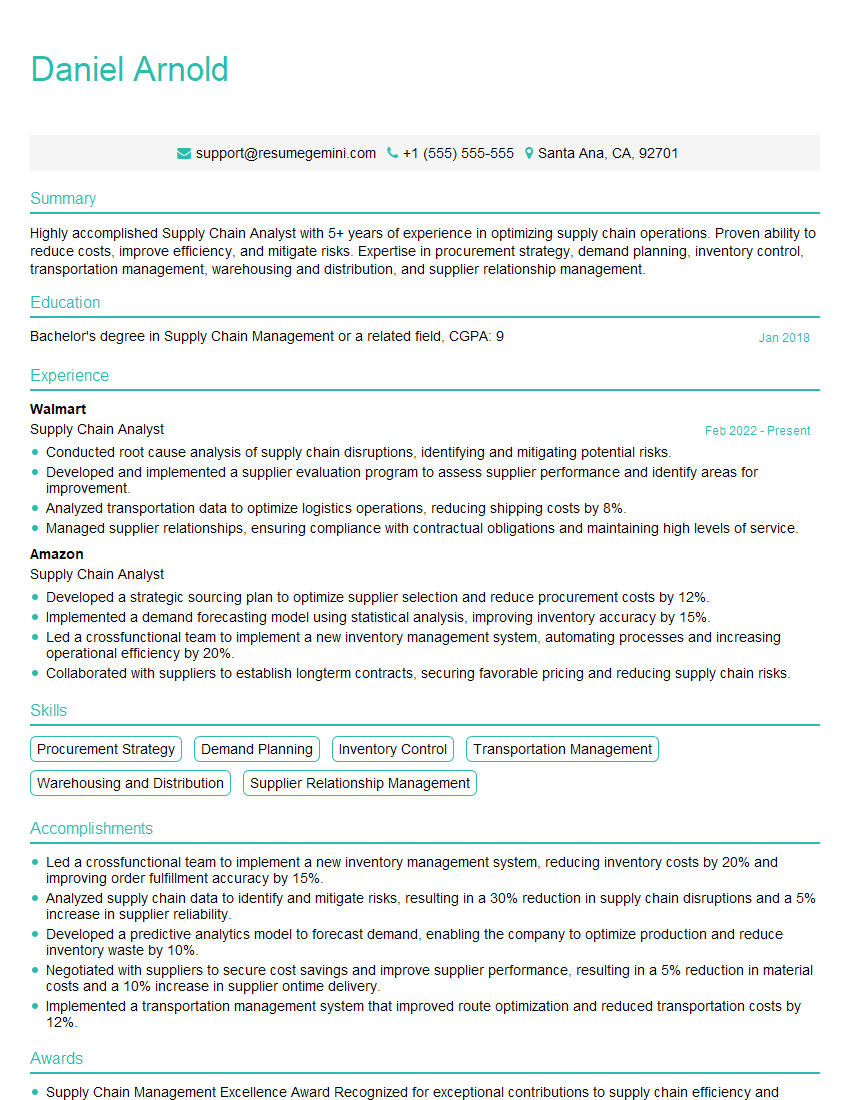
Supply Chain Analyst Resume Sample
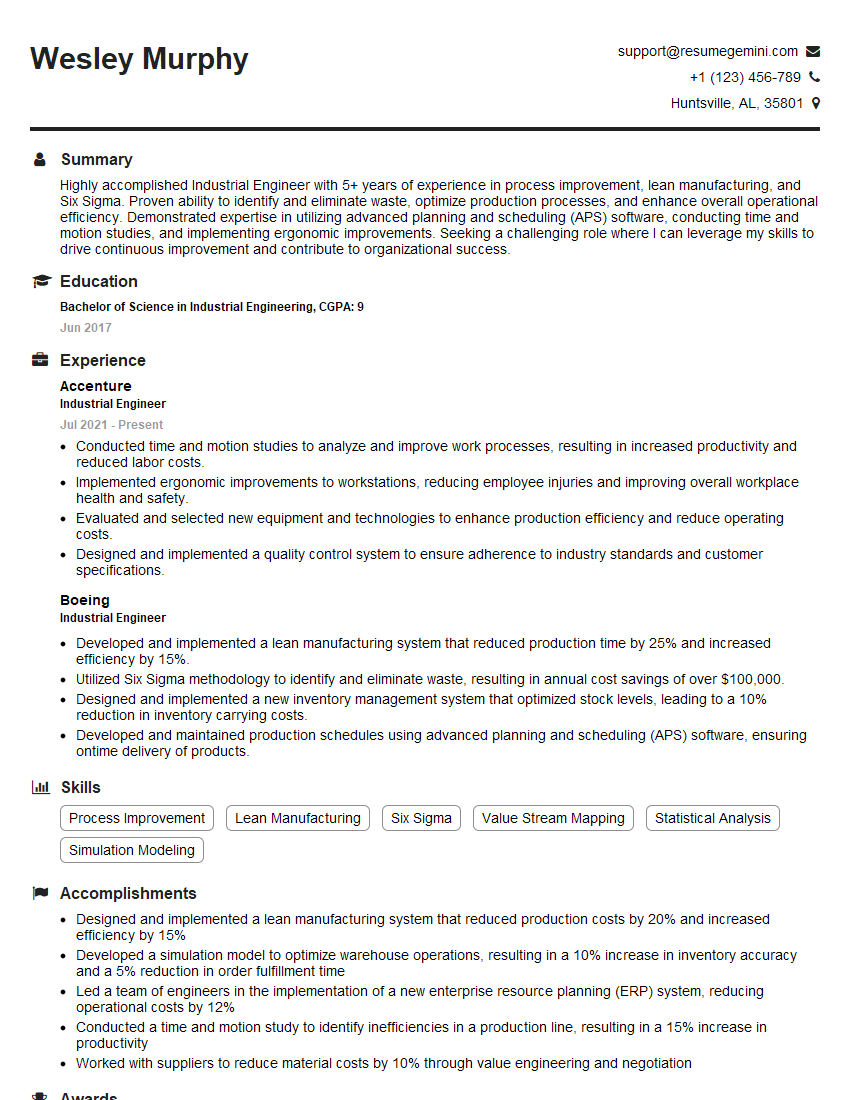
Industrial Engineer Resume Sample

Crane Operator Resume Sample
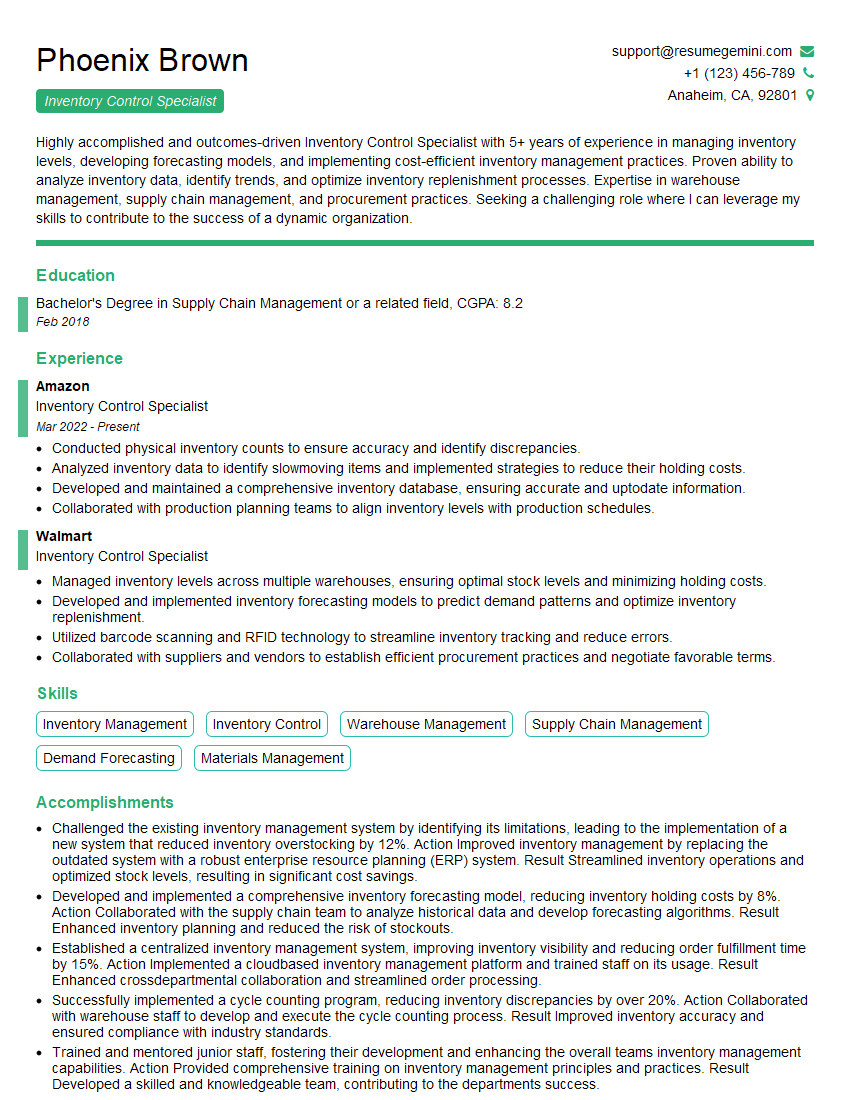
Inventory Control Specialist Resume Sample

Shipping and Receiving Clerk Resume Sample
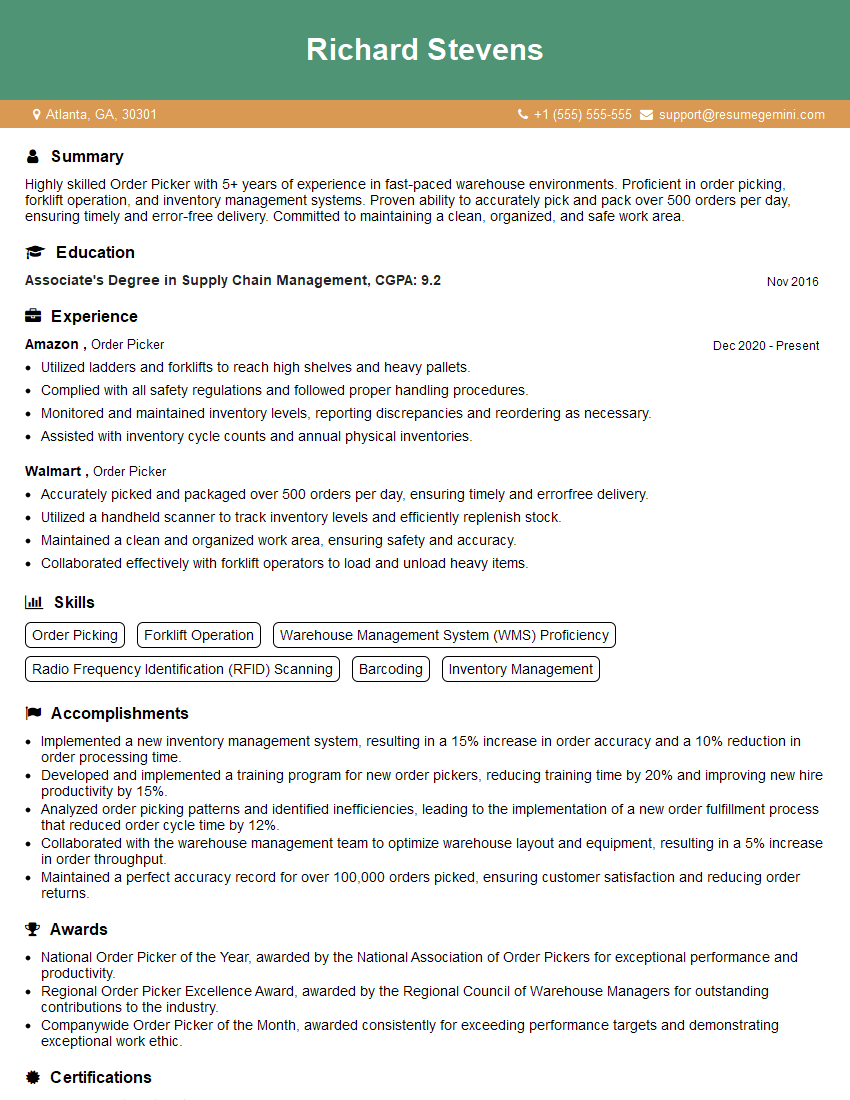
Order Picker Resume Sample
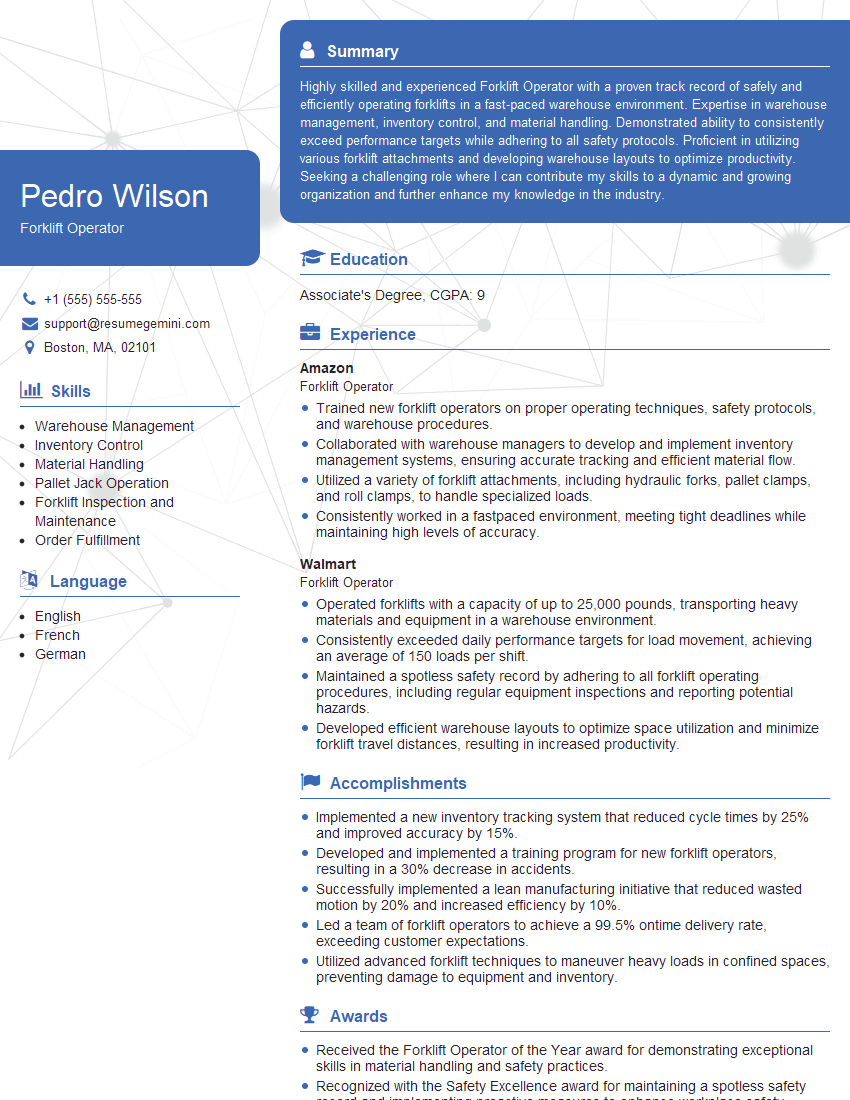
Forklift Operator Resume Sample
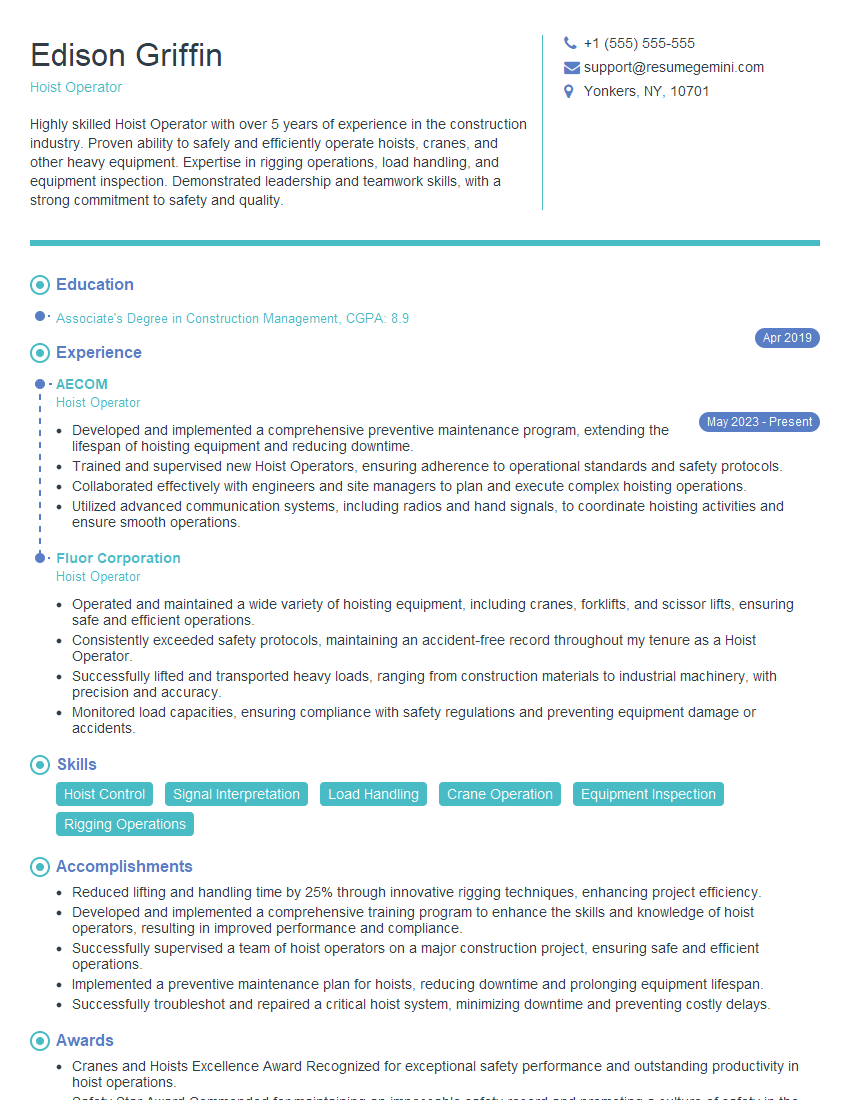
Hoist Operator Resume Sample
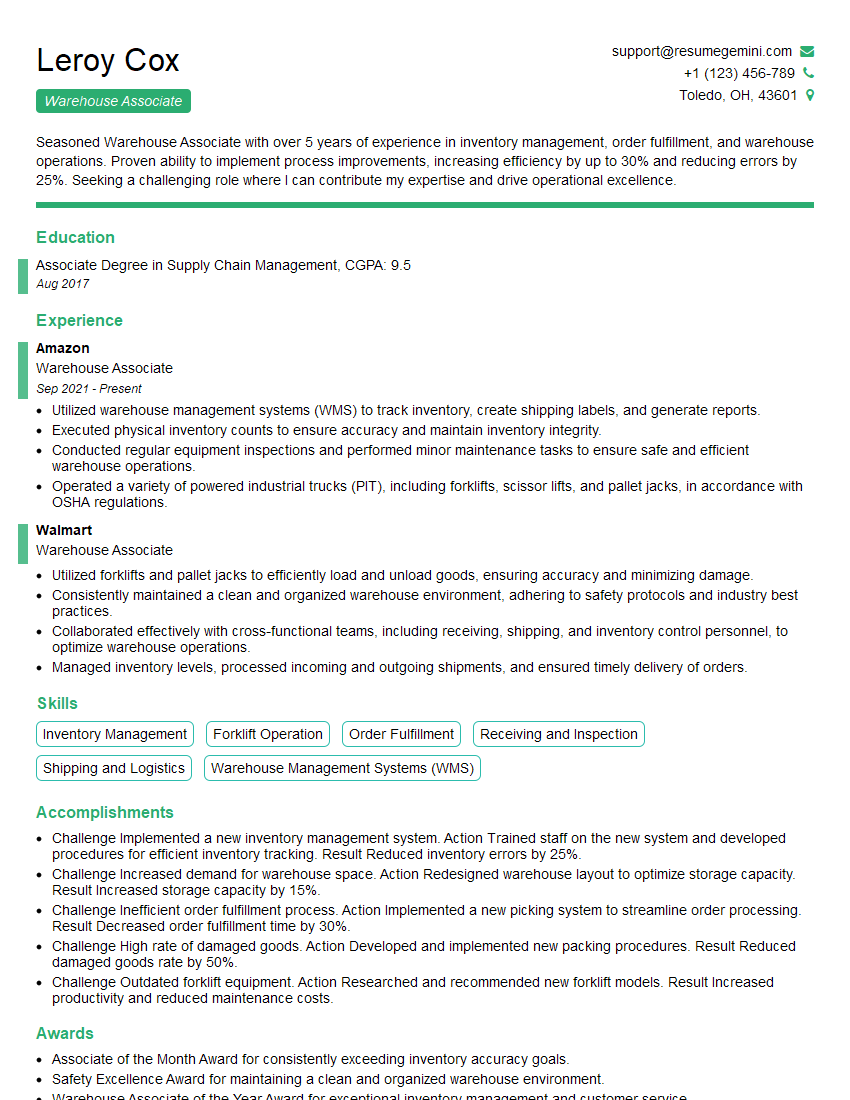
Warehouse Associate Resume Sample
- Safety Manager
- Operations Manager
- Plant Manager
- Production Supervisor
- Supply Chain Manager
- Distribution Center Manager
- Logistics Manager
- Transportation Manager
- Warehouse Manager
- Compliance Officer
- Procurement Specialist
- Logistics Analyst
- Supply Chain Analyst
- Industrial Engineer
- Crane Operator
- Inventory Control Specialist
- Shipping and Receiving Clerk
- Order Picker
- Forklift Operator
- Hoist Operator
- Warehouse Associate
Explore more articles
Users Rating of Our Blogs
Share Your Experience
We value your feedback! Please rate our content and share your thoughts (optional).
What Readers Say About Our Blog
Very informative content, great job.
good