The right preparation can turn an interview into an opportunity to showcase your expertise. This guide to Measurement Tools Understanding interview questions is your ultimate resource, providing key insights and tips to help you ace your responses and stand out as a top candidate.
Questions Asked in Measurement Tools Understanding Interview
Q 1. Explain the difference between descriptive, predictive, and prescriptive analytics.
Imagine you’re running a lemonade stand. Descriptive analytics is like looking at your sales at the end of the day – how many glasses you sold, what the average price was, and what your total revenue is. It simply describes what happened. Predictive analytics is like forecasting how many glasses you’ll sell tomorrow based on past trends: If you sold 50 glasses on sunny days and 20 on cloudy days, and tomorrow’s forecast is sunny, you might predict selling around 50 glasses. It uses past data to make predictions. Finally, prescriptive analytics is like deciding what to do to increase your sales. Based on your data, you might decide to lower prices on cloudy days, offer a loyalty program, or buy more lemons to handle higher demand. It suggests actions to optimize future outcomes.
In a business context, descriptive analytics might involve creating sales reports. Predictive analytics could power a fraud detection system. Prescriptive analytics could optimize supply chain logistics or personalize marketing campaigns.
Q 2. What are some common measurement tools used in your field?
The measurement tools I use depend heavily on the specific project and the type of data I’m working with. However, some common tools include:
- Statistical software packages: R and Python (with libraries like Pandas, NumPy, and Scikit-learn) are essential for data manipulation, analysis, and visualization. I use them for everything from basic descriptive statistics to advanced modeling techniques.
- Data visualization tools: Tableau, Power BI, and even simpler tools like Excel are crucial for communicating findings effectively. A well-crafted visualization can often convey insights far more effectively than a table of numbers.
- A/B testing platforms: Optimizely, VWO (Visual Website Optimizer), and Google Optimize facilitate running controlled experiments to test different versions of websites or marketing materials.
- Web analytics platforms: Google Analytics, Adobe Analytics, etc., are invaluable for tracking website traffic, user behavior, and conversion rates.
- Survey tools: SurveyMonkey, Qualtrics, and Typeform allow for the collection of quantitative and qualitative data to understand user preferences and opinions.
The choice of tool is guided by the question being asked, the available data, and the resources available. For example, for a quick analysis of website traffic, Google Analytics is sufficient. However, a more complex statistical modeling task would require the power and flexibility of R or Python.
Q 3. Describe your experience with A/B testing and its limitations.
A/B testing, or split testing, is a powerful method to compare two versions of something – a webpage, an email, an ad – to see which performs better. I’ve extensively used it to optimize website conversion rates and marketing campaign effectiveness. For example, I once tested two different calls-to-action on a landing page and found that a more concise call-to-action increased conversions by 15%.
However, A/B testing has limitations. It’s typically limited to comparing only a few variations at a time. Furthermore, the results might not be generalizable to other contexts. For instance, a successful A/B test on a desktop website might not translate to a mobile-first design. Finally, A/B tests require statistically significant sample sizes to ensure the observed differences are not due to random chance, otherwise, conclusions are unreliable. You also need to be careful to avoid bias in your test design and sample selection. For instance, not considering geographic or demographic variation could lead to skewed results.
Q 4. How would you measure the success of a marketing campaign?
Measuring the success of a marketing campaign depends entirely on the campaign’s objectives. However, some common metrics I track include:
- Return on Investment (ROI): This is arguably the most important metric; it measures the net profit generated relative to the investment. Calculating ROI helps determine if the campaign delivered a positive return.
- Brand awareness: Tracking changes in brand mentions, social media engagement, or website traffic can give an idea of how well the campaign increased brand visibility.
- Lead generation: The number of qualified leads generated (individuals who expressed interest in a product or service) is crucial for businesses focused on lead nurturing and sales.
- Conversion rates: This metric measures the percentage of users who complete a desired action, such as making a purchase or signing up for a newsletter.
- Customer lifetime value (CLTV): Measuring the predicted revenue generated by a customer over their entire relationship with the business provides a longer-term view of campaign success.
The specific metrics chosen and their weighting will depend on the marketing goals. For a branding campaign, brand awareness might be prioritized. For a sales-driven campaign, ROI and conversion rates will be more significant.
Q 5. What key performance indicators (KPIs) would you track for a new product launch?
For a new product launch, I’d track several KPIs to assess performance across different aspects:
- Sales volume: The number of units sold or revenue generated in a given period.
- Customer acquisition cost (CAC): The cost incurred to acquire a new customer.
- Customer churn rate: The percentage of customers who stop using the product or service.
- Customer satisfaction (CSAT): A measure of how satisfied customers are with the product, often obtained through surveys or reviews.
- Net Promoter Score (NPS): A metric that gauges customer loyalty and willingness to recommend the product.
- Website traffic and engagement: Monitoring visits, bounce rates, and time spent on product-related pages helps assess user interest.
These KPIs provide a holistic view of the product’s success, covering sales performance, customer experience, and marketing effectiveness.
Q 6. Explain the concept of statistical significance and its importance in data analysis.
Statistical significance refers to the probability that an observed result is not due to random chance. Imagine flipping a coin 10 times and getting 7 heads. That’s not necessarily proof the coin is biased; it could just be random variation. However, if you flip the coin 1000 times and get 700 heads, the probability of that happening by chance is much lower, suggesting a statistically significant bias.
In data analysis, statistical significance helps us determine whether the relationships or differences we observe in our data are real or simply the result of random error. We use p-values to represent this probability. A common threshold is a p-value of less than 0.05, meaning there is less than a 5% chance that the observed result is due to random chance. If the p-value is below this threshold, we consider the result statistically significant. This is crucial because making decisions based on non-significant results can lead to incorrect conclusions and ineffective strategies. For example, concluding that a marketing campaign was successful based on non-significant data might lead to unnecessary investment in ineffective strategies.
Q 7. How do you handle missing data in your analyses?
Missing data is a common challenge in data analysis. The best approach depends on the nature and extent of the missing data. I typically consider several strategies:
- Deletion: If the missing data is minimal and randomly distributed, I might simply remove the incomplete observations (rows). However, this approach is only valid if the missing data is not systematically biased; otherwise, it can introduce bias into the analysis.
- Imputation: This involves filling in the missing values with estimated values. Common methods include mean imputation (replacing missing values with the average), median imputation, or more sophisticated methods like k-nearest neighbors or multiple imputation. The choice depends on the data and the context. More complex methods often give more robust estimations, while simple methods might introduce bias depending on the dataset’s characteristics.
- Model-based approaches: In some cases, a statistical model can be used to predict the missing values. This is particularly useful when there are patterns in the missing data that can be captured by the model. This is more appropriate when there are reasons for missingness that correlate with values of other variables.
Before implementing any strategy, it’s essential to understand why the data is missing. This helps determine the most appropriate method to handle it. For example, if the missingness is related to a specific characteristic of the respondents, using simple imputation might introduce bias, and a more sophisticated technique is needed.
Q 8. What are some common biases in data analysis, and how do you mitigate them?
Data analysis is susceptible to various biases that can skew results and lead to inaccurate conclusions. These biases can stem from how data is collected, interpreted, or even presented. Some common biases include:
- Selection bias: This occurs when the sample used for analysis doesn’t accurately represent the population. For example, surveying only university students about the opinions of the entire adult population would introduce selection bias.
- Confirmation bias: This is the tendency to favor information that confirms pre-existing beliefs and ignore contradictory evidence. Analysts might subconsciously focus on data supporting their hypothesis while downplaying conflicting data.
- Measurement bias: This arises from flaws in the measurement instruments or processes. For instance, a poorly designed survey questionnaire might lead to inaccurate responses.
- Sampling bias: This is closely related to selection bias and happens when the sampling method itself is flawed, leading to a non-representative sample. A classic example is using a phone survey to gather data on the entire population, excluding people without landlines.
Mitigating these biases requires a rigorous and systematic approach:
- Careful sample selection: Employ appropriate sampling techniques like random sampling to ensure representation.
- Blind analysis: Conduct analysis without prior knowledge of the hypothesis to minimize confirmation bias.
- Robust measurement instruments: Use well-validated and reliable tools for data collection.
- Peer review: Have colleagues review the analysis and findings to identify potential biases.
- Sensitivity analysis: Explore how changes in the data or methodology affect the results.
Addressing bias is crucial for ensuring the credibility and validity of data analysis.
Q 9. Describe your experience with data visualization tools.
I have extensive experience with various data visualization tools, including Tableau, Power BI, and Python libraries like Matplotlib and Seaborn. My experience spans from creating simple charts and graphs to developing complex interactive dashboards. For example, while working on a customer churn prediction project, I used Tableau to create interactive dashboards that allowed stakeholders to explore various factors contributing to churn across different customer segments. This involved creating various visualizations, including bar charts showing churn rates by demographics, geographic maps highlighting churn hotspots, and line charts illustrating churn trends over time. In another project, I used Python’s Matplotlib and Seaborn libraries to generate publication-quality visualizations for a scientific paper, focusing on precise control over aesthetics and statistical representations.
I am proficient in selecting the appropriate visualization technique for different data types and analytical goals. My expertise includes creating visualizations that are not only visually appealing but also effectively communicate complex information to both technical and non-technical audiences. I also possess a strong understanding of best practices for data visualization, ensuring clarity, accuracy, and accessibility.
Q 10. Explain your understanding of different data sampling techniques.
Data sampling techniques are crucial for managing large datasets and obtaining representative insights. Different techniques cater to specific needs and data characteristics. Common methods include:
- Simple Random Sampling: Each member of the population has an equal chance of being selected. This is like drawing names from a hat.
- Stratified Sampling: The population is divided into subgroups (strata), and a random sample is drawn from each stratum. This ensures representation from all relevant groups. For example, if analyzing customer satisfaction, you might stratify by age, location, and income.
- Cluster Sampling: The population is divided into clusters, and a random sample of clusters is selected. All members within the selected clusters are included. Imagine randomly selecting a few schools and surveying all students within those schools.
- Systematic Sampling: Every kth member of the population is selected after a random starting point. This is simple to implement but may introduce bias if the data has a pattern with a period related to k.
- Convenience Sampling: Selecting readily available individuals. This is easy but highly susceptible to bias and shouldn’t be used for formal research.
The choice of sampling technique depends on factors like the research question, population characteristics, budget, and desired accuracy. Understanding the strengths and limitations of each method is vital for conducting reliable data analysis.
Q 11. How would you interpret a correlation coefficient?
A correlation coefficient measures the strength and direction of a linear relationship between two variables. It ranges from -1 to +1.
- +1: Indicates a perfect positive correlation – as one variable increases, the other increases proportionally.
- 0: Indicates no linear correlation – there’s no linear relationship between the variables.
- -1: Indicates a perfect negative correlation – as one variable increases, the other decreases proportionally.
The absolute value of the coefficient indicates the strength of the relationship; a value closer to 1 indicates a stronger relationship. For instance, a correlation coefficient of 0.8 suggests a strong positive relationship, while a coefficient of -0.3 suggests a weak negative relationship. It’s crucial to remember that correlation doesn’t imply causation; a strong correlation doesn’t prove that one variable causes changes in the other. There could be a third, confounding variable influencing both.
Q 12. What is your experience with regression analysis?
I have substantial experience with regression analysis, which is a powerful statistical method used to model the relationship between a dependent variable and one or more independent variables. I’m proficient in both linear and multiple regression techniques. For example, in a project involving predicting house prices, I employed multiple linear regression using features such as square footage, location, number of bedrooms, and age of the house to build a predictive model. I utilized statistical software packages like R and Python’s scikit-learn library to perform the regression analysis, assessing model fit (R-squared), significance of predictors (p-values), and handling potential issues like multicollinearity.
My experience also includes interpreting regression results, understanding the assumptions of regression analysis (like linearity, independence of errors, homoscedasticity, and normality of errors), and addressing violations of these assumptions through appropriate transformations or using alternative regression techniques. I’m comfortable evaluating the accuracy and reliability of the regression model and communicating the findings effectively to both technical and non-technical audiences.
Q 13. How do you determine the appropriate level of measurement for a variable?
Determining the appropriate level of measurement for a variable is crucial for selecting appropriate statistical analyses. The four main levels are:
- Nominal: Categorical data with no inherent order. Examples include gender (male, female), eye color (blue, brown, green).
- Ordinal: Categorical data with a meaningful order but unequal intervals between categories. Examples include education level (high school, bachelor’s, master’s), customer satisfaction ratings (very satisfied, satisfied, neutral, dissatisfied, very dissatisfied).
- Interval: Numerical data with equal intervals between values but no true zero point. Examples include temperature in Celsius or Fahrenheit.
- Ratio: Numerical data with equal intervals and a true zero point, representing the absence of the measured quantity. Examples include height, weight, income.
The level of measurement dictates the type of statistical analysis that can be performed. For instance, you can calculate the mean for ratio and interval data but not for nominal or ordinal data. Choosing the correct level of measurement ensures the validity and reliability of the analysis.
Q 14. What are some common challenges in data analysis, and how do you overcome them?
Data analysis comes with its share of challenges. Some common ones include:
- Data quality issues: Missing values, inconsistent data formats, errors in data entry, outliers can significantly affect the results. Strategies to overcome this include data cleaning, imputation techniques (for missing data), and outlier detection and handling.
- Data volume and complexity: Handling large and complex datasets requires efficient data management and processing techniques. Tools and techniques like database management systems, cloud computing, and big data technologies are helpful here.
- Interpreting results: Drawing meaningful insights from data can be challenging, requiring a good understanding of statistical concepts and the context of the data. Clear communication of findings is vital.
- Bias and confounding variables: As mentioned earlier, biases need to be addressed through careful study design and analysis techniques. Confounding variables can be addressed through techniques like regression analysis or experimental controls.
- Lack of relevant data: Sometimes the required data might be unavailable or inaccessible, hindering effective analysis. Alternative data sources or adjusting the research question might be necessary.
Overcoming these challenges requires a combination of technical skills, domain knowledge, critical thinking, and effective communication. A well-structured approach, combined with appropriate tools and techniques, is essential for successful data analysis.
Q 15. How do you ensure the accuracy and reliability of your data?
Ensuring accurate and reliable data is paramount. It’s a multi-step process that begins even before data collection. Firstly, I meticulously plan the measurement process, defining clear objectives, selecting appropriate tools and methodologies, and establishing rigorous protocols to minimize bias and error. This includes considering potential sources of error, such as instrument limitations, sampling bias, and human error.
Secondly, I employ validation techniques. This involves comparing measurements against known standards or using multiple measurement tools to cross-check results. For instance, if measuring customer satisfaction, I might use both surveys and focus groups to triangulate the findings. Discrepancies trigger a review of the methodology to identify and correct any flaws.
Finally, rigorous data quality checks are crucial. This often involves automated checks for outliers, missing values, and inconsistencies. Statistical methods such as descriptive statistics and control charts help to monitor data quality over time and detect systematic errors. For example, if I’m tracking website traffic, I’d use control charts to visually detect any unusual spikes or drops that could signal a problem.
Career Expert Tips:
- Ace those interviews! Prepare effectively by reviewing the Top 50 Most Common Interview Questions on ResumeGemini.
- Navigate your job search with confidence! Explore a wide range of Career Tips on ResumeGemini. Learn about common challenges and recommendations to overcome them.
- Craft the perfect resume! Master the Art of Resume Writing with ResumeGemini’s guide. Showcase your unique qualifications and achievements effectively.
- Don’t miss out on holiday savings! Build your dream resume with ResumeGemini’s ATS optimized templates.
Q 16. What is your experience with data cleaning and preprocessing?
Data cleaning and preprocessing are essential steps to ensure data quality and reliability. My experience encompasses handling missing values (imputation using mean, median, or more sophisticated techniques based on the data’s characteristics), identifying and addressing outliers (using box plots, z-scores, or other outlier detection methods), and transforming data to improve its suitability for analysis (e.g., standardization, normalization).
I’m proficient in dealing with inconsistencies, such as duplicate entries or conflicting information, and employ techniques like data deduplication and reconciliation to resolve these issues. For categorical variables, I handle encoding, potentially using techniques like one-hot encoding or label encoding, depending on the analysis.
For example, in a project analyzing sales data, I encountered numerous missing values in the ‘discount’ column. Instead of simply removing these rows, I used a k-Nearest Neighbors approach to impute these missing values based on similar data points, ensuring minimal information loss and preserving the data’s integrity.
Q 17. Describe your experience with SQL or other database querying languages.
I have extensive experience with SQL, utilizing it for data extraction, transformation, and loading (ETL) processes. I can write complex queries to retrieve specific subsets of data, perform aggregations, joins, and subqueries to analyze relationships between different datasets. My skills extend to creating and managing databases, ensuring data integrity and efficiency.
For instance, I’ve used SQL to join sales data with customer demographics to analyze purchasing patterns based on various customer segments. I’m also adept at optimizing queries for performance, understanding the impact of indexing and query optimization techniques. SELECT * FROM Sales JOIN Customers ON Sales.CustomerID = Customers.CustomerID WHERE Region = 'North'; This is a basic example of a SQL join to retrieve sales data for customers in the North region.
Q 18. What are your preferred methods for presenting data insights to stakeholders?
My preferred methods for presenting data insights depend on the audience and the complexity of the information. For executive stakeholders, I typically use concise, visually appealing dashboards showing key performance indicators (KPIs) with clear, actionable insights. This often involves using tools like Tableau or Power BI.
For more technical audiences, I might present a detailed analytical report, including statistical analysis and supporting documentation. I also adapt my presentation style to the audience, using clear, non-technical language where appropriate, and always focusing on the story the data tells. I believe in interactive presentations, enabling discussion and clarification.
For example, in a presentation to senior management, I’d use a dashboard highlighting key trends in sales growth, conversion rates, and customer churn, focusing on the high-level implications and recommendations. For a data science team, I would delve deeper into the statistical models, methodology, and technical details.
Q 19. How do you stay current with advancements in measurement tools and techniques?
Staying current in the rapidly evolving field of measurement tools and techniques is a continuous process. I actively participate in online courses and webinars offered by platforms like Coursera, edX, and DataCamp, focusing on advancements in areas like machine learning, statistical modeling, and data visualization.
I regularly read industry publications and research papers, attending conferences and workshops to learn about the latest tools and techniques. I also actively participate in online communities and forums, engaging in discussions and sharing knowledge with other professionals in the field. Following thought leaders on social media and subscribing to relevant newsletters are also valuable strategies.
For example, I recently completed a course on advanced statistical modeling, incorporating newly learned techniques into my current projects. This allows me to continually improve the accuracy and reliability of my analyses, offering more sophisticated and insightful interpretations.
Q 20. Explain your understanding of different types of data (e.g., nominal, ordinal, interval, ratio).
Understanding different data types is crucial for appropriate analysis and interpretation. Nominal data categorizes without inherent order (e.g., colors, gender). Ordinal data has order but not consistent intervals between categories (e.g., customer satisfaction ratings – ‘very satisfied’, ‘satisfied’, ‘neutral’). Interval data has consistent intervals but lacks a true zero point (e.g., temperature in Celsius). Ratio data has consistent intervals and a true zero point, allowing for meaningful ratios (e.g., height, weight).
Choosing the right statistical methods depends heavily on the data type. For example, you cannot calculate a meaningful average for nominal data. Understanding these distinctions ensures you apply the correct analysis and draw valid conclusions. Misinterpreting data types can lead to flawed insights and poor decision-making.
Q 21. Describe a time you had to interpret complex data to make a business decision.
In a previous role, we were experiencing unexpectedly high customer churn. Initial analyses showed a correlation between churn and customer service interactions, but the data was complex, encompassing many variables such as call duration, resolution time, agent performance, and customer feedback. Simply looking at averages wasn’t insightful enough.
To unravel this, I segmented the data based on different customer service interactions (e.g., resolved issues quickly vs. unresolved issues, positive vs. negative feedback). By visualizing the churn rate within each segment using different charts (e.g., bar charts, heatmaps), I identified that unresolved issues, coupled with negative feedback, were a primary driver of churn. This led to a strategic focus on improving issue resolution and customer communication, directly impacting our customer retention rate.
Q 22. What is your experience with using data to inform strategic planning?
Data is the cornerstone of effective strategic planning. My experience involves leveraging data from various sources – website analytics, CRM systems, marketing automation platforms, and social media – to understand customer behavior, market trends, and the performance of our initiatives. For instance, in a previous role, we used website analytics data to identify a significant drop-off in the checkout process. By analyzing this data, we pinpointed the specific pain points users were experiencing, leading to the redesign of our checkout page and a subsequent 20% increase in conversion rates. This data-driven approach ensures that our strategies are not just based on assumptions but on concrete evidence of what’s working and what’s not.
I’m proficient in using data visualization tools to create compelling dashboards and reports that communicate key insights to stakeholders at all levels, ensuring everyone is aligned on our strategic goals and progress.
Q 23. How do you prioritize which metrics to focus on when facing multiple data points?
Prioritizing metrics requires a clear understanding of business objectives. I use a framework that involves:
- Alignment with Goals: I start by identifying the key business objectives – increased revenue, improved customer retention, enhanced brand awareness, etc. Then, I select metrics directly linked to these goals.
- Impact and Influence: Not all metrics are created equal. I prioritize metrics that have a significant impact on the business and are directly influenced by our actions. For example, if our goal is to increase website traffic, ‘website visits’ is a more impactful metric than ‘bounce rate’ (although bounce rate can offer valuable insights).
- Data Availability and Reliability: I prioritize metrics for which we have accurate and reliable data. Using unreliable data leads to flawed conclusions and poor decision-making.
- The Pareto Principle (80/20 Rule): Often, 80% of the results come from 20% of the effort. By focusing on the most impactful metrics, I ensure we are concentrating our efforts where they matter most.
For example, if we’re launching a new product, we would prioritize metrics like conversion rates, customer acquisition cost (CAC), and customer lifetime value (CLTV) over less impactful metrics like the number of social media shares (unless social media is the primary marketing channel).
Q 24. What experience do you have with different attribution models?
I have extensive experience with various attribution models, understanding their strengths and limitations. These models help us understand how much credit each marketing touchpoint deserves for a conversion. Common models include:
- Last-Click Attribution: This simple model assigns all credit to the last interaction before a conversion. While easy to understand, it undervalues earlier touchpoints that may have initiated the customer journey.
- First-Click Attribution: This assigns all credit to the first interaction. Useful for understanding brand awareness but often overlooks subsequent interactions.
- Linear Attribution: Distributes credit evenly across all touchpoints involved in a conversion. Provides a more balanced view but may not accurately reflect the true influence of each touchpoint.
- Time-Decay Attribution: Assigns more credit to interactions closer to the conversion. This model reflects the reality that recent interactions often have a stronger influence.
- Multi-Touch Attribution (MTA): This sophisticated model uses statistical algorithms to allocate credit based on the relative contribution of each touchpoint. It offers the most comprehensive and accurate view, but requires more advanced analytical capabilities.
Choosing the right model depends on the specific business goals and the nature of the customer journey. I often use a combination of models to get a holistic understanding.
Q 25. How familiar are you with cohort analysis?
I’m highly familiar with cohort analysis. It’s a powerful technique for analyzing the behavior of specific groups (cohorts) of customers over time. Cohorts are typically defined by shared characteristics like acquisition date, geographic location, or marketing channel. By tracking key metrics such as retention rate, lifetime value (LTV), and conversion rates within these cohorts, we can identify patterns and trends that would be missed by looking at overall data. For example, we might analyze the retention rates of customers acquired through different marketing channels to determine which channels are most effective at acquiring loyal customers. This allows for targeted improvements to specific campaigns or channels, ultimately leading to better customer retention and increased ROI.
Q 26. Explain your understanding of funnel analysis.
Funnel analysis is a visual representation of the customer journey, showing the steps a customer takes from initial awareness to final conversion. It helps identify bottlenecks or drop-off points where customers are abandoning the process. By analyzing each stage of the funnel, we can pinpoint areas for improvement. For example, if we see a significant drop-off between adding items to a shopping cart and completing the purchase, we can investigate potential issues like complicated checkout processes, lack of trust signals, or high shipping costs. Addressing these bottlenecks can significantly increase conversion rates and revenue.
I often use tools like Google Analytics to visualize and analyze funnels, allowing us to track user behavior at each stage and identify areas needing improvement. A typical e-commerce funnel might include stages like: Website Visit, Product View, Add to Cart, Checkout, and Purchase. Analyzing drop-off rates at each stage helps to isolate problem areas and formulate data-driven solutions.
Q 27. How would you measure the ROI of a specific marketing initiative?
Measuring the ROI of a marketing initiative involves a clear understanding of the costs and the returns. The formula is straightforward: ROI = (Return - Investment) / Investment. However, accurately calculating both the return and investment can be complex.
Calculating Investment: This includes all costs associated with the initiative, such as advertising spend, personnel costs, design costs, production costs etc. It’s crucial to account for all relevant expenses.
Calculating Return: This is often more challenging. It depends on the objectives of the initiative. For example:
- Increased Sales: The return is the increase in revenue directly attributable to the initiative. Attribution models are crucial here.
- Lead Generation: The return might be the number of qualified leads generated, valued based on their conversion rate and lifetime value.
- Brand Awareness: Measuring the return for brand awareness initiatives can be more difficult. It often relies on metrics like social media engagement, website traffic, and brand mentions.
Example: Let’s say a marketing campaign cost $10,000 and resulted in $25,000 in additional sales. The ROI would be: (25000 - 10000) / 10000 = 1.5 or 150%. This indicates a positive return on investment. However, accurately attributing the $25,000 in sales solely to the campaign might require careful analysis and potentially the use of sophisticated attribution modeling.
Q 28. What are some ethical considerations when using measurement tools and data?
Ethical considerations are paramount when using measurement tools and data. Key ethical considerations include:
- Data Privacy: We must ensure compliance with data privacy regulations (e.g., GDPR, CCPA). This includes obtaining informed consent, securely storing data, and only collecting the necessary information.
- Data Security: Protecting data from unauthorized access and breaches is crucial. This requires robust security measures and protocols.
- Transparency: Being transparent with users about how their data is being collected and used is essential for building trust.
- Bias and Fairness: We must be aware of potential biases in data and ensure that our analyses and conclusions are fair and unbiased. For example, using biased data to target certain demographics for marketing could lead to unfair or discriminatory outcomes.
- Data Integrity: Maintaining the accuracy and reliability of data is crucial. Errors or inaccuracies in data can lead to flawed conclusions and poor decision-making.
- Accountability: It’s crucial to be accountable for the use of data and to take responsibility for any negative consequences.
By adhering to these ethical principles, we can ensure that the use of measurement tools and data is responsible, transparent, and beneficial for all stakeholders.
Key Topics to Learn for Measurement Tools Understanding Interview
- Data Collection Methods: Understanding various techniques like surveys, experiments, and observational studies, their strengths, weaknesses, and appropriate application.
- Statistical Analysis Techniques: Proficiency in descriptive statistics (mean, median, mode, standard deviation), inferential statistics (hypothesis testing, regression analysis), and their application to interpret measurement data.
- Reliability and Validity of Measurements: Understanding concepts like test-retest reliability, inter-rater reliability, construct validity, and content validity, and how to assess them.
- Measurement Scales: Familiarity with nominal, ordinal, interval, and ratio scales and their implications for data analysis and interpretation.
- Error Analysis and Mitigation: Identifying and addressing sources of error in measurement processes, such as systematic error and random error, and implementing strategies for improvement.
- Choosing Appropriate Measurement Tools: Understanding the factors influencing the selection of measurement tools, including the research question, target population, resources, and ethical considerations.
- Data Visualization and Reporting: Effectively presenting measurement data using appropriate charts, graphs, and tables, and crafting clear and concise reports.
- Specific Tool Applications (if applicable): Depending on the job description, demonstrate familiarity with specific software or tools used for data collection and analysis (e.g., SPSS, R, Excel).
- Problem-solving with Measurement Data: Ability to use measurement data to identify trends, draw conclusions, and make informed decisions, demonstrating critical thinking skills.
Next Steps
Mastering Measurement Tools Understanding is crucial for career advancement in many fields, opening doors to more impactful roles and higher earning potential. A strong understanding of these concepts showcases your analytical skills and ability to draw meaningful insights from data. To maximize your job prospects, create an ATS-friendly resume that highlights your skills and experience effectively. ResumeGemini is a trusted resource that can help you build a professional and impactful resume, ensuring your qualifications shine. Examples of resumes tailored to Measurement Tools Understanding are available within ResumeGemini to guide you.
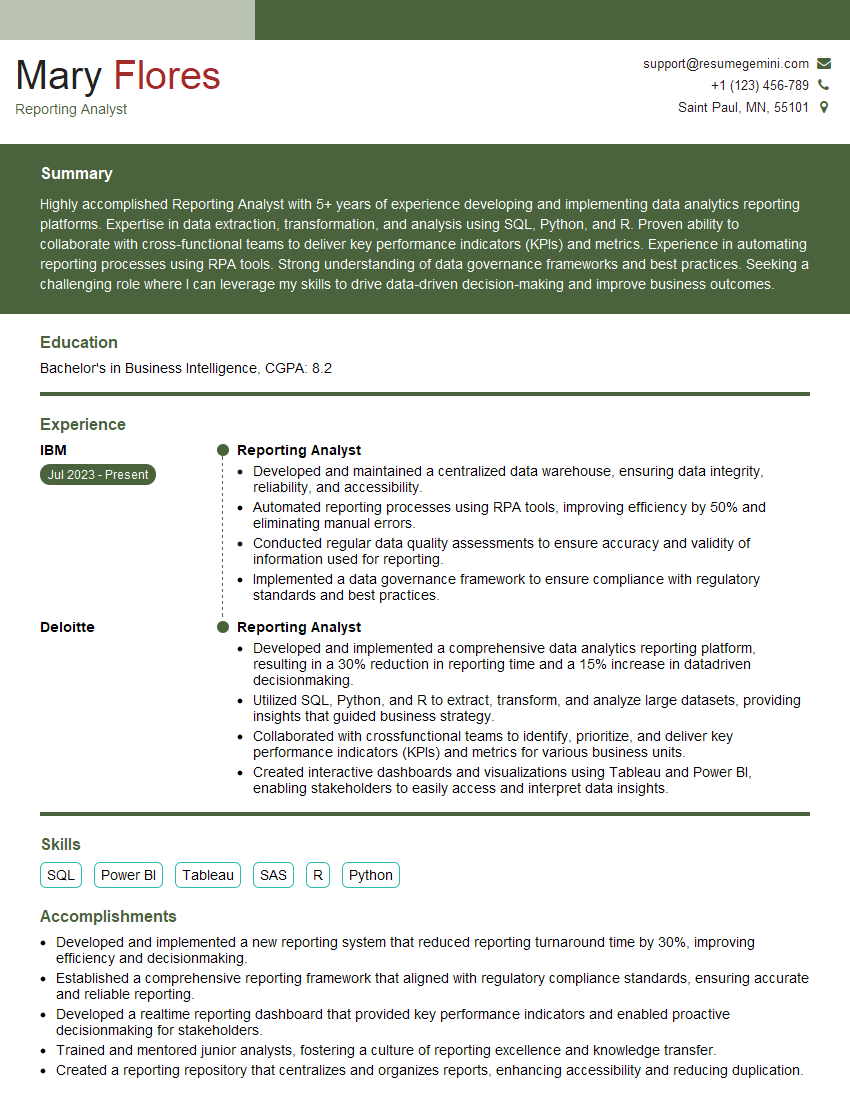
Reporting Analyst Resume Sample
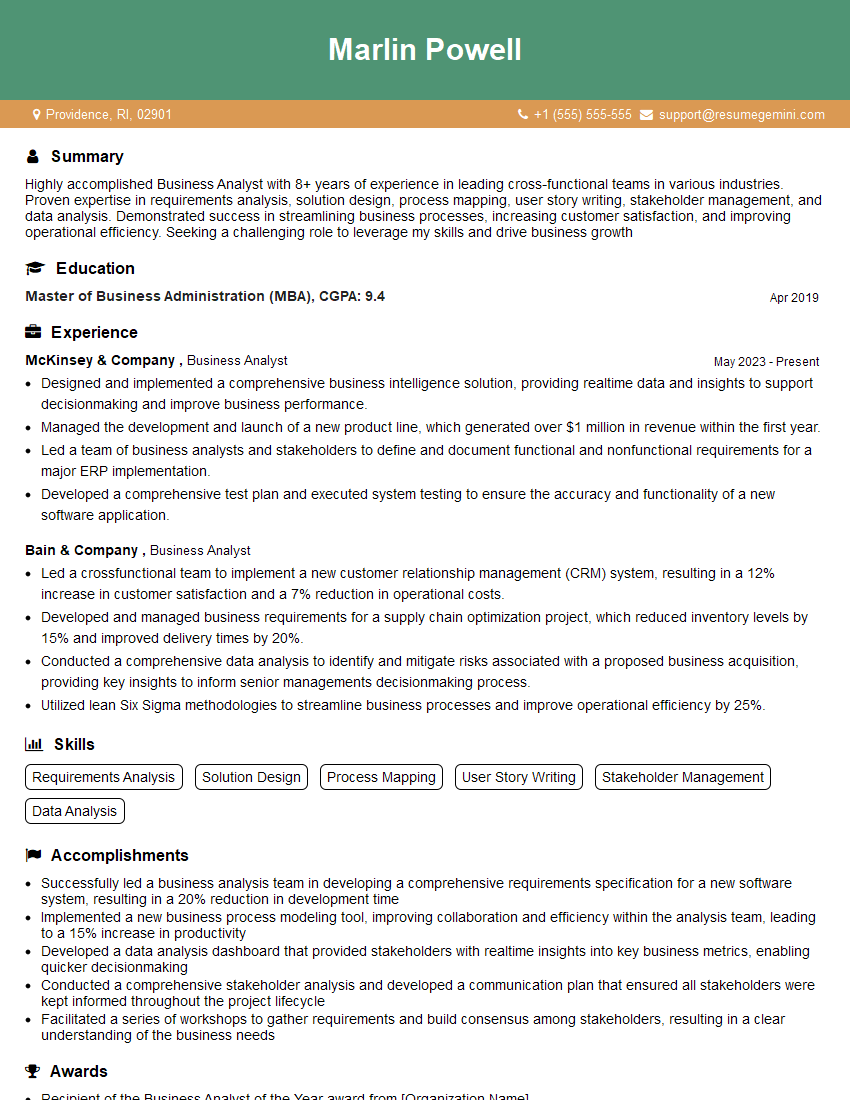
Business Analyst Resume Sample
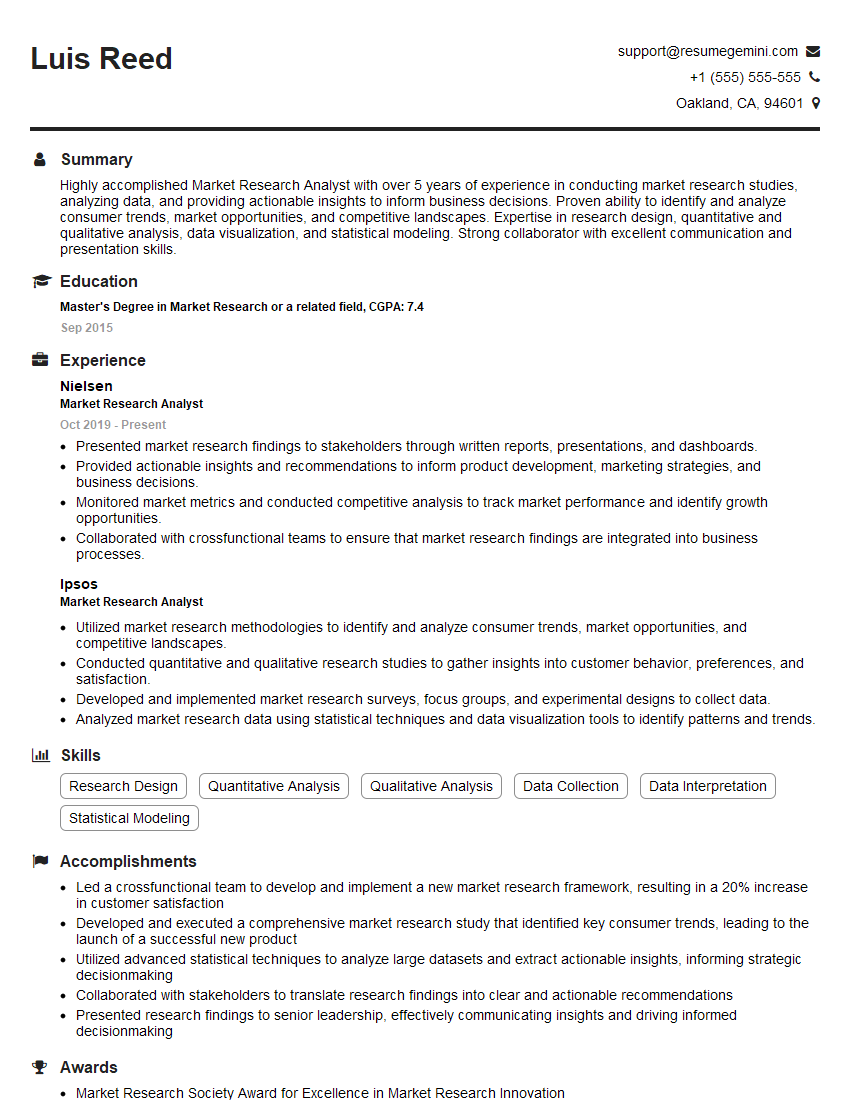
Market Research Analyst Resume Sample
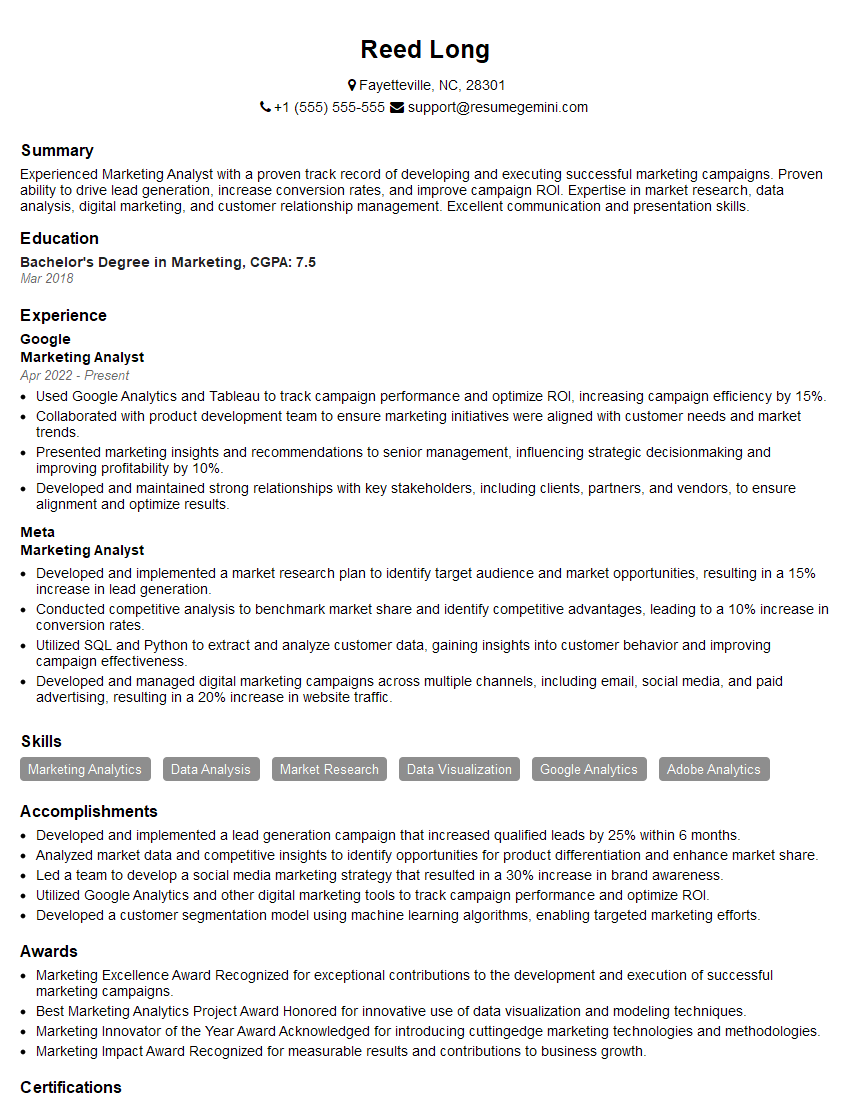
Marketing Analyst Resume Sample
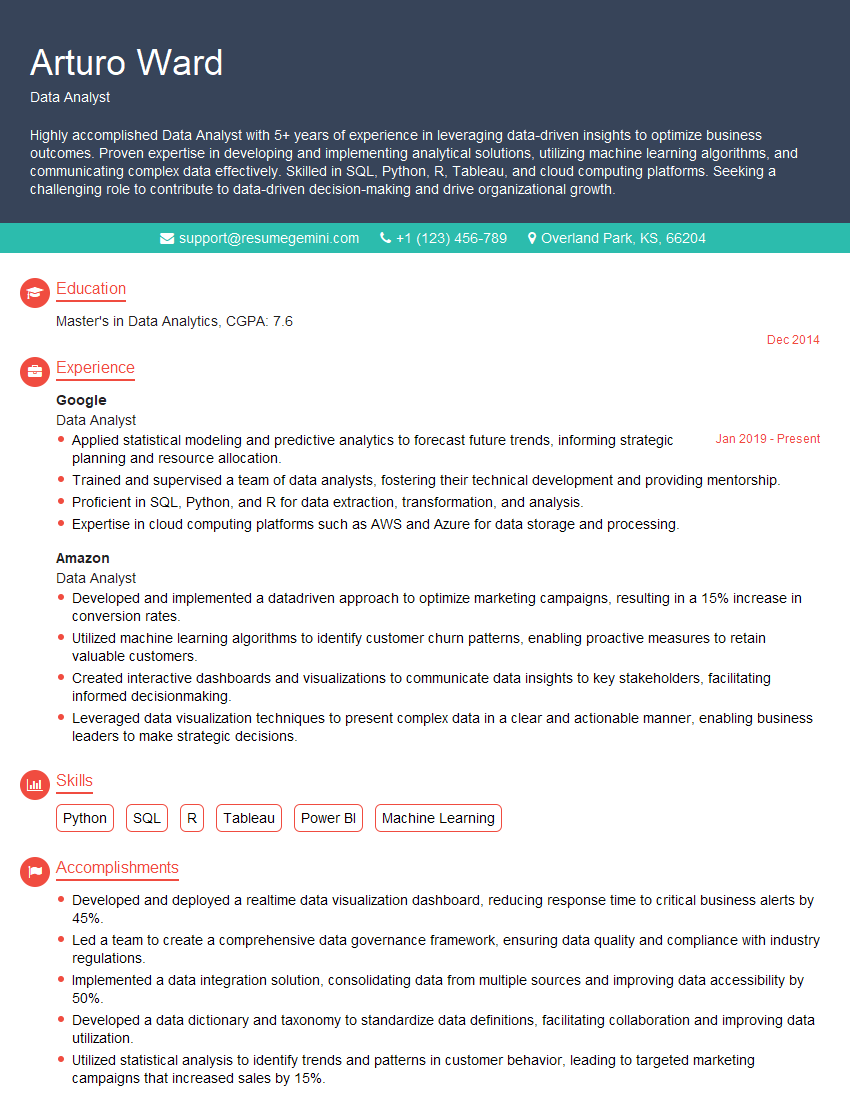
Data Analyst Resume Sample
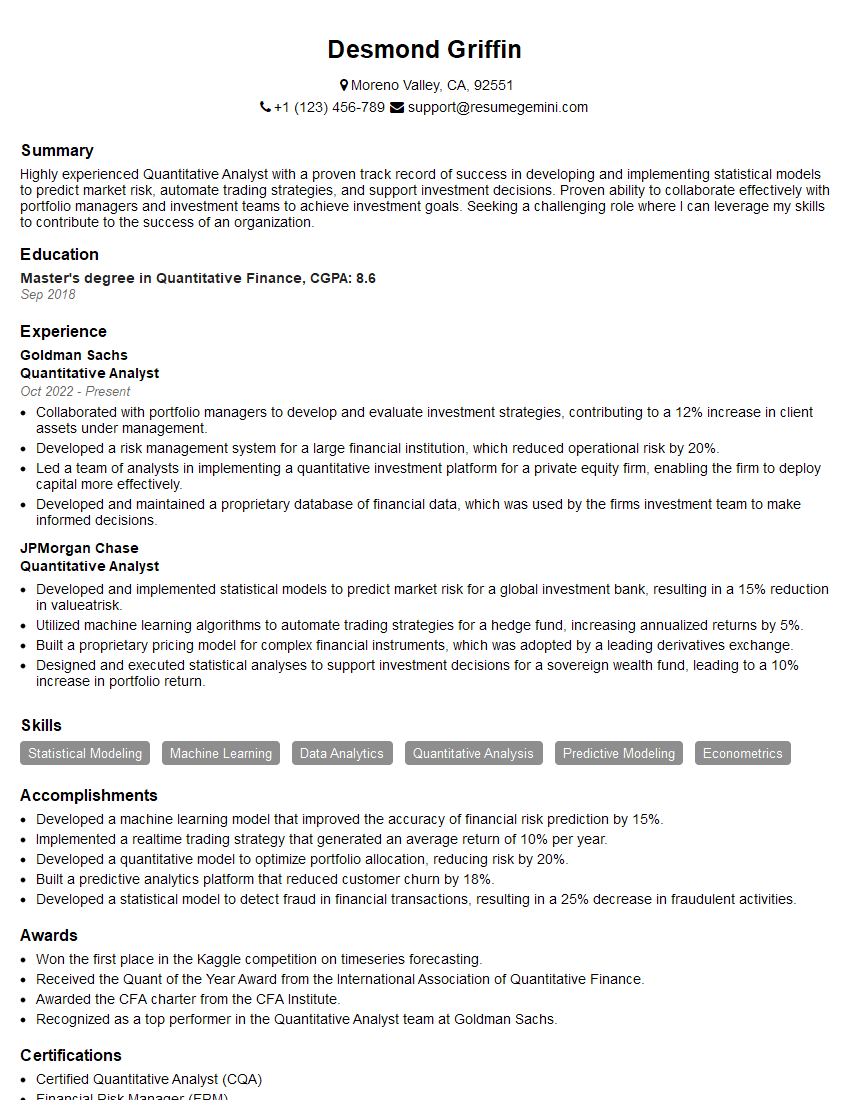
Quantitative Analyst Resume Sample
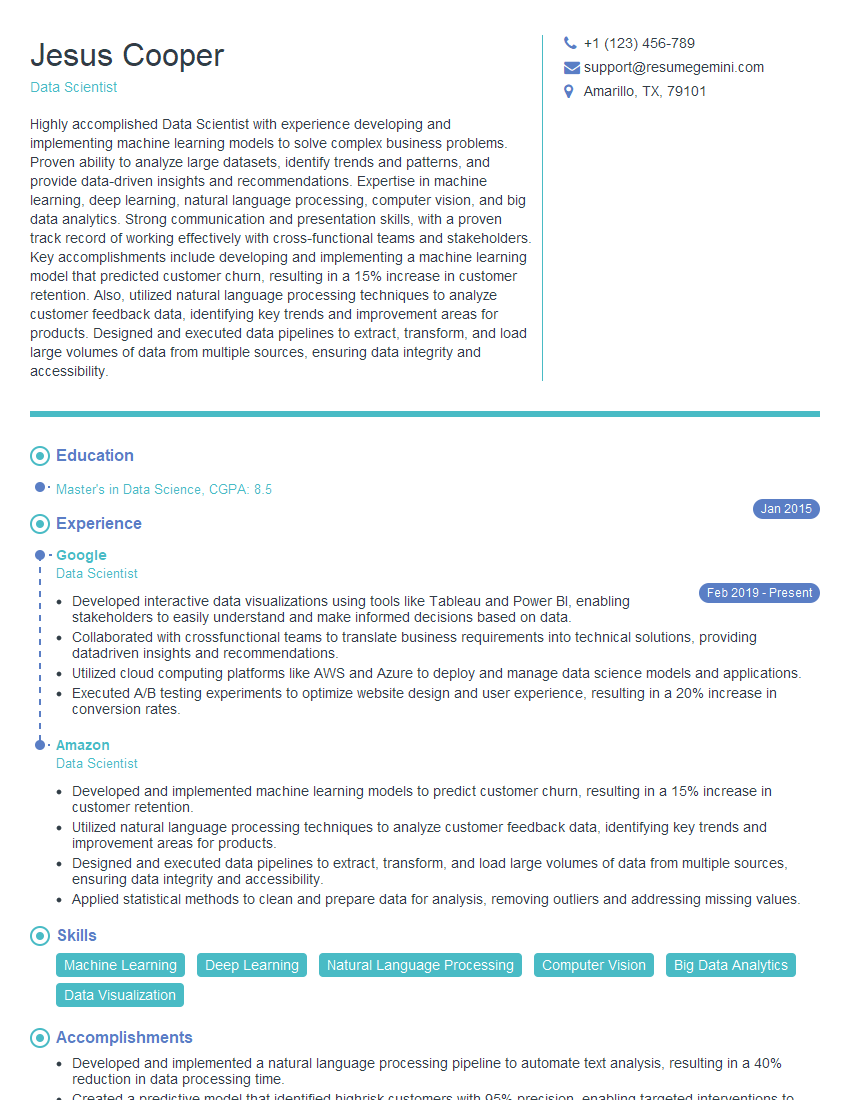
Data Scientist Resume Sample
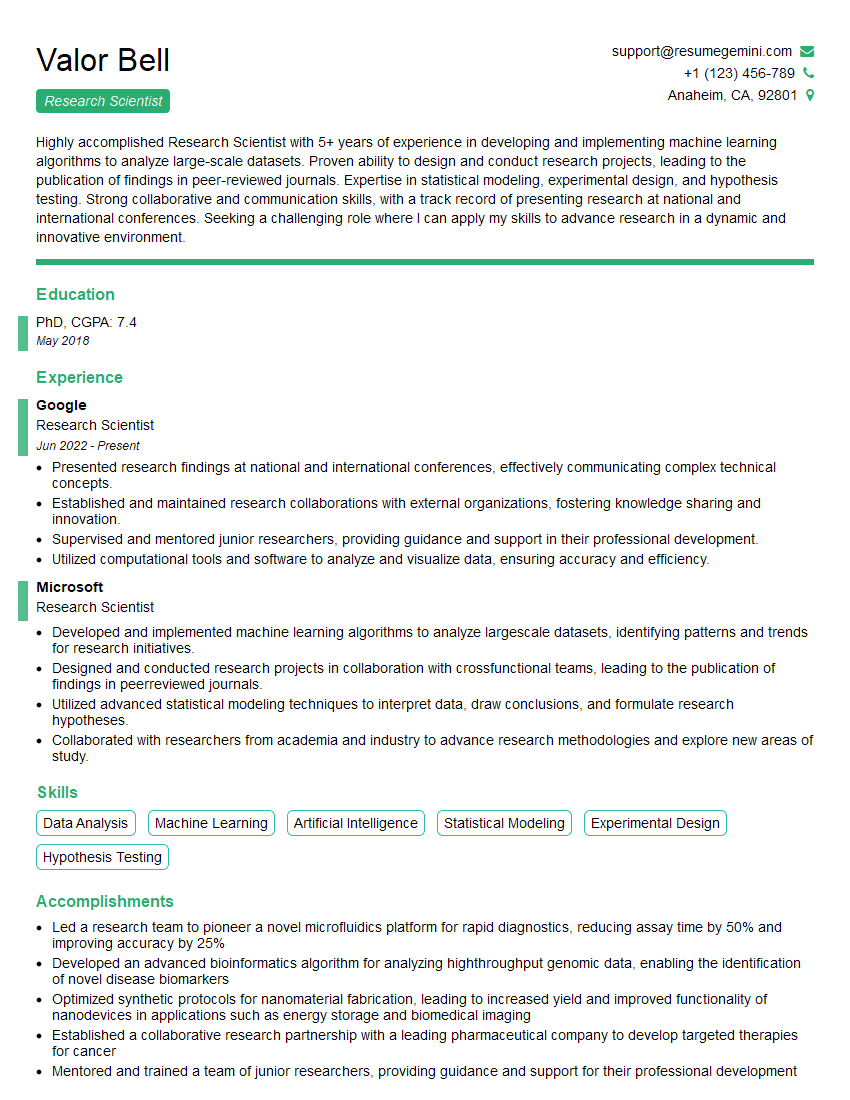
Research Scientist Resume Sample
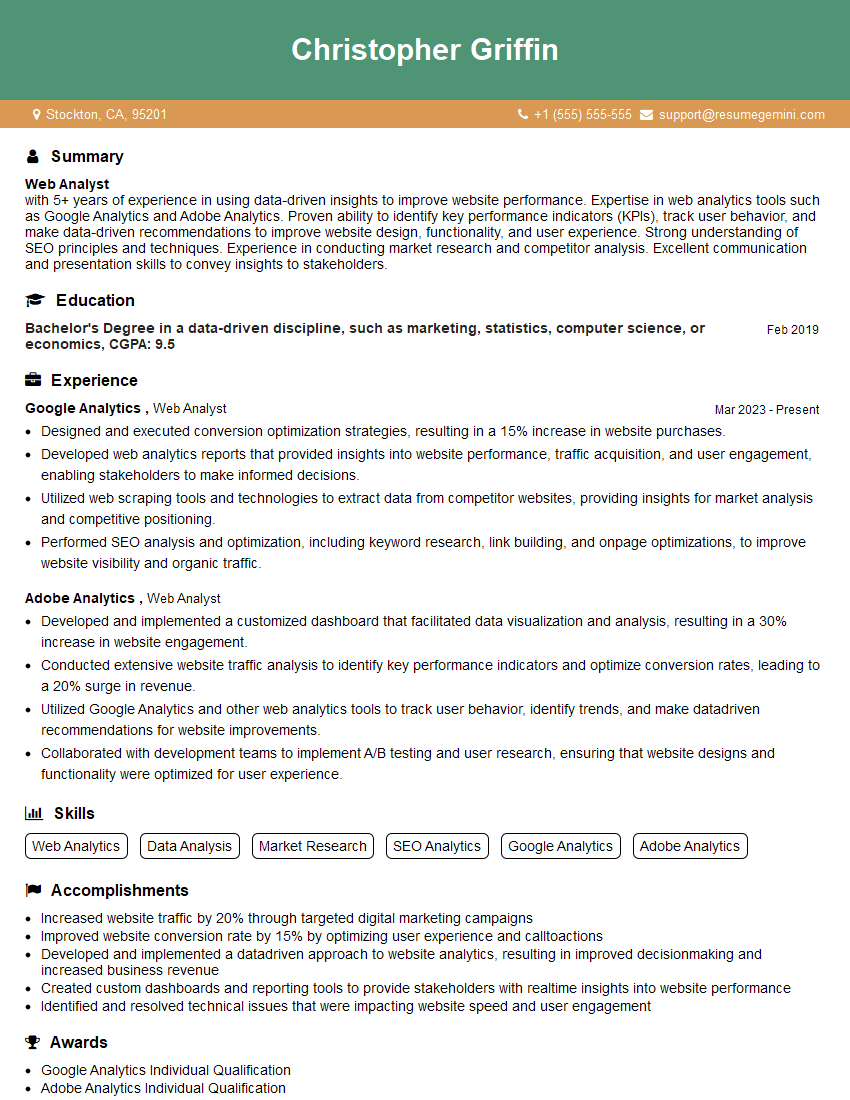
Web Analyst Resume Sample
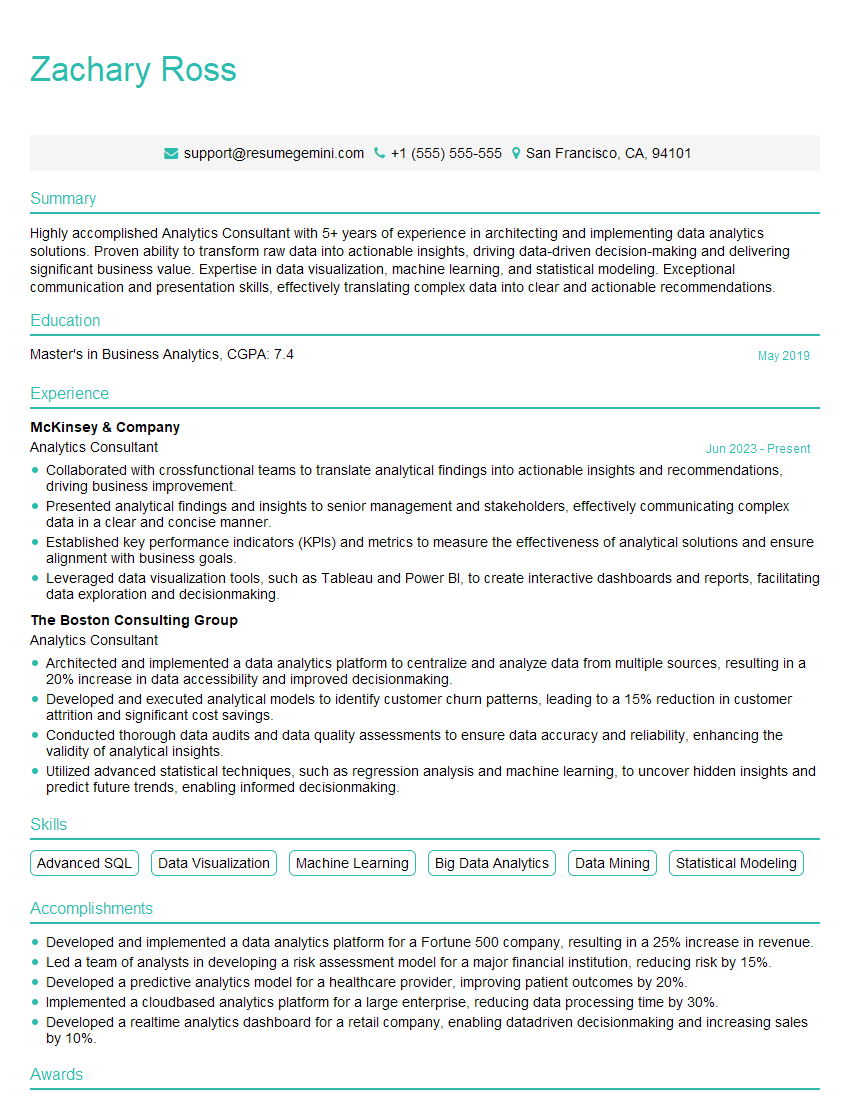
Analytics Consultant Resume Sample
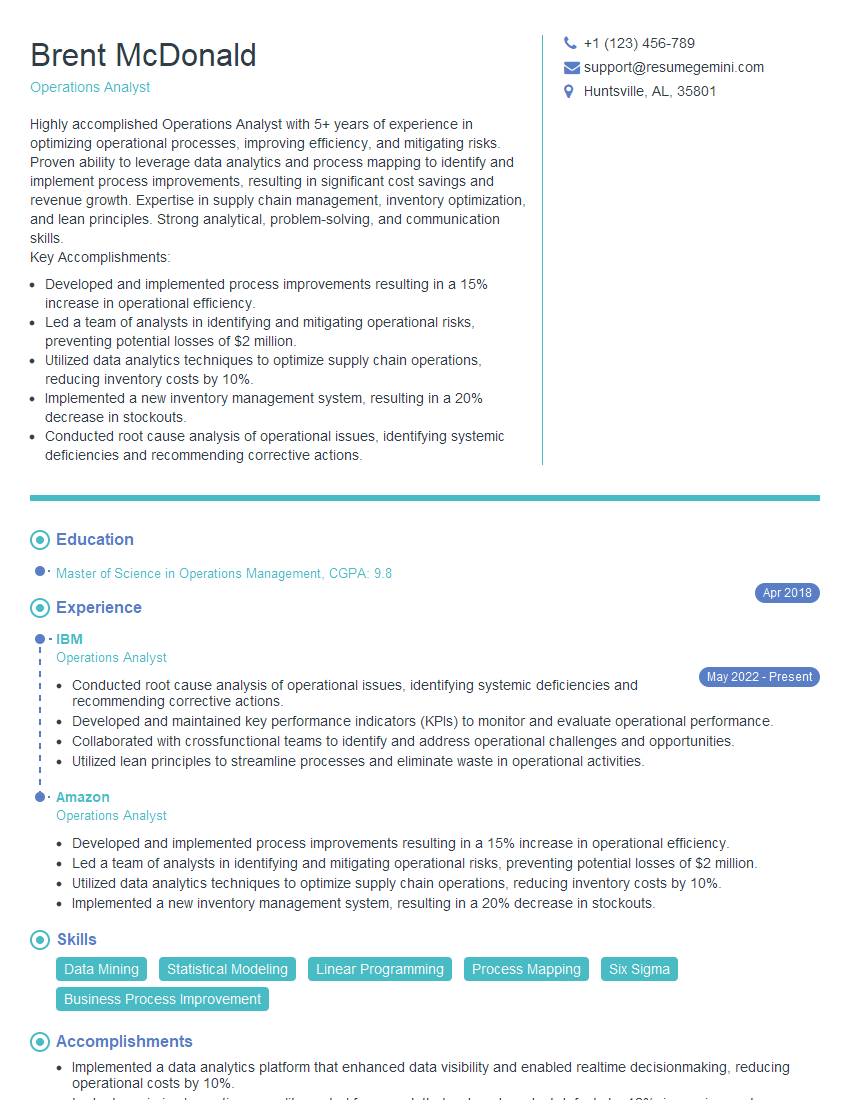
Operations Analyst Resume Sample
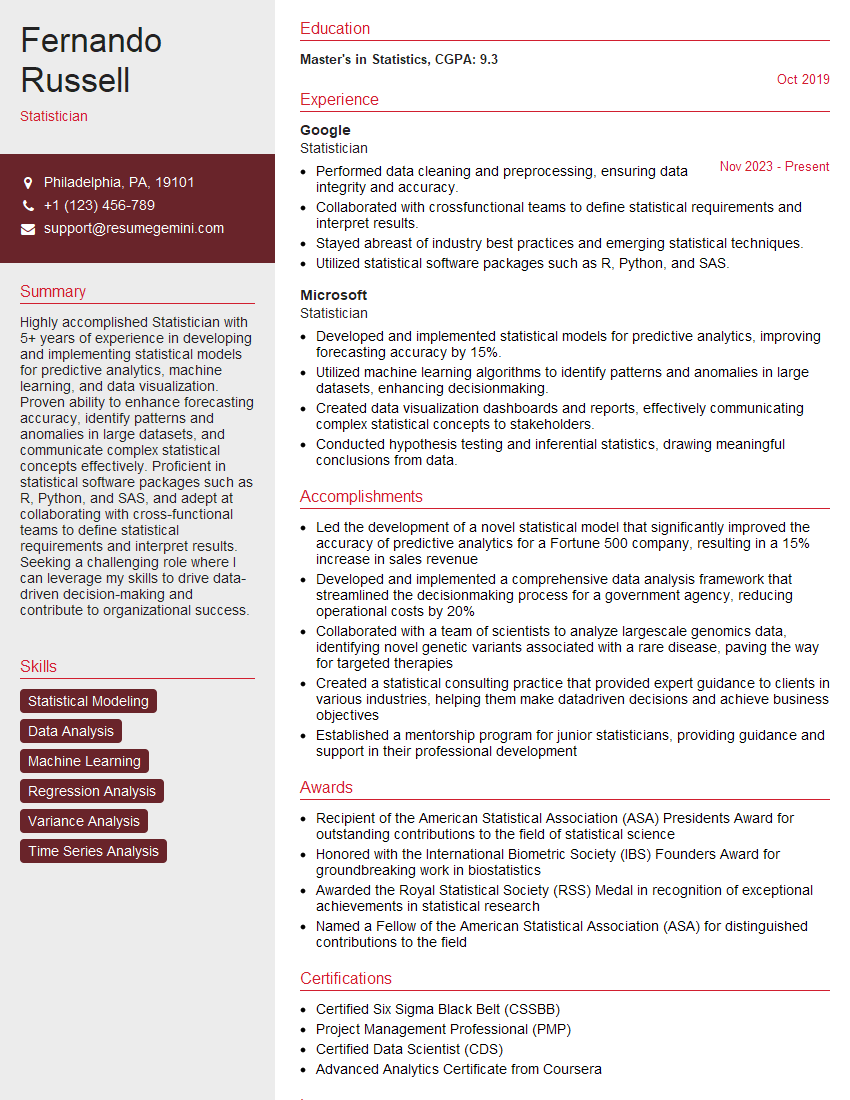
Statistician Resume Sample

Measurement Specialist Resume Sample
Explore more articles
Users Rating of Our Blogs
Share Your Experience
We value your feedback! Please rate our content and share your thoughts (optional).
What Readers Say About Our Blog
Very informative content, great job.
good