Preparation is the key to success in any interview. In this post, we’ll explore crucial Mechanical Contractor License interview questions and equip you with strategies to craft impactful answers. Whether you’re a beginner or a pro, these tips will elevate your preparation.
Questions Asked in Mechanical Contractor License Interview
Q 1. Explain the process of obtaining a Mechanical Contractor License in your state.
Obtaining a Mechanical Contractor License varies by state, but generally involves several key steps. Think of it like a multi-stage process to prove your competency and reliability. First, you’ll need to meet specific education and experience requirements. This usually includes a certain number of years of hands-on experience working under a licensed contractor. The exact number varies, perhaps four years, but you need to demonstrate a solid understanding of mechanical systems. Next, you’ll need to pass a rigorous exam testing your knowledge of codes, safety regulations, and mechanical practices relevant to your state. This exam is a comprehensive evaluation of your expertise. Following the exam, you’ll submit a detailed application, including proof of insurance, bonding, and potentially a background check. The state licensing board then reviews your application to ensure you meet all the criteria. Finally, upon approval, you receive your license, allowing you to legally operate as a mechanical contractor. For example, in my state, applicants are often required to demonstrate competency in areas like refrigeration, plumbing, and HVAC system design before taking the licensing exam. The process can take several months, so it’s best to start early and prepare thoroughly.
Q 2. Describe your experience with different types of HVAC systems.
My experience spans a wide range of HVAC systems, from basic to highly complex designs. I’ve worked extensively with conventional split systems, heat pumps (both air-source and geothermal), variable refrigerant flow (VRF) systems, and chilled water systems. I’m also familiar with advanced control systems including building automation systems (BAS) and energy management systems (EMS). For example, I recently managed a project involving the installation and commissioning of a large VRF system in a high-rise office building. This required meticulous planning and coordination to ensure optimal performance and energy efficiency. Another project involved upgrading an older building’s HVAC system to a more efficient heat pump system, resulting in significant energy savings for the client. I am comfortable troubleshooting and maintaining various systems – from repairing a simple residential unit to identifying and resolving problems in sophisticated industrial systems.
Q 3. How do you manage project budgets and timelines?
Managing project budgets and timelines requires a proactive and organized approach. I start by creating a detailed budget breakdown, carefully estimating the costs of materials, labor, permits, and other expenses. I use project management software to track expenses and ensure we stay within the allocated budget. Similarly, a well-defined project schedule is crucial. I use tools like Gantt charts to visualize tasks, dependencies, and deadlines. Regular monitoring and progress meetings with the team are essential to identify and address potential issues early on. For example, if material costs unexpectedly increase, I explore alternative suppliers or propose cost-saving measures to the client. If a delay occurs in one part of the project, I adjust the schedule to mitigate its impact on other tasks. Communication is key throughout the process—keeping the client informed about any changes or potential challenges.
Q 4. What are your methods for ensuring project safety?
Safety is my top priority. I implement a comprehensive safety program that includes regular safety training for all employees, adherence to all relevant OSHA regulations and local codes, and the use of appropriate personal protective equipment (PPE). Pre-job safety meetings are mandatory to review site-specific hazards and safety procedures. We use lock-out/tag-out procedures to prevent accidental energization of equipment during maintenance or repairs. A thorough risk assessment is carried out before starting any project to identify and mitigate potential hazards. I also ensure all subcontractors follow the same safety standards. For example, if working at heights, we always use appropriate fall protection equipment and scaffolding. All equipment undergoes regular inspection to ensure it is in proper working condition, preventing malfunctions that could compromise safety.
Q 5. How do you handle conflicts between subcontractors?
Handling subcontractor conflicts requires a fair and diplomatic approach. Open communication is key. I encourage subcontractors to communicate directly with each other first, to attempt to resolve any issues themselves. If they’re unable to reach an agreement, I step in to mediate. I facilitate a meeting where both parties can clearly present their perspectives. I listen carefully to understand their concerns and then work towards a mutually acceptable solution. My goal is to find a compromise that respects the terms of their contracts and maintains a positive working relationship. This may involve adjusting schedules, re-allocating resources, or even renegotiating contract terms, depending on the situation. Documentation is crucial throughout the process to ensure transparency and a clear record of the resolution. Ultimately, maintaining a professional and respectful atmosphere is essential to achieve a successful outcome.
Q 6. Describe your experience with blueprint reading and interpretation.
Blueprint reading and interpretation is fundamental to my work. I can accurately read and interpret architectural, mechanical, electrical, and plumbing (MEP) drawings. This involves understanding symbols, dimensions, specifications, and details related to equipment, piping, ductwork, and other mechanical systems. I can identify potential clashes or conflicts between different systems and propose solutions. For example, I can determine the exact location and specifications of a piece of equipment by reviewing the drawings, ensuring proper space allocation and avoiding conflicts with other systems. I am proficient in using measuring tools and converting units to accurately assess drawings and translate them into real-world applications. Experience has taught me to look for details and inconsistencies to anticipate potential challenges and prepare accordingly.
Q 7. What software programs are you proficient in (e.g., AutoCAD, Revit)?
I’m proficient in several software programs commonly used in the mechanical contracting industry. I’m highly skilled in AutoCAD, using it for detailed design drawings, creating 2D and 3D models of mechanical systems, and preparing construction documents. I also use Revit for Building Information Modeling (BIM), which helps in coordinating different trades and simulating system performance. Other software I regularly use includes Microsoft Project for scheduling, and various estimating and takeoff software packages to accurately price projects and manage resources. My proficiency in these programs allows me to efficiently manage projects, improve communication with clients and subcontractors, and ensure accuracy in design and implementation.
Q 8. How do you ensure compliance with building codes and regulations?
Ensuring compliance with building codes and regulations is paramount in our work. It’s not just about avoiding penalties; it’s about ensuring the safety and longevity of the structures we work on. We achieve this through a multi-pronged approach.
- Proactive Code Review: Before any work begins, we meticulously review all applicable local, state, and national building codes. This includes plumbing, mechanical, and fire codes, as well as any special requirements for the project. We use digital resources and physical code books to ensure complete coverage.
- Detailed Design & Plans: Our designs are meticulously documented, adhering strictly to code requirements. This includes detailed specifications for materials, installation methods, and safety protocols. We often utilize Building Information Modeling (BIM) to visualize the system and ensure code compliance throughout the design phase.
- On-site Inspections: Throughout the construction phase, we conduct regular self-inspections and invite inspections from the relevant authorities. This ensures that our work consistently meets the code requirements. We meticulously document all inspections with photos and reports.
- Maintaining Records: We maintain comprehensive records of all permits, inspections, and approvals. This documentation serves as proof of compliance and is readily available should any questions or audits arise. For example, we have a detailed digital system which records every aspect of a project, from initial permit to final inspection.
- Staying Updated: Building codes are constantly evolving. We stay abreast of changes through professional development courses, industry publications, and networking with other professionals. We regularly attend workshops on code updates to ensure our practices remain current.
Q 9. Explain your understanding of different piping systems and materials.
Understanding piping systems and materials is fundamental to our work. The choice of system and materials depends on the application, pressure requirements, temperature, and the fluid being transported. Here are some examples:
- Water Piping: For potable water, we typically use copper, CPVC (chlorinated polyvinyl chloride), or PEX (cross-linked polyethylene). Copper is durable and reliable but can be more expensive. CPVC and PEX are more cost-effective and offer flexibility in installation. We’ve recently seen increased use of PEX in high-rise buildings due to its resistance to freeze damage.
- Drainage Piping: ABS (acrylonitrile butadiene styrene) and PVC (polyvinyl chloride) are common choices for drainage systems due to their resistance to corrosion and chemicals. The choice between ABS and PVC often depends on local code and budget.
- HVAC Piping: For HVAC systems, we might use copper, steel, or flexible ductwork depending on the application. Copper is suitable for refrigerant lines, while steel might be used for larger systems. Flexible ductwork is often used for air distribution due to its ease of installation.
- Fire Sprinkler Piping: Galvanized steel or black iron pipe is commonly used for fire sprinkler systems due to its strength and durability under high pressure. The specific material choice would always depend on relevant fire codes.
Material selection is also driven by factors like corrosion resistance, thermal expansion, and ease of maintenance. For instance, stainless steel is preferred in corrosive environments, while flexible materials offer advantages in earthquake zones.
Q 10. Describe your experience with troubleshooting mechanical systems.
Troubleshooting mechanical systems requires a systematic and analytical approach. It’s like detective work – you need to gather clues, analyze the situation, and formulate a solution. My experience includes:
- Systematic Diagnosis: I start by carefully observing the system, noting any unusual noises, leaks, or performance issues. For example, a strange humming sound from a pump might indicate bearing wear. We would then gather data points to confirm our theory.
- Using Diagnostic Tools: I use various tools, including pressure gauges, thermometers, and multimeters, to collect data and pinpoint the problem. For instance, a low-pressure reading in a refrigerant line could indicate a leak in the system.
- Checking System Components: I methodically inspect all components of the system, including pumps, valves, motors, and controls, looking for any signs of damage or malfunction. I’ve found countless problems simply by inspecting wiring and connections.
- Reviewing System History: Understanding the system’s history and previous maintenance records is crucial. This can help identify recurring issues or potential root causes. For example, if we’ve had pump failures in the past, we could implement preventative maintenance strategies to avoid further occurrences.
- Implementing Corrective Actions: Once the problem is identified, I implement the necessary repairs or adjustments to restore the system to full functionality. This may involve replacing faulty components, cleaning clogged lines, or recalibrating control systems. Documentation of repairs is absolutely critical.
A recent example involved a chiller plant experiencing low cooling capacity. By systematically checking pressure, temperature, and flow rates, and reviewing the maintenance logs, we pinpointed a failing condenser fan motor. Replacing the motor immediately resolved the problem.
Q 11. How do you handle unexpected project delays or cost overruns?
Unexpected delays and cost overruns are unfortunately common in construction. Our strategy for mitigating these involves proactive planning, open communication, and effective problem-solving.
- Proactive Risk Management: We identify potential risks during the planning phase and develop contingency plans. This could include setting aside a buffer in the schedule and budget to account for unforeseen circumstances.
- Regular Project Monitoring: We closely monitor progress against the schedule and budget throughout the project. This allows us to identify potential problems early and take corrective action before they escalate. We use project management software to track milestones and expenses meticulously.
- Open Communication: We maintain open communication with the client, subcontractors, and suppliers to address any issues promptly. This prevents small problems from snowballing into major delays or disputes.
- Value Engineering: If cost overruns become unavoidable, we work with the client to explore value engineering options to find cost-effective alternatives without compromising quality. For example, we might propose using a less expensive but equally effective material.
- Change Order Management: Any changes to the original scope are documented as change orders, outlining the impact on the schedule and budget. These changes are approved by the client before implementation.
In one project, a supplier delayed the delivery of critical equipment. We immediately communicated this to the client, and by working collaboratively, we found an alternative supplier and adjusted the schedule accordingly, minimizing the impact on the project’s overall completion date.
Q 12. What is your experience with change orders and their management?
Change orders are an inevitable part of construction projects. Effective change order management is essential for maintaining project control and avoiding disputes.
- Clear Documentation: Every change order is thoroughly documented, specifying the nature of the change, the rationale behind it, the impact on the schedule and budget, and any necessary approvals. We use standardized change order forms to ensure consistency.
- Cost Estimation: We provide detailed cost estimates for each change order, clearly outlining all associated labor, materials, and overhead costs. We aim for transparency, so our pricing is readily understood.
- Schedule Adjustment: We assess the impact of the change order on the project schedule and propose any necessary adjustments to the timeline. Critical path analysis is used to identify dependencies.
- Client Approval: All change orders require the client’s written approval before proceeding. This ensures that both parties are in agreement on the changes and their associated costs.
- Tracking & Monitoring: We track the status of all change orders, ensuring that they are completed on time and within budget. Any deviations from the original plan are immediately communicated.
A recent example involved a client requesting a change in the type of HVAC equipment. We prepared a detailed change order outlining the cost difference, the revised schedule, and any potential impacts on other aspects of the project. Once the client approved, we implemented the change seamlessly.
Q 13. Describe your experience with bidding and estimating projects.
Bidding and estimating projects is a critical aspect of our business. Accurate estimates ensure profitability while competitive bids help us secure projects. Our process includes:
- Thorough Plan Review: We begin by thoroughly reviewing the project plans and specifications to understand the scope of work. We identify any potential challenges or ambiguities that might impact our cost estimates.
- Material Takeoff: We create a detailed material takeoff, accurately quantifying all materials needed for the project. Software tools and digital plans greatly improve our accuracy here.
- Labor Estimation: We estimate the labor costs required, considering the complexity of the work, the required crew size, and prevailing wage rates. We factor in productivity rates based on past project data.
- Equipment Costs: We account for all equipment costs, including rental fees, fuel, and maintenance. We compare different equipment options to find the most cost-effective solutions.
- Overhead & Profit: We incorporate overhead costs and a reasonable profit margin to ensure project profitability. Overhead includes costs like insurance, permits, and administrative expenses.
- Risk Assessment: We assess potential risks and uncertainties that might impact costs and include contingencies in our estimates. This could include factors like weather delays or material price fluctuations.
We use specialized estimating software to streamline the process and ensure accuracy. We also maintain a database of historical cost data to inform our estimates and improve accuracy over time.
Q 14. What is your approach to quality control and assurance?
Quality control and assurance are paramount to our success. It’s about delivering a product that meets or exceeds client expectations and ensures the safety and longevity of the installed systems. Our approach is multifaceted:
- Pre-Installation Planning: We start with meticulous planning, carefully reviewing designs and specifications to identify potential quality issues before work even begins. This proactive approach helps prevent costly mistakes later on.
- Material Inspection: We inspect all materials upon delivery to ensure they meet the required specifications and are free from defects. We maintain records of all materials and their certifications.
- Workmanship Standards: We enforce strict workmanship standards throughout the installation process. Our team is trained on the latest techniques and best practices, and we maintain a rigorous quality control checklist.
- Regular Inspections: Regular inspections are conducted throughout the project, ensuring compliance with plans and specifications. These inspections involve both our internal QA team and external inspectors where required.
- Testing & Commissioning: Before handing over the project, we conduct thorough testing and commissioning to ensure that all systems are functioning correctly and meeting performance requirements. This includes running pressure tests, leak tests, and functional checks.
- Documentation: Detailed records of all inspections, tests, and any corrective actions taken are meticulously maintained. These records provide valuable documentation for future maintenance and troubleshooting.
We are committed to continuous improvement and regularly review our quality control processes to identify areas for enhancement. Our commitment to quality has led to numerous client testimonials and repeat business. A recent project featured a comprehensive commissioning process that resulted in an energy efficient system, exceeding client expectations and reducing operating costs.
Q 15. How do you manage client communication and expectations?
Managing client communication and expectations is paramount to a successful project. I believe in proactive, transparent communication throughout the entire project lifecycle. This starts with a detailed initial meeting to understand their needs, budget, and timeline. We then create a comprehensive project plan that outlines milestones, deliverables, and potential challenges. Regular updates, both written and verbal, are crucial, using methods tailored to the client’s preference—weekly progress reports, bi-weekly meetings, or even daily email updates for particularly complex projects.
Addressing concerns promptly and honestly is key. If unforeseen issues arise, I immediately communicate the problem, potential solutions, and their impact on the project schedule and budget. I find that being upfront prevents misunderstandings and fosters trust. For example, on a recent university renovation project, we experienced a delay in material delivery due to a supplier issue. I immediately informed the client, explaining the situation and offering alternative solutions, which prevented any major frustration and maintained a positive relationship.
Finally, I always aim to exceed expectations whenever possible, going the extra mile to ensure the client is delighted with the finished product. This might involve suggesting cost-effective improvements or proactively identifying potential issues before they arise. This approach builds strong, long-lasting client relationships, leading to repeat business and referrals.
Career Expert Tips:
- Ace those interviews! Prepare effectively by reviewing the Top 50 Most Common Interview Questions on ResumeGemini.
- Navigate your job search with confidence! Explore a wide range of Career Tips on ResumeGemini. Learn about common challenges and recommendations to overcome them.
- Craft the perfect resume! Master the Art of Resume Writing with ResumeGemini’s guide. Showcase your unique qualifications and achievements effectively.
- Don’t miss out on holiday savings! Build your dream resume with ResumeGemini’s ATS optimized templates.
Q 16. How do you handle subcontractor selection and management?
Subcontractor selection and management are critical for project success. My process begins with a thorough pre-qualification process, ensuring that subcontractors meet safety standards, possess the necessary licenses and insurance, and have a proven track record of quality workmanship. We review their past projects, references, and safety records. The selection isn’t solely based on price; it’s a balance of cost, quality, experience, and reliability.
Once selected, I establish clear communication channels, regularly meeting with subcontractors to discuss progress, address challenges, and ensure compliance with project specifications and safety regulations. We utilize project management software to track progress, manage schedules, and document communications. Regular site visits are crucial to monitor their work and address any issues proactively. For instance, on a large commercial HVAC installation, we experienced a slight scheduling conflict with one subcontractor. By proactively communicating with them and our other subcontractors, we created a revised schedule that kept the overall project on track without impacting the quality of work. Strong relationships with subcontractors are invaluable; they become partners in achieving project goals.
Q 17. Explain your understanding of different types of mechanical equipment.
My understanding of mechanical equipment encompasses a wide range, including HVAC systems (heating, ventilation, and air conditioning), plumbing systems, fire protection systems, and refrigeration systems. Within HVAC, I’m proficient with various components such as air handling units (AHUs), chillers, boilers, pumps, fans, and ductwork. Plumbing systems involve pipefitting, drainage, and water supply. Fire protection includes sprinkler systems, fire pumps, and standpipes. Refrigeration systems involve chillers, condensers, evaporators, and related components.
I have extensive experience with different types of equipment from various manufacturers, and I’m knowledgeable about their specifications, operation, maintenance, and troubleshooting. This broad knowledge allows me to make informed decisions regarding equipment selection, ensuring optimal performance and energy efficiency. For example, choosing high-efficiency chillers can significantly reduce operating costs and environmental impact. Understanding these nuances is crucial for designing and implementing cost-effective and environmentally responsible systems.
Q 18. How do you ensure the timely procurement of materials?
Ensuring timely procurement of materials requires a structured and proactive approach. It begins with a detailed review of the project plans to create a comprehensive material list, specifying quantities and required delivery dates. This list is then used to create purchase orders with suppliers, taking into account lead times and potential delays. We establish strong relationships with reliable suppliers and maintain open communication to track orders and anticipate potential issues.
Using project management software allows us to monitor material deliveries in real time. We often implement a just-in-time inventory system to minimize storage costs and reduce waste. A contingency plan is also essential, accounting for potential supply chain disruptions or delays. For example, during material shortages in a recent project, we proactively secured alternative suppliers and adjusted the schedule to minimize project delays. This proactive approach minimizes disruptions and keeps projects on schedule.
Q 19. Describe your experience with different types of ventilation systems.
My experience includes various ventilation system types, including supply and exhaust systems, displacement ventilation, underfloor air distribution (UFAD), and variable air volume (VAV) systems. Supply and exhaust systems are the most common, using fans to move air into and out of a building. Displacement ventilation involves supplying air at low velocity near the floor, creating a stratified airflow pattern. UFAD delivers air through perforated diffusers under the floor. VAV systems adjust the amount of air supplied to each zone to meet the space’s specific needs.
The selection of a ventilation system depends on various factors including building type, occupancy, energy efficiency requirements, and budget constraints. For instance, VAV systems offer superior energy efficiency in spaces with varying occupancy loads. Understanding the advantages and disadvantages of each system is essential for designing an effective and efficient ventilation solution. My experience spans designing, installing, and commissioning these diverse systems in various building types, allowing me to choose the best fit for every project.
Q 20. What are your strategies for risk management on construction projects?
Risk management is an integral part of every construction project. My strategy involves a proactive and multi-layered approach starting with identifying potential risks during the planning phase. These include schedule delays, material cost increases, weather-related issues, subcontractor performance issues, and safety hazards. We then assess the likelihood and impact of each risk, prioritizing those with the highest potential for negative consequences.
Once risks are identified, we develop mitigation strategies to reduce their likelihood or impact. This may involve securing alternative suppliers, building buffer time into the schedule, implementing rigorous safety protocols, or purchasing insurance. We document these strategies and regularly monitor risks throughout the project, making adjustments as needed. Regular project meetings and progress reports enable early identification and resolution of potential problems. For example, on a recent project, we anticipated potential weather delays and added extra time to our schedule, which allowed us to finish the project on time even with unforeseen weather events.
Q 21. How do you maintain accurate project documentation?
Maintaining accurate project documentation is essential for several reasons, including legal compliance, efficient project management, and facilitating future maintenance. My approach involves a systematic and organized system, using a combination of digital and physical methods. We use project management software to track progress, document communications, store drawings, and manage specifications. Physical records, such as meeting minutes, inspection reports, and change orders, are also maintained in a secure and organized manner. All documents are clearly labeled, version-controlled, and easily accessible to authorized personnel.
We ensure that all documents are regularly reviewed and updated to reflect changes in the project. A detailed as-built drawing set is prepared at the project’s completion, reflecting the actual construction completed and any changes made during the process. This comprehensive documentation process ensures the project’s smooth operation and minimizes potential disputes. This meticulous record-keeping also ensures easy access to information for future maintenance, facilitating seamless transitions and reducing downtime.
Q 22. Explain your experience with commissioning and start-up procedures.
Commissioning and start-up procedures are critical for ensuring a mechanical system functions as designed and meets the owner’s operational needs. My experience encompasses all phases, from pre-commissioning planning and inspections to the final system turnover.
Pre-commissioning involves reviewing design documents, verifying equipment arrival and proper storage, and conducting thorough inspections to identify any potential issues before installation. During installation, I ensure that the installation follows the design specifications precisely. This includes regular quality checks and documentation.
The start-up phase is where we bring the systems online. This involves a phased approach, testing individual components and then the entire system as a whole. We meticulously check for leaks, proper airflow, temperature control, and overall efficiency. We perform functional performance testing to verify the system meets the design specifications. Detailed documentation is kept throughout the entire process, including test results and any necessary adjustments.
For example, on a recent hospital project, we commissioned a new HVAC system. Pre-commissioning involved checking the refrigerant charge in each unit to ensure it was within tolerances. During startup, we performed a detailed balancing procedure to ensure uniform airflow throughout the entire system, a critical aspect for patient comfort and infection control. This systematic approach guarantees a smooth transition to operational status and avoids costly rework later.
Q 23. How do you handle customer complaints or dissatisfaction?
Handling customer complaints is crucial for maintaining a positive relationship and project success. My approach is proactive and focused on resolution. I begin by actively listening to the customer’s concerns, ensuring I understand their perspective fully. I then carefully assess the situation, gathering all relevant information.
This may involve reviewing project documentation, site visits, and consulting with my team. Once the issue is clearly understood, I work collaboratively with the client to develop a solution. This might involve minor adjustments, repairs, or even system reconfigurations. Transparency and clear communication are essential throughout the process. I keep the customer informed of every step, setting realistic timelines and delivering on my commitments.
For instance, on a commercial building project, a client complained about uneven heating in several offices. After investigating, we discovered a minor imbalance in the air distribution system. We promptly adjusted the dampers, re-balanced the system, and followed up with the client to verify the issue was resolved. This prompt response and satisfactory resolution reinforced their trust and our professional image.
Q 24. What is your experience with sustainable and green building practices?
Sustainable and green building practices are increasingly important, and I have significant experience in integrating these principles into projects. This includes incorporating energy-efficient equipment, utilizing renewable energy sources, and minimizing waste.
My experience involves specifying and installing high-efficiency HVAC equipment such as variable refrigerant flow (VRF) systems and energy recovery ventilators (ERVs). I also have expertise in selecting sustainable materials with low environmental impact. We strive to minimize energy consumption by optimizing system designs and implementing intelligent controls.
For example, on a recent school project, we integrated a geothermal heating and cooling system. This significantly reduced the project’s carbon footprint and operating costs, providing long-term environmental and economic benefits. We also incorporated water-saving fixtures and utilized recycled materials wherever possible, demonstrating a strong commitment to sustainability.
Q 25. How do you stay current with industry trends and advancements?
Staying current in the rapidly evolving mechanical contracting industry is a continuous process. I utilize several strategies to remain updated on industry trends and advancements.
Firstly, I actively participate in professional organizations such as ASHRAE (American Society of Heating, Refrigerating and Air-Conditioning Engineers). These organizations provide access to cutting-edge research, technical publications, and networking opportunities. I also attend industry conferences and workshops to learn about new technologies and best practices. Secondly, I regularly review industry publications, journals, and online resources to stay informed about emerging trends. Finally, I encourage continuous learning within my team, fostering a culture of professional development.
For instance, recent advancements in building automation systems (BAS) have significantly improved the efficiency and control of HVAC systems. By attending webinars and reading industry journals on this topic, I can incorporate these advanced controls into our projects, benefiting clients by reducing energy consumption and improving building operations.
Q 26. Describe your experience with energy-efficient design and implementation.
Energy-efficient design and implementation are at the forefront of my professional practice. My experience encompasses various strategies to minimize energy consumption in building systems.
This starts with the design phase, where I work closely with architects and engineers to select energy-efficient equipment and optimize system design. I utilize energy modeling software to simulate different design options and select the most energy-efficient solution. During installation, I ensure that all components are installed correctly and are functioning optimally. Post-installation, I focus on commissioning and performance testing to ensure the system meets or exceeds energy efficiency targets.
A recent project involved the design and installation of a high-efficiency HVAC system for a large office building. We incorporated VRF technology, variable-speed drives, and a sophisticated BAS to optimize energy use based on occupancy and weather conditions. The result was a significant reduction in energy consumption compared to traditional systems, leading to substantial cost savings for the building owner.
Q 27. What are your methods for training and supervising your team?
Training and supervising my team is an ongoing process that I consider essential for project success and employee development. I believe in a collaborative and supportive environment where team members feel valued and empowered.
My approach involves a blend of formal and informal training methods. This includes regular safety training, technical skill development, and leadership training. I regularly provide on-the-job training and mentorship, guiding team members to develop their skills. I encourage open communication and feedback, creating an atmosphere where individuals feel comfortable asking questions and sharing ideas. I also utilize performance reviews to assess progress, identify areas for improvement, and provide constructive feedback.
For example, when introducing a new technology such as a specific type of control system, I conduct a comprehensive training session for my team, covering both the theoretical concepts and practical applications. Following the training, I closely supervise their work, offering guidance and support as needed. This approach ensures that everyone understands the technology and can use it effectively, improving productivity and project quality.
Q 28. How do you ensure the safety and wellbeing of your workers?
Ensuring the safety and well-being of my workers is my top priority. I believe that a safe work environment is not just a legal requirement, but a moral imperative. My safety program is comprehensive and proactive, encompassing multiple layers of protection.
Firstly, we conduct thorough job-site safety inspections and provide comprehensive safety training. This training covers a wide range of topics, including hazard identification, fall protection, confined space entry, and proper use of personal protective equipment (PPE). We also emphasize the importance of following safety protocols and reporting any safety concerns immediately. Secondly, we utilize appropriate safety equipment and follow all applicable safety regulations. We regularly review and update our safety procedures to ensure they are current and effective. Finally, I foster a culture of safety within my team, where everyone feels empowered to speak up about safety concerns without fear of retribution.
For instance, on a recent high-rise project, we implemented a rigorous fall protection program that included the use of safety harnesses, guardrails, and regular inspections of scaffolding. This proactive approach ensured the safety of our workers and prevented any serious incidents. Regular safety meetings, clear communication, and a company culture emphasizing safety are vital parts of this commitment.
Key Topics to Learn for Mechanical Contractor License Interview
- Safety Regulations and Compliance: Understanding OSHA standards, local building codes, and safety protocols is crucial. This includes practical application in project planning and execution to ensure a safe work environment.
- Project Management & Budgeting: Mastering project scheduling, resource allocation, cost estimation, and risk management are essential skills. This involves practical application in developing realistic project timelines and budgets, and managing potential cost overruns.
- HVAC Systems Design & Installation: Thorough knowledge of HVAC system design principles, installation procedures, and troubleshooting techniques is vital. This includes practical applications like selecting appropriate equipment, sizing systems, and ensuring efficient operation.
- Plumbing Systems Design & Installation: A solid understanding of plumbing system design, including water distribution, drainage, and waste disposal systems is necessary. Practical application includes understanding code compliance and ensuring efficient and reliable water management.
- Contract Law and Negotiation: Familiarity with contract law, bid preparation, and negotiation strategies is crucial for successful project acquisition and management. This involves understanding contract terms, managing client expectations, and resolving disputes.
- Business Management & Financial Accounting: Understanding business operations, financial statements, and profitability analysis is essential for the financial health of a contracting business. This includes managing expenses, tracking revenue, and maintaining accurate financial records.
- Quality Control & Assurance: Implementing robust quality control measures throughout the project lifecycle to ensure adherence to specifications and standards. This includes practical applications like regular inspections, testing, and documentation.
- Problem-Solving and Decision-Making: The ability to effectively analyze problems, develop solutions, and make informed decisions under pressure is paramount. This involves critical thinking, analytical skills, and quick problem-solving in a dynamic environment.
Next Steps
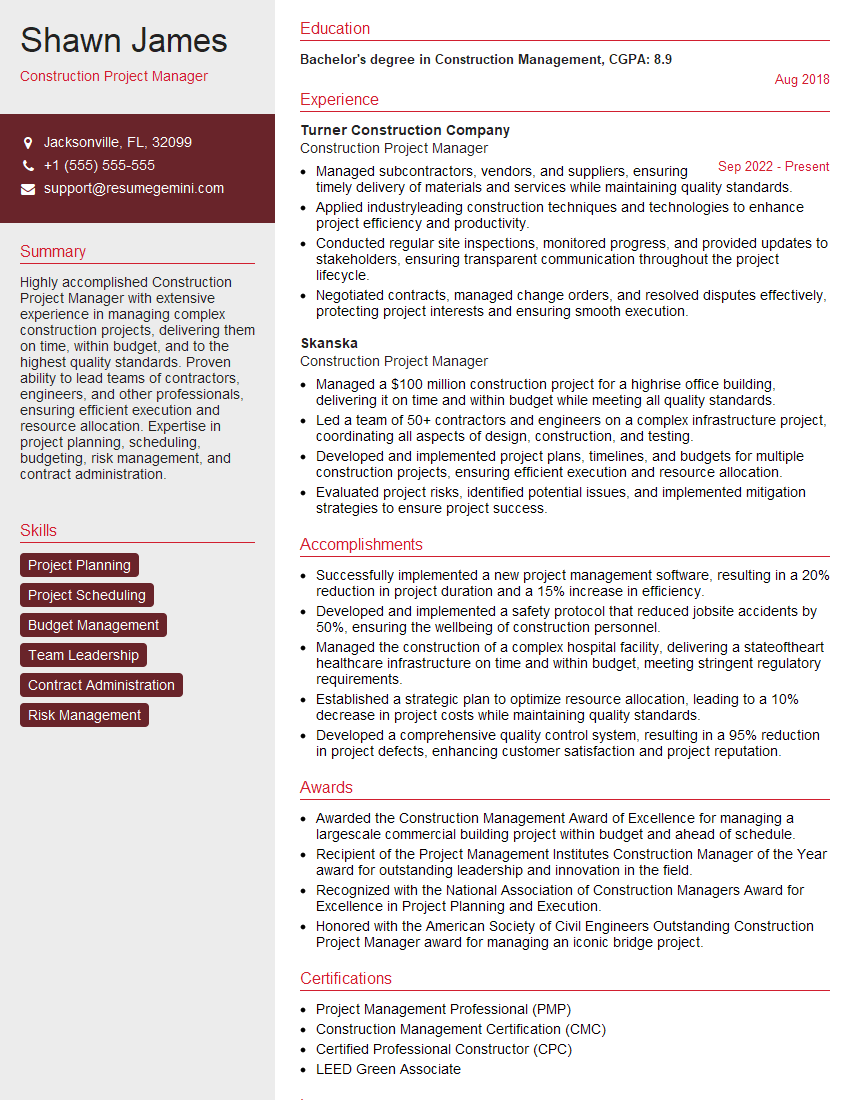
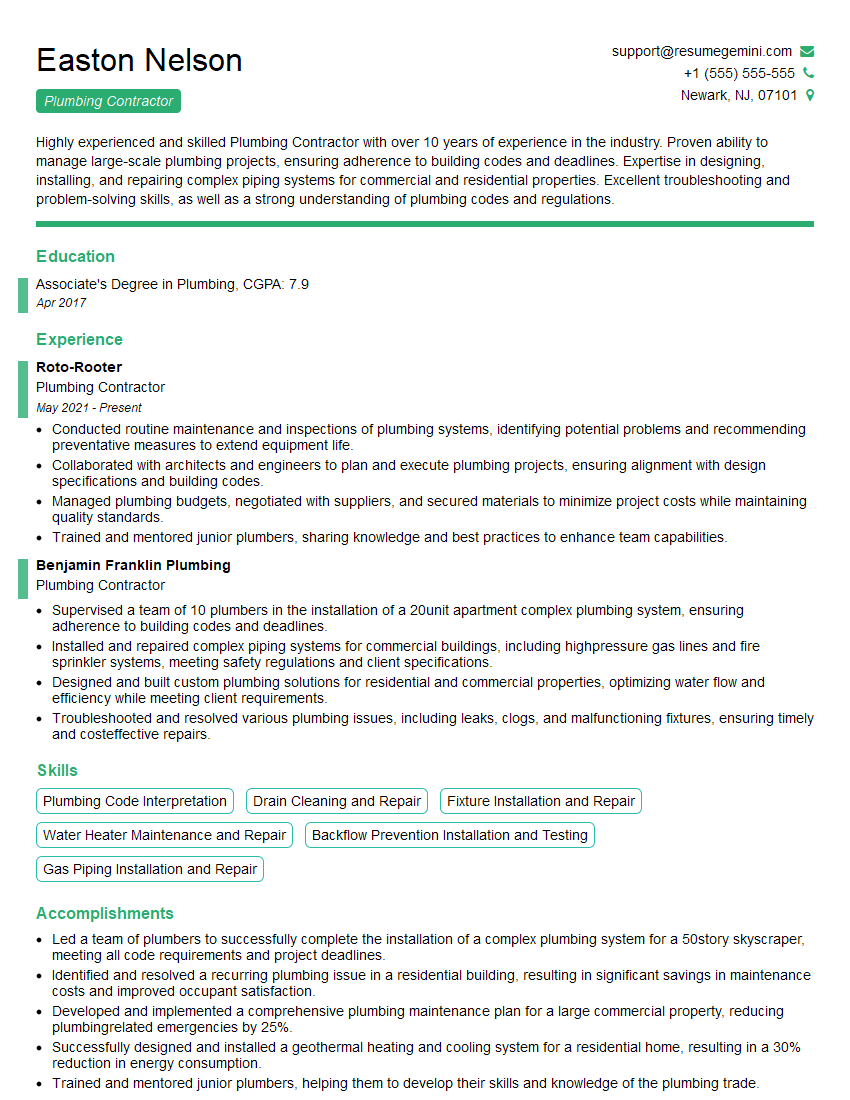
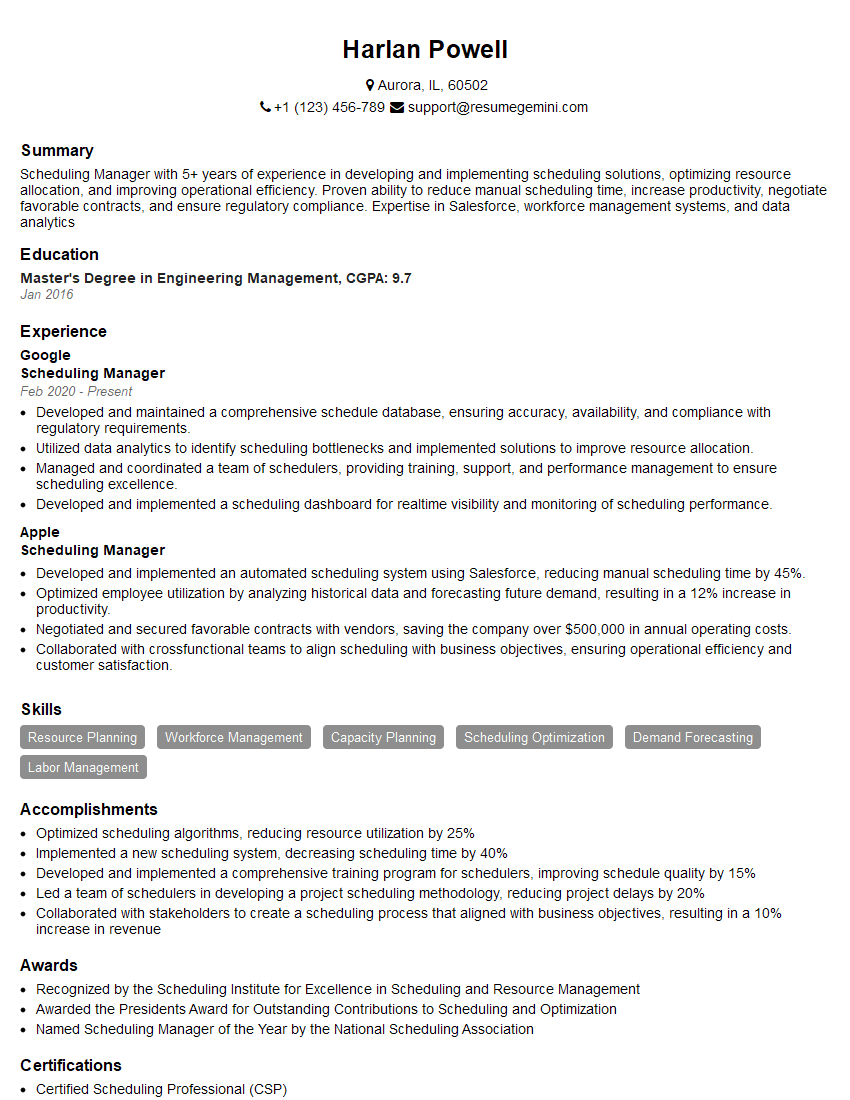
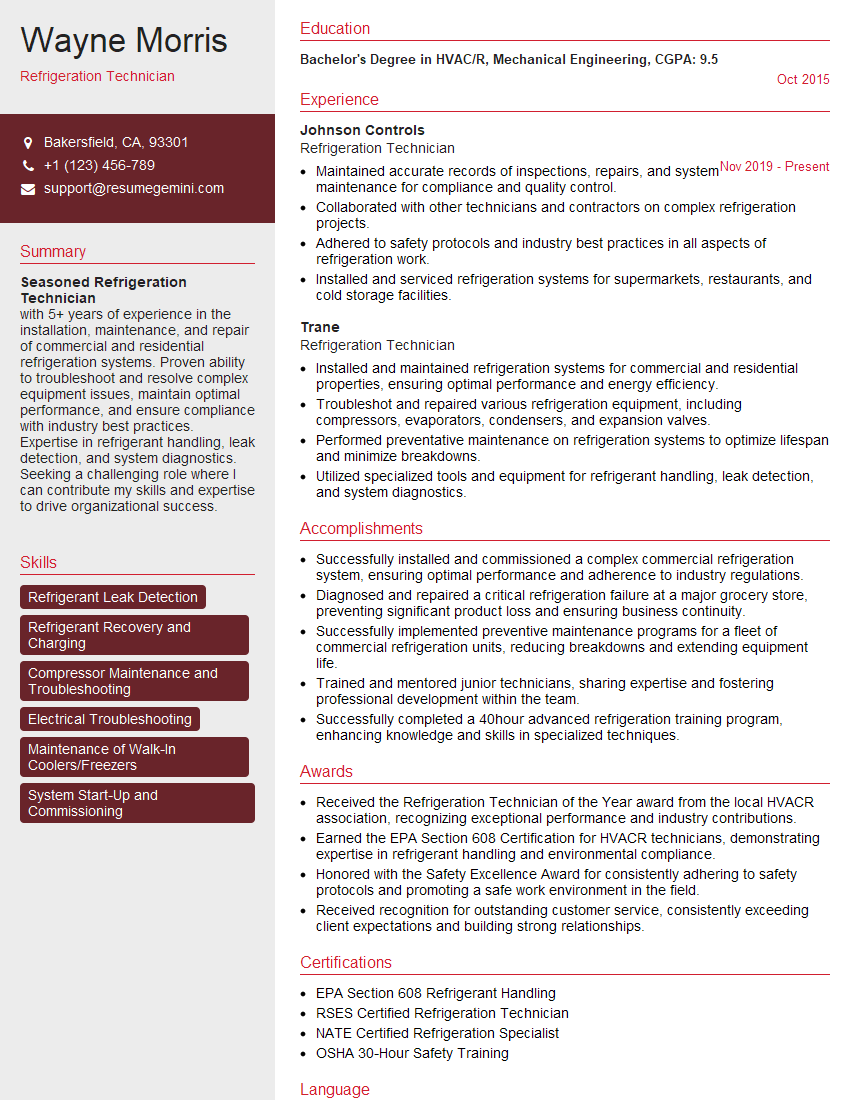
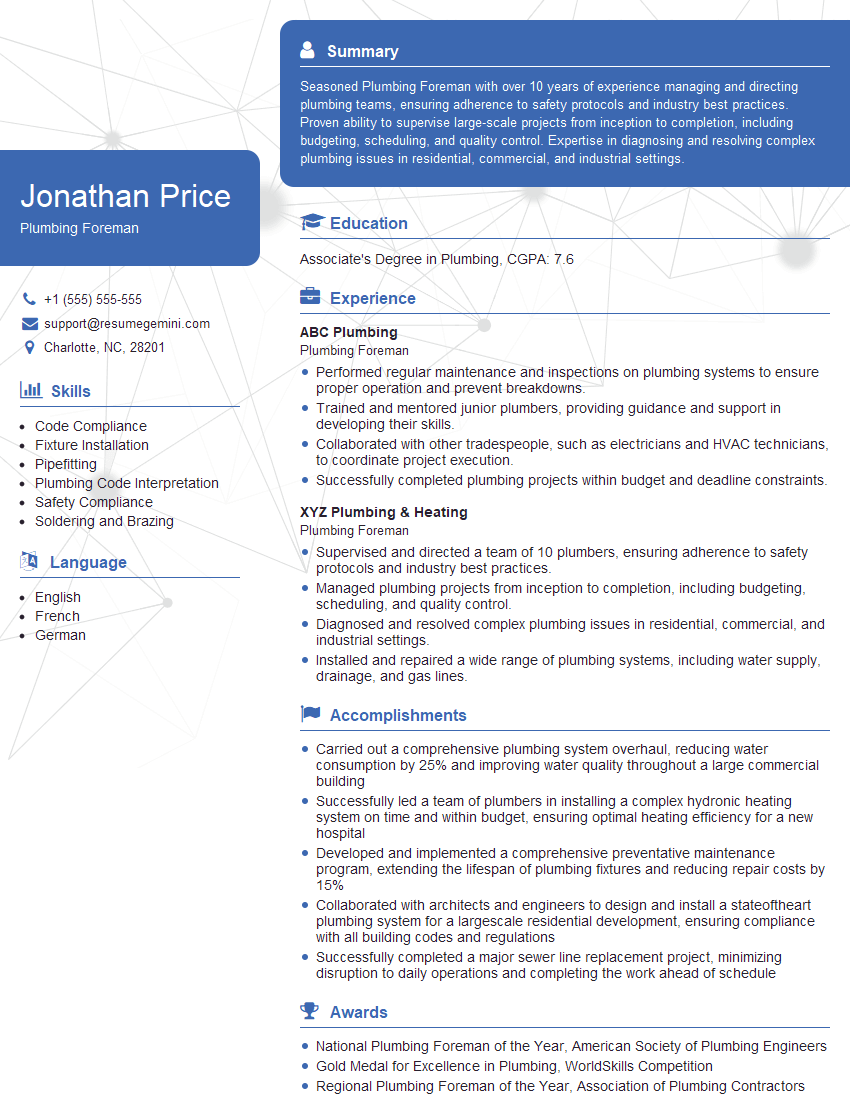
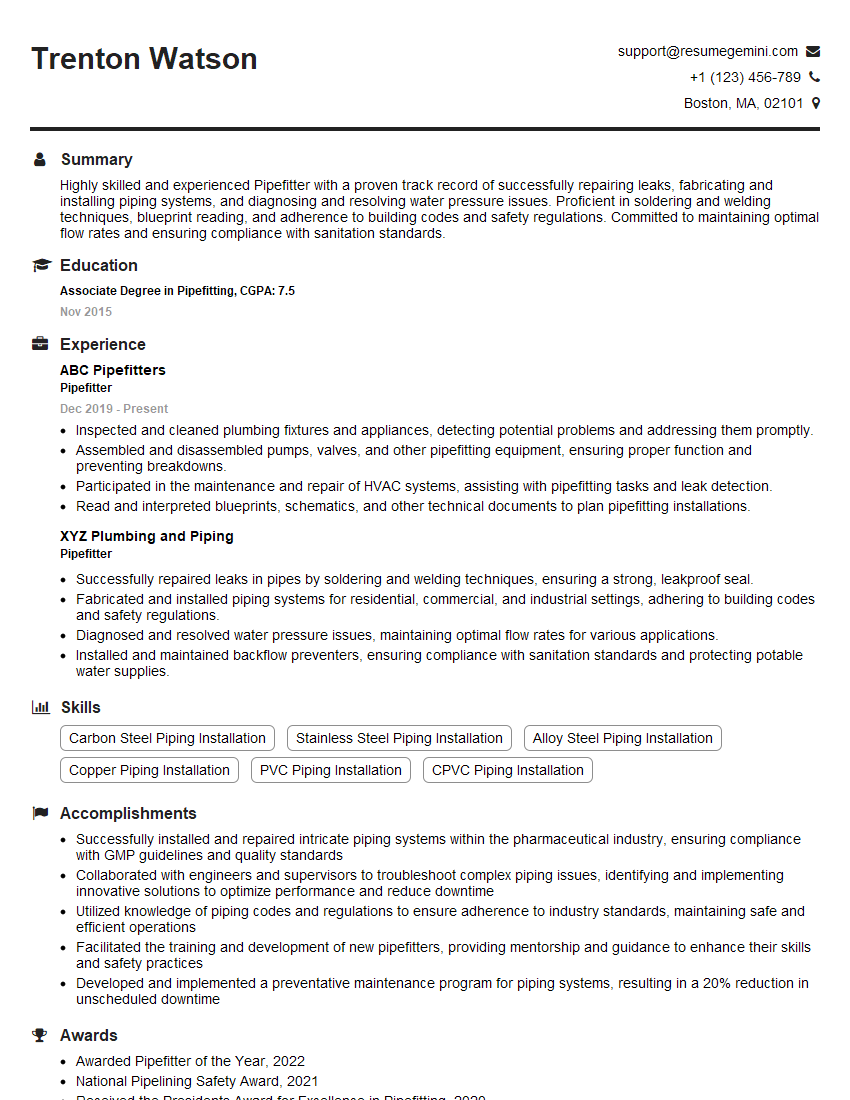
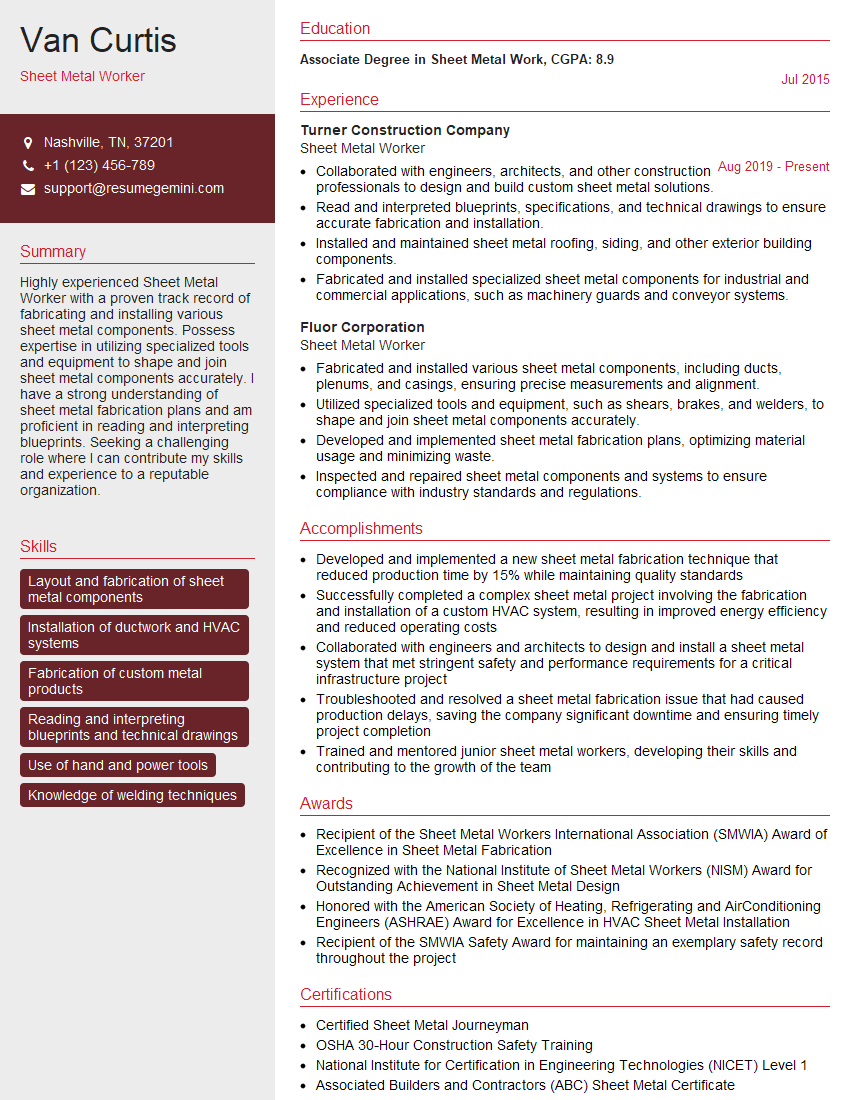
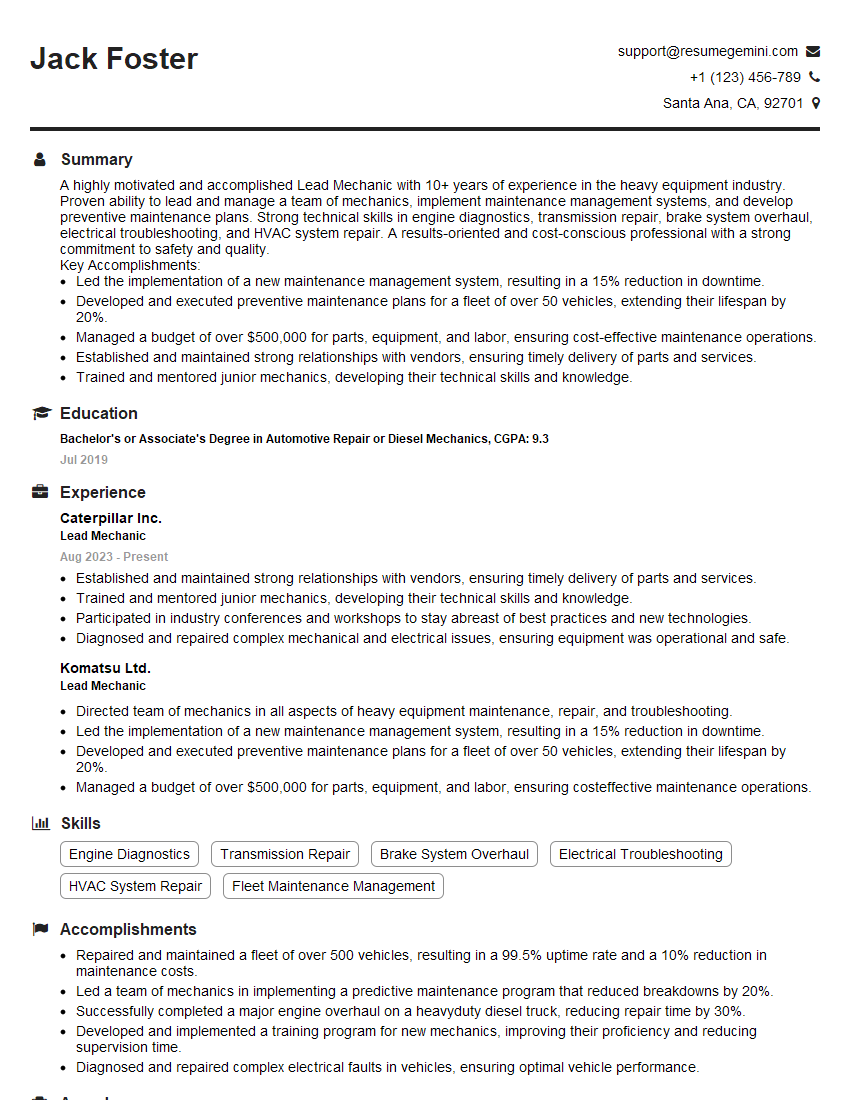
Securing a Mechanical Contractor License significantly enhances your career prospects, opening doors to higher-paying positions and greater responsibility within the industry. To maximize your chances of landing your dream job, creating a strong, ATS-friendly resume is critical. ResumeGemini is a trusted resource that can help you build a professional resume that highlights your skills and experience effectively. They offer examples of resumes tailored to the Mechanical Contractor License, ensuring your application stands out from the competition. Invest time in crafting a compelling resume – it’s your first impression on potential employers.
Explore more articles
Users Rating of Our Blogs
Share Your Experience
We value your feedback! Please rate our content and share your thoughts (optional).
What Readers Say About Our Blog
Very informative content, great job.
good