Preparation is the key to success in any interview. In this post, we’ll explore crucial Mixing Chemicals interview questions and equip you with strategies to craft impactful answers. Whether you’re a beginner or a pro, these tips will elevate your preparation.
Questions Asked in Mixing Chemicals Interview
Q 1. Explain the importance of precise measurements in chemical mixing.
Precise measurements are paramount in chemical mixing because even slight deviations from the intended ratios can significantly impact the final product. Think of baking a cake: if you use twice the amount of baking soda, the cake will be inedible. Similarly, in chemical mixing, incorrect ratios can lead to undesirable reactions, reduced efficacy, or even hazardous outcomes. For instance, in creating a specific concentration of an acid solution, an inaccurate measurement can drastically alter its pH and reactivity, potentially causing damage or injury. We rely on calibrated instruments like volumetric flasks, graduated cylinders, and analytical balances to ensure accuracy, often employing multiple measurements and checks to minimize errors. The importance of precision increases exponentially with the complexity of the mixture and the sensitivity of the intended reaction.
Q 2. Describe different mixing techniques and their applications.
Various mixing techniques exist, each suited to different chemical systems and desired outcomes. Mechanical stirring, using impellers or paddles in a vessel, is common for relatively simple mixtures. It’s effective for blending liquids and suspensions but less so for highly viscous materials. High-shear mixing, employing devices like rotor-stators, is used for creating emulsions and dispersions, generating high velocity gradients to break down particles. This is crucial for applications like paint production. Fluidized bed mixing is applied to powders, suspending particles in a gas stream for uniform blending, critical in pharmaceutical manufacturing. For viscous materials, intense mixing is required; this can involve twin-screw extruders which apply both shear and compressive forces. The choice of technique hinges on factors like viscosity, particle size, desired homogeneity, and scale of operation.
Q 3. How do you ensure the safety of personnel during chemical mixing processes?
Ensuring personnel safety during chemical mixing is paramount and involves multiple layers of protection. This starts with proper training on handling hazardous materials, including understanding safety data sheets (SDS) for each chemical involved. Appropriate personal protective equipment (PPE), such as gloves, goggles, lab coats, and respirators, must always be worn. The mixing process should take place in a well-ventilated area or under a fume hood to mitigate inhalation hazards. Emergency showers and eyewash stations must be readily available. Clear, concise safety protocols and standard operating procedures (SOPs) are essential, and regular safety inspections and drills reinforce safety practices. Furthermore, the use of automated or remote-controlled mixing systems reduces direct human exposure to potentially harmful chemicals.
Q 4. What are the common hazards associated with mixing chemicals?
Mixing chemicals can pose several hazards. Chemical reactions themselves can be exothermic (heat-producing), potentially leading to fires or explosions. Some mixtures generate toxic gases or fumes, requiring appropriate ventilation and respiratory protection. Reactivity is a key concern; incompatible chemicals can react violently, producing hazardous byproducts. For example, mixing strong acids with strong bases can generate significant heat and corrosive splashes. Flammability is another critical aspect; certain chemicals are flammable or can ignite when mixed with oxidizers. Finally, exposure to certain chemicals can cause skin irritation, burns, or other health problems. A thorough risk assessment identifying these hazards is vital before undertaking any chemical mixing.
Q 5. Explain your understanding of reaction kinetics in chemical mixing.
Reaction kinetics studies the rates of chemical reactions. In mixing, understanding kinetics is crucial for optimizing the process and ensuring consistent product quality. Factors like temperature, concentration, and mixing intensity influence the rate at which reactions occur. For example, increasing temperature typically speeds up a reaction (following the Arrhenius equation), while effective mixing ensures uniform reactant distribution, maximizing reaction rates and avoiding localized concentrations that could lead to undesired side reactions. Reaction kinetics also helps predict reaction completion time, essential for controlling the process and meeting production deadlines. In industrial settings, this understanding is incorporated into process modeling to improve efficiency and yield.
Q 6. How do you troubleshoot issues related to incomplete mixing or inconsistent product quality?
Troubleshooting incomplete mixing or inconsistent product quality involves a systematic approach. First, we’d review the mixing procedure, ensuring accurate measurements and adherence to the SOPs. We’d then inspect the mixing equipment, checking for mechanical issues like worn impellers or inadequate power. Assessing the properties of the mixed materials is next, checking for viscosity, particle size distribution, and reactant compatibility. If inconsistencies persist, we might optimize the mixing parameters – varying the speed, duration, or mixing technique. Analyzing samples from different parts of the mixture can identify areas of poor blending. In some cases, adjustments to the raw materials or the addition of surfactants or other processing aids can improve homogeneity. Data logging and process analytical technology (PAT) can help identify trends and guide corrective actions.
Q 7. Describe your experience with different types of mixing equipment.
My experience encompasses a range of mixing equipment, from simple overhead stirrers for laboratory-scale reactions to industrial-scale mixers like planetary mixers, used for high-viscosity materials like dough, and high-shear mixers for emulsion production. I’ve also worked with specialized equipment such as fluidized bed processors and twin-screw extruders. My experience also includes selecting and specifying equipment based on project requirements and process optimization. This involves evaluating factors like capacity, power requirements, material compatibility, and ease of cleaning and maintenance. I am proficient in operating, troubleshooting, and maintaining various types of mixing equipment, ensuring optimal performance and safety.
Q 8. How do you handle unexpected chemical reactions during mixing?
Handling unexpected chemical reactions during mixing requires a combination of proactive planning and swift, decisive action. The key is prevention through thorough understanding of the chemicals involved and their potential interactions. Before mixing any chemicals, I always consult Safety Data Sheets (SDS) to identify potential hazards and reactions.
If an unexpected reaction occurs, the first priority is safety. This involves immediately isolating the reaction vessel, ensuring adequate ventilation, and alerting emergency personnel if necessary. The type of reaction will dictate further actions; for example, an exothermic reaction (releasing heat) might require cooling the vessel with ice or running water, while a gas-producing reaction may necessitate venting the vessel carefully.
Example: During a pilot batch mixing process involving two seemingly inert compounds, an unexpected vigorous reaction with significant heat generation occurred. Immediate action included isolating the vessel, applying cooling, and carefully documenting all observations. A post-incident analysis revealed a trace impurity in one component catalyzing the reaction. This led to stricter quality control protocols for incoming materials.
Q 9. What safety protocols do you follow when handling hazardous chemicals?
Safety is paramount when handling hazardous chemicals. My approach follows a strict hierarchy of controls, starting with engineering controls, then administrative controls, and finally, personal protective equipment (PPE). Engineering controls aim to eliminate hazards at the source, such as using closed systems for mixing to prevent exposure. Administrative controls encompass safe work practices, training, and emergency procedures. PPE serves as the last line of defense, providing a physical barrier between the worker and the hazardous material.
Specifically, this includes:
- Using appropriate PPE, including chemical-resistant gloves, lab coats, eye protection, and respiratory protection based on SDS recommendations.
- Working in a well-ventilated area or using a fume hood to minimize inhalation hazards.
- Following strict procedures for handling, storage, and disposal of chemicals.
- Regularly reviewing SDS for any chemical being used.
- Participating in regular safety training and refreshers.
Example: When working with highly corrosive acids, I always ensure the availability of neutralizing agents and eye wash stations nearby. I also conduct regular safety checks on equipment to prevent any leaks or spills.
Q 10. Describe your experience with quality control procedures for mixed chemicals.
Quality control for mixed chemicals is a critical aspect of my work, involving rigorous testing throughout the entire process. It begins with verifying the quality of incoming raw materials using appropriate analytical techniques such as titrations, spectroscopy (UV-Vis, IR, NMR), or chromatography (HPLC, GC) to ensure they meet the specified purity and concentration.
During the mixing process, parameters like temperature, mixing speed, and reaction time are carefully monitored and recorded. Post-mixing, the final product undergoes thorough quality assessment, which can involve tests to check for purity, concentration, viscosity, density, pH, and other relevant properties defined in specifications. Deviation from specified values triggers investigation and correction. This data is meticulously documented and analyzed to identify trends and improve processes.
Example: In a recent project involving the production of a pharmaceutical intermediate, we implemented in-line process analytical technology (PAT) to continuously monitor the reaction progress, allowing for real-time adjustments and ensuring the product consistently meets quality standards. Out-of-specification batches are carefully investigated, documented, and disposed of according to regulations.
Q 11. How do you document and track chemical mixing processes?
Documentation and tracking of chemical mixing processes are crucial for maintaining quality, reproducibility, and regulatory compliance. We use a combination of electronic and paper-based systems. Each mixing batch is assigned a unique identification number, and detailed records are kept for every step of the process.
This includes:
- Batch Records: These document all aspects of the batch, including the date, time, raw materials used (with batch numbers and lot numbers), quantities, mixing parameters (temperature, time, speed), quality control test results, and any deviations from the standard operating procedure (SOP).
- Raw Material Tracking: Detailed records of the source, purity, and storage conditions of all raw materials are maintained.
- Equipment Logs: Maintenance logs for mixing equipment, including calibration records and cleaning procedures, are documented.
- Electronic Databases: We use sophisticated software to manage and analyze this data, allowing for easy retrieval and trend analysis.
Example: Our batch records include digital signatures from authorized personnel at each stage, ensuring traceability and accountability. This integrated system allows for easy data analysis, assisting in continuous process improvement.
Q 12. Explain your understanding of Good Manufacturing Practices (GMP).
Good Manufacturing Practices (GMP) are a set of guidelines that ensure the consistent design, manufacture, and control of pharmaceutical products and other healthcare products. The focus is on maintaining quality, safety, and efficacy throughout the entire process. In chemical mixing, this translates to adhering to strict procedures at every stage, from raw material handling to final product packaging.
Key aspects of GMP relevant to my work include:
- Validation of processes and equipment: Ensuring that equipment functions as expected and that processes consistently produce the desired results.
- Standard operating procedures (SOPs): Detailed, documented procedures for every step of the mixing process to ensure consistency and reproducibility.
- Quality control testing: Rigorous testing of raw materials and final products to verify their quality and purity.
- Record keeping: Meticulous documentation of all aspects of the mixing process, including deviations from SOPs and corrective actions.
- Cleanliness and sanitation: Maintaining a clean and sanitary working environment to prevent contamination.
- Personnel training: Ensuring that all personnel involved in the mixing process are adequately trained and understand GMP principles.
Adherence to GMP is not just a matter of compliance but also a commitment to product quality and patient safety.
Q 13. How do you ensure the stability of mixed chemical products?
Ensuring the stability of mixed chemical products is critical for maintaining their quality and efficacy over time. Several factors influence stability, including temperature, light exposure, moisture, and the presence of incompatible materials. My approach involves a combination of strategies to mitigate these factors.
These strategies include:
- Appropriate Packaging: Selecting packaging materials that protect the product from environmental factors such as light, oxygen, and moisture. This might involve using amber glass bottles for light-sensitive products or using airtight containers to prevent moisture absorption.
- Storage Conditions: Maintaining appropriate storage temperatures and humidity levels to prevent degradation. Many products require refrigeration or freezing to maintain stability.
- Formulation Optimization: Carefully selecting excipients (inactive ingredients) that enhance stability and prevent degradation reactions. This might involve the use of stabilizers or antioxidants.
- Stability Testing: Conducting accelerated stability studies under stressed conditions (e.g., elevated temperature) to predict shelf life and identify potential degradation pathways.
- Shelf-Life Determination: Establishing a shelf life based on stability data, ensuring that the product maintains its quality and efficacy within its intended usage period.
Example: When working with a light-sensitive chemical, we used amber glass bottles stored at a controlled low temperature to ensure long-term stability, verified through rigorous stability testing under accelerated conditions.
Q 14. Describe your experience with different types of mixing vessels.
My experience encompasses a wide range of mixing vessels, each suited for different applications. The choice of vessel depends on factors such as the viscosity of the mixture, the scale of production, the need for temperature control, and the sensitivity of the chemicals involved.
Some examples include:
- Stirred tank reactors (STRs): These are versatile vessels used for a wide range of mixing applications, equipped with impellers to ensure efficient mixing. They are frequently used in large-scale production and can be equipped with features like jackets for temperature control.
- High-shear mixers: These are ideal for mixing high-viscosity fluids or creating emulsions and dispersions. They employ high-speed rotors and stators to generate intense shear forces.
- Inline mixers: Used for continuous processing, these mixers are incorporated directly into a process pipeline, providing efficient and consistent mixing without interrupting the flow.
- Fluidized bed reactors: Utilized for mixing powders with liquids or gases, the reactor creates a fluidized bed by passing a gas stream through the powder, allowing for efficient mixing and chemical reactions.
Example: For mixing highly viscous polymer solutions, we used a high-shear mixer to ensure uniform dispersion of the polymer throughout the solvent. For large-scale production of a relatively low viscosity solution, we utilized a stirred tank reactor with an optimized impeller design to reduce mixing times and energy consumption.
Q 15. How do you calculate the required mixing time for a specific batch?
Calculating mixing time isn’t a one-size-fits-all calculation; it depends heavily on the specific chemicals, desired homogeneity, mixing equipment, and the viscosity of the mixture. Think of it like baking a cake – you wouldn’t stir a cake batter for the same amount of time as you’d whisk egg whites.
A common approach involves considering factors like:
- Viscosity: Higher viscosity requires longer mixing times. Imagine trying to mix honey versus water – the honey takes significantly longer.
- Desired Homogeneity: How perfectly mixed do you need the final product to be? Higher requirements demand longer mixing times. Think of mixing paint – a perfectly uniform color takes more mixing than one with acceptable minor variations.
- Mixing Equipment: The type and power of the mixer play a crucial role. A high-shear mixer will achieve homogeneity faster than a low-shear one. It’s like comparing a powerful blender to a spoon.
- Batch Size: Larger batches generally need longer mixing times to ensure uniform blending throughout.
Often, experimental trials are necessary to determine the optimal mixing time. We start with an estimated time based on similar past projects and then adjust based on visual inspection and/or sampling and analysis to ensure the desired level of homogeneity is reached. Sophisticated software can aid in predicting these times, based on rheological models, but practical testing is almost always needed.
Career Expert Tips:
- Ace those interviews! Prepare effectively by reviewing the Top 50 Most Common Interview Questions on ResumeGemini.
- Navigate your job search with confidence! Explore a wide range of Career Tips on ResumeGemini. Learn about common challenges and recommendations to overcome them.
- Craft the perfect resume! Master the Art of Resume Writing with ResumeGemini’s guide. Showcase your unique qualifications and achievements effectively.
- Don’t miss out on holiday savings! Build your dream resume with ResumeGemini’s ATS optimized templates.
Q 16. What are the different types of chemical reactions that can occur during mixing?
Chemical reactions during mixing are diverse and can significantly impact the final product. Understanding these is critical for safety and product quality. They include:
- Acid-Base Reactions: Mixing an acid and a base can lead to neutralization, generating heat and potentially a salt. This is fundamental in many chemical processes.
- Redox Reactions: These involve electron transfer, often causing color changes or the formation of new compounds. For example, mixing a reducing agent with an oxidizing agent could lead to a dramatic reaction.
- Precipitation Reactions: Mixing two soluble substances can result in the formation of an insoluble precipitate. This needs careful handling to avoid clogging equipment.
- Complexation Reactions: The formation of complexes, where a central metal ion binds to other molecules or ions, is common. This can drastically alter the properties of the solution.
- Polymerization Reactions: Mixing monomers under the right conditions can lead to chain growth, producing polymers with unique properties. This is important in the manufacturing of plastics and other materials.
It’s crucial to always consider the possibility of exothermic reactions (releasing heat) and potentially dangerous outcomes. Safety protocols, including proper ventilation and temperature control, are paramount.
Q 17. Explain your experience with the use of specialized software for chemical mixing calculations.
I have extensive experience using specialized software, like Aspen Plus, COMSOL Multiphysics, and various Computational Fluid Dynamics (CFD) packages for chemical mixing calculations. These tools allow for simulating mixing processes under various conditions, predicting mixing times, flow patterns, and the degree of homogeneity achieved. They are particularly useful for complex mixtures and scale-up challenges.
For instance, in a recent project involving the production of a specialized polymer, we used Aspen Plus to model the polymerization reaction and optimize the mixing conditions (speed, impeller type, and reactor geometry) to maximize yield and minimize side reactions. The software’s predictive capabilities saved considerable time and resources during the scale-up phase, significantly reducing the number of costly experimental runs needed.
Beyond predictive modeling, these software packages provide crucial data visualization, allowing a deeper understanding of the complex flow dynamics within the mixer. This helps to identify potential issues like dead zones (areas with poor mixing) and optimize the mixer design for better performance.
Q 18. How do you maintain and calibrate mixing equipment?
Maintaining and calibrating mixing equipment is crucial for consistent results and safe operation. Regular maintenance includes:
- Visual Inspection: Checking for wear and tear, leaks, and damage to the equipment.
- Cleaning: Thorough cleaning after each use to remove residues and prevent cross-contamination. The cleaning procedure varies depending on the materials used.
- Lubrication: Regular lubrication of moving parts to minimize friction and extend the lifespan of the equipment.
- Calibration: Regularly checking and calibrating the speed control system of the mixer to ensure accuracy. This often involves using a tachometer to verify the rotational speed.
Calibration procedures often involve comparing the mixer’s measured speed against a known standard. We maintain detailed logs of all maintenance and calibration activities to comply with safety regulations and track equipment performance. Neglecting maintenance can lead to inaccurate mixing, product inconsistencies, and potential safety hazards.
Q 19. Describe your experience with scale-up and scale-down processes in chemical mixing.
Scale-up and scale-down processes in chemical mixing require careful consideration of various factors. Simple scaling based on linear dimensions often fails because mixing dynamics are complex and non-linear. The power input per unit volume (power number) needs to be maintained during scale-up to ensure similar mixing efficiency.
In scale-up, we consider the increase in viscosity, heat transfer limitations, and the potential for changes in reaction kinetics. We often use geometric similarity (maintaining the ratio of dimensions) but carefully monitor the power number. We’ve used CFD simulations extensively to predict performance at the new scale before proceeding to physical experimentation. This greatly reduces the risk and cost of potential failure.
Scale-down processes are also crucial for research and development. While maintaining similar power numbers is still important, it’s often necessary to adapt the mixing geometry or parameters to account for scale differences. We carefully assess the results of scaled-down experiments and validate them against larger-scale runs to ensure reproducibility.
Q 20. How do you manage waste generated during chemical mixing?
Waste management during chemical mixing is a critical aspect of responsible chemical handling. We follow strict protocols to ensure the safety of personnel and the environment:
- Characterization: Thorough characterization of the waste to determine its chemical composition and hazardous properties.
- Segregation: Separating different types of waste to facilitate proper disposal or recycling.
- Neutralization: Neutralizing acidic or basic waste before disposal to reduce environmental impact.
- Treatment: Implementing appropriate treatment methods, such as filtration or evaporation, to reduce waste volume and toxicity.
- Disposal: Disposing of the waste according to local regulations and through licensed waste disposal facilities.
We maintain detailed records of all waste generated, including its quantity, composition, and disposal method. This documentation is crucial for regulatory compliance and environmental auditing.
Q 21. How do you determine the optimal mixing speed for a specific chemical mixture?
Determining the optimal mixing speed is crucial for achieving efficient and homogenous mixing. Too slow, and you’ll have poor mixing; too fast, and you could risk excessive shear, aeration, or even equipment damage. This often involves a combination of experimental determination and theoretical consideration.
We usually start with a range of speeds based on previous experience and the viscosity of the mixture. Then, we progressively increase the speed, carefully observing the mixing pattern, monitoring the power draw of the motor, and sampling to assess homogeneity at different speeds. This is often accompanied by visualizations through things like laser-induced fluorescence or other advanced imaging techniques, especially if the fluids are opaque.
The optimal speed is usually the lowest speed that achieves the required level of homogeneity without excessive energy consumption or damage risk. CFD simulations can also assist in predicting optimal speeds, considering impeller design and fluid properties.
Q 22. Explain your experience with different types of impellers and their applications.
Impellers are the heart of any mixing process, and choosing the right one is crucial for efficient and effective mixing. Different impellers generate distinct flow patterns, making them suitable for various applications. My experience encompasses a wide range, including axial flow impellers, radial flow impellers, and high-shear impellers.
- Axial Flow Impellers: These impellers, like pitched blade turbines or hydrofoils, create a strong axial flow, moving fluids vertically along the impeller shaft. They are ideal for blending relatively low-viscosity liquids where gentle mixing is needed, such as in large-scale blending tanks in the pharmaceutical industry or water treatment plants. Think of them like a giant, efficient fan pushing liquid upwards.
- Radial Flow Impellers: These, such as Rushton turbines or disc turbines, generate a strong radial flow, moving fluids outwards from the impeller. This is excellent for high-viscosity liquids or those requiring intense mixing. I’ve used these extensively in the production of paints and coatings where thorough dispersion of pigments is necessary. They create a very powerful circular current.
- High-Shear Impellers: These impellers, including rotor-stator mixers or anchor impellers, are designed for creating high shear forces, breaking down clumps and creating very fine emulsions or dispersions. I’ve employed these in the food processing industry, specifically in the production of mayonnaise or other emulsified products where achieving a stable, smooth texture is paramount. Think of a super powerful blender.
The selection of an impeller depends heavily on factors such as fluid viscosity, desired mixing intensity, tank geometry, and the specific application. In my experience, careful consideration of these factors is key to optimizing the mixing process and avoiding problems such as insufficient mixing or excessive energy consumption.
Q 23. Describe your experience with the use of in-line mixing systems.
In-line mixing systems offer a compact and efficient approach to mixing, especially beneficial in continuous processing. Unlike batch mixing, where materials are mixed in a single vessel, in-line systems continuously mix fluids as they flow through a pipe or tube. My experience includes working with various types of in-line mixers, including static mixers and dynamic mixers.
- Static Mixers: These mixers consist of a series of fixed elements arranged within a pipe. As the fluid flows through these elements, it undergoes repeated division and recombination, leading to thorough mixing. They’re remarkably low maintenance and are perfectly suited for applications requiring consistent mixing quality over long periods. I’ve successfully used these for blending polymer solutions in a continuous manufacturing process.
- Dynamic Mixers: These mixers use rotating elements to actively mix the fluids. They are typically used for higher viscosity fluids or situations where more intense mixing is required. I’ve utilized this technology for mixing viscous adhesives, where achieving a homogenous product is essential for its performance.
The advantage of in-line systems is their continuous operation, high mixing efficiency in a compact space, and ease of cleaning (in some designs). They are particularly valuable in large-scale industrial applications where continuous production is critical.
Q 24. How do you ensure the accuracy and precision of chemical measurements?
Accuracy and precision in chemical measurements are paramount to successful mixing and to ensuring product quality and safety. My approach to this involves a multi-faceted strategy:
- Calibration and Maintenance of Equipment: I routinely calibrate all weighing scales, volumetric glassware, and other measurement instruments using traceable standards. Regular maintenance ensures equipment functions optimally and produces consistent results. For example, I regularly check the calibration of our analytical balances to ensure they are within the acceptable tolerances for our processes.
- Appropriate Measurement Techniques: The choice of measurement technique depends on the chemical and the required level of accuracy. For example, I’d use volumetric flasks for precise dilutions, whereas a graduated cylinder would be suitable for less precise measurements. I also always understand the limitations of each measuring instrument.
- Multiple Measurements and Statistical Analysis: Whenever possible, I take multiple measurements and perform statistical analysis to identify outliers and assess the overall uncertainty in the measurements. This helps to improve the reliability of my data and minimize errors.
- Use of Automated Systems: Where feasible, I leverage automated systems such as robotic dispensing or automated titrators for increased accuracy and precision, especially for high-throughput applications. Automation minimizes manual handling errors.
By implementing these procedures, I consistently achieve accurate and reliable chemical measurements, a crucial aspect of effective chemical mixing.
Q 25. Explain your understanding of different mixing patterns (e.g., laminar, turbulent).
Understanding mixing patterns is critical for selecting the appropriate mixing equipment and ensuring efficient mixing. Two fundamental types of flow are laminar and turbulent flow.
- Laminar Flow: In laminar flow, the fluid moves in smooth, parallel layers. It’s characterized by low energy dissipation and slow mixing. Imagine honey slowly flowing down a spoon – each layer moves independently. This can be observed in low-speed, low-viscosity flows. In mixing, this type of flow requires longer mixing times for complete homogenization.
- Turbulent Flow: In turbulent flow, the fluid moves chaotically with irregular eddies and vortices. This is characterized by high energy dissipation and rapid mixing. Think of a rapidly stirred cup of coffee – the liquid is moving in all directions. Turbulent flow is preferred for most industrial mixing applications because it significantly accelerates the homogenization process.
The transition between laminar and turbulent flow depends on the Reynolds number (Re), a dimensionless quantity that considers the fluid velocity, viscosity, and characteristic length. A high Reynolds number indicates turbulent flow, while a low Reynolds number indicates laminar flow. Knowing this is key to selecting the correct impeller and adjusting operating parameters to achieve the desired mixing pattern. For instance, to ensure a fast and complete homogenization in a high-viscosity fluid, you’d aim for turbulence by adjusting the impeller speed or using a more aggressive impeller design.
Q 26. How do you manage the temperature control during chemical mixing?
Temperature control during chemical mixing is crucial for many reasons: it can influence reaction rates, solubility, viscosity, and even the stability of the final product. My experience includes using various techniques for temperature management.
- Jacketed Vessels: Many mixing tanks utilize jacketed designs, where a liquid (often water or a thermal fluid) is circulated through a jacket surrounding the tank. This allows for precise heating or cooling of the reaction mixture. The temperature of the jacket fluid is carefully controlled using a thermostat to maintain the desired reaction temperature.
- Internal Heat Exchangers: For more intensive temperature control or when jacketed vessels aren’t suitable, internal heat exchangers can be used. These coils or plates are directly immersed in the mixture for more efficient heat transfer. I have worked with both types, selecting based on the mixing vessel capacity and the specific heat transfer requirements of the process.
- Cooling Coils: These are particularly useful for exothermic reactions where the process generates heat. The coils are immersed in the mixture and chilled liquid is circulated through them to remove the excess heat. This prevents runaway reactions or degradation of temperature-sensitive components.
- Temperature Sensors and Controllers: Precise temperature monitoring is essential. I use a combination of thermocouples and temperature controllers to constantly monitor and adjust the temperature in real-time. The controllers allow me to set precise set points and maintain the desired temperature with high accuracy.
The selection of temperature control methods depends on the specific application and the characteristics of the chemicals being mixed. A thorough understanding of the chemical properties and the heat transfer principles ensures safe and efficient temperature management during the mixing process.
Q 27. Describe your experience with the use of process analytical technology (PAT) in chemical mixing.
Process Analytical Technology (PAT) is an integral part of modern chemical mixing. PAT involves using real-time analytical tools to monitor and control critical process parameters during manufacturing. This allows for faster process development, improved product quality, and reduced waste. My experience includes using several PAT tools in chemical mixing:
- In-line Spectrophotometry: I’ve used in-line spectrophotometers to monitor the concentration of various components during the mixing process. This enables real-time adjustments to ensure the final product meets the required specifications. For example, measuring the concentration of a specific reactant allows fine-tuning the addition rates of reagents to achieve the desired stoichiometry.
- Particle Size Analyzers: In applications where particle size distribution is critical (e.g., nano-particle suspensions), I’ve used in-line particle size analyzers to ensure the desired particle size range is achieved. Real-time monitoring allows immediate adjustments to the mixing parameters if needed.
- Viscosity Sensors: I’ve utilized in-line viscosity sensors to monitor the viscosity of the mixture, which can be an indicator of the mixing progress and homogeneity. This data is used in closed-loop control systems to automatically adjust mixing speed or add other ingredients to achieve the desired viscosity.
PAT tools provide valuable insights into the mixing process, improving quality control, and ultimately reducing the overall cost and time of manufacturing. The data obtained from these instruments can be used to optimize mixing parameters, improving efficiency and product consistency.
Q 28. How do you troubleshoot issues related to foaming or sedimentation during mixing?
Foaming and sedimentation are common issues encountered during chemical mixing. Troubleshooting these problems requires a systematic approach and understanding of the underlying causes.
- Foaming: Excessive foaming can be caused by several factors, including the presence of surfactants, high mixing speeds, and introduction of air. My troubleshooting strategy involves:
- Reducing Mixing Speed: Lowering the impeller speed often reduces foam formation.
- Adding Anti-foaming Agents: Silicone-based anti-foaming agents can be carefully added to break down existing foam and prevent further formation. The addition must be controlled to avoid introducing other impurities.
- Modifying Impeller Design: Selecting an impeller with a lower shear rate can minimize foam generation.
- Vacuum Degassing: Applying a vacuum to the vessel can remove dissolved gases, thus reducing foam.
- Sedimentation: Sedimentation occurs when denser particles settle out of suspension. This is often caused by insufficient mixing or poor particle dispersion. My troubleshooting techniques include:
- Increasing Mixing Time and Intensity: Longer mixing times and higher impeller speeds can improve dispersion.
- Adding Dispersants: Dispersants help to stabilize the suspension and prevent particles from aggregating and settling.
- Optimizing Impeller Selection: Selecting an impeller suitable for dispersing solid particles, such as a high-shear impeller or anchor impeller, can significantly improve the suspension.
- Adjusting Fluid Viscosity: If the viscosity of the fluid is too low, it can lead to increased sedimentation. Increasing the viscosity by adding a thickening agent can help.
A thorough understanding of the chemical properties of the substances being mixed, combined with a systematic approach, is crucial in addressing these issues and ensuring the production of homogenous, stable mixtures.
Key Topics to Learn for Mixing Chemicals Interview
- Stoichiometry and Chemical Reactions: Understanding mole ratios, limiting reactants, and theoretical yields is crucial for accurate chemical mixing calculations.
- Reaction Kinetics and Equilibrium: Knowing how reaction rates and equilibrium constants affect mixing processes, especially in industrial settings, is vital.
- Safety and Hazard Handling: Demonstrate a deep understanding of safety protocols, including proper personal protective equipment (PPE), handling of hazardous materials, and emergency procedures. This is paramount in this field.
- Mixing Equipment and Techniques: Familiarity with various mixing equipment (e.g., agitators, mixers) and their applications based on the properties of the chemicals being mixed is essential.
- Quality Control and Assurance: Understanding techniques for monitoring and ensuring the quality and consistency of mixed chemicals, including sampling and testing methods.
- Process Optimization: Demonstrate your ability to analyze mixing processes, identify inefficiencies, and suggest improvements for yield, speed, and cost-effectiveness.
- Scale-up and Scale-down: Explain your understanding of how to adapt mixing procedures from laboratory settings to industrial production or vice-versa.
- Data Analysis and Interpretation: Show your ability to analyze experimental data, interpret results, and draw meaningful conclusions related to mixing efficiency and product quality.
- Troubleshooting and Problem-Solving: Be prepared to discuss how you would approach common problems encountered during the mixing process, such as unexpected reactions or inconsistencies in product quality.
Next Steps
Mastering the principles and practices of mixing chemicals is key to advancing your career in this dynamic field, opening doors to exciting opportunities in research, development, and production. To maximize your job prospects, it’s essential to present your skills effectively. Creating an Applicant Tracking System (ATS)-friendly resume is crucial in today’s competitive job market. We recommend using ResumeGemini, a trusted resource for building professional resumes that highlight your qualifications and catch the attention of recruiters. Examples of resumes tailored to the Mixing Chemicals industry are available to help you build a compelling application.
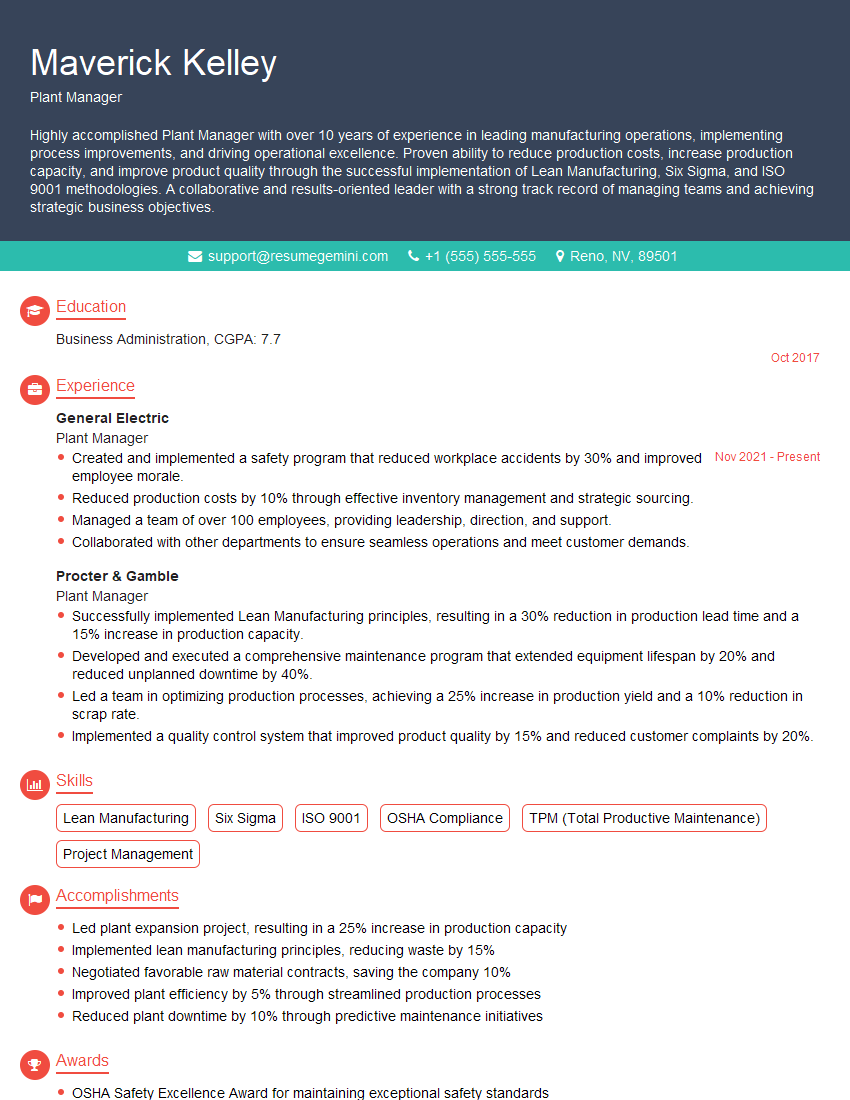
Plant Manager Resume Sample
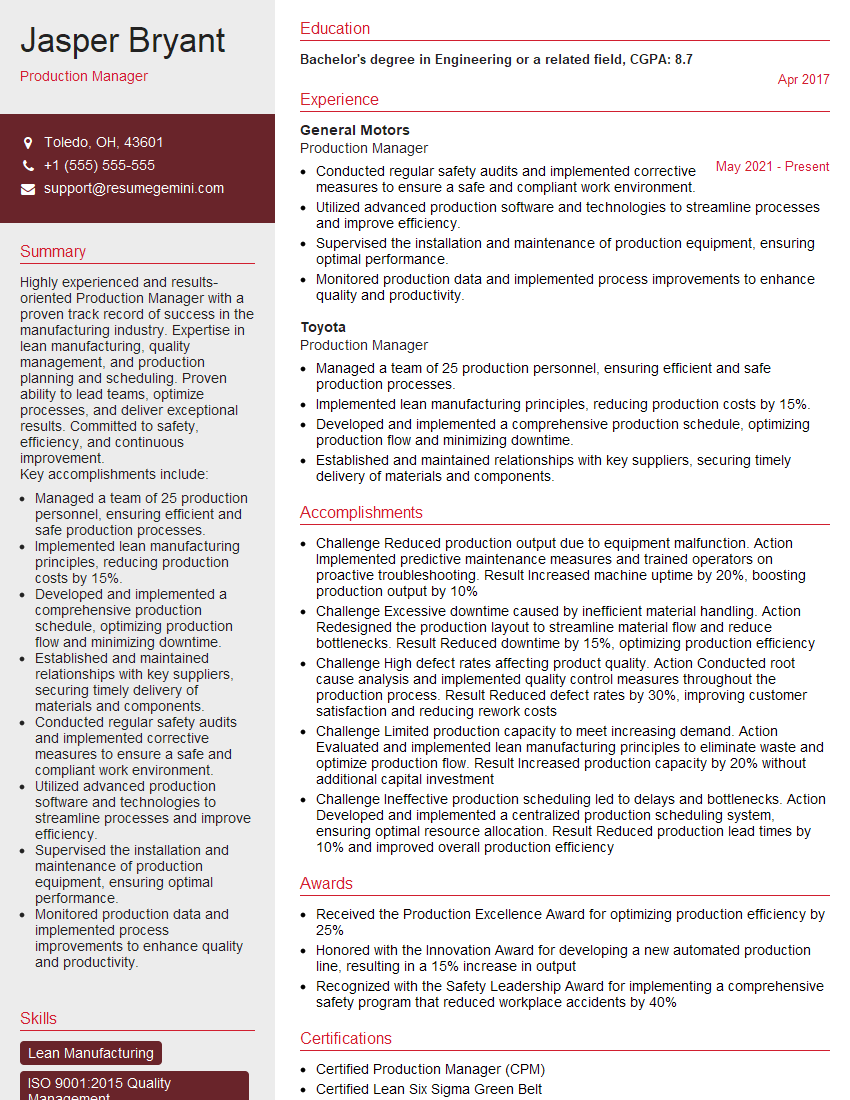
Production Manager Resume Sample
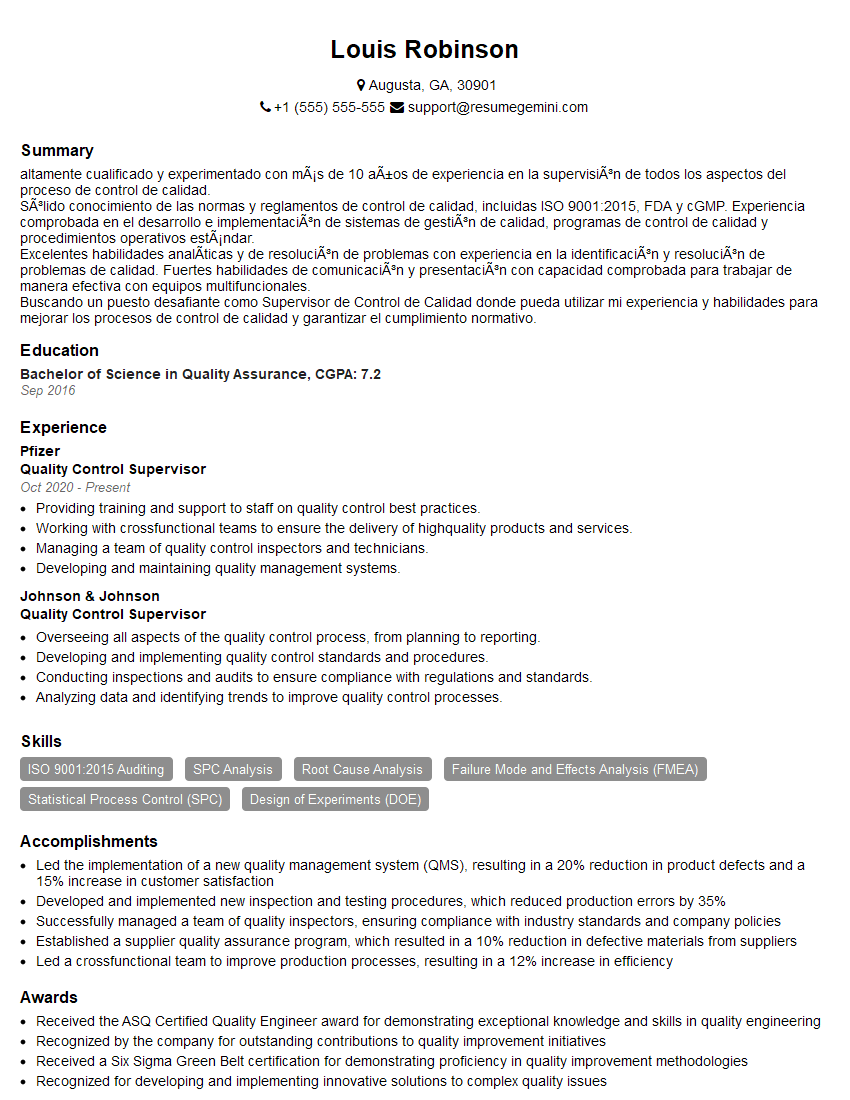
Quality Control Supervisor Resume Sample
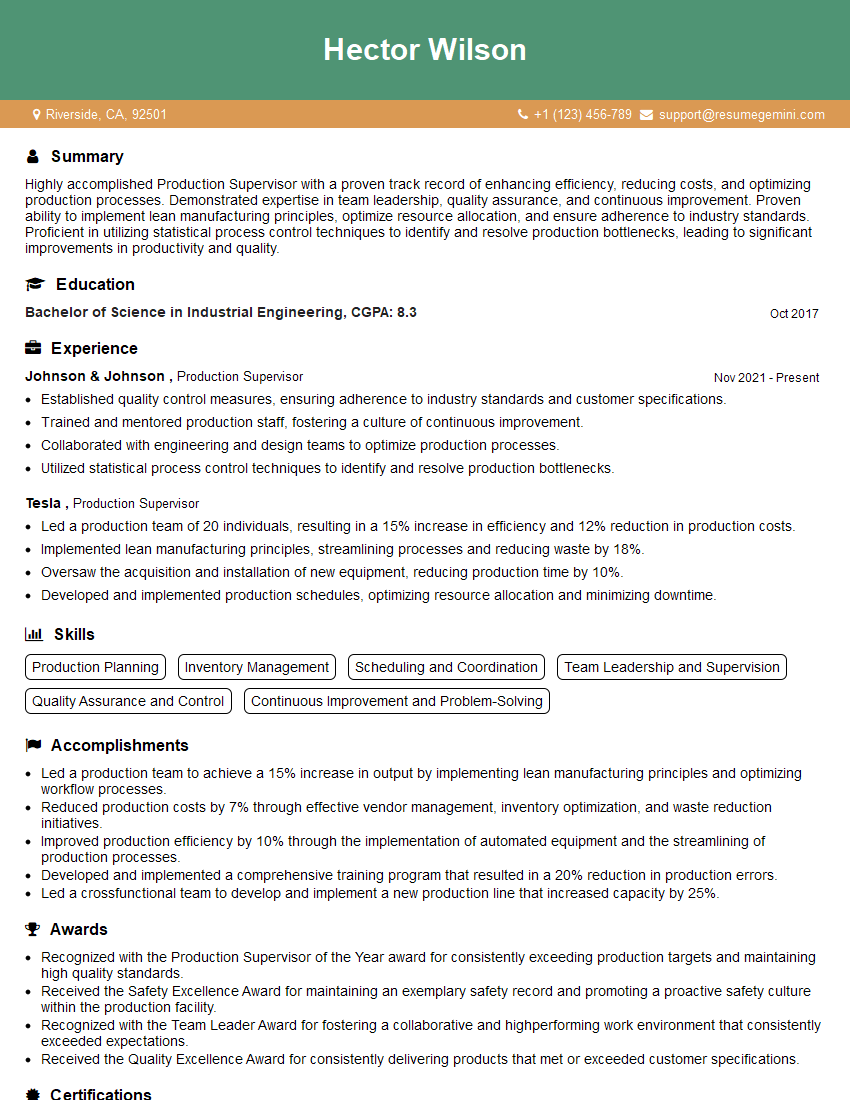
Production Supervisor Resume Sample
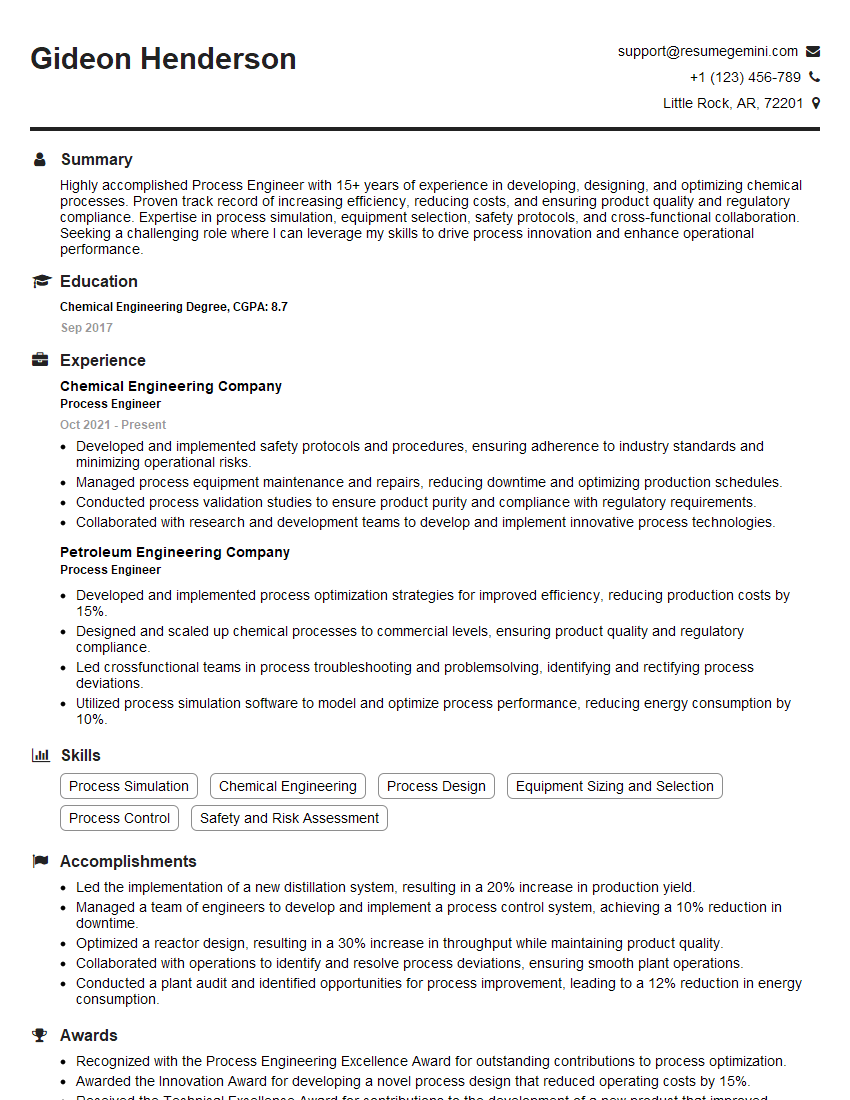
Process Engineer Resume Sample
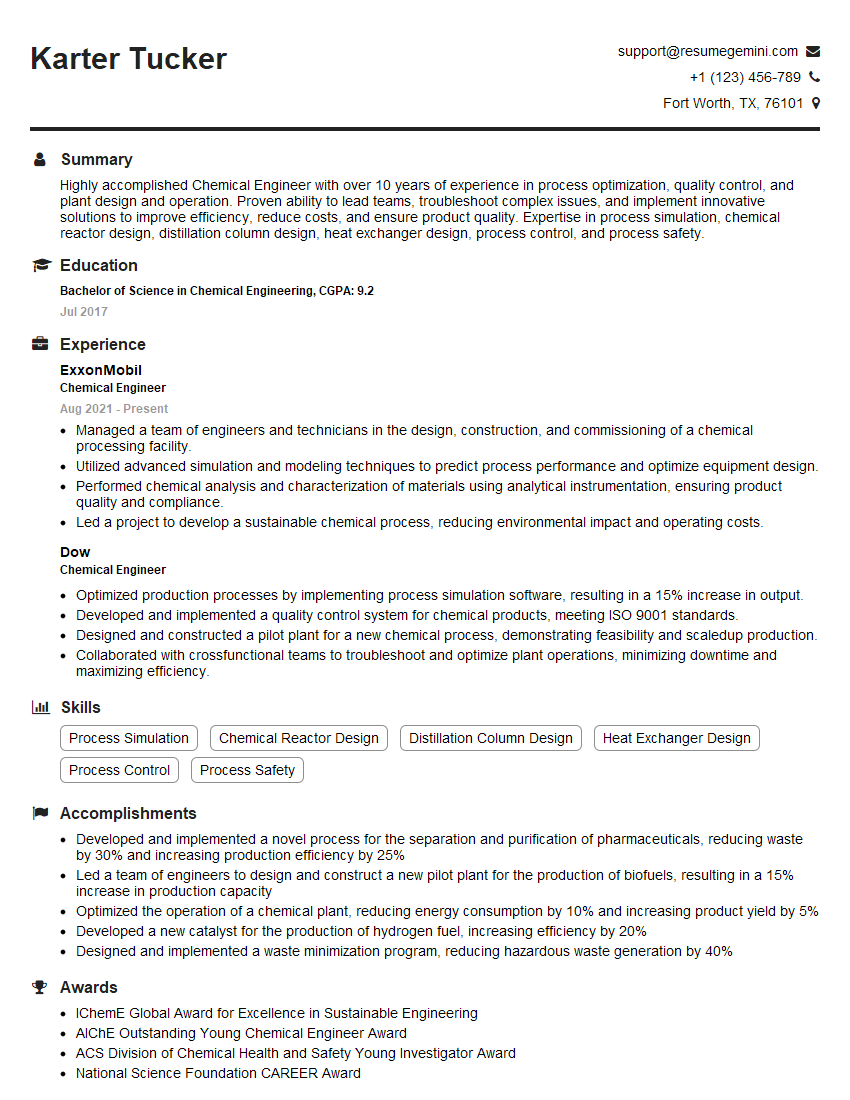
Chemical Engineer Resume Sample
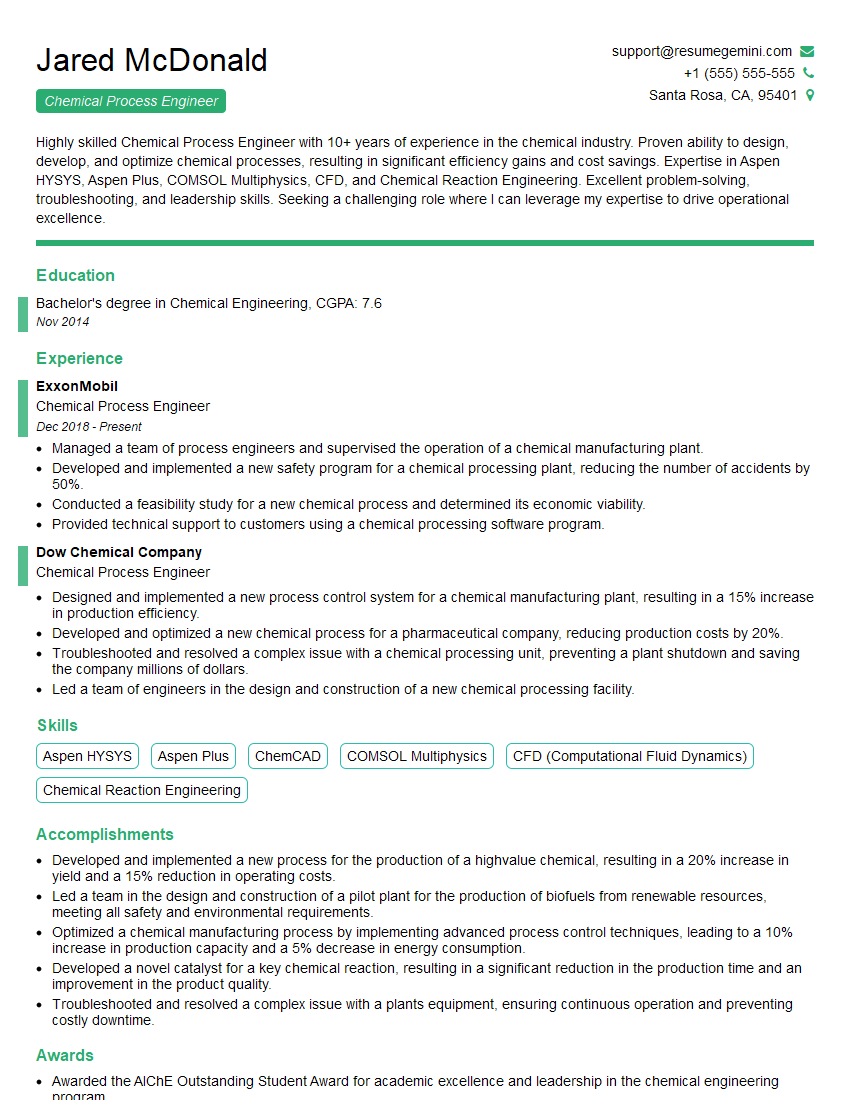
Chemical Process Engineer Resume Sample

Laboratory Supervisor Resume Sample

Laboratory Technician Resume Sample

Analytical Chemist Resume Sample
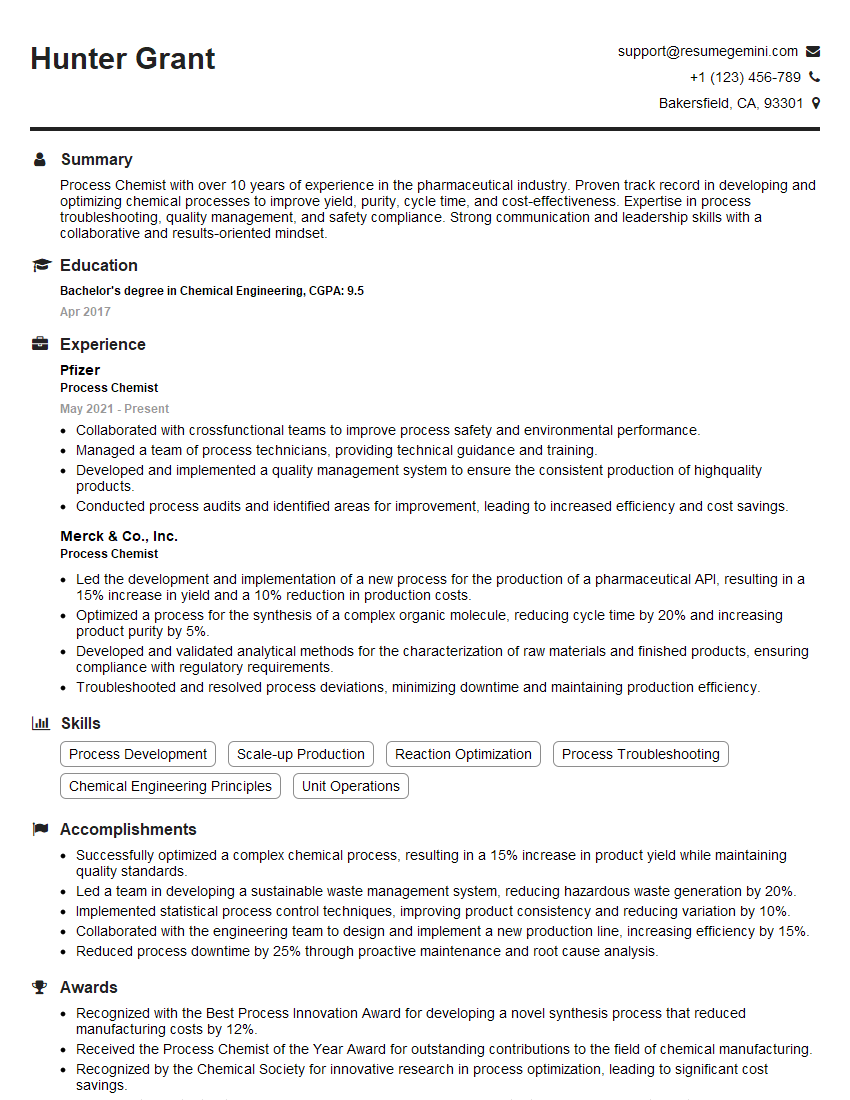
Process Chemist Resume Sample
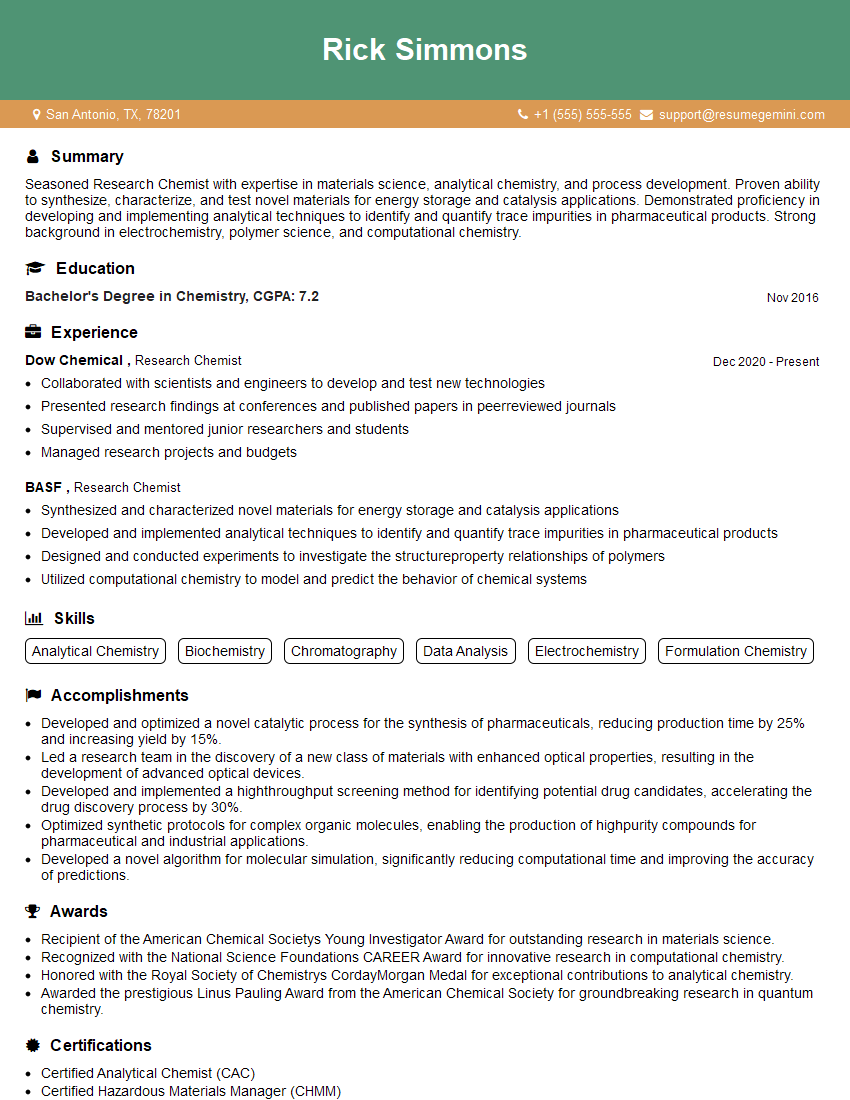
Research Chemist Resume Sample
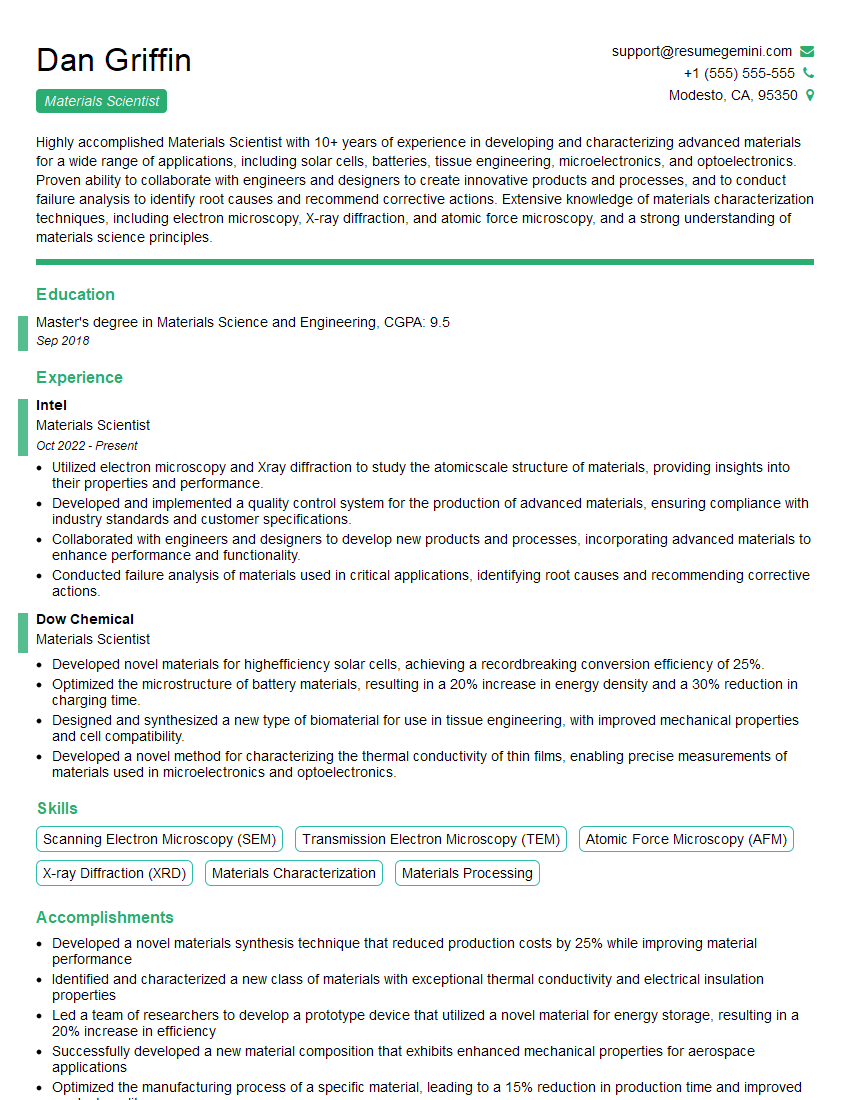
Materials Scientist Resume Sample
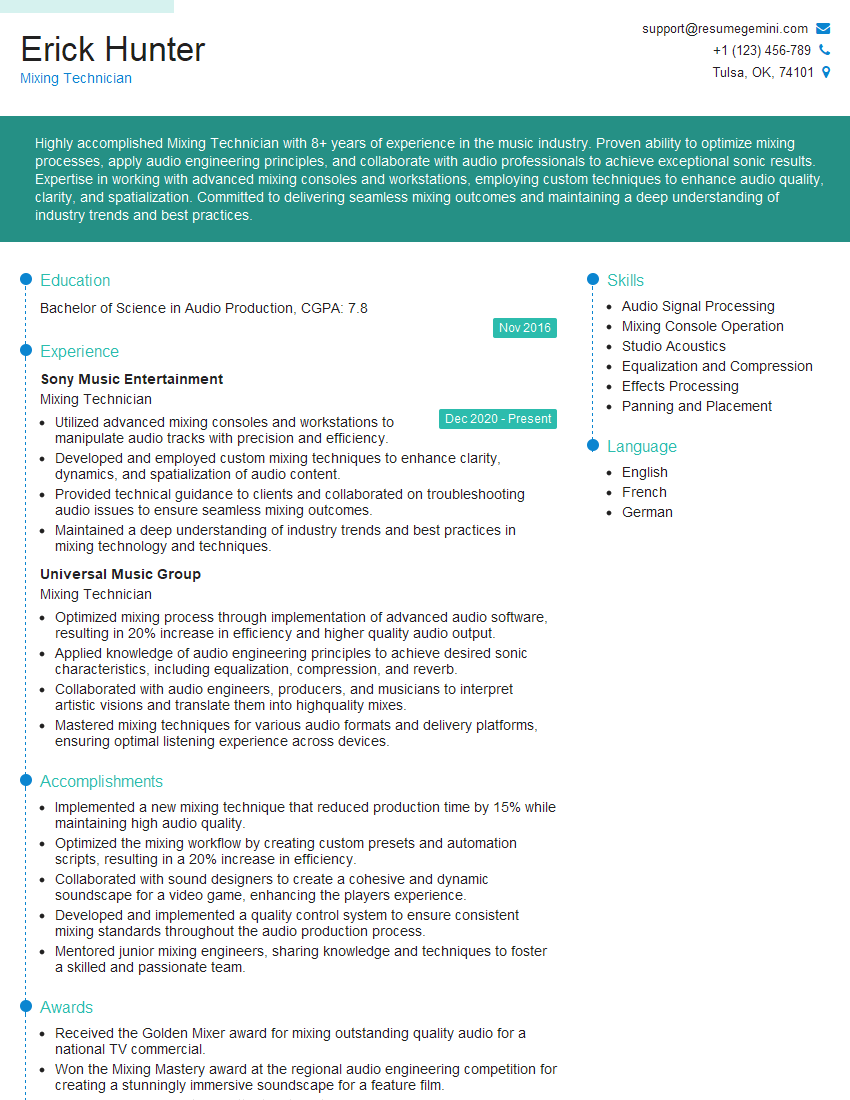
Mixing Technician Resume Sample
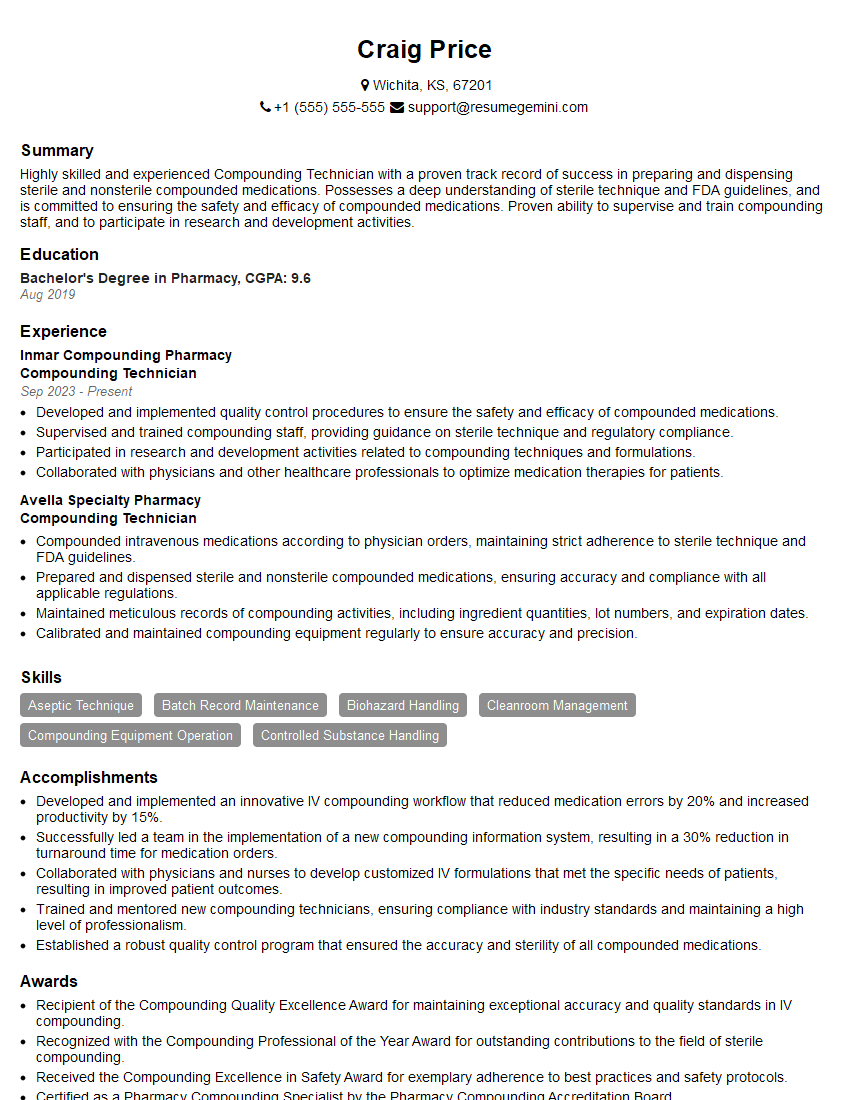
Compounding Technician Resume Sample
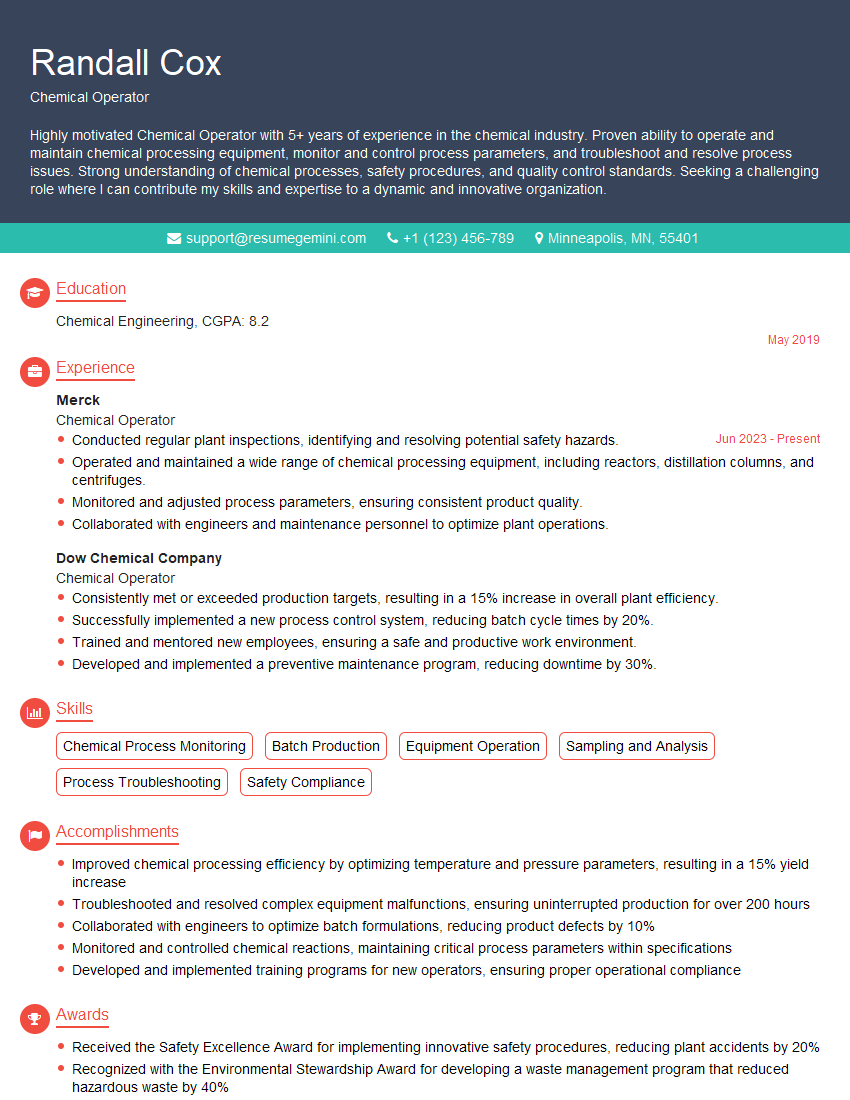
Chemical Operator Resume Sample

Blending Technician Resume Sample
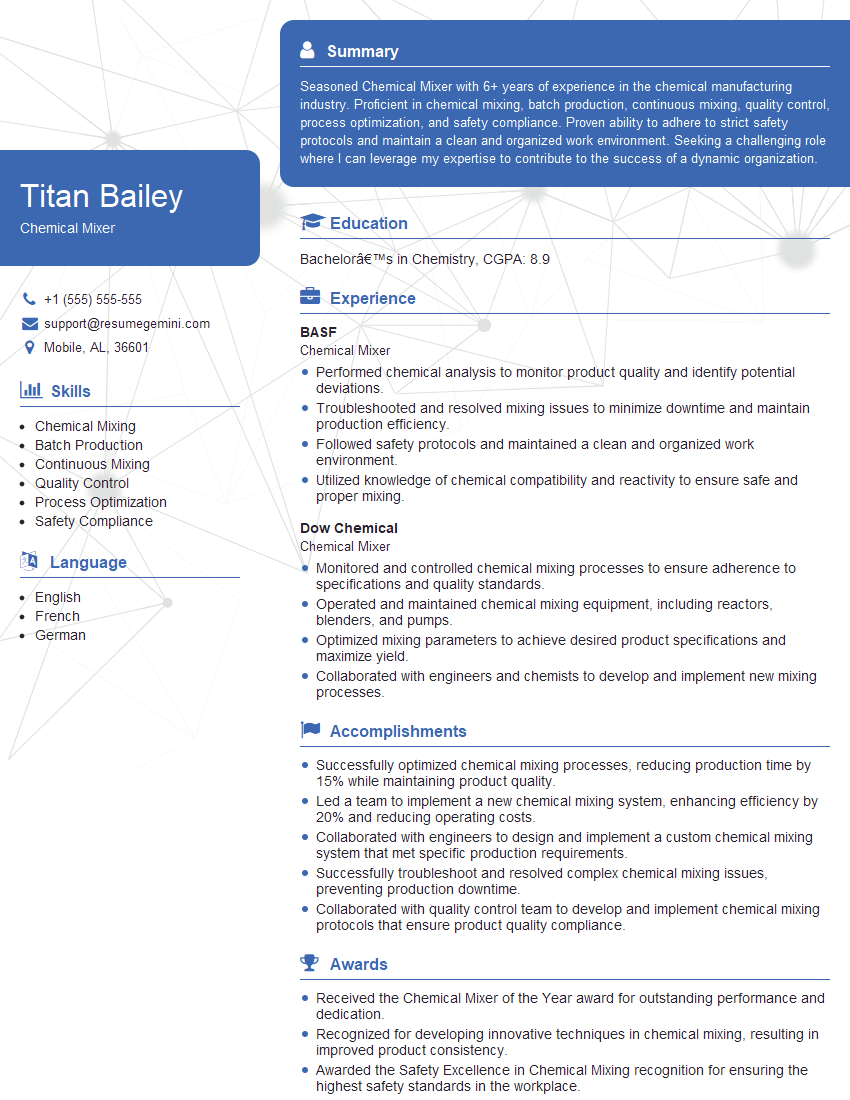
Chemical Mixer Resume Sample
- Plant Manager
- Production Manager
- Quality Control Supervisor
- Production Supervisor
- Process Engineer
- Chemical Engineer
- Chemical Process Engineer
- Laboratory Supervisor
- Laboratory Technician
- Analytical Chemist
- Process Chemist
- Research Chemist
- Materials Scientist
- Mixing Technician
- Compounding Technician
- Chemical Operator
- Blending Technician
- Chemical Mixer
Explore more articles
Users Rating of Our Blogs
Share Your Experience
We value your feedback! Please rate our content and share your thoughts (optional).
What Readers Say About Our Blog
Very informative content, great job.
good