Preparation is the key to success in any interview. In this post, we’ll explore crucial Mock Fit Stitching interview questions and equip you with strategies to craft impactful answers. Whether you’re a beginner or a pro, these tips will elevate your preparation.
Questions Asked in Mock Fit Stitching Interview
Q 1. Explain the process of creating a mock fit stitch sample.
Creating a mock fit stitch sample is a crucial step in the garment development process. It involves constructing a simplified version of the garment using the chosen fabric, but with minimal finishing details. This allows for accurate assessment of fit and pattern adjustments before committing to the final production.
The process typically involves:
- Pattern Preparation: The pattern pieces are carefully checked for accuracy and graded to the desired size.
- Fabric Selection: A fabric similar in weight and drape to the final fabric is chosen. Sometimes a muslin is used for its affordability and ease of manipulation.
- Cutting: The pattern pieces are cut from the chosen fabric, leaving adequate seam allowances.
- Stitching: The pieces are stitched together using a basic stitch, focusing on accuracy and proper seam allowance alignment. This step doesn’t require elaborate finishing like top-stitching or serging.
- Fitting: The mock-up is tried on the model (or mannequin) to assess the fit. Any adjustments are noted and marked directly onto the mock-up.
- Pattern Adjustment: Based on the fitting, necessary adjustments are made to the original pattern pieces.
- Re-cutting and Re-stitching: Often, another iteration of mock fitting is needed to refine the fit, which involves re-cutting and re-stitching.
This iterative process ensures the final garment fits perfectly.
Q 2. What types of fabrics are most challenging for mock fit stitching, and why?
Certain fabrics pose unique challenges for mock fit stitching. Highly stretchy fabrics, such as jersey knits or Lycra blends, can be difficult because their drape and recovery significantly influence the fit. Their tendency to stretch unevenly makes accurate pattern matching and seam allowances tricky.
Similarly, fabrics with significant texture or pile, such as velvet or corduroy, can be challenging. The added bulk and uneven surface can affect how the garment drapes and makes it harder to pinpoint areas that need adjusting.
Finally, very sheer or delicate fabrics can tear or distort easily during the stitching process, requiring extra care and potentially different stitching techniques. The challenge lies in balancing the need for a sturdy mock-up with the preservation of the fabric’s integrity.
Q 3. How do you ensure accuracy in replicating a design during mock fit stitching?
Ensuring accuracy in replicating a design during mock fit stitching involves meticulous attention to detail throughout the process. Accurate pattern making is fundamental; any initial error will be amplified.
Here’s how to achieve accuracy:
- Precise Pattern Cutting: Use sharp shears and a cutting mat to ensure clean, accurate cuts. Always double-check the pattern markings before cutting.
- Accurate Marking: Use tailor’s chalk or a water-soluble marking pen to transfer all pattern markings to the fabric. Note all notches, grainlines, and other crucial points for alignment.
- Consistent Seam Allowances: Maintain consistent seam allowances throughout the garment. Use a seam gauge to ensure accuracy.
- Proper Stitching Technique: Use straight stitches with appropriate tension for the fabric. Precise stitching and even seam allowance alignment are critical for accurate fit.
- Careful Pressing: Proper pressing of seams plays a vital role in maintaining the garment’s shape and structure, preventing distortion.
- Meticulous Fitting: Take detailed notes and measurements during fitting, marking any necessary adjustments directly on the mockup. Take photos to help record the adjustments made.
By following these steps, you can create a mock fit sample that accurately reflects the design and allows for precise fit adjustments.
Q 4. Describe your experience with different types of stitching techniques.
My experience encompasses a range of stitching techniques, tailored to the specific fabric and garment type. I’m proficient in basic straight stitching, essential for mock-ups where simple construction is paramount.
I also utilize techniques like French seams for clean finishes in certain areas, particularly when dealing with sheerer fabrics. My experience includes working with overlocking (serging) for neat seam finishes, although this is generally not necessary for initial mock-ups unless dealing with potentially fraying materials. For woven fabrics, I use different stitch lengths based on the weight of the fabric to maximize the strength of the seams without compromising drape. My expertise in choosing the appropriate stitch length and tension for a given material allows for precise construction and accurate fit evaluation.
Q 5. How do you identify and address fit issues during the mock fit process?
Identifying and addressing fit issues during the mock fit process is an iterative and analytical procedure. It begins with a careful observation during the fitting process. I typically start by examining the garment’s overall silhouette against the ideal fit.
I look for specific issues such as:
- Ease and fullness: Assessing whether the garment has sufficient ease for comfort and movement.
- Length: Checking the length of the garment and adjusting accordingly.
- Balance: Ensuring that the garment hangs evenly across the body.
- Seam placement: Inspecting seam lines for proper alignment and avoiding distortion.
- Stress points: Identifying areas where the garment pulls or feels tight.
After identifying the issue, I mark the corrections directly on the mock-up using pins or tailor’s chalk. The areas to be adjusted are then measured and these measurements are transferred to the original pattern for revision.
Q 6. What tools and equipment are essential for effective mock fit stitching?
Effective mock fit stitching requires a specific set of tools and equipment.
- Sharp Shears: For precise fabric cutting.
- Measuring Tape: For accurate measurements.
- Seam Gauge: To ensure consistent seam allowances.
- Tailor’s Chalk or Marking Pen: To mark adjustments and pattern details on fabric.
- Sewing Machine: Equipped with a variety of stitch options.
- Iron and Ironing Board: For pressing seams and maintaining garment shape.
- Pins: For holding fabric pieces together during stitching.
- Seam Ripper: For correcting stitching errors.
- Dress Form or Mannequin: For accurate fitting.
The quality of these tools directly impacts the accuracy and efficiency of the mock fit process.
Q 7. How do you handle inconsistencies in fabric drape during sample making?
Inconsistencies in fabric drape can significantly impact the accuracy of a mock fit. This is often due to variations in the fabric itself, handling, or even the environment.
To mitigate these inconsistencies:
- Pre-wash Fabric: Pre-washing the fabric helps to stabilize its drape and prevent shrinkage after the garment is completed.
- Consistent Handling: Handle the fabric gently and consistently to avoid stretching or distorting it.
- Multiple Fabric Pieces: For large pieces, consider using multiple pieces of fabric and joining them to prevent noticeable inconsistencies in drape.
- Fabric Manipulation: During the fitting process, adjust the drape by manipulating the fabric slightly; this can help to achieve a more consistent and realistic fit.
- Consider Fabric Bias: Always be mindful of fabric bias. Cutting the pattern pieces carefully with the fabric grain will ensure consistent drape.
Addressing these variations carefully contributes to the creation of a more accurate and reliable mock fit.
Q 8. Explain your experience working with different types of patterns.
My experience spans a wide range of pattern types, from basic slopers and block patterns to intricate, multi-piece designs. I’m comfortable working with both paper patterns and digital patterns created using CAD software. Understanding the nuances of different pattern types is crucial for a successful mock fit. For instance, a princess seam pattern requires a different approach to seam allowance and fitting than a simple A-line dress pattern. I’ve worked extensively with woven fabrics like cotton, silk, and linen, as well as knit fabrics like jersey and interlock. Each fabric type dictates its own unique fitting considerations and stitching techniques. For example, knit fabrics require a more forgiving seam allowance and may need specialized needles and stitch types to prevent damage.
- Slopers/Blocks: These foundational patterns provide a base for many designs. My expertise extends to adjusting these to achieve the perfect fit on diverse body types.
- Commercial Patterns: I’m proficient in adjusting commercial patterns to account for individual variations in body shape and size.
- Technical Sketches: I can accurately interpret technical sketches and translate them into functional sewing patterns.
Q 9. Describe your process for documenting changes and revisions to a mock fit sample.
Meticulous documentation is essential during the mock fit process. My method involves a combination of visual and written records. I always take clear photographs of the mock-up from multiple angles, noting any areas needing adjustment. A detailed written log accompanies these images, describing the specific changes needed and the rationale behind them. For example, ‘Shoulder seam needs to be raised by 1/2 inch on the right side to improve shoulder fit.’ The log includes details such as measurements taken before and after alterations, material type, and any specific fitting issues addressed. This documentation is vital for consistency across subsequent samples and allows for easy reference during the production phase. For larger alterations, I often sketch the proposed changes directly onto the mock-up pattern pieces for clarity.
Q 10. How do you ensure the integrity of the seam construction during mock fit stitching?
Maintaining seam integrity during mock fitting is crucial for an accurate representation of the final garment. I use a combination of techniques to achieve this. First, I select the appropriate stitch type for the fabric and seam construction, ensuring the seam allowance is adequate for the intended manipulation during fitting. Second, I prioritize clean and precise stitching to minimize puckering and distortion. Third, I handle the fabric carefully during the fitting process, avoiding excessive stretching or pulling. Fourth, I employ basting stitches where feasible for initial assembly to ensure easy disassembly and adjustments. Finally, I use clips or pins sparingly and strategically placed to maintain the integrity of seams during fitting. This approach allows for adjustments without compromising the seam’s strength and structural integrity.
Q 11. How do you manage time effectively during the sample making process?
Effective time management during sample making involves a detailed plan. I start with a clear understanding of the design brief and the timeline. I break down the process into smaller, manageable tasks and prioritize them according to deadlines. I utilize time-saving techniques such as pre-cutting all fabric pieces and pre-measuring all necessary adjustments before starting to sew. A consistent workflow helps avoid time-consuming setbacks. For instance, I might complete all the major seams before tackling smaller details like buttonholes or finishing touches. Regular progress checks help identify any potential delays, enabling me to adjust my schedule accordingly. Finally, I meticulously track my time using a simple spreadsheet, allowing me to pinpoint areas where I can improve efficiency in future projects.
Q 12. What are some common fit issues you encounter and how do you resolve them?
Common fit issues I encounter include:
- Shoulder Fit: Addressing issues like too-tight or too-loose shoulders often involves adjusting the shoulder slope and width.
- Bust/Chest Fit: Fullness and ease around the bust area might need adjustments to the bust darts or pattern shaping.
- Waist Fit: Adjusting the waistline often involves altering the side seams or using darts to create a more defined shape.
- Hip Fit: Similar to waist adjustments, hip alterations are frequently needed to ensure a comfortable fit.
- Length: Adjustments to sleeve length, body length, or hemline are frequently needed to achieve the desired silhouette.
Resolving these issues depends heavily on the specific pattern and the garment construction. I usually tackle them iteratively, making minor adjustments, checking the fit, and making further adjustments as needed. For example, if a sleeve is too tight, I might ease out the sleeve cap or let out a seam to increase the circumference. It’s a process that relies on my eye for detail and years of experience.
Q 13. Describe your experience working with various sewing machines.
My experience encompasses a variety of sewing machines, including industrial and domestic models. I am proficient in using both straight stitch and serger machines for various tasks. Industrial machines are favored for their speed and durability in high-volume productions. I’m skilled at adjusting machine settings such as stitch length, width, and tension to suit different fabrics and construction techniques. My expertise extends to troubleshooting machine malfunctions and performing basic maintenance. For instance, I can confidently change needles, adjust the tension, and clean the bobbin case to ensure consistent stitching. I’m also familiar with different types of presser feet which aids in precision and efficiency when working with different fabric types and projects.
Q 14. How do you handle pressure and tight deadlines in a production environment?
Handling pressure and tight deadlines is a crucial aspect of my role. I approach this with a calm and organized approach. Prioritization of tasks and effective time management, as discussed earlier, are essential. Clear communication with the team is key to anticipating any potential bottlenecks. If challenges arise, I approach them proactively, identifying solutions and making timely adjustments to the workflow. For instance, if I encounter a significant fitting issue that requires more time, I would immediately communicate this to the relevant stakeholders and propose a solution, potentially involving overtime or shifting priorities. My experience has taught me that a proactive and organized approach allows me to effectively manage pressure and consistently meet tight deadlines without sacrificing quality.
Q 15. How do you maintain quality control throughout the mock fit stitching process?
Maintaining quality control in mock fit stitching is paramount. It’s a multi-step process that begins even before the needle touches the fabric. First, I meticulously check the pattern pieces for accuracy against the design specifications, ensuring all markings are clear and correct. This includes verifying seam allowances, notches, and any special instructions. During the stitching process itself, I prioritize consistent stitch length and tension, using the appropriate needle and thread for the fabric. I regularly inspect the stitching for any skipped stitches, puckers, or inconsistencies. After each seam is sewn, I press it carefully to maintain the fabric’s drape and integrity. Finally, a thorough final inspection checks for any errors, ensuring the mock-up accurately represents the final garment’s intended fit and construction.
Think of it like building a house; you wouldn’t skip inspections during construction. Each step, from the foundation (pattern checking) to the finishing touches (final inspection), contributes to the overall quality.
Career Expert Tips:
- Ace those interviews! Prepare effectively by reviewing the Top 50 Most Common Interview Questions on ResumeGemini.
- Navigate your job search with confidence! Explore a wide range of Career Tips on ResumeGemini. Learn about common challenges and recommendations to overcome them.
- Craft the perfect resume! Master the Art of Resume Writing with ResumeGemini’s guide. Showcase your unique qualifications and achievements effectively.
- Don’t miss out on holiday savings! Build your dream resume with ResumeGemini’s ATS optimized templates.
Q 16. Explain your understanding of garment construction principles.
Garment construction principles are the foundation of successful apparel creation. They encompass understanding fabric properties, selecting appropriate construction techniques, and ensuring the garment’s structural integrity and durability. This includes knowledge of different seam types (e.g., French seams, flat felled seams), their suitability for various fabrics and garment styles, and the importance of proper seam finishing to prevent fraying and enhance the garment’s overall appearance and longevity. I also understand the importance of considering ease, grainlines, and the relationship between different pattern pieces, making sure they interact smoothly and create a balanced design.
For example, understanding how to correctly construct a set-in sleeve requires knowledge of sleeve cap ease, the placement of the sleeve head, and techniques to minimize puckering. Incorrect application can lead to a poorly fitting and aesthetically displeasing garment.
Q 17. What are the key differences between different types of stitches?
Different stitch types offer varied functionalities and aesthetic outcomes. A simple straight stitch is versatile but can be prone to unraveling, unlike a zig-zag stitch which provides added strength and prevents fraying. Overlock stitches, often used for seam finishing, create a neat and durable edge. Blind stitches are ideal for hemming, creating an almost invisible finish. Decorative stitches, ranging from intricate embroidery to simple top-stitching, add design elements and visual appeal. The choice of stitch depends heavily on the fabric type, its weight, and the garment’s intended use.
For example, a delicate silk blouse would benefit from fine, almost invisible stitches, whereas a heavy denim jacket might require a strong, durable stitch like a lockstitch or double-needle stitch for increased strength and longevity.
Q 18. How do you adapt your techniques to different fabric weights and types?
Adapting to different fabric weights and types requires adjusting stitch length, tension, and needle size. Heavy fabrics like denim require longer stitches and a stronger needle to penetrate the material without breaking. Delicate fabrics like silk, on the other hand, need shorter stitches and a finer needle to avoid damaging the fibers. The type of stitch itself can also be adjusted; for example, a rolled hem is suitable for lightweight fabrics, preventing bulkiness, while a double topstitch might be used for heavier materials to add strength and stability. I also adjust my pressing techniques, using different amounts of steam and pressure to prevent scorching or distortion.
Imagine sewing a thin cotton shirt versus a thick wool coat. You wouldn’t use the same settings; the needle, stitch length, and pressure would all need to be adjusted based on the material’s properties.
Q 19. Describe your experience with pattern alteration and adjustment.
My experience with pattern alteration and adjustment is extensive. I’m proficient in making adjustments to accommodate different body shapes and sizes, using various techniques such as grading, slashing and spreading, and pivot points. I can interpret fitting notes and translate them into accurate pattern adjustments to achieve a better fit. This includes understanding how adjustments in one area of a garment can impact other areas, such as how adjusting the shoulder width can affect the sleeve cap.
For instance, I’ve worked on numerous projects where I needed to adjust a pattern to create a more tailored fit for a particular client. This might involve narrowing the waistline, adjusting the sleeve length, or lengthening the bodice.
Q 20. How do you collaborate with designers and other team members during the fitting process?
Collaboration is essential in the fitting process. I maintain open communication with designers, ensuring I understand their vision for the garment. I actively participate in fitting sessions, providing feedback based on my observations during the mock-up stage. This might include pin-fitting adjustments, pointing out areas of fit issues, and suggesting construction modifications. I often take detailed notes and sketches, documenting the changes needed to refine the pattern and ensure the final garment meets the design requirements.
Think of it as a team sport; each member contributes their expertise to achieve a common goal – a perfectly fitting garment.
Q 21. How do you handle constructive criticism of your work?
I embrace constructive criticism as a vital part of professional development. I actively seek feedback, viewing it as an opportunity to learn and improve my skills. I carefully consider each comment, analyzing its validity and impact on the quality of my work. I translate the feedback into actionable steps, using the criticism to refine my techniques and approach. Open communication and a willingness to learn are crucial in this process. I always aim to improve my stitching skills and maintain a high standard of quality.
I see criticism not as a personal attack but as a valuable tool to refine my work and become a better craftsperson.
Q 22. What methods do you use to accurately measure and record garment measurements?
Accurate measurement is paramount in mock fit stitching. I utilize a combination of methods to ensure precision. First, I use a flexible tape measure to take standard body measurements, such as bust, waist, hip, and shoulder width, directly on the client or a dress form. I record these measurements meticulously in a standardized format, typically a spreadsheet or dedicated pattern-making software, noting date, client name (or dress form designation), and garment type. Second, I double-check these measurements by referencing the initial design specifications, cross-referencing the numbers to avoid any inconsistencies. Finally, for more complex garments, I may utilize digital measuring tools, such as a laser measuring device or a 3D body scanner, to capture a more detailed and comprehensive set of measurements for greater accuracy.
For example, when measuring the bust, I ensure the tape measure is held level around the fullest part of the bust and that the client is standing upright, maintaining a relaxed posture. Recording these details ensures reproducibility and allows for easy comparison across multiple fittings.
Q 23. How do you maintain your sewing equipment and tools?
Maintaining sewing equipment is crucial for producing high-quality mock fits. My routine involves regular cleaning and lubrication of all my machines, including industrial sewing machines, sergers, and overlock machines. I clean the bobbin case and feed dogs regularly, ensuring smooth operation and preventing thread jams. I also perform periodic maintenance, such as replacing needles frequently (after every few hours of intensive use), checking the timing and tension on my sewing machines, and cleaning and sharpening my shears. My tools, like seam rippers and measuring tapes, are kept organized and in good condition, stored away from dust and moisture.
I keep a detailed log of maintenance performed on each machine to track service intervals and promptly address any potential issues. This proactive approach minimizes downtime and ensures consistently high-quality stitching.
Q 24. Describe your experience troubleshooting problems during the sample making process.
Troubleshooting is an integral part of the sample-making process. I’ve encountered various challenges, such as ill-fitting seams, puckering in specific areas, and inconsistencies in fabric drape. My approach is systematic. First, I carefully examine the problem area, analyzing the construction, fabric properties, and the pattern itself. I may use a fabric marker to highlight the problem zones for a clearer understanding. Then, I systematically investigate possible causes. This could involve checking the pattern pieces for inaccuracies, adjusting seam allowances, or even reevaluating the choice of fabric.
For instance, I once encountered significant puckering in a sleeve cap. After thorough analysis, I discovered a mismatch in the sleeve cap’s ease and the armhole’s depth. By adjusting the pattern, including adding ease in the right areas and tweaking the armhole curve, I resolved the issue.
I also employ a ‘test-and-refine’ method, using scrap fabric to experiment with different solutions before implementing them on the main garment. This minimizes waste and ensures the solution is effective before applying it to the final mock-up.
Q 25. What are your strengths and weaknesses as a mock fit stitcher?
My strengths lie in my meticulous attention to detail and my ability to quickly adapt to changing requirements. I am proficient in various sewing techniques and possess a strong understanding of garment construction. I also excel at collaborating effectively with designers and pattern makers, offering constructive feedback and efficiently translating design concepts into tangible samples.
One area where I can improve is expanding my expertise in advanced pattern-making techniques, particularly in areas of more complex draping and innovative garment structures. I am actively seeking opportunities to enhance this skill set through workshops and online courses.
Q 26. How do you stay up-to-date with the latest trends and techniques in apparel technology?
Staying current with industry trends is crucial in apparel technology. I achieve this through a multi-pronged approach. I actively subscribe to relevant industry publications and journals, keeping myself abreast of the latest developments in sewing technology and fabric innovation. I also regularly attend industry conferences and workshops to network with fellow professionals and learn about the newest tools and techniques. Additionally, I actively engage in online communities and forums, participating in discussions and learning from the collective experience of other mock fit stitchers and designers.
For example, I recently attended a workshop on sustainable sewing practices, learning about new eco-friendly fabrics and minimizing waste in the garment creation process. This directly translates to my work, allowing me to provide input on sustainable choices during the mock fit stage.
Q 27. Describe your experience working independently and as part of a team.
I am equally comfortable working independently and collaboratively. When working independently, I am highly organized and self-motivated, ensuring tasks are completed efficiently and to a high standard. I am adept at managing my time effectively and prioritizing tasks based on urgency and importance. However, I also thrive in team environments, contributing my expertise and readily sharing knowledge with colleagues. I enjoy the collaborative problem-solving process and believe in leveraging the collective strengths of the team to achieve shared goals. In my previous role, I actively participated in team discussions, providing constructive criticism and ensuring open communication to create successful mock fits.
An example of my teamwork skills includes a project where I collaborated with a pattern maker and designer to create a mock-up for a complex evening gown. Our shared expertise ensured the garment was both aesthetically pleasing and structurally sound.
Q 28. What are your salary expectations for this role?
My salary expectations for this role are between $[Insert Lower Bound] and $[Insert Upper Bound] per year, depending on the specifics of the position, including benefits and responsibilities. This range is reflective of my experience and skills, and competitive with the market rate for similar roles.
Key Topics to Learn for Mock Fit Stitching Interview
- Understanding the Mock Fit Process: Learn the fundamentals of mock fit stitching, including its purpose in garment construction and the various stages involved.
- Fabric Selection and Handling: Explore how different fabric types impact the mock fit process and the techniques used to manage various fabrics during stitching.
- Pattern Adjustments and Alterations: Master the skills needed to identify and correct fit issues during the mock fit stage, making necessary pattern adjustments.
- Stitching Techniques and Seam Finishes: Understand the appropriate stitching techniques for mock fits and how to create professional seam finishes that allow for easy adjustments.
- Problem-Solving and Troubleshooting: Develop your ability to identify and resolve common challenges encountered during the mock fit process, such as fitting discrepancies or technical difficulties.
- Communication and Collaboration: Practice effectively communicating fitting issues and proposed solutions with designers and other team members.
- Tools and Equipment: Familiarize yourself with the tools and equipment commonly used in mock fit stitching, ensuring you understand their proper use and maintenance.
Next Steps
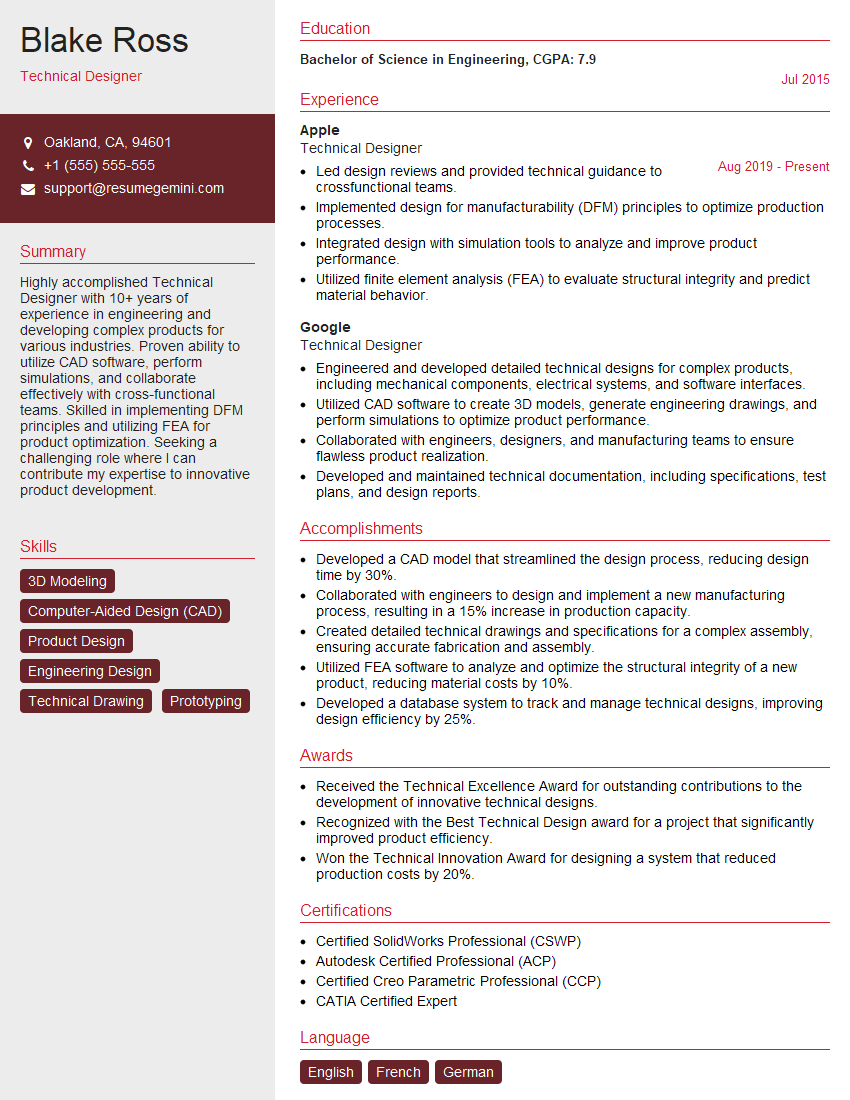
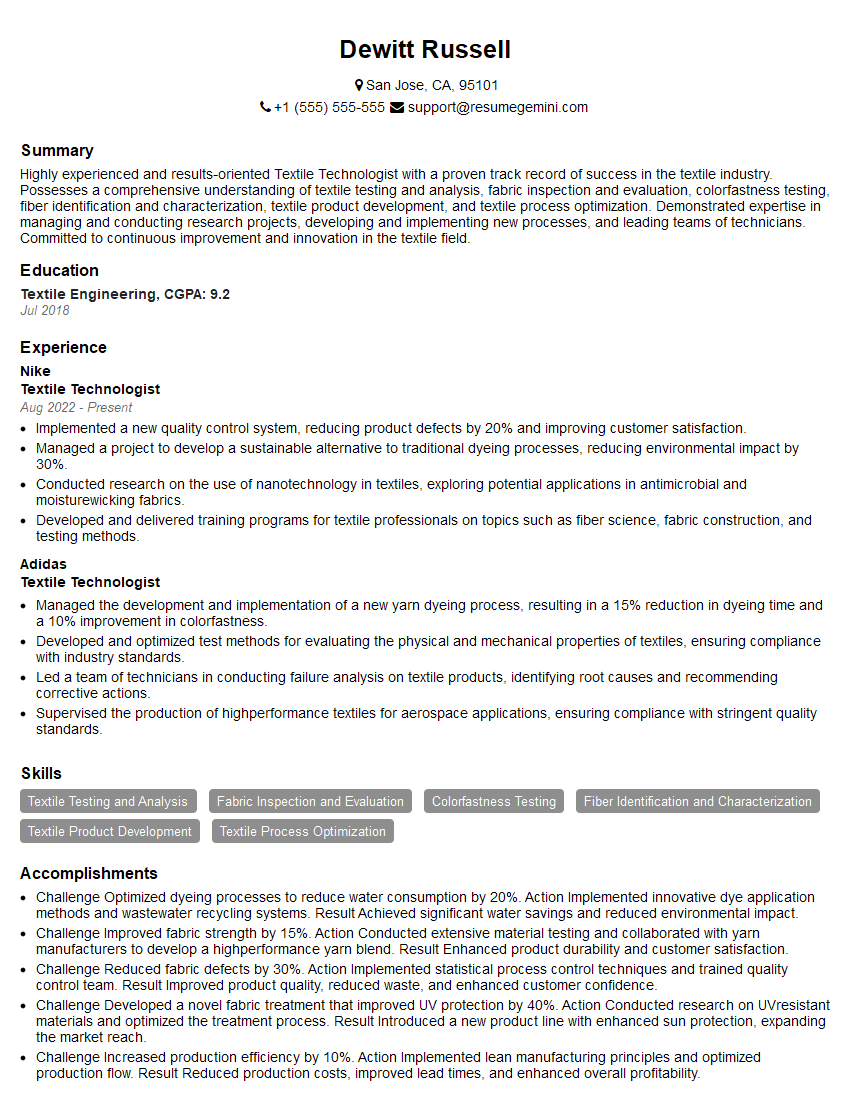
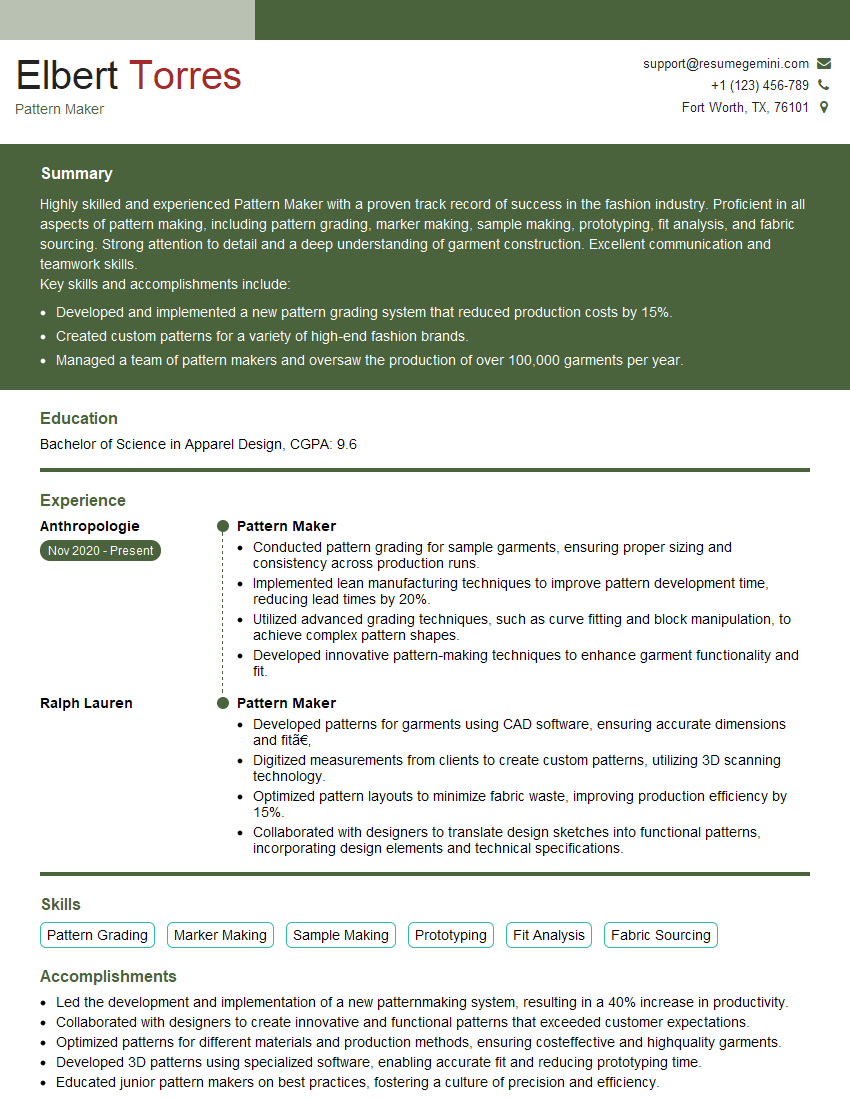
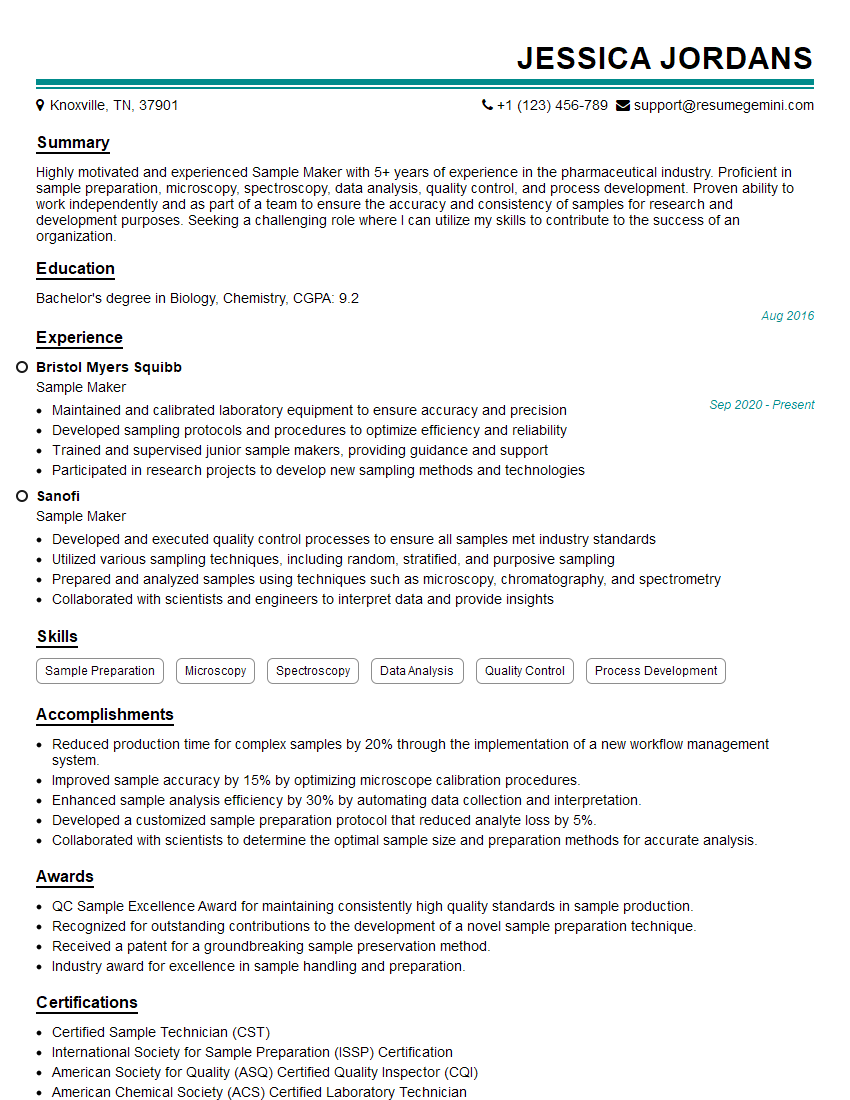
Mastering mock fit stitching is crucial for a successful career in the fashion industry, demonstrating your attention to detail and problem-solving abilities. A strong understanding of this process sets you apart and showcases your practical skills to potential employers. To maximize your job prospects, create an ATS-friendly resume that highlights your relevant skills and experience. We highly recommend using ResumeGemini to build a professional and impactful resume that gets noticed. Examples of resumes tailored to Mock Fit Stitching are available to help guide you.
Explore more articles
Users Rating of Our Blogs
Share Your Experience
We value your feedback! Please rate our content and share your thoughts (optional).
What Readers Say About Our Blog
Very informative content, great job.
good