Unlock your full potential by mastering the most common Motor Skill Development interview questions. This blog offers a deep dive into the critical topics, ensuring you’re not only prepared to answer but to excel. With these insights, you’ll approach your interview with clarity and confidence.
Questions Asked in Motor Skill Development Interview
Q 1. Explain the stages of motor skill acquisition.
Motor skill acquisition is a progressive process, often described in stages. While models vary, a common framework includes three stages: Cognitive, Associative, and Autonomous.
- Cognitive Stage: This initial stage is characterized by a high degree of cognitive activity. Learners focus on understanding the task, experimenting with different strategies, and making many errors. Think of a beginner learning to ride a bike – they’re consciously thinking about balance, pedaling, and steering. They are highly reliant on verbal instructions and demonstrations.
- Associative Stage: As practice continues, performance improves, and errors decrease. Learners begin to refine their movements and develop a more consistent approach. The focus shifts from understanding the task to refining the skill. The cyclist now makes fewer adjustments, demonstrating more refined coordination between movements.
- Autonomous Stage: In this final stage, the skill becomes automatic and requires minimal conscious attention. The cyclist can now ride comfortably while engaging in conversations, demonstrating high levels of proficiency and efficiency.
It’s important to note that these stages are not strictly linear; individuals may fluctuate between stages depending on the complexity of the skill and the context in which it is performed.
Q 2. Differentiate between open and closed motor skills.
Open and closed motor skills are classified based on the stability of the environment.
- Closed Motor Skills: These skills are performed in stable, predictable environments. The performer initiates the movement, and the environment remains consistent. Examples include bowling, archery, or free throws in basketball. The performer has complete control over when and how the movement is initiated.
- Open Motor Skills: These skills are performed in dynamic, unpredictable environments. The environment is constantly changing, requiring the performer to adapt their movements accordingly. Examples include playing soccer, fielding a ball in baseball, or catching a fly ball. The performer has less control over the initiation and execution of the movement because of external factors.
Understanding this distinction is crucial for designing effective training programs. For closed skills, practice should focus on consistent repetitions; for open skills, practice should incorporate variability to enhance adaptability.
Q 3. Describe the role of feedback in motor skill learning.
Feedback plays a vital role in motor skill learning, guiding the learner towards improved performance. There are two primary types of feedback:
- Intrinsic Feedback: This is sensory information the learner receives directly from their own body during movement execution (e.g., proprioception – knowing where your limbs are in space; vision; touch). It’s inherent to the performance and doesn’t require external sources.
- Extrinsic Feedback: This is provided externally by a coach, trainer, or technology. It can be knowledge of results (KR) – information about the outcome of the movement (e.g., ‘You missed the target by 2 inches’) – or knowledge of performance (KP) – information about the quality of the movement itself (e.g., ‘Your swing was too slow’).
Effective use of extrinsic feedback is crucial. Too much can be overwhelming and lead to dependence; too little can hinder progress. The timing, frequency, and type of feedback should be carefully considered and tailored to the learner’s stage of acquisition. For example, providing immediate KP during the cognitive stage can help learners understand movement mechanics while reducing KR frequency in the autonomous stage may help promote self-regulation.
Q 4. What are the key components of a well-designed motor skill program?
A well-designed motor skill program incorporates several key components:
- Clear Goals and Objectives: Specific, measurable, achievable, relevant, and time-bound (SMART) goals provide direction and motivation.
- Individualized Instruction: Programs must cater to the unique needs, abilities, and learning styles of each individual.
- Appropriate Practice Structure: This includes considerations of both the type of practice (blocked vs. random) and the amount of practice. Blocked practice involves many repetitions of the same skill, while random practice involves mixing up different skills.
- Effective Feedback Mechanisms: As discussed earlier, this includes both intrinsic and extrinsic feedback, given at appropriate times and in appropriate ways.
- Progressive Overload: Gradually increasing the demands on the learner to challenge their abilities and promote continued improvement.
- Assessment and Monitoring: Regularly assessing progress allows for adjustments and modifications to the program as needed.
For instance, a program for teaching a child to swim should progressively introduce them to different strokes and water skills, adjusting the learning environment to create safe, positive experiences, and providing encouragement and positive feedback at each stage.
Q 5. How does practice influence motor skill development?
Practice is the cornerstone of motor skill development. The nature and quantity of practice significantly influence skill acquisition.
- Specificity of Practice: Practice should closely resemble the actual performance situation. For example, a basketball player practicing free throws under game-like pressure will improve their performance in real games more effectively than simply shooting many free throws in a relaxed setting.
- Amount of Practice: More practice generally leads to better performance, but excessive practice can lead to fatigue and decreased performance. A balanced approach is important.
- Practice Variability: Varying practice conditions (e.g., changing the environment, using different implements) enhances adaptability and transfer of learning to new situations.
- Practice Distribution: Spacing out practice sessions over time (distributed practice) is often more effective than cramming practice into a short period (massed practice), particularly for complex skills.
Consider a musician learning a new piece. Consistent, distributed practice sessions with varied tempos and dynamics would lead to superior skill mastery compared to intensive, crammed practice that could lead to exhaustion and errors.
Q 6. Explain the concept of transfer of training in motor skills.
Transfer of training refers to the extent to which learning one skill influences the performance of another skill. Positive transfer occurs when learning one skill facilitates the learning of another. Negative transfer happens when learning one skill hinders the learning of another. Zero transfer indicates no relationship between the skills.
- Positive Transfer: Learning to play the piano may positively transfer to learning to play the guitar, due to similarities in finger dexterity and musical theory.
- Negative Transfer: Learning to drive a manual car might initially cause negative transfer when transitioning to driving an automatic car, due to ingrained habits of using the clutch and gear stick.
- Zero Transfer: The skills needed to play chess are largely unrelated to those involved in knitting; there is minimal transfer between these two activities.
Understanding transfer is essential for designing effective training programs. Coaches and trainers can leverage positive transfer by carefully selecting training activities, and mitigate negative transfer by addressing potential conflicts in skills.
Q 7. Discuss the impact of age on motor skill development.
Age significantly impacts motor skill development. Development follows a predictable pattern, with different skills emerging at different ages.
- Early Childhood (0-6 years): This is a period of rapid motor development. Basic movements like crawling, walking, and running emerge. This stage is heavily influenced by maturation and experience.
- Middle Childhood (6-12 years): Fundamental movement skills become more refined. Children develop better coordination, balance, and strength. This is a crucial period for developing a foundation for more complex skills.
- Adolescence (12-18 years): Peak physical fitness is achieved. Complex motor skills can be mastered, and specialized training can lead to high levels of expertise.
- Adulthood (18+ years): Motor skills typically plateau or gradually decline, though this can vary depending on lifestyle factors like regular exercise and continued practice.
While the capacity for motor skill development decreases with age, adults retain significant plasticity. Regular practice and training can significantly improve motor skills even in later adulthood. It’s important to tailor training programs to the individual’s current capabilities and age-related changes.
Q 8. How do you assess motor skill proficiency?
Assessing motor skill proficiency involves a multifaceted approach that goes beyond simply observing performance. We need to consider several key aspects to get a complete picture. This includes evaluating the accuracy, speed, consistency, and efficiency of movement. For example, assessing a child’s throwing skill might involve measuring the distance and accuracy of throws, the consistency of their form, and the speed of their arm movement. In addition to quantitative measures, we must also consider qualitative aspects such as the smoothness of the movement, the level of coordination, and the presence of any compensatory movements.
The assessment methods often involve a combination of observation, standardized tests, and performance measures. For instance, we might use a standardized test like the Bruininks-Oseretsky Test of Motor Proficiency (BOT-2) which provides normative data to compare an individual’s performance against age-matched peers. Alternatively, we may create a tailored assessment depending on specific needs.
Q 9. Describe different types of motor skill assessment tools.
A variety of tools are used to assess motor skills, each with its strengths and limitations. These can be broadly categorized into:
- Observational Assessments: These involve systematically observing an individual’s performance of a motor task, noting the quality of movement, and identifying any errors or inefficiencies. For example, a coach might observe a basketball player’s free throw technique.
- Standardized Tests: These are structured tests with established norms, allowing for comparisons to a larger population. Examples include the BOT-2, the Movement Assessment Battery for Children (MABC-2), and the Peabody Developmental Motor Scales (PDMS-2). These tests provide quantitative data on various motor skills.
- Performance-Based Measures: These involve quantitative measurements of specific aspects of motor performance, such as speed, accuracy, or distance. For instance, measuring the time taken to complete a dexterity task or the accuracy of hitting a target.
- Technological Tools: Emerging technologies like motion capture systems and wearable sensors provide objective and detailed data on movement patterns, offering insights into kinematic variables (e.g., joint angles, velocities) and kinetic variables (e.g., forces and torques).
The choice of assessment tool depends on factors such as the age and ability of the individual, the specific motor skills being assessed, and the available resources.
Q 10. Explain the principles of motor program theory.
Motor program theory suggests that our brains store ‘motor programs’ – pre-structured sets of commands that define the sequence and timing of muscle activations required for a specific movement. These programs are not simply muscle-specific instructions; instead, they are more abstract representations that can be adapted to varying contexts. Imagine a motor program for throwing a ball; it’s not a rigid set of instructions for each muscle, but rather a plan that can be adjusted for different distances, ball types, and throwing conditions.
Key principles include:
- Open-loop control: In some situations, movements are executed before feedback is received. Imagine throwing a dart – your brain initiates the throw before the dart hits the target. The initial program is crucial here.
- Closed-loop control: Feedback during movement is critical for correcting errors and refining the motor program. Learning to ride a bicycle requires ongoing feedback (visual, proprioceptive) to adjust balance and steer.
- Generalized motor programs: A single motor program can be used for various movements by adjusting parameters such as force, speed, and amplitude. The same throwing program can be used to throw a ball gently or powerfully.
Understanding motor program theory helps us design effective motor skill training programs that focus on both the development of basic motor programs and their adaptability.
Q 11. What is the role of attention in motor skill performance?
Attention plays a crucial role in motor skill performance. It’s the cognitive process that selects and focuses mental resources on specific aspects of a task. Without sufficient attention, our performance suffers. Think of driving a car; multitasking while driving requires attentional resources. Divided attention can lead to poor performance, even accidents.
Several aspects of attention are relevant:
- Selective Attention: Focusing on relevant cues and ignoring irrelevant ones (e.g., a golfer concentrating on the target, ignoring distractions).
- Focused Attention: Maintaining concentration on a task over a period of time (e.g., a surgeon performing a delicate operation).
- Divided Attention: Attending to multiple tasks simultaneously (e.g., a tennis player tracking the ball while preparing their shot).
As motor skills become more automated (like riding a bike), less attention is needed, freeing up cognitive resources for other tasks. However, in novel or demanding situations, attentional demands increase significantly. Therefore, training should focus on improving the efficient allocation of attentional resources.
Q 12. How do you adapt motor skill training for individuals with disabilities?
Adapting motor skill training for individuals with disabilities requires a highly individualized approach. We must first conduct a thorough assessment of the individual’s strengths, weaknesses, and limitations, taking into account the nature and severity of the disability. This might include physical, cognitive, and sensory impairments.
Adaptations can involve:
- Modifying the task: Adjusting the difficulty, complexity, or environmental demands of the motor task (e.g., using larger or lighter objects, modifying the playing area). A wheelchair basketball player may require modified hoops.
- Assistive devices: Using adaptive equipment to enhance the individual’s ability to perform the task (e.g., adaptive utensils, specialized wheelchairs).
- Environmental modifications: Making necessary changes to the environment to facilitate performance (e.g., ramps, modified surfaces).
- Alternative teaching methods: Using specific strategies tailored to individual learning styles and needs, which may involve utilizing visual, auditory or kinesthetic approaches.
The goal is always to maximize participation and enable the individual to achieve their functional goals and enhance their quality of life.
Q 13. Discuss the role of motivation in motor skill learning.
Motivation is a crucial factor in motor skill learning. It’s the driving force that propels individuals to engage in practice, persevere through challenges, and strive for improvement. Without sufficient motivation, learning will be significantly hampered. Imagine trying to learn a new sport without any interest – progress will likely be slow and disheartening.
Different types of motivation can influence learning:
- Intrinsic motivation: This arises from internal factors, such as enjoyment, satisfaction, and a sense of accomplishment. An individual intrinsically motivated to learn to play the guitar will practice regularly because they enjoy it.
- Extrinsic motivation: This comes from external factors, such as rewards, praise, or pressure from others. A child learning to throw a ball may be extrinsically motivated by the promise of a prize for improved accuracy.
Effective motor skill training should foster both intrinsic and extrinsic motivation to enhance engagement and promote long-term learning. Setting achievable goals, providing positive reinforcement, and creating a supportive and enjoyable learning environment are vital.
Q 14. Explain the concept of motor control.
Motor control is the process by which the nervous system coordinates muscle activity to produce movement. It’s a complex interplay of sensory input, central processing, and motor output. It involves planning, initiating, executing, and monitoring movements, all happening seamlessly most of the time.
Several important aspects of motor control include:
- Degrees of freedom problem: The human body has numerous joints and muscles, presenting the nervous system with a huge number of potential movement combinations. Motor control involves resolving this complexity to produce coordinated and efficient movements.
- Sensory feedback: Information from various sensory systems (visual, proprioceptive, vestibular) is constantly used to monitor movement and make necessary adjustments. Proprioception, the sense of body position and movement, is crucial for accurate movement.
- Motor planning: The nervous system plans and sequences muscle activations in advance of movement execution. This is critical for smooth, coordinated actions.
- Feedforward control: This involves anticipating disturbances and proactively adjusting movements to compensate. Imagine adjusting your posture while anticipating a sudden bump.
- Feedback control: This involves using sensory feedback during movement to make corrections.
Understanding motor control principles is essential for developing effective rehabilitation strategies, designing training programs, and analyzing movement disorders.
Q 15. What are the key factors influencing motor skill performance?
Motor skill performance is a complex interplay of several factors. Think of it like baking a cake – you need the right ingredients and the right process to get a delicious result. These factors can be broadly categorized into:
- Individual Factors: These are inherent characteristics of the performer. This includes things like their physical attributes (strength, flexibility, body composition), cognitive abilities (attention, memory, decision-making), and psychological factors (motivation, anxiety, confidence). For example, a naturally flexible gymnast will likely perform better than someone with less flexibility, all other things being equal.
- Task Factors: These relate to the nature of the skill itself. Consider the complexity of the movement, the precision required, the timing involved, and the predictability of the environment. A simple task like walking is easier than a complex task like performing a triple axel in figure skating.
- Environmental Factors: These are external conditions that influence performance. This could be the weather conditions (wind, rain, temperature), the surface you’re performing on (icy, slippery, even), or the presence of distractions. A basketball player might struggle to shoot accurately in a crowded, noisy stadium compared to a quiet gym.
Understanding how these factors interact is crucial for optimizing performance. A coach might need to adjust training based on a player’s individual limitations or modify a task to make it more accessible.
Career Expert Tips:
- Ace those interviews! Prepare effectively by reviewing the Top 50 Most Common Interview Questions on ResumeGemini.
- Navigate your job search with confidence! Explore a wide range of Career Tips on ResumeGemini. Learn about common challenges and recommendations to overcome them.
- Craft the perfect resume! Master the Art of Resume Writing with ResumeGemini’s guide. Showcase your unique qualifications and achievements effectively.
- Don’t miss out on holiday savings! Build your dream resume with ResumeGemini’s ATS optimized templates.
Q 16. How do you address errors in motor skill performance?
Addressing errors in motor skill performance involves a systematic approach. It’s not just about correcting the mistake, but understanding *why* the mistake happened. We use a process that blends observation, analysis, and targeted feedback.
- Identify the Error: Precisely define the error. Is it a timing issue, a coordination problem, or a lack of power? Using video analysis can be invaluable here.
- Analyze the Cause: Investigate the underlying cause. Is it a lack of understanding of the task, a technical flaw, or a physical limitation? We need to delve deeper than surface-level observation.
- Provide Feedback: Offer specific, targeted feedback. This could be verbal cues, demonstrations, or adjustments to the training environment. For instance, if a golfer is slicing the ball, feedback might focus on their grip and swing path.
- Practice and Refinement: Provide opportunities for focused practice, addressing the identified error. Repetition with correction is key to motor skill refinement. The golfer might practice their swing with the corrected grip and path.
- Monitor Progress: Continuously evaluate progress. Track performance over time, looking for trends and adjusting the strategy accordingly. This could involve quantitative measures (distance, speed, accuracy) or qualitative observations (smoothness, fluidity).
A key aspect is to keep the feedback positive and constructive, focusing on solutions rather than dwelling on the errors themselves. Remember, mistakes are opportunities for learning.
Q 17. Explain the difference between intrinsic and extrinsic feedback.
Intrinsic and extrinsic feedback are two distinct sources of information that inform motor skill learning. Think of them as two different teachers guiding your learning process.
- Intrinsic Feedback: This is information received *directly from your own senses* during and after a movement. It’s like your body’s internal feedback system. Examples include the feeling of your muscles contracting, the sensation of the ball hitting the racket, or the visual perception of your body’s position. It’s your body’s way of saying, “That felt right,” or “That felt wrong.”
- Extrinsic Feedback: This is information provided *from an external source*, such as a coach, a video recording, or a performance monitoring device. It complements intrinsic feedback, providing additional information that might not be readily available through your senses alone. Examples include a coach’s verbal cues, a score on a scoreboard, or data from a motion capture system.
Both types of feedback are important for learning. Intrinsic feedback helps develop your internal sense of movement, while extrinsic feedback provides objective information and guidance. A skilled coach uses both effectively.
Q 18. Describe the role of visual feedback in motor skill learning.
Visual feedback plays a pivotal role in motor skill learning, particularly in tasks requiring precision and spatial awareness. Our eyes provide crucial information about our body’s position, the environment, and the trajectory of movements.
- Spatial Awareness: Visual information helps us understand our position in space relative to objects and targets. This is vital for sports like basketball (shooting) or tennis (serving), where accurate spatial judgment is key.
- Movement Monitoring: We use visual feedback to monitor the execution of our movements and adjust accordingly. A golfer, for example, uses visual feedback to adjust their swing based on the trajectory of the ball.
- Error Detection: Visual feedback helps us identify errors in our movements. Observing a video recording of a performance can highlight subtle flaws that might not be noticeable otherwise.
However, over-reliance on visual feedback can sometimes hinder performance, particularly in skilled performers. This is because constant visual monitoring can interfere with the automation of movements. Imagine a highly skilled pianist – they wouldn’t be constantly focusing on their hands; their movements are largely automated.
Q 19. Discuss the importance of proper warm-up and cool-down routines.
Proper warm-up and cool-down routines are essential components of any motor skill training program. Think of it as preparing your car’s engine before a long drive and allowing it to cool down afterward.
- Warm-up: Gradually increases heart rate, blood flow, and muscle temperature. This improves muscle elasticity, reduces the risk of injury, and enhances performance. A good warm-up might involve light cardio, dynamic stretching (movements that mimic the sport), and sport-specific drills.
- Cool-down: Gradually decreases heart rate and allows the body to recover. This helps remove metabolic waste products from muscles, reducing muscle soreness and stiffness. A cool-down usually involves light cardio and static stretching (holding stretches for a period).
Neglecting warm-up and cool-down increases the risk of muscle strains, tears, and other injuries. It also negatively impacts performance by limiting muscle flexibility and power output.
Q 20. How do you create a safe and effective training environment?
Creating a safe and effective training environment is paramount. This involves considering both physical safety and the learning environment’s psychological aspects.
- Physical Safety: Ensure adequate space, proper equipment maintenance, and appropriate protective gear (helmets, pads, etc.). The training area should be free of hazards and well-lit. Proper surface conditions (not slippery, uneven) are also important.
- Psychological Safety: Foster a positive and supportive learning environment. Emphasize encouragement and constructive feedback rather than criticism. Ensure participants feel comfortable taking risks and making mistakes without fear of judgment. This is often overlooked but equally crucial.
- Organization and Structure: A well-organized training space, with clear instructions and designated areas for different activities, contributes to safety and efficiency.
Regular inspections and maintenance of equipment are essential to prevent accidents. Moreover, providing clear guidelines and supervision help prevent injuries and ensure the effective delivery of training.
Q 21. Explain the principles of task analysis in motor skill development.
Task analysis is a systematic process of breaking down a complex motor skill into smaller, more manageable components. Think of it like assembling a piece of furniture – you wouldn’t start by trying to put everything together at once. You’d follow instructions, assembling one part at a time.
The process typically involves:
- Identifying the overall goal: What is the desired outcome of the skill?
- Breaking down the skill: Identify the sub-skills or components that make up the overall skill. This could involve analyzing movement patterns, timing, force production, and other relevant aspects. For example, a basketball free throw can be broken down into grip, stance, shooting motion, follow-through, etc.
- Sequencing the sub-skills: Determine the order in which the sub-skills need to be performed. The sequence is crucial for the successful execution of the skill.
- Developing a teaching progression: Create a structured sequence of instruction, gradually introducing the sub-skills and building towards the complete skill. Start with simpler sub-skills and gradually increase the complexity.
- Providing feedback and practice: Offer regular feedback, focusing on the correct performance of each sub-skill. Provide ample opportunities for practice and refinement.
Effective task analysis helps learners understand the skill better, simplifies the learning process, and facilitates the identification of areas requiring more attention during training.
Q 22. Describe different types of motor skill practice strategies.
Motor skill practice strategies are crucial for effective learning. They can be broadly categorized into massed practice, where training sessions are long and closely spaced, and distributed practice, which involves shorter sessions with rest intervals. Massed practice can lead to faster initial improvement but may result in fatigue and reduced long-term retention. Distributed practice, conversely, often leads to slower initial gains but better long-term learning and retention, reducing the risk of burnout.
- Constant practice: Repetitive practice of the same skill under the same conditions. Example: A basketball player shooting free throws repeatedly from the same spot.
- Variable practice: Practicing the same skill under varying conditions. Example: The same basketball player shooting free throws from different spots, with varying levels of pressure (e.g., game-like situations). This enhances adaptability.
- Blocked practice: Practicing one skill repeatedly before moving to another. Example: A golfer practicing only their drive for a set period before moving to their short game.
- Random practice: Practicing different skills in a random order. This forces the learner to retrieve and select the appropriate motor program for each task, leading to better long-term retention. Example: The golfer alternating between driving, chipping, and putting.
- Mental practice/Imagery: Rehearsing the skill mentally, without physical execution. This can be surprisingly effective in skill refinement and injury rehabilitation.
The best strategy depends on the learner’s skill level, the complexity of the skill, and the time available for practice. Beginners often benefit from blocked practice initially, while more advanced learners often benefit from variable and random practice to improve adaptability and retention.
Q 23. How do you address plateaus in motor skill learning?
Plateaus in motor skill learning are common and often frustrating. They represent periods of no apparent improvement despite continued effort. Addressing plateaus requires a multifaceted approach:
- Evaluate the practice strategy: A plateau might indicate the need for a shift in practice strategy. If using constant practice, switch to variable practice. If using blocked practice, try random practice. Consider adding mental practice.
- Assess for technical errors: A skilled coach or instructor can identify subtle flaws in technique that are hindering progress. Video analysis is an invaluable tool here.
- Address physical limitations: Strength, flexibility, and endurance limitations can impact motor skill performance. Incorporating appropriate conditioning exercises can help overcome these limitations.
- Increase practice volume or intensity: Sometimes, a plateau is simply a sign that more effort is needed. Consider increasing the duration, intensity, or frequency of practice sessions.
- Improve motivation and focus: A decline in motivation or focus can hinder learning. Setting new goals, changing the practice environment, or working with a training partner can help reignite enthusiasm.
- Introduce novel challenges: Adding new elements of difficulty or complexity to the skill can sometimes break a plateau. This might involve introducing new equipment, changing the environment, or increasing the speed of execution.
It’s crucial to remember that plateaus are normal and temporary. By systematically addressing potential contributing factors, learners can overcome these obstacles and continue their progress.
Q 24. Discuss the ethical considerations in motor skill training.
Ethical considerations in motor skill training are paramount. The well-being and safety of the learner must always be prioritized. Key ethical considerations include:
- Informed consent: Learners must be fully informed about the training program, including its risks and benefits, before they begin. This is especially crucial when working with minors or individuals with cognitive impairments.
- Avoiding coercion: Learners should never be pressured or coerced into participating in activities they are uncomfortable with. Creating a safe and supportive environment is crucial.
- Confidentiality: Information about learners’ performance, progress, and personal circumstances must be kept confidential unless explicit permission is given otherwise.
- Competence: Instructors should possess the necessary knowledge, skills, and experience to deliver safe and effective training. Continuing professional development is essential to maintaining competence.
- Fairness and equity: All learners should be treated fairly and equitably, regardless of their age, gender, race, ethnicity, or ability. Training programs should be designed to accommodate individual differences and needs.
- Avoiding harmful practices: Methods that are physically or psychologically harmful must be avoided. This includes pushing individuals beyond their limits without adequate rest and recovery, or using overly punitive or critical feedback.
Adhering to these ethical principles is crucial for building trust, fostering positive learning experiences, and ensuring the long-term well-being of all involved in motor skill training.
Q 25. How do you use technology to enhance motor skill development?
Technology offers numerous ways to enhance motor skill development. Examples include:
- Motion capture systems: These systems use cameras and sensors to track movement patterns, providing detailed feedback on technique. This can be used to identify errors and track progress over time.
- Biofeedback devices: These devices provide real-time information on physiological parameters, such as muscle activity or heart rate. This feedback can be used to improve control and coordination.
- Virtual reality (VR) systems: VR can create immersive and engaging training environments that simulate real-world situations. This is particularly useful for practicing skills in high-pressure or dangerous scenarios, such as surgical procedures or piloting aircraft.
- Augmented reality (AR) systems: AR overlays digital information onto the real world, providing guidance and feedback during practice. This could be a visual overlay showing the optimal trajectory of a golf swing.
- Wearable sensors: Devices like smartwatches and fitness trackers can monitor activity levels, providing feedback on training intensity and progress. Data analysis can lead to personalized training plans.
- Interactive gaming and simulation software: These technologies often provide motivating and engaging platforms for practice, especially for children and young adults.
Technology should be considered a tool to augment, not replace, human interaction and coaching. The most effective use of technology integrates it seamlessly with traditional coaching methods, providing comprehensive and personalized feedback to learners.
Q 26. Explain the concept of motor imagery and its application.
Motor imagery is the mental rehearsal of a motor skill without physical movement. It involves vividly imagining the sensations, movements, and outcomes associated with performing the skill. It’s like a mental practice session that activates similar brain areas as physical practice.
Applications of Motor Imagery:
- Skill acquisition: Studies suggest that mental practice can improve performance, especially when combined with physical practice.
- Skill refinement: Imagery can help identify and correct errors in technique by allowing learners to mentally “replay” their performance and focus on specific aspects.
- Injury rehabilitation: Mental practice can help maintain motor skill proficiency during periods of injury when physical practice is limited or impossible. It can also help patients regain lost function faster.
- Performance enhancement: Mental rehearsal can help reduce anxiety and improve concentration before performance.
- Motor learning research: Imagery is widely used in research to investigate the cognitive and neural mechanisms underlying motor skill learning.
Examples: A golfer visualizing a perfect drive before stepping up to the tee; a musician mentally rehearsing a piece of music; a surgeon mentally rehearsing a complex surgical procedure.
Effective motor imagery requires a high level of focus and attention to detail. Techniques like visualization, kinesthetic imagery (feeling the movements), and outcome imagery (imagining the successful completion of the task) can be used to enhance the effectiveness of motor imagery training.
Q 27. Describe your experience with different populations (e.g., children, adults, athletes).
My experience spans a diverse range of populations, each presenting unique challenges and opportunities in motor skill development.
- Children: Working with children involves understanding their developmental stages and adapting training methods accordingly. Play-based activities, positive reinforcement, and age-appropriate challenges are crucial. I’ve worked extensively with children in various settings, focusing on fundamental movement skills, sport-specific skills, and addressing developmental delays.
- Adults: Adult learners often have established movement patterns and habits that can be both beneficial and detrimental to skill acquisition. My approach emphasizes identifying and correcting ingrained errors, while tailoring training plans to individual goals and fitness levels. I’ve worked with adults across a variety of backgrounds, from rehabilitation clients to fitness enthusiasts.
- Athletes: Elite athletes require highly specialized training programs that push their limits while minimizing risk of injury. My work with athletes often involves in-depth performance analysis, strategic training planning, and the implementation of advanced technologies to optimize performance. I’ve had the privilege of collaborating with athletes across multiple sports.
Each population requires a tailored approach that considers individual needs, learning styles, and developmental stages. My expertise lies in adapting my methods to optimize learning outcomes for each group.
Q 28. How do you stay current with best practices in motor skill development?
Staying current with best practices in motor skill development requires a commitment to ongoing learning and professional development.
- Reading peer-reviewed journals and research articles: I regularly review leading journals in sports science, motor control, and rehabilitation to stay updated on the latest findings.
- Attending conferences and workshops: Participating in professional conferences and workshops allows me to learn from experts in the field and network with colleagues.
- Professional memberships: My membership in relevant professional organizations, provides access to continuing education resources and networking opportunities.
- Mentorship and collaboration: Engaging in mentorship and collaboration with other professionals allows for sharing of knowledge and insights.
- Online resources: I use reputable online databases and resources to access the latest research findings and information.
- Case studies and self-reflection: Regularly reviewing successful and unsuccessful training programs to identify patterns and refine my approach.
Continuous learning is integral to my professional practice. By actively seeking out new information and integrating it into my practice, I can ensure that my methods are based on the most up-to-date research and best practices.
Key Topics to Learn for Motor Skill Development Interview
- Stages of Motor Development: Understand the different stages of motor skill acquisition from infancy to adulthood, including key milestones and developmental trajectories. Consider the implications of atypical development.
- Theoretical Frameworks: Explore prominent theories like ecological dynamics, information processing, and dynamic systems theory. Be prepared to discuss how these theories inform assessment and intervention strategies.
- Motor Skill Acquisition: Discuss the processes involved in learning new motor skills, including the roles of practice, feedback, and motivation. Be ready to explain concepts like transfer of learning and skill retention.
- Assessment and Evaluation: Familiarize yourself with various methods for assessing motor skills, both qualitative and quantitative. Understand the importance of selecting appropriate assessment tools based on the individual’s age and abilities.
- Intervention Strategies: Explore different intervention approaches used to improve motor skills, such as task-specific training, constraint-led approaches, and technology-assisted interventions. Be prepared to discuss the rationale behind these strategies.
- Neurological Basis of Motor Control: Develop a foundational understanding of the brain regions and neural pathways involved in motor control and how they influence motor skill development. Consider the impact of neurological conditions.
- Adaptive Motor Skills: Discuss the adaptation of motor skills to changing environments and tasks. This includes understanding factors affecting adaptation and strategies to facilitate successful adaptation.
- Case Study Analysis: Practice analyzing case studies involving individuals with various motor skill challenges. This will demonstrate your problem-solving skills and ability to apply theoretical knowledge to real-world scenarios.
Next Steps
Mastering Motor Skill Development opens doors to rewarding careers in various fields, impacting lives through improved movement and function. To maximize your job prospects, creating a strong, ATS-friendly resume is crucial. ResumeGemini can significantly enhance your resume-building experience, helping you present your skills and experience effectively. ResumeGemini provides examples of resumes tailored to Motor Skill Development, offering valuable guidance in showcasing your qualifications to potential employers. Take the next step towards your dream career by crafting a compelling resume that highlights your expertise in this dynamic field.
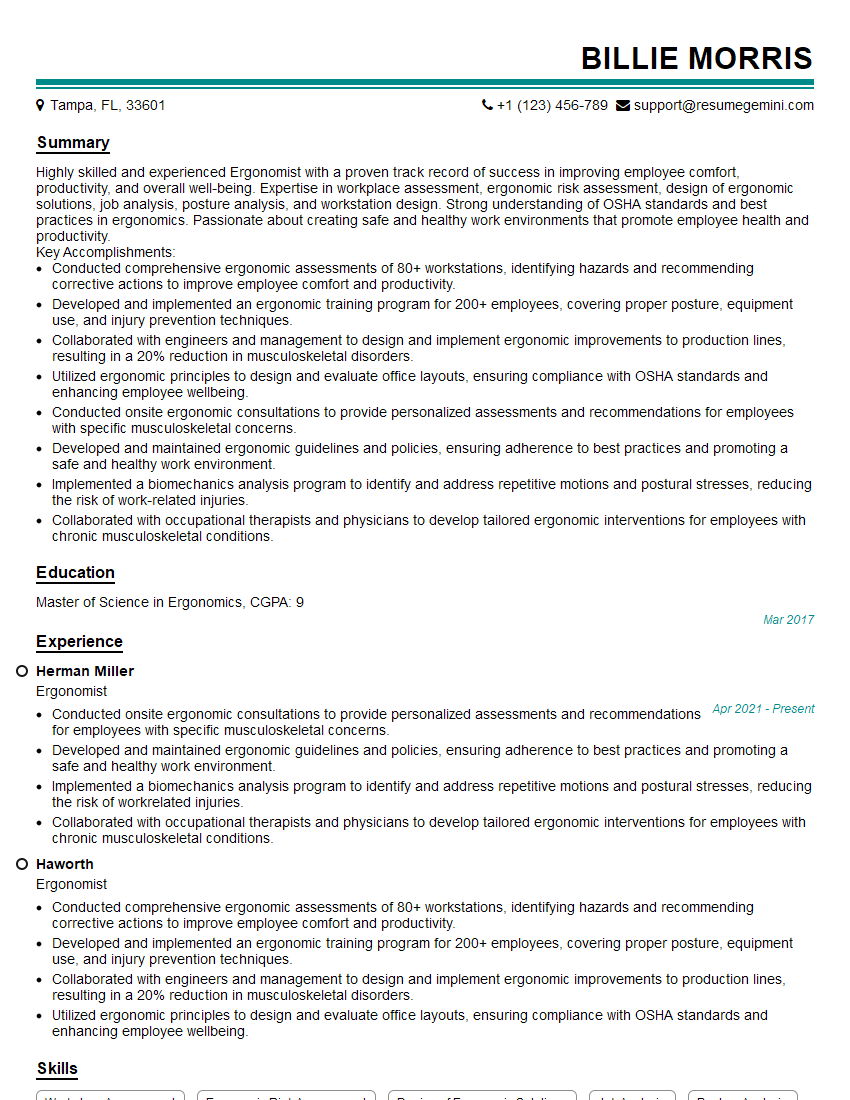
Ergonomist Resume Sample
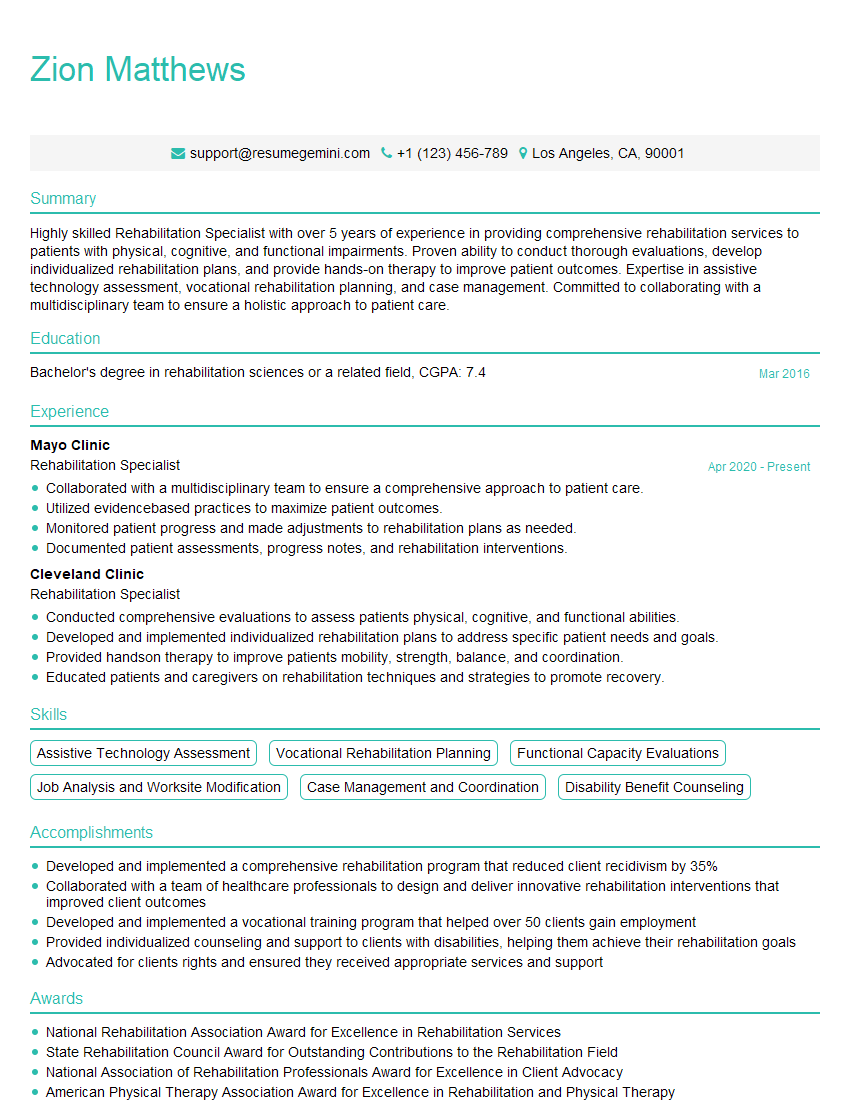
Rehabilitation Specialist Resume Sample
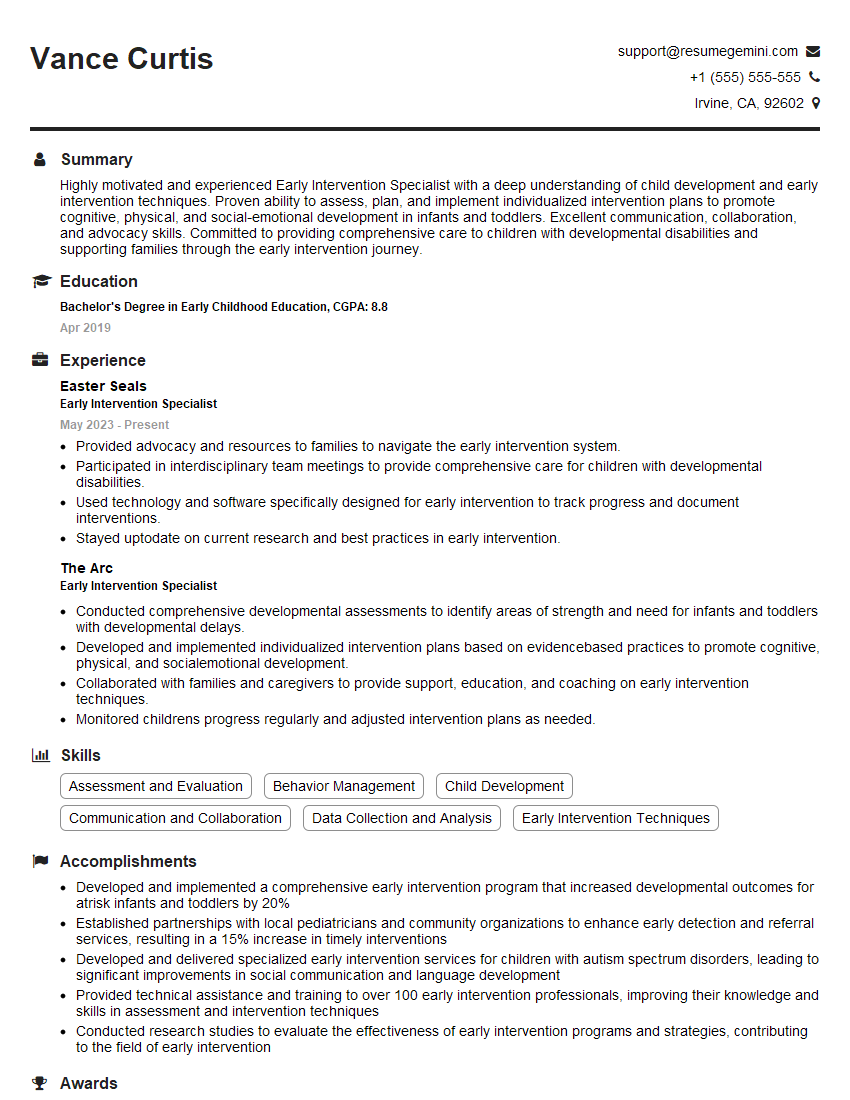
Early Intervention Specialist Resume Sample
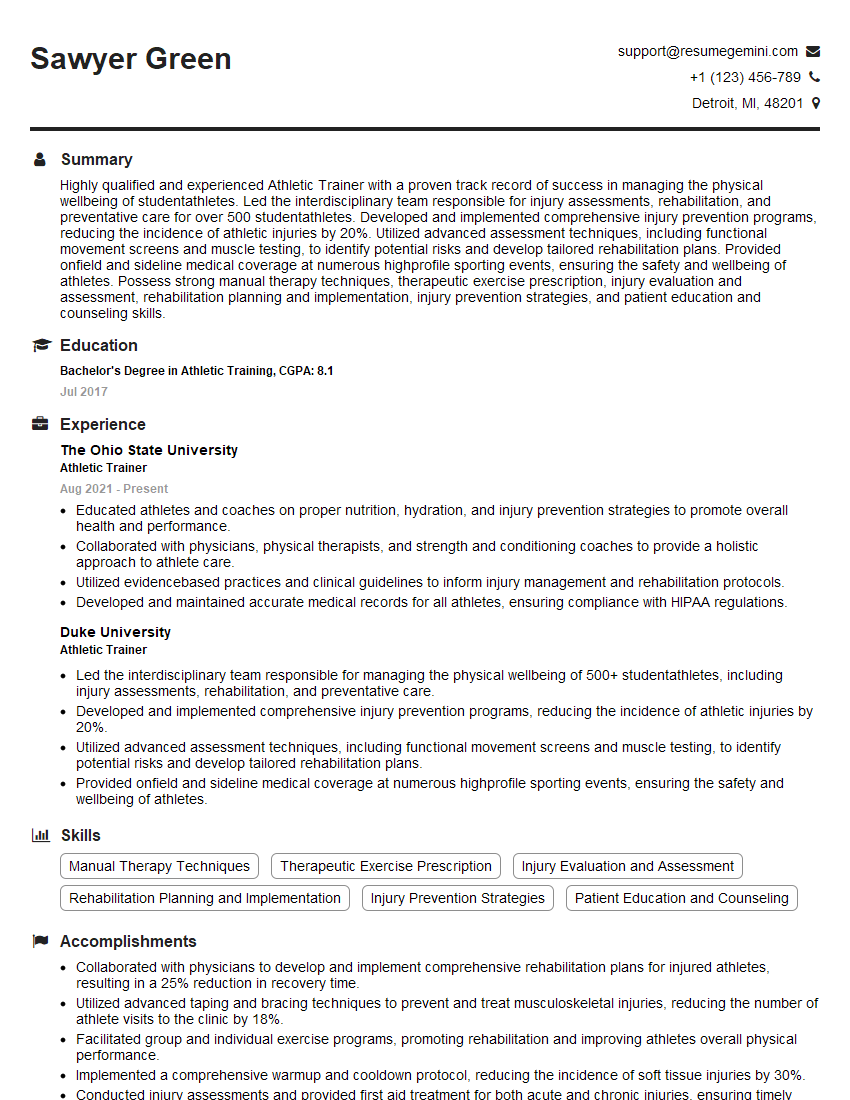
Athletic Trainer Resume Sample
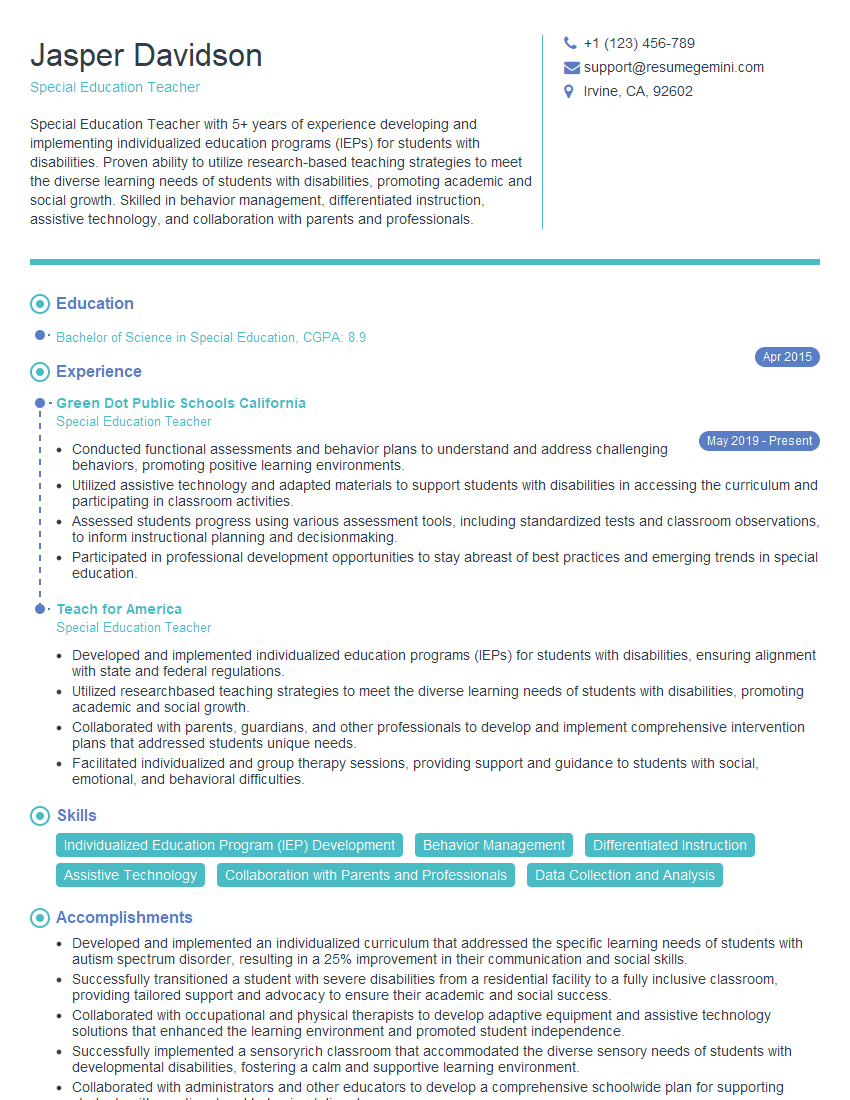
Special Education Teacher Resume Sample
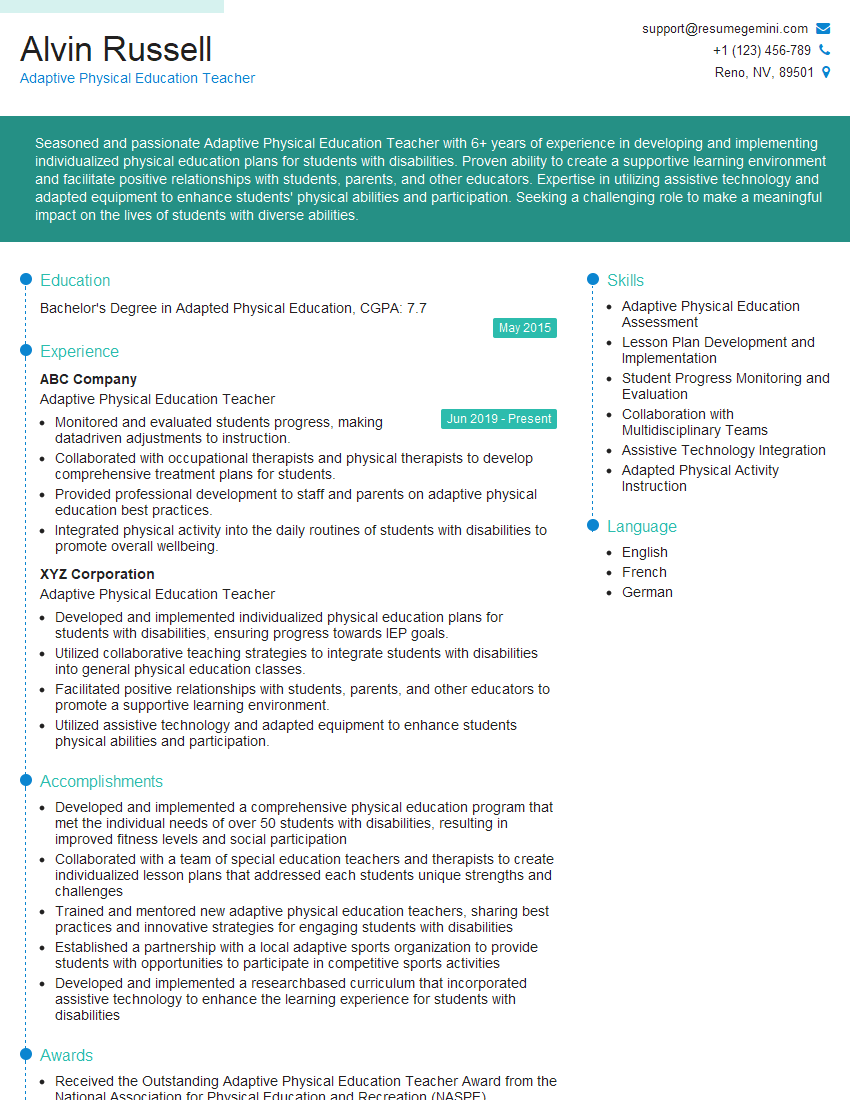
Adaptive Physical Education Teacher Resume Sample
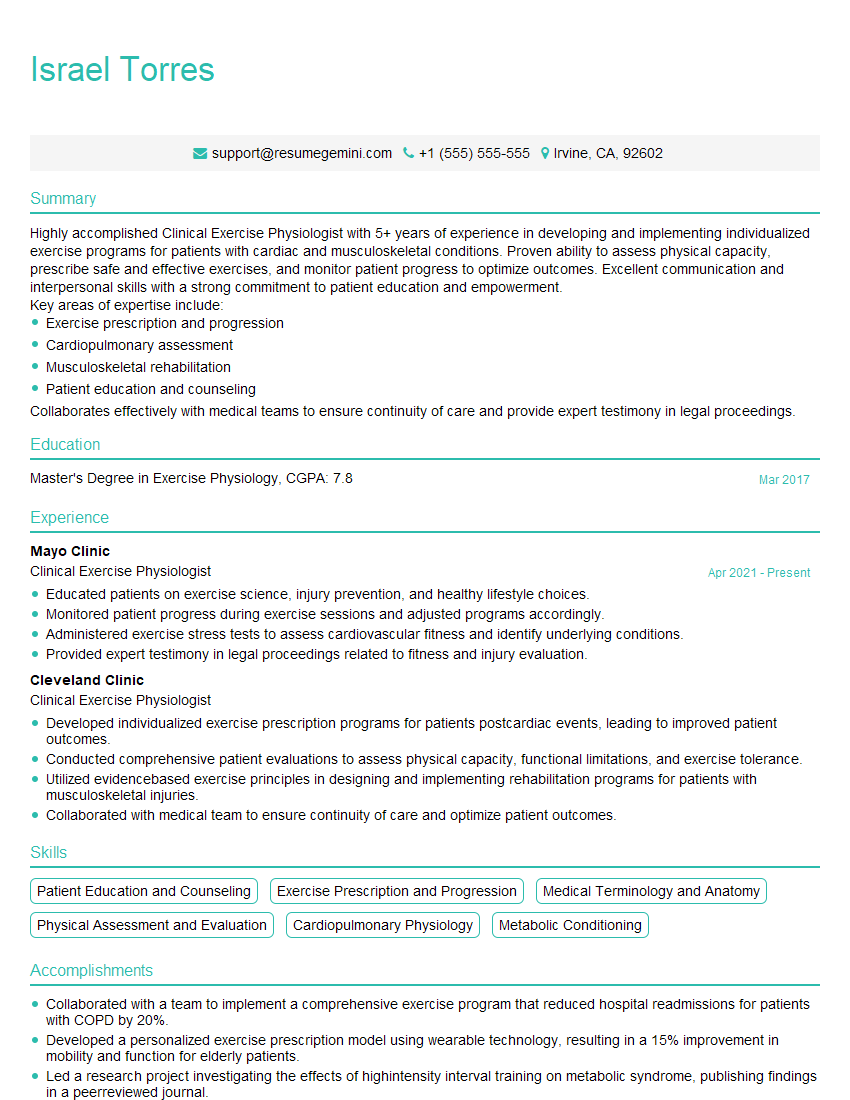
Clinical Exercise Physiologist Resume Sample
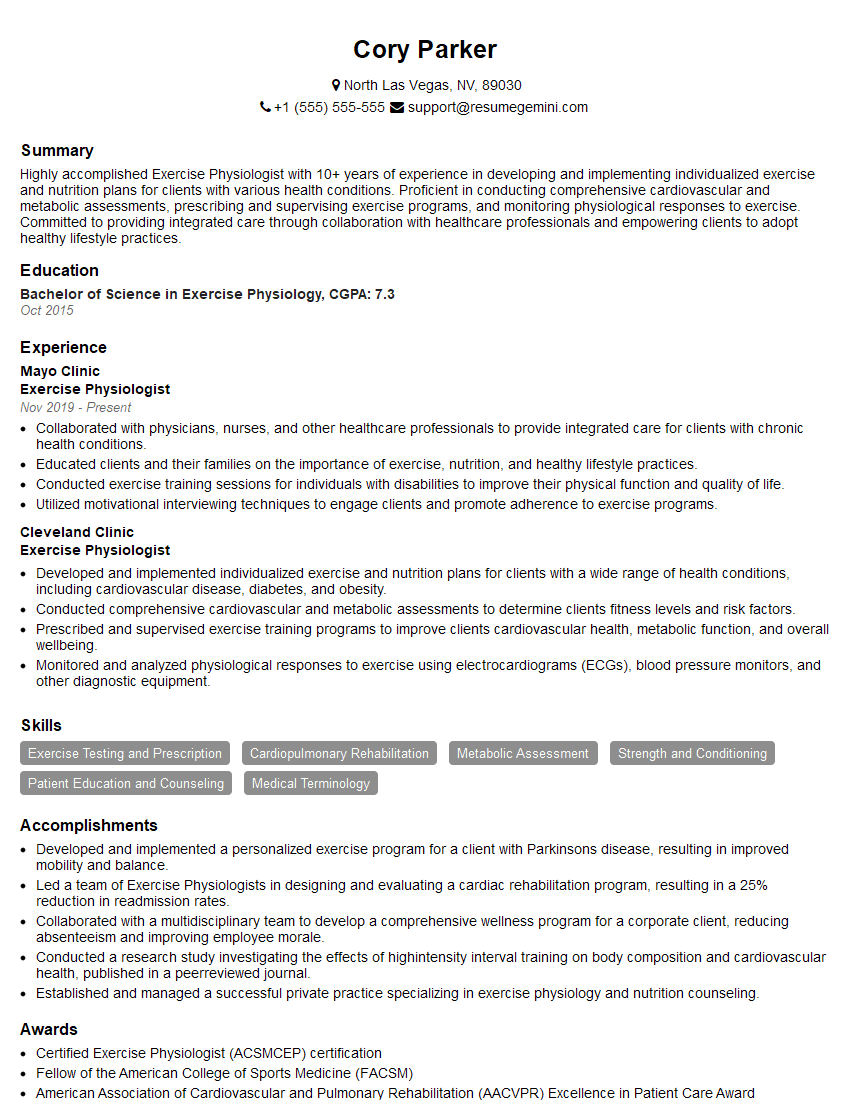
Exercise Physiologist Resume Sample
Explore more articles
Users Rating of Our Blogs
Share Your Experience
We value your feedback! Please rate our content and share your thoughts (optional).
What Readers Say About Our Blog
Very informative content, great job.
good