The right preparation can turn an interview into an opportunity to showcase your expertise. This guide to Mounted and Dismounted Combat interview questions is your ultimate resource, providing key insights and tips to help you ace your responses and stand out as a top candidate.
Questions Asked in Mounted and Dismounted Combat Interview
Q 1. Describe the key differences between mounted and dismounted patrols.
The key difference between mounted and dismounted patrols lies in their mobility and tactical capabilities. Mounted patrols, utilizing vehicles like Humvees or tanks, offer significantly greater speed and range, allowing them to cover vast distances quickly. They possess a higher firepower and armored protection. Dismounted patrols, on the other hand, are on foot, providing superior stealth, maneuverability in confined spaces, and the ability to infiltrate areas inaccessible to vehicles. Think of it like this: mounted patrols are the heavy artillery, fast and powerful but less subtle; dismounted patrols are the infantry, agile and adaptable, but less heavily armed.
- Mobility: Mounted – High speed and range; Dismounted – Limited range, high maneuverability in difficult terrain.
- Firepower: Mounted – Significantly higher; Dismounted – Lower, reliant on individual weapons.
- Stealth: Mounted – Limited; Dismounted – High, especially at night.
- Protection: Mounted – Armored protection; Dismounted – Limited, reliant on individual gear and cover.
Q 2. Explain the advantages and disadvantages of using mounted and dismounted elements in a combined arms operation.
In a combined arms operation, the synergy between mounted and dismounted elements is crucial. Mounted units provide rapid deployment, long-range fire support, and transport for dismounted troops. Dismounted units, in turn, offer reconnaissance, close-quarters combat capabilities, and the ability to secure and hold objectives that vehicles can’t reach.
- Advantages: Increased mobility, combined firepower, enhanced reconnaissance, improved security and control of terrain.
- Disadvantages: Vulnerability of mounted units to ambushes and anti-tank weapons; limited maneuverability and access for mounted units in complex terrain; potential communication challenges between mounted and dismounted elements; dependence on vehicles for mounted units’ mobility and survivability.
For example, during an offensive operation, mounted units could rapidly advance to secure a key road junction, while dismounted troops clear buildings and secure the surrounding area, preventing enemy counterattacks.
Q 3. What are the primary considerations for selecting weapons and equipment for mounted and dismounted operations?
Weapon and equipment selection for mounted and dismounted operations depends heavily on the mission, threat assessment, and operational environment.
- Mounted: Considerations include vehicle-mounted weapons (machine guns, cannons), crew-served weapons (machine guns, grenade launchers), communication systems, and armored protection. The choice of vehicle itself is critical; a light, fast vehicle is suitable for reconnaissance, while a heavily armored vehicle is needed for offensive operations in high-threat areas.
- Dismounted: Considerations include individual weapons (rifles, carbines, pistols), body armor, night vision devices, communication equipment, and medical supplies. The terrain will heavily influence the choice of equipment; lighter gear is preferred in mountainous or heavily forested regions, while more robust gear may be necessary in desert environments.
For instance, a dismounted patrol operating in a jungle environment would prioritize lightweight weapons, camouflage, and specialized navigation tools. Conversely, a mounted patrol conducting a security operation in an urban environment may prioritize heavier weapons and robust armored vehicles for protection against potential threats.
Q 4. How would you conduct a risk assessment before conducting a mounted or dismounted operation?
A thorough risk assessment is paramount before any mounted or dismounted operation. This involves a systematic evaluation of potential hazards and threats.
- Identify potential threats: This includes enemy activity (ambushes, snipers, IEDs), environmental hazards (weather, terrain), and equipment failures.
- Assess threat levels: Assign probabilities and severity levels to each identified threat.
- Develop mitigation strategies: Outline tactics, techniques, and procedures to reduce the likelihood or impact of each threat (e.g., route planning, security measures, contingency plans).
- Communicate risk assessment: Clearly communicate the risks and mitigation strategies to all personnel involved.
- Review and update: Regularly review and update the risk assessment based on new information or changes in the operational environment.
For example, before a night dismounted patrol in a potentially hostile area, the risk assessment might highlight the threats of ambushes and poor visibility. Mitigation strategies could include using night vision devices, employing flanking security, and establishing clear communication protocols.
Q 5. Outline the steps involved in planning and executing a reconnaissance patrol, both mounted and dismounted.
Planning and executing a reconnaissance patrol, whether mounted or dismounted, requires meticulous preparation and precise execution.
- Planning:
- Mission analysis: Define the objective, area of interest, and available resources.
- Route planning: Select the optimal route based on terrain, threat assessment, and cover.
- Communication plan: Establish clear communication procedures, including reporting intervals and emergency procedures.
- Contingency planning: Develop plans for handling unexpected events such as contact with the enemy or equipment malfunctions.
- Execution:
- Movement: Maintain appropriate security measures throughout the patrol (e.g., point, flank, rear security).
- Observation: Systematically observe and report on all relevant information.
- Reporting: Regularly report observations and progress back to command.
- Exfiltration: Plan and execute a safe withdrawal once the mission is completed.
Differences between mounted and dismounted reconnaissance primarily involve speed, stealth, and access to terrain. A mounted patrol can cover vast distances but may compromise stealth. A dismounted patrol is slower but can infiltrate areas inaccessible to vehicles.
Q 6. Describe your experience with various types of terrain and how it affects mounted and dismounted movements.
My experience spans diverse terrains, and each significantly impacts mounted and dismounted movements.
- Desert: Mounted operations are favored due to speed and range, but vehicles are vulnerable to heat, sandstorms, and breakdowns. Dismounted patrols require careful hydration and sun protection.
- Mountains: Dismounted operations are often necessary due to limited vehicle access; steep inclines, unpredictable weather, and altitude sickness are critical factors. Mounted operations are restricted to improved roads or tracks.
- Jungle: Dismounted movements are preferable due to dense vegetation and limited visibility. Mounted movements are extremely difficult and often impossible except for specialized vehicles.
- Urban: Both mounted and dismounted operations are employed, but navigating streets and buildings requires careful planning and coordination. Mounted vehicles are vulnerable to ambushes and IEDs.
In each case, mission planning must account for the specific challenges posed by the environment, influencing the choice of equipment, tactics, and personnel considerations.
Q 7. Explain your understanding of fire and maneuver principles in both mounted and dismounted contexts.
Fire and maneuver are fundamental principles in both mounted and dismounted combat. They describe the coordinated use of firepower to suppress or destroy the enemy, and the movement of troops to achieve tactical objectives.
- Mounted: Firepower often dominates; tanks and armored vehicles can provide overwhelming fire support, while maneuverability relies on the vehicle’s capabilities and the terrain. Coordination with dismounted troops is essential to ensure effective combined arms operations. Example: Tanks suppress enemy positions while infantry moves to secure the objective.
- Dismounted: Maneuverability is often prioritized, utilizing cover and concealment to approach and engage the enemy. Firepower is typically less than mounted operations, relying on individual and small-unit weapons. Effective use of terrain and close-quarters combat techniques are crucial. Example: Infantry team uses suppressive fire while another element flanks the enemy position.
In both cases, the key is synchronization. Fire is used to create opportunities for maneuver, while maneuver is used to exploit the effects of fire. Effective communication and coordination are crucial for success in both mounted and dismounted contexts.
Q 8. How would you react to encountering enemy contact during a mounted patrol?
Encountering enemy contact during a mounted patrol demands immediate, decisive action. The first priority is to ensure the safety of the patrol. This involves immediately breaking contact – maneuvering the vehicles to cover, ideally behind natural or man-made obstacles.
Next, I would initiate the appropriate communication protocol, alerting command and nearby units to the engagement. This would involve precise location coordinates via GPS and a concise situation report detailing enemy numbers, weapons, and actions. Depending on the situation and orders from command, we might then engage the enemy with suppressive fire, or withdraw to a more advantageous position while requesting reinforcements or air support. The situation dictates the next course of action but the core principles remain safety first, accurate communication, and decisive action.
For example, if ambushed in a narrow road, reversing the vehicles and creating distance to allow for better defensive positions is crucial before dismounting to consolidate and return fire. The goal is to transition to a more defensible position quickly and efficiently.
Q 9. How would you react to encountering enemy contact during a dismounted patrol?
Encountering enemy contact during a dismounted patrol calls for a different set of reactions, emphasizing immediate action and tactical proficiency. The initial response focuses on finding cover and concealment, utilizing the terrain to minimize exposure. This is followed by a quick assessment of the situation to determine the enemy’s size, position, and capabilities.
Communication is paramount; we would immediately relay the contact details to our command using available communication systems. Depending on the situation, this might involve using hand signals or radio communications, depending on the level of secrecy required. The tactical response will hinge on the commander’s assessment of the risk, available support, and mission parameters. Options include engaging, retreating to a more advantageous location, or taking cover and waiting for reinforcements.
For instance, in an urban environment, using buildings and other structures for cover and taking advantage of blind spots are critical. In open terrain, utilizing natural cover such as rocks or vegetation is paramount. Regardless of environment, maintaining team cohesion and following pre-established SOPs is critical for survival.
Q 10. Describe your experience with casualty evacuation procedures in both mounted and dismounted scenarios.
Casualty evacuation procedures differ significantly between mounted and dismounted operations. In mounted operations, if a casualty occurs, the first step involves securing the immediate area. The injured personnel is moved quickly and safely into the vehicle for initial treatment and transport. We prioritize minimizing additional casualties during the evacuation. The next step involves prioritizing the treatment of the injured individual in the vehicle, with the goal of stabilizing the casualty before reaching a more advanced medical facility. Using our onboard medical kit, immediate treatment will be administered.
In dismounted scenarios, casualty evacuation is more complex, often involving carrying the casualty across difficult terrain. We utilize techniques appropriate for the terrain and the nature of the injury. This could range from carrying the casualty on a stretcher to employing improvised methods based on the materials at hand. The process involves coordinating with supporting elements for aid, securing the casualty extraction route, and quickly moving to a location where more advanced medical treatment is available. Communication with higher headquarters is critical during the extraction.
In both instances, maintaining the security of the casualty during transport is of utmost importance and we take precautions to protect against further harm.
Q 11. Explain your understanding of communication protocols in mounted and dismounted operations.
Communication protocols are crucial in both mounted and dismounted operations, but the methods employed can differ. In mounted operations, utilizing secure radio communications, such as encrypted channels, is paramount. This allows for rapid dissemination of information and coordination amongst units. Clear, concise reporting is fundamental—using standardized terminology and formats ensures everyone is on the same page.
Dismounted operations often require a mix of communication methods. In situations where radio silence is crucial, hand and arm signals, pre-determined by the unit, can be the primary communication tool, ensuring stealth. However, when radio use is permissible, it remains a key component. Understanding the limitations of different communication systems, including range, security, and potential interference, is essential for effective operations.
Regardless of the method, a clear chain of command and established communication procedures are critical to ensure the clarity of information relayed.
Q 12. How would you utilize technology (GPS, comms, etc.) to enhance effectiveness in mounted and dismounted operations?
Technology plays a vital role in enhancing effectiveness. In mounted operations, GPS systems provide precise location awareness, navigation, and route planning. This is especially important in unfamiliar terrains or during rapid movements. Integrated communication systems allow for near real-time situational awareness, enabling quick coordination and response to changing circumstances.
In dismounted operations, GPS is equally critical, but often used in conjunction with other technologies like digital maps and compasses. Secure communication devices enable coordination amongst teams spread out across the terrain, relaying crucial intelligence and requests for support. Night vision devices and thermal imagers extend operational capability into low-light conditions, enhancing situational awareness and safety.
Data sharing between mounted and dismounted elements allows the creation of a unified operational picture, enabling more coordinated and effective missions.
Q 13. What are the key leadership challenges in commanding both mounted and dismounted units?
Commanding both mounted and dismounted units presents unique challenges. In mounted operations, the challenge lies in managing the speed and maneuverability of vehicles while maintaining tactical awareness. The leader must ensure the safety of their troops while effectively using the vehicles’ capabilities for offensive and defensive operations. Maintaining communication across potentially large distances is also critical.
Dismounted leadership demands a different set of skills, focusing on close-quarters combat techniques, terrain exploitation, and fostering strong team cohesion. Leaders must be able to make quick decisions under pressure, adapt to changing environments, and maintain effective communication within their smaller, more dispersed units. The leader must have a deep understanding of infantry tactics.
The overarching challenge is to integrate these two elements effectively, ensuring seamless coordination and communication between mounted and dismounted elements during combined operations. This requires a leader with a deep understanding of both types of warfare and the ability to adapt their leadership style to the specific circumstances.
Q 14. Explain your experience with close-quarters combat (CQB) techniques in a dismounted context.
Close-quarters combat (CQB) in a dismounted context demands a high level of training and proficiency. This is not merely about firearms; it involves understanding room clearing techniques, utilizing cover and concealment effectively, and employing hand-to-hand combat skills when necessary.
Room clearing procedures typically involve coordinated teamwork, utilizing specific techniques to ensure the safe and efficient neutralization of threats within confined spaces. This includes employing breaching techniques, controlling entry points, and maintaining clear communication among team members. Understanding the use of breaching tools, and clearing techniques such as the ‘slice-the-pie’ method is critical.
Effective CQB training stresses the importance of tactical reloading and weapon malfunction drills and encompasses hand-to-hand combat techniques and control procedures to handle unexpected events, such as grappling or weapon disarms. A thorough understanding of urban combat tactics is also integral. Regular and realistic training scenarios are essential for developing and maintaining the necessary skills and reflexes for success.
Q 15. Describe your experience using various types of vehicles in a mounted combat role.
My experience in mounted combat spans a variety of vehicles, from light high-mobility multi-purpose wheeled vehicles (HMMWVs) to heavier armored personnel carriers (APCs) and tanks. In HMMWVs, I’ve focused on rapid deployment and reconnaissance, utilizing their speed and maneuverability in challenging terrain. APCs offered a greater degree of protection and troop transport capability, ideal for moving larger squads and providing cover during firefights. Experience with tanks involved direct fire support, coordinating with infantry units, and leveraging their firepower for decisive engagement. Each vehicle demands a unique skill set. For instance, operating an HMMWV requires aggressive driving techniques on rough terrain while maintaining situational awareness, whereas tank operations demand a deeper understanding of ballistics, battlefield geometry, and coordinating with other armored assets. In all cases, vehicle maintenance and familiarity with its systems were paramount. I am proficient in all vehicle systems for the vehicles I’ve operated and have a deep understanding of their capabilities and limitations in diverse combat situations.
Career Expert Tips:
- Ace those interviews! Prepare effectively by reviewing the Top 50 Most Common Interview Questions on ResumeGemini.
- Navigate your job search with confidence! Explore a wide range of Career Tips on ResumeGemini. Learn about common challenges and recommendations to overcome them.
- Craft the perfect resume! Master the Art of Resume Writing with ResumeGemini’s guide. Showcase your unique qualifications and achievements effectively.
- Don’t miss out on holiday savings! Build your dream resume with ResumeGemini’s ATS optimized templates.
Q 16. How would you maintain situational awareness during both mounted and dismounted operations?
Maintaining situational awareness (SA) is crucial, whether mounted or dismounted. In mounted operations, I utilize the vehicle’s sensors—thermal imaging, night vision, and communication systems—to build a 360-degree picture of the battlefield. I constantly scan the surroundings, anticipating potential threats, and coordinate with other units to share information and establish a common operating picture. Crew coordination is essential. Regular communication with the driver, gunner, and other crew members is crucial in avoiding accidents and responding quickly to changing conditions. Dismounted operations demand a different approach. I utilize terrain analysis, observation, and listening skills to identify potential threats and map routes effectively. Teamwork is key—constant communication and designated observation posts ensure a comprehensive view of the area. In both instances, I practice the ‘Observe, Orient, Decide, Act’ (OODA) loop, constantly assessing the situation and adapting my actions accordingly. For example, during a patrol, a sudden change in bird or animal activity might trigger further investigation of a potential ambush point.
Q 17. Describe your proficiency in navigation and map reading, specifically within the context of mounted and dismounted operations.
Proficiency in navigation and map reading is fundamental. In mounted operations, I use GPS systems alongside traditional map reading to plan routes and track progress. I understand the limitations of GPS, acknowledging potential signal loss or jamming and relying on map reading as a backup. This is crucial in areas with limited satellite coverage or when electronic warfare is a factor. Dismounted navigation often relies more heavily on map reading, compass usage, and landmark recognition. Understanding terrain features—elevation, vegetation, and obstacles—is crucial for effective route selection and avoiding ambushes. I’ve utilized various map types, including topographic maps, satellite imagery, and digital terrain models, adapting my navigation techniques depending on the environment and mission requirements. For example, I’ve successfully navigated through dense forests using compass bearings and terrain association, despite GPS signal loss, adapting my methods according to the terrain.
Q 18. Explain your understanding of different types of camouflage and concealment techniques for mounted and dismounted scenarios.
Camouflage and concealment are vital for survival. In mounted operations, this involves using vehicle camouflage nets, blending with the terrain, and using natural cover to mask the vehicle’s position. Understanding the background colors and textures helps in choosing appropriate camouflage techniques. For instance, using different colors of camouflage nets and adjusting the arrangement of foliage based on the surrounding vegetation. Dismounted operations rely on personal camouflage (camouflage uniforms, face paint) and using natural cover to conceal personnel. This includes using terrain features like rocks, trees, and shadows for concealment. Understanding light and shadow play a key role in creating effective camouflage. The effectiveness of these techniques depends on environmental factors, like lighting conditions, weather patterns, and the surrounding terrain. I use techniques such as using natural materials to create a concealment screen in a fixed firing position, or adjusting my movement patterns to blend into the environment.
Q 19. How do you ensure the safety of your unit during mounted and dismounted operations?
Ensuring unit safety is paramount. In mounted operations, this involves following established vehicle safety procedures, conducting regular vehicle maintenance, and ensuring proper communication. Risk assessments are conducted prior to any mission, identifying potential hazards and mitigating risks through route planning and convoy tactics. Regular training on emergency procedures is also crucial. Dismounted operations require thorough risk assessments, understanding and employing basic combat maneuvering techniques, and maintaining a high level of situational awareness. Maintaining communication and adherence to buddy systems are critical. In all circumstances, adherence to safety protocols (both vehicle and personnel), diligent route planning and risk assessment, and robust communication are integral for mitigating potential threats and minimizing risks.
Q 20. Describe your experience with route planning and selection in both mounted and dismounted contexts.
Route planning and selection are crucial for mission success. In mounted operations, I utilize maps, satellite imagery, and intelligence reports to identify potential routes, assessing factors such as terrain, obstacles, and potential enemy positions. I consider vehicle capabilities and limitations, choosing routes that minimize risk and maximize speed and maneuverability. Dismounted operations require a more detailed analysis, focusing on cover, concealment, and minimizing exposure to enemy fire. I factor in terrain features, enemy likely positions, and potential evasion routes. In both instances, contingency plans are developed to address unexpected challenges. For example, selecting alternate routes or establishing rally points to maintain cohesion and communication. This is achieved through detailed briefings before and during the mission, keeping all team members informed.
Q 21. What are your strategies for maintaining unit cohesion and morale during prolonged operations?
Maintaining unit cohesion and morale during prolonged operations is essential. I focus on fostering a strong team spirit through open communication, shared experiences, and mutual respect. Regular briefings, sharing of information, and acknowledging achievements boosts morale. Maintaining hygienic conditions, providing opportunities for rest, and ensuring that needs are met (food, water, medical attention) is equally important. Fair workload distribution, addressing grievances promptly and utilizing downtime constructively (such as training or relaxation) helps to improve the mental health and wellbeing of team members. Recognizing individual contributions and celebrating successes, both big and small, fosters a sense of shared purpose and accomplishment. Leading by example and demonstrating resilience in the face of adversity inspires the team and promotes positive attitudes. Effective leadership in stressful situations maintains unit morale and cohesion.
Q 22. How would you adapt your tactics based on different weather conditions?
Weather significantly impacts mounted and dismounted combat effectiveness. Adapting tactics requires a multi-faceted approach focusing on both mission planning and on-the-ground execution.
- Extreme Heat/Cold: In extreme temperatures, operations need to be shorter, more frequent rest periods are crucial, and hydration/cold-weather gear are paramount. Movement will be slower, and maintaining situational awareness becomes even more critical due to reduced visibility or physical limitations.
- Rain/Snow: Reduced visibility necessitates reliance on alternative methods such as thermal imaging, enhanced communication, and careful route selection. Muddy conditions hamper vehicle mobility, impacting mounted operations significantly. Dismounted troops must carefully manage their footing and risk of hypothermia.
- High Winds: High winds affect helicopter support and can create dangerous situations for dismounted troops. Visibility is reduced, and communication may be compromised. Cover and concealment become even more critical.
- Fog/Dust Storms: These severely restrict visibility, making navigation and target acquisition extremely difficult. Communication becomes crucial and may need to rely on alternative methods like hand signals or pre-planned rendezvous points. Maintaining close proximity and visual contact within the unit is vital.
For example, during a desert operation in extreme heat, we’d adjust patrol times to avoid the hottest part of the day, implement more frequent hydration breaks, and utilize shaded areas for rest. During a snowy operation, we’d heavily emphasize cold-weather gear, conduct thorough route reconnaissance, and consider the use of snowshoes or skis for dismounted movement.
Q 23. Describe your understanding of urban warfare in a dismounted context.
Urban warfare in a dismounted context is incredibly complex and dangerous. The three-dimensional nature of the environment, coupled with the presence of civilians, creates unique challenges.
- Movement and Maneuver: Navigating tight streets, buildings, and alleyways requires meticulous planning and precise execution. Using cover and concealment becomes paramount, and maintaining situational awareness is essential to avoid ambushes.
- Targeting and Engagement: Identifying and engaging the enemy accurately is crucial to minimize civilian casualties. Rules of engagement must be strictly followed, and the use of precision weapons is preferred. Clear communication within the unit is essential to avoid friendly fire incidents.
- Close-Quarters Combat (CQB): CQB is inherently risky, often involving hand-to-hand combat. Training in CQB techniques, including room clearing, breaching, and close-range weapons handling, is crucial.
- Improvised Explosive Devices (IEDs): IEDs are a significant threat in urban environments. Careful route planning, thorough reconnaissance, and employing IED detection techniques are critical.
A real-world example could be clearing a building during a hostage situation. A coordinated assault with specialized breaching teams, snipers for covering fire, and medics on standby is crucial. Every step, from room clearing to securing the hostages, must be carefully planned and executed to minimize risk.
Q 24. How would you integrate air support into a combined arms operation involving both mounted and dismounted elements?
Integrating air support into a combined arms operation requires careful coordination and precise communication between mounted, dismounted, and air elements. It’s crucial to maintain a clear picture of the battlefield and understand the capabilities and limitations of each element.
- Target Acquisition and Marking: Accurate target location and identification are critical. Dismounted troops may use laser designators or other marking devices to guide air strikes. Clear communication channels are essential to ensure that the correct targets are engaged.
- Coordination and Communication: A robust communication network is vital to manage the flow of information between ground and air elements. This ensures that air support requests are processed quickly and accurately, and that all units are aware of the air support’s movements.
- Safety Procedures: Strict safety procedures must be followed to prevent fratricide. Clear identification and marking of friendly forces are essential. Detailed briefs and coordinated timelines are crucial to prevent accidents.
- Types of Air Support: The choice of air support depends on the mission objectives. Options include close air support (CAS) with fighter jets, attack helicopters, or even unmanned aerial vehicles (UAVs) for reconnaissance and surveillance.
For instance, in a scenario where dismounted troops are pinned down by enemy fire, they can request close air support. After accurate target location is confirmed by the controlling officer, air assets can strike the enemy position, providing covering fire allowing the dismounted unit to advance or withdraw.
Q 25. Explain your experience in conducting night operations, both mounted and dismounted.
Night operations pose significant challenges, requiring specialized training, equipment, and tactics. Both mounted and dismounted operations require a completely different mindset and approach than daytime operations.
- Night Vision Devices (NVDs): NVDs are essential for both mounted and dismounted troops. Proper training on their use is crucial, as relying on these devices requires different techniques for navigation and target acquisition.
- Illumination: Strategic use of illumination can enhance situational awareness but also reveals positions. Careful consideration must be given to the balance between illumination for visibility and minimizing the risk of exposure.
- Communication: Clear and concise communication is even more vital at night. Utilize communication methods with minimal light signature to avoid enemy detection.
- Navigation: Navigation at night requires reliance on GPS, compasses, and maps, often in combination with night vision devices.
- Security: Perimeter security and patrol patterns must be adapted for the darkness. Increased vigilance is critical, focusing on listening and observing for any sign of enemy activity.
During a night patrol, for example, the team would utilize NVDs to maintain situational awareness, communicate discreetly using hushed tones and hand signals, and carefully plan routes to maximize cover and concealment. In a mounted operation, night vision systems in vehicles are essential for navigation and spotting targets.
Q 26. Describe your understanding of the rules of engagement (ROE) and how they apply to mounted and dismounted combat.
Rules of Engagement (ROE) are a set of directives that govern the use of force in combat. They are crucial for maintaining discipline and minimizing civilian casualties. ROEs apply equally to both mounted and dismounted operations, but the specific application might differ based on the environment and context.
- Self-Defense: The right to self-defense is universally applicable. Both mounted and dismounted troops can use force to defend themselves or others from imminent threat.
- Proportionality: The use of force must be proportional to the threat. Excessive force is prohibited.
- Distinction: Combatants must distinguish between combatants and non-combatants. Targeting civilians is strictly prohibited.
- Military Necessity: Force can only be used when militarily necessary to achieve a legitimate military objective.
- Avoidance of Unnecessary Suffering: Force must be used in a way that minimizes suffering.
A clear understanding of the ROEs is critical for every soldier. They are regularly reviewed and reinforced during training, and a commander ensures their troops understand and apply them properly in the field, whether in a mounted or dismounted operation. Misunderstanding or misapplication of ROE can lead to legal repercussions and damage to mission success.
Q 27. How would you handle a situation involving civilian casualties in a combat zone?
Civilian casualties are a tragic reality of war. Handling such situations requires a prompt, compassionate, and professional response. The immediate priorities are securing the area, providing immediate medical attention, and gathering evidence.
- Immediate Actions: The first step is to secure the area to prevent further casualties and potential escalation. Medical personnel are immediately dispatched to provide first aid and evacuate the wounded.
- Evidence Collection and Reporting: Proper documentation of the incident is vital. This includes gathering evidence, collecting witness statements, and preparing a thorough report for higher command.
- Cooperation with Local Authorities: Collaboration with local authorities can aid in the management of the situation. This may include providing assistance to local authorities to aid in the relief efforts and potentially conducting joint investigations.
- Transparency and Accountability: Transparent communication with all stakeholders, including media and local communities, is essential. Transparency enhances trust while acknowledging the sensitivity of the situation.
- Psychological Support: Soldiers involved in incidents resulting in civilian casualties often require psychological support.
For example, if a friendly fire incident leads to civilian casualties, immediate steps would include securing the area, providing medical assistance, reporting the event up the chain of command, and coordinating with local authorities for investigation and potential compensation for the families of victims. The emphasis is always on accountability and transparency.
Key Topics to Learn for Mounted and Dismounted Combat Interview
- Tactical Movement and Positioning: Understanding principles of cover and concealment, both mounted and dismounted, and how to effectively maneuver in diverse terrains.
- Weapons Systems Proficiency: Demonstrating knowledge of various weapon systems used in mounted and dismounted operations, including their capabilities, limitations, and maintenance.
- Communication and Coordination: Explaining the importance of clear communication protocols and teamwork in both mounted and dismounted scenarios, especially under pressure.
- Situational Awareness and Threat Assessment: Describing methods for maintaining situational awareness, identifying potential threats, and responding effectively to different combat situations.
- Combat First Aid and Casualty Evacuation: Highlighting the importance of providing immediate medical attention and safely evacuating casualties in various operational environments.
- Vehicle Operation and Maintenance (Mounted): For mounted aspects, showcasing knowledge of vehicle operation, maintenance, and tactical employment.
- Close Quarters Combat (CQC) Techniques (Dismounted): Demonstrating familiarity with CQC techniques and their application in urban or confined spaces.
- Urban Warfare Tactics (Dismounted): Understanding the unique challenges and tactics employed during urban combat operations.
- Problem-Solving and Decision-Making Under Pressure: Articulating your approach to critical thinking and decision-making in dynamic and high-stress environments.
- Adaptability and Flexibility: Showing your ability to adapt to changing circumstances and maintain effectiveness in unexpected situations.
Next Steps
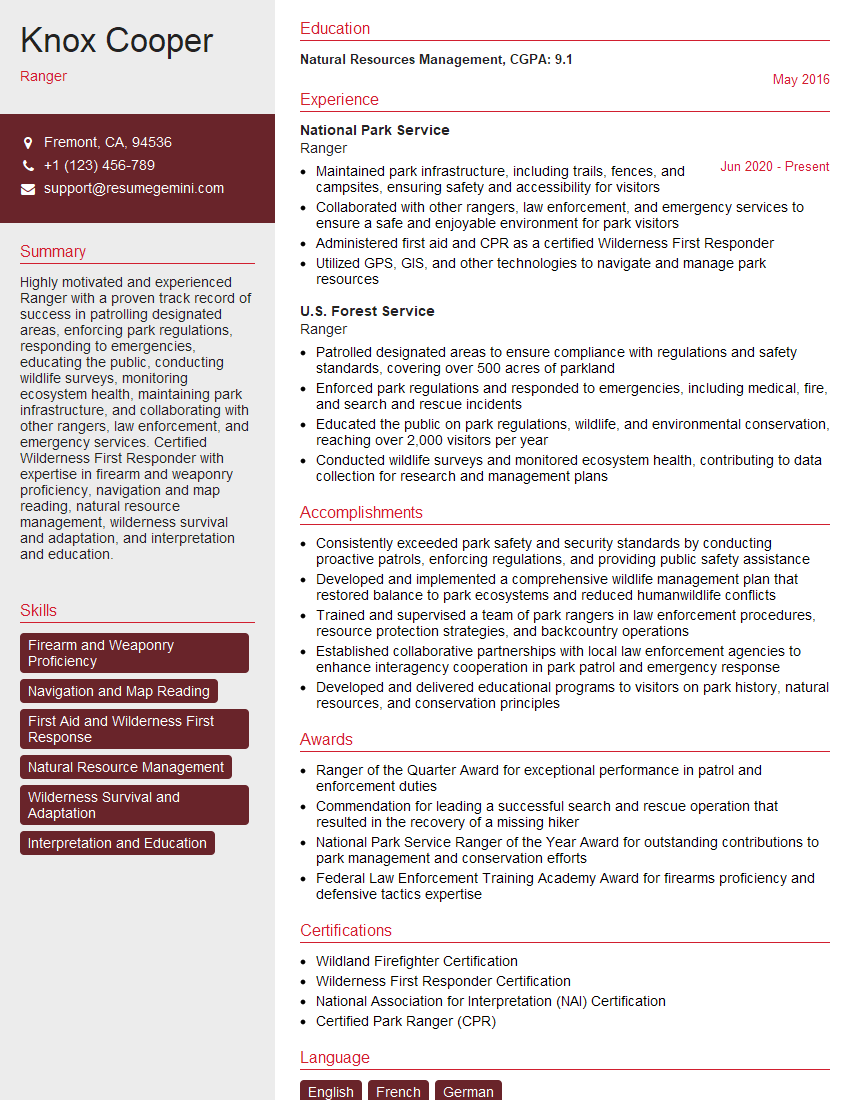
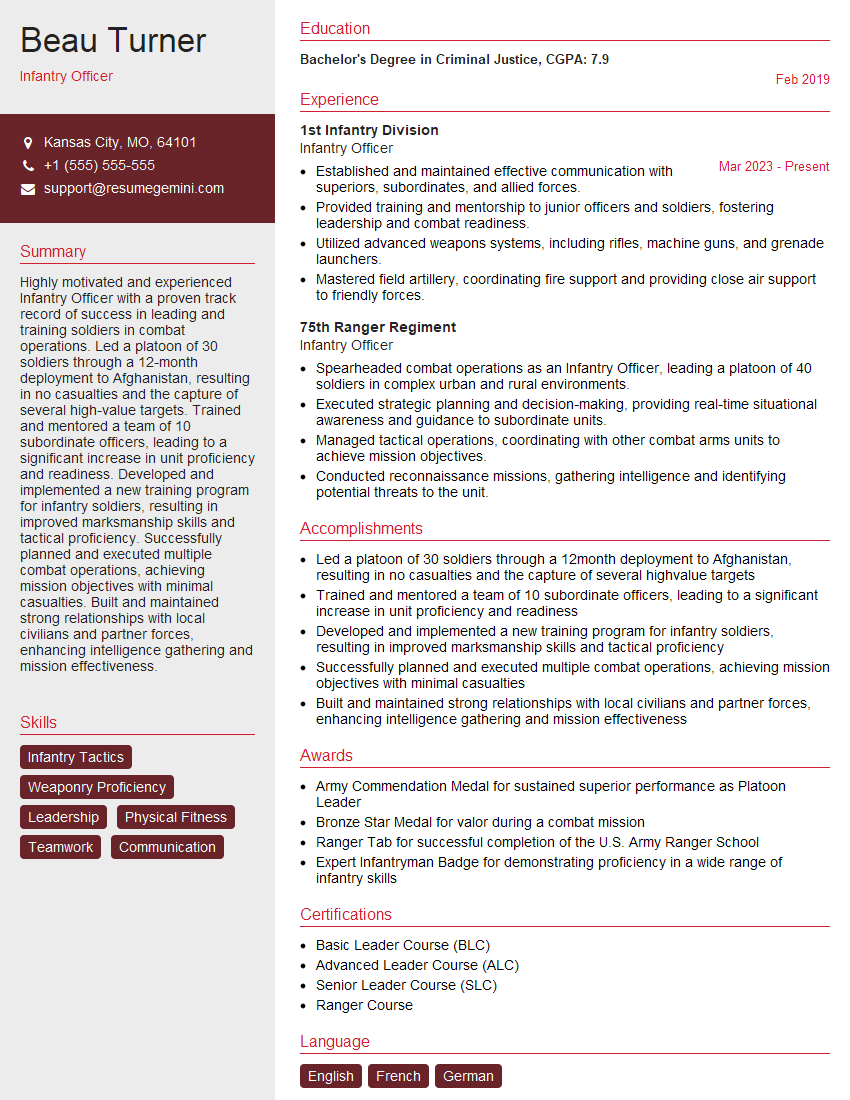
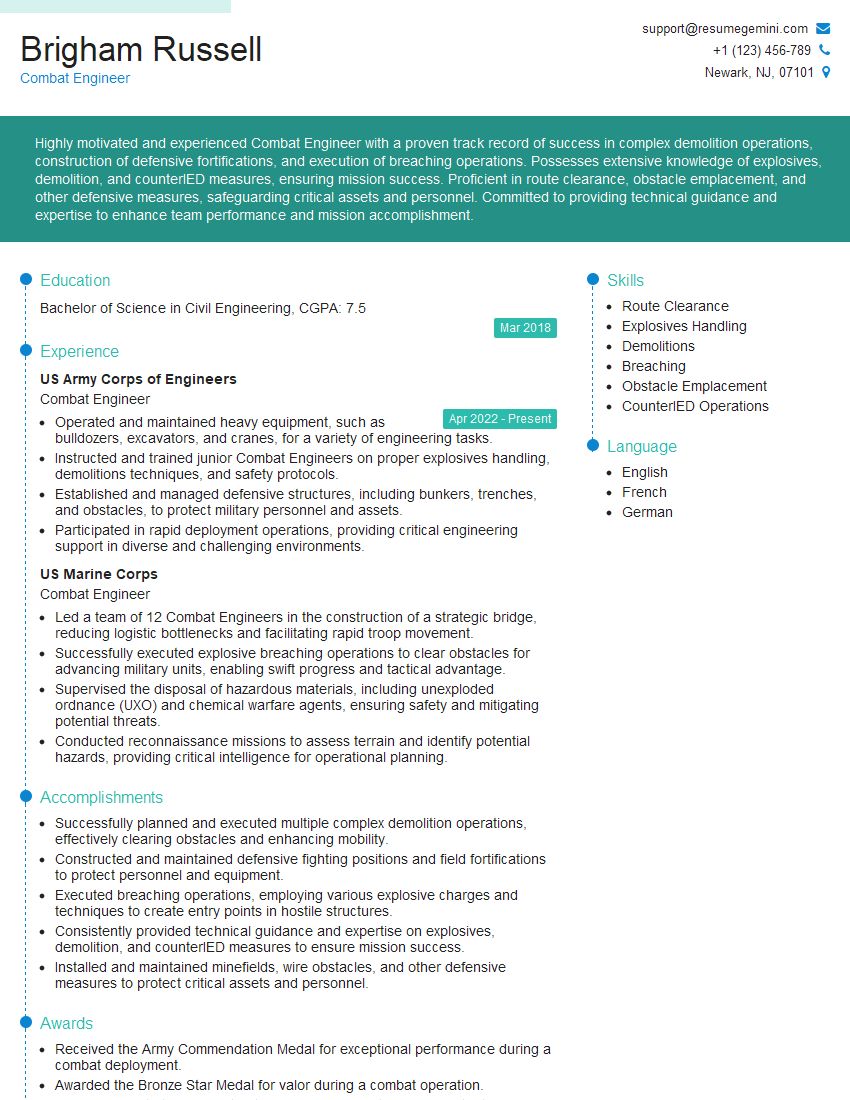
Mastering Mounted and Dismounted Combat skills significantly enhances your career prospects in military, law enforcement, or security roles. These skills demonstrate a commitment to excellence and a capacity to handle demanding situations. To maximize your job search success, crafting an ATS-friendly resume is crucial. ResumeGemini is a trusted resource to help you build a professional and effective resume that highlights your unique skills and experience. Examples of resumes tailored to Mounted and Dismounted Combat roles are available to help you build yours.
Explore more articles
Users Rating of Our Blogs
Share Your Experience
We value your feedback! Please rate our content and share your thoughts (optional).
What Readers Say About Our Blog
Very informative content, great job.
good