Unlock your full potential by mastering the most common Muscular Strength interview questions. This blog offers a deep dive into the critical topics, ensuring you’re not only prepared to answer but to excel. With these insights, you’ll approach your interview with clarity and confidence.
Questions Asked in Muscular Strength Interview
Q 1. Explain the difference between strength and power.
Strength and power are related but distinct concepts in muscular performance. Strength refers to the maximal force a muscle or muscle group can generate in a single effort. Think of lifting the heaviest weight you possibly can. Power, on the other hand, is the rate at which work is done, combining both force and speed. It’s about how quickly you can move that heavy weight. A strong person might not be powerful if they lack speed, and a powerful person needs significant strength to achieve high power output. For example, a weightlifter might exhibit high strength, while a shot-putter needs both high strength and speed for maximal power.
Q 2. Describe the various types of muscle contractions (isometric, concentric, eccentric).
Muscle contractions are categorized into three main types:
- Isometric Contractions: Muscle tension increases, but muscle length remains unchanged. Think of holding a heavy object in place – your muscles are working hard, but there’s no visible movement. This is often used in rehabilitation to improve stability.
- Concentric Contractions: Muscle fibers shorten, causing movement. This is the most common type of contraction you’ll experience during weightlifting. For instance, the bicep curl, the upward phase is a concentric contraction.
- Eccentric Contractions: Muscle fibers lengthen while under tension. This is the lowering phase of a lift. Think of the controlled lowering of a dumbbell during a bicep curl. Eccentric contractions are crucial for strength gains and injury prevention, as they are often more powerful than concentric contractions, but also more prone to causing muscle damage if not performed correctly.
Q 3. What are the primary energy systems used during strength training?
Strength training primarily utilizes two energy systems:
- ATP-PCr System (Phosphocreatine System): This is the immediate energy system, providing energy for short bursts of intense activity (less than 10 seconds). It relies on pre-stored ATP (adenosine triphosphate) and phosphocreatine. This is the dominant system during maximal strength training lifts.
- Glycolytic System (Anaerobic Metabolism): This system kicks in for activities lasting 10 seconds to around 2 minutes. It breaks down glucose (from carbohydrates) to produce ATP, but without the need for oxygen. This system is important for moderately intense sets in strength training.
While the oxidative system (aerobic metabolism) plays a role in recovery and providing energy during longer training sessions, its role in the immediate energy demands of high-intensity strength training is secondary compared to ATP-PCr and glycolytic systems.
Q 4. Explain the principle of progressive overload.
The principle of progressive overload is fundamental to strength training. It simply states that to continually improve strength, you must consistently increase the demands placed on your muscles. This can be achieved by progressively increasing:
- Weight: Gradually increasing the amount of weight lifted.
- Repetitions: Increasing the number of repetitions performed with a given weight.
- Sets: Increasing the number of sets performed.
- Intensity: Increasing the speed or tempo of the lift.
- Exercise Variation: Introducing new exercises or variations of exercises to challenge muscles in different ways.
Without progressive overload, your muscles adapt to the current training stimulus and plateau; strength gains will cease.
Q 5. What are the benefits of incorporating both concentric and eccentric training?
Incorporating both concentric and eccentric training is crucial for maximizing strength gains and reducing injury risk. Here’s why:
- Greater Strength Development: Eccentric contractions generate higher forces than concentric contractions. Training the eccentric phase leads to significant strength improvements.
- Muscle Hypertrophy: Both concentric and eccentric contractions contribute to muscle growth, but eccentric actions have been shown to particularly stimulate hypertrophy.
- Reduced Injury Risk: Strengthening the eccentric phase improves muscle control, enhances stability, and reduces risk of muscle strains or tears.
- Improved Power Output: Stronger eccentric contractions can translate to more powerful concentric contractions.
Think about the classic squat: the lowering phase (eccentric) is crucial for developing explosive power in the upward (concentric) phase.
Q 6. How would you design a strength training program for a beginner?
A beginner strength training program should prioritize proper form and building a solid foundation. Here’s a sample program:
- Frequency: 2-3 days per week, allowing rest days for muscle recovery.
- Exercises: Focus on compound exercises targeting multiple muscle groups (e.g., squats, deadlifts, bench press, overhead press, rows). Include 2-3 exercises per muscle group.
- Sets and Reps: Start with 1-3 sets of 8-12 repetitions for each exercise. Emphasis should be on proper form over lifting heavy weights.
- Rest: 60-90 seconds rest between sets.
- Progression: Gradually increase weight, reps, or sets over time, adhering to the principle of progressive overload.
- Warm-up: Begin each session with a 5-10 minute warm-up involving light cardio and dynamic stretching.
- Cool-down: End each session with 5-10 minutes of static stretching.
This program should be adjusted based on individual needs and progress.
Q 7. How would you design a strength training program for an advanced athlete?
An advanced athlete’s program will be much more individualized and complex, focusing on optimizing specific performance goals. Key considerations:
- Periodization: Employing periodization, which systematically varies training volume, intensity, and exercises over time (macrocycles, mesocycles, microcycles). This allows for planned overload, peaking for competition, and avoiding overtraining.
- Advanced Training Techniques: Incorporating advanced techniques like drop sets, supersets, rest-pause sets, and plyometrics to further challenge the muscles.
- High Volume and Intensity: Higher training volume (sets and reps) and intensities (weights) will be used compared to a beginner’s program.
- Specificity: Exercises and training protocols will be specifically designed to address the athlete’s sport-specific needs and movement patterns. Example: A powerlifter might prioritize low rep, high weight training, while a marathon runner might incorporate strength training with a focus on higher reps and lower weight.
- Monitoring and Adjustments: Constant monitoring of progress through tracking metrics (strength gains, body composition, performance), and adjusting the program based on individual responses and recovery.
- Nutrition and Recovery Strategies: Advanced athletes will need a comprehensive nutrition plan and recovery strategies to support their intense training regimen.
Designing a program for an advanced athlete requires a deep understanding of exercise science, physiology, and the specific demands of their sport. Collaboration with a qualified strength and conditioning coach is highly recommended.
Q 8. Explain the concept of muscle hypertrophy.
Muscle hypertrophy, simply put, is the increase in the size of your muscles. It’s the process where your muscle fibers grow larger and stronger in response to a consistent strength training stimulus. Think of it like this: imagine your muscles are made of tiny strands. When you lift weights, you create microscopic tears in these strands. Your body then repairs these tears, but it doesn’t just repair them – it rebuilds them slightly bigger and stronger to handle the increased stress. This rebuilding process leads to hypertrophy.
This growth is primarily driven by two mechanisms: muscle protein synthesis (MPS), the building of new muscle protein, and muscle protein breakdown (MPB), the breakdown of existing muscle protein. For hypertrophy to occur, MPS must exceed MPB. Factors influencing hypertrophy include training volume (sets and reps), intensity (weight lifted), training frequency, proper nutrition (sufficient protein intake), and adequate rest.
For example, a bodybuilder aiming for significant muscle growth would focus on high-volume training with moderate-to-heavy weights, ensuring sufficient caloric intake and rest to allow for muscle protein synthesis to outpace breakdown.
Q 9. What are the potential risks associated with strength training, and how can they be mitigated?
Strength training, while incredibly beneficial, does carry potential risks. These include muscle strains or tears, joint pain, tendonitis, and even fractures. Overtraining can lead to fatigue, burnout, and decreased performance. Improper form is a major contributor to many injuries.
Mitigation strategies are crucial. These include:
- Proper warm-up: Preparing your muscles and joints with dynamic stretches increases blood flow and reduces the risk of injury.
- Correct form: Learning and maintaining proper lifting technique is paramount. Consider working with a qualified trainer to learn the correct form for various exercises.
- Gradual progression: Gradually increase weight, reps, and sets over time to avoid overstressing your muscles and joints. Don’t jump into heavy weights immediately.
- Adequate rest and recovery: Allow your muscles sufficient time to recover between workouts. This includes getting enough sleep and consuming a balanced diet.
- Listen to your body: Pay attention to pain signals. Don’t push through pain, as this can lead to significant injury. Rest or modify your workout if needed.
- Appropriate equipment and environment: Ensure you use safe and well-maintained equipment in a clean and organized environment.
Q 10. Describe the different training splits (e.g., upper/lower, push/pull/legs). What are the pros and cons of each?
Training splits are methods of organizing your workouts to target different muscle groups on different days. Popular splits include:
- Upper/Lower Split: This involves training your upper body one day and your lower body the next. It allows for adequate rest for each muscle group.
- Push/Pull/Legs: This split focuses on pushing movements (chest, shoulders, triceps) on one day, pulling movements (back, biceps) on another, and legs on a third. This allows for more targeted muscle work and better recovery.
- Full Body: This involves training all major muscle groups in a single workout. This is suitable for beginners or those with limited time.
Pros and Cons:
- Upper/Lower: Pros: Allows for more volume per muscle group; Cons: Requires more training days.
- Push/Pull/Legs: Pros: Allows focused training on movement patterns; Cons: Can be demanding and requires careful planning.
- Full Body: Pros: Convenient, less time commitment; Cons: Less volume per muscle group, potentially slower gains.
The best split depends on individual goals, training experience, and time constraints. A beginner might start with a full-body routine, while a more experienced lifter might opt for a push/pull/legs or upper/lower split.
Q 11. Explain how to assess muscular strength using various methods (1RM, submaximal testing).
Assessing muscular strength involves determining the maximum force a muscle or muscle group can generate. Two common methods are:
- 1-Rep Max (1RM): This is the maximum weight you can lift for one repetition with proper form. It’s a direct measure of maximal strength. This method requires careful execution and often involves a spotter for safety.
- Submaximal Testing: This involves performing repetitions with a weight less than your 1RM. Several formulas can then estimate your 1RM based on the weight lifted and the number of repetitions completed. These formulas offer a less risky way to estimate 1RM, especially for beginners. For example, the Brzycki formula:
1RM = Weight / (1.0278 - 0.0278 * Reps)
For example, if someone lifts 100kg for 5 reps, the Brzycki formula would estimate their 1RM as approximately 118kg. It’s crucial to remember that submaximal tests provide estimates, not precise measurements. Always prioritize proper form and safety over achieving a high number.
Q 12. What are the common signs and symptoms of overtraining?
Overtraining, a state of excessive training that exceeds the body’s capacity to recover, manifests in various ways. Signs and symptoms can include:
- Persistent fatigue and exhaustion: Feeling tired even after adequate sleep.
- Decreased performance: Noticeably weaker lifts or slower times.
- Increased resting heart rate: Your heart beats faster than usual even when you’re at rest.
- Muscle soreness that lingers for days: Normal DOMS (Delayed Onset Muscle Soreness) should subside within a few days. Persistent soreness is a warning sign.
- Loss of motivation: You may find it difficult to get yourself to the gym.
- Irritability and mood swings: Overtraining can significantly affect your mental health.
- Sleep disturbances: Difficulty falling asleep or staying asleep.
- Frequent illness: Your immune system becomes compromised.
If you experience several of these symptoms, it’s crucial to reduce your training volume and intensity, prioritize rest, and consult a healthcare professional or certified strength and conditioning specialist. Remember, recovery is just as important as training.
Q 13. How do you periodize strength training programs?
Periodization is the systematic planning of training phases to optimize performance and minimize the risk of overtraining or injury. It involves cycling through different training phases with varied goals. A common model is:
- Preparation Phase (Off-season): Focuses on building a base of strength and endurance. High volume, lower intensity.
- First Transition Phase: Gradually increases intensity and decreases volume.
- Competition Phase (In-season): High intensity, low volume, focused on peak performance.
- Second Transition Phase (Active Recovery): Low volume, low intensity, focuses on rest and recovery.
For example, a powerlifter might spend several months in the preparation phase building a strong base of strength, then gradually increase the intensity during the transition phases, ultimately peaking during the competition phase. The active recovery phase would be crucial for preventing burnout and injury before the next cycle begins. Periodization requires careful planning and should be tailored to the individual’s goals and experience level.
Q 14. Explain the importance of proper warm-up and cool-down routines.
Proper warm-up and cool-down routines are essential for injury prevention, performance enhancement, and overall recovery. A warm-up prepares your body for the demands of exercise, while a cool-down helps your body return to its resting state.
Warm-up: Should consist of 5-10 minutes of light cardio, like jogging or cycling, followed by dynamic stretches—movements that mimic the exercise you are about to perform, such as arm circles or leg swings. This increases blood flow to muscles and improves flexibility and range of motion.
Cool-down: This should involve 5-10 minutes of light cardio and static stretches—holding a stretch for 20-30 seconds—targeting the muscle groups worked during your workout. This helps reduce muscle soreness, improve flexibility, and promotes faster recovery. Static stretches improve flexibility by elongating muscle tissue, whereas dynamic stretches improve range of motion and improve blood flow. A proper warm-up and cool-down significantly reduce the chances of muscle strain or injury.
Example: Before a leg day, you might warm-up with 5 minutes of cycling followed by leg swings, hip circles, and torso twists. After your workout, you’d cool down with 5 minutes of walking and then static stretches holding hamstring, quad, and calf stretches.
Q 15. What are the key considerations when designing a program for individuals with pre-existing medical conditions?
Designing strength training programs for individuals with pre-existing medical conditions requires a cautious and individualized approach. Safety is paramount. Before designing any program, a thorough medical history review and, ideally, consultation with their physician or physical therapist is essential. This helps identify potential limitations and contraindications.
- Cardiovascular conditions: Individuals with heart conditions might need lower intensity and modified exercises to avoid excessive strain on the cardiovascular system. For example, we might prioritize bodyweight exercises over heavy weights.
- Musculoskeletal issues: Existing injuries like arthritis or back pain necessitate modifications to avoid aggravating the condition. This could involve avoiding specific movements or using alternative exercises that target the same muscle groups without causing pain. For example, instead of squats, we could use leg presses which allow for better control and reduced spinal compression.
- Metabolic disorders: Individuals with diabetes may need to adjust their training schedule and nutrition to manage blood sugar levels effectively. We may need to incorporate strategies to prevent hypoglycemia during and after training.
- Respiratory conditions: Individuals with asthma or other respiratory issues might require modifications to exercise intensity and duration, paying close attention to their breathing patterns during training.
The program should start with a comprehensive assessment of the individual’s current functional capacity and limitations. It should progress gradually, starting with low intensity and volume and increasing them progressively as tolerated. Regular monitoring of their response to the program is crucial, with adjustments made as needed. It’s about building strength safely and effectively without compromising their health.
Career Expert Tips:
- Ace those interviews! Prepare effectively by reviewing the Top 50 Most Common Interview Questions on ResumeGemini.
- Navigate your job search with confidence! Explore a wide range of Career Tips on ResumeGemini. Learn about common challenges and recommendations to overcome them.
- Craft the perfect resume! Master the Art of Resume Writing with ResumeGemini’s guide. Showcase your unique qualifications and achievements effectively.
- Don’t miss out on holiday savings! Build your dream resume with ResumeGemini’s ATS optimized templates.
Q 16. How do you adapt training programs to account for individual differences in strength and fitness levels?
Adapting training programs to individual differences is crucial for maximizing results and minimizing injury risk. This process involves a comprehensive assessment of the individual’s current strength, fitness level, training experience, and goals. We can use various assessment methods, including strength testing (1RM – one repetition maximum), body composition analysis, and functional movement screens.
Strength Levels: Beginners start with lighter weights and higher repetitions, focusing on proper form and technique. Intermediate and advanced individuals can progressively overload by increasing weight, repetitions, sets, or exercise difficulty. We can use percentages of their 1RM to establish appropriate training weights.
Fitness Levels: Individuals with lower fitness levels might start with shorter training sessions and more rest periods between sets and exercises. As their fitness improves, the intensity and duration of the workouts can be gradually increased.
Personalization: Considering individual preferences and goals is essential. Some individuals may prefer bodyweight training, while others prefer using machines or free weights. The program should align with their preferences to enhance adherence.
Example: A beginner might start with 2 sets of 12 repetitions of a bicep curl using 10-pound dumbbells, while an advanced individual could perform 4 sets of 6 repetitions with 35 pounds. The progression is based on a continuous assessment and adjustments made based on their progress and feedback.
Q 17. Explain the role of nutrition in supporting strength gains.
Nutrition plays a vital role in supporting strength gains. It provides the building blocks for muscle growth and repair, fuels training sessions, and aids in recovery. A well-balanced diet rich in protein, carbohydrates, and healthy fats is essential.
- Protein: Crucial for muscle protein synthesis. Aim for 1.6-2.2 grams of protein per kilogram of body weight daily for optimal muscle growth and repair. Sources include lean meats, poultry, fish, eggs, dairy, and legumes.
- Carbohydrates: Provide the primary energy source for workouts. Choose complex carbohydrates like whole grains, fruits, and vegetables for sustained energy release. Carbohydrates also help replenish glycogen stores after training.
- Healthy Fats: Essential for hormone production and overall health. Include sources like avocados, nuts, seeds, and olive oil.
- Hydration: Crucial for maintaining bodily functions and preventing dehydration during and after workouts. Adequate water intake is essential.
Example: A strength training athlete might consume a high-protein breakfast with eggs and whole-wheat toast, a lunch with lean chicken breast and brown rice, and a dinner with salmon and vegetables. They would also ensure sufficient carbohydrate intake around workouts to fuel their training and recovery.
Nutritional timing, such as consuming protein and carbohydrates around workouts (pre and post-workout nutrition), can further enhance muscle growth and recovery. Consult a registered dietitian or sports nutritionist for personalized recommendations.
Q 18. What are the different types of resistance training equipment, and what are their advantages and disadvantages?
Resistance training utilizes various equipment, each with its advantages and disadvantages:
- Free weights (dumbbells, barbells): Offer a high degree of freedom of movement and recruit stabilizer muscles, enhancing functional strength. However, they require good technique to avoid injury, and they can be challenging for beginners.
- Weight machines: Provide a safer and more controlled environment, ideal for beginners or individuals with limited mobility. However, they limit the range of motion and may not fully engage all muscle fibers.
- Resistance bands: Offer a versatile and portable option, suitable for various exercises and fitness levels. Resistance varies with band tension, requiring adjustments throughout the exercise. The resistance is not as consistent as free weights or weight machines.
- Cable machines: Provide constant tension throughout the range of motion, which is beneficial for certain exercises like bicep curls and triceps extensions. They can be less adaptable than free weights.
- Bodyweight exercises: Utilize body weight for resistance; cost-effective, convenient, and require minimal equipment. However, progression can be limited, and they may not be suitable for all individuals or exercises.
The choice of equipment depends on factors like the individual’s fitness level, goals, access to resources, and preferences. A well-designed program might incorporate a combination of different equipment to maximize benefits and address limitations.
Q 19. How would you program for strength, hypertrophy, and endurance in a single training cycle?
Programming for strength, hypertrophy (muscle growth), and endurance within a single training cycle requires a strategic approach. It’s often not ideal to prioritize all three simultaneously to their maximum potential, but we can incorporate elements of each. A common approach involves periodization, where training phases are structured to emphasize different adaptations over time.
Example of a 12-week cycle:
- Weeks 1-4 (Strength Phase): Focus on low reps (1-5), high weight, and longer rest periods (3-5 minutes). Prioritize compound movements like squats, deadlifts, bench presses, and overhead presses.
- Weeks 5-8 (Hypertrophy Phase): Moderate reps (8-12), moderate weight, and shorter rest periods (60-90 seconds). Continue with compound movements but incorporate more isolation exercises to target specific muscle groups.
- Weeks 9-12 (Endurance Phase): Higher reps (15-20), lower weight, and shorter rest periods (30-60 seconds). Incorporate more circuit training and bodyweight exercises to improve muscular endurance. Maintain some of the compound exercises, reducing the weight to increase the repetitions.
Important Considerations: The specific rep ranges and rest periods can be adjusted based on the individual’s response and training experience. Progressive overload is critical throughout the cycle to continually challenge the muscles and promote adaptation. Adequate nutrition and recovery are essential for achieving the desired results. Each phase might include de-loading weeks to allow for active recovery and prevent overtraining.
Q 20. Discuss the importance of proper form and technique in resistance training.
Proper form and technique in resistance training are paramount for maximizing results and minimizing injury risk. Incorrect form can lead to reduced effectiveness, muscle imbalances, joint pain, and even serious injuries. Maintaining proper form ensures that the target muscles are engaged correctly, and the load is distributed appropriately across the joints and musculoskeletal system.
Benefits of Proper Form:
- Increased effectiveness: Correct form ensures that the target muscles are adequately stimulated, leading to greater strength and hypertrophy gains.
- Reduced injury risk: Proper form minimizes stress on joints and ligaments, reducing the risk of strains, sprains, and other injuries.
- Improved muscle balance: Correct form promotes balanced muscle development, preventing muscle imbalances that can lead to postural problems and injury.
- Enhanced performance: Proper form allows for more efficient movement, enabling you to lift heavier weights and achieve better results.
Example: During a squat, maintaining a neutral spine, proper foot placement, and controlled movement are crucial for proper form. Incorrect form may place excessive stress on the lower back, knees, or ankles.
Q 21. How do you assess and correct improper lifting techniques?
Assessing and correcting improper lifting techniques involves careful observation, feedback, and potentially the use of various tools. It’s a process that requires expertise and a keen eye for detail.
Assessment:
- Visual observation: Carefully observe the individual’s form during the exercise, paying attention to posture, alignment, movement patterns, and any compensatory movements.
- Palpation: Feel the muscles to determine if they are being activated correctly and whether there is any unusual tension or weakness.
- Video analysis: Recording the exercise can help identify subtle errors that might be missed during live observation. Slowing down the video frame-by-frame allows for more detailed analysis.
- Feedback from the lifter: Asking the lifter about any discomfort, pain, or unusual sensations during the exercise can provide valuable information.
Correction:
- Verbal cues: Provide clear, concise, and specific verbal cues to guide the individual toward correct form. For example, “keep your chest up,” “engage your core,” or “bend your knees deeper.”
- Manual guidance: In some cases, gentle manual guidance can help the individual feel the correct movement pattern. This should be done cautiously and with the individual’s consent.
- Regressions and progressions: Modify the exercise or use simpler variations to correct form. For instance, use lighter weight, change grip, modify the range of motion, or use a machine rather than free weights.
- Repetition of the exercise with emphasis on proper technique: Have the lifter practice the exercise with a reduced weight and focus on the corrections given. Regular practice is key to developing proper motor patterns.
If correcting form is challenging, it’s essential to consult with qualified professionals such as strength and conditioning coaches or physical therapists, especially when dealing with serious technical errors or injuries.
Q 22. Explain the concept of muscle imbalances and how to address them.
Muscle imbalances occur when certain muscle groups are significantly stronger or more developed than their opposing groups. Imagine a scenario where your chest muscles are significantly stronger than your back muscles. This imbalance can lead to poor posture, increased risk of injury, and reduced athletic performance. Addressing these imbalances involves a multifaceted approach.
- Assessment: A thorough assessment, potentially including a posture analysis and range-of-motion testing, is crucial to identify specific imbalances. For example, observing rounded shoulders would indicate a potential weakness in the upper back muscles relative to the chest.
- Targeted Strength Training: The focus shifts to strengthening weaker muscle groups and improving flexibility in tighter areas. If the assessment reveals weak back muscles, exercises like rows, pull-ups, and lat pulldowns would be prioritized. Simultaneously, stretches targeting the chest muscles would help improve flexibility.
- Balanced Programming: Incorporate exercises that work opposing muscle groups in a balanced manner. For every push exercise (e.g., bench press), include a pull exercise (e.g., bent-over row) to maintain balanced strength and development.
- Progressive Overload: Gradually increase the intensity and volume of exercises to continually challenge the weaker muscles and promote growth. This could involve increasing weight, repetitions, or sets over time.
For instance, a client with a noticeable anterior pelvic tilt (forward tilted pelvis) might benefit from strengthening their glutes and hamstrings while stretching their hip flexors. This holistic approach ensures both strength and flexibility improvements, leading to improved posture and reduced injury risk.
Q 23. What are the benefits of incorporating plyometrics into a strength training program?
Plyometrics, or jump training, are explosive exercises that develop power and enhance athletic performance. They are excellent additions to strength training programs, offering several key benefits.
- Increased Power Output: Plyometrics improve the rate of force development, allowing you to generate more force in a shorter amount of time. Think of a basketball player’s jump shot – plyometrics enhance the explosiveness needed for a powerful jump.
- Improved Muscle Activation: These exercises engage a greater number of muscle fibers compared to traditional strength training, resulting in improved muscle coordination and efficiency.
- Enhanced Speed and Agility: The rapid, powerful movements involved in plyometrics directly translate to improved speed and agility on the field or court.
- Bone Density Improvement: The high-impact nature of plyometrics can stimulate bone growth and increase bone mineral density, making them beneficial for preventing osteoporosis.
However, proper technique is paramount to prevent injury. Beginners should start with low-impact plyometrics and gradually progress to more challenging exercises. Examples include box jumps, jump squats, and medicine ball throws. These should be incorporated strategically, not every session, to allow for adequate recovery.
Q 24. How would you incorporate flexibility and mobility training into a strength training program?
Flexibility and mobility training are crucial components of a well-rounded strength training program. They enhance performance, reduce injury risk, and improve overall well-being.
- Warm-up: Begin each session with dynamic stretches, such as arm circles and leg swings, to prepare muscles for activity and increase blood flow.
- Integrated Flexibility Work: Incorporate static stretches (holding a stretch for a period of time) after the workout, focusing on major muscle groups worked during the session. For example, following chest exercises, include stretches for the pectorals and shoulders.
- Mobility Drills: Include specific mobility drills that address movement limitations, such as thoracic spine rotations or hip mobility exercises. These improve joint range of motion and can counteract stiffness.
- Cool-down: End each session with cool-down stretches to promote relaxation and reduce muscle soreness.
For example, a client focusing on squats might include hamstring and hip flexor stretches in their routine to maintain flexibility and prevent stiffness. The key is integration – flexibility isn’t an afterthought; it’s a vital part of the overall training plan, improving both performance and injury prevention.
Q 25. Describe different methods for tracking progress in strength training (e.g., 1RM tracking, performance measures).
Tracking progress is essential to monitor effectiveness and adjust training programs accordingly. Several methods exist for tracking strength training progress.
- 1-Rep Max (1RM) Tracking: This involves determining the maximum weight you can lift for a single repetition. While effective, it requires careful planning and shouldn’t be attempted frequently to avoid injury. It’s a great benchmark for overall strength gains.
- Performance Measures: This includes tracking the number of repetitions completed at a given weight, the total weight lifted over multiple sets (volume), and the rate of progression in these metrics. For example, if a client can perform 8 reps of an exercise at a given weight one week and 10 reps the following week, that represents positive progress.
- Body Composition Changes: Monitoring changes in body fat percentage and lean muscle mass can indicate overall progress. This requires periodic assessments using methods such as DEXA scans or skinfold caliper measurements.
- Rep Range and Set Progression: Focusing on hitting a specific rep range (e.g., 8-12 reps) and gradually increasing sets and weight over time provides a clear picture of progress.
- Workout Logs and Apps: Utilizing workout logs or fitness tracking apps simplifies progress tracking by providing a centralized record of workouts and results.
A combination of these methods offers the most comprehensive view of progress. For instance, a client may track their 1RM for a specific lift while simultaneously observing improvements in their 8-12 rep range, providing a detailed understanding of their strength gains.
Q 26. How do you motivate clients to maintain consistency in their strength training programs?
Maintaining consistency in strength training requires a multifaceted approach focused on motivation and engagement.
- Goal Setting: Establish clear, specific, measurable, achievable, relevant, and time-bound (SMART) goals with the client. This gives them a sense of direction and purpose. For example, rather than ‘get stronger,’ a SMART goal might be: ‘Increase my bench press 1RM by 10 pounds in 8 weeks.’
- Accountability: Regular check-ins, either in person or remotely, ensure clients stay on track. This also provides an opportunity for adjustments to the program.
- Varied Workouts: Avoid monotony by incorporating variety into the workouts. This might involve changing exercises, workout locations, or training partners.
- Positive Reinforcement: Acknowledge and celebrate successes, no matter how small. This positive reinforcement boosts morale and motivation.
- Social Support: Encourage clients to find workout buddies or join fitness communities for shared accountability and support.
- Education: Educating clients on the benefits of strength training and how it positively impacts their overall health and well-being can help foster intrinsic motivation.
For instance, I once had a client who struggled with consistency. By setting smaller, achievable goals and celebrating each milestone, and integrating social aspects by incorporating partner workouts, they achieved remarkable progress and maintained their motivation for an extended period.
Q 27. Explain the importance of recovery in strength training (sleep, nutrition, rest).
Recovery is not simply a break from training; it’s an integral part of the strength training process, crucial for muscle growth, adaptation, and injury prevention. Neglecting recovery leads to overtraining, reduced performance, and increased injury risk. It encompasses several key elements:
- Sleep: Adequate sleep (7-9 hours per night) is critical for hormone regulation and muscle repair. Growth hormone, essential for muscle recovery and growth, is primarily released during sleep.
- Nutrition: Proper nutrition provides the building blocks for muscle repair and growth. A diet rich in protein, carbohydrates, and healthy fats is essential. Sufficient protein intake, specifically, is crucial for muscle protein synthesis.
- Rest: Rest days are vital to allow muscles to recover and rebuild. These days don’t mean complete inactivity – light activity, such as walking, is encouraged. They help avoid excessive fatigue and stiffness.
- Hydration: Maintaining proper hydration is critical for optimal bodily functions, including muscle recovery and nutrient transport.
- Stress Management: Chronic stress can hinder recovery. Incorporating stress-reducing techniques like yoga or meditation can improve recovery quality.
Imagine a construction crew constantly building without breaks or material replenishment – the project would suffer. Similarly, muscles need rest, nutrients, and sleep to recover and grow stronger.
Q 28. How do you adapt strength training programs for older adults or individuals with injuries?
Adapting strength training programs for older adults or individuals with injuries requires careful consideration of their unique needs and limitations. The goal is to maximize benefits while minimizing risk.
- Older Adults: Programs for older adults should focus on maintaining strength, balance, and functional fitness. Exercises should be low-impact, emphasizing proper form over high weight. Focus on compound exercises that work multiple muscle groups simultaneously. Regular assessments to monitor progress and adjust the program as needed are crucial.
- Individuals with Injuries: Modifications depend entirely on the nature and severity of the injury. A physician’s clearance is essential before beginning any strength training. Exercises should avoid stressing the injured area, and focus on strengthening supporting muscles and improving mobility in adjacent areas. For example, someone with a knee injury might focus on exercises that strengthen the hip and core muscles.
- Progressive Overload (Modified): The principle of progressive overload still applies but with a slower and more cautious approach. Small, incremental increases in weight, repetitions, or sets are preferred.
- Proper Form and Technique: Emphasizing proper form is paramount to minimize the risk of re-injury. Consider using lighter weights or resistance bands to maintain good form.
For example, an older adult might benefit from chair exercises, using resistance bands for upper body strength, and focusing on balance exercises. An individual recovering from a rotator cuff injury might start with light pendulum swings and gradually progress to more challenging exercises as tolerated, under professional guidance.
Key Topics to Learn for Muscular Strength Interview
- Neuromuscular Physiology: Understanding the nervous system’s role in muscle contraction, including motor unit recruitment, muscle fiber types, and the length-tension relationship. Practical application: Explaining how different training methods influence neural adaptations.
- Muscle Anatomy and Biomechanics: Knowledge of muscle origins, insertions, actions, and lever systems. Practical application: Analyzing movement patterns and identifying potential muscle imbalances.
- Training Principles and Program Design: Understanding principles like progressive overload, specificity, variation, and periodization. Practical application: Designing effective training programs for different goals and populations.
- Resistance Training Techniques: Familiarization with various training methods (e.g., free weights, machines, bodyweight exercises), their advantages and disadvantages. Practical application: Choosing appropriate exercises and techniques for specific training goals.
- Strength Assessment and Measurement: Understanding different methods for assessing muscular strength (e.g., 1-rep max, dynamometry). Practical application: Interpreting test results and using them to guide training programs.
- Exercise Safety and Injury Prevention: Identifying common injuries related to resistance training and strategies for prevention. Practical application: Correcting faulty exercise techniques and modifying programs to minimize risk.
- Adaptation to Training: Understanding the physiological and morphological changes that occur in response to resistance training, including hypertrophy, hyperplasia, and neural adaptations. Practical application: Explaining how these adaptations contribute to improved strength and performance.
Next Steps
Mastering the principles of muscular strength is crucial for career advancement in fields like strength and conditioning, personal training, physical therapy, and sports science. A strong understanding of these concepts will significantly improve your interview performance and open doors to exciting opportunities. To further enhance your job prospects, invest time in crafting an ATS-friendly resume that effectively highlights your skills and experience. ResumeGemini is a trusted resource to help you build a professional and impactful resume. Examples of resumes tailored to Muscular Strength are available to guide you. Take the next step towards your dream career today!

Fitness Director Resume Sample

Wellness Coach Resume Sample

Rehabilitation Specialist Resume Sample
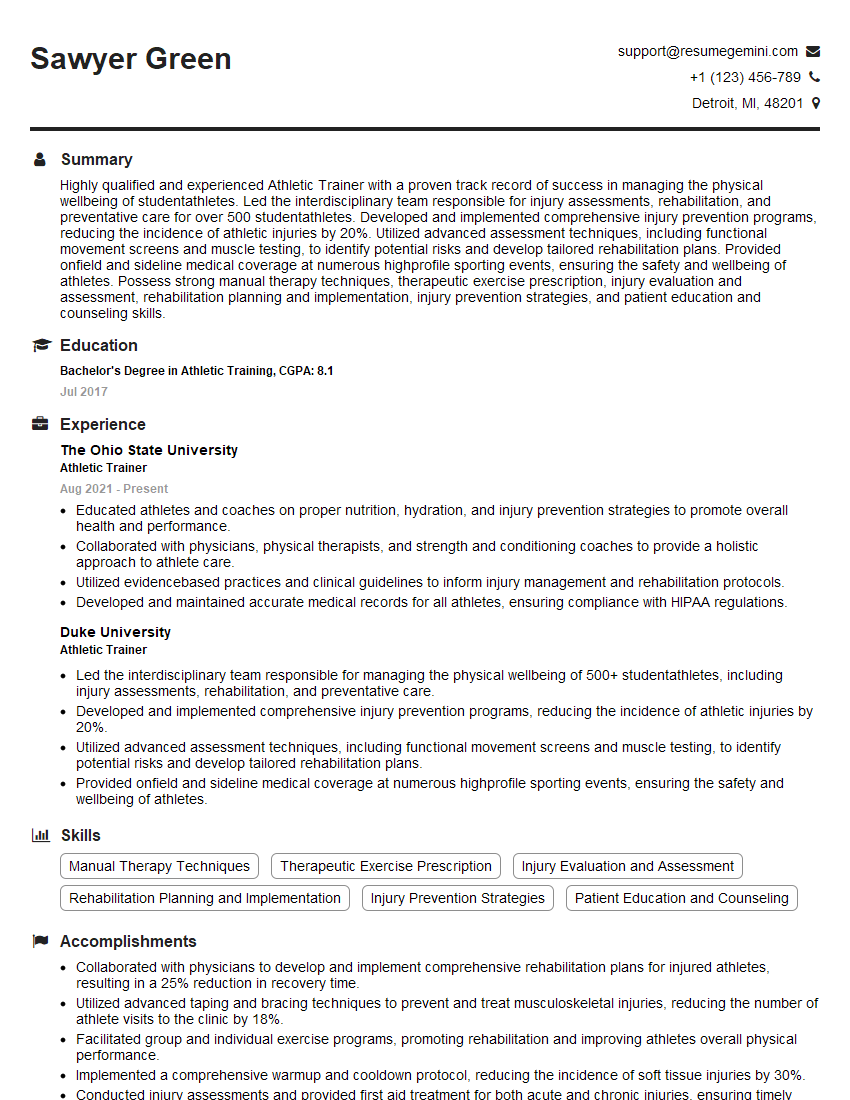
Athletic Trainer Resume Sample
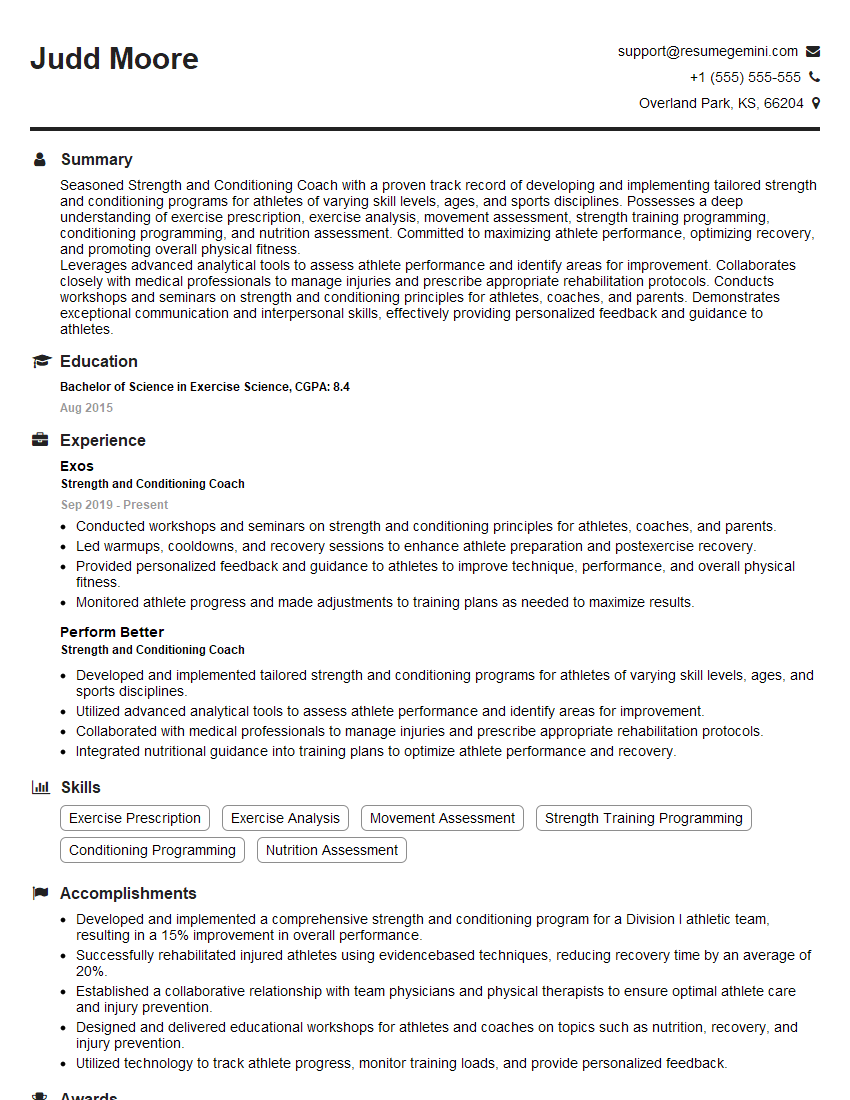
Strength and Conditioning Coach Resume Sample

Chiropractor Resume Sample

Sports Medicine Physician Resume Sample

Exercise Physiologist Resume Sample
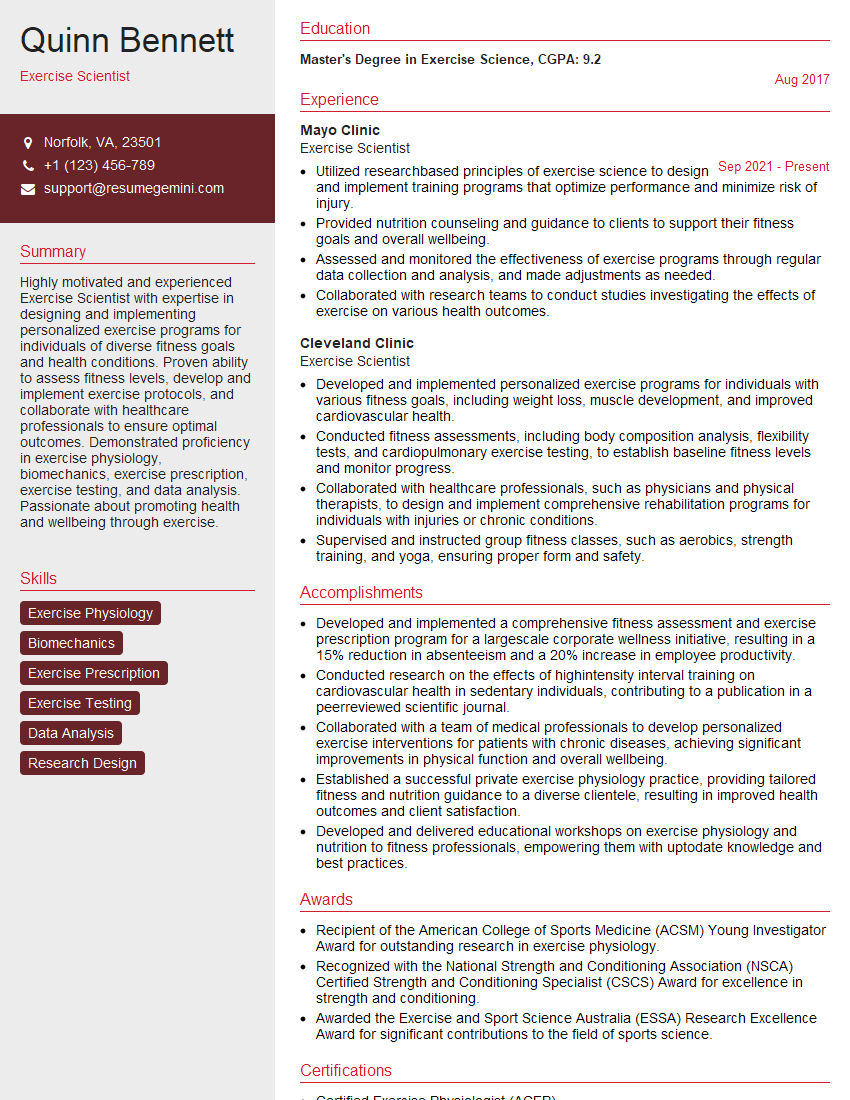
Exercise Scientist Resume Sample

Kinesiologist Resume Sample

Occupational Therapist Resume Sample
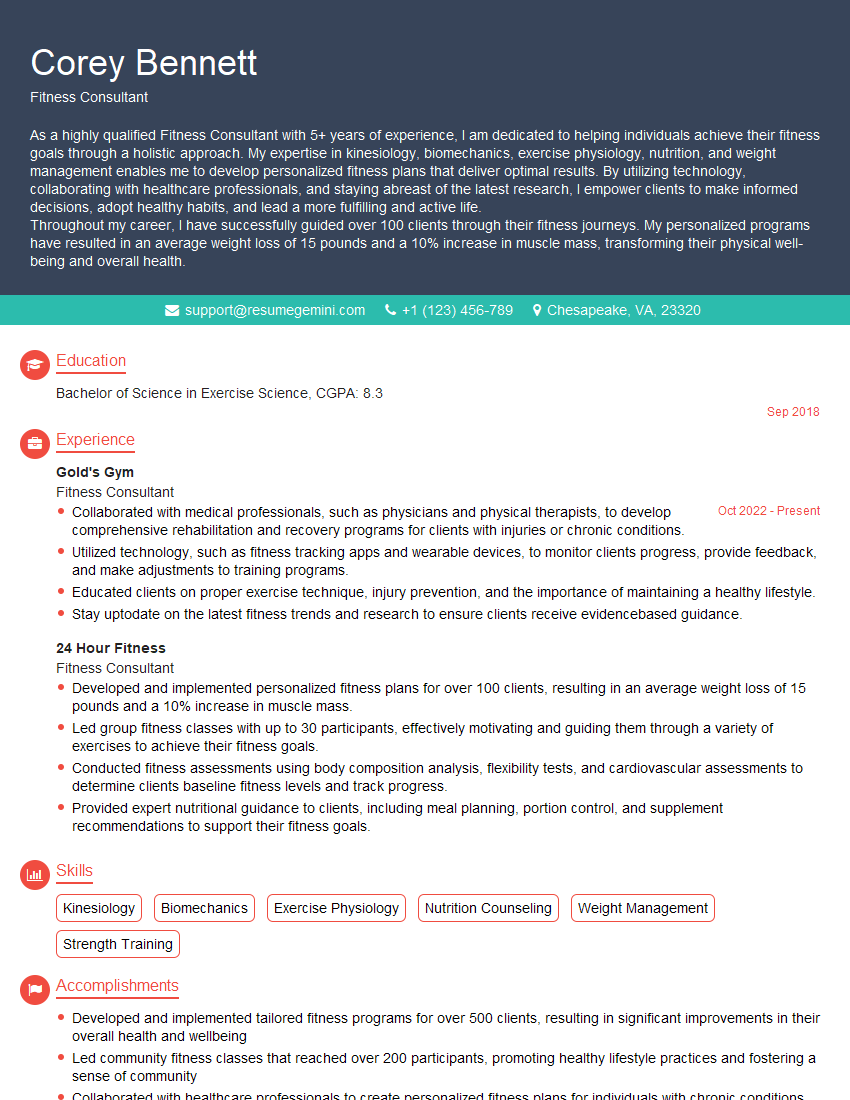
Fitness Consultant Resume Sample
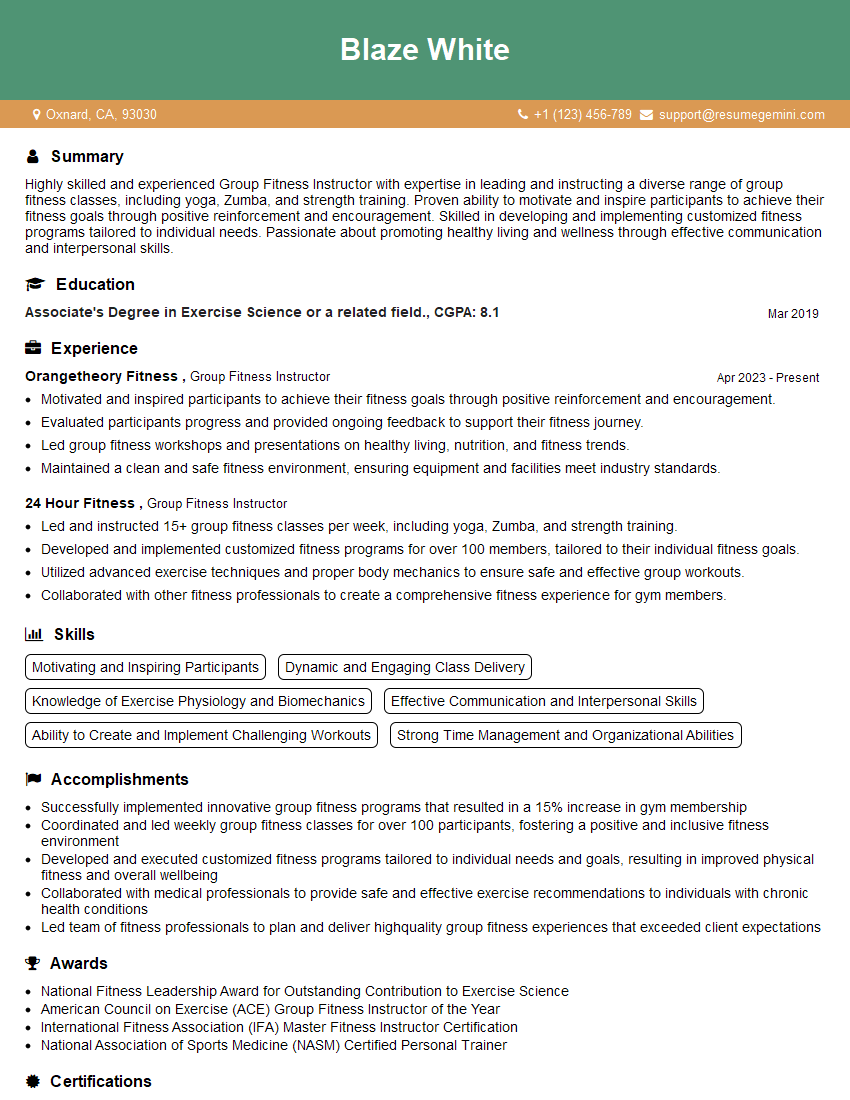
Group Fitness Instructor Resume Sample
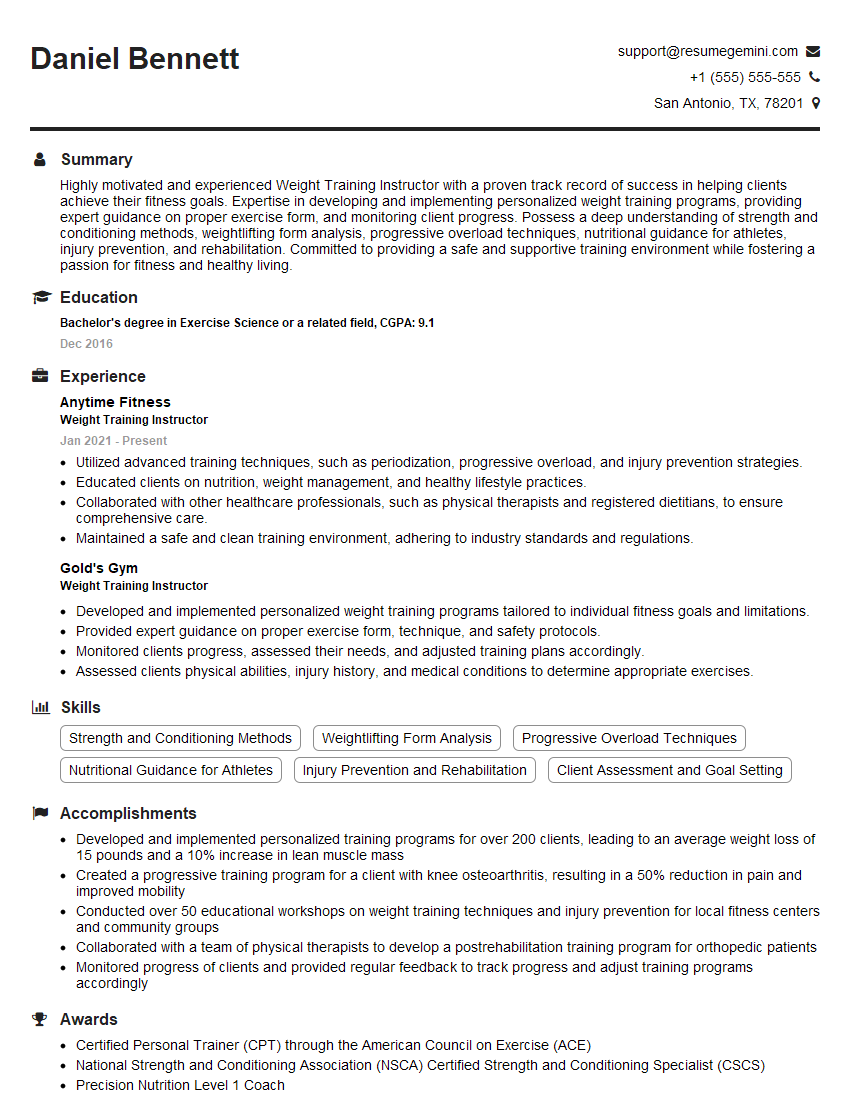
Weight Training Instructor Resume Sample
Explore more articles
Users Rating of Our Blogs
Share Your Experience
We value your feedback! Please rate our content and share your thoughts (optional).
What Readers Say About Our Blog
Very informative content, great job.
good