Every successful interview starts with knowing what to expect. In this blog, we’ll take you through the top Music Non-Profit Management interview questions, breaking them down with expert tips to help you deliver impactful answers. Step into your next interview fully prepared and ready to succeed.
Questions Asked in Music Non-Profit Management Interview
Q 1. Describe your experience with grant writing for music-related non-profits.
Grant writing is the backbone of many music non-profits. My experience encompasses identifying appropriate funding opportunities, crafting compelling narratives that resonate with grantors, and meticulously managing the submission process. This includes researching potential funders aligned with the organization’s mission, developing a strong budget justification, and submitting high-quality proposals that meet all specific requirements. For example, I once secured a significant grant from the National Endowment for the Arts for a youth orchestra program by highlighting the program’s impact on underserved communities and its commitment to fostering musical excellence. The key to success lies in demonstrating a clear understanding of the funder’s priorities and showcasing the organization’s capacity to effectively utilize the funds.
I also have experience with reporting requirements, ensuring transparent and accurate accounting of grant funds and producing compelling final reports that highlight the program’s achievements and impact. This ensures continued funding and builds trust with grant-making organizations.
Q 2. How would you develop a fundraising strategy for a music education program?
Developing a comprehensive fundraising strategy for a music education program requires a multi-pronged approach. It begins with clearly defining the program’s goals and budget needs. Then, I would identify diverse funding streams, such as:
- Individual Giving: Cultivating relationships with individual donors through direct mail campaigns, online donation platforms, and special events.
- Corporate Sponsorships: Partnering with businesses that align with the program’s values, offering various sponsorship levels with corresponding benefits.
- Foundation Grants: Researching and applying for grants from foundations that support music education initiatives.
- Government Grants: Exploring opportunities for funding through local, state, and federal grant programs.
- Crowdfunding: Utilizing online platforms to leverage the power of social media and community engagement to raise funds.
Each strategy should be tracked and measured, allowing for adjustments to optimize results. For instance, if online giving proves less successful than anticipated, I’d analyze the website’s design and donation process, and implement changes to improve the user experience. A successful strategy requires consistent monitoring and adaptation.
Q 3. What metrics would you use to measure the success of a music outreach initiative?
Measuring the success of a music outreach initiative requires a blend of quantitative and qualitative data. Key metrics include:
- Participation Rates: Tracking the number of participants in each program or event.
- Community Engagement: Assessing audience attendance at concerts, workshops, or other community-based activities.
- Student/Participant Outcomes: Measuring improvements in musical skills, confidence levels, and academic performance (if applicable).
- Social Media Engagement: Monitoring likes, shares, and comments on social media platforms to gauge public interest.
- Pre- and Post-Program Surveys: Gathering feedback from participants to understand their experiences and the initiative’s impact.
- Partner Collaborations: Measuring the number and success of collaborations with community organizations.
These metrics, when analyzed together, offer a holistic view of the initiative’s effectiveness. For example, a high participation rate paired with positive feedback from surveys suggests a successful program. Conversely, low participation despite high social media engagement might indicate issues with outreach or program accessibility.
Q 4. Explain your understanding of budgeting and financial management within a non-profit setting.
Budgeting and financial management in a non-profit is crucial for sustainability. It requires meticulous record-keeping, accurate forecasting, and adherence to accounting standards. I am proficient in developing and managing budgets, using tools like spreadsheets or accounting software to track income and expenses. This includes forecasting revenue based on historical data, grant projections, and fundraising goals; allocating funds to various program areas; and monitoring expenditures to ensure they align with the budget. Regular financial reports are essential to monitor progress, identify potential problems, and inform strategic decision-making.
Understanding and complying with non-profit accounting regulations is vital. I ensure transparency and accountability by maintaining accurate financial records and undergoing regular audits. This builds trust with donors, grantors, and the community, showcasing the organization’s responsible management of funds.
Q 5. How would you manage volunteer recruitment and training for a music festival?
Managing volunteer recruitment and training for a music festival requires a well-organized approach. I would start by creating detailed volunteer roles and responsibilities descriptions. Then, I’d leverage diverse recruitment channels such as online platforms (e.g., VolunteerMatch), social media, partnerships with local colleges and universities, and community outreach events. A clear and engaging volunteer application process simplifies the recruitment stage.
Comprehensive training is crucial. I’d organize training sessions covering essential aspects like festival logistics, communication protocols, emergency procedures, and specific role-related tasks. A combination of online modules and in-person training ensures flexibility and effectiveness. Post-training feedback and ongoing communication with volunteers maintain high morale and productivity. Volunteer appreciation events are essential to demonstrate gratitude and foster a sense of community.
Q 6. Describe your experience with donor cultivation and stewardship.
Donor cultivation and stewardship are critical for long-term financial health. Cultivation involves nurturing relationships with potential and existing donors through personalized communication, recognizing their contributions, and understanding their philanthropic interests. This might include invitations to exclusive events, newsletters highlighting the impact of their donations, and personalized thank-you notes. For example, I once cultivated a relationship with a major donor by inviting them to a private rehearsal of the orchestra they supported. This enhanced their engagement and led to a significant increase in their donation.
Stewardship focuses on maintaining and strengthening donor relationships after they have made a contribution. It involves providing regular updates on the organization’s activities, sharing success stories, and demonstrating transparency in how donations are utilized. This continuous communication ensures donors feel valued and connected to the organization’s mission.
Q 7. What strategies would you employ to increase community engagement with a music non-profit?
Increasing community engagement requires a multi-faceted strategy that fosters a sense of ownership and belonging. I would implement several initiatives, such as:
- Community Outreach Programs: Offering free or low-cost music classes, workshops, and concerts in diverse community settings.
- Social Media Engagement: Utilizing engaging content, interactive campaigns, and live streaming events to expand the organization’s reach.
- Partnerships: Collaborating with local businesses, schools, and community organizations to expand the organization’s presence.
- Volunteer Opportunities: Engaging community members in volunteering for events and programs.
- Interactive Events: Hosting participatory events like singalongs, jam sessions, and open mic nights.
- Community Feedback Mechanisms: Regularly soliciting feedback from community members to inform program development and address their needs.
By creating a welcoming and inclusive environment, the music non-profit can become an integral part of the community fabric, fostering stronger relationships and ensuring long-term support.
Q 8. How would you handle a conflict between artistic vision and budgetary constraints?
Balancing artistic vision with budgetary constraints is a core challenge in non-profit music management. It requires a collaborative, strategic approach. Think of it like composing a symphony – you have a grand vision (the artistic vision), but you must work within the confines of your resources (the budget).
My approach involves:
- Open Communication: Early and honest discussions with the artistic director and the finance team are crucial. Transparency fosters understanding and shared responsibility.
- Prioritization: We’d collaboratively rank program elements by their artistic impact and audience reach, then align them with available funds. This might involve scaling back certain aspects or finding creative alternatives.
- Creative Problem-Solving: Instead of simply cutting programs, we’d explore innovative solutions. For instance, securing in-kind donations (e.g., venue space, instruments) or seeking grant funding specifically for high-impact elements can significantly reduce costs.
- Phased Implementation: A large-scale project might be broken into smaller, manageable phases, allowing for adjustments based on initial results and available funds. This could mean staging a concert series over multiple years instead of trying to do it all at once.
For example, in a previous role, we faced budget cuts impacting a planned youth orchestra tour. Instead of cancelling entirely, we re-routed the tour to reduce travel costs, secured sponsorships from local businesses, and used in-kind donations for transportation, ultimately still delivering a significant musical experience while staying within budget.
Q 9. Explain your approach to marketing and communications for a music non-profit.
Marketing and communications for a music non-profit are critical for fundraising, audience engagement, and brand building. It’s about showcasing the value and impact of your organization’s work.
My approach focuses on a multi-channel strategy:
- Targeted Messaging: Understanding our audience (e.g., donors, participants, general public) is key. Messaging should resonate with their interests and motivations.
- Digital Marketing: A strong online presence is essential. This includes a well-maintained website, active social media engagement (Facebook, Instagram, YouTube), email marketing campaigns, and potentially targeted online advertising.
- Public Relations: Building relationships with local media outlets is vital for generating positive press coverage. This involves press releases, media kits, and pitching stories to relevant journalists.
- Event Promotion: Creative marketing campaigns are critical for attracting audiences to concerts, workshops, and other events. This might involve partnerships with local businesses, flyers, posters, and social media contests.
- Storytelling: Sharing compelling stories about the impact of our programs and the lives of our participants is highly effective in connecting with donors and the wider community. This could be done through videos, testimonials, or blog posts.
For example, one organization I worked with used compelling video testimonials from past participants to showcase the program’s positive impact on youth and dramatically increased donor contributions.
Q 10. How familiar are you with different fundraising models (e.g., individual giving, corporate sponsorships, grants)?
I have extensive experience with diverse fundraising models, understanding their strengths and limitations. Each approach requires a tailored strategy.
- Individual Giving: This involves cultivating relationships with individual donors through personalized communications, recognition programs, and donor stewardship. This could range from small, recurring donations to major gifts.
- Corporate Sponsorships: Securing corporate sponsorships requires identifying companies whose values align with the organization’s mission and offering them suitable sponsorship packages (e.g., naming rights, logo placement, event sponsorships). This requires strong proposal writing and relationship building.
- Grants: Grant writing is a specialized skill, involving meticulous research to identify potential funding sources, crafting compelling proposals that align with the funder’s priorities, and meticulously managing the reporting process. This includes foundations, government agencies, and corporate giving programs.
- Crowdfunding: This can be a valuable tool for engaging a larger audience and raising funds for specific projects. It needs a strong online presence and effective campaign management.
My experience spans successful grant applications to major foundations (e.g., The National Endowment for the Arts) and building strong relationships with individual donors who become significant long-term supporters.
Q 11. What software or tools have you used for managing donor databases or event registrations?
I have experience with several donor database and event registration software solutions. My proficiency includes:
- DonorPerfect: A comprehensive CRM system for managing donor information, tracking donations, and generating reports.
- Raiser’s Edge: Another robust CRM widely used by non-profits for similar purposes.
- Eventbrite: A popular platform for online event registration, ticket sales, and attendee management.
- Mailchimp: For managing email marketing campaigns and donor communications.
My ability lies not just in using these tools but in strategically implementing them to improve efficiency, enhance donor relationships, and generate insightful data for decision-making. For instance, using segmentation within Mailchimp allowed me to tailor communications based on donor history and preferences, which resulted in a higher response rate.
Q 12. How do you ensure compliance with non-profit regulations and reporting requirements?
Compliance is paramount in non-profit management. It ensures ethical operation, maintains public trust, and avoids potential legal issues.
My approach emphasizes:
- Understanding Regulations: Staying updated on all applicable federal, state, and local regulations for non-profits (e.g., IRS regulations for 501(c)(3) organizations). This includes understanding financial reporting standards and transparency requirements.
- Internal Controls: Implementing robust internal financial controls and procedures to ensure accurate record-keeping, proper authorization for expenditures, and preventing fraud. This includes regular audits.
- Regular Reporting: Accurately preparing and filing all required tax returns and financial reports on time to meet IRS and other regulatory requirements.
- Board Oversight: Working closely with the board of directors to ensure they are informed about all aspects of compliance and are actively involved in overseeing the organization’s operations.
- Seeking External Advice: Consulting with legal and accounting professionals to ensure compliance with complex regulations and best practices.
A critical incident involved navigating a complex audit. By meticulously documenting our financial transactions and actively cooperating with auditors, we successfully resolved the situation without any penalties.
Q 13. Describe your experience with developing and implementing a strategic plan for a music organization.
Developing and implementing a strategic plan is essential for long-term success in any music organization. It provides a roadmap for achieving the organization’s goals.
My approach includes:
- Needs Assessment: Identifying the organization’s strengths, weaknesses, opportunities, and threats (SWOT analysis) to understand the current context and lay the foundation for strategic goals.
- Vision and Mission Definition: Clearly articulating the organization’s long-term vision and its core mission, guiding all subsequent planning.
- Goal Setting: Establishing specific, measurable, achievable, relevant, and time-bound (SMART) goals, aligning them with the overall mission.
- Action Planning: Developing detailed action plans to achieve each goal, assigning responsibilities, and setting timelines.
- Resource Allocation: Determining the resources (financial, human, material) required to implement the plan and securing these resources.
- Monitoring and Evaluation: Regularly monitoring progress towards goals, making necessary adjustments, and conducting periodic evaluations to assess the effectiveness of the plan.
In a previous role, I led the development of a strategic plan that resulted in a 25% increase in program participation within three years. This was achieved by focusing on community outreach and developing partnerships with local schools.
Q 14. How would you assess the impact of a music program on its participants?
Assessing the impact of a music program requires a multi-faceted approach, moving beyond simple attendance numbers. We need to understand the program’s influence on participants’ lives.
My assessment methods would include:
- Quantitative Data: Collecting numerical data on participation rates, skill development (e.g., through pre- and post-tests measuring musical proficiency), and audience engagement (e.g., concert attendance).
- Qualitative Data: Gathering rich qualitative data through surveys, interviews, focus groups, and observations to capture participants’ experiences, perspectives, and perceived benefits (e.g., improved self-confidence, enhanced social skills, increased self-esteem).
- Longitudinal Studies: Tracking participants’ progress over time to understand the long-term impact of the program on their lives, their future pursuits in music, and their overall well-being.
- Community Impact Assessment: Measuring the program’s contribution to the wider community, such as increased cultural vibrancy or community engagement.
For instance, one evaluation I conducted involved tracking participants’ progress in a youth choir program over two years. Through pre- and post-tests combined with interviews and focus groups, we showed significant improvements in musical skills and documented the development of crucial life skills such as teamwork, discipline, and self-expression. This data helped secure further funding and expanded community support for the program.
Q 15. How would you handle a negative public relations situation involving a music non-profit?
Handling negative PR for a music non-profit requires a swift, transparent, and empathetic response. It’s crucial to act quickly to mitigate damage and regain public trust. My approach involves these key steps:
- Immediate Assessment: First, I’d thoroughly investigate the situation, identifying the source of the negativity, its scope, and potential impact. This might involve reviewing social media, contacting affected individuals, and gathering internal information.
- Crisis Communication Plan: A pre-prepared crisis communication plan is essential. This outlines designated spokespersons, communication channels (press release, social media posts, website updates), and key messaging points. The goal is to control the narrative.
- Transparent Acknowledgement: We need to acknowledge the issue publicly, taking responsibility where appropriate. Denial or avoidance only exacerbates the problem. A sincere apology, if warranted, is crucial. Example: If a performer canceled unexpectedly, we’d clearly state the reason (without compromising privacy), apologize for any inconvenience, and explain the steps taken to rectify the situation.
- Proactive Communication: We’d actively engage with concerned parties through social media, emails, and potentially press releases. We’d address concerns directly and promptly, using a consistent and empathetic tone.
- Damage Control and Reputation Repair: Depending on the situation, we might launch a positive campaign to shift focus to our non-profit’s positive impact. This could involve highlighting successful programs or sharing testimonials from beneficiaries.
For example, during a past incident involving a funding dispute, we proactively released a statement detailing our financial transparency and commitment to ethical practices. We followed up by showcasing our impact report to rebuild trust and demonstrate the good work we do with the community.
Career Expert Tips:
- Ace those interviews! Prepare effectively by reviewing the Top 50 Most Common Interview Questions on ResumeGemini.
- Navigate your job search with confidence! Explore a wide range of Career Tips on ResumeGemini. Learn about common challenges and recommendations to overcome them.
- Craft the perfect resume! Master the Art of Resume Writing with ResumeGemini’s guide. Showcase your unique qualifications and achievements effectively.
- Don’t miss out on holiday savings! Build your dream resume with ResumeGemini’s ATS optimized templates.
Q 16. Explain your experience with building and managing partnerships with other organizations.
Building and managing partnerships is fundamental to a non-profit’s success. My experience encompasses diverse strategies: from securing sponsorships to collaborating on joint programs. I’ve built strong relationships by:
- Identifying Synergies: I focus on finding organizations whose missions align with ours, creating opportunities for mutual benefit. For example, partnering with a local instrument retailer for instrument donations to our music education program.
- Clear Communication and Mutual Goals: Establishing clear communication channels and defining shared goals from the outset ensures everyone’s on the same page. This involves formal agreements outlining roles, responsibilities, and expected outcomes.
- Relationship Building: Cultivating strong relationships with key individuals in partner organizations is essential. This often requires regular communication, mutual support, and celebrating shared successes.
- Value Proposition: I always present a clear value proposition, highlighting the benefits of the partnership for each organization. This could include increased brand visibility, access to new audiences, or shared resources.
- Long-term Strategy: Partnership building isn’t a one-time event. It requires ongoing communication, mutual respect, and a commitment to the long-term success of the collaboration.
In my previous role, I secured a major partnership with a technology company that provided us with free software and technical support, significantly improving our operational efficiency and reducing our expenses.
Q 17. Describe your approach to team building and collaboration in a non-profit setting.
Team building and collaboration are paramount in a non-profit environment. My approach emphasizes creating a supportive and productive work environment. I utilize these strategies:
- Clear Roles and Responsibilities: Defining clear roles and responsibilities minimizes confusion and ensures everyone understands their contribution to the overall goals.
- Open Communication: Fostering open and honest communication channels is key. Regular team meetings, open-door policies, and informal communication opportunities encourage collaboration and problem-solving.
- Shared Vision and Goals: Ensuring everyone understands and is aligned with the organization’s mission and goals creates a sense of shared purpose and motivates team members.
- Conflict Resolution: A well-defined process for resolving conflicts proactively prevents misunderstandings from escalating. This includes providing training on conflict management techniques.
- Team-Building Activities: Engaging team members in collaborative activities builds relationships and fosters a stronger sense of community. This might involve team-building exercises or social events.
For instance, I implemented a weekly team meeting where we discuss project progress, address challenges, and celebrate successes. This open communication fostered trust and improved teamwork, leading to more efficient project delivery.
Q 18. How do you prioritize tasks and manage multiple projects simultaneously?
Prioritizing tasks and managing multiple projects simultaneously requires a structured approach. I use a combination of techniques:
- Project Management Tools: Utilizing project management software (like Asana, Trello, or Monday.com) allows for effective task assignment, deadline tracking, and progress monitoring.
- Prioritization Matrix: Employing a prioritization matrix (like Eisenhower Matrix) helps categorize tasks based on urgency and importance, focusing on high-impact activities first.
- Time Blocking: Allocating specific time blocks for different tasks improves focus and minimizes distractions.
- Delegation: Effectively delegating tasks to team members frees up time for higher-priority activities and develops team skills.
- Regular Review and Adjustment: Regularly reviewing progress and adjusting priorities as needed ensures projects stay on track and adapt to changing circumstances.
For example, during a fundraising campaign, I used a project management tool to track different fundraising activities (grant writing, event planning, online donations). Time blocking ensured I dedicated specific times to each task, and regular reviews helped me adjust the strategy based on results.
Q 19. What is your experience with managing a budget of [specific amount]?
Please replace ‘[specific amount]’ with the actual amount. My experience managing budgets of this size involves:
- Budget Development: I’m proficient in creating detailed and accurate budgets, forecasting revenues and expenses, and securing necessary funding. This involves careful analysis of past financial data, projections for future income, and identification of potential risks.
- Budget Monitoring and Control: Regular monitoring of budget performance, identifying variances from the plan, and implementing corrective actions as needed. This involves using accounting software, regular financial reporting, and proactive management of expenses.
- Financial Reporting: Preparing regular financial reports for stakeholders, including board members, funders, and staff. This provides transparency and accountability.
- Compliance and Auditing: Ensuring compliance with all relevant regulations and internal policies. This includes participating in audits and ensuring proper documentation of all financial transactions.
- Resource Allocation: Efficiently allocating financial resources to support the organization’s strategic goals and programs.
In my previous role, I managed a budget of [insert specific amount here] for a similar organization, successfully achieving our financial goals while maintaining financial transparency and accountability.
Q 20. How would you adapt your fundraising strategy during economic uncertainty?
Adapting fundraising strategies during economic uncertainty necessitates a flexible and creative approach. My strategy involves:
- Diversification: Relying on multiple funding sources minimizes risk. This could include individual donations, corporate sponsorships, grants, and earned income streams (e.g., ticket sales, merchandise).
- Cost-Effectiveness: Implementing cost-saving measures wherever possible without compromising the quality of programs. This could involve exploring volunteer opportunities, renegotiating contracts, or leveraging technology to reduce operational costs.
- Donor Retention and Cultivation: Focusing on retaining existing donors and cultivating deeper relationships with them. This involves personalized communication, thanking donors, and demonstrating the impact of their contributions.
- Exploring New Funding Sources: Exploring alternative funding options, such as crowdfunding platforms, online fundraising campaigns, and seeking grants from organizations that specifically support non-profits during economic downturns.
- Transparent Communication: Openly communicating the organization’s financial situation with donors, explaining how the economic uncertainty is affecting the non-profit and how their support is crucial. This builds trust and encourages continued support.
For example, during the recent economic downturn, I successfully diversified our funding sources by securing a grant from a foundation that specifically supported arts organizations during economic hardship. We also implemented a successful crowdfunding campaign that engaged our community and secured additional funding.
Q 21. What is your experience with using social media to promote a music non-profit?
Social media is a powerful tool for promoting a music non-profit. My experience encompasses creating and implementing comprehensive social media strategies that:
- Target Audience: Identify and target the specific audience we aim to reach. This might involve analyzing demographics, interests, and online behavior.
- Content Strategy: Develop engaging and high-quality content, including photos, videos, and stories that showcase our programs and impact. This includes behind-the-scenes content, artist spotlights, and event updates.
- Platform Selection: Choose the most appropriate social media platforms for our audience, considering factors like age, interests, and platform usage.
- Community Engagement: Actively engage with followers by responding to comments, messages, and participating in relevant conversations. This builds relationships and increases engagement.
- Analytics and Measurement: Track key metrics, such as follower growth, engagement rates, and website traffic, to measure the effectiveness of our social media efforts. This data guides adjustments and improvements to our strategy.
- Paid Advertising: Consider utilizing paid social media advertising to reach a wider audience and promote specific events or initiatives. This involves creating targeted ads and measuring their performance.
In a past campaign, we used Instagram to showcase our youth music program, highlighting student performances and sharing their stories. The resulting increase in engagement and website traffic led to an increase in donations and volunteer applications.
Q 22. Describe your familiarity with various music genres and their respective audiences.
Understanding the diverse landscape of music genres and their audiences is crucial for effective music non-profit management. It’s not just about appreciating the music; it’s about understanding the demographics, motivations, and engagement preferences of each genre’s fan base. For example, the audience for classical music often differs significantly from the audience for hip-hop, in terms of age, socioeconomic background, and preferred methods of engagement.
- Classical Music: Typically attracts an older, more affluent audience, often engaged through formal concerts and educational programs.
- Hip-Hop: Caters to a younger, more diverse audience, often reached through online platforms, festivals, and community events.
- Jazz: Appeals to a wide range of ages and backgrounds, often engaging through intimate club settings, festivals, and educational workshops.
- Pop: Has a massive and diverse audience, encompassing all ages and backgrounds, typically engaged through mainstream media, concerts and social media.
This understanding informs programming, fundraising strategies, and marketing efforts. For instance, a non-profit focusing on classical music might prioritize securing grants from arts councils and attracting sponsorships from high-net-worth individuals, while a hip-hop focused organization may leverage social media marketing and collaborations with local community centers.
Q 23. How would you handle a situation where a donor is dissatisfied with the organization?
Handling dissatisfied donors requires a sensitive and proactive approach. Transparency and open communication are paramount. My first step would be to schedule a meeting with the donor to listen attentively to their concerns without interruption. I’d then acknowledge their feelings and validate their perspective, even if I don’t fully agree with their assessment. Understanding the root cause of their dissatisfaction is key.
Possible reasons for dissatisfaction could include:
- Lack of transparency in financial reporting: Addressing this involves providing clear, concise, and easily understandable financial statements, highlighting the organization’s impact and responsible use of funds.
- Disappointment with program outcomes: This could require revisiting program goals, evaluating their success through relevant metrics, and showing the donor how their contribution has contributed to achieving those goals (or making adjustments for future initiatives).
- Poor communication: This could mean improving communication strategies – more frequent updates, newsletters, or personalized interactions to keep donors informed and engaged.
Ultimately, the goal is to restore trust and demonstrate the organization’s commitment to its mission and its donors. In some cases, even if the issue cannot be fully resolved to the donor’s satisfaction, a sincere apology and acknowledgment of their feedback can go a long way in maintaining a positive relationship.
Q 24. What is your experience with legal and ethical considerations for non-profits?
Navigating the legal and ethical landscape of non-profit management is critical. This includes a thorough understanding of:
- Tax regulations: Maintaining accurate financial records, adhering to IRS guidelines for non-profit status (e.g., 501(c)(3) in the US), and ensuring proper reporting of income and expenses are essential.
- Donor privacy: Protecting donor information according to relevant privacy laws (e.g., GDPR, CCPA) is paramount. This includes securely storing data, obtaining explicit consent for data collection, and ensuring transparency in how data is used.
- Conflict of interest policies: Establishing and enforcing clear policies to avoid potential conflicts of interest among board members, staff, and volunteers is crucial for maintaining transparency and ethical conduct.
- Intellectual property rights: Respecting copyright laws and securing necessary licenses for music usage in events or publications is vital to avoiding legal issues.
- Fundraising regulations: Adhering to all applicable fundraising regulations and ensuring transparency in how funds are solicited and used is critical to maintaining public trust.
Having a strong understanding of these aspects requires continuous learning and often involves consulting with legal professionals and ethical advisors to ensure compliance and prevent potential issues.
Q 25. How would you measure the effectiveness of a marketing campaign for a music non-profit?
Measuring the effectiveness of a marketing campaign for a music non-profit requires a multi-faceted approach. Simply looking at the number of attendees or donations received isn’t sufficient; a deeper dive into the data is needed.
Key metrics to consider include:
- Website traffic and engagement: Tracking website visits, bounce rates, time spent on the site, and conversion rates (e.g., sign-ups for newsletters, ticket purchases) provides insights into online campaign success.
- Social media engagement: Monitoring likes, shares, comments, and reach on social media platforms helps assess audience response and campaign reach.
- Event attendance: Tracking the number of attendees, their demographics, and their satisfaction (through post-event surveys) provides valuable data on the success of event-related marketing.
- Donations: Monitoring the number of donations, their amounts, and the source of the donations helps understand the financial impact of the campaign.
- Brand awareness: Conducting surveys or focus groups to assess changes in brand awareness before and after the campaign helps gauge its overall impact.
By analyzing these metrics, a comprehensive understanding of the campaign’s success can be gained, allowing for adjustments and improvements in future campaigns. Using analytics platforms and CRM systems can aid in data collection and analysis.
Q 26. What is your understanding of the role of technology in modern music non-profit management?
Technology plays a transformative role in modern music non-profit management. It enhances efficiency, expands reach, and deepens engagement with audiences and donors.
- CRM (Customer Relationship Management) Systems: These systems help manage donor information, track interactions, and personalize communication, improving fundraising efforts.
- Digital Marketing Tools: Social media platforms, email marketing software, and website analytics tools enable effective and targeted outreach to a wider audience.
- Streaming Platforms and Online Events: These platforms allow for broader reach, offering virtual concerts, workshops, and educational content to a global audience.
- Project Management Software: Software like Asana or Trello helps streamline project management and collaboration among team members, improving operational efficiency.
- Fundraising Platforms: Online platforms like GoFundMe or Donorbox simplify the donation process for donors and improve fundraising efficiency.
Effectively leveraging technology involves understanding the specific needs of the organization and selecting the appropriate tools to support its mission. Training staff on the use of these tools is also crucial for successful implementation.
Q 27. Describe a time you had to make a difficult decision involving limited resources.
During my time leading a small chamber music ensemble, we faced a significant budget shortfall. We had committed to a season of concerts, but unexpected venue costs and a decline in ticket sales left us with a substantial deficit. The difficult decision was whether to cut programs or increase fundraising efforts significantly to make up for the shortfall.
We weighed the implications carefully. Cutting programs would disappoint audiences and potentially damage our reputation. However, attempting aggressive fundraising within a short timeframe also presented risks, especially given our limited existing fundraising network.
Ultimately, we opted for a combination of strategies. We streamlined certain operational aspects, negotiated more favorable venue rates, and launched a targeted social media fundraising campaign alongside more traditional fundraising channels. This approach involved a significant time investment from the team, but it resulted in bridging the gap and completing the season successfully.
This experience reinforced the importance of proactive financial planning and diverse fundraising strategies, ensuring greater resilience in the face of unforeseen challenges.
Q 28. How would you ensure the long-term sustainability of a music non-profit?
Ensuring the long-term sustainability of a music non-profit requires a holistic approach, focusing on several key areas:
- Diversified Funding Streams: Relying solely on one funding source, like grants or ticket sales, is risky. A stable organization should cultivate a diverse range of funding streams, including individual donations, corporate sponsorships, grants, merchandise sales, and earned income from performances.
- Strong Governance and Financial Management: A well-structured board of directors, transparent financial management, and effective budgeting practices are critical for financial health and accountability.
- Strategic Planning and Program Evaluation: Regular evaluation of programs to ensure their effectiveness and alignment with the organization’s mission is necessary for long-term impact. A robust strategic plan guides the organization’s direction and priorities.
- Community Engagement and Outreach: Building strong relationships with the community through outreach programs, collaborations, and engagement activities strengthens the organization’s relevance and secures its long-term support.
- Capacity Building: Investing in the development of staff and volunteers through training and mentorship ensures the organization has the skilled personnel to support its growth and sustainability.
By adopting a proactive and strategic approach to these areas, a music non-profit can lay a solid foundation for sustained growth and impact within the community and beyond.
Key Topics to Learn for Music Non-Profit Management Interview
- Fundraising & Grant Writing: Understanding different fundraising strategies, grant proposal development, and budget management within the constraints of non-profit funding.
- Program Development & Implementation: Designing and executing impactful music programs, considering community needs, artist collaborations, and logistical planning.
- Marketing & Outreach: Utilizing digital and traditional marketing to promote events, build brand awareness, and engage target audiences (donors, artists, community members).
- Volunteer Management & Team Leadership: Recruiting, training, and motivating volunteers; fostering teamwork and collaboration within a diverse team.
- Financial Management & Reporting: Understanding non-profit accounting principles, managing budgets, preparing financial reports for stakeholders and funders.
- Legal & Ethical Considerations: Navigating non-profit regulations, ensuring transparency and accountability, and upholding ethical standards in all operations.
- Strategic Planning & Assessment: Developing long-term strategic goals, measuring program effectiveness, and adapting strategies based on data and community feedback.
- Community Engagement & Partnerships: Building strong relationships with community organizations, local businesses, and other stakeholders to expand reach and impact.
- Artist Relations & Management: Collaborating with artists, managing contracts, and ensuring fair compensation and working conditions.
Next Steps
Mastering Music Non-Profit Management opens doors to a fulfilling career where you can combine your passion for music with your dedication to social impact. A strong resume is crucial for showcasing your skills and experience to potential employers. Crafting an ATS-friendly resume significantly increases your chances of getting your application noticed. To help you build a compelling and effective resume, we recommend using ResumeGemini. ResumeGemini provides a user-friendly platform to create a professional resume, and examples of resumes tailored to Music Non-Profit Management are available to guide you. Take the next step towards your dream career – build your best resume with ResumeGemini.
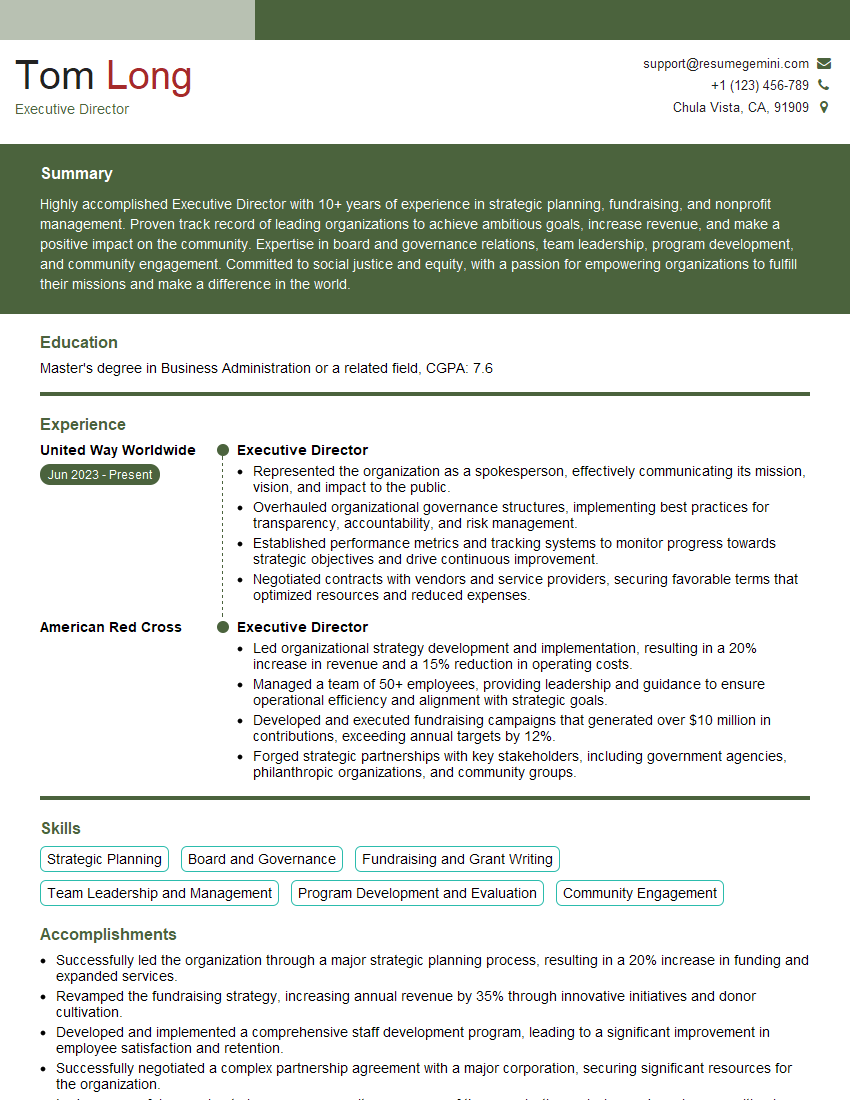
Executive Director Resume Sample
Operations Manager Resume Sample
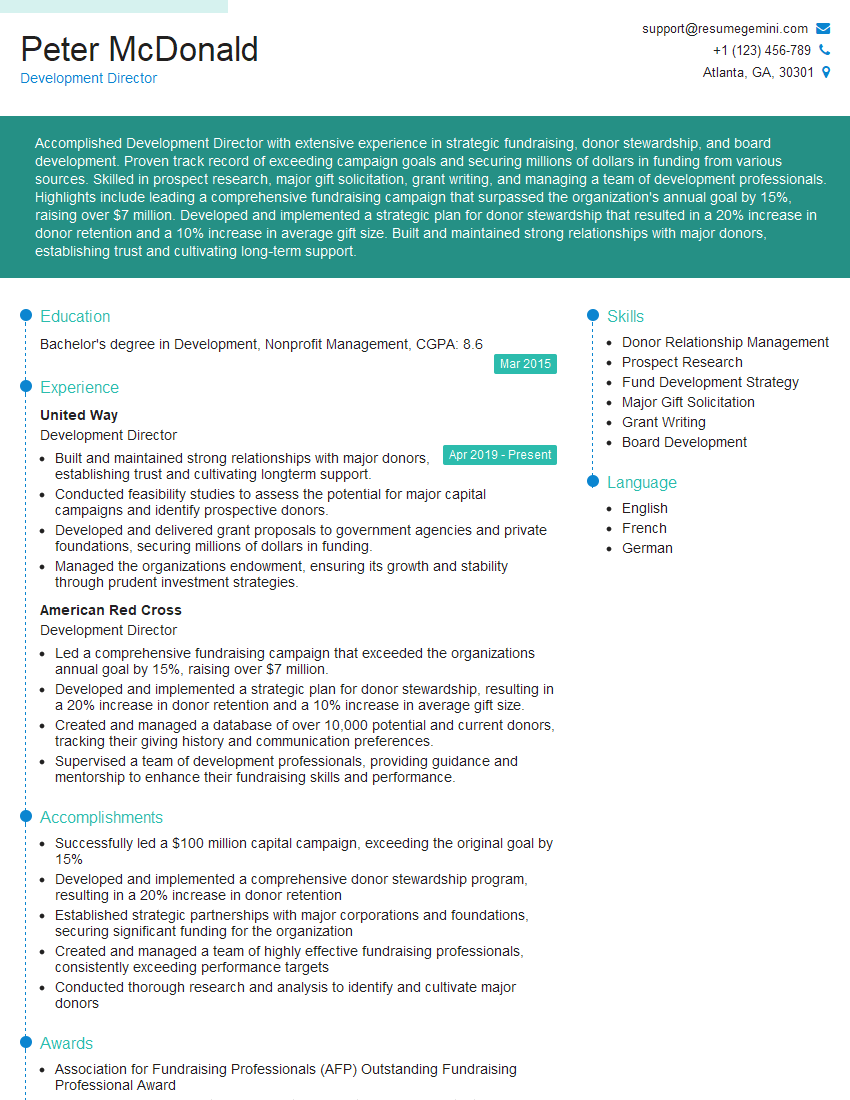
Development Director Resume Sample
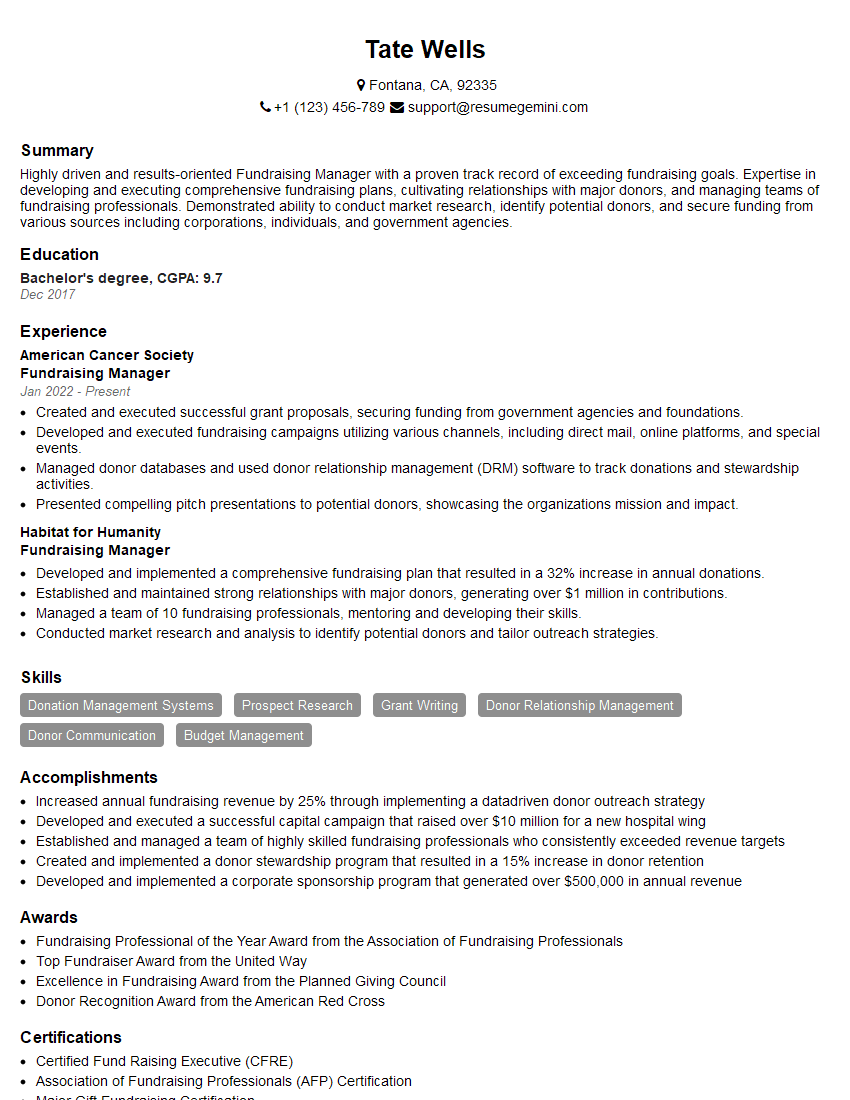
Fundraising Manager Resume Sample
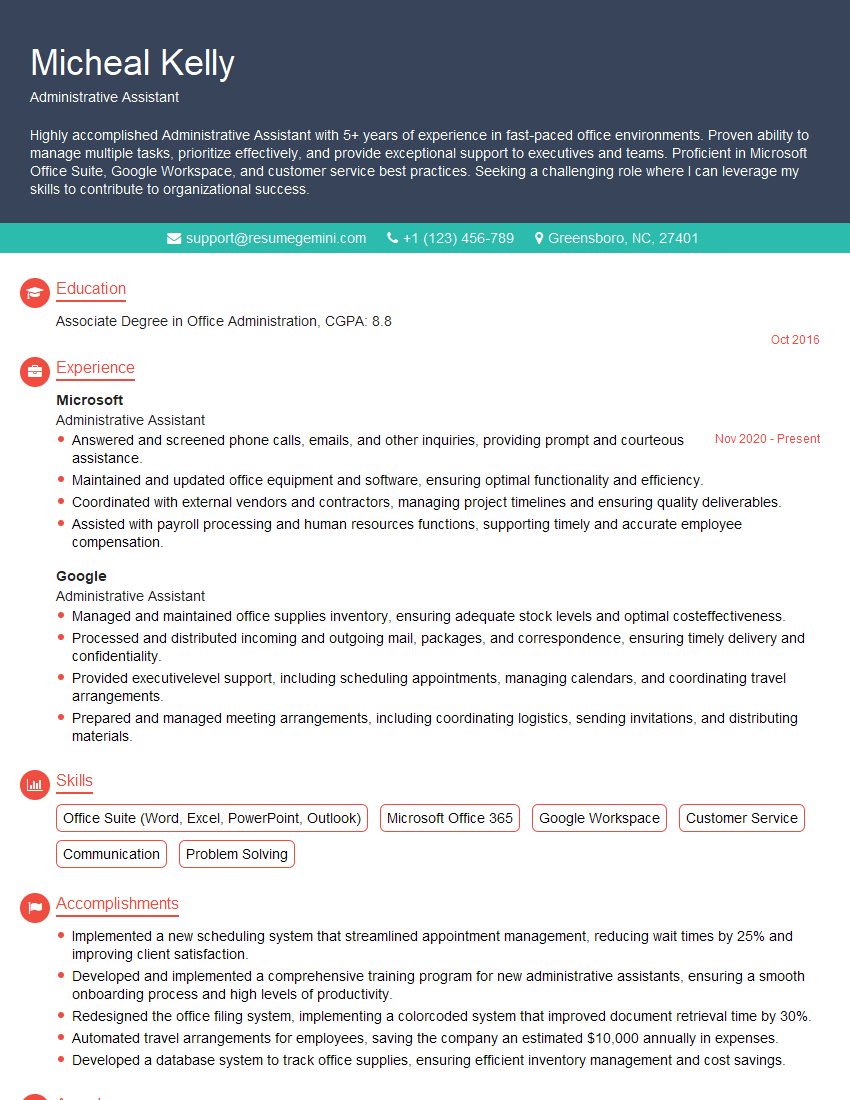
Administrative Assistant Resume Sample
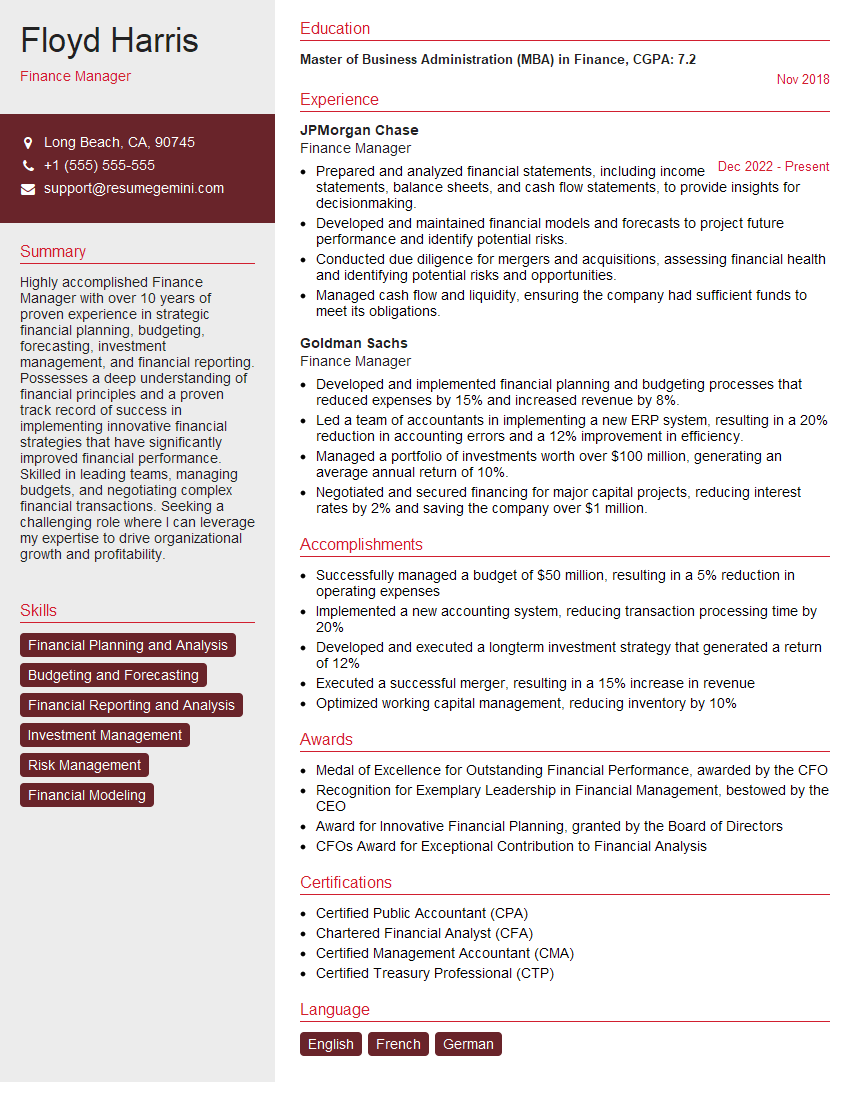
Finance Manager Resume Sample
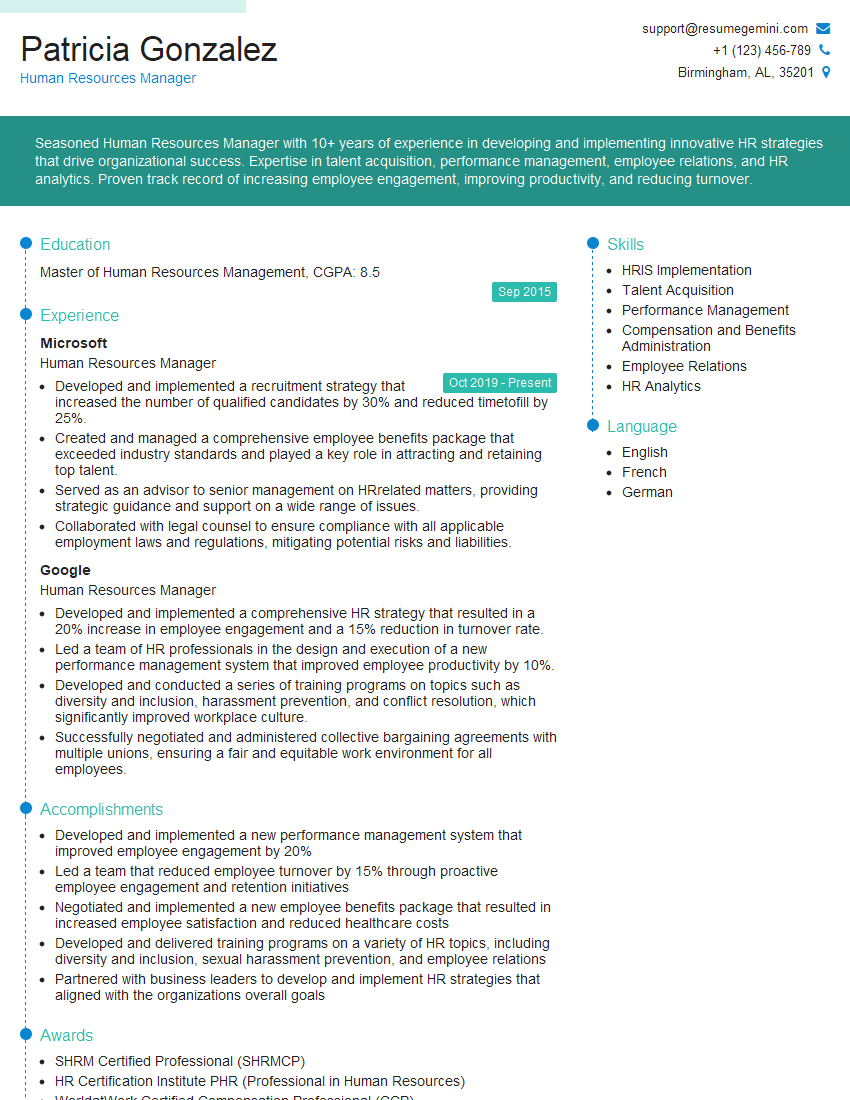
Human Resources Manager Resume Sample
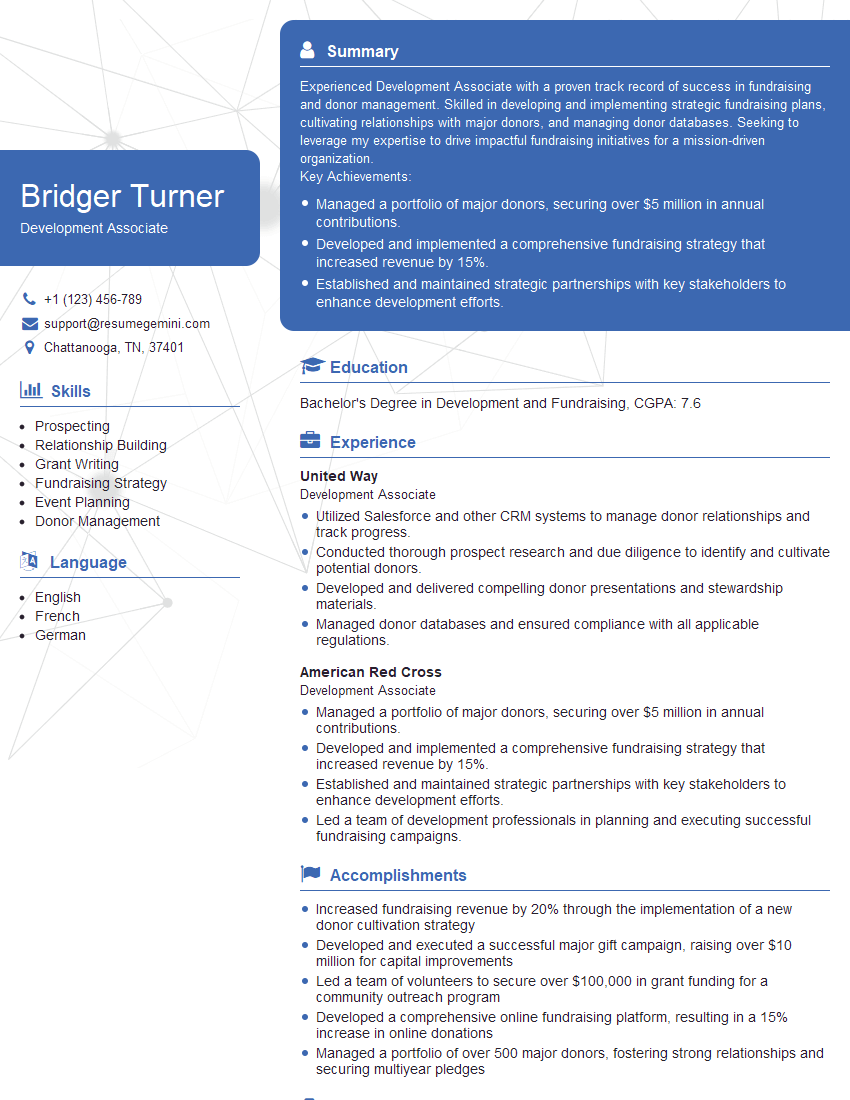
Development Associate Resume Sample
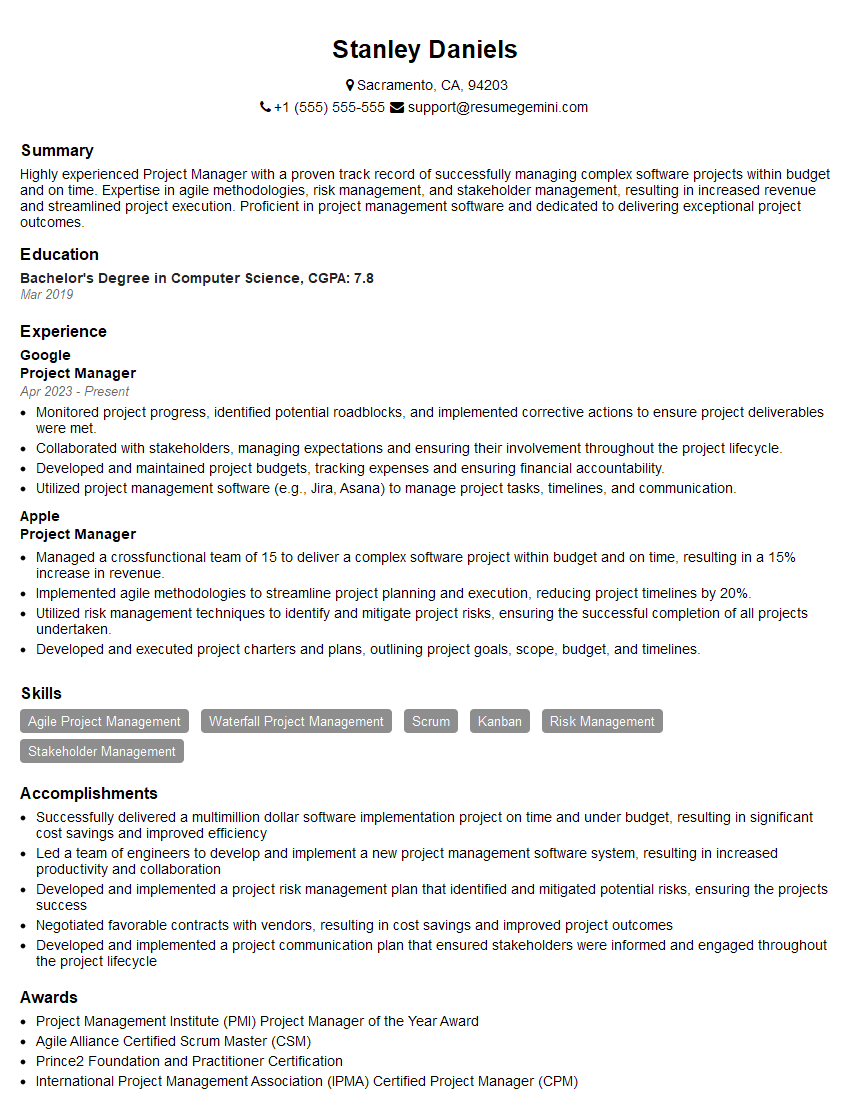
Project Manager Resume Sample
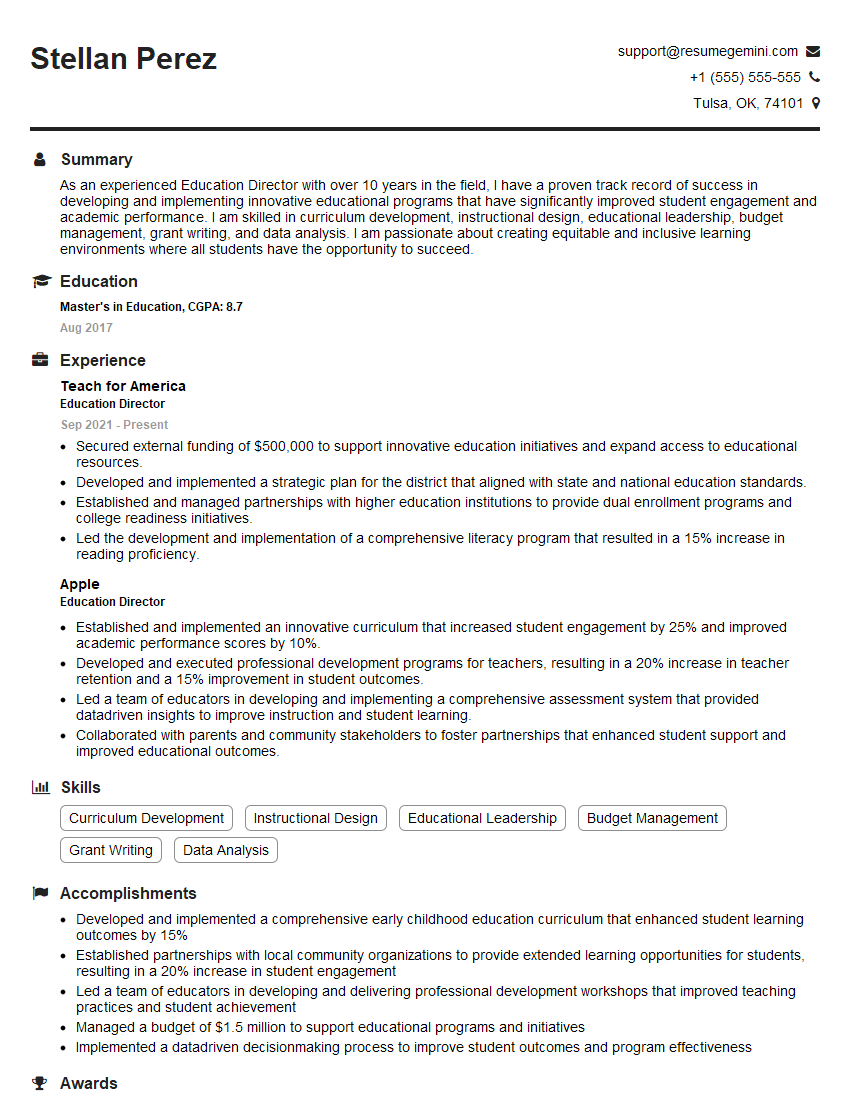
Education Director Resume Sample
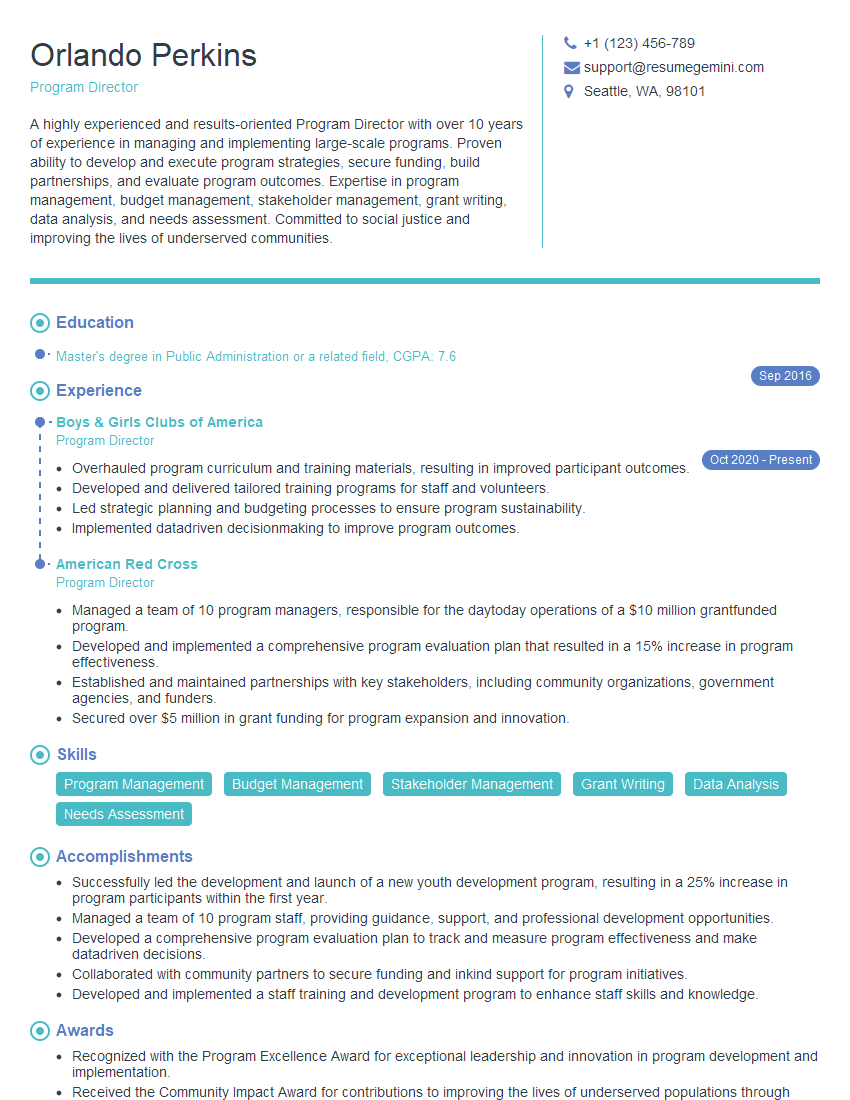
Program Director Resume Sample
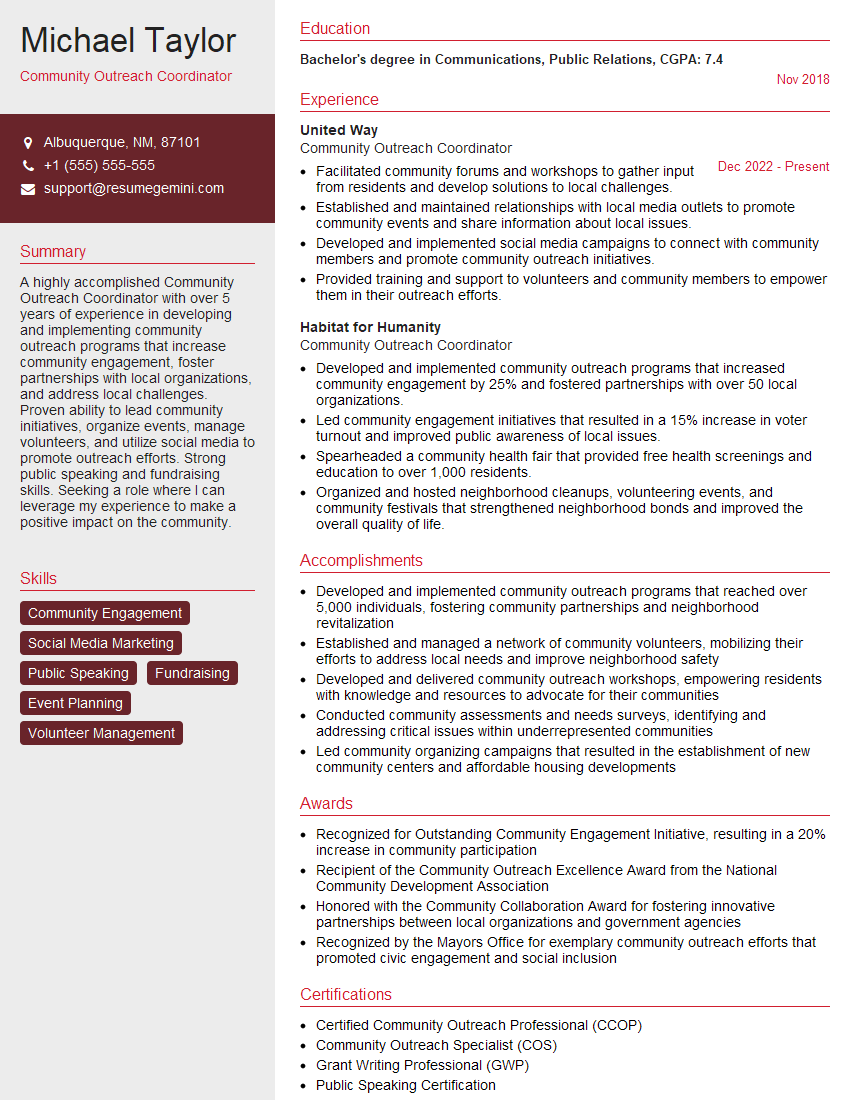
Community Outreach Coordinator Resume Sample
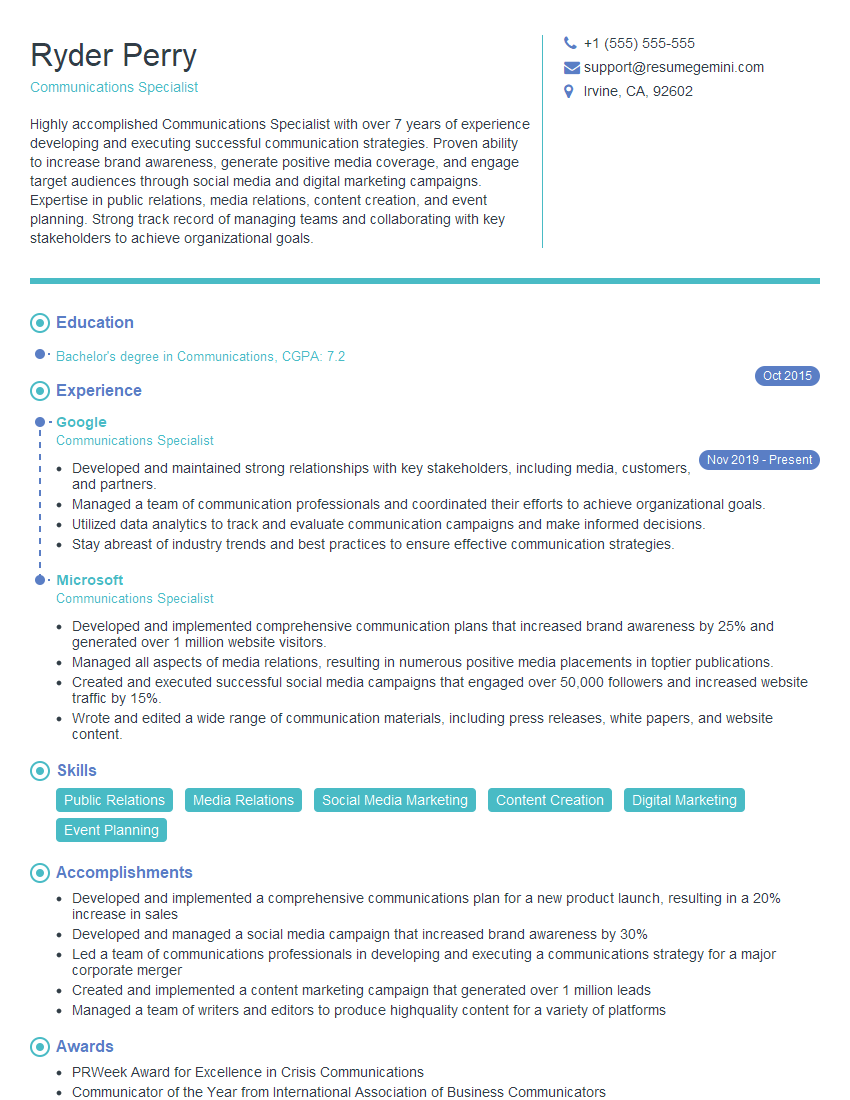
Communications Specialist Resume Sample
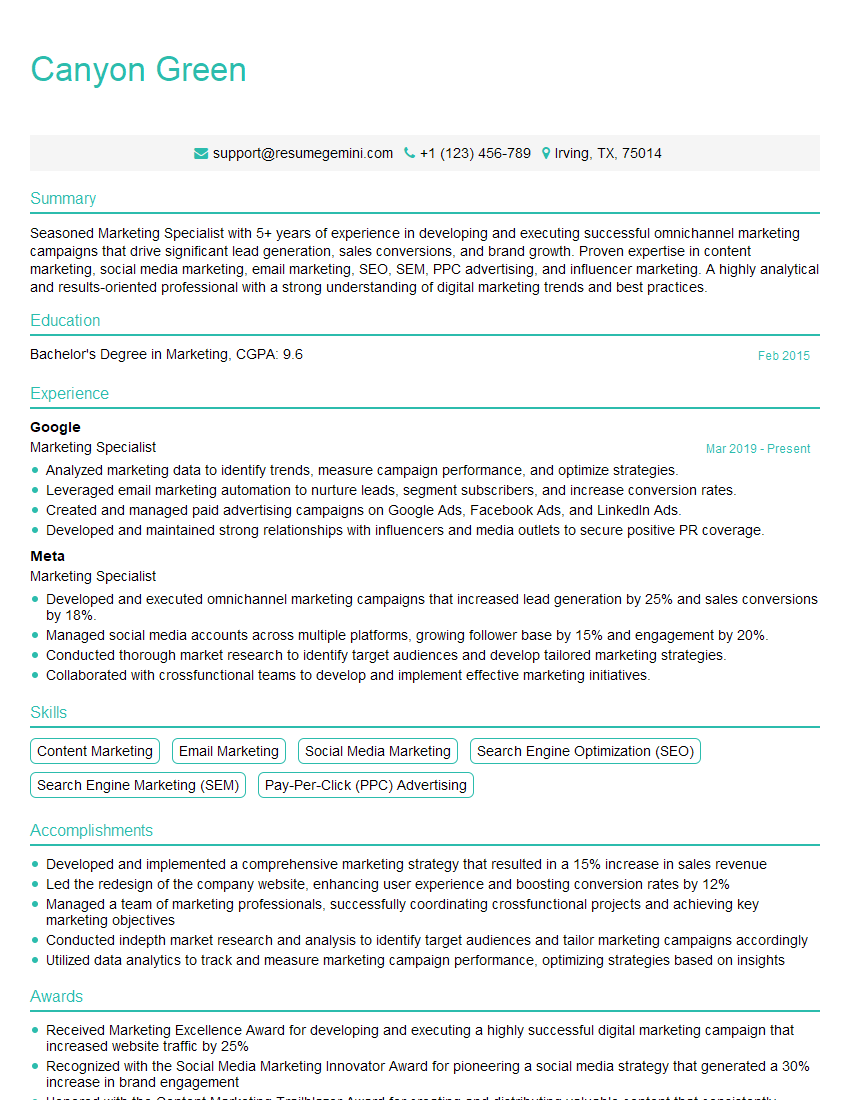
Marketing Specialist Resume Sample
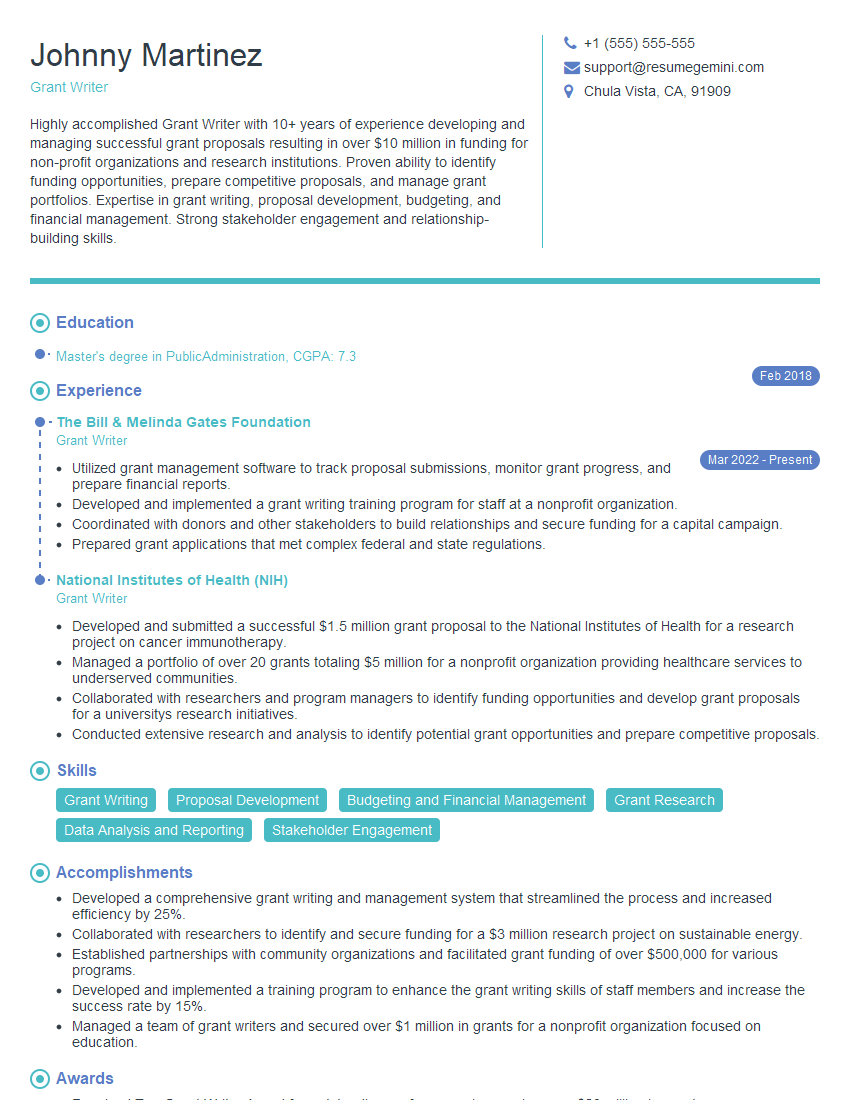
Grant Writer Resume Sample
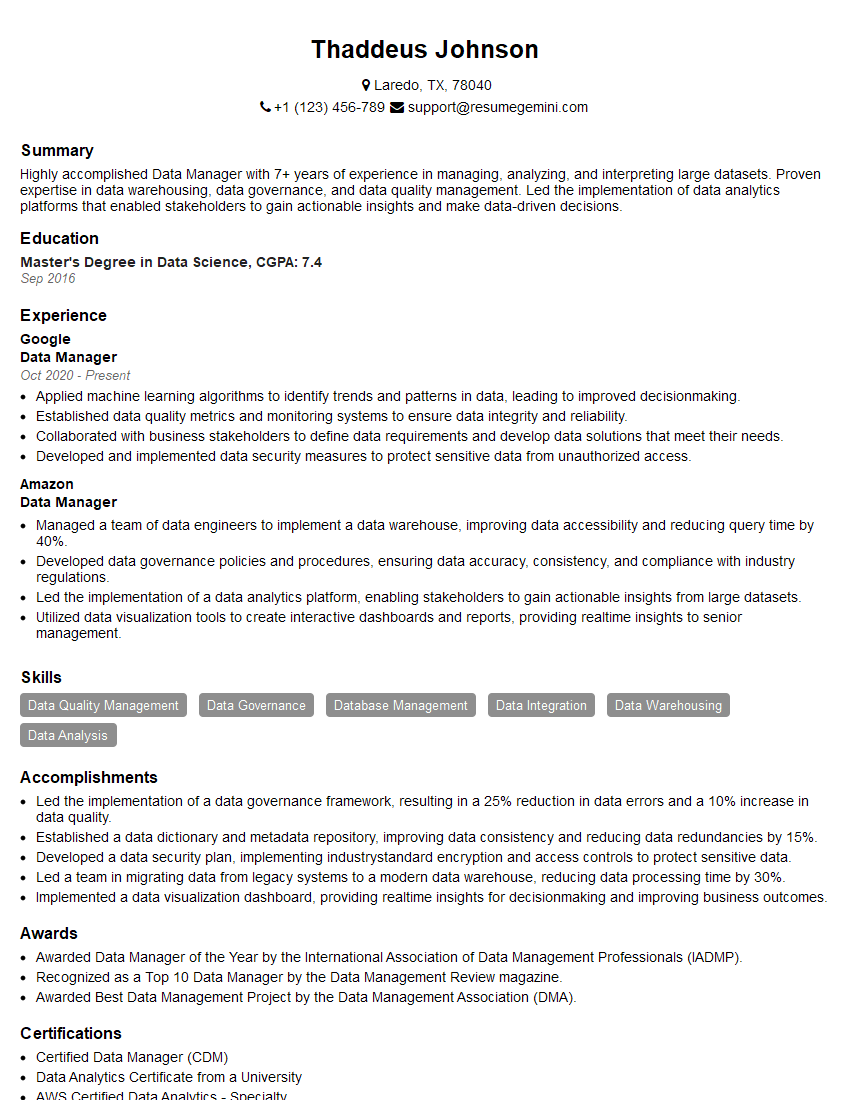
Data Manager Resume Sample
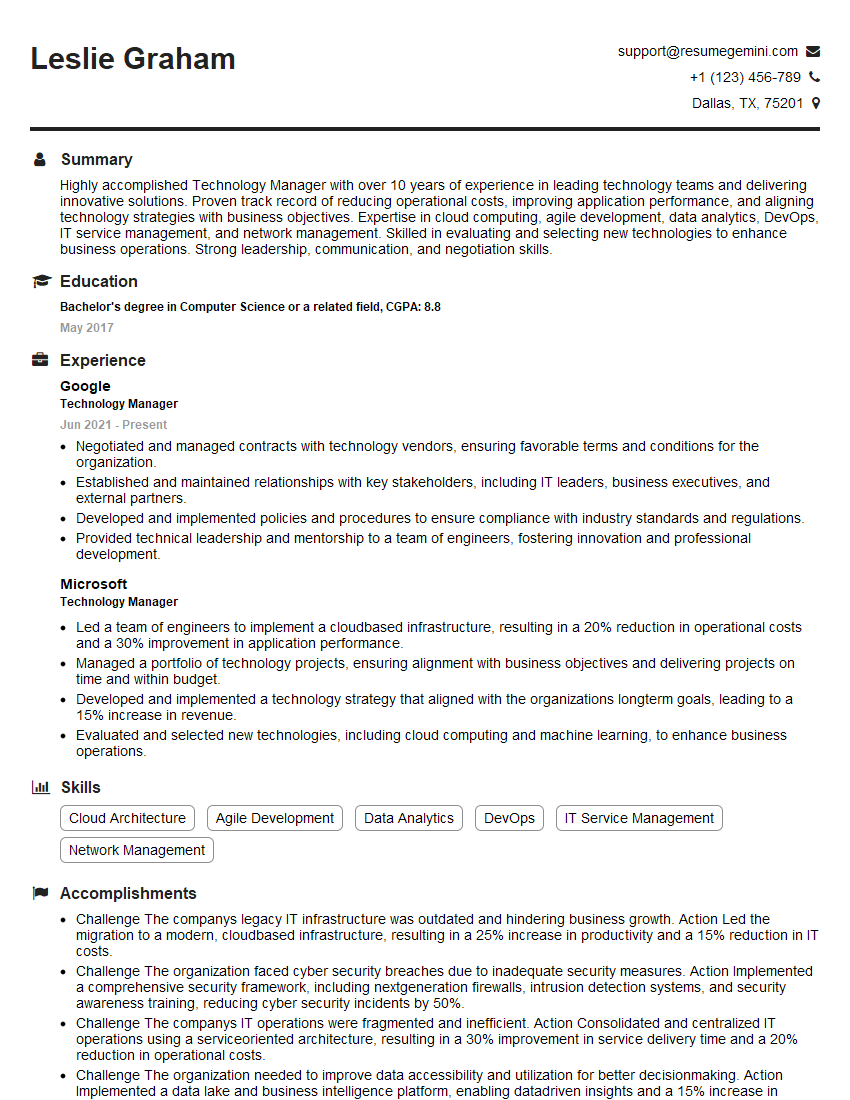
Technology Manager Resume Sample
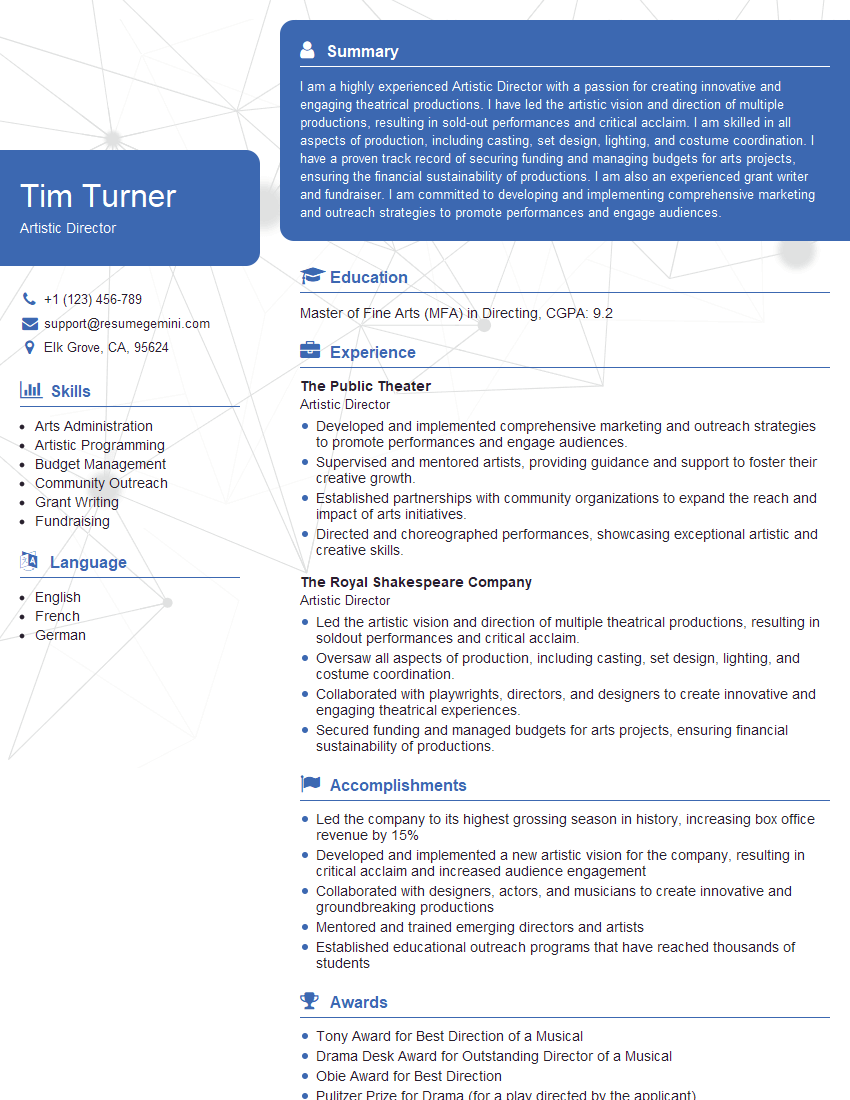
Artistic Director Resume Sample
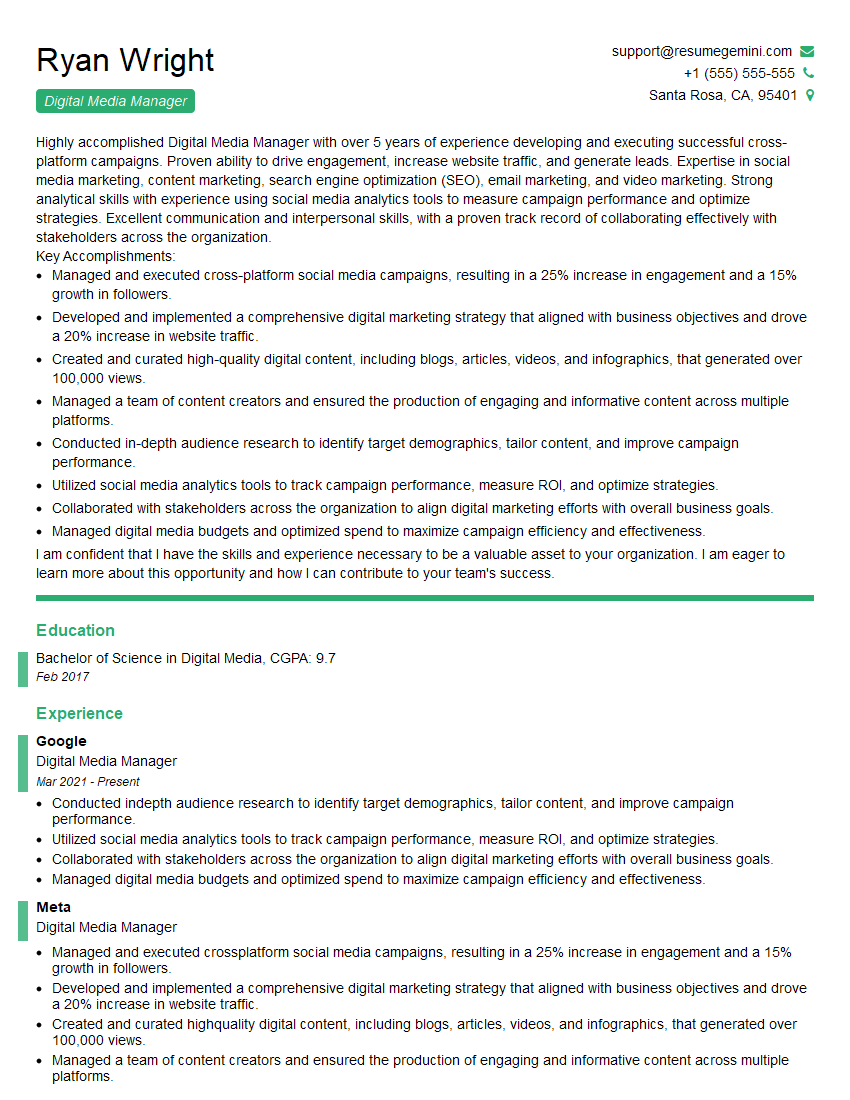
Digital Media Manager Resume Sample
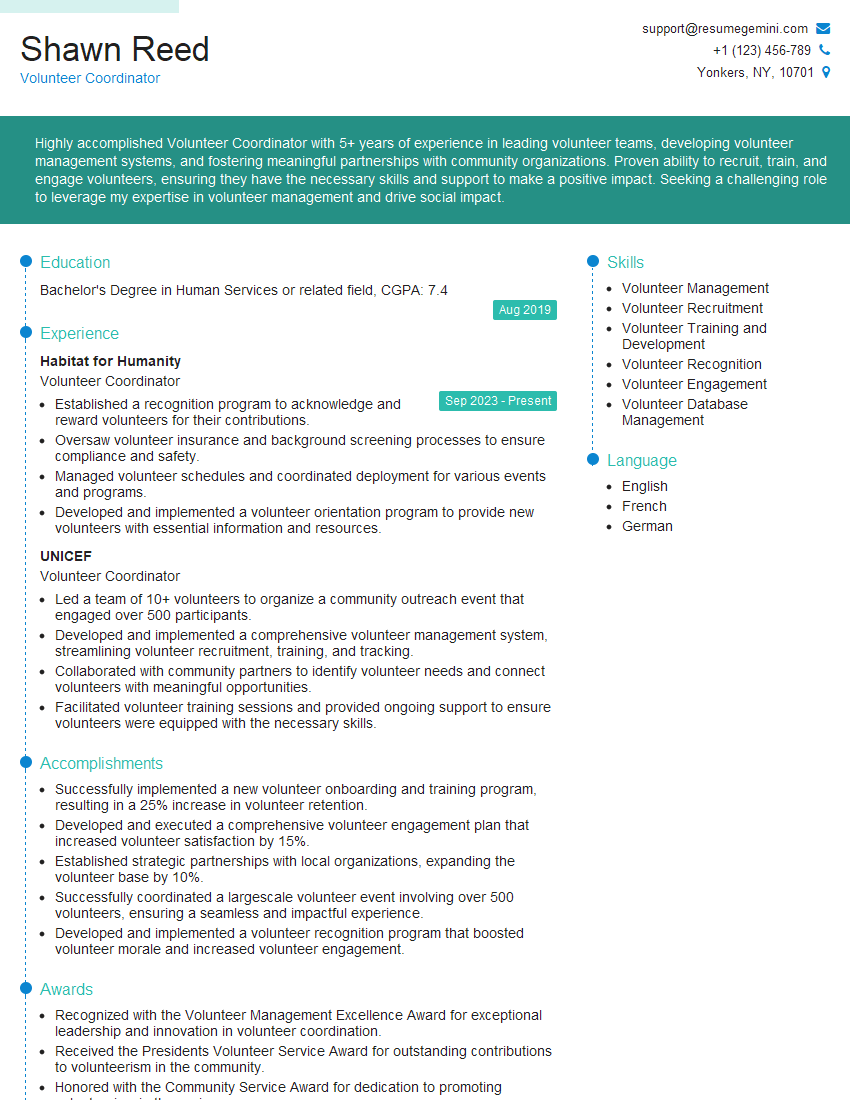
Volunteer Coordinator Resume Sample
- Executive Director
- Operations Manager
- Development Director
- Fundraising Manager
- Administrative Assistant
- Finance Manager
- Human Resources Manager
- Development Associate
- Project Manager
- Education Director
- Program Director
- Community Outreach Coordinator
- Communications Specialist
- Marketing Specialist
- Grant Writer
- Data Manager
- Technology Manager
- Artistic Director
- Digital Media Manager
- Volunteer Coordinator
Explore more articles
Users Rating of Our Blogs
Share Your Experience
We value your feedback! Please rate our content and share your thoughts (optional).
What Readers Say About Our Blog
Very informative content, great job.
good