Unlock your full potential by mastering the most common Teamwork and Problem-Solving Abilities interview questions. This blog offers a deep dive into the critical topics, ensuring you’re not only prepared to answer but to excel. With these insights, you’ll approach your interview with clarity and confidence.
Questions Asked in Teamwork and Problem-Solving Abilities Interview
Q 1. Describe a time you had to resolve a conflict within a team.
Resolving team conflicts requires a delicate balance of empathy, clear communication, and a focus on finding mutually beneficial solutions. In one project, a disagreement arose between two team members regarding the best approach to software testing – one favored automated tests, the other manual testing. The conflict escalated to the point of impacting productivity.
My approach involved first actively listening to both sides without judgment. I facilitated a meeting where each member explained their perspective, highlighting the pros and cons of their preferred methods. We then collaboratively brainstormed a hybrid approach, combining automated tests for core functionalities with manual tests for more nuanced areas. This compromise allowed both team members to feel heard and valued, ultimately leading to a more robust testing strategy and improved team cohesion. The key was focusing on the shared goal – a successful project – and finding a solution that incorporated the strengths of each approach.
Q 2. How do you handle disagreements with team members?
Disagreements are inevitable in teamwork, and I view them as opportunities for improvement and innovation. My approach prioritizes respectful dialogue and a collaborative problem-solving mindset. I avoid accusatory language and instead focus on understanding the underlying reasons behind the disagreement. For instance, a disagreement over project deadlines might stem from differing estimations of task complexity. To address this, I would initiate a discussion to clarify assumptions, re-evaluate the workload, and collaboratively adjust the schedule. If a consensus can’t be immediately reached, I would suggest a structured approach like using a decision-making framework (e.g., weighted criteria) to arrive at a fair and objective solution.
Q 3. Explain your approach to prioritizing tasks in a team environment.
Prioritizing tasks in a team involves more than just urgency; it demands a strategic approach that considers dependencies, deadlines, and resource allocation. I typically employ a combination of methods. First, we use a project management tool (like Jira or Asana) to create a central task list. We then utilize a prioritization matrix, often a MoSCoW method (Must have, Should have, Could have, Won’t have), to classify tasks based on their importance and urgency. This allows us to focus our efforts on the most critical tasks first. Regular sprint planning meetings (Agile methodology) allow for dynamic task prioritization based on emerging needs and challenges. Transparency is key; the entire team participates in the prioritization process to ensure buy-in and shared understanding.
Q 4. Describe a situation where you had to adapt your problem-solving approach due to team dynamics.
Adapting my problem-solving approach based on team dynamics is crucial for effective teamwork. In one instance, my initial analytical, data-driven approach to optimizing a marketing campaign wasn’t resonating with a team that prioritized creative intuition. Instead of imposing my methodology, I adapted by incorporating their input through brainstorming sessions and design thinking workshops. This collaborative approach leveraged both our analytical and creative strengths. We used A/B testing to compare different creative executions, allowing data to inform creative decisions, bridging the gap between our differing styles. The key was recognizing that the best problem-solving approach is often context-dependent and should adapt to the team’s strengths and preferences.
Q 5. How do you ensure effective communication within a team?
Effective team communication is the bedrock of successful teamwork. I emphasize multiple channels to cater to diverse communication styles. This includes regular team meetings (both synchronous and asynchronous), project management software for updates and task assignments, instant messaging for quick queries, and even occasional informal social gatherings to foster team bonding. Crucially, I encourage open and honest communication, fostering a culture where team members feel comfortable sharing both successes and challenges without fear of judgment. Clear, concise communication, avoiding jargon, is also paramount. Finally, actively seeking feedback ensures that everyone feels heard and understood.
Q 6. How do you identify and address individual team member strengths and weaknesses?
Identifying and addressing individual team member strengths and weaknesses is essential for optimized performance. I use a multi-faceted approach. Regular one-on-one meetings allow me to understand individual goals, aspirations, and perceived challenges. Performance reviews offer a structured format to assess progress and identify areas for improvement. Observation during team projects and discussions reveals practical strengths and weaknesses. I also utilize 360-degree feedback mechanisms where team members provide anonymous feedback to each other, offering a comprehensive picture of individual contributions and areas needing attention. This holistic approach ensures a fair and accurate assessment, fostering personal growth and team synergy.
Q 7. Describe a time you mentored a less experienced team member.
Mentoring a less experienced team member is rewarding and contributes to overall team development. I mentored a junior developer who was struggling to grasp certain aspects of our coding framework. My approach was to start with understanding their learning style and knowledge gaps. I tailored my mentorship to their needs, providing targeted resources, hands-on guidance, and regular feedback. I didn’t just provide solutions but guided them through the problem-solving process. We paired programming frequently, allowing them to observe my approach and ask clarifying questions. I also provided constructive criticism focused on growth, avoiding demotivation. This personalized approach boosted their confidence and significantly improved their coding proficiency. The success of this mentorship was measured by their increased contribution to the team and their improved technical skills.
Q 8. How do you contribute to a positive and productive team environment?
Contributing to a positive and productive team environment is about fostering collaboration, respect, and a shared sense of purpose. It’s not just about doing your job; it’s about actively enhancing the experience for everyone involved.
- Open Communication: I actively participate in team discussions, offering my insights and perspectives while respectfully listening to others. I ensure that communication channels are clear and readily available, whether it’s through regular meetings, instant messaging, or project management tools.
- Positive Attitude: I maintain a positive and encouraging attitude, even during challenging times. Celebrating successes and offering constructive feedback are key components of my approach. A positive atmosphere motivates the team and encourages problem-solving.
- Collaboration and Support: I actively seek opportunities to collaborate with team members, offering help and support whenever needed. This includes sharing knowledge, assisting with tasks, and mentoring junior colleagues.
- Respectful Interactions: I treat all team members with respect, valuing their contributions and perspectives. This includes actively listening, acknowledging individual strengths, and avoiding conflicts through open communication and compromise.
- Proactive Problem Solving: I don’t just react to problems; I proactively identify potential roadblocks and propose solutions, thereby reducing stress and improving overall team efficiency.
For example, in a previous project, I noticed team morale was low due to a complex task. I organized a brainstorming session where everyone could freely share their concerns and ideas. This open dialogue led to a more effective approach, boosting team morale and project success.
Q 9. Have you ever had to deal with a team member who wasn’t pulling their weight? How did you handle it?
Addressing underperforming team members requires a tactful and professional approach. It’s crucial to understand the underlying reasons for the lack of contribution before taking action.
- Private Conversation: I would first schedule a private meeting with the individual to understand their perspective. This allows for open and honest conversation without creating unnecessary tension.
- Identify Root Cause: During the conversation, I’d aim to understand the reasons behind their lack of contribution. Are they facing personal challenges? Do they lack clarity on their responsibilities? Or are there skill gaps that need addressing?
- Offer Support and Guidance: Based on the root cause, I would offer support and guidance. This could involve providing additional training, clarifying roles and responsibilities, or connecting them with resources to overcome obstacles.
- Set Clear Expectations: I would clearly reiterate expectations regarding their role and performance. This should include setting achievable goals and deadlines.
- Escalation: If the situation doesn’t improve despite these efforts, I would escalate the issue to the project manager or relevant authority.
In one instance, a team member was struggling with a new software. After a private conversation, I realized they lacked proper training. I arranged for them to receive additional instruction, leading to significant improvement in their performance and contribution.
Q 10. Describe a time you had to make a difficult decision that impacted your team.
Difficult decisions impacting teams often involve resource allocation, prioritization, or conflict resolution. The key is a transparent, data-driven approach that prioritizes the overall project goals.
In a previous project, we faced a critical deadline with limited resources. We had to choose between two features: one was crucial for the core functionality, while the other was a desirable enhancement. I convened a team meeting to discuss the pros and cons of each option, presenting relevant data like user feedback and development effort estimations. After careful consideration, we decided to prioritize the core functionality to meet the deadline, postponing the enhancement to a future release. This decision, although challenging, was made transparently and collaboratively, ensuring the team understood the rationale.
The success of this decision lay in the collaborative process. By involving the team, I ensured buy-in and prevented resentment. While the team initially showed disappointment about postponing the enhancement, they understood the necessity and worked together to deliver the core functionality on time.
Q 11. How do you delegate tasks effectively?
Effective delegation is about assigning tasks to the right individuals, providing clear instructions and support, and empowering them to succeed. It’s not simply dumping work; it’s about strategically distributing responsibilities to maximize overall team efficiency.
- Assess Team Members’ Skills: Before delegating, I assess each team member’s skills, experience, and workload to ensure the task is aligned with their capabilities.
- Clear Instructions and Expectations: I provide clear, concise instructions that specify the task, desired outcome, deadlines, and available resources. This avoids ambiguity and promotes understanding.
- Provide Necessary Support: I offer the necessary support and guidance to ensure the team member can complete the task successfully. This may involve providing access to resources, mentorship, or regular check-ins.
- Empowerment and Autonomy: I empower team members by giving them ownership and autonomy over their tasks. Micromanagement hinders productivity and demotivation.
- Regular Check-ins and Feedback: I maintain regular communication with the team member, providing timely feedback and addressing any challenges encountered.
For instance, I once delegated the creation of a marketing presentation to a team member with strong design skills. I provided clear instructions on the target audience, key messages, and desired style. I also scheduled regular check-ins to provide feedback and answer questions. This collaborative approach led to a high-quality presentation delivered on time.
Q 12. How do you measure the success of a team project?
Measuring the success of a team project goes beyond simply meeting deadlines. It requires a multifaceted approach that considers various aspects of the project’s goals and impact.
- Meeting Objectives: Did the project meet its primary goals and objectives? This includes assessing whether the product or service delivered the intended functionality, performance, and quality.
- On-Time and Within Budget: Was the project delivered on time and within the allocated budget? This demonstrates effective planning and resource management.
- Client or Stakeholder Satisfaction: How satisfied were the clients or stakeholders with the final outcome? Gathering feedback through surveys or interviews provides valuable insights.
- Team Performance and Collaboration: How effectively did the team collaborate and work together? Assessing teamwork, communication, and problem-solving skills reveals areas for improvement.
- Impact and Return on Investment (ROI): What was the overall impact of the project? Did it generate the expected return on investment? This demonstrates the long-term value and success of the project.
For example, on a recent website redesign project, success was measured by a combination of factors: improved website performance (measured by loading speed and conversion rates), positive client feedback (through surveys), and an increase in website traffic. The combination of these metrics provided a comprehensive evaluation of the project’s overall success.
Q 13. How do you approach problem-solving when faced with limited information?
Problem-solving with limited information requires a structured approach that combines data gathering, creative thinking, and risk assessment.
- Information Gathering: I begin by systematically gathering all available information, however limited. This may involve interviewing stakeholders, reviewing existing documentation, or conducting preliminary research.
- Assumption Identification: I explicitly identify any assumptions made due to limited information and acknowledge their potential impact on the solution.
- Hypothesis Generation: I develop several hypotheses or potential solutions based on the available information and assumptions.
- Prioritization and Testing: I prioritize the hypotheses based on their potential impact and feasibility, then test them through quick experiments or simulations.
- Iterative Approach: I approach problem-solving iteratively, refining my understanding and adapting my solution as more information becomes available.
Imagine trying to diagnose a car problem with limited diagnostic tools. You would start by gathering information—listening to the engine, checking fluid levels. You would then formulate hypotheses (e.g., bad spark plugs, low fuel pressure) and test them systematically. This iterative process allows you to refine your diagnosis as you gather more information.
Q 14. Describe a time you used creative problem-solving to overcome a challenge.
Creative problem-solving often involves thinking outside the box and exploring unconventional solutions. It requires a willingness to experiment and embrace failure as a learning opportunity.
In a previous project, we were tasked with improving customer onboarding efficiency. The existing process was cumbersome and resulted in high customer churn. Instead of incremental improvements, we decided to reimagine the entire onboarding experience. We used design thinking principles to develop a user-centered approach, conducting user research, creating prototypes, and testing various iterations. This resulted in a simpler, more intuitive onboarding process that significantly reduced customer churn and improved satisfaction. The key was our willingness to abandon traditional solutions and embrace a more creative, user-centric approach.
The creative solution involved creating interactive video tutorials, personalized welcome emails, and a streamlined registration process. This approach proved far more effective than simply tweaking the existing system, illustrating the power of creative problem-solving.
Q 15. How do you stay organized and manage your workload within a team?
Staying organized and managing workload within a team requires a multi-pronged approach. It’s not just about individual task management, but also about effective communication and shared understanding of priorities.
Prioritization: I utilize methods like Eisenhower Matrix (urgent/important) to prioritize tasks, focusing on high-impact activities first. This ensures we address critical needs before tackling less urgent items.
Project Management Tools: I’m proficient with tools like Jira, Asana, and Trello. These platforms allow for task assignment, progress tracking, and collaborative updates, keeping everyone on the same page. For example, in a recent project using Jira, we used Kanban boards to visualize workflow and identify bottlenecks efficiently.
Regular Team Meetings: Short, focused meetings are essential. We use stand-ups to review daily progress, identify roadblocks, and re-prioritize if necessary. This fosters transparency and allows for quick problem-solving.
Clear Communication: I emphasize clear communication channels. This includes using project management tools for task updates, email for formal communication, and instant messaging for quick questions. This avoids misunderstandings and keeps information flowing smoothly.
Time Blocking: I allocate specific time slots for focused work on particular tasks, minimizing distractions and ensuring consistent progress. This also helps me realistically estimate project timelines and manage expectations.
Career Expert Tips:
- Ace those interviews! Prepare effectively by reviewing the Top 50 Most Common Interview Questions on ResumeGemini.
- Navigate your job search with confidence! Explore a wide range of Career Tips on ResumeGemini. Learn about common challenges and recommendations to overcome them.
- Craft the perfect resume! Master the Art of Resume Writing with ResumeGemini’s guide. Showcase your unique qualifications and achievements effectively.
- Don’t miss out on holiday savings! Build your dream resume with ResumeGemini’s ATS optimized templates.
Q 16. Explain your experience with different collaboration tools and methodologies.
My experience spans various collaboration tools and methodologies. I’ve worked with Agile (Scrum and Kanban), Waterfall, and hybrid approaches, adapting my approach based on project needs.
Agile Methodologies: I’ve actively participated in Scrum sprints, daily stand-ups, sprint reviews, and retrospectives. This iterative approach allows for flexibility and continuous improvement. For example, in a recent project using Scrum, we successfully delivered a complex feature incrementally, adjusting our plans based on user feedback gathered during sprint reviews.
Collaboration Tools: Beyond Jira, Asana, and Trello, I’m experienced with Microsoft Teams, Slack, Google Workspace (Docs, Sheets, Meet), and Confluence for documentation. The choice of tools depends on the project’s size, complexity, and team preferences. For instance, we used Slack for quick communication during a fast-paced project requiring rapid response times.
Waterfall Methodology: I’ve also worked on projects using a Waterfall approach, where phases are sequential and well-defined. This is suitable for projects with clearly defined requirements and minimal expected changes. The key here is rigorous planning and documentation to mitigate risks associated with a less flexible structure.
My experience shows adaptability to diverse methodologies and tools, always selecting the most effective combination for the project at hand.
Q 17. Describe a time you had to troubleshoot a complex technical problem.
During a recent project, our application experienced intermittent crashes. Initially, error logs provided minimal clues. My approach involved a systematic troubleshooting process:
Reproduce the Issue: First, I worked to consistently reproduce the crash, identifying specific steps that triggered it. This helped rule out random occurrences.
Gather Data: I meticulously analyzed log files, examining timestamps, error codes, and system resource usage (CPU, memory, network). I also used debugging tools to step through the code execution.
Isolate the Problem: After careful examination, I discovered the crashes correlated with high database load during peak usage times. This pinpointed the problem area.
Develop Solutions: We implemented several solutions, including database query optimization, caching mechanisms, and load balancing. Each solution was tested thoroughly before deployment.
Monitor and Refine: Post-deployment, we continuously monitored system performance using monitoring tools to ensure stability and identify any lingering issues.
This systematic approach, combined with collaborative efforts from the team, successfully resolved the crashes and improved the application’s overall reliability.
Q 18. How do you break down complex problems into smaller, manageable tasks?
Breaking down complex problems requires a structured approach. I typically employ these strategies:
Define the Problem Clearly: The first step is to clearly articulate the problem’s scope and desired outcome. This involves asking clarifying questions and gathering all relevant information.
Divide and Conquer: I break the problem down into smaller, more manageable sub-problems or tasks. Each sub-problem should be well-defined with clear objectives and dependencies.
Prioritize Sub-problems: I prioritize sub-problems based on their impact and dependencies. Critical tasks are tackled first to avoid blocking subsequent steps.
Assign Tasks: Depending on team members’ skills and availability, I assign tasks to appropriate individuals. This ensures efficient resource allocation.
Use Visual Aids: Visual aids like flowcharts, mind maps, or Gantt charts help visualize the problem breakdown and task dependencies, improving understanding and collaboration.
For example, designing a new e-commerce platform would be broken into smaller tasks such as database design, user interface development, payment gateway integration, and security implementation. Each task would then be further subdivided into smaller, more manageable sub-tasks.
Q 19. How do you ensure the quality of work produced by your team?
Ensuring quality involves a multi-faceted strategy focusing on prevention and detection:
Clear Requirements and Specifications: Establishing clear requirements and specifications upfront is crucial. This minimizes ambiguity and ensures everyone understands the quality standards.
Code Reviews: Regular code reviews are essential for identifying defects early in the development process. This collaborative approach allows for knowledge sharing and improved code quality.
Testing: A comprehensive testing strategy, including unit tests, integration tests, and system tests, is necessary to verify functionality and identify bugs.
Automated Testing: Automating parts of the testing process significantly improves efficiency and consistency. This allows for frequent testing and quicker feedback loops.
Continuous Integration/Continuous Delivery (CI/CD): Implementing CI/CD pipelines automates the build, testing, and deployment process, leading to faster feedback and reduced risks.
Quality Metrics: Tracking relevant metrics, such as defect density, code coverage, and customer satisfaction, provides insights into the effectiveness of our quality processes.
A proactive approach to quality ensures consistent delivery of high-quality work.
Q 20. Describe a situation where you had to quickly adapt to a changing situation.
During a critical project launch, a major supplier unexpectedly delayed a critical component. This threatened to significantly delay the launch date. My response involved:
Assess the Impact: I first assessed the impact of the delay on the overall project timeline and identified dependencies.
Explore Alternatives: I immediately explored alternative solutions, such as sourcing the component from another supplier or finding a temporary workaround.
Communicate Proactively: I communicated transparently with stakeholders, explaining the situation and proposed solutions. This helped manage expectations.
Re-prioritize Tasks: I re-prioritized tasks to focus on aspects of the project that were not affected by the delay.
Adapt the Plan: We adjusted the launch plan, incorporating the new timeline and alternative solutions. This involved close collaboration with the team and stakeholders.
Although the delay was disruptive, our quick adaptation minimized its impact and allowed us to launch the project with minimal disruption.
Q 21. How do you provide constructive feedback to team members?
Providing constructive feedback is crucial for team growth. My approach centers on being specific, timely, and focused on behavior, not personality:
Specific Examples: I avoid vague statements and instead focus on specific instances of behavior or work. For example, instead of saying “Your work is sloppy,” I might say, “In the last report, the data on page 3 contained inconsistencies. Let’s review how we can improve data validation.”
Focus on Behavior: The feedback should be directed at the actions or behaviors, not the person’s character. This keeps the feedback objective and actionable.
Balance Positive and Negative: I always start by acknowledging positive aspects of their work before addressing areas for improvement. This creates a more receptive environment.
Offer Solutions: Along with identifying areas for improvement, I also suggest specific, actionable steps to help the individual improve their performance. This makes the feedback helpful and constructive.
Private and Respectful: Feedback should be delivered privately and respectfully, ensuring a safe and comfortable environment for discussion.
Two-Way Conversation: I encourage a two-way conversation to allow the team member to share their perspective and ask clarifying questions. This fosters mutual understanding and collaboration.
This approach ensures that feedback is received positively and used as a tool for continuous improvement.
Q 22. How do you handle setbacks or failures within a team?
Setbacks are inevitable in teamwork. My approach focuses on a structured process of analysis, learning, and adaptation. First, I encourage open communication; we collectively analyze what went wrong, avoiding blame and focusing on identifying root causes. This might involve using a root cause analysis (RCA) technique like the ‘5 Whys’. For example, if a project milestone was missed, we wouldn’t just say ‘we were late,’ but delve into why: ‘Why were we late? Because we underestimated the task. Why did we underestimate? Because we lacked sufficient data. Why did we lack data? Because the initial planning was rushed.’ And so on, until we uncover the fundamental issue. Second, we develop actionable steps to prevent recurrence. This might involve refining processes, improving communication protocols, or investing in additional training. Finally, we emphasize learning from the experience, fostering a culture where mistakes are seen as opportunities for growth. We document lessons learned to share knowledge and improve future projects. A previous project involved a critical software bug. By applying RCA, we traced the issue to a coding oversight during integration. We implemented stricter code review processes and improved testing methodologies to prevent similar issues.
Q 23. How do you balance individual work with team contributions?
Balancing individual work and team contributions requires mindful prioritization and effective communication. I use time management techniques like the Eisenhower Matrix (urgent/important) to identify high-priority tasks, both individual and team-related. I also proactively communicate my workload and any potential roadblocks to my team, ensuring transparency. For example, if I’m working on a critical individual task, I’ll inform my team about the deadline and potential impact on my availability for team activities. I also actively participate in team discussions and collaboratively brainstorm solutions. My personal approach includes setting realistic expectations and leveraging tools like project management software to track progress on both individual and team tasks. It’s about proactive communication and flexible task management to avoid bottlenecks and maintain productivity for both individual and group efforts. In one instance, I was working on a key report while simultaneously contributing to a group presentation. By proactively communicating my workload and coordinating with my team members, we successfully completed both projects on time.
Q 24. Describe your experience with Agile or Scrum methodologies.
I have extensive experience with Agile and Scrum methodologies, particularly in software development. I’m proficient in managing sprints, participating in daily stand-ups, sprint planning, sprint reviews, and retrospectives. I understand the importance of iterative development, continuous feedback, and adapting to changing requirements. My experience includes working with Jira and Trello for project tracking and task management. In a recent project, we used Scrum to deliver a complex web application. The daily stand-ups ensured transparency and timely issue resolution, while sprint reviews allowed us to gather user feedback and adapt features accordingly. The iterative nature of the process enabled us to incorporate user feedback throughout the development cycle, leading to a more successful and user-friendly product. Furthermore, retrospectives helped us to continuously improve our processes and team collaboration. I am adept at facilitating these meetings, ensuring productive discussions focused on identifying areas for improvement and implementing effective changes.
Q 25. How do you identify and mitigate potential risks in a project?
Identifying and mitigating project risks involves a proactive approach that begins during the planning phase. I use a combination of techniques, including SWOT analysis (Strengths, Weaknesses, Opportunities, Threats), risk registers, and brainstorming sessions. A SWOT analysis helps identify internal and external factors that could impact the project, while a risk register provides a structured way to document, analyze, and monitor potential risks. Brainstorming sessions with the team encourage collective identification of potential issues. For each identified risk, we assess its likelihood and impact, prioritizing those with higher probabilities and severities. We then develop mitigation strategies – contingency plans to address each risk. For example, if a risk is resource availability, the mitigation plan could involve securing backup resources or adjusting the project timeline. Regular monitoring of risks is essential, adjusting plans as needed. In a past project, we identified the risk of a key vendor failing to deliver on time. Our mitigation strategy involved identifying an alternative vendor and negotiating a contract to minimize the potential impact of a delay.
Q 26. How do you use data to inform your problem-solving approach?
Data-driven problem-solving is crucial for making informed decisions. I use data to understand the problem’s context, identify patterns, test hypotheses, and measure the effectiveness of solutions. This involves gathering relevant data, analyzing it using appropriate methods (statistical analysis, data visualization), and drawing data-backed conclusions. For example, if a sales team is underperforming, I’d analyze sales data, customer feedback, and market trends to identify potential root causes. Are there issues with the sales process, product performance, or market competition? Data visualization (charts, graphs) helps to communicate findings effectively to the team. A/B testing can be used to compare the effectiveness of different solutions. Ultimately, data helps to remove bias and subjective opinions, enabling evidence-based decision making and more effective solutions. In a past project, using website analytics, we identified a usability issue on a landing page, resulting in a low conversion rate. By redesigning the page based on data insights, we significantly improved conversion rates, demonstrating the impact of data-driven decision-making.
Q 27. How do you encourage innovation and creativity within a team?
Encouraging innovation and creativity involves creating a safe and supportive environment where team members feel comfortable sharing ideas without fear of judgment. I facilitate brainstorming sessions using techniques like ‘brainwriting’ (writing ideas individually before sharing) to ensure everyone contributes. I actively encourage diverse perspectives and challenge assumptions, using techniques like ‘lateral thinking’ to explore unconventional solutions. I also provide opportunities for experimentation and learning, allowing time for team members to explore new ideas and learn from both successes and failures. Regularly celebrating successes, no matter how small, reinforces the value of innovation. In one project, we used a ‘Hackathon’ style event to generate innovative solutions for a challenging technical problem. This informal environment allowed for creative thinking and collaboration, resulting in several unexpected breakthroughs.
Q 28. Describe your preferred communication style in a team setting.
My preferred communication style in a team setting is open, transparent, and proactive. I believe in clear and concise communication, using appropriate channels for different purposes. For quick updates, I use instant messaging or email; for complex discussions, I prefer face-to-face meetings or video calls. I actively listen to others’ perspectives and encourage open dialogue. I am mindful of using inclusive language and ensuring everyone feels heard and valued. I strive for active participation and encourage open communication channels, valuing both written and verbal communication depending on the context and need for clarity or nuance. I believe in providing timely feedback and ensuring all team members are kept informed of project progress and any relevant changes. Transparency builds trust and enables better collaboration.
Key Topics to Learn for Teamwork and Problem-Solving Abilities Interview
- Understanding Team Dynamics: Learn to identify different team roles, communication styles, and conflict resolution strategies. Consider the impact of individual personalities on group productivity.
- Collaborative Problem-Solving: Explore methodologies like brainstorming, SWOT analysis, and decision-making frameworks. Practice articulating your contributions within a team setting and how you navigate disagreements constructively.
- Effective Communication: Master active listening, clear articulation of ideas, and providing constructive feedback. Understand the importance of both verbal and written communication in a team environment.
- Conflict Resolution: Develop strategies for identifying and addressing conflicts proactively. Practice explaining how you’ve mediated disagreements and achieved positive outcomes in past team projects.
- Problem-Solving Methodologies: Familiarize yourself with structured approaches to problem-solving, such as the 5 Whys, root cause analysis, and the DMAIC process. Be prepared to describe your problem-solving process in detail.
- Adaptability and Flexibility: Highlight your ability to adjust to changing priorities, unexpected challenges, and diverse perspectives within a team. Showcase instances where you demonstrated resilience and quick thinking.
- Leadership and Followership: Understand the nuances of both leading and following within a team. Be prepared to discuss examples where you took initiative and also where you effectively supported a team leader.
Next Steps
Mastering teamwork and problem-solving abilities is crucial for career advancement. Employers highly value individuals who can collaborate effectively, navigate complex situations, and contribute meaningfully to team success. To significantly boost your job prospects, focus on building an ATS-friendly resume that clearly showcases these skills. ResumeGemini is a trusted resource to help you craft a professional and impactful resume that highlights your accomplishments. We offer examples of resumes tailored to emphasize Teamwork and Problem-Solving Abilities to help you get started.
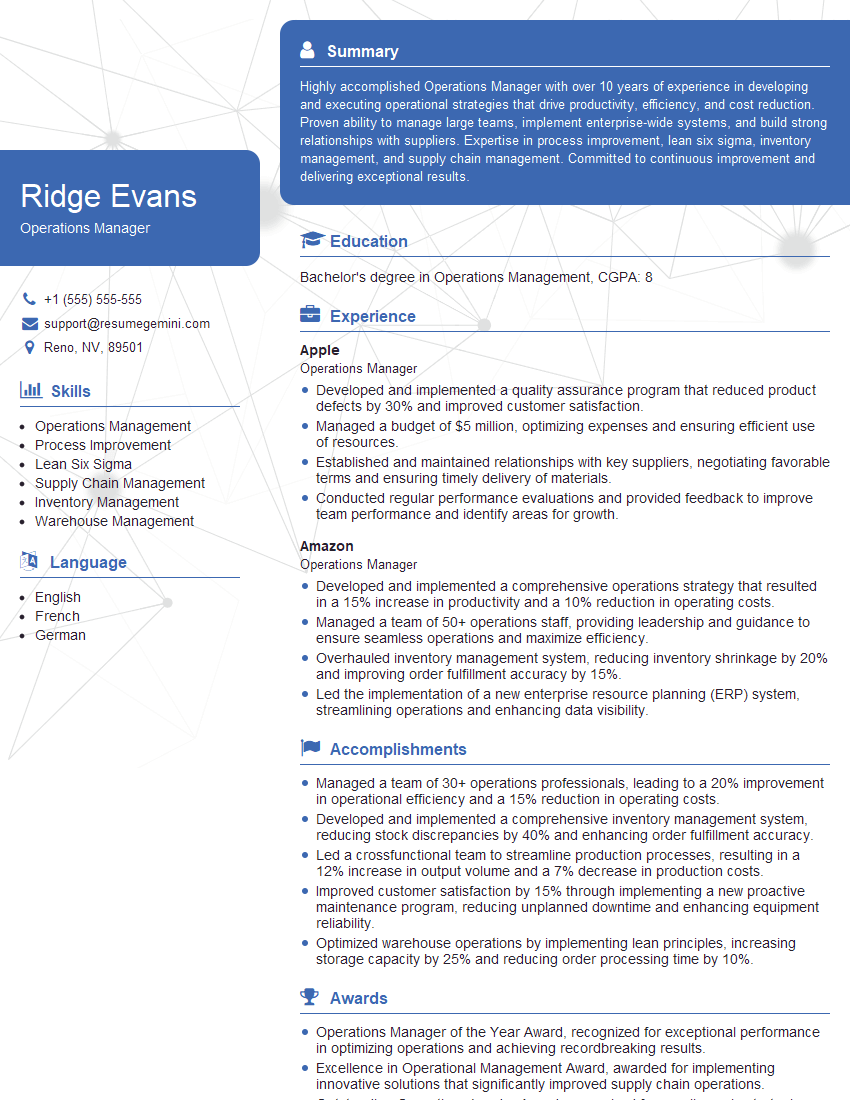
Operations Manager Resume Sample
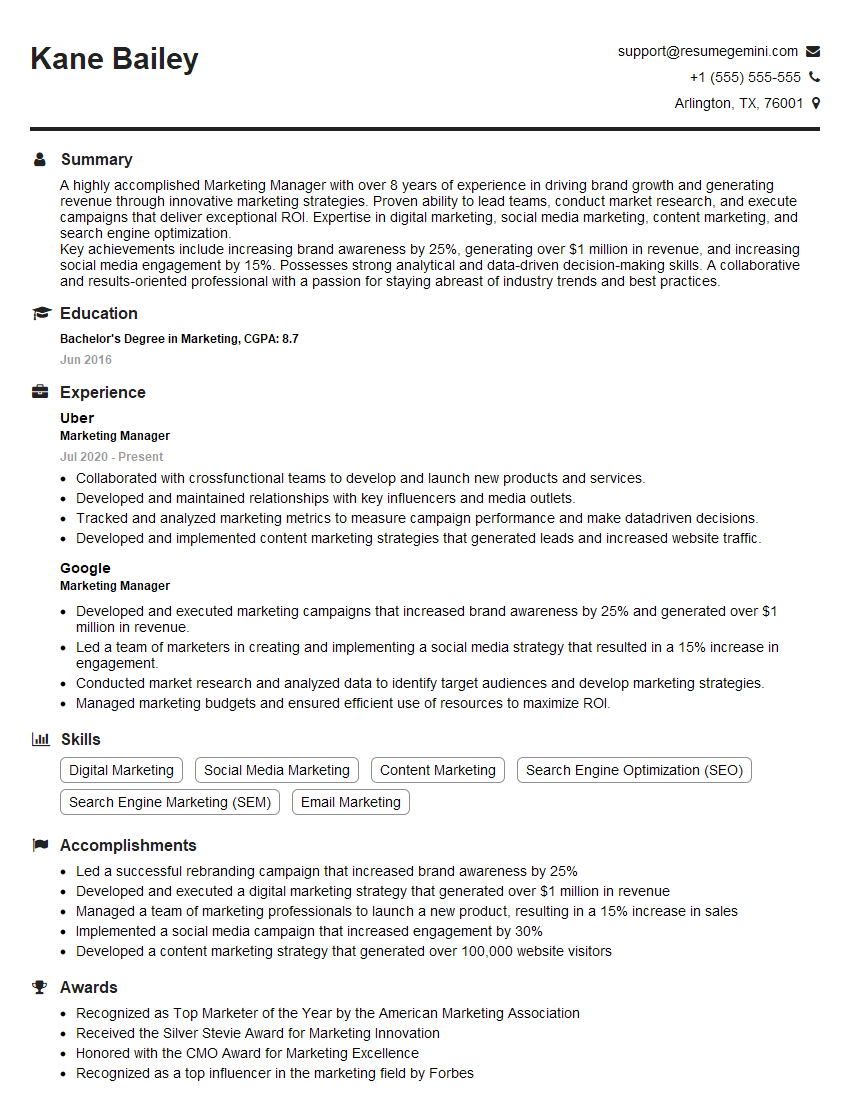
Marketing Manager Resume Sample
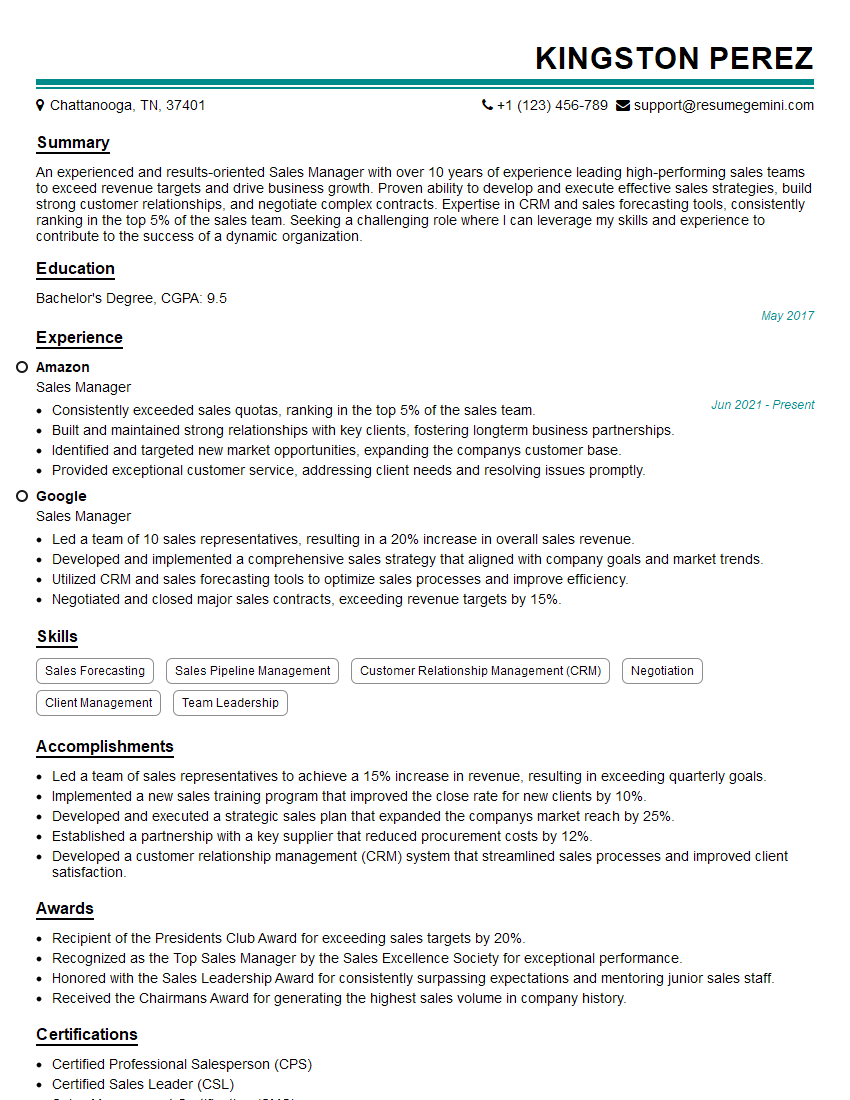
Sales Manager Resume Sample
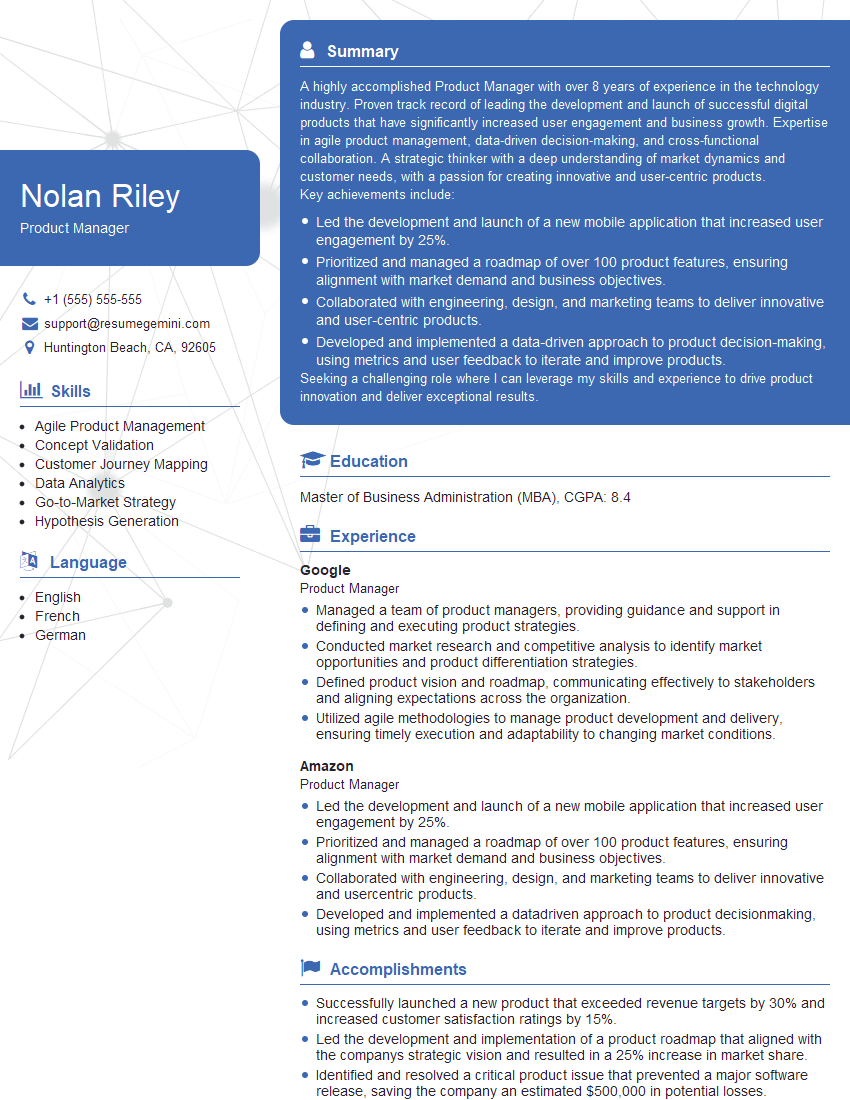
Product Manager Resume Sample
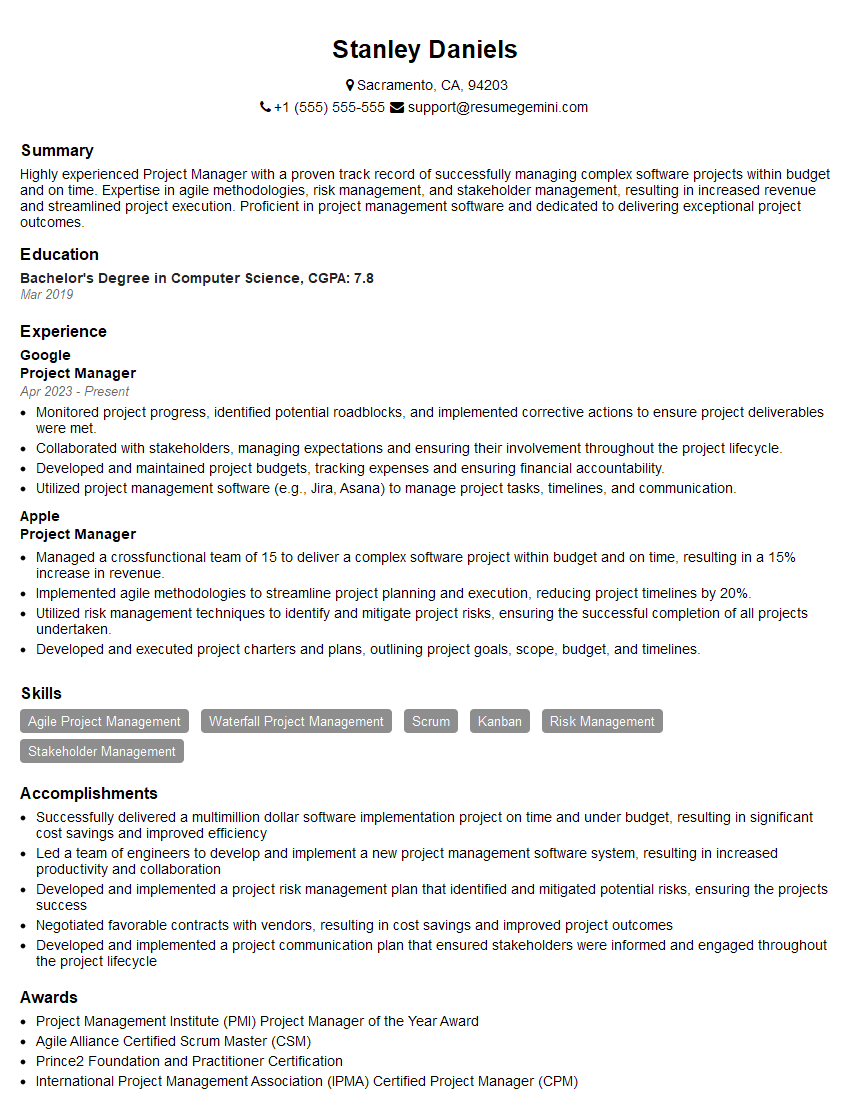
Project Manager Resume Sample
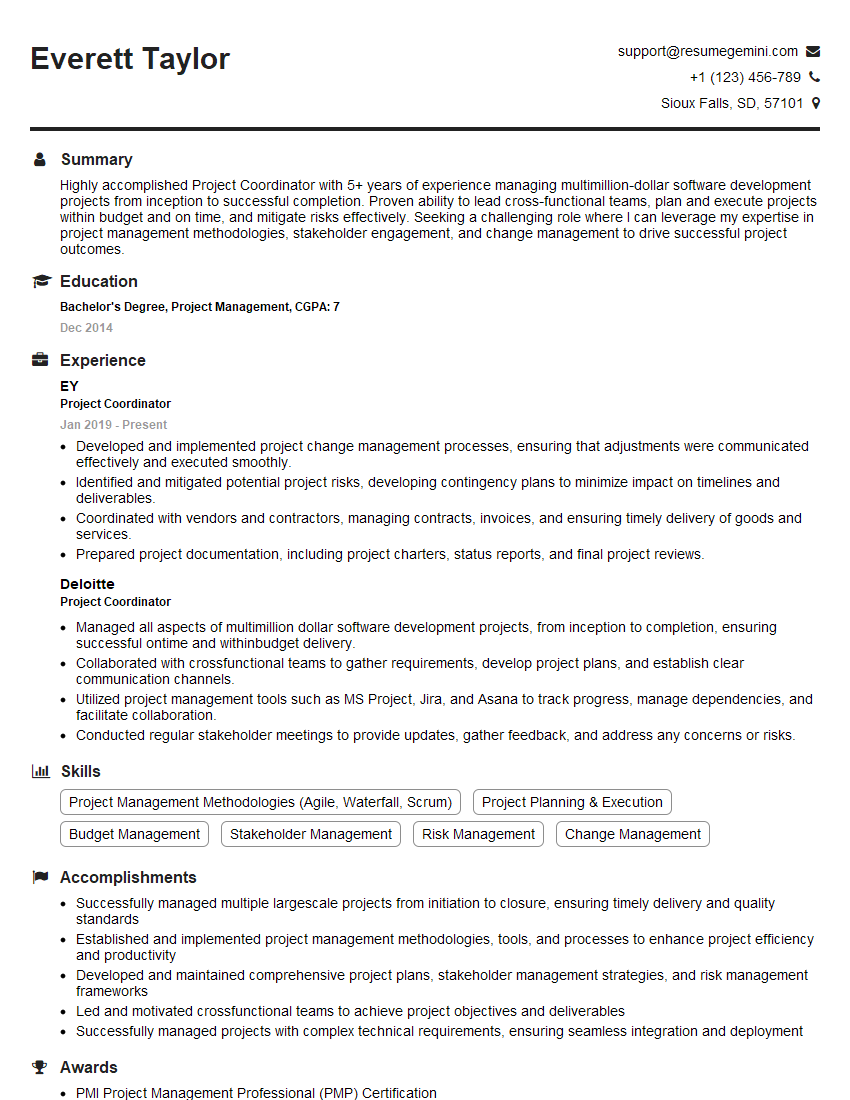
Project Coordinator Resume Sample
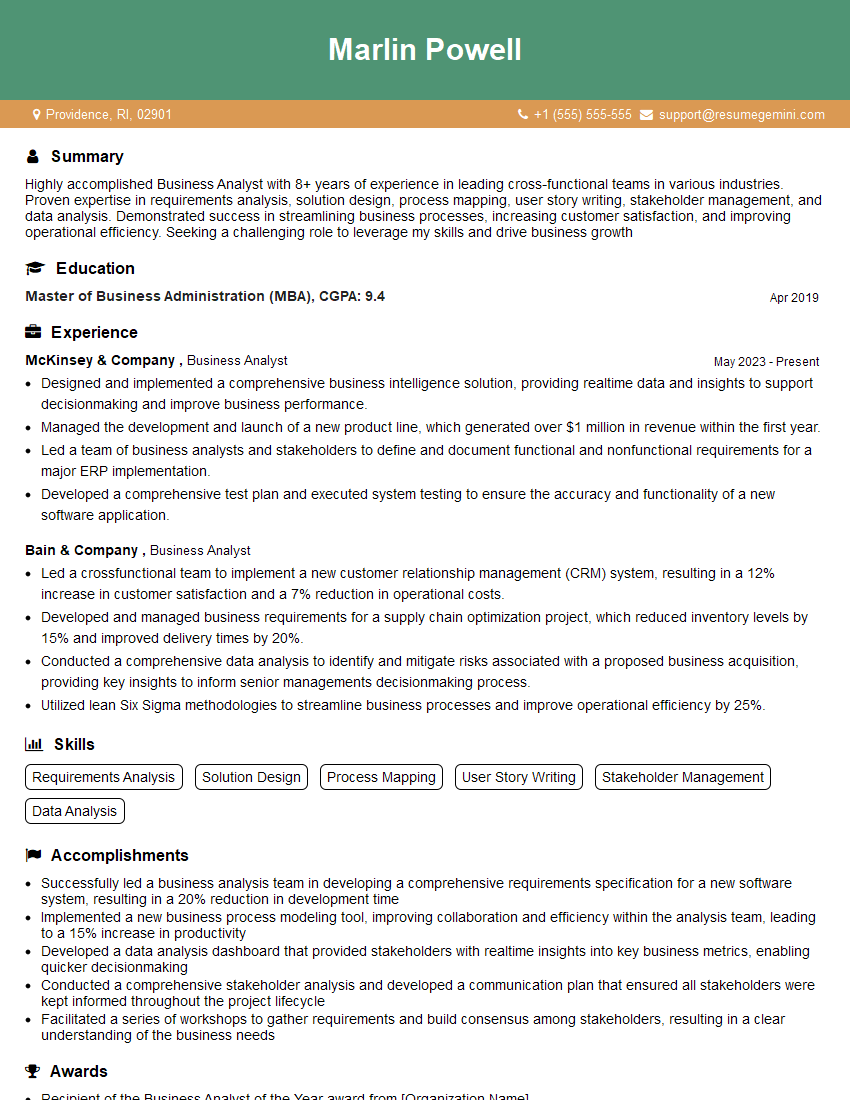
Business Analyst Resume Sample
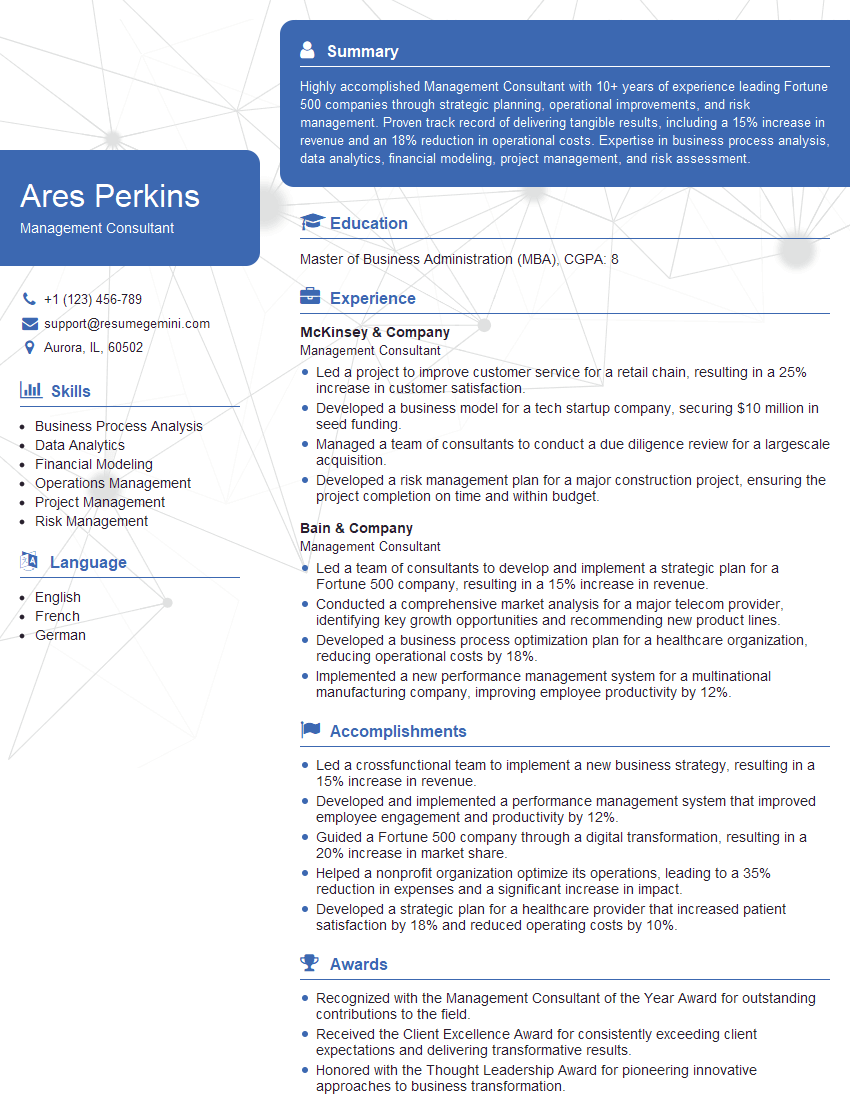
Management Consultant Resume Sample
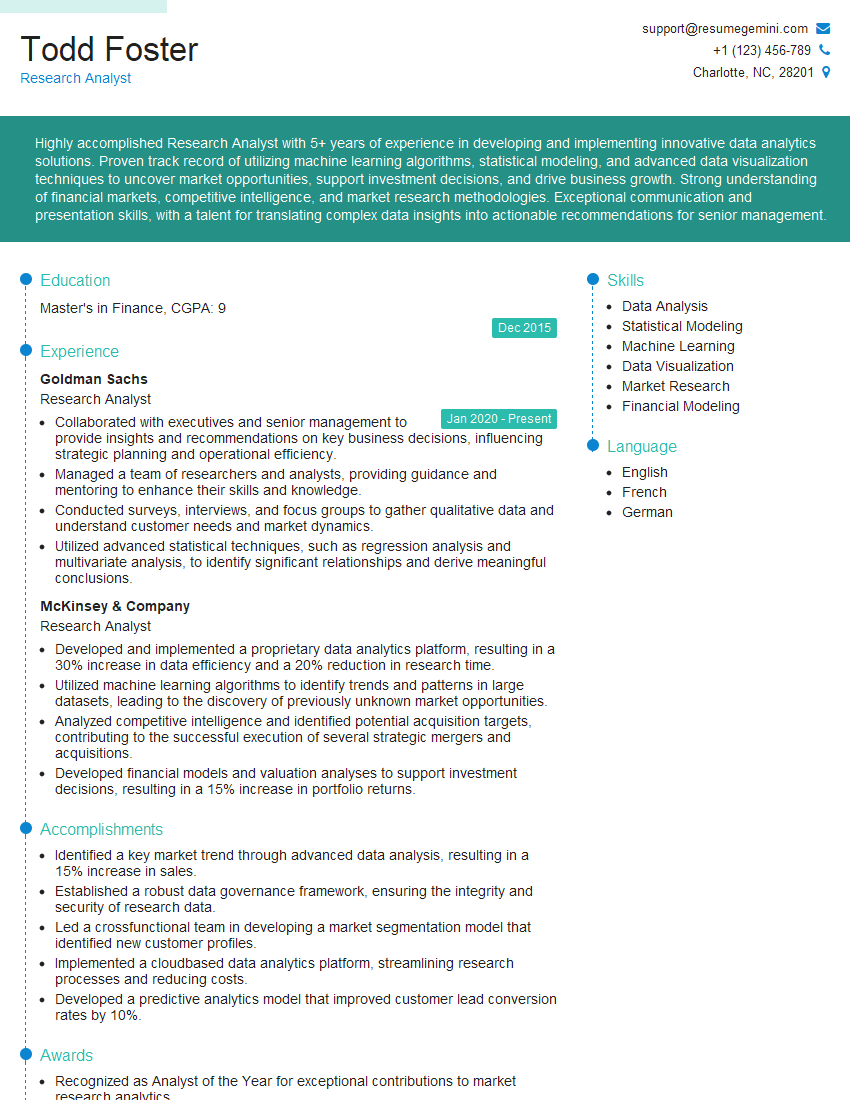
Research Analyst Resume Sample
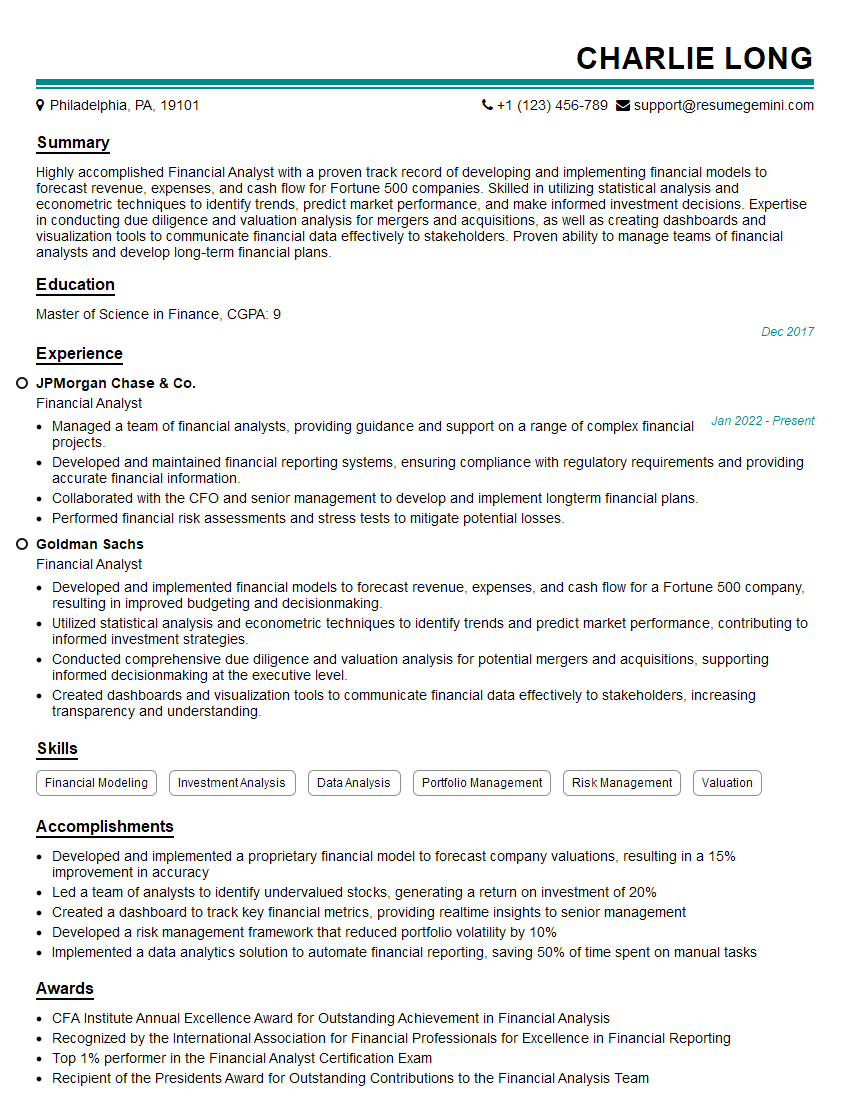
Financial Analyst Resume Sample
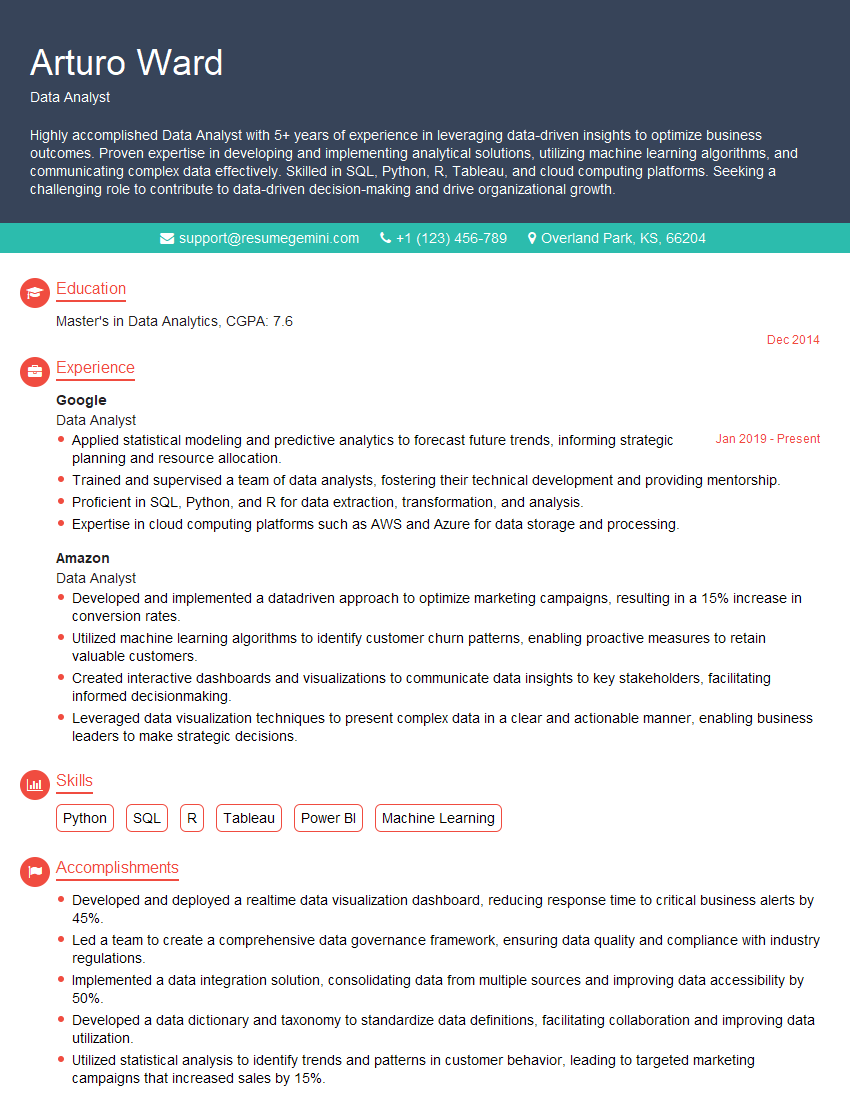
Data Analyst Resume Sample
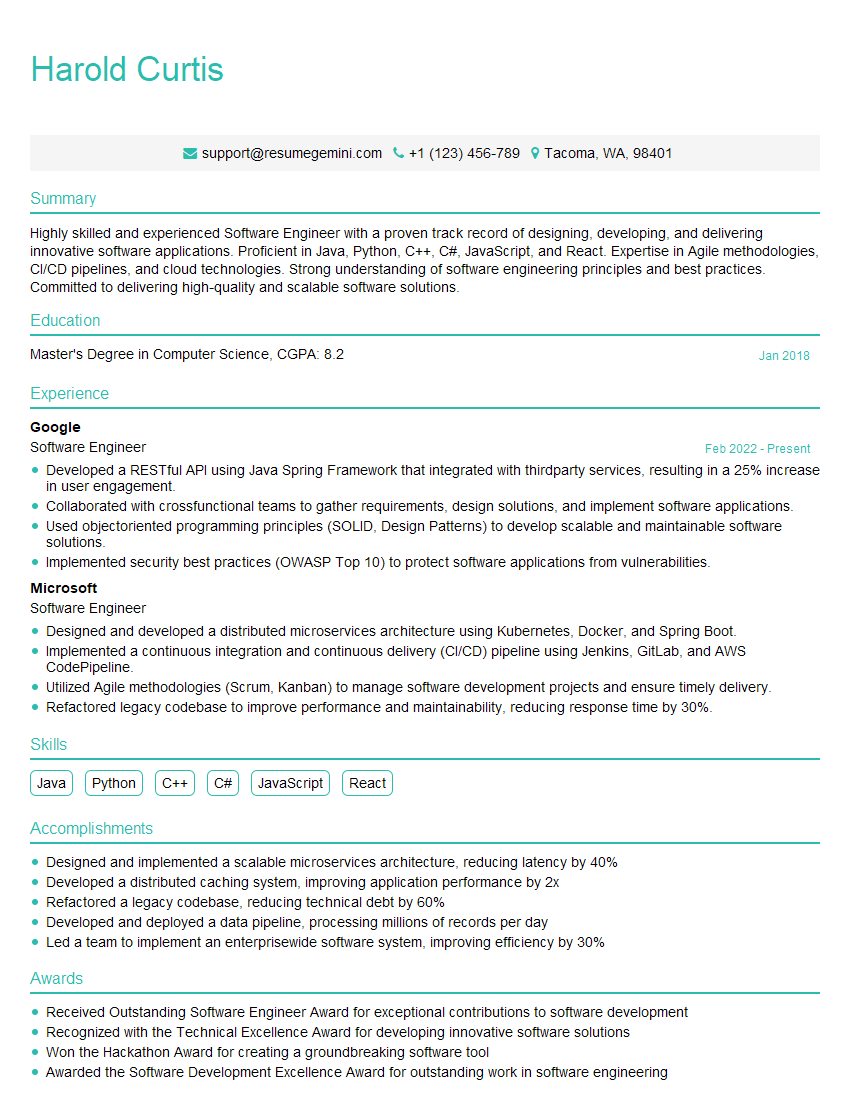
Software Engineer Resume Sample
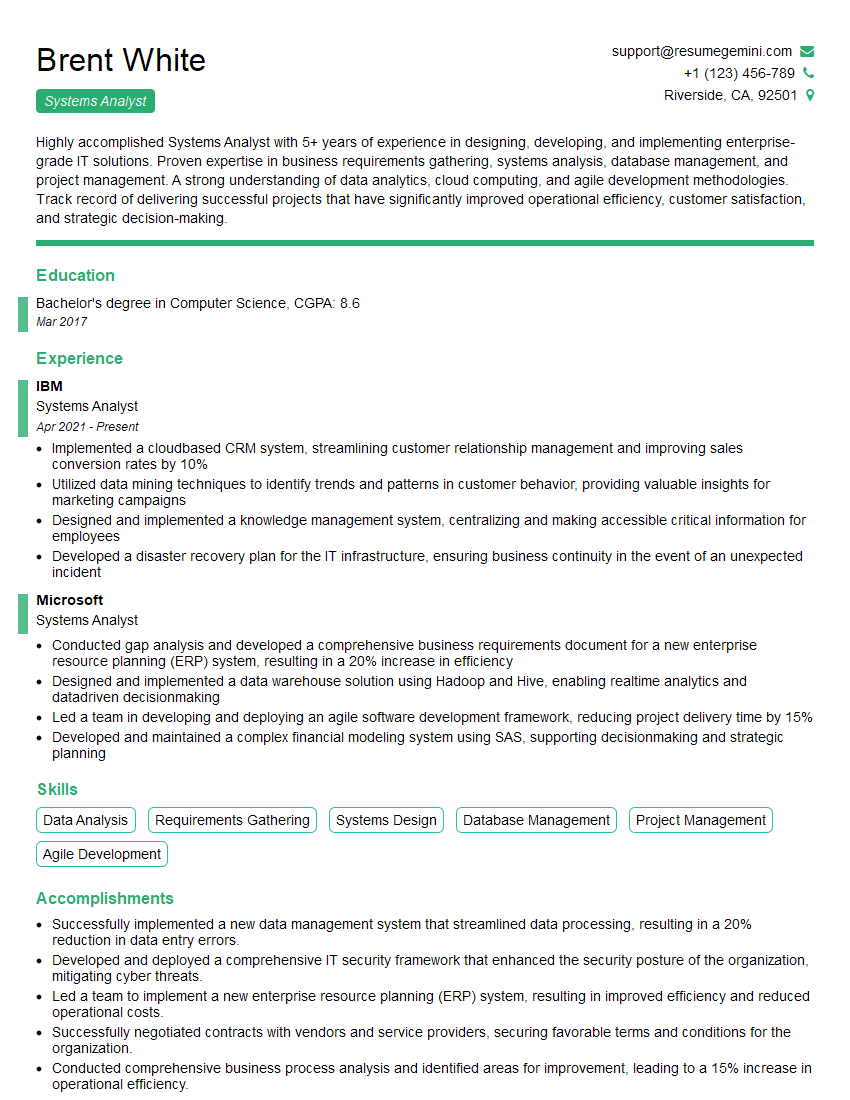
Systems Analyst Resume Sample
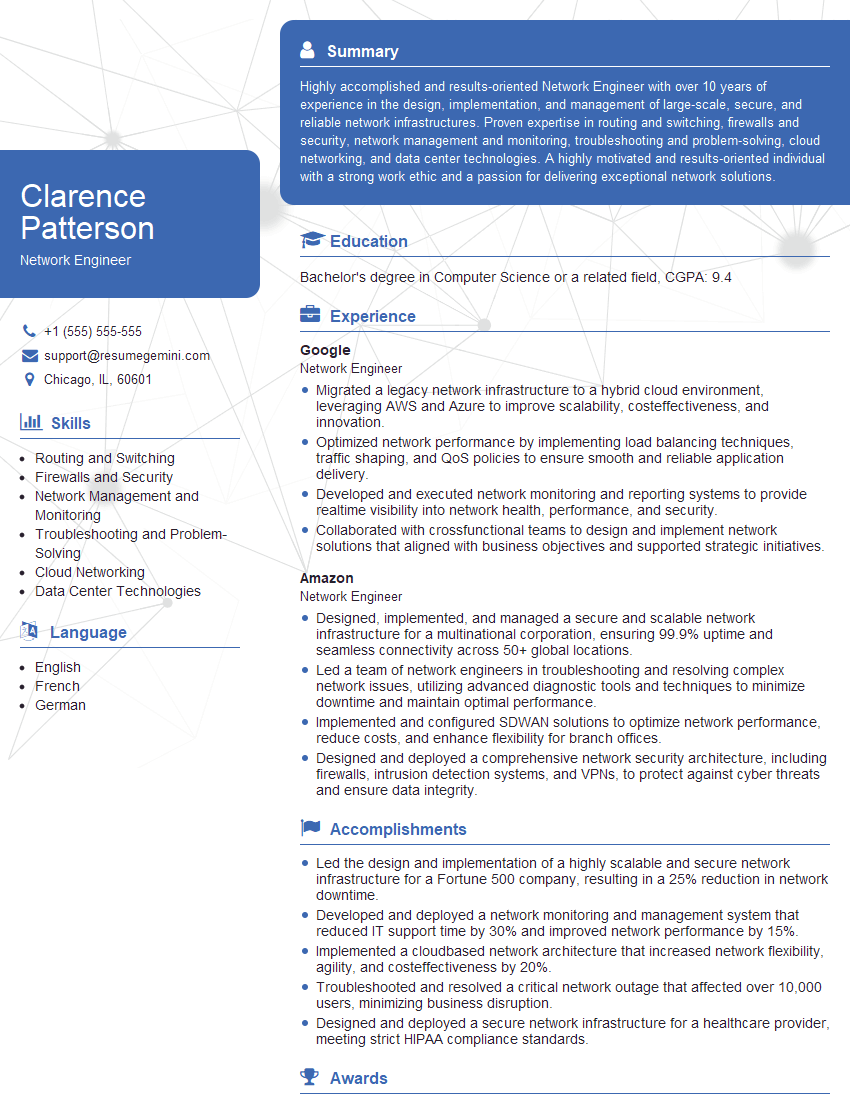
Network Engineer Resume Sample
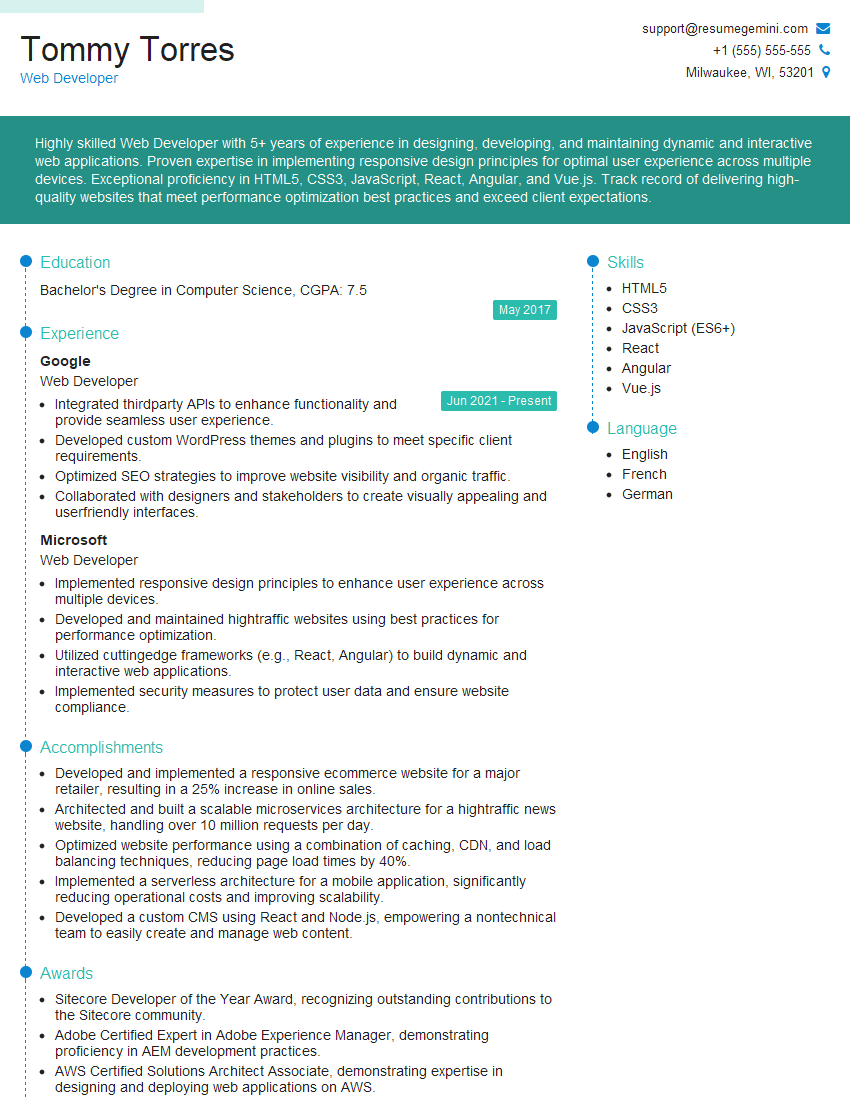
Web Developer Resume Sample
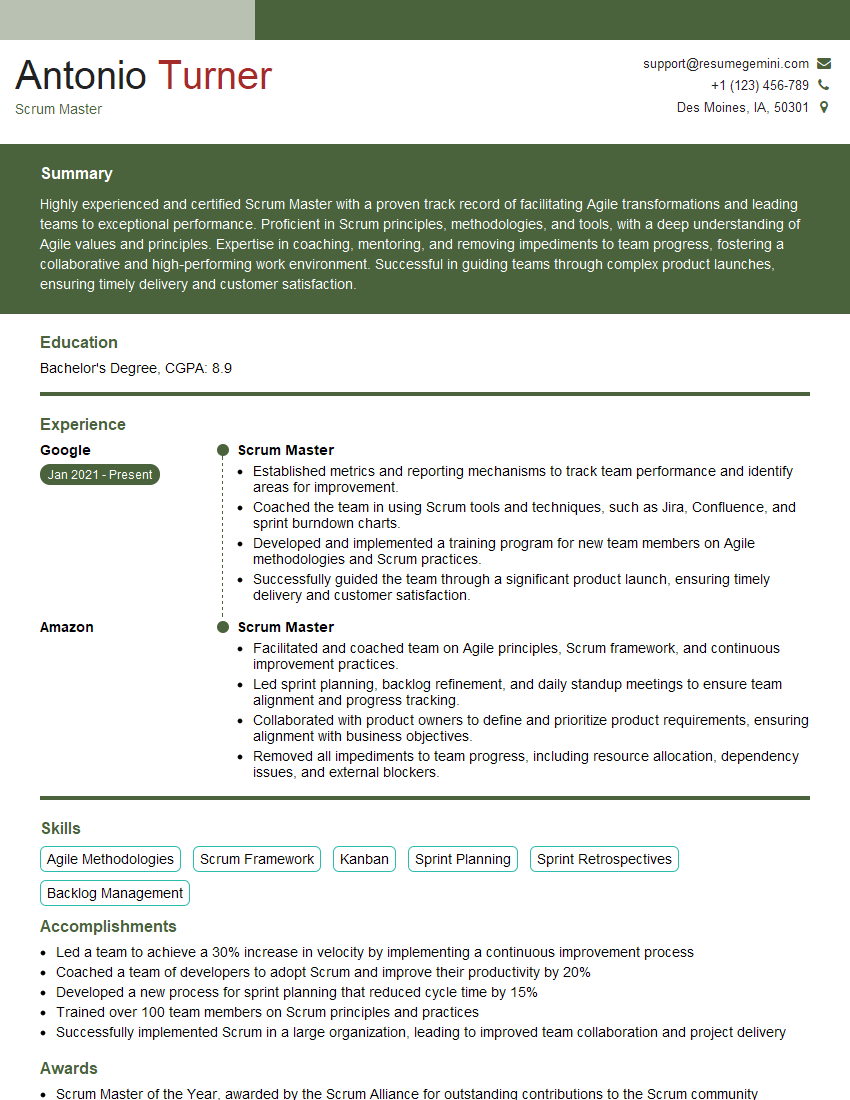
Scrum Master Resume Sample
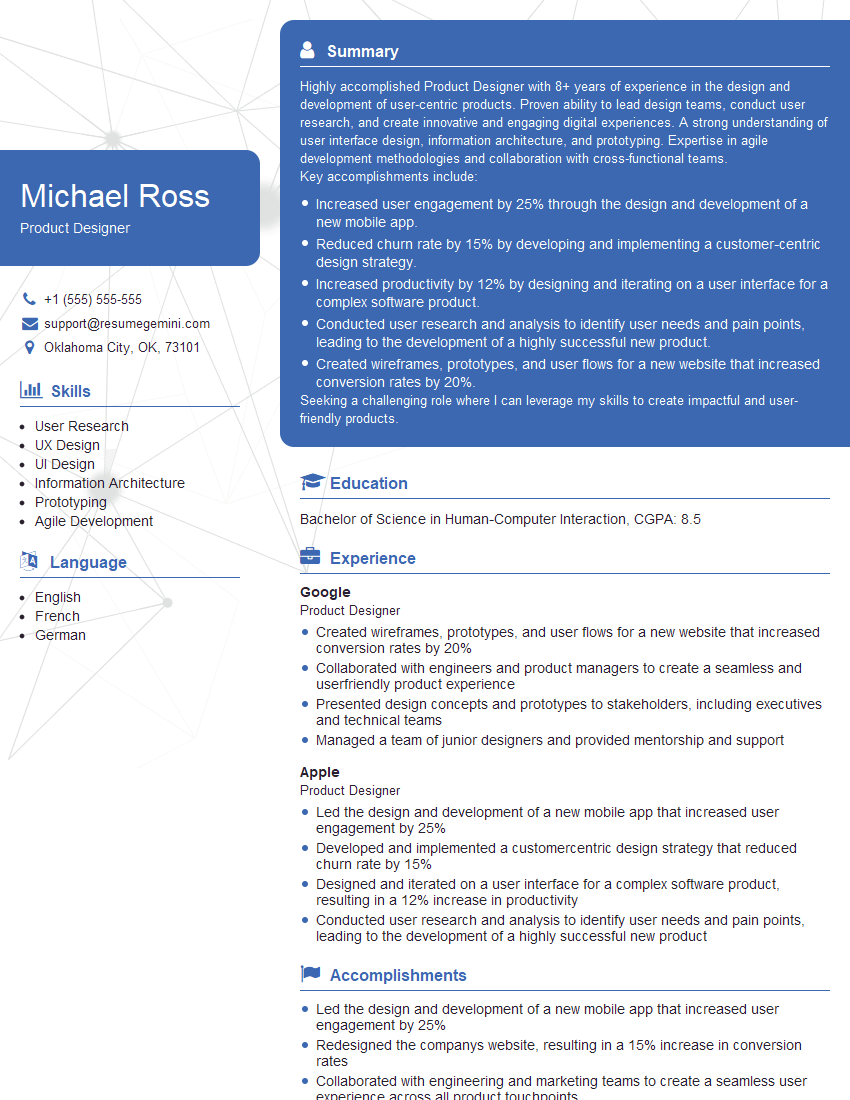
Product Designer Resume Sample

Technical Writer Resume Sample
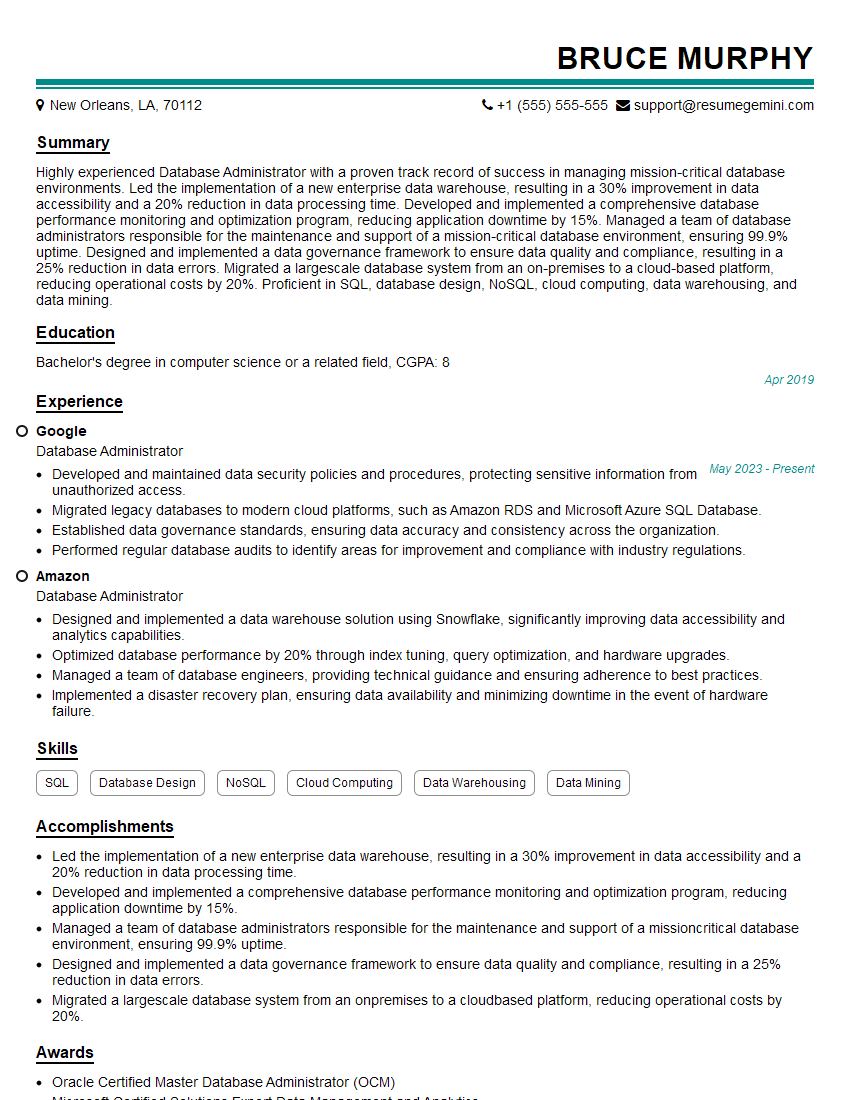
Database Administrator Resume Sample
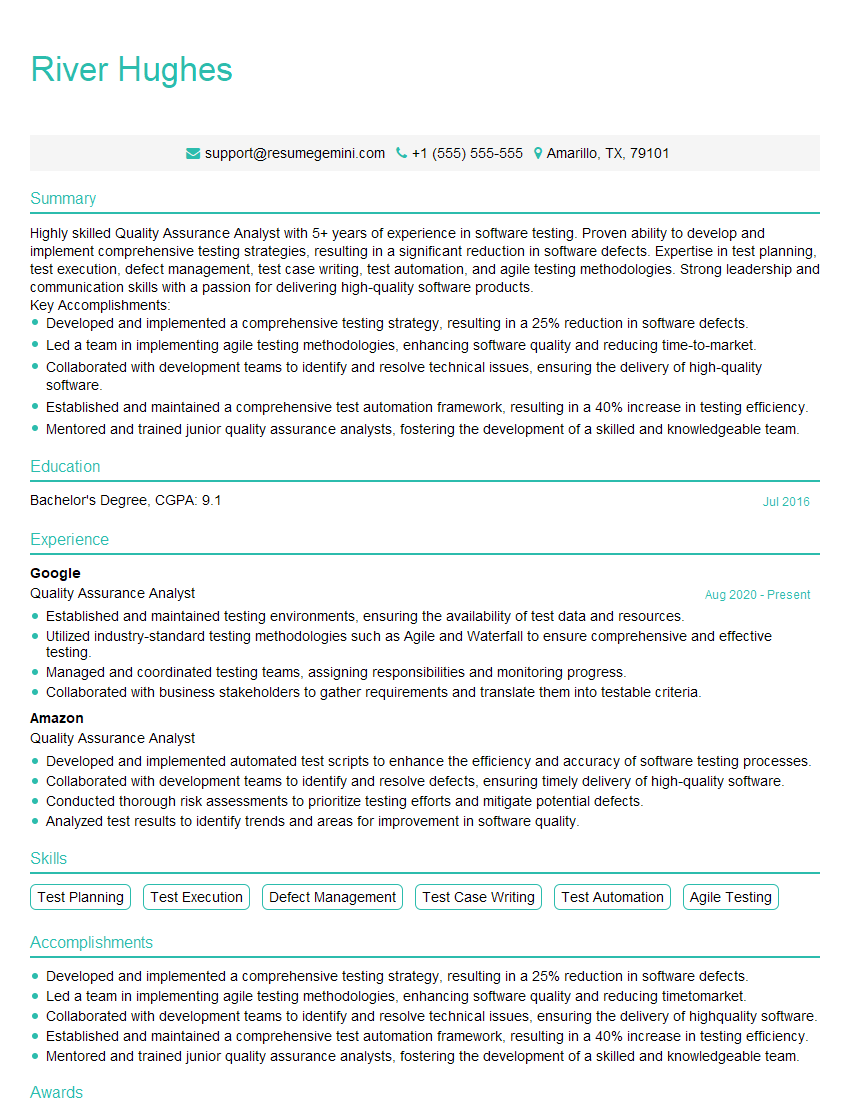
Quality Assurance Analyst Resume Sample
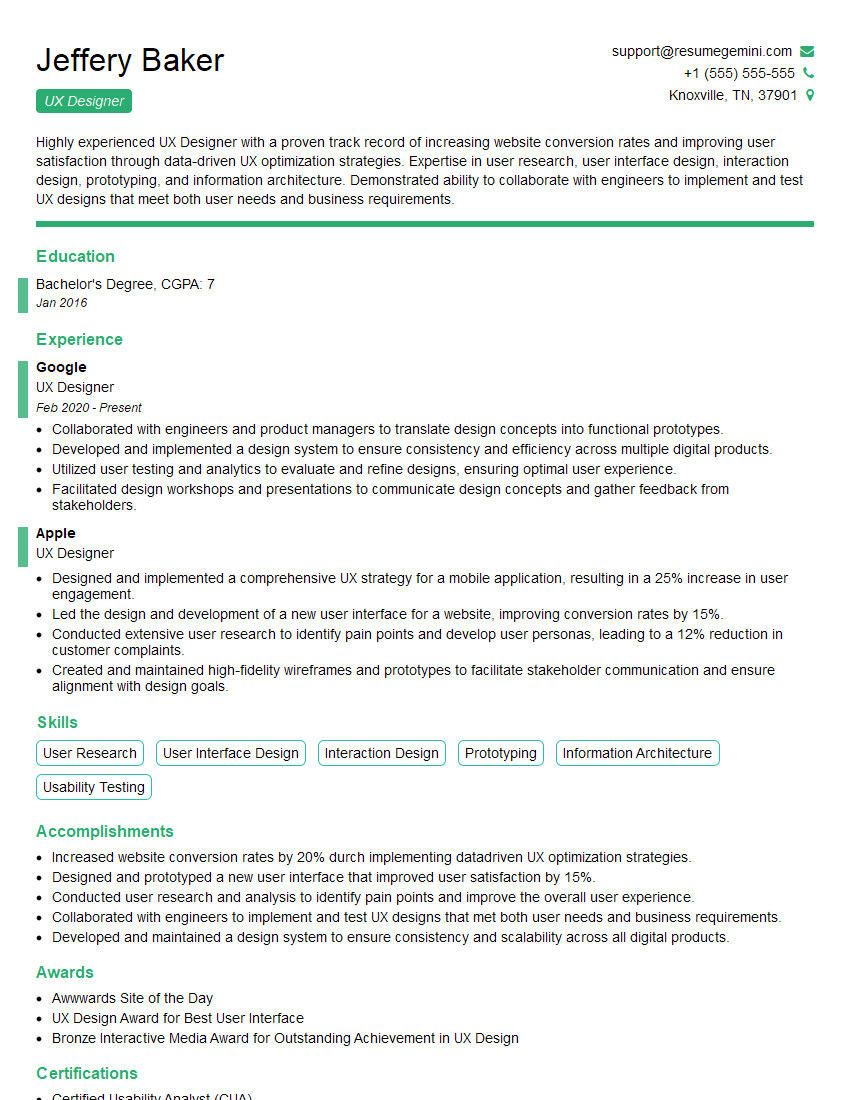
UX Designer Resume Sample
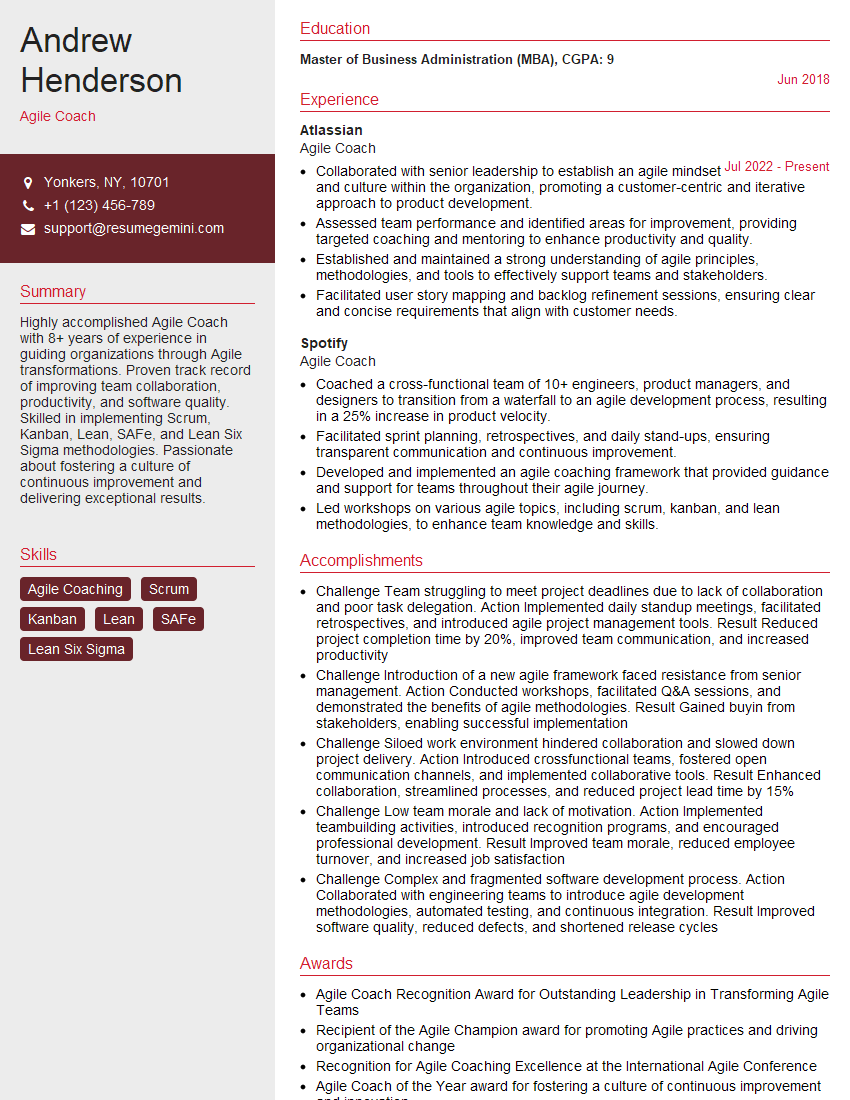
Agile Coach Resume Sample
- Operations Manager
- Marketing Manager
- Sales Manager
- Product Manager
- Project Manager
- Project Coordinator
- Business Analyst
- Management Consultant
- Research Analyst
- Financial Analyst
- Data Analyst
- Software Engineer
- Systems Analyst
- Network Engineer
- Web Developer
- Scrum Master
- Product Designer
- Technical Writer
- Database Administrator
- Quality Assurance Analyst
- UX Designer
- Agile Coach
Explore more articles
Users Rating of Our Blogs
Share Your Experience
We value your feedback! Please rate our content and share your thoughts (optional).
What Readers Say About Our Blog
Very informative content, great job.
good