Every successful interview starts with knowing what to expect. In this blog, we’ll take you through the top National Ambient Air Quality Standards (NAAQS) interview questions, breaking them down with expert tips to help you deliver impactful answers. Step into your next interview fully prepared and ready to succeed.
Questions Asked in National Ambient Air Quality Standards (NAAQS) Interview
Q 1. What are the six criteria pollutants regulated under NAAQS?
The National Ambient Air Quality Standards (NAAQS) regulate six common air pollutants known as criteria pollutants because their levels are used to determine whether the air is clean enough to protect public health and the environment. These are:
- Ozone (O3): A major component of smog, formed through chemical reactions involving sunlight, nitrogen oxides, and volatile organic compounds.
- Particulate Matter (PM2.5 and PM10): Tiny particles and droplets in the air, classified by size (PM2.5 being smaller and more harmful than PM10). They can penetrate deep into the lungs and cause serious health problems.
- Carbon Monoxide (CO): A colorless, odorless gas produced by incomplete combustion of fuels. It reduces the blood’s ability to carry oxygen.
- Sulfur Dioxide (SO2): A gas produced from burning fossil fuels, especially coal. It can cause respiratory problems.
- Nitrogen Dioxide (NO2): Another gas produced from burning fossil fuels and other combustion processes. It contributes to acid rain and respiratory issues.
- Lead (Pb): A heavy metal that was once widely used in gasoline and industrial processes. Even low levels can be harmful to human health, particularly to children.
Q 2. Explain the difference between primary and secondary NAAQS.
The NAAQS are divided into primary and secondary standards. Think of it like this: primary standards protect *your* health, while secondary standards protect *everything else*.
- Primary NAAQS: These standards are set to protect public health, with an adequate margin of safety. They are based on scientific evidence showing the harmful effects of air pollutants on human health, including sensitive populations like children and the elderly. For example, a primary standard for PM2.5 would reflect the level needed to minimize respiratory problems.
- Secondary NAAQS: These standards are set to protect public welfare, including effects on vegetation, materials, and visibility. They take into account the impacts of air pollutants on the environment and property, not just human health. For instance, a secondary standard for SO2 might address its role in acid rain and damage to forests.
It’s important to remember that all six criteria pollutants have both primary and secondary standards, offering a comprehensive approach to air quality protection.
Q 3. Describe the process for establishing and revising NAAQS.
Establishing and revising NAAQS is a rigorous process driven by scientific evidence and guided by the Clean Air Act. It’s a long journey that involves several key steps:
- Scientific Review: The EPA conducts extensive reviews of the latest scientific literature on the health and environmental effects of pollutants.
- Criteria Document: The EPA publishes a criteria document summarizing the scientific evidence and proposing potential standards.
- Proposed Rule: The EPA publishes a proposed rule, outlining potential changes to the NAAQS and inviting public comment.
- Public Comment Period: The EPA receives input from stakeholders, including scientists, environmental groups, industries, and the public. This is a crucial step for transparency and ensuring diverse perspectives are considered.
- Final Rule: Based on the scientific evidence and public comments, the EPA issues a final rule setting the NAAQS.
- Implementation: States and local agencies then develop and implement plans to achieve the new standards.
This process can take years, underscoring the commitment to thorough scientific evaluation and public engagement. For example, the recent revisions to the ozone and particulate matter standards reflect years of research and public deliberation.
Q 4. What is the role of the EPA in enforcing NAAQS?
The Environmental Protection Agency (EPA) plays a pivotal role in enforcing the NAAQS. Their responsibilities include:
- Setting Standards: The EPA is responsible for setting the NAAQS based on the best available scientific evidence.
- Monitoring Air Quality: The EPA establishes monitoring networks across the country to track air pollutant levels. Data from these networks provides a clear picture of air quality across the nation.
- Oversight of State Plans: The EPA reviews and approves State Implementation Plans (SIPs), ensuring that states have effective strategies to meet the NAAQS.
- Enforcement: If states fail to meet the NAAQS, the EPA can step in and enforce the standards, potentially through sanctions or federal intervention. This can involve providing support for struggling states to aid with implementation and compliance.
The EPA acts as the primary regulator, ensuring consistent nationwide application and enforcement of the NAAQS.
Q 5. How are NAAQS implemented at the state and local levels?
The NAAQS are implemented at the state and local levels through State Implementation Plans (SIPs), which we’ll discuss further in the next answer. States are primarily responsible for achieving the NAAQS within their boundaries. This involves:
- Developing SIPs: Each state develops a SIP outlining strategies to meet the NAAQS, including emission control measures, permitting processes, and monitoring programs.
- Permitting: States issue permits to industrial facilities, power plants, and other sources of air pollution, setting emission limits based on the NAAQS and SIPs.
- Monitoring Air Quality: States and local agencies monitor air quality to track progress towards meeting the NAAQS, providing data that guides adjustments to the SIPs.
- Enforcement: States enforce emission limits and other requirements specified in their SIPs, taking action against facilities that violate regulations.
Local agencies often play a supportive role, providing technical assistance, monitoring air quality, and enforcing local ordinances related to air quality.
Q 6. Explain the concept of an attainment area versus a non-attainment area.
The terms ‘attainment area’ and ‘non-attainment area’ describe the air quality status of a geographic region relative to the NAAQS.
- Attainment Area: An area that consistently meets the NAAQS for a specific pollutant. In these areas, air quality is considered good enough to protect public health and welfare. Regulations in attainment areas are generally less stringent.
- Non-attainment Area: An area that does not meet the NAAQS for a specific pollutant. These areas experience poorer air quality and require stricter regulations to improve air quality and bring it into compliance with the NAAQS. Non-attainment areas often face more stringent controls on emissions.
Think of it like this: attainment areas are ‘passing the test’, while non-attainment areas are ‘failing the test’ and need to take corrective actions.
Q 7. What are State Implementation Plans (SIPs) and their significance?
State Implementation Plans (SIPs) are crucial documents that outline how each state plans to achieve and maintain the NAAQS within its boundaries. They’re essentially the state’s roadmap for clean air. Their significance lies in:
- Compliance with NAAQS: SIPs are the primary mechanism for ensuring states comply with the NAAQS. They detail specific strategies and regulations to reduce emissions and improve air quality.
- Tailored Approaches: SIPs allow states to tailor their approach to meeting the NAAQS based on their unique geographic conditions, industrial sectors, and population densities. This flexibility promotes effectiveness while aligning with national standards.
- EPA Approval: The EPA reviews and approves each SIP, ensuring that the strategies are adequate and legally sound. EPA approval is essential for the state’s strategies to be legally enforceable.
- Regular Updates: SIPs are not static documents. They require periodic updates to reflect changing air quality conditions, new technologies, and updated scientific understanding.
In essence, SIPs are the cornerstone of NAAQS implementation at the state level, balancing national consistency with localized solutions.
Q 8. Describe the different methods used for monitoring ambient air quality.
Monitoring ambient air quality involves a network of sophisticated methods to measure the concentrations of various pollutants. Think of it like taking the air’s ‘vital signs’ regularly. These methods can be broadly categorized into:
In-situ measurements: These involve directly measuring pollutant concentrations at a specific location using stationary monitoring stations. These stations employ various instruments like gas analyzers (for gases like ozone and carbon monoxide), particulate matter monitors (measuring PM2.5 and PM10), and meteorological sensors (measuring wind speed, direction, temperature, and humidity). Data is collected continuously or at regular intervals, providing a real-time picture of air quality at that specific point.
Remote sensing: This utilizes technologies like satellites and aircraft to measure air pollutants over larger areas. Satellites provide broad-scale information about pollutant distribution, while aircraft can offer more localized, high-resolution measurements. Think of this as getting a bird’s-eye view of air quality across entire regions.
Passive sampling: This involves using devices that collect pollutants over a longer period. These are especially useful for assessing long-term exposure levels to certain pollutants. Imagine it like a sponge that absorbs pollutants over a month; later, the amount absorbed is analyzed.
Biomonitoring: This unconventional method involves studying the effects of air pollution on living organisms (plants, lichens) to assess the overall air quality. The health of these organisms can be a sensitive indicator of air pollution levels.
The choice of monitoring method depends on the specific pollutant of interest, the spatial scale of the monitoring effort, and the available resources.
Q 9. How are air quality models used in NAAQS implementation?
Air quality models are sophisticated computer programs used to predict air pollutant concentrations based on emissions, meteorology, and chemical reactions in the atmosphere. They are crucial for NAAQS implementation in several ways:
Assessing attainment: Models help determine whether a given area meets the NAAQS. By inputting emission data and meteorological information, the model projects pollutant concentrations, indicating whether they exceed the standards.
Identifying pollution sources: Models can help pinpoint major emission sources contributing to exceedances of NAAQS. This helps prioritize control strategies and focus on the most impactful pollution sources.
Evaluating control strategies: Before implementing pollution control measures, models are used to simulate their potential effectiveness. This ‘what-if’ analysis allows for cost-effective solutions.
Planning for future growth: Models can project future air quality based on projected economic growth and population increases, anticipating potential future NAAQS violations. This allows for proactive planning to ensure continued attainment.
For example, a model might be used to simulate the impact of a new power plant on the local ozone levels, ensuring that air quality remains within the NAAQS.
Q 10. What are the health effects associated with exceeding NAAQS for each criteria pollutant?
Exceeding NAAQS for criteria pollutants (ozone, particulate matter, carbon monoxide, sulfur dioxide, nitrogen dioxide, and lead) has significant adverse health effects. Think of it like exceeding the recommended dosage of a medication; the effects can be severe. Here’s a breakdown:
Ozone (O3): Reduces lung function, worsens respiratory illnesses like asthma and bronchitis, and increases susceptibility to respiratory infections.
Particulate Matter (PM2.5 and PM10): Causes cardiovascular and respiratory problems, including heart attacks, strokes, and lung cancer. Fine PM2.5 particles can penetrate deep into the lungs, causing inflammation and damage.
Carbon Monoxide (CO): Reduces oxygen transport in the blood, causing headaches, dizziness, and even death in severe cases.
Sulfur Dioxide (SO2): Irritates the respiratory system, causing coughing, wheezing, and worsening asthma. It contributes to acid rain.
Nitrogen Dioxide (NO2): Damages the lungs, increasing susceptibility to respiratory infections and exacerbating asthma.
Lead (Pb): Damages the nervous system, especially in children, causing developmental delays and cognitive impairment.
The severity of health effects depends on the concentration of the pollutant, duration of exposure, and individual susceptibility.
Q 11. Explain the concept of air quality index (AQI).
The Air Quality Index (AQI) is a number used to communicate the level of air pollution in a community and its potential health impacts. Imagine it as a simple traffic light for air quality. It combines the concentrations of several pollutants into a single number, making it easy to understand the current air quality status.
The AQI ranges from 0 to 500, with higher values indicating worse air quality and increased health risks. Different pollutants have different ranges and contribute differently to the overall AQI. For instance, a high concentration of particulate matter will contribute more to the AQI than a less harmful concentration of sulfur dioxide.
The AQI is categorized into different color-coded levels, such as ‘Good’, ‘Moderate’, ‘Unhealthy for Sensitive Groups’, ‘Unhealthy’, ‘Very Unhealthy’, and ‘Hazardous’. Each level is associated with specific health recommendations, like limiting outdoor activities or seeking medical attention when the AQI is high.
Q 12. How are emissions inventories used in air quality management?
Emissions inventories are comprehensive lists of air pollutants released from various sources within a specific area, over a given period. Think of it as a detailed accounting of all the pollutants being emitted into the air. This information is crucial for air quality management because:
Identifying major contributors: Inventories help identify the largest sources of pollution, such as power plants, vehicles, or industrial facilities, allowing for targeted emission reduction strategies.
Tracking emission trends: Monitoring emissions over time helps assess the effectiveness of existing control measures and identify emerging pollution sources.
Developing air quality models: Emissions inventories are the foundational data needed to run air quality models and predict future air quality scenarios. The accuracy of these models directly depends on the quality of inventory data.
Setting emission reduction targets: Inventories provide a baseline for setting realistic targets for emissions reduction programs and assessing progress toward these goals.
For example, an emissions inventory might reveal that a particular industrial sector is a significant contributor to PM2.5 pollution, prompting the development of stricter emission standards for that sector.
Q 13. Describe various air pollution control technologies.
Many technologies are available to control air pollution, ranging from simple filtration to advanced chemical processes. These can be applied at different stages – from preventing pollution generation to treating emissions before release. Here are some examples:
Filters: Used to remove particulate matter from exhaust streams. Examples include fabric filters (baghouses) and electrostatic precipitators.
Scrubbers: Remove gaseous pollutants (like SO2) from exhaust gases by washing them with a liquid absorbent.
Selective Catalytic Reduction (SCR): Used in power plants and other facilities to reduce nitrogen oxides (NOx) emissions by catalytically converting them to less harmful substances.
Fluidized bed combustion: A combustion process that efficiently burns fuel while also capturing sulfur dioxide.
Control of volatile organic compounds (VOCs): Using vapor recovery systems at gas stations, implementing cleaner manufacturing processes to minimize VOC release from industries.
Gasoline additives: Additives to reduce emissions of particulate matter and other pollutants from combustion engines.
The choice of technology depends on the type of pollutant, the emission source, and economic feasibility.
Q 14. What are the key challenges in achieving and maintaining NAAQS?
Achieving and maintaining NAAQS presents several significant challenges:
Complex sources of pollution: Air pollution has many sources (vehicles, power plants, industrial facilities, natural sources), making it difficult to control and regulate.
Transboundary pollution: Air pollutants can travel long distances, making it difficult for one region to address pollution generated elsewhere.
Technological limitations: Some emission sources may lack cost-effective control technologies to meet NAAQS. Innovation is crucial.
Economic considerations: Implementing stringent pollution controls can be expensive, creating economic challenges for industries and governments.
Population growth and urbanization: Increasing population and urbanization lead to higher emissions and greater challenges in maintaining air quality.
Climate change impacts: Climate change influences air quality, and conversely, air pollution impacts climate change, creating a complex interplay.
Data limitations: Accurate, comprehensive air quality and emissions data are essential but can be challenging to obtain.
Addressing these challenges requires integrated approaches involving technological advancements, robust regulations, effective enforcement, international cooperation, and community engagement.
Q 15. How does climate change impact air quality and NAAQS?
Climate change significantly impacts air quality, creating a complex interplay that challenges the effectiveness of NAAQS. Rising temperatures increase the formation of ground-level ozone, a key component of smog and a NAAQS criteria pollutant. Warmer temperatures also intensify wildfires, releasing large amounts of particulate matter (PM2.5 and PM10) into the atmosphere, exceeding NAAQS limits in affected regions. Changes in precipitation patterns can affect the transport and dispersion of pollutants, leading to localized spikes in concentrations. For instance, droughts can increase dust storms, while heavier rainfall can wash pollutants out of the air, but also potentially lead to increased runoff carrying pollutants into waterways. These climate-driven changes make achieving and maintaining NAAQS increasingly difficult, requiring adaptive strategies that go beyond traditional pollution control measures.
For example, a heatwave combined with stagnant air conditions can create a perfect storm for ozone formation, exceeding the NAAQS even in areas typically compliant. This highlights the need for forecasting tools that consider climate projections to predict and mitigate these extreme events.
Career Expert Tips:
- Ace those interviews! Prepare effectively by reviewing the Top 50 Most Common Interview Questions on ResumeGemini.
- Navigate your job search with confidence! Explore a wide range of Career Tips on ResumeGemini. Learn about common challenges and recommendations to overcome them.
- Craft the perfect resume! Master the Art of Resume Writing with ResumeGemini’s guide. Showcase your unique qualifications and achievements effectively.
- Don’t miss out on holiday savings! Build your dream resume with ResumeGemini’s ATS optimized templates.
Q 16. What is the role of citizen science in monitoring air quality?
Citizen science plays a vital role in supplementing official air quality monitoring networks, particularly in areas with limited monitoring infrastructure or to provide more granular data. Individuals can contribute using low-cost air quality sensors, creating hyperlocal data sets that fill gaps in the official monitoring network. This is particularly useful in understanding pollution hotspots or the impact of localized emission sources. For example, a community located near a busy highway might deploy sensors to measure PM2.5 levels, providing evidence to support requests for mitigation measures from local authorities. However, it’s crucial to ensure data quality through careful calibration and validation of citizen science data against established monitoring standards, before using these datasets in regulatory decisions. Successful citizen science initiatives often involve partnerships with research institutions or government agencies to ensure data accuracy and effective utilization.
Q 17. Explain the significance of particulate matter (PM2.5 and PM10) in NAAQS.
Particulate matter (PM), specifically PM2.5 and PM10, are among the most significant pollutants regulated under NAAQS due to their serious health impacts. PM2.5 refers to particles with a diameter of 2.5 micrometers or less, while PM10 includes particles up to 10 micrometers. Because of their small size, PM2.5 particles can penetrate deep into the lungs, causing respiratory and cardiovascular problems, and even contributing to premature death. PM10 particles, though larger, can also cause significant respiratory issues. The NAAQS sets limits for both PM2.5 and PM10, reflecting their different health risks and the need to protect public health. The stricter limits on PM2.5 underscore its greater health threat compared to PM10. Failing to meet these standards can have significant public health consequences, emphasizing the importance of effective regulatory measures to control PM emissions from sources such as industrial processes, vehicle exhaust, and construction activities.
Q 18. Discuss the regulatory framework for ozone in NAAQS.
The regulatory framework for ozone in NAAQS is complex, focusing on ground-level ozone (tropospheric ozone), which is a secondary pollutant formed through chemical reactions involving volatile organic compounds (VOCs) and nitrogen oxides (NOx) in the presence of sunlight. Unlike the ozone layer in the stratosphere which protects us from harmful UV radiation, ground-level ozone is a harmful air pollutant. The NAAQS for ozone sets a maximum 8-hour average concentration that should not be exceeded more than three times in a three-year period. This framework recognizes that ozone levels fluctuate daily and seasonally, and it aims to protect public health by limiting the frequency and duration of high ozone episodes. The regulatory approach involves controlling emissions of VOCs and NOx from various sources, including vehicles, power plants, and industrial facilities. Meeting the ozone standard often requires integrated strategies involving multiple sectors and jurisdictions, due to the transboundary nature of ozone pollution.
Q 19. How are air quality regulations enforced?
Enforcement of air quality regulations involves a multi-faceted approach. State and local agencies, under the oversight of the EPA, play a crucial role. This often begins with establishing monitoring networks to track air quality. When violations occur, agencies issue notices of violation to responsible parties (industries, municipalities, etc.). These violations could result from exceeding NAAQS, failure to submit required reports, or noncompliance with permits. Agencies may then negotiate compliance plans, which outline specific actions the violator must take to come back into compliance. If compliance plans are not met, further actions such as fines, penalties, and even legal action can be taken. The EPA also provides technical assistance and funding to state agencies to support their enforcement efforts. Public participation and citizen reporting also play a key role in identifying potential violations.
Q 20. What are the penalties for non-compliance with NAAQS?
Penalties for non-compliance with NAAQS can vary significantly depending on the severity and nature of the violation, as well as the regulatory history of the violator. Penalties can include significant financial fines, which increase with the duration and extent of the non-compliance. There can also be civil and even criminal penalties for repeated or egregious violations. In addition to fines, enforcement actions might involve mandatory installation of pollution control equipment or operational changes to reduce emissions. The EPA can also issue sanctions, including limitations on operating permits or even facility closures, in extreme cases. The aim is not only to punish non-compliance but also to ensure public health protection and prevent future violations.
Q 21. Explain the importance of data quality assurance in air quality monitoring.
Data quality assurance (QA) is paramount in air quality monitoring because the accuracy of the data directly impacts the effectiveness of NAAQS and regulatory decisions. QA involves a systematic process of ensuring that data collected is reliable, accurate, and representative of actual air quality conditions. This involves various steps, such as calibrating instruments regularly, employing quality control checks during data collection, and performing data validation to identify and correct potential errors. Regular audits of monitoring sites and data management systems also play a key role. Robust QA procedures ensure that the data used for evaluating compliance with NAAQS and informing policy decisions are trustworthy and minimize uncertainties. Without rigorous QA, the validity of the NAAQS program itself would be undermined. This is because incorrect data may result in inadequate regulations, leading to continued adverse health impacts.
Q 22. Describe the process for conducting an air quality impact assessment.
Conducting an air quality impact assessment involves a systematic process to predict the changes in air quality resulting from a proposed project or activity. It’s like predicting the ripples in a pond after you throw a stone – the stone represents the project, and the ripples represent the changes in air quality.
The process typically includes:
- Scoping and Planning: Defining the project, geographic area, pollutants of concern, and assessment methods.
- Data Collection: Gathering existing air quality data, meteorological data, and emission inventories (a detailed list of pollution sources and their emissions).
- Modeling: Using specialized air dispersion models (like AERMOD or CALPUFF) to simulate how pollutants will be transported and dispersed under various weather conditions. This step involves inputting data collected in the previous step and running simulations. Think of this as creating a virtual replica of the environment to see the predicted impact.
- Impact Assessment: Analyzing the model outputs to determine the changes in ambient air concentrations due to the project, comparing them to NAAQS and other relevant standards. This helps us understand whether the project will worsen air quality and by how much.
- Mitigation Measures: Identifying and evaluating strategies to reduce or mitigate negative air quality impacts. This might include using cleaner technologies, implementing better emission controls, or modifying project designs. It’s like finding ways to minimize those ripples.
- Reporting and Documentation: Summarizing the findings, conclusions, and recommendations in a comprehensive report.
For example, constructing a new power plant would necessitate a thorough air quality impact assessment to evaluate its potential impact on nearby communities and to ensure compliance with NAAQS. The assessment would predict the increase in pollutants like particulate matter and sulfur dioxide, and identify mitigation strategies like installing advanced emission control technologies to minimize negative health effects.
Q 23. How are NAAQS related to other environmental regulations?
NAAQS are intricately linked with other environmental regulations, creating a comprehensive framework for environmental protection. They don’t exist in isolation.
- Clean Air Act (CAA): NAAQS are the cornerstone of the CAA, providing the legal basis for regulating air pollution. The CAA sets the broader regulatory framework, while NAAQS define specific limits for certain pollutants.
- State Implementation Plans (SIPs): States are responsible for developing SIPs that outline how they will achieve and maintain NAAQS within their boundaries. Think of SIPs as the state-level blueprints for meeting the national goals defined by NAAQS.
- National Environmental Policy Act (NEPA): Environmental Impact Statements (EIS) required under NEPA must incorporate air quality analyses based on NAAQS to assess the environmental consequences of major federal actions.
- Other Regulations: NAAQS also influence other regulations related to specific industries (like power plants or vehicles), requiring them to adhere to emission limits to help ensure NAAQS are met.
For instance, a company seeking a permit to build a new factory must demonstrate, through an air quality impact assessment, that its operations will not violate NAAQS or negatively impact attainment of NAAQS in the surrounding area. This ensures consistency between federal standards and on-the-ground implementation.
Q 24. What are some emerging air quality issues and their potential impact on NAAQS?
Emerging air quality issues pose significant challenges to maintaining NAAQS. These issues often require adapting existing regulations or developing new ones.
- Wildfires: Increased frequency and intensity of wildfires release substantial amounts of particulate matter and other pollutants, impacting air quality over vast regions, often exceeding NAAQS limits. This is an issue demanding collaborative responses from multiple agencies and levels of government.
- Climate Change: Climate change influences weather patterns (like temperature inversions) which can trap pollutants, worsening air quality and making it harder to meet NAAQS. Warmer temperatures can also increase ground-level ozone formation.
- Air Toxics: Growing awareness of the health impacts of air toxics (hazardous air pollutants) pushes for stricter regulations and monitoring, possibly leading to revised NAAQS or separate standards for these pollutants.
- Microplastics: While not currently addressed by NAAQS, emerging research on the prevalence and impact of microplastics in the air demands future consideration of their potential health consequences and eventual regulatory actions.
For example, the increased frequency of wildfires in the western United States frequently leads to widespread exceedances of NAAQS for particulate matter, requiring public health advisories and emergency measures.
Q 25. Discuss the economic impacts of NAAQS compliance.
NAAQS compliance has significant economic impacts, both costs and benefits. It’s a balancing act between public health and economic activity.
- Compliance Costs: Industries must invest in pollution control technologies and operational changes to meet NAAQS. This can lead to increased production costs, potentially impacting prices of goods and services.
- Economic Benefits: Improved air quality leads to reduced healthcare costs associated with respiratory illnesses and other health problems linked to air pollution. Increased worker productivity and improved property values also contribute to positive economic impacts.
- Innovation and Job Creation: The need for cleaner technologies fosters innovation and creates jobs in the environmental technology sector.
- Tourism and Recreation: Areas with cleaner air attract more tourists and support recreation industries, boosting local economies.
Consider the automotive industry: Meeting stricter emissions standards (driven by NAAQS) required investment in new technologies, like catalytic converters, initially increasing vehicle production costs. However, this also spurred innovation and job creation, while ultimately improving public health and reducing long-term healthcare costs.
Q 26. Explain the role of technology in improving air quality and meeting NAAQS.
Technology plays a crucial role in improving air quality and meeting NAAQS. It’s an indispensable tool for monitoring, predicting, and controlling pollution.
- Monitoring Networks: Advanced sensor networks provide real-time data on air quality, allowing for rapid identification of pollution events and effective responses.
- Air Dispersion Modeling: Sophisticated computer models predict the impact of pollution sources, enabling better planning and mitigation strategies.
- Emission Control Technologies: Technologies like scrubbers, filters, and catalytic converters efficiently remove pollutants from industrial emissions and vehicle exhaust.
- Data Analytics and Artificial Intelligence (AI): AI-powered tools can analyze vast datasets to identify pollution patterns, predict future air quality, and optimize pollution control strategies.
- Remote Sensing: Satellites and drones provide wide-area monitoring of air quality, allowing for detection of pollution sources and evaluation of the effectiveness of mitigation efforts.
For instance, real-time monitoring of ozone levels allows for timely implementation of ozone action days to limit ozone formation and protect public health. This is made possible through a combination of advanced sensors and data communication technology.
Q 27. How does NAAQS contribute to public health?
NAAQS directly contribute to public health by setting limits on harmful pollutants linked to a wide range of health problems.
By reducing exposure to pollutants like particulate matter, ozone, and nitrogen dioxide, NAAQS help prevent or lessen the severity of:
- Respiratory illnesses: Asthma, bronchitis, pneumonia
- Cardiovascular diseases: Heart attacks, strokes
- Lung cancer: Exposure to certain pollutants significantly raises the risk.
- Developmental problems in children: Impaired lung development and cognitive function.
- Premature mortality: Air pollution contributes to a shortened lifespan.
Think of NAAQS as a public health safety net, protecting us from the harmful effects of poor air quality. The cleaner the air, the healthier the population.
Q 28. What are the future trends and challenges for NAAQS?
Future trends and challenges for NAAQS involve adapting to evolving scientific understanding and societal priorities.
- Addressing Emerging Pollutants: Expanding NAAQS to include emerging pollutants like microplastics and other harmful chemicals requires extensive research and risk assessment.
- Climate Change Considerations: Integrating climate change impacts into air quality modeling and management is crucial for maintaining NAAQS in a changing environment.
- Environmental Justice: Ensuring equitable distribution of air quality benefits across all communities, particularly those disproportionately affected by pollution, is a paramount concern.
- Technological Advancements: Incorporating new monitoring and modeling technologies will be essential for improving the accuracy and effectiveness of NAAQS.
- International Collaboration: Addressing transboundary air pollution requires stronger international collaboration and harmonization of air quality standards.
For example, future NAAQS may need to incorporate the effects of climate change on ozone formation and particulate matter transport, leading to revised standards and more stringent regulations.
Key Topics to Learn for National Ambient Air Quality Standards (NAAQS) Interview
- The NAAQS Criteria Pollutants: Understand the six criteria pollutants (Ozone, Particulate Matter, Carbon Monoxide, Sulfur Dioxide, Nitrogen Dioxide, and Lead), their sources, health effects, and the standards set for each.
- NAAQS Development and Review Process: Familiarize yourself with the process by which the EPA establishes and revises the NAAQS, including the scientific basis and political considerations.
- Air Quality Monitoring and Data Analysis: Learn about the methods used to monitor air quality, interpret data, and assess compliance with the NAAQS. This includes understanding different sampling techniques and data analysis methodologies.
- Air Quality Modeling and Forecasting: Understand how air quality models are used to predict pollutant concentrations and assess the effectiveness of control strategies. Practice interpreting model outputs and limitations.
- Air Pollution Control Technologies: Gain familiarity with various technologies used to control air pollution from stationary and mobile sources, and their effectiveness in meeting NAAQS.
- Health Impacts of Air Pollution: Understand the epidemiological evidence linking exposure to criteria pollutants and adverse health outcomes. Be prepared to discuss the public health implications of exceeding the NAAQS.
- Environmental Justice and NAAQS: Explore the intersection of environmental justice and air quality, considering the disproportionate impacts of air pollution on vulnerable populations.
- Legal and Regulatory Framework: Understand the Clean Air Act and its role in implementing and enforcing the NAAQS. This includes relevant regulations and permitting processes.
- Problem-solving in Air Quality Management: Practice applying your knowledge to hypothetical scenarios involving air quality issues and potential solutions. This could involve analyzing data, identifying pollution sources, or proposing control strategies.
Next Steps
Mastering the National Ambient Air Quality Standards is crucial for advancing your career in environmental science, public health, or regulatory affairs. A strong understanding of NAAQS demonstrates valuable technical expertise and commitment to environmental protection. To maximize your job prospects, create an ATS-friendly resume that highlights your relevant skills and experience. ResumeGemini is a trusted resource to help you build a professional and impactful resume that will catch the eye of recruiters. Examples of resumes tailored to National Ambient Air Quality Standards (NAAQS) related roles are available to further assist you in this process.

Environmental Program Manager Resume Sample

Compliance Officer Resume Sample

Environmental Remediation Specialist Resume Sample
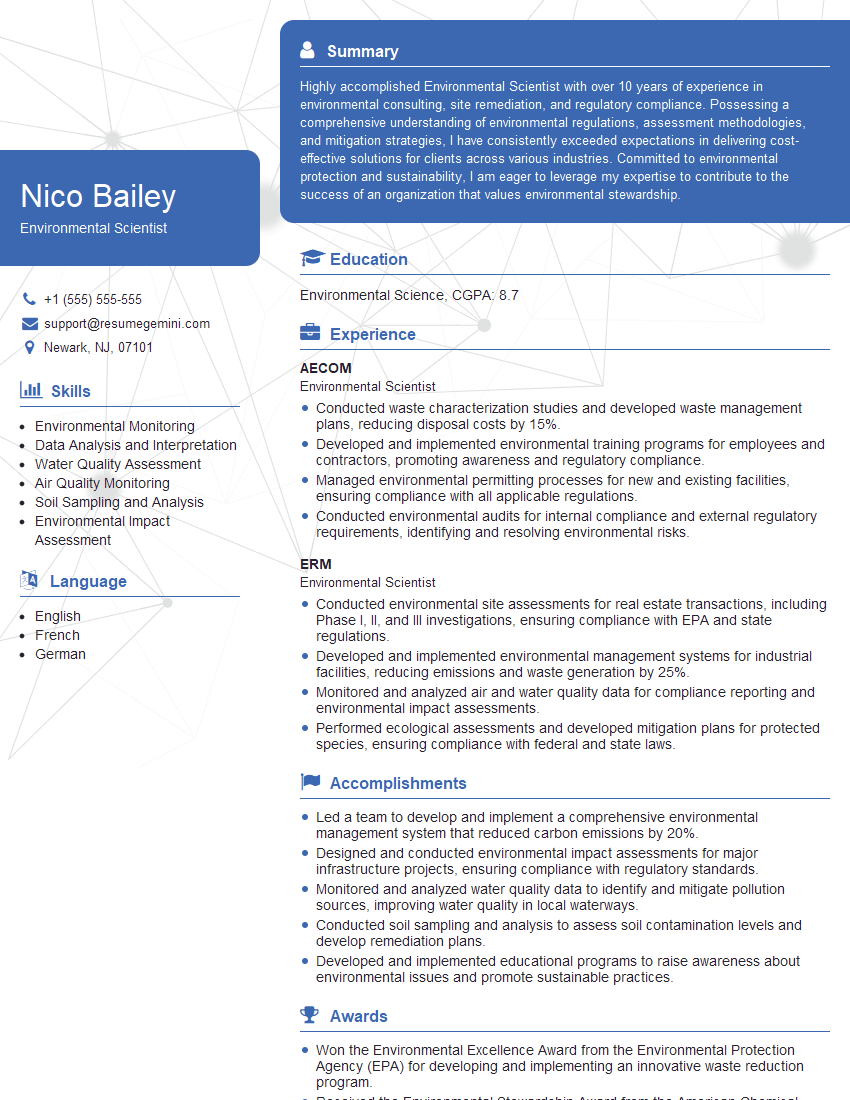
Environmental Scientist Resume Sample
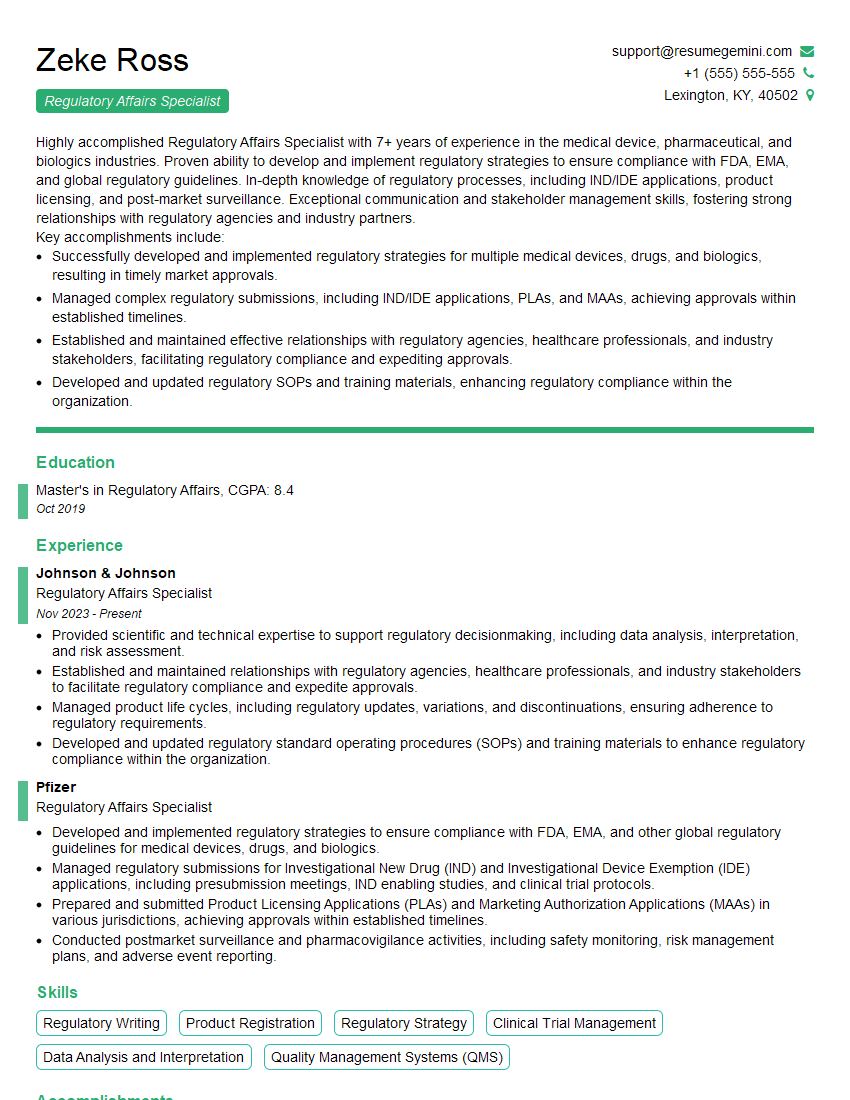
Regulatory Affairs Specialist Resume Sample
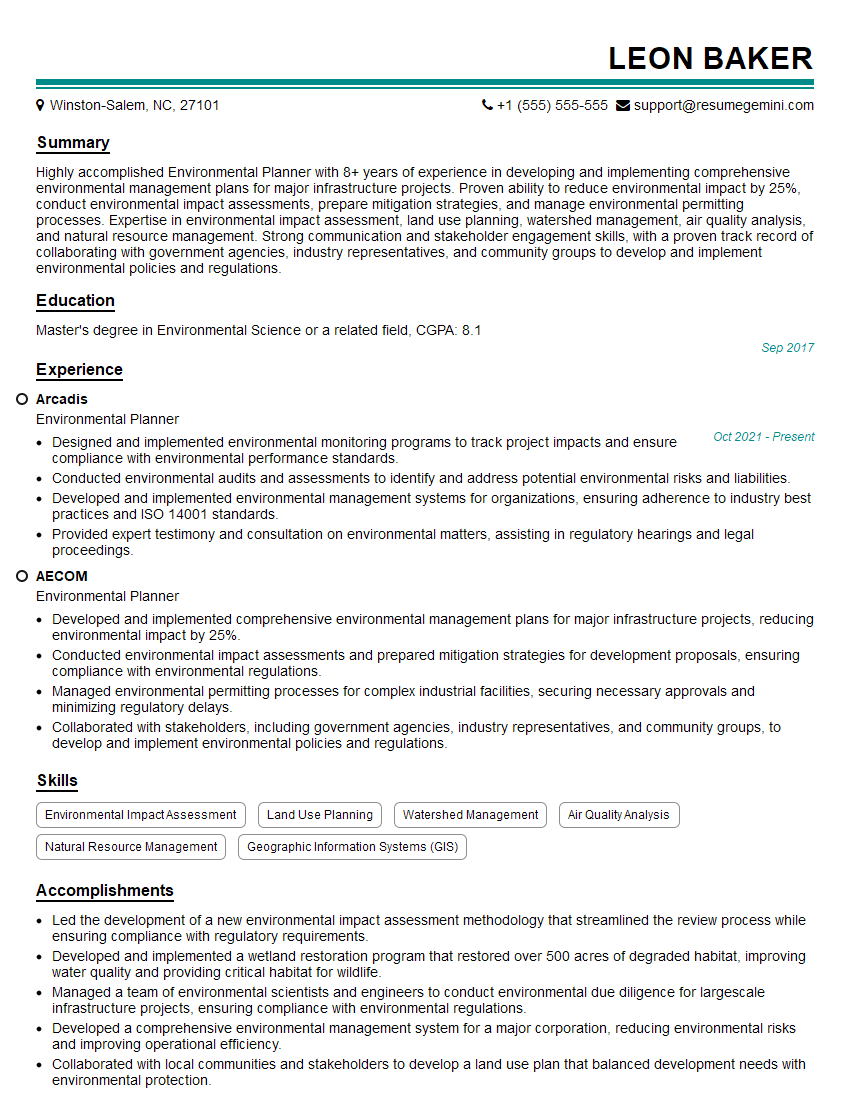
Environmental Planner Resume Sample

Air Pollution Control Engineer Resume Sample
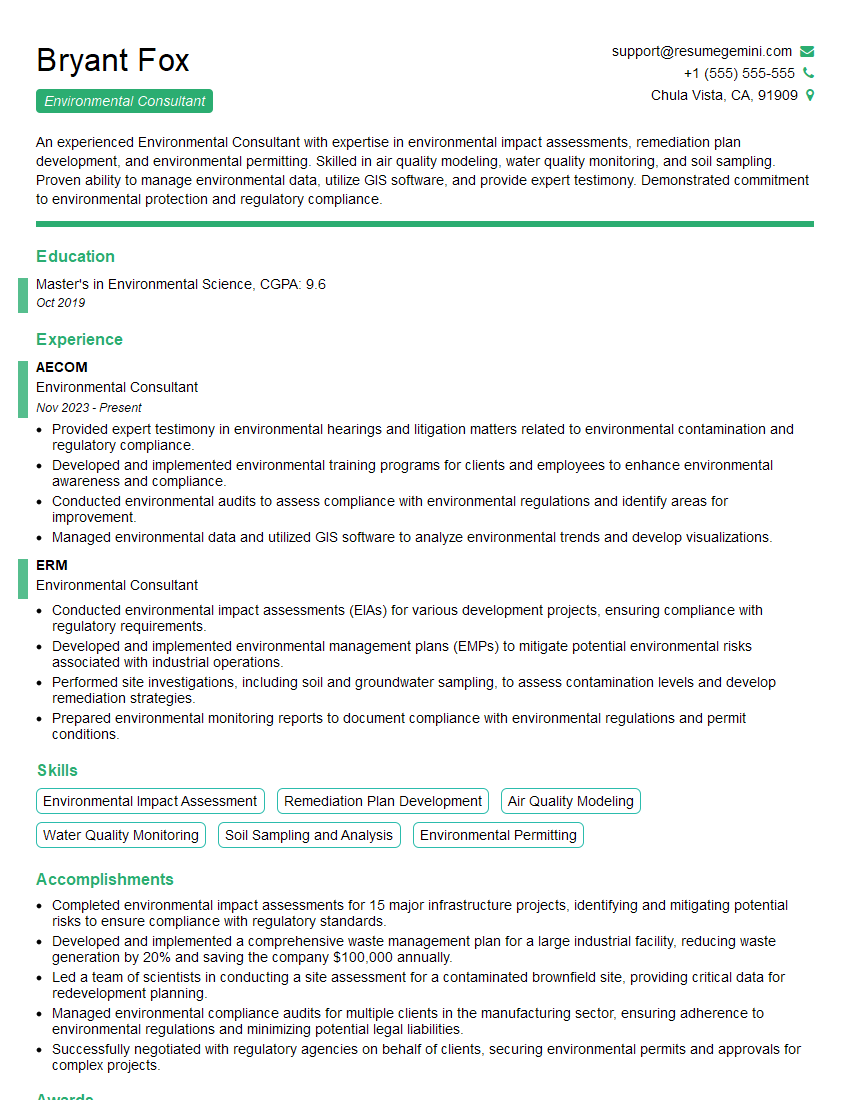
Environmental Consultant Resume Sample
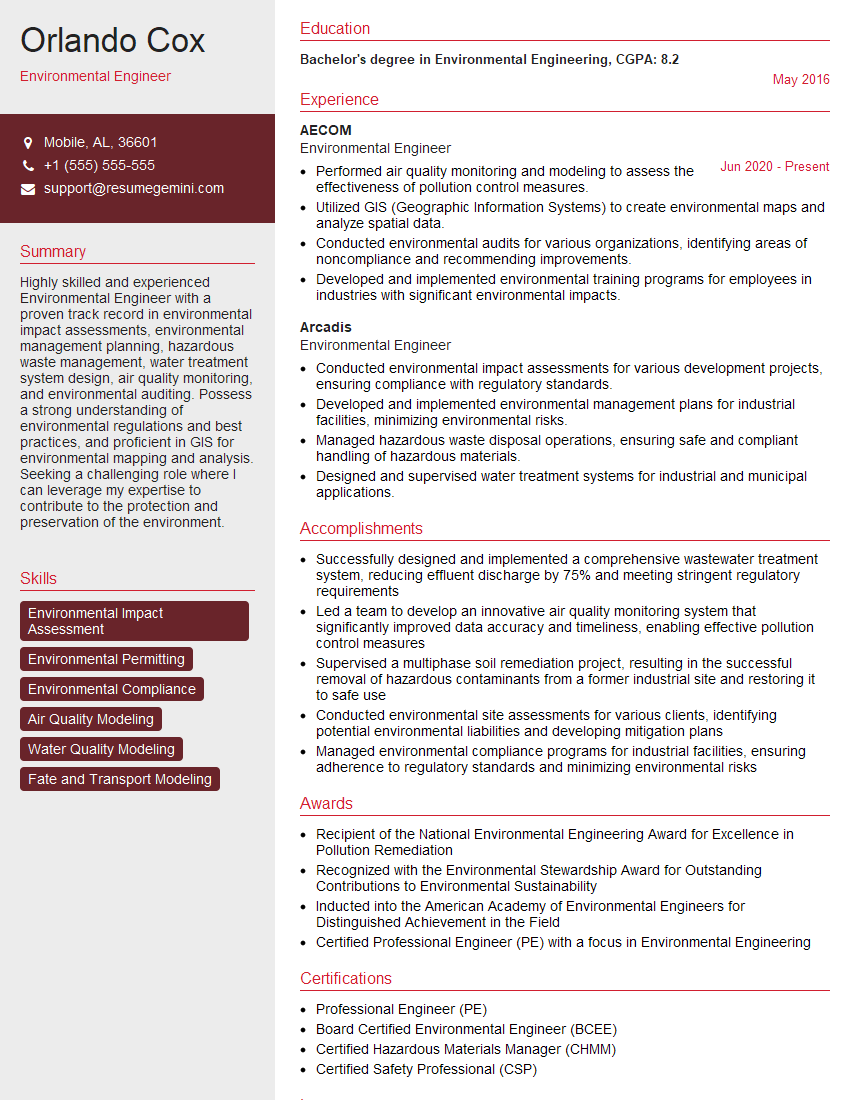
Environmental Engineer Resume Sample

Senior Environmental Scientist Resume Sample
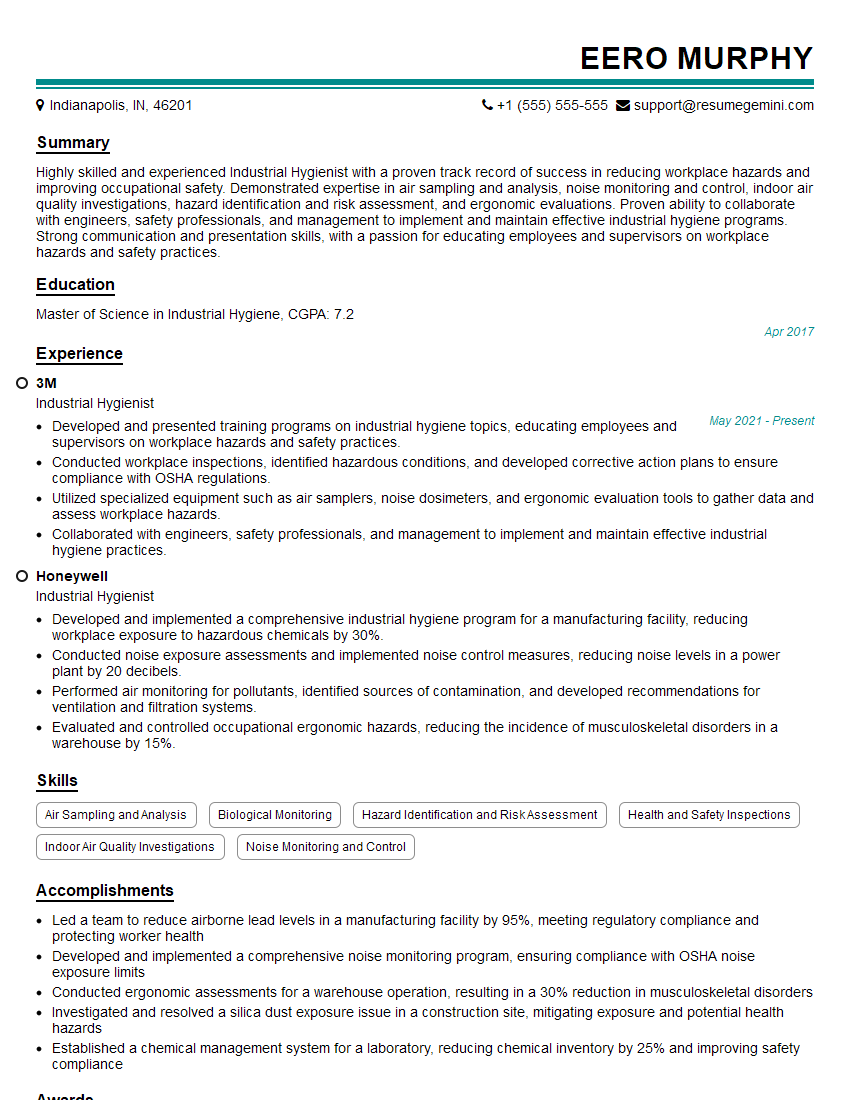
Industrial Hygienist Resume Sample
Explore more articles
Users Rating of Our Blogs
Share Your Experience
We value your feedback! Please rate our content and share your thoughts (optional).
What Readers Say About Our Blog
Very informative content, great job.
good