Feeling uncertain about what to expect in your upcoming interview? We’ve got you covered! This blog highlights the most important Physical Fitness and Ability to Work in Various Weather Conditions interview questions and provides actionable advice to help you stand out as the ideal candidate. Let’s pave the way for your success.
Questions Asked in Physical Fitness and Ability to Work in Various Weather Conditions Interview
Q 1. Describe your fitness regimen and how it ensures you can handle physically demanding work.
My fitness regimen is designed for both endurance and strength, crucial for physically demanding work. It’s a balanced approach combining cardiovascular training, strength training, and flexibility exercises. Cardiovascular training, such as running or cycling for at least 30 minutes, three to four times a week, improves my stamina and ability to work for extended periods. Strength training, using weights or resistance bands twice a week, focuses on major muscle groups to build power and prevent injuries. Finally, incorporating flexibility exercises like yoga or stretching daily enhances my range of motion, reducing the risk of muscle strains during strenuous work.
For example, if I anticipate a day of heavy lifting, I’ll prioritize strength training in the days leading up to it, focusing on exercises that directly target the muscles involved. Conversely, if the job requires prolonged standing or walking, I’ll increase my cardiovascular workouts to build up endurance. This tailored approach ensures I can consistently handle physical demands without fatigue or injury.
Q 2. How do you maintain your fitness level throughout the year, regardless of weather conditions?
Maintaining fitness year-round, regardless of the weather, requires adaptability and planning. During warmer months, I enjoy outdoor activities like hiking and swimming, which are both physically demanding and enjoyable. However, winter presents unique challenges. I shift my focus to indoor activities such as gym workouts and utilize home-based exercises to stay active. I also adjust my clothing and workout intensity to accommodate temperature changes. For example, during cold weather, I wear layers to stay warm and start with lighter cardio to avoid overexertion. Similarly, in extreme heat, I exercise early in the morning or late in the evening to avoid peak temperatures, and I always stay well-hydrated.
Consistency is key. I maintain a regular schedule, even if activities need to change seasonally. This proactive approach allows me to preserve my fitness level consistently, regardless of weather-related disruptions.
Q 3. What strategies do you employ to stay safe and productive in extreme heat?
Working in extreme heat requires a proactive approach to safety and productivity. My strategy revolves around hydration, protection, and pacing. I start by drinking plenty of water throughout the day, even before I feel thirsty. I also wear lightweight, light-colored clothing to reflect sunlight and a hat for additional sun protection. Sunscreen with a high SPF is essential. Furthermore, I work in shorter bursts with frequent breaks in shaded areas to prevent overheating. Regularly checking my body temperature and listening to my body are crucial. If I experience symptoms like dizziness or nausea, I immediately stop working and seek a cool environment.
For instance, if I’m working outside on a scorching summer day, I’ll schedule my most physically demanding tasks for the cooler parts of the day and take more frequent breaks than usual. I would also carry an electrolyte drink to replenish lost salts through sweat.
Q 4. How do you adapt your work style to challenging weather conditions such as heavy rain or snow?
Adapting to challenging weather conditions, like heavy rain or snow, requires careful planning and the use of appropriate safety equipment. In heavy rain, I would wear waterproof gear, including a jacket, pants, and boots. Visibility is significantly reduced, so I might use high-visibility clothing or equipment. I would also adjust my pace to account for slippery surfaces. In snowy conditions, I would wear warm layers, waterproof boots with good traction, and potentially use safety equipment like ice grips for added stability. I would also take shorter, more frequent breaks to warm up and avoid overexertion.
For example, if I’m working on a construction site during a snowstorm, I would ensure that the work area is properly lit and that all team members are aware of potential hazards, like icy patches and falling snow. I would also communicate regularly with my supervisor to adjust the schedule as needed.
Q 5. Explain your experience working outdoors in various weather conditions.
I have extensive experience working outdoors in various weather conditions. From scorching summers to freezing winters, I’ve adapted my work style to ensure safety and productivity. This includes working on landscaping projects during heat waves, completing outdoor repairs during heavy rain, and maintaining outdoor equipment in snowy conditions. This experience has taught me the importance of planning, preparation, and the proper use of safety equipment. The challenges of working outdoors have helped me refine my ability to adapt and persevere in difficult circumstances.
I’ve learned to prioritize safety first, always adapting my work methods to the existing conditions. For example, I’ve learned to recognize the signs of hypothermia in cold weather and heatstroke in hot weather and take immediate preventative actions.
Q 6. Describe a time you had to overcome a physical challenge while working outdoors.
During a particularly heavy snowfall, I was working on clearing a large area of snow. The wind was strong, and the snow was drifting quickly, causing significant visibility issues. Initially, I underestimated the time it would take and felt my energy levels depleting. I realized I needed to change my approach. I broke down the task into smaller, manageable sections, taking frequent breaks to warm up and rehydrate. I also adjusted my technique to minimize exertion and conserve energy. By focusing on completing smaller tasks efficiently and pacing myself effectively, I was able to finish the job safely and on time despite the challenging conditions.
This experience highlighted the importance of adaptability, strategic planning, and understanding my physical limits. It showed me that sometimes, efficiency lies not in pushing through exhaustion, but in strategic pacing and problem-solving.
Q 7. What safety precautions do you take when working in extreme weather?
Safety is my paramount concern when working in extreme weather. My precautions include wearing appropriate protective gear such as waterproof clothing, insulated outerwear, safety footwear, and high-visibility clothing to enhance visibility. I always carry a first-aid kit and have a plan for contacting emergency services if needed. I regularly monitor weather forecasts and adjust my schedule or work methods accordingly. I also communicate regularly with my team or supervisor to address any potential hazards and ensure everyone’s safety.
Examples include using ice grips on shoes during icy conditions, using sun protection consistently during periods of high UV index and staying hydrated to prevent dehydration in extreme heat.
Q 8. How do you monitor your physical state during prolonged outdoor work?
Monitoring my physical state during prolonged outdoor work is crucial for safety and performance. I utilize a multi-pronged approach. This includes regularly checking my heart rate, paying close attention to my breathing and perspiration levels, and assessing my energy levels. I also listen to my body; any signs of discomfort, like muscle cramps or unusual fatigue, are immediate cues to slow down or take a break. I use a combination of subjective and objective measures. Subjectively, I rate my exertion level (e.g., using the Borg Scale) throughout the workday to gauge my perceived exertion. Objectively, if available, I’ll use a heart rate monitor to track my cardiovascular response to the work. This data helps me understand my body’s limits and adjust my workload accordingly, preventing overexertion and potential injury.
For instance, during a long hiking project, I would check my heart rate every 30 minutes to stay within a safe training zone and adjust my pace as necessary. If I experience persistent fatigue despite reducing my intensity, I know it’s time to rest or consider alternative strategies to complete the job efficiently. This proactive monitoring helps me maintain optimal performance and prevent injury.
Q 9. What are the signs of heat exhaustion and how would you respond to them?
Heat exhaustion is a serious condition resulting from your body overheating. It’s characterized by heavy sweating, weakness, dizziness, headache, nausea, and possibly vomiting. Your skin may feel clammy, and your pulse may be rapid and weak. If I notice these signs in myself or a colleague, immediate action is vital.
- Step 1: Move to a cool place. Get out of direct sunlight and into shade or an air-conditioned environment.
- Step 2: Cool the body down. Apply cool, wet cloths to the skin, especially the neck, armpits, and groin. Fanning the person also helps.
- Step 3: Hydrate. Give the person sips of cool water or an electrolyte-rich beverage (unless they are vomiting). Avoid sugary drinks.
- Step 4: Rest. Ensure the individual rests and avoids further exertion.
- Step 5: Seek medical attention. If symptoms persist or worsen, or if the person loses consciousness, immediately call emergency services.
For example, during a prolonged period of work in intense heat, if I experienced dizziness and heavy sweating, I’d immediately find shade, drink cool water, and rest until I felt better. If my symptoms didn’t improve, I would seek medical advice.
Q 10. How do you prevent hypothermia in cold weather conditions?
Hypothermia is a dangerous drop in body temperature. Preventing it in cold weather requires layering clothing to trap warm air, choosing fabrics that wick away moisture to prevent chilling, wearing waterproof and windproof outerwear, and protecting extremities with gloves, hats, and warm socks. It’s also vital to remain active to generate body heat and to consume warm, high-calorie foods and drinks to maintain internal temperature.
For example, during winter fieldwork, I would wear thermal underwear, fleece layers, a waterproof jacket, and warm gloves and a hat. Regular breaks for warm drinks and high-energy snacks are also key. If I feel my fingers or toes becoming numb, I know it’s a warning sign and I will take immediate action to warm up those body parts and seek shelter if possible.
Q 11. What measures do you take to protect yourself from sun exposure during outdoor work?
Protecting myself from sun exposure is essential for long-term health. My strategy involves several steps: applying high SPF broad-spectrum sunscreen every two hours (or more frequently if swimming or sweating), wearing a wide-brimmed hat to shade my face, neck, and ears, and using sunglasses that block UVA and UVB rays. I also seek shade during peak sun hours, 10am-4pm, whenever possible. I also understand the importance of hydration and consuming fluids that maintain electrolyte balance to further protect against sunburn.
For example, if I’m working outdoors on a sunny day, I’ll apply a generous amount of sunscreen 30 minutes before going outside, reapply every two hours, and wear a hat and sunglasses. If working for prolonged periods, I would schedule breaks to take advantage of the shade.
Q 12. Describe your experience with using appropriate personal protective equipment (PPE) in different weather conditions.
My experience with PPE in various weather conditions is extensive. In hot weather, this might include lightweight, breathable clothing that protects from the sun, along with cooling vests or cooling towels. In cold weather, it’s about layered clothing that insulates and prevents moisture build-up, including waterproof and windproof outer layers. Safety glasses or goggles are crucial in both conditions to prevent eye injuries from debris or sun glare. In wet conditions, appropriate footwear is essential to prevent slips and falls, and in dusty environments, respirators or masks are vital to protect my respiratory system. In all conditions, I always ensure the PPE is correctly fitted and maintained for optimal protection.
For example, during a winter project involving snow removal, I would wear waterproof boots, a high-visibility jacket, gloves, a hat, and safety glasses, while during summer roadwork I’d use high-visibility clothing, safety glasses and sun protection.
Q 13. How do you stay hydrated while working outdoors in hot weather?
Staying hydrated in hot weather is paramount. I start by drinking water before I begin work and continue to drink water regularly throughout the day, even if I don’t feel thirsty. I avoid sugary drinks, as they can actually dehydrate you. I carry a water bottle with me at all times and refill it frequently. If I’m working for extended periods, I consider electrolyte drinks to replace salts and minerals lost through sweating. The amount of water needed depends on factors such as intensity of work, temperature, and humidity.
For example, during a particularly strenuous outdoor project on a hot day, I would carry at least 2 liters of water and sip it consistently. To help me remember to drink enough, I’ll set reminders on my phone.
Q 14. Explain your understanding of the risks associated with working outdoors in extreme weather.
Working outdoors in extreme weather presents significant risks. Heat-related illnesses, such as heat exhaustion and heatstroke, are major concerns in hot weather, while hypothermia and frostbite are dangers in cold conditions. Strong winds, heavy rain, snow, and ice can also create hazards like slips, trips, and falls, while lightning poses a serious threat during thunderstorms. Exposure to the sun increases the risk of sunburn and long-term skin damage. I always check the weather forecast before commencing work and adapt my clothing, hydration strategy, and work schedule accordingly. I’m aware of the symptoms of heat-related illnesses and hypothermia and know how to respond appropriately, including seeking medical help when necessary. I also prioritize safety through the use of appropriate PPE and by avoiding working outdoors during particularly hazardous weather conditions whenever possible.
For instance, I would postpone outdoor work during a severe thunderstorm or if temperatures are exceptionally high or low. A clear understanding of the risks, coupled with proactive measures, is fundamental to maintaining my well-being and safety while working outdoors.
Q 15. How do you manage fatigue during physically demanding outdoor work?
Managing fatigue during physically demanding outdoor work requires a proactive and multi-faceted approach. It’s not just about pushing through; it’s about preventing fatigue in the first place. Think of your energy like a bank account – you need to make regular deposits to avoid overdrafting.
- Proper Hydration and Nutrition: Dehydration and inadequate fuel are major contributors to fatigue. I prioritize consistent water intake throughout the day, even before I feel thirsty, and consume nutrient-rich snacks and meals regularly, focusing on complex carbohydrates for sustained energy and protein for muscle repair.
- Strategic Pacing: Instead of starting at a frantic pace, I focus on maintaining a consistent, sustainable work rate. This involves taking short, planned breaks to rest and rehydrate. Think of it like running a marathon, not a sprint.
- Adequate Sleep: Getting sufficient sleep is crucial for physical and mental recovery. Aiming for 7-8 hours of quality sleep each night is non-negotiable for optimal performance.
- Listen to Your Body: Recognizing the early signs of fatigue – such as decreased concentration, muscle aches, or increased heart rate – is critical. Addressing these signs promptly, with rest and hydration, can prevent it from escalating into exhaustion.
For instance, during a long landscaping project in the summer heat, I’d schedule a 15-minute break every hour to hydrate and refuel with a high-protein snack. This prevented mid-afternoon slumps and ensured I maintained productivity throughout the day.
Career Expert Tips:
- Ace those interviews! Prepare effectively by reviewing the Top 50 Most Common Interview Questions on ResumeGemini.
- Navigate your job search with confidence! Explore a wide range of Career Tips on ResumeGemini. Learn about common challenges and recommendations to overcome them.
- Craft the perfect resume! Master the Art of Resume Writing with ResumeGemini’s guide. Showcase your unique qualifications and achievements effectively.
- Don’t miss out on holiday savings! Build your dream resume with ResumeGemini’s ATS optimized templates.
Q 16. What are your strategies for staying motivated and focused during long shifts in challenging weather?
Maintaining motivation and focus during long shifts in challenging weather demands a combination of mental strategies and practical adjustments. It’s about creating a positive mindset and minimizing external stressors.
- Setting Realistic Goals: Breaking down large tasks into smaller, manageable chunks makes the overall workload feel less daunting. Celebrating each milestone achieved, no matter how small, provides a sense of accomplishment and boosts morale.
- Positive Self-Talk: Replacing negative self-doubt with positive affirmations helps maintain a positive mental attitude. For example, instead of thinking “This is too hard,” I’d remind myself “I can do this; I’m strong and capable.”
- Teamwork and Support: Working collaboratively with a supportive team provides a sense of camaraderie and shared purpose, increasing motivation. Encouraging each other and sharing positive experiences helps combat feelings of isolation and fatigue.
- Weather-Appropriate Gear: Ensuring you have the right clothing and equipment for the conditions is paramount. Being prepared makes the job easier and more comfortable.
During a particularly cold and windy construction job, we used a buddy system to check on each other regularly and maintain spirits. We celebrated each completed section with a hot drink and a brief moment of shared appreciation. This helped us overcome the challenges of the weather and maintain our focus.
Q 17. Describe a time you had to adjust your work plan due to unexpected weather changes.
During a trail maintenance project, an unexpected thunderstorm rolled in. We had planned to clear a specific section of overgrown vegetation that day, but the torrential rain and lightning made working outdoors extremely dangerous.
Our immediate response was to prioritize safety. We immediately ceased all outdoor operations and relocated to a designated safe zone – a sturdy shelter we had identified earlier in case of unexpected weather. We assessed the situation, reviewing weather forecasts and discussing alternative options. We decided to reschedule the vegetation clearing for the following day, after the storm passed, and instead focused on indoor tasks, like organizing and repairing equipment.
This experience underscored the importance of flexibility and adaptability when working outdoors. Having a contingency plan for unexpected weather changes is crucial for maintaining both productivity and safety. The ability to swiftly adjust the work plan and switch to alternative tasks helped minimize the impact of the unforeseen weather event.
Q 18. How do you communicate effectively with your team in challenging weather conditions?
Effective communication in challenging weather conditions requires clear, concise messaging and appropriate methods. The key is to ensure everyone understands the situation and the plan.
- Pre-determined Communication Protocols: Establishing clear communication protocols before work begins is essential. This might involve designated check-in times and methods (e.g., radio communication, hand signals).
- Visual Aids: When verbal communication is difficult due to wind or rain, visual signals, like hand signals, can be effective. We should agree on a set of signals beforehand.
- Frequent Check-ins: Regular check-ins, even if brief, ensure everyone is safe and aware of the situation. This is particularly important during periods of severe weather.
- Simplified Language: Avoid jargon and use plain language to ensure messages are easily understood, even under pressure.
For example, during a snowstorm, we used hand signals to communicate tasks and regularly checked in via radio to ensure everyone was safe and warm. Using simple, direct language prevented misunderstandings in the noisy, windy environment.
Q 19. What are your preferred methods for staying warm in cold weather?
Staying warm in cold weather involves layering clothing and protecting exposed skin. The key is trapping body heat, not just adding bulk.
- Layering: This involves wearing multiple thin layers of clothing rather than one thick layer. This allows for better regulation of body temperature, as layers can be added or removed as needed.
- Insulating Base Layer: A thermal base layer helps wick away moisture from the skin, preventing chill. Materials like merino wool or synthetic fabrics are excellent choices.
- Insulating Mid-Layer: A fleece or down jacket provides insulation, trapping warm air close to the body.
- Waterproof Outer Layer: A waterproof and windproof outer shell protects from the elements and prevents heat loss.
- Protective Gear: Hats, gloves, and scarves are essential to protect extremities, as these lose heat rapidly.
For instance, I’d wear a merino wool base layer, a fleece mid-layer, and a waterproof jacket during cold, wet work. I’d also ensure I had warm, waterproof gloves and a hat.
Q 20. What are your preferred methods for staying cool in hot weather?
Staying cool in hot weather focuses on preventing overheating and promoting evaporative cooling.
- Light-Colored, Loose-Fitting Clothing: Light colors reflect sunlight, while loose-fitting clothing allows for better air circulation.
- Hydration: Drinking plenty of water throughout the day is crucial to prevent dehydration, which can lead to heat exhaustion.
- Sun Protection: Wearing a hat and sunscreen protects the skin from harmful UV rays and prevents sunburn.
- Regular Breaks in Shade: Taking frequent breaks in the shade helps to lower body temperature and prevents overheating.
- Cooling Towels or Misting: Using cooling towels or misting can help lower body temperature through evaporative cooling.
During a hot summer landscaping job, I’d wear a light-colored, loose-fitting shirt and pants, a hat, and sunscreen. I’d also take frequent breaks in the shade and regularly drink water. Keeping a wet towel handy to wipe my face and neck helped tremendously.
Q 21. Have you ever received any training on working safely in various weather conditions?
Yes, I have received comprehensive training on working safely in various weather conditions. This training included:
- Weather Awareness: Understanding weather patterns, forecasts, and the potential dangers associated with different weather events (e.g., heat stroke, hypothermia, lightning).
- Appropriate Clothing and Equipment: Selecting and using the correct personal protective equipment (PPE) for various weather conditions.
- Emergency Procedures: Knowing what to do in case of emergencies related to weather, such as severe thunderstorms or extreme temperatures. This includes recognizing the signs of heatstroke and hypothermia and knowing the appropriate first aid response.
- Environmental Hazards: Identifying and mitigating potential hazards associated with specific weather events, such as slippery surfaces in icy conditions or lightning strikes during thunderstorms.
- Communication Protocols: Establishing clear communication protocols for coordinating work activities and reporting safety concerns in various weather conditions.
This training has equipped me with the knowledge and skills necessary to work safely and effectively in a range of weather situations, ensuring both my personal safety and the safety of my team.
Q 22. How do you assess the risks associated with weather conditions before starting a task?
Assessing weather-related risks before starting any task involves a systematic approach. It begins with understanding the specific task and its environmental demands. For instance, a physically demanding outdoor task in summer will have different risks than an indoor task in winter.
My assessment includes checking:
- The weather forecast: I use reliable sources like meteorological services, specialized apps, and local news for detailed information on temperature, wind speed, precipitation, humidity, and UV index.
- Specific hazards: This goes beyond simple temperature. I consider potential hazards such as lightning (especially relevant for outdoor tasks), extreme cold (leading to hypothermia), extreme heat (leading to heatstroke), strong winds (potential for injury or equipment damage), and poor visibility (reducing situational awareness).
- Personal physical condition: Am I adequately hydrated, rested, and properly equipped for the conditions? Pre-existing health conditions also play a crucial role.
- Task duration and intensity: A short, light task in moderate conditions poses less risk than a prolonged, strenuous task in harsh conditions.
Based on this assessment, I determine the level of risk and implement appropriate mitigation strategies – this might involve postponing the task, altering the work schedule, adjusting clothing, or using specialized equipment.
Q 23. Describe your experience using weather forecasts to plan your work.
Weather forecasts are integral to my work planning. I don’t simply look at a daily summary; I delve into hourly forecasts, particularly for tasks spanning multiple hours or days.
For example, if I’m planning a multi-day hiking expedition, I wouldn’t just check the overall forecast. I would examine the hourly predictions for each day, paying close attention to changes in temperature, wind, and precipitation. This helps me pack appropriate clothing and gear, plan rest stops and routes to minimize exposure to adverse conditions, and make adjustments as needed. I use this data to create a detailed schedule that accommodates potential weather changes, incorporating contingency plans for delays or route alterations. If there is a high likelihood of severe weather, I’d reschedule the task altogether.
In construction, for instance, concrete work is hugely affected by temperature and humidity. Accurate forecasts allow me to adjust pouring schedules, modify equipment usage, and even consider adding supplementary measures to maintain optimal curing conditions. This minimizes material waste and maximizes efficiency.
Q 24. How do you maintain your equipment in different weather conditions?
Equipment maintenance is crucial across different weather conditions. It’s about extending the life of your gear, ensuring its continued effectiveness, and enhancing your own safety.
My approach:
- Regular cleaning and inspection: After each use, I clean equipment, removing mud, dirt, salt (if working near coastal areas), or other debris. I inspect for any signs of wear and tear, corrosion, or damage.
- Appropriate storage: I store equipment in dry, protected areas, avoiding direct sunlight, extreme temperatures, and dampness. This prevents rust, degradation, and damage.
- Protective measures: In wet conditions, I use waterproof covers or protective cases. In cold conditions, I might apply lubricants to prevent freezing and ensure smooth operation. For extreme heat, I might use reflective coverings to reduce heat absorption.
- Scheduled maintenance: I follow manufacturer recommendations for regular servicing and replacement of parts, ensuring that all equipment is functioning correctly and safely.
For example, if using power tools in wet conditions, I ensure they are double-insulated and have appropriate ground fault circuit interrupters (GFCIs) to prevent electrical shocks. In extreme cold, I use specialized cold-weather lubricants on moving parts.
Q 25. How do you prioritize safety versus productivity when working in adverse weather?
Safety always trumps productivity. While efficiency is important, it’s secondary to the well-being of myself and others involved.
My framework:
- Risk assessment: I start with a thorough assessment of the weather conditions and their potential impact on safety.
- Mitigation strategies: I implement measures to mitigate risks, such as postponing work, using safety gear, and adjusting work procedures.
- Communication: I maintain clear communication with my team and supervisors about the risks, implemented safety measures, and any necessary changes to the work plan.
- Decision-making: In situations where the risks are high, I prioritize safety and halt work, even if it impacts productivity. The cost of an injury far outweighs the loss of a few hours of productivity.
Consider a scenario where I am working on a roof. Strong winds would make it incredibly dangerous. Even if there’s a tight deadline, I would stop working until the wind subsides because the risk of a fall is unacceptable.
Q 26. Describe a time you had to make a quick decision based on changing weather conditions.
During a mountain biking race, the weather unexpectedly shifted from sunny and clear to a severe thunderstorm with torrential rain and hail within minutes.
My quick decision was to abandon the race immediately. The trails became extremely slippery and dangerous; the risk of injury from falling was significantly high. Finding a safe shelter was my priority – I quickly sought refuge under a rocky overhang. The initial disappointment of not finishing the race was overshadowed by the relief of making it safely to shelter before the storm intensified. The decision was difficult, but the safety implications were clear, and I prioritized my well-being.
Q 27. How do you handle unexpected weather events while working remotely?
Handling unexpected weather events while working remotely requires preparedness and adaptability.
My approach:
- Backup power: A reliable backup power source (generator or battery) is essential for maintaining connectivity and operations during power outages.
- Communication plan: I have a communication plan in place to keep my team and clients informed in case of disruptions.
- Emergency supplies: I have essential emergency supplies on hand, including water, food, flashlights, and first-aid kits.
- Flexibility: I am flexible in adjusting my schedule or tasks based on weather conditions, and have contingency plans for delays or interruptions.
For example, if a severe storm threatens power loss, I have a backup internet connection and generator to continue working and keep in touch with clients. I would also inform my team and clients about the situation and adjust deadlines accordingly.
Q 28. How do you ensure the safety of others when working in extreme weather conditions?
Ensuring the safety of others in extreme weather involves proactive measures, clear communication, and adherence to safety protocols.
My approach includes:
- Risk assessment and communication: I conduct a thorough risk assessment and clearly communicate the potential hazards to everyone involved.
- Safety equipment and training: I ensure everyone has appropriate safety equipment and has received adequate training on its proper use. This includes understanding emergency procedures.
- Supervision and monitoring: I closely supervise the team, especially during high-risk activities or extreme weather events. Regular check-ins are crucial.
- Emergency response plan: We have a well-defined emergency response plan with clear communication channels and evacuation procedures in case of an unexpected event.
- Weather monitoring: Continuous monitoring of weather conditions helps in making timely decisions and taking preventive measures.
For example, if working with a team during a blizzard, I ensure everyone has appropriate warm clothing, thermal gear, and emergency supplies. I’d establish regular communication, monitor everyone’s condition, and have a clear plan if someone experiences hypothermia or other weather-related issues.
Key Topics to Learn for Physical Fitness and Ability to Work in Various Weather Conditions Interview
- Maintaining Physical Fitness Standards: Understanding the importance of regular exercise, proper nutrition, and sufficient rest in maintaining peak physical performance. Explore different training methods and their suitability for various job demands.
- Adapting to Extreme Temperatures: Discuss strategies for working safely and effectively in both hot and cold environments. This includes understanding heatstroke and hypothermia prevention, appropriate clothing and hydration techniques.
- Weather-Related Safety Procedures: Knowledge of emergency protocols in adverse weather conditions. This includes recognizing and responding to weather warnings, understanding appropriate safety gear, and knowing when to cease work due to unsafe conditions.
- Impact of Weather on Performance: Analyze how different weather conditions affect physical and mental performance. Discuss strategies for maintaining productivity and safety despite challenging weather.
- Personal Health and Injury Prevention: Detail the importance of recognizing and addressing personal physical limitations, implementing preventative measures to minimize risk of injury, and understanding first aid principles relevant to weather-related incidents.
- Communication and Teamwork in Challenging Conditions: Discuss the importance of clear communication and effective teamwork in ensuring safety and productivity during adverse weather events.
Next Steps
Mastering physical fitness and the ability to work in various weather conditions is crucial for career advancement in many demanding fields. It demonstrates resilience, adaptability, and a commitment to safety – qualities highly valued by employers. To significantly boost your job prospects, create an ATS-friendly resume that effectively highlights these skills. ResumeGemini is a trusted resource to help you build a professional and impactful resume that showcases your capabilities. Examples of resumes tailored to Physical Fitness and Ability to Work in Various Weather Conditions are available to help guide you. Take the next step in your career journey today!
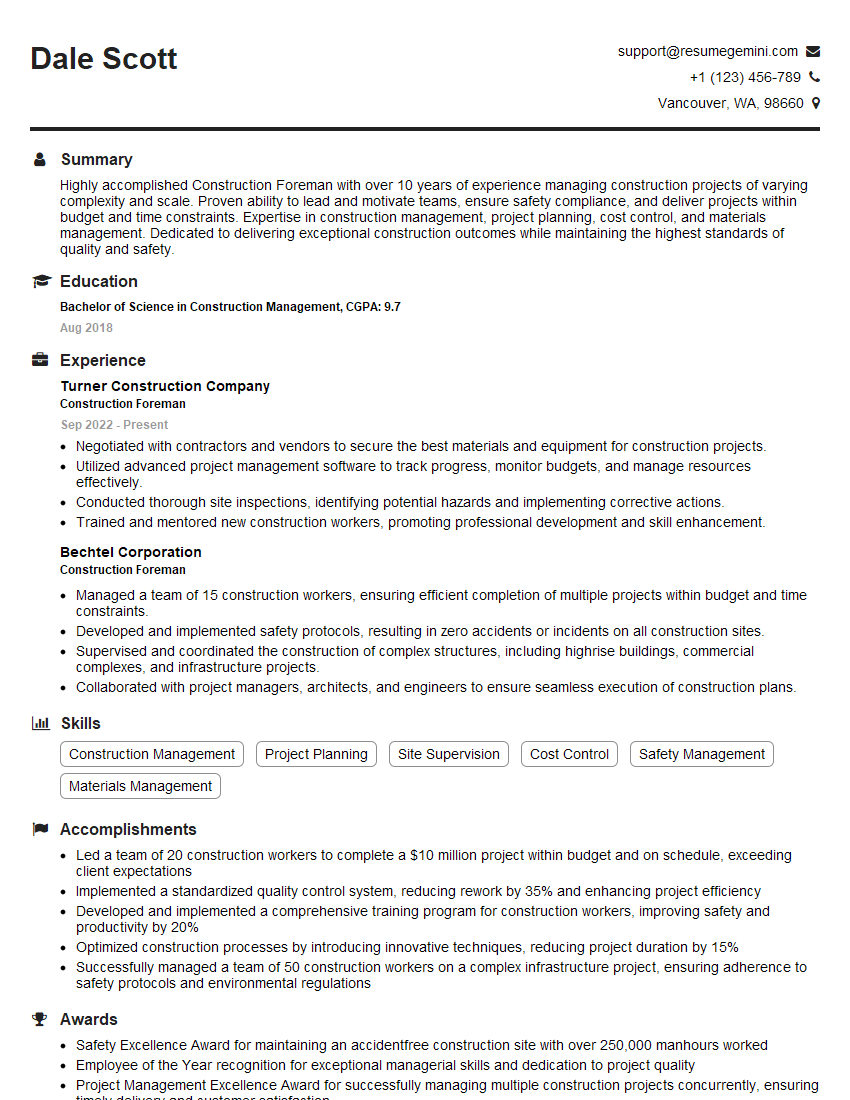
Construction Foreman Resume Sample
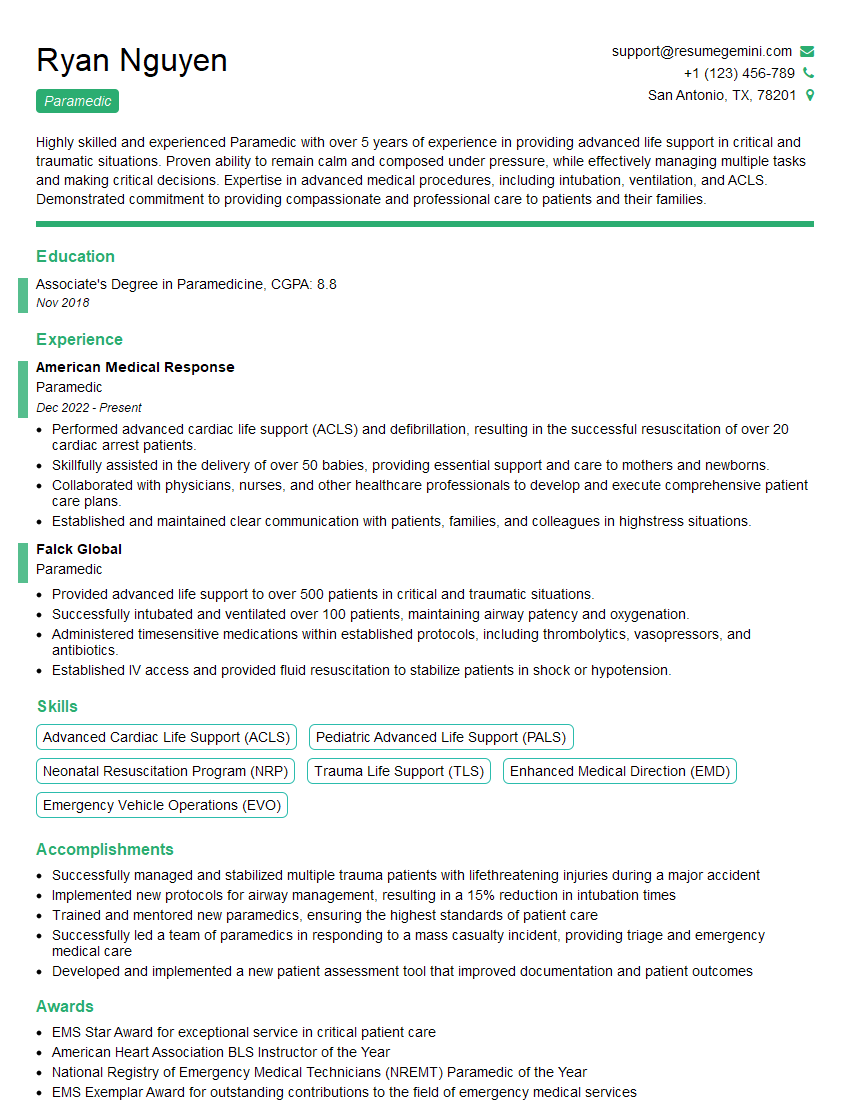
Paramedic Resume Sample
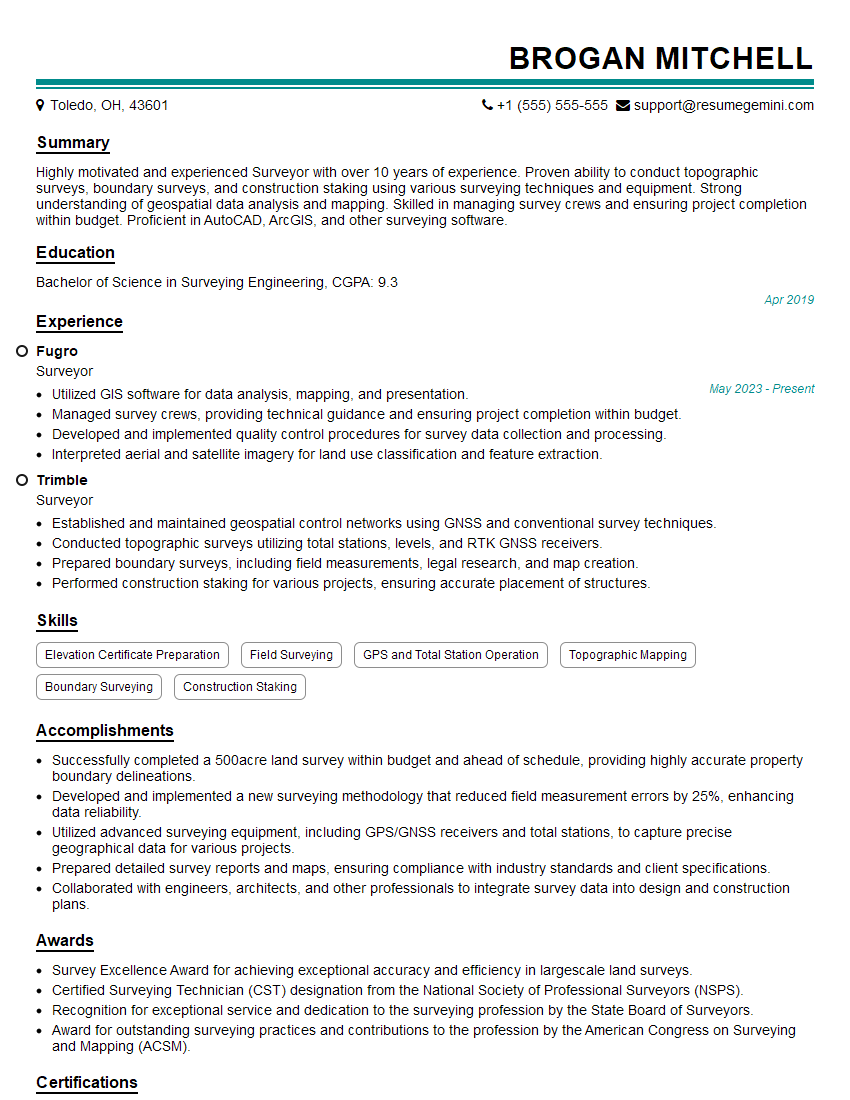
Surveyor Resume Sample
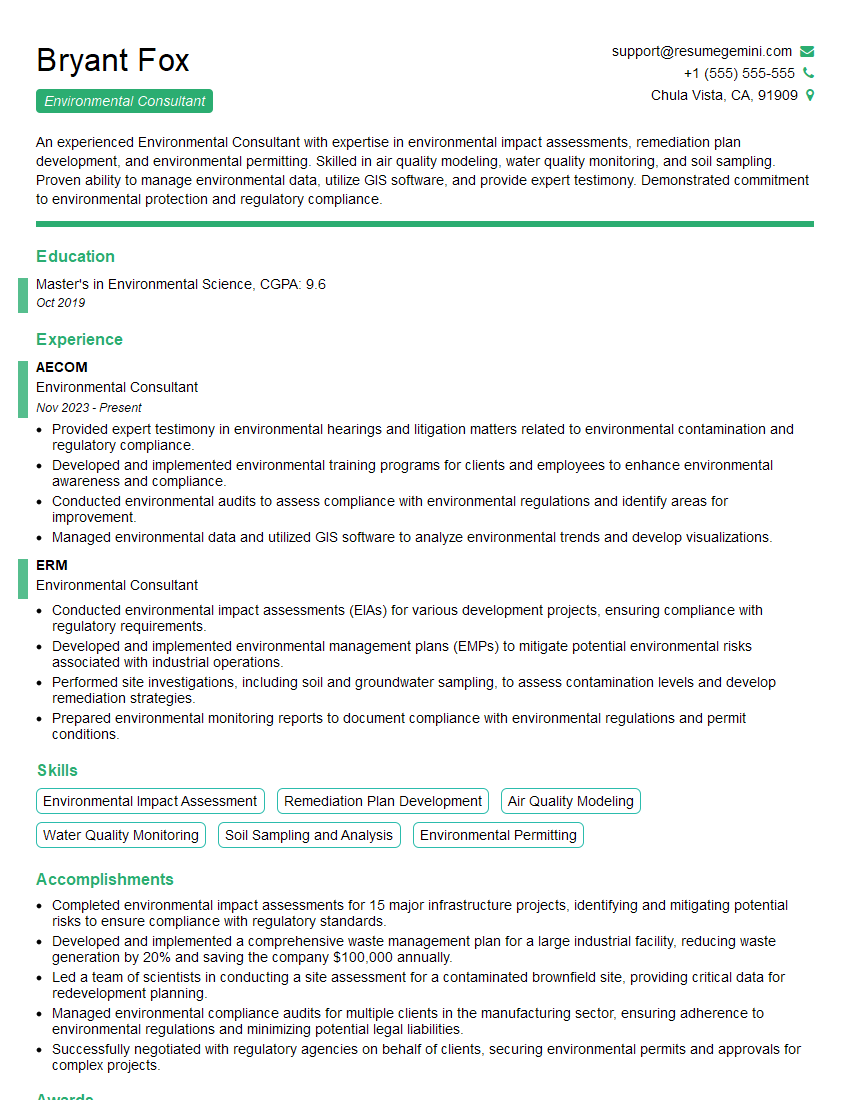
Environmental Consultant Resume Sample

Wildlife Biologist Resume Sample
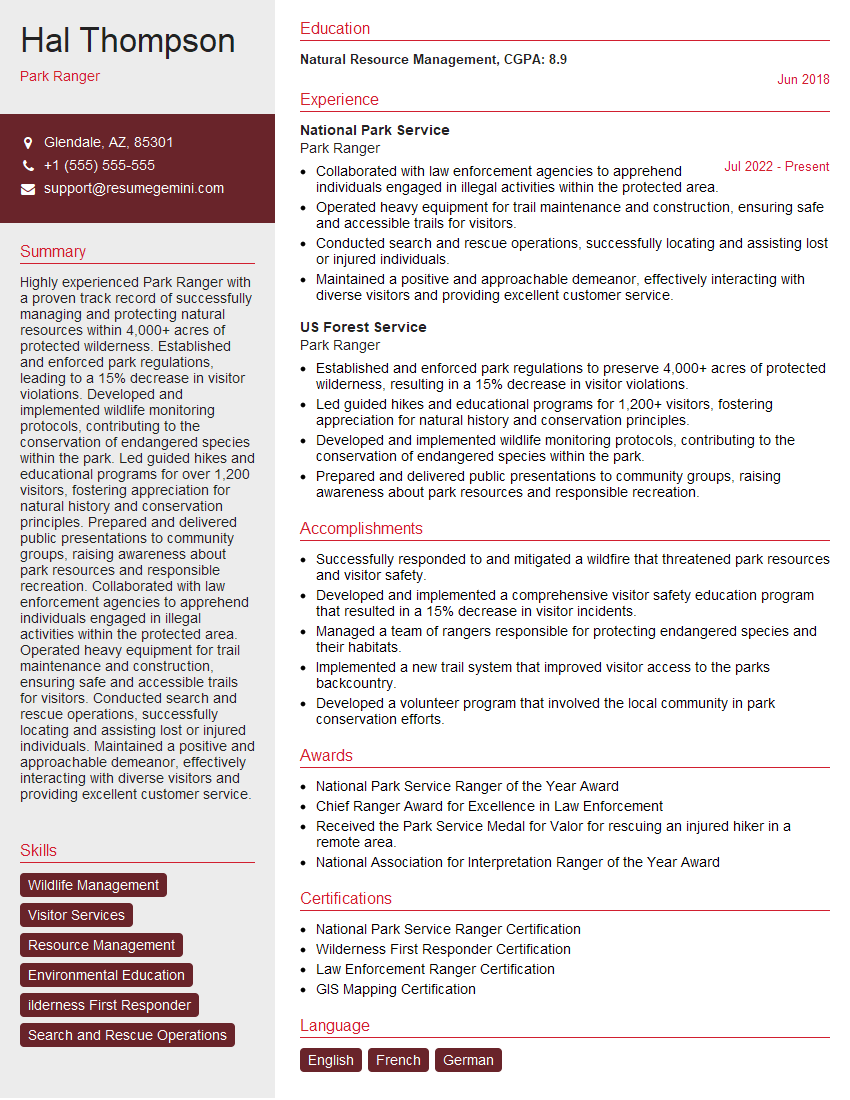
Park Ranger Resume Sample
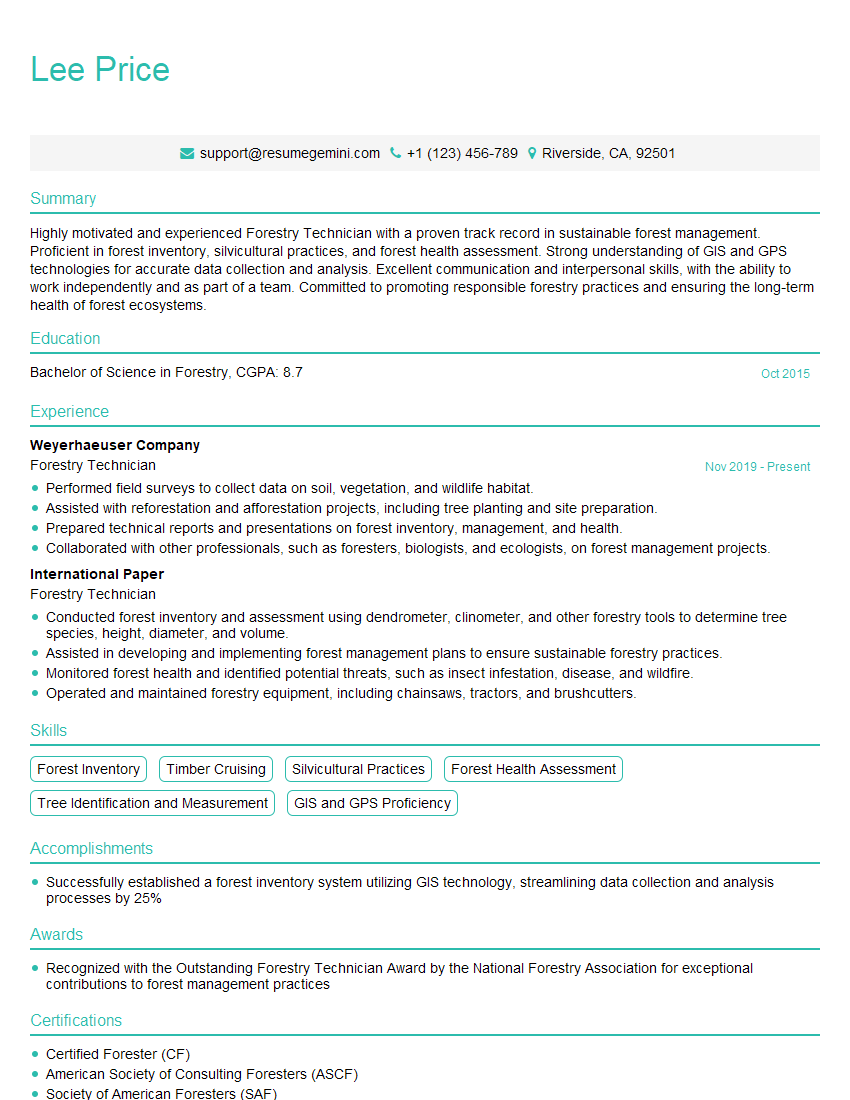
Forestry Technician Resume Sample
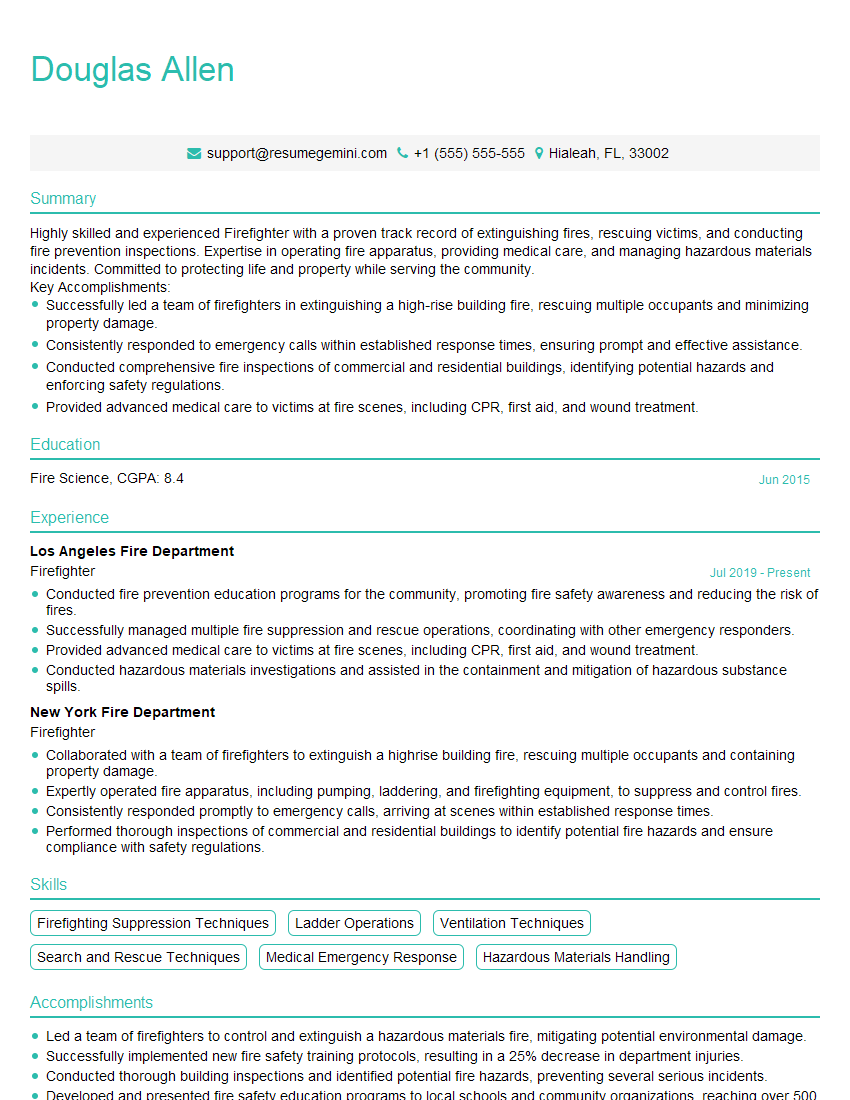
Firefighter Resume Sample
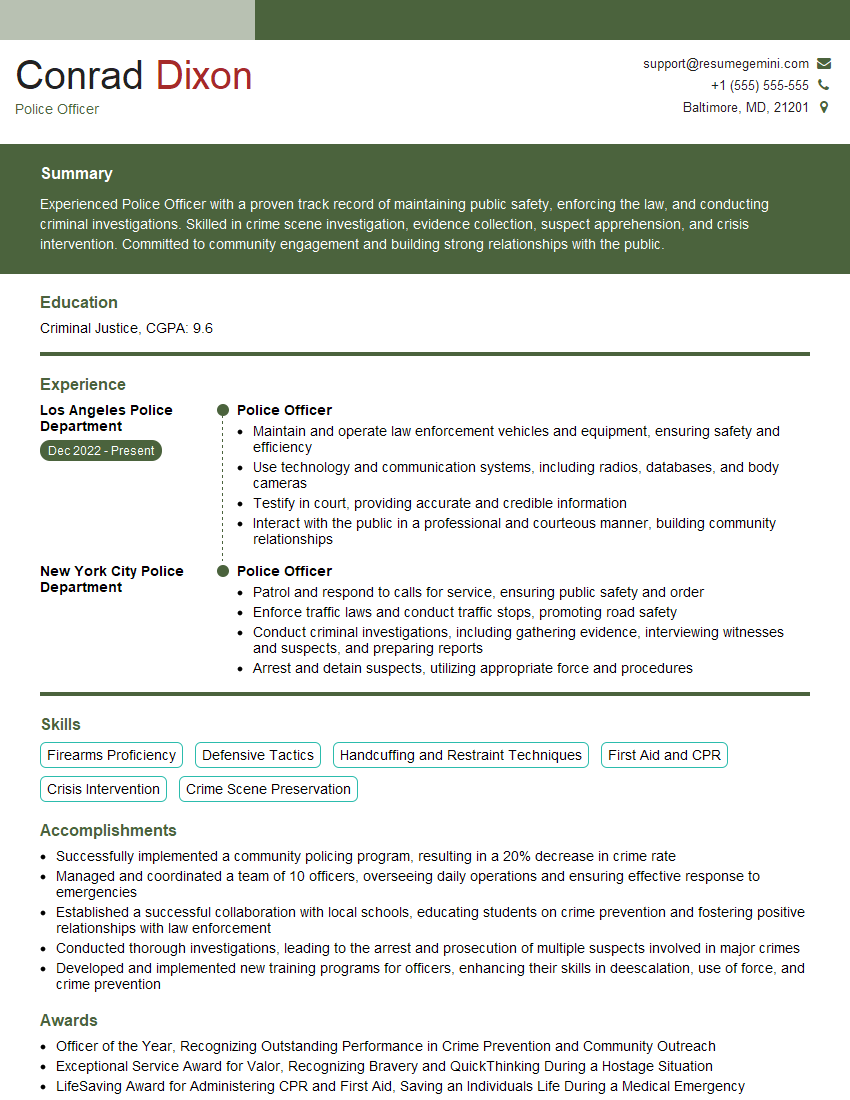
Police Officer Resume Sample
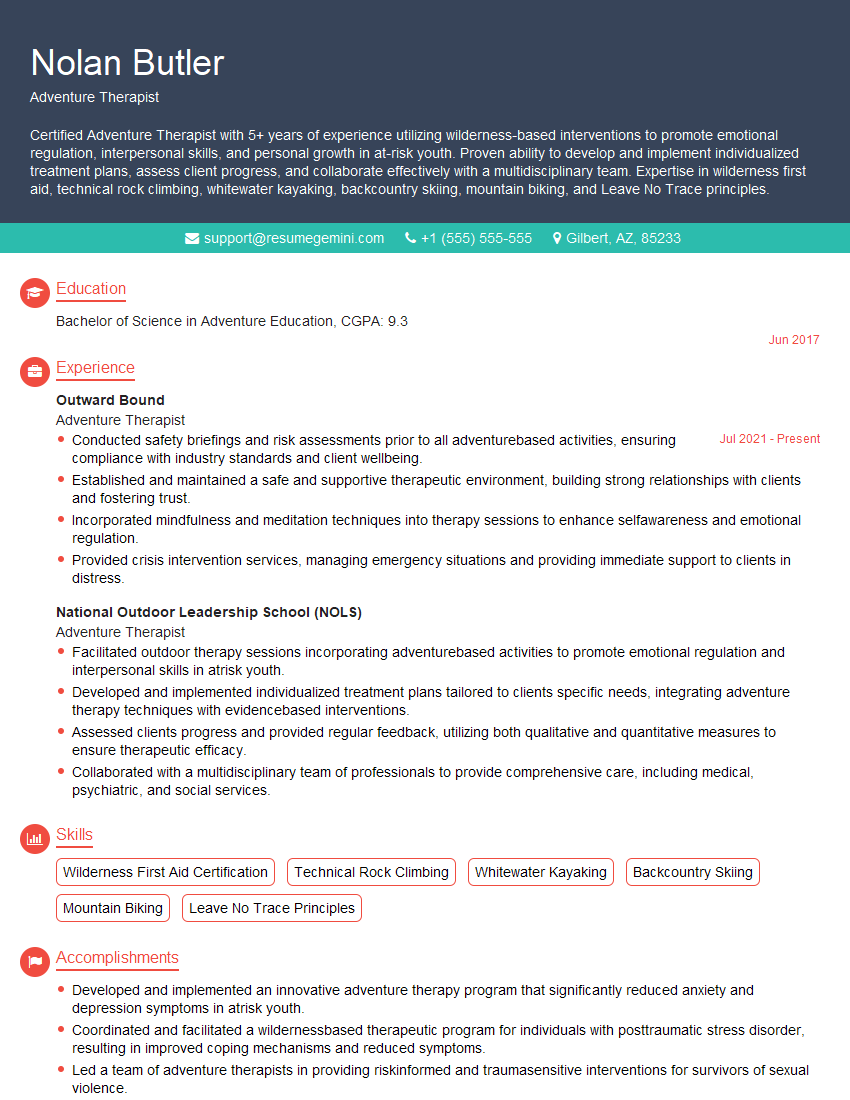
Adventure Therapist Resume Sample
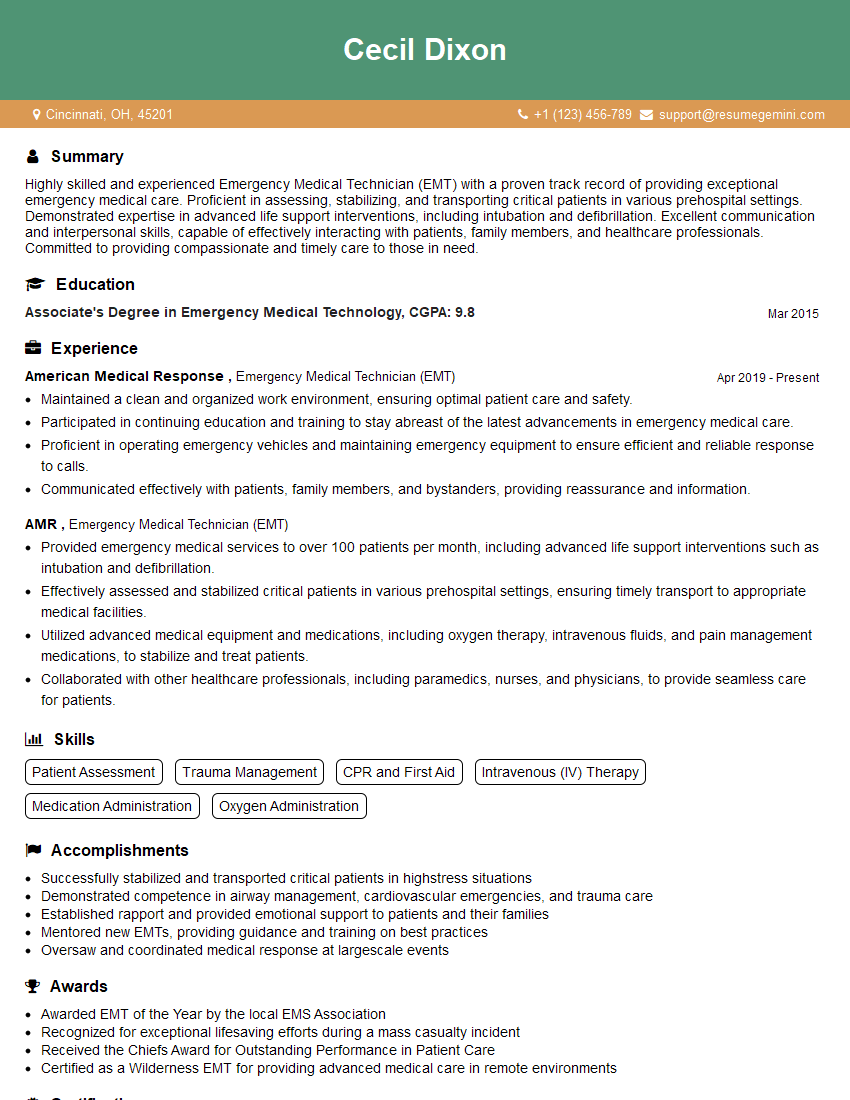
Emergency Medical Technician (EMT) Resume Sample
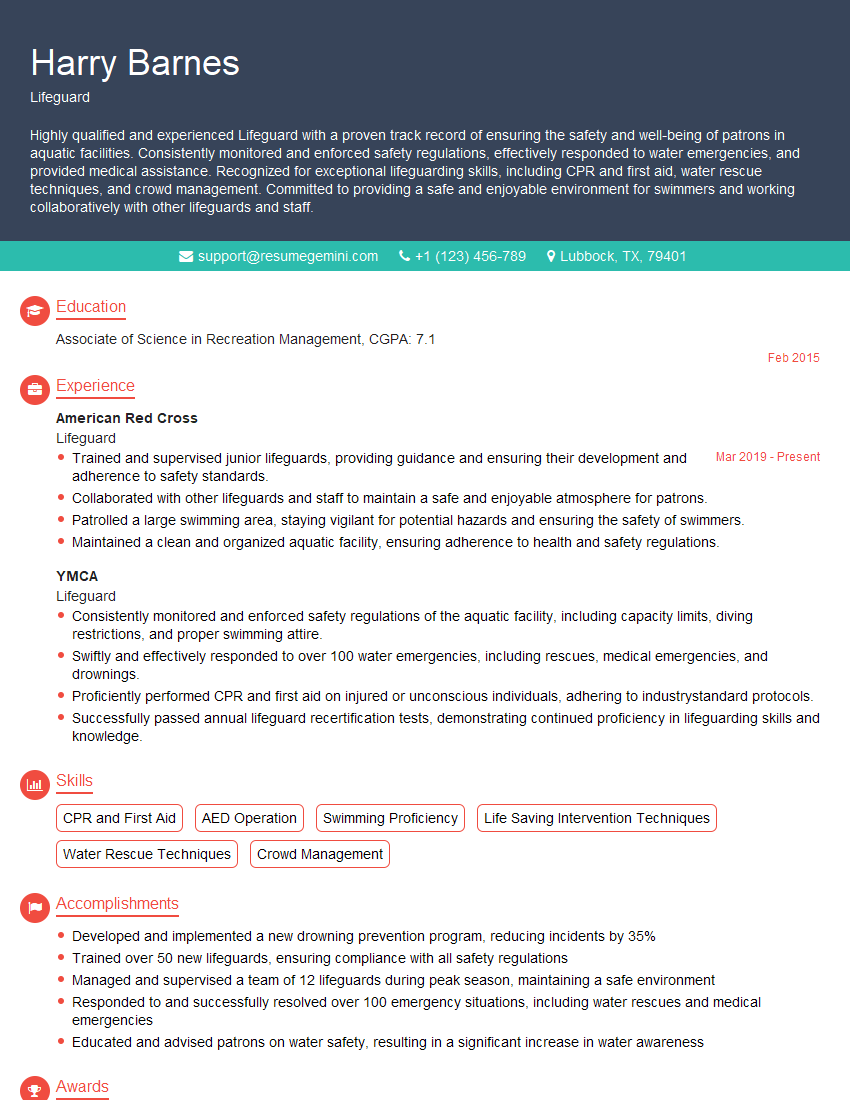
Lifeguard Resume Sample
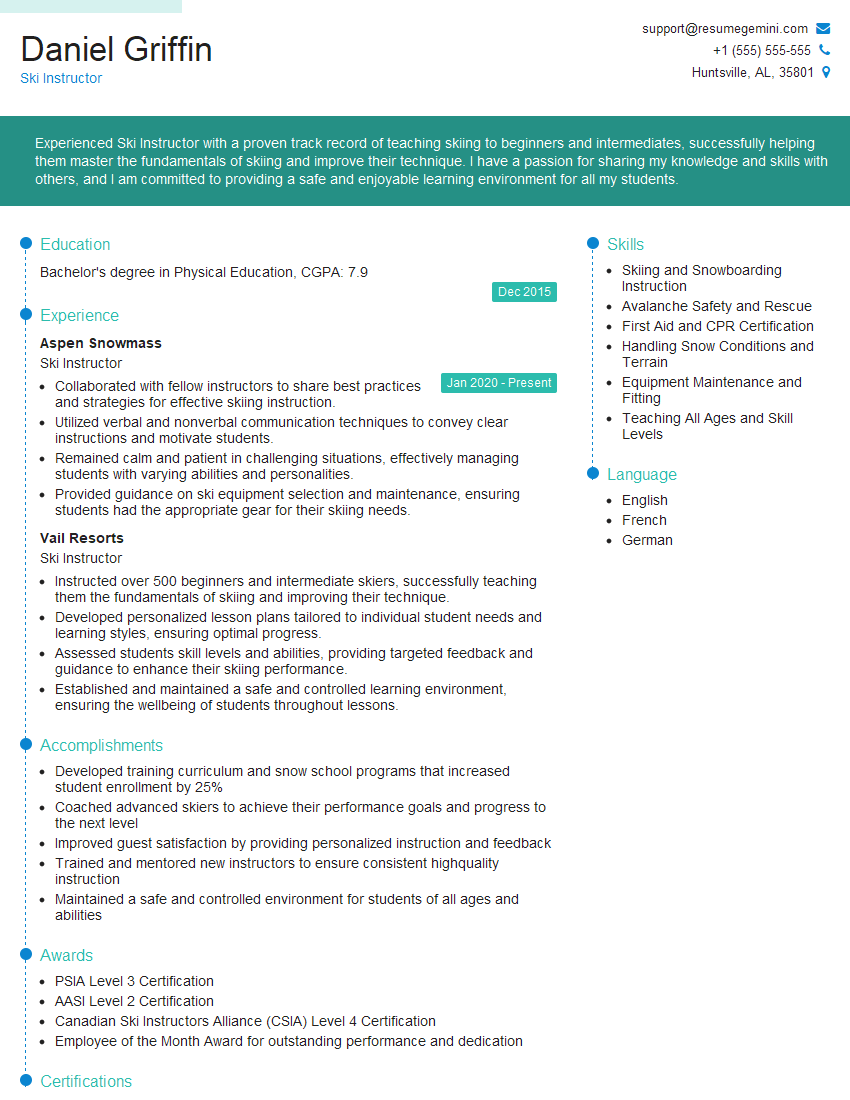
Ski Instructor Resume Sample
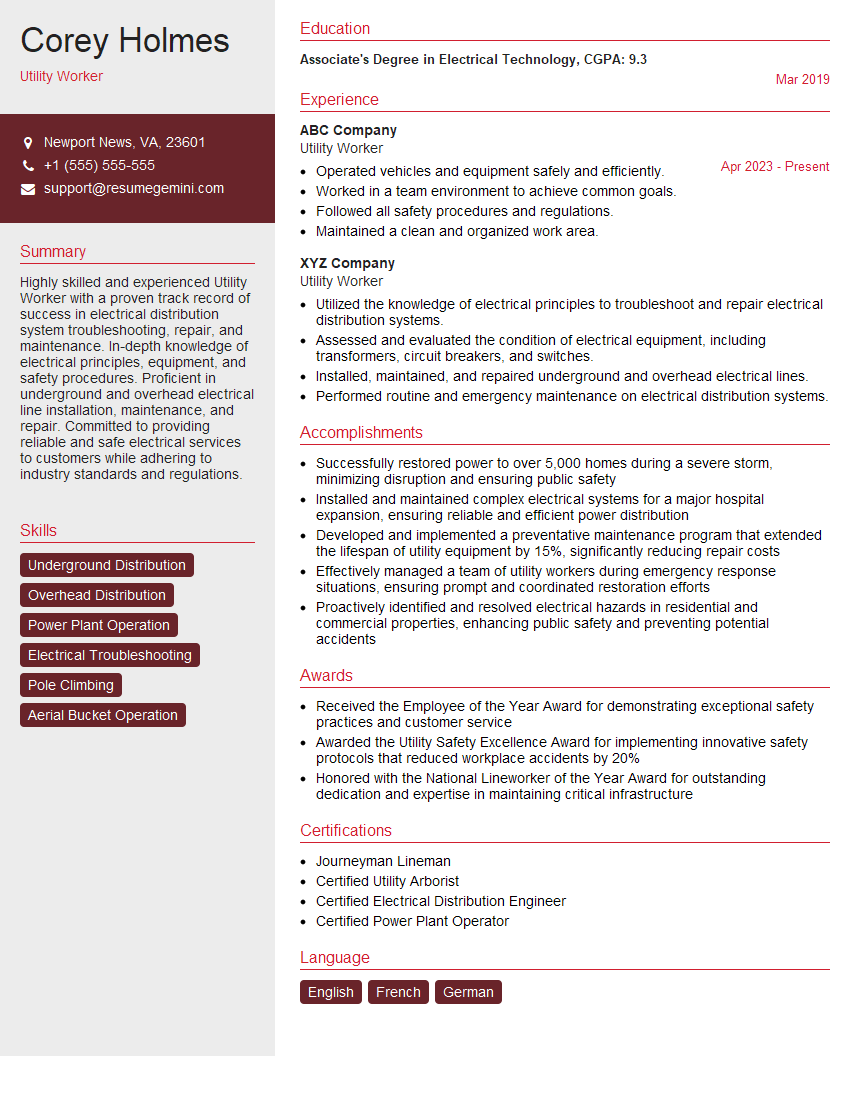
Utility Worker Resume Sample
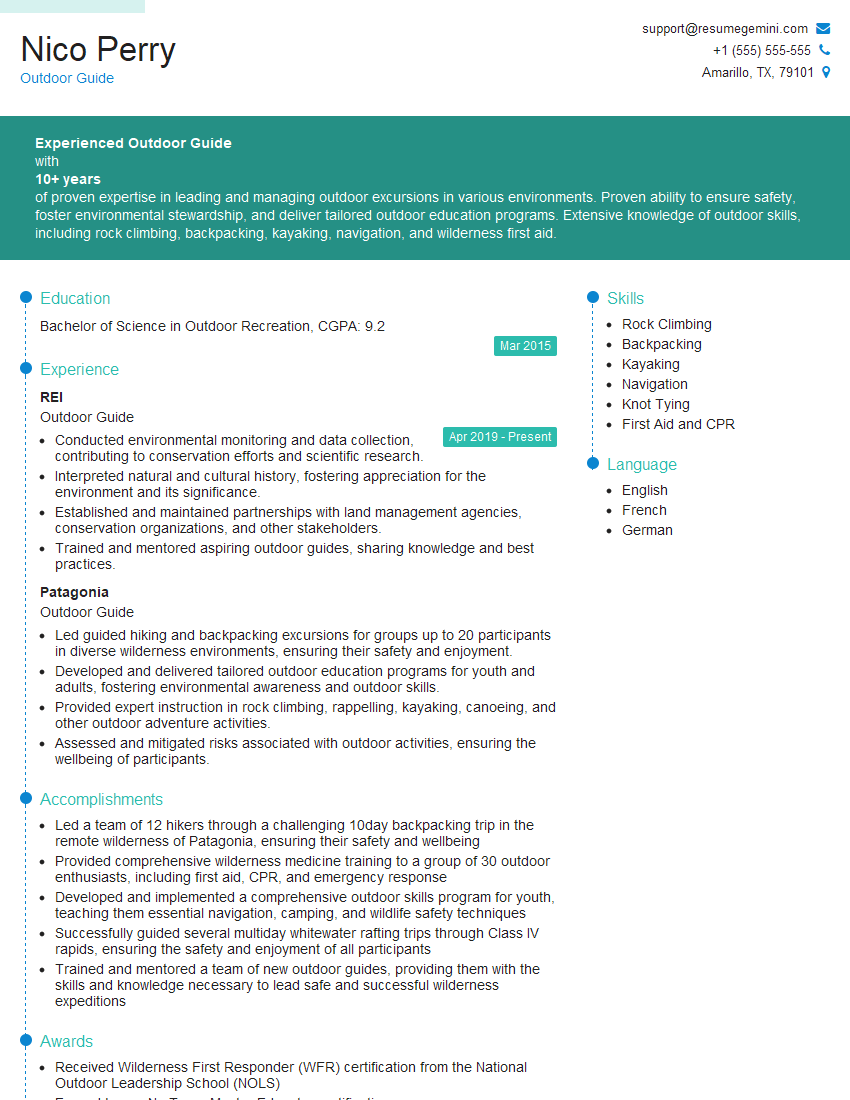
Outdoor Guide Resume Sample
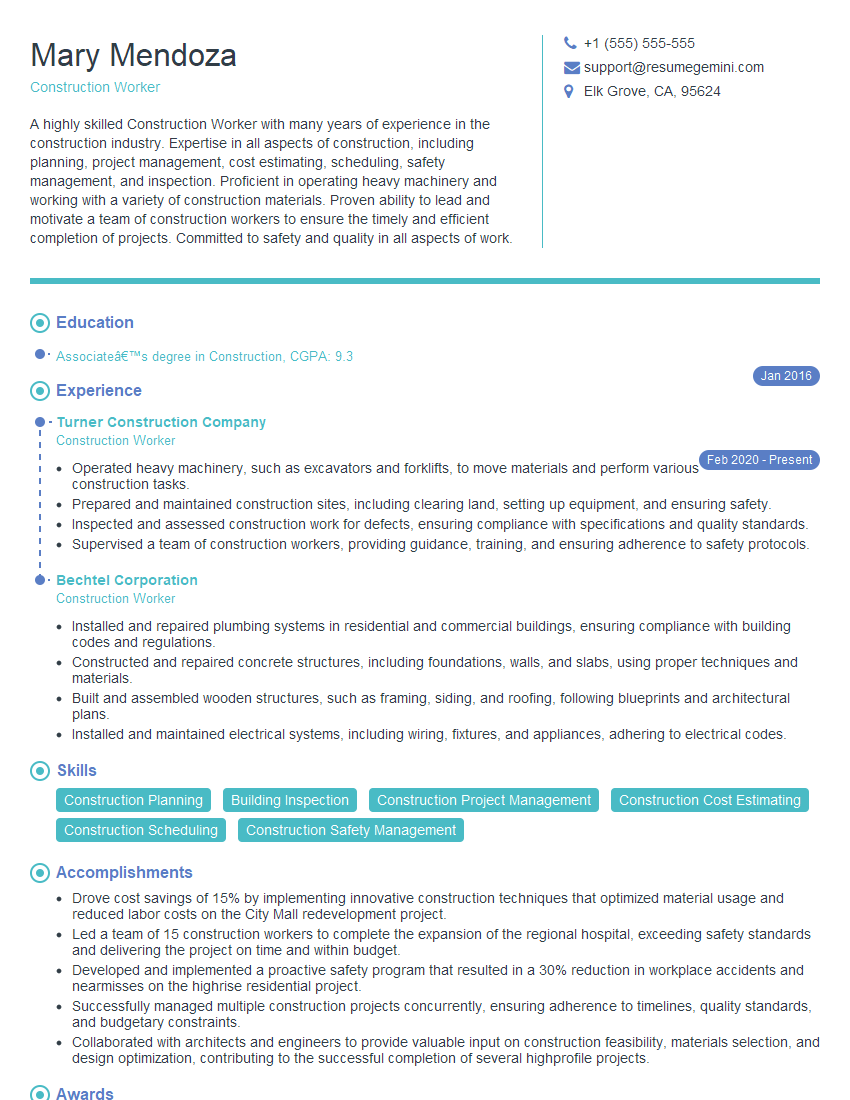
Construction Worker Resume Sample
Explore more articles
Users Rating of Our Blogs
Share Your Experience
We value your feedback! Please rate our content and share your thoughts (optional).
What Readers Say About Our Blog
Very informative content, great job.
good