Interviews are opportunities to demonstrate your expertise, and this guide is here to help you shine. Explore the essential Nutrition and Fitness Planning interview questions that employers frequently ask, paired with strategies for crafting responses that set you apart from the competition.
Questions Asked in Nutrition and Fitness Planning Interview
Q 1. Explain the difference between macronutrients and micronutrients.
Macronutrients and micronutrients are both essential for human health, but they differ significantly in the amounts needed and their roles in the body. Macronutrients are the energy-providing nutrients that we need in large quantities: carbohydrates, proteins, and fats. They provide calories, which fuel our bodies. Micronutrients, on the other hand, are vitamins and minerals needed in smaller amounts. They don’t provide energy but are crucial for various metabolic processes and overall health.
Think of it like building a house: macronutrients are the bricks, wood, and cement – the main structure – while micronutrients are the nails, screws, and paint – essential for function and aesthetics, but needed in smaller quantities.
Q 2. Describe the role of carbohydrates, proteins, and fats in a balanced diet.
Carbohydrates, proteins, and fats are the three macronutrients that work together to support various bodily functions. Carbohydrates are the body’s primary energy source, providing glucose for immediate energy and storing excess as glycogen. Proteins are essential for building and repairing tissues, making enzymes and hormones, and supporting immune function. Fats are crucial for hormone production, nutrient absorption, cell membrane function, and providing sustained energy.
A balanced diet incorporates all three in appropriate proportions. For example, a balanced meal might include brown rice (carbohydrate), grilled chicken (protein), and a small amount of avocado (healthy fat). The specific proportions depend on individual factors like age, activity level, and health goals. Over-reliance on one macronutrient over another can lead to imbalances and health problems.
Q 3. What are the key considerations for designing a meal plan for a client with type 2 diabetes?
Designing a meal plan for a client with type 2 diabetes requires careful consideration of carbohydrate intake, blood sugar control, and overall dietary balance. Key considerations include:
- Portion Control of Carbohydrates: Prioritize complex carbohydrates like whole grains, fruits, and vegetables over refined carbohydrates like white bread and sugary drinks, which cause rapid blood sugar spikes. Portion sizes should be carefully managed to prevent these spikes.
- Consistent Carbohydrate Intake: Spreading carbohydrate intake throughout the day, rather than consuming large amounts at once, helps maintain more stable blood sugar levels.
- Fiber Intake: High-fiber foods slow down digestion and glucose absorption, contributing to better blood sugar control. Examples include whole grains, legumes, and non-starchy vegetables.
- Healthy Fats and Protein: Incorporating lean protein and healthy fats helps promote satiety and regulate blood sugar levels. Examples include lean meats, fish, nuts, and avocados.
- Regular Meal Timing: Consistent meal times can help maintain stable blood sugar levels and prevent hypoglycemia.
- Individual Needs: The specific meal plan will vary depending on the individual’s current blood glucose levels, activity level, other health conditions, and personal preferences. Collaboration with a doctor or registered dietitian is essential.
For example, a meal might consist of a small portion of quinoa (complex carbohydrate), grilled salmon (protein), and steamed broccoli (fiber). Regularly monitoring blood glucose levels and adjusting the meal plan accordingly is crucial for effective management.
Q 4. Explain the concept of Basal Metabolic Rate (BMR) and how it impacts weight management.
Basal Metabolic Rate (BMR) is the number of calories your body burns at rest to maintain basic functions like breathing and circulation. It’s influenced by factors like age, gender, weight, height, and muscle mass. A higher BMR means you burn more calories even when inactive. Understanding BMR is crucial for weight management because it forms the foundation of your daily caloric needs.
If you consume fewer calories than your BMR, you’ll likely lose weight as your body taps into stored energy reserves. Conversely, consuming more calories than your BMR will lead to weight gain. While BMR is a crucial factor, it doesn’t account for physical activity. Total Daily Energy Expenditure (TDEE), which includes BMR and activity levels, provides a more comprehensive picture of caloric needs for weight management.
Q 5. How do you assess a client’s fitness level before designing a workout program?
Assessing a client’s fitness level before designing a workout program is crucial to ensure safety and effectiveness. I utilize a multi-faceted approach:
- Health History Questionnaire: This gathers information about pre-existing conditions, injuries, and medications, which informs program modifications.
- Resting Heart Rate and Blood Pressure: These metrics provide baseline data on cardiovascular health.
- Fitness Tests: These vary depending on the client’s goals and fitness level. Examples include:
- Cardiorespiratory Fitness: A submaximal exercise test (e.g., a graded exercise test on a treadmill or cycle ergometer) to estimate VO2 max.
- Muscular Strength and Endurance: Assessing strength using various exercises (e.g., 1-rep max, push-ups, pull-ups) and endurance using repetitions-to-failure.
- Flexibility: Measuring range of motion using goniometry or observing flexibility during dynamic movements.
- Body Composition: Assessing body fat percentage using methods like skinfold calipers or bioelectrical impedance analysis (BIA).
- Movement Screen: Observing movement patterns during simple tasks to identify any imbalances or limitations.
This comprehensive assessment allows me to tailor a program that is safe, effective, and progressively challenging, minimizing the risk of injury and maximizing results. The client’s current fitness level, goals, and limitations guide the intensity, duration, and type of exercise included in the program.
Q 6. Describe different training methods (e.g., HIIT, strength training, endurance training).
Different training methods cater to various fitness goals and preferences. Here are a few examples:
- High-Intensity Interval Training (HIIT): Involves short bursts of intense exercise followed by brief recovery periods. It’s effective for improving cardiovascular fitness, burning calories, and building muscle in a shorter amount of time. Example: 30 seconds of sprinting followed by 30 seconds of rest, repeated for 20 minutes.
- Strength Training: Focuses on building muscle mass and strength using resistance exercises like weightlifting, bodyweight exercises, or resistance bands. It’s important for building bone density, improving metabolism, and enhancing overall functional fitness. Example: Squats, bench press, deadlifts.
- Endurance Training: Aims to improve the body’s capacity to perform prolonged exercise. This includes activities like running, cycling, swimming, and hiking. It improves cardiovascular health, stamina, and endurance. Example: Running a 5k or cycling for an hour.
The choice of training method depends on the client’s goals and fitness level. A well-rounded program might incorporate elements of all three, ensuring comprehensive fitness development.
Q 7. What are the common signs of overtraining, and how do you address them?
Overtraining occurs when the training volume or intensity exceeds the body’s capacity to recover, leading to decreased performance, increased injury risk, and other health issues.
Common signs include:
- Persistent Fatigue: Feeling tired even after adequate rest.
- Decreased Performance: Noticeable decline in strength, endurance, or speed.
- Increased Resting Heart Rate: A consistently higher resting heart rate than usual.
- Muscle Soreness: Prolonged and excessive muscle soreness that doesn’t improve with rest.
- Sleep Disturbances: Difficulty falling asleep, staying asleep, or feeling unrefreshed upon waking.
- Irritability and Mood Swings: Increased irritability, anxiety, or depression.
- Loss of Appetite or Weight Loss: Significant changes in appetite or weight without intentional dietary changes.
- Frequent Illness: Increased susceptibility to colds, flu, or other infections.
Addressing overtraining involves:
- Reduced Training Volume and Intensity: Decreasing the frequency, duration, or intensity of workouts.
- Increased Rest and Recovery: Prioritizing sleep, managing stress, and incorporating active recovery methods like light walks or stretching.
- Nutritional Adjustments: Ensuring adequate intake of nutrients to support recovery and repair.
- Hydration: Staying adequately hydrated throughout the day.
- Professional Guidance: Consulting with a physician or qualified fitness professional.
If symptoms persist, seeking medical attention is important to rule out other underlying medical conditions.
Q 8. Explain the principles of progressive overload in strength training.
Progressive overload is a fundamental principle in strength training that involves gradually increasing the demands placed on your muscles over time. This ensures continued muscle growth and strength development. Think of it like this: if you always lift the same weight, your muscles will eventually adapt and stop growing. Progressive overload forces them to constantly adapt and improve.
This can be achieved in several ways:
- Increasing weight: Gradually adding more weight to your lifts.
- Increasing repetitions: Performing more repetitions with the same weight.
- Increasing sets: Adding more sets of a particular exercise.
- Decreasing rest time: Reducing the rest periods between sets.
- Changing exercises: Progressing to more challenging variations of an exercise.
For example, if you’re currently bench pressing 100 lbs for 8 reps, progressive overload might involve increasing the weight to 105 lbs next week, maintaining 8 reps, or increasing the reps to 10 with the same weight. It’s crucial to find a balance – pushing yourself enough to stimulate growth but not so much that you risk injury.
Q 9. How do you adapt a workout program for a client with a specific injury or limitation?
Adapting a workout program for a client with an injury or limitation requires careful consideration and collaboration. Safety is paramount. The first step is understanding the nature and severity of the injury. I would consult with the client’s physician or physical therapist to get a clear picture of their limitations and any contraindicated movements.
Once I have this information, I would modify the program in several ways:
- Eliminate problematic exercises: Exercises that stress the injured area would be removed entirely.
- Modify exercises: Exercises that can be performed safely might require modifications. For example, instead of squats, we might substitute bodyweight squats or seated leg presses.
- Reduce weight and reps: The intensity of the exercises would be reduced to prevent re-injury.
- Increase rest periods: Longer rest times allow for better recovery and reduce strain.
- Focus on compensatory exercises: Strengthening muscles around the injured area can help support it and prevent further issues.
- Prioritize proper form: Maintaining correct form is crucial to prevent additional stress on the injured area.
For instance, if a client has a knee injury, we would avoid exercises like deep squats and lunges and might focus on upper body strength training and exercises like cycling or swimming for lower body conditioning.
Q 10. What are the benefits and risks of popular weight-loss diets (e.g., keto, intermittent fasting)?
Popular weight-loss diets like keto and intermittent fasting (IF) offer potential benefits but also carry risks. It’s crucial to approach them with caution and under the guidance of a healthcare professional.
Ketogenic Diet:
- Benefits: Can lead to rapid initial weight loss due to water loss and can improve certain metabolic markers. Some people find it easier to adhere to than other diets.
- Risks: Can cause side effects like the “keto flu” (headaches, fatigue, nausea), nutrient deficiencies, and potential long-term effects on kidney and heart health. It’s restrictive and difficult to maintain long-term for most people.
Intermittent Fasting:
- Benefits: May promote weight loss, improve insulin sensitivity, and possibly offer some other metabolic benefits.
- Risks: Can lead to hunger, fatigue, and potential nutrient deficiencies if not done correctly. It’s not suitable for everyone, including pregnant or breastfeeding women, individuals with certain medical conditions, or those with a history of eating disorders.
Overall: Neither diet is a magic bullet. Sustainable weight loss is best achieved through a balanced, calorie-controlled diet and regular exercise. It’s important to emphasize whole foods, adequate protein, and a variety of fruits and vegetables for overall health.
Q 11. How do you educate clients about healthy eating habits and portion control?
Educating clients about healthy eating habits and portion control involves a multifaceted approach that goes beyond simply giving them a diet plan. I focus on building long-term, sustainable changes.
Strategies Include:
- Nutrition education: I provide information about macronutrients (carbohydrates, protein, fats), micronutrients (vitamins, minerals), and their roles in the body. We discuss the importance of choosing whole, unprocessed foods over processed ones.
- Meal planning: We work together to create a meal plan that aligns with their preferences, dietary needs, and goals. This includes portion control strategies.
- Practical tips: I provide practical tips such as using smaller plates, mindful eating (paying attention to hunger and fullness cues), and planning snacks to prevent overeating later.
- Cooking demonstrations: Hands-on learning can make a big difference. Demonstrating healthy cooking techniques and recipes helps clients apply the concepts practically.
- Label reading: We practice reading food labels to identify hidden sugars, unhealthy fats, and excessive sodium.
- Tracking: Using a food diary or app can help clients monitor their food intake and identify areas for improvement.
It’s important to make it a collaborative process, focusing on their individual needs and preferences. Small, gradual changes are more likely to be successful than drastic overhauls.
Q 12. Describe the importance of hydration in fitness and overall health.
Hydration is crucial for both fitness and overall health. Water is essential for numerous bodily functions, including:
- Temperature regulation: Water helps cool the body through sweating.
- Nutrient transport: Water carries nutrients to cells and removes waste products.
- Joint lubrication: Proper hydration keeps joints lubricated and functioning well.
- Muscle function: Dehydration can impair muscle performance and lead to cramps.
- Energy production: Water is involved in numerous metabolic processes.
- Cognitive function: Even mild dehydration can negatively impact brain function.
During exercise, adequate hydration is especially important because sweating leads to significant fluid loss. Dehydration can cause fatigue, decreased performance, and even heatstroke. The amount of water needed varies based on factors such as activity level, climate, and individual differences. It’s generally recommended to drink water throughout the day, even before you feel thirsty.
Q 13. What are some common nutritional deficiencies, and how can they be addressed?
Several nutritional deficiencies are common, particularly among individuals with restrictive diets or those who don’t consume a varied range of foods. Some examples include:
- Iron deficiency anemia: Leads to fatigue, weakness, and shortness of breath. Iron-rich foods like red meat, spinach, and beans can help.
- Vitamin D deficiency: Can increase the risk of bone fractures and weaken the immune system. Sunlight exposure and consuming foods fortified with Vitamin D are crucial.
- Calcium deficiency: Leads to weak bones and increased risk of osteoporosis. Dairy products, leafy greens, and fortified foods are good sources.
- Vitamin B12 deficiency: Common in vegetarians and vegans. Leads to fatigue, nerve damage, and anemia. Supplementation is often necessary.
- Magnesium deficiency: Can cause muscle cramps, fatigue, and sleep disturbances. Dark leafy greens, nuts, and seeds are good sources.
Addressing nutritional deficiencies usually involves dietary changes, focusing on foods rich in the deficient nutrient. In some cases, supplementation may be necessary under the guidance of a healthcare professional or registered dietitian. Blood tests can help diagnose deficiencies accurately.
Q 14. How do you motivate clients to adhere to their nutrition and fitness plans?
Motivating clients to adhere to their nutrition and fitness plans requires a personalized approach that considers their individual needs and challenges. It’s about building a supportive relationship and fostering intrinsic motivation.
Strategies Include:
- Setting realistic goals: Small, achievable goals are more motivating than overwhelming targets.
- Positive reinforcement: Celebrating successes and acknowledging effort, no matter how small, is crucial.
- Progress tracking: Monitoring progress helps maintain motivation and provides a sense of accomplishment.
- Accountability: Regular check-ins and support help keep clients on track.
- Problem-solving: Addressing challenges and setbacks constructively helps clients stay engaged.
- Finding enjoyment: Encouraging clients to find activities they genuinely enjoy increases adherence.
- Social support: Connecting clients with others who share their goals can enhance motivation.
Ultimately, fostering a collaborative and supportive environment is key to encouraging long-term adherence. It’s a partnership, not a dictation.
Q 15. Explain the importance of setting realistic goals for clients.
Setting realistic goals is paramount in fitness and nutrition planning. Unrealistic expectations lead to discouragement, frustration, and ultimately, failure. Instead of aiming for drastic, immediate changes, we focus on small, achievable steps. This fosters a sense of accomplishment, motivating clients to continue their progress.
For example, instead of aiming for a 20-pound weight loss in a month, a more realistic goal might be a 2-4 pound weight loss per month, combined with improvements in fitness markers like increased strength or stamina. This gradual approach builds sustainable habits and prevents burnout. We collaboratively set these goals, considering the client’s individual circumstances, preferences, and limitations. This ensures buy-in and commitment.
Career Expert Tips:
- Ace those interviews! Prepare effectively by reviewing the Top 50 Most Common Interview Questions on ResumeGemini.
- Navigate your job search with confidence! Explore a wide range of Career Tips on ResumeGemini. Learn about common challenges and recommendations to overcome them.
- Craft the perfect resume! Master the Art of Resume Writing with ResumeGemini’s guide. Showcase your unique qualifications and achievements effectively.
- Don’t miss out on holiday savings! Build your dream resume with ResumeGemini’s ATS optimized templates.
Q 16. How do you handle client resistance or lack of progress?
Client resistance or lack of progress requires a careful and empathetic approach. It’s crucial to first understand the *root cause*. Is it a lack of understanding of the plan, unforeseen life circumstances impacting adherence, or perhaps unrealistic initial expectations?
- Communication: Open and honest dialogue is essential. I actively listen to their concerns, addressing any misunderstandings or frustrations.
- Troubleshooting: We collaboratively troubleshoot challenges. For example, if they’re struggling with meal prepping, we might explore simpler recipes or meal delivery services. If adherence to workouts is an issue, we adjust the plan to better accommodate their schedule or preferences.
- Goal Adjustment: If necessary, we revisit and adjust the goals. Sometimes, recalibrating expectations can be more effective than pushing forward with an unattainable target.
- Motivation: I emphasize the positive aspects of their progress, however small. Celebrating milestones, no matter how incremental, reinforces their efforts and helps maintain momentum.
Remember, progress isn’t always linear. Setbacks are a normal part of the journey, and it’s my job to help navigate them.
Q 17. Describe your experience with different fitness assessment tools.
My experience encompasses a range of fitness assessment tools, both subjective and objective. Subjective assessments include questionnaires about lifestyle, dietary habits, and activity levels, which provide valuable qualitative data. Objective assessments include:
- Body Composition Analysis: Using methods like DEXA scans, bioelectrical impedance analysis (BIA), and skinfold calipers to determine body fat percentage and lean muscle mass.
- Cardiovascular Fitness Tests: This includes measuring resting heart rate, assessing VO2 max (maximal oxygen uptake), and performing graded exercise tests to evaluate cardiovascular endurance.
- Strength and Endurance Assessments: Using various strength tests (e.g., 1-rep max) and endurance tests (e.g., push-up or sit-up tests) to determine current fitness levels.
- Flexibility and Range of Motion Tests: Evaluating joint flexibility and range of motion using goniometers or other assessment tools.
The choice of assessment tool depends on the client’s individual needs and goals, as well as the availability of resources. I always explain the purpose and limitations of each test to ensure client understanding and ensure we choose the methods most appropriate to their situation.
Q 18. What is your approach to designing personalized nutrition and fitness plans?
Designing personalized plans involves a holistic approach, considering the client’s unique needs, goals, preferences, and limitations. This is a collaborative process, not a one-size-fits-all approach.
1. Comprehensive Assessment: We begin with a thorough assessment, gathering information about their medical history, current fitness level, dietary habits, lifestyle, and specific goals (weight loss, muscle gain, improved endurance, etc.).
2. Goal Setting: Based on the assessment, we establish SMART goals (Specific, Measurable, Achievable, Relevant, Time-bound).
3. Nutrition Plan: This involves creating a personalized meal plan that considers their dietary preferences, allergies, and restrictions, ensuring adequate macronutrient intake (protein, carbohydrates, fats) while aligning with their goals. We focus on whole, unprocessed foods, and healthy portion sizes.
4. Fitness Plan: We design a workout routine tailored to their fitness level, incorporating exercises they enjoy and can safely perform. This plan might include a mix of cardiovascular exercise, strength training, and flexibility work.
5. Monitoring and Adjustments: Regular check-ins allow for monitoring progress, addressing any challenges, and making necessary adjustments to the plan as needed. It’s a dynamic process, not a static one.
Q 19. How do you stay up-to-date with the latest research in nutrition and fitness?
Staying current in the fields of nutrition and fitness requires ongoing dedication. I actively engage in several strategies:
- Peer-Reviewed Journals: I regularly read peer-reviewed journals like the Journal of the Academy of Nutrition and Dietetics and the American Journal of Clinical Nutrition to stay abreast of the latest research findings.
- Professional Development: Attending conferences, workshops, and continuing education courses keeps me updated on new techniques and methodologies.
- Professional Organizations: Membership in professional organizations like the Academy of Nutrition and Dietetics (AND) and the American College of Sports Medicine (ACSM) provides access to resources and networking opportunities.
- Reliable Online Resources: I use reputable websites and online databases, such as PubMed, to access research articles and evidence-based information.
- Networking with Colleagues: Discussing case studies and new research with colleagues broadens my perspective and ensures I’m applying the most current best practices.
Continuous learning ensures I provide the most effective and up-to-date guidance to my clients.
Q 20. What software or technology do you use to track client progress?
I utilize several software and technology tools to track client progress efficiently and effectively.
- Client Management Software: This helps me schedule appointments, track communication, and store client data securely and privately.
- Fitness Tracking Apps: These apps allow clients to log workouts, track progress, and monitor activity levels. I may integrate these with my client management software.
- Nutritional Tracking Apps: These apps help clients track their food intake, macronutrients, and micronutrients. Again, integration with my client management system allows for overall progress monitoring.
- Spreadsheets/Databases: I sometimes use spreadsheets or databases to track key metrics like weight, body fat percentage, strength gains, and other relevant data, allowing for visualization of progress over time.
The choice of technology is tailored to the client’s needs and technological comfort level. The key is effective communication and seamless integration to provide a holistic view of progress.
Q 21. Describe a time you had to adapt a plan due to unforeseen circumstances.
A client, preparing for a marathon, suffered a minor knee injury a few weeks before the race. Following the initial assessment by a medical professional, we needed to adapt her training plan to avoid further injury.
Instead of continuing with high-impact running, we incorporated low-impact cross-training activities like swimming and cycling to maintain her cardiovascular fitness. We also focused on strength training exercises that strengthened her supporting leg muscles while allowing her knee to rest. We modified her nutrition plan to provide adequate fuel for these alternative workouts. Ultimately, while she didn’t achieve her initial time goal, she successfully completed the marathon, injury-free, demonstrating the importance of flexibility and adaptability in achieving long-term fitness goals. The experience reinforced the need for ongoing communication and adjustment of plans to accommodate unexpected circumstances.
Q 22. How do you maintain client confidentiality and adhere to professional ethics?
Maintaining client confidentiality is paramount in my practice. I adhere to strict professional ethics, guided by principles of autonomy, beneficence, non-maleficence, and justice. This means respecting client privacy at all times. I only share information with other healthcare professionals when absolutely necessary and with the client’s explicit consent, following HIPAA guidelines and any other relevant regulations. For example, I would never discuss a client’s dietary habits or fitness goals with another client, even if they seem similar. All client records are stored securely, both physically and digitally, using password-protected systems and encryption where appropriate. I use a client intake form that clearly outlines my confidentiality policies and obtain their signed consent before commencing any work together.
Q 23. What is your experience working with diverse populations?
I have extensive experience working with diverse populations, encompassing various age groups, socioeconomic backgrounds, and cultural identities. This includes working with clients who have pre-existing health conditions, different levels of fitness, and varying dietary needs and preferences. For instance, I’ve developed personalized nutrition and fitness plans for clients ranging from young athletes to senior citizens managing chronic conditions like diabetes. My approach is always culturally sensitive, and I adapt my communication and program design to meet the unique needs of each individual. I understand that cultural and religious beliefs often influence dietary choices, and I carefully consider these factors when creating a plan. I also work to overcome language barriers when necessary, using translation services if required, and am skilled in working with individuals who have various learning styles and needs. This diverse experience has allowed me to develop versatile and inclusive strategies for success.
Q 24. Explain your understanding of the role of supplements in fitness and nutrition.
Supplements play a supporting role in a comprehensive fitness and nutrition plan, and they are *not* a replacement for a balanced diet and regular exercise. They should only be considered after a thorough assessment of an individual’s nutritional needs and overall health status. My approach is to prioritize whole foods – fruits, vegetables, lean proteins, and whole grains – as the foundation of a healthy diet. Supplements can address specific deficiencies, such as Vitamin D deficiency which is quite common, but only after these deficiencies have been confirmed through proper testing, like bloodwork. I carefully evaluate each client’s individual needs and discuss the potential benefits and risks associated with any supplement before recommending its use. It’s crucial to be aware of the potential for interactions with medications and the importance of choosing high-quality supplements from reputable brands. I caution my clients against unsubstantiated claims and the belief that supplements are a ‘magic bullet’ for achieving fitness goals.
Q 25. How do you address misinformation about nutrition and fitness among clients?
Addressing misinformation is a critical aspect of my work. I use evidence-based information from reputable sources, such as peer-reviewed studies and guidelines from organizations like the Academy of Nutrition and Dietetics and the American College of Sports Medicine. I start by actively listening to the client’s concerns and understanding the source of their misinformation. I then use a respectful and collaborative approach to correct misconceptions. For example, if a client believes that carbohydrates are inherently bad, I’ll explain the importance of complex carbohydrates for energy and overall health, emphasizing that the type and quantity of carbs matter, not just the presence of carbs themselves. I use visual aids, charts, and credible resources to support my explanations. It’s an iterative process; trust and open communication are key to guiding clients toward accurate information. I never directly dismiss a client’s beliefs, but instead I offer a guided and supportive dialogue to help them understand evidence-based nutrition principles.
Q 26. What are the potential health risks associated with unhealthy diets and sedentary lifestyles?
Unhealthy diets and sedentary lifestyles significantly increase the risk of numerous health problems. This includes obesity, type 2 diabetes, cardiovascular disease (heart disease and stroke), certain types of cancer, osteoarthritis, and mental health issues like depression and anxiety. Poor nutrition leads to nutrient deficiencies, weakening the immune system and increasing susceptibility to illness. Lack of physical activity contributes to weight gain, muscle loss, and reduced bone density. These factors collectively impact overall quality of life and longevity. For instance, consistently consuming a diet high in saturated and trans fats, processed foods, and added sugars increases the risk of high cholesterol and high blood pressure, contributing to heart disease. Similarly, a lack of physical activity leads to weakened muscles and reduced cardiovascular fitness, further increasing heart disease risk. It’s a complex interplay of factors, and addressing both diet and activity levels is crucial for promoting long-term health.
Q 27. How do you build rapport and trust with clients?
Building rapport and trust is fundamental to a successful client-professional relationship. I start by creating a safe and judgment-free space where clients feel comfortable sharing their goals and concerns. Active listening is crucial; I pay close attention to both verbal and nonverbal cues. I show genuine empathy and understanding, acknowledging their challenges and celebrating their successes. Transparency is also key; I clearly explain my approach, the rationale behind my recommendations, and the expected timelines. Regular check-ins allow me to monitor progress, adjust the plan as needed, and maintain open communication. For instance, I often start sessions with a brief casual conversation to build connection before diving into the fitness and nutrition aspects. This personalized approach helps create a strong and trusting relationship that leads to greater client commitment and positive outcomes.
Q 28. Describe your experience with marketing and promoting your services.
My marketing strategy focuses on building a strong online presence and leveraging professional networking. I maintain a professional website and social media profiles showcasing my expertise and client testimonials. I actively participate in relevant industry events and workshops to expand my network and build credibility. Content marketing, such as blog posts and informative articles on nutrition and fitness, helps attract potential clients organically. I also utilize targeted advertising on social media platforms to reach individuals interested in my services. Word-of-mouth referrals are invaluable; positive client experiences lead to recommendations that expand my reach and reinforce trust. Furthermore, building strong relationships with other health professionals, such as doctors and physical therapists, creates opportunities for collaboration and client referrals. My approach is always ethical and transparent, focusing on providing value and building genuine connections with potential clients.
Key Topics to Learn for Nutrition and Fitness Planning Interview
- Macronutrient Balance & Caloric Needs: Understanding the roles of carbohydrates, proteins, and fats in achieving fitness goals, and calculating individual caloric requirements based on activity levels and body composition.
- Dietary Guidelines & Nutritional Assessment: Applying established dietary guidelines (e.g., MyPlate) to create personalized nutrition plans, and conducting thorough nutritional assessments using various methods (e.g., dietary recalls, food frequency questionnaires).
- Exercise Physiology & Program Design: Knowledge of different training principles (e.g., progressive overload, specificity) and designing safe and effective workout programs tailored to individual needs and goals, considering factors like age, health status, and fitness level.
- Client Communication & Counseling: Developing strong client rapport, actively listening to concerns, providing clear and concise explanations of nutrition and fitness plans, motivating clients to adhere to their programs, and effectively addressing potential challenges.
- Supplementation & Ergogenic Aids: Understanding the potential benefits and risks of various supplements, and advising clients on responsible and safe supplementation strategies, when appropriate.
- Weight Management Strategies: Designing comprehensive weight management plans that address both dietary and exercise components, focusing on sustainable lifestyle changes rather than quick fixes.
- Special Populations: Adapting nutrition and fitness plans for individuals with specific health conditions (e.g., diabetes, heart disease) or dietary restrictions (e.g., allergies, intolerances).
- Data Analysis & Progress Tracking: Utilizing various methods to monitor client progress (e.g., body composition analysis, fitness testing), analyzing data to adjust plans as needed, and clearly communicating progress to clients.
- Legal & Ethical Considerations: Understanding professional boundaries, maintaining client confidentiality, and adhering to relevant legal and ethical guidelines within the nutrition and fitness industry.
Next Steps
Mastering Nutrition and Fitness Planning opens doors to rewarding careers with significant growth potential. To maximize your job prospects, create a strong, ATS-friendly resume that highlights your skills and experience effectively. ResumeGemini is a trusted resource to help you build a professional resume that stands out. They provide examples of resumes tailored specifically to Nutrition and Fitness Planning, enabling you to craft a compelling application that showcases your expertise and secures your dream role.

Wellness Coach Resume Sample
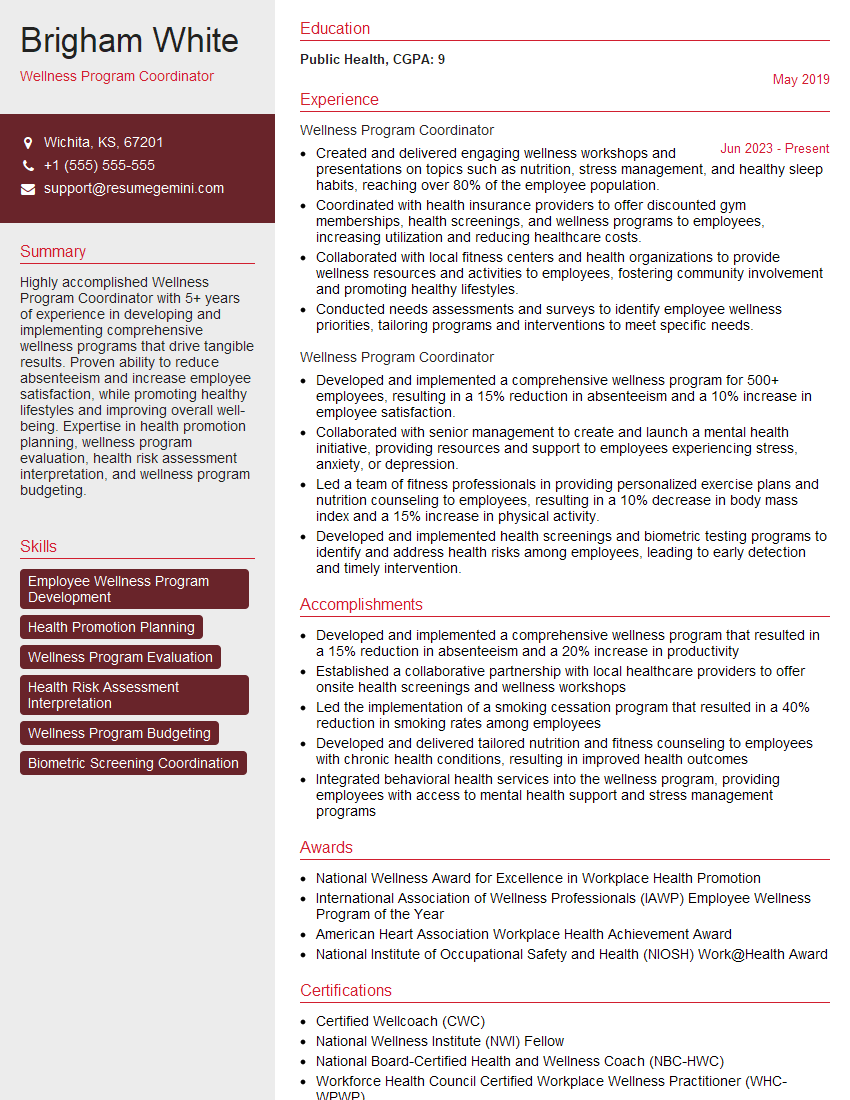
Wellness Program Coordinator Resume Sample
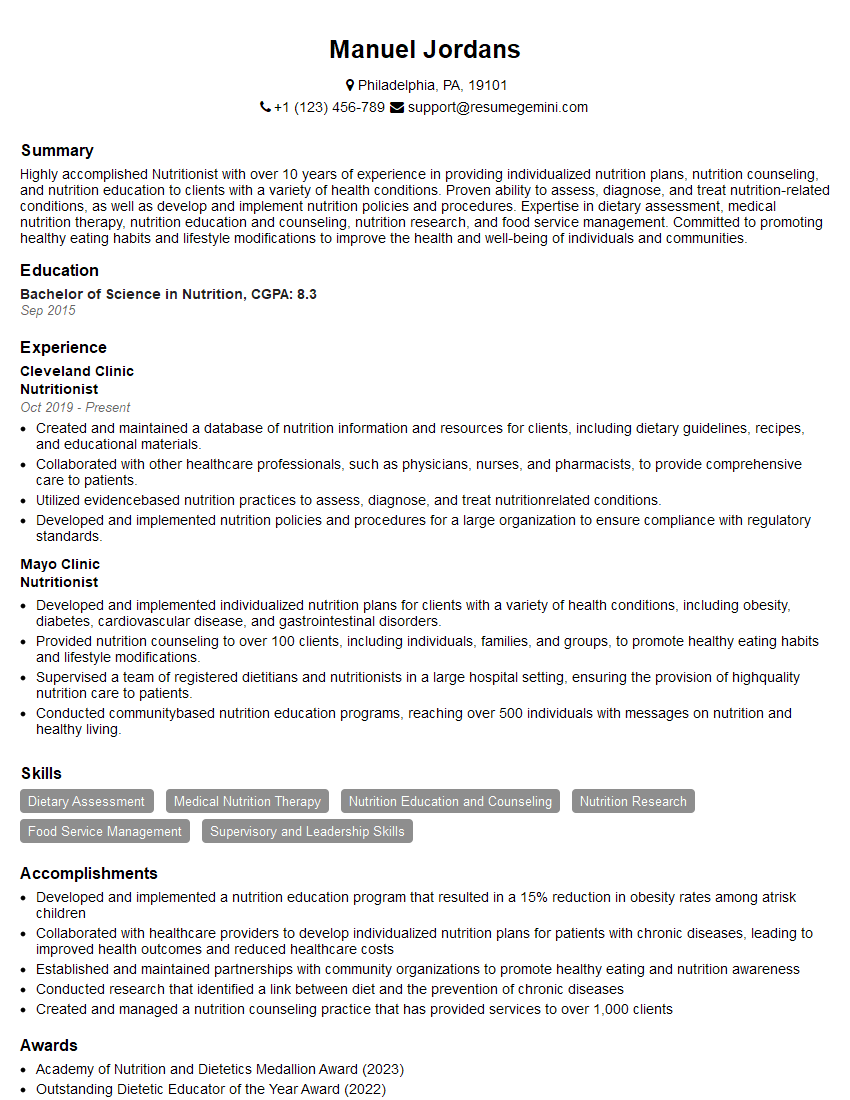
Nutritionist Resume Sample
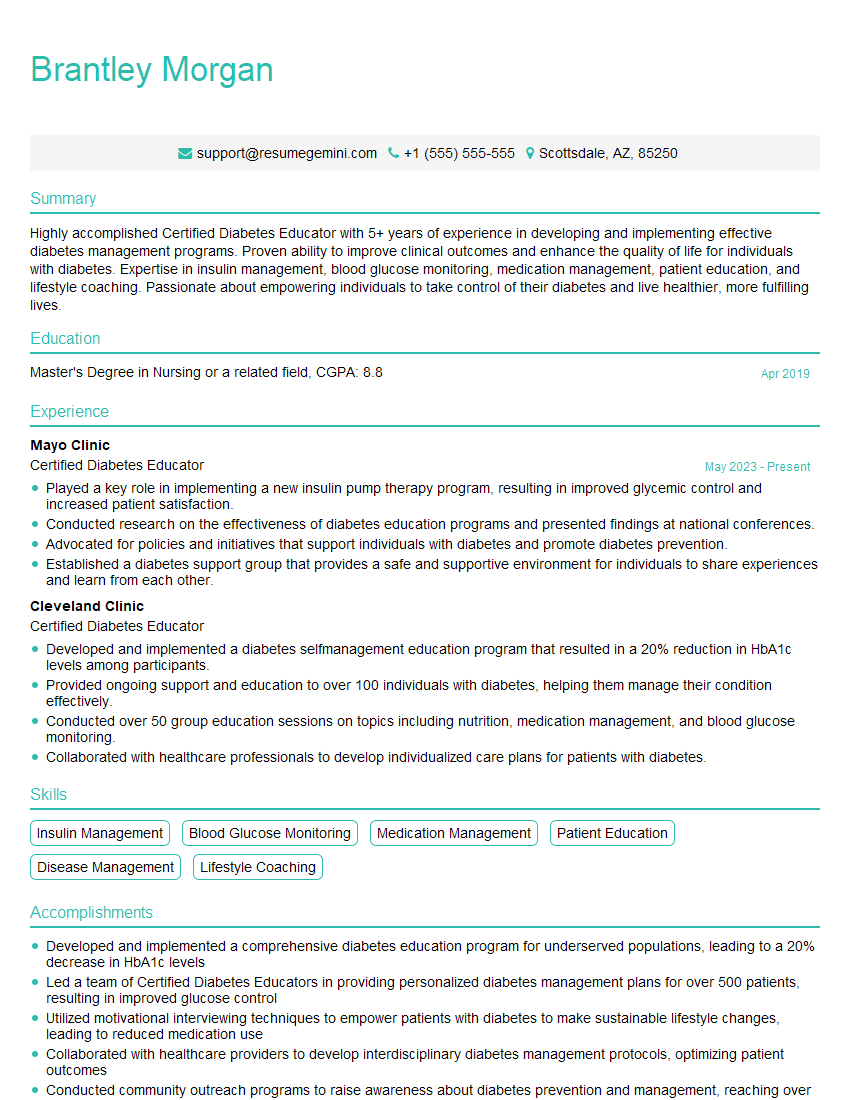
Certified Diabetes Educator Resume Sample
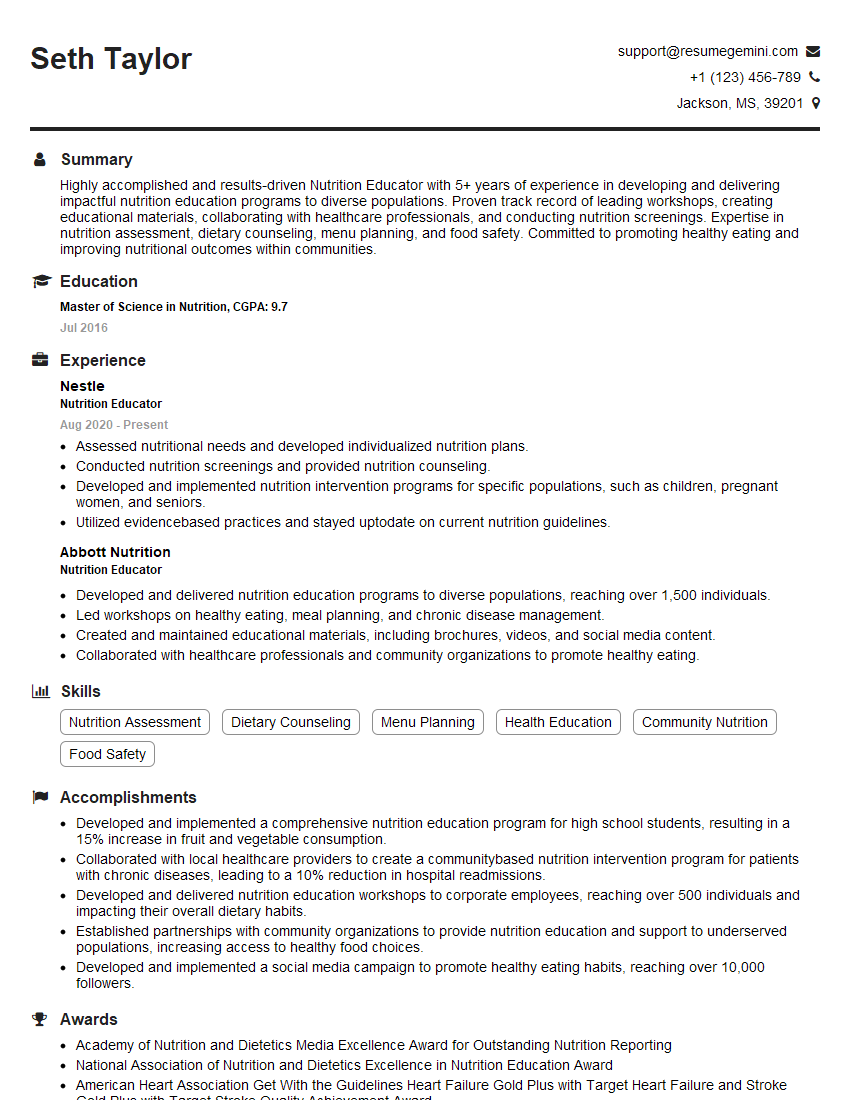
Nutrition Educator Resume Sample
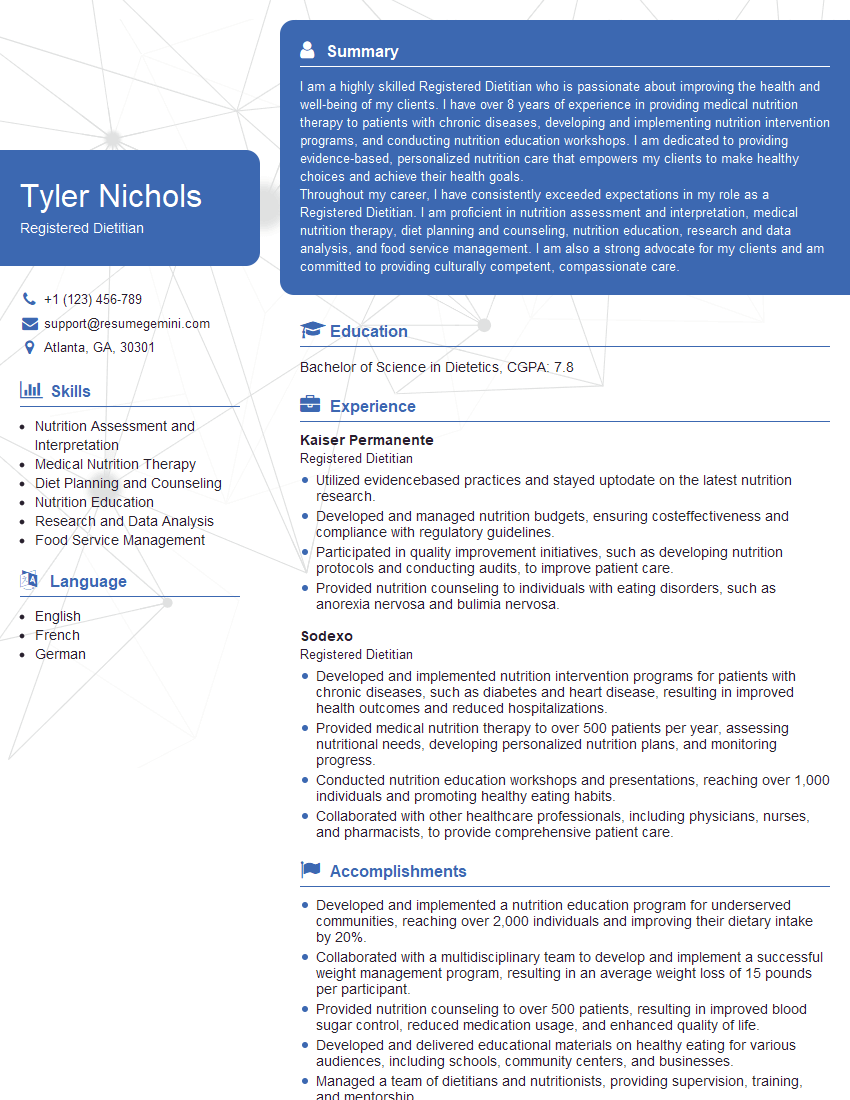
Registered Dietitian Resume Sample
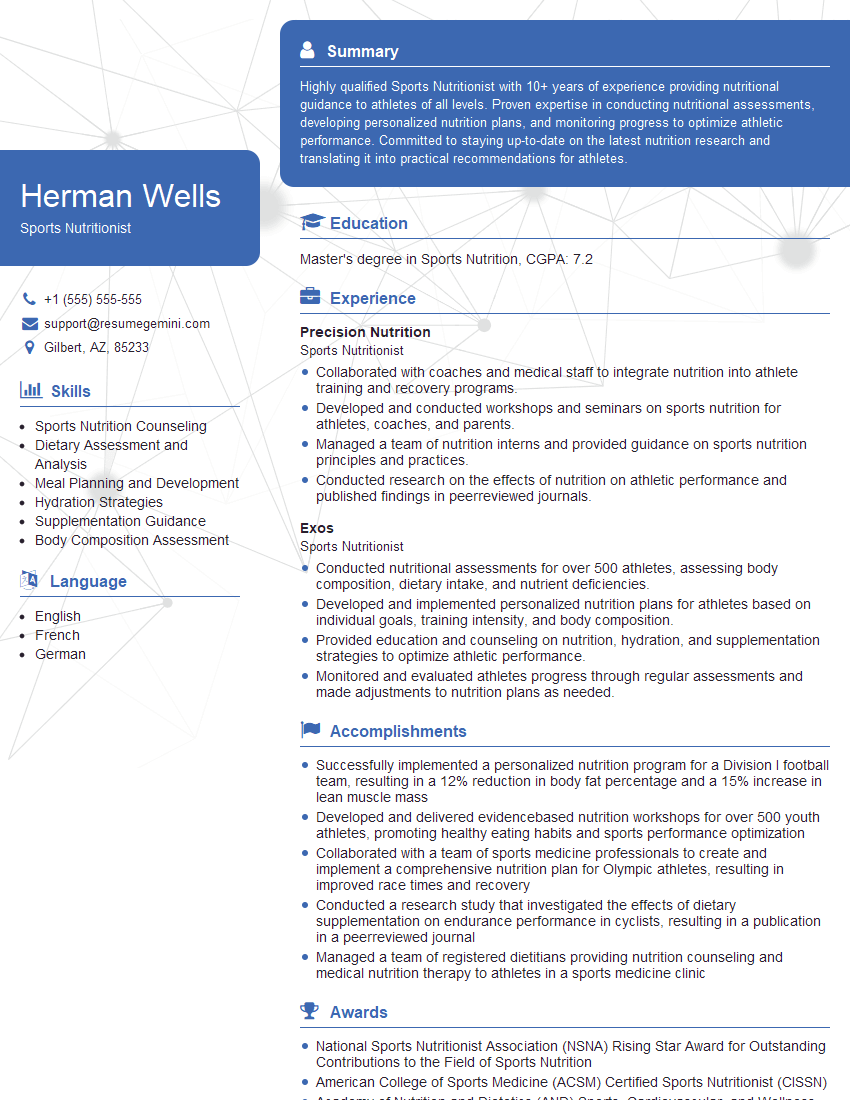
Sports Nutritionist Resume Sample
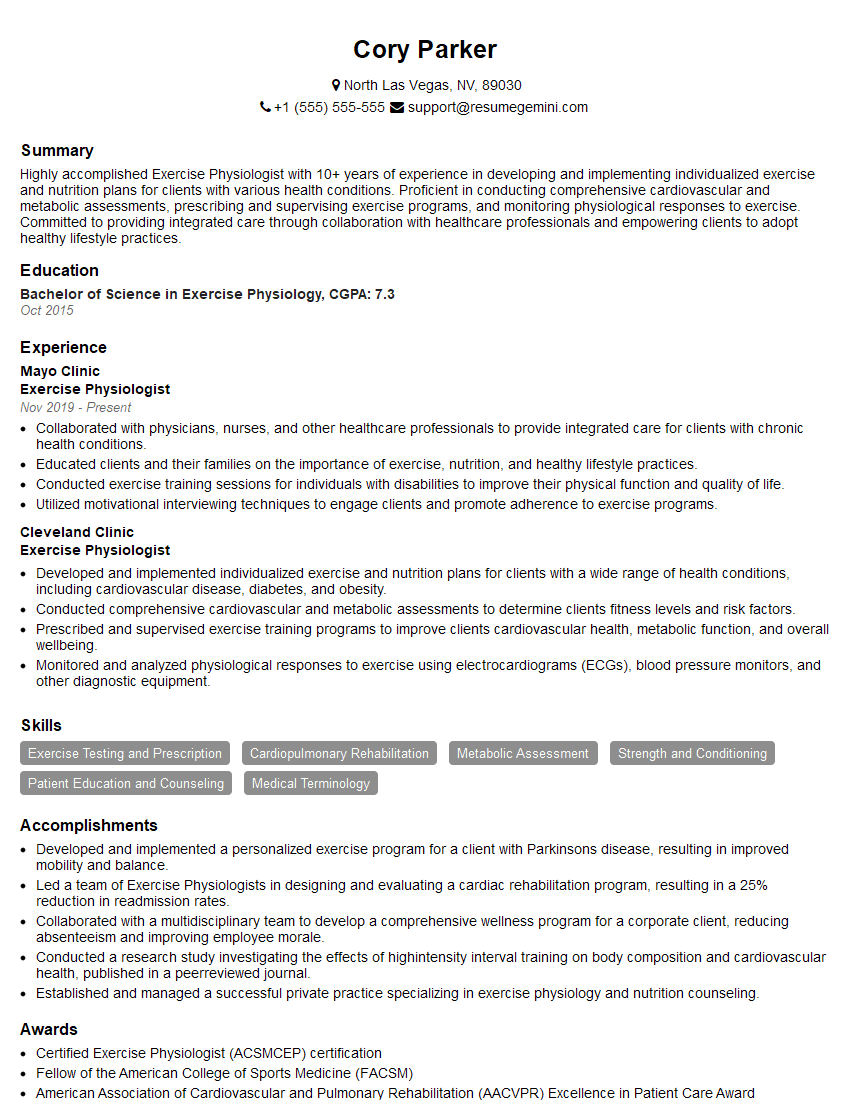
Exercise Physiologist Resume Sample
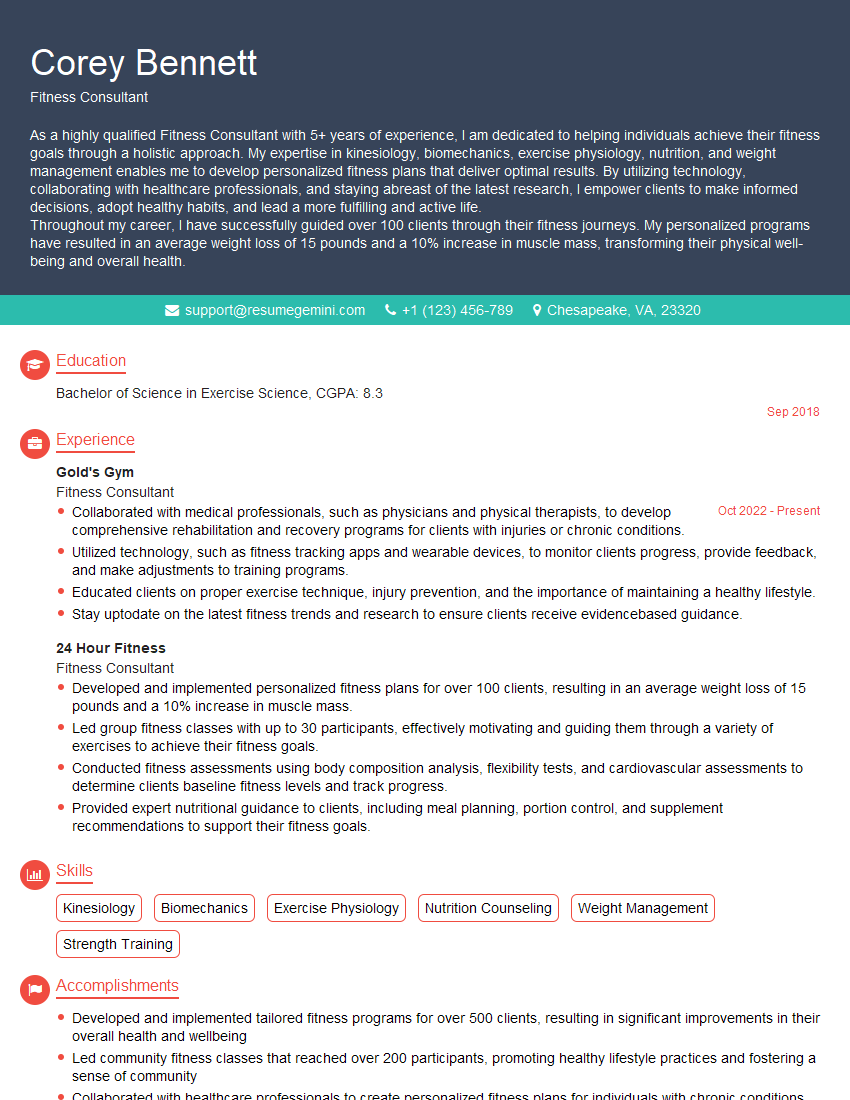
Fitness Consultant Resume Sample
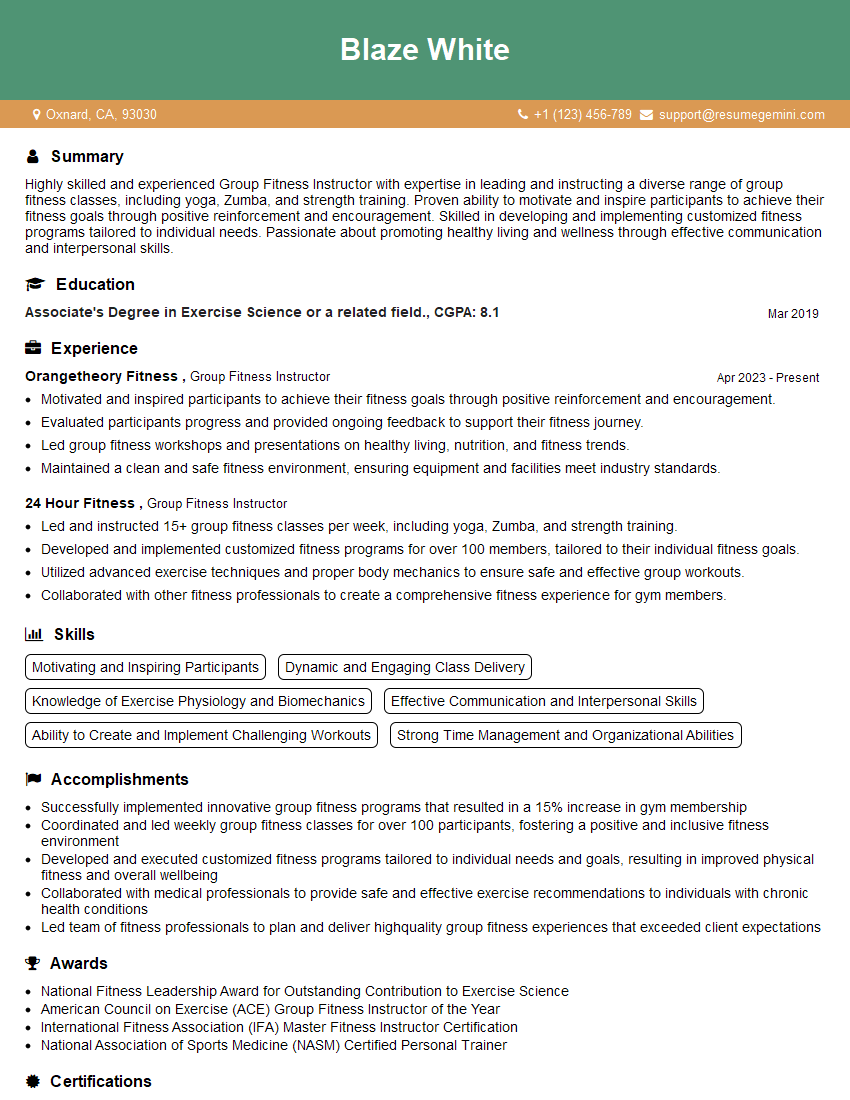
Group Fitness Instructor Resume Sample
Explore more articles
Users Rating of Our Blogs
Share Your Experience
We value your feedback! Please rate our content and share your thoughts (optional).
What Readers Say About Our Blog
Very informative content, great job.
good