Interviews are opportunities to demonstrate your expertise, and this guide is here to help you shine. Explore the essential Occupational Health Risk Management interview questions that employers frequently ask, paired with strategies for crafting responses that set you apart from the competition.
Questions Asked in Occupational Health Risk Management Interview
Q 1. Describe your experience conducting risk assessments.
Conducting thorough risk assessments is fundamental to effective occupational health and safety management. My approach involves a systematic process, beginning with identifying potential hazards through workplace inspections, job hazard analyses (JHAs), and consultations with workers. I then assess the risks associated with each hazard, considering the likelihood and severity of potential harm. This involves considering factors like frequency of exposure, potential for injury or illness, and the vulnerability of workers. For example, in a manufacturing plant, I’d assess the risk of machinery malfunction, chemical exposure, and ergonomic issues. After identifying and assessing risks, I prioritize them based on their severity and likelihood, focusing on the highest-risk hazards first. Finally, I document all findings, including recommended control measures, in a comprehensive risk assessment report.
In one specific instance, while working at a construction site, I identified a high risk of falls from height. Through a detailed JHA, I pinpointed specific areas needing improvement – inadequate scaffolding, lack of fall protection, and insufficient worker training. The risk assessment led to the implementation of engineering controls (improved scaffolding), administrative controls (improved work procedures), and personal protective equipment (PPE), resulting in a significant reduction in the risk of falls.
Q 2. Explain the hierarchy of controls in occupational health and safety.
The hierarchy of controls is a fundamental principle in occupational health and safety, guiding the selection of control measures to eliminate or minimize workplace hazards. It prioritizes controls based on their effectiveness in reducing risk, with the most effective at the top. The hierarchy, from most to least effective, is:
- Elimination: Completely removing the hazard. For example, replacing a hazardous chemical with a less hazardous alternative.
- Substitution: Replacing a hazard with a less hazardous substitute. For example, substituting a solvent with a water-based cleaner.
- Engineering Controls: Isolating people from the hazard. Examples include machine guarding, ventilation systems, and enclosed work areas.
- Administrative Controls: Changing the way work is done to reduce exposure. Examples include job rotation, work schedules, and improved procedures.
- Personal Protective Equipment (PPE): Providing workers with protective equipment. This is the least effective control and should only be used as a last resort after all other controls have been implemented. Examples include safety glasses, hard hats, and respirators.
Using the hierarchy ensures that the most effective and sustainable controls are prioritized. For example, if a worker is exposed to excessive noise, the first step would be to investigate engineering controls, like implementing noise reduction barriers or modifying machinery. Administrative controls, such as limiting exposure time, might be considered if engineering controls are insufficient. PPE, like earplugs, should only be used as a last resort, and in conjunction with other controls.
Q 3. How do you identify and evaluate workplace hazards?
Identifying and evaluating workplace hazards requires a multi-faceted approach. It begins with proactive hazard identification methods such as workplace inspections, job safety analyses (JHAs), and incident investigations. Workplace inspections involve systematically examining the workplace for potential hazards, while JHAs break down each job task into steps to identify potential hazards at each step. Incident investigations are critical for identifying hazards that have already resulted in incidents, allowing for corrective action and the prevention of future occurrences.
Once hazards are identified, a risk assessment is conducted, considering the likelihood and severity of potential harm. Likelihood refers to the probability of the hazard occurring, while severity refers to the potential consequences if the hazard does occur. A simple risk matrix can be used, assigning risk levels (low, medium, high) based on the combination of likelihood and severity. For example, a high likelihood and high severity hazard (e.g., working at heights without fall protection) would require immediate and significant control measures. The findings are documented in a risk assessment report, which serves as a foundation for developing control measures.
Q 4. What are your strategies for communicating safety information to employees?
Effective communication is crucial for ensuring worker safety. My strategies focus on using multiple channels and methods to reach all employees effectively, regardless of language barriers or literacy levels. These include:
- Regular Safety Meetings: These provide a forum for discussing safety issues, sharing best practices, and addressing worker concerns.
- Safety Newsletters/Emails: These are used to disseminate important safety information, announcements, and training updates.
- Safety Training Sessions: Interactive training sessions provide hands-on experience and reinforce key safety messages.
- Signage and Visual Aids: Clear and concise signage, labels, and posters are essential for communicating hazards and safety procedures.
- Toolbox Talks: Short, informal talks delivered at the start of work shifts focusing on a specific safety topic.
- Multi-lingual Materials: Ensure all communication is accessible to all employees, regardless of their native language.
I also ensure that communication is two-way, encouraging employees to report hazards and concerns without fear of reprisal. This fosters a safety culture where everyone takes responsibility for their safety and the safety of their colleagues.
Q 5. How do you develop and implement safety training programs?
Developing and implementing effective safety training programs is a critical aspect of occupational health risk management. My approach involves a needs assessment, identifying training requirements based on job roles, hazards, and risk assessments. The training programs are tailored to specific needs and incorporate various learning methods, such as classroom instruction, hands-on practical exercises, and simulations. For example, a training program for construction workers might include classroom instruction on fall protection, practical training on using safety harnesses, and simulations demonstrating emergency procedures.
The programs are designed to be engaging and interactive, using visual aids, case studies, and real-world examples to reinforce learning. Regular refresher training is provided to maintain worker competency and address new hazards or changes in procedures. Evaluation of training effectiveness is an integral part of the process, using methods such as pre- and post-training assessments, observation of worker performance, and feedback from employees. Documentation of all training activities is meticulously maintained, including attendance records, training materials, and evaluation results. This ensures compliance with regulations and demonstrates a commitment to continuous improvement.
Q 6. Explain your experience with incident investigation and reporting.
Incident investigation and reporting are crucial for identifying root causes of incidents and preventing their recurrence. My approach to incident investigation follows a structured methodology, including:
- Securing the Scene: Ensuring the safety of personnel and preserving evidence.
- Gathering Information: Collecting data from witnesses, reviewing records, and examining the physical evidence.
- Analyzing the Data: Identifying contributing factors and root causes using tools such as fault tree analysis or the “5 Whys” technique.
- Developing Corrective Actions: Implementing control measures to prevent similar incidents from occurring.
- Reporting and Documentation: Preparing a comprehensive report that details the incident, contributing factors, root causes, and corrective actions taken.
I ensure that all investigations are unbiased and thorough, involving relevant personnel and taking into account all perspectives. In one instance, an investigation into a near-miss incident involving a forklift revealed inadequate training and unsafe operating procedures. The investigation led to improved training, revised procedures, and increased supervision, significantly reducing the risk of future incidents.
Q 7. Describe your knowledge of relevant legislation and regulations (e.g., OSHA, WHMIS).
My knowledge of relevant legislation and regulations, including OSHA (Occupational Safety and Health Administration) and WHMIS (Workplace Hazardous Materials Information System), is comprehensive and up-to-date. I understand the requirements for hazard communication, personal protective equipment, emergency response planning, record keeping, and worker training. I’m familiar with the specific regulations applicable to various industries and work environments, ensuring that all safety programs and procedures are compliant. For instance, I am aware of OSHA’s requirements for fall protection in construction, the specific regulations regarding hazardous waste disposal, and the labeling requirements for chemicals under WHMIS. Staying current with changes in legislation and regulations is a continuous process; I regularly attend industry conferences and workshops to maintain my knowledge and ensure that safety programs remain compliant.
Understanding these regulations is not just about compliance; it’s about protecting workers’ health and safety. For example, ensuring proper labeling of chemicals under WHMIS allows workers to understand the hazards and take appropriate precautions, thereby preventing accidents and injuries. Similarly, adhering to OSHA standards for fall protection prevents serious injuries and fatalities on construction sites. My expertise ensures the organization’s compliance while prioritizing the well-being of its employees.
Q 8. How do you ensure compliance with health and safety regulations?
Ensuring compliance with health and safety regulations is a multifaceted process that starts with a thorough understanding of all applicable laws, standards, and best practices. This involves regularly reviewing and updating our knowledge base to account for changes in legislation and industry advancements.
- Regular Audits and Inspections: We conduct regular safety audits and inspections to identify potential hazards and ensure compliance with regulations. These are documented and followed up with corrective actions.
- Training and Education: Comprehensive safety training programs are crucial. Employees receive training specific to their roles and the hazards they may encounter. This includes both initial training and regular refresher courses to maintain proficiency.
- Documentation and Record Keeping: Meticulous record-keeping is essential for demonstrating compliance. We maintain detailed records of training, inspections, incident reports, and corrective actions. This documentation serves as proof of our commitment to safety and helps us identify trends and areas for improvement.
- Staying Updated: We subscribe to relevant publications, attend industry conferences, and actively participate in professional organizations to stay informed about the latest regulations and best practices. For example, staying abreast of OSHA updates in the US or equivalent legislation in other regions is critical.
Think of it like this: Imagine a hospital – regular sterilization procedures, equipment checks, and staff training are not just good practice, but legally mandated to ensure patient safety. Similarly, in any workplace, compliance is not optional; it’s the bedrock of a safe and productive environment.
Q 9. How do you manage workplace emergencies?
Managing workplace emergencies requires a proactive, multi-layered approach. It’s about being prepared for the unexpected, not reacting to it.
- Emergency Response Plan: We develop and regularly review comprehensive emergency response plans tailored to the specific hazards of our workplace. This includes procedures for fires, chemical spills, medical emergencies, and other potential incidents.
- Training and Drills: Employees receive thorough training on emergency procedures, including evacuation routes, the use of emergency equipment (e.g., fire extinguishers), and first aid. Regular drills ensure everyone understands their roles and responsibilities.
- Emergency Equipment and Supplies: We ensure adequate emergency equipment, such as fire extinguishers, first-aid kits, spill kits, and emergency communication systems, is readily accessible and properly maintained.
- Communication Systems: Clear and effective communication systems are vital during emergencies. This could include alarm systems, two-way radios, or designated emergency contact personnel.
- Post-Incident Analysis: After every incident, we conduct a thorough investigation to identify the root cause, implement corrective actions to prevent recurrence, and update our emergency response plan as needed.
For instance, a manufacturing plant might have specific protocols for handling chemical leaks, including designated evacuation zones and the use of specialized protective equipment. A similar plan would be needed in an office setting, focusing more on fire safety, evacuation procedures and active shooter training.
Q 10. Explain your experience with ergonomics and musculoskeletal disorders.
Ergonomics is the science of designing the workplace to fit the worker, aiming to prevent musculoskeletal disorders (MSDs) like carpal tunnel syndrome, back pain, and repetitive strain injuries. My experience involves assessing workstations, recommending modifications, and providing training on proper body mechanics.
- Workstation Assessments: I conduct thorough workstation assessments to evaluate factors such as chair height, monitor placement, keyboard and mouse positioning, and overall workspace layout. This often involves using ergonomic assessment tools and checklists.
- Recommendations and Modifications: Based on my assessments, I make recommendations for modifications, including adjustable chairs, footrests, monitor arms, and ergonomic keyboards. I ensure that these modifications are implemented and followed.
- Training on Proper Body Mechanics: I provide training to employees on proper posture, lifting techniques, and other ergonomic principles to reduce the risk of MSDs. This often includes practical demonstrations and exercises.
- Data Analysis: Tracking injury rates and absenteeism related to MSDs helps in evaluating the effectiveness of ergonomic interventions. Regular follow-ups and adjustments are necessary to optimize the work environment.
For example, I once worked with a call center where employees experienced high rates of carpal tunnel syndrome. After assessing their workstations, I recommended adjustable keyboards and mouse pads, along with training on proper typing posture and break techniques. This resulted in a significant reduction in reported injuries.
Q 11. Describe your experience with personal protective equipment (PPE).
Personal Protective Equipment (PPE) is crucial for protecting workers from workplace hazards. My experience encompasses selecting, fitting, training, and maintaining PPE.
- Hazard Assessment: The selection of appropriate PPE begins with a thorough hazard assessment. This identifies the specific hazards present in the workplace and determines the type of PPE needed to mitigate those risks.
- PPE Selection and Fitting: We select PPE that meets relevant standards and ensures a proper fit for each employee. Incorrectly fitted PPE can be ineffective and even dangerous.
- Training on PPE Use and Maintenance: Employees receive comprehensive training on how to properly use, care for, and maintain their PPE. This includes proper donning and doffing procedures, inspection techniques, and limitations of the equipment.
- Record Keeping: We maintain accurate records of PPE issued, training provided, and inspections conducted to ensure accountability and compliance.
Imagine a construction worker – they’d need hard hats, safety glasses, high-visibility clothing, and steel-toe boots, all selected based on the specific tasks and potential hazards on the site. Proper training on the use and limitations of each item is crucial.
Q 12. How do you measure the effectiveness of your safety programs?
Measuring the effectiveness of safety programs requires a multi-faceted approach that goes beyond simply counting incidents.
- Leading Indicators: These are measures that predict future performance. Examples include the number of safety training hours completed, the number of safety inspections conducted, and the number of near misses reported. A high number of near misses, while undesirable, suggests a proactive reporting culture, identifying areas for improvement before serious incidents occur.
- Lagging Indicators: These measure past performance. Examples include the number of accidents, injuries, and illnesses. While important, lagging indicators only tell us what has already happened.
- Employee Surveys and Feedback: Gathering employee feedback on safety procedures and perceptions of safety culture provides valuable insights and identifies areas needing improvement.
- Incident Investigation and Root Cause Analysis: Thorough investigations help pinpoint the root causes of incidents and inform the development of preventive measures.
- Benchmarking: Comparing our safety performance against industry benchmarks helps identify areas of strength and weakness and sets targets for improvement.
Think of it like a doctor checking vital signs: Blood pressure and heart rate are leading indicators; a heart attack is a lagging indicator. Similarly, leading indicators help us predict and prevent accidents before they occur.
Q 13. What is your experience with developing safety policies and procedures?
Developing effective safety policies and procedures is a critical aspect of occupational health risk management. This involves a structured process to ensure clarity, consistency, and compliance.
- Hazard Identification and Risk Assessment: The foundation of any safety policy is a thorough hazard identification and risk assessment. This involves systematically identifying potential hazards in the workplace and evaluating the associated risks.
- Policy Development: Based on the risk assessment, we develop clear, concise, and comprehensive safety policies that address the identified hazards and outline the necessary controls.
- Procedure Development: Detailed procedures are developed to explain how to implement the safety policies. These procedures should be easy to understand and follow.
- Consultation and Communication: Employees should be involved in the development and review of safety policies and procedures. This ensures buy-in and helps identify potential issues or areas of concern.
- Review and Update: Safety policies and procedures are not static documents. They need to be regularly reviewed and updated to reflect changes in the workplace, regulations, or best practices.
For instance, a policy on lockout/tagout procedures for machinery would need to specify who is authorized to perform the procedure, the steps to be followed, and the necessary documentation. This ensures consistent and safe practices every time equipment is serviced.
Q 14. Describe your experience with conducting safety audits and inspections.
Conducting safety audits and inspections is crucial for identifying hazards and ensuring compliance with regulations and best practices. This involves a systematic approach to evaluate the workplace’s safety performance.
- Planning and Preparation: Before conducting an audit or inspection, we develop a plan that outlines the scope, objectives, and methodology. This may involve using checklists or standardized audit protocols.
- On-Site Inspection: The on-site inspection involves a thorough review of the workplace, examining equipment, processes, and employee practices. This often includes taking photographs and documenting findings.
- Documentation and Reporting: All findings are meticulously documented, including observations, non-conformances, and recommendations for corrective actions. A formal report is prepared and distributed to relevant personnel.
- Follow-up and Corrective Actions: After the audit or inspection, we follow up on the identified non-conformances to ensure that appropriate corrective actions are taken. This may involve revisiting the site to verify that the corrective actions have been implemented effectively.
- Continuous Improvement: Audits and inspections are not just about identifying problems; they should also contribute to continuous improvement in safety performance. The data gathered should inform the development of new strategies and improvements to existing safety programs.
A manufacturing facility might undergo a periodic audit checking compliance with machine guarding regulations, while an office building might focus on fire safety inspections and emergency exit checks.
Q 15. How do you handle conflict resolution regarding safety concerns?
Conflict resolution regarding safety concerns requires a structured approach that prioritizes open communication and collaborative problem-solving. I begin by actively listening to all parties involved, ensuring everyone feels heard and understood. This often involves separate conversations to gather individual perspectives before convening a group discussion.
My strategy emphasizes identifying the root of the disagreement, which may not always be explicitly about safety. For instance, a conflict over a new safety procedure might stem from a lack of training or perceived inconvenience rather than a genuine safety concern. Once the root cause is identified, I facilitate a collaborative brainstorming session to develop solutions. This involves proposing options, weighing pros and cons, and arriving at a mutually agreeable plan of action.
Finally, I document the agreed-upon solutions, timelines, and responsibilities to ensure accountability and track progress. Follow-up meetings are crucial to monitor implementation and address any remaining issues. For example, in one instance, a disagreement arose regarding the use of new safety goggles. By actively listening, I uncovered concerns about comfort and fogging, not an inherent rejection of the safety measure. We collaborated to find alternative goggles, improving both safety and worker satisfaction.
Career Expert Tips:
- Ace those interviews! Prepare effectively by reviewing the Top 50 Most Common Interview Questions on ResumeGemini.
- Navigate your job search with confidence! Explore a wide range of Career Tips on ResumeGemini. Learn about common challenges and recommendations to overcome them.
- Craft the perfect resume! Master the Art of Resume Writing with ResumeGemini’s guide. Showcase your unique qualifications and achievements effectively.
- Don’t miss out on holiday savings! Build your dream resume with ResumeGemini’s ATS optimized templates.
Q 16. What is your experience with workplace health surveillance?
Workplace health surveillance is a systematic process of collecting and analyzing data on employee health to identify trends, assess risks, and evaluate the effectiveness of health and safety interventions. My experience encompasses various aspects of surveillance, including the design of surveillance programs, data collection methods (e.g., health questionnaires, biological monitoring, and incident reporting), and data analysis to identify patterns and potential hazards.
For instance, in a previous role, I implemented a surveillance program for a manufacturing plant with high noise levels. This involved regular audiometric testing of employees, tracking the incidence of hearing-related complaints, and analyzing trends over time. The data revealed a significant increase in hearing loss among employees in a particular department, leading to the implementation of enhanced hearing protection measures and noise reduction strategies. This resulted in a demonstrable decrease in hearing loss cases within two years.
Q 17. Explain your knowledge of different types of workplace hazards (physical, chemical, biological, ergonomic, psychosocial).
Workplace hazards encompass a wide range of risks that can harm employees’ health and safety. They are broadly categorized into:
- Physical Hazards: These include noise, vibration, radiation, extreme temperatures, and slips, trips, and falls. For example, prolonged exposure to loud machinery can cause hearing loss, while working at heights presents a risk of serious injury from falls.
- Chemical Hazards: These involve exposure to harmful substances, such as solvents, acids, and gases. Exposure can occur through inhalation, skin contact, or ingestion, potentially leading to various health problems including respiratory issues, skin irritations, and even cancer. Proper ventilation, personal protective equipment (PPE), and safe handling procedures are essential.
- Biological Hazards: These encompass risks associated with exposure to biological agents like bacteria, viruses, fungi, and parasites. Healthcare settings, laboratories, and agricultural settings are particularly susceptible. Appropriate hygiene measures, vaccinations, and protective equipment are vital in mitigating these risks.
- Ergonomic Hazards: These relate to the design and arrangement of workstations and tasks that can cause musculoskeletal disorders. Repetitive movements, awkward postures, and prolonged static positions can lead to carpal tunnel syndrome, back pain, and other injuries. Ergonomic assessments and workstation adjustments are crucial in preventing these issues.
- Psychosocial Hazards: These encompass factors related to the work environment and organization that affect mental health and well-being. Stress, violence, bullying, harassment, and work overload are examples. Implementing stress management programs, promoting a positive work culture, and providing resources for mental health support are key.
Q 18. Describe your experience with root cause analysis.
Root cause analysis (RCA) is a systematic investigation technique used to identify the underlying causes of incidents or near misses. My experience with RCA involves using various methods, such as the ‘5 Whys’ technique, fishbone diagrams (Ishikawa diagrams), and fault tree analysis.
The process typically starts with clearly defining the incident, then working backward to identify contributing factors. For example, if an employee suffered a laceration from a malfunctioning machine, the ‘5 Whys’ might reveal that the incident occurred because the machine’s safety guard was missing (Why? Because it was broken. Why? Because it wasn’t properly maintained. Why? Because the maintenance schedule wasn’t followed. Why? Because of inadequate training. Why? Because the training program was outdated). This process helps to move beyond superficial explanations and uncover deeper systemic issues.
RCA also plays a crucial role in preventing future occurrences. Once the root cause is identified, corrective actions are developed and implemented to address the underlying problem and prevent recurrence. This often involves improving training programs, enhancing maintenance procedures, and modifying equipment designs.
Q 19. How do you utilize data to improve workplace safety?
Data is crucial for improving workplace safety. I use data from various sources, including incident reports, near-miss reports, health surveillance data, and inspection findings, to identify trends and patterns. Data analysis helps prioritize risks and measure the effectiveness of safety interventions.
For example, by analyzing incident reports, we might identify a high number of slips and falls in a particular area. This would prompt an investigation into the cause, such as inadequate lighting or slippery flooring. Based on the findings, appropriate preventative measures, such as improved lighting or the application of anti-slip treatment, can be implemented. Furthermore, the effectiveness of these measures is tracked by monitoring the subsequent rate of slips and falls in that area.
I leverage data visualization tools to effectively communicate safety performance to management and employees. This can be in the form of charts, graphs, and dashboards that show key safety metrics, such as the number of incidents, injury rates, and the effectiveness of safety programs. This transparent approach fosters a safety culture and ensures everyone is informed about performance and progress.
Q 20. How do you prioritize safety risks?
Prioritizing safety risks requires a systematic approach that considers both the likelihood and severity of potential harm. I typically employ a risk matrix, which assigns a risk level based on the combination of probability and consequence. This involves a detailed risk assessment process for all identified hazards.
The risk matrix typically categorizes risks as low, medium, high, or critical. High and critical risks require immediate attention and implementation of control measures, while lower-risk items may be addressed over a longer timeframe. This approach ensures that resources are allocated efficiently to address the most significant threats first. For example, a risk of a major explosion would be categorized as critical and receive immediate attention, while a risk of minor cuts or bruises would likely be considered low and addressed through existing safety procedures.
Furthermore, stakeholder input is vital in the prioritization process. This includes input from employees, supervisors, and safety professionals to ensure a holistic understanding of risks and their potential impact.
Q 21. Explain your experience with safety committees and employee involvement.
Safety committees and employee involvement are essential for effective occupational health risk management. I have extensive experience working with safety committees, facilitating meetings, and fostering a collaborative environment where employees contribute to identifying hazards, proposing solutions, and monitoring progress.
My approach emphasizes empowering employees to take ownership of safety in their workplaces. This involves regular meetings, open communication channels, and training programs to equip employees with the knowledge and skills to identify and report hazards. Furthermore, I promote a culture of reporting near misses, as these incidents often provide valuable insights into potential hazards that haven’t yet resulted in injury.
For instance, in a previous role, I helped establish a safety committee that included representatives from various departments. This committee played a vital role in identifying and addressing ergonomic issues, leading to the redesign of workstations and a reduction in musculoskeletal disorders. The active participation of employees ensured that the solutions were practical and effective. Employee involvement is crucial for sustainable safety improvements; they are on the front lines, and their insights are invaluable.
Q 22. Describe your experience with contractor safety management.
Contractor safety management is crucial for mitigating risks associated with external workers. It involves a structured approach encompassing pre-qualification, site-specific induction, ongoing monitoring, and communication. My experience includes developing and implementing comprehensive contractor safety programs, ensuring adherence to company and regulatory standards. This involved creating detailed pre-qualification questionnaires assessing contractors’ safety records, insurance, and training certifications. I’ve also overseen site-specific inductions, briefing contractors on potential hazards, emergency procedures, and site-specific rules. For instance, in a recent project involving a construction site, we mandated all contractors to complete a mandatory safety orientation before commencing work, covering topics such as fall protection, hazard communication, and personal protective equipment (PPE) usage. Regular audits and inspections were then implemented to ensure compliance.
Furthermore, I have experience managing communication between the company and contractors to address safety concerns promptly. This includes establishing clear communication channels and processes to report incidents, near misses, and unsafe practices.
Q 23. How do you ensure the safety of temporary workers?
Ensuring the safety of temporary workers requires a robust approach that goes beyond standard safety protocols. It starts with thorough pre-employment screening, including verifying their qualifications and experience relevant to the assigned tasks. Then, a tailored induction program specific to the temporary worker’s role and the work environment is essential. This might involve specific training modules on the equipment used or the particular hazards associated with their assignment.
For example, if a temporary worker is assigned to operate a forklift, they must undergo thorough forklift training and certification before starting work. Ongoing supervision and mentorship from experienced personnel are equally vital. Regular check-ins and observation of their work practices help identify and rectify unsafe behaviors promptly. Finally, effective communication channels are key: Temporary workers need clear avenues to report safety concerns or hazards without fear of reprisal. This fosters an environment of trust and encourages proactive safety engagement.
Q 24. How do you stay updated on the latest safety regulations and best practices?
Staying updated on safety regulations and best practices is a continuous process. I actively participate in professional organizations like the American Society of Safety Professionals (ASSP) and attend industry conferences and webinars to learn about the latest advancements and legislative changes. I also subscribe to relevant journals and newsletters, and regularly review government websites for updates on safety standards and regulations. Furthermore, I leverage online resources and databases, like OSHA’s website, to access the most up-to-date information and guidance. I believe staying informed is not just about compliance but also about anticipating emerging risks and implementing proactive measures.
For example, I recently attended a webinar on the latest updates to the Globally Harmonized System of Classification and Labelling of Chemicals (GHS), which directly impacted our chemical handling procedures. This proactive approach ensures that our safety protocols are aligned with the most current standards and best practices.
Q 25. Explain your understanding of the importance of proactive vs. reactive safety management.
Proactive safety management focuses on preventing incidents before they occur, while reactive safety management deals with incidents after they happen. The key difference lies in their approach. Proactive management uses risk assessments, hazard identification, and control measures to eliminate or mitigate hazards, while reactive management focuses on investigating incidents, identifying root causes, and implementing corrective actions. A proactive approach is significantly more cost-effective and prevents injuries and damage. A solely reactive approach is inherently more expensive and can damage morale and reputation.
Imagine a factory: A proactive approach would involve regular machinery inspections, providing appropriate safety training, and implementing ergonomic workstations to minimize risk of injury. In contrast, a reactive approach would only address issues after a worker injury has occurred, such as investigating the root cause of the accident and then implementing changes after the fact. Ideally, a strong safety management system integrates both proactive and reactive elements; proactive measures form the foundation, with reactive responses providing valuable learning and improvement opportunities.
Q 26. What is your experience with developing and delivering safety presentations?
I have extensive experience in developing and delivering engaging safety presentations tailored to various audiences, from shop-floor employees to senior management. My presentations are designed to be interactive and practical, using clear language and visuals to convey complex information effectively. I employ a variety of techniques, including real-life case studies, interactive quizzes, and role-playing scenarios to keep the audience engaged and enhance knowledge retention. For instance, when presenting on lockout/tagout procedures, I used a real-world example of an incident caused by failure to follow the procedure, which made the topic considerably more impactful.
I also customize my presentations based on audience needs and feedback. Post-presentation evaluations help me understand what aspects resonated most with the audience and what areas require further clarification. This iterative process ensures my presentations remain relevant, engaging and effective.
Q 27. Describe your experience with managing safety budgets and resources.
Managing safety budgets and resources involves a strategic approach to optimize spending and resource allocation. I begin by conducting a thorough risk assessment to identify critical hazards and prioritize areas requiring the most attention. This guides the allocation of budget toward high-impact interventions, like purchasing specialized safety equipment or implementing advanced safety training programs. For instance, a risk assessment may reveal a higher risk of slips, trips, and falls, prompting a larger budget allocation for improved flooring and employee training on fall prevention techniques.
Furthermore, I utilize cost-benefit analysis to evaluate the effectiveness of different safety interventions. This helps me justify investments and demonstrate the return on investment (ROI) for safety initiatives to stakeholders. Continuous monitoring of budget expenditures and resource utilization enables timely adjustments and ensures resources are used effectively and efficiently.
Q 28. How do you handle situations where employees resist safety protocols?
Employee resistance to safety protocols is a common challenge that requires a multifaceted approach. I begin by understanding the root cause of the resistance – is it due to inconvenience, lack of understanding, or a perception of unnecessary restrictions? Open communication is crucial. I engage employees in discussions to address their concerns and explain the rationale behind the safety rules. This approach emphasizes collaborative problem-solving, considering employees’ input to make safety protocols more practical and less burdensome.
If the resistance stems from a lack of understanding, additional training and education become necessary. For example, if employees resist using specific PPE, I’ll provide demonstrations and hands-on training to show them the proper use and benefits. In more serious cases, progressive discipline might be necessary, in line with company policy, to ensure compliance and prioritize everyone’s safety. The goal is to foster a safety culture where employees actively participate in protecting themselves and their colleagues.
Key Topics to Learn for Occupational Health Risk Management Interview
- Hazard Identification & Risk Assessment: Understanding methodologies like HAZOP, Job Safety Analysis (JSA), and Failure Mode and Effects Analysis (FMEA; practical application: conducting a risk assessment for a specific workplace scenario, demonstrating proficiency in identifying hazards and evaluating risks.)
- Risk Control & Hierarchy of Controls: Applying the hierarchy of controls (elimination, substitution, engineering controls, administrative controls, PPE) to mitigate identified risks; (practical application: developing a control plan for a high-risk task, justifying the chosen control measures.)
- Occupational Health Legislation & Regulations: Demonstrating knowledge of relevant OSHA/local regulations and their practical implications in workplace safety; (practical application: explaining how specific regulations apply to a given scenario, showcasing an understanding of compliance requirements.)
- Injury & Illness Prevention Programs: Understanding the development and implementation of effective safety programs, including training, incident investigation, and record-keeping; (practical application: outlining the key components of a successful safety program, detailing how to effectively investigate workplace incidents.)
- Ergonomics & Musculoskeletal Disorders: Assessing ergonomic risks and implementing solutions to prevent musculoskeletal injuries; (practical application: analyzing a workstation setup to identify ergonomic hazards and recommending improvements.)
- Environmental Monitoring & Exposure Assessment: Understanding methods for monitoring workplace exposures to physical, chemical, and biological agents; (practical application: describing the process of conducting air sampling or noise monitoring.)
- Communication & Training: Developing and delivering effective safety training programs to employees at all levels; (practical application: explaining how to create engaging and informative safety training materials.)
- Data Analysis & Reporting: Analyzing safety data to identify trends, assess program effectiveness, and inform decision-making; (practical application: interpreting safety statistics and presenting findings clearly and concisely.)
Next Steps
Mastering Occupational Health Risk Management is crucial for a successful and rewarding career, opening doors to leadership roles and impactful contributions to workplace safety. To maximize your job prospects, it’s essential to have an ATS-friendly resume that highlights your skills and experience effectively. ResumeGemini is a trusted resource to help you create a professional and impactful resume that gets noticed. They offer examples of resumes tailored to Occupational Health Risk Management to guide you. Invest the time to craft a compelling resume – it’s your first impression to potential employers.
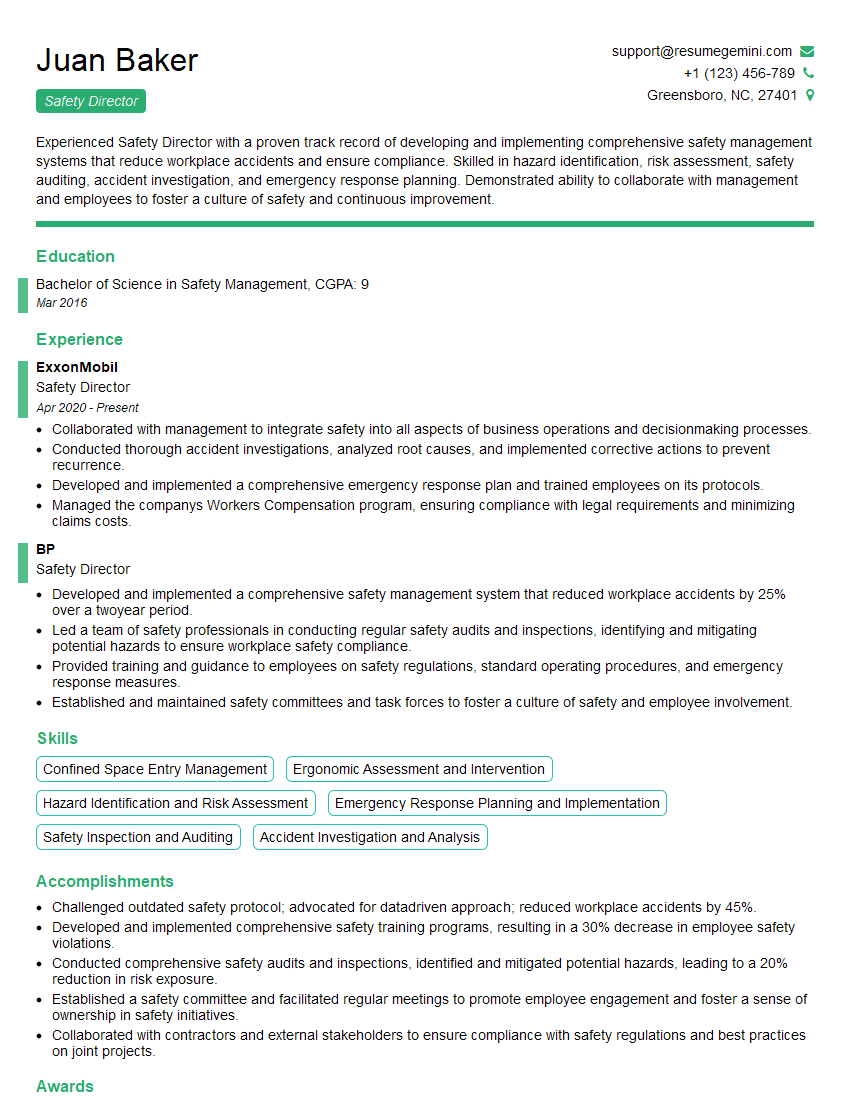
Safety Director Resume Sample

Compliance Officer Resume Sample
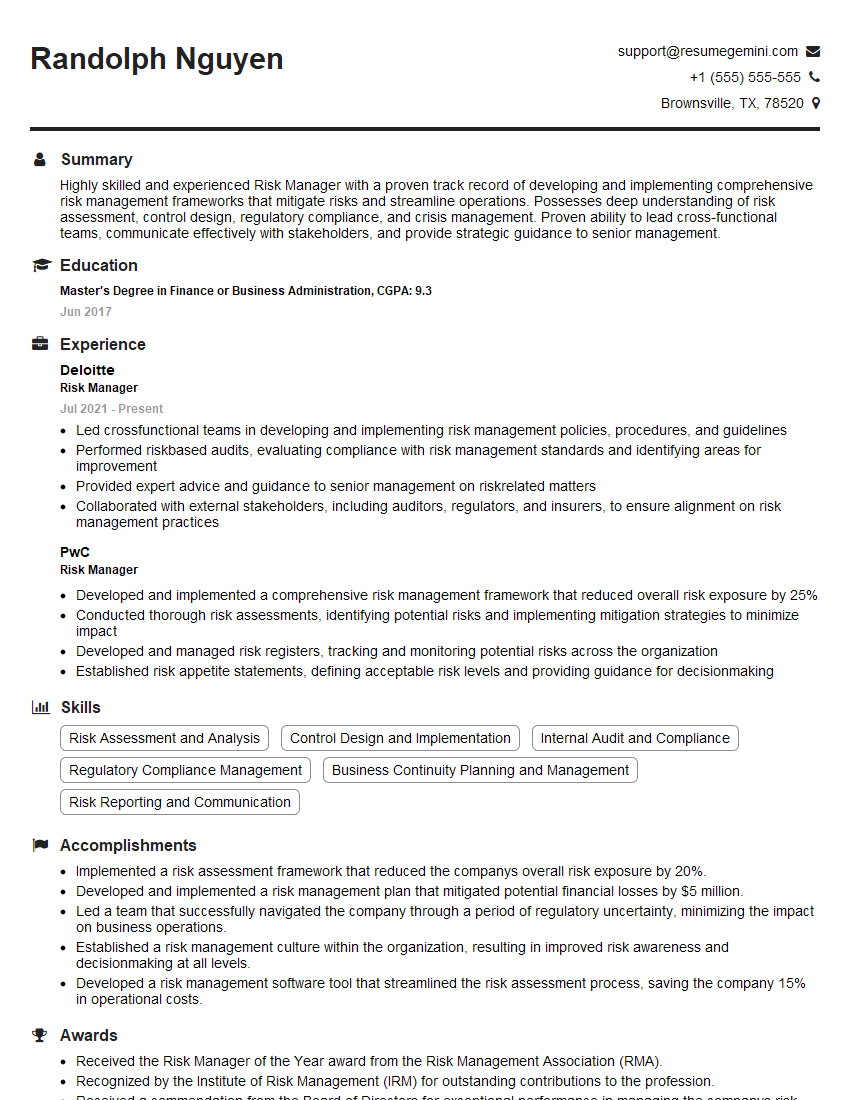
Risk Manager Resume Sample
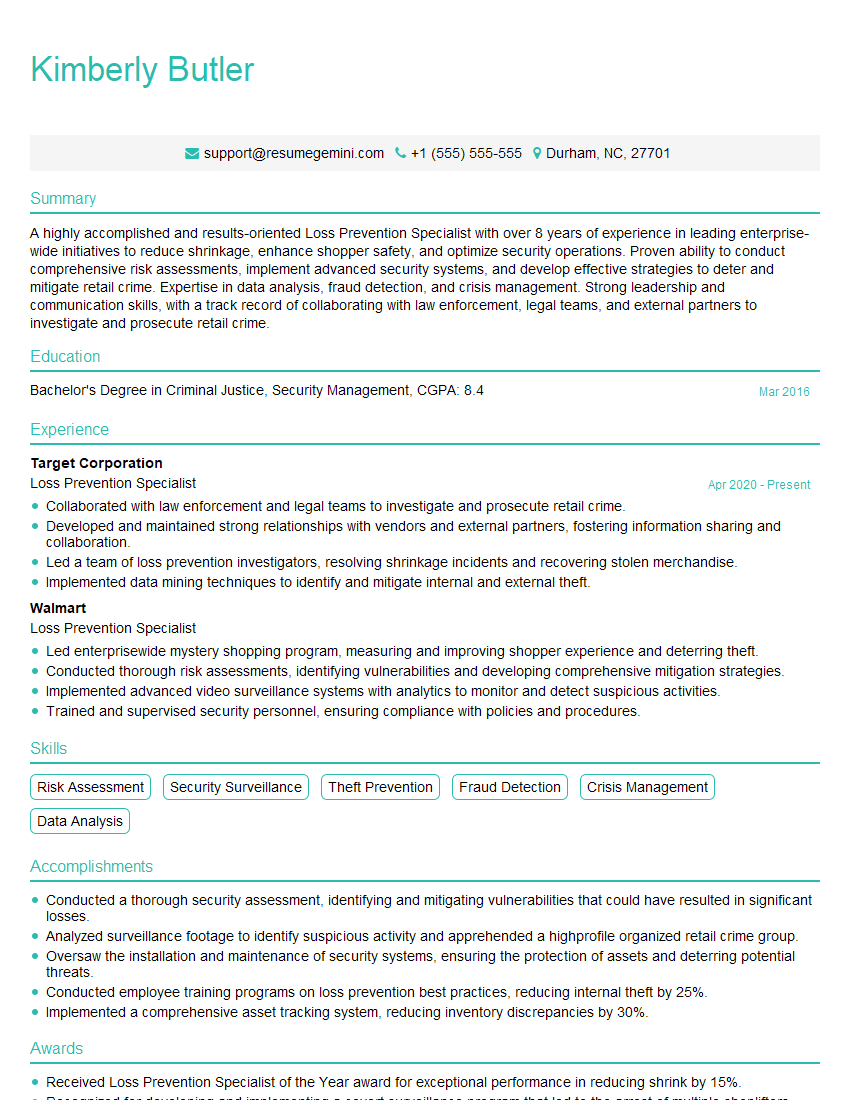
Loss Prevention Specialist Resume Sample
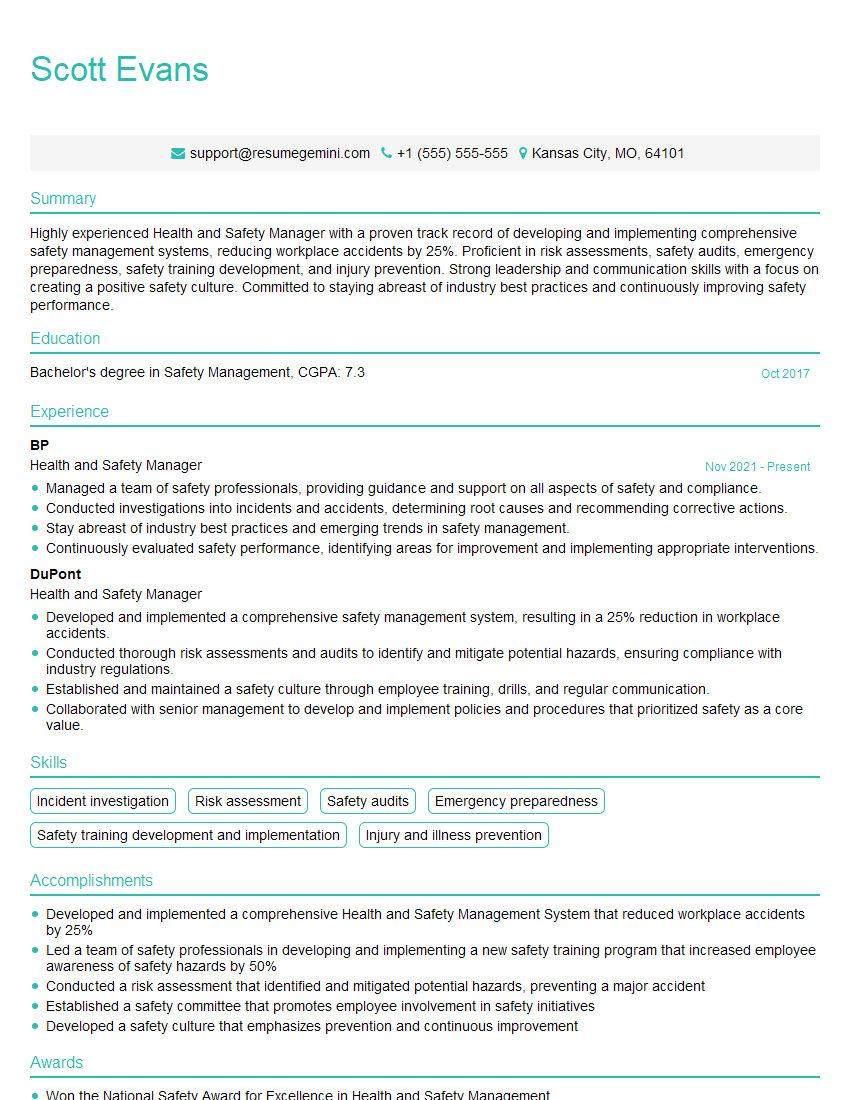
Health and Safety Manager Resume Sample
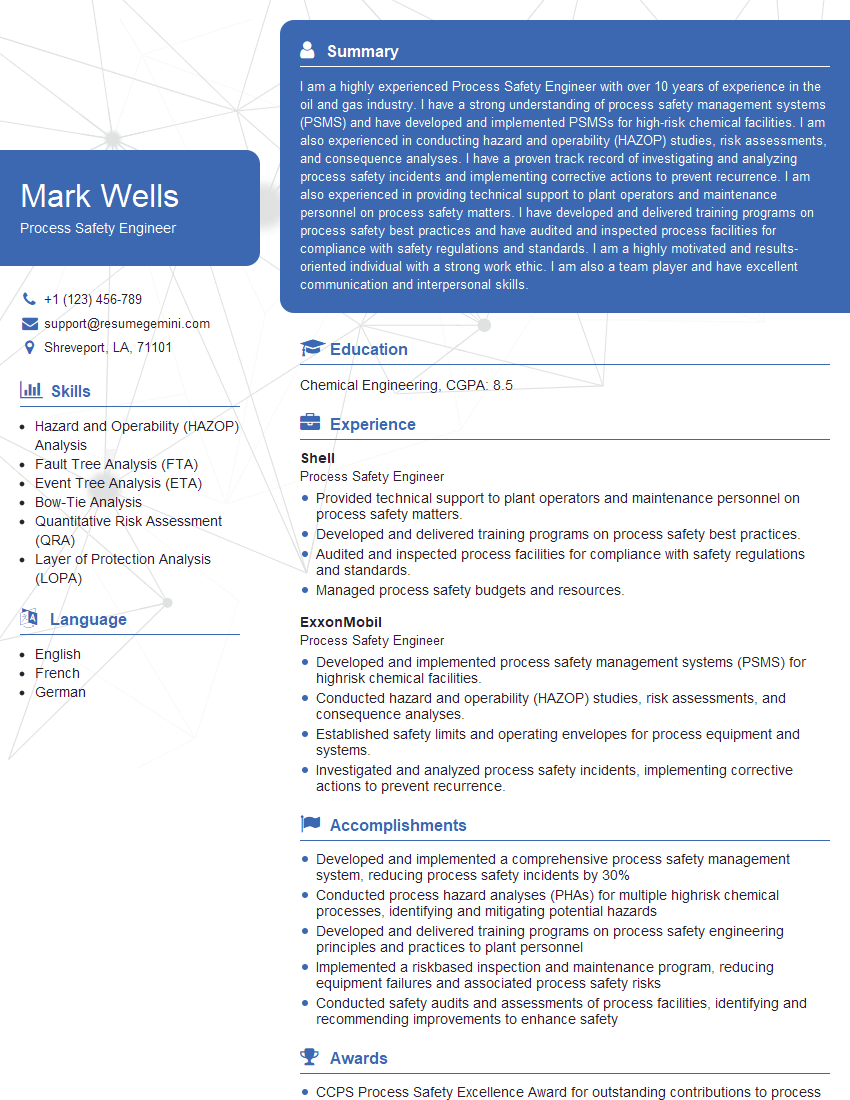
Process Safety Engineer Resume Sample
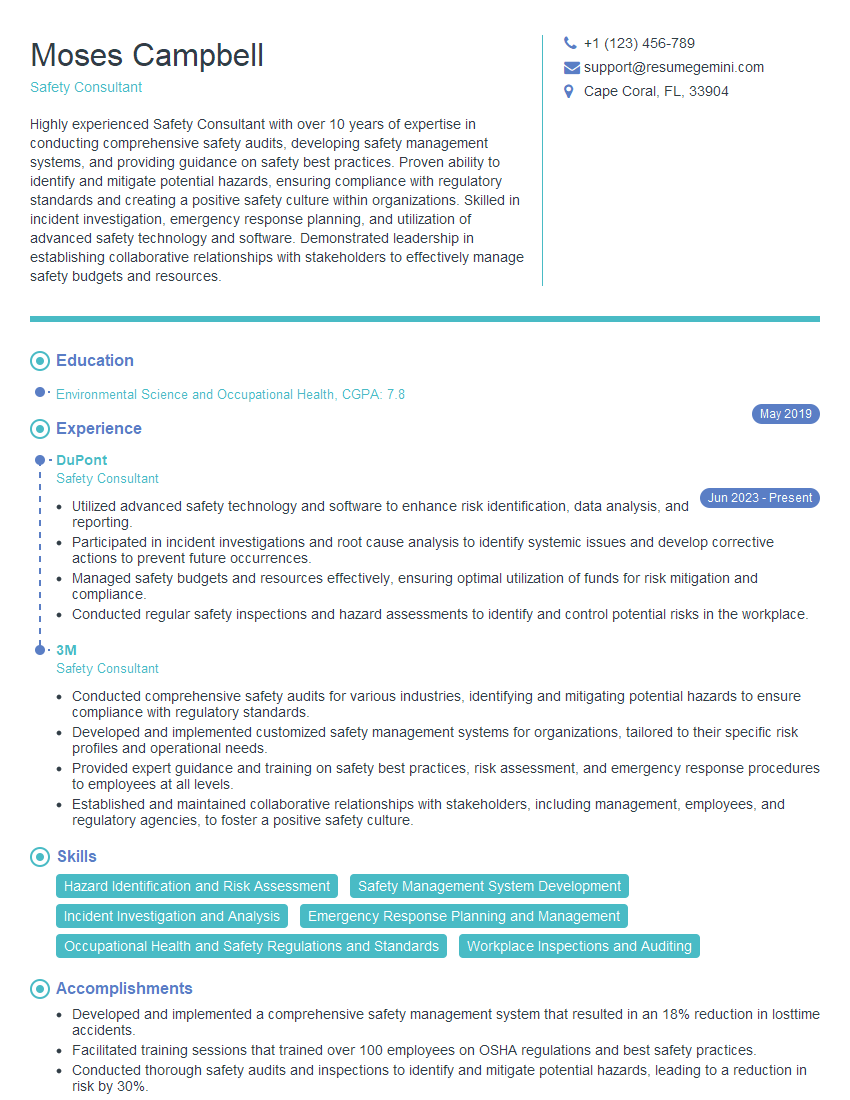
Safety Consultant Resume Sample
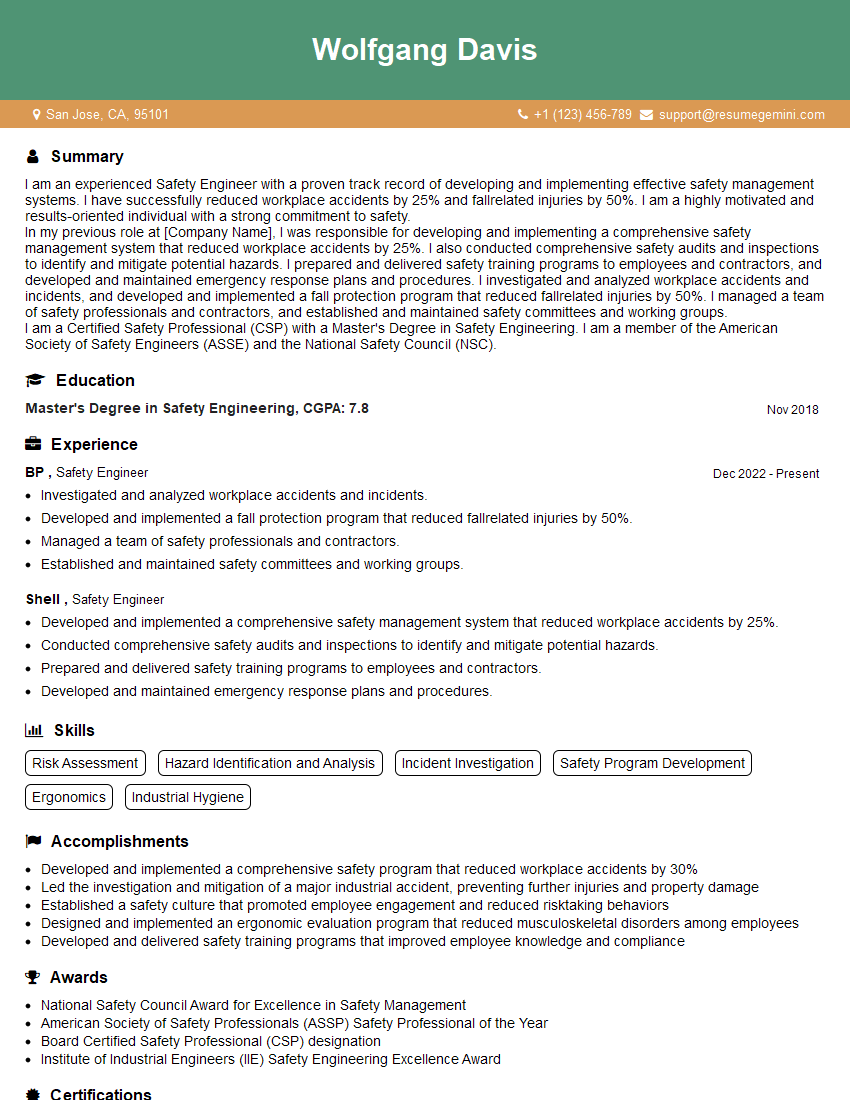
Safety Engineer Resume Sample
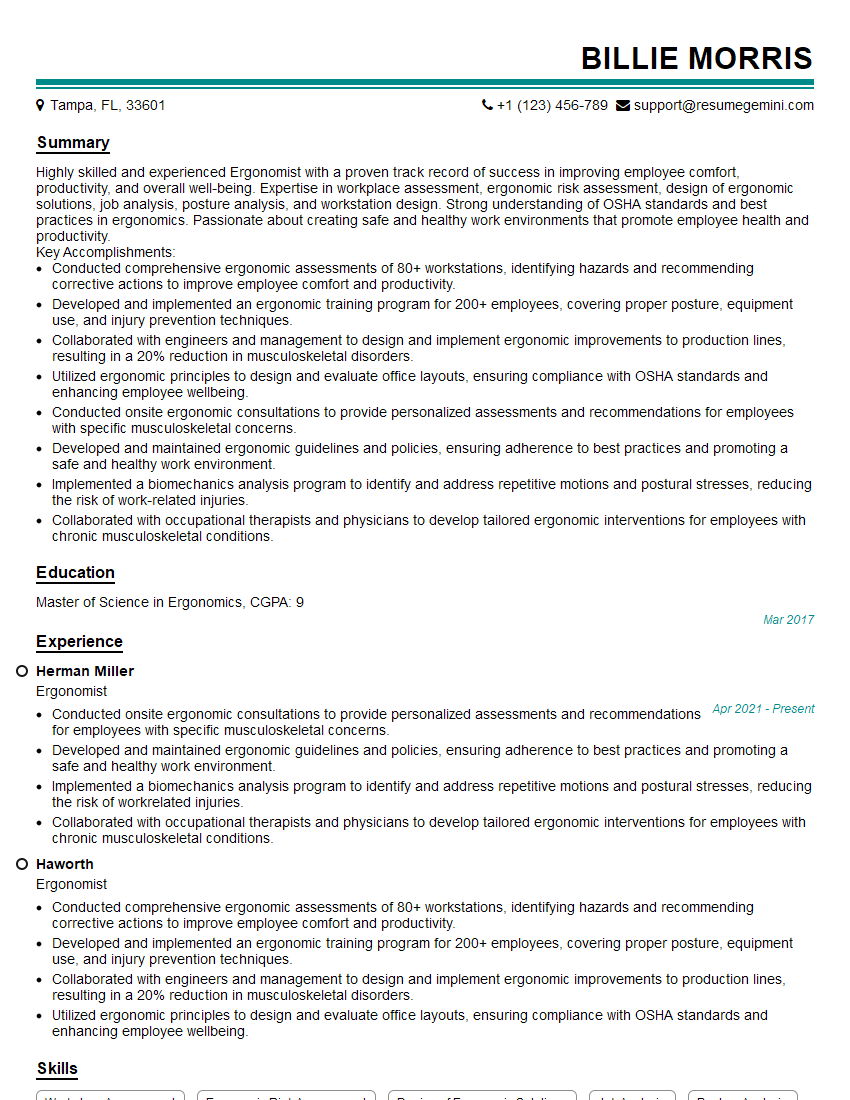
Ergonomist Resume Sample
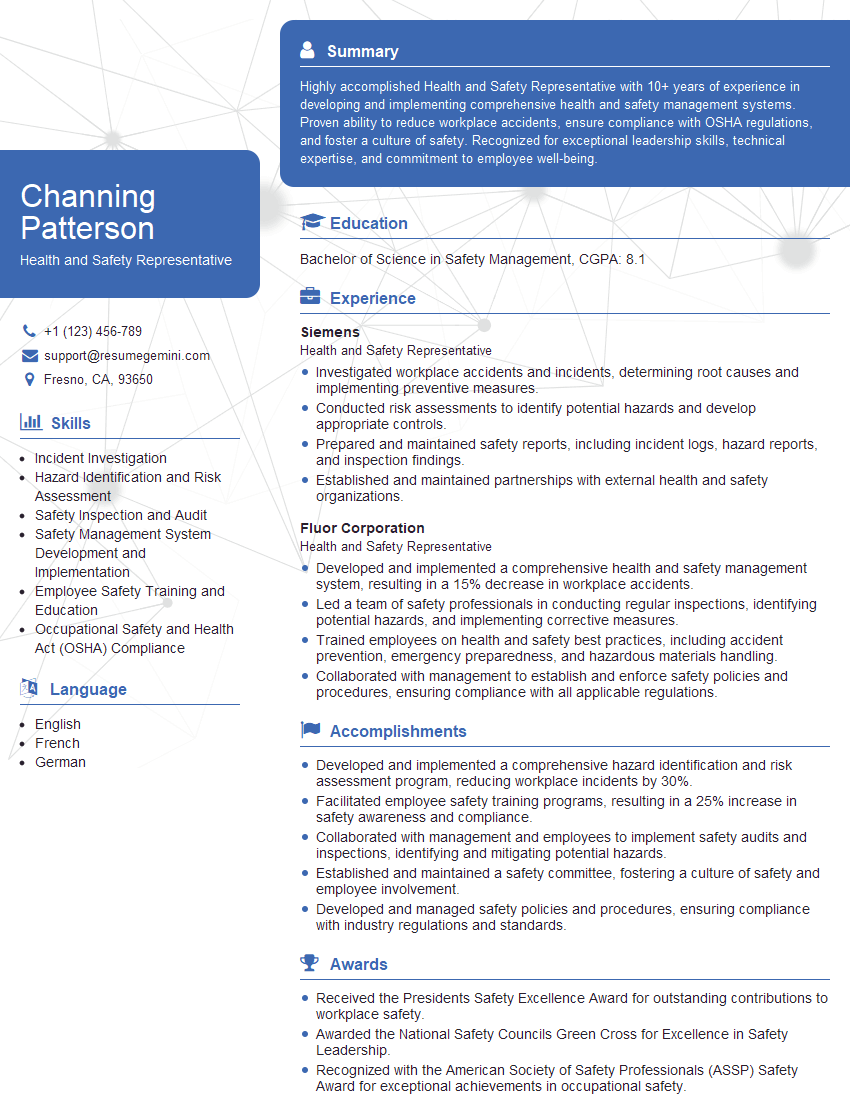
Health and Safety Representative Resume Sample
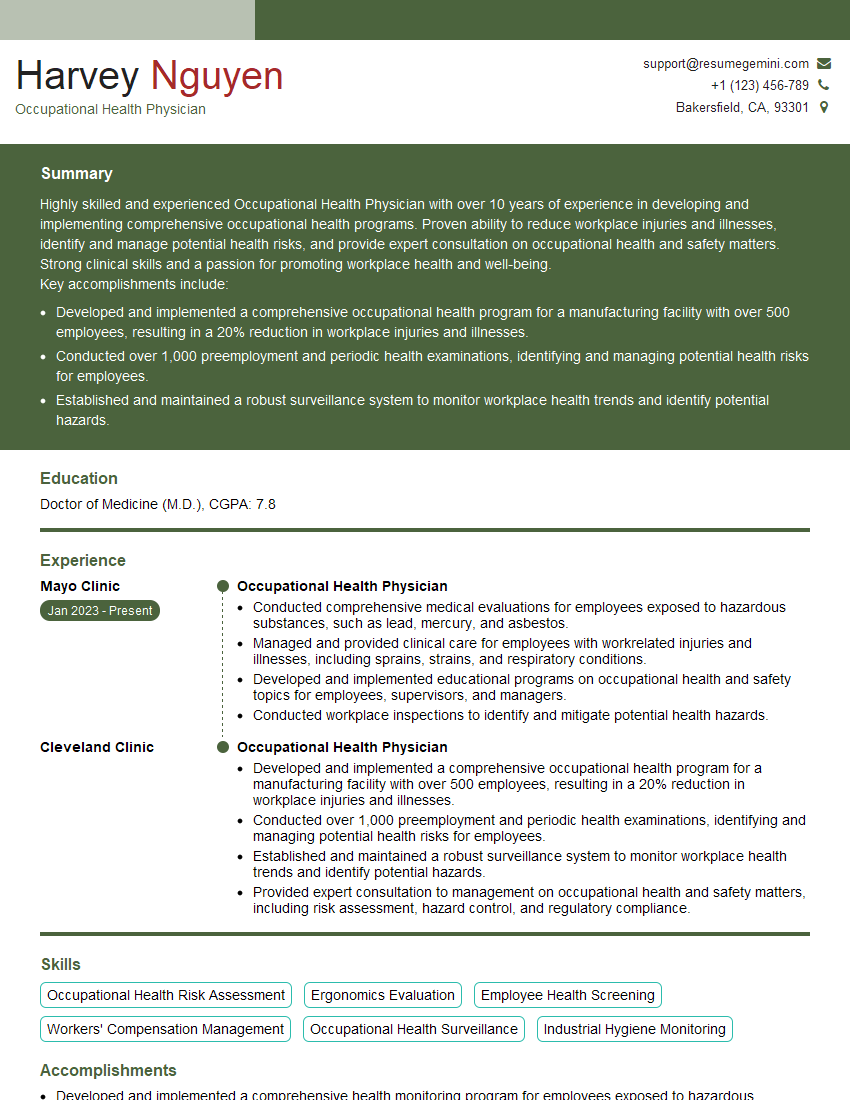
Occupational Health Physician Resume Sample
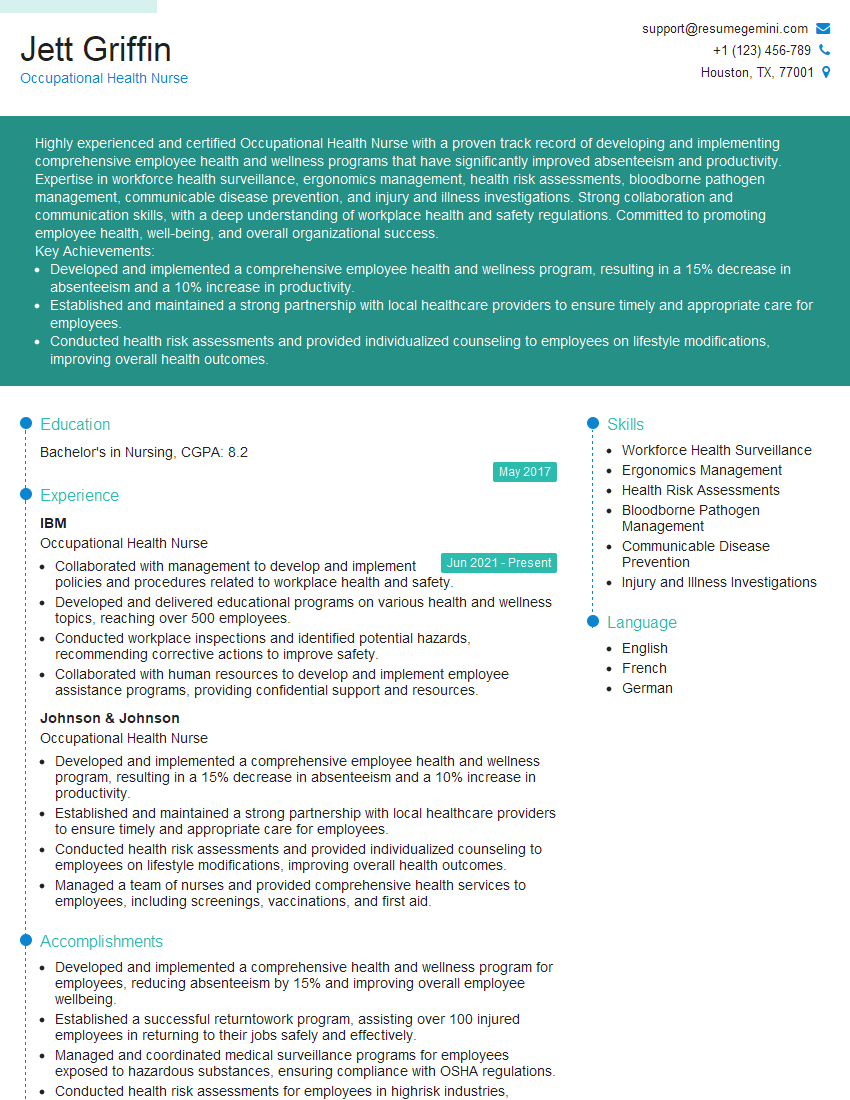
Occupational Health Nurse Resume Sample
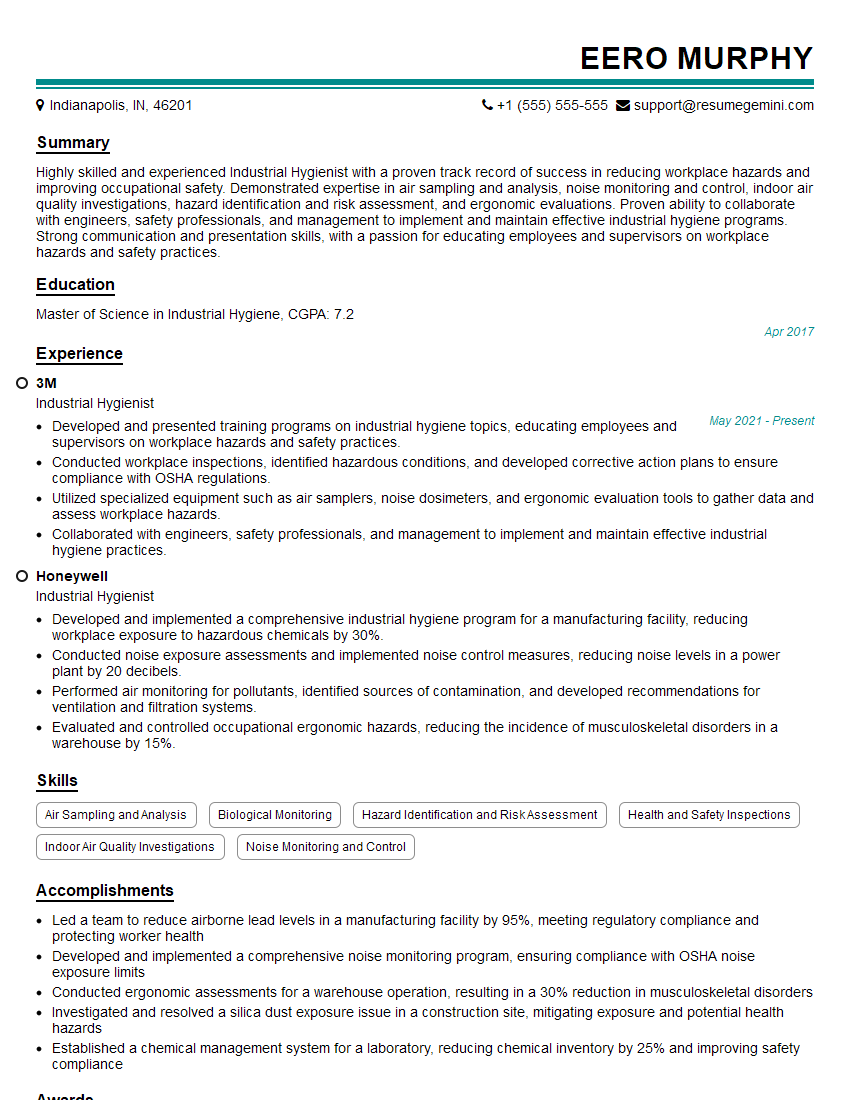
Industrial Hygienist Resume Sample
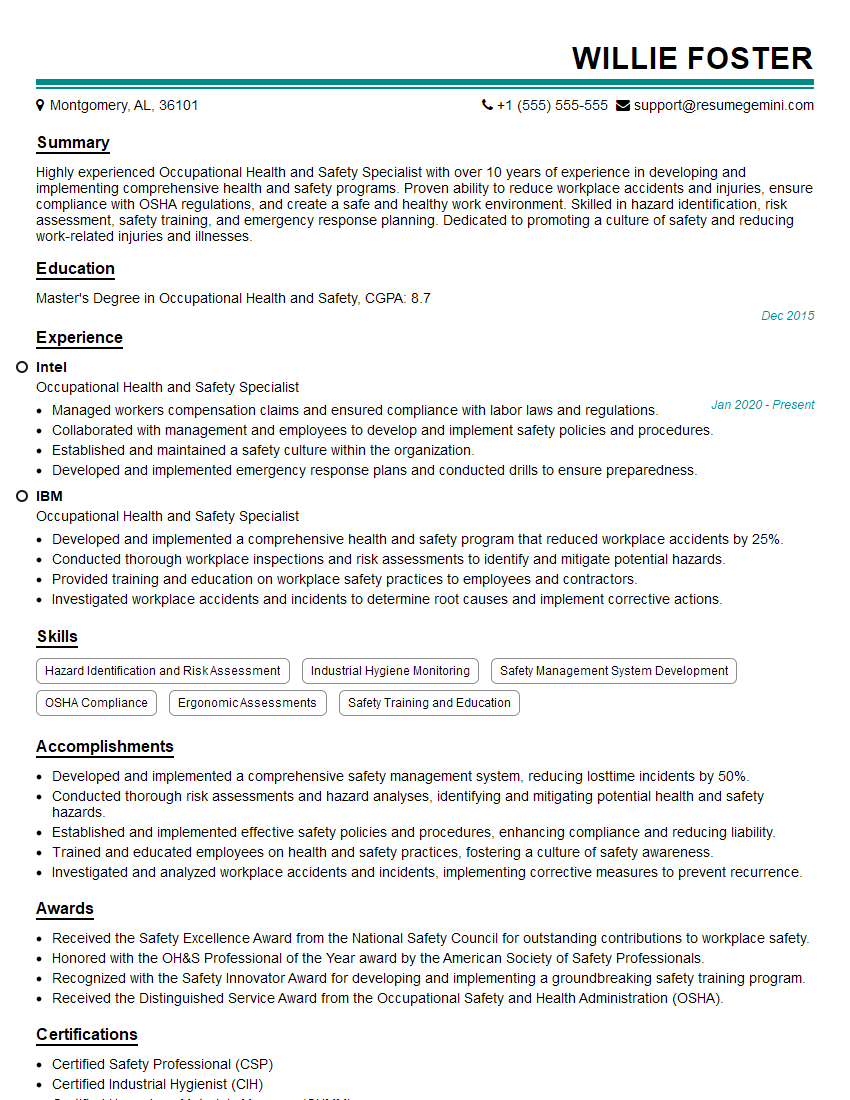
Occupational Health and Safety Specialist Resume Sample
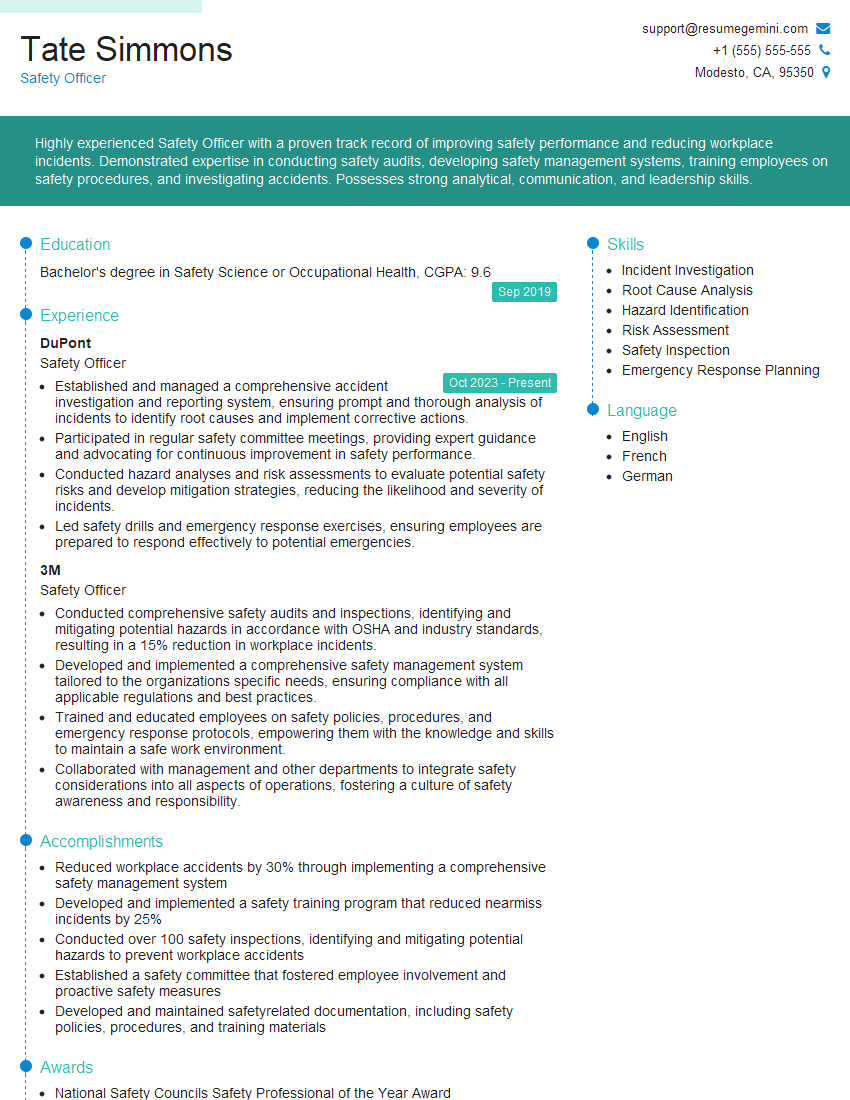
Safety Officer Resume Sample
- Safety Director
- Compliance Officer
- Risk Manager
- Loss Prevention Specialist
- Health and Safety Manager
- Process Safety Engineer
- Safety Consultant
- Safety Engineer
- Ergonomist
- Health and Safety Representative
- Occupational Health Physician
- Occupational Health Nurse
- Industrial Hygienist
- Occupational Health and Safety Specialist
- Safety Officer
Explore more articles
Users Rating of Our Blogs
Share Your Experience
We value your feedback! Please rate our content and share your thoughts (optional).
What Readers Say About Our Blog
Very informative content, great job.
good