Unlock your full potential by mastering the most common On-Call Troubleshooting interview questions. This blog offers a deep dive into the critical topics, ensuring you’re not only prepared to answer but to excel. With these insights, you’ll approach your interview with clarity and confidence.
Questions Asked in On-Call Troubleshooting Interview
Q 1. Describe your experience handling on-call rotations.
My experience with on-call rotations spans over five years, encompassing various roles and technologies. I’ve participated in both shared and individual on-call schedules, handling diverse systems like microservices, databases, and front-end applications. Early in my career, I was part of a smaller team with a more traditional on-call rotation, where we each took a week at a time. This experience taught me the importance of thorough handover and documentation. More recently, I’ve been involved in a more sophisticated system using tools like PagerDuty to distribute alerts intelligently and manage escalations. I’ve consistently strived to improve our on-call processes, contributing to the implementation of better monitoring, alerting, and runbooks, ultimately reducing our response times and improving overall system stability. I am comfortable with both high-frequency, low-impact alerts as well as the high-stakes critical incidents.
Q 2. Explain your process for prioritizing alerts during an on-call shift.
Prioritizing alerts during an on-call shift is crucial for effective incident management. My process involves a multi-step approach. First, I assess the severity of the alert. This typically involves looking at the alert’s description, the impacted system, and the number of affected users. I use a severity matrix (often predefined by the team) to quickly categorize the alert as critical, high, medium, or low. Secondly, I check the monitoring dashboards (e.g., Datadog, Grafana) for corroborating evidence, looking for trends or related metrics. For example, a spike in error rates along with a high latency might suggest a much more serious problem than a single, isolated alert about a slow database query. Thirdly, I consider the potential impact and business implications. A minor UI glitch affecting a small percentage of users is less critical than a production database outage that impacts all customers. Finally, I use this information to create a prioritized list, focusing on addressing critical and high-severity alerts first. I employ a triage approach – stabilizing critical issues immediately before delving into less impactful ones.
Q 3. How do you diagnose and troubleshoot complex system issues under pressure?
Diagnosing and troubleshooting complex issues under pressure requires a systematic and methodical approach. My strategy is based on the following steps: 1. Gather information: I start by gathering all available data: logs, metrics, alerts, and user reports. 2. Reproduce the issue: If possible, I try to reproduce the issue in a staging environment or by using available debugging tools. 3. Isolate the root cause: I systematically eliminate possibilities using a process of elimination, focusing on the most likely causes based on my understanding of the system architecture. This often involves examining logs for errors and exceptions, checking system resource utilization (CPU, memory, disk I/O), and verifying network connectivity. 4. Implement a solution: Once the root cause is identified, I implement a solution. This could involve restarting services, deploying a hotfix, or making configuration changes. 5. Verify the solution: After implementing the solution, I carefully verify that it has resolved the issue and that the system is stable. 6. Document the incident: I thoroughly document the incident, including the root cause, steps taken to resolve the issue, and any lessons learned. For example, during a recent incident involving a slow-performing API, I used logs to pinpoint bottlenecks in database queries, then worked with the database administrator to optimize the queries, ultimately resolving the performance issue.
Q 4. What tools and technologies are you proficient in for on-call support?
I’m proficient in a range of tools and technologies for on-call support. My expertise includes monitoring systems like Datadog, Prometheus, and Grafana, where I can efficiently visualize metrics, track performance, and identify anomalies. I’m comfortable using logging and tracing tools such as ELK stack (Elasticsearch, Logstash, Kibana) and Jaeger to track down the root cause of issues. I have experience with cloud platforms like AWS and GCP, including their respective monitoring and alerting services. Furthermore, I utilize incident management tools like PagerDuty and Opsgenie for alert routing, escalation, and collaboration. My scripting skills in Python and Bash allow me to automate tasks, create custom monitoring scripts, and quickly analyze large datasets. I’m also proficient in using debugging tools specific to different programming languages and databases.
Q 5. Describe a time you had to escalate an issue. What was your process?
I had to escalate an incident involving a major database outage. We noticed a significant increase in error rates and latency in our primary database. Despite trying various troubleshooting steps (restarting the database, checking disk space, reviewing logs), we couldn’t resolve the issue within our defined service level agreement (SLA). Following our escalation policy, I immediately contacted the database administrator, who was on a different on-call rotation. I provided him with all relevant information, including the error logs, system metrics, and the impact on users. We then worked collaboratively to diagnose the issue, eventually discovering a hardware failure. The escalation process was critical for fast resolution; the combined expertise ensured efficient problem solving and timely restoration of service. The clear communication and efficient data sharing within the escalation process significantly minimized the outage duration.
Q 6. How do you ensure proper incident documentation during and after an on-call event?
Proper incident documentation is paramount for improving future response times and preventing recurring issues. During an on-call event, I maintain a detailed log of the steps I’m taking to troubleshoot the problem. This includes timestamps, actions performed, and any relevant data gathered. Post-incident, I create a comprehensive incident report that includes: a summary of the incident; the timeline of events; the root cause analysis; the remediation steps taken; and recommendations for preventing similar incidents in the future. We use a structured format for incident reports, ensuring consistency and facilitating easier analysis. This includes fields for severity, affected systems, root cause, and resolution steps. These reports are reviewed by the team, which helps us identify systemic issues and improve our overall operational efficiency. We leverage tools like Jira or similar systems to manage incident reports and track remediation efforts.
Q 7. How familiar are you with monitoring tools like Datadog, Prometheus, or Grafana?
I’m very familiar with Datadog, Prometheus, and Grafana. I’ve extensively used Datadog for real-time monitoring of application performance, infrastructure metrics, and log management. I’m comfortable creating dashboards, setting up alerts, and using Datadog’s various features for troubleshooting. I’ve utilized Prometheus for its time-series database capabilities and its ability to scrape metrics from various applications. My experience with Grafana includes building custom dashboards for visualizing metrics from various sources, including Prometheus, Datadog, and custom data sources. I’m comfortable querying and analyzing data from these systems to identify trends and anomalies, which is integral to effective on-call support. I understand the strengths and limitations of each tool and choose the appropriate one based on the specific monitoring needs.
Q 8. Explain your understanding of incident management best practices (e.g., ITIL).
Incident management best practices, often guided by frameworks like ITIL (Information Technology Infrastructure Library), aim to minimize disruption caused by IT incidents. It’s a structured approach encompassing proactive planning, reactive response, and continuous improvement. Key components include:
- Incident Identification and Logging: A clear process for recognizing, recording, and categorizing incidents using a ticketing system. For example, a system crash would be logged with details like timestamp, affected systems, and initial impact.
- Incident Prioritization and Classification: Assigning severity levels (e.g., critical, major, minor) based on the impact and urgency. A critical incident, like a complete website outage, demands immediate attention, unlike a minor bug fix.
- Incident Diagnosis and Resolution: Following defined procedures to identify the root cause and resolve the issue. This often involves escalation paths, involving senior engineers or specialized teams if needed.
- Communication and Collaboration: Keeping stakeholders informed throughout the incident lifecycle. Transparency and proactive communication are vital, even if there is no immediate solution.
- Post-Incident Review: Conducting a thorough RCA (Root Cause Analysis) to identify the underlying cause and implement preventive measures. This avoids repeating the same mistakes.
ITIL provides a robust framework, but its effective implementation requires adaptation to specific organizational contexts and technologies. For instance, a small startup might use a simpler system than a large enterprise.
Q 9. How do you handle multiple critical alerts simultaneously?
Handling multiple critical alerts simultaneously requires a systematic approach prioritizing severity and impact. Think of it like a firefighter tackling multiple blazes – you need to quickly assess the situation and prioritize.
- Prioritization Matrix: Quickly assess the severity and urgency of each alert. A matrix prioritizing based on impact and time-to-resolution helps immensely. For example, a database outage impacting all customer transactions gets immediate attention over a minor logging error.
- Acknowledge and Delegate: Immediately acknowledge each alert to prevent escalation loops. If possible, delegate less critical alerts to other team members while focusing on the most severe ones. This requires effective teamwork and clear communication.
- Isolate and Contain: Try to contain the impact of each incident as quickly as possible to prevent further damage. This might involve isolating affected services or deploying temporary workarounds.
- Use Monitoring Tools Effectively: Rely on monitoring dashboards and alerts for real-time updates and quick assessment of overall system health. This gives a holistic view of the situation.
- Maintain Calm and Focus: High-pressure situations demand composure. Taking deep breaths and maintaining a clear head are critical for effective decision-making.
Imagine receiving alerts about a server crash, a network connectivity issue, and a spike in error logs simultaneously. I would use my prioritization matrix to determine that the server crash, impacting core services, would be addressed first. While others might work on the others.
Q 10. Describe your approach to root cause analysis (RCA) after resolving an incident.
Root Cause Analysis (RCA) is a systematic approach to identifying the underlying cause of an incident, not just the symptoms. It’s crucial to prevent recurrence. My approach follows the 5 Whys methodology combined with a structured investigation:
- Gather Information: Collect logs, monitoring data, user reports, and any other relevant information to reconstruct the event timeline.
- Identify Symptoms: Document all observable symptoms or problems. This is the “what” happened.
- Ask “Why” Repeatedly: For each symptom, ask “why” repeatedly to drill down to the root cause. This often reveals multiple contributing factors.
- Develop Corrective Actions: Based on the identified root causes, create concrete actions to prevent future incidents. This may involve code changes, configuration updates, procedural improvements, or training.
- Document Findings: Thoroughly document the entire RCA process, including findings, corrective actions, and responsible parties, for future reference.
For example, if an application crashed, asking “why” repeatedly might lead to discovering insufficient memory allocation (Why? Because of a poorly written query. Why? Because of inadequate testing). The root cause wouldn’t be the crash, but the inefficient query.
Q 11. How do you communicate effectively with stakeholders during an outage?
Effective communication during an outage is crucial for maintaining trust and minimizing negative impact. My approach involves:
- Establish Communication Channels: Identify the key stakeholders (customers, management, other teams) and establish appropriate communication channels (e.g., email, SMS, internal chat, status pages).
- Transparency and Honesty: Be upfront about the situation, even if you don’t have all the answers. Avoid technical jargon and use clear, concise language.
- Regular Updates: Provide consistent updates on the progress of the incident resolution. Even if there is no progress, letting people know you are working on it helps.
- Use a Status Page: Leverage a publicly available status page to provide real-time updates on the incident’s status and expected resolution time.
- Tailor the Message: Adjust communication style based on the audience. Technical details for engineering teams, brief updates for management, and simple explanations for customers.
Imagine a website outage: I’d immediately publish an update on our status page explaining the issue in simple terms. Then, I’d send more detailed technical updates to internal teams while keeping management informed with high-level summaries.
Q 12. How do you maintain your knowledge and skills relevant to on-call responsibilities?
Staying current with on-call responsibilities involves continuous learning and skill development. My strategy includes:
- Regular Training and Certifications: Pursuing relevant certifications and attending training sessions to update technical skills and knowledge of new technologies.
- Active Participation in Communities: Engaging in online communities, forums, and conferences to stay informed about industry best practices and emerging trends.
- Hands-on Practice: Regularly practicing troubleshooting techniques and simulating various failure scenarios to hone skills and improve efficiency.
- Documentation Review: Staying updated with internal documentation, including runbooks, troubleshooting guides, and system architecture diagrams.
- Mentorship and Peer Learning: Seeking mentorship from senior engineers and engaging in peer-to-peer learning to exchange knowledge and experiences.
For example, I regularly review updates to our monitoring system’s documentation, attend online workshops on cloud security best practices, and participate in internal knowledge-sharing sessions.
Q 13. What strategies do you use to prevent future incidents?
Preventing future incidents requires a proactive and multi-faceted approach:
- Implement Monitoring and Alerting: Utilize robust monitoring systems to proactively identify potential issues before they escalate into major incidents. This includes setting appropriate thresholds and alerts.
- Automate Tasks: Automate repetitive tasks and processes to reduce human error and increase efficiency. This might involve scripting or using automation tools.
- Improve System Design: Design systems with resilience and redundancy in mind to minimize the impact of failures. This includes using load balancing, failover mechanisms, and backups.
- Conduct Regular Testing: Regularly test disaster recovery plans and conduct penetration testing to identify vulnerabilities and weaknesses in the system.
- Invest in Training: Provide adequate training to staff on incident management procedures, troubleshooting techniques, and system operations.
For example, we implemented automated backups for our database to prevent data loss and implemented a load balancer to distribute traffic across multiple servers, reducing the impact of a single server failure.
Q 14. What is your experience with automation in on-call support?
Automation is a game-changer in on-call support, significantly reducing response times and human error. My experience includes:
- Automated Alerting and Escalation: Using monitoring tools with automated alerting and escalation procedures to quickly notify the appropriate personnel when issues arise.
- Automated Incident Response: Implementing automated scripts and playbooks to perform routine tasks such as restarting services, scaling resources, or deploying fixes, greatly reducing manual intervention.
- Automated Root Cause Analysis Tools: Utilizing tools that automate parts of the RCA process, analyzing logs, and identifying patterns to speed up the investigation.
- ChatOps Integration: Integrating chat platforms into the incident management workflow to streamline communication and collaboration among team members.
- Infrastructure as Code (IaC): Using IaC tools like Terraform or Ansible to manage and provision infrastructure, ensuring consistency and reducing errors.
For example, I’ve worked with systems that automatically scale resources based on demand, preventing performance issues during peak loads. I’ve also used scripting to automate common recovery tasks, significantly reducing resolution times.
Q 15. Describe a challenging on-call experience and how you overcame it.
One particularly challenging on-call experience involved a sudden and significant drop in our e-commerce platform’s transaction processing speed. This occurred during a major holiday sale, resulting in a massive surge in traffic and frustrated customers. The initial alerts pointed to a database bottleneck, but after several hours of investigation, we discovered the root cause was actually a poorly configured caching layer that was unexpectedly collapsing under the load. It wasn’t a simple database issue as initially suspected.
To overcome this, we first implemented a temporary workaround by aggressively purging the failing cache and rerouting a portion of the traffic to a secondary, healthier database instance. This mitigated the immediate impact, preventing further transaction failures and calming the situation. Simultaneously, another team member and I worked to identify the root cause in the caching configuration. We pinpointed the misconfiguration that triggered the collapse, and corrected it. Post-incident, we performed a thorough capacity test under simulated peak load to ensure our fix was robust. We also implemented more granular monitoring on the caching layer to detect such issues early in the future. This experience highlighted the importance of thorough system understanding and the necessity of having robust fallback mechanisms in place.
Career Expert Tips:
- Ace those interviews! Prepare effectively by reviewing the Top 50 Most Common Interview Questions on ResumeGemini.
- Navigate your job search with confidence! Explore a wide range of Career Tips on ResumeGemini. Learn about common challenges and recommendations to overcome them.
- Craft the perfect resume! Master the Art of Resume Writing with ResumeGemini’s guide. Showcase your unique qualifications and achievements effectively.
- Don’t miss out on holiday savings! Build your dream resume with ResumeGemini’s ATS optimized templates.
Q 16. How do you ensure system stability and prevent future issues?
Ensuring system stability is an ongoing process involving proactive measures and reactive responses. Proactively, we utilize several key strategies: robust automated testing (unit, integration, and end-to-end), rigorous code reviews, capacity planning based on historical data and projected growth, and regular security audits. We also employ infrastructure-as-code principles to manage our deployments and ensure consistency across environments.
Reactively, we thoroughly investigate every incident to identify the root cause. This goes beyond just fixing the immediate problem; we use techniques like post-incident reviews (PIRs) to pinpoint systemic weaknesses and implement changes to prevent recurrence. These reviews involve all relevant teams, fostering collaboration and shared responsibility for system stability. A crucial component is incorporating learnings from each incident into our ongoing improvement processes. We actively update monitoring systems, refine alerting thresholds, and document incident response procedures.
Q 17. What is your understanding of service level agreements (SLAs)?
Service Level Agreements (SLAs) are formal contracts defining the expected performance of a service or system. They typically specify metrics like uptime, response time, and resolution time. For example, an SLA might guarantee 99.9% uptime, with a maximum response time of 2 seconds for critical transactions. Meeting these SLAs is paramount; they determine the quality of service offered and often have financial implications. Failure to meet them can result in penalties or loss of revenue. As an on-call engineer, my understanding of the relevant SLAs for each system is crucial. This understanding informs my prioritization during incidents; I focus on resolving issues that directly impact the most critical SLAs first. It also guides my decisions when making trade-offs between different solutions during a crisis. For example, a temporary fix that meets the SLA might be chosen over a more elegant, long-term solution that requires more time to implement.
Q 18. How do you handle stressful situations and maintain composure during critical incidents?
Handling stressful situations during critical incidents requires a calm and methodical approach. My first step is always to take a deep breath and assess the situation systematically. This helps me avoid panic and make rational decisions. I focus on gathering the facts, prioritizing tasks, and communicating clearly with my team and stakeholders. This involves utilizing effective communication tools like Slack or dedicated incident management systems to keep everyone informed and coordinated.
I find breaking down complex problems into smaller, manageable tasks incredibly helpful. This allows me to make steady progress and avoid feeling overwhelmed. Finally, having a well-defined incident response plan and regular training exercises significantly reduces stress during real-world situations. These drills help the team practice our processes, making it easier to work efficiently and effectively even under pressure. Think of it like a fire drill – practicing the steps reduces anxiety and increases the likelihood of a successful response.
Q 19. Explain your experience with different types of monitoring (application, infrastructure, etc.)
My experience spans various types of monitoring, including application, infrastructure, and log monitoring. Application monitoring uses tools like Prometheus, Grafana, and Datadog to track key metrics such as request latency, error rates, and throughput. This helps us identify performance bottlenecks and functional issues within our applications. Infrastructure monitoring, using tools like Nagios, Zabbix, and Sensu, tracks the health and performance of servers, databases, and networks. This gives us visibility into the underlying infrastructure’s stability and resource utilization. Log monitoring, often via centralized logging platforms like Elasticsearch, Fluentd, and Kibana (the ELK stack), provides detailed insights into application behavior and system events. This is invaluable for debugging and identifying the root cause of issues.
Having a comprehensive monitoring system that integrates these different types of monitoring is key. This holistic approach allows us to connect application performance issues with underlying infrastructure problems, leading to faster resolution times. For instance, a spike in application latency could be linked to high CPU utilization on a specific server, allowing us to quickly identify and address the root cause.
Q 20. How do you use logging and tracing to debug issues?
Logging and tracing are indispensable tools for debugging. Logs provide a chronological record of events and system activity, while tracing allows us to follow a request as it flows through various services. Effective log analysis often involves using search tools and querying specific keywords or patterns to pinpoint anomalies. For example, searching logs for error messages related to database connections can quickly reveal a database issue. Tracing tools, such as Jaeger or Zipkin, provide a visual representation of a request’s journey through different services, showing latency at each stage. This helps identify performance bottlenecks and pinpoint the exact location of failures.
Consider a scenario where a user reports a slow website. By examining logs, we might find error messages related to a specific API call. Then, using tracing, we can follow that API call through all the services it interacts with, identifying the service causing the slowdown. This allows for much faster resolution compared to a ‘shotgun’ approach without the benefit of these tools.
Q 21. What is your familiarity with different alerting systems?
I’m familiar with a variety of alerting systems, including PagerDuty, Opsgenie, and VictorOps. These systems allow for centralized management of alerts, routing them to the appropriate on-call personnel based on defined schedules and escalation policies. They offer features such as customizable alert rules, different notification channels (email, SMS, push notifications), and dashboards for visualizing alert activity. The choice of alerting system often depends on the organization’s size, complexity, and specific requirements. An effective alerting system is crucial for ensuring that critical issues are addressed promptly. A poorly configured system, on the other hand, can lead to alert fatigue and missed critical alerts. We need to thoughtfully define alert thresholds and escalation paths to minimize noise and ensure timely responses to genuine problems. For example, a high CPU utilization alert might trigger an immediate notification if it persists for more than 5 minutes, whereas a less critical alert might have a longer delay or require manual confirmation before escalation.
Q 22. How do you prioritize tasks when multiple issues arise simultaneously?
Prioritizing during simultaneous incidents is crucial. I use a framework combining severity, impact, and urgency. Think of it like a triage system in a hospital: life-threatening situations get immediate attention.
- Severity: How critical is the issue? A complete system outage is far more severe than a minor performance degradation.
- Impact: How many users are affected? A widespread outage impacting thousands needs quicker resolution than a problem affecting only a small subset.
- Urgency: How quickly does the issue need to be resolved to minimize further damage or loss? Data corruption requires immediate action.
I use a prioritization matrix (often visualized in a spreadsheet or whiteboard) to assign a score to each issue based on these three factors. The highest-scoring issues get tackled first. For instance, an outage affecting a critical payment processing system would rank higher than a slow-loading marketing page, even if both were reported simultaneously.
Effective communication is key. I inform stakeholders – both internal and external – transparently about the prioritization, explaining the rationale behind it. This prevents misunderstandings and keeps everyone aligned.
Q 23. How do you collaborate with other teams during on-call situations?
Collaboration is paramount during on-call situations. I leverage various communication tools, primarily incident management systems like PagerDuty or Opsgenie. These platforms allow for real-time updates, task assignments, and efficient communication among multiple teams.
My approach focuses on clear, concise communication: I explain the issue clearly, state my observations and immediate steps, and request any specific expertise from other teams. For example, if a database issue arises, I’d immediately engage the database team, providing them with relevant logs and monitoring data.
Before an incident, establishing strong working relationships with other teams is vital. Knowing who to contact for specific issues dramatically accelerates problem resolution. We regularly practice incident response drills which hone collaboration skills and build strong cross-functional relationships. This proactive approach ensures seamless communication and smoother incident handling in high-pressure situations.
Q 24. What metrics do you track to measure the effectiveness of your on-call support?
Measuring on-call effectiveness requires a multi-faceted approach. Key metrics include:
- Mean Time To Detect (MTTD): How long it takes to identify an incident. Shorter MTTD indicates proactive monitoring and robust alerting systems.
- Mean Time To Acknowledge (MTTA): How quickly the on-call team acknowledges an alert. This highlights team responsiveness.
- Mean Time To Resolve (MTTR): How long it takes to completely resolve the incident. A lower MTTR shows efficiency in troubleshooting and problem-solving.
- Incident Frequency: The number of incidents over a specific period. Higher frequency can suggest underlying issues that require proactive addressing.
- User Impact: The number of users impacted by each incident. This helps prioritize issues based on their real-world consequences.
- Customer Satisfaction (CSAT): Gathering feedback from users affected by incidents provides valuable insights for improvement.
Regularly reviewing these metrics allows us to identify areas for improvement in our systems, processes, and team efficiency. For example, consistently high MTTR might indicate a need for additional training or improved documentation.
Q 25. Describe your approach to post-incident reviews.
Post-incident reviews are critical for continuous improvement. My approach follows a structured format:
- Timeline Reconstruction: A detailed chronological review of events leading to the incident, its impact, and resolution.
- Root Cause Analysis (RCA): Identifying the underlying causes of the incident, not just the symptoms. Techniques like the 5 Whys can be helpful here.
- Actionable Items: Defining specific tasks to prevent recurrence, including improvements to monitoring, alerting, or procedures.
- Ownership Assignment: Assigning ownership of each action item to a specific team member or group.
- Follow-up and Verification: Ensuring the implemented actions have the desired effect and that any further issues are quickly addressed.
The review is collaborative, involving all relevant teams. This promotes shared understanding, accountability, and prevents assigning blame. Instead, we focus on learning from mistakes and implementing solutions to avoid future incidents. Meeting minutes and action item tracking help maintain transparency and ensure tasks don’t fall through the cracks.
Q 26. How familiar are you with various cloud platforms (AWS, Azure, GCP)?
I possess significant experience with AWS, Azure, and GCP. My expertise includes:
- AWS: EC2, S3, RDS, Lambda, CloudWatch, Route 53. I’m comfortable with infrastructure provisioning, scaling, monitoring, and troubleshooting within the AWS ecosystem.
- Azure: Virtual Machines, Blob Storage, SQL Database, Azure Functions, Azure Monitor, Azure DNS. I have practical experience managing and troubleshooting Azure services.
- GCP: Compute Engine, Cloud Storage, Cloud SQL, Cloud Functions, Cloud Monitoring, Cloud DNS. I’m proficient in using GCP’s tools and services for building and managing cloud-based applications.
Beyond the core services, I am familiar with various associated technologies like Kubernetes, Docker, and serverless architectures across all three platforms. My experience extends to designing for high availability, disaster recovery, and security best practices in cloud environments.
Q 27. What are some common causes of outages in your experience?
Based on my experience, common causes of outages fall into several categories:
- Software Bugs: Unforeseen interactions between different components, poorly written code, or insufficient testing can all lead to failures.
- Infrastructure Failures: Hardware malfunctions (servers, network devices), power outages, or network connectivity issues.
- Misconfigurations: Incorrect settings in application configurations, network settings, or security rules can disrupt services.
- Dependency Issues: Failures in third-party services or dependencies within the system.
- Resource Exhaustion: Insufficient resources (CPU, memory, disk space) leading to performance degradation or crashes.
- Security Vulnerabilities: Exploits of security vulnerabilities, such as denial-of-service attacks (DoS) or data breaches.
- Human Error: Mistakes in deploying code, making configuration changes, or performing maintenance tasks.
Understanding these common causes enables proactive measures, such as implementing robust monitoring, performing regular security audits, and following standardized deployment procedures. Proper incident management and post-incident reviews are also crucial in identifying and preventing future outages.
Q 28. How do you balance on-call duties with other responsibilities?
Balancing on-call responsibilities with other work demands requires careful planning and effective time management. It’s not just about reacting to issues; it’s about proactively mitigating risks.
My strategy involves:
- Clear Expectations: Understanding the on-call schedule and responsibilities clearly, communicating this to my team and manager.
- Proactive Monitoring: Implementing robust monitoring and alerting systems to minimize interruptions and reduce the need for constant attention.
- Effective Delegation: Identifying tasks that can be delegated during on-call periods to maintain productivity.
- Dedicated On-Call Time: Setting aside dedicated time for on-call duties, even when no active incidents are present, for tasks like reviewing alerts or updating documentation.
- Self-Care: Ensuring adequate rest and avoiding burnout. On-call rotations and sufficient support from the team are vital.
This approach ensures I’m both responsive to emergencies and productive in my regular duties. It’s about strategic planning, resource management, and maintaining a healthy work-life balance to avoid burnout, which is a critical factor in maintaining effectiveness during on-call periods.
Key Topics to Learn for On-Call Troubleshooting Interview
- Incident Management Lifecycle: Understand the complete process from initial alert to resolution, including prioritization, escalation, and post-incident review.
- Troubleshooting Methodologies: Master systematic approaches like the five whys, binary search, and elimination to efficiently isolate problems.
- Remote Debugging Techniques: Develop proficiency in using remote access tools and logging mechanisms to diagnose issues in distributed systems.
- System Monitoring and Alerting: Learn to interpret system metrics and understand how to configure alerts to proactively identify potential problems.
- Communication and Collaboration: Practice concise and effective communication with stakeholders, including explaining technical issues to non-technical audiences.
- Documentation and Knowledge Management: Understand the importance of documenting troubleshooting steps, solutions, and knowledge base articles.
- Security Considerations: Learn about security best practices within the context of troubleshooting, including access control and incident response protocols.
- Understanding Service Level Agreements (SLAs): Know how SLAs define expectations for response and resolution times, impacting prioritization decisions.
- Root Cause Analysis (RCA): Develop your skills in identifying the underlying causes of incidents to prevent future occurrences.
- Specific Technologies and Systems: Depending on the role, focus on mastering the troubleshooting techniques relevant to the technologies and systems used by the company (e.g., databases, cloud platforms, networking).
Next Steps
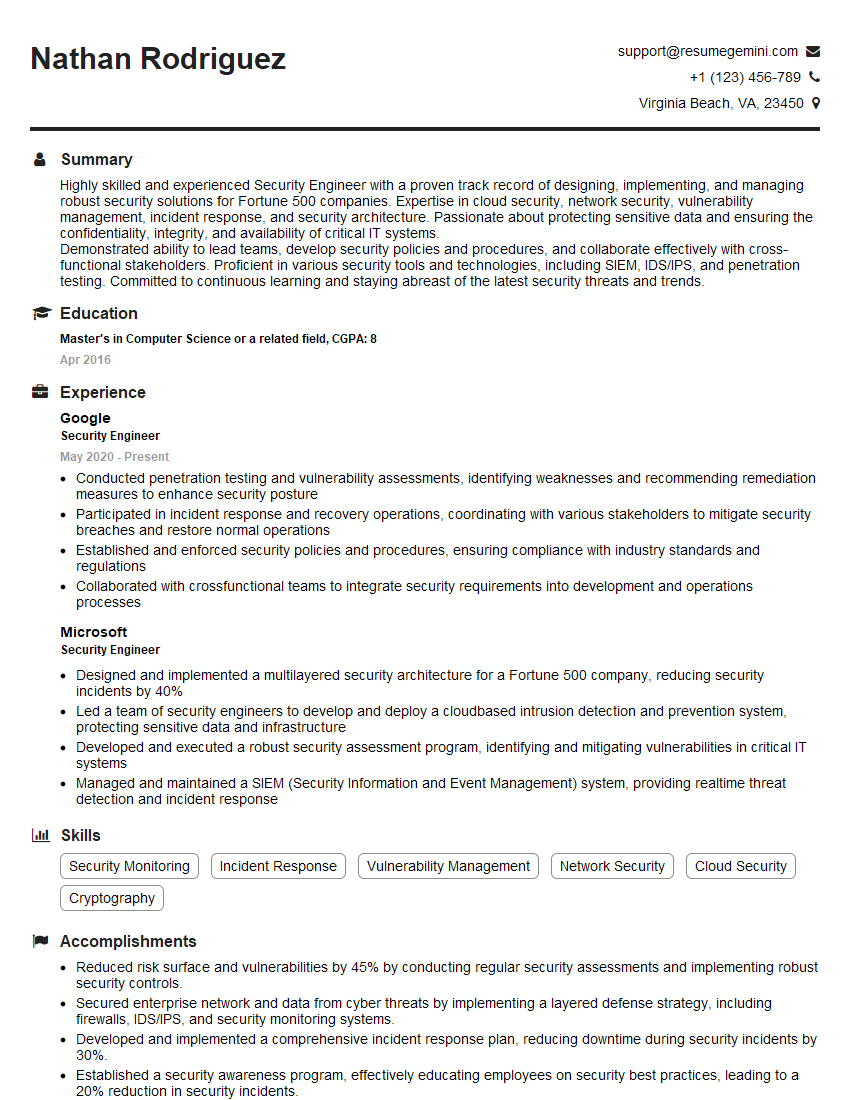
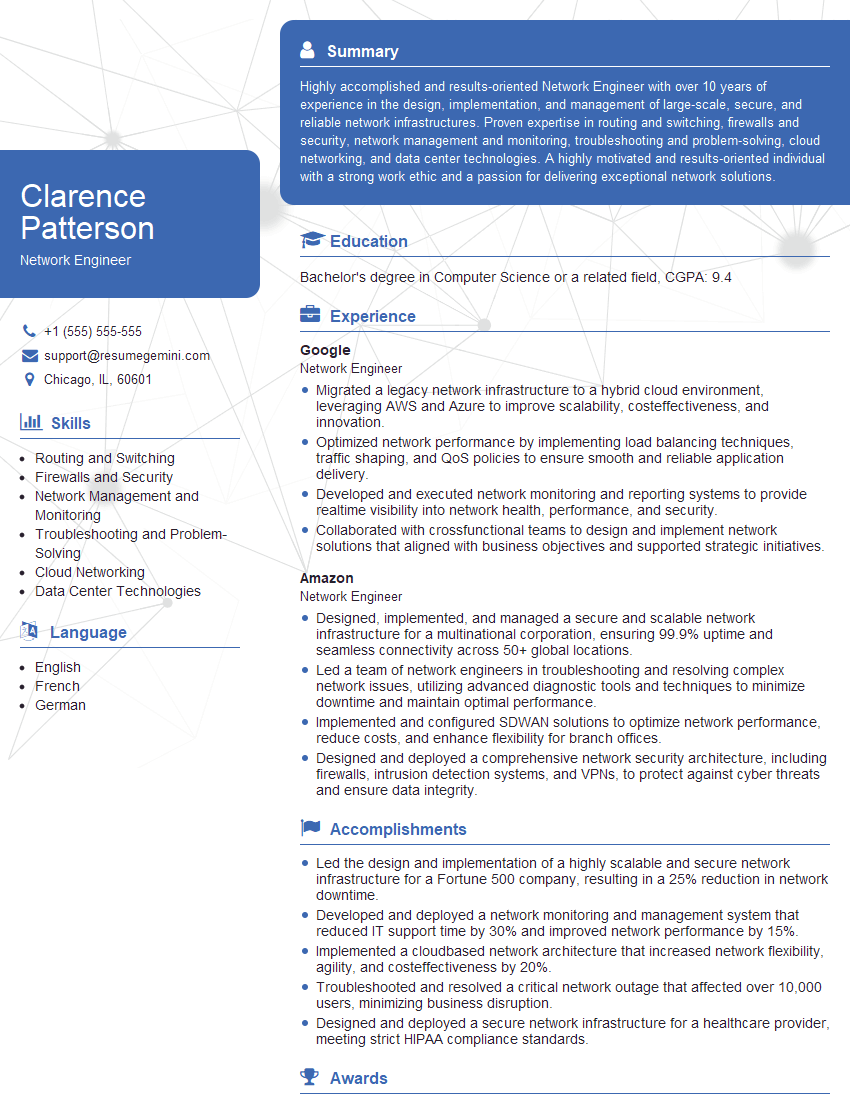
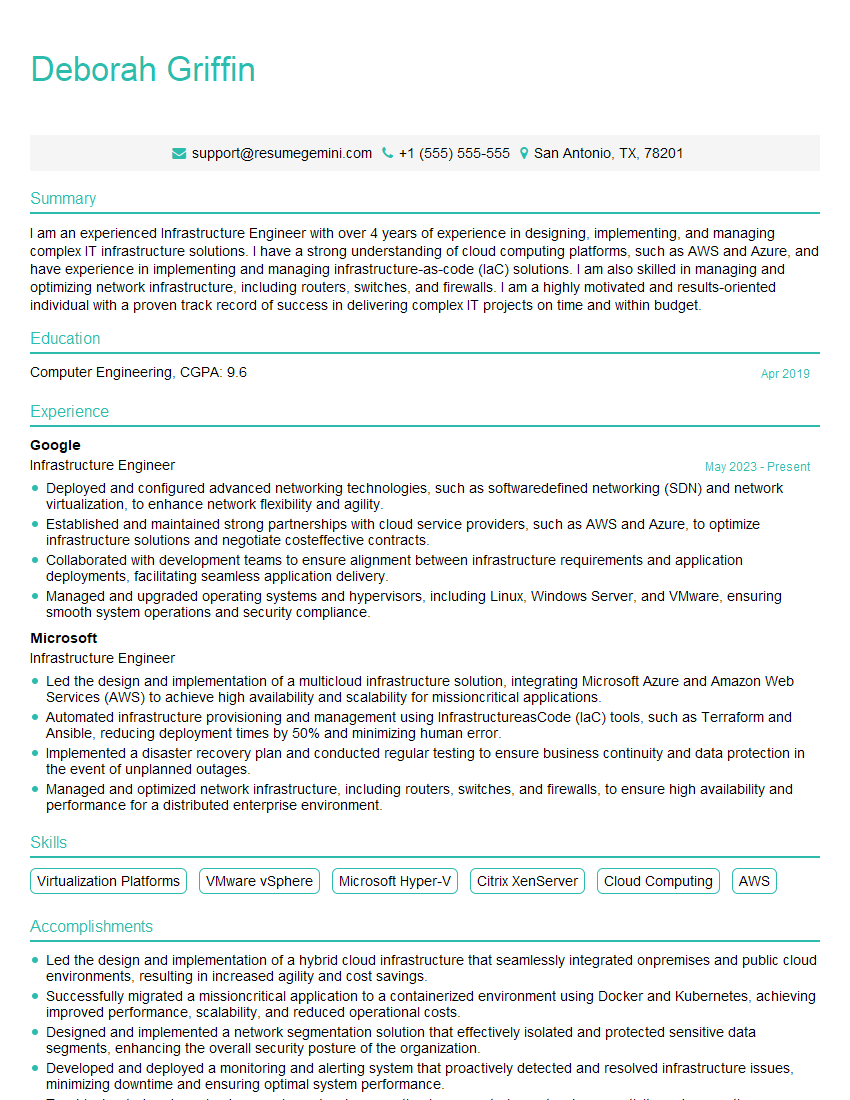
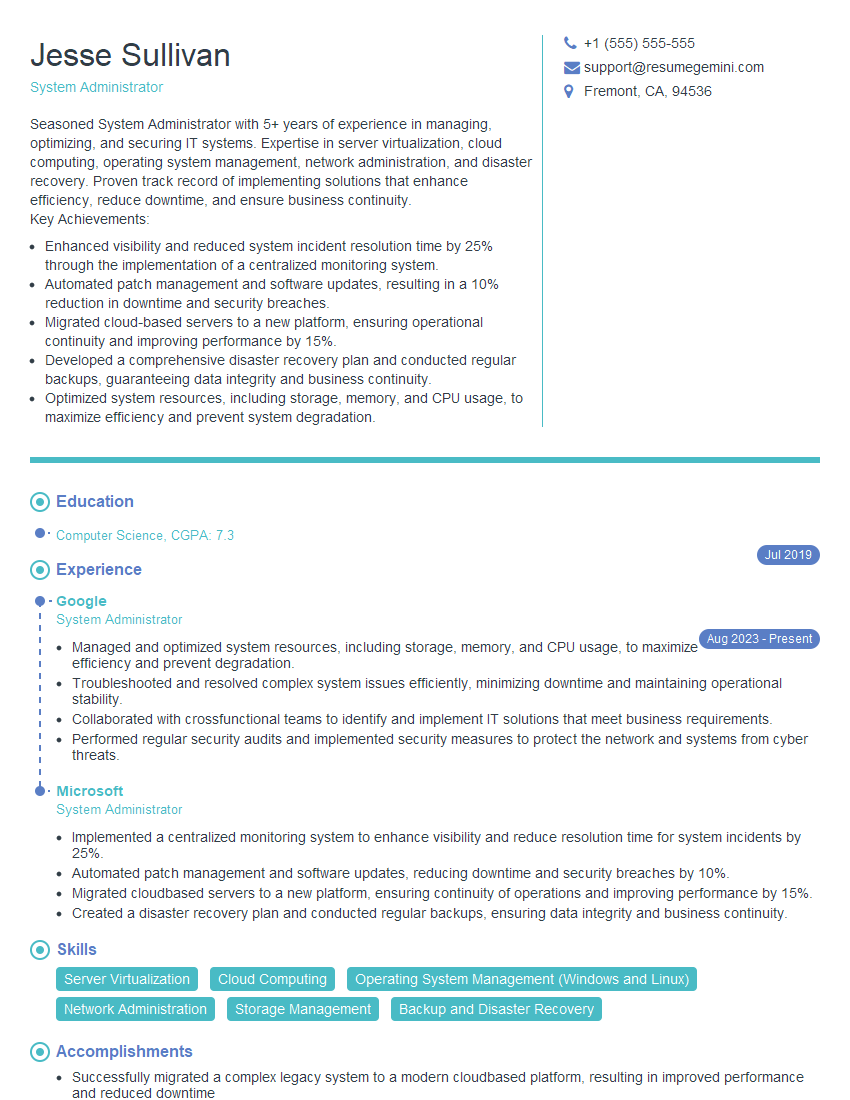
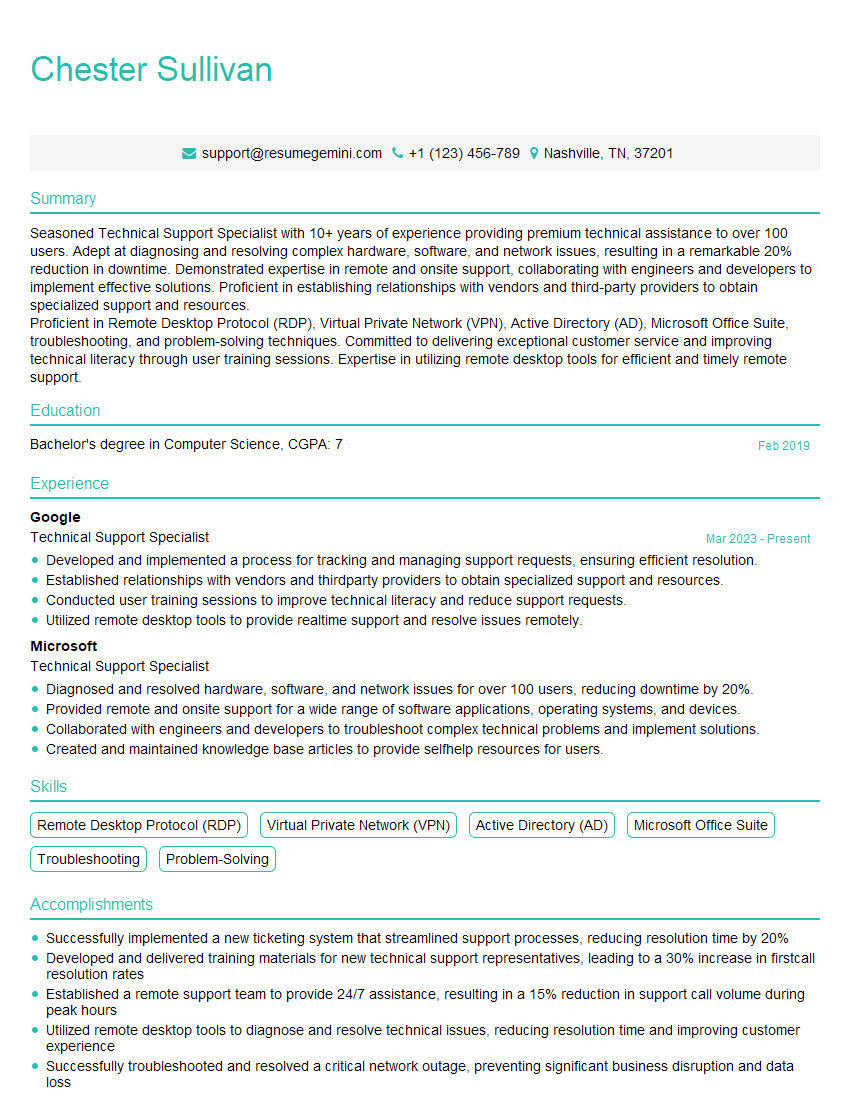
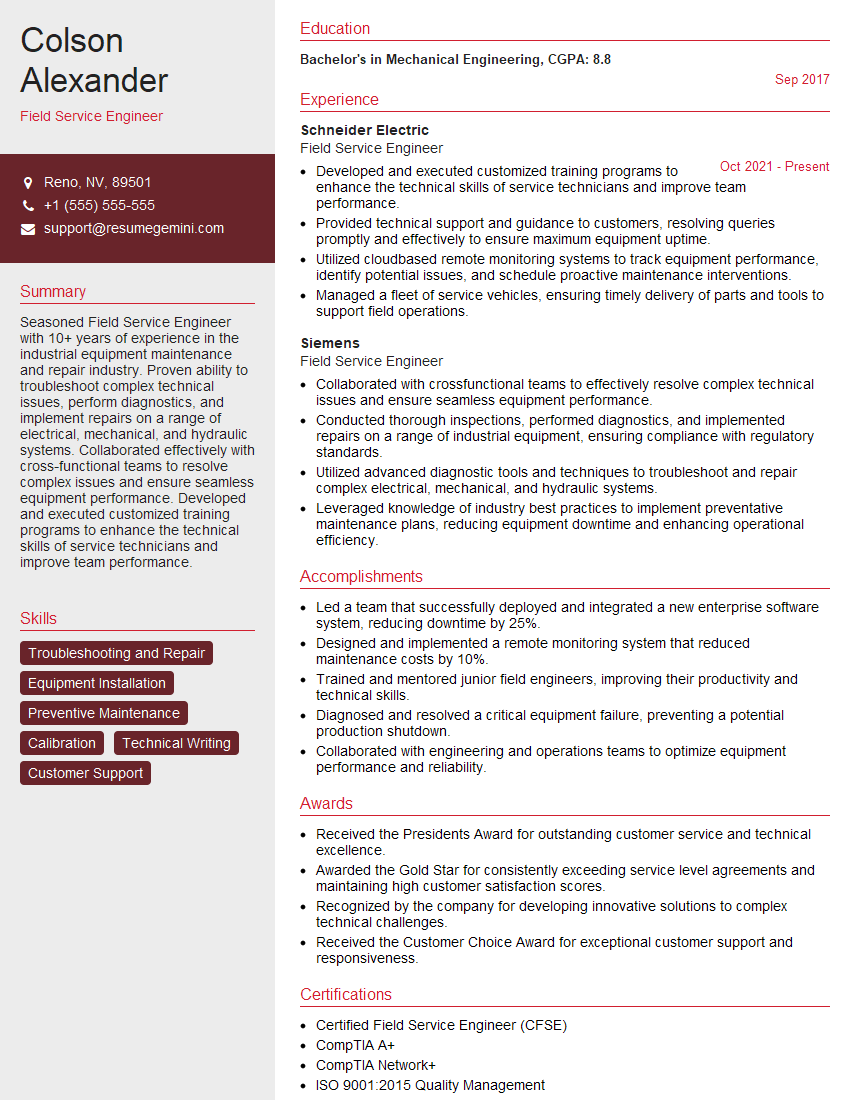
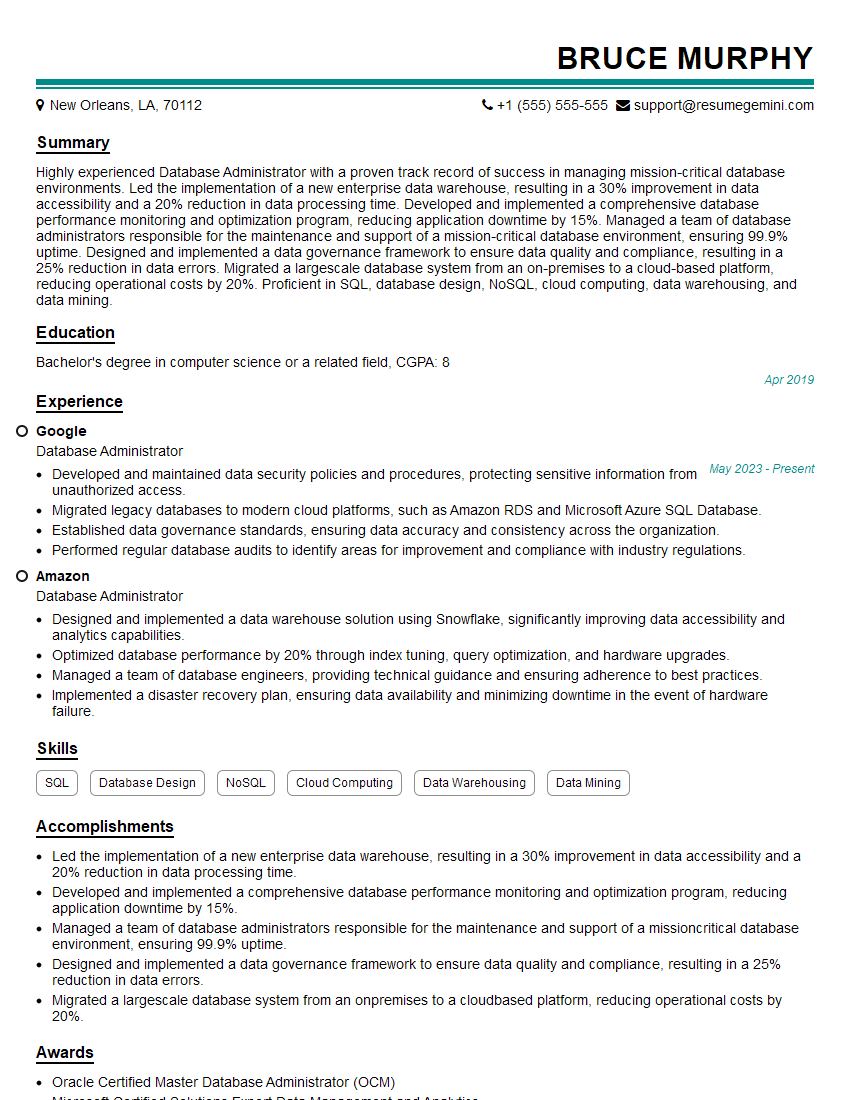
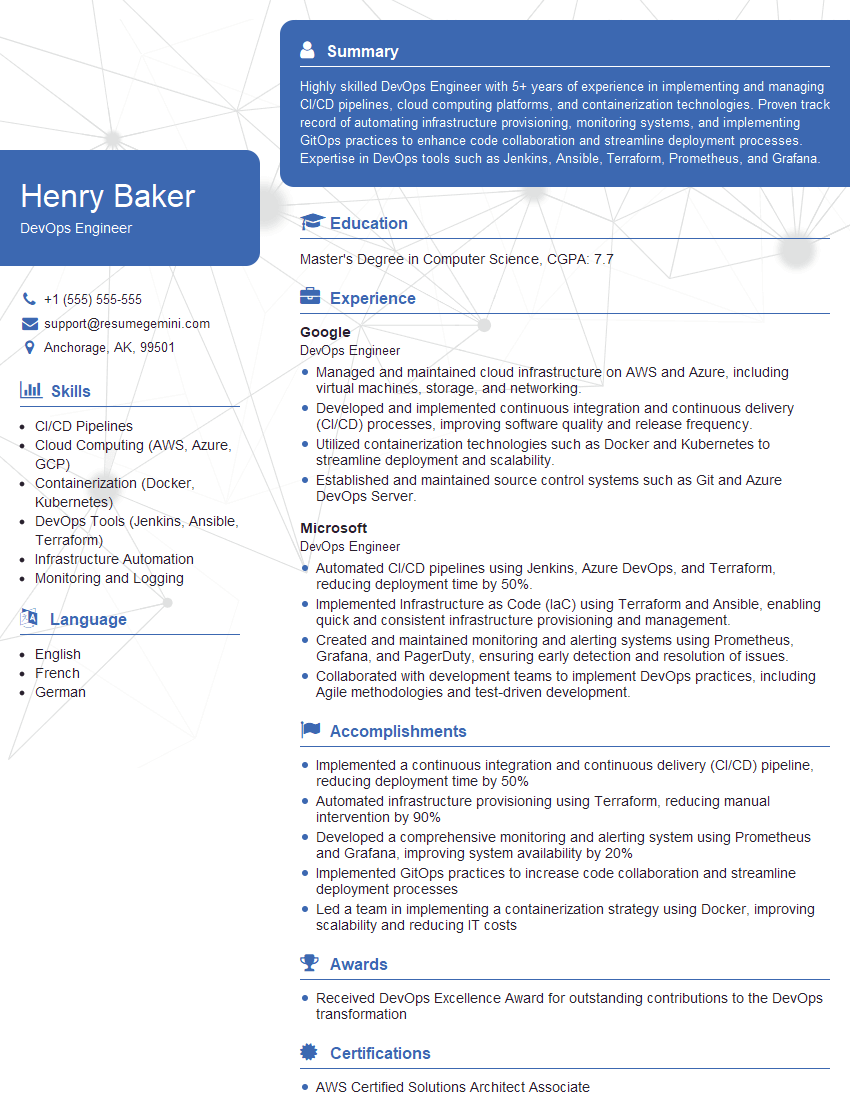
Mastering On-Call Troubleshooting is crucial for career advancement in technology. It demonstrates your technical expertise, problem-solving skills, and ability to handle pressure – all highly valued attributes. To maximize your job prospects, creating a compelling, ATS-friendly resume is essential. ResumeGemini is a trusted resource that can help you build a professional and effective resume tailored to highlight your On-Call Troubleshooting skills and experience. Examples of resumes tailored to On-Call Troubleshooting positions are available to help guide you.
Explore more articles
Users Rating of Our Blogs
Share Your Experience
We value your feedback! Please rate our content and share your thoughts (optional).
What Readers Say About Our Blog
Very informative content, great job.
good