Interviews are more than just a Q&A session—they’re a chance to prove your worth. This blog dives into essential Operate Forklift with Proficiency interview questions and expert tips to help you align your answers with what hiring managers are looking for. Start preparing to shine!
Questions Asked in Operate Forklift with Proficiency Interview
Q 1. Describe your experience operating different types of forklifts.
Throughout my career, I’ve operated a variety of forklifts, each suited to different tasks and environments. This includes:
- Sit-down counterbalanced forklifts: These are the most common type, ideal for general warehouse operations, palletizing, and transporting goods over longer distances. I’m proficient in operating both gas-powered and electric models, understanding the nuances of fuel efficiency and battery management in each.
- Stand-up reach trucks: These are excellent for narrow aisles and high-stacking applications. My experience includes navigating tight spaces and maximizing vertical storage capacity, crucial in optimizing warehouse space.
- Order pickers: My skills encompass efficiently selecting items from multiple levels within a warehouse, ensuring speed and accuracy are maintained while prioritizing safety. I am familiar with various order picking methods and technologies.
- Side-loaders: I’ve utilized side-loaders for handling long and bulky items like lumber or pipes, understanding the unique challenges of maneuvering these loads safely and efficiently.
My experience extends beyond simply operating these machines; I understand the limitations and capabilities of each type, allowing me to select the most appropriate forklift for any given task, improving efficiency and minimizing the risk of damage.
Q 2. What are the safety procedures you follow when operating a forklift?
Safety is paramount when operating a forklift. My standard operating procedures always include:
- Pre-operational inspection: A thorough check of the forklift’s components, including tires, brakes, lights, and fluid levels (detailed in answer 3).
- Wearing appropriate PPE: This consistently includes safety shoes, high-visibility vest, and, depending on the task, safety glasses or hearing protection.
- Following traffic rules: Observing speed limits, using appropriate signals, and yielding right-of-way to pedestrians and other vehicles are always top priorities. I always maintain a safe distance from other equipment and personnel.
- Load stability: Ensuring the load is evenly distributed, properly secured, and within the forklift’s rated capacity (addressed in answer 4). I would never attempt to lift a load beyond its safe limits.
- Awareness of surroundings: Maintaining constant awareness of surroundings including blind spots, obstacles, and pedestrians. I consistently use mirrors and visually scan my surroundings before making any maneuvers.
- Proper lifting and lowering techniques: Smooth and controlled movements are crucial to preventing accidents, especially when navigating uneven terrain or narrow passages.
- Reporting all incidents: Any near misses, accidents, or mechanical issues are immediately reported to the appropriate supervisor.
I view safety not merely as a checklist, but as a continuous mindset – it’s about anticipating potential hazards and proactively minimizing risks.
Q 3. How do you conduct pre-operational checks on a forklift?
Before operating any forklift, I meticulously conduct a pre-operational check, focusing on these key areas:
- Tires and wheels: Inspecting for proper inflation, wear and tear, and any damage. A damaged tire can compromise stability and safety.
- Brakes: Testing the responsiveness and effectiveness of the brakes to ensure they function correctly and reliably.
- Lights and signals: Verifying that all lights (headlights, brake lights, turn signals) and warning horns are operational. Clear signaling is vital for safe operation.
- Fluid levels: Checking the levels of engine oil (for gas/diesel models), hydraulic fluid, and coolant. Low fluid levels can lead to significant mechanical problems.
- Mast and forks: Inspecting for any damage, bending, or looseness. A damaged mast can cause instability, while damaged forks can compromise load security.
- Steering and controls: Testing the responsiveness of the steering mechanism and all controls (lift, tilt, etc.) to ensure smooth and reliable operation.
- Safety devices: Checking the functionality of safety features like seatbelts, horn, and emergency shut-off.
If any issue is identified, I report it immediately and refuse to operate the forklift until it is repaired by a qualified technician. My adherence to this procedure ensures that I am operating a safe and reliable machine, preventing accidents and potential injuries.
Q 4. Explain the load capacity limits and how to determine weight distribution.
Understanding load capacity limits and weight distribution is critical for safe forklift operation. Each forklift has a data plate specifying its maximum load capacity – this is the absolute maximum weight the forklift can lift safely. This capacity can also vary depending on the load’s center of gravity.
To determine weight distribution, I consider these factors:
- Load center: The point where the weight of the load is concentrated. A load with a high center of gravity is more unstable than one with a low center of gravity. I ensure the load is properly positioned on the forks to keep the center of gravity as low and central as possible.
- Load type: Different materials have different densities and therefore weights. For example, a pallet of steel will weigh significantly more than a pallet of pillows.
- Fork positioning: The placement of the forks on the load influences the weight distribution. Improper positioning can create an unbalanced load, increasing the risk of tipping.
If unsure about the weight of a load, I always err on the side of caution and seek assistance from a supervisor or use appropriate weighing equipment to determine its weight and center of gravity before attempting to lift it. Remember, exceeding load limits greatly increases the risk of tipping or structural damage to the forklift.
Q 5. What actions do you take if you encounter a mechanical issue with the forklift?
If I encounter a mechanical issue, my immediate actions are:
- Stop the forklift immediately: Safety is the primary concern; immediately cease operation to avoid escalating the problem or creating a hazard.
- Assess the situation: Identify the nature of the problem. Is it a minor issue or something more serious? I avoid any attempts at self-repair.
- Engage the parking brake: Secure the forklift to prevent accidental movement.
- Turn off the ignition: This ensures the machine is completely deactivated and minimizes the risk of further damage.
- Report the issue: Immediately report the problem to the appropriate supervisor or maintenance personnel, providing detailed information about the malfunction and its location.
- Place warning signs: Clearly warn others of the problem so they will not attempt to operate the faulty forklift.
- Do not attempt repairs: Unless specifically trained and authorized, I do not attempt any repairs myself. I leave that to qualified personnel to prevent further damage or personal injury.
By following these steps, I ensure the safety of myself and others, while also facilitating prompt repair and minimal downtime.
Q 6. How do you handle challenging warehouse layouts and tight spaces?
Navigating challenging warehouse layouts and tight spaces requires a combination of skill, planning, and caution.
- Planning routes: Before starting a task, I mentally map out the most efficient and safe route, considering aisle widths, obstacles, and traffic patterns. I avoid sharp turns whenever possible.
- Slow and controlled movements: In confined areas, I operate the forklift at reduced speed and make smooth, controlled movements. Sudden movements can lead to collisions.
- Utilizing mirrors and awareness: Constant use of mirrors and a full 360-degree awareness of my surroundings is critical in tight spaces, particularly to avoid collisions with racking or other vehicles.
- Optimizing load size: Where possible, I will break down larger loads into smaller, more manageable units to improve maneuverability in narrow spaces.
- Communication: Effective communication with fellow workers and supervisors is crucial. Giving ample warning of my movements helps prevent accidents in busy areas.
My experience allows me to instinctively assess situations and select the best approach for safe and efficient movement in any layout, prioritizing safety at all times.
Q 7. Describe your experience with different types of forklift attachments.
My experience includes using several forklift attachments, enhancing versatility and efficiency:
- Fork extensions: Used to handle longer items or oversized loads, extending the reach of the forks safely.
- Side-shifters: These attachments allow lateral movement of the forks, facilitating accurate load positioning and making tight-space maneuvers easier.
- Clamp attachments: Ideal for transporting materials like lumber, pipes, or large rolls of paper, offering a secure grip.
- Rotating clamps: These are particularly useful when dealing with bulky or awkward items, allowing for easy rotation and positioning.
- Paper roll clamps: Specifically designed to securely handle and transport rolls of paper, reducing the risk of damage.
- Carriage attachments: Improve the efficiency of handling and stacking various goods and materials.
Knowing how to correctly attach and operate these attachments is essential for safety and productivity. I am always conscious of the weight limits and stability considerations that change with each attachment type. Improper use can compromise safety and damage both the load and the forklift itself.
Q 8. What safety measures do you use when operating a forklift near pedestrians?
Safety around pedestrians is paramount when operating a forklift. My approach is built on the principles of predictive awareness and proactive communication. I always assume pedestrians are unaware of my presence and operate accordingly.
- Slow Speed and Horn Usage: I reduce speed significantly, especially in areas with high pedestrian traffic, and utilize the horn frequently to announce my approach, even around blind corners.
- Visual Confirmation: Before moving, I always conduct a thorough visual check in all directions, including using mirrors and physically looking around to ensure a clear path. This includes checking blind spots.
- Designated Pedestrian Routes: I’m familiar with and respect all designated pedestrian walkways and always yield right-of-way.
- Communication and Signaling: Where possible, I use hand signals to communicate my intentions to pedestrians. For example, a hand pointing indicates my direction of travel.
- Awareness of Distractions: I understand that both the operator and pedestrians can be distracted, so I remain extra vigilant, especially in busy areas or during periods of high activity.
For example, in a previous role, we had a near-miss incident where a pedestrian unexpectedly stepped into the path of a forklift. By reacting quickly and using my horn, I was able to avoid a collision. This reinforced the importance of constant vigilance and proactive safety measures.
Q 9. How do you ensure the stability of loads during transportation?
Ensuring load stability is critical for safe operation and preventing accidents. This involves understanding the center of gravity and utilizing appropriate load-securing techniques.
- Proper Load Placement: The load should be placed as low and as close to the forks as possible to lower the center of gravity. This significantly reduces the risk of tipping.
- Load Weight and Capacity: I always check the load weight against the forklift’s rated capacity. Never exceed the maximum weight limit. This information is clearly displayed on the forklift’s data plate.
- Secure Load: For unstable loads, I use appropriate securing methods like straps, chains, or nets to prevent shifting during transport. These securing devices must be properly rated and used correctly.
- Smooth Operation: I operate the forklift smoothly, avoiding sudden stops, starts, or turns, minimizing the risk of the load shifting or falling.
- Inspecting the Load: Before lifting any load, I carefully inspect it for any damage or irregularities that could compromise its stability.
Imagine carrying a stack of boxes on a tray. If the boxes are unevenly distributed, the tray will likely tilt. Similarly, if a load is not properly centered and secured on a forklift, it could easily become unstable.
Q 10. Explain your understanding of load-handling techniques.
Load handling involves a multifaceted approach emphasizing safety and efficiency. It encompasses the entire process from picking up the load to its final destination.
- Approaching the Load: I carefully approach the load, ensuring a stable and level surface. The forklift needs to be positioned correctly to avoid damaging the load or tipping.
- Lifting and Lowering: I lift the load smoothly and slowly, ensuring it’s balanced and secure. I lower the load with equal care, avoiding sudden movements.
- Navigating with a Load: When navigating with a load, I proceed slowly and cautiously, being mindful of the load’s dimensions and weight. I avoid sharp turns or sudden movements.
- Placement of the Load: I carefully position the load at its designated location, ensuring it’s stable and easily accessible for unloading. I make sure it doesn’t obstruct walkways or other areas.
- Understanding Load Characteristics: This includes considering factors like weight, size, shape, fragility, and any special handling requirements.
For instance, handling fragile items requires extra care and potentially specialized equipment like pallet wraps or cushioning materials to prevent damage during transportation.
Q 11. How do you maintain a safe working environment while operating a forklift?
Maintaining a safe working environment encompasses many aspects of forklift operation, both in terms of personal safety and the safety of others.
- Regular Inspections: I conduct pre-shift inspections of the forklift, checking for any mechanical faults, fluid leaks, or damage. This includes checking the tires, brakes, and lights.
- Cleanliness: A clean and organized work area minimizes the risk of accidents. I ensure the area is free of obstacles and spills.
- Awareness of Surroundings: I constantly maintain awareness of my surroundings, keeping an eye out for pedestrians, other equipment, and potential hazards.
- Following Procedures: I strictly adhere to all company safety procedures and regulations.
- Reporting Hazards: I immediately report any safety hazards or equipment malfunctions to my supervisor.
A tidy workspace is like a clear road; it lets you focus on the task at hand without encountering unexpected obstacles, which could cause accidents. This makes my work safer and more efficient.
Q 12. What are the signs of forklift malfunction that require immediate attention?
Recognizing signs of forklift malfunction is crucial to preventing accidents. Immediate attention is necessary for any issue that could compromise the safety of the operator or others.
- Unusual Noises: Unusual grinding, squealing, or banging noises are often indicative of mechanical problems, requiring immediate inspection.
- Fluid Leaks: Leaks of hydraulic fluid, engine oil, or other fluids necessitate immediate attention to prevent further damage and potential environmental hazards.
- Steering Problems: Difficulty steering, unusual responsiveness, or excessive play in the steering wheel could indicate problems with the steering mechanism.
- Brake Issues: Spongy brakes, brake pedal going to the floor, or inconsistent braking performance are serious safety concerns and require immediate attention.
- Warning Lights: Any warning lights illuminated on the forklift’s dashboard should be investigated immediately and addressed before further operation.
Ignoring these signs could lead to catastrophic consequences. It’s always better to err on the side of caution and halt operation if there’s even the slightest doubt about the forklift’s safety.
Q 13. Describe your experience with inventory management systems used in conjunction with forklifts.
I have extensive experience with various inventory management systems (IMS) integrated with forklift operations. These systems are crucial for efficient warehouse management.
- WMS (Warehouse Management Systems): I’m proficient in using WMS systems to receive instructions on picking, packing, and moving inventory. These systems typically provide optimized routes and instructions on load locations.
- RF Scanners: I utilize RF scanners to track and verify inventory movements, ensuring accuracy and reducing errors in the process. This helps maintain the integrity of the inventory data.
- Data Entry: I understand the importance of accurate data entry for tracking inventory. This includes recording items picked, delivered, and their location.
- Integration with Forklifts: Some systems integrate directly with forklift systems, providing real-time information and guidance. This optimization can significantly increase efficiency.
In my previous role, we implemented a new WMS system that reduced our order fulfillment time by 15% by streamlining the picking and delivery routes. The integration with RF scanners ensured accuracy and prevented errors.
Q 14. How do you prioritize tasks to efficiently handle materials in a busy warehouse?
Prioritizing tasks in a busy warehouse requires a structured approach combining efficiency and safety.
- Understanding Order Urgency: I prioritize tasks based on order deadlines and urgency, focusing on fulfilling time-sensitive orders first. This requires good communication with order fulfillment teams and understanding of shipping schedules.
- Load Consolidation: I consolidate loads whenever possible to minimize the number of trips and increase efficiency. This includes grouping items that are destined for the same location.
- Route Optimization: I plan my routes to minimize travel time and avoid congestion. This might involve understanding traffic patterns within the warehouse or utilizing pre-planned routes provided by the WMS.
- Communication and Collaboration: I communicate effectively with warehouse staff to coordinate movements and avoid conflicts. This ensures a smooth workflow and prevents bottlenecks.
- Safety First: Despite the urgency, safety always remains the top priority. Even when under pressure, I never compromise on safe operating procedures.
Think of it like conducting an orchestra: different instruments have different parts to play, but a conductor ensures they work together harmoniously to produce a beautiful piece of music. In a warehouse, efficient task prioritization is the conductor that ensures everything runs smoothly and efficiently.
Q 15. Explain your experience with different types of warehouse racking systems.
My experience encompasses a wide range of warehouse racking systems, including selective pallet racking, drive-in racking, push-back racking, and cantilever racking. I understand the specific operational considerations for each. For example, selective pallet racking, the most common type, allows for individual pallet access, which is straightforward. However, it requires careful navigation to avoid collisions. Drive-in racking, while maximizing space utilization, necessitates precise maneuvering to avoid damaging the stored goods or the racking itself. Push-back racking requires a different approach, as pallets are nested, requiring careful consideration of weight distribution and pallet stability. Finally, cantilever racking, used for long or awkwardly shaped items, demands a nuanced understanding of load capacity and forklift positioning to prevent tipping. My proficiency extends to identifying the limitations of each system and adapting my driving technique accordingly to maintain safety and efficiency.
Career Expert Tips:
- Ace those interviews! Prepare effectively by reviewing the Top 50 Most Common Interview Questions on ResumeGemini.
- Navigate your job search with confidence! Explore a wide range of Career Tips on ResumeGemini. Learn about common challenges and recommendations to overcome them.
- Craft the perfect resume! Master the Art of Resume Writing with ResumeGemini’s guide. Showcase your unique qualifications and achievements effectively.
- Don’t miss out on holiday savings! Build your dream resume with ResumeGemini’s ATS optimized templates.
Q 16. How do you respond to emergencies or accidents involving forklifts?
My immediate response to any forklift emergency or accident follows a strict protocol. First, I ensure the safety of myself and others by securing the area and preventing further incidents. This may involve turning off the forklift’s ignition and setting warning cones. Then, I assess the situation: Is anyone injured? Is there a fire hazard? Is there damage to equipment or property? I immediately report the incident to my supervisor, detailing the circumstances as accurately and calmly as possible. If injuries are involved, I provide first aid if qualified and call emergency medical services. After the immediate emergency response, I fully cooperate with any internal or external investigations, providing any relevant information to aid in determining the cause and preventing future accidents. For example, during a minor collision, I carefully documented the incident, including photos and witness statements, before reporting to my supervisor.
Q 17. What is your understanding of relevant forklift safety regulations?
My understanding of forklift safety regulations is comprehensive. I am familiar with OSHA standards (or equivalent regulations in my location), covering aspects like operator training, pre-shift inspections, load capacity limits, safe operating procedures, and personal protective equipment (PPE) requirements, including seatbelts, high-visibility clothing and safety shoes. I understand the importance of following speed limits within the warehouse, maintaining a safe distance from pedestrians and other equipment, and properly using warning signals. Furthermore, I’m acutely aware of the regulations regarding load stability, understanding how different load types and weights impact the stability of the forklift. I regularly review these regulations and incorporate them into my daily operations to ensure a safe working environment.
Q 18. How do you communicate effectively with coworkers and supervisors while operating a forklift?
Effective communication is crucial in a warehouse environment. While operating a forklift, I prioritize clear and concise communication with coworkers and supervisors. Before undertaking any maneuver that might affect others, such as navigating a tight corner or moving a large load, I use visual cues like hand signals and audible warnings to alert others. I also use radio communication effectively to confirm my movements and request assistance when needed. For instance, if I’m about to move a stack of pallets blocking an aisle, I will inform nearby workers using the radio system and confirm their acknowledgement before proceeding. Clear and respectful communication helps maintain safety and efficiency, preventing misunderstandings and potential accidents.
Q 19. What are your strategies for preventing accidents or near misses?
My accident prevention strategy is multifaceted. It begins with a thorough pre-shift inspection of the forklift, checking fluid levels, tire pressure, lights, and brakes. I always follow the load capacity limits and ensure proper load securing to prevent spills or shifting during movement. I maintain a cautious driving style, adjusting speed according to warehouse conditions and avoiding abrupt maneuvers. I am vigilant about observing my surroundings, maintaining safe distances from other equipment and pedestrians. I proactively identify potential hazards, such as spills or obstructions, reporting them immediately to my supervisor. Regularly practicing safe operating procedures and undergoing refresher training reinforces my commitment to accident prevention. For example, I always use reverse when approaching a corner, allowing me to better see and avoid potential obstructions.
Q 20. Explain your experience with different types of warehouse environments.
My experience spans diverse warehouse environments, including cold storage facilities, high-bay warehouses, and smaller distribution centers. Each environment presents unique challenges. In cold storage, I’m experienced in handling the reduced traction and potential for ice build-up, adopting a slower, more cautious approach. In high-bay warehouses, I’m proficient in navigating elevated racking systems and maintaining awareness of overhead clearances. In smaller facilities, I’m adept at maneuvering in tight spaces and working closely with pedestrians. Adaptability is key – my experience allows me to adjust my operating techniques to suit the specific constraints and demands of each warehouse, always prioritising safety.
Q 21. Describe your experience using a forklift in different weather conditions.
Operating a forklift in different weather conditions requires adaptability and caution. In rain or snow, reduced traction necessitates slower speeds and increased vigilance. I ensure that the forklift’s tires have sufficient tread and use extra caution on ramps and slopes. In extreme heat, I take regular breaks and stay hydrated to avoid heat exhaustion. In strong winds, I adjust my driving accordingly, being particularly cautious when maneuvering tall loads, which are more vulnerable to wind gusts. I am always prepared for unexpected weather changes, and adjust my operations as needed to ensure safety and efficiency. For example, during a snowstorm, I might opt to use chains on the tires or postpone non-essential tasks altogether until conditions improve.
Q 22. How do you maintain your forklift operator certification?
Maintaining my forklift operator certification involves a commitment to continuous learning and adherence to industry best practices. My certification requires regular renewal, typically every three years, which involves completing refresher training courses covering safety procedures, equipment maintenance, and updated regulations. These courses often include both theoretical instruction and practical assessments to ensure competency. I actively participate in these renewal programs to stay current with the latest technologies and safety protocols. Beyond formal training, I regularly review the manufacturer’s operating manuals for my specific forklift model, ensuring I’m always familiar with its unique features and potential hazards. This proactive approach ensures I maintain a high level of proficiency and a strong understanding of safety regulations, protecting myself and others in the workplace.
Q 23. What steps do you take to ensure the accuracy of inventory counts?
Ensuring accurate inventory counts when operating a forklift involves a multi-step process focused on meticulous attention to detail and systematic procedures. Firstly, I always verify the accuracy of the picking list or inventory management system before commencing operations. This cross-checking helps avoid picking errors from the outset. Secondly, I maintain a clear and organized workflow, ensuring that goods are moved methodically and that the location of each item is carefully tracked. I avoid rushing and take my time to meticulously verify each item. Thirdly, I use appropriate scanning technology where available, utilizing barcode scanners or RFID readers to confirm product identification and quantity before moving the goods to their destination. Finally, I conduct regular spot checks and reconciliation with the inventory management system to detect and correct any discrepancies. This systematic approach minimizes errors and improves the reliability of inventory data. For example, in a previous role, implementing this system reduced inventory discrepancies by 15% in just one quarter.
Q 24. How do you adapt your operating techniques to handle different types of goods?
Adapting my operating techniques to handle different types of goods is crucial for efficient and safe forklift operation. I adjust my approach based on factors like the goods’ size, weight, fragility, and stacking requirements. For example, when handling fragile items like glassware, I use slower speeds, gentler movements, and consider using specialized attachments like cushioned forks or load stabilizers. Heavier goods require more careful load balancing and potentially adjusting the forklift’s counterweight. For oversized or oddly shaped items, I may need to use different lifting techniques and consider using additional support equipment. I always prioritize safety, ensuring the load is secured properly and the forklift is stable before movement. Similarly, the stacking of goods requires a careful consideration of weight distribution to prevent the load from becoming unstable. My experience allows me to quickly assess the goods and choose the most appropriate technique for safe and efficient handling.
Q 25. What is your experience with radio-controlled or automated forklifts?
While my primary experience is with manually operated forklifts, I have had some exposure to radio-controlled forklifts in warehouse settings. My understanding includes the safety protocols specific to remote operation, such as maintaining clear lines of sight, understanding the limitations of the control system, and responding effectively to system malfunctions. I understand that automated forklifts require a different skill set, focusing on programming and system monitoring rather than direct manual control. I am eager to expand my experience in this area, as I believe these technologies represent the future of materials handling and are becoming increasingly important in warehouse optimization. I’m currently working towards gaining formal training on these systems to strengthen my skillset.
Q 26. Describe a time you had to problem-solve a logistical challenge involving a forklift.
In a previous role, we experienced a significant backlog in the shipping department due to a sudden surge in orders and a malfunctioning conveyor system. This created a significant logistical challenge. Instead of simply reacting with frantic activity, I took a methodical approach. First, I assessed the situation, identifying the bottlenecks and the specific areas most impacted by the conveyor failure. Next, I collaborated with the shipping supervisor and other forklift operators to devise an alternative strategy. We reorganized the workflow, prioritizing urgent orders and rerouting goods using alternative routes within the warehouse. This involved using the forklifts to manually move pallets along designated paths that bypassed the faulty conveyor section. Finally, we implemented a temporary, color-coded system to quickly identify and sort orders based on priority. By working collaboratively and implementing a thoughtful solution, we managed to clear the backlog and get shipments back on schedule within 24 hours, minimizing the disruption to our operations.
Q 27. How do you stay updated on the latest forklift safety practices and technology?
Staying updated on forklift safety practices and technology is an ongoing process. I regularly attend industry seminars and workshops to learn about new regulations, safety innovations, and technological advancements. I also actively participate in professional organizations related to materials handling and logistics, accessing their publications, resources, and networking opportunities. Additionally, I maintain a subscription to relevant industry journals and online publications, keeping abreast of the latest research and best practices. I believe continuous learning is essential for ensuring safe and efficient operations, and I am committed to keeping my skills and knowledge current in this rapidly evolving field.
Key Topics to Learn for Operate Forklift with Proficiency Interview
- Forklift Operation Fundamentals: Understanding basic controls, pre-operational checks (including safety inspections), and safe operating procedures.
- Load Handling Techniques: Proper methods for loading, unloading, stacking, and transporting various types of goods; understanding weight limits and center of gravity principles.
- Warehouse Safety Regulations and Procedures: Familiarity with OSHA (or relevant regional) safety standards for forklift operation, including pedestrian safety, hazard identification, and emergency procedures.
- Types of Forklifts and Attachments: Knowledge of different forklift types (e.g., sit-down, stand-up, reach trucks) and common attachments (e.g., clamps, forks, side shifters) and their appropriate uses.
- Maintenance and Troubleshooting: Basic understanding of routine maintenance checks, identifying common mechanical issues, and reporting malfunctions appropriately.
- Refueling and Battery Charging (as applicable): Safe procedures for refueling or charging forklift batteries, depending on the type of forklift.
- Practical Application: Describe scenarios where you’ve applied your forklift operating skills, focusing on efficiency, safety, and problem-solving. Be prepared to discuss specific challenges encountered and how you overcame them.
- Problem-Solving and Decision-Making: Be ready to discuss situations requiring quick thinking and problem-solving in a warehouse environment, such as navigating tight spaces or dealing with unexpected obstacles.
Next Steps
Mastering Operate Forklift with Proficiency opens doors to diverse and rewarding career opportunities in logistics, warehousing, and manufacturing. A strong understanding of these skills significantly enhances your job prospects and earning potential. To increase your chances of landing your dream job, it’s crucial to present your skills effectively. Creating an ATS-friendly resume is key to getting noticed by recruiters and hiring managers. We recommend using ResumeGemini, a trusted resource, to build a professional and impactful resume that highlights your expertise in operating forklifts proficiently. ResumeGemini provides examples of resumes tailored to Operate Forklift with Proficiency to guide you. Invest the time to craft a compelling resume – it’s your first impression and a crucial step towards your next career move.

Operations Manager Resume Sample
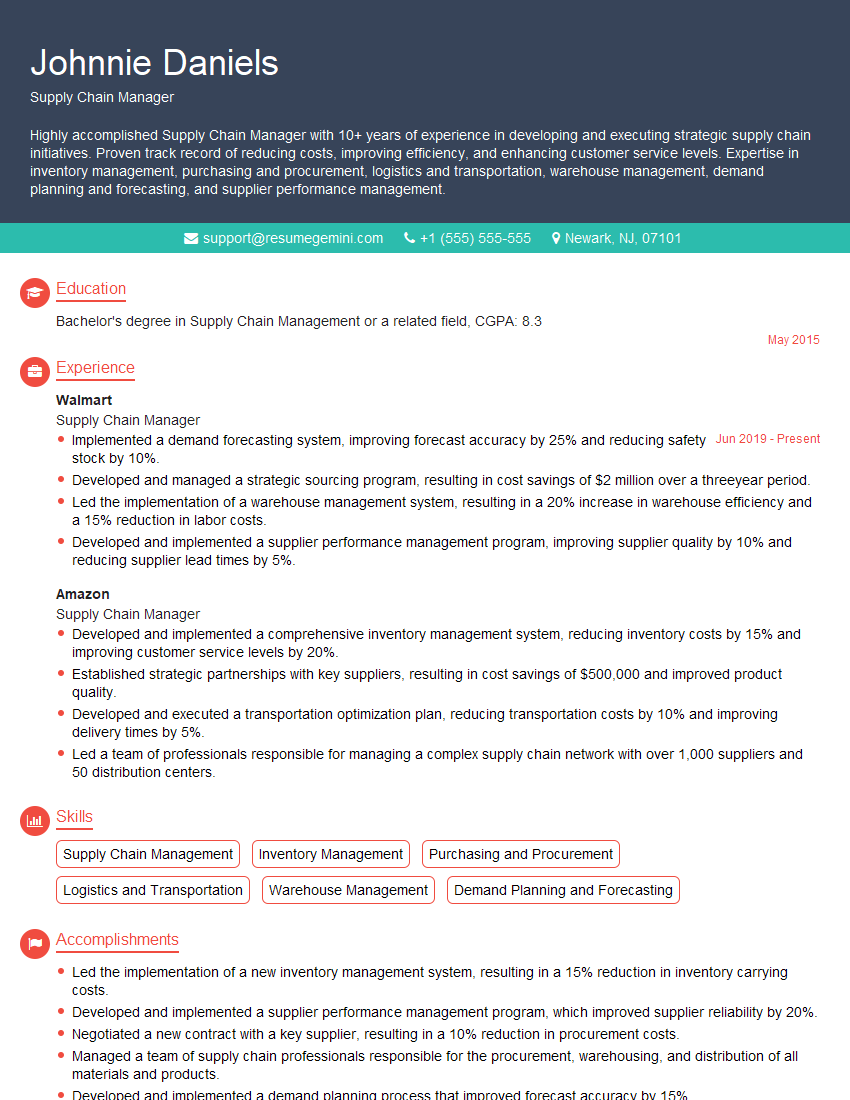
Supply Chain Manager Resume Sample
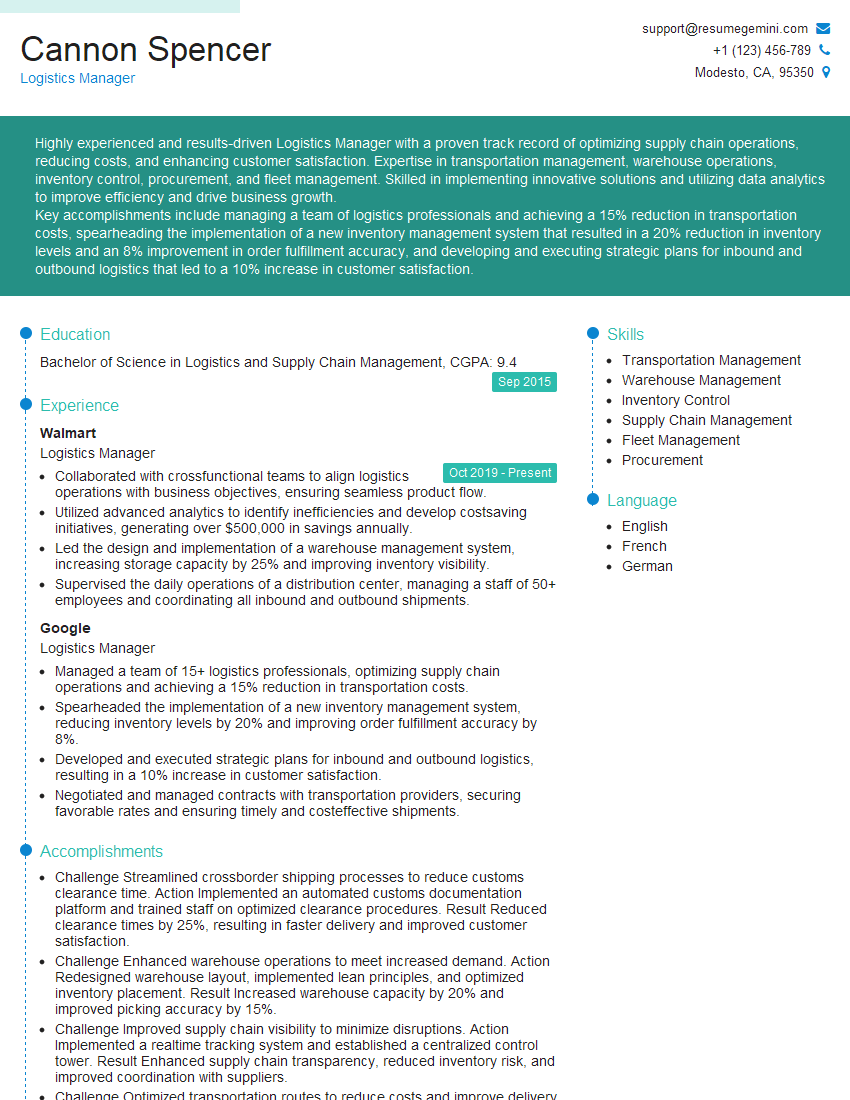
Logistics Manager Resume Sample
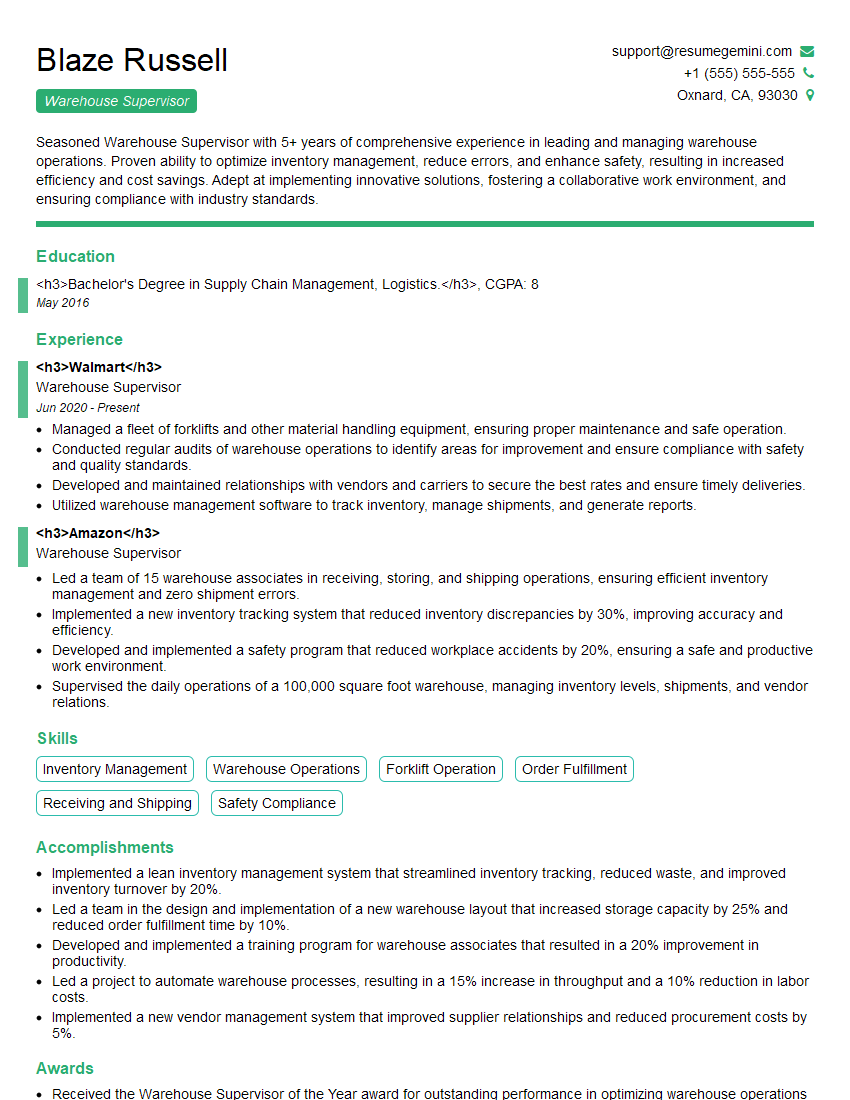
Warehouse Supervisor Resume Sample
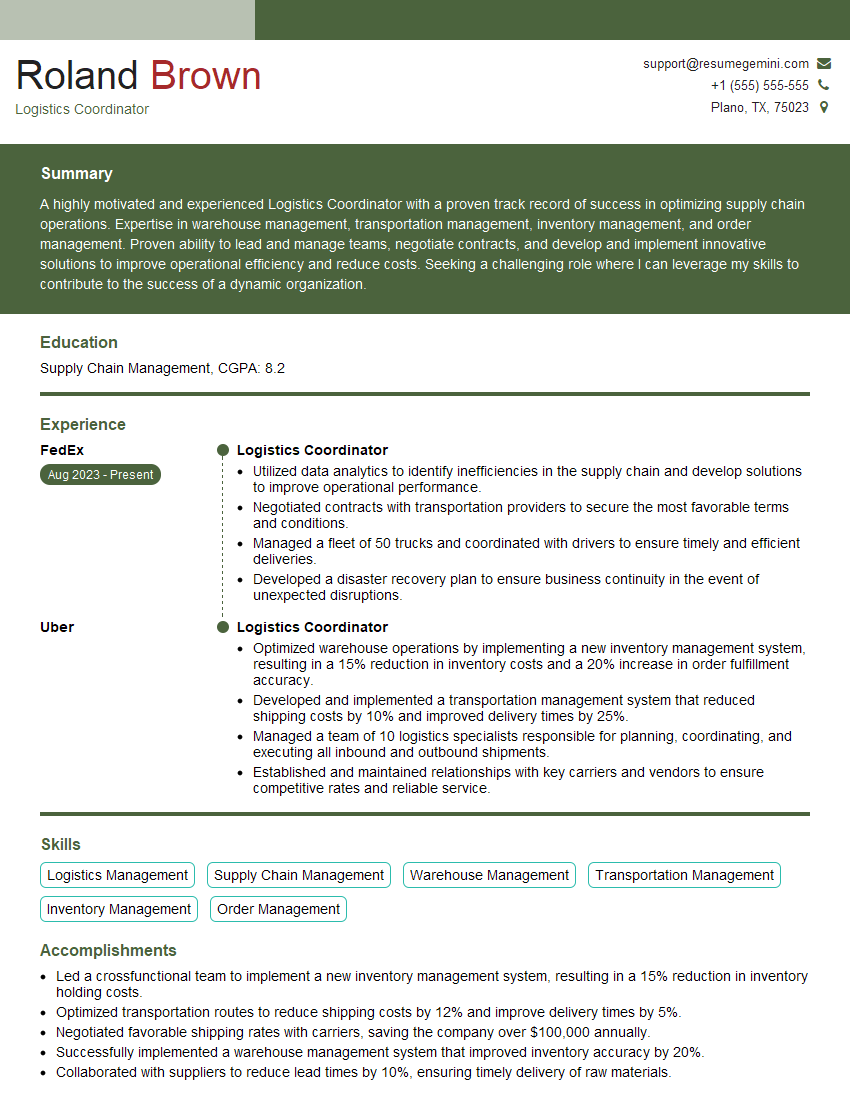
Logistics Coordinator Resume Sample

Inventory Manager Resume Sample
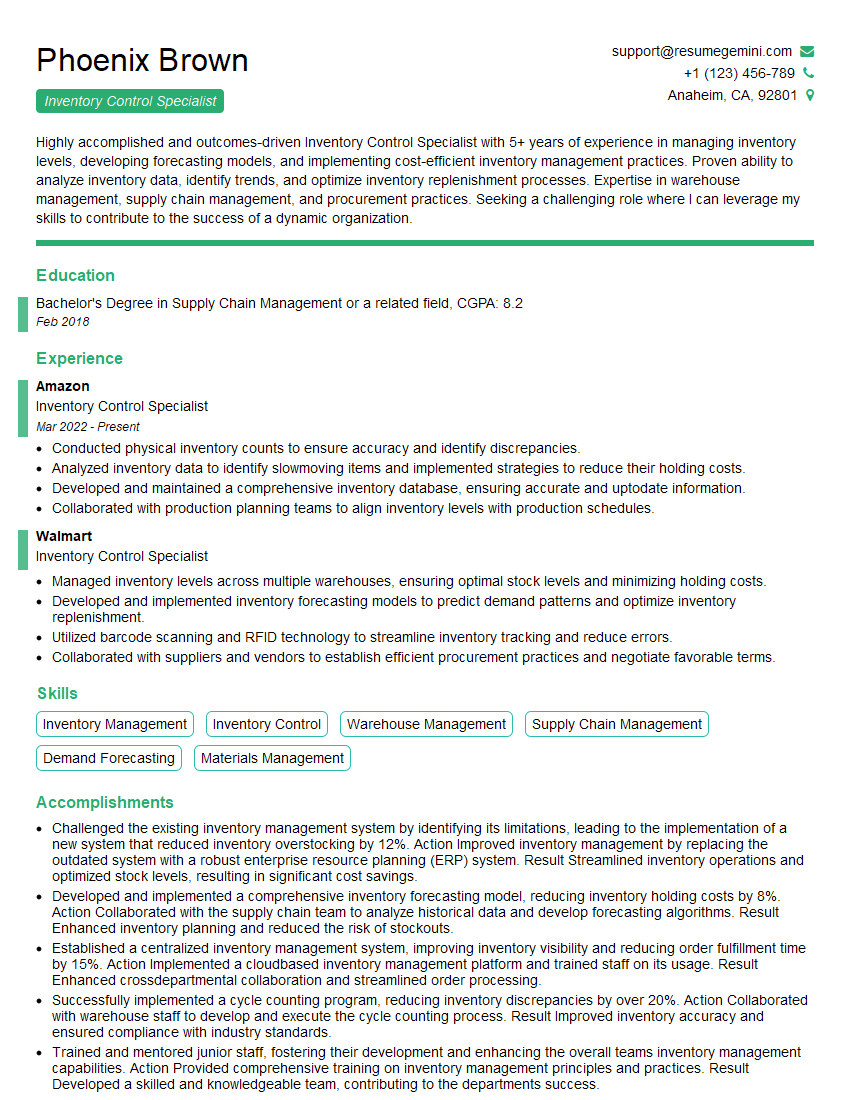
Inventory Control Specialist Resume Sample
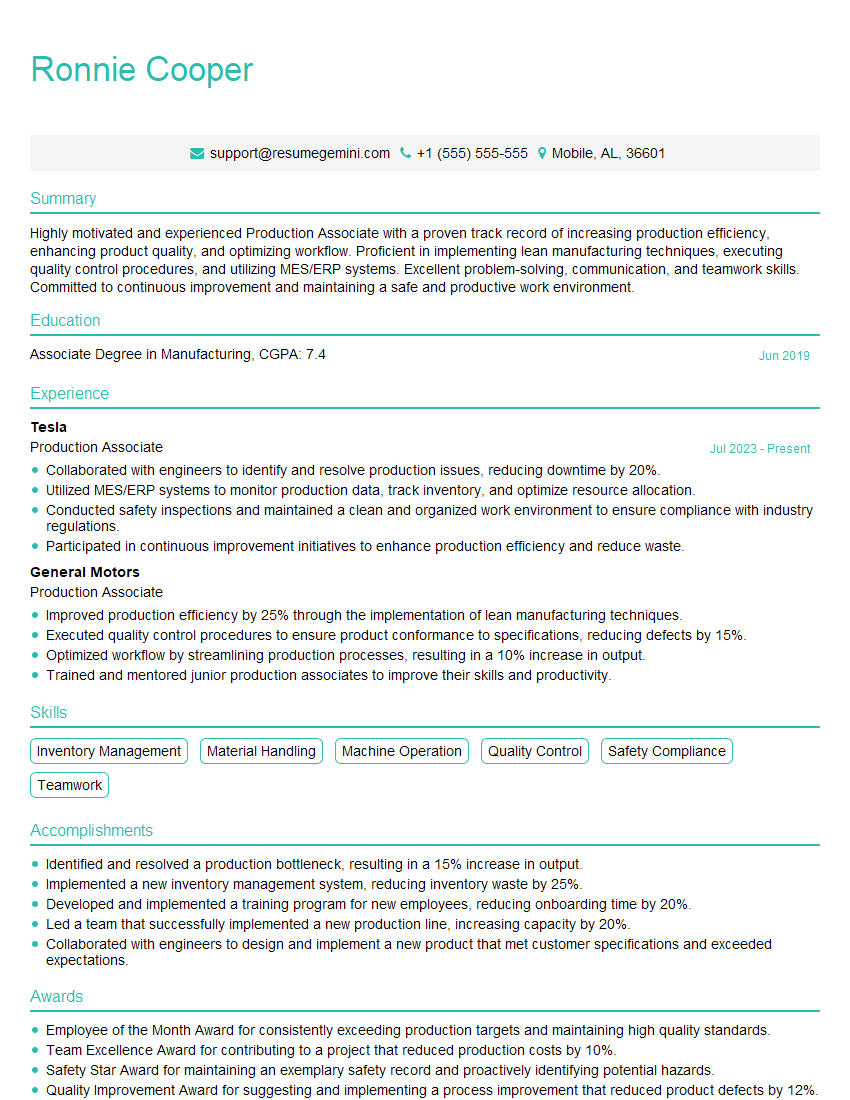
Production Associate Resume Sample
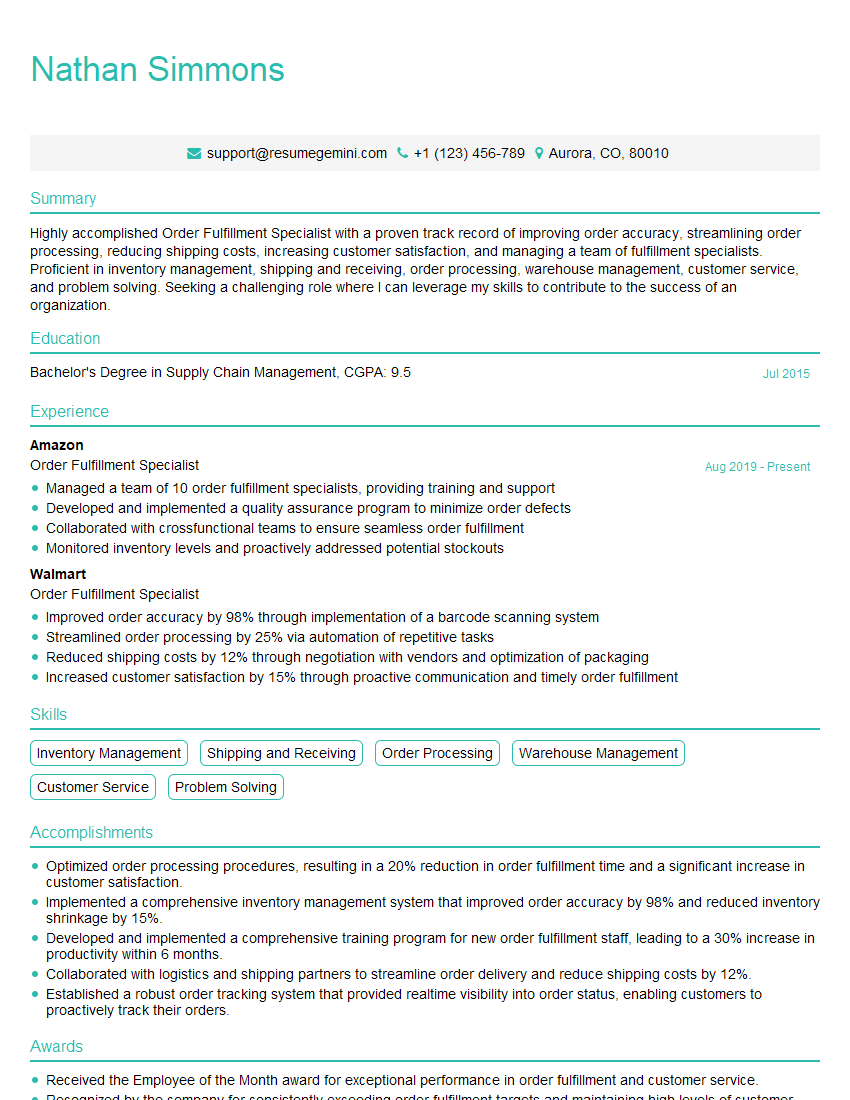
Order Fulfillment Specialist Resume Sample

Shipping and Receiving Clerk Resume Sample
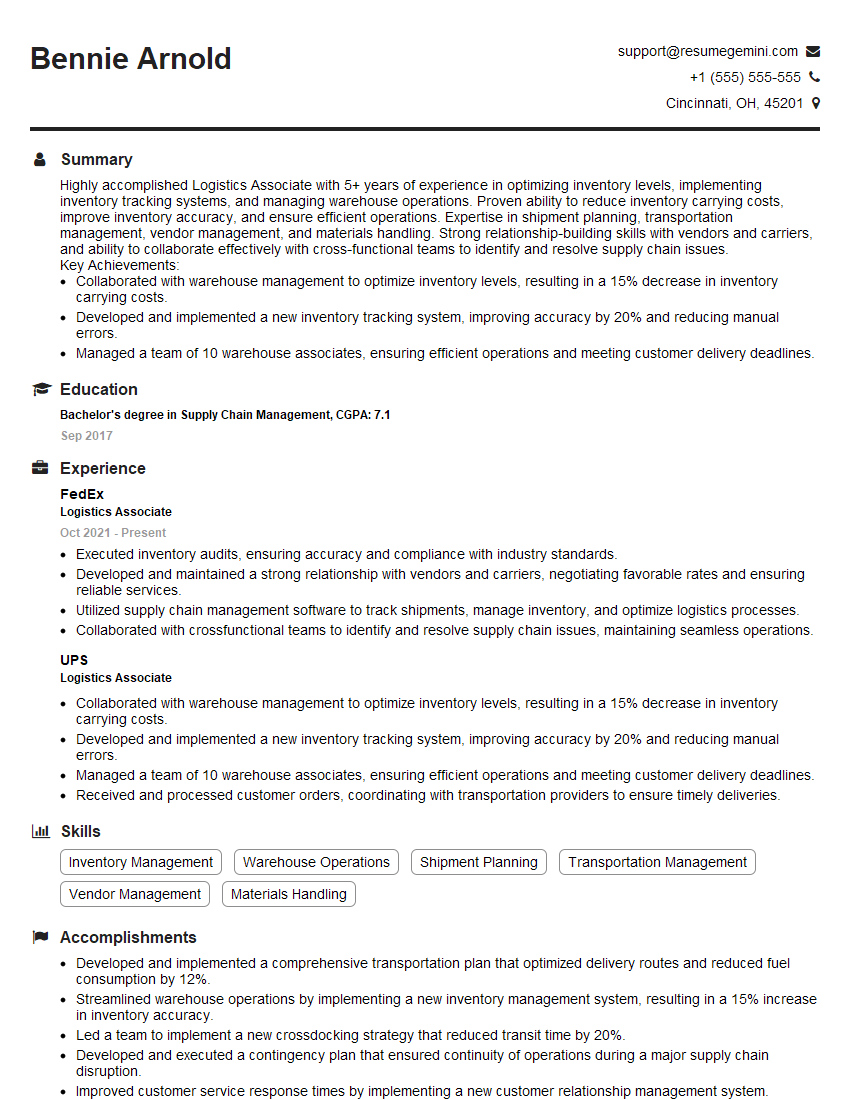
Logistics Associate Resume Sample
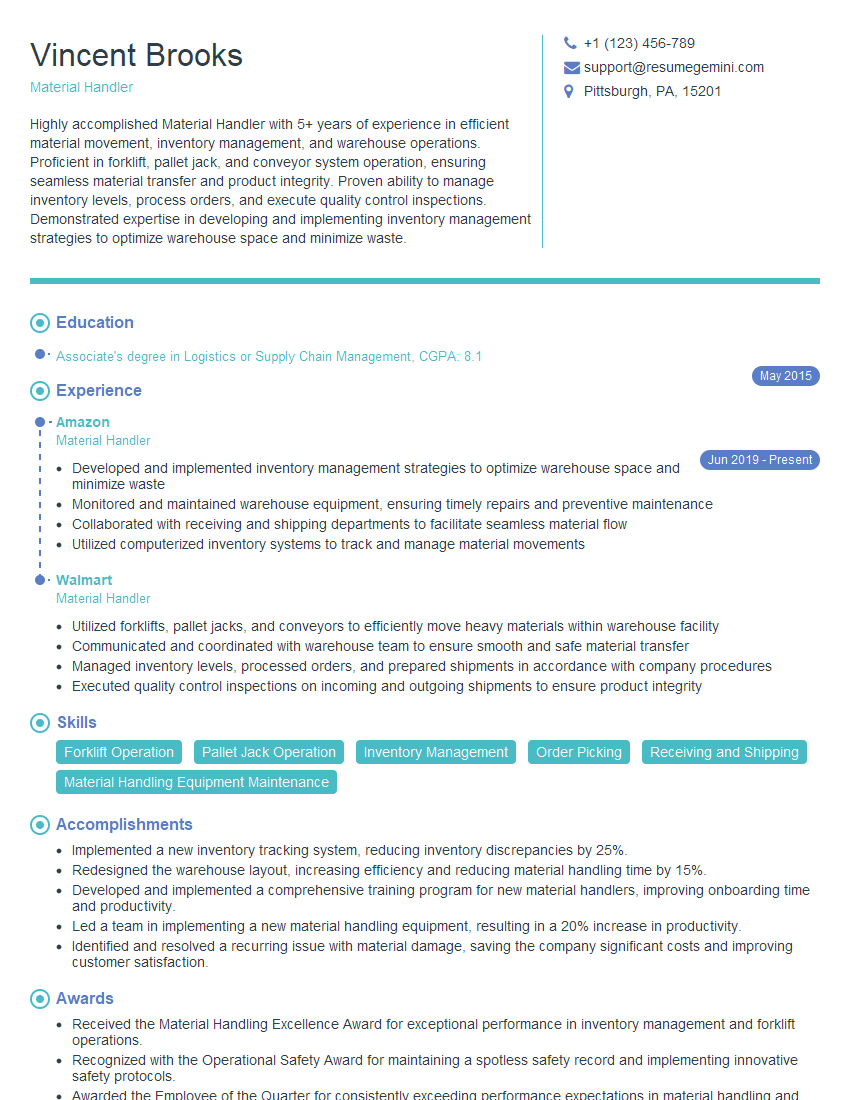
Material Handler Resume Sample
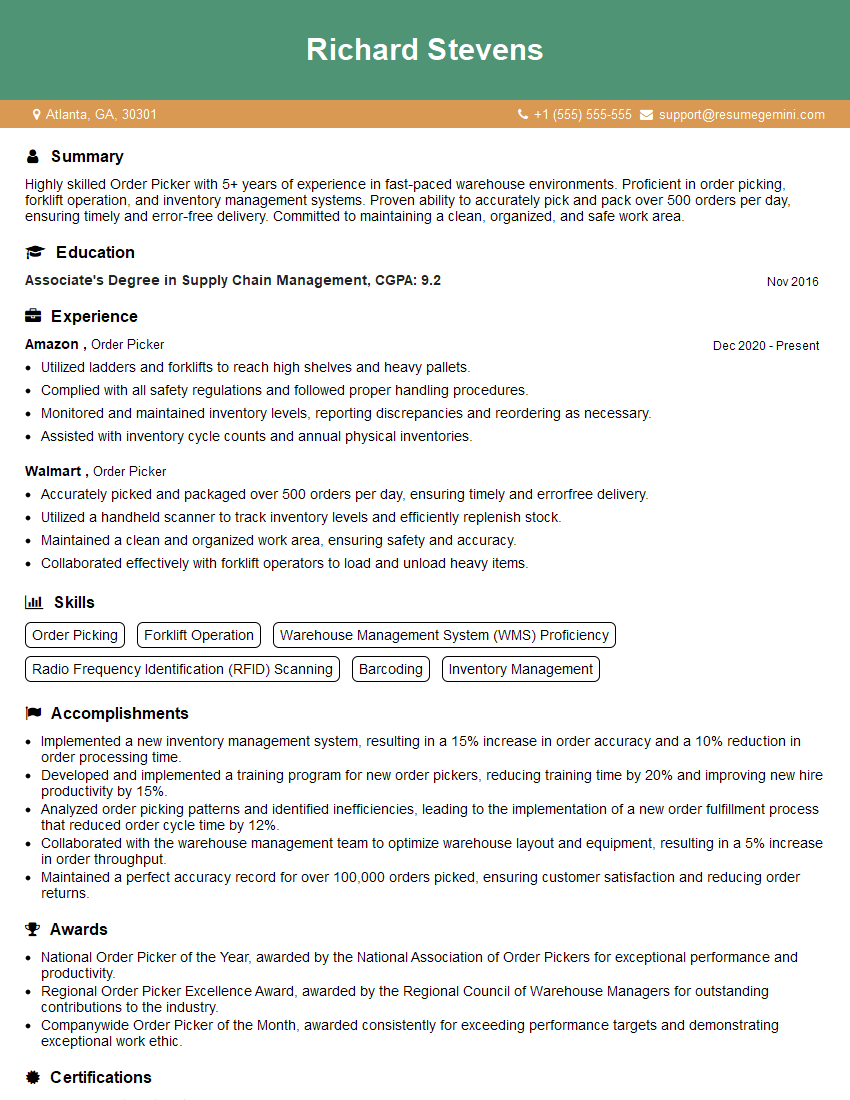
Order Picker Resume Sample
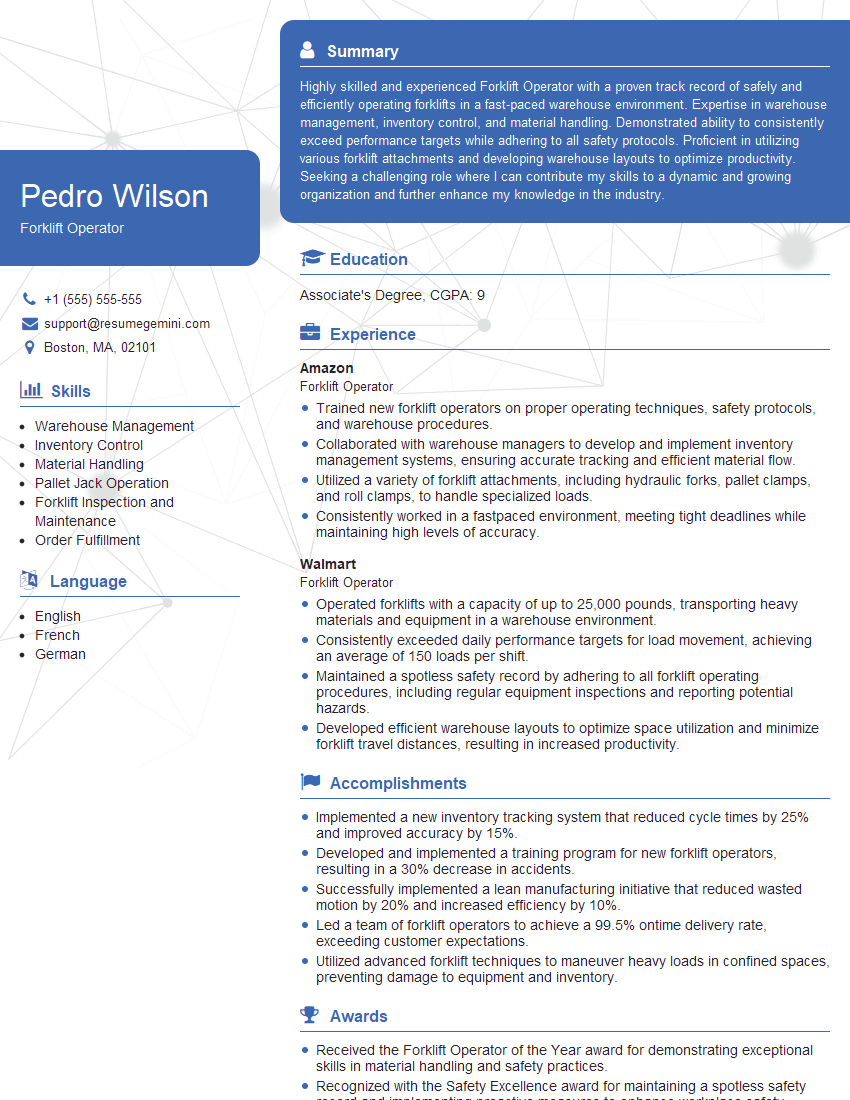
Forklift Operator Resume Sample
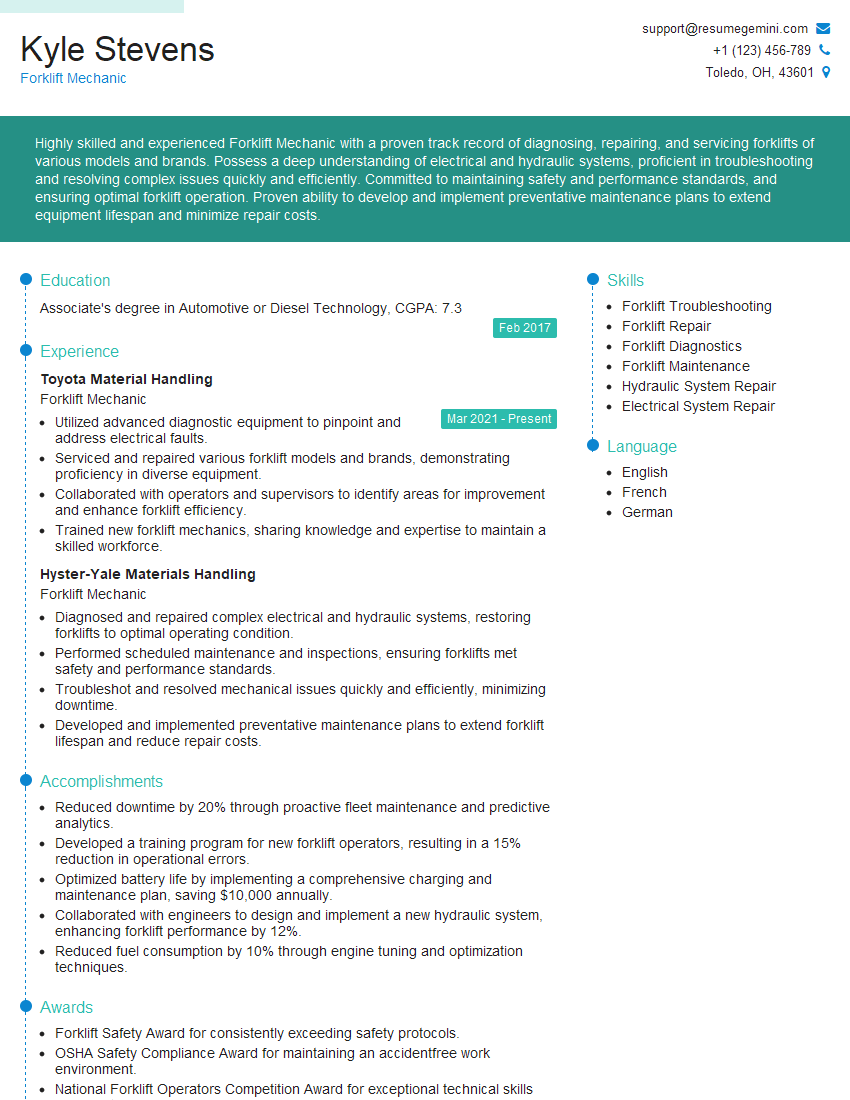
Forklift Mechanic Resume Sample
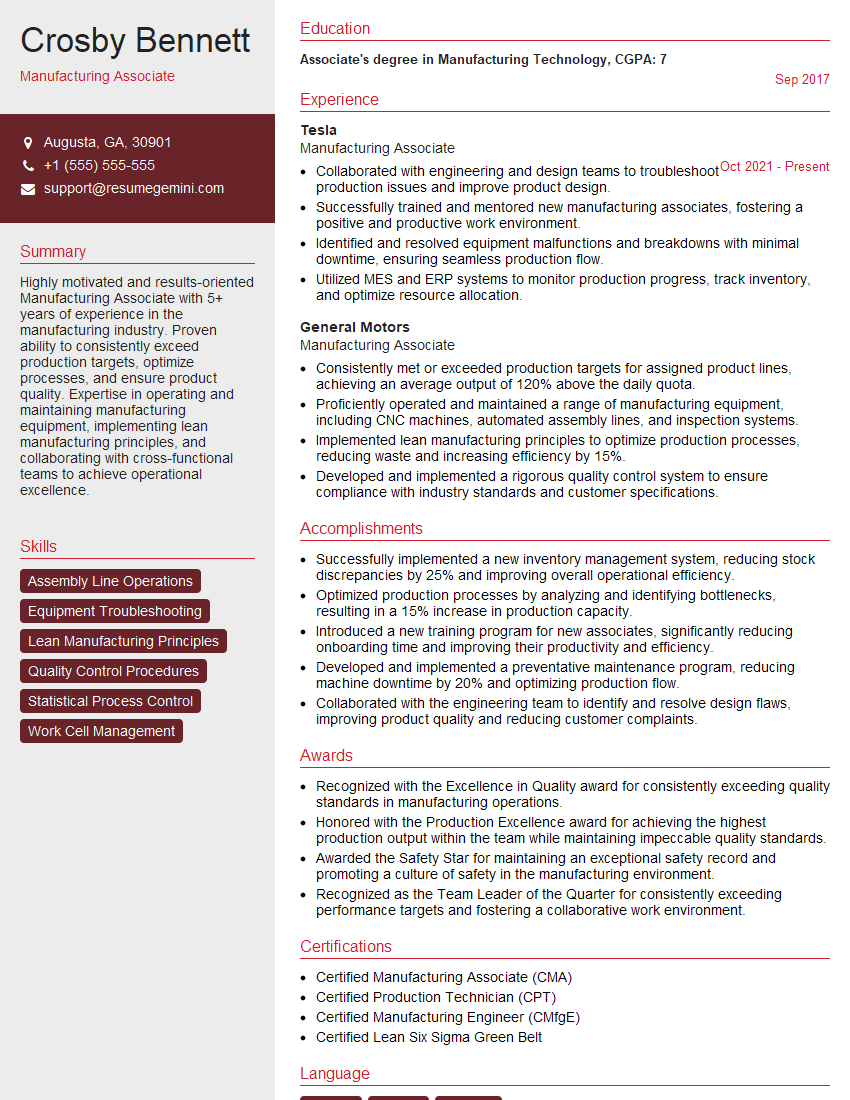
Manufacturing Associate Resume Sample
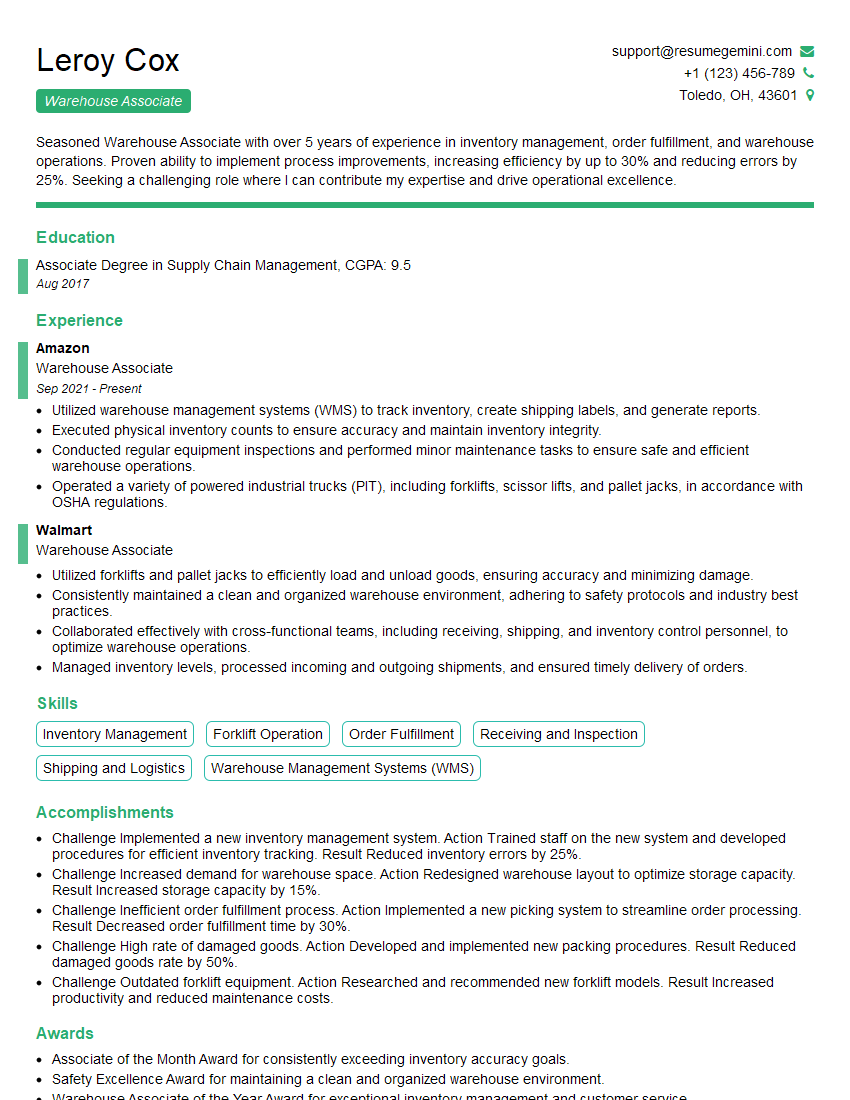
Warehouse Associate Resume Sample
- Operations Manager
- Supply Chain Manager
- Logistics Manager
- Warehouse Supervisor
- Logistics Coordinator
- Inventory Manager
- Inventory Control Specialist
- Production Associate
- Order Fulfillment Specialist
- Shipping and Receiving Clerk
- Logistics Associate
- Material Handler
- Order Picker
- Forklift Operator
- Forklift Mechanic
- Manufacturing Associate
- Warehouse Associate
Explore more articles
Users Rating of Our Blogs
Share Your Experience
We value your feedback! Please rate our content and share your thoughts (optional).
What Readers Say About Our Blog
Very informative content, great job.
good