Unlock your full potential by mastering the most common Operating Lift Truck interview questions. This blog offers a deep dive into the critical topics, ensuring you’re not only prepared to answer but to excel. With these insights, you’ll approach your interview with clarity and confidence.
Questions Asked in Operating Lift Truck Interview
Q 1. Describe your experience operating various types of lift trucks.
My experience encompasses a wide range of lift trucks, including counterbalance trucks (both gas and electric), reach trucks, order pickers, and sit-down and stand-up forklifts. I’ve operated units with varying load capacities and mast heights, adapting my technique to each machine’s specific characteristics. For instance, operating a reach truck in a high-bay warehouse requires a different skill set and focus than maneuvering a compact forklift in a congested loading dock. I’ve worked with both pneumatic and solid tires, understanding the impact of tire type on stability and maneuverability on different surfaces.
- Counterbalance Forklifts: Extensive experience in loading and unloading trailers, stacking pallets, and general material handling.
- Reach Trucks: Proficient in accessing high racking systems in warehouses, optimizing space utilization and maximizing throughput.
- Order Pickers: Skilled in efficiently picking orders from racking systems with various levels, accurately and safely selecting items.
Q 2. Explain the pre-operational checks you perform before operating a lift truck.
Before operating any lift truck, a comprehensive pre-operational check is crucial. Think of it as a pilot’s pre-flight checklist – it ensures the safety of the operator and everyone around. My routine includes:
- Visual Inspection: Checking for any obvious damage to the truck, including forks, tires, mast, lights, and hydraulics. I look for leaks, cracks, or any signs of wear and tear.
- Fluid Levels: Verifying the levels of hydraulic fluid, engine oil (if applicable), coolant, and battery charge (for electric trucks). Low levels indicate potential problems.
- Operational Systems: Testing the brakes, steering, horn, lift mechanism, and tilt controls to ensure everything functions smoothly and correctly. I’ll perform a test lift with no load to check for proper operation.
- Safety Features: Ensuring that safety features like seatbelts, lights, and horns are in good working order. I inspect warning devices to ensure they are functioning properly.
- Documentation: Reviewing the relevant safety documentation and ensuring I’m properly trained and authorized to operate the specific model of lift truck.
Only after a thorough check and everything is satisfactory do I proceed to operate the equipment.
Q 3. How do you ensure the safety of pedestrians and other equipment while operating a lift truck?
Pedestrian and equipment safety is paramount. My approach involves a combination of proactive measures and awareness:
- Visual Scanning: Constantly scanning my surroundings, using mirrors and checking blind spots to ensure there are no pedestrians or obstructions in my path. This is especially critical in busy areas.
- Horn Usage: Using the horn appropriately to warn pedestrians and other operators of my movements, especially around corners or in confined spaces. It’s a vital communication tool.
- Speed Control: Adjusting my speed to suit the conditions. I drive slowly in congested areas and never operate at excessive speed. Safety always takes precedence over speed.
- Communication: Maintaining clear communication with other workers, whether through verbal warnings or hand signals, to coordinate movements and avoid accidents.
- Following Traffic Rules: Adhering to all traffic rules and regulations within the workplace, including designated walkways, speed limits, and traffic signals.
- Awareness of Load: Understanding that a loaded truck handles differently, and adjusting my driving style accordingly, reducing speed and increasing caution.
Essentially, I treat every moment as a potential hazard and act accordingly.
Q 4. What are the load capacity limits of the lift trucks you’ve operated?
The load capacity limits vary significantly depending on the lift truck model and type. I’ve operated lift trucks with capacities ranging from 2,000 pounds to 10,000 pounds. It’s crucial to always check the manufacturer’s data plate on each individual truck to determine its safe operating capacity. Exceeding this limit is extremely dangerous and can lead to catastrophic equipment failure.
For example, a smaller order picker may have a 2,000-pound capacity, while a large counterbalance forklift could easily exceed 10,000 pounds. I always operate within the stated limits and never overload the machine. Even slightly exceeding the capacity can significantly impact the stability of the load and increase the risk of accidents.
Q 5. Describe your experience with different types of lift truck attachments.
My experience includes working with a variety of lift truck attachments, each designed for specific tasks. These attachments significantly enhance the versatility of lift trucks:
- Side Shifters: Allow for precise lateral positioning of loads, crucial for accurate placement in tight spaces or onto uneven surfaces.
- Paper Roll Clamps: Specifically designed for handling rolls of paper, ensuring safe and efficient transport.
- Rotators: Enable the rotation of loads, facilitating the positioning of objects at different angles.
- Fork Extensions: Extend the reach of the forks, allowing handling of oversized or unusually shaped loads.
- Carriage Clamps: Suitable for handling a wide range of materials, from wood to metal, improving efficiency.
Selecting the appropriate attachment for the job is critical, ensuring both safety and efficient operation. Improper attachment usage can lead to damage to the goods or equipment.
Q 6. How do you handle uneven terrain or tight spaces while operating a lift truck?
Navigating uneven terrain or tight spaces requires a combination of skill, caution, and awareness. For uneven terrain, I reduce speed significantly, carefully assessing the surface and adjusting my approach angle to minimize the risk of tipping or getting stuck. I also pay close attention to the load’s stability, ensuring it remains secure throughout the maneuver.
In tight spaces, I use slow, deliberate movements, paying close attention to my surroundings. I utilize mirrors, cameras, and any other available aids to improve visibility. I plan my route carefully, making sure to have sufficient clearance before starting any movements. In extreme cases, I may need to reposition the load to ensure safe passage through narrow areas.
Q 7. What is your experience with load stability and weight distribution?
Load stability and weight distribution are fundamental aspects of safe lift truck operation. I ensure the load is evenly distributed on the forks, avoiding any overhang or imbalance that could cause the load to shift during transit. Understanding the center of gravity is crucial. For example, if transporting a long, heavy object, I’ll position it so its center of gravity is as close to the forks as possible, to prevent tipping.
I regularly check for any shifting or instability during transport and adjust my driving accordingly. If I detect any imbalance, I will carefully and slowly reposition the load before continuing. Overloading is a critical factor, as it significantly reduces stability, regardless of how well the weight is distributed.
Q 8. How do you identify and report lift truck malfunctions?
Identifying lift truck malfunctions involves a multi-sensory approach combining visual inspection, auditory checks, and sometimes even olfactory senses. I start with a thorough visual inspection, checking for any obvious damage like cracks in the mast, leaks in hydraulic lines, or worn tires. Then I listen for unusual noises – grinding, squealing, or unusual clicking – that might indicate mechanical problems. Unusual smells like burning rubber or hydraulic fluid are also critical indicators. My reporting process involves detailed documentation using standardized forms that include date, time, location, type of malfunction, and any relevant observations. Photos or videos of the malfunction are often included to support the report. For example, if I notice a hydraulic leak, I’ll note the location of the leak, the estimated volume of fluid lost, and any surrounding damage. The report is then immediately submitted to the maintenance supervisor to prioritize repairs and prevent further damage or accidents.
Q 9. Describe your experience with maintaining lift truck logs and documentation.
Maintaining accurate lift truck logs and documentation is crucial for safety and regulatory compliance. My experience encompasses using both paper-based and digital systems. Regardless of the method, I ensure all entries are legible, complete, and timely. This includes recording daily pre-operational inspections, which document everything from tire pressure and fluid levels to the condition of lights and safety features. Operational data such as hours of use, operator’s name, and any incidents are meticulously documented. Preventative maintenance schedules are meticulously tracked, ensuring all necessary services are completed on time. For example, I would log each oil change, including the date, oil type used, and the mileage of the truck. If a repair is performed, the specifics, including the parts replaced, are recorded. This comprehensive approach ensures a clear history of each truck’s operational status, facilitates preventative maintenance, and aids in troubleshooting problems swiftly.
Q 10. How do you comply with OSHA regulations regarding lift truck operation?
OSHA compliance in lift truck operation is paramount. My understanding includes thorough knowledge of all relevant standards, which I apply consistently. This includes ensuring all operators receive proper training and certification before operating a lift truck. I rigorously enforce the use of seatbelts, ensure the truck is inspected before each use, and emphasize safe operating procedures such as maintaining a safe speed, avoiding sharp turns at high speeds, and respecting load capacity limits. I also make sure the work area is clear of obstacles and properly marked to prevent accidents. For instance, I ensure that pedestrian traffic is properly controlled in areas where lift trucks operate and that appropriate signage is in place. Regularly reviewing and updating my knowledge of OSHA guidelines keeps me current on all applicable regulations and best practices, preventing accidents and ensuring a safe working environment.
Q 11. What is your experience with different types of lift truck controls?
My experience encompasses various lift truck control systems, from traditional lever-operated controls to modern electronic systems. I am proficient in operating trucks with both side-mounted and center-mounted controls. I am also familiar with the nuances of different control configurations, including the various types of steering mechanisms, and I understand how these differences affect maneuverability and stability. For example, I’ve worked with sit-down rider trucks with electric and hydraulic systems, and stand-up counterbalanced trucks. Understanding the specific controls of each type enables me to adapt quickly and operate various lift trucks safely and efficiently.
Q 12. How do you safely load and unload various types of materials?
Safe loading and unloading is a critical aspect of my job. I always begin by assessing the load’s weight, dimensions, and center of gravity to determine the appropriate lift truck and loading method. The load should always be secured properly to prevent shifting or tipping. I use appropriate attachments such as forks, clamps, or other specialized equipment depending on the material being handled. I visually inspect the load and the area where it will be placed to ensure there are no obstacles or hazards. For example, when handling fragile materials, I employ extra caution and ensure the load is properly cushioned to prevent damage. When stacking loads, I make sure they are stable and evenly distributed to avoid collapse. Furthermore, I always follow established procedures for approaching and departing loading docks or other confined areas to avoid collisions.
Q 13. Describe your experience with inventory management using lift trucks.
My experience with inventory management using lift trucks involves a combination of efficient stock placement and retrieval. I use the lift truck to move inventory to designated storage locations in an organized manner, following established racking systems and location codes. My approach to handling various sizes and types of inventory ensures ease of retrieval, often employing techniques like block stacking or other methods to maximize storage space without compromising safety. I’m adept at utilizing lift truck inventory management systems (manual or automated) to track movements, reducing the risk of misplaced items. This includes scanning barcodes to confirm product locations and quantities. My objective is to ensure swift and efficient stock replenishment and fulfillment.
Q 14. What is your understanding of load center and its importance?
The load center is the point where the weight of the load is evenly distributed. Understanding and managing the load center is crucial for safe lift truck operation because an unbalanced load significantly increases the risk of tipping. It’s the distance from the face of the forks to the center of gravity of the load. If the load center is too far forward or backward, it can create instability, particularly when turning or traveling over uneven terrain. To maintain a safe load center, loads should be balanced correctly, and I always adhere to the manufacturer’s specifications on load capacities and load center distances. Incorrectly positioned loads, particularly those with uneven weight distribution, can lead to accidents. Therefore, I always take precautions to ensure the load center is correctly positioned before lifting or moving a load. Accurate assessment of the load center is paramount for preventing accidents and maximizing the safety and efficiency of operations.
Q 15. How do you handle emergency situations involving lift truck malfunctions?
My primary response to a lift truck malfunction is safety. I immediately turn off the ignition, engage the parking brake, and activate the hazard lights. This ensures the immediate safety of myself and others in the vicinity. Then, depending on the nature of the malfunction, my actions vary:
- Minor issues (e.g., a flickering light): I’d assess the situation, and if it doesn’t pose an immediate safety risk, I might continue operating with caution, reporting the issue to maintenance immediately afterward.
- Major issues (e.g., hydraulic failure, steering malfunction): I would evacuate the truck, securing the area to prevent unauthorized access. I’d then immediately report the incident to my supervisor and maintenance personnel, providing a detailed description of the malfunction and circumstances. I would also clearly label the truck to prevent its use until it’s repaired.
- Emergencies involving loads: If the malfunction involves a precarious load, I’d prioritize securing it to prevent a potential accident. This may involve using appropriate safety equipment or calling for assistance. I would carefully follow company procedures for emergency load handling.
Safety is paramount. In all instances, I strictly adhere to company safety protocols and regulations and prioritize the well-being of myself and colleagues above all else. I’ve even had to once assist in a controlled lowering of a precarious load with the help of my supervisor and another operator, avoiding a potential serious incident. This experience reinforced the importance of teamwork in handling such situations.
Career Expert Tips:
- Ace those interviews! Prepare effectively by reviewing the Top 50 Most Common Interview Questions on ResumeGemini.
- Navigate your job search with confidence! Explore a wide range of Career Tips on ResumeGemini. Learn about common challenges and recommendations to overcome them.
- Craft the perfect resume! Master the Art of Resume Writing with ResumeGemini’s guide. Showcase your unique qualifications and achievements effectively.
- Don’t miss out on holiday savings! Build your dream resume with ResumeGemini’s ATS optimized templates.
Q 16. What is your experience with different types of warehouse layouts and their impact on lift truck operation?
My experience encompasses a wide range of warehouse layouts, from narrow-aisle facilities optimized for very narrow aisle (VNA) trucks to wide-open spaces suited for larger counterbalanced lift trucks. Each layout presents unique operational challenges.
- Narrow-aisle warehouses: These require precise maneuvering and a strong understanding of the truck’s capabilities and limitations. I’m proficient with reach trucks and VNA trucks, understanding the importance of maintaining a safe distance from racking and other obstacles. Speed is often sacrificed for precision and safety.
- Wide-open warehouses: These offer more maneuverability but require careful attention to traffic patterns and potential collisions with other vehicles or personnel. Prioritization of pedestrian and equipment safety is crucial here. The efficient use of larger counterbalance trucks and their optimal speed control are necessary in these environments.
- Combination layouts: Many warehouses incorporate a mixture of narrow and wide aisles. Adaptability is key in these environments. I can switch between truck types and adjust my driving style to optimize efficiency while minimizing risk.
Understanding the layout’s impact on lift truck operation is crucial for efficiency and safety. This includes considering factors like aisle width, turning radius, load capacity, and pedestrian traffic flow. It’s like learning a new dance—each warehouse layout demands a unique approach, mastered only with experience and careful observation.
Q 17. Describe your experience with using lift truck safety devices (e.g., seatbelts, horns, lights).
Safety devices are non-negotiable for me. I consistently use seatbelts, horns, and lights appropriately.
- Seatbelts: These are fastened at the beginning of every shift and remain secured throughout. I consider it an essential part of my PPE (Personal Protective Equipment).
- Horns: I use horns frequently to alert pedestrians and other lift truck operators to my presence and intended movements, especially in congested areas. A quick beep to announce my approach and a longer, more insistent beep to signal a cautionary situation are part of my standard procedures.
- Lights: Headlights, backup lights, and flashing lights are always used correctly. I ensure that the lights are functioning properly at the beginning of every shift and report any malfunctions immediately.
These devices aren’t merely safety features; they’re critical tools for communication and proactive risk management. The preventative measures reduce potential hazards before they even materialize. I can recall an instance where using my backup lights helped me to avoid a collision with a distracted coworker. These tools are part of the driving culture that keeps both myself and my coworkers safe.
Q 18. How do you maintain a clean and organized work area?
Maintaining a clean and organized work area is paramount for safety and efficiency. My approach is proactive and systematic:
- Cleanliness: I regularly sweep and remove debris from my immediate work area, ensuring that pallets are stacked neatly and that walkways are kept clear and unobstructed. This prevents accidents and ensures smooth operation.
- Organization: I follow designated storage locations for pallets and materials. I ensure that loads are properly secured and that empty pallets are returned to their designated areas promptly.
- Preventive maintenance: I regularly check the lift truck for any signs of damage or leaks, reporting any issues promptly. I also perform basic daily checks according to company protocols.
A well-organized workspace is essential for preventing accidents and boosting efficiency. I always believe that a clean and organized space leads to a more effective and safer work environment. It’s like having a well-organized toolbox—you know exactly where everything is, and you can work much more efficiently and safely.
Q 19. Describe your problem-solving skills as they relate to lift truck operation.
Problem-solving is a daily requirement in my role. My approach is methodical and based on experience and training.
- Identify the problem: I first clearly define the issue. For example, if the lift truck isn’t lifting correctly, I will check the hydraulic fluid levels, and the battery power, before I report to my supervisor.
- Gather information: I collect relevant information about the problem. This might include checking the load weight, reviewing recent maintenance records, or consulting with colleagues. One time, a load shifted unexpectedly. This lead me to investigate the securement method and ultimately find it was the improper usage of the straps which led to the incident.
- Develop solutions: I explore potential solutions, considering factors like safety, efficiency, and available resources. In the case of that shifted load, I helped to review and revise company procedures for load securement.
- Implement and evaluate: I test the solution and monitor the results, making adjustments as necessary.
My experience has taught me to be both analytical and resourceful. I’m adept at troubleshooting mechanical issues, identifying potential hazards, and finding efficient solutions under pressure.
Q 20. What is your experience with receiving and interpreting work instructions?
I have extensive experience in receiving and interpreting work instructions. My approach is to ensure complete clarity before proceeding:
- Clarification: If the instructions are unclear or ambiguous, I will ask for clarification from my supervisor or team lead before beginning the task. I will actively listen and ask questions to ensure complete understanding.
- Prioritization: I understand the importance of task prioritization and will organize my workload based on urgency and importance. I’ll focus on time-sensitive tasks first, and work through the others in an order that will maximize my work output.
- Documentation: I maintain meticulous records of completed tasks and report any discrepancies or issues promptly.
Accurate interpretation of work instructions is vital for preventing errors and ensuring timely completion of tasks. I strive for thorough understanding, clear communication, and accurate record-keeping to ensure efficient and error-free task execution. I once avoided an error by questioning an instruction. My clarification saved time and potential damage to inventory.
Q 21. How do you prioritize tasks efficiently in a fast-paced warehouse environment?
In a fast-paced warehouse, efficient task prioritization is key. I use a combination of techniques:
- Urgency and importance: I prioritize tasks based on their urgency and importance. Time-sensitive tasks with high impact are tackled first. This involves careful assessment of deadlines and potential consequences of delays.
- Workload balance: I distribute my workload evenly to avoid bottlenecks and maintain a steady pace. I avoid focusing exclusively on one type of task and instead rotate my duties to maintain balance and avoid burnout.
- Communication: Open communication with my supervisor and team members helps in coordinating tasks and ensuring efficient resource allocation. I am always ready to offer assistance and am also comfortable asking for assistance when required.
Efficient task prioritization is like conducting an orchestra—each instrument (task) plays its part at the right time to create a harmonious (efficient) outcome. My ability to balance urgency, importance, and resource allocation ensures smooth workflow and maximum output.
Q 22. How do you handle challenging or difficult situations with colleagues?
Handling challenging situations with colleagues requires a proactive and collaborative approach. My first step is always to listen carefully to understand their perspective and the root of the conflict. I believe in open communication and strive to address issues directly, but respectfully. For example, if a disagreement arises about the most efficient way to load a specific type of cargo, I would propose a trial run of both methods, carefully documenting the time and resource usage of each. This data-driven approach helps to remove emotional bias and facilitates a more objective resolution. If the issue involves a safety concern, I wouldn’t hesitate to escalate it to my supervisor to ensure everyone’s well-being. Ultimately, I prioritize finding a solution that respects everyone’s contributions and ensures smooth operation.
Q 23. What are your strengths and weaknesses as a lift truck operator?
My strengths as a lift truck operator include my meticulous attention to detail, my unwavering commitment to safety protocols, and my proficiency in operating various types of lift trucks, including reach trucks, counterbalance trucks, and order pickers. I’m adept at maneuvering in tight spaces and have a strong understanding of load capacity and weight distribution, ensuring efficient and safe operations. For example, I’ve consistently exceeded performance metrics in my previous roles, often improving loading and unloading times through optimized routing and careful planning. My weakness, if I had to identify one, would be occasionally being too perfectionistic. I am currently working on delegating tasks more effectively when appropriate and trusting my colleagues’ abilities, knowing that everyone operates slightly differently. This allows for a more fluid and collaborative team dynamic.
Q 24. Where do you see yourself in five years?
In five years, I see myself as a highly skilled and valued member of this organization, potentially in a supervisory role. I am keen to further develop my expertise in warehouse management, perhaps by pursuing relevant certifications or training programs offered by the company. My goal is to contribute to the company’s growth and success through efficient and safe operation of the lift trucks, as well as through mentoring and training of newer team members. I’m also interested in exploring opportunities to improve warehouse efficiency through process optimization and the implementation of new technologies.
Q 25. Why are you interested in this specific position?
I’m interested in this specific position because it aligns perfectly with my skills and experience. The description highlights a commitment to safety and efficiency, which are values I strongly hold. The opportunity to work with [mention specific company equipment or technology, if known] is particularly appealing, as it would allow me to expand my expertise and contribute to a dynamic and innovative work environment. The reputation of this company for employee development and opportunities for career progression is also a significant factor in my interest.
Q 26. What is your salary expectation?
My salary expectation is in the range of $[Lower Bound] to $[Upper Bound] annually, depending on the comprehensive benefits package offered.
Q 27. Do you have any questions for me?
Yes, I have a few questions. I’d be interested in learning more about the company’s safety training program and the opportunities for professional development. I also want to understand more about the typical daily tasks and responsibilities of this position and the team dynamics within the warehouse environment.
Q 28. Describe a time you had to adapt to a sudden change in your work schedule or tasks.
In my previous role, we experienced a sudden surge in order volume due to an unexpected promotional campaign. This required immediate adaptation to a significantly altered schedule. I quickly assessed the situation and prioritized tasks based on urgency and order fulfillment deadlines. I collaborated with my team to optimize our workflow, focusing on efficiency and clear communication. We implemented a revised loading and unloading strategy, which resulted in meeting the increased demands without compromising safety standards. This experience reinforced my ability to remain calm under pressure, think strategically, and work effectively as part of a team to overcome unexpected challenges.
Key Topics to Learn for Operating Lift Truck Interview
- Safe Operation Procedures: Understanding and adhering to all safety regulations, pre-operational checks, and emergency procedures for various lift truck types.
- Equipment Knowledge: Familiarity with different types of lift trucks (e.g., forklifts, reach trucks, order pickers), their functionalities, limitations, and maintenance requirements. Practical application includes describing experience with specific models or types.
- Load Handling Techniques: Proper techniques for lifting, carrying, stacking, and placing loads, considering weight distribution, center of gravity, and load stability. Include examples of situations requiring careful load management.
- Warehouse and Logistics Principles: Understanding warehouse layout, inventory management, efficient route planning, and the integration of lift trucks within a broader logistics system. This includes discussing experience with warehouse management systems (WMS).
- Troubleshooting and Maintenance: Basic troubleshooting of common lift truck issues and performing routine maintenance checks. Describe instances where you identified and resolved mechanical problems.
- Regulations and Compliance: Knowledge of relevant safety regulations, licensing requirements, and industry best practices for lift truck operation. Discuss any experience with safety audits or training programs.
- Communication and Teamwork: Effective communication with supervisors, coworkers, and other warehouse personnel to ensure safe and efficient operations. Highlight examples of teamwork and problem-solving in a warehouse environment.
Next Steps
Mastering the operation of lift trucks opens doors to a rewarding career in logistics, warehousing, and manufacturing, offering opportunities for advancement and increased earning potential. To maximize your job prospects, creating a strong, ATS-friendly resume is crucial. ResumeGemini can help you build a professional, impactful resume that highlights your skills and experience effectively. Examples of resumes tailored to Operating Lift Truck positions are available to guide you. Invest time in crafting a compelling resume – it’s your first impression on potential employers.
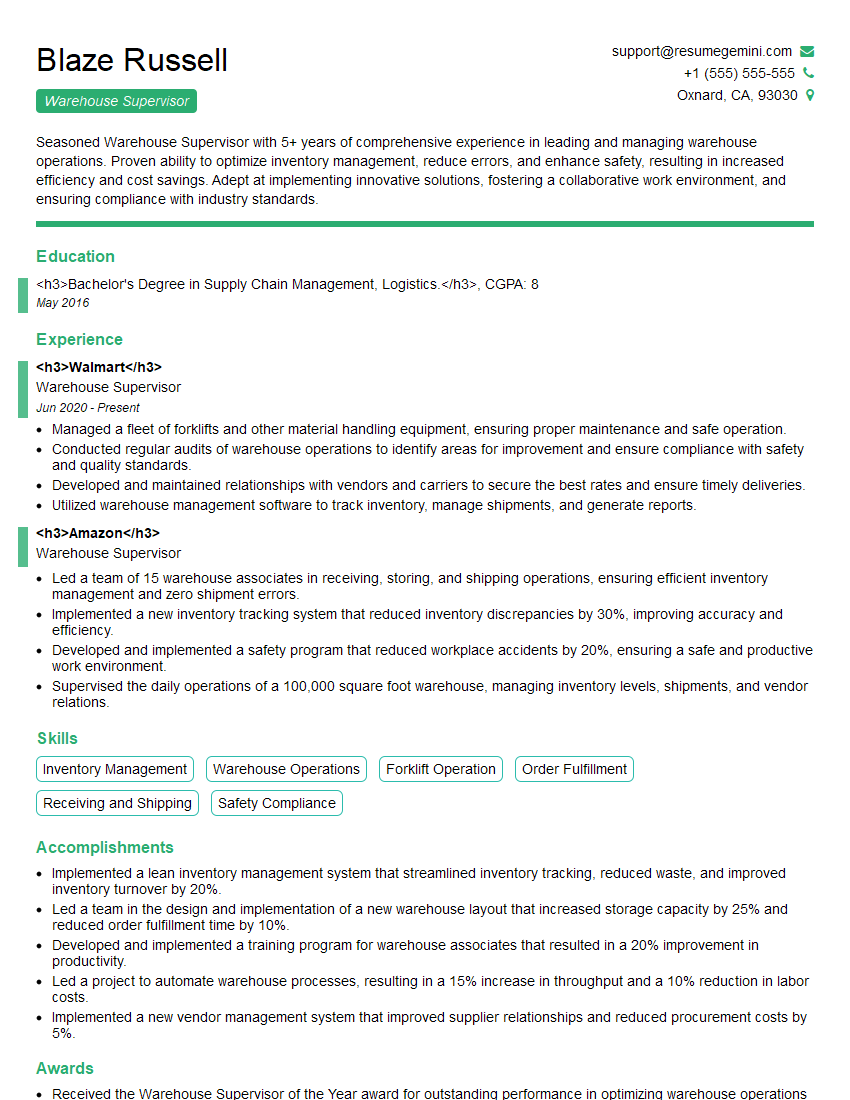
Warehouse Supervisor Resume Sample
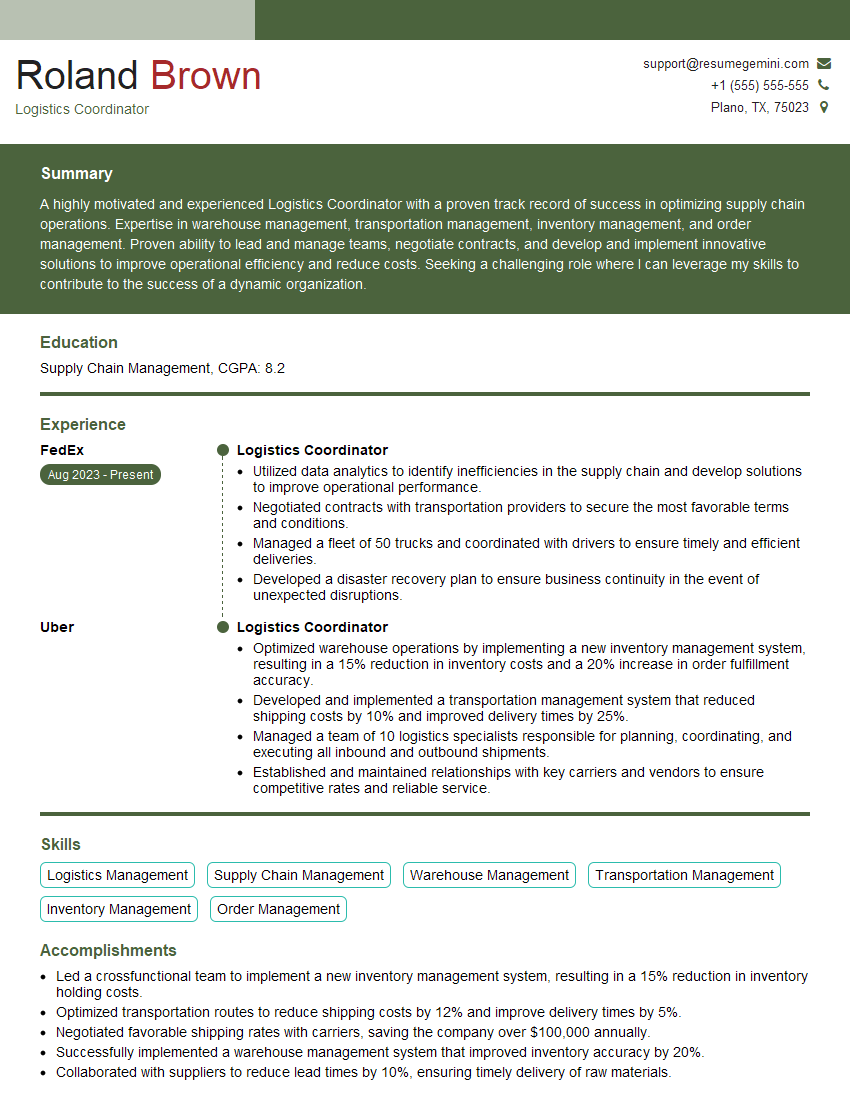
Logistics Coordinator Resume Sample
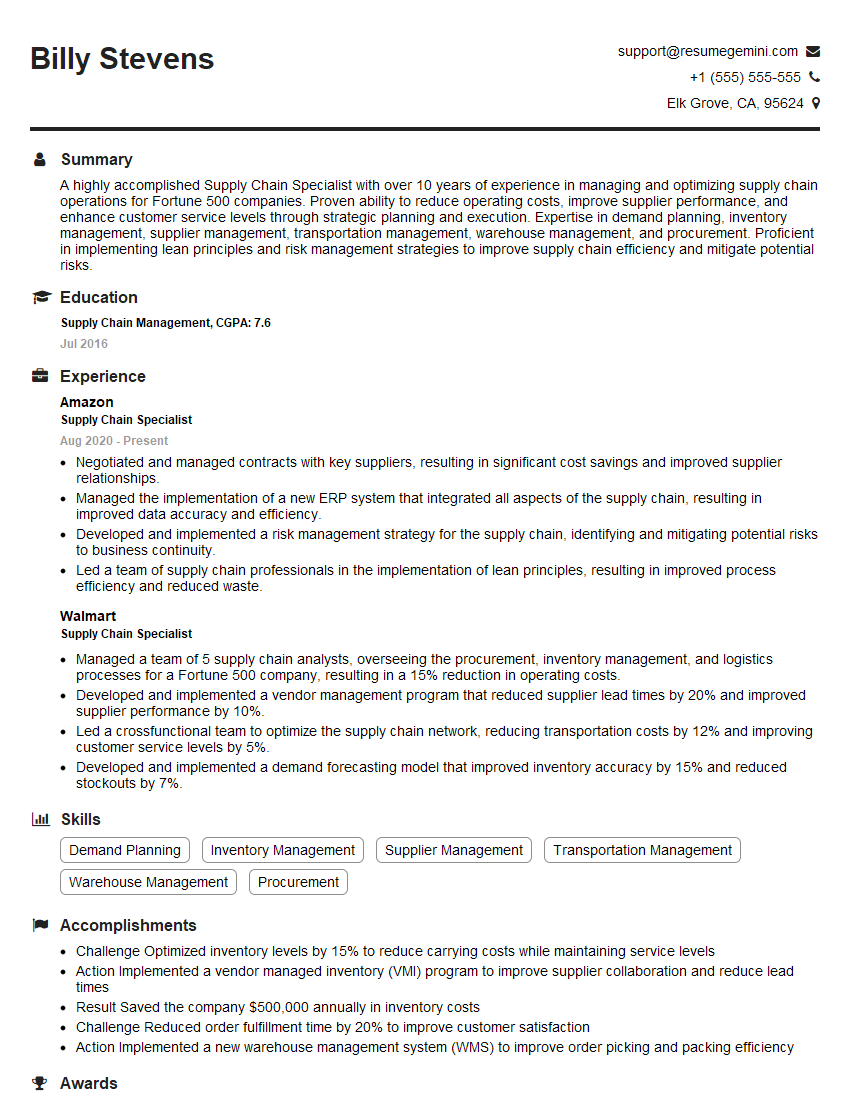
Supply Chain Specialist Resume Sample

Equipment Operator Resume Sample

Inventory Control Specialist Resume Sample

Production Associate Resume Sample

Order Fulfillment Specialist Resume Sample

Shipping and Receiving Clerk Resume Sample
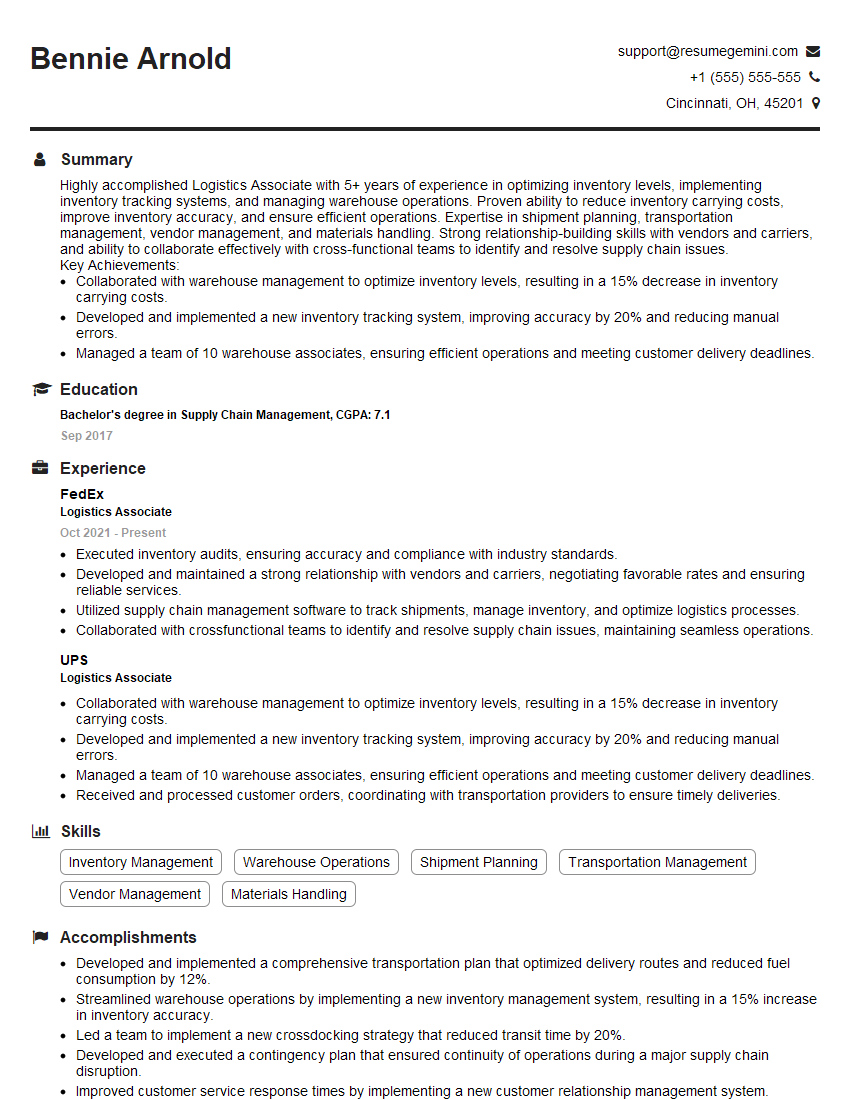
Logistics Associate Resume Sample
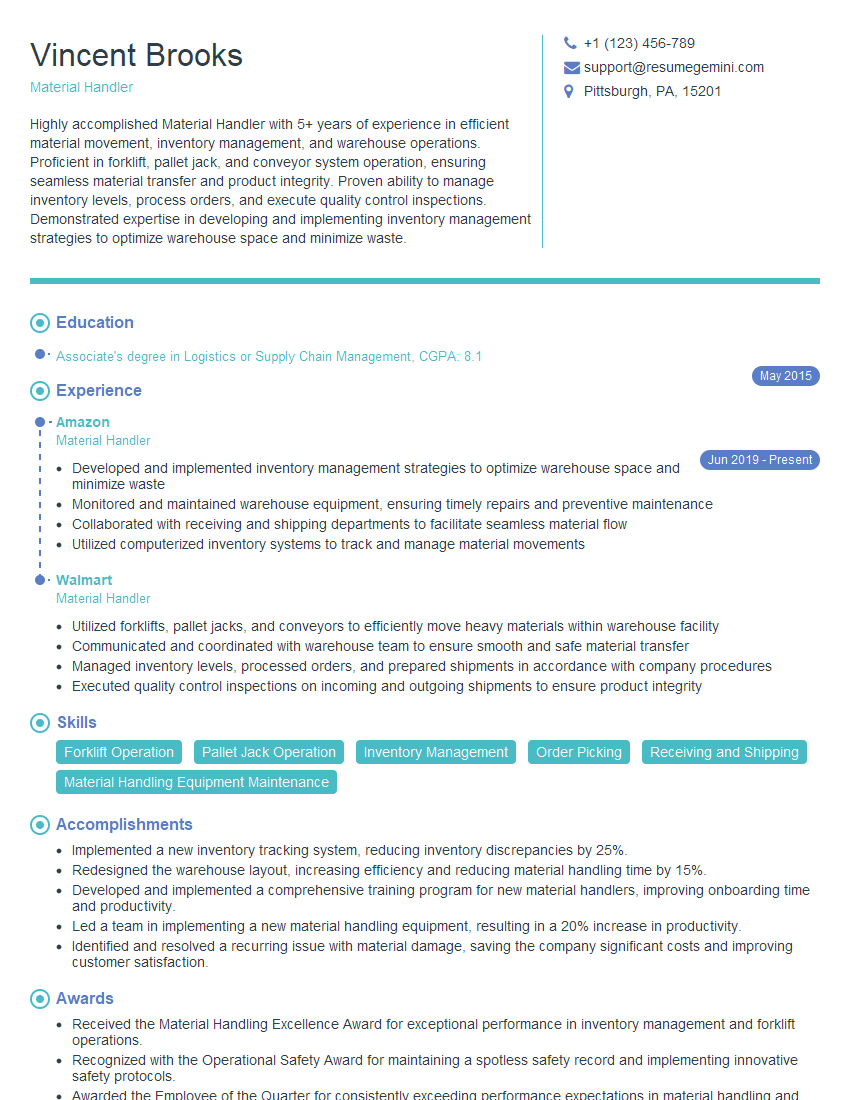
Material Handler Resume Sample
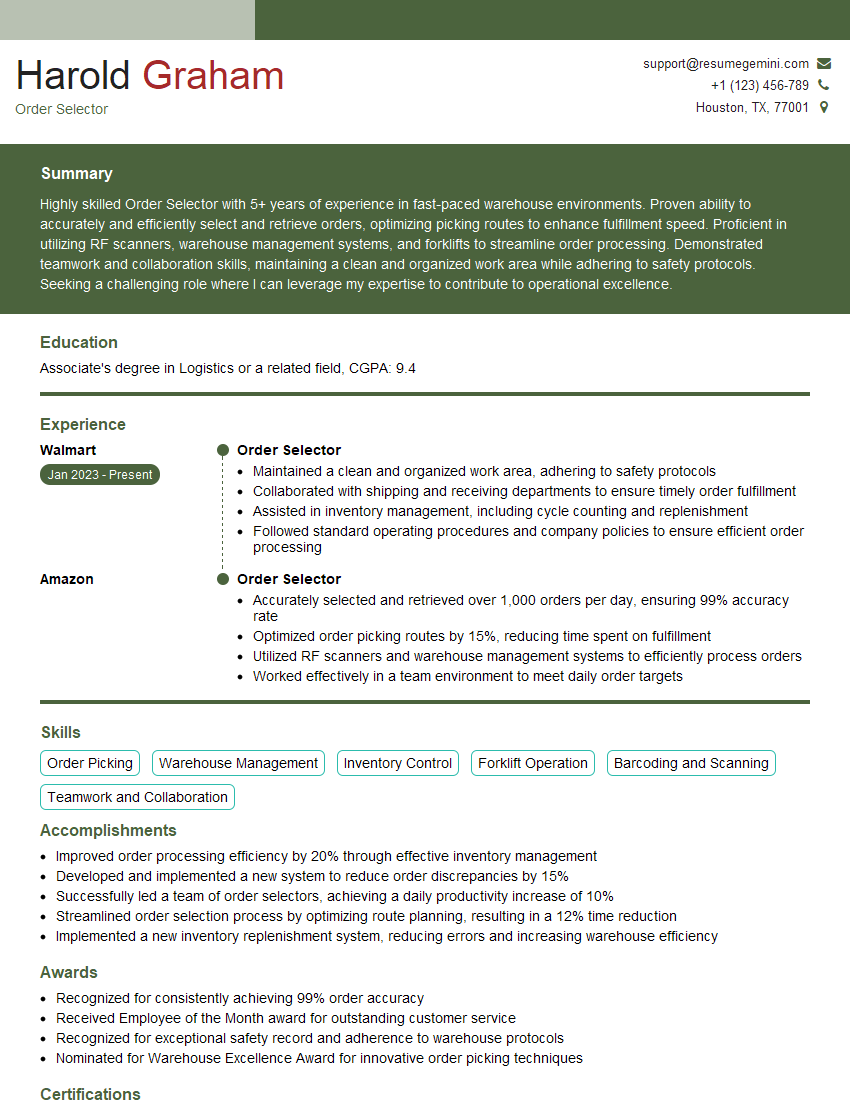
Order Selector Resume Sample
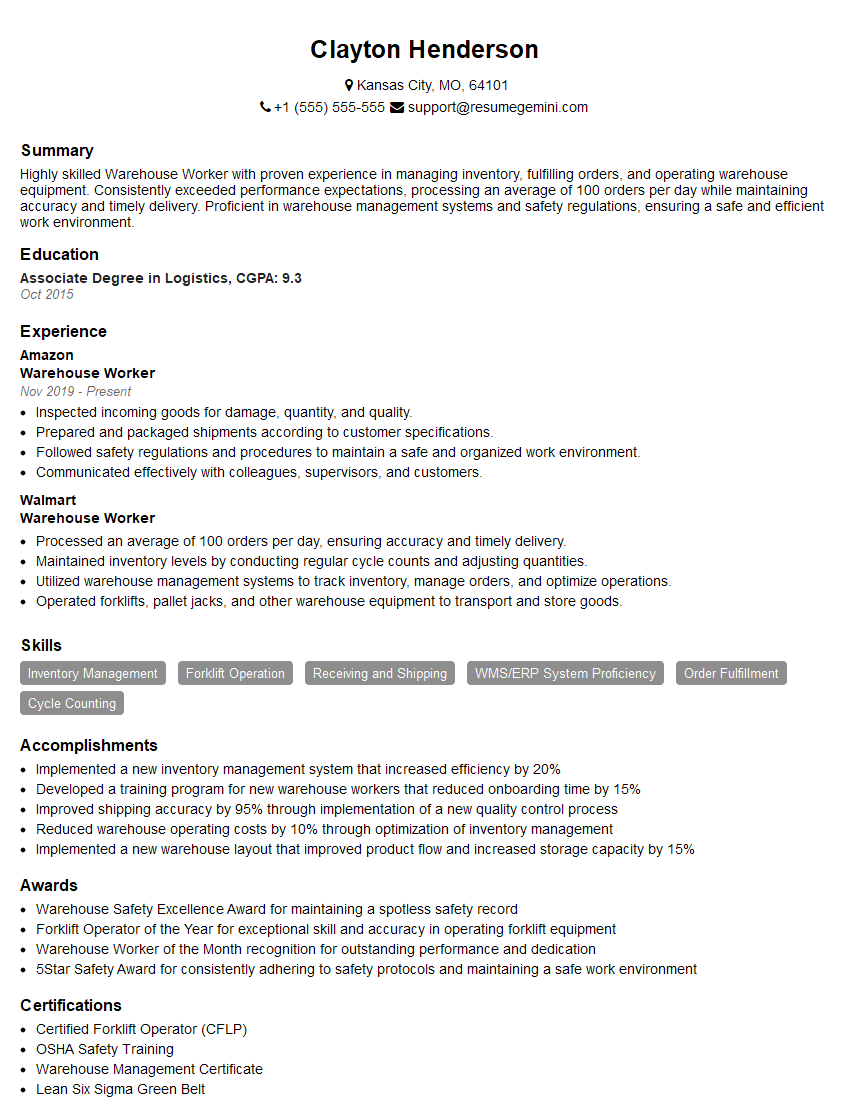
Warehouse Worker Resume Sample
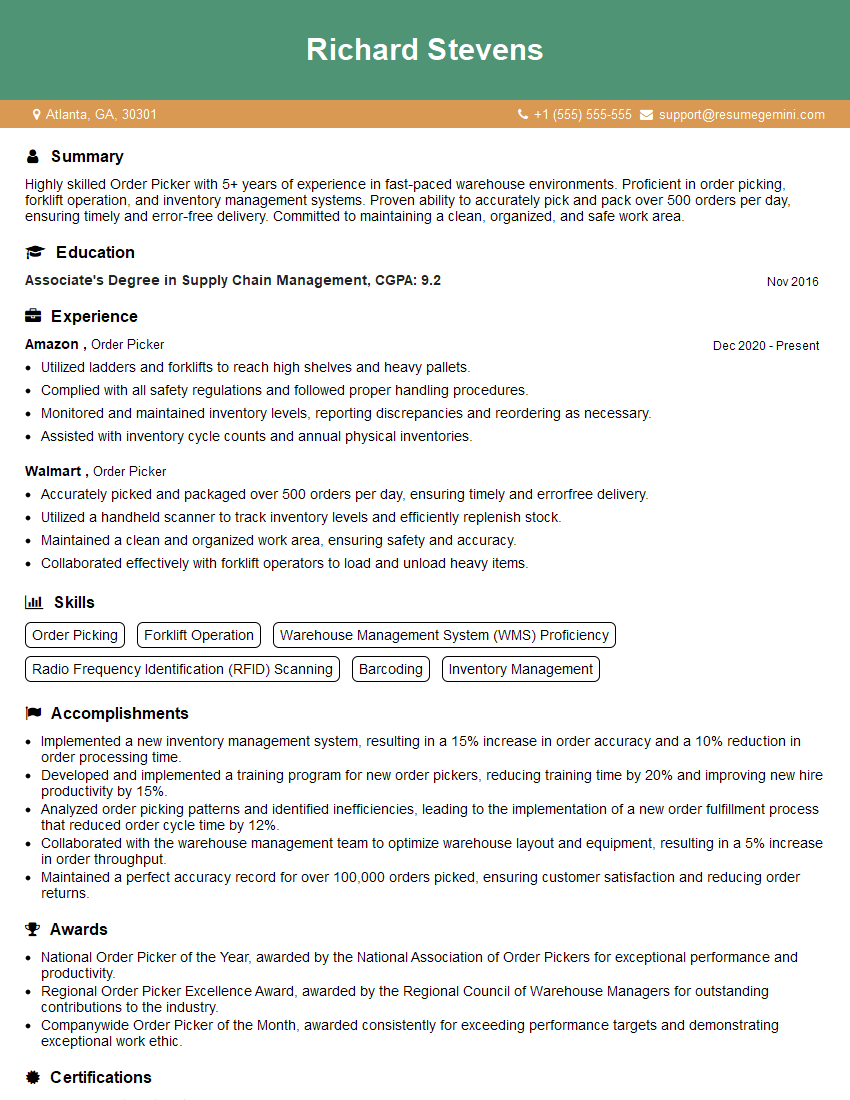
Order Picker Resume Sample

Heavy Equipment Operator Resume Sample

Forklift Operator Resume Sample

Lift Truck Operator Resume Sample
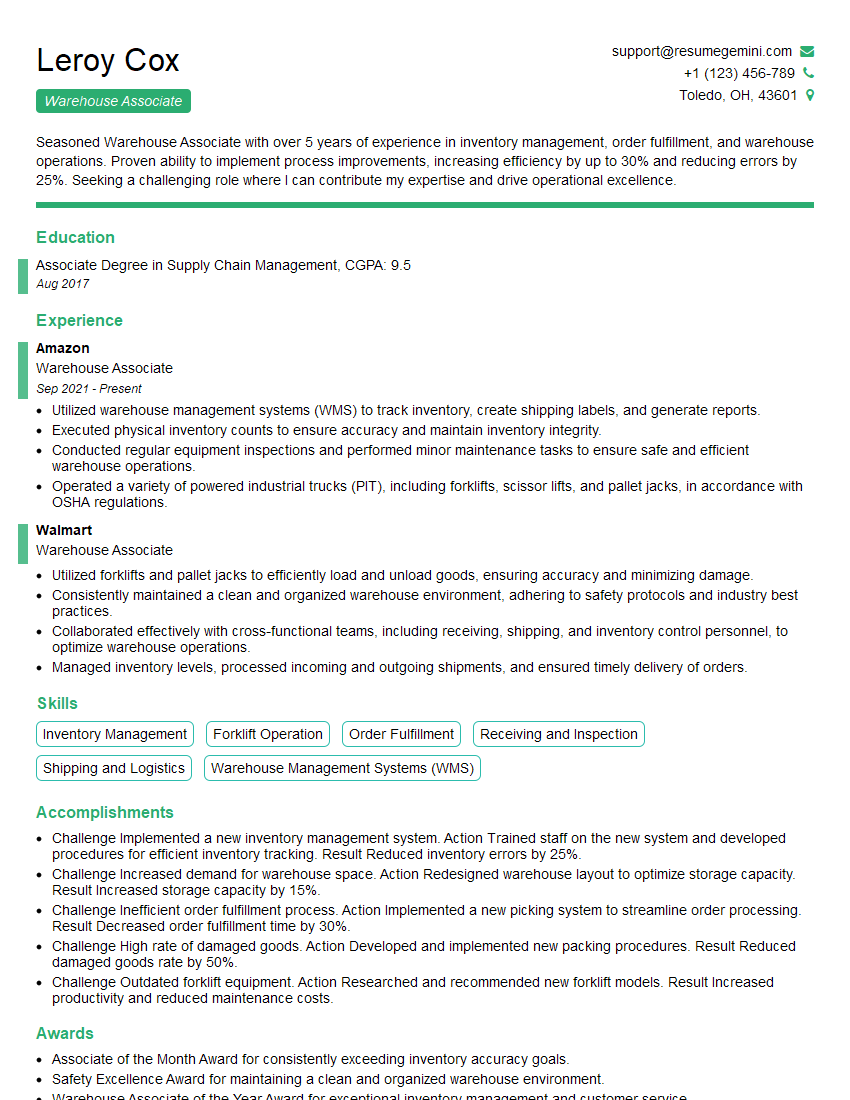
Warehouse Associate Resume Sample
- Warehouse Supervisor
- Logistics Coordinator
- Supply Chain Specialist
- Equipment Operator
- Inventory Control Specialist
- Production Associate
- Order Fulfillment Specialist
- Shipping and Receiving Clerk
- Logistics Associate
- Material Handler
- Order Selector
- Warehouse Worker
- Order Picker
- Heavy Equipment Operator
- Forklift Operator
- Lift Truck Operator
- Warehouse Associate
Explore more articles
Users Rating of Our Blogs
Share Your Experience
We value your feedback! Please rate our content and share your thoughts (optional).
What Readers Say About Our Blog
Very informative content, great job.
good