Every successful interview starts with knowing what to expect. In this blog, we’ll take you through the top OptimizationOfProductionProcesses interview questions, breaking them down with expert tips to help you deliver impactful answers. Step into your next interview fully prepared and ready to succeed.
Questions Asked in OptimizationOfProductionProcesses Interview
Q 1. Explain your understanding of Lean Manufacturing principles.
Lean Manufacturing is a philosophy focused on eliminating waste and maximizing value from the customer’s perspective. It’s about streamlining processes to deliver the right product, at the right time, in the right quantity, with minimal resources. Think of it as constantly asking, “What truly adds value for the customer?” and removing everything else.
- Waste Reduction (Muda): Lean identifies seven types of waste: Transportation, Inventory, Motion, Waiting, Overproduction, Over-processing, and Defects. Eliminating these wastes is crucial.
- Continuous Improvement (Kaizen): Lean emphasizes continuous, incremental improvements rather than large-scale changes. Small, frequent adjustments lead to significant gains over time.
- Value Stream Mapping: A visual tool to map the entire process, identifying value-adding and non-value-adding steps. This allows for targeted improvements.
- Just-in-Time (JIT) Production: Producing goods only when needed, minimizing inventory and waste.
- Pull System: Production is driven by customer demand, not by forecasts or pushing products through the system.
For example, in a car manufacturing plant, Lean principles might involve optimizing the assembly line to minimize worker movement (Motion), reducing inventory of parts (Inventory), and implementing a pull system based on customer orders (Pull System) to avoid overproduction. This leads to cost savings, improved efficiency and higher customer satisfaction.
Q 2. Describe your experience with Six Sigma methodologies (DMAIC, DMADV).
Six Sigma is a data-driven methodology aimed at improving processes by reducing variation and defects. DMAIC and DMADV are two key approaches within Six Sigma.
- DMAIC (Define, Measure, Analyze, Improve, Control): This is a structured problem-solving approach used for improving existing processes. It involves defining the problem, measuring key metrics, analyzing the root causes, implementing improvements, and controlling the process to prevent regression.
- DMADV (Define, Measure, Analyze, Design, Verify): This approach is used for designing new processes or products. It focuses on defining requirements, measuring critical parameters, analyzing options, designing the optimal solution, and verifying its performance.
In my previous role, we used DMAIC to reduce defects in a packaging process. We started by defining the defect rate (Measure), then analyzed the root causes through data analysis (Analyze). This revealed a problem with the sealing machine. We implemented a new sealing procedure (Improve) and monitored the defect rate to ensure sustained improvement (Control).
Q 3. How would you identify bottlenecks in a production process?
Identifying bottlenecks requires a systematic approach. I typically use a combination of techniques:
- Visual Inspection: Observing the production process firsthand to identify areas with high work-in-progress (WIP) inventory, long wait times, or frequent stoppages.
- Data Analysis: Analyzing production data, such as cycle times, throughput rates, and defect rates, to pinpoint areas with low efficiency.
- Value Stream Mapping: As mentioned before, this helps visualize the entire process flow, making bottlenecks easily identifiable.
- Little’s Law: This queuing theory principle states that average inventory (WIP) is equal to the average throughput rate multiplied by the average lead time. Analyzing these metrics can highlight bottlenecks.
For instance, if a particular machine consistently has a large queue of unfinished parts, that machine is likely a bottleneck. Similarly, if one step in the process has a significantly longer cycle time than others, it indicates a potential bottleneck.
Q 4. What metrics would you use to measure production process efficiency?
Several metrics are used to assess production process efficiency. The choice depends on the specific process and objectives:
- Overall Equipment Effectiveness (OEE): This measures the percentage of planned production time that is actually used effectively. It considers availability, performance, and quality.
- Throughput Rate: The number of units produced per unit of time.
- Cycle Time: The time it takes to complete one unit of production.
- Lead Time: The total time from order placement to delivery.
- Defect Rate: The percentage of defective units produced.
- Inventory Turnover Rate: How quickly inventory is used and replenished.
- Cost per Unit: The total cost of production divided by the number of units produced.
OEE = Availability x Performance x Quality
Tracking these metrics allows for continuous monitoring and improvement of the production process. For example, a low OEE indicates areas needing attention, and a high defect rate suggests quality control issues.
Q 5. Explain your experience with Value Stream Mapping.
Value Stream Mapping (VSM) is a powerful Lean tool I’ve used extensively. It involves visually mapping the entire process flow, from raw materials to finished goods, to identify value-adding and non-value-adding steps. It’s like creating a blueprint of the entire process.
In a previous project, we used VSM to analyze the production process of a medical device. The map clearly showed that several steps were non-value-adding, such as unnecessary transportation and excessive waiting times. This allowed us to focus our improvement efforts on eliminating these wastes, resulting in reduced lead times and increased efficiency.
VSM uses various symbols to represent different aspects of the process, including process steps, inventory levels, transportation, and information flow. The resulting map facilitates clear communication and collaboration among team members in identifying improvement opportunities.
Q 6. How would you implement Kaizen in a production setting?
Kaizen, meaning “continuous improvement,” is a cornerstone of Lean Manufacturing. Implementing Kaizen in a production setting requires a cultural shift towards continuous improvement and employee empowerment.
- Engage Employees: Involve employees at all levels in the improvement process. They are closest to the work and often have valuable insights.
- Identify Improvement Areas: Use tools like VSM, 5S (Sort, Set in Order, Shine, Standardize, Sustain), and Gemba walks (going to the actual workplace to observe the process) to pinpoint areas for improvement.
- Implement Small, Incremental Changes: Start with small, easily implemented changes that have a measurable impact. This creates momentum and fosters a culture of continuous improvement.
- Standardize Processes: Document best practices to ensure consistency and prevent regression.
- Monitor and Evaluate: Track metrics to measure the effectiveness of implemented changes and make adjustments as needed.
For example, we implemented Kaizen in a packaging department by having daily meetings where employees suggested small improvements. One suggestion led to a simple change in the packaging layout that reduced motion waste significantly, increasing productivity. The success of this small change encouraged further employee participation and improvement initiatives.
Q 7. Describe your experience with process simulation tools.
Process simulation tools are invaluable for optimizing production processes. These tools allow you to model the process virtually, test different scenarios, and identify potential bottlenecks or inefficiencies before implementing them in the real world. This minimizes risks and costs associated with real-world experimentation.
I have experience using AnyLogic and Arena simulation software. For example, in a recent project, we used AnyLogic to simulate a complex supply chain network. By adjusting parameters such as inventory levels and transportation times, we were able to optimize the network design and reduce overall lead times by 15%. Simulation allowed us to test various scenarios without disrupting the actual operations, providing valuable insights into the optimal configuration.
These tools can handle complex interactions and uncertainties, providing a more comprehensive and reliable prediction of system behavior than manual analysis alone. They’re crucial in avoiding costly mistakes during production process design and optimization.
Q 8. How do you prioritize improvement projects in a production environment?
Prioritizing improvement projects in a production environment requires a structured approach. I typically use a combination of methods, starting with a clear understanding of the current state. This involves analyzing key performance indicators (KPIs) like production efficiency, defect rates, lead times, and customer satisfaction.
Then, I employ a multi-criteria decision-making (MCDM) technique, often a weighted scoring system. This involves identifying potential improvement projects, assigning weights to criteria (e.g., impact on profitability, ease of implementation, risk involved), scoring each project based on these criteria, and calculating a weighted score. Projects with the highest weighted scores are prioritized.
For example, a project that significantly reduces defect rates and improves customer satisfaction might score higher even if it’s more complex to implement than a project that yields only small improvements in efficiency. This ensures that resources are focused on projects offering the greatest potential return on investment (ROI). Regular review and adjustment of the prioritization are key, as business needs and priorities can evolve.
Q 9. Explain your experience with statistical process control (SPC).
Statistical Process Control (SPC) is a cornerstone of my approach to optimization. My experience spans various methodologies, including Control Charts (X-bar and R charts, p-charts, c-charts etc.) and capability analysis. I’ve used SPC to monitor processes, identify sources of variation, and ultimately reduce defects.
In one instance, I worked with a team producing circuit boards. We implemented X-bar and R charts to monitor critical dimensions. By analyzing the control charts, we identified a specific machine that was a primary source of variation. Through targeted maintenance and calibration, we dramatically improved the process capability and reduced scrap by over 15%.
Beyond basic chart interpretation, I have experience utilizing advanced statistical techniques, such as ANOVA and regression analysis to better understand the factors impacting process variability. This allows for data-driven decision-making, ensuring improvements are targeted and effective. I also understand the importance of implementing a robust data collection system to guarantee the reliability of SPC efforts.
Q 10. How would you handle a sudden increase in production demand?
Handling a sudden increase in production demand requires a swift and organized response. My approach involves several key steps. Firstly, a thorough assessment of current capacity and bottlenecks is crucial.
Secondly, I’d explore options for short-term capacity expansion. This could involve overtime for existing staff, temporary staffing, or outsourcing certain production stages.
Thirdly, a detailed production scheduling plan needs to be implemented, prioritizing orders based on factors like urgency, profitability, and customer relationships.
Fourthly, close monitoring of production progress and potential bottlenecks is necessary to ensure smooth operation. Finally, and importantly, communication with all stakeholders—employees, suppliers, and customers—is paramount to ensure transparency and manage expectations effectively. For instance, during a seasonal peak, we might prioritize key customer orders and use temporary workers while closely monitoring production to prevent delays.
Q 11. Describe your experience with capacity planning.
Capacity planning is a critical aspect of production optimization. My experience encompasses both short-term and long-term capacity planning, involving various techniques.
Short-term capacity planning might involve optimizing the current production schedule using techniques like linear programming to maximize output given existing resources.
Long-term capacity planning frequently includes forecasting future demand, evaluating different production scenarios, and analyzing potential investments in new equipment or facilities. This often involves detailed financial modeling to assess the ROI of potential expansion or upgrades.
For example, in planning the expansion of a manufacturing plant, I would utilize capacity analysis tools to determine the necessary equipment and staffing levels, considering various demand scenarios and assessing the associated costs and benefits to help make strategic decisions.
Q 12. How would you reduce production costs without compromising quality?
Reducing production costs without sacrificing quality requires a holistic approach. My strategy focuses on several key areas.
- Waste reduction: Identifying and eliminating waste through Lean methodologies (e.g., 5S, Kaizen) is crucial. This includes minimizing material waste, streamlining processes, and reducing defects.
- Process optimization: Analyzing existing processes to identify inefficiencies and bottlenecks. This can involve using process mapping and value stream mapping to identify areas for improvement.
- Negotiating with suppliers: Securing better pricing and terms from suppliers by building strong relationships and leveraging volume purchasing power.
- Technology upgrades: Investing in automation and other technological advancements to increase efficiency and reduce labor costs, provided the ROI justifies the investment.
- Inventory management: Implementing effective inventory control to minimize holding costs and reduce waste from obsolescence.
For example, implementing a Kanban system in a factory helped reduce inventory holding costs by 20% while improving delivery times, demonstrating how targeted improvements can lead to significant savings.
Q 13. Explain your experience with inventory management techniques.
My experience with inventory management techniques includes various methods, from simple systems to sophisticated software solutions. I’ve worked with both Just-in-Time (JIT) and Economic Order Quantity (EOQ) models, adapting them to specific circumstances.
For example, in a high-volume manufacturing setting, implementing an EOQ model helped optimize order quantities for raw materials, minimizing storage costs while ensuring sufficient supply.
In a more agile environment, a JIT system was successfully implemented, reducing inventory holding costs while ensuring responsiveness to fluctuating customer demand. This required close collaboration with suppliers to ensure timely delivery. The selection of an appropriate inventory management technique always depends on factors such as demand variability, lead times, storage costs, and the overall business strategy.
Q 14. How do you ensure the consistent quality of products throughout the production process?
Ensuring consistent product quality throughout the production process relies on a multi-faceted approach. It starts with a robust quality management system (QMS), typically based on ISO 9001 principles.
This involves clearly defined quality standards, regular quality checks at various stages of production, and rigorous testing procedures.
Furthermore, employee training and empowerment are vital.
Preventive maintenance of equipment is also crucial in avoiding production defects.
Finally, using statistical process control (SPC) techniques allows for real-time monitoring of process performance and quick identification of any deviations. By consistently adhering to these principles and proactively addressing quality concerns, we can ensure the production of high-quality goods consistently.
Q 15. What are your preferred methods for analyzing production data?
Analyzing production data effectively is crucial for optimizing processes. My approach involves a multi-faceted strategy, combining statistical methods with visual exploration. I begin by identifying key performance indicators (KPIs) relevant to the production process, such as cycle time, defect rate, and overall equipment effectiveness (OEE).
Statistical Analysis: I use statistical process control (SPC) techniques like control charts (e.g., X-bar and R charts) to monitor process variability and identify trends. This helps pinpoint areas needing attention. For instance, a sudden increase in the average cycle time on a control chart would signal a potential problem.
Data Mining and Regression Analysis: I employ data mining techniques to uncover hidden patterns and relationships within the data. Regression analysis helps identify the most significant factors impacting KPIs. For example, we might find a strong correlation between machine downtime and the number of defects produced.
Visualizations: I leverage data visualization tools to create clear and insightful representations of the data. Histograms, scatter plots, and Pareto charts allow for quick identification of bottlenecks and areas for improvement. A Pareto chart, for instance, would immediately show the vital few causes contributing to the majority of defects.
Combining these methods provides a comprehensive understanding of the production process’s strengths and weaknesses, guiding effective optimization strategies.
Career Expert Tips:
- Ace those interviews! Prepare effectively by reviewing the Top 50 Most Common Interview Questions on ResumeGemini.
- Navigate your job search with confidence! Explore a wide range of Career Tips on ResumeGemini. Learn about common challenges and recommendations to overcome them.
- Craft the perfect resume! Master the Art of Resume Writing with ResumeGemini’s guide. Showcase your unique qualifications and achievements effectively.
- Don’t miss out on holiday savings! Build your dream resume with ResumeGemini’s ATS optimized templates.
Q 16. Describe a time you improved a production process. What was the outcome?
In a previous role, we were struggling with high reject rates on our assembly line. Initial investigations pointed to several potential issues, including inconsistent material quality and operator errors. I implemented a structured problem-solving approach using the DMAIC (Define, Measure, Analyze, Improve, Control) methodology.
Define: We clearly defined the problem—high reject rates—and its impact on production efficiency and costs.
Measure: We meticulously collected data on reject rates, identifying the types of defects and their frequencies. We also tracked machine performance and operator actions.
Analyze: Through statistical analysis and root cause analysis (discussed further in question 7), we discovered that the primary cause was a faulty component, contributing to 70% of the rejects. This was followed by inconsistent operator training (20%).
Improve: We addressed the root causes. First, we switched to a higher-quality component supplier. Second, we revised operator training programs using visual aids and hands-on practice.
Control: We implemented ongoing monitoring using control charts to ensure the improvements were sustained. We also established regular reviews of the process to prevent future issues.
The outcome was a 60% reduction in reject rates within three months, leading to significant cost savings and increased production output. The success hinged on a systematic approach to problem-solving and a commitment to data-driven decision-making.
Q 17. What software or tools are you proficient in for production optimization?
My proficiency in production optimization software and tools is extensive. I’m adept at using statistical software packages like Minitab and JMP for data analysis and process capability studies. I’m also experienced with simulation software such as Arena and AnyLogic for modeling and analyzing complex production systems. These tools allow for the “what-if” analysis crucial for optimizing parameters before implementation.
Furthermore, I’m proficient in using Manufacturing Execution Systems (MES) and Enterprise Resource Planning (ERP) systems for data collection and integration. This allows for holistic optimization across different levels of the manufacturing process. Specific examples include experience with SAP and Oracle ERP systems.
Finally, I’m comfortable using spreadsheet software like Microsoft Excel and Google Sheets for basic data analysis, visualization, and reporting. The right tool for the job is critical; I seamlessly adapt my approach based on the complexity of the project and available data.
Q 18. Explain your understanding of different scheduling algorithms.
Scheduling algorithms are fundamental to efficient production. They dictate the order in which tasks are performed to minimize completion time, resource utilization, and overall costs. Different algorithms suit different production environments.
First-Come, First-Served (FCFS): This is a simple algorithm where tasks are processed in the order they arrive. It’s easy to implement but can be inefficient if some tasks require significantly longer processing times.
Shortest Processing Time (SPT): This prioritizes tasks with the shortest processing times, thereby minimizing the average completion time. This is highly effective for reducing overall throughput time but requires accurate time estimates.
Earliest Due Date (EDD): This algorithm prioritizes tasks with the earliest due dates, minimizing the number of late jobs. It’s suitable when meeting deadlines is critical but can lead to starvation of longer tasks.
Priority Scheduling: This assigns priorities to tasks based on various criteria (urgency, importance, etc.). The algorithm processes tasks based on their assigned priority level.
Critical Path Method (CPM): Used for complex projects, CPM identifies the longest sequence of tasks (the critical path) that determines the project’s overall duration. Optimizing the critical path is key to reducing project completion time.
The choice of algorithm depends on specific production objectives and constraints. Often, a hybrid approach combining aspects of different algorithms is most effective.
Q 19. How do you handle conflicts between different departments during process optimization?
Conflicts between departments are inevitable during process optimization. My approach involves open communication, collaboration, and a focus on shared goals. I facilitate cross-functional meetings to identify and address conflicting priorities early on. It’s important to create a shared understanding of the optimization objectives and how they benefit all departments.
For example, if the production department wants to optimize throughput while the quality department aims for zero defects, I would facilitate discussions to find a balance. This might involve prioritizing specific process improvements that improve both throughput and quality concurrently, or implementing a phased approach.
Techniques like negotiation and compromise are essential. I ensure everyone’s concerns are heard and addressed, prioritizing solutions that deliver overall value to the organization. Often, data-driven evidence of potential benefits for each department can effectively resolve disagreements.
Finally, documenting agreements and establishing clear roles and responsibilities is crucial for effective implementation and preventing future conflicts.
Q 20. How do you measure the ROI of a production optimization project?
Measuring the ROI of a production optimization project requires a systematic approach. It’s not simply about measuring cost savings; it involves quantifying all benefits and comparing them to the total investment.
I typically calculate ROI using this formula: ROI = (Net Benefits - Total Investment) / Total Investment
Net Benefits can include:
- Reduced production costs (material, labor, energy)
- Increased production output
- Improved product quality (reduced defects, improved yields)
- Reduced lead times
- Improved on-time delivery
- Reduced inventory holding costs
Total Investment includes:
- Costs of new equipment or software
- Consulting fees
- Training costs
- Implementation costs
For example, if a project cost $100,000 and resulted in $50,000 annual cost savings and a $20,000 increase in revenue, the annual ROI would be ($50,000 + $20,000 - $100,000) / $100,000 = -0.3, indicating a negative return on investment for the first year. A multi-year analysis is often necessary to evaluate long-term ROI.
Accurate ROI measurement requires detailed cost accounting, performance tracking, and a clear understanding of the project’s impact across different metrics.
Q 21. What is your experience with root cause analysis techniques?
Root cause analysis (RCA) is critical for identifying the underlying reasons behind production problems. I’m proficient in several RCA techniques, adapting my approach based on the specific situation.
5 Whys: This simple yet effective technique involves repeatedly asking “Why?” to uncover the root cause. It’s useful for relatively straightforward problems. For example, if “The machine stopped working,” we might ask “Why?” repeatedly until we reach the root cause, like a faulty sensor.
Fishbone Diagram (Ishikawa Diagram): This visual tool helps brainstorm potential causes categorized by various factors (materials, methods, manpower, machinery, environment, measurement). It’s effective for complex problems with multiple potential causes.
Fault Tree Analysis (FTA): FTA is a deductive approach that starts with an undesired event (e.g., product failure) and works backward to identify the contributing factors. It’s powerful for analyzing complex systems and safety-critical issues. It’s also useful in identifying the frequency or probability of occurrences.
Failure Mode and Effects Analysis (FMEA): FMEA proactively identifies potential failures in a process and their potential effects, prioritizing preventative actions. It’s widely used in quality management systems.
Selecting the appropriate RCA technique depends on the complexity of the problem, available data, and the need for a structured or more intuitive approach. Often, I combine techniques for a comprehensive analysis.
Q 22. Describe your experience with automation in production processes.
My experience with automation in production processes spans over a decade, encompassing the implementation and optimization of various automated systems. I’ve worked extensively with robotic process automation (RPA), computer numerical control (CNC) machinery, and automated guided vehicles (AGVs). For example, in a previous role at a manufacturing plant producing automotive parts, I led a project to automate the welding process. This involved integrating robotic arms with a sophisticated control system, resulting in a 30% increase in production efficiency and a significant reduction in defects. Another project involved implementing an AGV system to transport materials between different workstations, reducing lead times and minimizing manual handling. I understand the critical aspects of choosing appropriate automation technologies based on factors such as production volume, required precision, and overall cost-benefit analysis. Furthermore, I’m experienced in troubleshooting and maintaining these systems, ensuring maximum uptime and minimizing disruptions to the production flow.
Q 23. How do you balance production efficiency with employee safety?
Balancing production efficiency with employee safety is paramount. It’s not a trade-off, but rather a synergistic relationship. Increasing efficiency shouldn’t come at the cost of worker well-being. My approach focuses on a multi-pronged strategy. Firstly, I prioritize the implementation of robust safety protocols, including comprehensive training programs, regular safety audits, and the use of appropriate personal protective equipment (PPE). Secondly, I ensure that automation initiatives are designed with safety as a primary consideration. For instance, robots are often equipped with safety sensors and light curtains to prevent accidents. Thirdly, ergonomic design is crucial in optimizing workstations to reduce the risk of musculoskeletal disorders. Finally, regular communication and feedback from employees are vital to identifying and addressing potential hazards. For instance, in one project, after introducing a new automated system, we held regular meetings with workers to gather their feedback and address concerns proactively, ensuring that the new system enhanced, rather than compromised, their safety.
Q 24. What is your experience with different types of production layouts (e.g., line, U-shape)?
My experience encompasses various production layouts, each with its own advantages and disadvantages. I’ve worked with assembly lines, U-shaped lines, and cellular manufacturing layouts. Assembly lines are efficient for high-volume, standardized products. However, they can be inflexible and prone to bottlenecks. U-shaped lines offer better flexibility and worker collaboration. They are particularly suitable for smaller batch sizes and customized products. Cellular manufacturing groups similar machines together, reducing material handling and improving efficiency. The choice of layout depends heavily on the product type, production volume, and desired level of flexibility. For example, in a small-batch electronics assembly operation, a U-shaped layout proved significantly more effective than a traditional assembly line, allowing for easier adaptation to changes in product specifications and facilitating better worker collaboration and communication.
Q 25. How do you stay up-to-date with the latest trends in production optimization?
Staying current in the dynamic field of production optimization requires a proactive approach. I regularly attend industry conferences and workshops, participate in webinars, and engage with professional organizations like APICS (Association for Operations Management). I also actively read trade publications, follow relevant journals, and utilize online resources to stay abreast of emerging technologies and best practices. Moreover, I actively participate in professional networking groups to exchange ideas and best practices with colleagues from various industries. Continuous learning is key to remaining a valuable asset in this rapidly evolving field. For example, I recently completed a course on the application of AI and machine learning in predictive maintenance, which has already enhanced my ability to optimize preventative maintenance schedules and minimize downtime in my current projects.
Q 26. Explain your understanding of Theory of Constraints.
The Theory of Constraints (TOC) is a management philosophy that focuses on identifying and eliminating bottlenecks to improve overall system performance. It recognizes that every system has at least one constraint that limits its output. The TOC methodology involves a five-step process: 1. Identify the constraint: Pinpoint the bottleneck in the system (e.g., a slow machine, limited workforce, or insufficient materials). 2. Exploit the constraint: Maximize the output of the constraint by optimizing its utilization. 3. Subordinate everything else to the constraint: Align all other processes to support the constraint. 4. Elevate the constraint: Invest in improving the constraint (e.g., acquiring faster equipment, hiring additional staff). 5. If a constraint is broken, go back to step 1: Once a constraint is resolved, another one will likely emerge, requiring the process to be repeated. Applying TOC can significantly improve throughput and reduce lead times. For instance, in a food processing plant, the bottleneck was a slow packaging machine. By identifying and fixing this constraint, we improved overall production by 20% without investing in other, non-bottleneck areas.
Q 27. How do you deal with unexpected production issues or downtime?
Unexpected production issues and downtime are inevitable. My approach involves a structured problem-solving methodology. First, I focus on rapid response and accurate assessment. I utilize a root cause analysis (RCA) technique, such as the 5 Whys method, to thoroughly investigate the problem and identify its root cause. Secondly, I implement countermeasures. This could involve temporary workarounds, re-routing production, or deploying a contingency plan. Thirdly, I ensure appropriate communication to stakeholders, keeping everyone informed about the situation and the corrective actions being taken. Fourthly, I use the learnings from the incident to implement preventative measures. This could involve adjusting processes, upgrading equipment, or improving training procedures. For instance, a sudden power outage once halted production at a facility I managed. Our pre-existing emergency procedures, which included a detailed backup power system and a swift communication protocol, minimized the downtime and ensured a quick recovery. Post-incident analysis led to enhancements in the emergency power system, reinforcing the importance of planning for unexpected events.
Key Topics to Learn for Optimization of Production Processes Interview
- Lean Manufacturing Principles: Understanding and applying concepts like Kaizen, Value Stream Mapping, and 5S to eliminate waste and improve efficiency.
- Six Sigma Methodology: Applying DMAIC (Define, Measure, Analyze, Improve, Control) or DMADV (Define, Measure, Analyze, Design, Verify) to reduce process variation and defects.
- Statistical Process Control (SPC): Utilizing control charts and other statistical tools to monitor process performance and identify areas for improvement.
- Supply Chain Optimization: Analyzing and improving the flow of materials and information throughout the production process, including inventory management and logistics.
- Production Scheduling and Planning: Mastering techniques like MRP (Material Requirements Planning) and Kanban to optimize production schedules and resource allocation.
- Process Modeling and Simulation: Utilizing software tools to model and simulate production processes to identify bottlenecks and test improvements before implementation.
- Data Analysis and Interpretation: Extracting meaningful insights from production data to inform decision-making and drive continuous improvement.
- Automation and Robotics: Understanding the role of automation in improving productivity, quality, and safety.
- Quality Control and Assurance: Implementing robust quality control measures to ensure products meet specifications and customer requirements.
- Problem-Solving Methodologies: Applying structured problem-solving approaches, such as root cause analysis (RCA) and the 8D process, to effectively address production issues.
Next Steps
Mastering the optimization of production processes is crucial for career advancement in manufacturing, operations, and engineering. It demonstrates a valuable skillset highly sought after by employers. To maximize your job prospects, it’s vital to present your qualifications effectively. Creating an ATS-friendly resume is key to getting your application noticed. ResumeGemini is a trusted resource to help you build a professional and impactful resume that showcases your expertise in this field. Examples of resumes tailored to Optimization of Production Processes are available to guide you, ensuring your application stands out from the competition.

Operations Manager Resume Sample
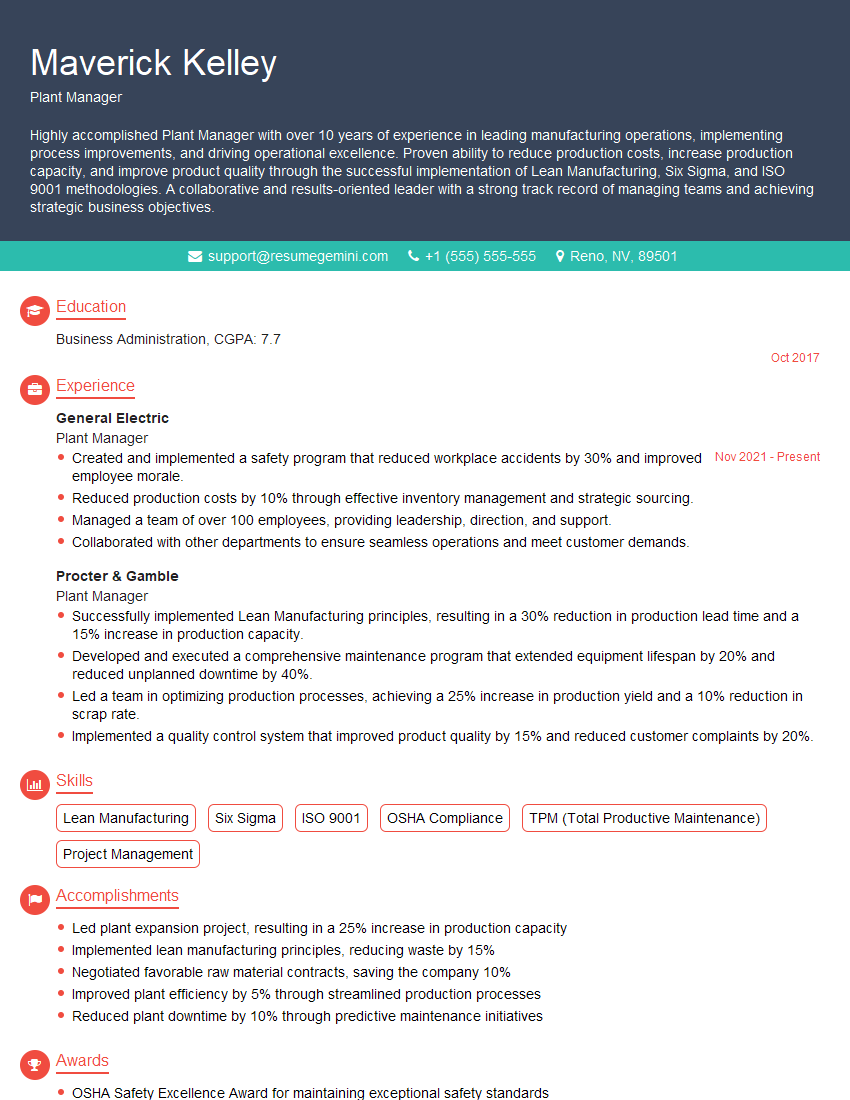
Plant Manager Resume Sample
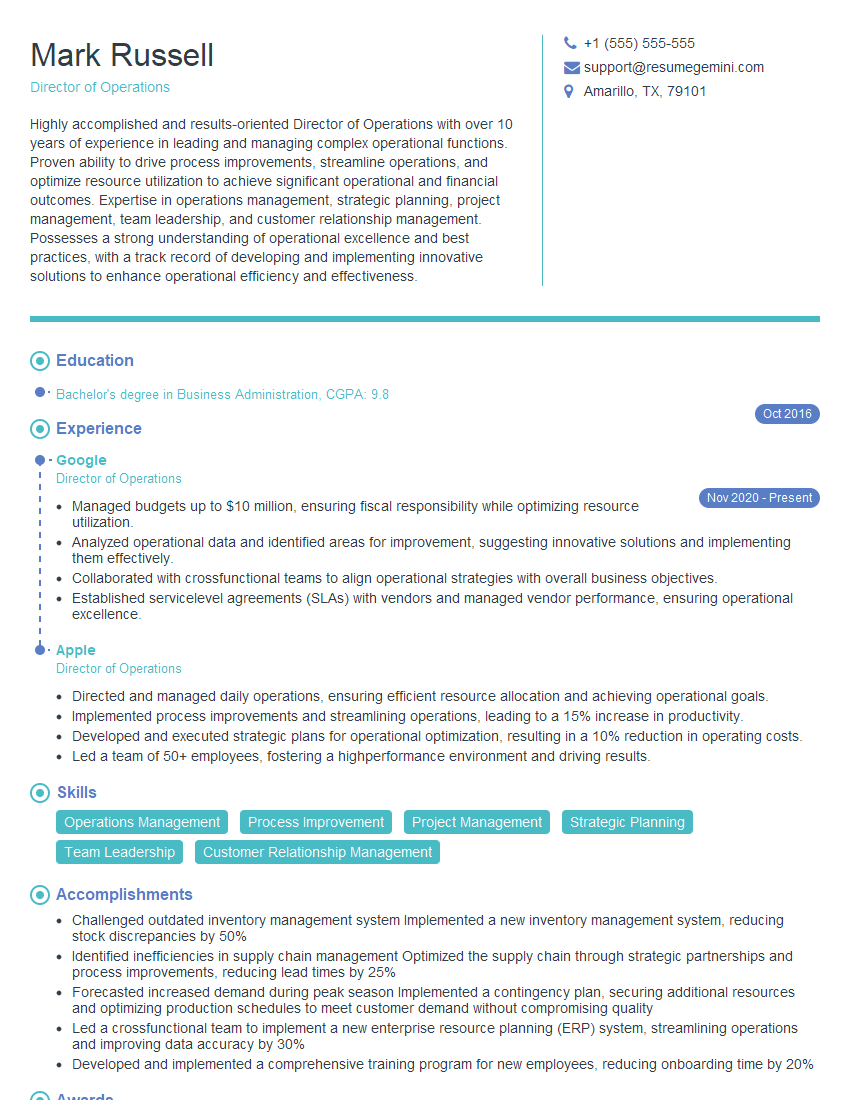
Director of Operations Resume Sample
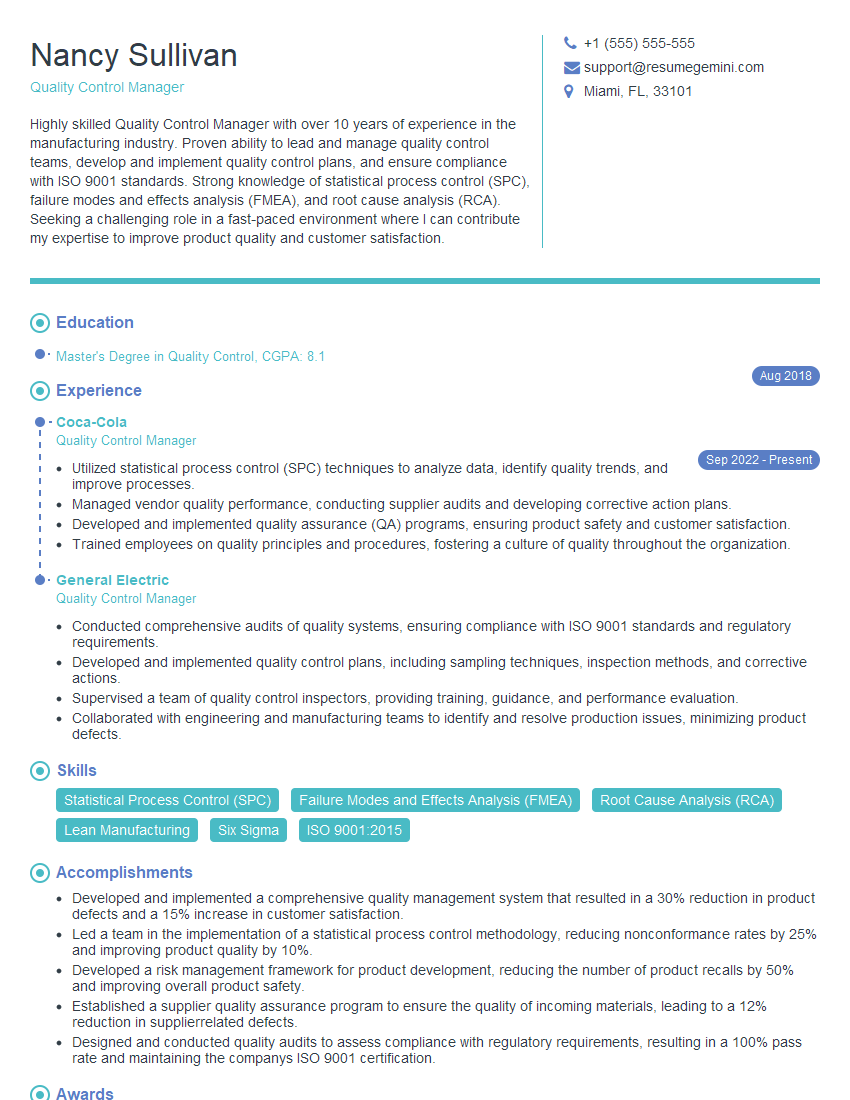
Quality Control Manager Resume Sample
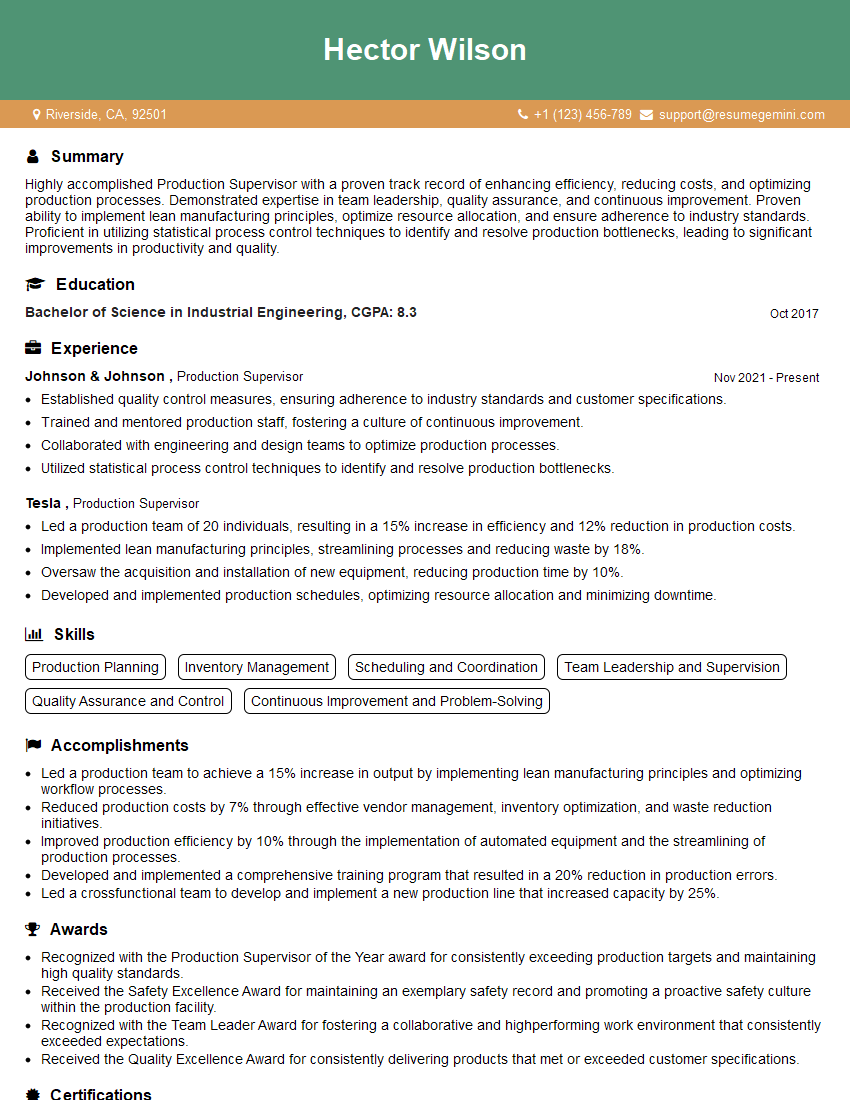
Production Supervisor Resume Sample
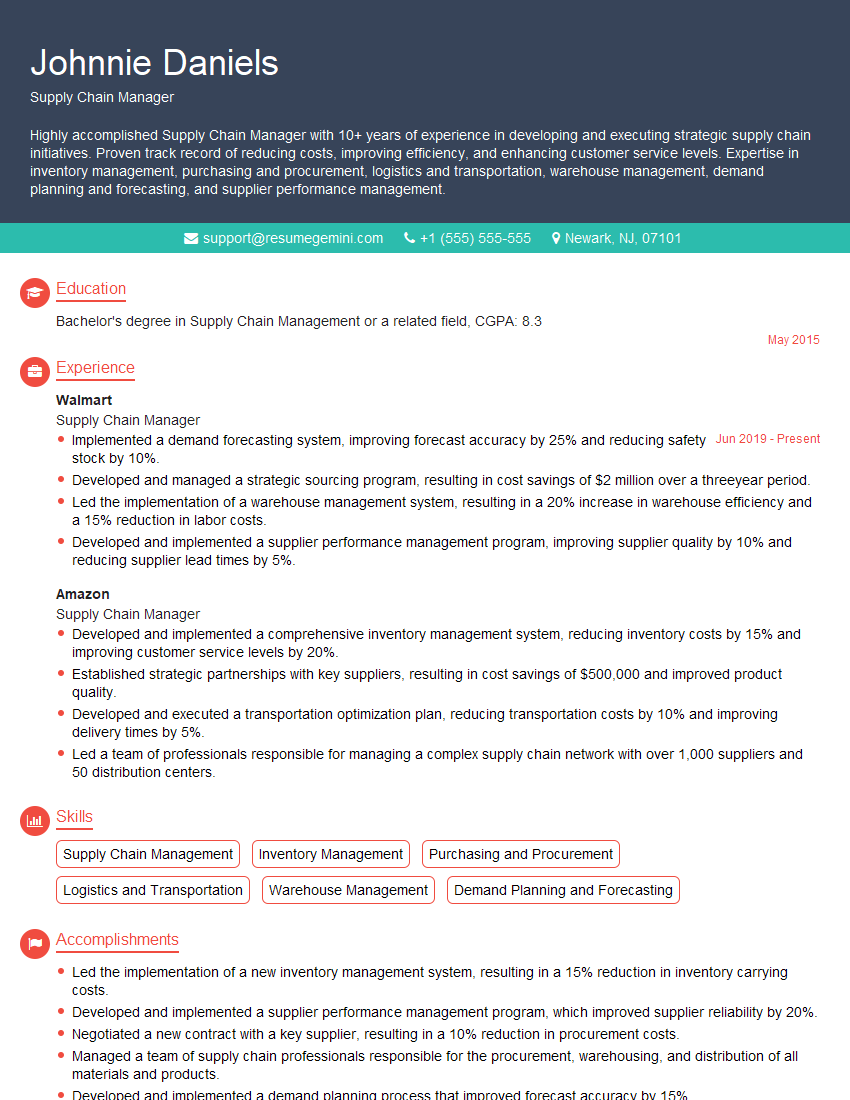
Supply Chain Manager Resume Sample
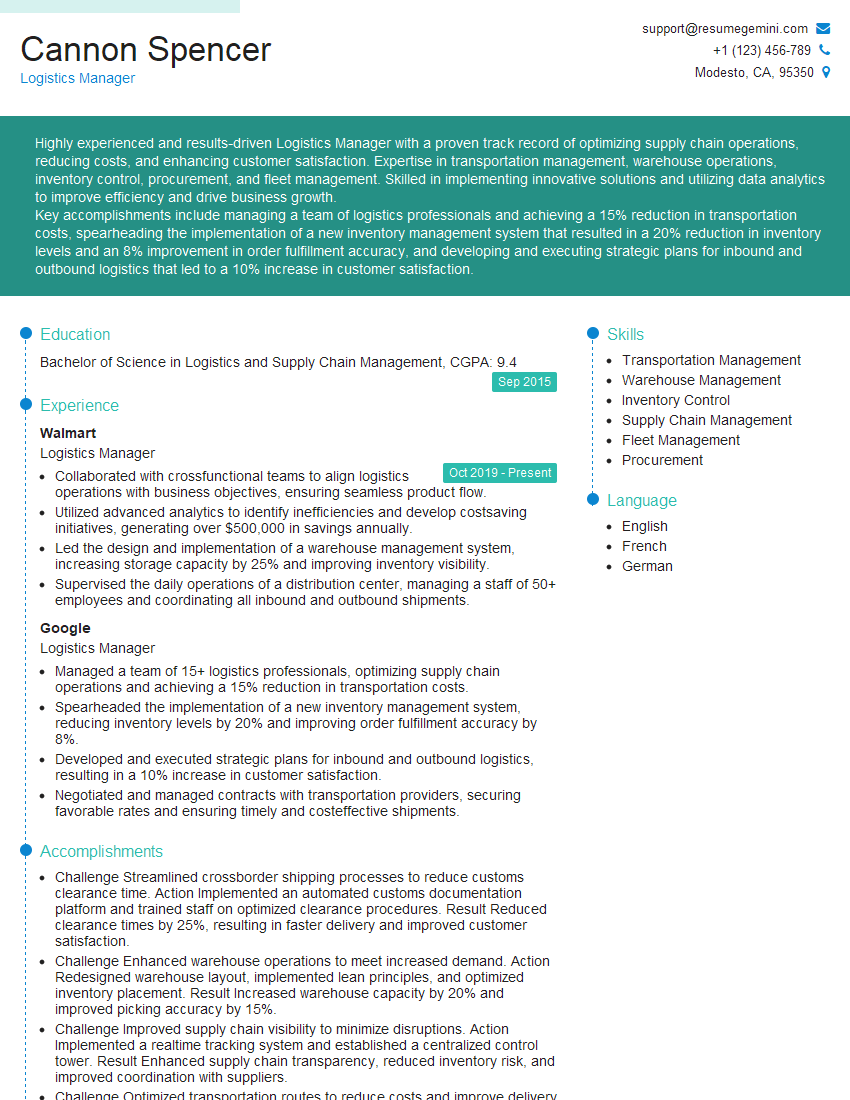
Logistics Manager Resume Sample
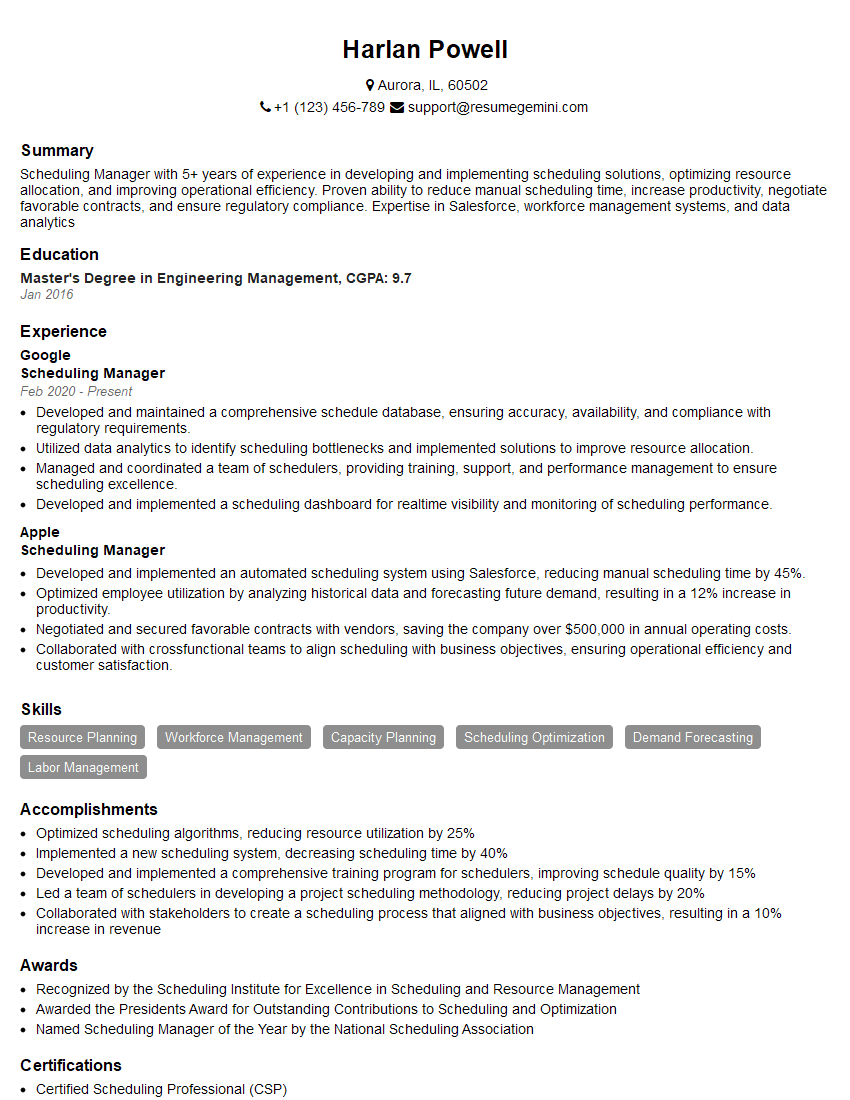
Scheduling Manager Resume Sample

Operations Research Analyst Resume Sample
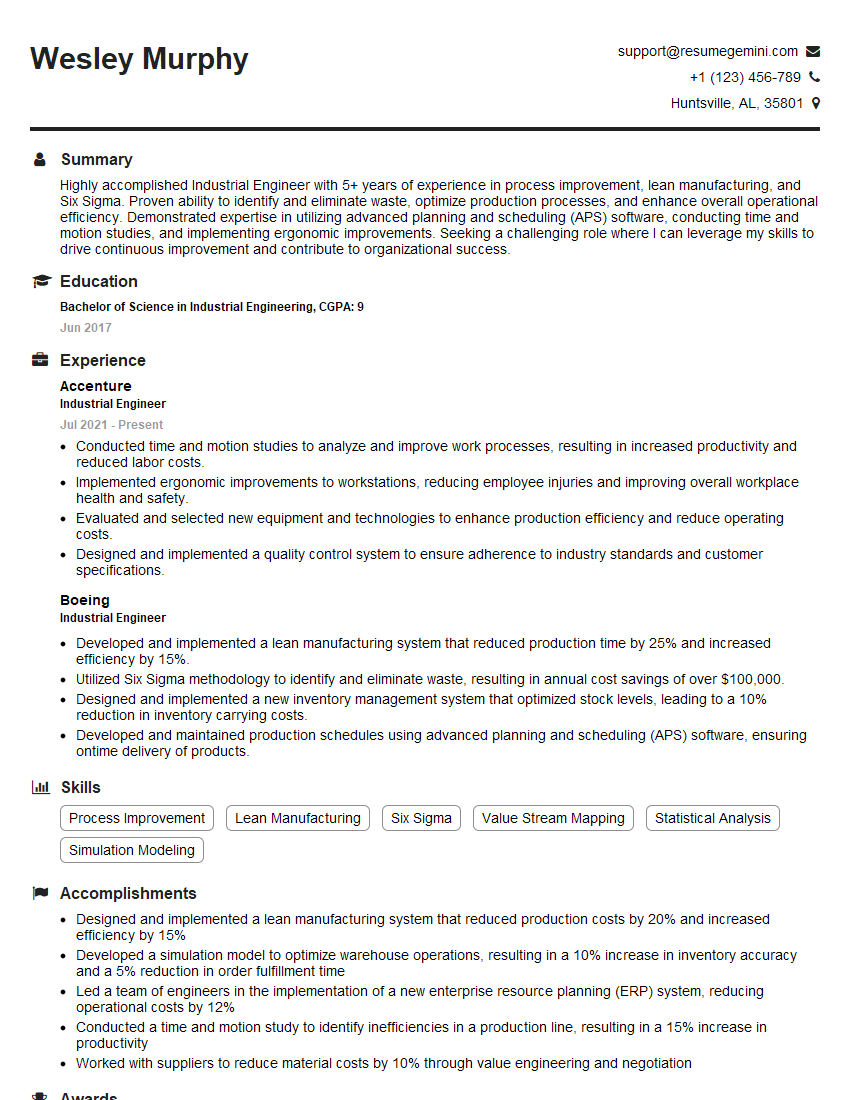
Industrial Engineer Resume Sample
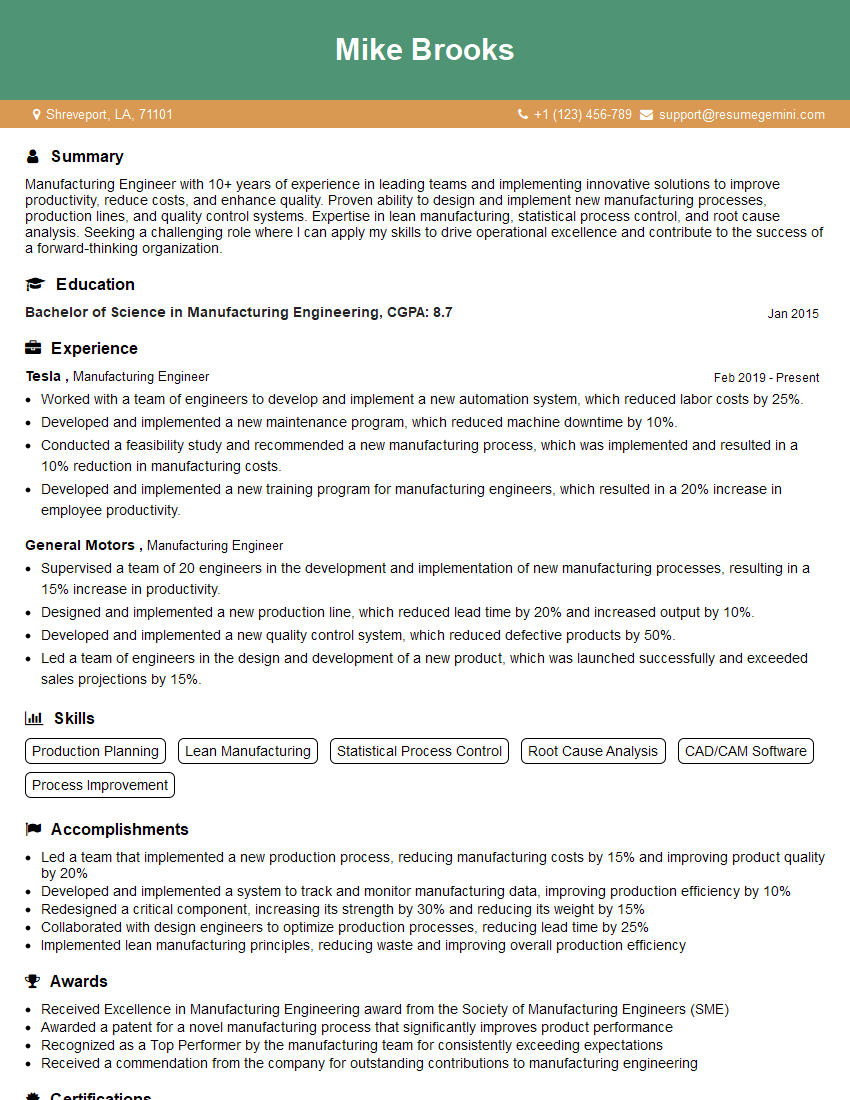
Manufacturing Engineer Resume Sample
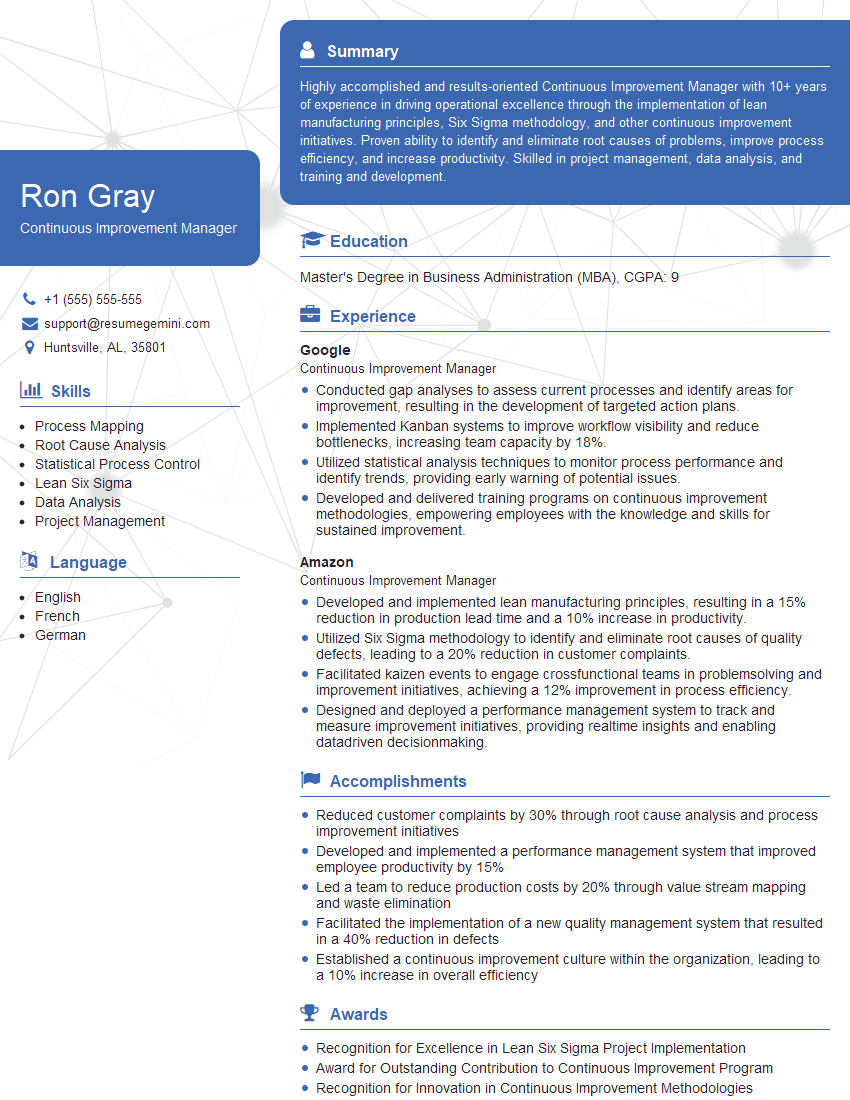
Continuous Improvement Manager Resume Sample
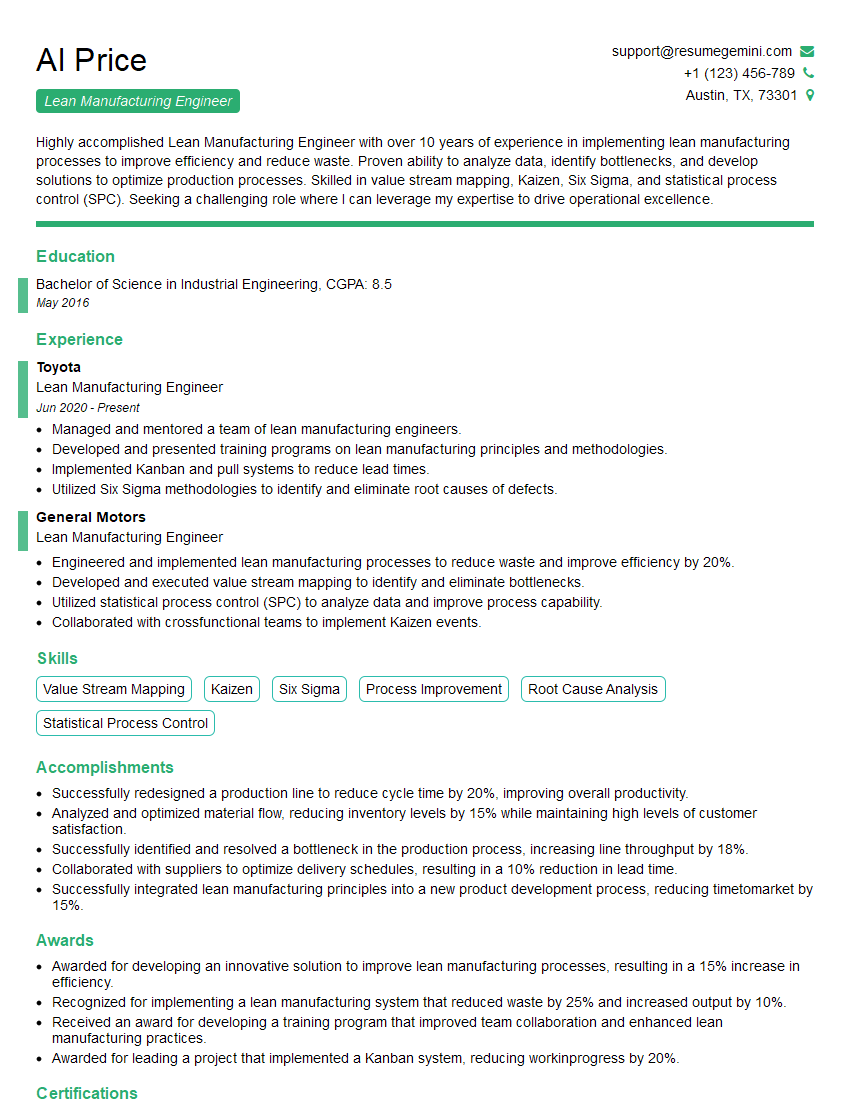
Lean Manufacturing Engineer Resume Sample
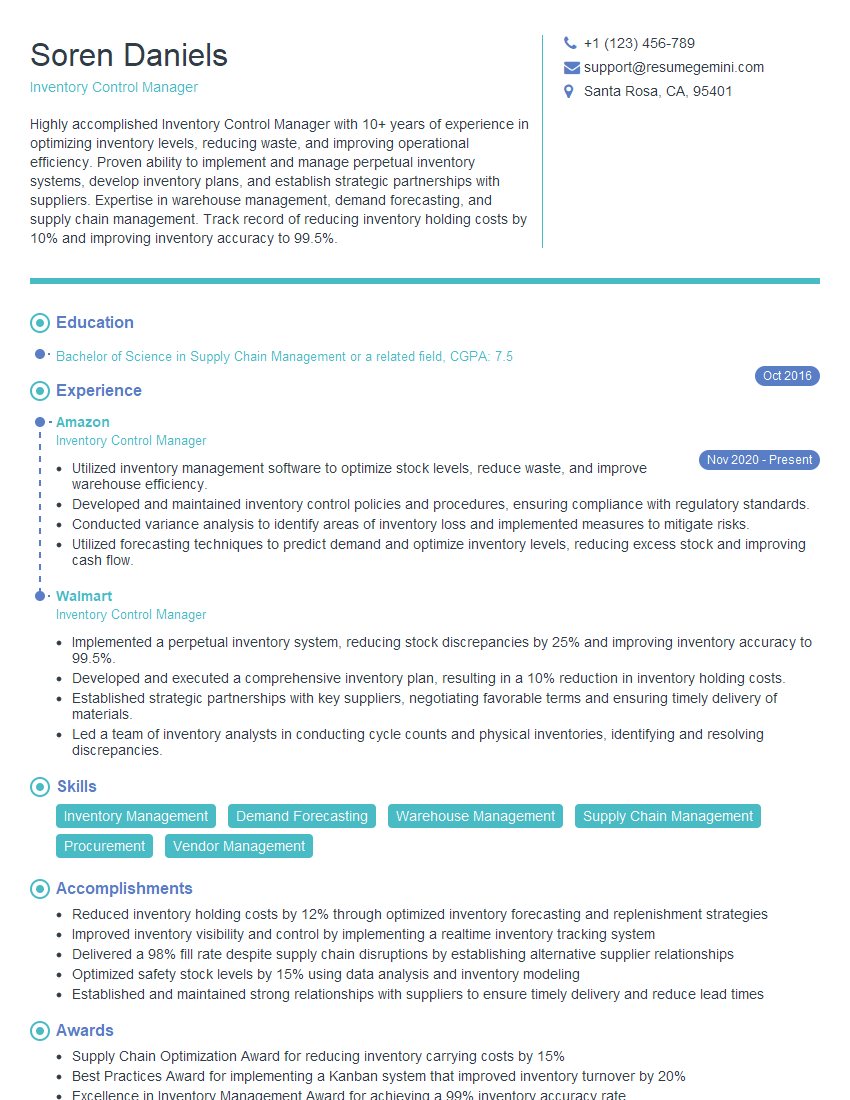
Inventory Control Manager Resume Sample
- Operations Manager
- Plant Manager
- Director of Operations
- Quality Control Manager
- Production Supervisor
- Supply Chain Manager
- Logistics Manager
- Scheduling Manager
- Operations Research Analyst
- Industrial Engineer
- Manufacturing Engineer
- Continuous Improvement Manager
- Lean Manufacturing Engineer
- Inventory Control Manager
Explore more articles
Users Rating of Our Blogs
Share Your Experience
We value your feedback! Please rate our content and share your thoughts (optional).
What Readers Say About Our Blog
Very informative content, great job.
good