Cracking a skill-specific interview, like one for OSHA and EPA Safety Regulations Compliance, requires understanding the nuances of the role. In this blog, we present the questions you’re most likely to encounter, along with insights into how to answer them effectively. Let’s ensure you’re ready to make a strong impression.
Questions Asked in OSHA and EPA Safety Regulations Compliance Interview
Q 1. Explain the key differences between OSHA and EPA regulations.
OSHA (Occupational Safety and Health Administration) and EPA (Environmental Protection Agency) are both crucial for workplace safety, but they focus on different aspects. OSHA primarily concerns itself with worker safety and health within the workplace, covering things like hazard communication, personal protective equipment (PPE), and machine guarding. The EPA, on the other hand, focuses on environmental protection, regulating things like hazardous waste disposal, air and water quality, and the release of pollutants into the environment. Think of it this way: OSHA protects the workers inside the factory, while the EPA protects the community and environment around the factory.
For example, OSHA would mandate the use of respirators in a factory with airborne contaminants, ensuring worker safety. The EPA would regulate the proper disposal of those contaminants to prevent environmental damage. While there’s overlap – improper waste disposal could harm workers – their primary focuses are distinct.
Q 2. Describe your experience with OSHA Form 300.
OSHA Form 300 is the log of work-related injuries and illnesses. My experience includes not only completing the form accurately and in a timely manner but also using the data it contains for proactive safety improvements. I’ve been involved in analyzing trends identified in Form 300 data to pinpoint high-risk areas in the workplace. This might involve identifying a particular machine as a recurring source of injuries or noticing a spike in injuries during a specific time of year. This data-driven approach allowed for the implementation of targeted safety interventions like improved training, redesigned work processes, or the installation of additional safety equipment, leading to a demonstrable reduction in workplace incidents.
Furthermore, I am experienced in ensuring the form is properly maintained and readily accessible for OSHA inspections. This involves meticulous record-keeping and understanding the requirements for data confidentiality, ensuring all legal requirements are met.
Q 3. How would you conduct a workplace hazard assessment?
A thorough workplace hazard assessment is a systematic process. It begins with identifying potential hazards, which can be achieved through a combination of methods: walkthrough inspections, reviewing incident reports, employee input, and consulting relevant safety data sheets (SDS). Once hazards are identified, I evaluate the associated risks – the likelihood and severity of harm. This evaluation often involves using a risk matrix to categorize risks as low, medium, or high. For instance, a small chance of a minor cut might be low risk, while a high chance of a serious injury is a high risk.
Following the risk assessment, I develop and implement control measures to mitigate the identified hazards. These measures follow a hierarchy of controls: elimination (removing the hazard entirely), substitution (replacing the hazard with a less hazardous alternative), engineering controls (modifying the workplace to reduce exposure), administrative controls (changes to work practices), and finally, personal protective equipment (PPE) as the last line of defense. For example, if a machine presents a crushing hazard, I might first try to eliminate the hazard by replacing it with a safer model. Failing that, engineering controls like installing guards would be implemented. PPE, such as gloves, would only be used as a secondary measure if other controls were insufficient.
The process concludes with documentation, regular review, and updating of the hazard assessment as the workplace evolves.
Q 4. What are your methods for ensuring compliance with EPA regulations on hazardous waste disposal?
Ensuring compliance with EPA regulations on hazardous waste disposal involves a multi-step process. First, we accurately identify the waste – is it hazardous or non-hazardous? Proper classification is crucial. We utilize the EPA’s guidelines and resources, including the Resource Conservation and Recovery Act (RCRA) regulations, to determine the waste’s characteristics (ignitability, corrosivity, reactivity, toxicity). This identification stage might involve laboratory testing if needed.
Next, we implement a comprehensive waste management plan. This plan must include procedures for proper handling, storage, transportation, and disposal of the hazardous waste. We work closely with licensed hazardous waste disposal companies to ensure all transportation and disposal activities are conducted in compliance with all applicable federal, state, and local regulations. All activities must be properly documented, with detailed records maintained for at least three years.
Regular training for employees involved in handling hazardous waste is paramount. This training covers proper handling techniques, emergency procedures, and the importance of following the waste management plan diligently. Finally, we regularly audit our waste management processes to identify areas for improvement and to ensure consistent compliance with EPA regulations.
Q 5. Explain your understanding of lockout/tagout procedures.
Lockout/Tagout (LOTO) procedures are a critical safety measure designed to prevent accidental energy release during maintenance or repair of equipment. It’s a life-saving procedure. My understanding encompasses all aspects, from the initial planning to the final verification. The procedure starts with identifying all energy sources associated with the equipment – electrical, hydraulic, pneumatic, etc. Each energy source must be isolated and rendered powerless.
Then, the appropriate lockout devices (locks) and tagout devices (tags) are applied to the energy isolation devices, preventing accidental re-energization. Each person involved in the maintenance activity affixes their personal lock and tag to the equipment, providing a clear indication that work is in progress. Before re-energizing the equipment, all locks and tags must be removed by the authorized personnel who affixed them.
Crucially, there’s an emphasis on training. Employees must receive thorough training on LOTO procedures, including the proper selection and use of lockout devices, the importance of following established procedures, and the potential consequences of failing to do so. Regular drills and audits are also essential to ensure the effectiveness of the LOTO program.
Q 6. Describe your experience with incident reporting and investigation.
My experience with incident reporting and investigation involves a systematic approach. Immediately after an incident, I ensure the scene is secured to prevent further harm and preserve evidence. Then, I gather information: witness statements, photographic and video evidence, and documentation of the events leading to the incident.
The investigation itself is thorough and objective, focusing on identifying the root cause(s) of the incident rather than assigning blame. I use tools like fault tree analysis or ‘5 Whys’ to systematically investigate the contributing factors. The goal is to understand what happened, why it happened, and what steps can be taken to prevent similar incidents in the future. Once the root causes are identified, I recommend corrective actions, which might range from retraining employees to improving safety equipment or modifying work processes. The implemented corrective actions are then monitored to ensure their effectiveness.
Finally, all findings are documented in a comprehensive report, which includes a detailed description of the incident, the investigation process, root causes, corrective actions, and recommendations for future prevention. This report is then reviewed by relevant stakeholders.
Q 7. How familiar are you with the different OSHA standards (e.g., General Industry, Construction)?
I’m very familiar with various OSHA standards, including the General Industry standards (29 CFR 1910), which apply to most workplaces, and the Construction standards (29 CFR 1926), applicable to construction sites. My knowledge extends to specific standards within these categories, such as those covering hazard communication (1910.1200), personal protective equipment (1910.132), fall protection (1926.501), and machine guarding (1910.212).
I understand that the application of these standards might differ depending on the specific industry and the nature of the work being performed. I can interpret these standards effectively and apply them to real-world scenarios to develop and implement safety programs tailored to the unique challenges and risks of each workplace. I am also aware of the specific requirements for recordkeeping and reporting under each standard.
Beyond General Industry and Construction, I have experience navigating other OSHA standards as needed. My expertise is not limited to just knowing the regulations but also understanding how to apply them to achieve true workplace safety and compliance.
Q 8. How do you stay updated on changes in OSHA and EPA regulations?
Staying current with OSHA and EPA regulations requires a multi-pronged approach. It’s not a one-time effort but rather an ongoing commitment. I utilize several key strategies:
- Official Websites: I regularly check the OSHA and EPA websites for updates, new rules, and revised standards. These websites are the primary sources of information and ensure I’m accessing the most accurate and up-to-date details.
- Subscription Services: I subscribe to reputable industry newsletters and publications that provide summaries and analyses of regulatory changes. These services often provide expert commentary, helping me understand the practical implications of the changes.
- Professional Organizations: Active membership in professional organizations like the American Society of Safety Professionals (ASSP) offers access to webinars, conferences, and networking opportunities where experts discuss recent developments and best practices.
- Training and Certifications: I regularly participate in continuing education courses and professional development programs to maintain my knowledge and ensure my certifications remain current. Many of these courses specifically address recent updates in OSHA and EPA regulations.
- Industry Events: Attending industry conferences and workshops allows me to learn from peers and experts, network, and stay abreast of the latest regulatory and technological advancements.
This combined approach ensures I am always informed and prepared to advise on compliance with current safety and environmental regulations.
Q 9. Describe your experience with developing and implementing safety programs.
Throughout my career, I’ve been involved in developing and implementing numerous safety programs across diverse industries. My approach is always rooted in a thorough risk assessment and a focus on proactive prevention, rather than reactive response. Here are some examples:
- Manufacturing Facility: I led the development of a comprehensive safety program for a manufacturing plant, including the implementation of lockout/tagout procedures, machine guarding upgrades, and a robust training program for all employees. This resulted in a significant reduction in workplace accidents.
- Construction Site: On a large-scale construction project, I oversaw the development and implementation of a fall protection plan, hazard communication protocols, and a system for managing hazardous materials. This ensured worker safety in a high-risk environment.
- Office Setting: Even in an office setting, I’ve helped develop programs addressing ergonomics, fire safety, and emergency response plans. A seemingly low-risk environment still requires proactive planning for a safe and productive workspace.
In all cases, my approach involves a collaborative effort with employees at all levels. Effective safety programs are not imposed from above but rather developed and implemented with buy-in from the workforce.
Q 10. How would you handle a situation where an employee refuses to comply with safety regulations?
Addressing employee refusal to comply with safety regulations requires a careful, multi-step approach focused on education, understanding, and ultimately, disciplinary action if necessary. My strategy is as follows:
- Understanding the Reason: I would first engage the employee in a private conversation to understand the reason for their refusal. Perhaps there’s a safety concern they have, a misunderstanding of the regulation, or a lack of appropriate PPE or training.
- Education and Training: If the refusal stems from a lack of understanding, I would provide additional training and clarify the regulations and their importance, using clear and accessible language.
- Problem Solving: If the issue is with the safety of the equipment or procedure, I would work with them and relevant personnel to address those concerns and make the necessary improvements. This might involve adjusting procedures or providing different PPE.
- Documentation: Throughout this process, I maintain thorough documentation of the conversations, training provided, and any attempts made to resolve the issue. This is vital for managing the situation professionally and fairly.
- Disciplinary Action: If the refusal persists despite these efforts, and the employee’s actions pose a significant safety risk, I would implement appropriate disciplinary actions as outlined in the company’s policies. This process would also include documenting any such steps taken, and adhering to company and legal procedures.
The goal is not to punish but to ensure a safe working environment for everyone. A collaborative approach always yields better results, but firm action is sometimes necessary to protect the well-being of all employees.
Q 11. What are your strategies for promoting a strong safety culture within a workplace?
Promoting a strong safety culture isn’t a one-time initiative; it’s an ongoing process requiring consistent effort and commitment from leadership and all employees. My strategy focuses on these key elements:
- Leadership Commitment: Visible and consistent leadership support is crucial. Leaders need to actively participate in safety initiatives, model safe behavior, and demonstrate a genuine commitment to employee well-being.
- Open Communication: Establishing open channels of communication ensures employees feel comfortable reporting hazards and near misses without fear of retribution. Regular safety meetings, toolbox talks, and feedback mechanisms are vital.
- Employee Involvement: Empowering employees to participate in safety improvement efforts fosters ownership and increases buy-in. Safety committees, suggestion boxes, and regular feedback sessions help involve employees actively.
- Recognition and Rewards: Acknowledging and rewarding safe behaviors reinforces positive actions and encourages others to follow suit. Simple recognition programs, such as employee-of-the-month awards for safety contributions, can be very effective.
- Continuous Improvement: Regular safety audits, incident investigations, and data analysis help identify areas for improvement and refine safety procedures. This demonstrates a commitment to ongoing progress and demonstrates that safety is a top priority.
Building a strong safety culture is like building a strong team – it requires trust, collaboration, and consistent effort from everyone involved.
Q 12. Explain your understanding of Personal Protective Equipment (PPE) selection and use.
Personal Protective Equipment (PPE) selection and use is paramount to worker safety. It’s not simply about providing PPE; it’s about selecting the appropriate equipment for the specific hazard, ensuring proper fit, and providing training on its correct use and maintenance. The process generally involves:
- Hazard Assessment: A comprehensive risk assessment identifies the specific hazards present in the workplace, such as chemical exposure, noise levels, or potential for falls.
- PPE Selection: Based on the hazard assessment, the appropriate PPE is selected. This requires consulting OSHA standards and manufacturer specifications to ensure the equipment is designed to mitigate the identified risks.
- Fit Testing: Many types of PPE require proper fit testing to ensure effectiveness. For example, respirators need to be properly fitted to ensure a tight seal, preventing inhalation of hazardous substances.
- Training and Use: Employees must receive adequate training on how to properly use, maintain, and store their PPE. This includes understanding when to use it, how to inspect it, and how to recognize when it needs to be replaced.
- Regular Inspection and Maintenance: PPE should be regularly inspected for damage or wear and replaced as necessary. Proper storage and maintenance also extend the lifespan and effectiveness of the equipment.
For example, working with corrosive chemicals might require selecting chemical-resistant gloves, eye protection, and possibly a full body suit, while working at heights would necessitate a safety harness and fall arrest system. The key is to match the PPE to the specific risk and ensure it’s used correctly.
Q 13. Describe your experience with conducting safety training programs.
I have extensive experience designing and delivering safety training programs, tailoring them to specific audiences and regulatory requirements. My approach prioritizes practical application and engagement:
- Needs Assessment: I begin by conducting a thorough needs assessment to determine the specific training requirements based on the identified hazards and employees’ roles and responsibilities. This ensures the training is targeted and effective.
- Interactive Methods: Instead of relying solely on lectures, I incorporate interactive methods such as hands-on demonstrations, simulations, and group discussions to enhance engagement and knowledge retention. Case studies, interactive scenarios, and quizzes further help the learning process.
- Relevant Content: The training content is meticulously crafted to be relevant, understandable, and aligned with current OSHA and EPA regulations. I use clear and concise language, avoiding jargon whenever possible.
- Documentation and Evaluation: I meticulously document the training, including attendance records, materials used, and post-training assessments. This documentation is crucial for demonstrating compliance with regulations and evaluating the effectiveness of the program.
- Follow-up and Reinforcement: Following the initial training, I often implement follow-up activities such as refresher courses, toolbox talks, or on-the-job coaching to reinforce learning and ensure compliance.
For instance, in a construction setting, I’ve developed training on fall protection techniques using hands-on demonstrations with safety harnesses and various types of fall protection equipment. In a chemical plant, I’ve developed programs on handling hazardous materials emphasizing proper procedures and emergency response planning.
Q 14. How familiar are you with the National Environmental Policy Act (NEPA)?
The National Environmental Policy Act (NEPA) is a cornerstone of US environmental law. It mandates that federal agencies assess the environmental impacts of their proposed actions before making decisions. My understanding encompasses:
- Environmental Impact Statements (EIS): I understand the process of preparing and reviewing EISs, which are detailed analyses of the potential environmental consequences of major federal actions. This includes evaluating impacts on air and water quality, endangered species, and other environmental resources.
- Environmental Assessments (EA): I’m familiar with EAs, which are less extensive analyses used to determine whether a more detailed EIS is necessary. Knowing when an EA is sufficient and when a full EIS is required is crucial for compliance.
- Categorical Exclusions: I understand the concept of categorical exclusions, which are categories of actions that have been determined to have no significant environmental impact and therefore do not require an EA or EIS. Recognizing these is critical for efficiency.
- Public Participation: NEPA emphasizes public involvement in the environmental review process. I understand the importance of providing opportunities for public comment and incorporating feedback into decision-making.
- Compliance and Enforcement: I’m familiar with the mechanisms for ensuring compliance with NEPA, including legal challenges and enforcement actions. Understanding the potential ramifications of non-compliance is essential.
In essence, NEPA ensures that environmental considerations are integrated into federal decision-making, and I understand its intricacies and the implications for various projects and activities.
Q 15. What is your understanding of the Clean Air Act and its implications?
The Clean Air Act (CAA) is a comprehensive federal law designed to protect and improve the quality of the nation’s air. It sets national ambient air quality standards (NAAQS) for six common pollutants: ozone, particulate matter, carbon monoxide, sulfur dioxide, nitrogen dioxide, and lead. These standards define acceptable levels of these pollutants in the air we breathe. The CAA’s implications are far-reaching. It requires states to develop and implement State Implementation Plans (SIPs) to achieve and maintain NAAQS. Industries that emit pollutants are regulated through various permits and programs, including Title V operating permits for major sources, and New Source Review (NSR) for new or modified facilities. Non-compliance can result in significant penalties, including fines, lawsuits, and even facility shutdowns. For example, a company exceeding its permitted emission limits for particulate matter faces potential penalties under the CAA and could face legal action from the EPA or citizen lawsuits. The act also encourages technological innovation and the development of cleaner energy sources through various incentives and regulations.
Career Expert Tips:
- Ace those interviews! Prepare effectively by reviewing the Top 50 Most Common Interview Questions on ResumeGemini.
- Navigate your job search with confidence! Explore a wide range of Career Tips on ResumeGemini. Learn about common challenges and recommendations to overcome them.
- Craft the perfect resume! Master the Art of Resume Writing with ResumeGemini’s guide. Showcase your unique qualifications and achievements effectively.
- Don’t miss out on holiday savings! Build your dream resume with ResumeGemini’s ATS optimized templates.
Q 16. How would you address a potential environmental violation?
Addressing a potential environmental violation requires a systematic approach. First, I’d immediately halt any activity suspected of causing the violation to prevent further damage. Second, I’d conduct a thorough internal investigation to determine the nature and extent of the violation, including reviewing operational records, interviewing personnel, and potentially collecting samples. Third, I’d assess the potential environmental impact and health risks. Then, I’d promptly report the violation to the appropriate regulatory agency (EPA or state equivalent), being completely transparent about what we know. This includes providing detailed information about the violation, the steps taken to address it, and any potential corrective actions. This proactive approach demonstrates compliance commitment and helps mitigate potential penalties. Finally, we’d develop and implement a corrective action plan, including repairs, process improvements, employee training, and preventative measures to ensure future compliance. A case study I worked on involved a spill of hazardous chemicals. We followed this process, resulting in a rapid response that minimized environmental impact and helped us avoid significant fines.
Q 17. Explain your understanding of environmental risk assessment.
Environmental risk assessment is a systematic process used to identify, characterize, and evaluate potential hazards associated with environmental contamination. It involves several key steps: hazard identification (identifying potential contaminants), dose-response assessment (determining the relationship between exposure and adverse health effects), exposure assessment (estimating the levels and duration of human or ecological exposure), and risk characterization (combining the previous steps to estimate the overall risk). Risk assessment tools like Geographic Information Systems (GIS) can be used to map contaminant distributions and populations at risk. For instance, assessing the risk from a leaking underground storage tank involves identifying the contaminants (e.g., gasoline), assessing how they might migrate through the soil and groundwater, and determining the potential health risks to nearby residents and ecosystems. The results of the assessment help inform decision-making on remedial actions, such as cleanup strategies and protective measures.
Q 18. Describe your experience with environmental auditing.
My experience with environmental auditing includes both internal and external audits. Internal audits help identify areas for improvement in our environmental compliance programs. For example, we review permits, assess waste management practices, evaluate spill prevention control and countermeasures (SPCC) plans, and ensure proper recordkeeping. External audits are conducted by third-party firms or regulatory agencies to verify compliance. I’ve participated in audits conducted by the EPA, demonstrating our dedication to rigorous compliance standards. These audits evaluate our compliance documentation, operational processes, and environmental management systems. One significant project involved an audit of a manufacturing facility’s air emissions compliance. The audit identified a minor deficiency in recordkeeping, which we immediately corrected. This proactive approach helped maintain compliance and showcased our commitment to continuous improvement.
Q 19. How familiar are you with different types of environmental permits?
Familiarity with various environmental permits is crucial. These permits authorize activities with potential environmental impacts, ensuring compliance with federal and state regulations. Common permit types include:
- Air Quality Permits (e.g., Title V permits for major sources, Prevention of Significant Deterioration (PSD) permits for new or modified sources)
- Water Discharge Permits (National Pollutant Discharge Elimination System or NPDES permits)
- Wastewater Discharge Permits
- Solid Waste Permits (for landfills, hazardous waste treatment, storage, and disposal facilities)
- Stormwater Permits (National Pollutant Discharge Elimination System or NPDES stormwater permits)
- Hazardous Waste Permits
Q 20. What are your methods for monitoring environmental compliance?
Monitoring environmental compliance involves a multi-faceted approach. We utilize a combination of methods, including:
- Regular self-audits: We conduct internal audits to ensure adherence to permit requirements and best practices.
- Data collection and analysis: We collect data from various monitoring systems (e.g., emissions monitoring equipment, wastewater treatment plant data, environmental sampling). This data is analyzed to detect any potential compliance issues.
- Environmental inspections: Regular visual inspections of the facility, equipment, and surrounding areas to identify potential problems.
- Employee training and engagement: Training employees on environmental regulations and their role in compliance. This fosters a culture of environmental responsibility.
- Recordkeeping and reporting: Maintaining accurate and complete records of environmental activities and submitting timely reports to regulatory agencies.
Q 21. How would you manage an environmental emergency?
Managing an environmental emergency requires a swift and organized response. Our emergency response plan outlines procedures for various scenarios, such as chemical spills, equipment malfunctions, or natural disasters. The first step is to activate the emergency response team, focusing on immediate actions to contain the incident and prevent further damage. This often involves notifying appropriate authorities (fire department, EPA, etc.) and implementing emergency procedures specified in our permit. Then, we conduct damage assessment, determining the extent of environmental impact and potential health risks. We work with cleanup contractors specializing in hazardous materials removal to restore the environment. Post-incident activities include detailed documentation, investigation of root causes, implementation of corrective actions to prevent future occurrences, and reporting to regulatory agencies. Thorough investigation of the root causes is critical to preventing similar incidents in the future. This could involve reviewing operational procedures, upgrading equipment, or improving employee training. A well-documented and regularly practiced emergency response plan is vital for minimizing the impact of environmental emergencies and complying with regulatory requirements.
Q 22. Describe your experience with environmental remediation.
My experience in environmental remediation spans over ten years, encompassing various projects involving soil, groundwater, and sediment contamination. I’ve worked on sites contaminated with petroleum hydrocarbons, heavy metals, and chlorinated solvents. For instance, I led a team in remediating a former industrial site where leaked solvents had contaminated the groundwater. We employed a combination of pump-and-treat technology, soil vapor extraction, and bioremediation to achieve regulatory compliance. Another project involved assessing and remediating soil impacted by a historical landfill. This required a thorough site investigation, risk assessment, and the implementation of a remediation plan tailored to the specific contaminants and site conditions. In both instances, success hinged on meticulous planning, rigorous sampling and analysis, and close collaboration with regulatory agencies.
Q 23. What is your understanding of the Clean Water Act?
The Clean Water Act (CWA) is a cornerstone of US environmental law, aiming to restore and maintain the chemical, physical, and biological integrity of the nation’s waters. It regulates the discharge of pollutants into navigable waters and wetlands. My understanding encompasses the key components, including the National Pollutant Discharge Elimination System (NPDES) permit program, which requires industrial facilities and municipalities to obtain permits before discharging pollutants. I also understand the CWA’s provisions on water quality standards, the prohibition of certain pollutants, and the mechanisms for addressing nonpoint source pollution (like runoff from agriculture). For example, I’ve assisted clients in obtaining NPDES permits, ensuring their discharge complies with the permit limits and monitoring requirements. I understand the potential liabilities associated with CWA violations, which can range from administrative penalties to criminal prosecution.
Q 24. How would you ensure compliance with hazardous materials regulations?
Ensuring compliance with hazardous materials regulations requires a multifaceted approach. It begins with a thorough understanding of applicable regulations, including OSHA’s Hazard Communication Standard (HazCom), the Emergency Planning and Community Right-to-Know Act (EPCRA), and the Resource Conservation and Recovery Act (RCRA), depending on the specific materials involved. Key steps include:
- Proper labeling and identification: All containers must be properly labeled with hazard warnings and safety data sheets (SDS) readily available.
- Employee training: Employees who handle hazardous materials must receive comprehensive training on safe handling procedures, emergency response, and relevant regulations.
- Spill prevention and response plan: A detailed plan outlining procedures for preventing spills and managing them in the event they occur is crucial. This includes regular inspections and maintenance of equipment to minimize the risk of leaks.
- Waste management: Proper disposal or recycling of hazardous waste according to RCRA guidelines is paramount to prevent environmental contamination.
- Regular inspections and audits: Conducting regular inspections and safety audits helps identify potential hazards and compliance issues before they become major problems.
Q 25. Describe your experience with developing and implementing environmental management systems.
I have extensive experience in developing and implementing environmental management systems (EMS), primarily based on ISO 14001 standards. This involves conducting environmental assessments to identify environmental aspects and impacts of operations, establishing environmental objectives and targets, developing and implementing procedures to meet these targets, and conducting regular internal audits to verify effectiveness. In one project, I helped a manufacturing plant establish an EMS to reduce its water consumption and wastewater discharge. This included installing water-efficient equipment, implementing a robust leak detection and repair program, and optimising their wastewater treatment process. The result was significant cost savings and reduced environmental impact. EMS implementation isn’t just about compliance; it’s also about continuous improvement and creating a culture of environmental responsibility within the organization. It’s a systematic approach to managing environmental performance and improving sustainability.
Q 26. Explain your understanding of the Resource Conservation and Recovery Act (RCRA).
The Resource Conservation and Recovery Act (RCRA) governs the generation, transportation, treatment, storage, and disposal of hazardous and non-hazardous solid waste. It’s a cradle-to-grave system, meaning it regulates the waste from its point of origin until its final disposal. My understanding extends to the various aspects, including the identification of hazardous waste using the characteristic and listed waste criteria, obtaining necessary permits for hazardous waste generators, transporters, and treatment, storage, and disposal facilities (TSDFs), ensuring proper recordkeeping and manifest systems, and managing waste minimization and recycling programs. For example, I’ve assisted numerous clients in determining whether their wastes are hazardous under RCRA, in preparing and submitting permit applications, and in conducting compliance audits to ensure adherence to regulatory requirements. Failure to comply with RCRA can lead to significant penalties and environmental damage.
Q 27. How do you prioritize multiple safety and environmental compliance tasks?
Prioritizing multiple safety and environmental compliance tasks requires a systematic approach. I typically use a risk-based prioritization framework that considers factors such as the likelihood and severity of potential consequences associated with non-compliance. For instance, tasks associated with immediate hazards (like imminent equipment failure) take precedence over tasks with long-term environmental impacts (like a scheduled waste audit). I use tools like risk matrices to visually represent the priority of each task, enabling informed decision-making and efficient resource allocation. This also ensures that regulatory deadlines are met while mitigating the most critical risks. Effective communication and collaboration with stakeholders, including management and regulatory agencies, are crucial to ensure everyone is aligned on the prioritization strategy.
Key Topics to Learn for OSHA and EPA Safety Regulations Compliance Interview
- OSHA General Industry Standards: Understanding the core requirements, including hazard communication, personal protective equipment (PPE), and emergency action plans. Consider practical application scenarios like developing a site-specific safety plan.
- EPA Hazardous Waste Management: Familiarize yourself with the regulations surrounding hazardous waste identification, storage, transportation, and disposal. Think about case studies involving proper waste handling procedures and spill response.
- OSHA and EPA Inspections and Citations: Learn about the inspection process, common violations, and the implications of non-compliance. Practice analyzing hypothetical inspection scenarios and determining potential corrective actions.
- Recordkeeping and Reporting Requirements: Master the documentation needed to demonstrate compliance with both OSHA and EPA regulations. Explore the nuances of incident reporting, injury/illness logs, and environmental monitoring data.
- Emergency Response Planning: Develop a strong understanding of developing and implementing comprehensive emergency response plans addressing both workplace and environmental hazards. Consider scenario-based problem-solving involving various emergency situations.
- Environmental Permits and Compliance Monitoring: Understand the process of obtaining and maintaining necessary environmental permits. Explore methods for effectively monitoring compliance and addressing any identified deviations.
- Air and Water Quality Regulations: Gain a foundational understanding of relevant air and water quality regulations enforced by the EPA and how they intersect with OSHA’s workplace safety standards.
- Employee Training and Awareness Programs: Explore best practices for developing and delivering effective employee training programs to ensure compliance with OSHA and EPA regulations. Consider the importance of tailoring training to specific job roles and hazards.
Next Steps
Mastering OSHA and EPA Safety Regulations Compliance is crucial for career advancement in numerous safety-focused roles. It demonstrates your commitment to workplace safety and environmental protection, making you a highly valuable asset to any organization. To significantly boost your job prospects, focus on creating an ATS-friendly resume that highlights your relevant skills and experience. ResumeGemini is a trusted resource to help you build a professional and impactful resume that gets noticed. They offer examples of resumes tailored to OSHA and EPA Safety Regulations Compliance to provide you with a clear template for success.
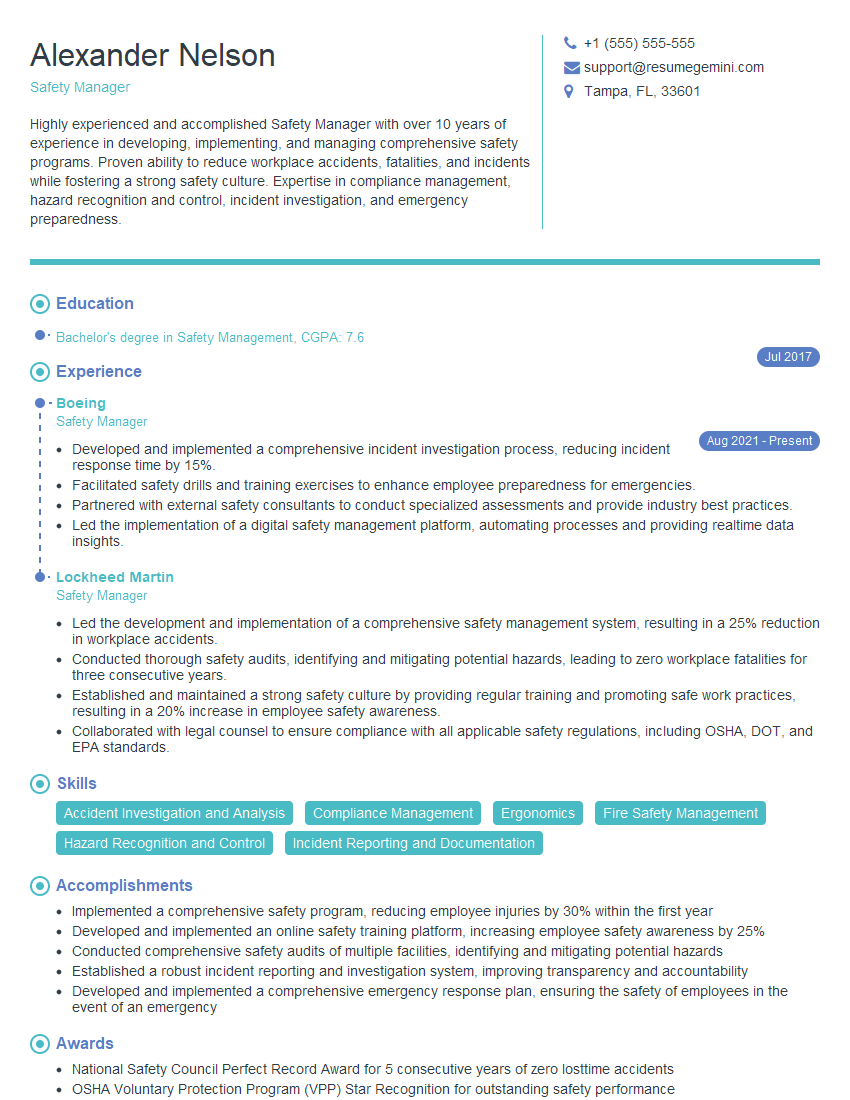
Safety Manager Resume Sample
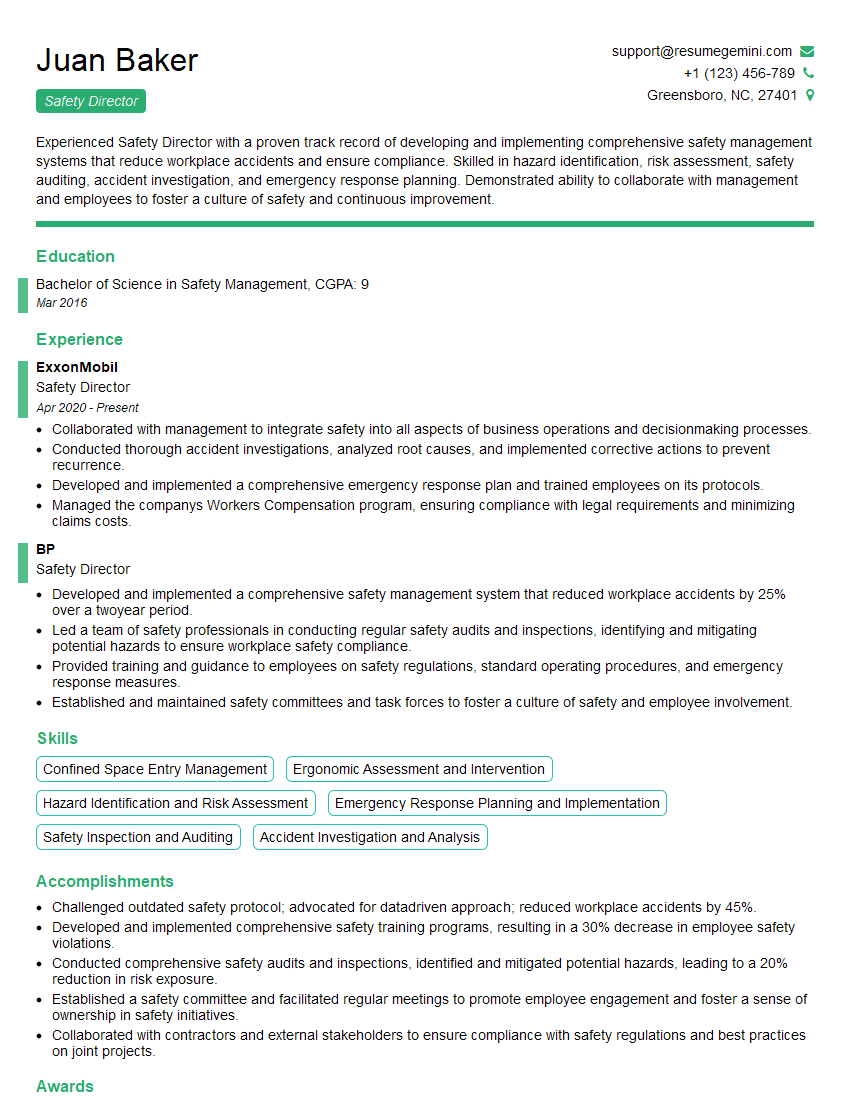
Safety Director Resume Sample
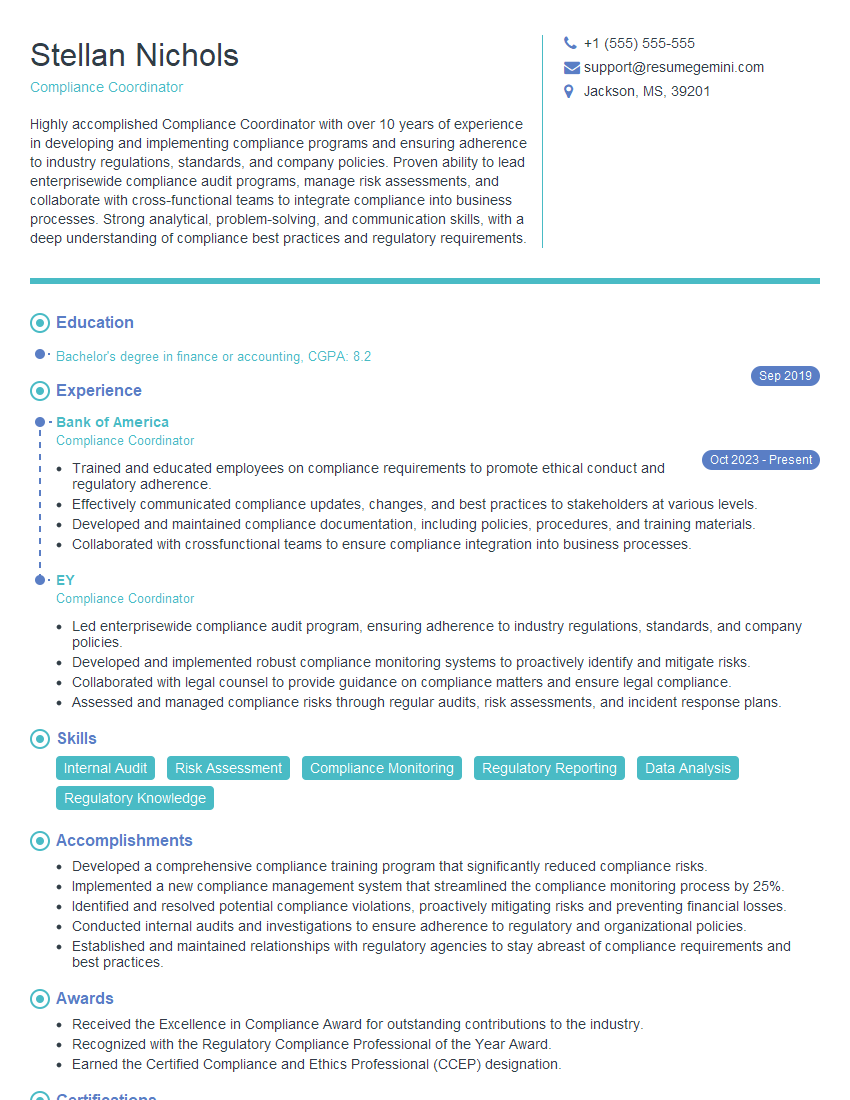
Compliance Coordinator Resume Sample
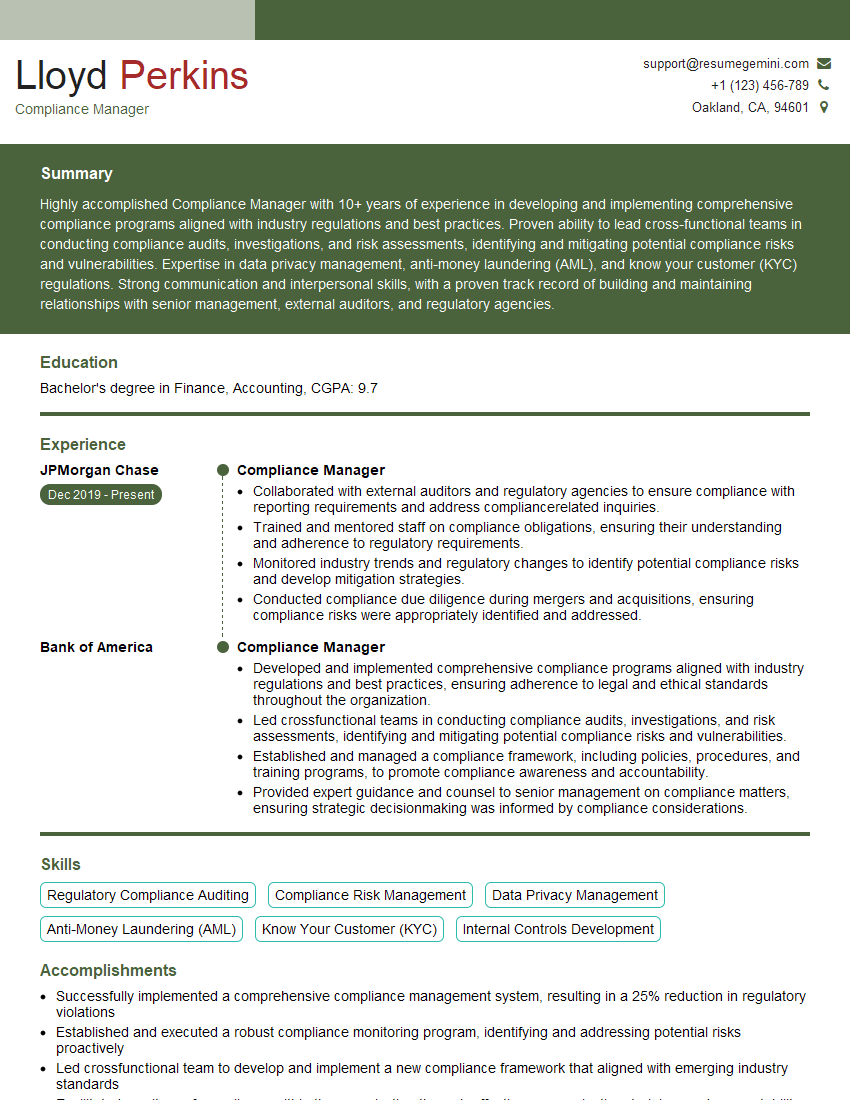
Compliance Manager Resume Sample
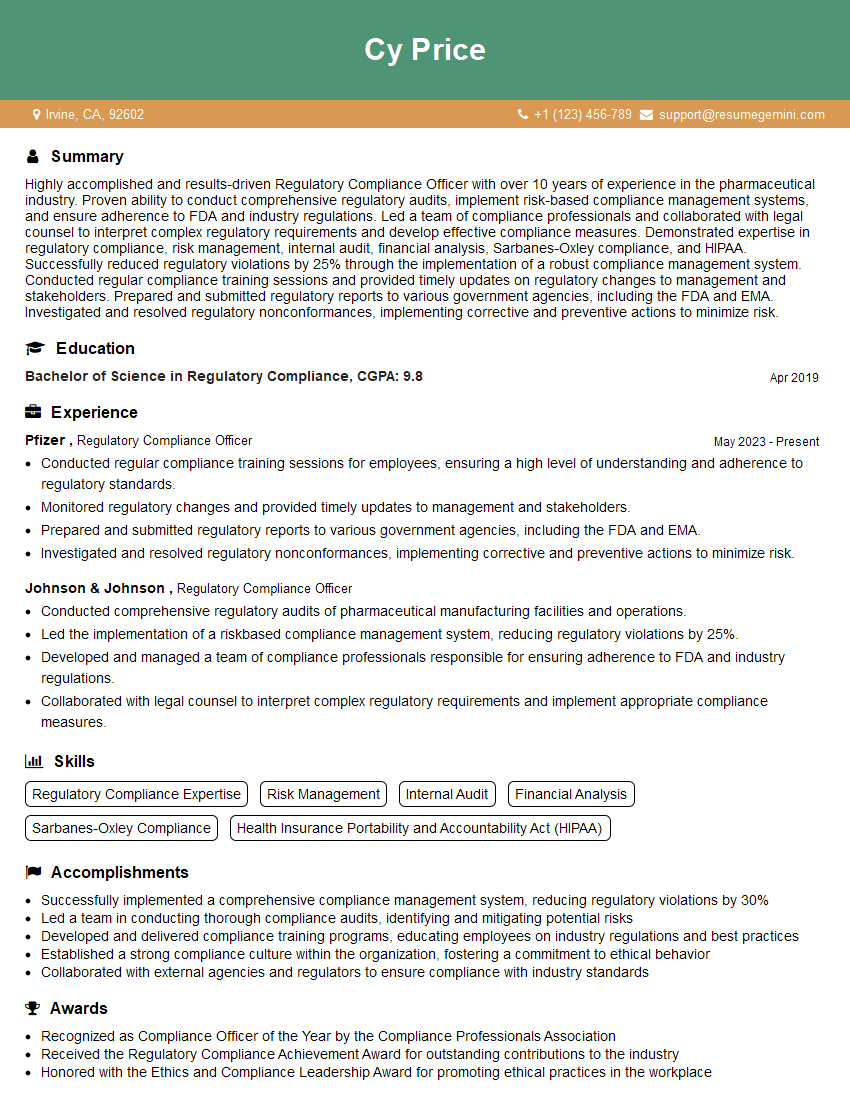
Regulatory Compliance Officer Resume Sample
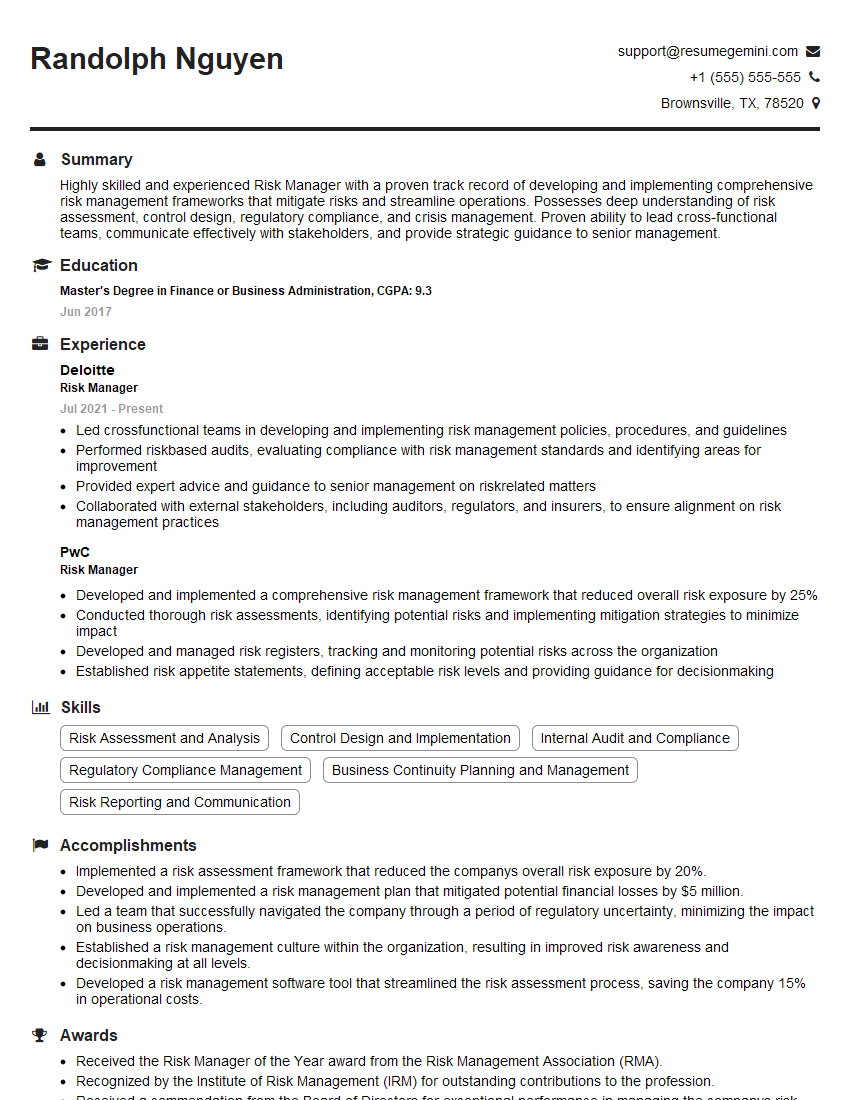
Risk Manager Resume Sample
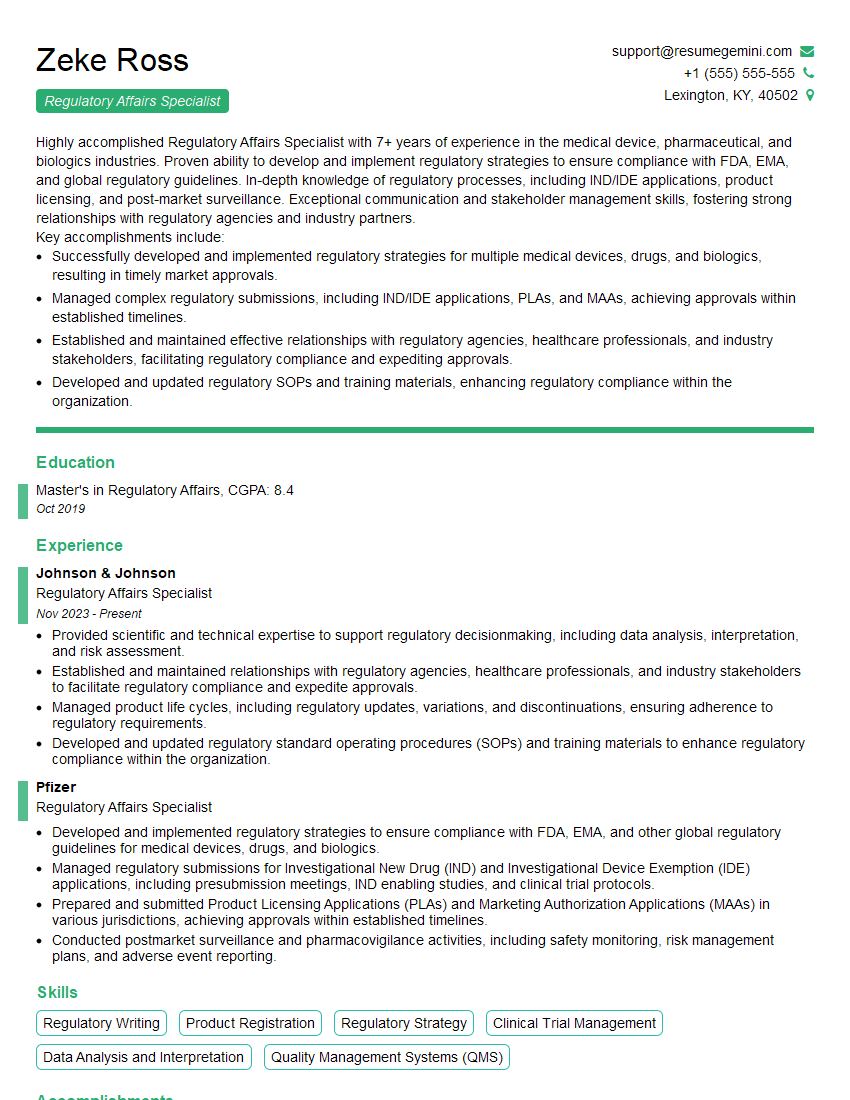
Regulatory Affairs Specialist Resume Sample
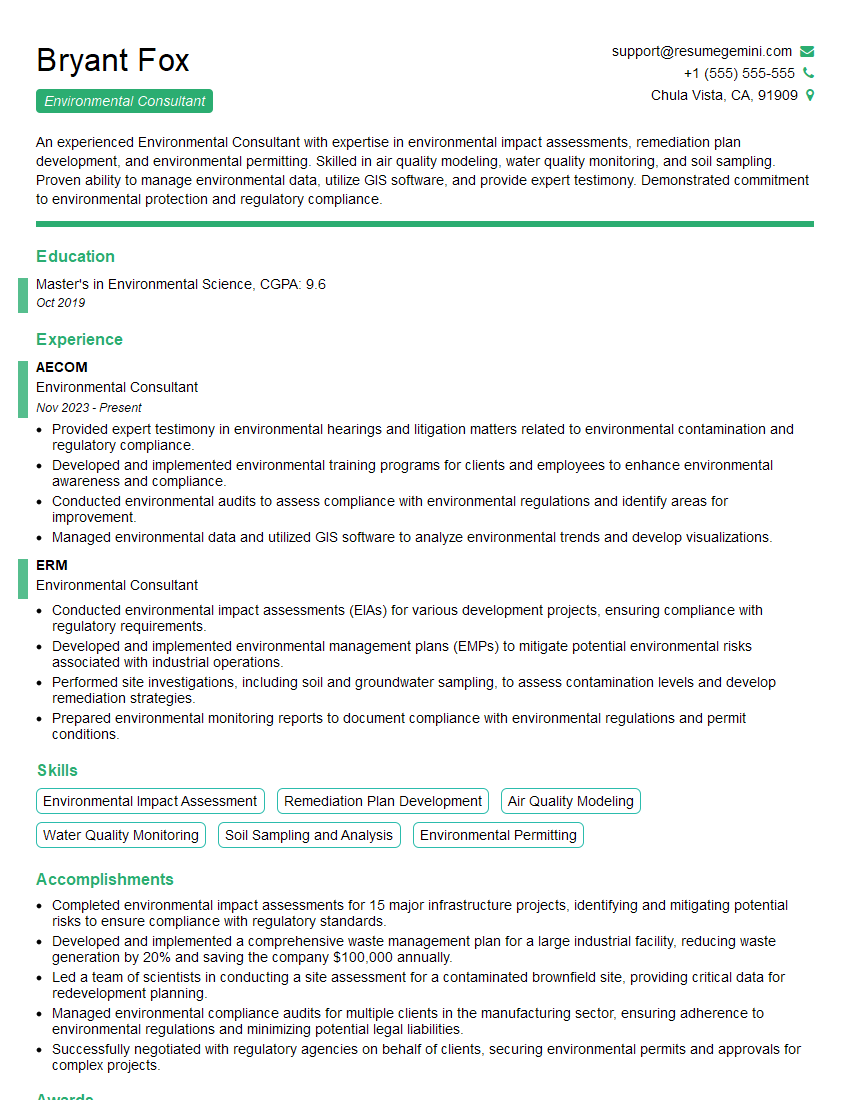
Environmental Consultant Resume Sample
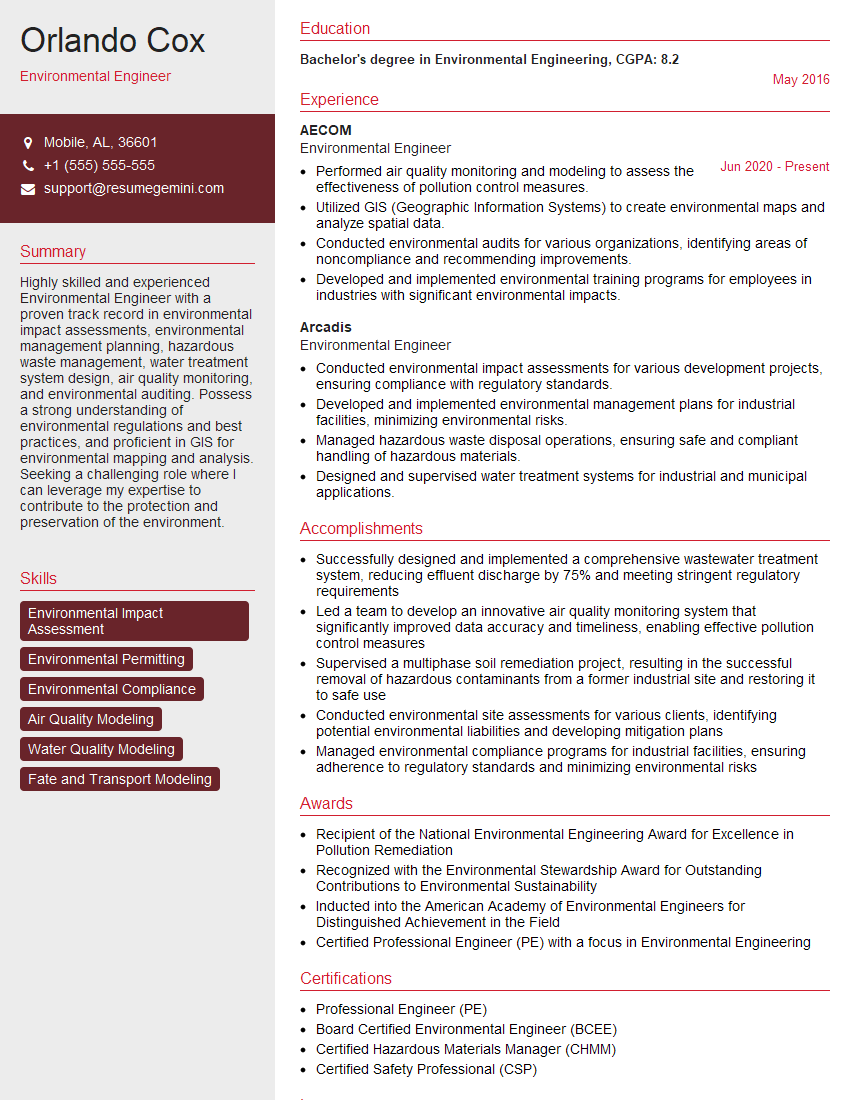
Environmental Engineer Resume Sample
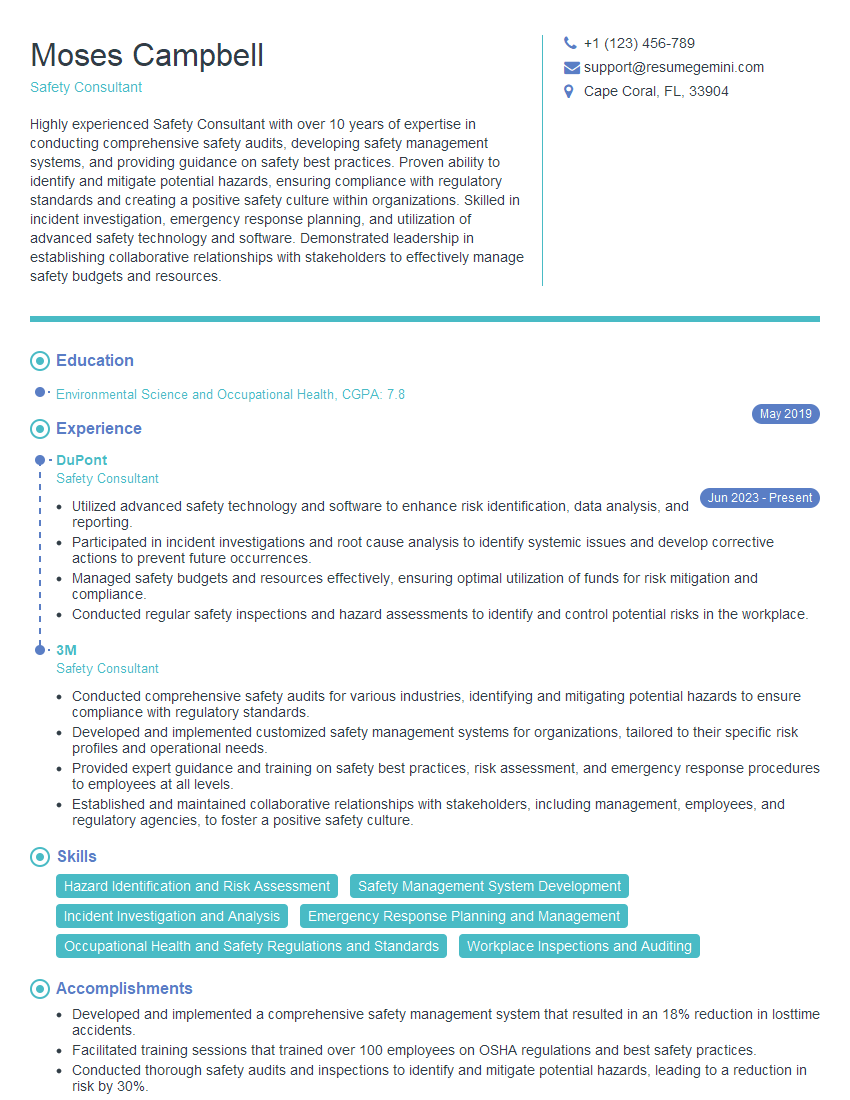
Safety Consultant Resume Sample
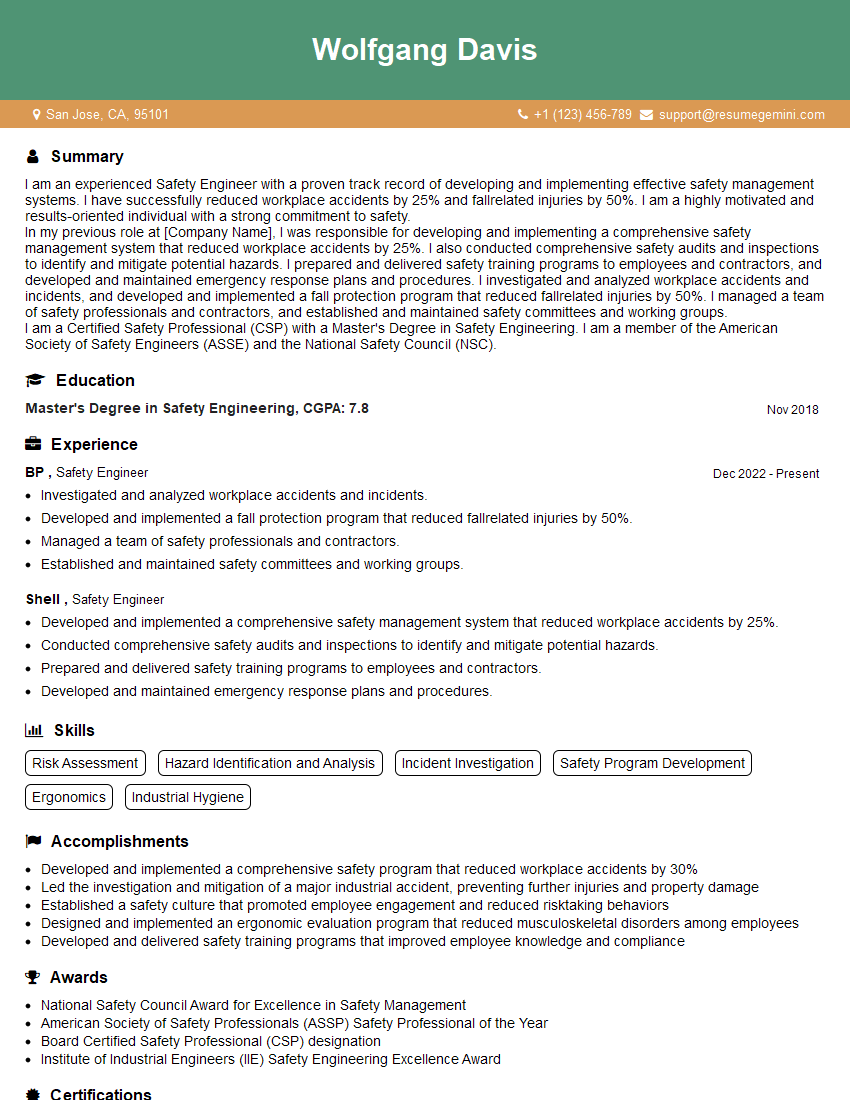
Safety Engineer Resume Sample
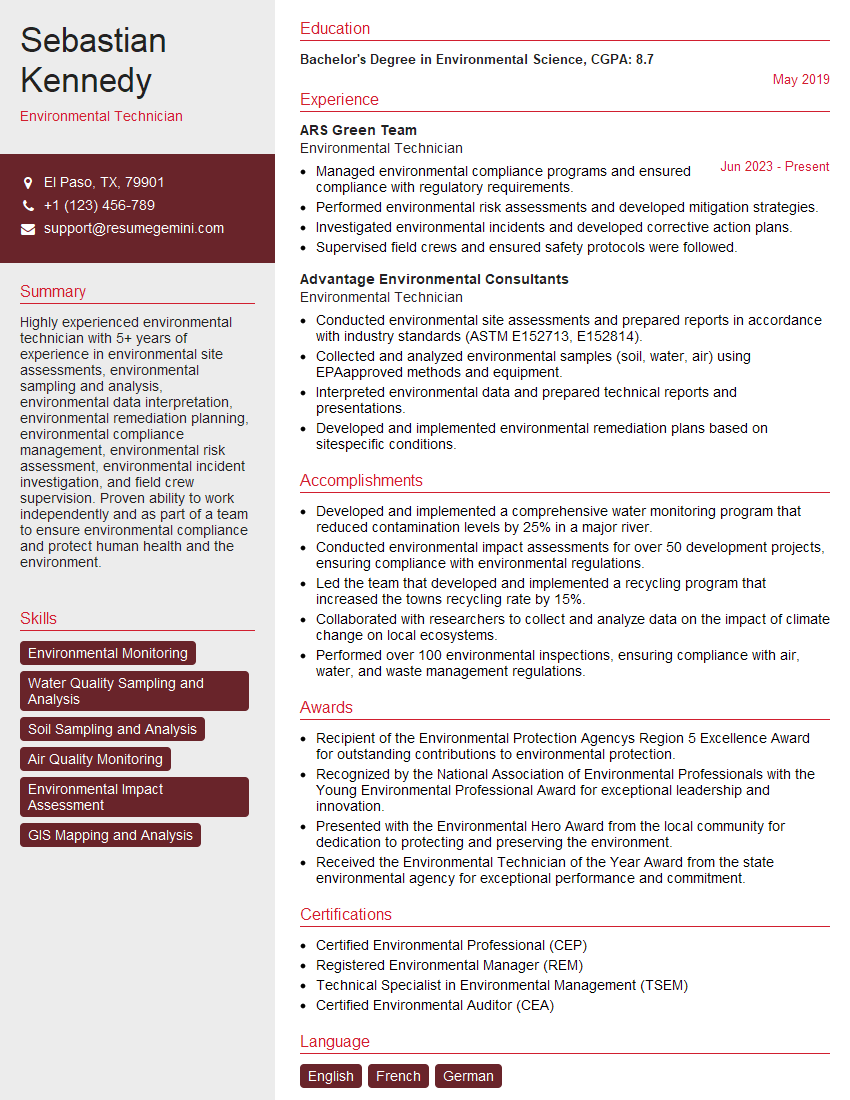
Environmental Technician Resume Sample
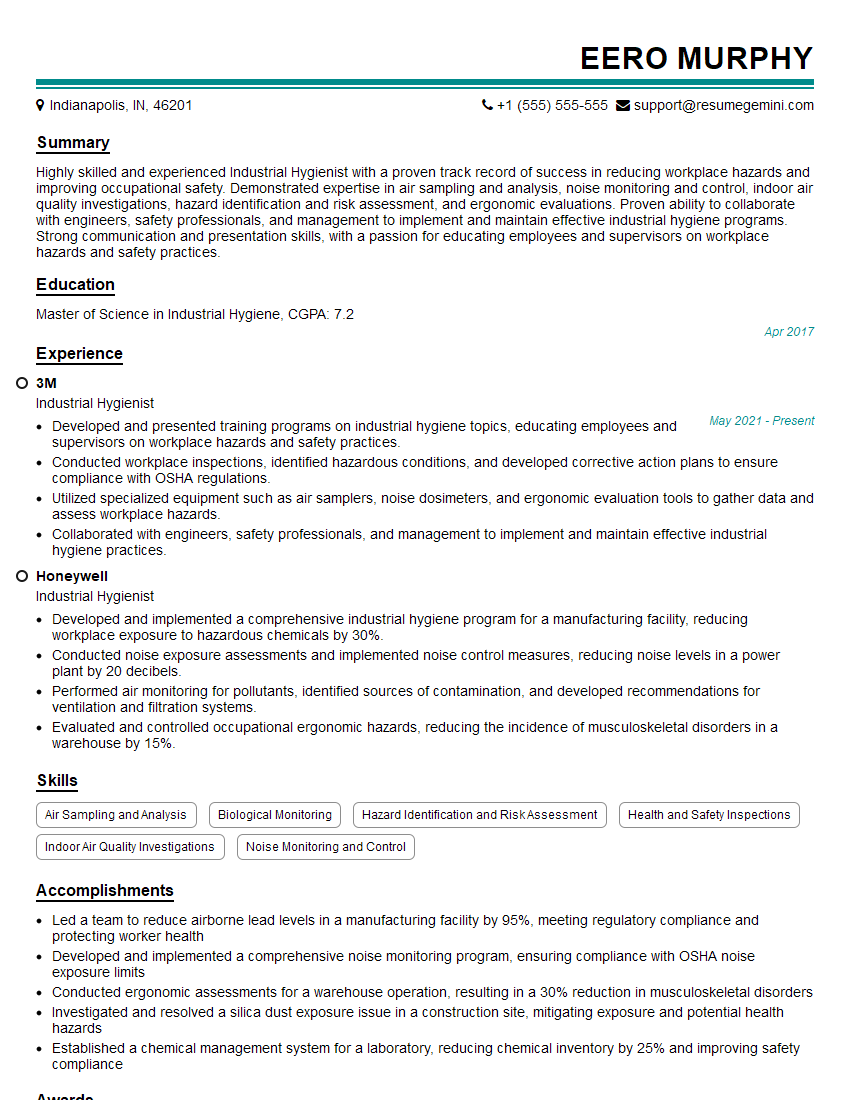
Industrial Hygienist Resume Sample
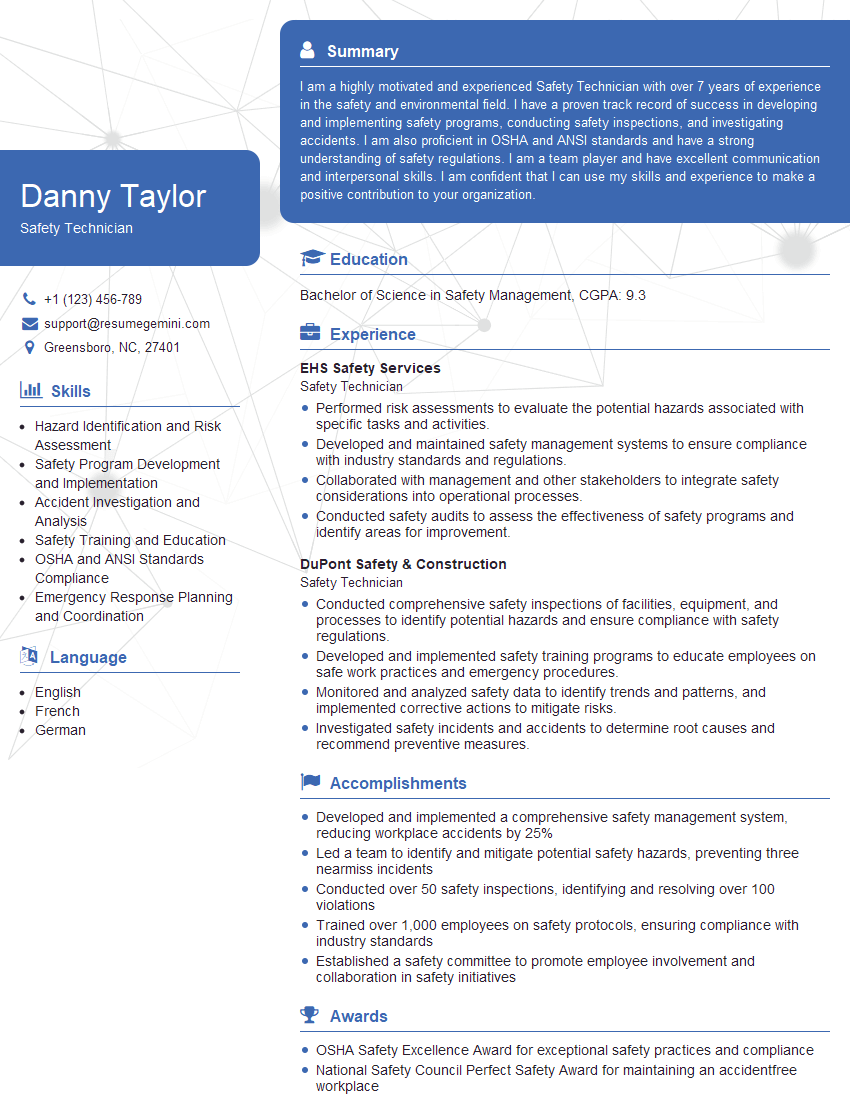
Safety Technician Resume Sample
Explore more articles
Users Rating of Our Blogs
Share Your Experience
We value your feedback! Please rate our content and share your thoughts (optional).
What Readers Say About Our Blog
Very informative content, great job.
good