The thought of an interview can be nerve-wracking, but the right preparation can make all the difference. Explore this comprehensive guide to Patrol and Ambush Techniques interview questions and gain the confidence you need to showcase your abilities and secure the role.
Questions Asked in Patrol and Ambush Techniques Interview
Q 1. Describe the key elements of a successful patrol plan.
A successful patrol plan hinges on meticulous preparation and clear objectives. It’s not just about walking a route; it’s about achieving a specific purpose, whether it’s reconnaissance, security, or maintaining order. Key elements include:
- Clear Objectives: Defining the patrol’s purpose (e.g., searching for a missing person, securing a perimeter, conducting a reconnaissance mission). This dictates the route, formation, and duration.
- Route Planning: Selecting the optimal route considering terrain, cover, concealment, and potential threats. This involves analyzing maps, satellite imagery, and local intelligence.
- Time Management: Establishing a realistic timeline, including estimated travel times, rest periods, and contingency plans for delays.
- Communication Plan: Defining how team members will communicate (e.g., hand signals, radio communication), including emergency procedures.
- Contingency Planning: Addressing potential challenges, such as encountering hostile elements, equipment malfunctions, or unexpected weather conditions. This might involve pre-determined rally points or alternate routes.
- Personnel and Equipment: Ensuring the patrol team has the necessary personnel, skills, and equipment (weapons, maps, medical supplies, communication devices) for the mission.
- Debriefing Procedures: Establishing a process for documenting observations, findings, and challenges after the patrol.
For example, a patrol tasked with securing a perimeter would focus on establishing observation posts and maintaining a consistent patrol pattern, whereas a reconnaissance patrol would prioritize stealth and information gathering.
Q 2. Explain different patrol formations and their suitability for various environments.
Patrol formations are chosen based on the terrain, the threat level, and the patrol’s objectives. Here are a few common formations:
- Column Formation: Best for moving quickly along narrow trails or roads, providing minimal exposure to flanking attacks but vulnerable to frontal attacks. Think of it like a single-file line.
- Line Formation: Offers a wide front, useful for searching a wide area or providing broad security, but is less effective in dense terrain. Imagine a straight line across a field.
- Wedge Formation: Provides good forward visibility and flank protection. It’s versatile and suitable for various terrains, ideal for open areas or when entering unknown territory.
- Vee Formation: Similar to the wedge but with a more pointed front, offering concentrated forward visibility and protection, useful in areas with limited visibility.
- Squad Formation (e.g., fire team): Smaller units within larger formations; adaptable to the overall patrol formation and specific tasks.
In dense jungle environments, a column or wedge formation might be preferable. In open desert areas, a line formation with flanking elements might be more appropriate. The selection depends on the specifics of the operation.
Q 3. How do you adapt patrol routes based on intelligence and threat assessments?
Adapting patrol routes based on intelligence and threat assessments is crucial for mission success and personnel safety. This is an iterative process.
- Intelligence Gathering: Collecting information from various sources (human intelligence, signals intelligence, open-source intelligence) to identify potential threats, enemy activity, and safe routes.
- Threat Assessment: Analyzing the collected intelligence to identify the level and nature of threats, including the enemy’s capabilities, likely tactics, and vulnerabilities.
- Route Modification: Adjusting the planned route to avoid high-threat areas, leverage terrain for cover and concealment, and utilize alternate routes as necessary. This might involve using natural obstacles as barriers or selecting routes that offer better observation points.
- Real-time Adjustments: During the patrol, remain flexible and adapt to unexpected events or newly acquired intelligence. This might include rerouting, establishing observation posts, or altering formations.
For instance, if intelligence suggests enemy activity near a planned route, the patrol leader might reroute to a less likely area, or increase the frequency of security checks.
Q 4. What are the essential components of a pre-ambush briefing?
A pre-ambush briefing is critical for a successful and safe ambush operation. It should cover:
- Mission Objectives: Clearly stating the purpose of the ambush (e.g., capture, delay, kill).
- Target Profile: Detailing the target’s expected movement, size, composition, and equipment.
- Ambush Site Selection: Describing the location, terrain, cover, concealment, and escape routes.
- Roles and Responsibilities: Assigning specific tasks to each team member (e.g., security, observation, assault).
- Communication Plan: Establishing clear communication procedures using hand signals, coded phrases, or radios.
- Rules of Engagement: Defining the conditions under which force can be used.
- Contingency Plans: Addressing potential problems, including unexpected enemy actions, malfunctions, or casualties.
- Escape and Evacuation Procedures: Planning routes and procedures for escaping the ambush site if necessary.
A good briefing ensures everyone understands their role, the plan, and what to do in various situations. It minimizes confusion and increases the chance of a successful operation.
Q 5. Explain the different types of ambushes and their advantages/disadvantages.
Ambushes can be categorized in several ways, including by location and approach:
- Point Ambush: A simple ambush set up at a specific location along an expected enemy route. Advantage: Simplicity; Disadvantage: Easily detected if poorly planned.
- Area Ambush: Multiple ambush positions covering a wider area. Advantage: Increased chances of successful engagement; Disadvantage: Requires more personnel and coordination.
- Linear Ambush: An ambush along a linear feature such as a road or trail. Advantage: Covers a long route; Disadvantage: Vulnerable to flanking maneuvers if not properly secured.
- Anti-Armor Ambush: Specific ambush tactics focusing on destroying or disabling armored vehicles. It usually involves using anti-tank weapons.
Each type has its own advantages and disadvantages. The choice depends on factors such as the target, terrain, available personnel, and desired outcome.
Q 6. Describe your understanding of the observation and reporting procedures during a patrol.
Observation and reporting during a patrol are vital for situational awareness and mission success. It involves:
- Systematic Observation: Regularly scanning the environment using all senses to detect unusual activity, potential threats, or changes in the terrain.
- Detailed Recording: Documenting observations using written notes, sketches, or digital devices, including time, location, type of activity, and any other relevant details. This information is crucial for building a comprehensive picture of the area.
- Clear Reporting: Communicating observations clearly and concisely to the patrol leader or command using established communication procedures. The report should be accurate, timely, and relevant to the mission.
- Use of Technology: Utilizing technology such as cameras, GPS devices, and other sensors to aid in observation and documentation.
For example, if a patrol member observes suspicious tracks, they should immediately report their findings, including the location, direction, and type of tracks, to allow for a proper assessment and response.
Q 7. How do you maintain situational awareness during both patrol and ambush operations?
Maintaining situational awareness is paramount during patrols and ambushes. It involves a combination of:
- Constant Vigilance: Maintaining a heightened state of alertness and actively scanning the surroundings for anything unusual or unexpected.
- Teamwork: Working effectively with other team members to share observations, provide mutual support, and maintain a 360-degree awareness.
- Communication: Maintaining clear and consistent communication between team members to share information and coordinate actions.
- Environmental Awareness: Understanding the terrain, weather conditions, and potential obstacles to anticipate challenges and adapt the patrol plan.
- Risk Assessment: Continuously evaluating the level of risk and adapting actions accordingly. This may involve changing patrol formations, establishing security perimeters, or taking other defensive measures.
- Use of Technology: Leveraging technology such as thermal imaging, night vision devices, and other sensors to enhance observation capabilities.
Imagine a patrol moving through a dense forest. Maintaining situational awareness involves constantly scanning the trees, listening for unusual sounds, and being aware of the patrol members’ positions to avoid becoming separated or ambushed. This constant vigilance, coupled with effective communication and teamwork, is key to success and safety.
Q 8. What communication protocols are crucial during patrol and ambush missions?
Effective communication is the backbone of any successful patrol or ambush. We rely on a multi-layered approach, incorporating several crucial protocols.
- Hand signals: Essential for silent communication in close proximity, especially during ambushes, where radio use is risky. We use a standardized set of hand signals for everything from altering movement to indicating enemy presence.
- Whispered commands: For short-range communication, whispered commands are critical for maintaining stealth. Clear, concise instructions are vital to prevent confusion or misinterpretations.
- Coded radio communication: For longer distances or when immediate verbal communication is not feasible, we use encrypted radio communication. This allows for situational updates, reinforcement requests, or emergency alerts without compromising the mission’s secrecy. We utilize frequency hopping spread spectrum (FHSS) technology to minimize the risk of interception.
- Pre-arranged rendezvous points: In case of separation or unexpected events, predetermined rendezvous points ensure team members can safely regroup. These points should be strategically chosen, taking into account terrain and potential enemy positions.
For example, during a recent jungle patrol, we relied heavily on hand signals to navigate a dense area without revealing our presence. When we unexpectedly encountered an enemy patrol, coded radio communication allowed us to quickly alert command and request backup.
Q 9. Describe your experience with route selection and terrain analysis.
Route selection and terrain analysis are paramount to mission success. It’s not just about getting from point A to point B; it’s about minimizing our exposure while maximizing our tactical advantage.
My experience involves thoroughly studying maps, satellite imagery, and topographical data to identify optimal routes. I consider factors such as:
- Cover and concealment: The availability of natural or man-made obstacles for protection. This might involve utilizing dense vegetation, rocky outcrops, or abandoned structures.
- Lines of sight (LOS): Identifying areas that provide advantageous observation points while minimizing our own vulnerability to enemy observation.
- Escape routes: Pre-planning multiple potential escape or retreat routes in case of an unexpected encounter.
- Terrain limitations: Considering environmental constraints such as rivers, steep inclines, or dense foliage, which may hinder our movement or provide advantages to the enemy.
For instance, during an operation in mountainous terrain, we chose a route that maximized our use of natural cover and provided advantageous observation points overlooking key enemy pathways. This allowed us to monitor enemy activity while maintaining our own concealment.
Q 10. How do you identify and mitigate potential risks and threats during a patrol?
Risk mitigation is an ongoing process, starting well before the patrol begins. We employ a proactive approach focusing on anticipation and preparedness.
- Intelligence gathering: Thorough pre-mission intelligence gathering is crucial. We analyze available information on potential threats, enemy activity, and terrain conditions. This informs our route selection, patrol formation, and overall strategy.
- Situational awareness: Maintaining constant situational awareness is paramount. This involves regularly scanning the surroundings, utilizing observation posts, and actively looking for signs of enemy activity, such as tracks, movements, or unusual sounds.
- Security measures: Implementing robust security measures, such as establishing security perimeters, utilizing observation points, and employing patrol formations suited to the terrain and anticipated threats.
- Contingency planning: Developing contingency plans for various scenarios, including unexpected encounters, ambushes, and emergencies. This includes pre-determined responses, escape routes, and communication protocols.
A prime example is a recent patrol where intelligence suggested increased enemy activity in a specific area. We adjusted our route, increased our vigilance, and used a more dispersed formation to reduce our vulnerability to a potential ambush.
Q 11. Explain your understanding of camouflage and concealment techniques.
Camouflage and concealment are not merely about wearing patterned clothing; they’re about blending seamlessly into the environment. This involves understanding both the visual and auditory aspects of concealment.
- Clothing and equipment: Utilizing appropriate camouflage patterns and materials that match the surrounding terrain. This includes face paint or camouflage creams to break up facial features.
- Body posture and movement: Adopting a low profile, moving slowly and deliberately, avoiding unnecessary noise or sudden movements. We practice mimicking the natural movements of the environment.
- Environmental camouflage: Using natural elements like vegetation, shadows, and terrain features to obscure our position. The ability to effectively use natural cover and concealment is essential.
- Auditory concealment: Minimizing noise by utilizing sound dampening materials for equipment, avoiding unnecessary conversations, and adopting a controlled pace of movement. This often involves careful foot placement to avoid crunching leaves or twigs.
Think of a chameleon changing its color to match its surroundings – that is the essence of effective camouflage. During a recent mission, we used natural vegetation and shadows to effectively conceal our observation post, staying undetected for over 12 hours.
Q 12. What are the essential steps involved in setting up and executing an ambush?
Setting up and executing an ambush is a complex operation requiring meticulous planning and flawless execution. It is a high-risk, high-reward tactic only used when absolutely necessary.
- Intelligence and planning: Gathering intelligence on enemy patterns, movement times, and likely routes. This includes selecting a suitable ambush site offering cover, concealment, and multiple avenues of approach and escape.
- Site selection and preparation: Choosing a location that provides a clear field of fire, natural obstacles for cover, and concealment from enemy observation. We establish kill zones, support by fire positions, and escape routes.
- Team deployment and communication: Positioning personnel strategically for maximum effect and coordinating communication protocols to ensure seamless coordination.
- Triggering the ambush: Triggering the ambush at the opportune moment based on pre-determined criteria. This might involve visual contact, sound detection, or other indicators.
- Engagement and suppression: Opening fire at the chosen moment using precise fire control and overwhelming force to neutralize the enemy. This is followed by a planned retreat, ensuring the secure extraction of the team.
A successful ambush is often characterized by speed, surprise, and overwhelming firepower. The key is to inflict maximum damage while minimizing our own losses. We meticulously rehearse each step of the ambush before deployment.
Q 13. How do you ensure the safety of your team members during patrol and ambush operations?
Team safety is the absolute priority. We approach every patrol and ambush with a risk-averse mindset, minimizing risks wherever possible.
- Thorough training: Extensive training is provided on all aspects of patrol and ambush techniques, including weapon handling, medical first aid, and emergency procedures.
- Buddy system: Team members operate in pairs or small groups to ensure mutual support and accountability.
- Risk assessment: A continuous risk assessment process is undertaken throughout the operation, adapting tactics and strategies based on the changing circumstances.
- Emergency procedures: Clear and well-rehearsed emergency procedures are in place to handle unexpected events, such as injuries, enemy contact, or equipment failures.
- Medical supplies: Teams carry adequate medical supplies to deal with injuries sustained during operations. Every team member has basic first aid training.
For example, during a challenging night patrol, a team member suffered a minor injury. Our pre-planned emergency procedures allowed us to swiftly provide first aid, secure the area, and safely extract the injured member.
Q 14. What are the key considerations for post-ambush procedures?
Post-ambush procedures are just as crucial as the ambush itself. They ensure the safety of the team, the successful completion of the mission, and the preservation of operational security.
- Casualty evacuation: Immediate evacuation of casualties, providing necessary medical attention, and reporting the incident to higher command.
- Weapons and equipment check: A thorough check of all weapons and equipment to ensure their functionality and security.
- Site exploitation: Careful examination of the ambush site for intelligence gathering. This includes collecting evidence, such as weapons, ammunition, and enemy documents.
- Debriefing and reporting: A detailed debriefing session to assess the operation’s success, identify areas for improvement, and prepare a comprehensive report for command.
- Security measures: Implementing security measures to prevent enemy counterattacks or reconnaissance efforts.
After a recent successful ambush, we followed our standard post-ambush procedures. This included evacuating wounded personnel, securing the area, and meticulously documenting our findings. This information was invaluable in subsequent operations.
Q 15. Describe your experience with handling casualties and emergency situations.
Handling casualties and emergencies is paramount in patrol and ambush operations. My experience encompasses a multi-faceted approach, starting with immediate first aid. This includes rapidly assessing the injury, controlling bleeding (using tourniquets if necessary), and stabilizing the casualty’s airway, breathing, and circulation (ABCs). We utilize a systematic triage system to prioritize casualties based on the severity of their injuries and the likelihood of survival, ensuring the most critically injured receive immediate attention. Following immediate care, we secure the area and establish communication with higher authorities for medical evacuation (MEDEVAC). Documentation is crucial, recording the type of injury, treatment administered, and the casualty’s condition before and after intervention. This detailed record is essential for post-incident analysis and medical reporting. I’ve personally managed several situations involving gunshot wounds and trauma, successfully stabilizing casualties and coordinating timely evacuations, resulting in improved survival rates. Furthermore, I’m proficient in Combat Lifesaver (CLS) techniques, ensuring I can provide advanced first aid until professional medical help arrives.
Career Expert Tips:
- Ace those interviews! Prepare effectively by reviewing the Top 50 Most Common Interview Questions on ResumeGemini.
- Navigate your job search with confidence! Explore a wide range of Career Tips on ResumeGemini. Learn about common challenges and recommendations to overcome them.
- Craft the perfect resume! Master the Art of Resume Writing with ResumeGemini’s guide. Showcase your unique qualifications and achievements effectively.
- Don’t miss out on holiday savings! Build your dream resume with ResumeGemini’s ATS optimized templates.
Q 16. How do you deal with unexpected events or changes in the operational environment?
Adaptability is key in dynamic operational environments. Dealing with unexpected events starts with maintaining situational awareness. Constant observation and information gathering are crucial to anticipate potential threats or changes. If an unexpected event occurs, I employ a structured problem-solving approach: I first assess the situation, identifying the nature of the change and its potential impact on the mission. Second, I develop alternative plans, using my experience and knowledge of the operational area to modify existing plans or create new ones. Third, I communicate the changes effectively with the team, ensuring everyone understands the new plan and their role in executing it. For instance, during a patrol, if we unexpectedly encountered a large civilian population, we would immediately adjust our tactics, focusing on minimizing disruption and potential conflict while still maintaining our operational security. Finally, I’d conduct a post-event analysis to learn from the experience and improve future responses.
Q 17. Explain your understanding of the legal and ethical implications of patrol and ambush techniques.
The legal and ethical implications of patrol and ambush operations are critical. Every action must adhere strictly to Rules of Engagement (ROE) and the Law of Armed Conflict (LOAC). This includes understanding the distinction between combatants and non-combatants, the principles of proportionality (using only the force necessary), and the prohibition of indiscriminate attacks. Ethical considerations include respecting human dignity, minimizing civilian casualties, and ensuring accountability for all actions. Before any operation, we conduct a thorough risk assessment, anticipating potential legal and ethical challenges. We adhere to strict procedures for target identification and confirmation, minimizing the risk of civilian casualties. Regular training reinforces these principles, ensuring that each team member understands the legal and ethical consequences of their actions. Failure to comply with ROE and LOAC can lead to serious legal repercussions and damage operational integrity. Maintaining a strong ethical compass is essential for maintaining public trust and ensuring operational success.
Q 18. What are your methods for maintaining discipline and morale within a patrol team?
Maintaining discipline and morale in a patrol team relies on a combination of factors. Clear leadership, fair treatment of team members, and open communication are fundamental. I foster a team environment based on mutual respect and trust. Setting clear expectations and enforcing standards consistently is crucial. Recognizing and rewarding achievements, both individually and as a team, boosts morale. Addressing grievances promptly and fairly helps prevent resentment. Providing opportunities for team building activities and promoting camaraderie improves cohesion. Maintaining physical and mental fitness is also crucial; regular training, breaks and debriefs all contribute to sustaining both discipline and morale. A proactive approach, anticipating potential challenges, keeps issues from festering into larger problems, helping to maintain team integrity.
Q 19. How do you conduct after-action reviews and learn from experiences?
After-action reviews (AARs) are crucial for learning and improvement. We conduct AARs immediately after an operation, involving all team members. The process uses a structured approach: We begin by describing the operation, including objectives, plans, and actual events. We then analyze what went well, what could have been improved, and identify lessons learned. This involves open discussion and feedback from all participants, encouraging honest assessment of both successes and failures. We document findings and incorporate lessons learned into future training and operational planning. AARs are not solely for critiquing mistakes; they’re a tool for continuous improvement and learning from every experience, regardless of the outcome. These reviews help improve our ability to execute operations effectively and safely. For example, if a communication breakdown occurred during an operation, we’d identify the cause, develop protocols to avoid similar issues in the future, and incorporate relevant training exercises.
Q 20. What are the key performance indicators for successful patrol and ambush operations?
Key performance indicators (KPIs) for successful patrol and ambush operations are multifaceted. Mission accomplishment is the primary KPI, measured by the achievement of stated objectives (e.g., intelligence gathering, target acquisition, or area control). Operational efficiency, measured by timeliness, resource utilization, and casualty rates, is vital. Intelligence value, referring to the accuracy and relevance of collected intelligence, is also a critical KPI. Operational security, measured by the absence of friendly casualties and compromised positions, is a crucial indicator of success. Minimizing civilian casualties and collateral damage are paramount ethical KPIs that are fundamental for success. These indicators provide a holistic assessment of mission success.
Q 21. Describe your experience with employing technology (GPS, communication systems) in patrol and ambush operations.
Technology plays a significant role in enhancing patrol and ambush operations. GPS systems provide accurate navigation and tracking, facilitating precise movement and avoiding mishaps. Secure communication systems, including radios and satellite phones, ensure seamless coordination among team members and with command centers. We utilize mapping software to analyze terrain and plan routes. Data analysis tools can process intelligence data for improved situational awareness and decision-making. For instance, GPS coordinates facilitate rendezvous points and the precise location of targets or points of interest. Secure communication systems allow immediate adjustments to plans based on real-time information from the field. This allows for more effective response to developing situations and increased safety during operations. Using technology effectively helps significantly minimize risk and improve the overall mission success rate.
Q 22. How do you integrate intelligence information into patrol and ambush planning?
Integrating intelligence into patrol and ambush planning is crucial for success. It’s not simply about knowing the enemy’s location; it’s about understanding their patterns, strengths, weaknesses, and capabilities. This intelligence informs every aspect of the operation, from route selection and timing to the deployment of personnel and equipment.
Target Analysis: Intelligence provides details about the target – their size, armament, routine, and potential reinforcements. This allows us to choose the optimal time and location for an ambush, maximizing our chances of success while minimizing risk.
Terrain Analysis: We use intelligence to assess the terrain – identifying likely avenues of approach, escape routes, and cover and concealment opportunities for both our team and the enemy. This is critical for selecting the ambush site and setting up kill zones.
Enemy Capabilities: Intelligence helps us anticipate the enemy’s reaction to our patrol or ambush. We consider their likely response, including reinforcements, counter-attacks, and escape attempts. This allows us to develop contingency plans and anticipate challenges.
Example: In one operation, intelligence indicated the enemy routinely used a specific mountain pass at dawn. This allowed us to establish an ambush at that location, taking advantage of the terrain and the enemy’s predictable behavior.
Q 23. How do you assess the effectiveness of patrol and ambush tactics?
Assessing the effectiveness of patrol and ambush tactics requires a multi-faceted approach. It’s not solely about the immediate outcome (e.g., casualties inflicted), but also the long-term impact on the operational environment.
Objective Achievement: Did the operation achieve its stated objectives? This might include disrupting enemy operations, gathering intelligence, or capturing high-value targets.
Casualties and Damage: Assessing friendly and enemy casualties is essential. A successful operation minimizes friendly losses while maximizing enemy losses.
Intelligence Gained: Did the operation generate valuable intelligence? This could include information about enemy strength, movements, or equipment. This should be assessed in relation to the cost and risk.
Lessons Learned: Conducting an after-action review is crucial. This involves identifying what went well, what could be improved, and what lessons we can take away to refine our tactics for future operations. A thorough debrief with all personnel involved ensures that everyone has a voice.
Example: After an ambush, a post-operation analysis might reveal a need to improve communication procedures or adjust the deployment of supporting fire. This analysis prevents costly mistakes in future missions.
Q 24. What are the common mistakes to avoid during patrol and ambush operations?
Several common mistakes can compromise patrol and ambush operations. Avoiding these errors is crucial for mission success and personnel safety.
Improper Reconnaissance: Insufficient or poorly executed reconnaissance leads to a lack of situational awareness, increasing the risk of detection and ambush failure. Thorough reconnaissance is paramount, utilizing all available intelligence and sensors.
Poor Communication: Miscommunication or lack of communication can lead to catastrophic errors in coordination, potentially resulting in friendly fire incidents or compromised positions.
Compromised Security: Lack of security during deployment or setup can easily alert the enemy. Maintaining security requires strict adherence to procedures and vigilance at all times.
Unrealistic Expectations: Overestimating capabilities or underestimating enemy defenses can lead to poorly planned operations that result in casualties or mission failure. Realistic planning based on accurate intel is essential.
Lack of Contingency Planning: Failure to account for unexpected events or enemy reactions can severely limit the team’s response options. Every scenario needs a backup plan.
Q 25. Describe your experience working under pressure and making critical decisions.
Working under pressure and making critical decisions is an inherent part of my role. I’ve developed a systematic approach to managing high-stress situations, prioritizing calm assessment and decisive action.
For instance, during a prolonged operation where we were unexpectedly ambushed, I maintained a calm demeanor and directed the team through the crisis. I quickly assessed the situation, ordered immediate defensive maneuvers and coordinated with supporting units for reinforcements and extraction while continually adapting to the rapidly evolving circumstances. Our success in that situation was a testament to clear communication, decisive leadership, and the team’s overall training.
My experience has taught me the importance of clear communication, rapid assessment, and proactive adaptation to changing situations.
Q 26. How would you handle a compromised patrol or ambush operation?
Handling a compromised patrol or ambush requires immediate action and decisive leadership. The first priority is always personnel safety.
Immediate Actions: Initiate emergency procedures, establishing contact with command and nearby units for support.
Assessment: Quickly assess the situation. Identify the source of the compromise and the extent of the threat.
Defensive Maneuvers: Implement defensive tactics, ensuring the safety of personnel and the security of any captured equipment. This could involve breaking contact, establishing defensive positions, or conducting a fighting withdrawal.
Damage Control: Attempt to contain the damage and prevent further compromise. This includes securing any sensitive information or equipment.
After-Action Review: Conduct a thorough after-action review to identify the causes of the compromise and implement preventative measures to avoid similar incidents in the future.
Q 27. Explain your proficiency in weapons handling and tactical deployment.
I possess extensive experience in weapons handling and tactical deployment. My proficiency encompasses a range of weapons systems, including both small arms and crew-served weapons. I am certified in advanced marksmanship, weapon maintenance, and tactical deployment techniques, including close-quarters combat and urban warfare.
My training emphasizes safety, accuracy, and precision, always prioritizing safe handling and tactical awareness. I consistently maintain proficiency through regular training and practical application.
Q 28. How do you maintain physical fitness and readiness for patrol and ambush operations?
Maintaining physical fitness and readiness is non-negotiable for effective patrol and ambush operations. My fitness regimen combines cardiovascular endurance training, strength and conditioning, and tactical fitness exercises that mimic the demands of the job.
I regularly participate in field training exercises that challenge my physical and mental resilience, reinforcing my ability to perform under stress. This includes long-range patrols, obstacle courses, and live-fire exercises, all designed to maintain peak physical and mental readiness for any operational scenario. Nutrition and sleep are also integral aspects of my fitness program.
Key Topics to Learn for Patrol and Ambush Techniques Interview
- Patrol Planning & Execution: Understanding factors influencing patrol routes, team formations, communication protocols, and contingency planning. Practical application includes analyzing terrain, identifying potential threats, and adapting patrol strategies based on the environment.
- Ambush Techniques: Learning about different ambush types (e.g., linear, point, area), selection of ambush sites, setup procedures, communication during the ambush, and post-ambush actions. Practical application involves analyzing potential ambush locations, considering escape routes, and practicing effective communication under pressure.
- Reconnaissance & Surveillance: Developing skills in observation, reporting, and utilizing technology for intelligence gathering. Practical application includes identifying key terrain features, interpreting signs of enemy activity, and effectively communicating observations to command.
- Risk Assessment & Mitigation: Evaluating potential threats and vulnerabilities, developing strategies to minimize risk, and making informed decisions under pressure. Practical application involves anticipating potential dangers during patrol and ambush operations and implementing safety protocols.
- Teamwork & Communication: Understanding the importance of clear communication, effective teamwork, and leadership within a patrol or ambush team. Practical application involves practicing clear communication techniques, understanding team roles, and effectively delegating tasks.
- Legal and Ethical Considerations: Understanding the rules of engagement, ethical implications of patrol and ambush operations, and the importance of adhering to legal frameworks. Practical application involves scenario-based problem solving to assess ethical dilemmas and appropriate responses.
Next Steps
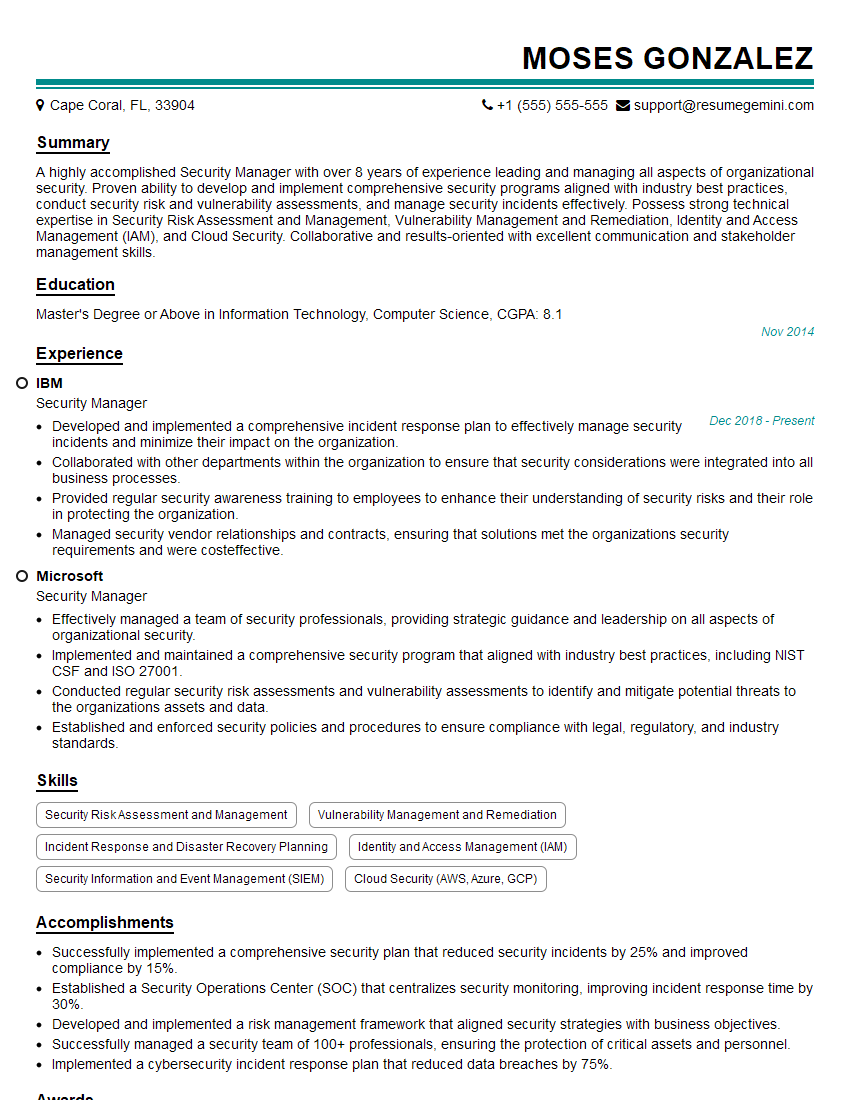
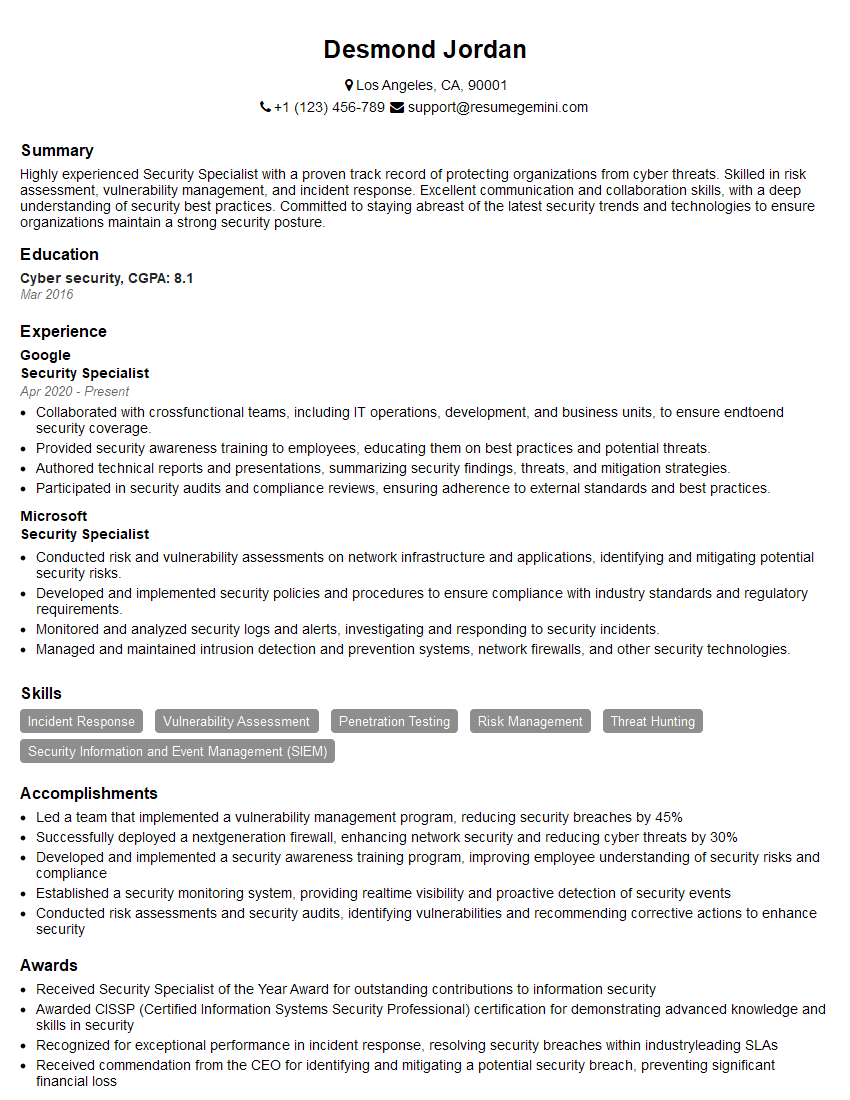
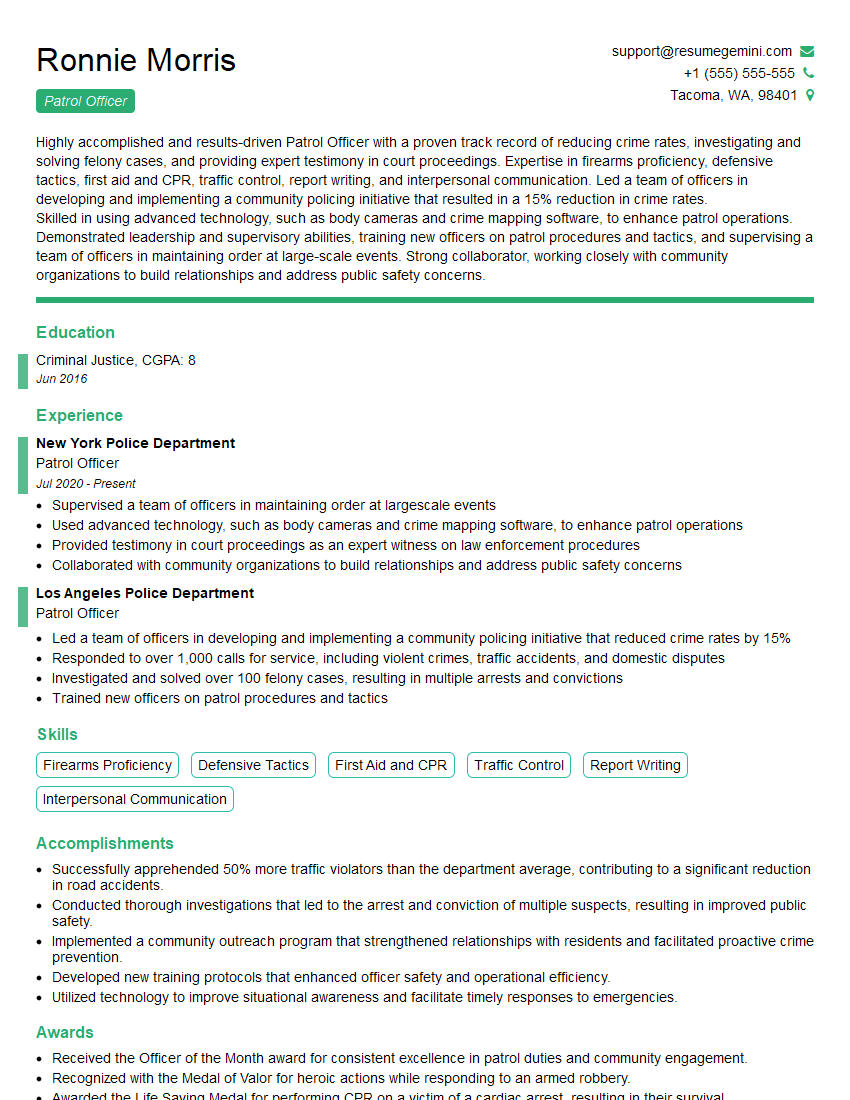
Mastering Patrol and Ambush Techniques is crucial for career advancement in law enforcement and security fields. These skills demonstrate competence, strategic thinking, and the ability to operate effectively in high-pressure situations. To significantly enhance your job prospects, creating a strong, ATS-friendly resume is essential. ResumeGemini is a trusted resource that can help you build a professional resume that highlights your expertise and catches the recruiter’s eye. Examples of resumes tailored to Patrol and Ambush Techniques are available to help you showcase your skills effectively.
Explore more articles
Users Rating of Our Blogs
Share Your Experience
We value your feedback! Please rate our content and share your thoughts (optional).
What Readers Say About Our Blog
Very informative content, great job.
good