Interviews are more than just a Q&A session—they’re a chance to prove your worth. This blog dives into essential Physical Education and Training interview questions and expert tips to help you align your answers with what hiring managers are looking for. Start preparing to shine!
Questions Asked in Physical Education and Training Interview
Q 1. Describe your experience designing and implementing physical education curriculum.
Designing and implementing a physical education curriculum requires a multifaceted approach, encompassing the selection of appropriate activities, the development of learning objectives, and the creation of a structured learning environment. My experience involves creating curricula aligned with national standards, adapting them to meet the specific needs of my student population, and continuously evaluating their effectiveness. For example, in developing a curriculum focused on basketball, I started with fundamental skills like dribbling, passing, and shooting, progressing to more advanced concepts like offensive and defensive strategies and teamwork. The curriculum incorporated a variety of assessment methods, including observation, performance-based tasks, and written tests, to ensure a comprehensive evaluation of student learning.
- Needs Assessment: I begin by assessing the students’ existing skills and fitness levels through pre-tests or informal observations.
- Curriculum Mapping: I then map out the curriculum, detailing specific learning objectives for each unit and lesson, ensuring they align with national or state standards.
- Activity Selection: I choose a range of activities that cater to diverse learning styles and abilities, ensuring a balance between individual and team activities, and incorporating opportunities for skill development, fitness improvement, and enjoyment.
- Assessment Integration: I weave assessment opportunities throughout the curriculum, utilizing both formative and summative assessments to monitor student progress and inform instructional decisions.
- Review and Revision: Finally, I continuously review and revise the curriculum based on student performance data, teacher feedback, and evolving best practices in physical education.
Q 2. Explain your approach to differentiating instruction to meet diverse learners’ needs.
Differentiation in physical education is crucial to ensure all learners, regardless of their abilities, backgrounds, or learning styles, can succeed. My approach involves modifying instruction across three main areas: content, process, and product. For example, during a lesson on volleyball, I might provide modified rules or simpler skill progressions for students struggling with the core skills, while challenging more advanced students with advanced drills or strategic game play. This can be easily adapted to numerous physical activities.
- Content Differentiation: This involves adjusting the complexity of the task. For example, I might simplify the instructions for a particular skill or activity for some students, while offering more complex challenges to others.
- Process Differentiation: This involves adjusting how students learn. Some students might benefit from more direct instruction and modelling, while others might thrive in a more student-led, collaborative learning environment. For example, I provide differentiated grouping to address diverse learning styles and needs.
- Product Differentiation: This involves adjusting how students demonstrate their learning. Some students might show their understanding through demonstrations, while others might prefer written reflection or a different kind of assessment.
I also incorporate Universal Design for Learning (UDL) principles, focusing on providing multiple means of representation, action and expression, and engagement. This ensures accessibility for all learners.
Q 3. How do you assess students’ fitness levels and track their progress?
Assessing fitness levels and tracking progress is an ongoing process involving both formal and informal methods. Formal assessments might include standardized fitness tests, such as the PACER test (Progressive Aerobic Cardiovascular Endurance Run) or a fitnessgram, which assesses various components of fitness like cardiovascular endurance, muscular strength, and flexibility. Informal assessments involve observing student performance during activities, noting their participation levels, and considering their self-reported exertion levels. These tests provide both objective and subjective data.
- Baseline Assessment: Initial fitness tests provide a benchmark to track progress. I use this data to tailor instruction and set realistic goals for each student.
- Ongoing Monitoring: I use regular observations during physical activities to assess improvements in skill and fitness levels. I also encourage self-monitoring using trackers or journaling.
- Progress Tracking: I record student data in a spreadsheet or electronic database, which allows me to easily track progress and identify areas where individual students or the class as a whole might need additional support. Charts showing trends are very effective in motivating students.
- Feedback and Goal Setting: I regularly provide feedback to students based on their assessments, working collaboratively to set realistic and achievable goals. This includes both positive reinforcement and constructive criticism.
Q 4. What strategies do you use to motivate students to participate actively in physical activities?
Motivating students to participate actively involves creating a positive and engaging learning environment. This includes incorporating a variety of activities, emphasizing student choice, fostering a sense of community, and celebrating successes. I believe intrinsic motivation is key. Rather than relying solely on external rewards, I focus on fostering a love for physical activity and helping students discover their own strengths and interests.
- Choice and Autonomy: Offering students choices in activities or allowing them to lead certain aspects of the class increases their sense of ownership and engagement.
- Positive Reinforcement: Providing frequent positive feedback and celebrating achievements, both big and small, can significantly boost motivation.
- Collaboration and Teamwork: Team-based activities promote cooperation and social interaction, making the experience more enjoyable for many students.
- Goal Setting: Collaboratively setting achievable goals creates a sense of purpose and accomplishment.
- Game-Based Learning: Incorporating games and competitions can make learning fun and engaging.
- Personalization: Tailoring activities to suit students’ individual interests and abilities helps them feel more valued and motivated.
Q 5. Describe your experience in creating and maintaining a safe and inclusive learning environment.
Creating a safe and inclusive learning environment is paramount in physical education. This involves establishing clear rules and expectations, ensuring appropriate supervision, modifying activities to accommodate individual needs, and promoting respect and positive social interactions. I actively foster a sense of belonging and acceptance for all students.
- Clear Rules and Expectations: Students understand and agree to rules for safety and respectful behavior. These rules are clearly communicated and consistently enforced.
- Risk Management: I carefully plan activities, considering potential hazards and implementing strategies to minimize risk. This includes using appropriate equipment and ensuring proper warm-up and cool-down routines.
- Inclusive Practices: I adapt activities to meet the needs of students with disabilities and those with differing skill levels, promoting participation for all. I also work to create an atmosphere free of bullying and discrimination.
- Positive Communication: I emphasize positive communication and conflict resolution skills to promote respect and cooperation among students.
- Emergency Preparedness: I’m prepared for emergencies by having a comprehensive emergency plan in place and ensuring that all staff are aware of procedures.
Q 6. How do you incorporate technology into your physical education classes?
Technology can greatly enhance the physical education experience. I use technology to track student progress, provide feedback, and engage students in innovative ways. For example, wearable fitness trackers can provide objective data on student activity levels, while interactive whiteboards can be used for skill demonstrations and strategic game analysis. Fitness apps can also support individualized training plans.
- Fitness Trackers: Wearable technology can monitor student activity levels, heart rate, and other metrics, providing valuable data for assessing fitness progress.
- Interactive Whiteboards: These can be used to demonstrate techniques, analyze game strategies, and provide immediate feedback to students.
- Educational Apps and Software: Many apps and software programs offer interactive games and activities that can enhance skill development and engagement.
- Video Analysis: Recording and analyzing student performance using video can provide valuable feedback and promote self-assessment.
- Online Resources: I use online resources to access lesson plans, activity ideas, and information about fitness and health.
Q 7. Explain your understanding of motor skill development in children and adolescents.
Motor skill development in children and adolescents is a complex process that involves the interaction of several factors, including maturation, experience, and practice. It progresses through various stages, from rudimentary movements in early childhood to refined and coordinated movements in adolescence. Understanding this developmental progression is critical for designing effective physical education programs.
- Fundamental Movement Skills (FMS): Early development focuses on mastering fundamental skills like running, jumping, throwing, catching, and balancing. These FMS form the basis for more complex skills.
- Stages of Development: Motor skill development follows a predictable sequence, although the rate of development varies among individuals. Factors such as genetics, environment, and opportunities for practice play crucial roles.
- Influence of Maturation: Biological maturation significantly influences motor skill development. Certain skills cannot be learned until the necessary physical and neurological development has occurred.
- Practice and Feedback: Repetitive practice with appropriate feedback is crucial for skill refinement and improvement. Effective feedback should be specific, timely, and focused on both technical aspects and performance outcomes.
- Transfer of Learning: Skills learned in one context can often transfer to other contexts. For instance, the hand-eye coordination developed in throwing a ball can be applied to other sports.
As a physical education teacher, I adapt my instruction to consider the developmental stage of my students, providing opportunities for practice and feedback tailored to their abilities. I also create a supportive and encouraging environment that promotes skill acquisition and mastery.
Q 8. How do you address student behavior issues in a physical education setting?
Addressing student behavior issues in physical education requires a proactive, positive approach focusing on prevention and redirection. My strategy is built on establishing clear expectations from day one, consistently reinforcing positive behaviors, and addressing negative behaviors promptly and fairly.
- Positive Reinforcement: I frequently praise students for good sportsmanship, following instructions, and showing respect for equipment and others. This positive reinforcement motivates good behavior far more effectively than solely focusing on negative actions.
- Clear Expectations: I begin each unit with a review of classroom rules, specifically tailored to the activities we’ll be doing. This includes expectations for safety, respect, and participation. Visual aids like posters or checklists can reinforce these rules.
- Immediate and Consistent Consequences: When misbehavior occurs, I address it immediately and consistently. This might involve a verbal warning, brief time-out, removal from the activity, or contacting parents/guardians for more serious issues. Consistency is key; students need to understand that actions have consequences.
- Relationship Building: Building positive relationships with students is crucial. Taking time to get to know their interests and strengths creates a more positive learning environment where they feel comfortable participating and following rules.
- Collaboration with Teachers and Parents: If behavior problems persist, I collaborate with classroom teachers and parents to develop a consistent approach to managing the behavior across all settings.
For example, if a student consistently refuses to participate, I might start by finding out why. Is there a fear of failure, a lack of understanding of the activity, or a social anxiety? Addressing the underlying issue is often more effective than simply punishing the behavior.
Q 9. Describe your experience working with students with disabilities in a physical education setting.
I have extensive experience adapting physical education activities for students with disabilities. My approach centers around the principles of inclusion, differentiation, and individualized instruction. I believe every student should have the opportunity to participate and experience the benefits of physical activity, regardless of their abilities.
- Individualized Education Programs (IEPs): I work closely with special education teachers and therapists to understand each student’s IEP and ensure that the physical education program aligns with their individual goals and needs. This includes modifications to activities, equipment, and assessment methods.
- Adaptive Equipment and Modifications: I’m proficient in using adaptive equipment, such as modified balls, specialized wheelchairs, and assistive devices, to allow students with disabilities to participate fully in activities. For example, a student with limited mobility might use a scooter board for activities that require movement.
- Differentiated Instruction: I differentiate my instruction to meet the diverse needs of students. This might involve modifying the rules of a game, providing alternative ways to participate, or offering different levels of challenge within the same activity.
- Focus on Functional Skills: I focus on developing functional skills that improve students’ daily lives, such as balance, coordination, and gross motor skills. This is especially relevant for students with physical disabilities.
- Positive and Encouraging Environment: I create a supportive and encouraging classroom environment where students feel comfortable trying new things and celebrating their successes, regardless of their ability level.
For instance, in a basketball unit, I might adapt the game for a student with visual impairment by using a beeping ball and providing verbal cues. For a student with a wheelchair, I could modify the rules to allow them to participate in shooting drills from their chair.
Q 10. What are your strategies for managing classroom behavior and maintaining student safety?
Managing classroom behavior and ensuring student safety are paramount in physical education. My strategies focus on proactive planning, clear communication, and immediate intervention.
- Safety First: Before any activity, I thoroughly explain safety rules and procedures. This includes proper warm-up and cool-down routines, appropriate use of equipment, and strategies for avoiding collisions and injuries. Students are actively involved in reviewing these safety guidelines.
- Clear Instructions and Demonstrations: I provide clear, concise, and age-appropriate instructions before each activity, complemented with demonstrations to ensure students understand what to do. This minimizes confusion and potential mishaps.
- Active Supervision: I maintain constant and active supervision of students during all activities. This helps me identify and address potential safety concerns and behavioral issues promptly.
- Designated Areas: I use designated areas for different activities to minimize congestion and potential accidents. Proper spacing and clear boundaries help create a safer environment.
- Emergency Procedures: I am well-versed in emergency procedures, including first aid and CPR, and I ensure that students are aware of these procedures and know how to report an accident or injury.
- Behavior Management Techniques: My behavior management strategies are based on positive reinforcement, clear expectations, and consistent consequences as explained in response to question 1.
For example, before playing a game of dodgeball, I explain the rules carefully, demonstrating proper throwing techniques and emphasizing the importance of aiming below the neck. I constantly monitor the activity to ensure students are following the rules and playing safely.
Q 11. How do you plan and deliver engaging and effective physical education lessons?
Engaging and effective physical education lessons require careful planning and implementation. My approach is centered around student-centered learning, incorporating diverse activities, and promoting intrinsic motivation.
- Theme-Based Units: I organize lessons into thematic units, such as “Teamwork and Sportsmanship” or “Healthy Habits,” to provide a cohesive learning experience. This allows for diverse activities that build upon each other.
- Variety of Activities: My lessons incorporate a wide variety of activities to cater to diverse learning styles and interests. This includes team sports, individual activities, and movement-based games. I incorporate creative movement, dance, and rhythmic activities to make learning fun and engaging.
- Student Choice and Ownership: I incorporate opportunities for student choice and ownership in the learning process, allowing them to select activities or modify rules to fit their preferences. This increases engagement and intrinsic motivation.
- Assessment and Feedback: I use a variety of assessment methods, including observation, self-assessment, and peer assessment, to gauge student understanding and provide constructive feedback. This helps students reflect on their performance and identify areas for improvement.
- Technology Integration: When appropriate, I integrate technology to enhance the learning experience. This might involve using fitness trackers, interactive games, or video analysis to improve performance.
For example, in a unit on cardiovascular health, I might incorporate activities such as running games, dancing, and fitness challenges. I’d encourage students to set personal fitness goals and use fitness trackers to monitor their progress. The unit would culminate in a fitness festival where students showcase their skills and celebrate their achievements.
Q 12. Explain your understanding of the principles of exercise training, including overload, progression, and specificity.
The principles of exercise training – overload, progression, and specificity – are fundamental to designing effective fitness programs. They guide how we challenge the body to adapt and improve.
- Overload: This principle states that to improve fitness, the body must be consistently challenged beyond its current capabilities. This challenge can be increased by adjusting the intensity, duration, or frequency of exercise. For example, gradually increasing the weight lifted during strength training creates overload.
- Progression: Progression builds upon the principle of overload. It emphasizes the gradual increase in the training stimulus over time to avoid plateaus and injuries. This might involve gradually increasing the weight lifted, running distance, or workout duration. The increase should be gradual to allow the body to adapt.
- Specificity: This principle highlights the importance of tailoring the exercise program to the specific goals of the individual. For example, a runner training for a marathon should focus on endurance training, while a weightlifter training for a competition should focus on strength training. Activities should match the desired outcomes.
Imagine a student trying to improve their vertical jump. Overload would involve gradually increasing the number of repetitions and sets of jump exercises. Progression would involve periodically increasing the difficulty, perhaps by adding weighted jumps. Specificity would mean focusing on plyometric exercises specifically designed to improve explosive power, rather than just general leg strength.
Q 13. What are some common injuries associated with various sports and how do you prevent them?
Common sports injuries vary widely depending on the sport but often involve muscles, ligaments, and joints. Prevention strategies focus on proper training techniques, warm-ups, and protective equipment.
- Musculoskeletal Injuries: These are common in many sports and can include sprains (ligament injuries), strains (muscle injuries), and fractures. Prevention involves proper warm-up and cool-down routines, strengthening and flexibility exercises, and using appropriate protective gear.
- Concussions: These are brain injuries that often occur in contact sports. Prevention focuses on teaching proper tackling and heading techniques, enforcing rules against dangerous play, and immediate removal from the game if a concussion is suspected.
- Overuse Injuries: These develop from repetitive stress and are common in sports with repetitive movements (e.g., tennis elbow in tennis). Prevention involves proper conditioning, rest, and avoiding overtraining.
- Heat-Related Illnesses: These can occur during intense activity in hot weather. Prevention involves proper hydration, rest breaks, and awareness of heatstroke symptoms.
For example, in basketball, ankle sprains are common. Prevention involves proper footwork, agility drills to improve balance, and wearing supportive shoes. In soccer, knee injuries are prevalent; prevention strategies include strengthening leg muscles, proper stretching, and effective tackling techniques.
Q 14. Describe your experience designing and implementing fitness programs for different populations.
I have experience designing and implementing fitness programs for diverse populations, adapting programs to meet specific needs and goals. My approach emphasizes individualization, safety, and progress monitoring.
- Children and Adolescents: Programs for this age group focus on fundamental movement skills, promoting physical literacy, and fostering a love of physical activity. Activities are age-appropriate, fun, and engaging.
- Adults: Programs for adults often focus on improving cardiovascular health, strength, and flexibility. Individual goals and fitness levels are carefully considered when designing programs. Emphasis is placed on safe and effective exercise techniques.
- Older Adults: Programs for older adults prioritize safety and maintaining functional fitness. Activities are modified to accommodate age-related changes and limitations, focusing on balance, flexibility, and strength training.
- Individuals with Chronic Conditions: Programs are designed collaboratively with healthcare professionals to address specific needs and limitations. For example, a program for individuals with diabetes might focus on blood sugar control and cardiovascular health.
- Program Monitoring and Evaluation: I regularly monitor progress and adjust programs as needed, using various assessment methods to track changes in fitness levels and overall well-being. This ensures the program remains effective and safe.
For example, when designing a program for older adults, I might incorporate low-impact exercises like chair yoga, tai chi, and walking, focusing on balance and flexibility to reduce the risk of falls. For adults wanting to lose weight, a program might incorporate a combination of cardiovascular exercise and strength training, along with nutrition education.
Q 15. How do you assess clients’ fitness levels and develop personalized fitness plans?
Assessing a client’s fitness level is the cornerstone of any effective personalized fitness plan. It involves a multifaceted approach, combining various assessment tools to gain a comprehensive understanding of their current capabilities and limitations. I begin with a thorough health history review, including any pre-existing conditions or injuries. This is followed by a series of tests that measure different aspects of fitness.
Cardiorespiratory Fitness: I use tests like the Rockport Walk Test or a graded exercise test (GXT) on a treadmill or stationary bike to assess their aerobic capacity. This helps determine their endurance levels and heart rate response to exercise.
Muscular Strength and Endurance: I utilize tests such as one-repetition maximum (1RM) tests for major muscle groups (e.g., bench press, squat, deadlift) to evaluate their strength. For endurance, I might use push-up or sit-up tests to assess their ability to perform repeated movements.
Flexibility and Body Composition: Flexibility is assessed using range-of-motion tests, like the sit-and-reach test. Body composition, including body fat percentage and lean mass, is often measured using methods like skinfold calipers or bioelectrical impedance analysis (BIA).
Based on these assessments, I develop a personalized fitness plan tailored to the individual’s needs, goals, and limitations. This plan incorporates progressive overload principles, ensuring the program gradually challenges them without risking injury. For example, a client with low cardiorespiratory fitness might start with brisk walking, gradually increasing duration and intensity, while someone with strong strength might focus on more advanced weight training techniques.
Career Expert Tips:
- Ace those interviews! Prepare effectively by reviewing the Top 50 Most Common Interview Questions on ResumeGemini.
- Navigate your job search with confidence! Explore a wide range of Career Tips on ResumeGemini. Learn about common challenges and recommendations to overcome them.
- Craft the perfect resume! Master the Art of Resume Writing with ResumeGemini’s guide. Showcase your unique qualifications and achievements effectively.
- Don’t miss out on holiday savings! Build your dream resume with ResumeGemini’s ATS optimized templates.
Q 16. What are your methods for motivating clients to adhere to their fitness plans?
Motivation is crucial for long-term adherence to a fitness plan. I employ a variety of strategies to keep clients engaged and motivated. These methods are personalized based on individual preferences and personalities.
Goal Setting: We collaboratively set realistic, achievable goals, breaking them down into smaller, manageable steps. This helps clients track progress and feel a sense of accomplishment along the way. For example, instead of aiming for a drastic weight loss, we might set a goal of losing 1-2 pounds per week.
Positive Reinforcement: I provide regular positive feedback and celebrate milestones achieved. This reinforces their efforts and keeps them motivated to continue. This could involve acknowledging their hard work, improvements in performance, or even just a simple encouraging word.
Variety: I incorporate variety into workout routines to prevent boredom and maintain interest. This might involve switching between different types of exercise, trying new activities, or changing the training environment.
Accountability: Regular check-ins and progress reviews help clients stay accountable and ensure they are on track with their goals. This can involve tracking workouts, monitoring nutrition, and having regular conversations.
Social Support: Encouraging participation in group fitness classes or finding a workout buddy can provide social support and motivation.
Ultimately, fostering a strong client-trainer relationship built on trust and understanding is paramount in ensuring adherence. I encourage open communication and strive to create a supportive and encouraging environment.
Q 17. Describe your knowledge of different training methods, such as strength training, cardiovascular training, and flexibility training.
My knowledge of training methods is comprehensive, encompassing strength training, cardiovascular training, and flexibility training, each with its own nuances and benefits.
Strength Training: This focuses on increasing muscular strength and endurance. Methods include resistance training using free weights, weight machines, resistance bands, and bodyweight exercises. I carefully program exercises considering proper form and progressive overload to prevent injuries and maximize gains. For example, I might incorporate different training splits (e.g., upper/lower body split, push/pull/legs split) depending on the client’s goals and experience level.
Cardiovascular Training: This improves cardiorespiratory fitness, enhancing the efficiency of the heart and lungs. Methods include running, cycling, swimming, and other aerobic activities. I design programs that incorporate various intensities and durations, potentially using interval training for improved efficiency or steady-state cardio for improved endurance. Heart rate monitoring is frequently used to ensure the intensity aligns with the client’s goals and fitness level.
Flexibility Training: This improves range of motion and reduces the risk of injury. Methods include static stretching (holding a stretch for a period), dynamic stretching (moving through a range of motion), and proprioceptive neuromuscular facilitation (PNF) stretching (combining passive stretching with isometric contractions). I tailor flexibility training to the individual’s needs and incorporate it both before and after workouts.
I believe in a holistic approach to training, integrating all three methods into personalized plans to achieve overall fitness and well-being. The specific emphasis on each method will vary greatly depending on individual needs and goals.
Q 18. How do you communicate effectively with clients to address their concerns and answer their questions?
Effective communication is crucial for building trust and achieving positive outcomes with clients. I prioritize active listening, ensuring I understand their concerns and answer their questions thoroughly. I use clear, concise language, avoiding jargon whenever possible, and tailoring my explanations to their level of understanding.
Active Listening: I pay close attention to their verbal and nonverbal cues, asking clarifying questions to ensure I understand their perspective.
Clear Explanations: I explain the rationale behind the training program and answer any questions they may have in a straightforward and understandable manner. I use visual aids such as diagrams or videos when appropriate to illustrate concepts.
Open Communication Channels: I encourage open communication and make myself readily available to address any concerns or questions outside of scheduled training sessions. This might include email, text, or phone calls.
Feedback Mechanisms: I regularly solicit feedback from my clients, using questionnaires or informal conversations to assess their satisfaction and make necessary adjustments to the program.
I create a safe and supportive environment where clients feel comfortable expressing their concerns, fostering a collaborative relationship that facilitates their progress and overall well-being.
Q 19. How do you incorporate nutrition principles into your fitness programs?
Nutrition plays a vital role in achieving fitness goals. I collaborate with registered dietitians or nutritionists when necessary, but I also provide clients with fundamental nutritional guidance. I emphasize the importance of a balanced diet, sufficient hydration, and appropriate caloric intake based on their individual needs and goals. I don’t prescribe specific diets but rather offer education on making informed food choices.
Macronutrient Balance: I explain the importance of balancing carbohydrates, proteins, and fats to fuel workouts, support muscle growth, and maintain energy levels. I help clients understand appropriate portion sizes and food sources for each macronutrient.
Hydration: I stress the importance of adequate hydration throughout the day, particularly before, during, and after exercise. I encourage them to drink plenty of water and avoid excessive sugary drinks.
Micronutrients: I emphasize the role of vitamins and minerals in overall health and well-being. I encourage clients to consume a variety of fruits, vegetables, and whole grains to meet their micronutrient needs.
Caloric Balance: Depending on the client’s goal (weight loss, maintenance, or weight gain), I discuss the concept of caloric balance and help them estimate their daily caloric needs. This is always done in conjunction with a registered dietitian or nutritionist for personalized guidance.
My approach to nutrition is to empower clients to make healthy choices, rather than imposing strict dietary restrictions. Education and understanding are key to making sustainable changes.
Q 20. Describe your experience working with athletes to improve their performance.
I have experience working with athletes across various disciplines, focusing on enhancing their performance through individualized training programs. My approach is to assess their specific needs, considering their sport’s demands, training schedule, and any existing physical limitations. I integrate strength and conditioning, speed and agility drills, and sport-specific training into their programs.
Strength and Conditioning: I design strength training programs that focus on functional movements relevant to their sport. For example, a basketball player might focus on plyometrics and core strength to improve jumping and agility.
Speed and Agility: I incorporate drills to enhance speed, agility, and quickness, which are crucial aspects of athletic performance in many sports.
Sport-Specific Training: I include sport-specific drills and practice to improve technical skills and game strategies.
Recovery: I design a comprehensive recovery plan to manage fatigue and prevent injuries, including rest days, active recovery, and potentially using modalities such as massage or foam rolling.
I emphasize the importance of periodization, tailoring training intensity and volume to optimize performance throughout the training cycle and minimize risk of injury or overtraining. My goal is to work collaboratively with the athlete and their coach (if applicable) to achieve their performance goals.
Q 21. Explain your understanding of sports psychology and its role in athletic performance.
Sports psychology plays a significant role in optimizing athletic performance. It focuses on the mental aspects of athletic training, addressing factors like motivation, confidence, focus, and stress management. A strong understanding of sports psychology allows me to work with athletes not just on the physical aspects of training but also on their mental game.
Goal Setting: Working with athletes to set SMART (Specific, Measurable, Achievable, Relevant, Time-bound) goals is crucial. This helps them maintain focus and motivation, particularly during challenging periods of training.
Mental Imagery: I might use techniques like mental imagery, where athletes visualize themselves successfully executing skills or competing in competitions. This can improve performance by building confidence and preparing them mentally for challenges.
Stress Management: Techniques such as mindfulness, meditation, or relaxation exercises can help athletes manage stress and anxiety associated with competition and training.
Self-Talk: I encourage athletes to develop positive self-talk strategies to replace negative thoughts and maintain a positive mindset. This can help build confidence and resilience.
Dealing with Setbacks: Helping athletes manage setbacks and bounce back from failures is crucial for long-term success. This involves building resilience and reframing setbacks as learning opportunities.
Integrating sports psychology principles into training programs can significantly enhance athletic performance by improving mental toughness, focus, and overall psychological well-being. It’s a crucial aspect of a comprehensive approach to athletic development.
Q 22. How do you utilize sports analytics to inform training and improve performance?
Sports analytics are invaluable tools for enhancing athletic performance. I utilize data-driven insights to personalize training programs, identify areas for improvement, and track progress objectively. This goes beyond simple metrics; it involves a sophisticated understanding of how different data points interact.
For example, I might use wearable technology to track an athlete’s heart rate variability, sleep patterns, and training load. This data, combined with performance metrics like speed, power output, and jump height, provides a comprehensive picture of their physical state. If I notice a sudden decrease in sleep quality correlated with a drop in performance and an increase in heart rate variability (indicating increased stress), I can adjust their training volume and intensity to prevent burnout or injury. It’s like having a personalized dashboard for each athlete, guiding me in optimizing their training.
I also analyze video recordings of competitions and training sessions to identify technical flaws in their movements. Using motion capture software or even simple frame-by-frame analysis, I can pinpoint areas that need refinement. This allows me to design targeted drills and exercises to improve specific aspects of their technique, such as a golfer’s swing mechanics or a basketball player’s shooting form.
In short, sports analytics are not just about numbers; they’re about gaining a deeper understanding of individual athletes’ strengths, weaknesses, and responses to training stimuli, ultimately leading to more effective and personalized training plans.
Q 23. What are your methods for designing and implementing injury prevention and rehabilitation programs?
Injury prevention and rehabilitation are critical components of any comprehensive training program. My approach is multifaceted and focuses on three key areas: pre-habilitation, acute injury management, and return-to-play strategies.
Pre-habilitation: This involves proactive measures to reduce the risk of injury. It includes implementing functional movement screens to identify potential weaknesses and imbalances, incorporating plyometrics and dynamic stretching to improve neuromuscular control, and designing strength and conditioning programs that focus on building overall strength, flexibility, and stability. For instance, a runner prone to knee injuries might benefit from strengthening their core and hip muscles to improve stability and reduce stress on their knees.
Acute Injury Management: When an injury occurs, immediate attention is crucial. My approach involves implementing the PRICE protocol (Protection, Rest, Ice, Compression, Elevation) and referring the athlete to medical professionals for proper diagnosis and treatment. Once cleared, I develop a personalized rehabilitation program involving gradually increasing the range of motion, strength, and functional movement patterns. This usually starts with low-impact activities and gradually progresses to sport-specific drills.
Return-to-Play: The final phase involves a systematic and gradual return to training and competition. This requires close monitoring of the athlete’s progress, ensuring they are fully recovered and capable of safely resuming their sport without increased risk of re-injury. This process often involves functional tests and performance assessments to gauge their readiness for competition.
Throughout this entire process, I maintain close collaboration with medical professionals, physiotherapists, and the athlete themselves, ensuring a holistic and effective approach to injury management and recovery.
Q 24. Describe your knowledge of various sports and their rules, techniques, and strategies.
My expertise spans a range of sports, including team sports like basketball, soccer, and volleyball, and individual sports like swimming, track and field, and golf. My understanding extends beyond basic rules and encompasses advanced tactical strategies and technical skills specific to each sport.
For example, in basketball, I’m familiar with various offensive and defensive strategies, including pick-and-roll plays, zone defenses, and fast break tactics. I can analyze an athlete’s game, pinpoint areas for improvement in their shooting mechanics, ball-handling skills, and court awareness, and create customized training plans to address these needs.
Similarly, in soccer, my knowledge encompasses different formations, tactical approaches, and the biomechanics of kicking, passing, and dribbling. I understand the importance of player positioning and team coordination in achieving tactical objectives. In individual sports, my understanding focuses on proper technique, conditioning, and the development of mental strategies for optimal performance.
My understanding of these sports is not just theoretical; it’s practical, derived from coaching experience and ongoing professional development. I am constantly studying new research, attending workshops, and updating my knowledge base to keep abreast of evolving techniques and strategies in various sports.
Q 25. How do you address and resolve conflicts among team members or participants?
Conflict resolution is a crucial skill for any physical education professional. My approach is based on proactive communication and a focus on understanding the root causes of the conflict.
First, I create an environment where open communication is encouraged. I foster a culture of respect and trust where individuals feel comfortable expressing their concerns without fear of judgment. If a conflict arises, I facilitate a constructive dialogue between the involved parties, encouraging active listening and empathetic understanding.
I use a structured approach that might involve:
Active Listening: Ensuring each party feels heard and understood before offering solutions.
Identifying the Root Cause: Delving deeper than surface-level arguments to uncover the underlying issues driving the conflict.
Collaborative Problem-Solving: Working with the individuals to find mutually acceptable solutions.
Setting Clear Expectations: Establishing clear guidelines for future behavior and communication.
If the conflict is severe or involves serious misconduct, I will involve higher authorities, such as administrators or parents, to ensure a fair and effective resolution. My goal is always to maintain a positive and productive team environment where everyone feels respected and valued.
Q 26. What is your experience with budgeting and resource management in a physical education or athletic program?
Effective budgeting and resource management are essential for the success of any physical education or athletic program. My experience includes developing and managing budgets, allocating resources efficiently, and securing funding from various sources.
I’m proficient in creating detailed budgets that account for all expenses, including equipment, facilities, coaching staff, travel, and insurance. I regularly monitor expenses to ensure that the program stays within budget and identify potential areas for cost savings. I also explore different funding opportunities, such as grants, sponsorships, and fundraising events to support the program’s goals.
For example, in my previous role, I successfully secured a grant from a local foundation to purchase new equipment for the weight room, significantly improving the quality of the strength and conditioning program. I also implemented a system for tracking equipment usage and maintenance to extend its lifespan and reduce replacement costs.
Resource management goes beyond finances. It also includes effectively managing human resources, scheduling facilities, and procuring necessary supplies. My organizational skills and experience in logistics help ensure that all resources are utilized efficiently to maximize the program’s impact and effectiveness.
Q 27. How do you promote a positive and inclusive team environment?
Creating a positive and inclusive team environment is paramount to athlete development and overall program success. My approach centers on building strong relationships, promoting respect, and emphasizing teamwork.
I start by establishing clear expectations for respectful behavior and communication. This includes emphasizing the importance of sportsmanship, both on and off the field. I use team-building activities and discussions to foster camaraderie and a sense of belonging among team members.
Inclusivity is central to my philosophy. I ensure that all participants feel valued and respected, regardless of their background, skill level, or physical abilities. I actively work to create a safe space where everyone feels comfortable participating and contributing to the team’s success. This includes being mindful of individual needs and adapting training plans to accommodate different skill levels and abilities.
Regular positive reinforcement and celebration of accomplishments, both individual and team-based, helps to build confidence and morale. I focus on fostering a growth mindset, emphasizing the importance of effort and continuous improvement over innate talent. By cultivating these aspects, I can promote a supportive and inclusive environment where all athletes can thrive.
Q 28. Describe your experience with coaching athletes of varying skill levels.
I have extensive experience coaching athletes of all skill levels, from beginners to elite competitors. My coaching approach is highly individualized, adapting to the specific needs and learning styles of each athlete.
With beginners, I focus on fundamental skills and techniques, creating a safe and supportive learning environment where they can build a strong foundation. I emphasize positive reinforcement and break down complex skills into smaller, manageable steps. For instance, teaching a young swimmer the proper freestyle technique starts with focusing on body position and breathing before adding arm movements.
For intermediate athletes, I work on refining their skills and developing more advanced techniques. I might incorporate more challenging drills and competitions to push them to reach their full potential. This could involve designing more specific training plans focused on strength, endurance, and speed improvements.
With elite athletes, the focus shifts towards peak performance and achieving competitive goals. I work closely with these individuals to create personalized training plans based on their strengths, weaknesses, and competitive goals. This may include implementing advanced training techniques, strategic analysis, and mental skills training.
Regardless of skill level, my coaching philosophy emphasizes holistic development, focusing not just on physical skills but also on mental toughness, resilience, and leadership. This approach allows me to effectively support athletes at all stages of their development journey.
Key Topics to Learn for Your Physical Education and Training Interview
- Exercise Physiology: Understanding the body’s response to exercise, including cardiovascular, respiratory, and muscular adaptations. Practical application: Designing effective training programs based on individual needs and goals.
- Motor Skill Development: Theories and principles of motor learning, including stages of skill acquisition and effective teaching strategies. Practical application: Developing lesson plans that cater to diverse learning styles and abilities.
- Sports Psychology: The mental aspects of performance, including motivation, self-efficacy, and coping mechanisms. Practical application: Employing techniques to enhance athletes’ mental toughness and resilience.
- Exercise Prescription & Programming: Developing safe and effective exercise programs for various populations, considering age, fitness level, and health conditions. Practical application: Assessing client needs and tailoring programs to meet specific objectives.
- Health & Wellness: Promoting healthy lifestyles, including nutrition, stress management, and disease prevention. Practical application: Educating clients about the importance of overall well-being and integrating it into training programs.
- Curriculum Development & Assessment: Creating and evaluating effective physical education curricula for various age groups. Practical application: Designing assessments that accurately measure student progress and learning outcomes.
- Inclusive Practices: Adapting activities and programs to meet the needs of students with disabilities or diverse backgrounds. Practical application: Designing inclusive and equitable learning environments for all.
- Risk Management & Safety: Understanding and mitigating potential risks associated with physical activity. Practical application: Implementing appropriate safety procedures and emergency protocols.
Next Steps
Mastering Physical Education and Training opens doors to rewarding careers impacting lives through health and well-being. A strong resume is your key to unlocking these opportunities. An ATS-friendly resume, optimized for applicant tracking systems, significantly increases your chances of getting your application seen by hiring managers. To build a compelling and effective resume, leverage the power of ResumeGemini. ResumeGemini offers a trusted platform to create professional resumes, and we provide examples specifically tailored to Physical Education and Training careers to help you stand out from the competition.
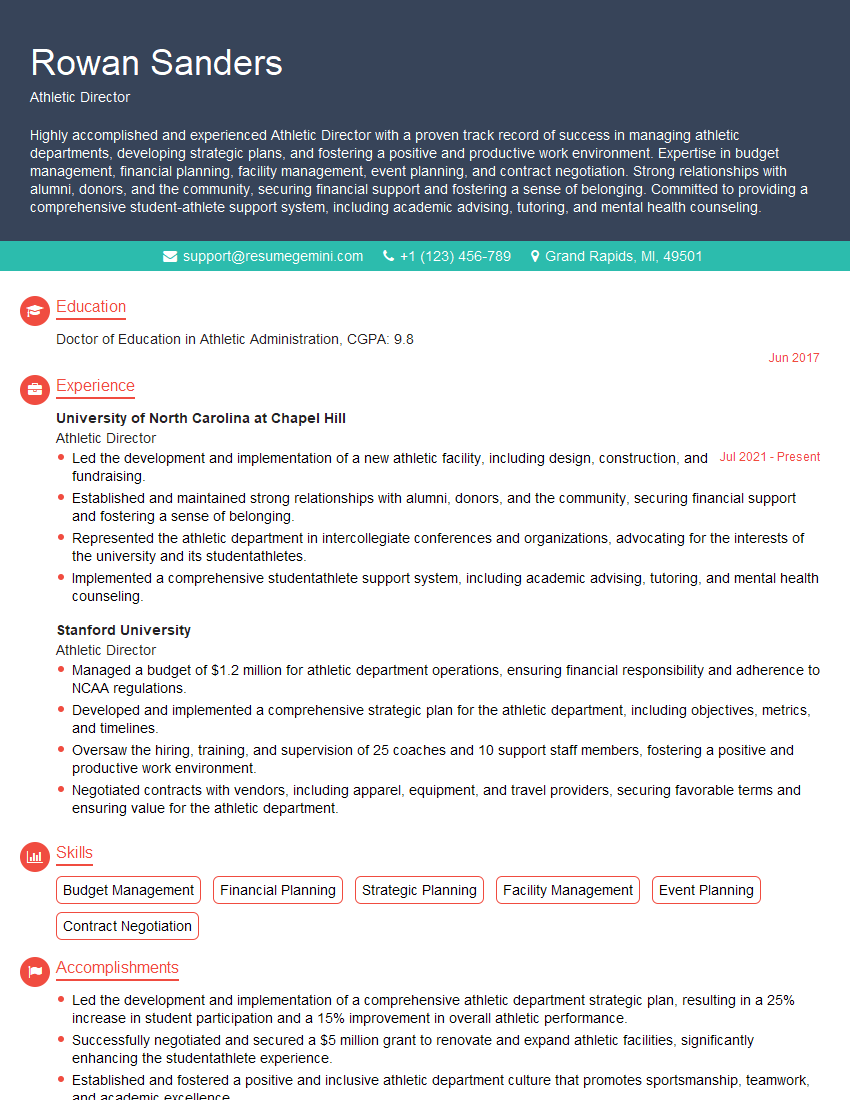
Athletic Director Resume Sample
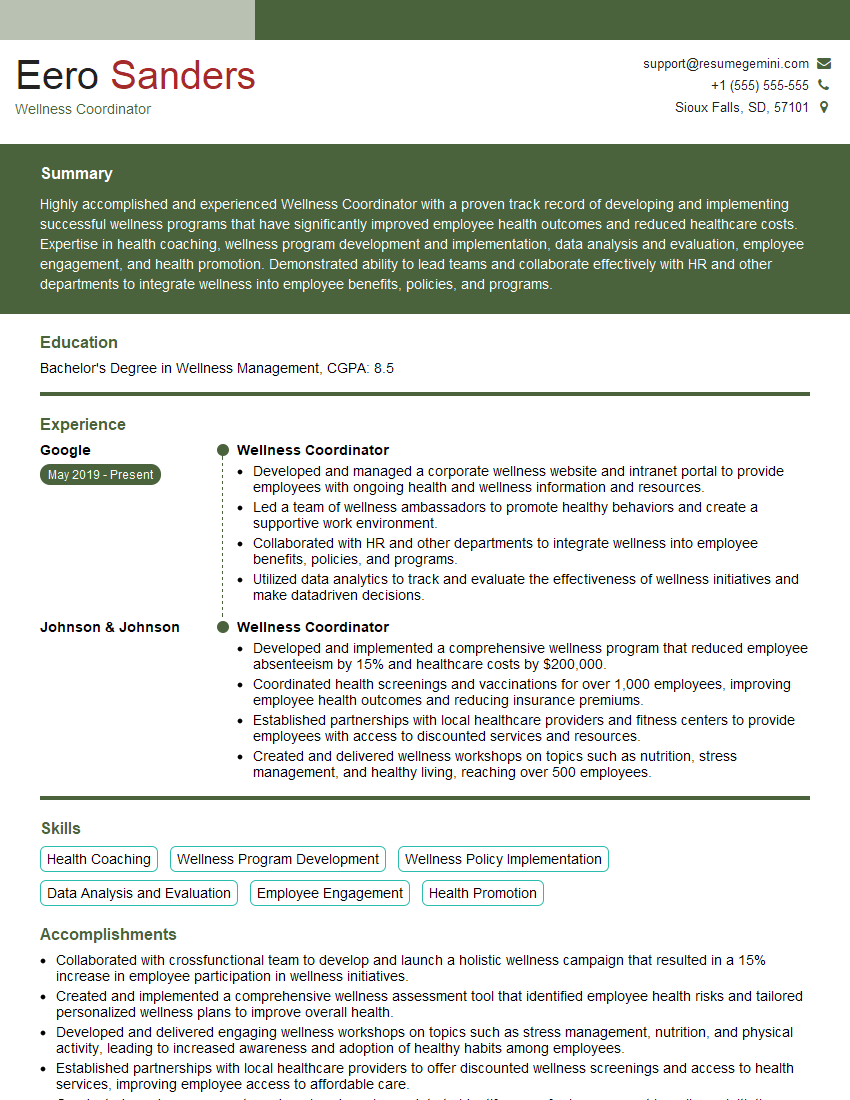
Wellness Coordinator Resume Sample
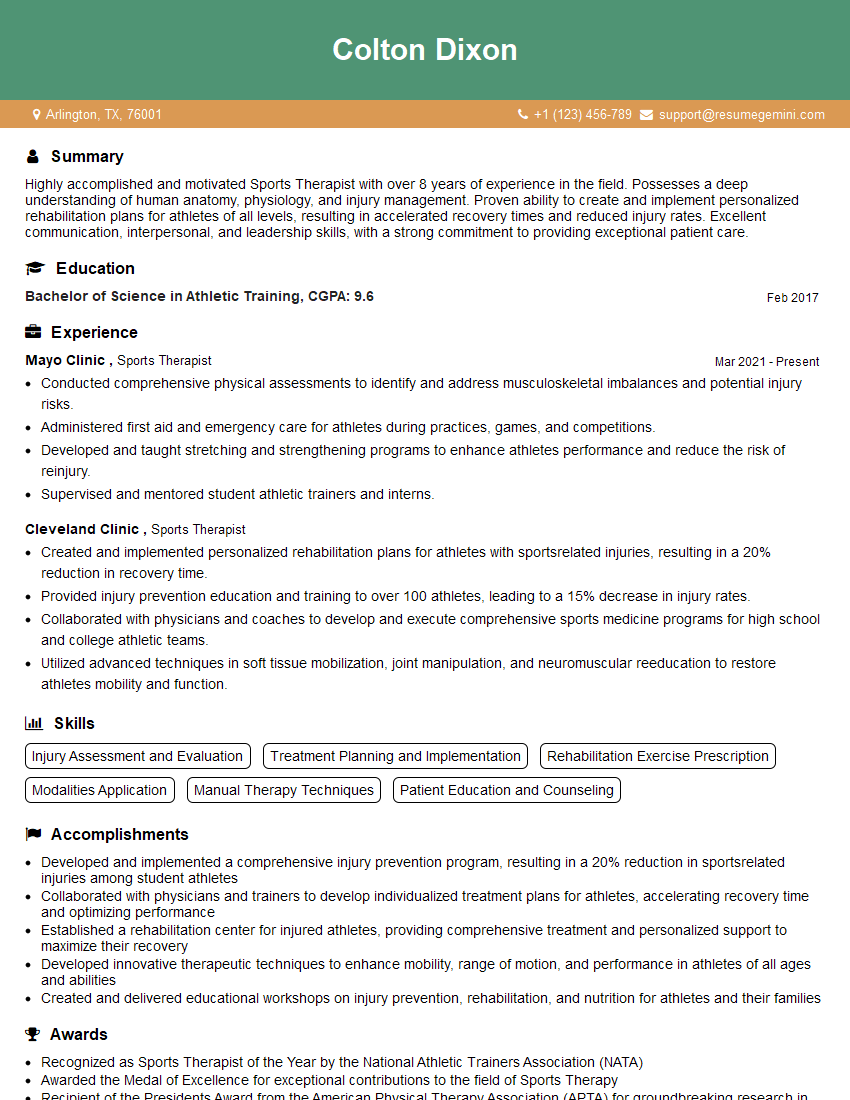
Sports Therapist Resume Sample
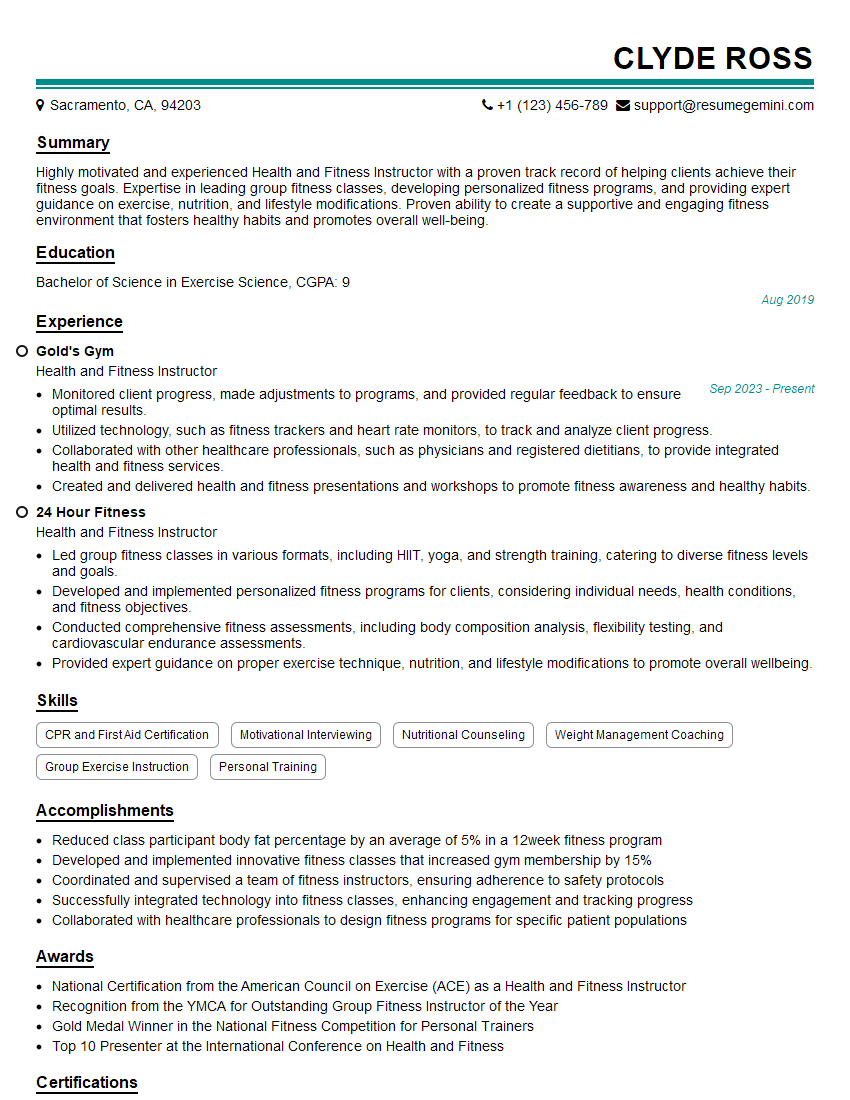
Health and Fitness Instructor Resume Sample
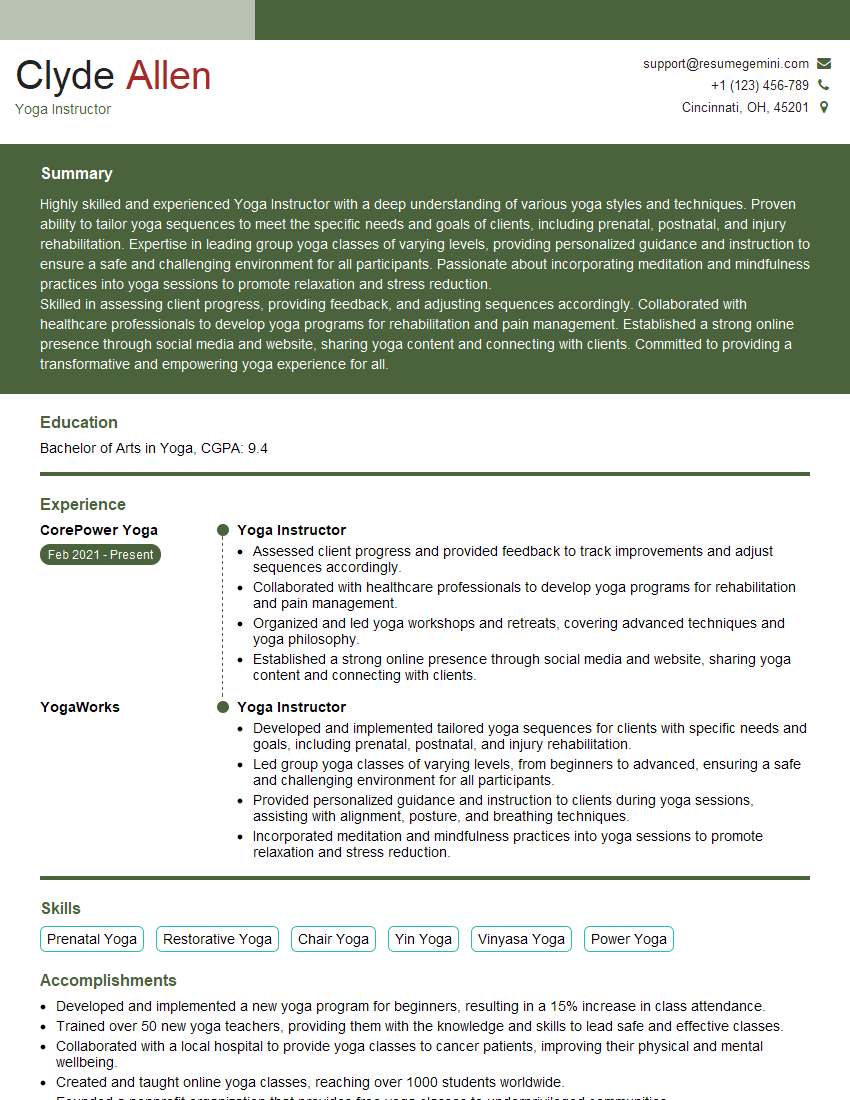
Yoga Instructor Resume Sample
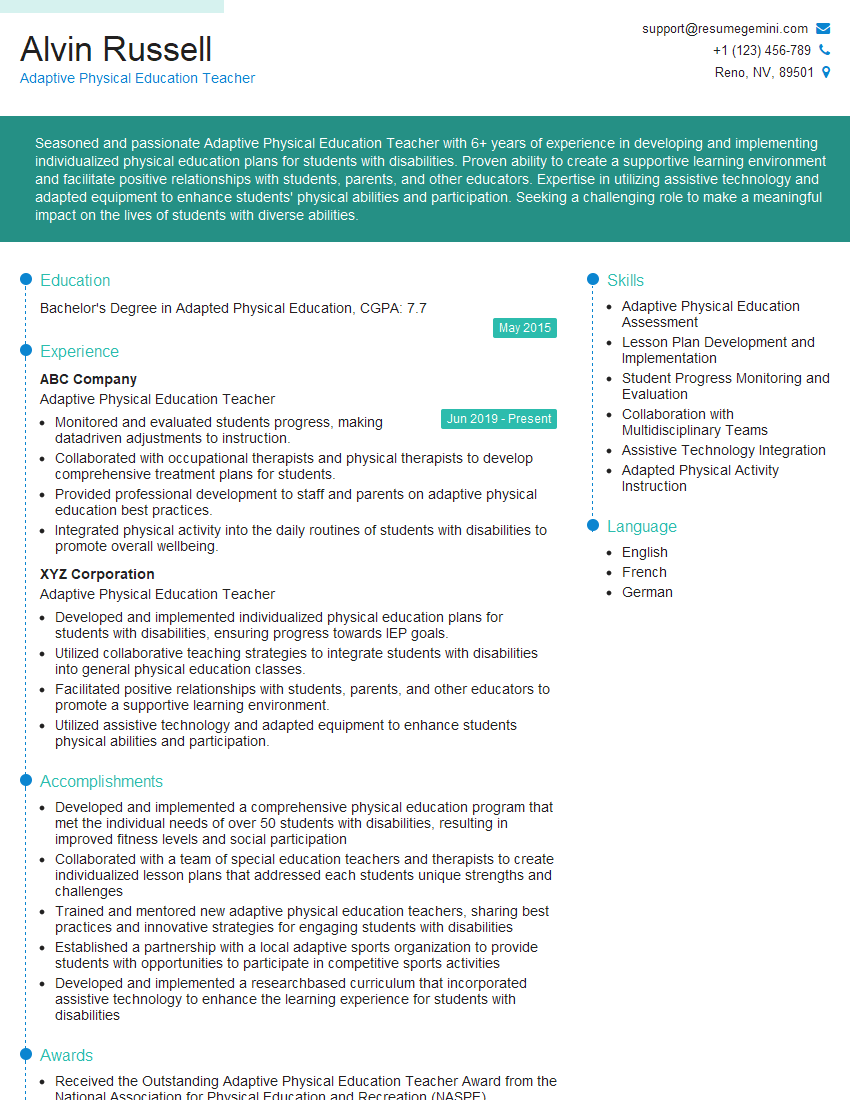
Adaptive Physical Education Teacher Resume Sample
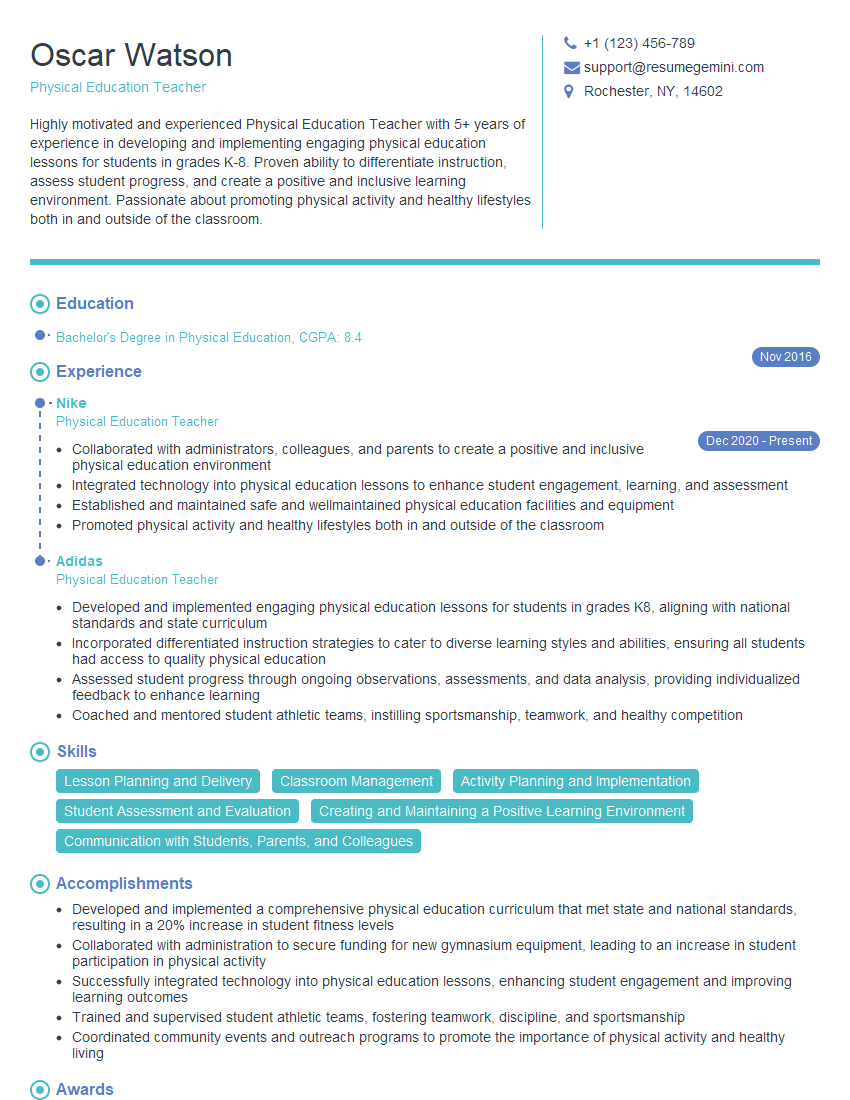
Physical Education Teacher Resume Sample
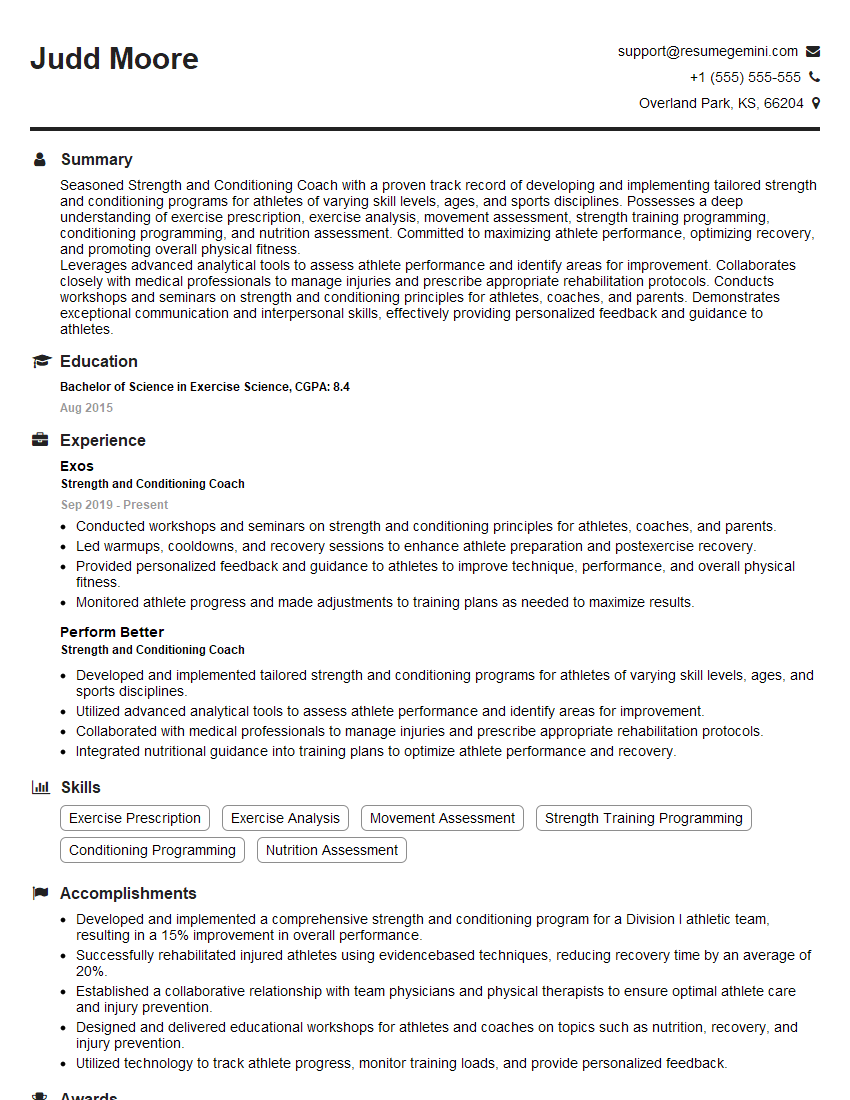
Strength and Conditioning Coach Resume Sample
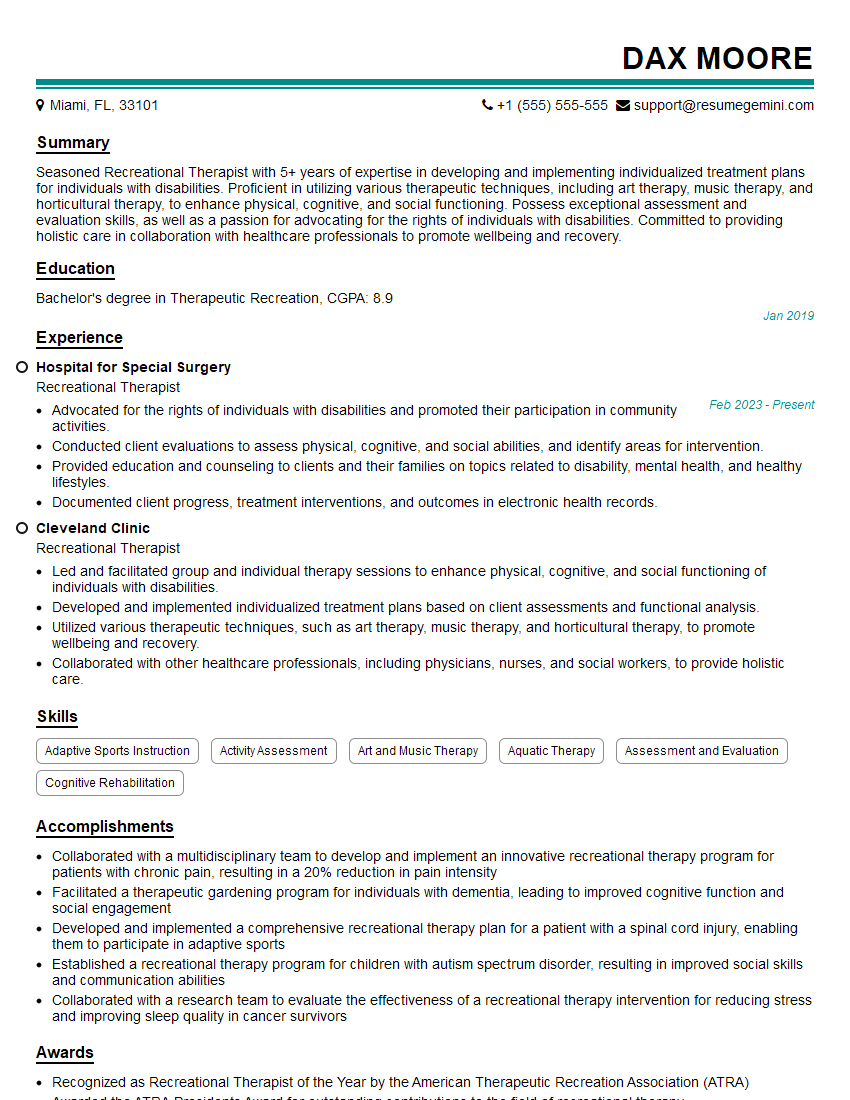
Recreational Therapist Resume Sample
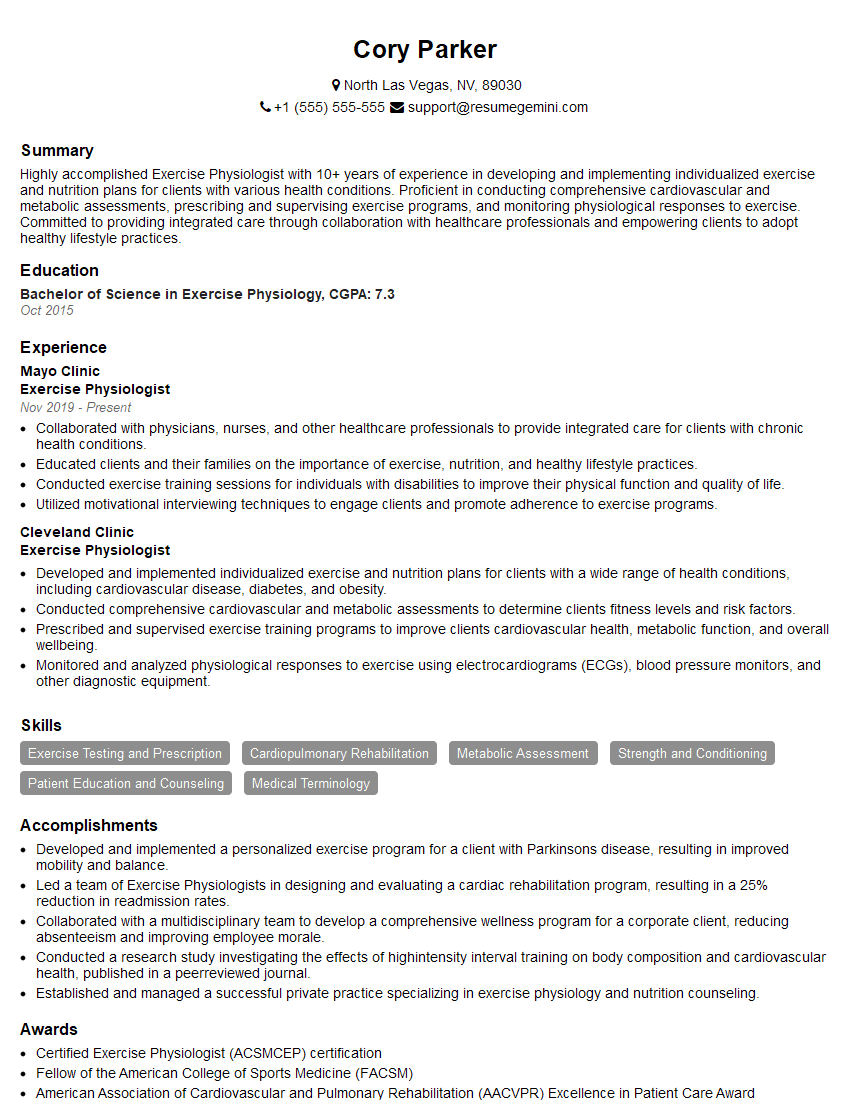
Exercise Physiologist Resume Sample
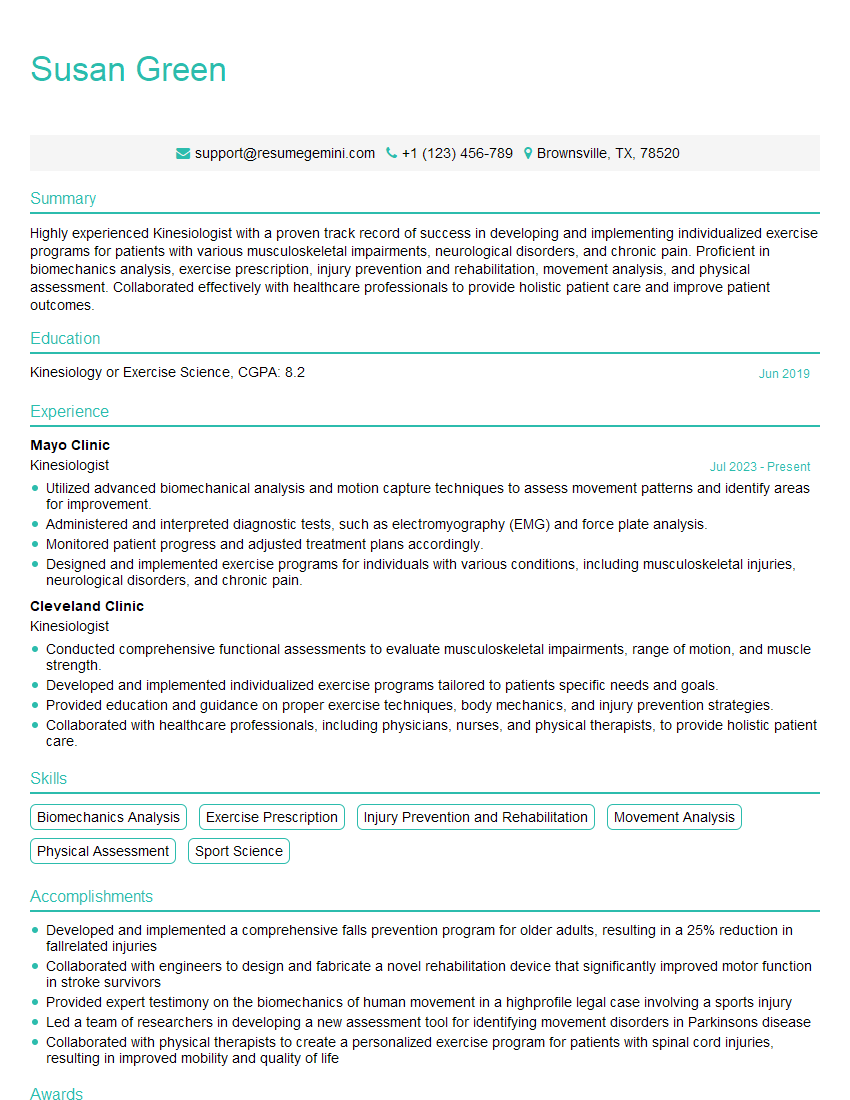
Kinesiologist Resume Sample
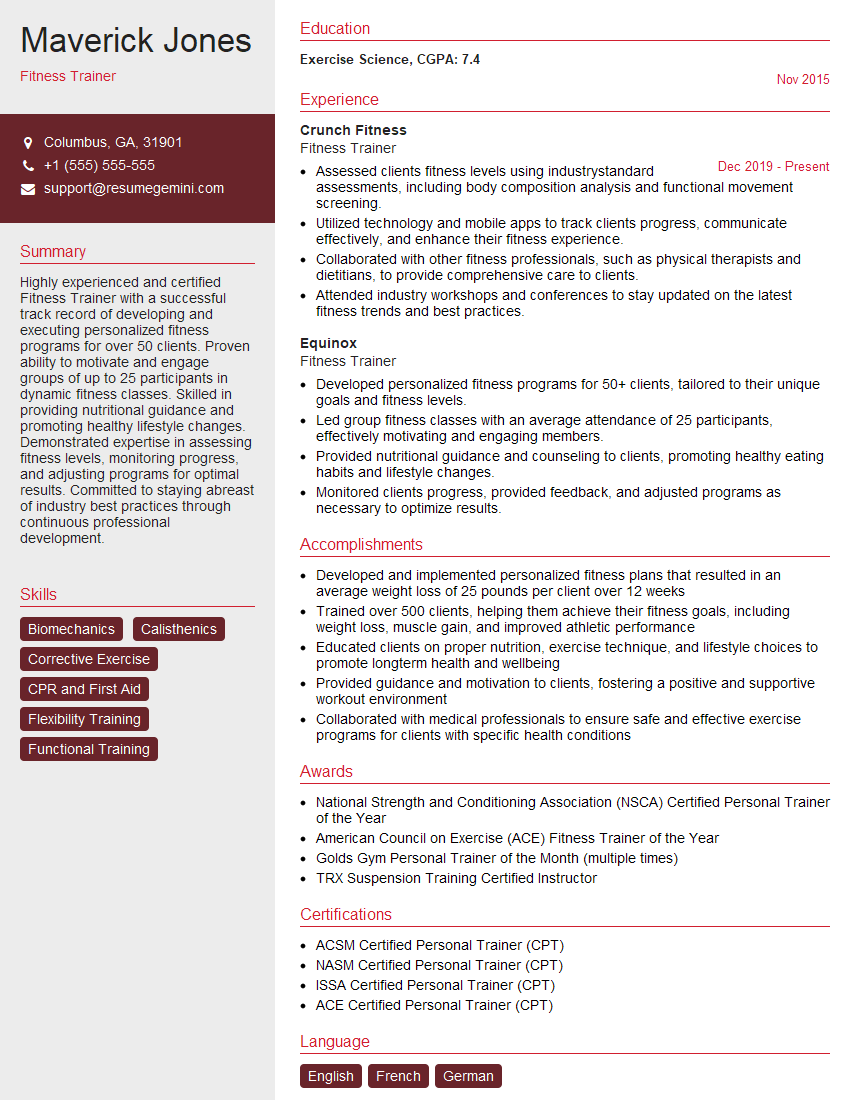
Fitness Trainer Resume Sample
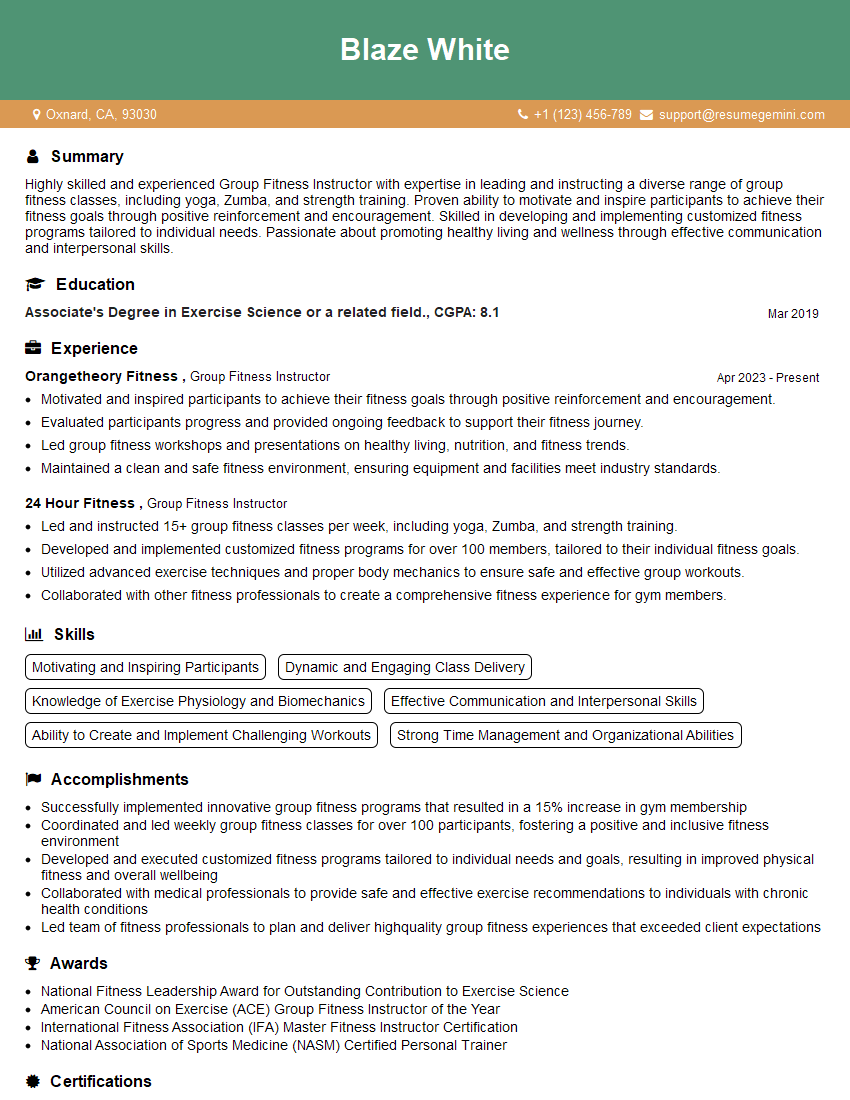
Group Fitness Instructor Resume Sample
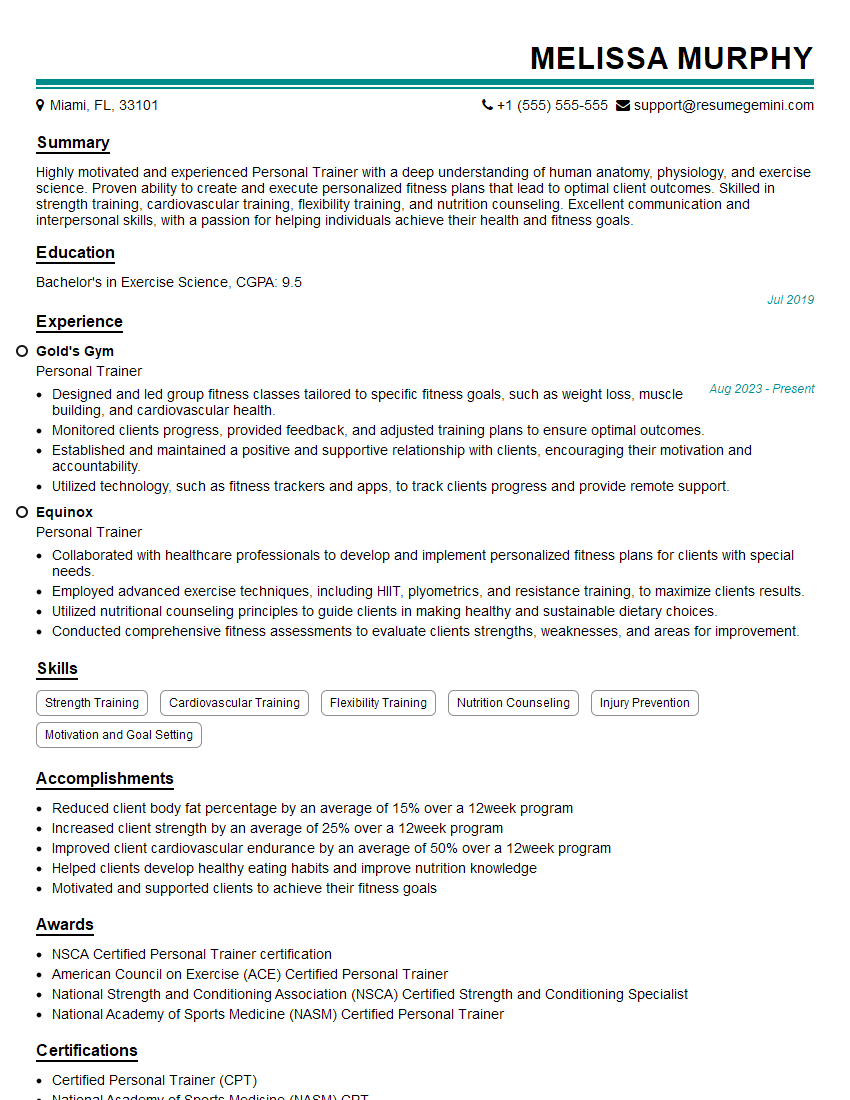
Personal Trainer Resume Sample
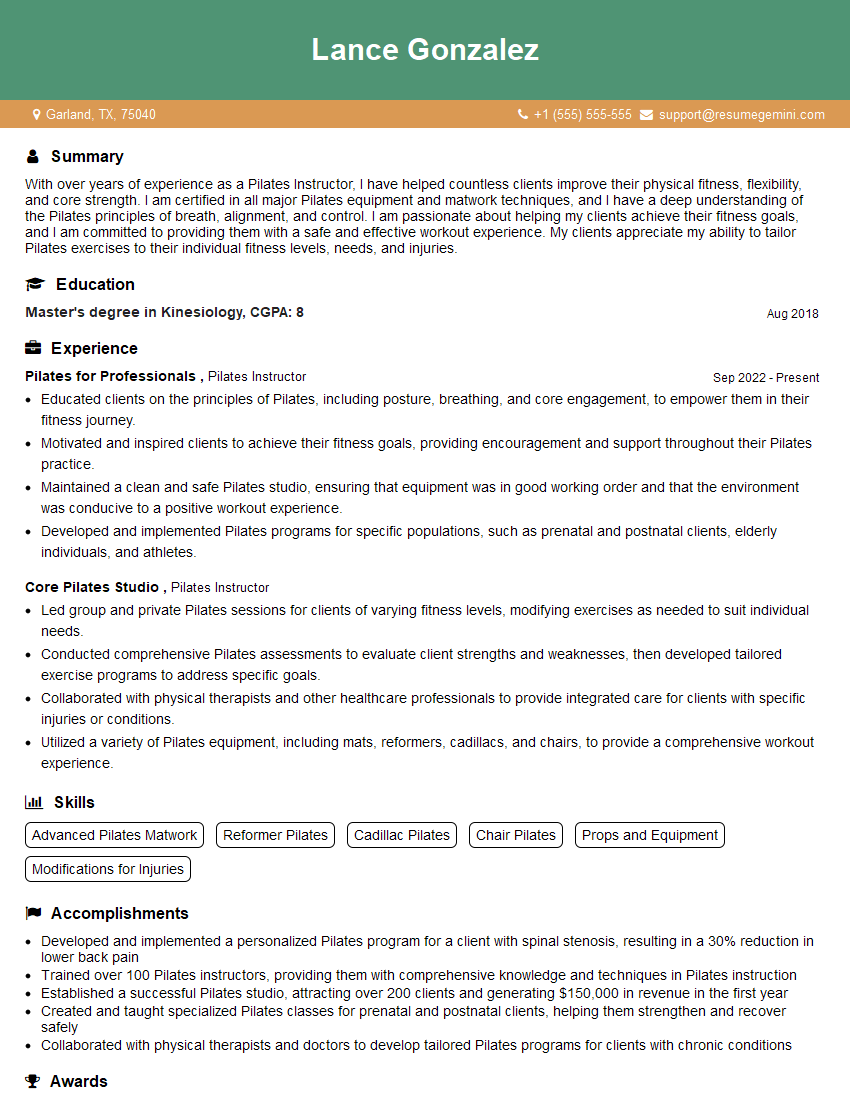
Pilates Instructor Resume Sample
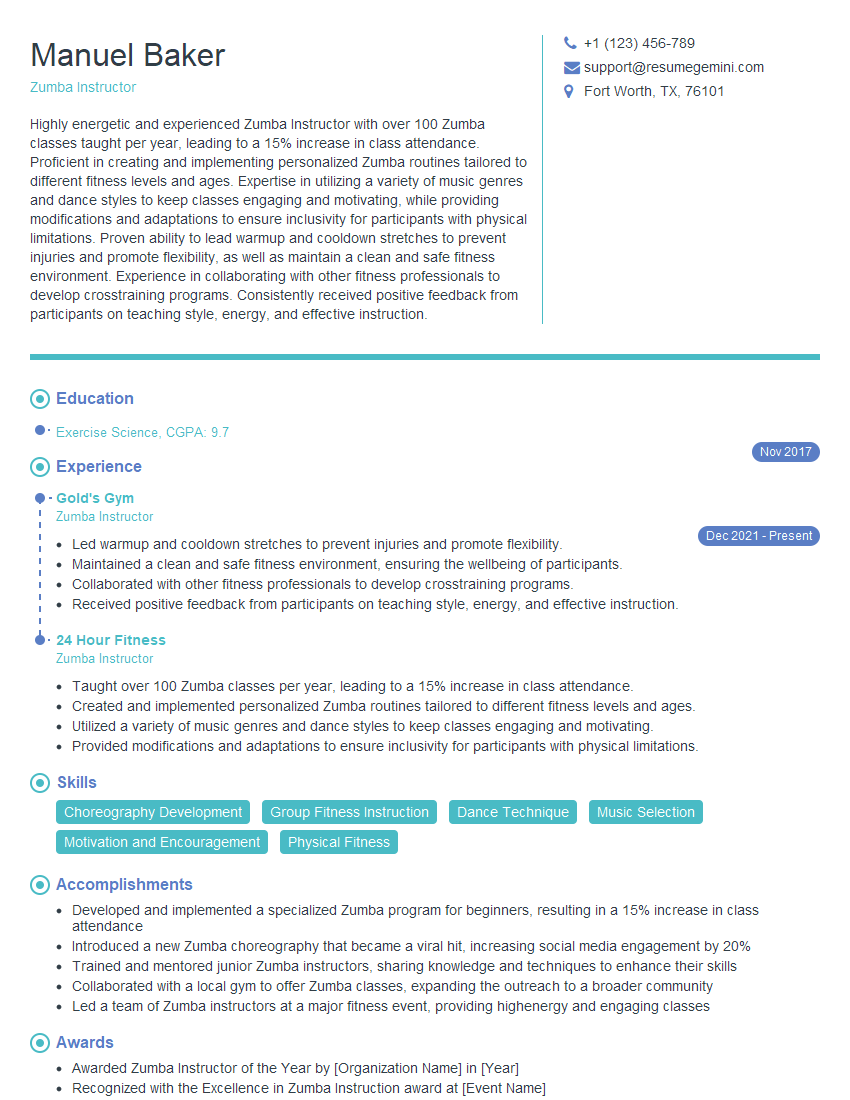
Zumba Instructor Resume Sample
- Athletic Director
- Wellness Coordinator
- Sports Therapist
- Health and Fitness Instructor
- Yoga Instructor
- Adaptive Physical Education Teacher
- Physical Education Teacher
- Strength and Conditioning Coach
- Recreational Therapist
- Exercise Physiologist
- Kinesiologist
- Fitness Trainer
- Group Fitness Instructor
- Personal Trainer
- Pilates Instructor
- Zumba Instructor
Explore more articles
Users Rating of Our Blogs
Share Your Experience
We value your feedback! Please rate our content and share your thoughts (optional).
What Readers Say About Our Blog
Very informative content, great job.
good