Interviews are opportunities to demonstrate your expertise, and this guide is here to help you shine. Explore the essential Poultry Farm Management (for Herders working with poultry) interview questions that employers frequently ask, paired with strategies for crafting responses that set you apart from the competition.
Questions Asked in Poultry Farm Management (for Herders working with poultry) Interview
Q 1. Describe your experience managing poultry flocks of different sizes.
My experience spans managing poultry flocks ranging from small-scale backyard operations of a few hundred birds to large-scale commercial farms with tens of thousands. In smaller flocks, I’ve focused on hands-on care, personally monitoring individual bird health and behavior. This allowed for a deeper understanding of subtle changes indicative of illness or stress. For larger flocks, I’ve implemented and managed sophisticated systems, including automated feeding and watering systems, environmental controls, and detailed record-keeping. This required a strong understanding of flock management principles and the ability to effectively delegate tasks and manage a team. A key difference lies in the level of individual attention; smaller flocks allow for more individualized care, while larger flocks demand a more systematic and data-driven approach to ensure overall flock health and productivity.
For example, on a small farm, I could readily identify a single bird with respiratory issues simply by observing its behavior. In contrast, a large commercial operation requires regular monitoring using automated systems, regular health checks by trained personnel, and mortality data analysis to detect early signs of disease outbreaks.
Q 2. Explain your understanding of poultry biosecurity protocols.
Poultry biosecurity is paramount to preventing disease outbreaks and maintaining flock health. It’s a multi-layered system aimed at minimizing the introduction and spread of pathogens. My approach involves implementing strict protocols at every stage, from farm access to waste disposal. This includes:
- Perimeter Security: Establishing a clearly defined perimeter, limiting access to authorized personnel only, and using appropriate barriers to prevent wildlife entry.
- Hygiene Practices: Strict handwashing and disinfection protocols for all personnel and equipment before entering and after leaving poultry housing. This might involve foot dips containing disinfectant and wearing clean protective clothing.
- Vehicle and Equipment Control: Disinfecting all vehicles and equipment that enter the farm premises. This can involve spraying with appropriate disinfectants and a scheduled cleaning program.
- Waste Management: Proper disposal of manure and dead birds through approved methods to prevent environmental contamination and reduce pathogen spread.
- Rodent and Pest Control: Implementing a comprehensive rodent and pest control program to reduce the risk of disease vectors. Regular monitoring and use of traps are crucial.
- Quarantine Procedures: Any new birds are quarantined before being integrated into the main flock to monitor their health and prevent the introduction of disease.
I believe in a proactive, rather than reactive, biosecurity approach. Regular training of staff on best practices is crucial. Think of biosecurity as a shield—multiple layers protecting your flock from external threats.
Q 3. How do you monitor poultry health and identify disease outbreaks?
Monitoring poultry health involves a combination of visual observation, record-keeping, and laboratory diagnostics. Daily observation includes checking for signs of illness, such as lethargy, respiratory distress, reduced feed intake, and unusual droppings. Regular weighing and monitoring of feed conversion ratios (FCR) provide valuable insights into overall flock health and efficiency.
Maintaining detailed records of mortality rates, feed consumption, and water intake are essential for early detection of problems. Any unusual changes in these parameters warrant further investigation. When disease outbreaks are suspected, samples are collected and sent to a diagnostic laboratory to confirm the diagnosis. Prompt identification of the pathogen allows for timely intervention, including appropriate treatment, vaccination, and isolation of affected birds.
For example, a sudden increase in mortality rates accompanied by respiratory symptoms could indicate an infectious disease like avian influenza. Quick action, including immediate isolation of affected birds and contacting veterinary authorities, is crucial in preventing widespread infection.
Q 4. What are the key indicators of good poultry nutrition?
Key indicators of good poultry nutrition manifest in several ways:
- Uniform growth and development: Birds should exhibit consistent growth rates and reach target weights within the expected timeframe.
- Healthy plumage: Feathers should be smooth, shiny, and free from damage, reflecting a balanced diet.
- High feed conversion ratio (FCR): A low FCR indicates efficient nutrient utilization. It represents the amount of feed required to produce a unit of weight gain.
- Good egg production (for layers): High egg production with strong shells and consistent egg size points to proper nutrition.
- Strong immune system: Resistance to diseases suggests a diet providing essential vitamins and minerals crucial for immune function.
- Good behavior: Birds showing normal activity levels, alertness, and social interaction are likely well-nourished.
Regular monitoring of feed intake, weight gain, and mortality, along with periodic blood tests, helps ensure the nutritional needs of the flock are met. Any deviation from the expected parameters calls for a review of the feed formulation and management practices.
Q 5. Describe your experience with different poultry housing systems.
My experience encompasses various poultry housing systems, each with its own advantages and disadvantages. These include:
- Battery Cages: Used primarily for layer hens, these systems maximize space efficiency but can raise animal welfare concerns if not managed appropriately.
- Floor Systems: Birds are raised directly on the floor, providing greater freedom of movement but requiring more space and careful litter management to maintain hygiene.
- Free-Range Systems: Birds have access to outdoor areas, improving welfare but posing challenges in terms of biosecurity and predator control.
- Aviaries: Enclosed systems offering more space than battery cages, combining elements of both floor and cage systems.
The choice of housing system depends on factors like bird type, production goals, available resources, and welfare considerations. Effective management of any system involves regular cleaning and disinfection, appropriate ventilation, and monitoring of environmental conditions to ensure bird comfort and productivity.
Q 6. How do you manage poultry feed and water resources efficiently?
Efficient management of feed and water resources involves a combination of strategies. For feed, this includes:
- Automated Feeding Systems: These systems precisely deliver feed to the flock, reducing waste and ensuring consistent nutrient intake. They allow for precise control of feed quantity and timing.
- Proper Storage: Storing feed in a cool, dry place prevents spoilage and protects against pest infestation. First-in, first-out (FIFO) inventory management ensures that older feed is used before newer stock.
- Feed Formulation: Using precise feed formulations tailored to the specific nutritional needs of the flock at different life stages optimizes growth and productivity.
Water management involves ensuring a continuous supply of clean, fresh water through:
- Automated Watering Systems: These provide consistent access to clean water, minimizing wastage and preventing disease transmission through contaminated water sources.
- Regular Cleaning and Disinfection: Keeping water lines and drinkers clean prevents bacterial growth and ensures water quality.
- Water Quality Monitoring: Regular monitoring of water quality parameters ensures that the water provided to the birds is safe and suitable for drinking.
By implementing these strategies, we can minimize waste, improve bird health and productivity, and reduce operational costs.
Q 7. Explain your approach to controlling poultry pests and parasites.
Controlling poultry pests and parasites requires an integrated pest management (IPM) approach. This involves a combination of preventative measures and targeted interventions. My approach consists of:
- Good Hygiene: Maintaining a clean and sanitary environment reduces breeding sites for pests. Regular cleaning and disinfection of housing and equipment is crucial.
- Rodent Control: Implementing a robust rodent control program using traps and deterrents is essential to minimize disease vectors and structural damage.
- Insect Control: Using appropriate insecticides, when necessary, to control insect populations. This should be done in accordance with regulations and focusing on environmentally friendly methods where possible.
- Parasite Control: Regular deworming programs tailored to the specific parasites affecting the flock. This may involve the use of medication or other treatments advised by a veterinarian.
- Predatory Control: Implementing measures to prevent access by wild predators through secure fencing and other physical barriers.
- Biosecurity Measures: Strict biosecurity measures (as described earlier) reduce the risk of introducing new pests and parasites.
Regular monitoring for pests and parasites, along with prompt intervention, is essential in preventing infestations from developing into major problems. A proactive approach, focusing on prevention, is always preferable to dealing with widespread infestations.
Q 8. Describe your experience with poultry vaccination and medication administration.
Poultry vaccination and medication administration are crucial for maintaining flock health and preventing disease outbreaks. My experience encompasses a wide range of practices, from routine vaccinations to treating specific illnesses. I’m proficient in administering vaccines via various routes, including intramuscular, subcutaneous, and intraocular injections, depending on the vaccine type and age of the birds. I meticulously follow the manufacturer’s instructions, including dosage, storage, and administration procedures. For medication, I carefully assess the flock’s condition, identify the cause of illness (through observation and, if necessary, diagnostic testing), and select appropriate medications based on the diagnosis and considering any potential drug interactions. I always prioritize the correct dosage and administration route, ensuring the birds receive the treatment effectively and safely. For example, in a recent outbreak of Newcastle disease, I swiftly administered a live attenuated vaccine to the entire flock, preventing widespread infection. For individual birds suffering from coccidiosis, I used an anti-coccidial drug according to the prescribed dosage and schedule.
Accurate record-keeping is paramount. I meticulously document every vaccination and medication event, including the date, time, vaccine/medication used, dosage, batch number, and the number of birds treated. This allows for better disease monitoring and tracing in case of future outbreaks. I also carefully monitor the birds for adverse reactions following treatments and take appropriate steps if needed. This proactive approach ensures the overall health and productivity of the flock.
Q 9. How do you handle poultry mortality and disposal?
Handling poultry mortality and disposal is a critical aspect of biosecurity and responsible farm management. I follow strict protocols to minimize the risk of disease transmission and comply with local regulations. When a bird dies, I immediately isolate the carcass to prevent contact with healthy birds. I carefully record the date, time of death, suspected cause of death, and the number of birds affected. This information is vital for analyzing mortality trends and identifying potential health issues within the flock. Disposal methods depend on the local regulations and farm size. Common practices include composting, incineration, or rendering – each with its own specific requirements to ensure proper and safe disposal. For example, on my previous farm, we used a licensed rendering company for larger mortality events, while smaller numbers were safely composted on-site, adhering strictly to the composting protocols to prevent the spread of disease. This comprehensive approach ensures both the health of the remaining flock and environmental safety.
Q 10. Explain your understanding of poultry reproduction and breeding cycles.
Poultry reproduction and breeding cycles are complex but fascinating processes. Understanding these cycles is essential for maximizing egg production and improving flock genetics. The reproductive cycle begins with the development of the ovarian follicles in the hen, leading to egg formation. This process is influenced by several factors, including lighting schedules, nutrition, and bird age. In commercial settings, controlled lighting programs are often used to manipulate the breeding cycle and optimize egg production. For example, increased light exposure stimulates egg laying. Breeding cycles vary among different breeds, with some breeds being more prolific layers than others. Successful breeding programs involve careful selection of parent stock with desirable traits like high egg production, disease resistance, and growth rate. Artificial insemination is also a common practice in commercial poultry farming to control breeding and improve genetic selection. Accurate record keeping of breeding pairs, egg production rates, and hatch rates is crucial for improving breeding efficiency.
Q 11. How do you maintain accurate poultry records and inventory?
Maintaining accurate poultry records and inventory is crucial for efficient farm management and financial tracking. I use a combination of physical records and digital tools to ensure data accuracy and accessibility. This includes detailed records of bird numbers, hatching dates, mortality rates, feed consumption, medication administration, egg production, and sales. Using spreadsheets or dedicated farm management software allows for easy data entry, analysis, and reporting. Inventory tracking includes monitoring feed stocks, medications, and supplies to avoid shortages. Regular stocktakes help ensure the accuracy of the inventory and highlight potential discrepancies. For example, I use a spreadsheet to track daily egg production, which is then used to calculate total egg production for the month and year, helping in sales projections and identifying potential production issues. A well-maintained record system provides valuable information for decision-making, monitoring performance, and complying with regulatory requirements.
Q 12. Describe your experience with poultry grading and sorting.
Poultry grading and sorting is a vital process that ensures consistent product quality and meets market demands. This involves classifying birds or eggs based on various parameters, such as weight, size, appearance, and quality. For example, eggs are graded based on size, shell quality, and interior quality. Birds are graded according to their weight, conformation, and feather condition before processing. The grading process typically involves visual inspection and sometimes the use of specialized equipment like scales and egg graders. Proper grading and sorting ensure that customers receive products that meet their expectations, maximizing profitability and market acceptance. Different markets may have different grading standards, necessitating flexibility and adaptability to meet diverse customer needs. Efficient sorting minimizes waste and streamlines the processing workflow.
Q 13. How do you ensure the welfare of poultry under your care?
Ensuring poultry welfare is a top priority. My approach focuses on providing the birds with a safe, comfortable, and healthy environment. This includes maintaining optimal housing conditions with adequate ventilation, temperature control, and appropriate lighting. Providing clean, fresh water and nutritious feed is critical. I regularly monitor the birds for any signs of illness or distress, promptly addressing any issues. Proper flock density management prevents overcrowding and minimizes stress. Providing appropriate enrichment, such as perches and dust baths for certain breeds, improves their overall wellbeing. Biosecurity measures are diligently implemented to prevent disease outbreaks, minimizing stress from illness. I consistently update my knowledge on best practices in poultry welfare, adhering to ethical and legal standards. My aim is to maintain a happy, healthy flock, maximizing productivity while ensuring ethical treatment.
Q 14. Explain your knowledge of different poultry breeds and their specific needs.
My knowledge of poultry breeds encompasses various types, including layers, broilers, and dual-purpose breeds. Each breed has unique characteristics and specific needs. For example, Leghorn hens are renowned for their high egg production but require careful management to prevent stress. Broiler chickens, like Cornish Cross, are bred for rapid growth and meat production, needing specific nutrition and housing to support their fast development. Dual-purpose breeds, like Orpingtons, provide both eggs and meat, but their growth rate and egg production may be lower than specialized breeds. Understanding these breed-specific needs allows me to tailor management practices, including nutrition, housing, and breeding programs, to optimize performance and welfare. This includes adjusting feed formulations, lighting schedules, and environmental control to meet the individual requirements of each breed, maximizing overall flock productivity and profitability.
Q 15. How do you manage labor and team dynamics on a poultry farm?
Effective poultry farm labor management hinges on clear communication, well-defined roles, and a positive team environment. I start by creating a detailed job description for each role, ensuring everyone understands their responsibilities. This includes daily tasks, weekly schedules, and emergency protocols. Team dynamics are fostered through regular team meetings where we discuss successes, challenges, and improvements. I encourage open communication, actively listening to concerns and suggestions. For example, if a team member is struggling with a specific task, I provide additional training or assistance, rather than criticism. This collaborative approach builds trust and improves overall productivity. We also incorporate incentives and rewards based on performance and teamwork, boosting morale and motivation.
- Clear Roles and Responsibilities: Each team member understands their specific tasks, preventing overlaps and confusion.
- Regular Team Meetings: Open communication and feedback sessions promote team cohesion.
- Training and Development: Continuous learning enhances skills and boosts confidence.
- Performance-Based Incentives: Rewards for good work foster a positive and productive environment.
Career Expert Tips:
- Ace those interviews! Prepare effectively by reviewing the Top 50 Most Common Interview Questions on ResumeGemini.
- Navigate your job search with confidence! Explore a wide range of Career Tips on ResumeGemini. Learn about common challenges and recommendations to overcome them.
- Craft the perfect resume! Master the Art of Resume Writing with ResumeGemini’s guide. Showcase your unique qualifications and achievements effectively.
- Don’t miss out on holiday savings! Build your dream resume with ResumeGemini’s ATS optimized templates.
Q 16. Describe your experience with poultry equipment maintenance and repair.
Poultry farm equipment demands regular maintenance to ensure optimal operation and longevity. My experience covers a wide range of equipment, including incubators, feeders, waterers, ventilation systems, and egg-handling machinery. I’m proficient in preventative maintenance, performing regular checks, cleaning, lubrication, and minor repairs. For instance, I’ve regularly cleaned and lubricated conveyor belts to prevent jams and breakdowns. When major repairs are needed, I work closely with qualified technicians, documenting all maintenance activities in a detailed log. This log helps us track repairs, identify recurring issues, and schedule preventative maintenance to minimize downtime. I also oversee the inventory of spare parts, ensuring that we have the necessary components for timely repairs.
- Preventative Maintenance Schedule: Regularly scheduled maintenance minimizes unexpected breakdowns.
- Detailed Maintenance Logs: Accurate records aid in identifying recurring issues and predicting maintenance needs.
- Spare Parts Inventory: A well-stocked inventory ensures swift repairs and minimizes downtime.
- Collaboration with Technicians: Working with experts allows for efficient handling of complex repairs.
Q 17. What are your strategies for maximizing poultry productivity?
Maximizing poultry productivity involves a holistic approach focused on optimizing bird health, nutrition, and environment. This starts with selecting high-performing breeds suited to the climate and market demand. I ensure proper flock density to prevent stress and disease. Nutrition plays a critical role; I carefully monitor feed quality, ensuring birds receive a balanced diet tailored to their age and growth stage. Environmental control is crucial. This includes maintaining optimal temperature, humidity, ventilation, and lighting to minimize stress and encourage optimal growth. Regular health checks, biosecurity measures (to prevent disease introduction), and prompt veterinary intervention are crucial to prevent disease outbreaks which can significantly impact productivity. Data-driven management, meticulously tracking key performance indicators like feed conversion ratio, mortality rate, and egg production, helps identify areas for improvement. For example, if the feed conversion ratio is high, we might investigate for feed quality issues or nutritional imbalances.
- Breed Selection: Choosing breeds suited for the climate and market.
- Optimal Flock Density: Preventing stress and disease through proper spacing.
- Balanced Nutrition: Providing a diet tailored to age and growth stage.
- Environmental Control: Maintaining ideal temperature, humidity, and ventilation.
- Biosecurity Measures: Protecting the flock from disease.
- Data-Driven Management: Using key performance indicators to identify areas for improvement.
Q 18. How do you comply with poultry farming regulations and standards?
Compliance with poultry farming regulations is paramount. I stay updated on all relevant local, regional, and national regulations, ensuring our farm adheres to all standards concerning animal welfare, biosecurity, environmental protection, and food safety. This involves maintaining detailed records of our activities, including vaccination schedules, medication usage, and feed composition. We regularly conduct internal audits to identify any potential non-compliance issues and implement corrective actions promptly. We work closely with regulatory authorities, inviting inspections and addressing any concerns raised proactively. For example, we maintain meticulous records of waste disposal, ensuring that all processes comply with environmental regulations. Employee training on biosecurity and food safety regulations is crucial to maintain a compliant environment.
- Regular Audits: Identifying and addressing potential non-compliance issues.
- Detailed Record Keeping: Maintaining meticulous records of all farm activities.
- Collaboration with Regulatory Authorities: Proactive engagement with inspection and compliance procedures.
- Employee Training: Ensuring all staff understand and adhere to regulations.
Q 19. Describe your experience with poultry waste management.
Poultry waste management is crucial for both environmental protection and farm hygiene. We employ a comprehensive system for managing manure and litter. This typically involves composting, which reduces the volume of waste and creates a valuable soil amendment. We carefully manage the composting process, ensuring proper aeration and moisture levels to promote efficient decomposition. Alternatively, in some instances, we utilize anaerobic digestion to generate biogas which can be used for energy. We also strictly adhere to regulations regarding waste storage and disposal, preventing environmental contamination. Regular cleaning and disinfection of the poultry houses are also vital in preventing the buildup of harmful bacteria and pathogens. Careful planning and investment in efficient waste management systems not only protect the environment but also improve overall farm hygiene and reduce the risk of disease.
- Composting: Reducing waste volume and creating valuable soil amendment.
- Anaerobic Digestion (where applicable): Generating biogas for energy.
- Waste Storage and Disposal: Adhering to all regulations.
- Regular Cleaning and Disinfection: Maintaining hygiene and preventing disease.
Q 20. How do you deal with unexpected challenges or emergencies on a poultry farm?
Unexpected challenges are an inevitable part of poultry farming. Having a well-defined emergency response plan is crucial. This plan should cover various scenarios, including disease outbreaks, equipment failures, power outages, and extreme weather events. For instance, we have a detailed protocol for dealing with a bird flu outbreak, which includes immediate reporting to authorities, isolation of affected birds, and thorough disinfection of the affected area. Regular training drills help familiarize the team with the emergency plan. We maintain strong relationships with local veterinarians and equipment repair services to ensure swift response during emergencies. Open communication channels keep everyone informed and coordinated during stressful situations. Detailed record-keeping of emergency responses allows for analyzing and learning from past events to improve future preparedness.
- Emergency Response Plan: A detailed plan covering various scenarios.
- Regular Training Drills: Familiarizing the team with emergency procedures.
- Strong Relationships with External Resources: Ensuring swift response to emergencies.
- Open Communication: Keeping everyone informed during crises.
- Post-Incident Analysis: Learning from past events to improve future preparedness.
Q 21. Explain your understanding of poultry market trends and pricing.
Understanding poultry market trends and pricing is vital for profitability. I regularly monitor market reports, industry publications, and price indices to stay informed about supply and demand dynamics. This helps in making informed decisions regarding production planning and pricing strategies. For example, if market analysis indicates a higher demand for specific poultry products, I might adjust our production to meet this demand. Factors like feed prices, fuel costs, and disease outbreaks significantly affect production costs and market prices. I also consider competitor pricing and consumer preferences to develop a competitive pricing strategy. Building strong relationships with buyers and distributors is also crucial in securing favorable pricing and consistent market access. Predictive analytics, based on historical data and market forecasts, helps in making more accurate production and pricing decisions, improving overall profitability.
- Market Research: Regularly monitoring market reports and industry publications.
- Cost Analysis: Understanding the impact of feed, fuel, and disease on costs.
- Competitive Analysis: Considering competitor pricing and consumer preferences.
- Relationship Building: Establishing strong relationships with buyers and distributors.
- Predictive Analytics: Using data to make informed decisions.
Q 22. How do you ensure the quality and safety of poultry products?
Ensuring the quality and safety of poultry products is paramount. It’s a multi-faceted process starting from the bird’s health and extending to processing and handling. We achieve this through a rigorous biosecurity protocol, focusing on disease prevention and control.
- Strict Hygiene Practices: This involves regular cleaning and disinfection of poultry houses, equipment, and vehicles. We train our staff on proper handwashing and sanitation procedures, using appropriate disinfectants and personal protective equipment (PPE).
- Vaccination Programs: A comprehensive vaccination program is crucial to prevent outbreaks of common poultry diseases such as Newcastle disease, Avian Influenza, and Gumboro disease. We work closely with a veterinary professional to tailor the vaccination schedule to the specific needs of our flock and prevalent diseases in the region.
- Feed Management: Providing high-quality, balanced feed is essential for healthy birds and reduces the risk of contamination. We source feed from reputable suppliers and carefully monitor feed storage to prevent spoilage and infestation.
- Environmental Control: Maintaining optimal environmental conditions (temperature, humidity, ventilation) within the poultry houses reduces stress on the birds, boosting their immune systems and making them less susceptible to disease. This includes proper waste management to prevent the buildup of harmful bacteria and pathogens.
- Proper Processing and Handling: Post-harvest handling is critical. We follow strict guidelines for humane slaughter, chilling, and processing, to minimize contamination and maintain product quality. Regular inspections and adherence to food safety regulations are essential in this stage.
For example, during an outbreak scare of Avian Influenza in a nearby farm, we implemented stricter biosecurity measures, including foot baths, vehicle disinfection protocols, and increased staff training on disease recognition and reporting. This proactive approach prevented any outbreak on our farm.
Q 23. Describe your experience with poultry transportation and handling.
My experience in poultry transportation and handling encompasses all aspects, from the farm to the processing plant and beyond. Safety and minimizing stress on the birds are top priorities. We use specialized poultry transport vehicles equipped with climate control to maintain optimal temperature and ventilation, preventing overheating or chilling.
- Loading and Unloading: Birds are handled gently, minimizing crowding and injury. Appropriate equipment is used, such as ramps and crates, to facilitate smooth transitions.
- Transportation Time: Travel time is kept as short as possible to reduce stress on the birds. We plan our routes carefully and monitor the birds’ condition during transit.
- Vehicle Hygiene: Vehicles are regularly cleaned and disinfected to prevent cross-contamination between flocks.
- Documentation: We maintain detailed records of all transportation activities, including the date, time, origin, destination, and number of birds transported.
Once at the processing plant, we ensure a seamless handover to maintain the birds’ welfare and minimize stress levels. We work closely with the processing plant staff to ensure that they adhere to safe handling procedures.
For instance, I’ve successfully overseen the transport of over 10,000 birds without any mortality or significant injuries during transport. This was achieved through meticulous planning, driver training, and regular checks on bird welfare throughout the journey.
Q 24. How do you handle stress and workload on a busy poultry farm?
Poultry farming can be demanding, especially during peak seasons. Effective stress and workload management is crucial for both personal well-being and farm productivity. My approach is a combination of proactive planning, efficient delegation, and self-care.
- Prioritization and Planning: I utilize task management tools to prioritize tasks and allocate time efficiently. This involves breaking down large tasks into smaller, manageable steps.
- Teamwork and Delegation: I have a strong team, and I trust them with their responsibilities. Clear communication and regular team meetings are crucial for seamless workflow.
- Automation and Technology: Utilizing technology such as automated feeding and environmental control systems frees up time for more strategic tasks.
- Time Management: I set realistic goals, stick to schedules, and avoid multitasking, focusing on one task at a time for improved efficiency.
- Self-Care: This is crucial. I ensure sufficient rest, maintain a healthy diet, and incorporate regular physical activity and mindfulness practices to manage stress effectively.
For example, during the peak breeding season, I utilize automated feeders and waterers and delegate tasks like egg collection to my team, allowing me to focus on strategic decisions and monitoring bird health. Regular breaks and mindfulness exercises help me to stay focused and avoid burnout.
Q 25. Explain your knowledge of poultry genetics and breeding programs.
Poultry genetics and breeding programs play a critical role in improving bird performance, disease resistance, and meat or egg quality. My knowledge spans several areas:
- Genetic Selection: This involves selecting birds with desirable traits for breeding, such as high egg production, rapid growth, disease resistance, and improved feed conversion ratio (FCR). We use pedigree records to identify and select superior breeding stock.
- Breeding Programs: I’m familiar with various breeding programs such as line crosses, inbreeding, and crossbreeding techniques, each with its strengths and weaknesses. The choice of breeding strategy depends on the desired traits and the overall goals of the farm.
- Artificial Insemination: I’m proficient in AI techniques, allowing for efficient and controlled breeding of large flocks and maximizing the use of superior genetic material. This technique ensures superior genetic selection and higher reproductive success.
- Genetic Evaluation: We regularly conduct genetic evaluations using statistical tools to monitor the effectiveness of our breeding program and identify areas for improvement. This is done through data analysis of growth rates, egg production, mortality rates, and other relevant parameters.
For instance, we recently implemented a selective breeding program focused on improving feed conversion ratio (FCR), resulting in a 10% reduction in feed costs within a year. This involved closely monitoring the FCR of different birds, identifying high-performing individuals, and strategically incorporating them into our breeding program.
Q 26. How do you incorporate technology into your poultry farm management practices?
Technology is integral to modern poultry farm management, improving efficiency, productivity, and bird welfare. We leverage several technologies:
- Automated Feeding and Watering Systems: These systems ensure consistent feed and water supply, optimizing bird health and growth.
- Environmental Control Systems: Automated climate control systems maintain optimal temperature, humidity, and ventilation, minimizing stress on the birds and improving their overall health.
- Monitoring Systems: Sensors and data logging systems monitor various parameters like temperature, humidity, ammonia levels, and bird activity, providing real-time insights into the farm’s conditions and bird health. This enables early detection of potential problems.
- Precision Farming Software: Software programs help to manage data, monitor bird performance, optimize feed rations, and forecast potential issues. They also help us track inventory, manage resources and plan production strategies effectively.
- Mobile Apps: We use mobile apps to monitor farm data remotely, allowing for prompt decision-making and efficient management even when not physically present at the farm.
For example, using a temperature monitoring system, we detected a malfunctioning heater in one of our poultry houses, addressing it promptly and preventing a potential drop in bird health and egg production. The data collected from this system allows us to fine-tune environmental control based on real-time feedback.
Q 27. Describe your experience with different poultry farming systems (e.g., free-range, caged).
I have extensive experience with various poultry farming systems, each with its advantages and disadvantages.
- Free-Range System: This system allows birds to roam freely outdoors, benefiting their welfare and potentially enhancing product quality (e.g., richer egg yolks). However, it poses challenges regarding biosecurity, predation, and efficient management of large flocks. It’s important to properly manage pasture rotation and monitor bird health in this system.
- Caged System: This system offers advantages in terms of biosecurity, ease of management, and efficient feed utilization. However, it raises welfare concerns regarding bird movement and interaction. Careful attention needs to be given to proper cage design and density to minimize stress on birds.
- Barn System: This system offers a balance between the two above, with birds having some indoor space but also access to outdoor runs. This approach allows some freedom of movement while maintaining relatively good biosecurity. Regular cleaning and disinfection are still essential.
I’ve managed farms using all these systems, adapting my management strategies to the specific needs and limitations of each approach. For example, in a free-range operation, we invested in predator-proof fencing and implemented a strict biosecurity protocol to address the challenges associated with this system. In a caged system, we prioritized appropriate cage density and enrichment to promote bird welfare.
Q 28. How do you continuously improve your poultry farm management skills and knowledge?
Continuous improvement is critical in poultry farming. I stay updated through several avenues:
- Professional Development: I regularly attend workshops, conferences, and seminars related to poultry management, nutrition, and disease control. This allows me to learn about the latest advancements in the field.
- Industry Publications and Research: I subscribe to relevant journals and industry publications to stay abreast of the latest research findings and best practices.
- Networking: I actively network with other poultry farmers, veterinarians, and industry experts to share knowledge and learn from their experiences.
- Online Courses and Webinars: I utilize online resources to enhance my knowledge and skills in specific areas of poultry management.
- Mentorship: I seek out mentors in the industry to gain guidance and learn from their experience. This provides invaluable insights and perspectives.
For example, I recently completed a course on advanced poultry nutrition, which has improved my ability to formulate balanced feed rations and enhance bird health and productivity. Continuous learning is a key part of my work and helps me to remain competitive and adapt to changing industry demands.
Key Topics to Learn for Poultry Farm Management (for Herders working with poultry) Interview
- Poultry Health & Biosecurity: Understanding common poultry diseases, preventative measures (vaccination schedules, hygiene protocols), and recognizing early signs of illness. Practical application: Describe your experience with disease prevention and control in a previous role.
- Feeding and Nutrition: Knowledge of different feed types, nutritional requirements at various life stages (chick, grower, layer), and the impact of feed quality on bird health and production. Practical application: Explain how you would adjust feeding strategies based on bird age and performance.
- Housing and Environmental Management: Understanding optimal housing conditions (temperature, ventilation, lighting), the impact of environmental factors on bird welfare and productivity, and practical solutions for maintaining a clean and safe environment. Practical application: Describe your experience managing environmental conditions in a poultry house.
- Record Keeping and Data Analysis: Importance of accurate record keeping (mortality rates, feed consumption, egg production), using data to identify trends and problems, and making informed management decisions. Practical application: Explain how you use data to monitor flock health and productivity.
- Bird Handling and Welfare: Safe and humane handling techniques, recognizing signs of stress in birds, and implementing practices to ensure bird welfare. Practical application: Describe your approach to minimizing stress during bird handling procedures.
- Waste Management: Understanding proper manure management techniques to minimize environmental impact and comply with regulations. Practical application: Discuss your experience with manure handling and disposal.
- Basic Flock Management: Understanding flock dynamics, culling procedures, and strategies for maintaining flock health and productivity. Practical application: Detail your experience in managing flock sizes and implementing culling procedures.
Next Steps
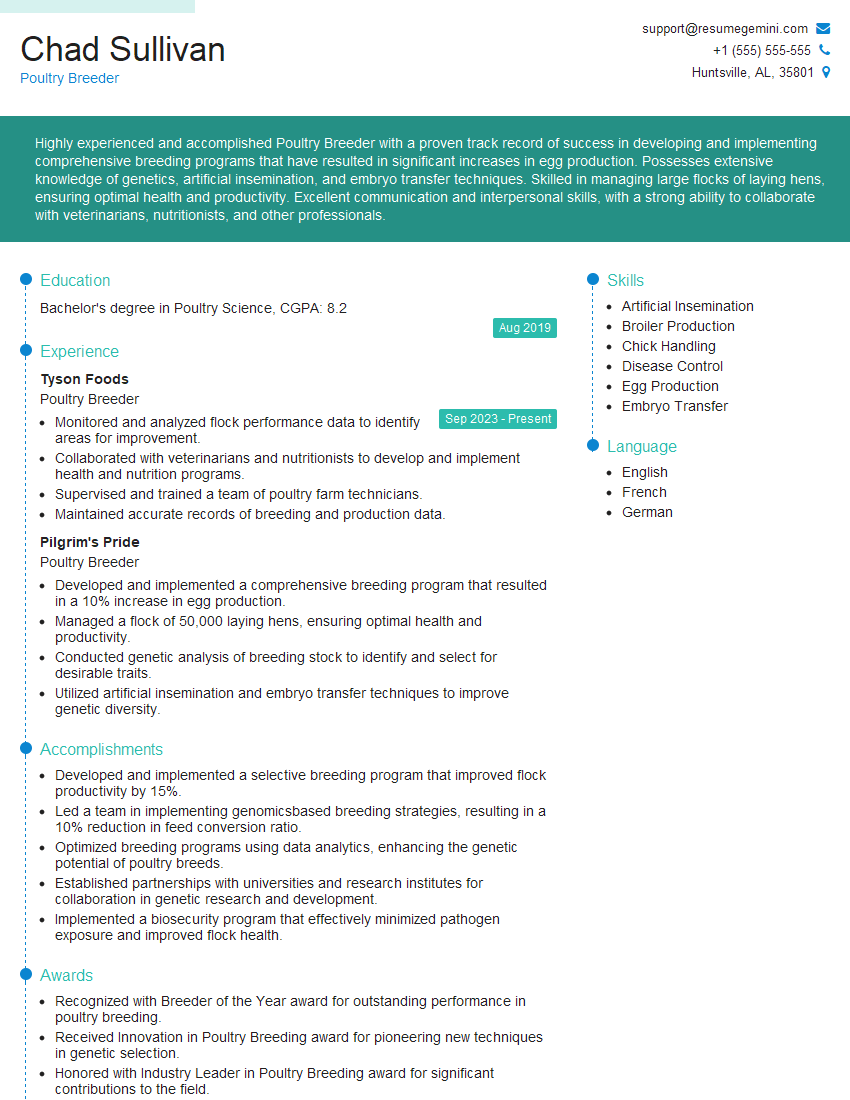
Mastering Poultry Farm Management is crucial for career advancement within the poultry industry. Demonstrating your expertise through a well-crafted resume is essential for securing your next opportunity. An ATS-friendly resume increases your chances of getting noticed by recruiters and hiring managers. To build a professional and effective resume that showcases your skills and experience, we highly recommend using ResumeGemini. ResumeGemini provides a user-friendly platform and examples of resumes tailored to Poultry Farm Management (for Herders working with poultry) are available to help you present your qualifications in the best possible light.
Explore more articles
Users Rating of Our Blogs
Share Your Experience
We value your feedback! Please rate our content and share your thoughts (optional).
What Readers Say About Our Blog
Very informative content, great job.
good