Every successful interview starts with knowing what to expect. In this blog, we’ll take you through the top Quality Control and Troubleshooting interview questions, breaking them down with expert tips to help you deliver impactful answers. Step into your next interview fully prepared and ready to succeed.
Questions Asked in Quality Control and Troubleshooting Interview
Q 1. Explain your experience with different quality control methodologies (e.g., Six Sigma, ISO 9001).
My experience encompasses a range of quality control methodologies, primarily Six Sigma and ISO 9001. Six Sigma, a data-driven approach, focuses on minimizing defects and maximizing efficiency through DMAIC (Define, Measure, Analyze, Improve, Control). I’ve used this extensively in streamlining manufacturing processes, reducing error rates by up to 40% in one project by identifying and eliminating bottlenecks in the assembly line. ISO 9001, on the other hand, provides a framework for establishing, implementing, and continually improving a quality management system. My experience with ISO 9001 includes conducting internal audits, ensuring compliance with standards, and developing quality manuals. This framework proved invaluable in securing a major client contract, as it demonstrated our commitment to consistent quality.
- Six Sigma: I’ve led projects using statistical process control (SPC) charts and control charts to monitor process variation and identify opportunities for improvement. For example, using control charts to monitor the dimensions of manufactured parts, allowing us to detect and correct deviations from specifications before they led to widespread defects.
- ISO 9001: My involvement has ranged from developing and maintaining quality documentation to conducting internal audits to ensure that we meet all requirements and continually improve our processes.
Q 2. Describe your experience with root cause analysis techniques (e.g., 5 Whys, Fishbone diagrams).
Root cause analysis is critical for preventing recurring issues. I’m proficient in techniques like the 5 Whys and Fishbone diagrams. The 5 Whys is a simple yet effective iterative questioning process to drill down to the root cause. For example, if a product is malfunctioning, I’d ask ‘Why is it malfunctioning?’ repeatedly, peeling back layers to uncover the underlying problem. Fishbone diagrams, also known as Ishikawa diagrams, provide a visual representation of potential causes categorized into different factors (materials, methods, manpower, machinery, environment, measurement). This helps in brainstorming potential root causes in a structured manner.
In practice, I often combine these techniques. I might use the 5 Whys to initially narrow down the problem, then use a Fishbone diagram to comprehensively explore all potential causes and prioritize them based on their likelihood and impact.
Q 3. How do you prioritize troubleshooting tasks in a high-pressure environment?
Prioritizing in high-pressure situations demands a systematic approach. I use a risk-based prioritization matrix, considering factors like the severity of the issue, its potential impact on operations, and the urgency of resolution. A high-severity, high-impact, and high-urgency issue will naturally take precedence. I use a simple scoring system – assigning numerical values to each factor – to quantitatively rank tasks. This minimizes emotional decision-making and ensures that critical issues are addressed promptly. Transparency is also key: I communicate the prioritization rationale to the team to ensure everyone understands the strategy.
Q 4. What are your preferred methods for documenting quality control procedures?
Clear, consistent documentation is paramount. I prefer a combination of methods: Standard Operating Procedures (SOPs) for recurring tasks, detailed reports for investigations and corrective actions, and a centralized digital repository (e.g., a shared drive or a dedicated quality management software) for easy access and version control. This ensures that everyone can access and understand the documented procedures. The SOPs are written using clear, concise language, with diagrams and flowcharts where appropriate, ensuring they are easy to follow and implement. The reports include a detailed description of the issue, the root cause analysis performed, and the corrective and preventative actions implemented. Version control is crucial in preventing confusion and ensuring that everyone is working with the most up-to-date documents.
Q 5. Describe a time you identified a critical quality issue. What was your approach to resolution?
In a previous role, we experienced a significant increase in customer returns due to a specific component failure in our flagship product. My approach involved several steps: First, I initiated a thorough investigation using a combination of the 5 Whys and a Fishbone diagram to identify the root cause. This uncovered a flaw in the supplier’s manufacturing process for this component. Second, I worked closely with the supplier to implement corrective actions, including enhanced quality control measures at their facility. Third, we conducted rigorous testing on the improved components to ensure the problem was resolved. Finally, we established preventative measures to monitor the supplier’s process and prevent future occurrences. This involved establishing a system for regular quality audits and inspections of the components received. The proactive approach significantly reduced customer returns and strengthened our relationship with the supplier.
Q 6. How do you ensure effective communication within a quality control team?
Effective communication is the backbone of a successful quality control team. I use several strategies: Regular team meetings to discuss progress, challenges, and potential improvements; clear and concise reporting, using dashboards and visual aids to present data; open channels for communication (e.g., instant messaging, email) for quick updates and questions; and active listening to ensure everyone’s concerns are addressed. This includes constructive feedback sessions and regular training to enhance team knowledge and skills. We also utilize project management software to track tasks, deadlines, and progress, maintaining transparency and improving collaboration. The key is creating an environment where open communication is encouraged and valued.
Q 7. What metrics do you use to measure the effectiveness of your quality control processes?
I utilize several key metrics to evaluate quality control effectiveness: Defect rate (number of defects per unit produced), customer returns rate, process capability indices (Cp and Cpk) to assess the process’s ability to meet specifications, and customer satisfaction scores. These metrics provide quantitative data to track progress and identify areas for improvement. In addition to these quantitative measures, I also consider qualitative data such as feedback from internal and external audits, employee satisfaction surveys, and customer reviews. This holistic approach provides a comprehensive view of our quality control effectiveness.
Q 8. How familiar are you with statistical process control (SPC) charts?
Statistical Process Control (SPC) charts are powerful tools used to monitor and control manufacturing processes. They visually represent data over time, allowing us to identify trends, variations, and potential problems before they significantly impact quality. I’m highly familiar with various SPC charts, including:
- Control Charts (e.g., X-bar and R charts, p-charts, c-charts): These charts plot process data against control limits, allowing for quick detection of shifts in the process mean or variability. For instance, an X-bar and R chart helps track the average weight of a product and its range of variation. Consistent points outside the control limits signal a need for investigation.
- Run Charts: Simpler charts that display data over time without control limits, useful for identifying trends and patterns. They’re particularly beneficial in the early stages of process improvement or when data is sparse.
My experience extends to interpreting these charts to identify assignable causes (specific causes of variation) and common causes (inherent variations in the process). I’m proficient in using these charts to determine process capability and suggest improvements based on the data analysis.
For example, in a previous role, we used p-charts to monitor the defect rate in a packaging process. By identifying a consistent increase in defects outside the upper control limit, we traced the problem to a faulty sealing machine. This quick detection prevented significant scrap and customer complaints.
Q 9. Describe your experience using quality management software.
I have extensive experience using various quality management software packages, including Minitab, JMP, and Six Sigma software. My proficiency extends beyond data analysis and charting to using these platforms for data collection, process mapping, root cause analysis, and reporting. For instance, I’ve utilized Minitab to perform capability analysis and gauge R&R studies to assess the precision of measurement systems. I’m also experienced in creating and managing electronic quality records, ensuring data integrity and traceability.
In one project, we transitioned from manual data collection to using a dedicated quality management software. This improved data accuracy, reduced manual errors, and allowed for real-time monitoring of key quality metrics, leading to a significant reduction in defect rates and improved overall efficiency.
Q 10. How do you handle conflicts or disagreements within the quality control team?
Conflict resolution is a crucial skill in any quality control team. My approach emphasizes collaborative problem-solving and respectful communication. I believe in fostering a culture of open dialogue where team members feel comfortable expressing their opinions and concerns. When disagreements arise, I typically follow these steps:
- Active Listening: I ensure all parties feel heard and understood before attempting to resolve the conflict.
- Identifying the Root Cause: I focus on the issue at hand, not personalities, to find the underlying cause of the disagreement.
- Facilitation and Mediation: I act as a neutral facilitator, guiding the team towards a mutually agreeable solution.
- Documentation and Follow-up: Once a solution is reached, it’s documented, and I follow up to ensure its implementation and effectiveness.
In a past experience, a disagreement arose between two engineers regarding the appropriate testing methodology. By actively listening to both sides, I identified the core issue: differing interpretations of the relevant quality standard. After clarifying the standard, we reached a consensus on the best approach, strengthening team collaboration and ensuring consistency in our testing procedures.
Q 11. Explain your understanding of different types of quality defects.
Quality defects can be categorized in several ways. A common approach is to distinguish between:
- Design Defects: These flaws result from errors in the product’s design, such as inadequate specifications or functionality issues. A poorly designed component might fail to meet its intended purpose, leading to a design defect.
- Manufacturing Defects: These defects arise during the production process, including material flaws, incorrect assembly, or improper processing. Examples might include scratches on a finished product, missing parts, or incorrect dimensions.
- Service Defects: These relate to the service provided to the customer, including late delivery, poor customer service, or lack of support. An example would be a delayed repair that inconveniences the customer.
Another important distinction is between:
- Critical Defects: These are serious flaws that pose safety risks or render the product unusable.
- Major Defects: These affect functionality but do not pose significant safety risks.
- Minor Defects: These are cosmetic imperfections or minor functional issues that do not significantly impact the product’s performance.
Understanding these different types of defects is essential for effective root cause analysis and implementing corrective actions to prevent their recurrence.
Q 12. How do you balance the cost of quality control with production efficiency?
Balancing the cost of quality control with production efficiency requires a strategic approach. It’s not about minimizing costs but about optimizing the balance between preventing defects and the resources allocated to achieve this. This involves:
- Cost of Quality (COQ) Analysis: Assessing the costs associated with preventing, appraising, and failing to meet quality standards. This helps prioritize areas requiring greater investment in quality control.
- Risk Assessment: Identifying and analyzing potential quality issues and their associated risks. This guides resource allocation towards the most critical areas.
- Process Optimization: Streamlining production processes to reduce defects and waste. Efficient processes reduce both production costs and the costs associated with addressing defects.
- Continuous Improvement: Implementing methodologies like Lean and Six Sigma to systematically identify and eliminate waste and inefficiencies.
For example, investing in advanced inspection equipment might initially increase costs, but it can significantly reduce scrap and rework, ultimately leading to cost savings in the long run. The key is to carefully evaluate the return on investment (ROI) for different quality control strategies.
Q 13. How do you stay updated on the latest quality control and troubleshooting techniques?
Staying current in the dynamic field of quality control requires a multifaceted approach. I regularly engage in the following activities:
- Professional Development: Attending conferences, workshops, and webinars related to quality management and industry best practices.
- Industry Publications: Following industry journals, magazines, and online resources for the latest advancements and research findings.
- Networking: Participating in professional organizations and networking events to exchange insights and knowledge with peers.
- Online Courses and Certifications: Enrolling in online courses and pursuing certifications to enhance my knowledge and skills in specific areas.
Moreover, I actively seek opportunities to learn from colleagues and share best practices within my team and organization. This continuous learning ensures that I remain at the forefront of quality control and troubleshooting techniques.
Q 14. Describe your experience with preventative maintenance and its impact on quality.
Preventative maintenance (PM) is crucial for ensuring high product quality and minimizing downtime. It involves regularly scheduled inspections, cleaning, and repairs to prevent equipment failures and maintain optimal performance. My experience demonstrates a clear link between robust PM programs and improved product quality:
- Reduced Defects: Well-maintained equipment consistently produces high-quality output, reducing the incidence of manufacturing defects.
- Improved Efficiency: Preventative maintenance minimizes unexpected downtime, improving overall production efficiency and reducing costs.
- Increased Safety: Regular inspections and maintenance identify and address potential safety hazards, reducing the risk of accidents and injuries.
- Extended Equipment Life: Preventative maintenance extends the lifespan of equipment, reducing the need for costly replacements.
In a previous role, we implemented a comprehensive PM program for our automated assembly line. This resulted in a 20% reduction in defects and a 15% increase in overall productivity. The structured approach to maintenance ensured that equipment remained in peak condition, directly contributing to higher quality output and greater cost-effectiveness.
Q 15. How do you manage and track quality control data?
Managing and tracking quality control data involves a systematic approach combining manual and automated methods. It’s crucial to ensure data integrity, accessibility, and traceability throughout the product lifecycle.
Firstly, we define key quality parameters and metrics relevant to our product. This might include dimensions, weight, material properties, or functional performance. These are meticulously documented in a quality control plan. Next, data collection methods are established. This can include manual inspection using calibrated instruments, automated measurement systems integrated directly into production lines (e.g., vision systems or automated gauging), or even data gathered from customer feedback surveys.
We use a combination of tools for tracking and analysis. This often involves specialized software like Statistical Process Control (SPC) software, which allows us to create control charts for monitoring process capability and identifying potential issues early. Spreadsheets (Excel, Google Sheets) are helpful for initial data entry and simple analysis, while databases (SQL, Access) are useful for larger datasets and more complex reporting. Data is then systematically analyzed to identify trends, patterns, and outliers. This analysis informs decisions related to process improvements and preventive measures. Finally, data is archived securely and accessibly, often following specific industry regulations (e.g., FDA 21 CFR Part 11 for regulated industries). A well-maintained database allows for effective trend analysis, compliance auditing, and continuous improvement.
For example, in a previous role manufacturing precision components, we used SPC software to monitor the diameter of a crucial part. The software generated control charts which immediately flagged any deviations from the target specification, allowing us to intervene and adjust the manufacturing process before producing many defective parts.
Career Expert Tips:
- Ace those interviews! Prepare effectively by reviewing the Top 50 Most Common Interview Questions on ResumeGemini.
- Navigate your job search with confidence! Explore a wide range of Career Tips on ResumeGemini. Learn about common challenges and recommendations to overcome them.
- Craft the perfect resume! Master the Art of Resume Writing with ResumeGemini’s guide. Showcase your unique qualifications and achievements effectively.
- Don’t miss out on holiday savings! Build your dream resume with ResumeGemini’s ATS optimized templates.
Q 16. How do you handle customer complaints related to product quality?
Handling customer complaints related to product quality is paramount to maintaining customer satisfaction and brand reputation. My approach is proactive, systematic, and customer-centric.
First, I acknowledge the complaint promptly and empathetically. This builds trust and shows the customer their concern is valued. Then, I gather detailed information about the complaint. This includes specifics about the defect, when it was noticed, how it impacts the customer, and any relevant images or videos. Next, I conduct a thorough investigation to understand the root cause of the problem. This often involves examining the product, reviewing production records, and collaborating with other departments (engineering, manufacturing, etc.). The goal is to identify whether the issue is isolated or systemic.
Based on the investigation, I propose and implement corrective actions. This may involve replacing the defective product, issuing a refund or credit, or implementing changes to the manufacturing process to prevent similar issues in the future. For systemic problems, a formal CAPA (Corrective and Preventive Action) process is initiated. Finally, I follow up with the customer to ensure their satisfaction and resolve any lingering concerns. This can involve sending a replacement product, making a personal phone call, or providing regular updates on the progress of the investigation.
For instance, I once handled a complaint where a customer reported a malfunctioning electronic device. Our investigation revealed a flaw in the soldering process, which was corrected. We also implemented more stringent quality checks and retrained the technicians involved. This prevented future occurrences and improved overall customer satisfaction.
Q 17. What is your experience with calibration and validation procedures?
Calibration and validation procedures are critical for ensuring the accuracy and reliability of measurement equipment and processes. Calibration is the process of comparing a measuring instrument to a known standard to verify its accuracy, while validation is the process of confirming that a system or process consistently produces results that meet predetermined specifications.
My experience encompasses both. I’ve been involved in calibrating a wide range of instruments, from micrometers and calipers to pressure gauges and temperature sensors. This involved using traceable standards and maintaining meticulous records of calibration results. I am proficient in using various calibration software programs to manage calibration schedules and certificates, ensuring traceability to national or international standards.
With validation, I have experience in validating analytical methods (e.g., HPLC, UV-Vis Spectroscopy) and manufacturing processes. This includes developing validation protocols, executing the validation studies, and compiling and reviewing validation reports. We would typically use techniques like linearity, precision, accuracy, and limit of detection testing. Validation is crucial for demonstrating compliance with regulatory requirements and ensuring product quality and consistency. For example, in a previous role we validated a new manufacturing process for a medical device, ensuring its ability to consistently meet stringent quality standards before mass production.
Understanding the difference between calibration and validation is key: Calibration ensures individual equipment accuracy; validation ensures the overall process’s accuracy and consistency. A well-calibrated instrument used in a poorly validated process can still produce inaccurate or unreliable results.
Q 18. Explain your understanding of quality control in a manufacturing setting.
Quality control in a manufacturing setting is a multifaceted discipline focused on ensuring that products meet predefined specifications and standards. It’s a proactive approach, integrated throughout the entire production process rather than simply a final inspection. Think of it as a continuous feedback loop that aims to prevent defects rather than just detecting them.
Key aspects include:
- Preventive measures: This involves implementing robust processes, using quality materials, and providing comprehensive employee training to prevent defects from occurring in the first place.
- In-process inspection: Regularly checking products at various stages of the manufacturing process to identify and correct issues early.
- Statistical Process Control (SPC): Using statistical methods to monitor process capability and identify trends. Control charts are key tools for early detection of potential problems.
- Final inspection: Performing thorough inspections of finished products to ensure they meet specifications before shipment.
- Corrective and Preventive Actions (CAPA): Implementing a systematic approach to identify root causes of quality issues and prevent recurrence.
- Documentation: Maintaining detailed records of all quality control activities, including inspection results, corrective actions, and calibration records.
The goal is to create a culture of quality where everyone in the organization is responsible for ensuring product quality. A successful quality control program reduces costs associated with waste, rework, and customer complaints, while increasing customer satisfaction and brand reputation.
Q 19. Describe your experience with non-destructive testing methods.
Non-destructive testing (NDT) methods are crucial for evaluating the integrity of materials and components without causing damage. My experience includes various NDT techniques, each suited to different applications and materials.
I’m proficient in:
- Visual inspection: A fundamental method involving careful visual examination of a component for surface defects. Often a first step in any NDT process.
- Ultrasonic testing (UT): Using high-frequency sound waves to detect internal flaws such as cracks or voids. This is commonly used for inspecting welds, castings, and other components.
- Radiographic testing (RT): Utilizing X-rays or gamma rays to create images revealing internal flaws. It’s highly effective for identifying defects in dense materials.
- Magnetic particle testing (MT): Applying magnetic fields and ferromagnetic particles to detect surface and near-surface cracks in ferromagnetic materials.
- Liquid penetrant testing (PT): A method for detecting surface-breaking cracks by applying a dye penetrant that is drawn into the crack and then revealed by a developer. Effective for detecting small cracks in various materials.
The choice of NDT method depends on the material, component geometry, and the type of defects being sought. Proper training and certification are essential for the safe and accurate application of each method. In one project, we used UT to inspect critical welds in a pressure vessel, ensuring its structural integrity and preventing potential catastrophic failures.
Q 20. How do you ensure the accuracy and reliability of your test results?
Ensuring the accuracy and reliability of test results is fundamental to effective quality control. This involves a multi-pronged approach.
First, we ensure equipment calibration and validation are performed regularly and are traceable to national or international standards. We use only calibrated equipment and maintain detailed calibration records. Second, we use validated test methods; these methods must be shown to be accurate, precise, and reliable under specific conditions. Third, we meticulously control environmental factors, such as temperature and humidity, which can affect test results. We use controlled testing environments when necessary. Fourth, we implement strict procedures for sample handling, preparation, and testing. This includes clear instructions on how to collect samples, prepare them for testing, and execute the test procedure.
We use proper statistical methods to analyze the test data and identify potential sources of error. This includes the use of control charts to monitor process capability and identify outliers. Finally, we implement a system for reviewing and approving test results. This ensures that data is validated and accurately reflects the true state of the product or process. Using multiple operators and/or multiple instruments with test comparisons can be beneficial to enhance reliability. We also maintain detailed records of all testing activities, which allow us to track results over time and identify trends. Thorough documentation is crucial for audits and troubleshooting.
Q 21. Explain your approach to implementing corrective and preventive actions (CAPA).
Implementing Corrective and Preventive Actions (CAPA) is a critical part of any robust quality management system. It’s a systematic approach to identifying the root causes of quality issues, implementing corrective actions to resolve immediate problems, and preventive actions to prevent recurrence.
My approach follows a structured process:
- Problem identification and reporting: Clearly documenting any quality issue and reporting it through established channels.
- Investigation: Conducting a thorough investigation to determine the root cause of the problem. This may involve analyzing data, interviewing personnel, reviewing production records, and conducting experiments.
- Corrective action: Implementing actions to resolve the immediate problem. This might involve replacing defective products, repairing equipment, or retraining personnel.
- Preventive action: Identifying and implementing actions to prevent the problem from recurring. This often involves modifying processes, improving equipment, or strengthening training programs.
- Verification: Verifying that the corrective and preventive actions were effective. This involves monitoring the process after implementing the changes to ensure the issue doesn’t reoccur.
- Documentation: Maintaining detailed records of the entire CAPA process, including the problem description, investigation results, corrective and preventive actions taken, and verification results.
Effective CAPA processes require strong cross-functional collaboration, a commitment to continuous improvement, and a culture of open communication where employees feel comfortable reporting quality issues without fear of retribution. In a past role, a recurring problem with a specific component led us to initiate a CAPA investigation. The root cause was identified as a faulty supplier component, prompting us to switch suppliers and implement more rigorous incoming inspection procedures. This resolved the issue and significantly reduced future problems.
Q 22. How do you utilize data analysis to improve quality control processes?
Data analysis is the backbone of modern quality control. It allows us to move beyond reactive problem-solving to proactive improvement. I utilize statistical process control (SPC) techniques like control charts (e.g., X-bar and R charts, p-charts, c-charts) to monitor process performance and identify trends indicating potential problems before they lead to defects. This proactive approach allows for timely intervention and prevents costly rework or scrap.
For instance, in a manufacturing setting, I might analyze data from a control chart showing the diameter of manufactured parts. If the data points consistently fall outside the control limits, it signals a problem with the machine or process. This data-driven insight helps pinpoint the root cause, allowing for targeted adjustments to restore the process to acceptable quality levels. Beyond control charts, I also leverage techniques like regression analysis to understand the relationships between process variables and product quality, helping to optimize processes for maximum efficiency and minimal defects. Furthermore, I employ data mining to identify previously unknown patterns or correlations that might point to hidden quality issues.
Another example is using regression analysis to model the relationship between machine settings (temperature, pressure, speed) and the resulting product yield. By analyzing the data, we can find the optimal settings that maximize yield while meeting quality standards. This predictive capability reduces waste, improves efficiency, and enhances overall quality.
Q 23. Describe your experience with different types of quality audits.
My experience encompasses various quality audit types, including internal audits, supplier audits, and third-party audits. Internal audits assess our own processes and compliance with standards, ensuring consistency and identifying areas for improvement within the organization. I’ve led many internal audits, using checklists and documented procedures to ensure a thorough and systematic review. One key aspect is using root cause analysis techniques like the 5 Whys to delve into the underlying causes of any non-conformances discovered.
Supplier audits evaluate the quality management systems and processes of our suppliers. This is critical for ensuring the quality of incoming materials and components. These audits often involve reviewing documentation, observing processes on-site, and conducting interviews with supplier personnel to confirm their commitment to quality. I have extensive experience evaluating supplier capabilities and ensuring they meet our stringent requirements, including ISO 9001 compliance and other relevant industry standards.
Finally, third-party audits are conducted by independent certification bodies to verify compliance with standards like ISO 9001 or industry-specific regulations. I’ve collaborated extensively with third-party auditors, providing documentation and facilitating their reviews to ensure a smooth and successful audit process. The goal here is always to demonstrate our commitment to meeting and exceeding quality standards.
Q 24. How do you manage and mitigate risks associated with quality control failures?
Risk management in quality control is paramount. I use a proactive approach, integrating risk assessment throughout the entire process. This involves identifying potential failures, assessing their likelihood and impact, and developing mitigation strategies. I commonly employ Failure Mode and Effects Analysis (FMEA) to systematically identify potential failure modes, their causes, and effects. This allows for prioritizing risks and implementing preventive measures.
For instance, if a critical component has a high probability of failure and a significant impact on the final product, we might implement redundant systems or use a more robust component. This proactive mitigation minimizes the risk of system failure and potential recalls or other costly consequences. Moreover, I develop comprehensive contingency plans for identified risks. These plans outline steps to be taken in the event of a failure, including how to contain the problem, initiate corrective actions, and prevent recurrence. Regular reviews and updates of these plans ensure they remain relevant and effective.
Data analysis plays a vital role in risk mitigation. By monitoring key process parameters and analyzing quality data, we can detect early warning signs of potential problems and intervene before they escalate into major failures. A robust system of continuous monitoring and feedback loops is key to effectively manage and mitigate the risks associated with quality control failures.
Q 25. What is your experience with implementing and maintaining quality management systems (QMS)?
I have extensive experience implementing and maintaining Quality Management Systems (QMS), primarily based on ISO 9001 standards. My experience involves all phases, from the initial planning and documentation to ongoing maintenance and improvement. This includes developing comprehensive quality manuals, procedures, and work instructions. These documents define roles, responsibilities, and processes to ensure consistent adherence to quality standards. I also have experience with implementing QMS software solutions to streamline documentation management, tracking, and reporting.
I have led teams in implementing QMS in various settings, including manufacturing, healthcare, and technology. One key aspect of successful QMS implementation is stakeholder engagement. This involves communicating the importance of the QMS to all relevant personnel and actively involving them in the process. Training and continuous improvement activities are crucial for maintaining the effectiveness of the QMS over time. Regular internal audits and management reviews are crucial for identifying areas needing improvement and ensuring the QMS remains relevant and effective.
For example, during a recent project, I implemented a QMS for a medical device manufacturer, leading to a 20% reduction in defects and a significant improvement in customer satisfaction. This was achieved by a combination of improved processes, enhanced documentation, and a strong focus on employee training.
Q 26. How do you contribute to a culture of continuous improvement in quality control?
Fostering a culture of continuous improvement is essential for maintaining high quality standards. This requires a proactive approach involving all levels of the organization. I achieve this by encouraging open communication, promoting teamwork, and fostering a learning environment. Regular team meetings, feedback sessions, and brainstorming activities provide opportunities for employees to share ideas and identify areas for improvement.
One key strategy I use is implementing Kaizen events (continuous improvement events). These focused workshops involve cross-functional teams working collaboratively to identify and resolve quality issues. The use of data-driven decision making is crucial in this process. Analysis of quality data, customer feedback, and internal audit findings helps to pinpoint areas for improvement and track the effectiveness of implemented changes. This data-driven approach ensures that improvement efforts are focused and impactful.
I also emphasize the use of Lean principles to eliminate waste and streamline processes. Value stream mapping is a powerful tool for visualizing the flow of materials and information, enabling the identification of non-value-added activities that can be eliminated. Implementing these strategies together promotes a culture where improvement is an ongoing process, not just a one-time event.
Q 27. Describe your experience with process mapping and flowcharting for quality improvement.
Process mapping and flowcharting are essential tools for visualizing and optimizing processes. I use these techniques extensively to analyze existing processes, identify bottlenecks, and improve efficiency. Process maps provide a visual representation of the steps involved in a process, while flowcharts illustrate the sequence of activities and decision points. I utilize various diagramming tools, both software-based and manual, to create clear and concise diagrams.
For example, when analyzing a manufacturing process, I might use a value stream map to identify areas of waste, such as excessive inventory or unnecessary steps. This visualization helps to pinpoint opportunities for improvement, such as reducing lead times, eliminating redundancies, and streamlining workflows. Once potential improvements are identified, flowcharts can be used to design and document the revised process, ensuring clarity and consistency. This detailed documentation then becomes the basis for training and implementation.
Beyond manufacturing, I’ve also used these techniques in service-oriented industries. For instance, in a customer service context, mapping the customer journey can reveal bottlenecks and friction points, which can then be addressed to improve customer satisfaction and reduce processing time. The key is to ensure the diagrams are easily understood by all stakeholders, allowing for clear communication and collaborative improvement efforts.
Q 28. How would you approach troubleshooting a complex system failure?
Troubleshooting complex system failures requires a systematic and structured approach. My strategy begins with gathering information, analyzing data, and then developing a hypothesis. First, I would collect data from all relevant sources, including error logs, sensor readings, operator reports, and historical data. This data provides critical clues regarding the nature and potential causes of the failure.
Next, I would analyze the data to identify patterns and correlations. This might involve using statistical methods to identify outliers or trends. Based on this analysis, I would formulate a hypothesis regarding the root cause of the failure. This hypothesis would be tested through experimentation and further investigation. I might use techniques like the 5 Whys or fishbone diagrams to drill down into the underlying causes.
A crucial element is isolating the problem. This often involves a process of elimination, testing different components or subsystems to identify the faulty element. Once the faulty component is identified, corrective actions can be implemented, and preventative measures put in place to prevent recurrence. Throughout the process, meticulous documentation is maintained, creating a comprehensive record of the troubleshooting steps, findings, and corrective actions taken. This detailed documentation aids in future troubleshooting efforts and contributes to continuous improvement.
Key Topics to Learn for Quality Control and Troubleshooting Interview
- Statistical Process Control (SPC): Understanding control charts (e.g., Shewhart, CUSUM), process capability analysis (Cp, Cpk), and their application in identifying and preventing defects.
- Root Cause Analysis (RCA): Mastering techniques like the 5 Whys, Fishbone diagrams, and Pareto analysis to effectively pinpoint the underlying causes of quality issues.
- Quality Management Systems (QMS): Familiarity with ISO 9001 or other relevant standards, including documentation, audits, and continuous improvement processes.
- Problem-Solving Methodologies: Practical experience with structured problem-solving approaches like DMAIC (Define, Measure, Analyze, Improve, Control) or PDCA (Plan, Do, Check, Act).
- Testing and Inspection Techniques: Understanding various inspection methods (visual, dimensional, functional), sampling plans, and acceptance criteria.
- Corrective and Preventive Actions (CAPA): Developing and implementing effective CAPA plans to address identified problems and prevent recurrence.
- Data Analysis and Interpretation: Proficiency in using data analysis tools to interpret quality metrics, identify trends, and support decision-making.
- Troubleshooting Methodologies: Applying systematic approaches to diagnose and resolve technical problems, including fault isolation and repair techniques.
- Documentation and Reporting: Creating clear and concise reports, documenting findings, and communicating effectively with stakeholders.
- Relevant Industry Standards and Regulations: Demonstrating knowledge of industry-specific quality standards and regulations applicable to your target role.
Next Steps
Mastering Quality Control and Troubleshooting is crucial for career advancement in many industries. These skills demonstrate your ability to identify and resolve problems, improve processes, and ensure product quality, leading to increased responsibility and higher earning potential. To maximize your job prospects, create an ATS-friendly resume that highlights your relevant skills and experience. ResumeGemini is a trusted resource that can help you build a professional and impactful resume. We provide examples of resumes tailored to Quality Control and Troubleshooting to guide you through the process. Take the next step towards your dream career today!

Quality Assurance Manager Resume Sample

Quality Control Manager Resume Sample
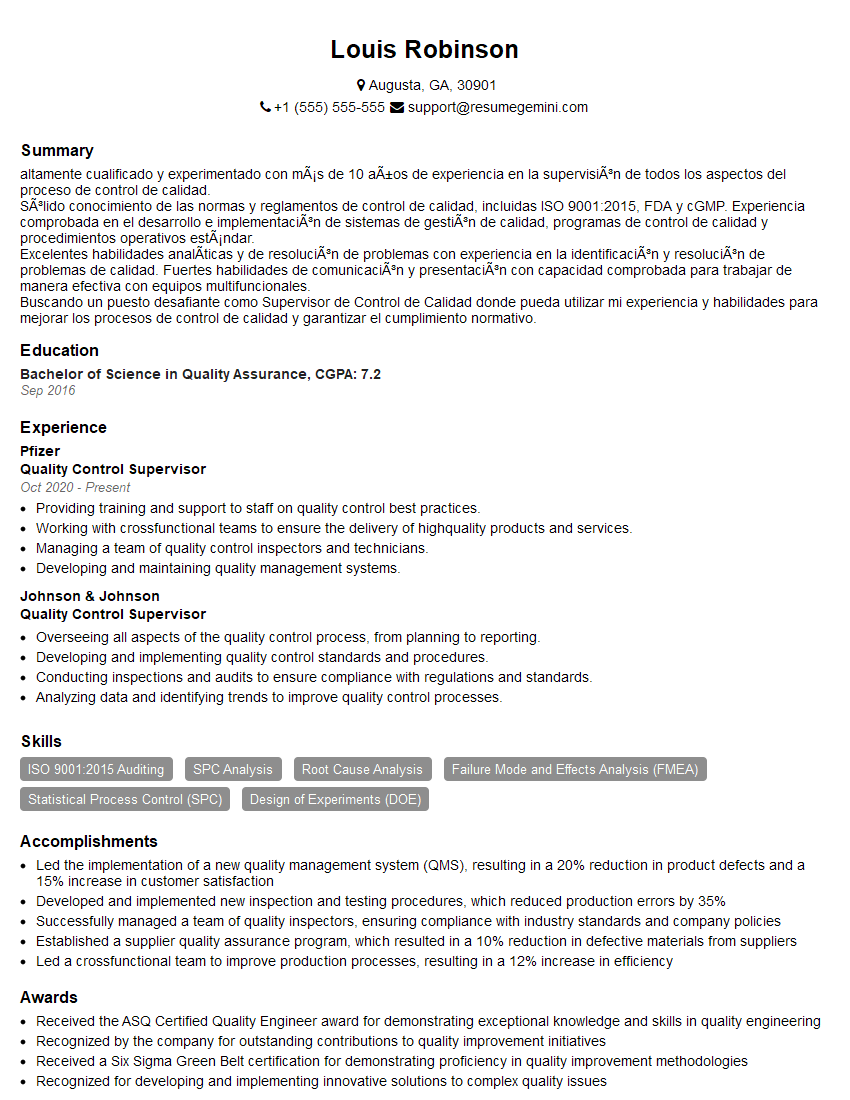
Quality Control Supervisor Resume Sample
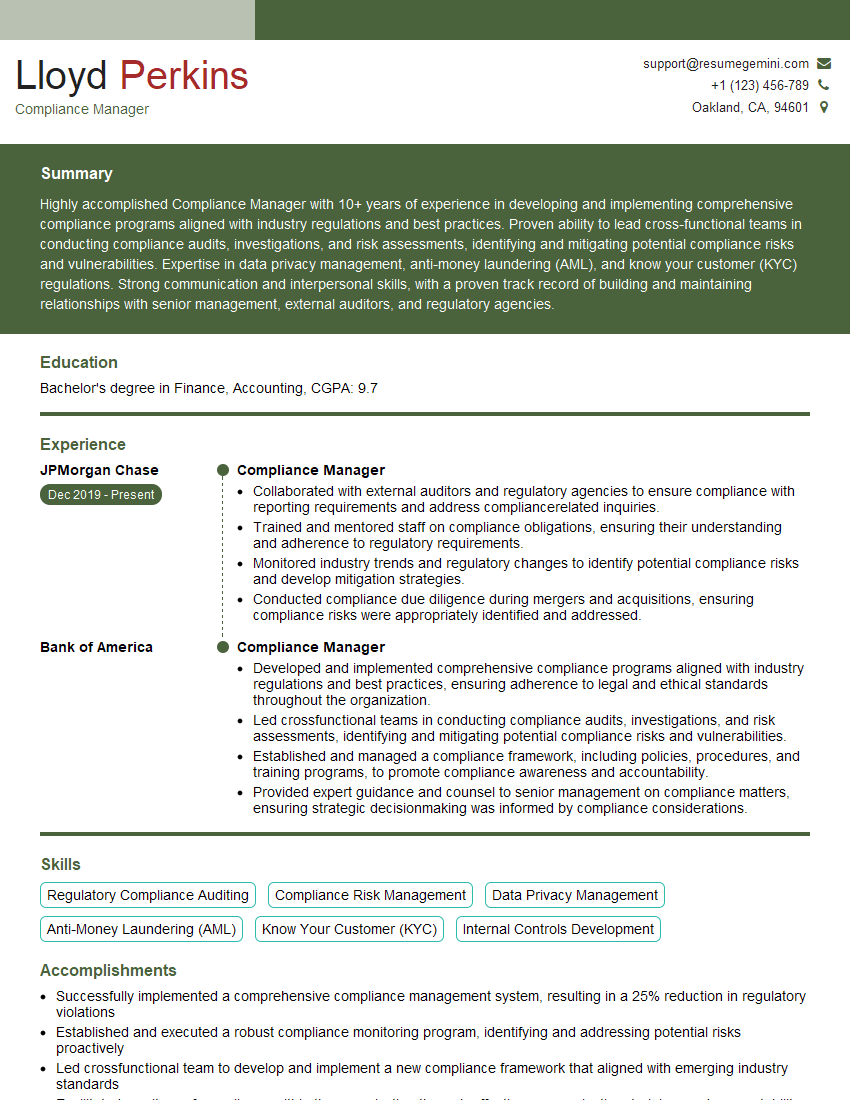
Compliance Manager Resume Sample
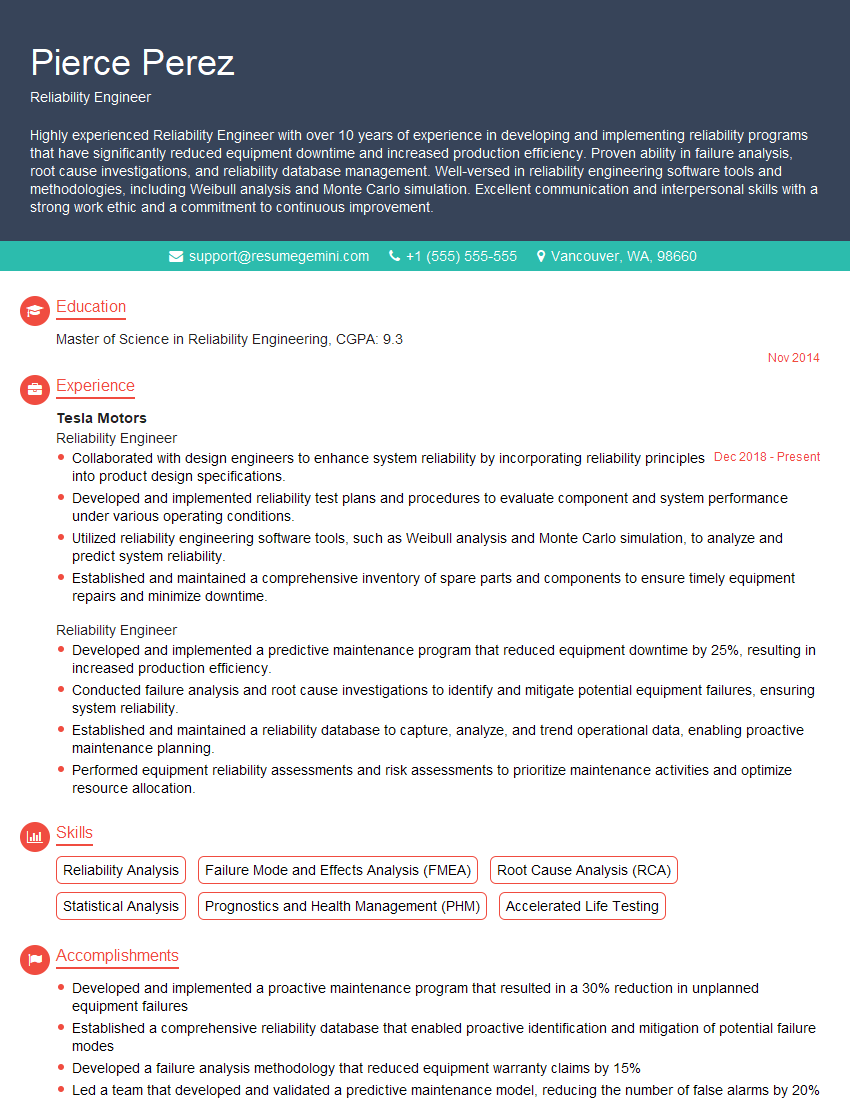
Reliability Engineer Resume Sample
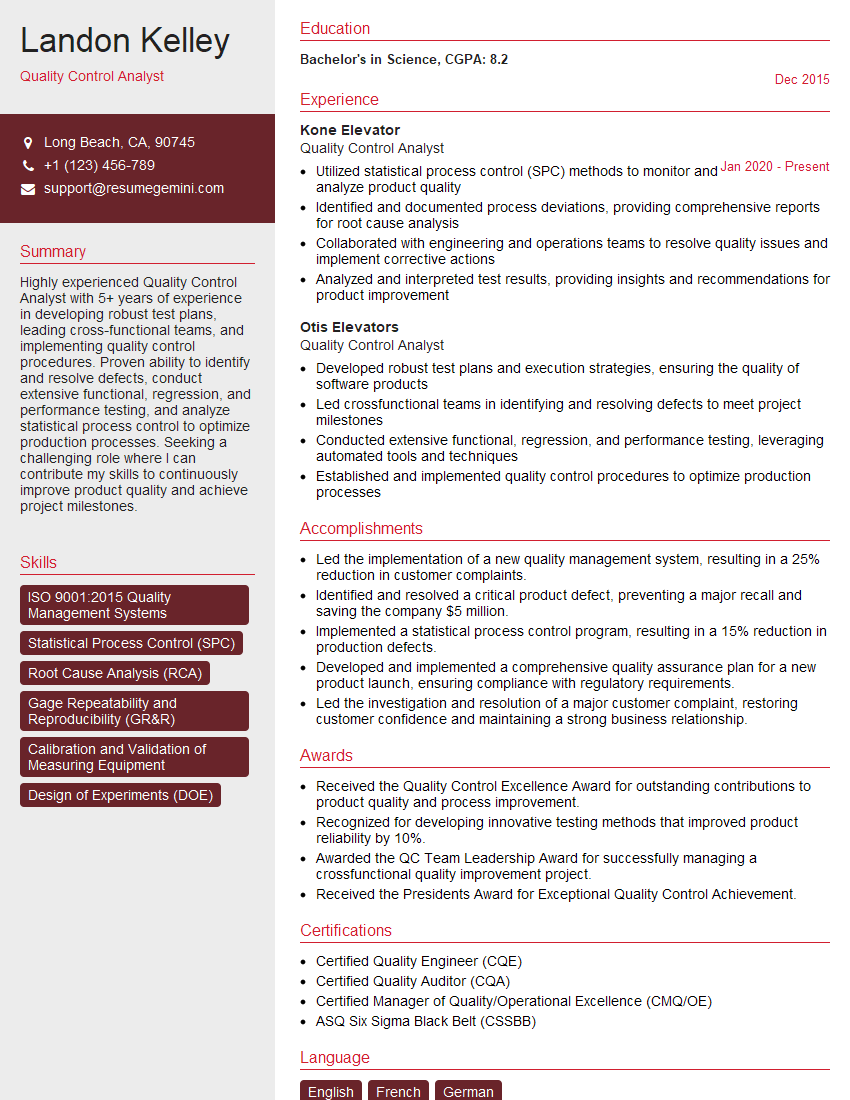
Quality Control Analyst Resume Sample
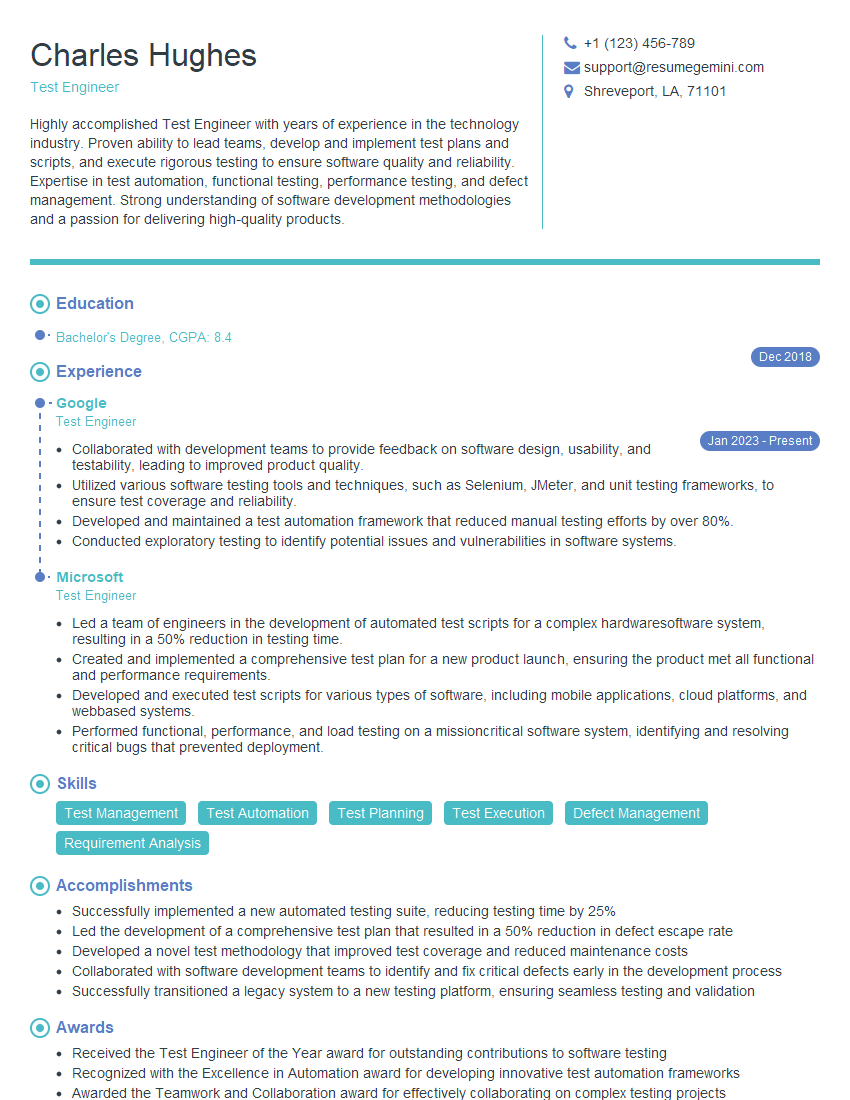
Test Engineer Resume Sample
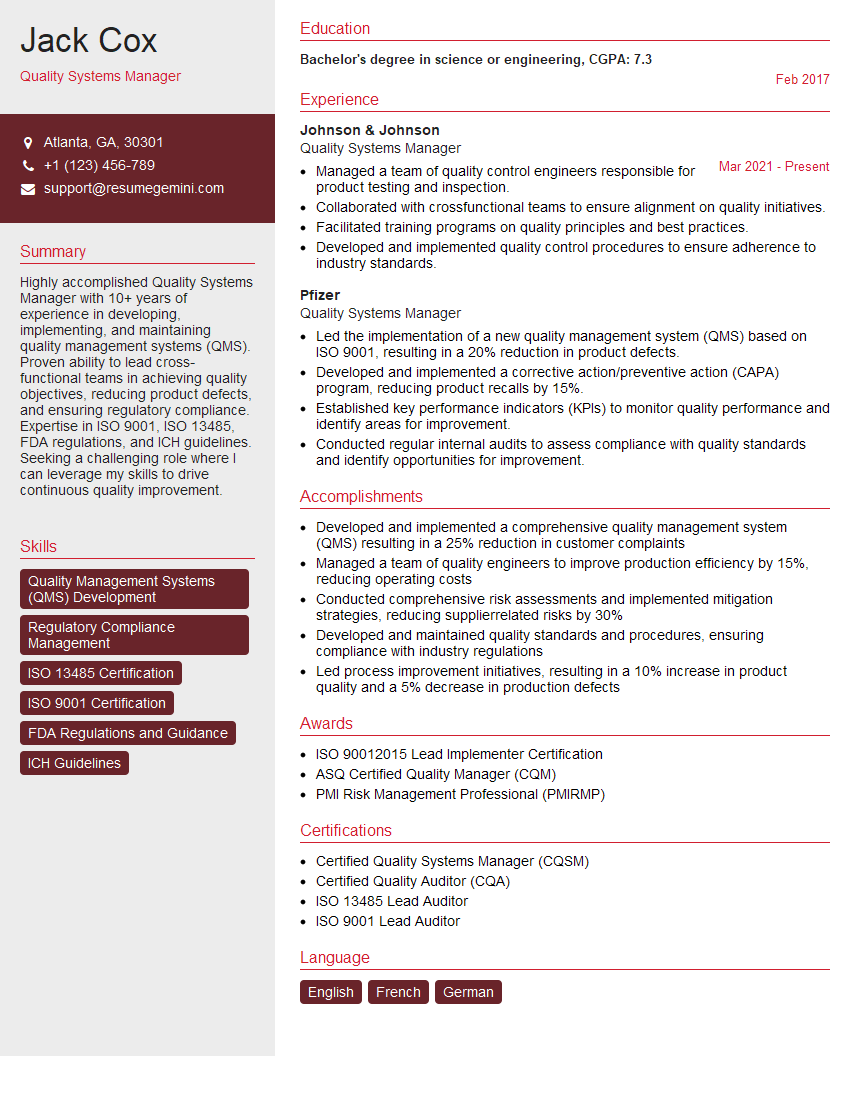
Quality Systems Manager Resume Sample
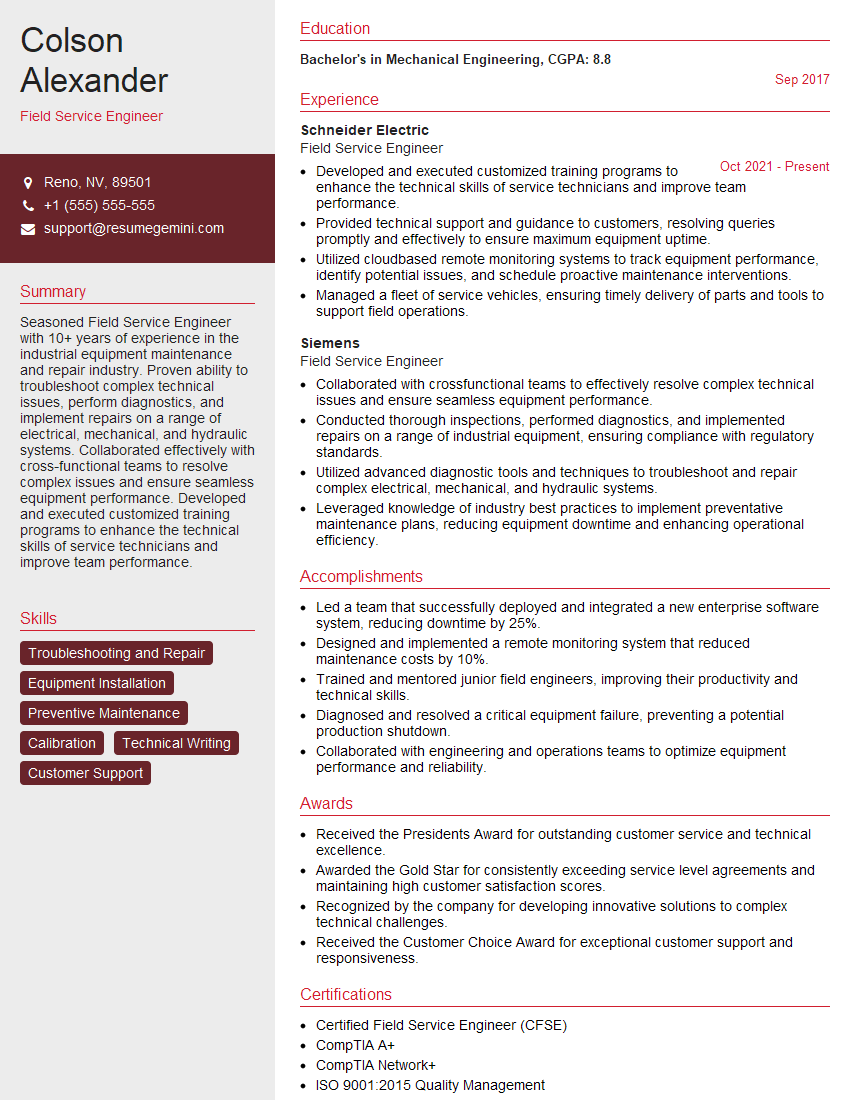
Field Service Engineer Resume Sample
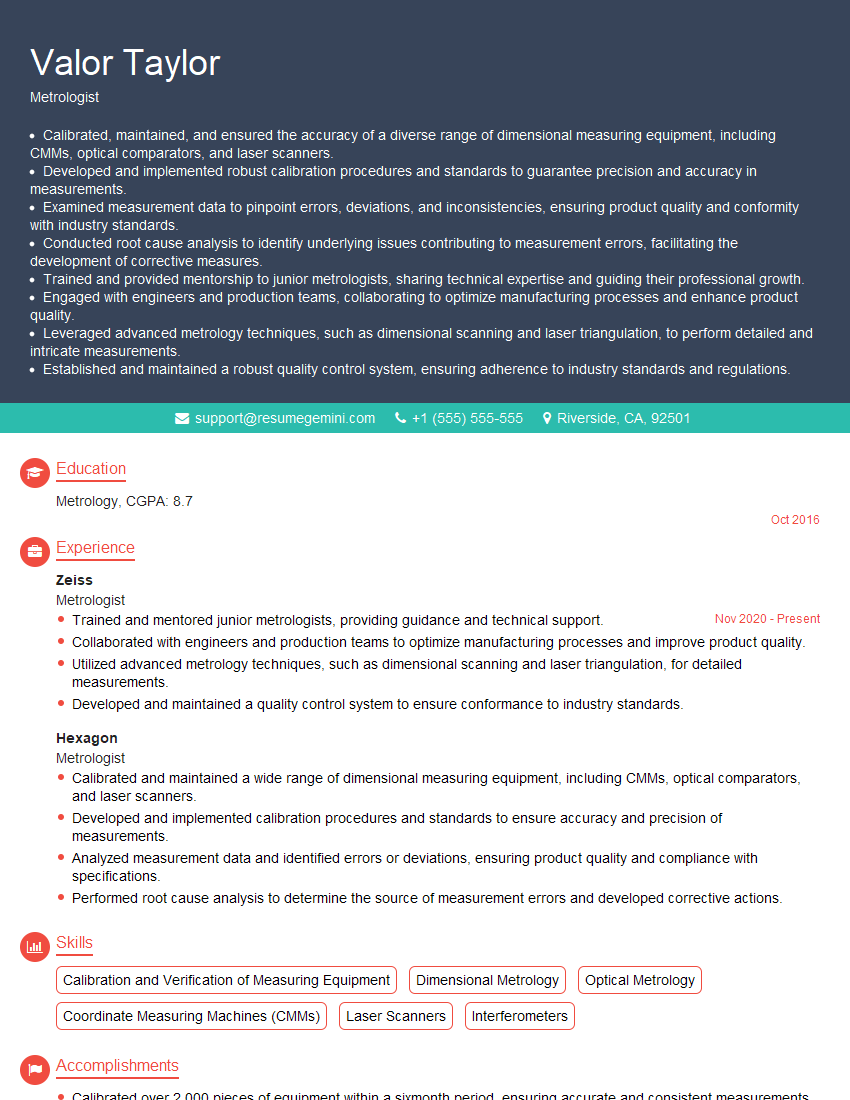
Metrologist Resume Sample

Quality Assurance Technician Resume Sample
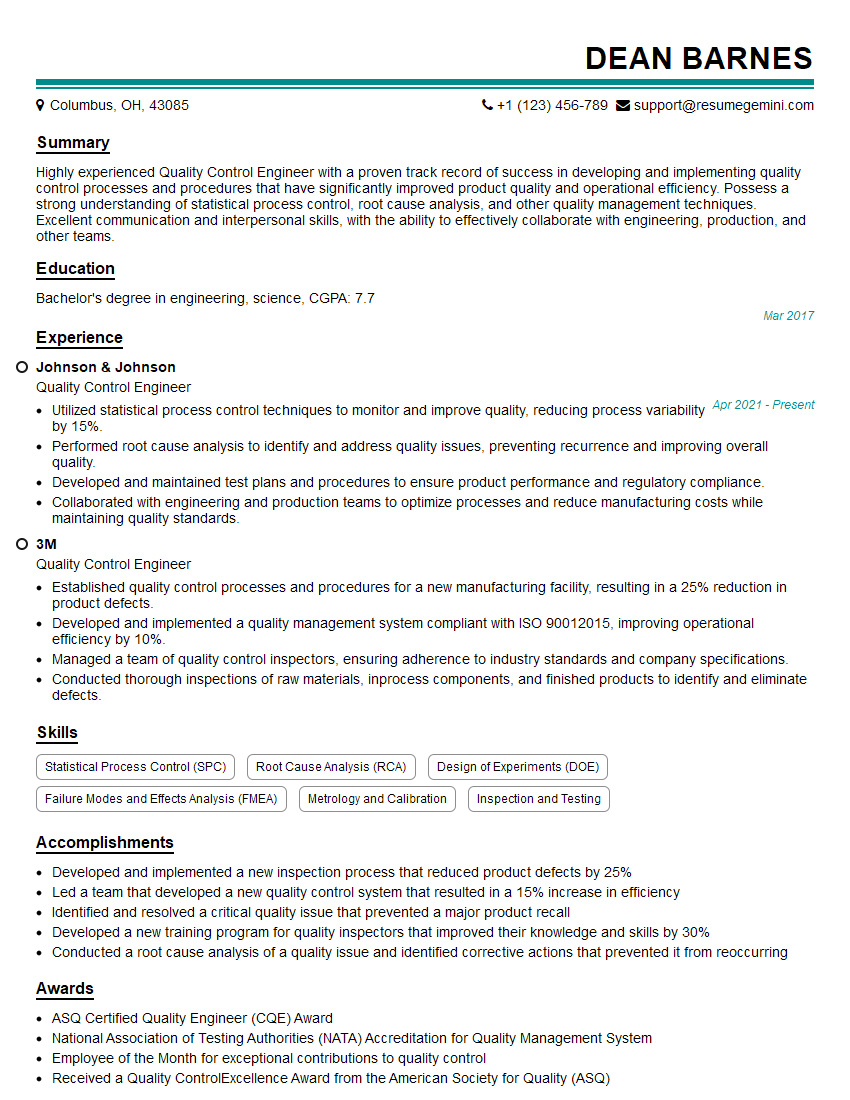
Quality Control Engineer Resume Sample
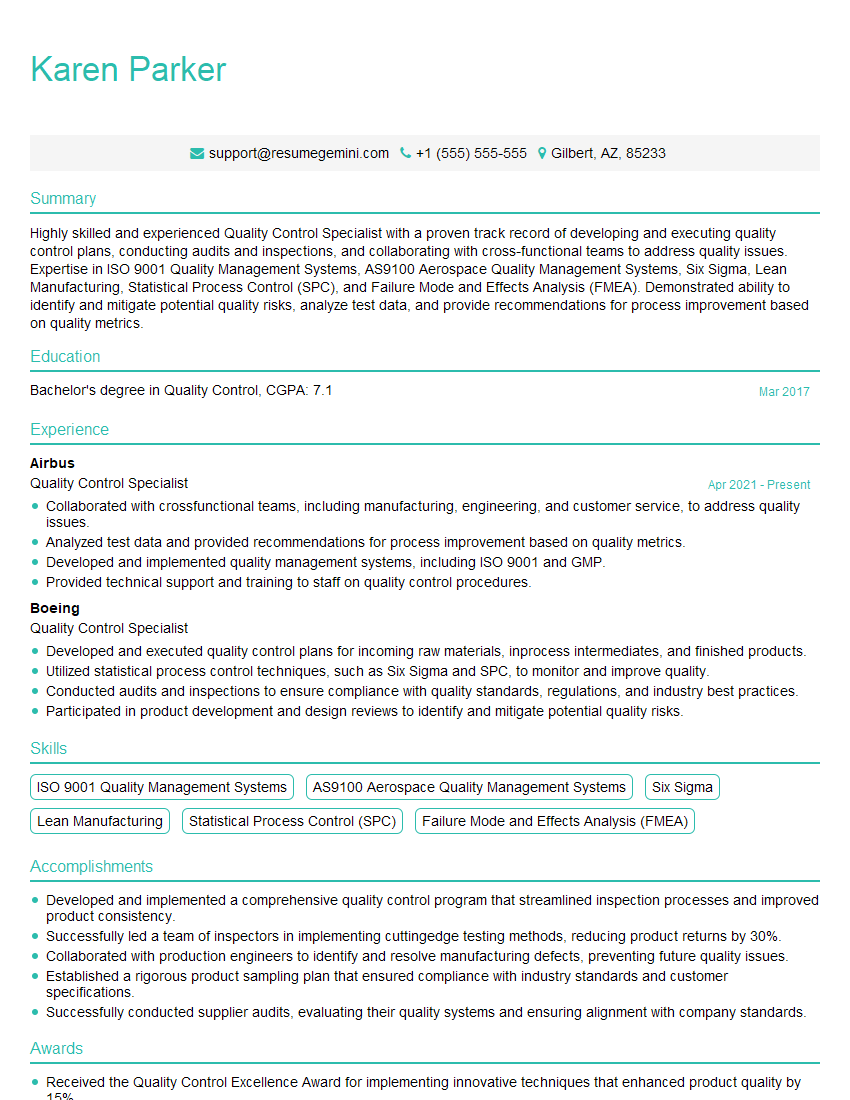
Quality Control Specialist Resume Sample
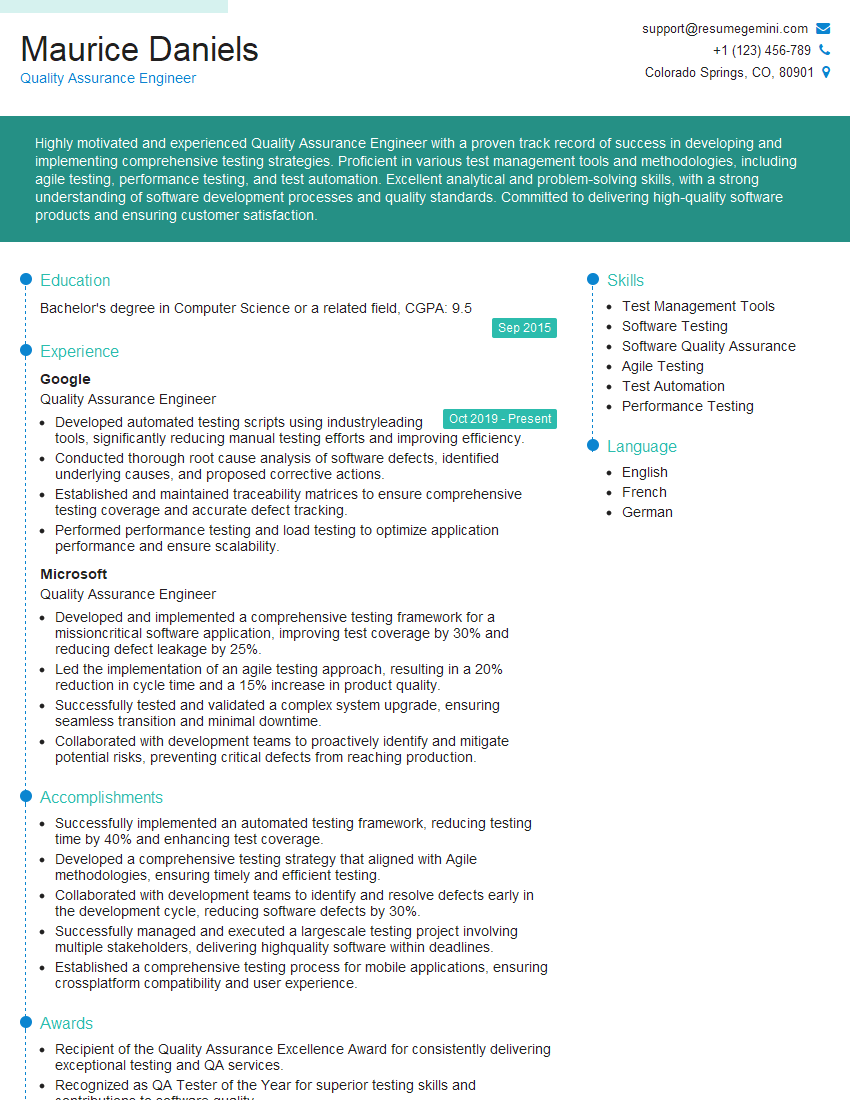
Quality Assurance Engineer Resume Sample
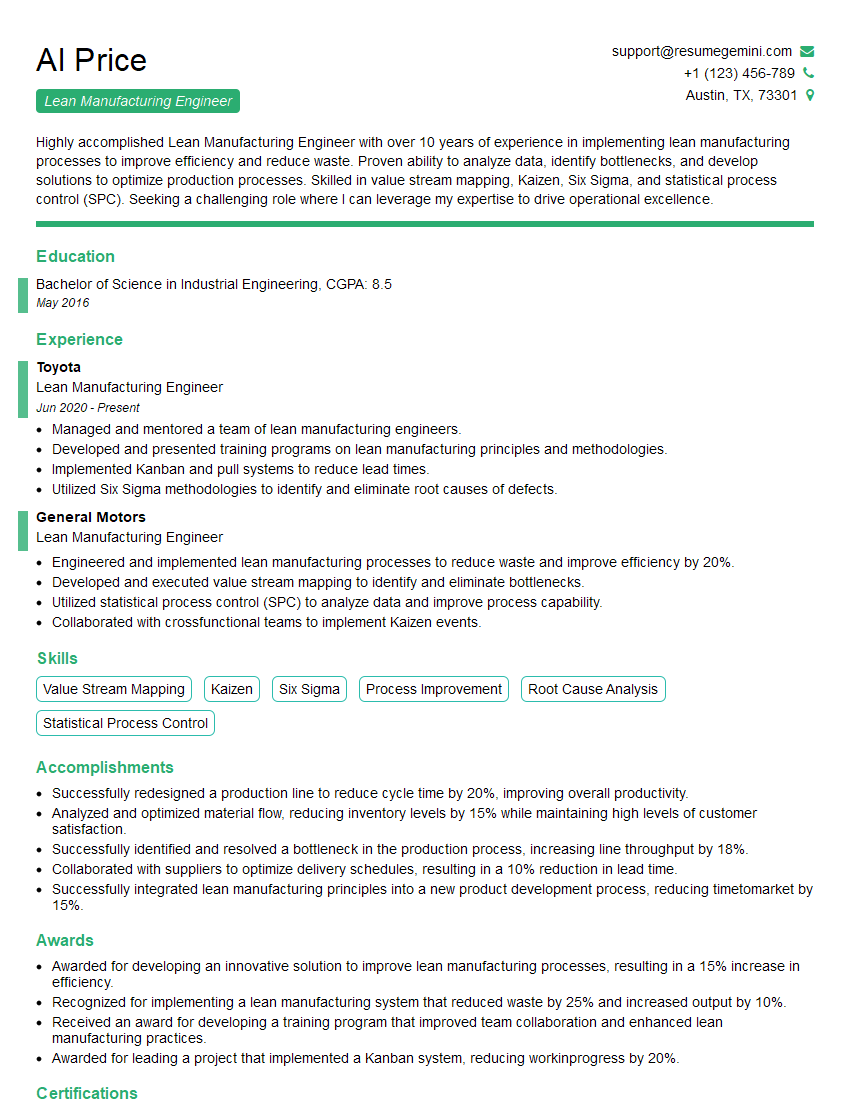
Lean Manufacturing Engineer Resume Sample
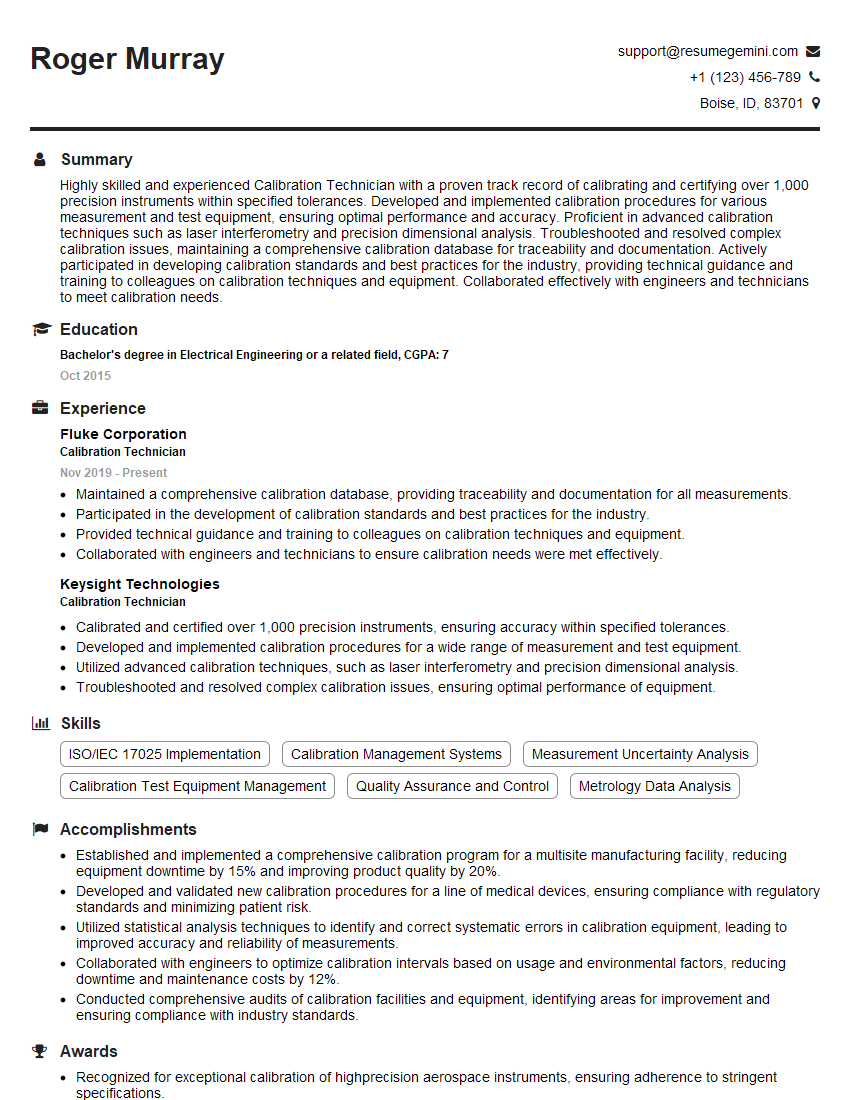
Calibration Technician Resume Sample
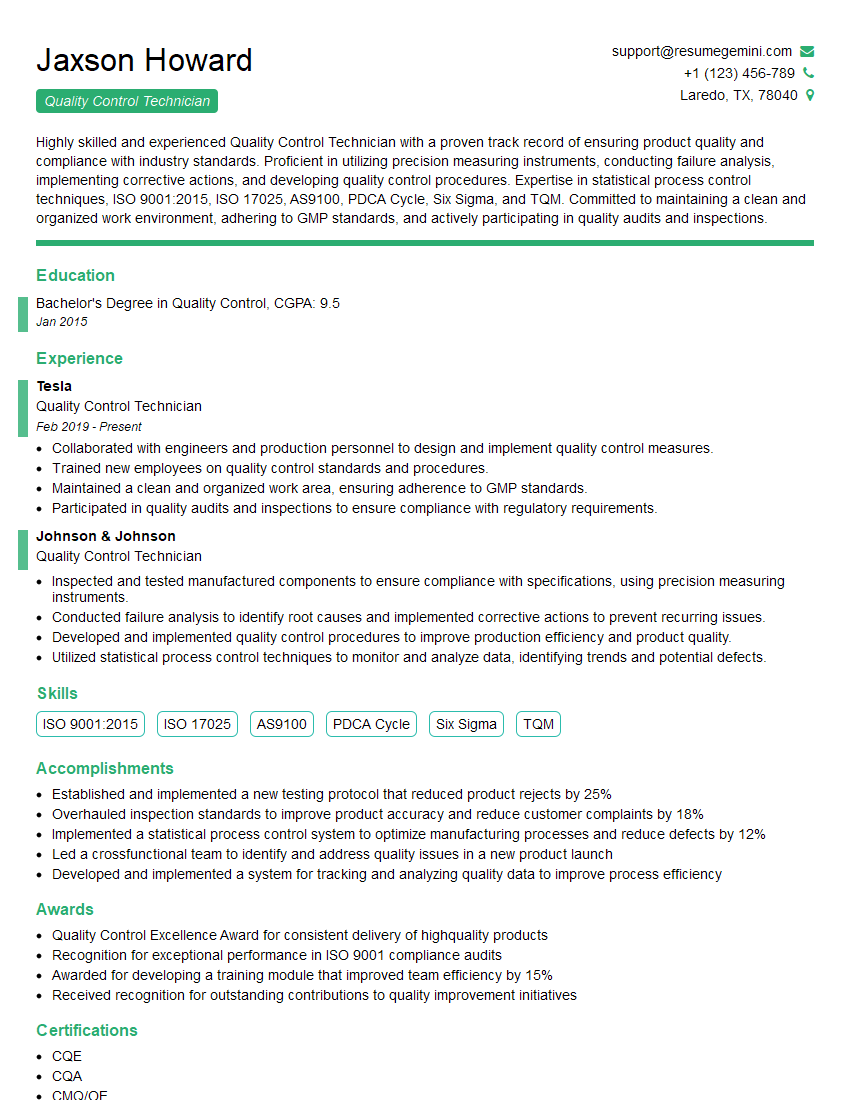
Quality Control Technician Resume Sample
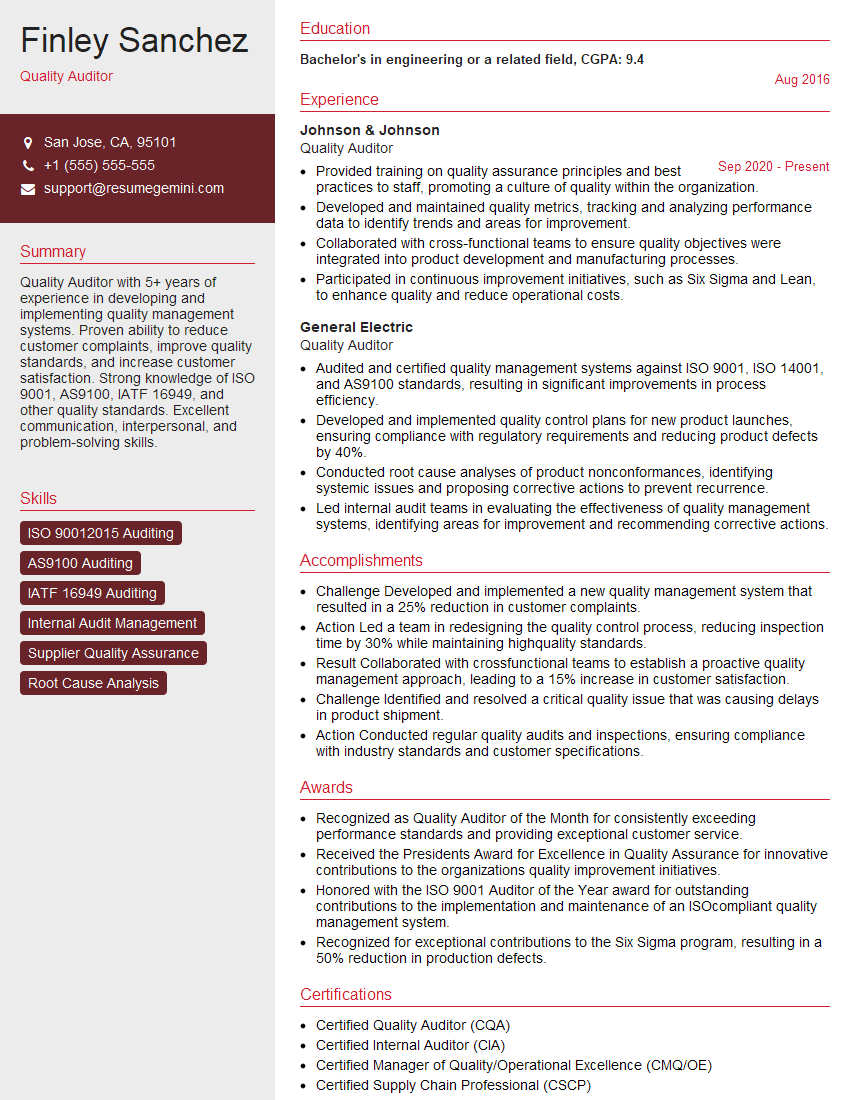
Quality Auditor Resume Sample
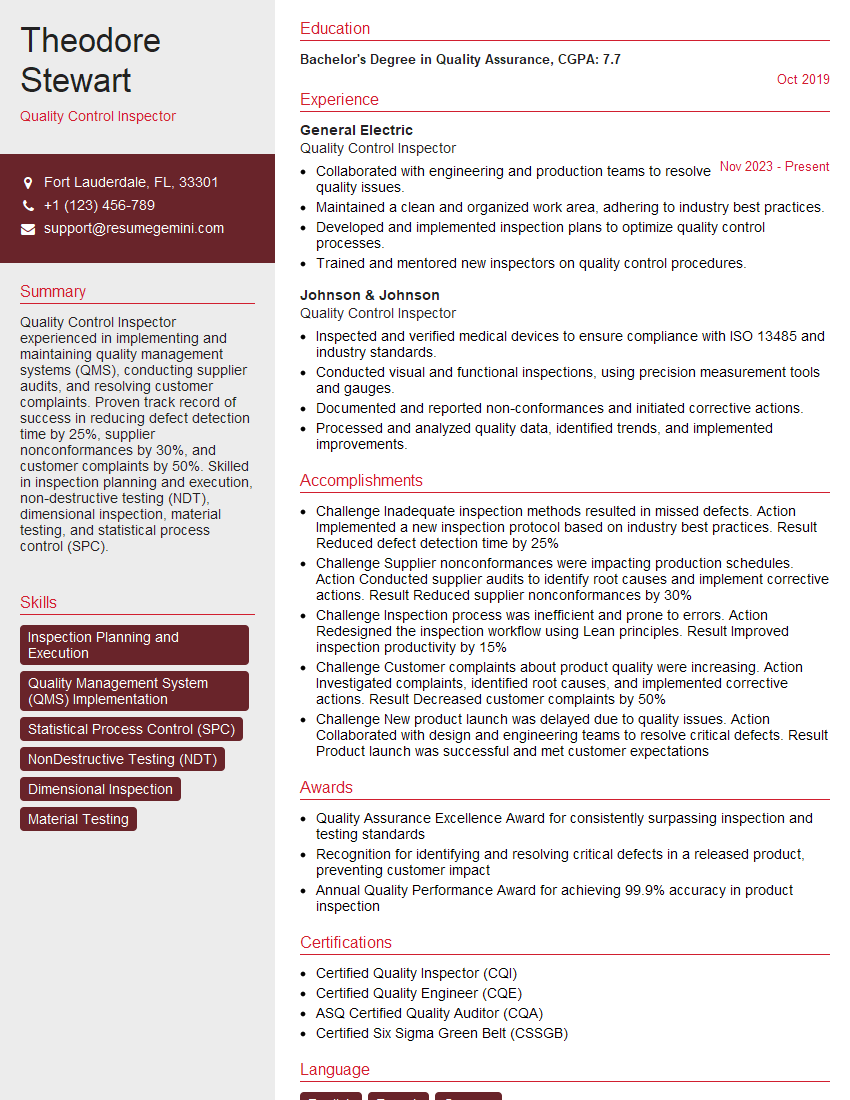
Quality Control Inspector Resume Sample
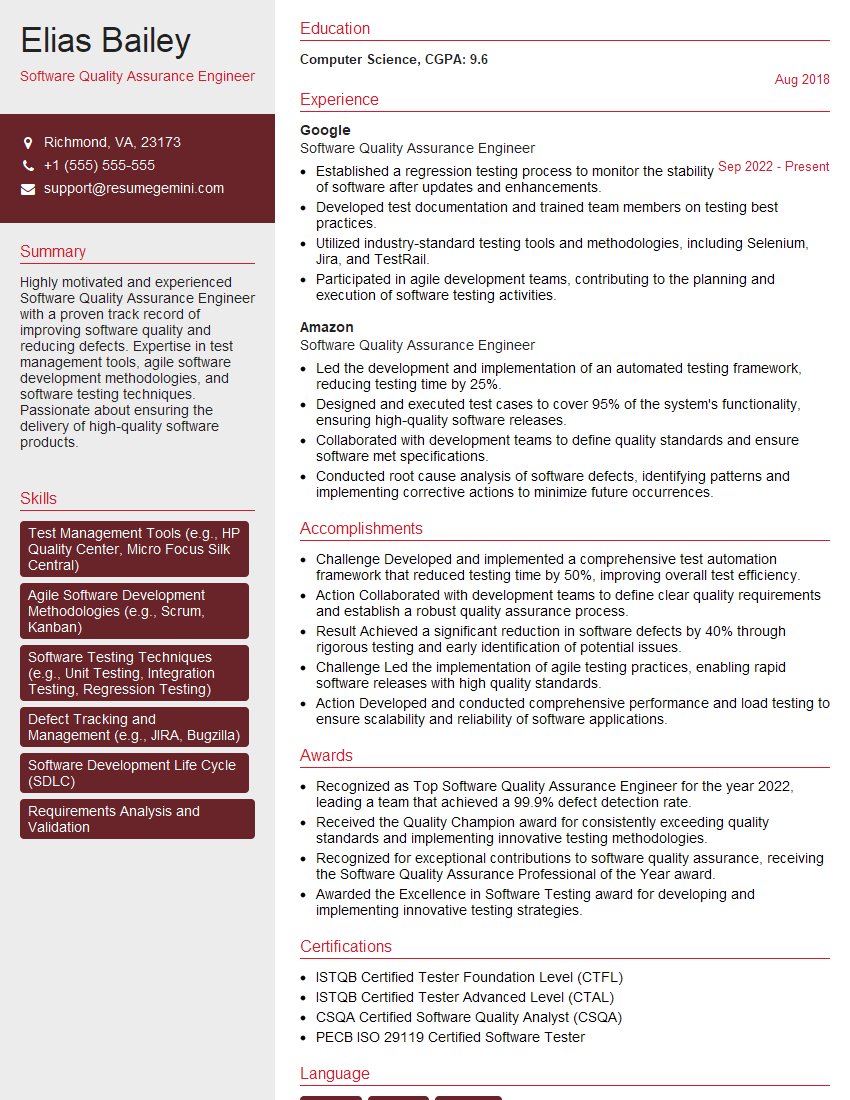
Software Quality Assurance Engineer Resume Sample
- Quality Assurance Manager
- Quality Control Manager
- Quality Control Supervisor
- Compliance Manager
- Reliability Engineer
- Quality Control Analyst
- Test Engineer
- Quality Systems Manager
- Field Service Engineer
- Metrologist
- Quality Assurance Technician
- Quality Control Engineer
- Quality Control Specialist
- Quality Assurance Engineer
- Lean Manufacturing Engineer
- Calibration Technician
- Quality Control Technician
- Quality Auditor
- Quality Control Inspector
- Software Quality Assurance Engineer
Explore more articles
Users Rating of Our Blogs
Share Your Experience
We value your feedback! Please rate our content and share your thoughts (optional).
What Readers Say About Our Blog
Very informative content, great job.
good