Cracking a skill-specific interview, like one for Proficient in Buttonhole Stitching for Different Garment Types, requires understanding the nuances of the role. In this blog, we present the questions you’re most likely to encounter, along with insights into how to answer them effectively. Let’s ensure you’re ready to make a strong impression.
Questions Asked in Proficient in Buttonhole Stitching for Different Garment Types Interview
Q 1. Describe the different types of buttonholes you can stitch.
Buttonholes come in various shapes and styles, each suited to different garments and aesthetics. The most common types include:
- Keyhole Buttonholes: These are elongated buttonholes with a small, keyhole-shaped opening at one end. They’re often seen on tailored jackets and coats, offering a more elegant look.
- Straight Buttonholes: Simple, straight lines, these are versatile and suitable for most garments. They’re easy to sew both by hand and machine.
- Rounded Buttonholes: These have softly rounded ends, giving a more casual and less structured appearance. They work well on shirts, blouses, and dresses.
- Bound Buttonholes: A more decorative option, where the edges of the buttonhole are finished with bias binding, providing a neat and professional finish. Great for heavier fabrics.
- Eyelets: Small, round holes, typically reinforced with metal or fabric rings. Often used for decorative purposes or on corsets and other structured garments.
The choice depends on the fabric, the garment’s style, and the desired aesthetic.
Q 2. Explain the process of creating a buttonhole using a sewing machine.
Creating a buttonhole with a sewing machine is efficient and precise. First, you’ll need to select the buttonhole stitch on your machine. Most modern machines have an automatic buttonhole setting. You will measure the button to determine the appropriate length.
- Prepare the Fabric: Place the fabric under the presser foot, ensuring it’s aligned correctly.
- Choose the Stitch: Select the appropriate buttonhole stitch setting on your machine.
- Set the Length: Some machines require you to manually adjust the length based on the button size; others automatically determine the length via a sensor.
- Sew the Buttonhole: Press the foot pedal to sew the buttonhole; the machine will automatically stitch the entire buttonhole, including the tacking stitches at either end.
- Cut the Buttonhole: Carefully cut the opening between the tacking stitches using small, sharp scissors or a buttonhole cutter. Avoid cutting the stitching.
Always test the stitching on a scrap of fabric first to fine-tune the settings.
Q 3. How do you adjust your machine settings for different fabric weights when creating buttonholes?
Adjusting machine settings for different fabric weights is crucial for achieving a clean, strong buttonhole. Heavier fabrics require a stronger stitch and potentially a different needle size.
- Needle Size: Use a heavier needle for thicker fabrics (e.g., denim) and a finer needle for lighter fabrics (e.g., silk).
- Stitch Length: A shorter stitch length is generally better for all fabrics, particularly those prone to fraying. Adjust this based on the fabric’s density and weave.
- Stitch Width: A slightly wider stitch can be used for heavier fabrics to add strength and prevent breakage. However, excessive width may cause puckering.
- Tension: Correct tension is essential. Too tight, and the fabric may pucker. Too loose, and the stitching might break or appear uneven. Adjust this based on the fabric type.
- Presser Foot Pressure: For very thick fabrics, you might need to increase the presser foot pressure to feed the fabric smoothly.
Experimentation on scrap fabric is key to finding the perfect balance for your specific fabric.
Q 4. What are the common problems encountered when making buttonholes, and how do you troubleshoot them?
Common buttonhole problems often stem from incorrect machine settings or improper techniques. Here are a few common issues and solutions:
- Broken Stitches: This can be due to incorrect tension, a dull needle, or using the wrong needle size. Solution: Check tension, replace the needle, and choose the appropriate needle size.
- Uneven Stitching: Check if your fabric is feeding properly. Solution: Ensure the fabric is under the presser foot correctly, and the feed dogs are working properly.
- Puckering: This happens with too much tension or when working with stretchy fabrics. Solution: Reduce tension, use a special needle for stretch fabrics, or stabilize the fabric with interfacing.
- Skipped Stitches: Usually caused by a dull needle or lint build-up in the machine. Solution: Replace the needle and clean your machine.
Regular maintenance of your machine is vital for preventing many of these problems.
Q 5. Explain the process of hand-stitching a buttonhole.
Hand-stitching a buttonhole offers a high level of control and is ideal for intricate designs or delicate fabrics. This method requires patience and precision.
- Mark the Buttonhole: Carefully mark the desired size and shape of the buttonhole on the fabric using tailor’s chalk or a fabric marker.
- Stitch the Buttonhole: Using a buttonhole stitch (or blanket stitch), stitch around the marked area, creating a strong, decorative edge. You will work around the marked area before cutting the fabric inside.
- Cut the Opening: Carefully cut the fabric within the stitching, creating the buttonhole opening.
- Reinforce (Optional): Reinforce the buttonhole edges with additional stitches to prevent fraying. This step is especially important for delicate fabrics.
Practicing the buttonhole stitch on scrap fabric is highly recommended before working on the garment.
Q 6. What types of thread are best suited for buttonhole stitching?
Choosing the right thread is critical for buttonhole durability and appearance. The best options are:
- High-Quality Polyester Thread: This offers excellent strength and is resistant to fading and wear. It’s suitable for most fabrics.
- Mercerized Cotton Thread: This is a strong, smooth thread with a beautiful sheen, ideal for many woven fabrics.
- Silk Thread: For very fine fabrics or for high-end garments, silk thread provides an elegant and luxurious finish. It is important to keep in mind that silk thread is delicate and requires more care and expertise to handle correctly.
The thread color should complement the fabric’s color or, for a bolder look, you could contrast it.
Q 7. How do you reinforce a buttonhole to prevent fraying?
Reinforcing a buttonhole prevents fraying and extends its lifespan, especially crucial for frequently used garments. Here’s how:
- Interfacing: Before stitching the buttonhole, apply lightweight interfacing to the area to add stability and prevent stretching.
- Overcasting: Before cutting the opening, overcast the raw edges of the buttonhole to prevent fraying. This involves making small stitches around the edge of the buttonhole to secure the fabric.
- Reinforcing Stitches: After cutting the buttonhole, add a few extra stitches very close to the edge of the opening for added strength. For hand-stitched buttonholes, a buttonhole stitch itself helps prevent fraying.
- Bar Tacking: For machine-stitched buttonholes, use your machine’s bar tack setting to add reinforcement stitches at both ends of the buttonhole.
The best reinforcement method depends on the fabric type and your sewing method. A combination of techniques often works best.
Q 8. How do you adapt your buttonhole technique for different types of fabrics (e.g., knits, wovens, leather)?
Adapting buttonhole technique to different fabrics hinges on understanding the fabric’s properties. Wovens, like cotton or linen, are relatively stable and can handle a wider variety of stitches and techniques. Knits, however, are more stretchy and require more delicate handling. Leather demands specialized needles and threads.
- Wovens: Standard buttonhole stitches work well. You can use a slightly heavier thread for durability.
- Knits: Opt for a zigzag stitch or a blindstitch to allow for stretch. A smaller stitch length is crucial to prevent unraveling. Consider using a ballpoint needle to avoid snagging the delicate knit fibers.
- Leather: Use a heavy-duty leather needle and strong thread like waxed linen. A strong, even stitch is essential for durability. You might need to use a pricking iron to create the initial buttonhole shape.
For example, when making buttonholes on a delicate silk blouse (woven), I would select a fine needle and thread and use a neat, precise stitch. On a stretch jersey dress (knit), I’d utilize a flexible stitch like a zigzag, ensuring it allows for garment movement.
Q 9. What is the importance of using the correct needle size for buttonhole stitching?
Using the correct needle size is paramount for achieving clean, even, and durable buttonholes. Too small a needle can break or cause the fabric to pucker; too large a needle can create a messy, uneven stitch. The needle size needs to complement the thread and fabric.
- Fine Fabrics: Require fine needles to prevent damage and create delicate stitches.
- Heavy Fabrics: Need thicker needles to penetrate the fabric easily and to prevent bending or breakage.
- Leather: Requires a heavy-duty, sharp needle specifically designed for leather.
Imagine trying to sew a buttonhole on a fine silk with a heavy denim needle – the silk would be easily damaged. Conversely, using a fine needle with heavy canvas would lead to the needle bending or breaking. Choosing the correct needle size is a foundational skill for any sewer, greatly impacting the quality of the finished product.
Q 10. How do you ensure consistent buttonhole spacing and size?
Maintaining consistent buttonhole spacing and size requires careful measurement and marking. Using a buttonhole template, measuring accurately, and employing consistent pressure while stitching are all critical.
- Marking: Use tailor’s chalk or a marking pen to precisely mark buttonhole positions and lengths.
- Templates: Buttonhole templates help to create uniformly sized buttonholes.
- Consistent Stitch Length: Maintain a constant stitch length throughout to ensure uniformity.
- Measuring: Use a ruler to double-check spacing and buttonhole size.
In my work, I always use a combination of a ruler and template. I mark the center point first, followed by the outer measurements for each buttonhole. This ensures perfect symmetry and equal spacing.
Q 11. Describe different buttonhole finishing techniques.
Buttonhole finishing techniques vary depending on the fabric and desired aesthetic. They generally enhance the buttonhole’s durability and appearance.
- Overcasting: Prevents fraying by neatly securing the buttonhole edges. It is particularly useful for woven fabrics.
- Reinforcing Stitches: Adding extra stitches around the buttonhole adds strength and prevents tearing. This is crucial for garments that undergo frequent use.
- Bar Tacking: Small, dense stitches at the buttonhole ends provide extra reinforcement, preventing stretching or pulling. Common on high-stress areas.
- Bound Buttonholes: These are created using bias binding or fabric strips to cover the raw edges for a very neat, professional finish. This is ideal for more formal garments.
For instance, on a sturdy denim jacket, I would use bar tacking at the ends for added durability. On a delicate silk shirt, I’d likely opt for overcast stitches to maintain the fabric’s integrity and create a refined look.
Q 12. Explain the importance of pre-pressing fabric before stitching buttonholes.
Pre-pressing the fabric before stitching buttonholes is essential for obtaining accurate results. Wrinkles or creases can distort the buttonhole’s shape and size, leading to uneven stitching and a less professional finish.
Pre-pressing ensures that the fabric lies flat and smooth, allowing for accurate marking and consistent stitching. It also helps prevent the fabric from shifting or stretching during the stitching process. The resulting buttonholes will be crisper and more uniform.
This is a critical step I always incorporate. I will thoroughly press the area where the buttonholes will be located, ensuring a smooth surface for accurate marking and clean stitching.
Q 13. How do you handle curved or shaped buttonholes?
Stitching curved or shaped buttonholes requires more skill and precision. This often involves using special techniques to maintain the curve’s smoothness and prevent puckering.
- Careful Marking: Use a flexible template or freehand sketching to map the curve accurately.
- Small, Even Stitches: Keep stitches small and even to follow the curve smoothly.
- Fabric Manipulation: Gently ease the fabric around the curves as you stitch.
- Specialized Tools: Use specialized tools like curved needles or specialized buttonhole feet (for machine stitching) if available.
A common example would be buttonholes on a curved collar. I would carefully mark the curve, using smaller stitches and gently easing the fabric to prevent the buttonhole from puckering or becoming distorted during the stitching process.
Q 14. What are the advantages and disadvantages of machine-made versus hand-stitched buttonholes?
Both machine-made and hand-stitched buttonholes have their advantages and disadvantages.
- Machine-Made:
- Advantages: Faster, more consistent size and spacing, particularly useful for mass production.
- Disadvantages: Less flexibility in shaping, can be less durable on certain fabrics, requires specialized equipment.
- Hand-Stitched:
- Advantages: More flexibility for curved or unusual shapes, greater control, more durable on delicate fabrics.
- Disadvantages: More time-consuming, requires greater skill, inconsistency possible without practice.
Choosing the right method depends on several factors, including the garment’s design, the fabric’s type, and the desired level of quality and finish. I often use hand-stitching for unique or bespoke garments, while machine stitching is suitable for garments needing mass production or requiring simple, consistent buttonholes.
Q 15. How do you deal with a buttonhole that has puckered or stretched?
Puckering and stretching in buttonholes are common issues stemming from improper tension or fabric handling. Think of a buttonhole like a tiny, delicate bridge – if the supports (stitching) are uneven, the bridge (buttonhole) will collapse or warp.
To address puckering, I first examine the cause. Is the stitching too tight? This often happens with dense fabrics. If so, I carefully unpick the offending stitches and restitch with a slightly looser tension, ensuring even stitch distribution. For stretched buttonholes, the problem might be loose tension or too few stitches. Again, I’d unpick and re-stitch, this time using a slightly tighter tension and adding more stitches to reinforce the edges.
If the puckering or stretching is severe, I might consider using a stabilizer – a lightweight interfacing – beneath the fabric during the buttonhole stitching process. Stabilizer offers additional support, preventing distortion. Lastly, always choose the correct needle and thread weight for the fabric to prevent unwanted stress on the stitches.
Career Expert Tips:
- Ace those interviews! Prepare effectively by reviewing the Top 50 Most Common Interview Questions on ResumeGemini.
- Navigate your job search with confidence! Explore a wide range of Career Tips on ResumeGemini. Learn about common challenges and recommendations to overcome them.
- Craft the perfect resume! Master the Art of Resume Writing with ResumeGemini’s guide. Showcase your unique qualifications and achievements effectively.
- Don’t miss out on holiday savings! Build your dream resume with ResumeGemini’s ATS optimized templates.
Q 16. How do you repair a damaged buttonhole?
Repairing a damaged buttonhole depends on the extent of the damage. A small snag can be repaired by carefully weaving in new stitches using a matching thread. For more significant damage, such as a torn buttonhole, I’d assess if it’s possible to patch the area with a small piece of fabric matching the garment’s color and texture, using a technique like invisible mending. If the hole is too large or the damage too extensive, creating a completely new buttonhole might be necessary.
I always prefer to preserve the original buttonhole style whenever possible. However, on certain fabrics or garment designs, re-creating a buttonhole might be the most practical solution.
Q 17. Describe your experience with different buttonhole types: keyhole, bound, welt.
I’m experienced in creating keyhole, bound, and welt buttonholes, each suited to different garments and aesthetics. Keyhole buttonholes, with their elongated, slightly tapered shape, are often found on more formal garments and require precise stitching. Bound buttonholes, made by wrapping a fabric strip around the buttonhole opening, offer durability and a clean finish. I often use them for heavier fabrics like denim or corduroy. Finally, welt buttonholes are the most intricate, involving a precise cut and stitched-down fabric ‘welt’ around the buttonhole. They are ideal for more formal menswear or tailored jackets, creating a refined look.
My experience includes adapting these techniques to various fabrics, from delicate silk to sturdy canvas. I choose the buttonhole type based on factors such as fabric weight, garment type, and overall aesthetic.
Q 18. Explain your understanding of stitch density in relation to buttonhole strength.
Stitch density is paramount to buttonhole strength. Imagine a wall built with bricks – the more bricks (stitches), the stronger the wall (buttonhole). A higher stitch density (more stitches per inch) provides greater durability and prevents the buttonhole from tearing or stretching. However, excessive stitch density can cause puckering, especially on delicate fabrics. Finding the right balance is critical.
I adjust the stitch density according to the fabric’s weight and type. Heavier fabrics require denser stitching for support, while lightweight fabrics might tolerate a slightly less dense stitch to avoid puckering. I always test my stitch density on a scrap of fabric before proceeding with the garment to fine-tune the setting for optimal results.
Q 19. What safety precautions do you take when operating a sewing machine for buttonholes?
Safety is my top priority when using a sewing machine. I always ensure the machine is properly grounded and never operate it with loose clothing or jewelry that could get caught. Before stitching, I check that the needle is securely tightened and the presser foot is correctly positioned. I also ensure the area around the machine is clear of clutter, preventing trips or falls. After completion, I unplug the machine and clean away any loose threads or fabric scraps. Finally, I always follow the manufacturer’s safety guidelines specific to my sewing machine model.
Q 20. How do you choose the appropriate interfacing for buttonholes?
Interfacing selection for buttonholes is crucial. The interfacing provides support and structure, preventing the buttonhole from stretching or tearing, especially on delicate fabrics. I choose the interfacing based on the fabric’s weight and type. For lightweight fabrics, a lightweight, fusible interfacing is ideal. Heavier fabrics might benefit from a heavier-weight interfacing for increased stability.
The interfacing should be the same weight or slightly lighter than the garment fabric. Using an interfacing that’s too heavy can lead to puckering or stiffness around the buttonhole. It’s important to test the chosen interfacing on a scrap piece before proceeding with the final garment to make sure it blends seamlessly with the outer fabric and doesn’t add unwanted texture.
Q 21. How does the type of fabric affect your buttonhole design and construction?
Fabric type significantly influences buttonhole design and construction. Delicate fabrics, such as silk or chiffon, require finer needles, a lower stitch density, and potentially the addition of a stabilizer to prevent damage. Heavier fabrics, like denim or canvas, allow for denser stitching and more robust buttonhole designs. Stretchy fabrics might demand the use of a zigzag stitch or specialized buttonhole techniques to ensure the buttonhole’s elasticity matches that of the garment.
For instance, a bound buttonhole might be perfect for a heavy denim jacket, while a keyhole buttonhole might be more suitable for a lightweight linen shirt. Understanding the fabric’s drape, weight, and weave is essential for choosing the appropriate buttonhole style and construction method.
Q 22. Describe your experience using different sewing machine brands and models for buttonhole stitching.
My experience with various sewing machine brands and models for buttonhole stitching is extensive. I’ve worked with machines from Singer, Brother, Janome, and Juki, each with its own unique buttonhole capabilities. For instance, Singer machines often offer a wider variety of built-in buttonhole stitches, while Juki industrial machines excel in speed and precision for high-volume production. Brother and Janome models typically provide a good balance between features and affordability. Understanding the nuances of each brand, including their stitch selection, tension adjustment mechanisms, and foot configurations, is crucial for achieving consistent, high-quality buttonholes. I regularly consult machine manuals and utilize online resources to stay updated on the latest features and troubleshooting techniques for each model.
For example, working with a Juki industrial machine requires a different approach to foot pressure and thread tension compared to a domestic Singer model. The Juki’s precision demands meticulous attention to detail and a thorough understanding of its settings, while a Singer allows for more flexibility, especially for intricate fabric types.
Q 23. How do you ensure your buttonholes are positioned correctly and symmetrically?
Accurate and symmetrical buttonhole placement is paramount. I typically use a combination of techniques to ensure precision. First, I carefully mark the placement using tailor’s chalk or a fabric marker, considering the garment’s design and button placement. I often utilize a buttonhole template or a ruler to achieve consistent spacing and symmetry. For garments with multiple buttonholes, I use the first completed buttonhole as a guide, maintaining uniform distances between them. Furthermore, many sewing machines have built-in features like adjustable guides or sensors to assist in accurate buttonhole placement.
Sometimes, I also use pattern markings or pre-existing buttonholes as a reference point, especially when working with garments that require uniform buttonhole placement down the front, such as a shirt or coat. This ensures consistent aesthetic appeal. When working with complex designs, measuring twice and marking carefully prevents rework.
Q 24. How do you maintain your sewing machine to ensure optimal buttonhole stitching?
Maintaining my sewing machine is crucial for optimal buttonhole stitching. Regular cleaning and lubrication are essential. I regularly remove lint and dust from the bobbin case, hook area, and feed dogs using a soft brush and compressed air. Lubrication, using the appropriate sewing machine oil, keeps moving parts running smoothly, preventing wear and tear. I also replace the needle frequently, especially when working with heavier fabrics. A dull or bent needle can easily cause skipped stitches or broken threads during buttonhole creation.
In addition, I regularly check the timing of the machine and ensure the tension is correctly calibrated. A proper timing and tension setting are crucial to create smooth, even buttonholes and to prevent any issues, like uneven stitching or puckering.
Q 25. Explain the process of selecting the correct stitch length for buttonholes on various fabrics.
Selecting the correct stitch length is vital for creating durable and aesthetically pleasing buttonholes. The choice depends greatly on the fabric’s weight and type. Lighter fabrics like silk or chiffon require shorter stitch lengths (around 10-12 stitches per inch), creating a finer stitch that won’t damage the delicate fabric. Heavier fabrics, such as denim or canvas, allow for slightly longer stitch lengths (around 8-10 stitches per inch) for greater strength and durability. The buttonhole’s size and the desired look also influence the stitch length.
I always test my stitch length on a scrap piece of fabric before proceeding with the actual garment, to avoid any unwanted results. It is better to err on the side of caution and use a slightly shorter stitch length if you are unsure, especially for delicate fabrics. If the stitch is too long, the buttonhole might break or appear loose and unprofessional.
Q 26. Describe a time you had to troubleshoot a buttonhole issue during production. What was the problem and how did you solve it?
During a recent production run of tailored jackets, I encountered a consistent problem with buttonholes on the left front placket of several jackets. The buttonholes were consistently breaking near the end of the stitching cycle. Initially, I suspected the needle, but replacing it didn’t solve the issue. After careful observation, I realized the problem was a slight misalignment in the feed dogs, causing the fabric to feed unevenly, resulting in increased stress on the buttonhole at the final stage of stitching.
My solution involved meticulously adjusting the feed dog alignment using the machine’s adjustment screws. After this adjustment, the problem was resolved completely, and the buttonholes stitched flawlessly. This incident highlighted the importance of regular machine maintenance and close attention to detail during the stitching process.
Q 27. How do you adapt your buttonhole technique to accommodate different button sizes and shapes?
Adapting buttonhole techniques to accommodate different button sizes and shapes is a fundamental skill. Most modern sewing machines offer adjustable settings to match buttonhole length and width, but manual adjustments are still sometimes necessary. For larger buttons, a wider buttonhole is needed to accommodate them comfortably. Conversely, smaller buttons require narrower buttonholes. The shape of the button – round, square, oval – also dictates the buttonhole’s shape. I always ensure the buttonhole is slightly larger than the button to allow for easy button insertion and prevent undue stress on the fabric.
For unconventional button shapes, I sometimes need to create buttonholes manually using techniques like hand-stitching. This approach allows for greater precision and flexibility in accommodating unique button designs. I often use templates and tracing techniques to achieve the desired shape. In some cases, a decorative stitch is used to add an artistic touch or match the garment design.
Q 28. What methods do you employ to ensure the buttonholes are durable and long-lasting?
Creating durable and long-lasting buttonholes involves several key steps. First, using high-quality thread is crucial. A strong, tightly twisted thread is far less likely to break under stress. Second, proper tension adjustment is important to prevent thread breakage or loose stitches. Third, I often reinforce buttonholes, particularly on garments that experience significant stress, such as jackets or coats. This can be done by adding a small piece of interfacing beneath the buttonhole to provide additional support. Finally, I use a buttonhole stitch that’s appropriate for the fabric; the zigzag stitch is a particularly popular choice due to its strength.
In some cases, I use techniques like bar tacking at either end of the buttonhole for additional reinforcement. This creates a secure attachment, preventing unraveling or tearing. Regular inspection of the buttonholes after finishing is also essential, allowing for prompt resolution of any loose threads or defects.
Key Topics to Learn for Proficient in Buttonhole Stitching for Different Garment Types Interview
- Types of Buttonholes: Understanding the various buttonhole types (e.g., hand-worked, machine-made, keyhole, bound) and their applications for different garment types (shirts, blouses, coats, etc.).
- Fabric Selection & Needle Choice: Knowing which needle and thread types are appropriate for various fabrics (lightweight silks, heavy wools, knits) to ensure a durable and aesthetically pleasing buttonhole.
- Stitching Techniques: Mastering different buttonhole stitching techniques (e.g., blanket stitch, buttonhole stitch variations) and their suitability for different fabrics and garment styles.
- Measurement and Marking: Accurate measurement and precise marking techniques to ensure perfectly sized and positioned buttonholes.
- Reinforcement Techniques: Understanding how to reinforce buttonholes for durability, especially on high-stress areas of garments.
- Troubleshooting Common Issues: Identifying and resolving common problems such as uneven stitching, broken threads, and puckering.
- Finishing Techniques: Mastering techniques for neatly finishing buttonholes, including bar tacking, and securing loose ends.
- Machine Buttonhole Techniques (if applicable): Understanding the operation and settings of various types of sewing machines for creating buttonholes, including troubleshooting machine-related issues.
- Adapting Techniques: Demonstrating the ability to adapt stitching techniques based on the fabric type, garment style, and design.
Next Steps
Mastering proficient buttonhole stitching is a highly valuable skill that significantly enhances your marketability in the garment industry. It demonstrates attention to detail, precision, and a thorough understanding of garment construction. To increase your chances of landing your dream job, it’s crucial to present your skills effectively. An ATS-friendly resume is key to getting noticed by recruiters. We encourage you to use ResumeGemini, a trusted resource, to craft a professional resume that highlights your expertise in buttonhole stitching. Examples of resumes tailored to this specific skill set are available to help you get started.

Manufacturing Technician Resume Sample

Draper Resume Sample

Cutter Resume Sample

Seamstress Resume Sample

Sewing Machine Operator Resume Sample
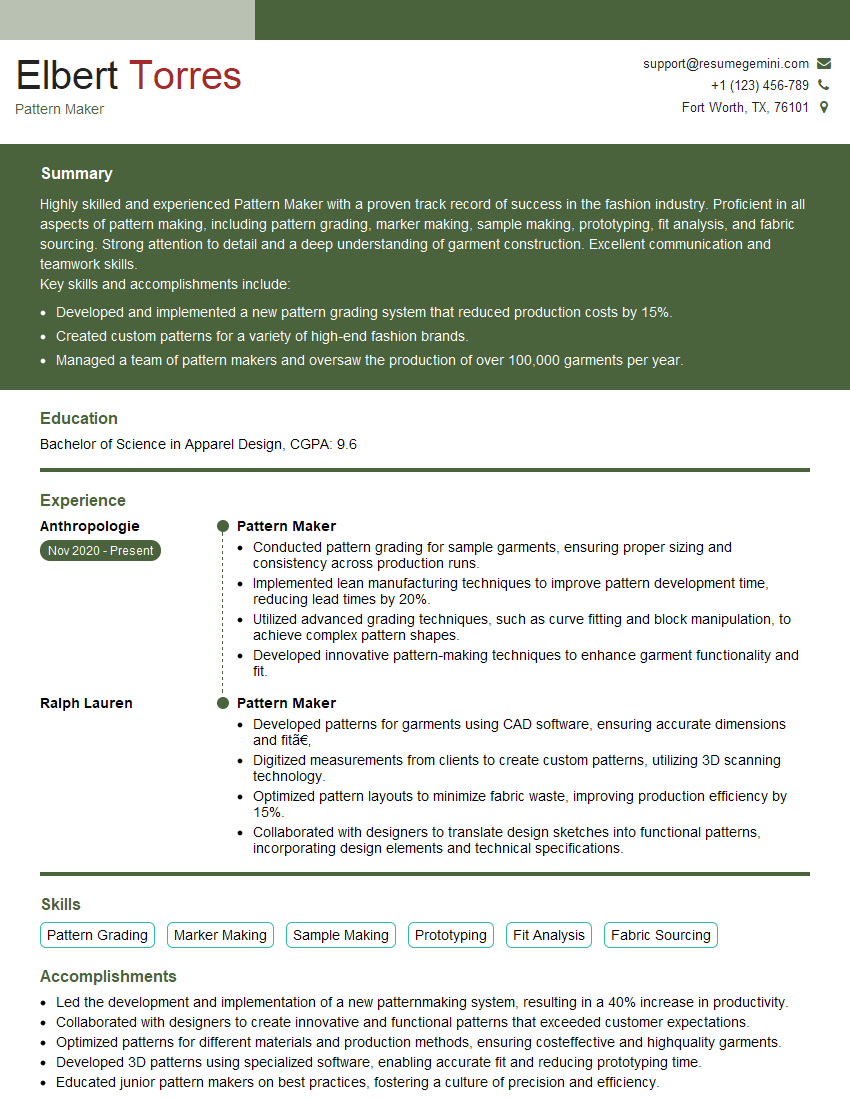
Pattern Maker Resume Sample

Sample Maker Resume Sample

Tailor Resume Sample

Embroidery Specialist Resume Sample

Hand Stitcher Resume Sample

Upholsterer Resume Sample
Explore more articles
Users Rating of Our Blogs
Share Your Experience
We value your feedback! Please rate our content and share your thoughts (optional).
What Readers Say About Our Blog
Very informative content, great job.
good