Interviews are more than just a Q&A session—they’re a chance to prove your worth. This blog dives into essential Proficient in Using Test Equipment interview questions and expert tips to help you align your answers with what hiring managers are looking for. Start preparing to shine!
Questions Asked in Proficient in Using Test Equipment Interview
Q 1. Describe your experience with oscilloscopes. What types have you used?
Oscilloscopes are fundamental tools for visualizing and analyzing time-varying voltages. My experience spans various types, including analog, digital storage oscilloscopes (DSOs), and mixed-signal oscilloscopes (MSOs). Analog oscilloscopes provide a real-time display, useful for quickly observing waveforms, although their accuracy is limited. DSOs, however, store the waveform digitally, allowing for detailed analysis, measurements, and post-processing. I’ve extensively used Tektronix DSOs, like the TDS2000 series, known for their reliability and versatility in various applications, from simple signal verification to complex embedded system debugging. MSOs add the capability to simultaneously observe digital signals alongside analog waveforms, making them incredibly valuable for debugging mixed-signal circuits. For instance, I used an MSO to diagnose a timing issue in a microcontroller-based system, where observing both the analog voltage levels and the digital control signals simultaneously pinpointed the source of the problem.
I’ve also worked with high-bandwidth oscilloscopes necessary for analyzing high-frequency signals, often found in RF and communication systems. These oscilloscopes generally have superior sampling rates and bandwidth, allowing accurate measurement of signals in the GHz range. The experience with these different oscilloscope types has allowed me to select the most appropriate tool based on the specific requirements of each task.
Q 2. Explain the process of calibrating a multimeter.
Multimeter calibration is crucial for ensuring accurate measurements. The process generally involves using a known standard, often a calibrated reference multimeter or a precision voltage source, to check and adjust the multimeter’s readings. The exact steps vary depending on the multimeter’s model, but typically involve:
- Preparation: Power off the multimeter and disconnect any probes. Ensure the environment is stable and free from electromagnetic interference.
- Verification: Use the reference instrument to apply known voltages (DC and AC) and currents to the multimeter’s input. Compare the multimeter’s readings to the known values. Any significant deviation points to a calibration need.
- Adjustment: Some multimeters allow for internal calibration using adjustment potentiometers (often accessible after removing a case cover – only done by trained personnel!). This is done following the manufacturer’s instructions very carefully. Others require external calibration performed by a specialized calibration lab. It’s very important to follow manufacturer’s safety and calibration procedures.
- Documentation: Thoroughly document the calibration process, including the date, reference instrument used, deviations observed, and any adjustments made. This forms part of the multimeter’s calibration certificate.
Think of it like calibrating a kitchen scale – you need a known weight to ensure your measurements are accurate. Failure to calibrate a multimeter can lead to incorrect measurements, potentially impacting the design, testing, and safety of electronic devices.
Q 3. How do you troubleshoot a malfunctioning function generator?
Troubleshooting a malfunctioning function generator involves a systematic approach:
- Visual Inspection: Start by visually inspecting the function generator for any obvious issues such as loose connections, damaged cables, or visible physical damage.
- Power Supply: Check that the function generator is receiving power and that the power supply is functioning correctly. Try a different outlet to rule out power issues.
- Output Signal: Verify the output signal using an oscilloscope. Check for the correct waveform (sine, square, triangle, etc.), frequency, amplitude, and offset. Any deviation from the expected values indicates a problem.
- Internal Settings: Check the function generator’s internal settings. Incorrect frequency, amplitude, or other settings can produce unexpected outputs. Make sure all settings are correct and within the specified operating ranges.
- Load Impedance: Ensure that the load impedance connected to the function generator is compatible with its specifications. An incorrect load can damage the function generator.
- Calibration: If none of the above steps resolve the issue, the function generator might need calibration by a qualified technician.
For example, I once encountered a function generator that was producing a distorted sine wave. By systematically checking the settings and using an oscilloscope, I discovered that the internal frequency control was slightly out of calibration. A recalibration solved the issue. Always consult the manufacturer’s manual for troubleshooting guides specific to your function generator model.
Q 4. What are the common causes of inaccurate readings from a digital multimeter?
Inaccurate readings from a digital multimeter (DMM) can stem from several causes:
- Calibration: A DMM that hasn’t been calibrated recently will produce inaccurate readings. Regular calibration is crucial.
- Probe Issues: Damaged or faulty probes can cause incorrect readings. Check for broken tips, poor connections, or high impedance in the probes.
- Incorrect Input Selection: Selecting the wrong input range (e.g., measuring a large voltage on a low-range setting) can damage the DMM and lead to inaccurate measurements.
- Electromagnetic Interference (EMI): External electromagnetic fields can influence the DMM’s readings. Shield the DMM from potential sources of EMI.
- Lead Length and Placement: Very long lead lengths can introduce noise and reduce accuracy. Keep the leads as short as possible and avoid placing them near other conductors.
- Input Impedance Mismatch: If the input impedance of the DMM is significantly different from the impedance of the circuit being measured, it can affect the reading. Ensure compatibility.
For instance, using a damaged probe, or simply using an old meter that hasn’t been calibrated in years, will inevitably lead to inaccurate measurements.
Q 5. Describe your experience with spectrum analyzers.
Spectrum analyzers are indispensable for analyzing the frequency content of signals. My experience includes using both standalone and software-defined spectrum analyzers (SDSAs). Standalone analyzers are typically used for general-purpose signal analysis, while SDSAs offer greater flexibility and software control. I’ve used Agilent (now Keysight) and Rohde & Schwarz spectrum analyzers for various applications, including characterizing RF components, identifying interfering signals, and analyzing modulation schemes. The ability to visualize signal power versus frequency is crucial in many fields such as telecommunications and EMC (electromagnetic compatibility) testing.
For instance, I used a spectrum analyzer to identify a spurious emission in a wireless transmitter, and this allowed us to quickly pinpoint and resolve the design flaw causing it. The ability to perform detailed signal analysis, including measuring signal levels, bandwidths, and identifying harmonics, made it much easier to track down this issue compared to other forms of testing. The experience working with these instruments has equipped me with a solid understanding of signal processing and measurement techniques in the frequency domain.
Q 6. How do you ensure the accuracy of test results?
Ensuring the accuracy of test results is paramount. This requires a multi-faceted approach:
- Calibration of Equipment: Regularly calibrate all test equipment according to the manufacturer’s recommendations. This ensures the instruments are providing accurate measurements.
- Proper Measurement Techniques: Employ correct measurement techniques, following best practices and guidelines related to each specific piece of equipment. This involves things like proper grounding and minimizing EMI.
- Environmental Conditions: Control the environmental conditions such as temperature and humidity, as these can affect measurements. A stable environment improves consistency and repeatability.
- Multiple Measurements: Take multiple measurements and calculate averages to reduce random errors and improve confidence in the results. This is a vital part of statistical process control.
- Data Logging and Analysis: Properly log all measurement data along with relevant parameters such as instrument settings, and then analyze the data to identify trends, potential outliers, and systematic errors.
- Traceability: Maintain traceability for all calibration records and equipment used. This allows for auditing and verification of the results at any time.
Think of it as building a house – you need a strong foundation (calibrated instruments), proper construction techniques (measurement skills), and quality materials (consistent environment) to ensure a stable and reliable structure (accurate results).
Q 7. What safety precautions do you take when using high-voltage test equipment?
Safety is paramount when working with high-voltage equipment. My safety precautions always include:
- Proper Training: Always receive proper training on the safe operation of high-voltage equipment before using it. This should cover the dangers of high voltage and appropriate safety measures.
- Protective Equipment: Wear appropriate personal protective equipment (PPE), including insulated gloves, safety glasses, and high-voltage-rated clothing. This minimizes the risk of electrical shock or injury.
- Insulated Tools: Use high-voltage-rated insulated tools to prevent accidental contact with live conductors.
- Safety Procedures: Adhere to strict safety procedures such as lockout/tagout procedures to prevent accidental energization of equipment during maintenance or testing.
- Grounding: Ensure proper grounding of the equipment and the workspace to prevent electrical hazards.
- Safety Signage: Use clear and visible safety signage to warn others of the high-voltage hazards.
- Emergency Procedures: Be familiar with the emergency procedures and the location of safety equipment such as fire extinguishers and first-aid kits.
Working with high voltage is not to be taken lightly. A single mistake can have devastating consequences. Adherence to strict safety protocols is not just a good practice, but a necessity to ensure personal safety and prevent accidents.
Q 8. Explain your experience with automated test equipment (ATE).
My experience with Automated Test Equipment (ATE) spans several years and diverse applications. I’ve worked extensively with both commercially available ATE systems, such as those from Teradyne and Advantest, and custom-built ATE solutions. My expertise includes programming ATE systems using languages like Python and C++, developing test programs, troubleshooting system malfunctions, and optimizing test sequences for speed and efficiency. For instance, I once streamlined a test program for a high-volume production line of network switches, reducing the test time by 25% and significantly improving throughput. This involved optimizing the test sequence, leveraging parallel testing capabilities, and fine-tuning the hardware configuration.
I’m also proficient in using various ATE hardware components, including digital multimeters (DMMs), oscilloscopes, function generators, and power supplies integrated within the ATE system. Furthermore, I possess a strong understanding of data acquisition, analysis, and reporting, generating comprehensive test reports that include pass/fail rates, statistical data, and fault diagnostics. I have experience dealing with both functional and parametric testing, and I’m skilled in creating robust test plans that account for various failure modes and environmental conditions.
Q 9. How do you interpret datasheets for test equipment?
Interpreting datasheets for test equipment is crucial for effective utilization. I approach this systematically, focusing on key specifications. First, I carefully examine the instrument’s specifications to understand its capabilities and limitations. This includes factors like accuracy, precision, resolution, bandwidth, input impedance, and noise levels. For example, an oscilloscope’s bandwidth dictates the highest frequency signals it can accurately measure; a DMM’s accuracy determines the reliability of its readings.
Second, I review the operating procedures to understand the proper connections, settings, and calibration processes. This is crucial to ensure accurate and reliable measurements. Datasheets often provide detailed information on calibration procedures, which are essential to maintain accuracy over time. A calibration certificate ensures your equipment is giving reliable readings within stated limits.
Third, I pay close attention to safety precautions to avoid damage to the equipment or personal injury. Datasheets always highlight voltage and current ratings as well as safety warnings and appropriate grounding techniques. Finally, I use the datasheet’s technical descriptions and diagrams to correctly interface the instrument with other equipment in a test setup.
Q 10. Describe your experience using logic analyzers.
I have significant experience using logic analyzers, primarily for debugging digital circuits and verifying their functionality. I’ve used various models, from simple 8-channel analyzers to more sophisticated ones with dozens of channels and advanced triggering capabilities. My work involves setting up the logic analyzer to capture data from specific points in a circuit, using appropriate probes and connectors. I’m proficient in configuring various trigger conditions, such as level, pulse width, and sequence triggers, to isolate specific events of interest.
After acquiring data, I use the logic analyzer’s software to analyze waveforms, identify timing violations, and verify signal integrity. For example, I recently used a logic analyzer to debug a microcontroller-based system that was experiencing intermittent communication errors. By capturing the data bus signals, I was able to identify a timing anomaly caused by a clock signal glitch. I’m familiar with various decoding capabilities of logic analyzers, allowing me to analyze various protocols like I2C, SPI, and UART. This allows for more meaningful interpretation of the captured signals.
Q 11. How would you debug a circuit using an oscilloscope and a logic analyzer?
Debugging a circuit using an oscilloscope and a logic analyzer is a common task. The approach is often synergistic, leveraging the strengths of each instrument. The oscilloscope excels at analyzing analog signals and voltage levels, while the logic analyzer focuses on digital signals and timing relationships.
Step 1: Initial Assessment: I’d start by examining the circuit schematic and understanding its functionality. Then, I’d identify the suspected area of the malfunction based on symptoms.
Step 2: Oscilloscope: I would use the oscilloscope to check for analog signal issues like unexpected voltage levels, noise, or signal distortion. For instance, I’d examine power rails for voltage drops, check analog sensor outputs for valid readings, and look for unwanted noise coupling into sensitive signal paths.
Step 3: Logic Analyzer: Then, I’d use the logic analyzer to investigate digital signals. I’d probe various data and control lines to observe their activity, ensuring proper timing and data integrity. This could involve checking for timing violations, missing clock pulses, or incorrect data patterns. I’d use the logic analyzer’s decoding capabilities to inspect communication protocols if needed.
Step 4: Correlation: I would then correlate the findings from the oscilloscope and the logic analyzer. For example, a glitching clock signal observed on the oscilloscope might explain data errors detected on the logic analyzer. This iterative process would allow me to pinpoint the root cause of the problem systematically.
Step 5: Verification: Once a potential solution is identified, I’d implement the fix and use both instruments again to verify that the issue has been resolved and the circuit is functioning correctly.
Q 12. What is the difference between precision and accuracy in measurement?
Precision and accuracy are related but distinct concepts in measurement. Accuracy refers to how close a measurement is to the true value. Precision refers to how close multiple measurements of the same quantity are to each other.
Think of it like archery: A highly accurate archer consistently hits the bullseye. A highly precise archer consistently hits the same spot on the target, even if it’s not the bullseye. A measurement can be precise without being accurate (e.g., consistently reading 10.1 volts when the true value is 10.0 volts) and vice-versa (e.g., obtaining readings of 9.9, 10.2, and 10.0 volts, averaging 10.03 volts). Ideally, you want both high accuracy and high precision in your measurements.
In a professional setting, understanding this distinction is critical. For instance, choosing a measurement instrument with high accuracy and precision ensures that your test results are reliable and repeatable. Calibration procedures focus on ensuring both precision and accuracy within specified tolerances.
Q 13. Explain your experience with power supplies. What types have you used?
My experience with power supplies includes a wide range of types, including linear, switching, and programmable power supplies. I’ve used both benchtop and rack-mounted units, from low-power supplies for small circuits to high-power supplies for testing larger systems. I’m comfortable with both analog and digital control interfaces for power supplies.
Linear power supplies offer excellent voltage regulation but can be less efficient at higher power levels. Switching power supplies are more efficient but might introduce noise into the circuit under test. Programmable power supplies are essential for automated test environments and allow for precise control and automation of voltage and current settings. This allows for testing over various operating points and different conditions. I’ve also worked with specialized power supplies such as those with high-current capabilities, high-voltage outputs, or arbitrary waveform generation features for specialized test scenarios. For example, during high-power semiconductor testing, I used a high-current power supply to deliver the necessary power levels while monitoring voltage and current for various stress tests.
Q 14. How do you handle unexpected results during testing?
Handling unexpected results during testing requires a methodical approach. The first step is to carefully review the test setup and procedures to ensure there were no errors in configuration, wiring, or test sequence. This includes double-checking all connections, verifying the settings on the test equipment, and confirming that the circuit under test is correctly configured.
Then, I analyze the data carefully, looking for patterns or trends that might provide clues about the cause of the unexpected results. If the results are inconsistent, I repeat the test multiple times to assess repeatability. If the problem persists, I would systematically check the following:
- Calibration of test equipment: Ensure all instruments are properly calibrated.
- Environmental factors: Consider temperature, humidity, or electromagnetic interference.
- Component failures: Check for faulty components in the circuit under test.
- Software bugs: If the test involves software, check for coding errors or configuration problems.
If the root cause remains elusive, I consult relevant documentation, collaborate with colleagues, or seek additional expertise to troubleshoot the issue effectively. Thorough documentation throughout the debugging process helps maintain traceability and facilitates later review if the problem recurs. I always prioritize safety and take necessary precautions when working with high voltages or currents.
Q 15. What is your experience with environmental test chambers?
Environmental test chambers are crucial for evaluating the performance and reliability of products under various environmental stresses. My experience encompasses working with chambers simulating temperature and humidity extremes, vibration, and altitude. I’ve used them extensively to test everything from consumer electronics to aerospace components. For example, I recently used a temperature/humidity chamber to test the functionality of a new line of smartwatches, ensuring they functioned correctly across a wide range of temperatures and humidity levels, from -40°C to +85°C and 5% to 95% relative humidity.
I’m proficient in setting up test profiles, monitoring chamber parameters (temperature, humidity, pressure, etc.), and analyzing test results to identify any weaknesses or failures. My work includes the validation and verification of chamber calibration, ensuring accurate and reliable test data. Understanding the nuances of chamber operation, such as proper sample placement and data logging techniques, is critical to accurate and repeatable results.
Career Expert Tips:
- Ace those interviews! Prepare effectively by reviewing the Top 50 Most Common Interview Questions on ResumeGemini.
- Navigate your job search with confidence! Explore a wide range of Career Tips on ResumeGemini. Learn about common challenges and recommendations to overcome them.
- Craft the perfect resume! Master the Art of Resume Writing with ResumeGemini’s guide. Showcase your unique qualifications and achievements effectively.
- Don’t miss out on holiday savings! Build your dream resume with ResumeGemini’s ATS optimized templates.
Q 16. Describe your experience with signal generators.
Signal generators are indispensable tools for testing electronic circuits and systems. My experience spans several types, including function generators, arbitrary waveform generators (AWGs), and RF signal generators. I’m adept at generating various waveforms – sine, square, triangle, pulse – with precise control over amplitude, frequency, and phase. I’ve extensively used AWGs to create complex and custom waveforms for testing digital signal processing (DSP) circuits and verifying the functionality of high-speed interfaces.
For instance, in a recent project involving a high-speed data acquisition system, I employed an AWG to generate a series of precisely timed pulses simulating real-world data input. The generated signals were then used to evaluate the system’s accuracy and responsiveness under stress. My experience extends beyond basic signal generation; I also understand impedance matching techniques, calibrating the signal generators, and accurately measuring generated signals with an oscilloscope. This ensures high precision and repeatability in my tests.
Q 17. How do you maintain and clean test equipment?
Maintaining test equipment is critical to ensuring accurate and reliable results. My approach is multifaceted and focuses on preventative maintenance and meticulous cleaning. Preventative maintenance includes regularly checking for loose connections, inspecting cables for damage, and verifying calibration certificates. I always follow the manufacturer’s recommended maintenance schedules and perform calibration checks at regular intervals.
Cleaning procedures vary depending on the type of equipment, but generally involve using compressed air to remove dust and debris followed by cleaning with appropriate solvents (isopropyl alcohol is commonly used for electronics). I always ensure the equipment is powered off and unplugged before any cleaning or maintenance is performed. For example, I use a specialized cleaning solution and lint-free swabs to clean delicate optical components like the lenses on an oscilloscope. Maintaining a clean and organized workspace is also vital for preventing damage and ensuring efficiency.
Q 18. What software are you proficient in using alongside test equipment?
I’m proficient in using various software packages alongside test equipment, significantly enhancing efficiency and data analysis capabilities. My expertise includes LabVIEW, MATLAB, and Python. LabVIEW is particularly useful for automating test procedures, acquiring data from multiple instruments, and generating comprehensive reports. I have created several LabVIEW VIs (Virtual Instruments) for automated testing of various electronic components and systems.
MATLAB facilitates complex data analysis and visualization. I’ve used it extensively to process data acquired from network analyzers, oscilloscopes, and spectrum analyzers. Python, with its extensive libraries like NumPy and SciPy, supports data manipulation, analysis, and the creation of custom test scripts. For example, I used Python to write a script to automatically process thousands of data points acquired from a temperature cycle test, generating reports highlighting key performance indicators.
Q 19. Explain your experience with network analyzers.
Network analyzers are powerful tools for characterizing the performance of RF and microwave components and systems. My experience encompasses the use of both vector network analyzers (VNAs) and scalar network analyzers. I’m skilled in performing S-parameter measurements, identifying impedance mismatches, and evaluating the frequency response of various components.
For instance, I recently used a VNA to measure the scattering parameters (S-parameters) of a newly designed high-frequency amplifier. This allowed me to assess the amplifier’s gain, return loss, and impedance matching across a broad frequency range. Beyond basic measurements, I understand the principles of calibration techniques, error correction, and the interpretation of complex S-parameter data. Accurate calibration is crucial for reliable measurement results.
Q 20. How familiar are you with different types of sensors and their integration with test equipment?
I possess a broad understanding of various sensor types and their integration with test equipment. My experience includes working with temperature sensors (thermocouples, RTDs, thermistors), pressure sensors, accelerometers, and optical sensors. I understand the principles of sensor operation, calibration, and signal conditioning. Proper signal conditioning is essential to ensure accurate and noise-free data acquisition.
For example, in a vibration testing scenario, I integrated an accelerometer with a data acquisition system to measure the acceleration levels experienced by a test article. The signal from the accelerometer required amplification and filtering before being processed by the data acquisition system. Selecting the right sensor and implementing proper signal conditioning are crucial steps in obtaining reliable measurement data.
Q 21. Describe a time you had to troubleshoot a complex test equipment issue.
During a recent project involving the automated testing of a high-speed digital interface, the automated test system began producing erratic results. The initial troubleshooting steps, such as checking connections and verifying software settings, proved inconclusive. The problem stemmed from a subtle timing issue within the automated test sequence.
Using a logic analyzer, I carefully examined the timing relationships between various signals within the system. I discovered a minor timing mismatch between the generated clock signal and the data signals. This mismatch was within the tolerance specified by the manufacturer but, under stress conditions, this slight variation caused errors. By adjusting the timing parameters within the software controlling the automated test, I successfully resolved the issue. This highlighted the importance of meticulous attention to detail and methodical troubleshooting when dealing with complex systems.
Q 22. What are your preferred methods for documenting test procedures and results?
My preferred method for documenting test procedures and results involves a combination of standardized templates and digital tools to ensure clarity, traceability, and ease of access. For procedures, I use a structured format that includes a detailed step-by-step guide, diagrams (where applicable), expected results, and potential troubleshooting steps. This ensures consistency and minimizes errors. For results, I utilize spreadsheet software such as Microsoft Excel or specialized data logging software, depending on the complexity and volume of data. This allows for easy data analysis, charting, and report generation. For example, testing a power supply’s output voltage might involve a step-by-step procedure detailing the connections, settings, and measurement techniques, followed by an Excel sheet meticulously logging the voltage readings at different load currents. The inclusion of timestamps and equipment calibration details in these spreadsheets enhances traceability.
Furthermore, I always maintain a version control system for both procedures and data, using platforms like Git for larger projects or simply using file naming conventions that reflect date and revision number for smaller ones. This is crucial for reviewing past tests and understanding any changes or evolution in testing methods. This detailed approach aids in debugging, analysis, and ensures the long-term value of the test documentation.
Q 23. How do you ensure the traceability of your test results?
Ensuring traceability of test results is paramount for ensuring the validity and reliability of our findings. I achieve this through a multi-faceted approach. First, each test is uniquely identified with a reference number or code linked to the specific test plan and associated documentation. This ensures that every result can be traced back to its origin. Second, all equipment used is clearly identified in the documentation, including its calibration date and certificate number. This proves the equipment’s accuracy at the time of testing. Third, all raw data is meticulously documented, archived, and linked directly to the test report. Finally, a clear chain of custody is maintained to prevent any data tampering or misinterpretation. For instance, using barcodes or QR codes to link physical samples with digital data can improve efficiency and prevent mistakes. This systematic approach allows for a comprehensive audit trail, readily demonstrating the validity and accuracy of the test results at any point in the future.
Q 24. Explain the importance of proper grounding and shielding when using test equipment.
Proper grounding and shielding are crucial for minimizing noise and interference, thus ensuring accurate and reliable test results. Grounding provides a low-impedance path for stray currents, preventing them from affecting measurements. A lack of proper grounding can lead to inaccurate readings, equipment damage, and even safety hazards. For instance, in high-voltage testing, improper grounding can create dangerous voltage potentials. Shielding, on the other hand, protects sensitive circuits and measurements from external electromagnetic fields, which can induce unwanted signals, commonly known as electromagnetic interference (EMI). Using shielded cables and enclosures helps minimize this. Imagine testing a sensitive amplifier – without proper shielding, the test environment’s ambient electromagnetic noise could mask or alter the amplifier’s actual performance characteristics.
The importance of grounding and shielding can be compared to building a house: grounding acts like the foundation, providing a stable base, while shielding acts like the walls, protecting the interior from external elements. Without both, the structure is unstable and vulnerable.
Q 25. What are some common sources of error when using test equipment?
Common sources of error when using test equipment span several areas. Calibration errors are prevalent – if the equipment isn’t calibrated regularly, readings will be inaccurate. Human error, such as incorrect probe connections, improper settings, or misreading the display, frequently leads to mistakes. Environmental factors, including temperature fluctuations and humidity, can affect the equipment’s accuracy. Equipment limitations, such as resolution and accuracy specifications, can also impose constraints on the precision of measurements. Test lead impedance is another factor; improper leads can introduce significant error, especially at high frequencies. Finally, ground loops can generate significant noise and interference. It’s crucial to address all these factors to minimise inaccuracies; systematic checks, preventative maintenance, and careful calibration procedures can dramatically reduce measurement errors.
Q 26. How do you determine the appropriate test equipment for a specific task?
Selecting the appropriate test equipment requires careful consideration of several factors. First, identify the parameters to be measured (voltage, current, frequency, etc.). Second, consider the required accuracy and resolution. Third, account for the signal’s magnitude and frequency range. Finally, ensure the equipment’s safety features are suitable for the task. For instance, if you need to measure high voltage, you’ll need equipment with a sufficiently high voltage rating and appropriate safety features. If you need high precision measurements, you’ll need equipment with high resolution and accuracy. Choosing the right equipment is akin to selecting the right tool for a job – using a hammer to screw in a screw is inefficient and potentially damaging; similarly, using an inaccurate or inappropriate piece of test equipment can lead to erroneous results.
Q 27. Describe your experience with data acquisition systems (DAQ).
I have extensive experience with data acquisition systems (DAQ). I’ve used them in various applications, from simple voltage and current measurements to complex sensor data logging and analysis. My experience encompasses selecting appropriate hardware (sensors, signal conditioning modules, analog-to-digital converters), configuring DAQ software to control data acquisition parameters (sampling rate, resolution, trigger conditions), and processing the acquired data using specialized software like LabVIEW or MATLAB. For example, in a recent project involving vibration analysis on a mechanical system, I used a DAQ system to acquire accelerometer data, which I then processed to identify resonant frequencies and potential structural weaknesses. My proficiency extends to troubleshooting hardware and software issues, developing custom data acquisition routines, and ensuring data integrity and reliability throughout the process.
Q 28. How familiar are you with different communication protocols used in test equipment (e.g., GPIB, USB, Ethernet)?
I’m very familiar with various communication protocols used in test equipment. I’ve extensively worked with GPIB (IEEE-488), USB, and Ethernet. GPIB is a robust standard for instrument control and data acquisition, particularly in laboratory environments. I understand its command structure and have experience programming instruments using GPIB commands. USB is a ubiquitous interface, offering ease of use and cost-effectiveness, especially for simpler instruments. Ethernet provides high-speed data transfer and network connectivity, essential for distributed systems and remote control applications. My experience includes configuring these protocols, troubleshooting communication issues (such as baud rate mismatches or network connectivity problems), and integrating different instruments via these protocols into larger automated test systems. Understanding these protocols is essential for creating efficient and automated test environments; it allows for remote control, data logging, and real-time analysis, enhancing the overall efficiency and scope of testing.
Key Topics to Learn for Proficient in Using Test Equipment Interview
- Understanding Test Equipment Fundamentals: Grasp the theoretical principles behind various test equipment types (e.g., oscilloscopes, multimeters, signal generators). This includes understanding their operational characteristics and limitations.
- Practical Application and Calibration: Develop hands-on experience with common test equipment. Practice calibrating instruments and interpreting measurement results accurately. Be prepared to discuss troubleshooting common calibration issues.
- Selecting Appropriate Equipment: Learn to choose the right test equipment for specific tasks based on the parameters being measured and the desired accuracy. Discuss scenarios where different equipment might be preferred.
- Data Acquisition and Analysis: Master techniques for acquiring data using test equipment, and demonstrate proficiency in analyzing and interpreting the results. Practice visualizing data effectively.
- Safety Procedures and Best Practices: Showcase a deep understanding of safety regulations and best practices when handling and operating test equipment. This includes proper grounding, handling of high voltages, and ESD precautions.
- Troubleshooting and Problem Solving: Be prepared to discuss approaches to identifying and resolving issues when using test equipment. Practice explaining your diagnostic process and solutions.
- Specific Equipment Expertise: Depending on the job description, focus on mastering the specific types of test equipment mentioned (e.g., spectrum analyzers, logic analyzers, network analyzers). Highlight any specialized knowledge you possess.
Next Steps
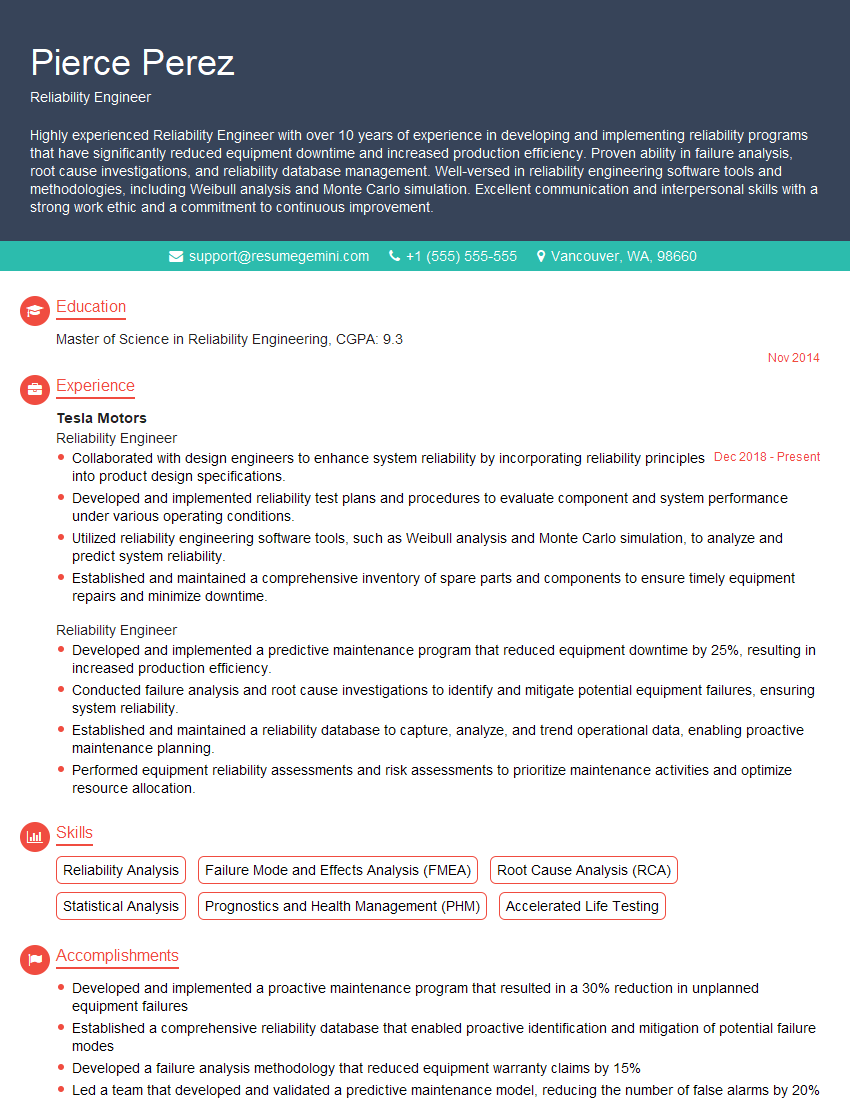
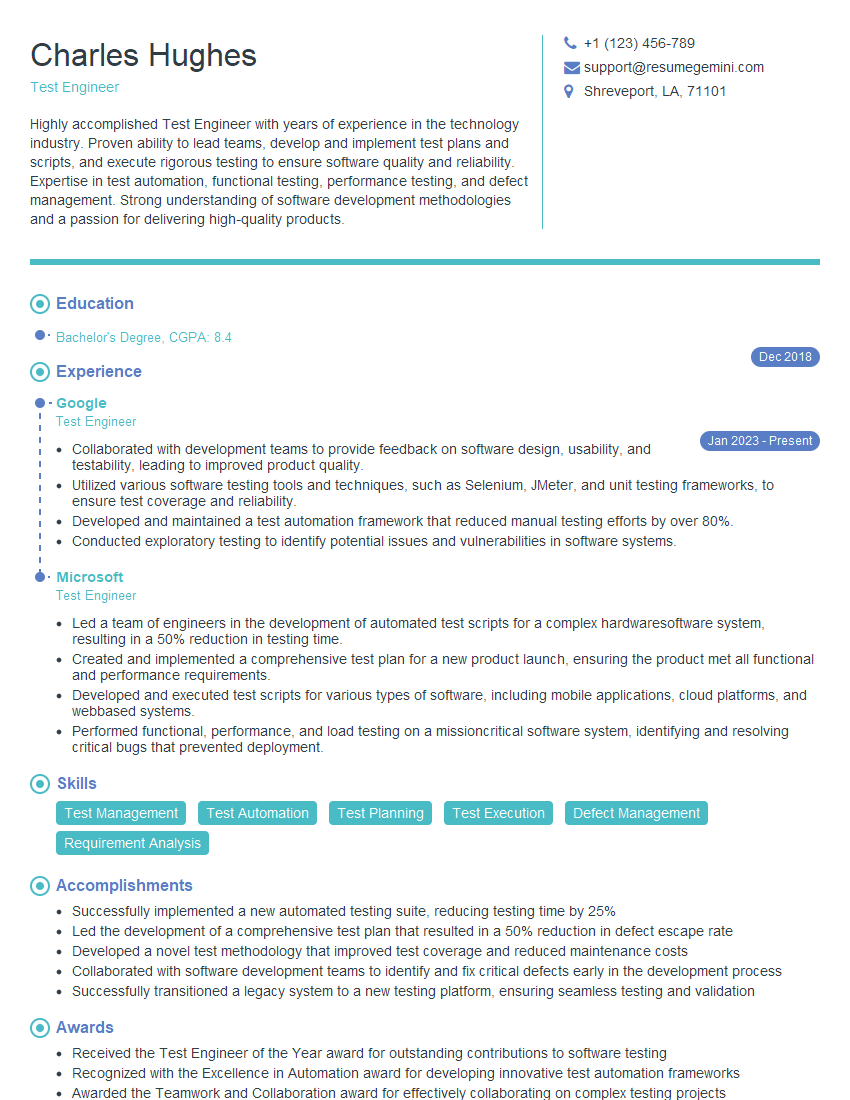
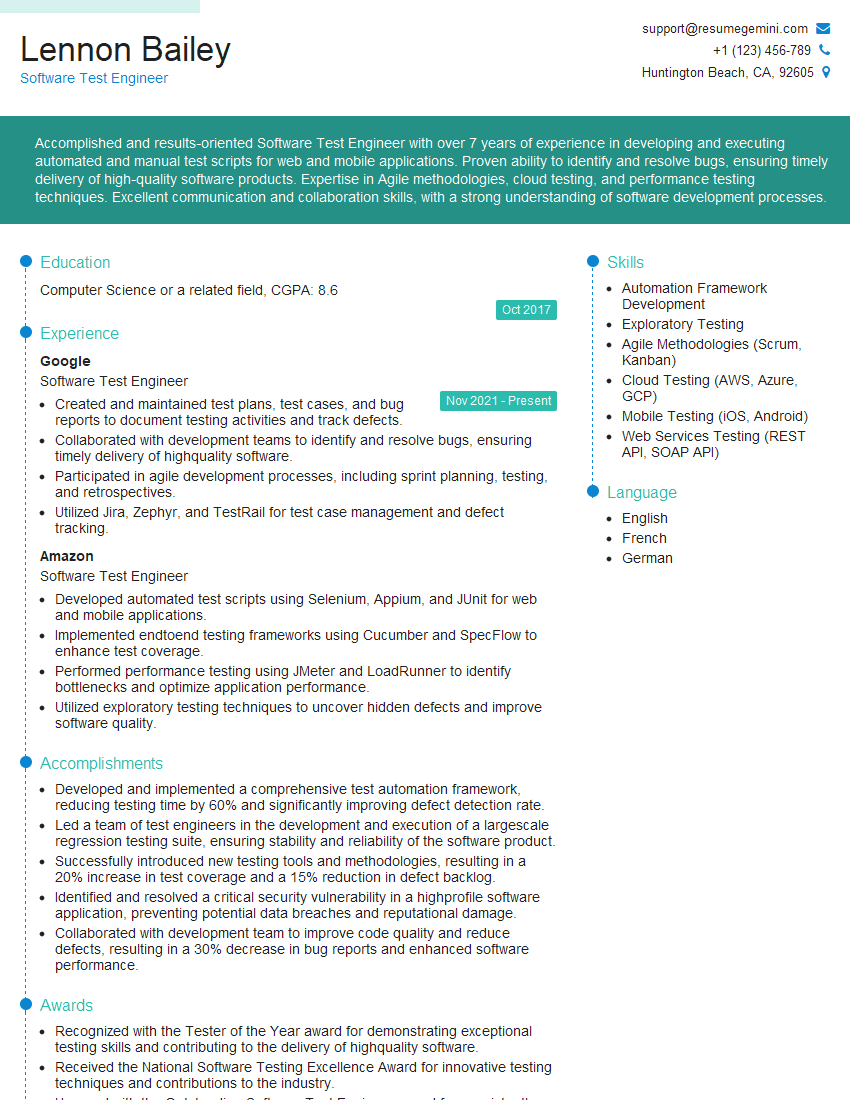
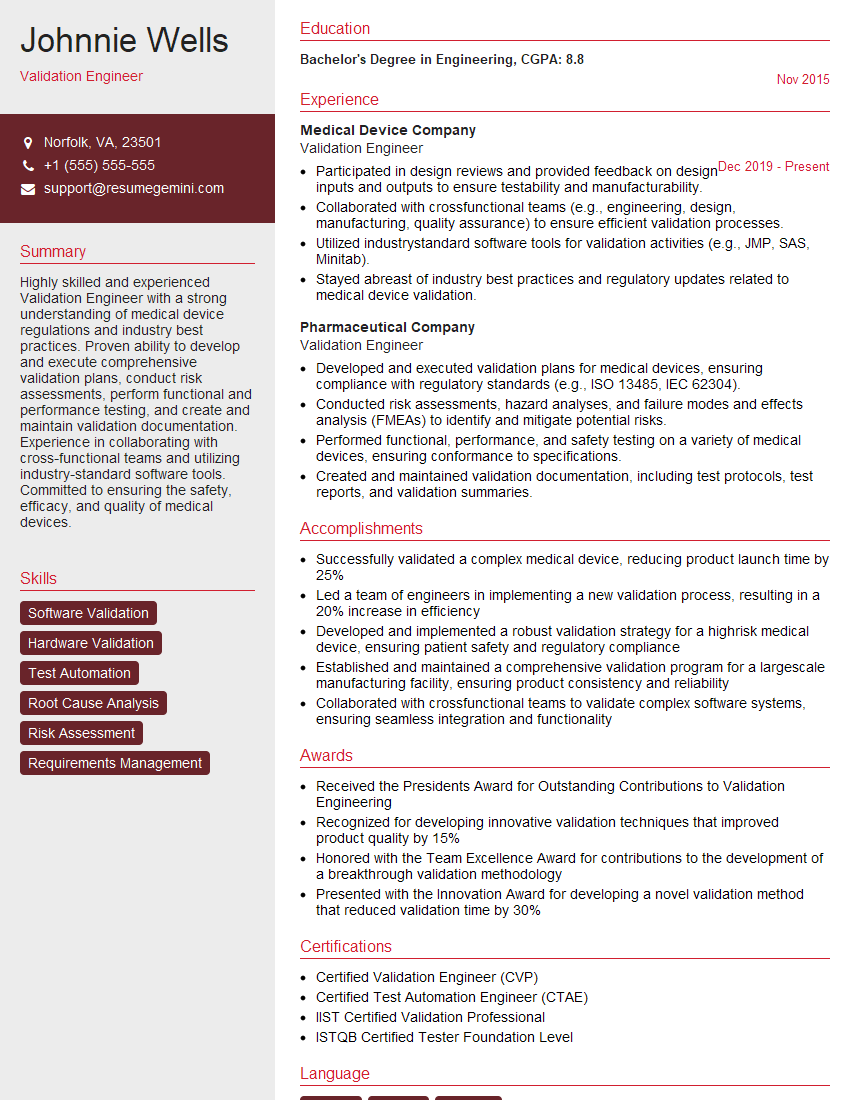
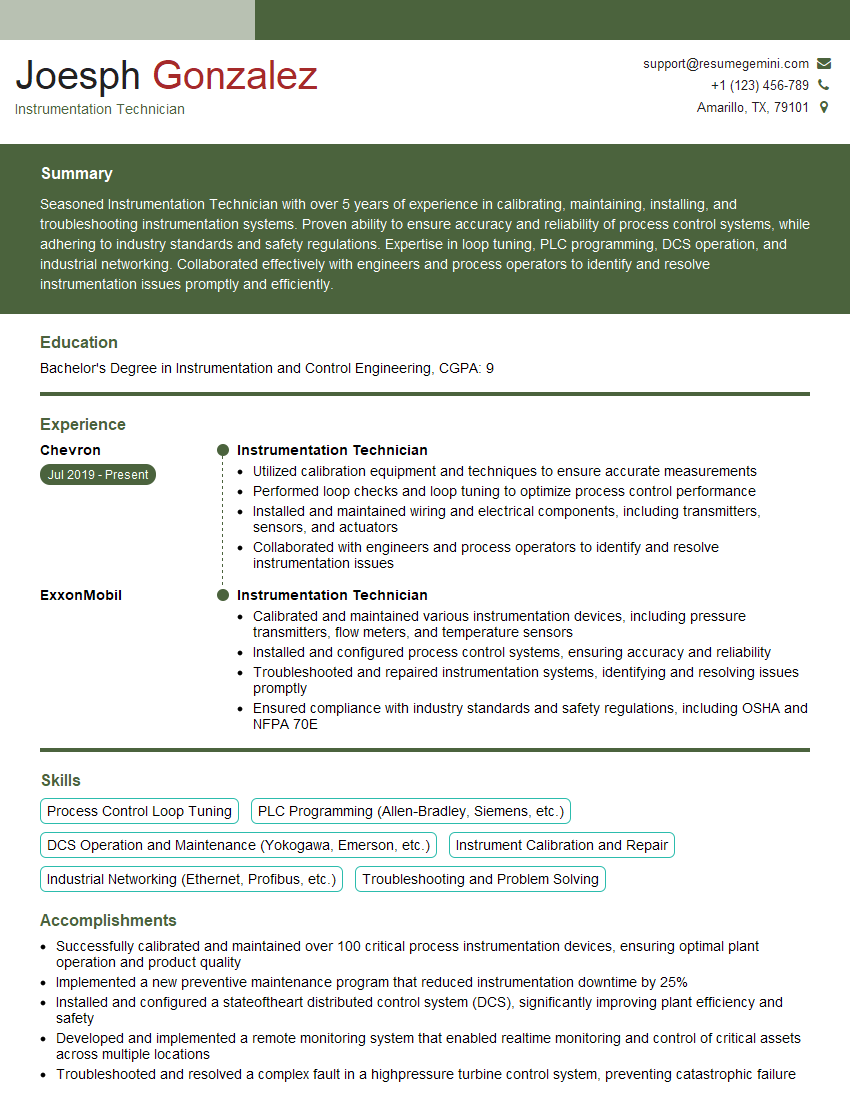
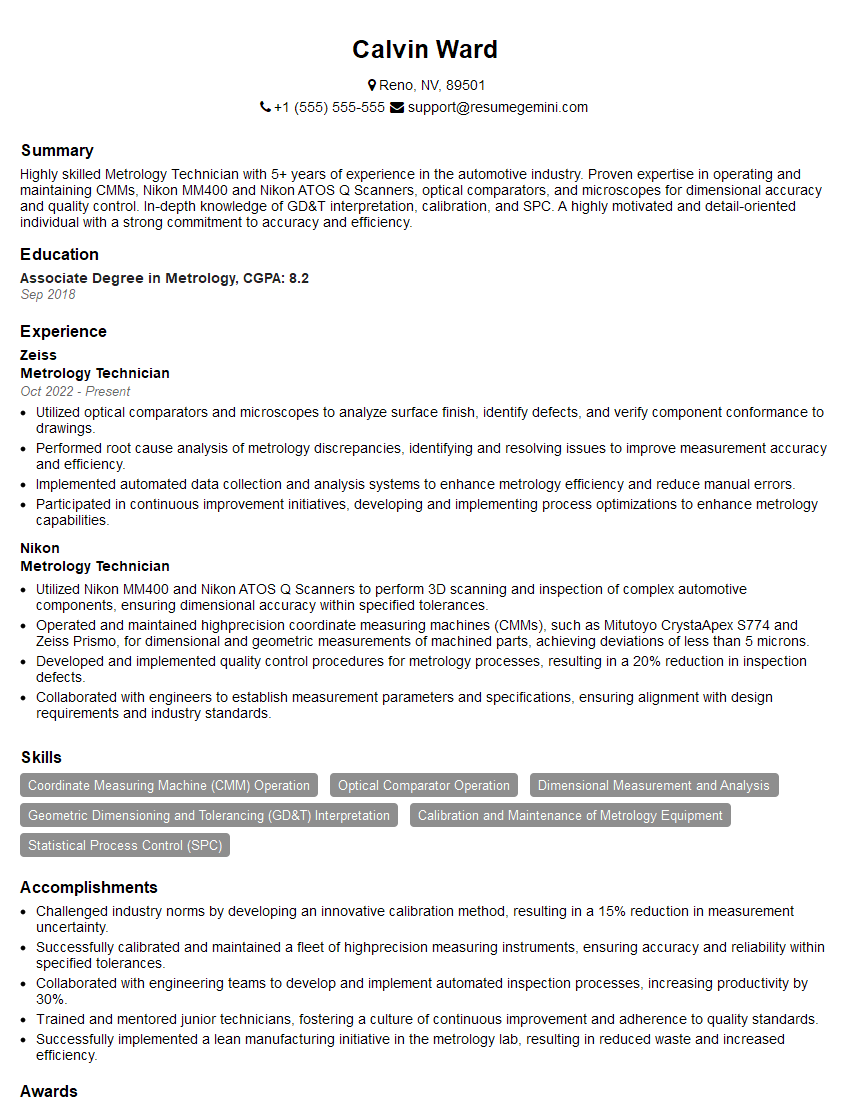
Proficiency in using test equipment is a highly sought-after skill that significantly enhances your career prospects in engineering and technical fields. Mastering these skills opens doors to challenging and rewarding roles with excellent growth potential. To maximize your job search success, crafting a compelling and ATS-friendly resume is crucial. ResumeGemini is a trusted resource that can help you build a professional and effective resume tailored to highlight your expertise in using test equipment. Examples of resumes tailored to this skillset are available through ResumeGemini to guide your resume creation. Invest time in creating a strong resume—it’s your first impression with potential employers.

Explore more articles
Users Rating of Our Blogs
Share Your Experience
We value your feedback! Please rate our content and share your thoughts (optional).
What Readers Say About Our Blog
Very informative content, great job.
good